Skip to content
Recipes

All recipes

Vegetarian, or something you can't eat? Set your diet once and we'll hide recipes that don't fit.

Confiture de figuesFig jam

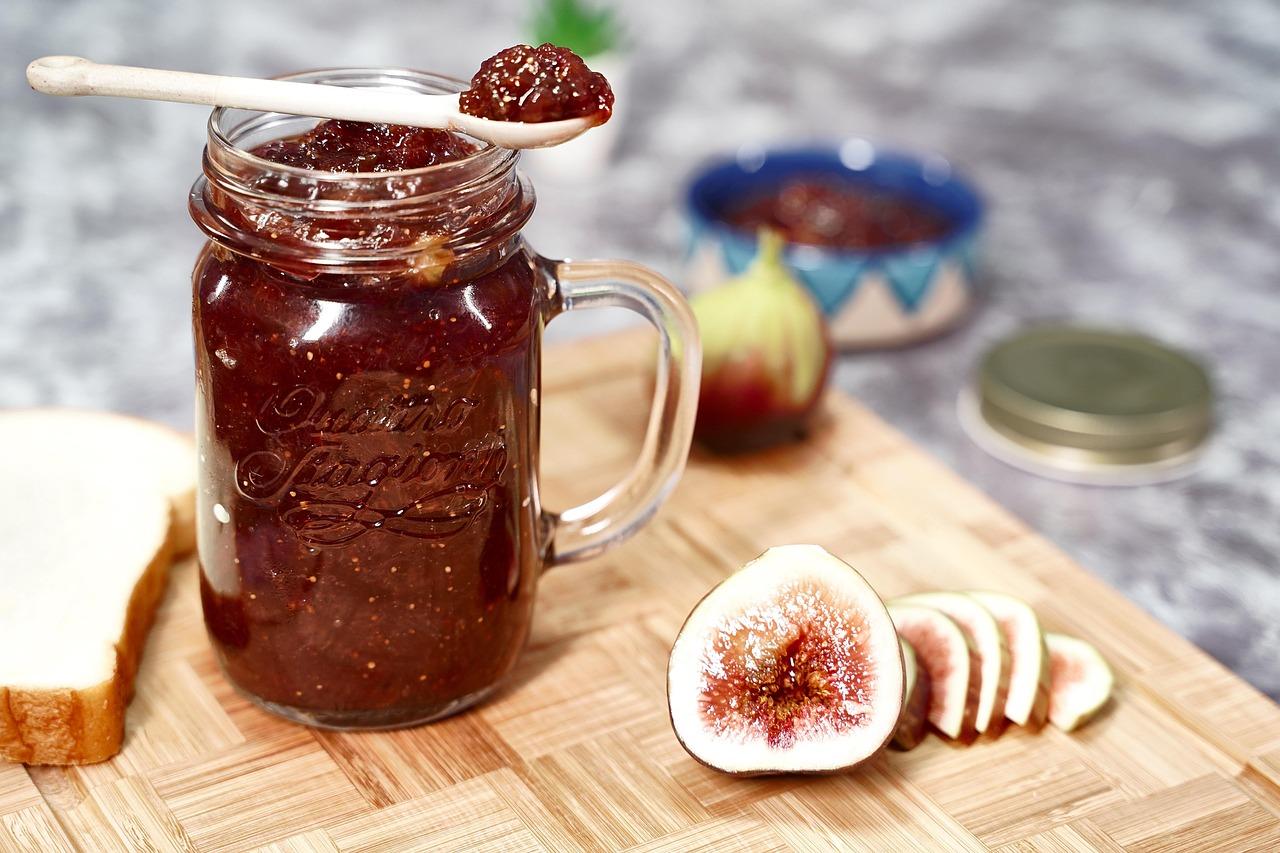
Fig jam is made in late summer in Provence and the south-west, when the trees are heavy with violet figs, and it is served with breakfast and, very often, with cheese, especially goat's cheese and ewe's cheese from the Pyrenees. The figs are cooked with lemon and vanilla until thick and glossy. The common mistake is undercooking it, so it stays runny. Chef's tip: figs are low in pectin, so add a grated apple or use jam sugar.

by KrazyBadal 0 views

Impepata di cozzePeppered mussels

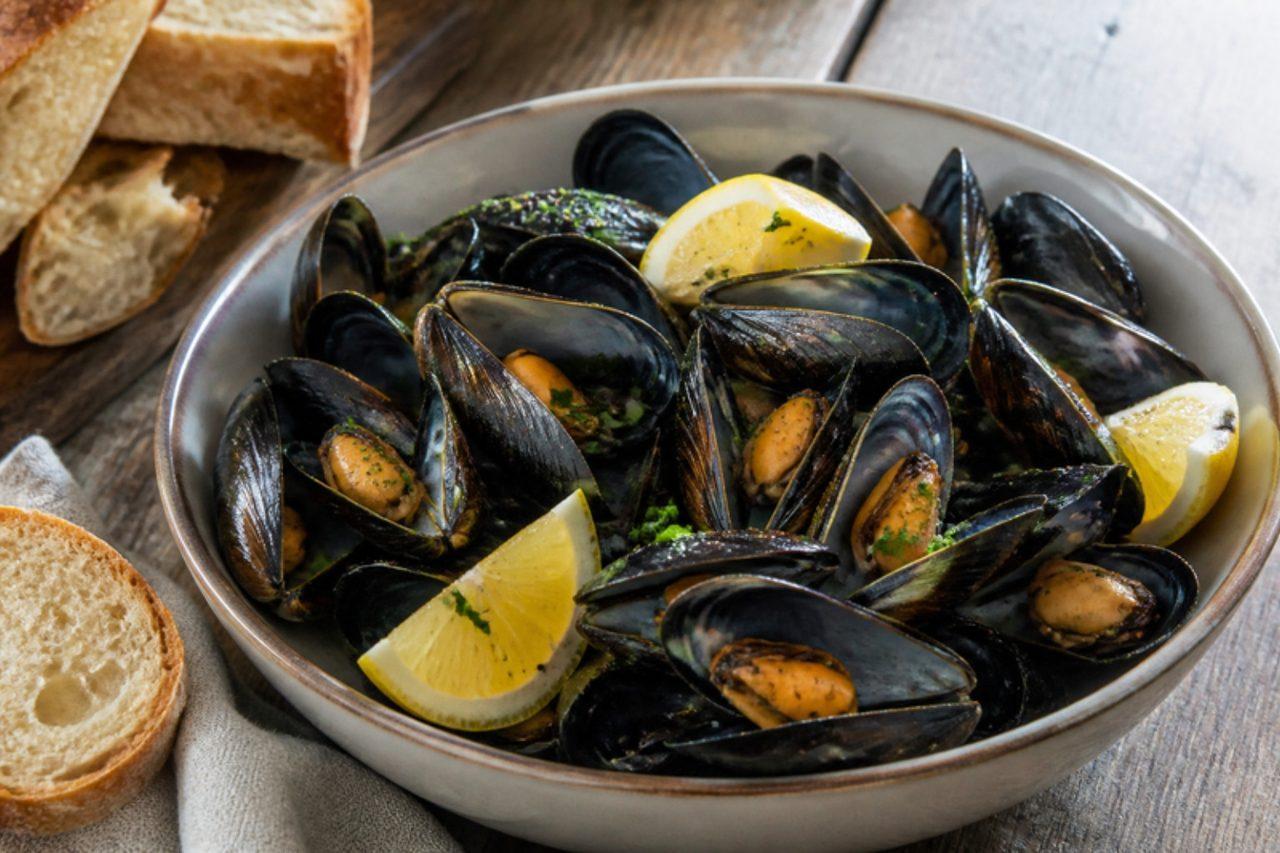
Impepata, "peppered", is the simplest and most loved mussel dish in Naples, especially on Holy Thursday before Easter, when it is traditional: live mussels steamed open in a hot pan with a little garlic and olive oil and a huge amount of freshly ground black pepper, finished with parsley and lemon and eaten with bread to soak up the juices. Chef's tip: grind the pepper coarsely and fresh, right over the pan; pre-ground pepper tastes dusty and flat.

by KrazyBadal 0 views

Caffè d'orzoBarley coffee

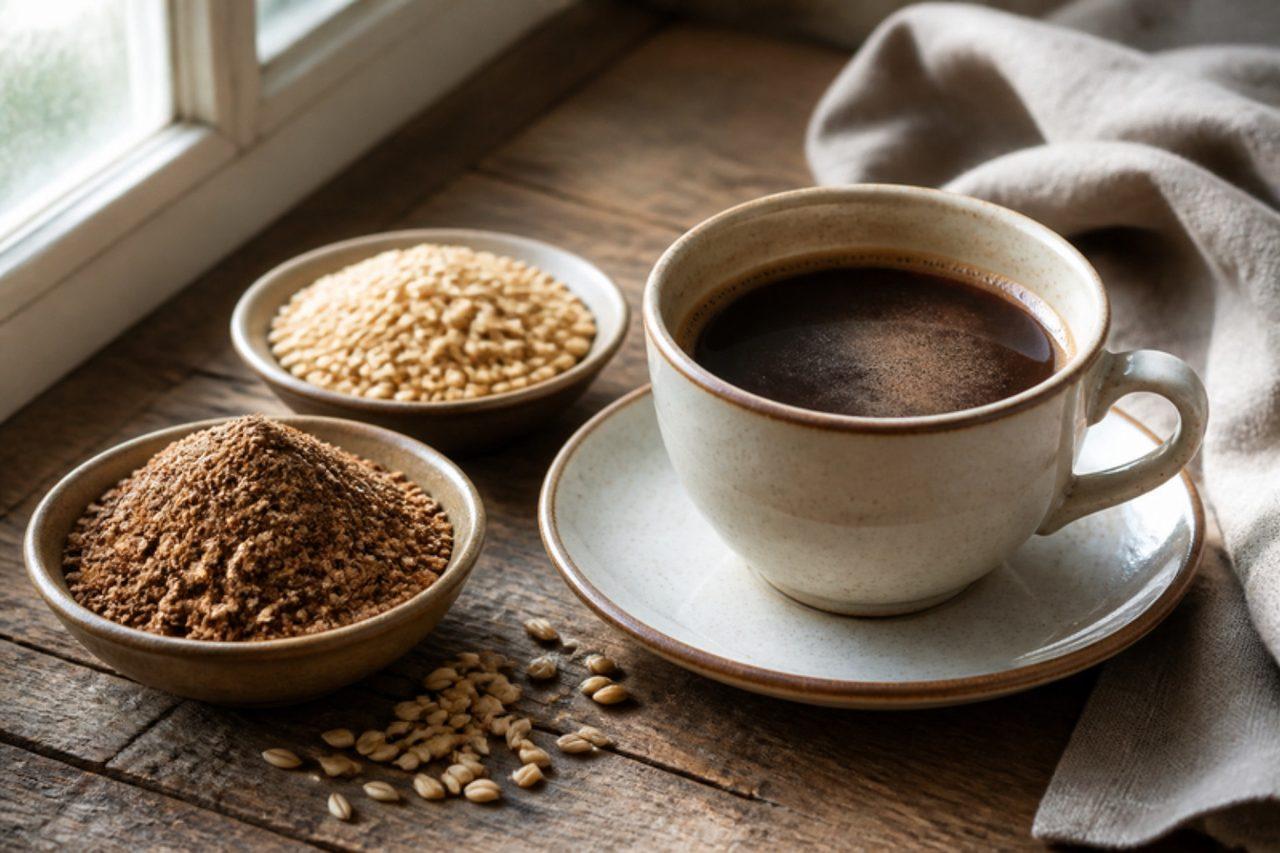
In Italian bars you can always ask for "un orzo": a hot drink made from roasted barley that looks like coffee and has a toasty, slightly sweet taste but no caffeine. During the war, when coffee was scarce, families drank it every morning, and today it is given to children, pregnant women and anyone avoiding caffeine. It can be made in a moka pot, served in a small cup like espresso or in a large one with milk. Barley contains gluten. Chef's tip: don't press the barley into the moka basket like coffee; packed tightly, it blocks the water and the pot hisses.

by KrazyBadal 0 views

Confiture de tomates vertesGreen tomato jam

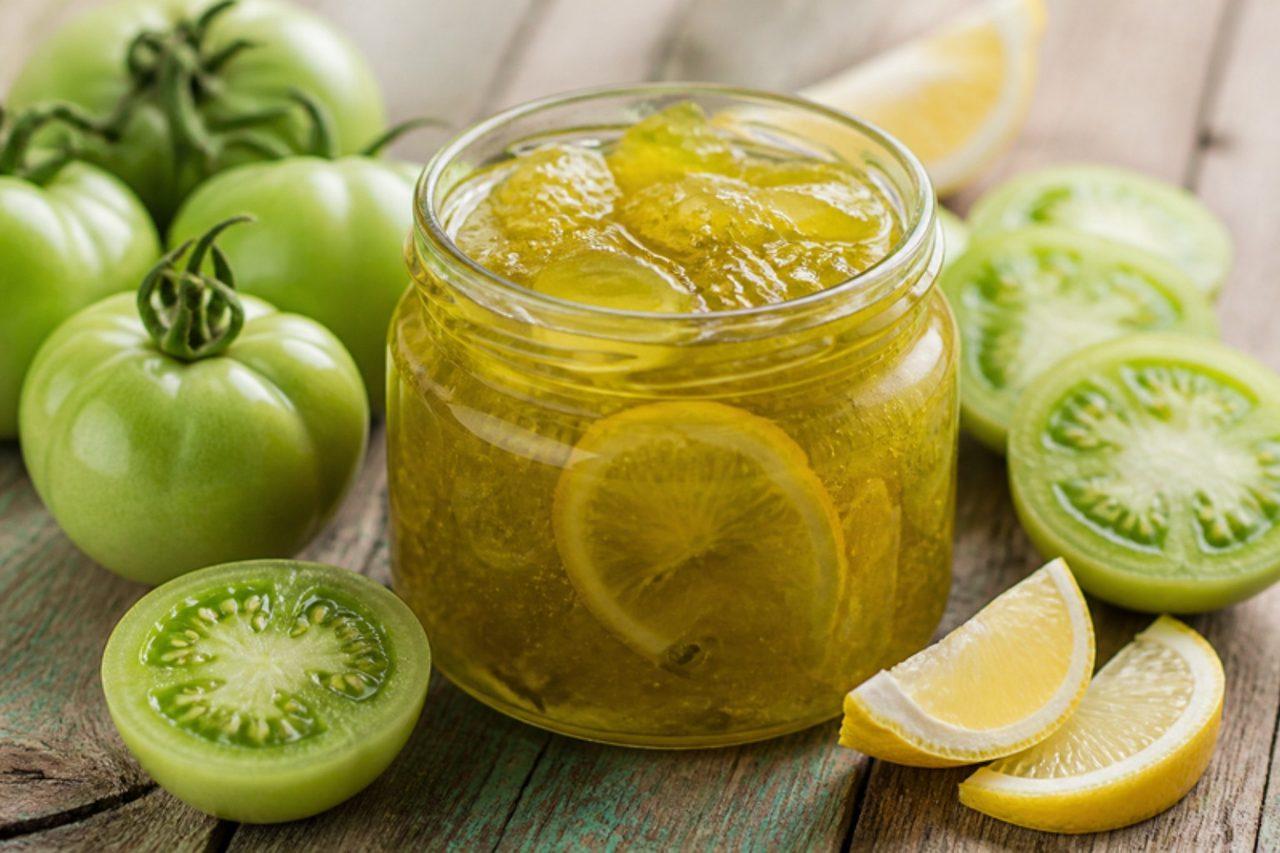
Green tomato jam is the thrifty end-of-summer preserve of French kitchen gardens, made in October in the south-west and Provence with the tomatoes that will never ripen before the frost; it tastes surprisingly like a mix of melon and lemon and is served with breakfast or with cheese. The common mistake is cutting the tomatoes too big, so they stay hard. Chef's tip: slice them thinly and leave them overnight in the sugar; they turn translucent when cooked.

by KrazyBadal 0 views

Lapin à la moutardeRabbit in mustard cream

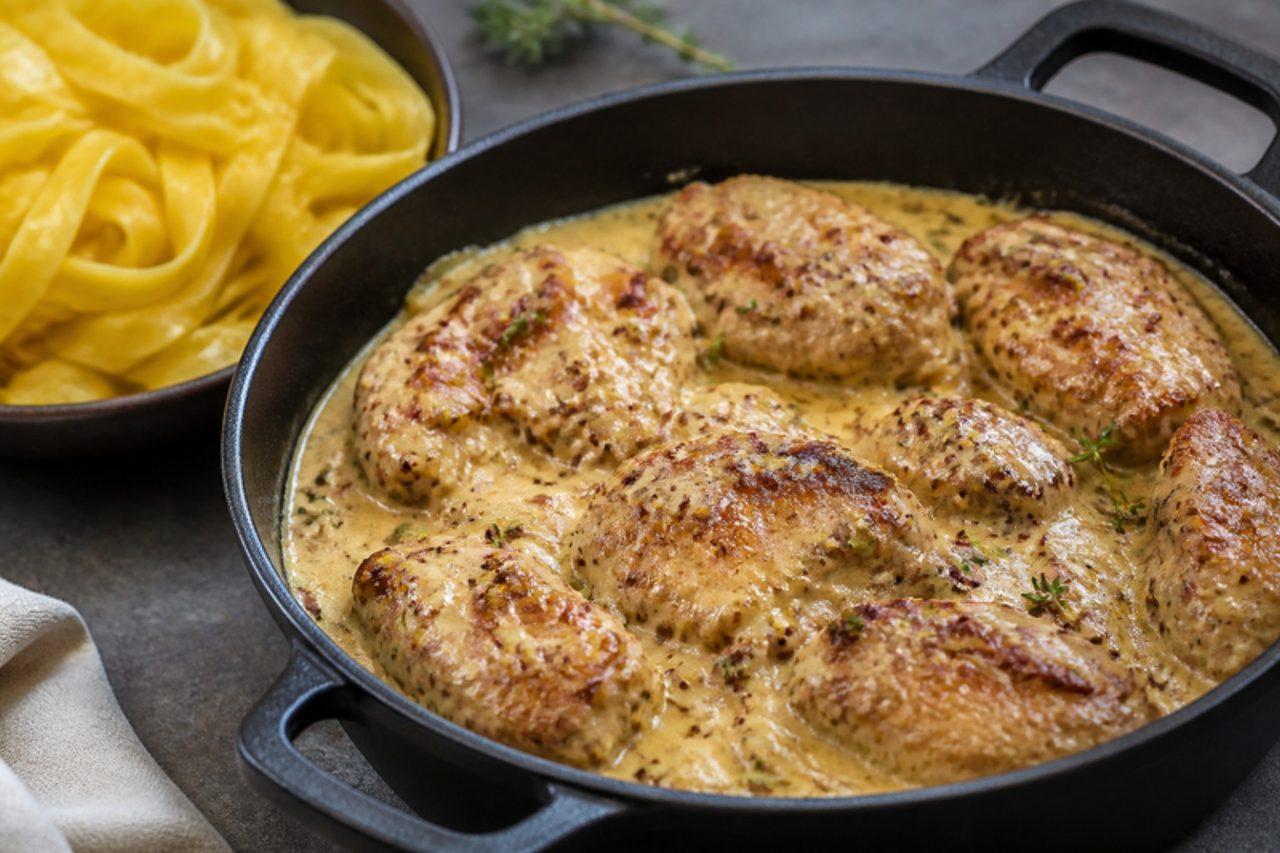
Lapin à la moutarde is a farmhouse dish of Burgundy and Champagne, cooked for family lunches in autumn and winter, where rabbit is as common as chicken and Dijon mustard is the local pride. The rabbit pieces are brushed thickly with mustard, browned, then braised in white wine with shallots and thyme and finished with cream into a pale, tangy sauce. The wine simmers for an hour, which drives off most of the alcohol but not all; for an alcohol-free version use chicken stock with 1 tbsp cider vinegar. The common mistake is a hard boil, which dries out the lean rabbit. Chef's tip: stir a spoonful of fresh mustard into the sauce at the very end; cooked mustard loses its bite, and this brings it back.

75 minFrenchMeatGluten free
by KrazyBadal 0 views

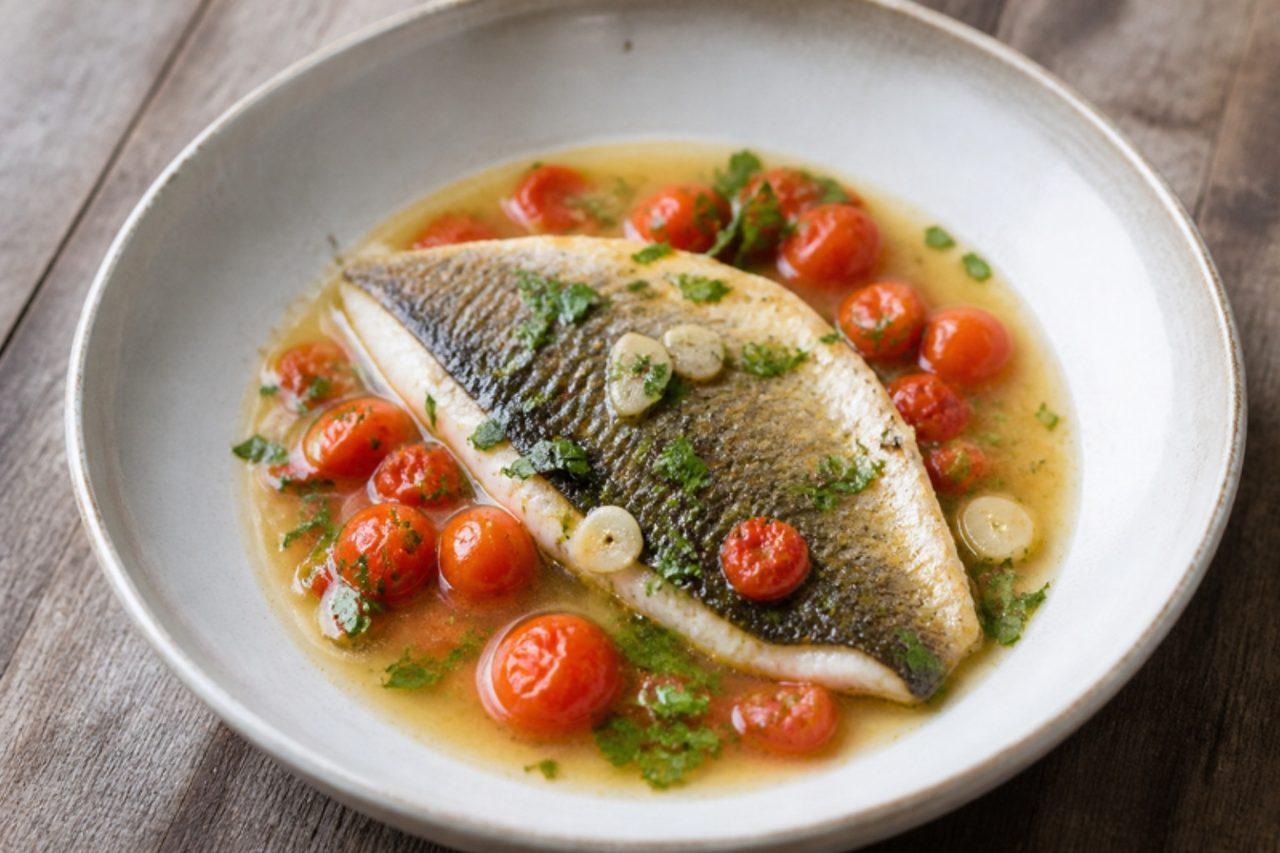
Pesce all'acqua pazzaFish in tomato broth

Acqua pazza, "crazy water", was once the dish fishermen of Naples, Ischia and the Amalfi Coast cooked on their boats with the fish they couldn't sell, in sea water with a few tomatoes and garlic. Today it's a light summer favourite in seaside restaurants: white fish, such as sea bream or sea bass, gently poached in a quick broth of cherry tomatoes, garlic, chilli and parsley, served with bread for the broth. Chef's tip: keep the broth at a gentle simmer, never boiling; the fish should poach softly and stay moist.

by KrazyBadal 0 views

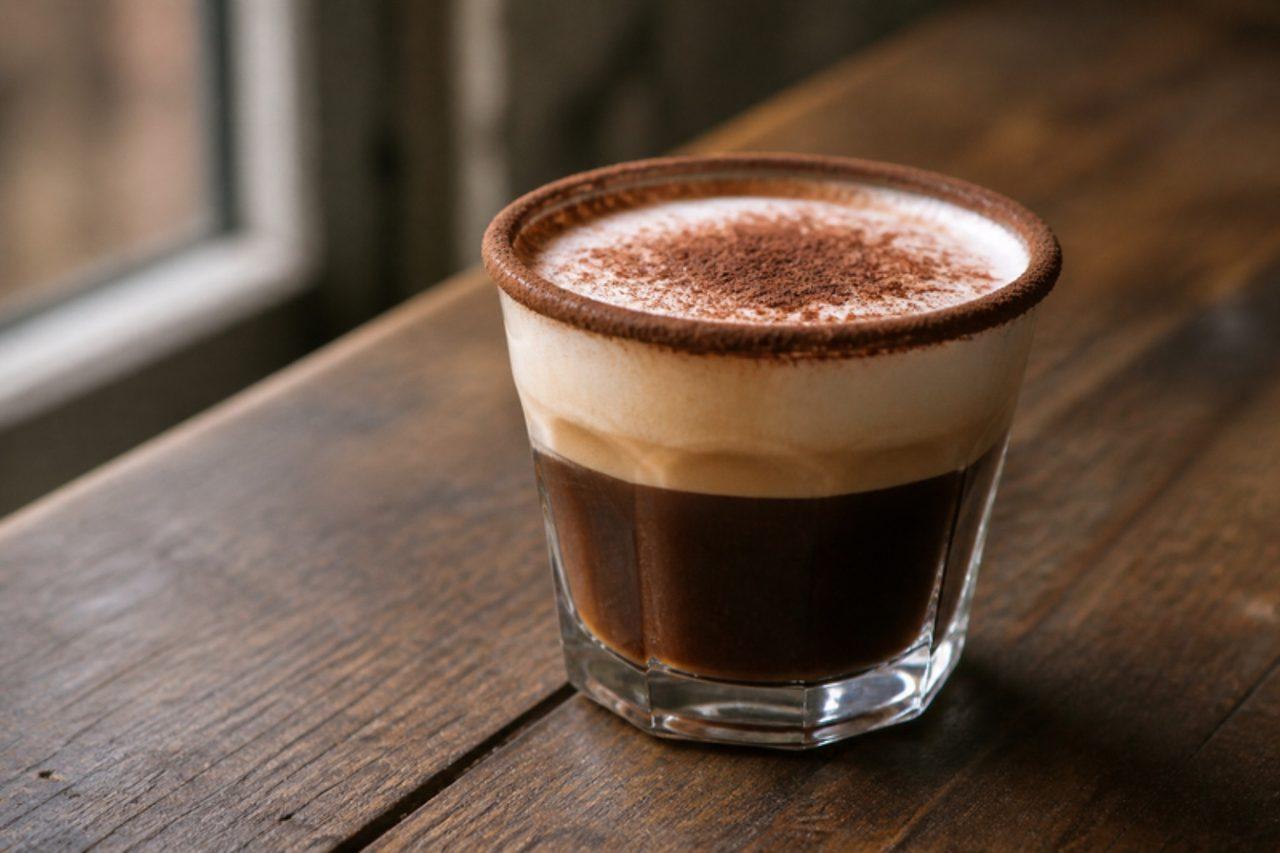
MarocchinoEspresso with cocoa and milk foam

The marocchino was born in the bars of Alessandria in Piedmont, and it is now ordered all over northern Italy: a little glass dusted inside with cocoa, filled with an espresso and topped with milk foam and more cocoa, sometimes with a spoonful of chocolate sauce at the bottom. Its name comes from the brown colour of a leather called "marocchino" once used for hat bands. It is a mid-morning or afternoon treat. Contains caffeine. Chef's tip: dust the empty glass with cocoa before pouring the coffee in; it sticks to the hot glass and gives each sip a chocolate edge.

by KrazyBadal 0 views

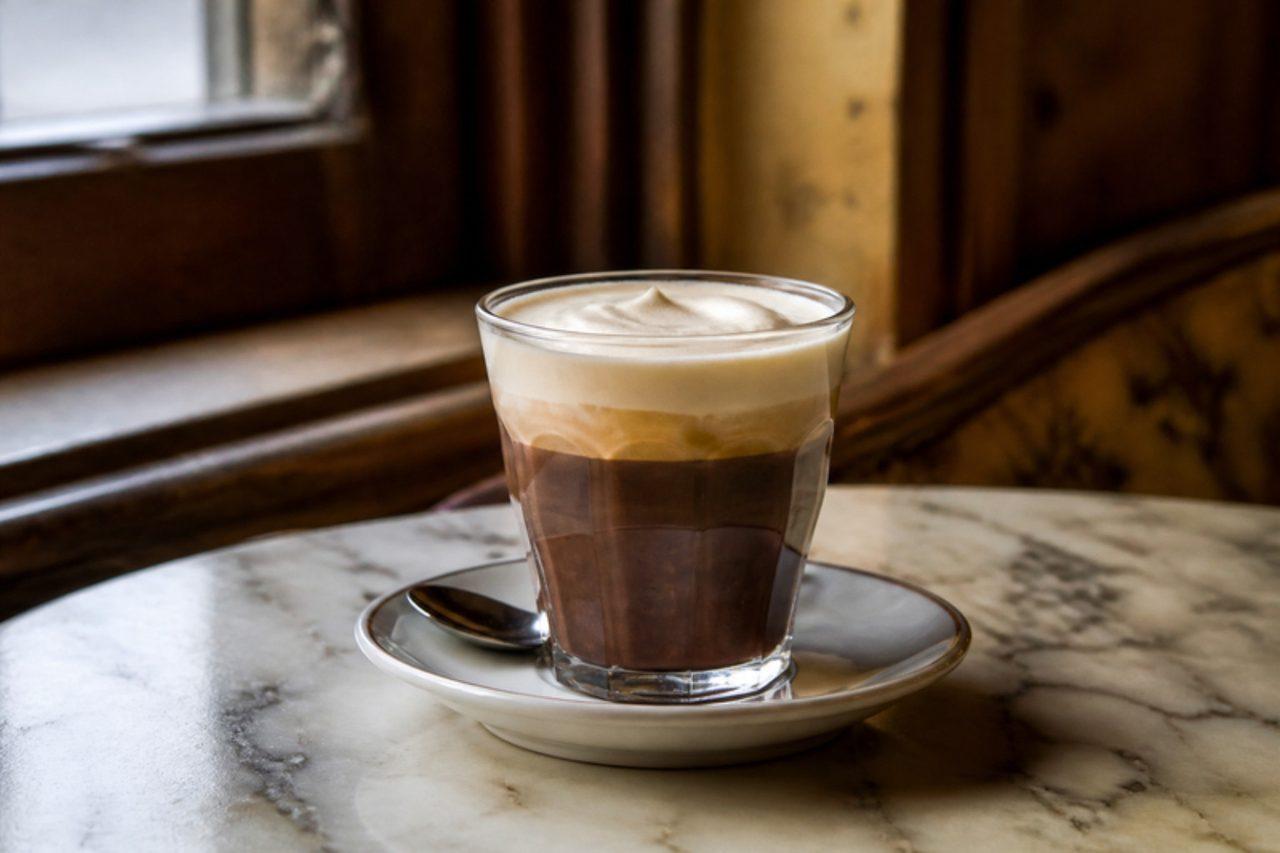
BicerinLayered chocolate and coffee drink

The bicerin ("little glass" in Piedmontese dialect) has been served since 1763 at the tiny Caffè al Bicerin opposite the Consolata church in Turin, where it was the drink that churchgoers had after fasting before Mass. It is three layers in a small glass: thick hot chocolate at the bottom, espresso in the middle and cold, lightly whipped cream on top, not stirred, so you taste each layer in turn. Contains caffeine. Chef's tip: pour the coffee and then the cream slowly over the back of a spoon so the layers sit on top of each other instead of mixing.

by KrazyBadal 0 views

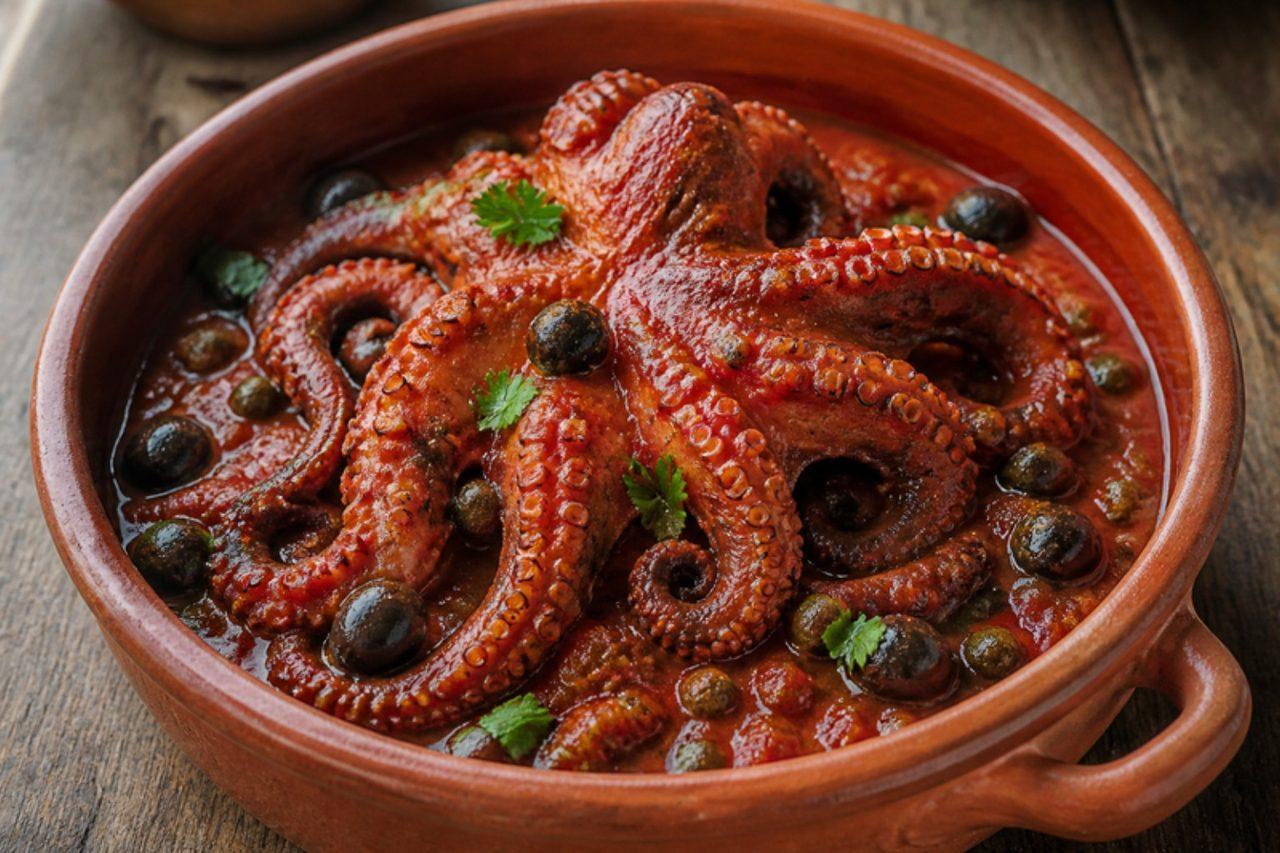
Polpo alla lucianaOctopus in tomato sauce

Polpo alla luciana takes its name from the fishermen of the Borgo Santa Lucia, the old seafront district of Naples. They cooked octopus slowly in a covered terracotta pot with tomato, garlic, olives and capers, and with no water added, so the octopus braised in its own juices and turned tender. It is still served in Neapolitan trattorie as a second course or an antipasto, always with bread for the sauce. Chef's tip: keep the lid tightly on, putting a sheet of baking paper under it if it doesn't fit well; the trapped steam is what makes the octopus soft.

by KrazyBadal 0 views

Crème de marronsSweet chestnut spread

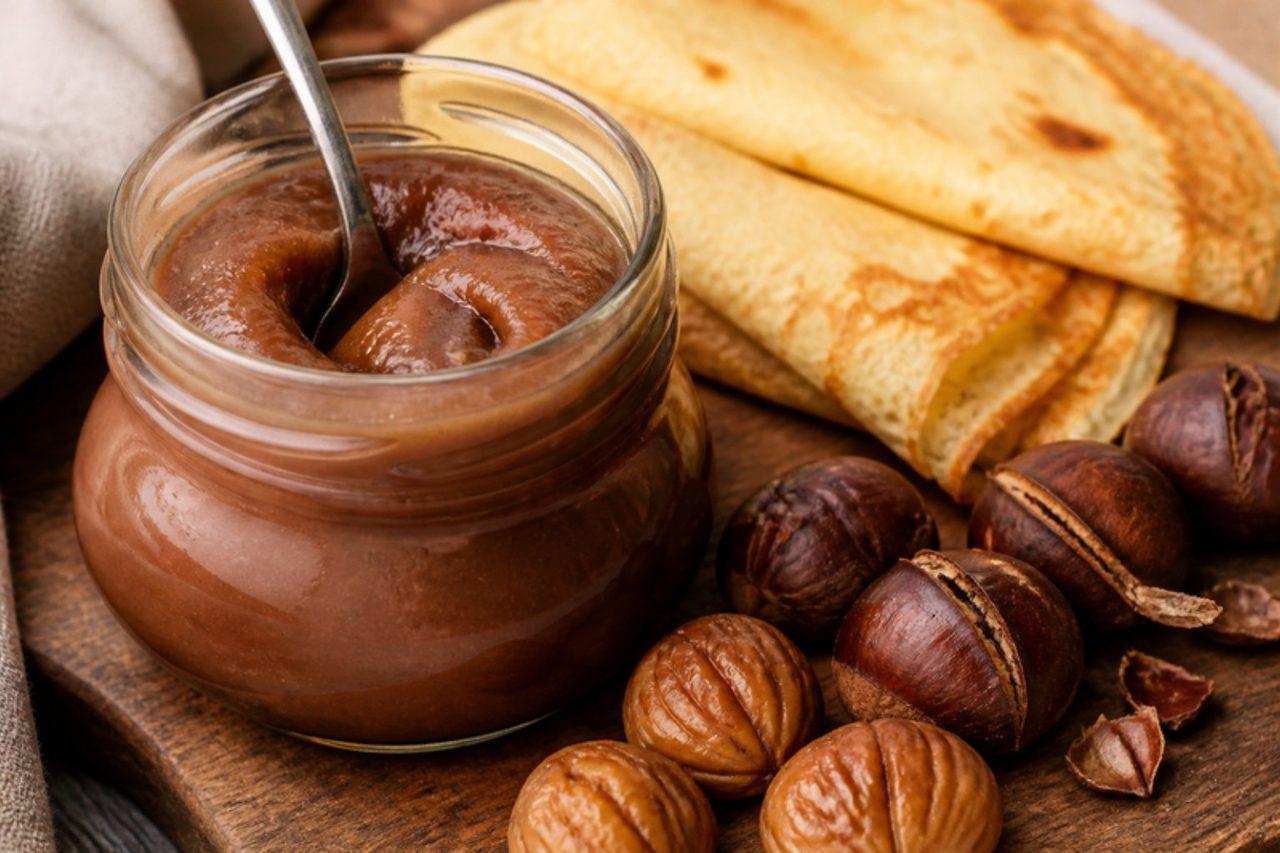
Crème de marrons, sweet chestnut cream, was invented in Privas in the Ardèche in the 1880s to use up broken chestnuts from making marrons glacés, and it is now a French store-cupboard classic: spread on crêpes at Candlemas, stirred into fromage blanc, or piled into a Mont Blanc dessert. This home version uses cooked, peeled chestnuts. The common mistake is not blending it smooth enough. Chef's tip: blend while still warm, and push it through a sieve for a silky finish.

by KrazyBadal 0 views

Pot-au-feuBoiled beef and vegetables

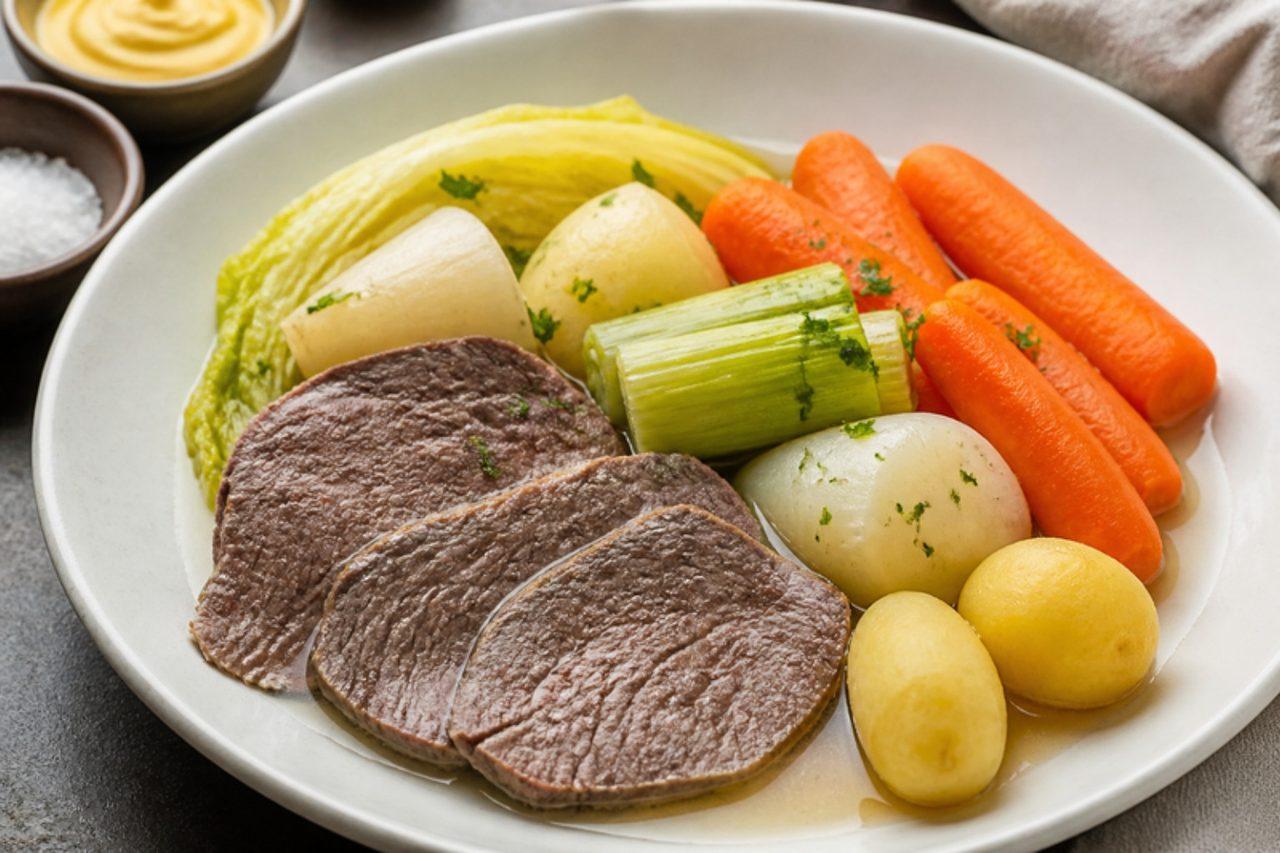
Pot-au-feu, "pot on the fire", is the most French of family meals, cooked on winter Sundays in homes from Normandy to the Auvergne and served in two courses: first the clear broth with toasted bread, then the meat and vegetables with coarse salt, mustard and gherkins. Several cuts are used together, something lean, something gelatinous and a marrow bone, simmered very slowly for hours. The common mistake is boiling it hard, which clouds the broth and toughens the meat. Chef's tip: skim carefully in the first 30 minutes and keep the water at a bare shiver; the broth will be clear and golden.

270 minFrenchMeatGluten free
by KrazyBadal 0 views

Saumon à l'oseilleSalmon with sorrel sauce

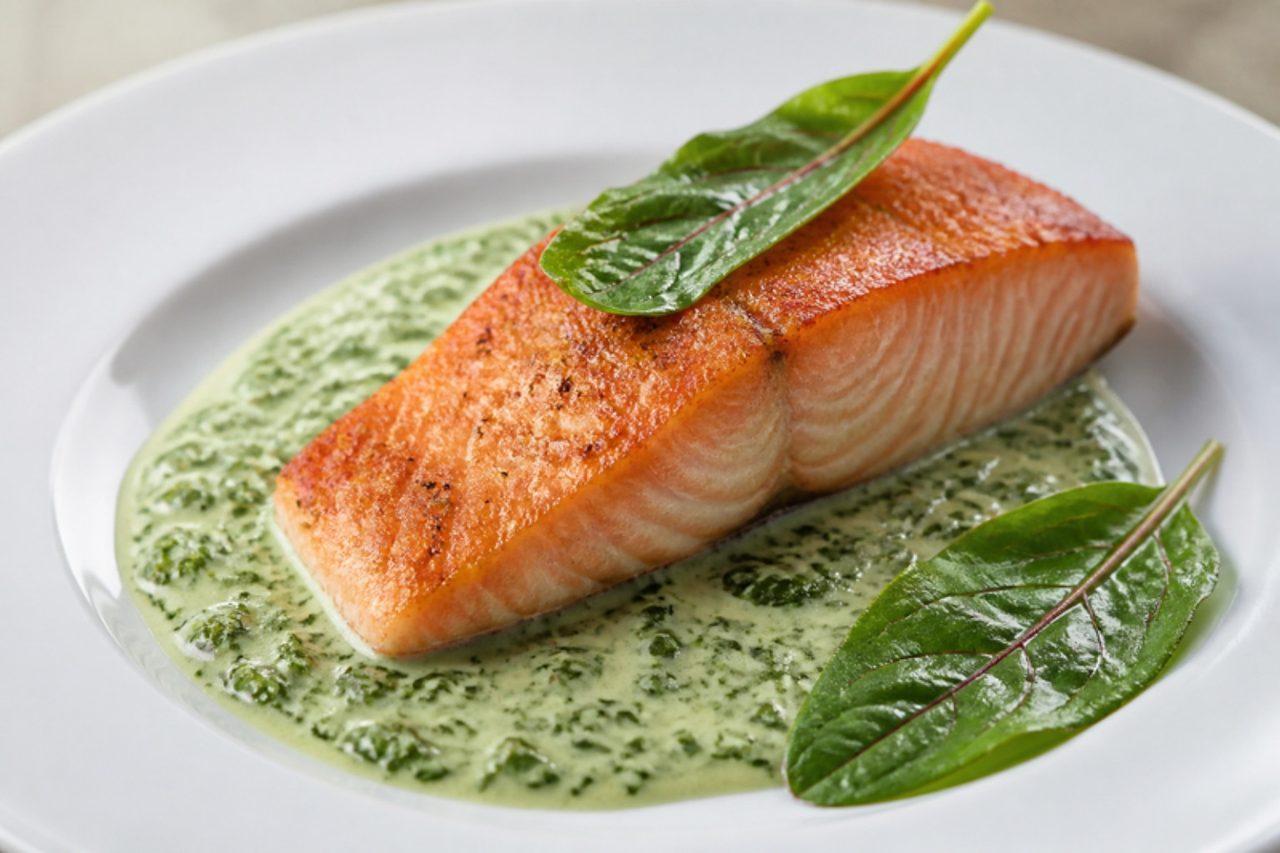
Saumon à l'oseille was created in the 1960s at the Troisgros brothers' famous restaurant in Roanne, north of Lyon, and it soon became a dinner-party classic in French homes. Thin escalopes of salmon are cooked for barely a minute and laid on a pale green cream sauce sharpened with sorrel, whose lemony bite cuts the richness of the fish. This home version uses a quick fish stock and no wine, so it is alcohol-free. The common mistake is overcooking the salmon; the thin escalopes are done the moment they turn pale. Chef's tip: add the sorrel at the very end and take it off the heat at once; it collapses in seconds and turns khaki if boiled.

25 minFrenchFishGluten free
by KrazyBadal 0 views

Paupiettes de veauStuffed veal rolls

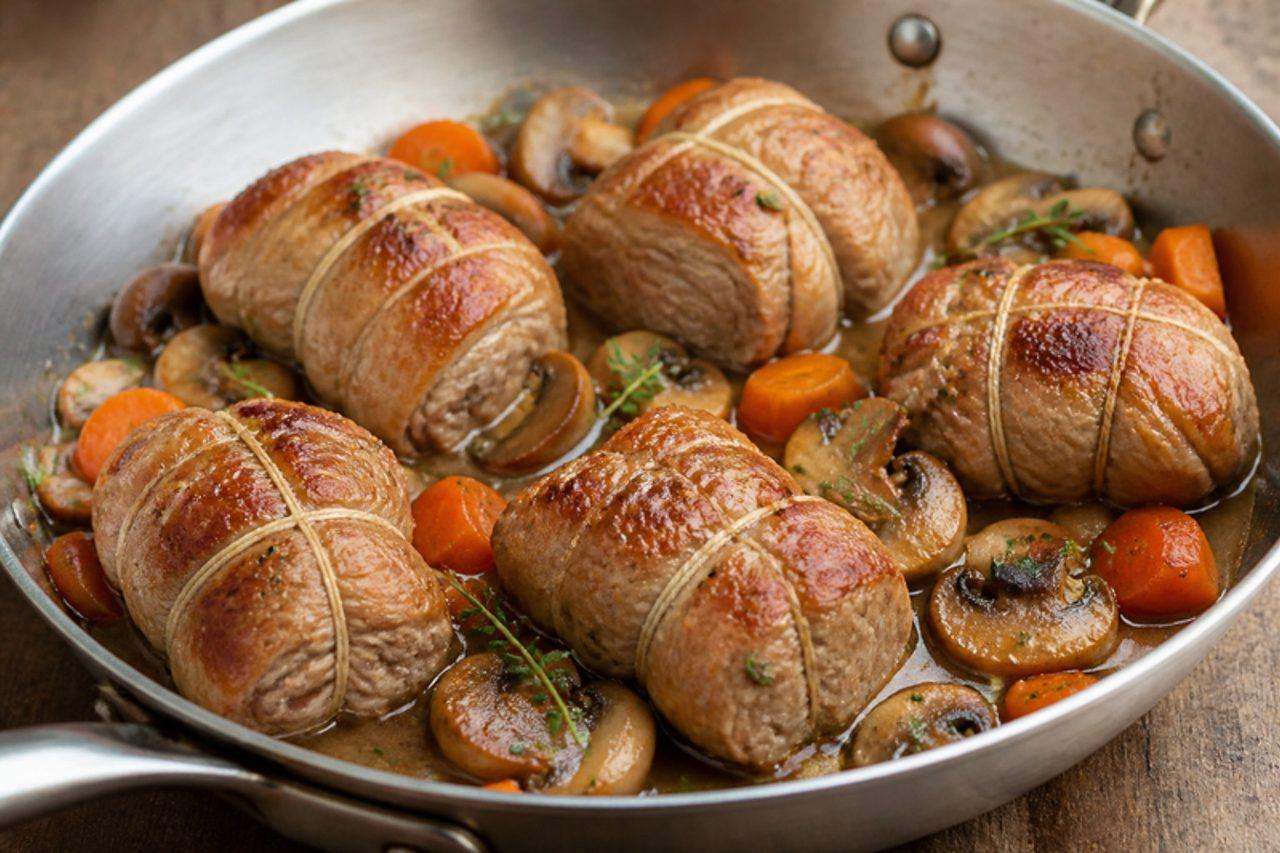
Paupiettes de veau are the little tied bundles every French butcher sells ready-made for family dinners, especially in autumn and winter, but they are simple to make at home. Thin veal escalopes are rolled around a seasoned stuffing of pork sausage meat and herbs, tied with string, browned and braised in a light tomato and white wine sauce with mushrooms. This recipe contains pork. The wine simmers for 45 minutes, which drives off most of the alcohol but not all; for an alcohol-free version use more stock with 1 tsp white wine vinegar. The common mistake is undercooking the stuffing: it must reach 71 °C in the centre. Chef's tip: pound the escalopes very thin between sheets of cling film; they roll tightly and cook evenly.

80 minFrenchMeat
by KrazyBadal 0 views

Sauce viergeRaw tomato and olive oil sauce

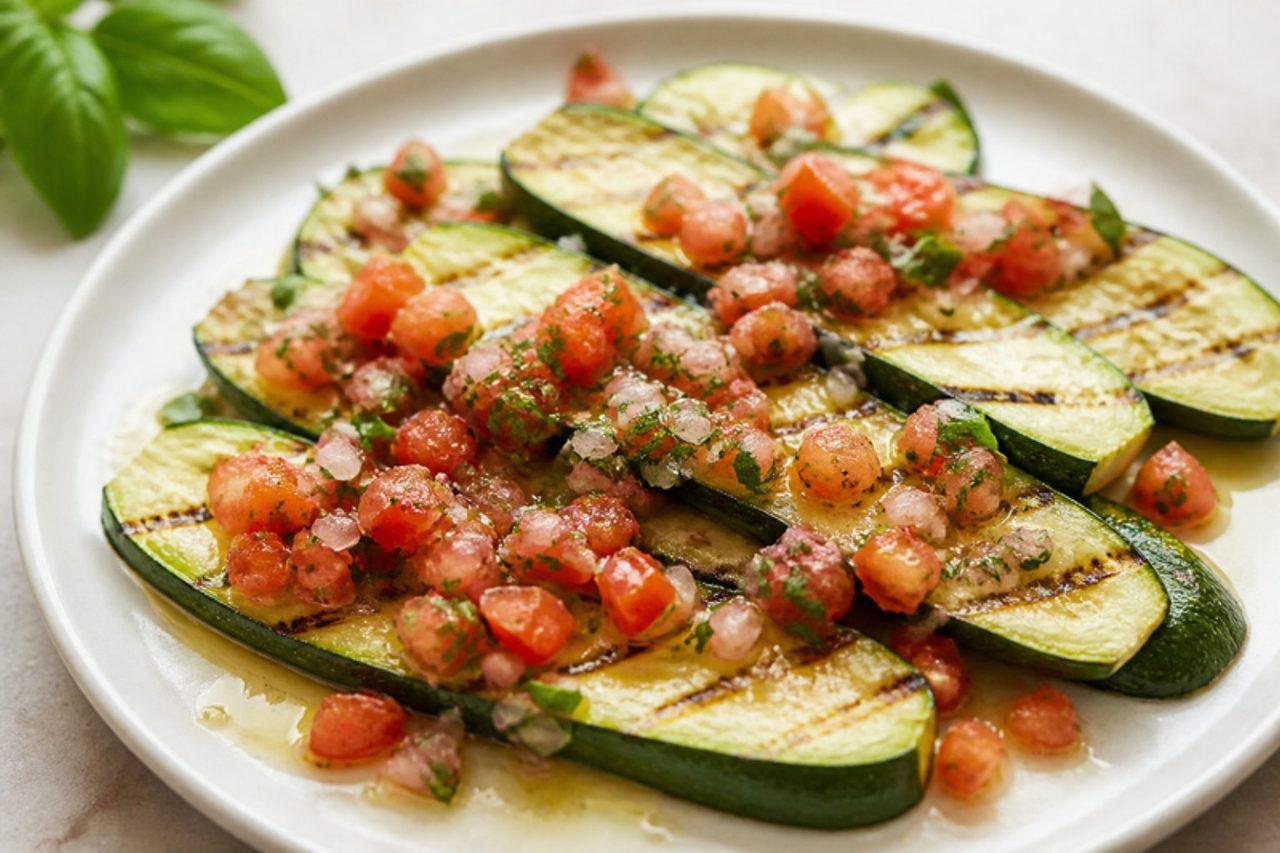
Sauce vierge is the fresh summer sauce of Provence, made popular by chefs on the Côte d'Azur in the 1980s and now spooned over grilled fish, vegetables and pasta in homes from July to September. Diced ripe tomato, shallot and basil are gently warmed in good olive oil with lemon and coriander seed, just enough to release the flavours without cooking them. The common mistake is heating it too much, which turns it into a cooked tomato sauce. Chef's tip: use the ripest tomatoes you can find and leave the sauce to infuse for 20 minutes before serving.

by KrazyBadal 0 views

OrzataAlmond syrup drink

Orzata was first made from barley (orzo), but in Liguria, Sardinia and Sicily it has long been made from almonds: a milky, sweet almond syrup, diluted with ice-cold water and drunk on hot summer afternoons in seaside bars and at home. Its gentle almond and orange-blossom flavour makes it a children's favourite. Contains nuts. Chef's tip: soak the blanched almonds in water for an hour before blending; they release more milk and the syrup is richer.

by KrazyBadal 0 views

Fagioli con le coticheBeans with pork rind

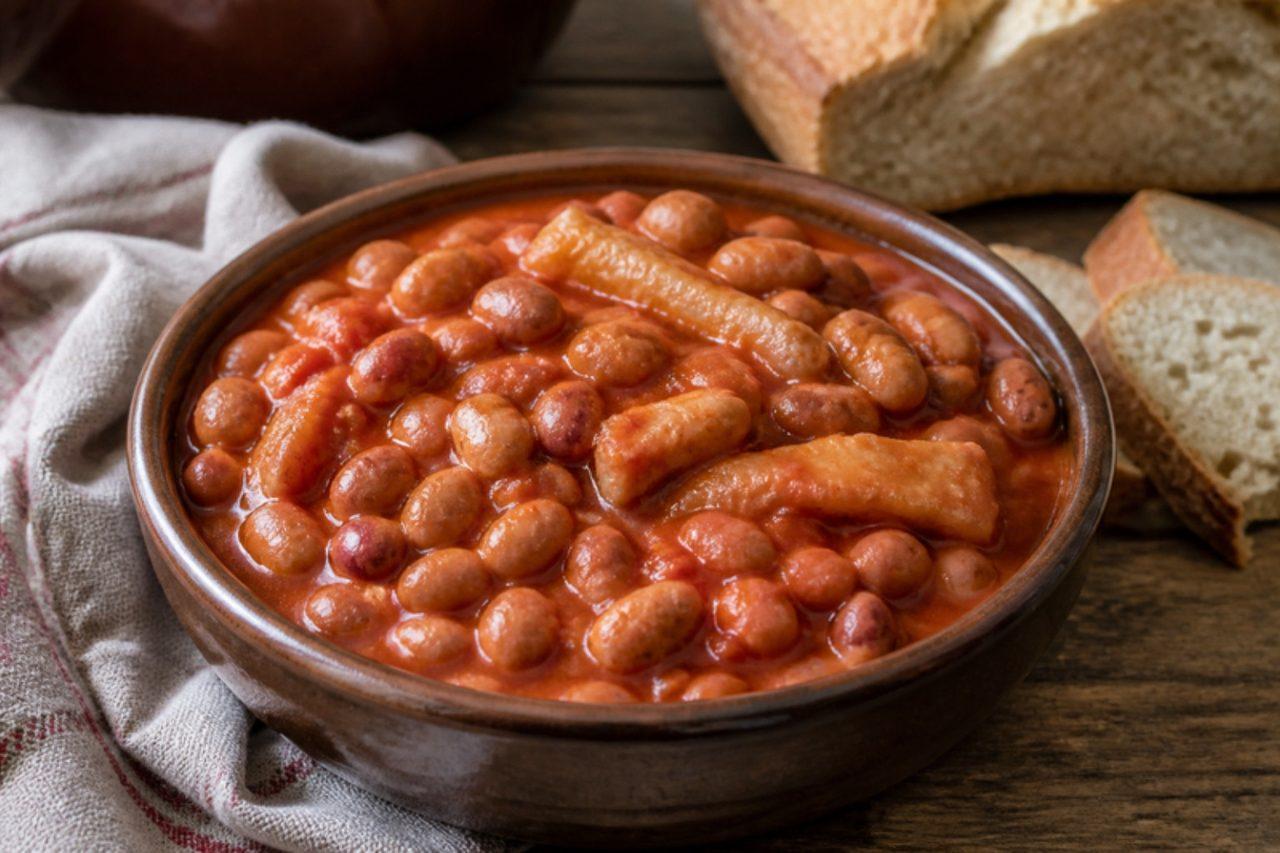
In Rome and the towns of Lazio, fagioli con le cotiche is the winter dish from the old trattorie of Trastevere: borlotti beans stewed slowly in tomato with cotiche, the skin of the pig, which melts into soft, sticky ribbons that make the sauce rich and glossy. It was the food of the poor who used every part of the pig. Ask the butcher for clean pork rind, or use rind cut from a piece of pork belly. Chef's tip: boil the rind twice in fresh water before stewing it; it removes any strong smell and makes it tender.

210 minItalianMeatGluten free
by KrazyBadal 0 views

Trippa alla romanaTripe in tomato sauce

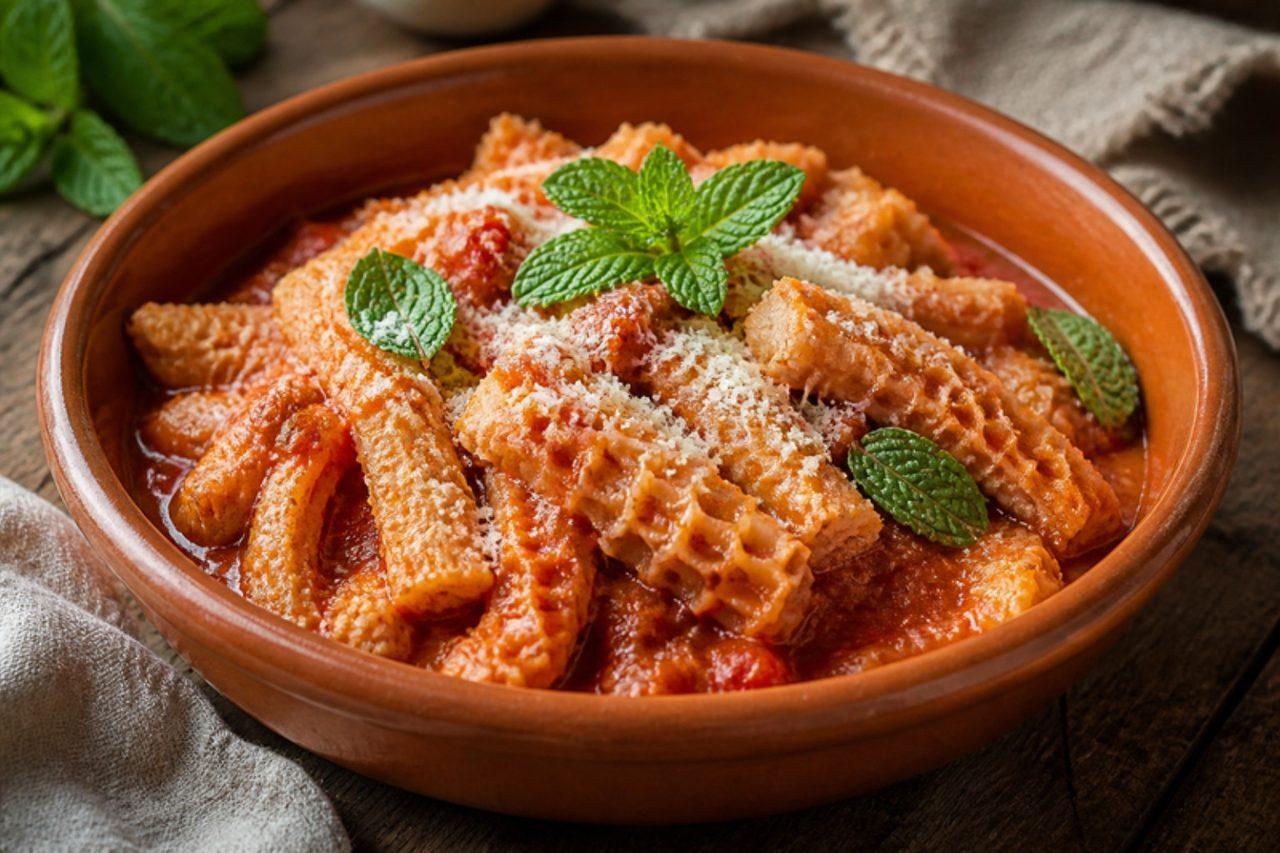
Rome's quinto quarto, the "fifth quarter" or offal, was the food of the slaughterhouse workers of Testaccio, and trippa alla romana is still served there every Saturday: honeycomb beef tripe stewed slowly in tomato with onion, carrot and celery, finished with fresh mint, which Romans call mentuccia, and a heap of grated pecorino. It is tender, rich and surprisingly delicate. Buy tripe ready cleaned and part-cooked from a butcher. Alcohol is used here: white wine, which you can replace with water and a spoonful of vinegar. Chef's tip: add the mint only at the end; cooked too long, it turns dark and loses its fresh, cooling taste.

170 minItalianMeatGluten free
by KrazyBadal 0 views

Cappuccino

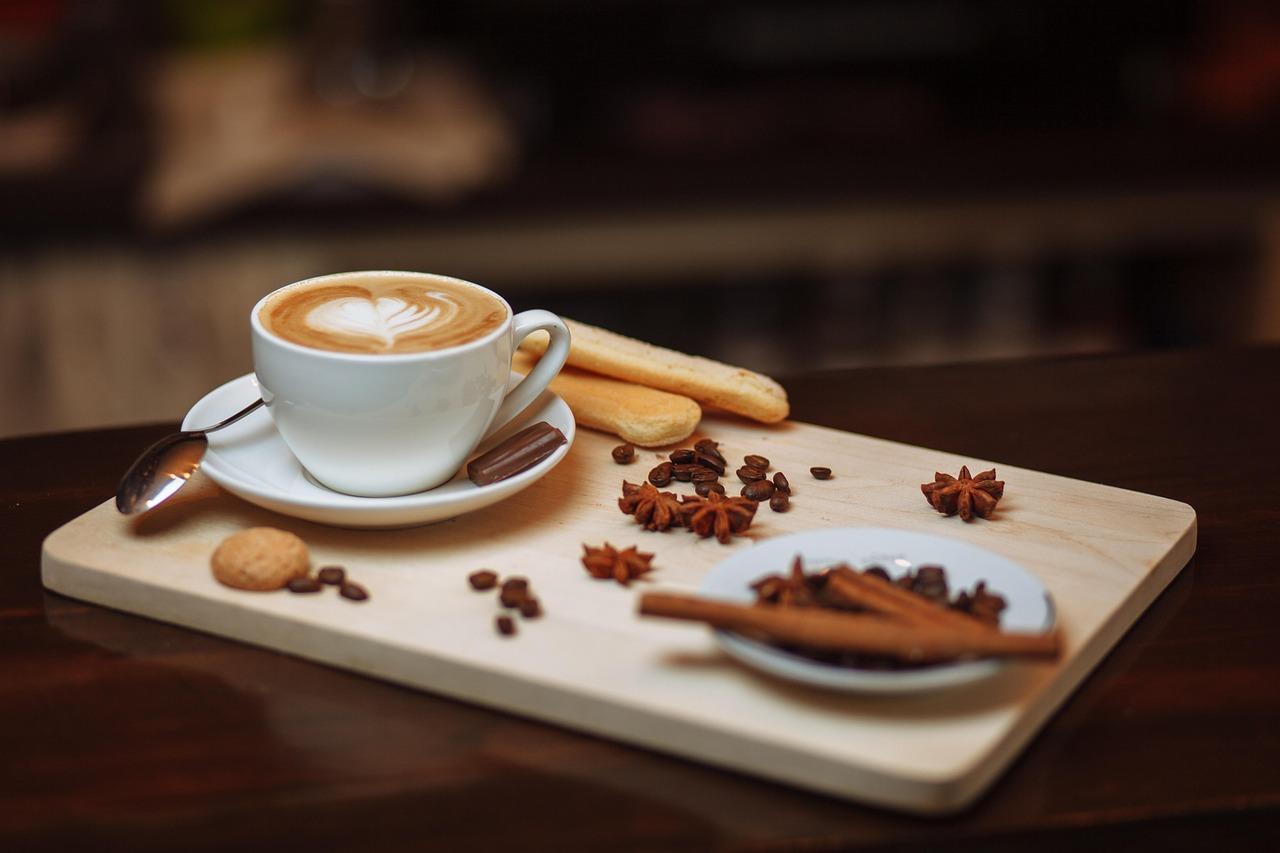
In Italy the cappuccino is strictly a breakfast drink, ordered at the bar counter with a cornetto before 11 in the morning, never after a meal. It is a single espresso topped with an equal amount of hot milk and a thick cap of velvety foam, named after the brown habits of Capuchin friars. Baristas in Turin and Trieste are famous for their thick, glossy microfoam. Contains caffeine, so it's not for children. Chef's tip: heat the milk only to about 65 °C, when the jug is too hot to hold for more than a second; hotter milk tastes cooked and the foam collapses.

by KrazyBadal 0 views

Cioccolata caldaThick hot chocolate

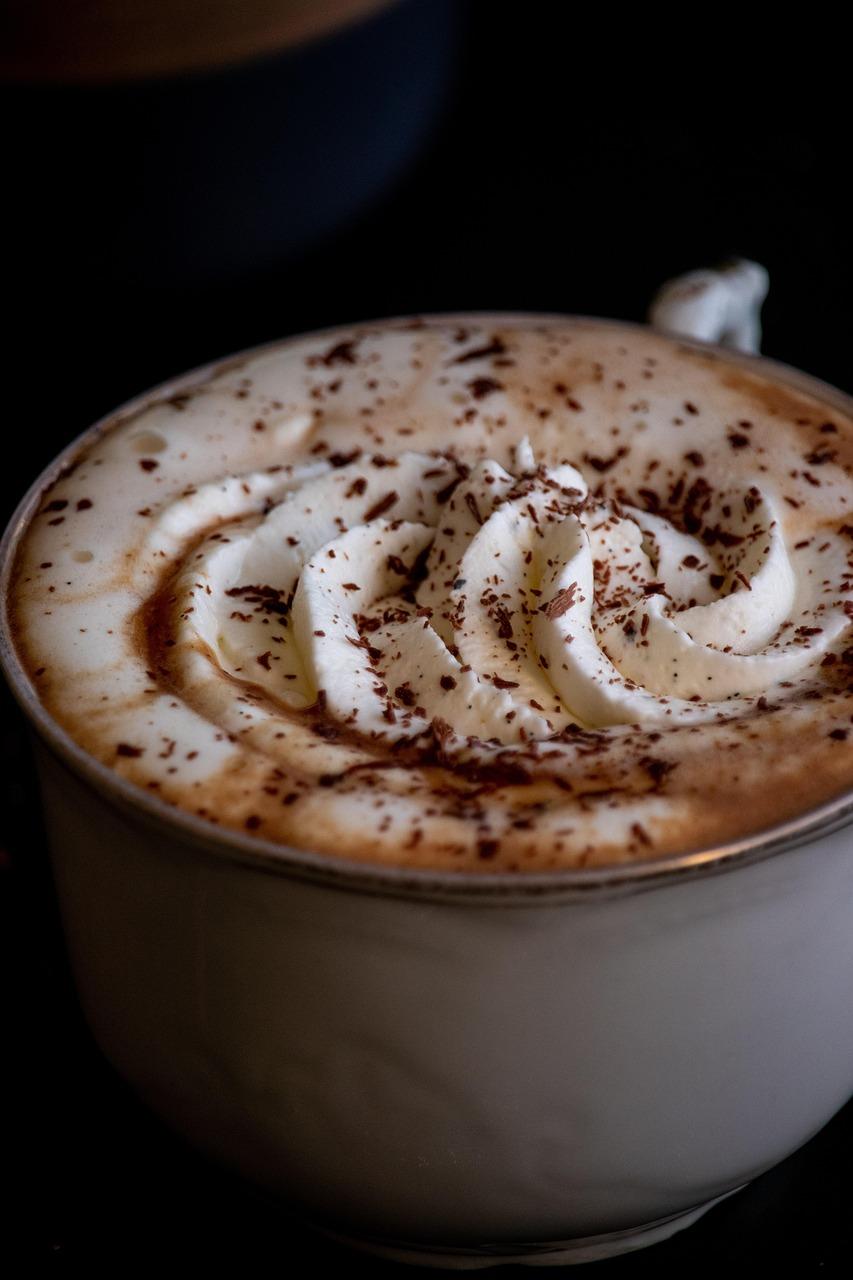
Italian hot chocolate is not a milky drink but almost a pudding: thick enough to coat a spoon, made with real dark chocolate and cocoa thickened with a little starch. On cold winter afternoons in Turin, Florence and Perugia, families sit in historic cafés with a cup topped with whipped cream (con panna), dipping biscuits into it. Children love it. Chef's tip: mix the cornflour and cocoa with a little cold milk to a smooth paste first; dropped straight into hot milk, they form lumps.

by KrazyBadal 0 views

Polpette al sugoMeatballs in tomato sauce

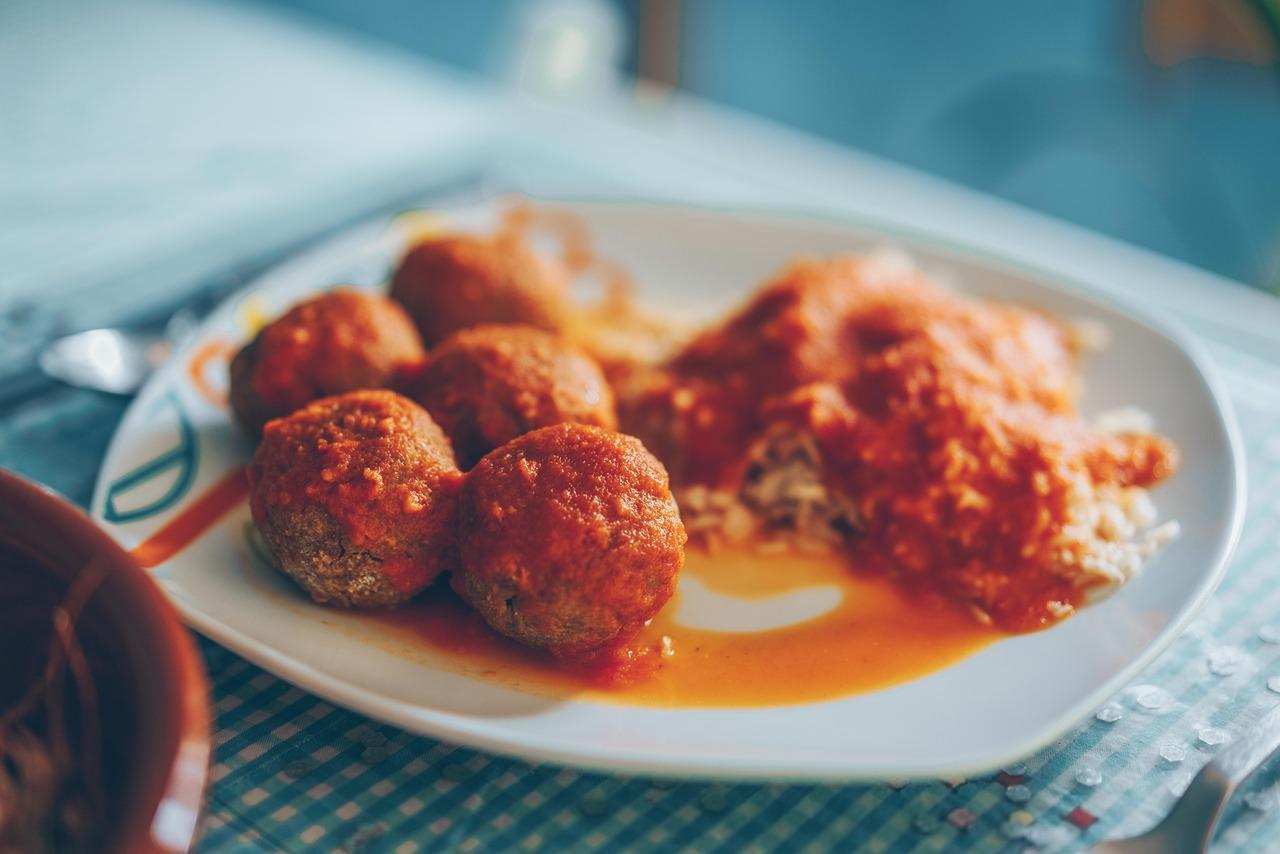
In southern Italian homes, polpette al sugo are the Sunday treat: soft meatballs of beef and pork mince with stale bread, egg, Parmigiano, garlic and parsley, browned and then simmered slowly in tomato sauce. The sauce goes on pasta as the first course, and the meatballs are the second, with bread. Neapolitan grandmothers make them big, the size of a small orange. They contain pork. Chef's tip: soak the bread in milk and use plenty of it; it is what keeps the meatballs tender and light, not firm and dry.

by KrazyBadal 0 views

Pâté lorrainPork and veal pastry pie

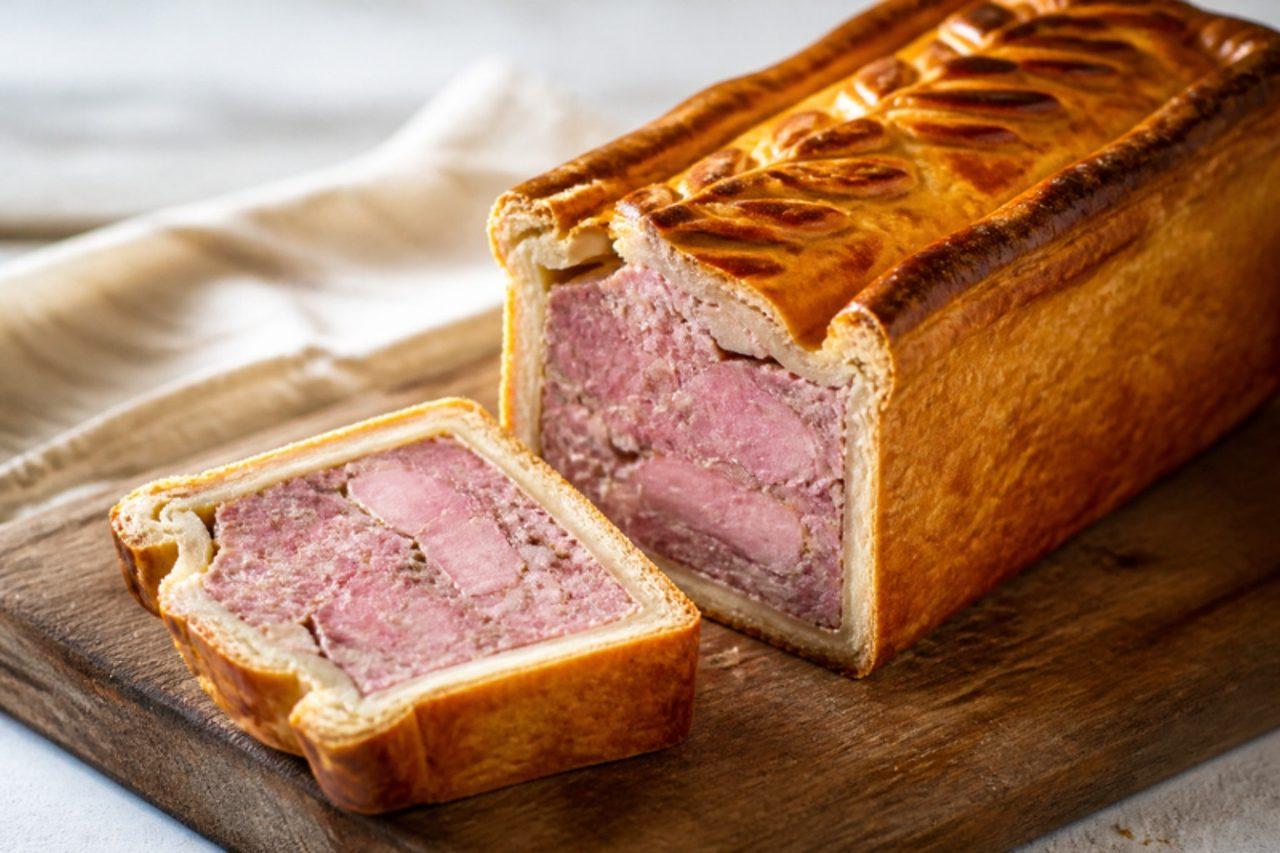
Pâté lorrain is the pride of Lorraine in north-east France, a long puff pastry loaf filled with pork and veal marinated overnight in white wine, shallots and herbs, served hot as a starter for Sunday lunch or village feasts with a green salad. It contains pork. The meat marinates raw in wine in the fridge and then bakes for an hour, which cooks off most of the alcohol but not all; for an alcohol-free version marinate in 150 ml chicken stock with 1 tbsp white wine vinegar. The common mistake is underbaking: the filling must reach 71 °C in the centre. Chef's tip: cut the meat into thin strips, not cubes; it cooks evenly and slices neatly.

90 minFrenchMeat
by KrazyBadal 0 views

Pâte feuilletéePuff pastry

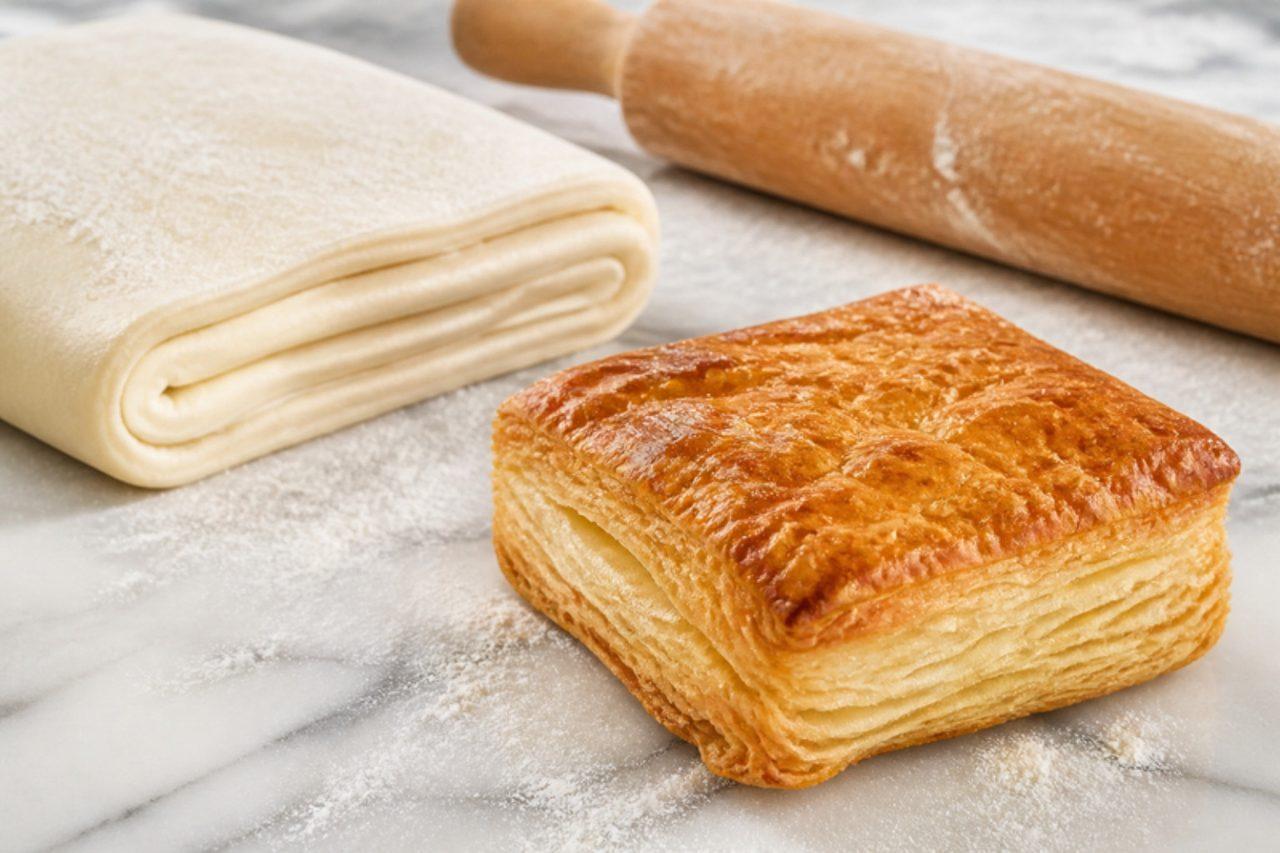
Pâte feuilletée is the queen of French pastries, the flaky dough behind galettes des rois, mille-feuilles, vol-au-vents and palmiers, still made by hand in pâtisseries all over France. A simple dough is wrapped around a flat block of cold butter, then rolled and folded six times, so that in the oven the water in the butter turns to steam and lifts hundreds of layers. It takes time rather than skill. The common mistake is letting the butter get warm and soft, which smears the layers together. Chef's tip: chill the dough for 30 minutes after every two turns, and work in a cool kitchen.

300 minFrenchBasics
by KrazyBadal 0 views

Blanquette de veauVeal in cream sauce

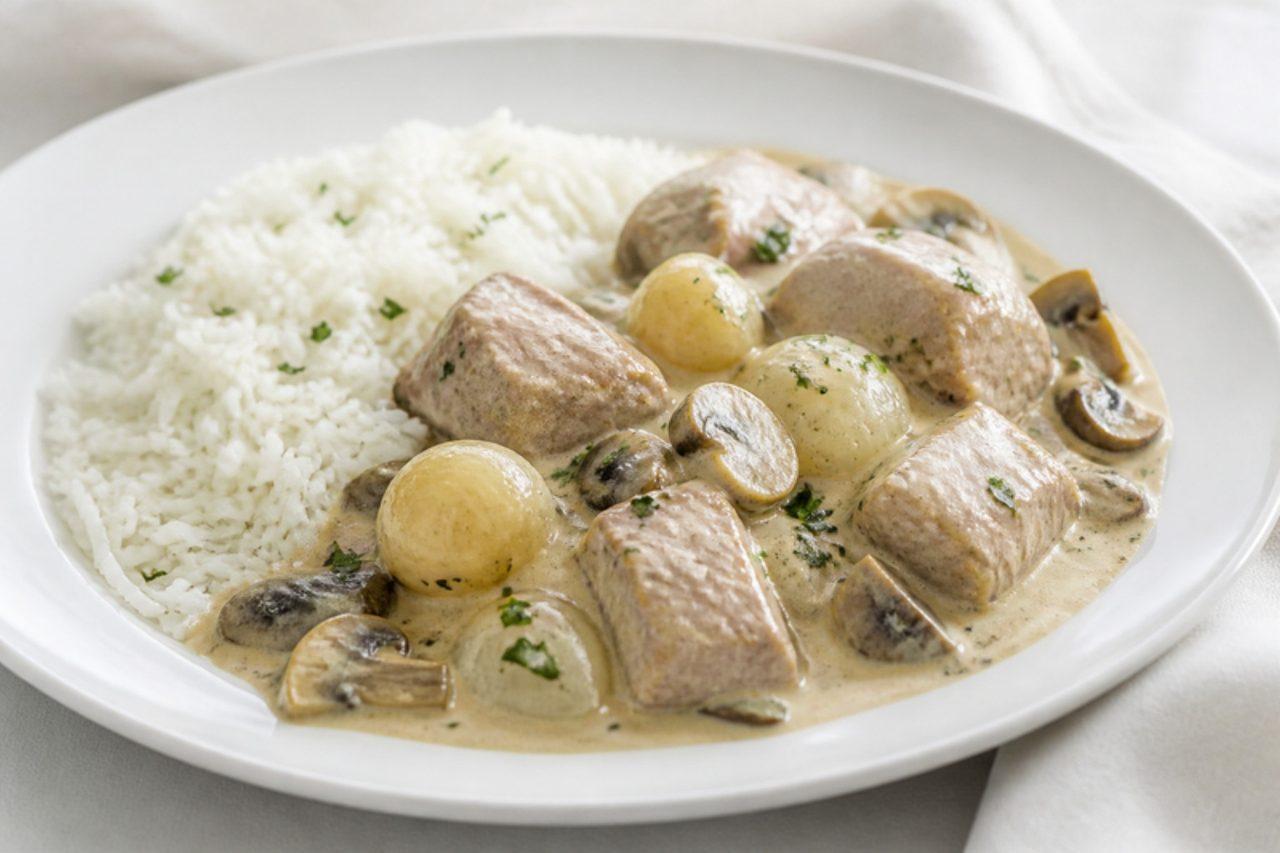
Blanquette de veau is the classic French family Sunday stew and a fixture on the lunch menus of traditional bistros, always served with white rice. Pieces of veal shoulder are simmered gently, never browned, in a light stock with carrots and an onion studded with cloves, and the broth is then turned into a silky white sauce with butter, flour, cream and egg yolk, finished with small mushrooms and lemon. The common mistake is letting the sauce boil after adding the egg yolk, which scrambles it. Chef's tip: blanch the veal for 2 minutes first and rinse it; the stock stays clear and the sauce comes out pure ivory.

150 minFrenchMeat
by KrazyBadal 0 views

Sauce béarnaiseTarragon butter sauce

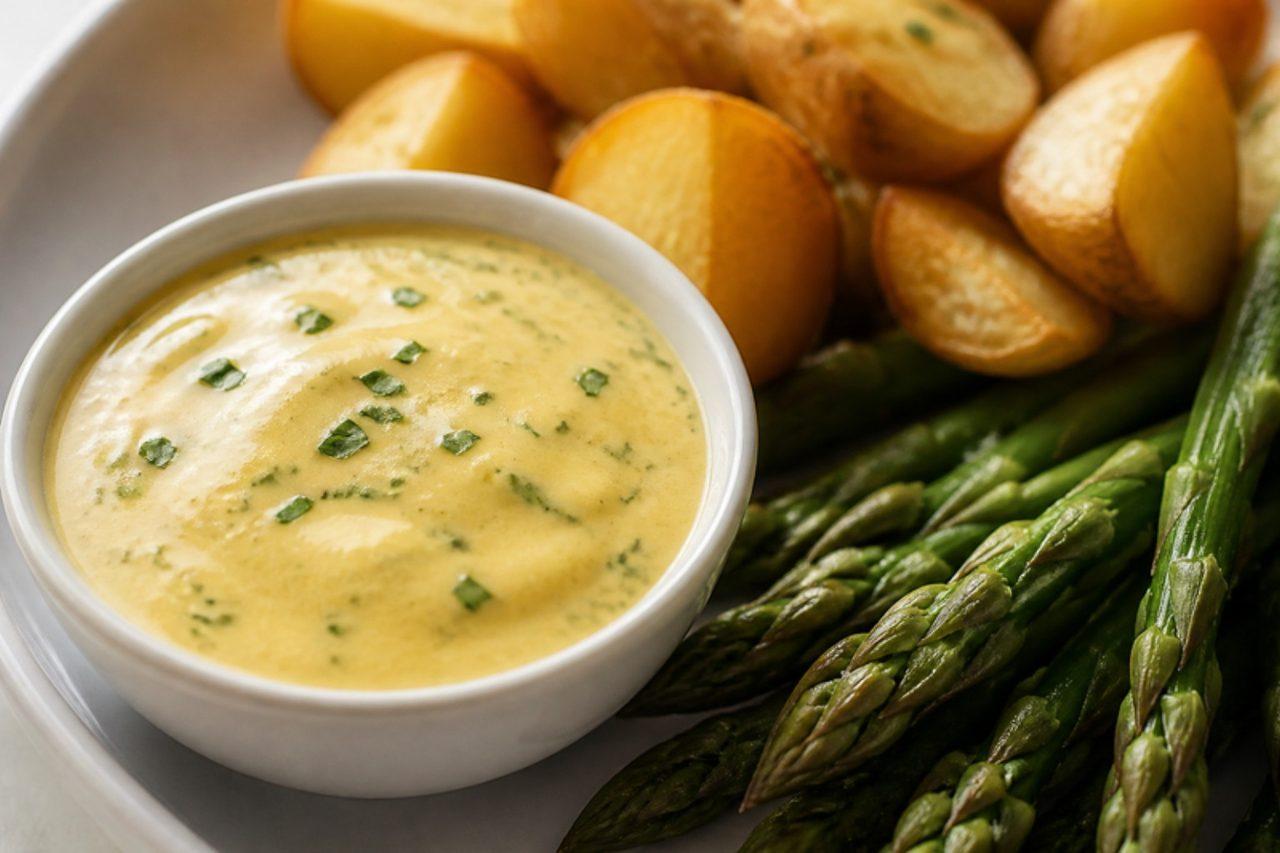
Sauce béarnaise was created in the 1830s at a restaurant in Saint-Germain-en-Laye near Paris and named after the Béarn region, home of King Henri IV, and it is still the sauce French families serve with steak and frites on special evenings. Egg yolks are whisked over gentle heat with a sharp reduction of vinegar, shallot and tarragon, then thickened with warm butter into a glossy, tangy sauce. The yolks are only lightly cooked, so use pasteurised egg yolks if serving anyone pregnant, very young, elderly or with a weakened immune system. The common mistake is too much heat, which scrambles the yolks. Chef's tip: if the sauce starts to look grainy, whisk in a teaspoon of cold water off the heat at once.

by KrazyBadal 0 views

Showing 24 of 2,427 recipes

Show more recipes

Page 1 of 102