Skip to content
Recipes

All recipes

Vegetarian, or something you can't eat? Set your diet once and we'll hide recipes that don't fit.

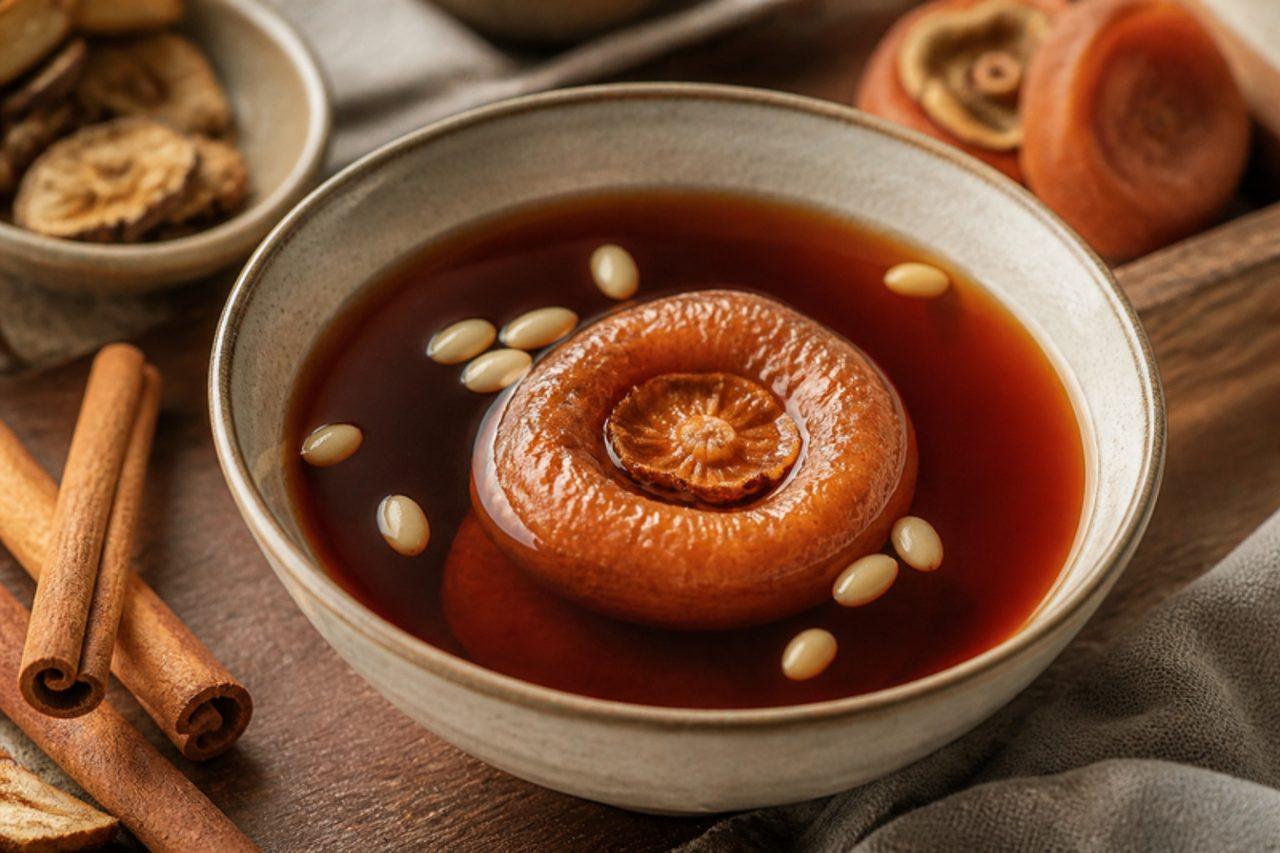
SujeonggwaCinnamon persimmon punch

After a big Seollal feast in Seoul, sujeonggwa comes out ice-cold in small bowls, dark red-brown and fragrant with cinnamon and ginger, with a soft dried persimmon and a few pine nuts floating in each one. It is the punch of the New Year season, made a day or two ahead and kept on a cold balcony. The cinnamon and ginger are boiled separately and then combined, which keeps each flavour clean. The common mistake is boiling the cinnamon too long or too hard: it turns bitter and cloudy, so keep it to a gentle simmer. Contains pine nuts. Chef's tip: soak the dried persimmons in the cooled punch only a few hours before serving, so they soften without falling apart.

by KrazyBadal 0 views

Taiyaki

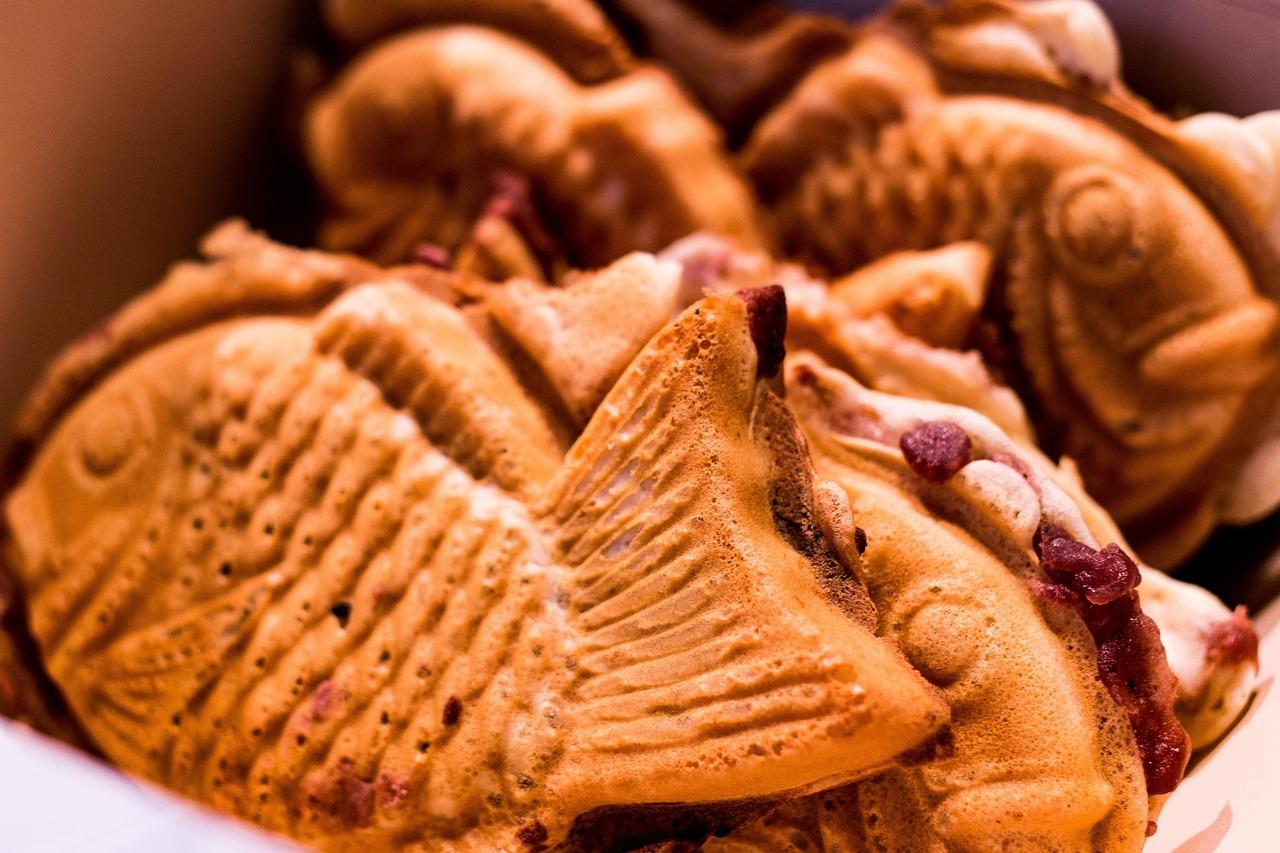
Taiyaki were first sold in 1909 at a Tokyo street stall that still exists in Azabu-Jūban, shaped like sea bream because the fish was a luxury eaten at celebrations. Today vendors at winter festivals and shopping streets across Japan press batter into fish-shaped iron moulds, fill them with sweet bean paste and turn them out golden and crisp-edged. Contains egg, milk and wheat. You need a taiyaki pan. The common mistake is overfilling, which makes the bean paste burst through the seams and burn; keep the filling a finger's width from the edges. Chef's tip: let the batter rest for 30 minutes so the gluten relaxes, which gives a thinner, crisper shell.

by KrazyBadal 0 views

Gelo di melloneWatermelon jelly pudding

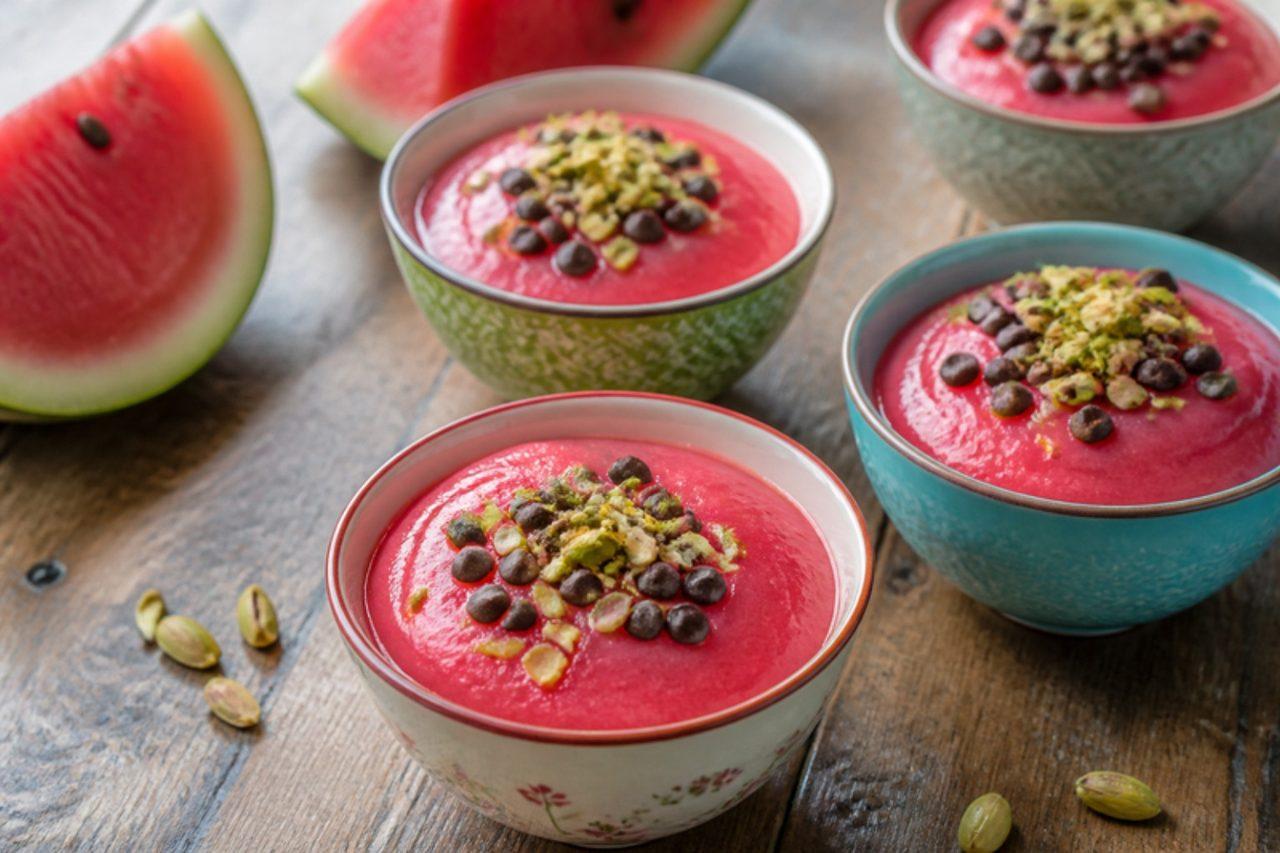
Gelo di mellone is the summer dessert of Palermo, eaten above all on 15 July for the feast of Santa Rosalia, the city's patron saint. Fresh watermelon juice is set with starch into a soft, wobbly pink pudding, scented with cinnamon and sometimes jasmine flowers, and topped with chocolate chips and chopped pistachios that look like watermelon seeds. It is served chilled in small bowls or as a tart filling. Contains nuts in the topping. Chef's tip: strain the watermelon juice through a fine sieve; any pulp clouds the jelly and stops it from setting smoothly.

by KrazyBadal 0 views

Kaisendon (seafood rice bowl)

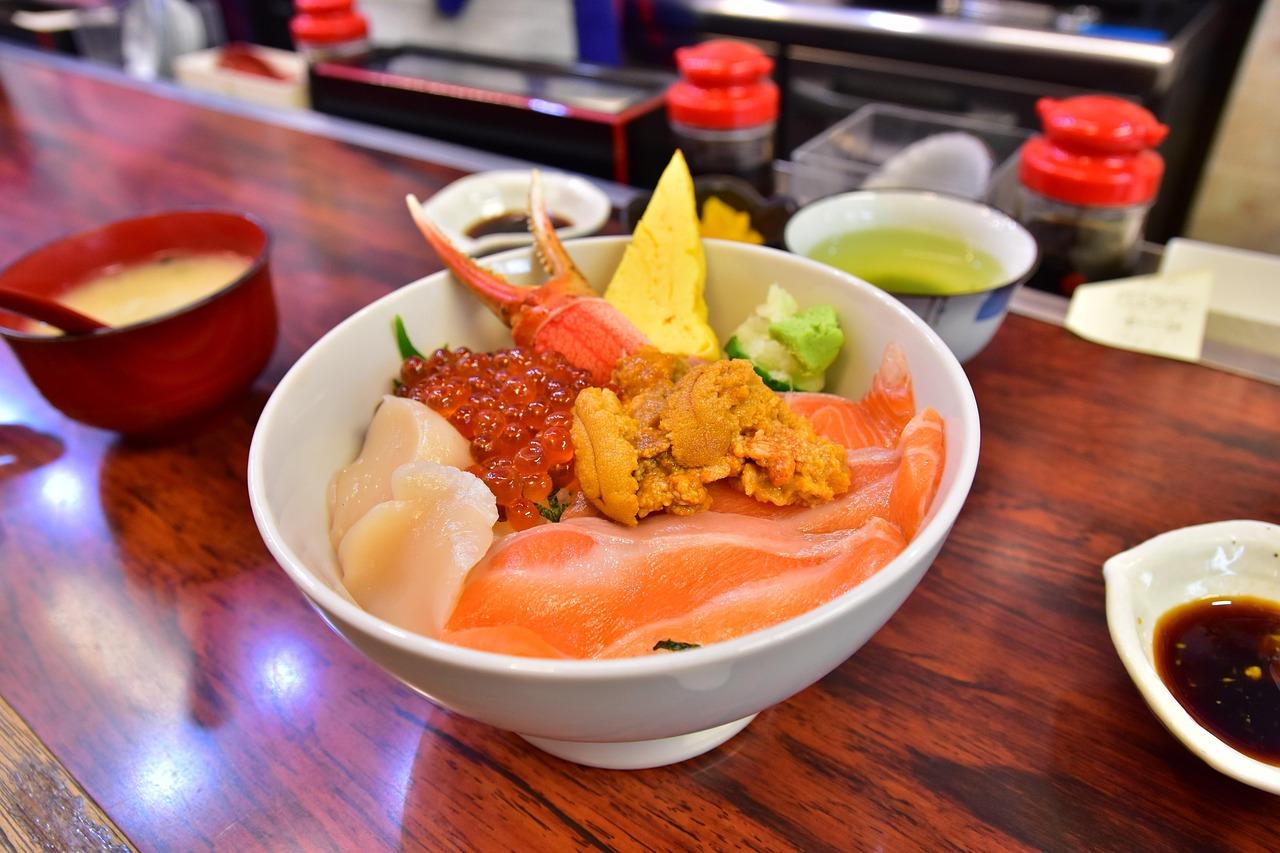
At the morning markets of Hakodate and Sapporo, and in harbour towns all along Japan's coast, kaisendon is breakfast: a bowl of sushi rice heaped with raw salmon, tuna, scallops and glistening salmon roe, eaten with wasabi and a drizzle of soy. At home, buy only fish sold as sushi- or sashimi-grade that has been previously frozen (freezing kills parasites), keep it cold and eat it the day you buy it. Raw fish is not for pregnant women, young children or anyone with a weakened immune system; for them, sear the salmon and tuna all over and cook through, and use cooked prawns. The common mistake is piling cold fish onto hot rice, which warms the fish and makes the rice gluey; cool the rice to body temperature first. Chef's tip: slice the fish across the grain in one long pull of a very sharp knife, not a sawing motion.

by KrazyBadal 0 views

KkultteokHoney-filled rice cakes

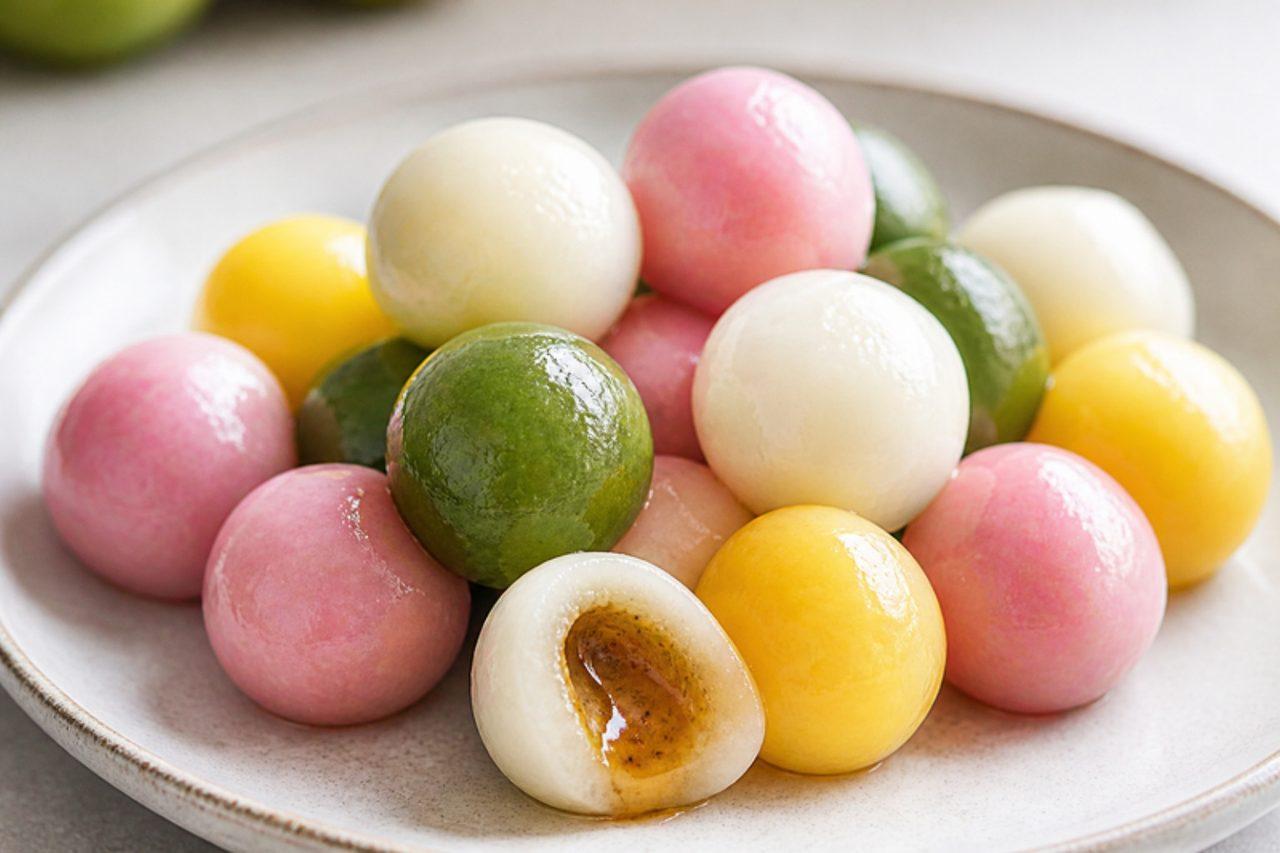
Kkultteok, 'honey rice cake', are the bite-sized coloured balls lined up in the windows of Korean tteok shops and on every Chuseok and birthday tray; bite one and a sweet, runny syrup of brown sugar and sesame bursts out. Despite the name, the filling is usually sugar, which melts into a honey-like syrup as the dumplings cook. The cakes are boiled, cooled in water and glossed with sesame oil. The common mistake is using too much filling or a thin dough, so the balls burst in the pot; keep the wall about 5 mm thick and seal well. Rice cakes are chewy and sticky, a known choking risk: cut them into small pieces for young children and older people and eat them sitting down. The filling is very hot straight from the pot, so let them cool before giving them to children. Chef's tip: let the boiled balls sit 1 minute in ice water; the shell firms up and the syrup inside turns fully liquid.

by KrazyBadal 0 views

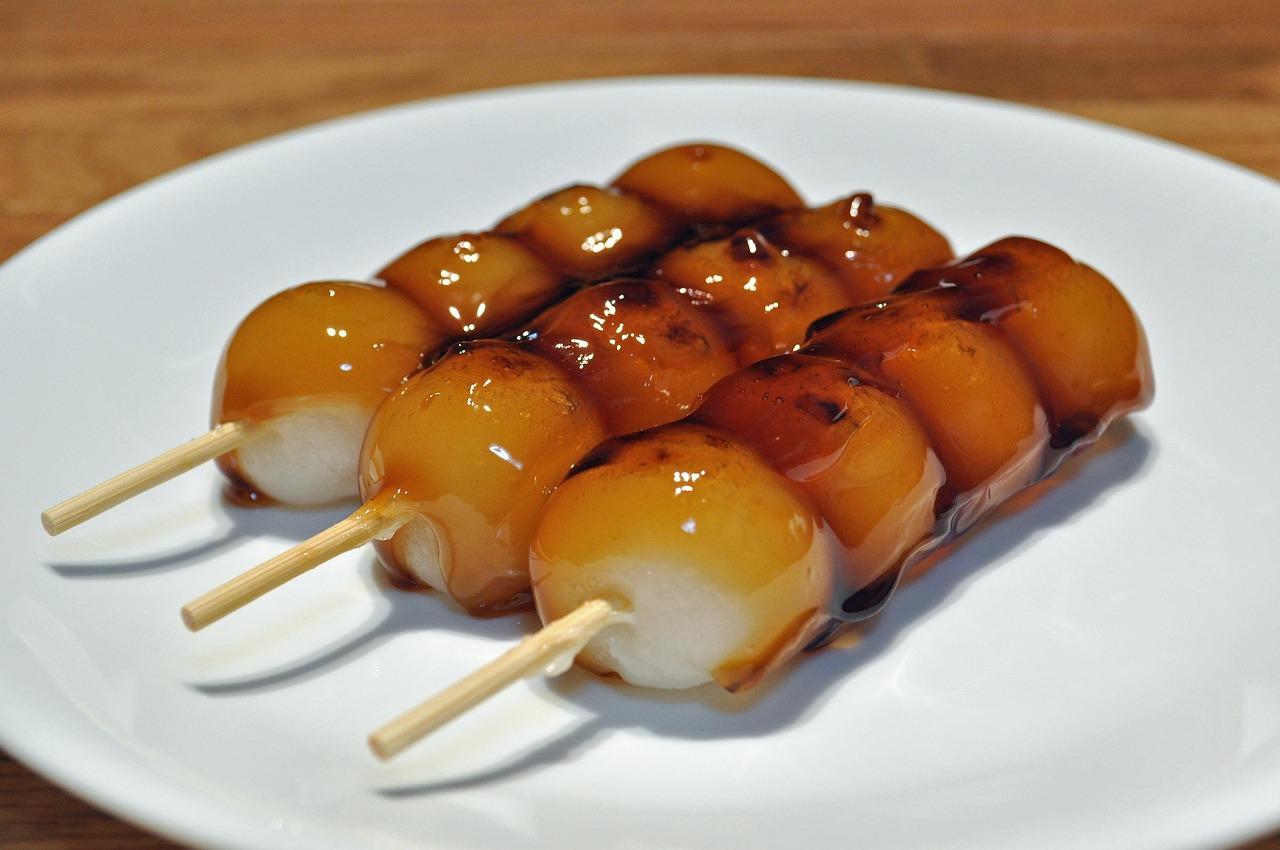
Mitarashi dangoSoy-glazed rice dumplings

Mitarashi dango are said to come from Shimogamo Shrine in Kyoto, where they were sold at the midsummer purification festival; today they are the snack of shrine fairs, flower-viewing picnics and station kiosks all over Japan. Chewy little rice-flour balls are threaded on skewers, toasted until speckled, and coated in a translucent, sweet-salty soy glaze that tastes a little like caramel. Mochi is very sticky: cut it into small pieces for young children and older people, and make sure they chew well and eat sitting down. The common mistake is a runny glaze: it must simmer until it turns clear and thick, or it slides off. Chef's tip: mix silken tofu into the rice flour instead of some of the water; the dumplings stay soft for hours instead of hardening as they cool.

by KrazyBadal 0 views

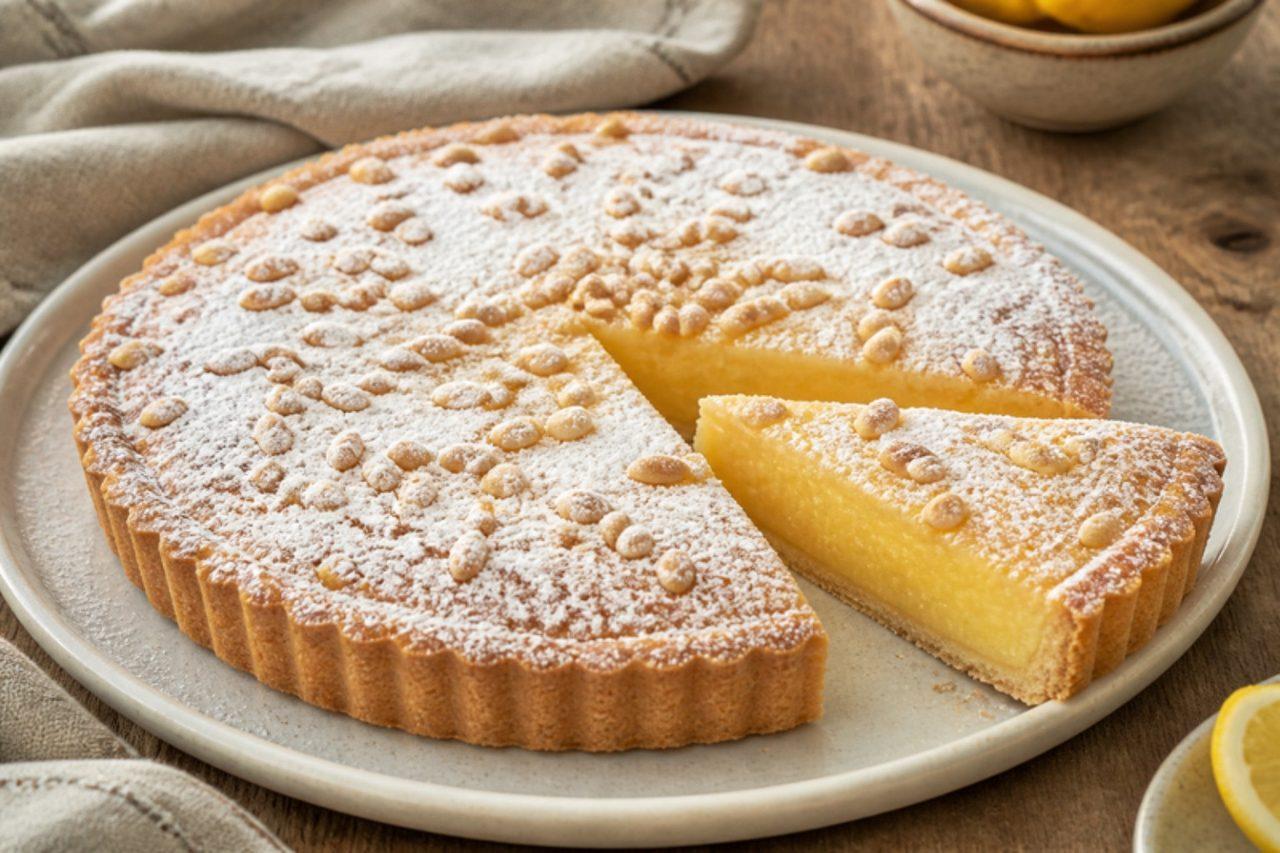
Torta della nonnaLemon custard pine nut tart

Torta della nonna, "grandmother's tart", is on the dessert menu of almost every trattoria in Florence and across Tuscany: a shortcrust case filled with thick lemon-scented custard, covered with a second layer of pastry and scattered with pine nuts and icing sugar. Despite the name it was probably invented by a Florentine restaurant cook in the 1900s, but it tastes of family Sunday lunches. Contains pine nuts. Chef's tip: let the custard cool completely before filling the tart; warm custard melts the butter in the pastry and makes the base soggy.

by KrazyBadal 0 views

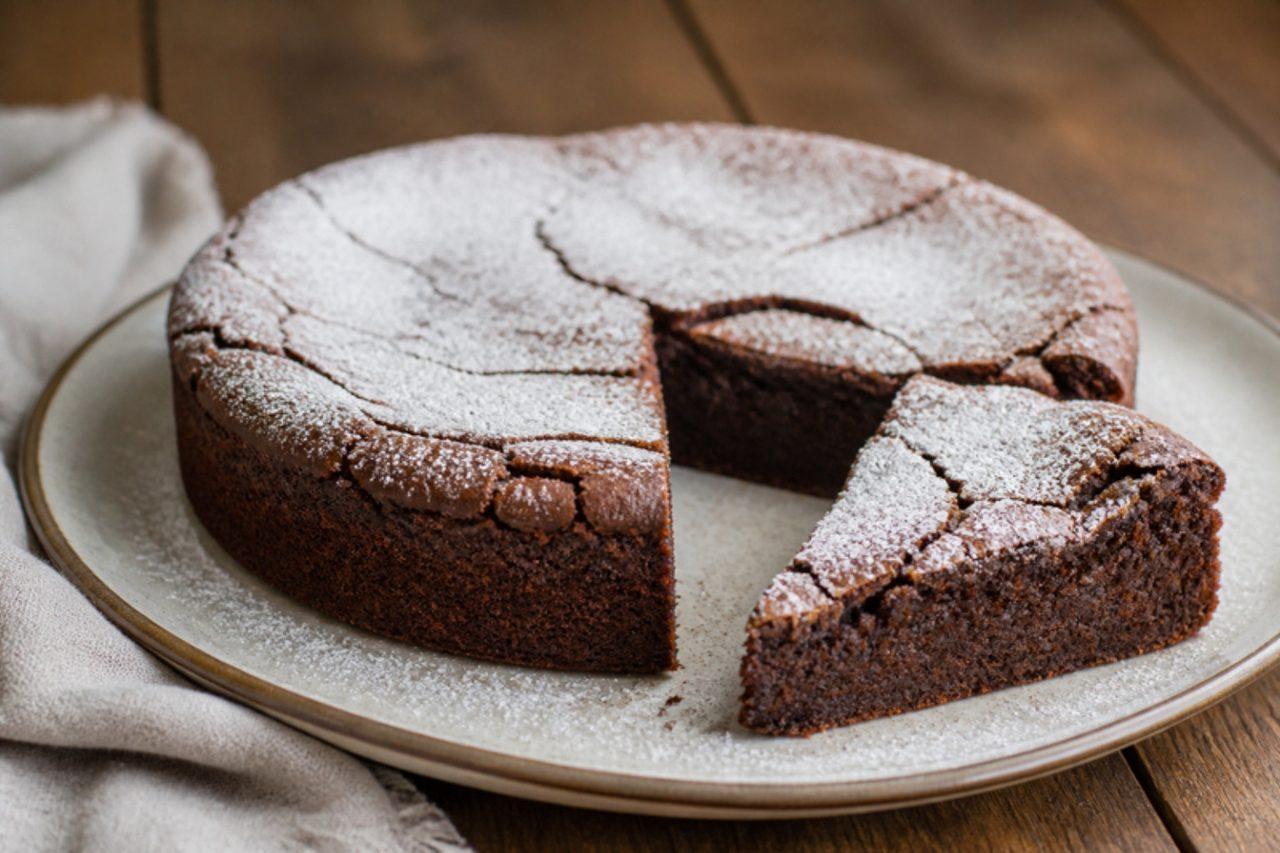
Torta capreseFlourless chocolate almond cake

Torta caprese was born on the island of Capri in the 1920s, the story goes, when a baker forgot to add flour to a chocolate almond cake and created a classic by accident. It is now the cake of the Amalfi Coast: dense, moist and fudgy in the middle, with a thin crackled crust and a dusting of icing sugar. Restaurants in Capri and Sorrento serve it with a spoonful of cream or lemon sorbet. It is naturally gluten free. Contains nuts. Chef's tip: take it out while the middle is still slightly soft; it firms up as it cools and stays moist for days.

by KrazyBadal 0 views

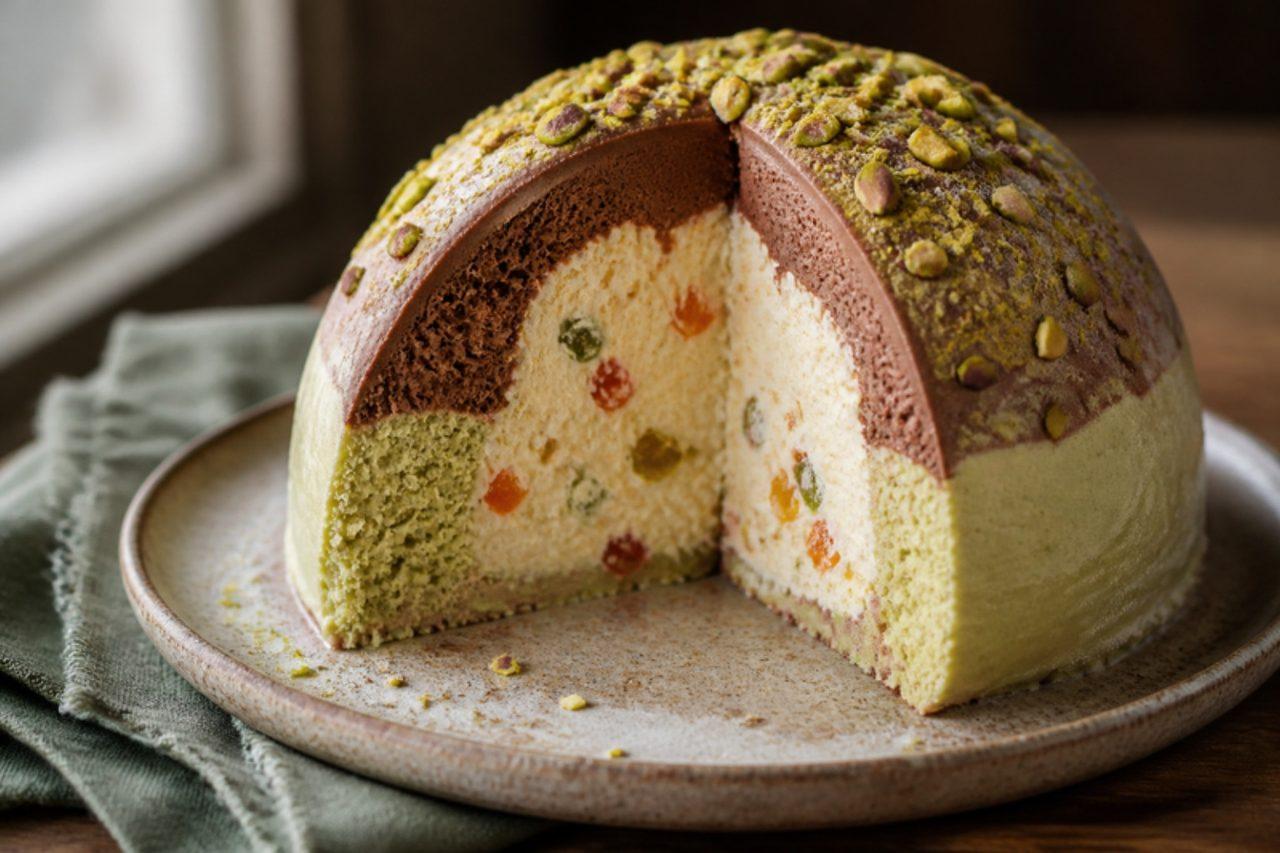
Spumone napoletanoLayered gelato dessert

Spumone was the grand dessert of Neapolitan cafés in the 1800s, later carried to America by emigrants: a dome or brick of layered frozen desserts, usually chocolate and pistachio gelato around a soft centre of semifreddo with candied fruit and nuts. In Naples it is served at weddings and Christmas, cut into slices that show all the colours. The traditional semifreddo is flavoured with rum; this version uses orange zest and vanilla so it is alcohol free. Contains nuts. Chef's tip: freeze each layer until firm before adding the next; soft layers melt into each other and lose their stripes.

by KrazyBadal 0 views

YokanRed bean jelly

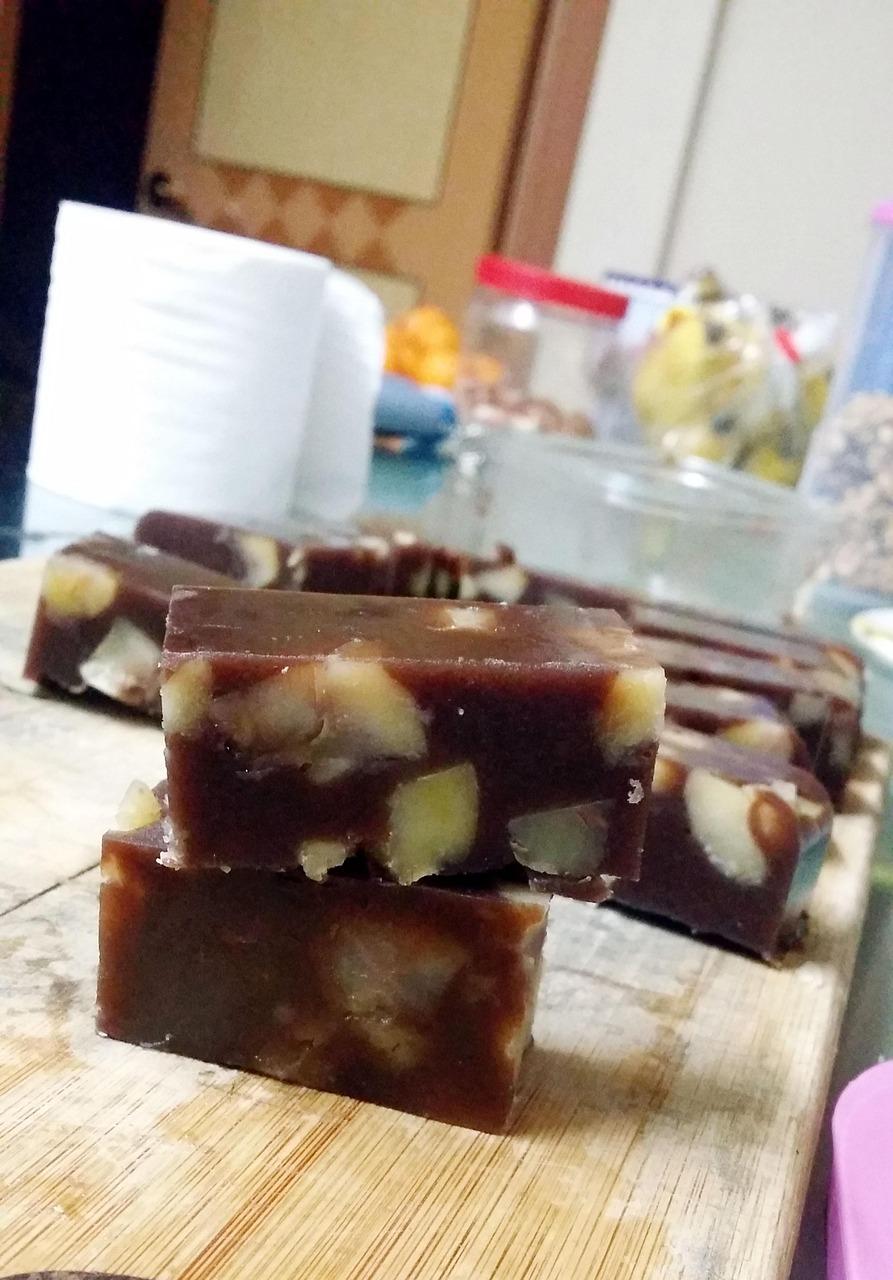
Yōkan is one of Japan's oldest sweets, brought by Zen monks and refined in Edo-period Tokyo into dense, dark blocks that were carried by samurai and are still given as gifts in long wooden boxes. Red bean paste, sugar and agar are cooked down until thick and set into a smooth, firm jelly that slices cleanly, served in thin pieces with bitter green tea. The common mistake is undercooking the agar: it must boil for two full minutes or the yōkan won't set firmly. Chef's tip: cook the paste until a trail drawn across the bottom of the pan holds for a second before closing, which gives the classic firm, glossy neri yōkan.

by KrazyBadal 0 views

Sakura mochiCherry leaf rice cakes

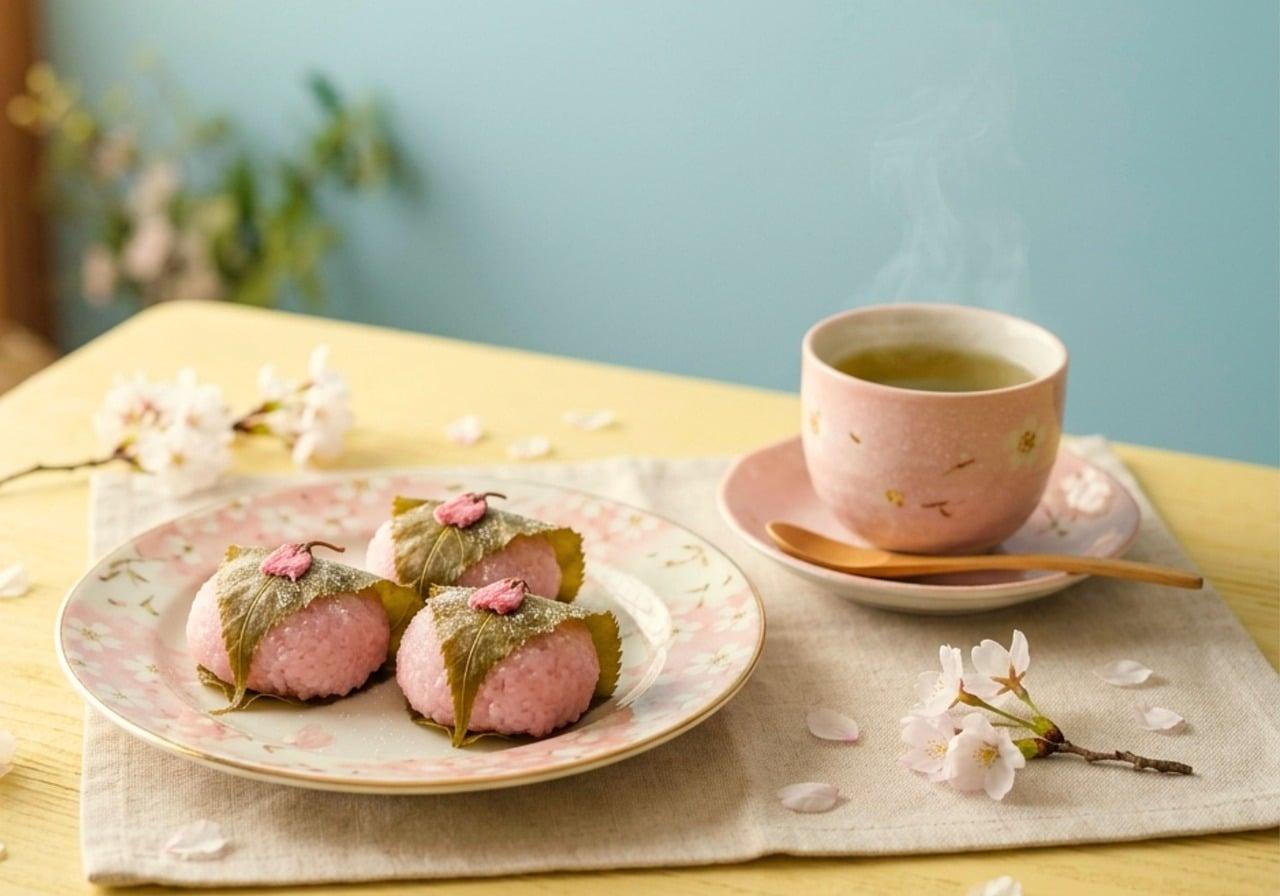
When the cherry trees bloom in late March, every wagashi shop in Japan fills its window with sakura mochi. In the Kansai region around Osaka and Kyoto they are made from coarse dōmyōji-ko, steamed and crushed glutinous rice, tinted soft pink and wrapped around bean paste, then tucked into a salted cherry leaf that perfumes it with an almond-like, floral scent; Tokyo's version is a thin pink crêpe instead. Mochi is very sticky: cut it into small pieces for young children and older people, and make sure they chew well and eat sitting down. The common mistake is not soaking the salted leaves, so the mochi tastes too salty; rinse and soak them for 15 minutes. Chef's tip: the leaf is edible, and eating it with the mochi gives the sweet-salty balance the dish is famous for.

by KrazyBadal 0 views

CicerchiataHoney fried dough ring

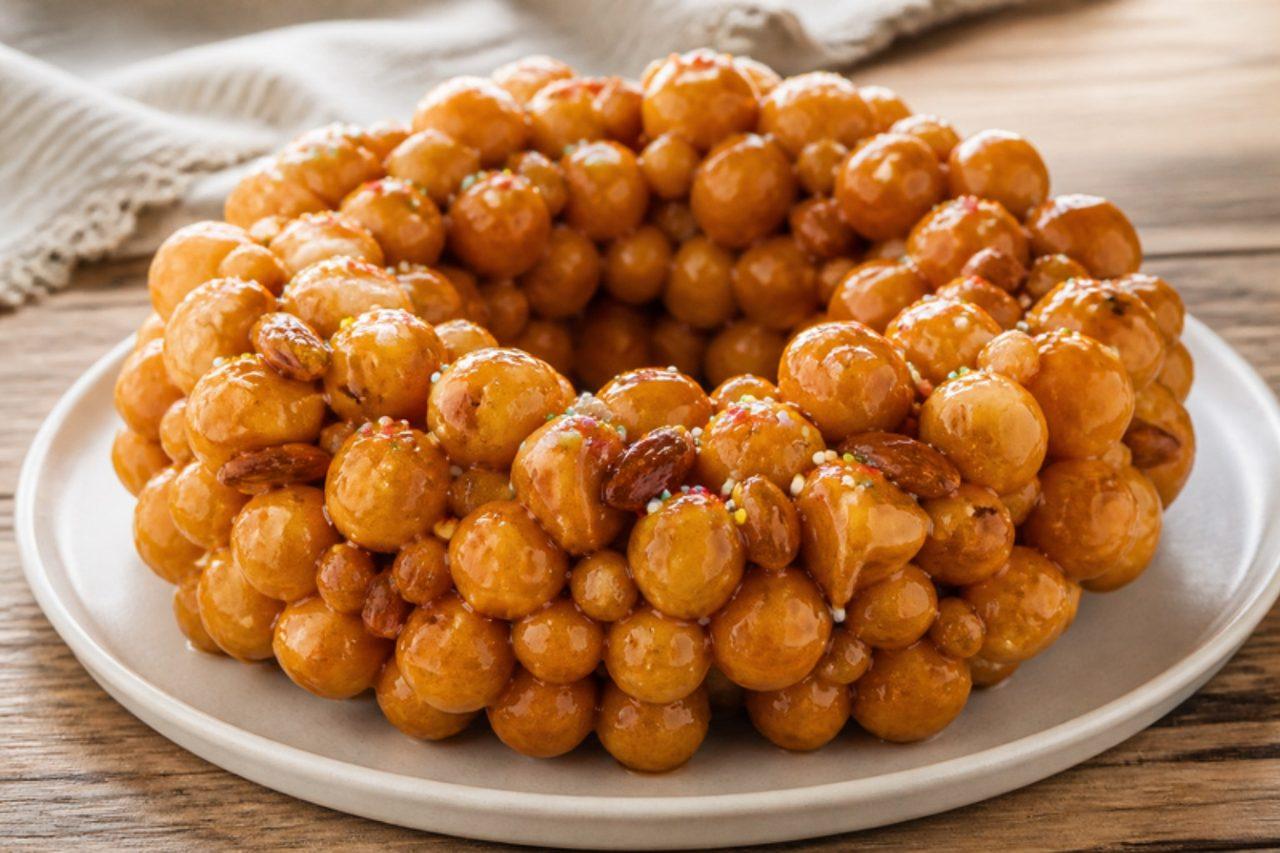
Cicerchiata takes its name from the cicerchia, a small dried legume, because its tiny balls of fried dough look just like them. In Abruzzo, Umbria and the Marche it is the Carnival sweet: the fried balls are stirred into hot honey with almonds and candied peel, then shaped into a ring or mound and decorated with sprinkles. It is broken apart with fingers at the end of Carnival meals. Not for babies under 1 because of the honey. Chef's tip: work quickly once the balls are in the honey and wet your hands with cold water to shape the ring; the honey sets fast as it cools.

by KrazyBadal 0 views

Savoiardi

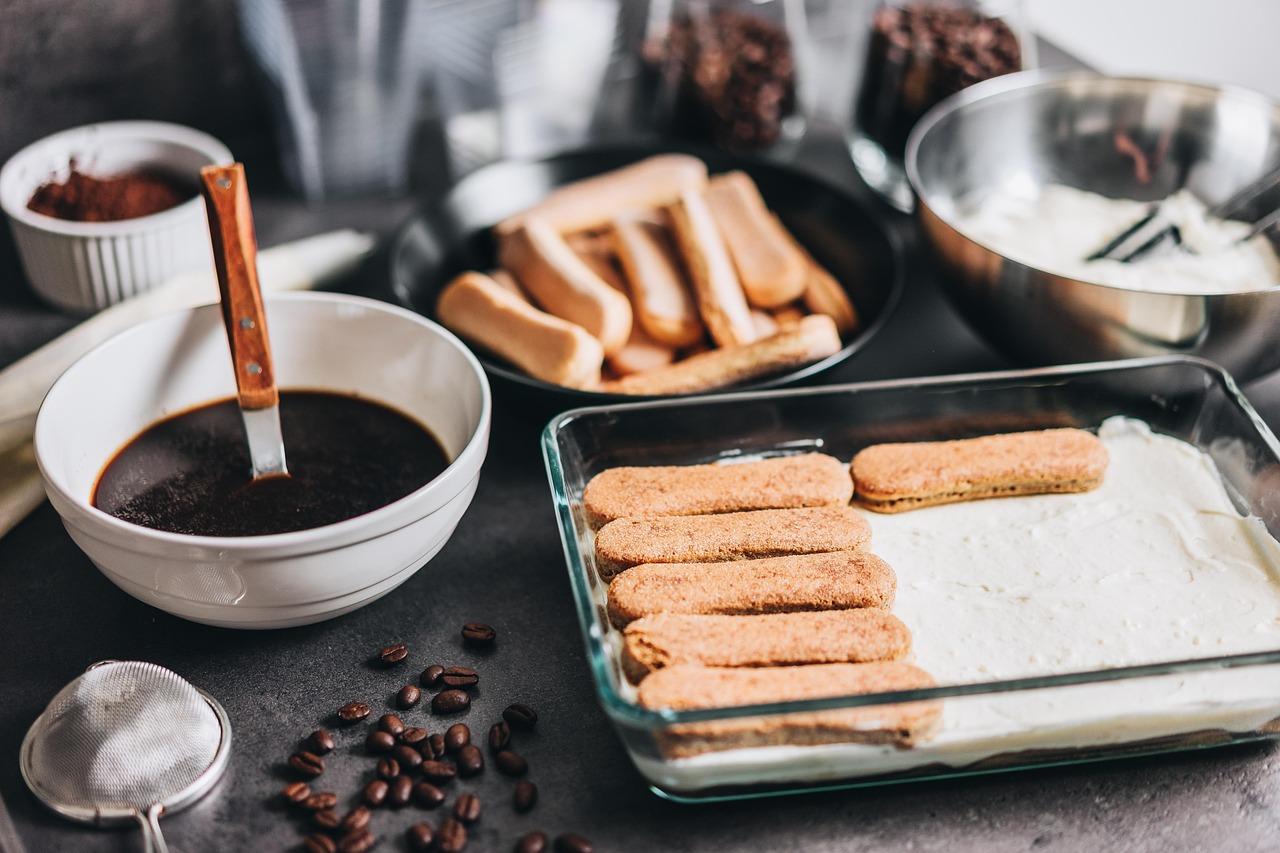
Savoiardi were created in the 1300s at the court of the House of Savoy in Piedmont, for a visit by the King of France. They are long, light finger biscuits of whipped eggs, sugar and flour, with a crisp sugary crust and a dry, spongy inside, made to be soaked: in coffee for tiramisù, in liqueur for zuppa inglese, or in milk for children's breakfast. Chef's tip: dust the piped fingers twice with icing sugar, 5 minutes apart; this forms the pearly crust that keeps them crisp outside.

by KrazyBadal 0 views

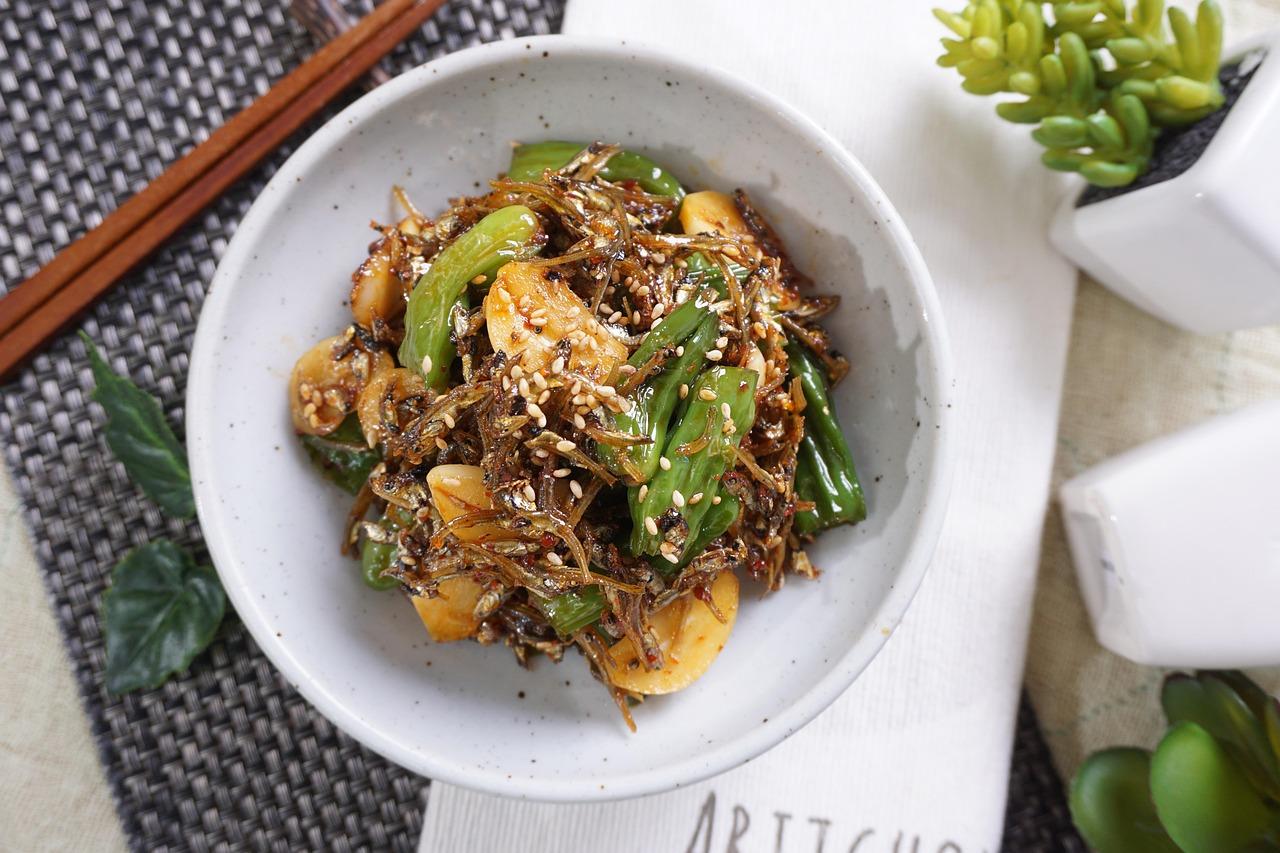
Myeolchi bokkeumSweet stir-fried anchovies

Myeolchi bokkeum is the lunchbox banchan of Korea, made with tiny dried anchovies landed and sun-dried on the southern coast around Tongyeong and Namhae, the country's anchovy heartland. The little fish are toasted in a dry pan, then tossed in garlic oil and a quick soy and rice-syrup glaze, so they end up crunchy, sweet, salty and deeply savoury. A small dish goes alongside rice at almost every Korean meal. The common mistake is adding the syrup over a high heat: it caramelises into a hard sheet that welds the anchovies into a brick. Chef's tip: take the pan off the heat before the syrup goes in and toss; the pan's leftover warmth is enough to glaze without hardening.

15 minKoreanFish
by KrazyBadal 0 views

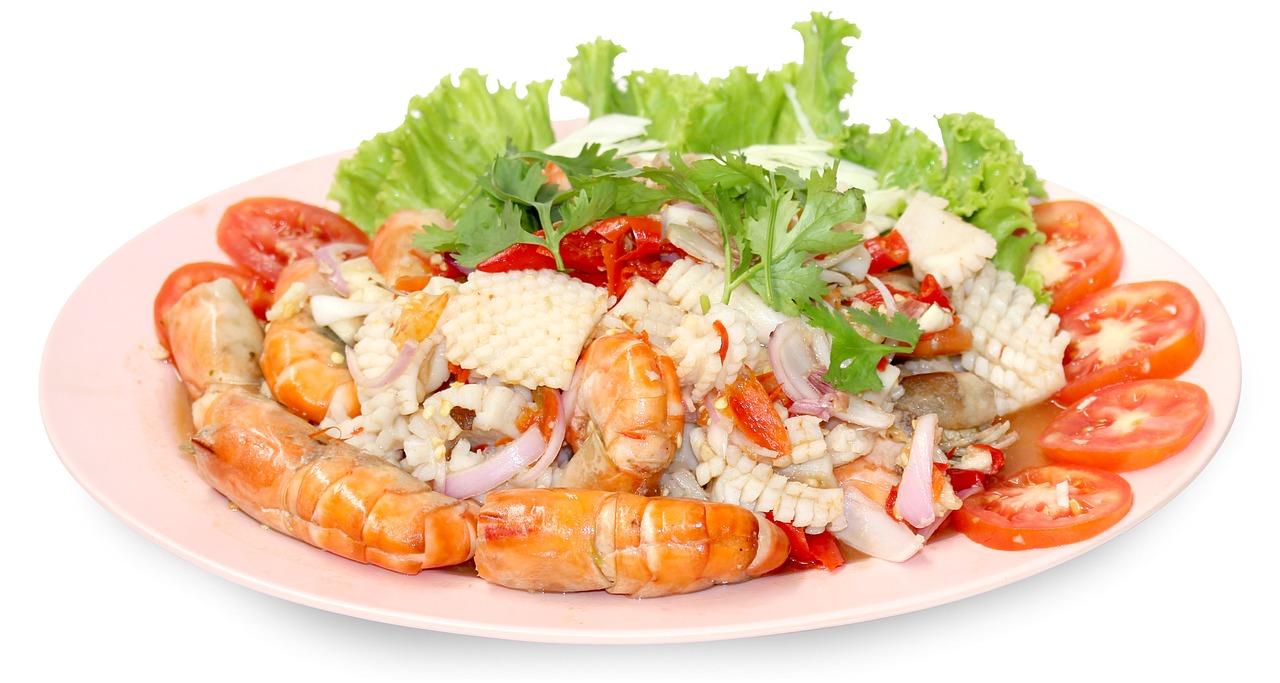
Insalata di mareSeafood salad

Along every Italian coast, from the Adriatic beaches of Romagna to the Amalfi Coast, insalata di mare is the cold antipasto that opens a seafood lunch in summer and the Christmas Eve feast in winter. Squid, prawns, mussels and clams are cooked separately, each just long enough, then dressed with lemon, olive oil, garlic, celery and parsley and left to chill so the flavours meld. Chef's tip: cook each kind of seafood on its own and pull it the moment it is done; squid needs only a minute or two, and overcooked squid turns as tough as a rubber band.

by KrazyBadal 0 views

Graffe napoletanePotato doughnuts

Graffe are the Neapolitan doughnut, sold warm at bars and pastry shops all year round but especially at Carnival: soft, fluffy rings made with mashed potato in the dough, which keeps them light and moist, fried and rolled in sugar. Neapolitans eat them for breakfast with an espresso, or as a children's snack after school. The name probably comes from the Austrian krapfen, brought to the city in the 1700s. Chef's tip: let the shaped rings rise on small squares of baking paper; you can lower them into the oil on the paper without knocking out the air, then pull the paper away.

by KrazyBadal 0 views

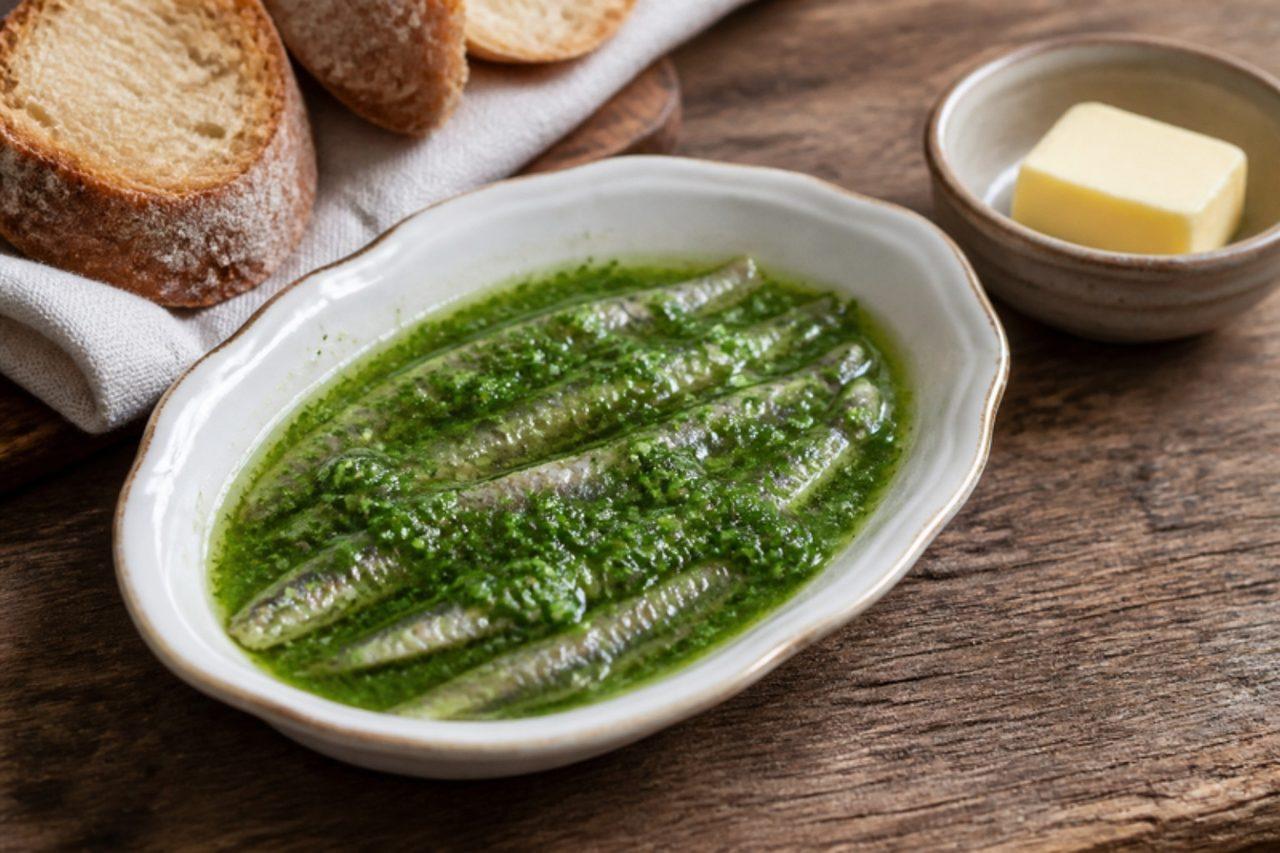
Acciughe al verdeAnchovies in green sauce

Piedmont has no coast, yet anchovies are part of its soul: salt-packed anchovies came over the mountain passes from Liguria with the salt traders, and acciughe al verde is still on the antipasto trolley of every trattoria in Turin and the Langhe. Fillets are layered in a jar with a green sauce of parsley, garlic, olive oil and a little vinegar and chilli, then left for a day to mellow. They are eaten with bread and butter or with boiled potatoes. Chef's tip: soak salted anchovies in a bowl of milk or water and vinegar for 10 minutes; it draws out the harsh salt and makes the fillets easy to lift off the bone.

by KrazyBadal 0 views

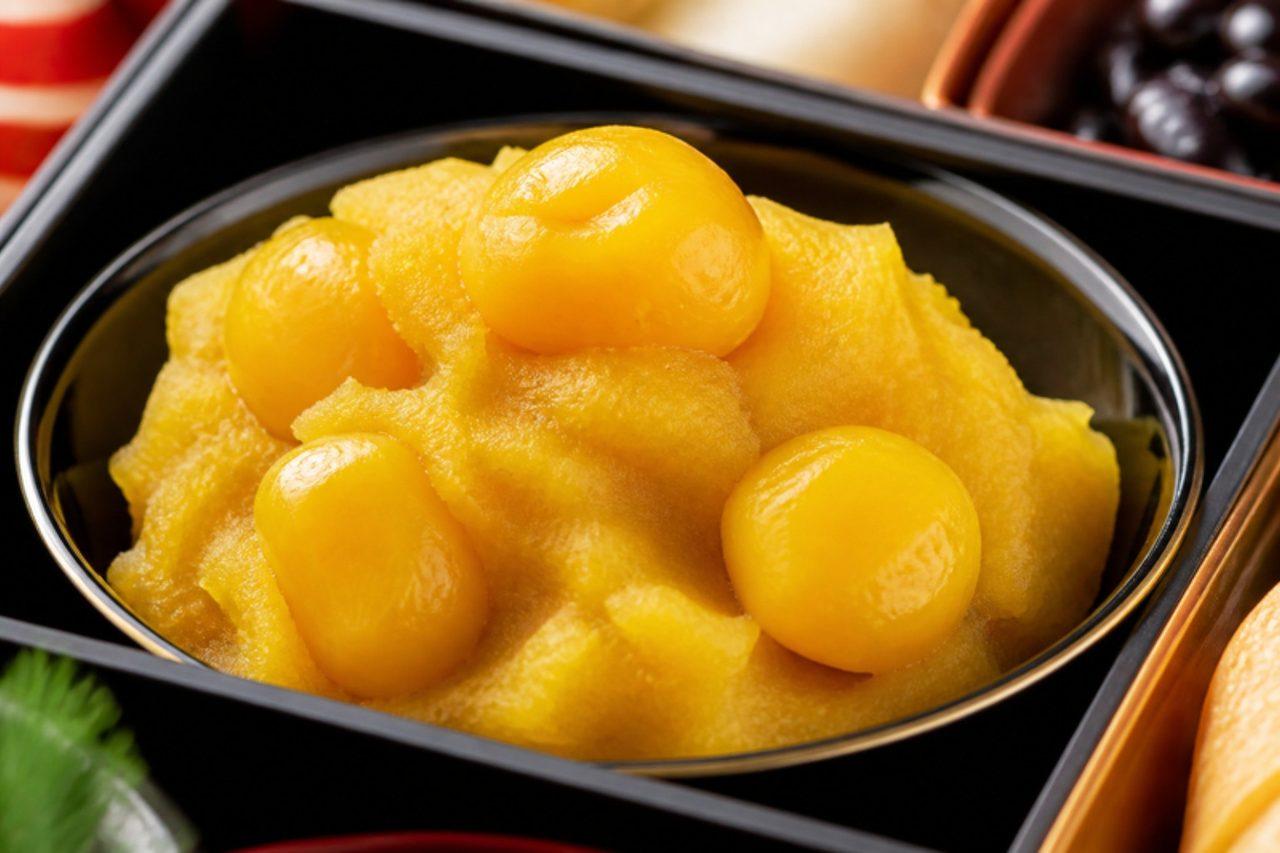
KurikintonSweet potato and chestnut mash

Kurikinton means 'chestnut golden mound', and its bright yellow colour is meant to look like piled gold, which is why it sits in the osechi box at New Year as a wish for wealth. Smooth, sweet mashed sweet potato is folded around whole candied chestnuts, giving a dessert-like side that children love. The traditional yellow comes from dried gardenia pods cooked with the potato. The common mistake is mashing the potatoes without sieving them, which leaves fibres; pushing them through a sieve while hot gives the silky, glossy finish. Chef's tip: peel the sweet potatoes thickly, cutting away the layer just under the skin, as that is where the grey colour and stringiness sit.

by KrazyBadal 0 views

Ichigo daifukuStrawberry mochi

Ichigo daifuku appeared in Tokyo sweet shops in the 1980s and quickly became the treat everyone queues for from January to April, when Japanese strawberries are at their best. A whole berry is wrapped in smooth sweet bean paste, then in a thin skin of soft, stretchy mochi, so you get juicy fruit, earthy sweetness and a pillowy chew in one bite. Mochi is very sticky: cut it into small pieces for young children and older people, and make sure they chew well and eat sitting down. The common mistake is wrapping a damp strawberry, which makes the bean paste slide and the mochi split; dry the berries completely. Chef's tip: microwave the mochi dough in short bursts and stir hard between them, until it turns translucent and elastic, rather than in one long blast.

by KrazyBadal 0 views

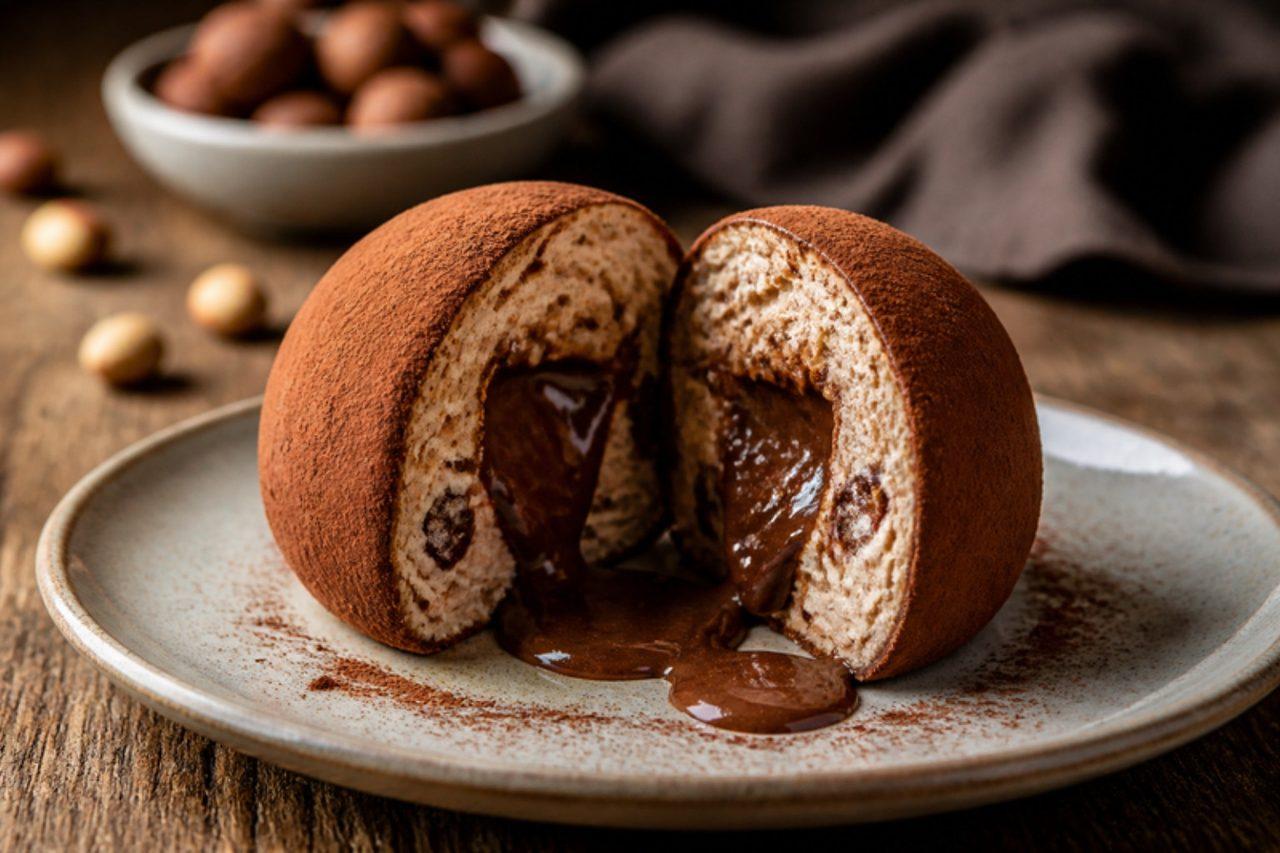
Tartufo di PizzoChocolate hazelnut gelato ball

In 1952, in the seaside town of Pizzo in Calabria, a gelato maker ran out of moulds for a wedding banquet and shaped gelato by hand in his palm, around a centre of molten chocolate, then rolled it in cocoa. The tartufo, named for its resemblance to a truffle, is now protected as a local speciality, and the cafés on Pizzo's main piazza serve it in summer to crowds of visitors. Contains nuts. Chef's tip: work in a cold kitchen with chilled cling film and refreeze between each step; the gelato must stay firm enough to hold its ball shape.

by KrazyBadal 0 views

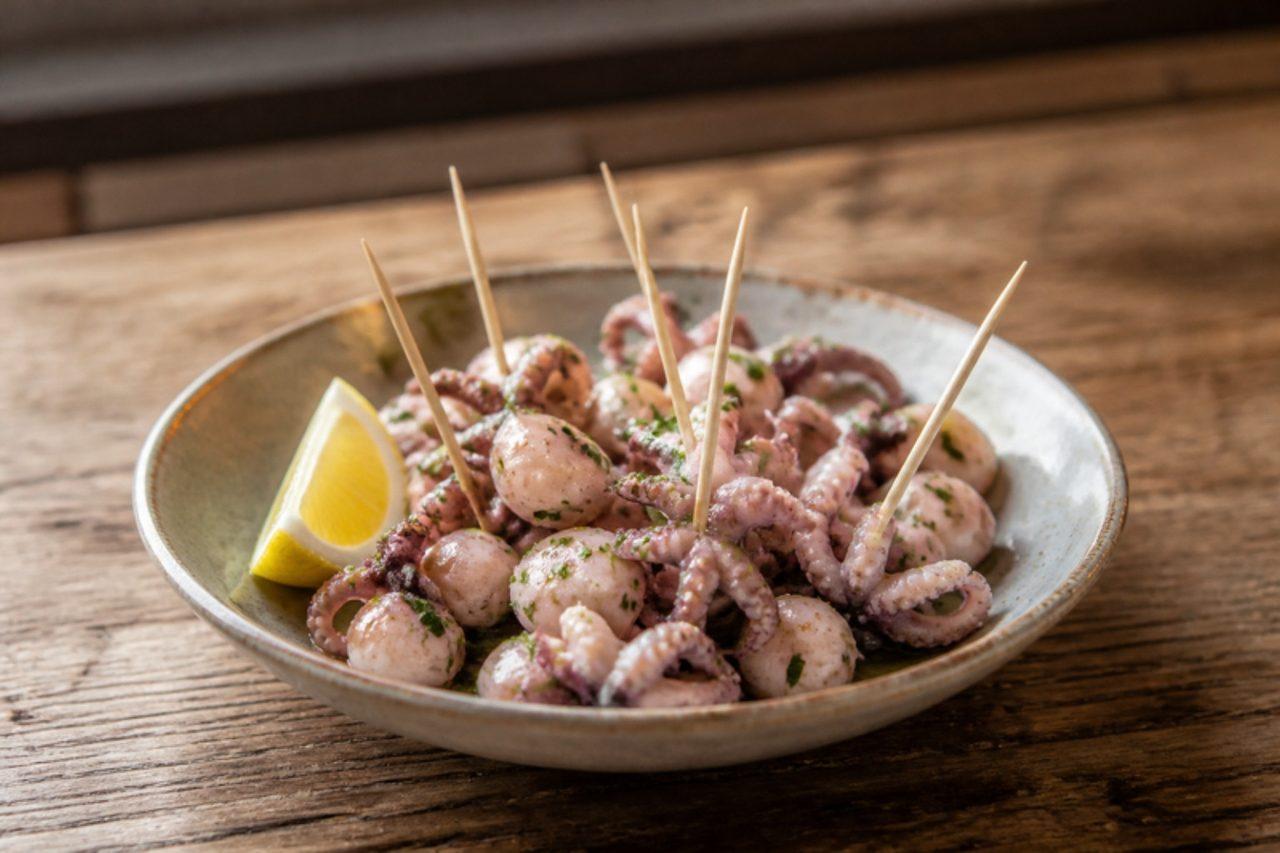
Folpetti lessiBoiled baby octopus

In the bacari (wine bars) of Venice, around the Rialto market, folpetti sit warm in a tray on the counter and are speared with a toothpick as a cicchetto, the city's small bite eaten standing up before lunch or after work. They are tiny musky octopus from the lagoon, simply boiled until tender and dressed with olive oil, lemon, garlic and parsley. The texture should be tender with a slight bite, never rubbery. Chef's tip: let the octopus cool in its cooking water for 15 minutes; it finishes softening gently and soaks up flavour.

by KrazyBadal 0 views

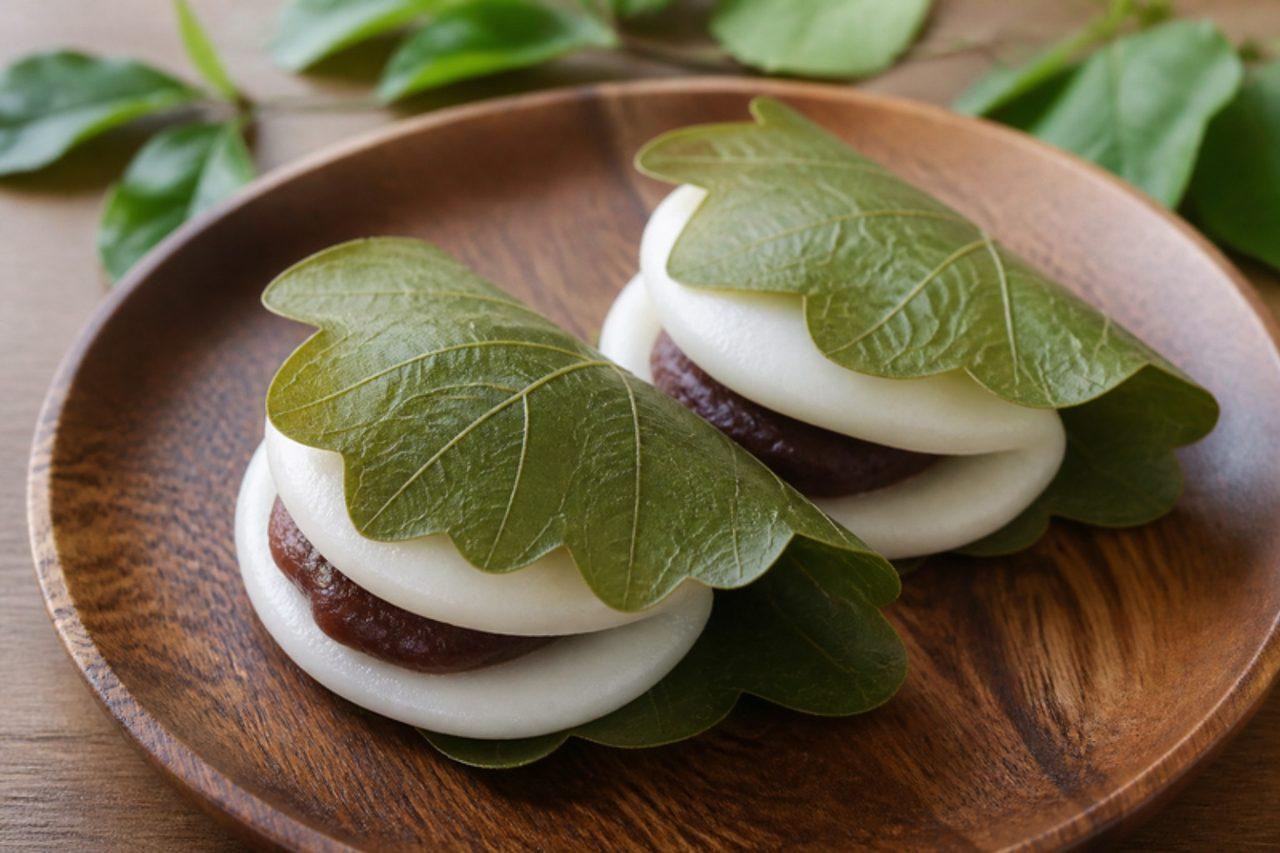
Kashiwa mochiOak leaf rice cakes

On 5 May, Children's Day, families in Tokyo and across eastern Japan eat kashiwa mochi: soft, flat rice cakes folded over sweet bean paste and wrapped in an oak leaf. Oak trees keep their old leaves until new ones bud, so the leaf stands for a family line carrying on. The leaf isn't eaten; it adds a faint woody scent and keeps the mochi moist. Mochi is very sticky: cut it into small pieces for young children and older people, and make sure they chew well and eat sitting down. The common mistake is steaming the dough too briefly, which leaves it pasty; steam until it turns slightly translucent, then knead. Chef's tip: dried oak leaves from Japanese grocers need a 10-minute simmer and a rinse before use; if you can't find them, wrap in cherry or bamboo leaves or baking paper.

by KrazyBadal 0 views

Cannoncini alla cremaCustard puff pastry horns

Every pastry shop in Turin and Piedmont has a tray of cannoncini: puff pastry wrapped around metal cones, baked until golden and flaky, then piped full of vanilla custard and dusted with icing sugar. Little ones are part of the "pasticcini mignon" bought on Sunday morning after church to take to lunch at the grandparents' house. You need cannoncino or cream-horn moulds. Chef's tip: fill them just before serving; custard softens the pastry within a few hours.

by KrazyBadal 0 views

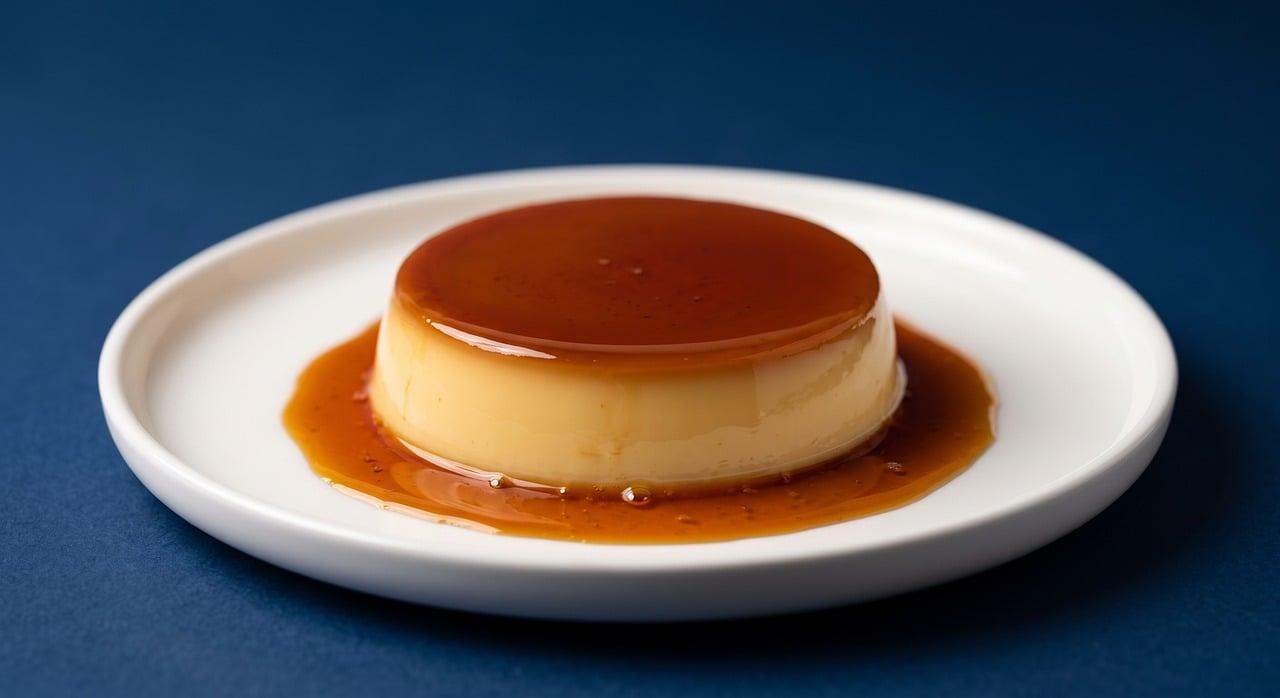
Purin (Japanese custard pudding)Caramel custard pudding

Old-fashioned Tokyo kissaten pride themselves on purin that stands up on the plate: a firm, slightly bouncy custard under a dark, bittersweet caramel, served in a glass dish with a long spoon. It is a favourite dessert for children and nostalgic adults alike, and it keeps for two days in the fridge. The mistake that ruins it is too much heat; a hot oven or rolling boil makes the custard puff and fill with tiny holes (called su), so bake it gently in a water bath. Chef's tip: take the caramel darker than you think, to a deep mahogany, because its bitterness is what balances the sweet custard.

by KrazyBadal 0 views

Showing 24 of 3,023 recipes

Show more recipes

Page 1 of 126