Skip to content
Recipes

All recipes

Vegetarian, or something you can't eat? Set your diet once and we'll hide recipes that don't fit.

Uuts-style roast lamb saddle

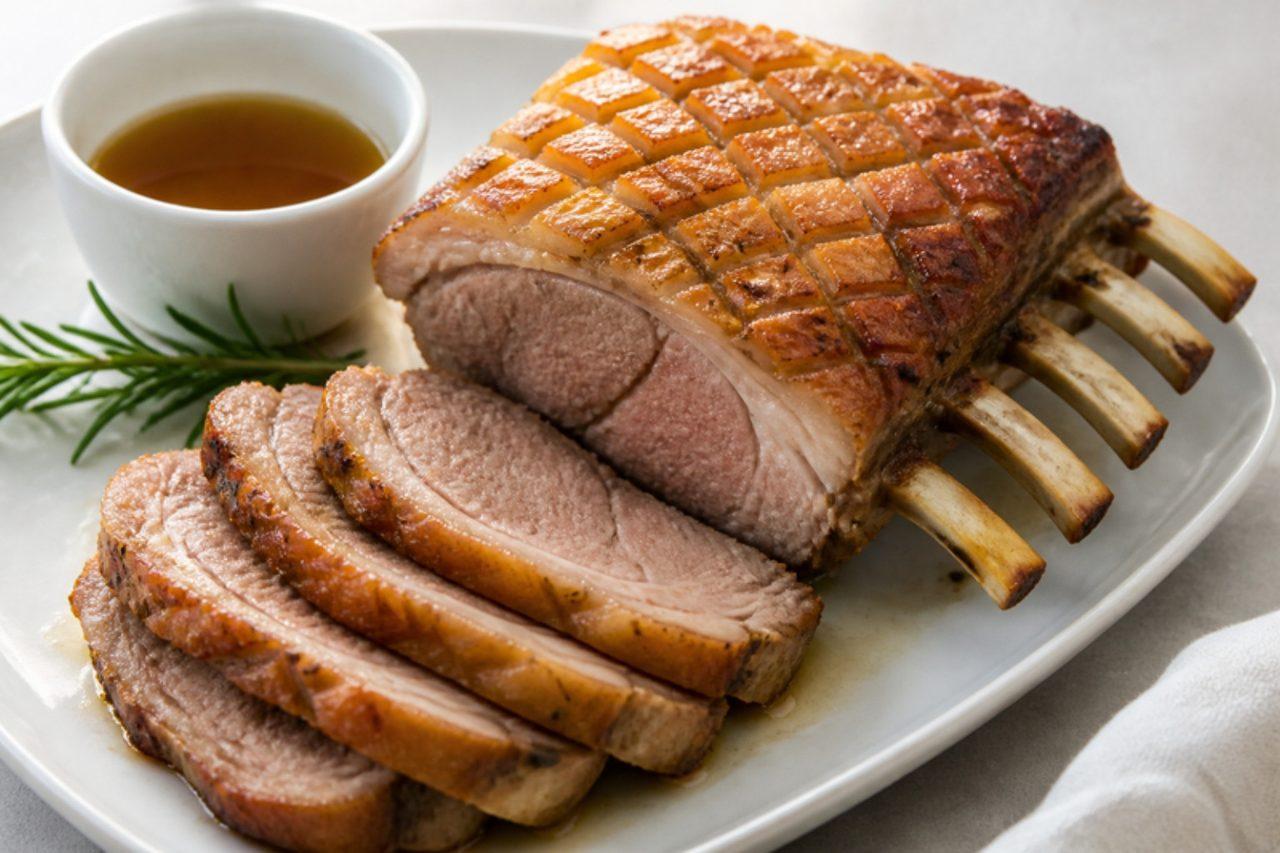
Uuts, the whole back and fat tail of a sheep, is the grandest dish of Tsagaan Sar, the Mongolian Lunar New Year: boiled, then set in the centre of the table in every Ulaanbaatar and countryside home and carved for each visitor during the days of family visits. The real thing weighs many kilos and needs a huge pot, so this home version uses a bone-in saddle of lamb with its fat, simmered first and then roasted until the fat is crisp, keeping the uuts idea of a whole, impressive cut to carve at the table. A common mistake is trimming away all the fat; in Mongolia it is the most prized part. Chef's tip: score the fat in a criss-cross so it renders and crisps evenly.

by KrazyBadal 0 views

Guiso de fideosBeef and pasta stew

Guiso de fideos is the winter weeknight stew of Argentina, cooked in Buenos Aires flats and on estancias alike, and as loved by children as by grandparents. Beef, potatoes and vegetables simmer in a light tomato and sweet-paprika broth, then short pasta cooks straight in the pot and thickens it into something between a soup and a stew. Serve it in deep plates with crusty bread and grated cheese for those who want it. The usual mistake is adding the pasta too early, so it swells and turns mushy; it goes in only for the last 10–12 minutes. Chef's tip: cut the beef into small cubes, about 2 cm, so it is tender in under an hour.

by KrazyBadal 0 views

Postre MassiniCustard sponge with burnt sugar top

Montevideo's birthday cake of choice since the early twentieth century, the Massini is two thin layers of sponge sandwiching a thick filling of whipped cream folded with egg-yolk custard, crowned with a thin glassy crust of torched yolk and sugar. Bakeries across Uruguay sell it on Sundays. Traditional versions sometimes add a sweet fortified wine to the custard; this one is alcohol-free. The custard is cooked to a safe 71 °C. The common mistake is assembling with warm custard, which melts the cream into a puddle. Chef's tip: if you don't have a blowtorch, put the sugared top under a very hot grill for a minute and watch it closely.

by KrazyBadal 0 views

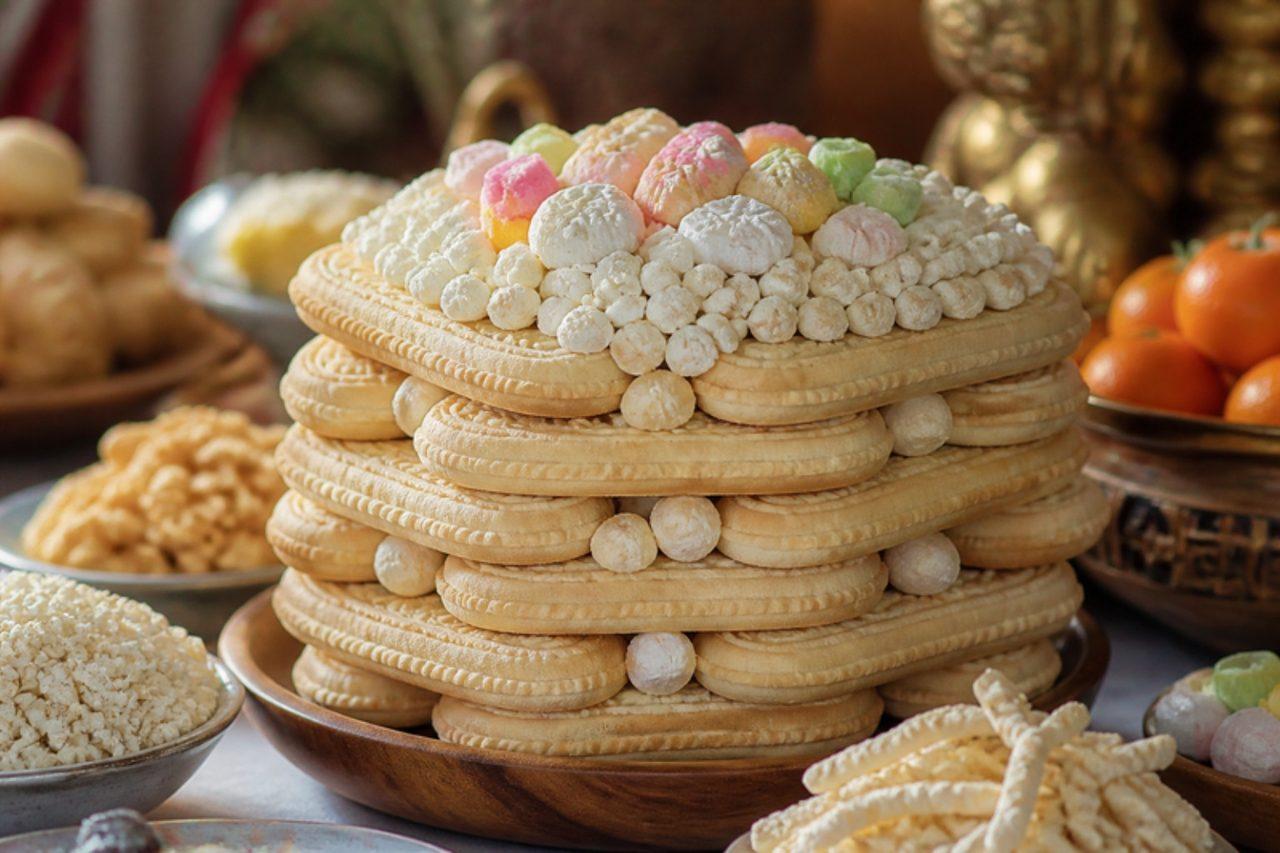
Ul boovNew Year shoe-sole pastries

Ul boov, "shoe-sole pastries", are the centrepiece of the Tsagaan Sar (Lunar New Year) table in every Mongolian home, stacked in an odd number of layers on a platter and crowned with aaruul, sugar cubes and sweets. Each oblong pastry is pressed with a carved wooden stamp and fried or baked. Families traditionally use rendered sheep's tail fat in the dough; this version uses butter. The stack is admired for the holiday, then broken up and eaten with milk tea. A common mistake is a soft dough that loses the stamped pattern; it should be firm and smooth. Chef's tip: if you don't have a stamp, press patterns with a fork or the end of a spoon.

by KrazyBadal 0 views

Tarta de zapallitosCourgette and cheese tart

In Buenos Aires every rotisería sells tartas by the slice, and at home a tarta de zapallitos is baked on Sunday evening so that a wedge can go into the vianda (packed lunch) for school and work all week. Zapallitos are round green courgettes; ordinary courgettes work just as well. The common mistake is adding the courgette raw, which floods the pastry; sauté it until the liquid has cooked away. Argentine queso rallado and many hard cheeses are made with animal rennet, so use a vegetarian hard cheese. Chef's tip: bake the tart on a preheated baking tray so the base crisps before the filling soaks in.

by KrazyBadal 0 views

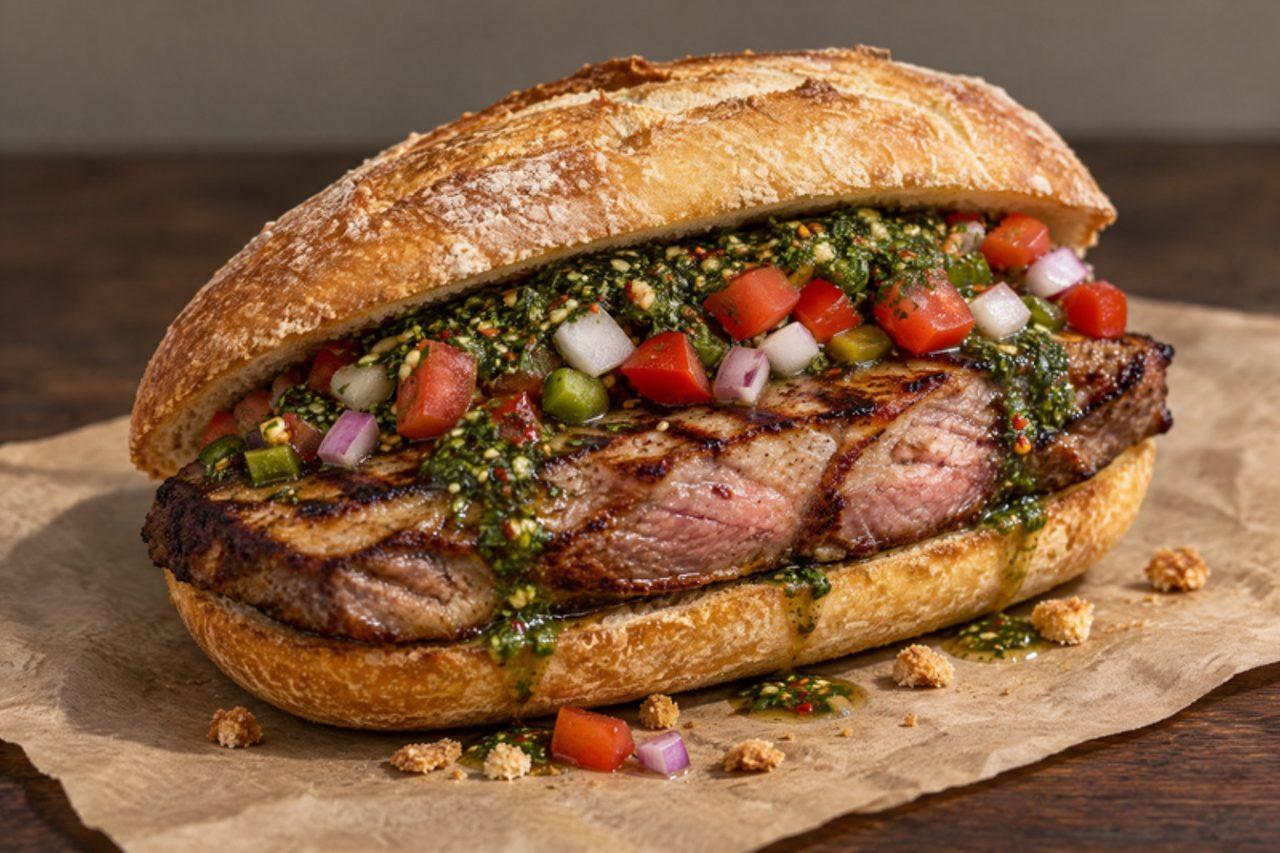
Sándwich de bondiolaGrilled pork shoulder sandwich

Along the Costanera Sur riverside in Buenos Aires, beside the Reserva Ecológica, the carritos have grilled for cyclists, walkers and taxi drivers for generations, and the bondiola sandwich is their pride: a thick pork shoulder steak, marbled and juicy, grilled until charred and laid in a crusty roll with chimichurri and salsa criolla. Weekend afternoons are the busiest. Chef's tip: leave the fat on the steak and turn it only once; the fat bastes the meat and the crust is the best part.

by KrazyBadal 0 views

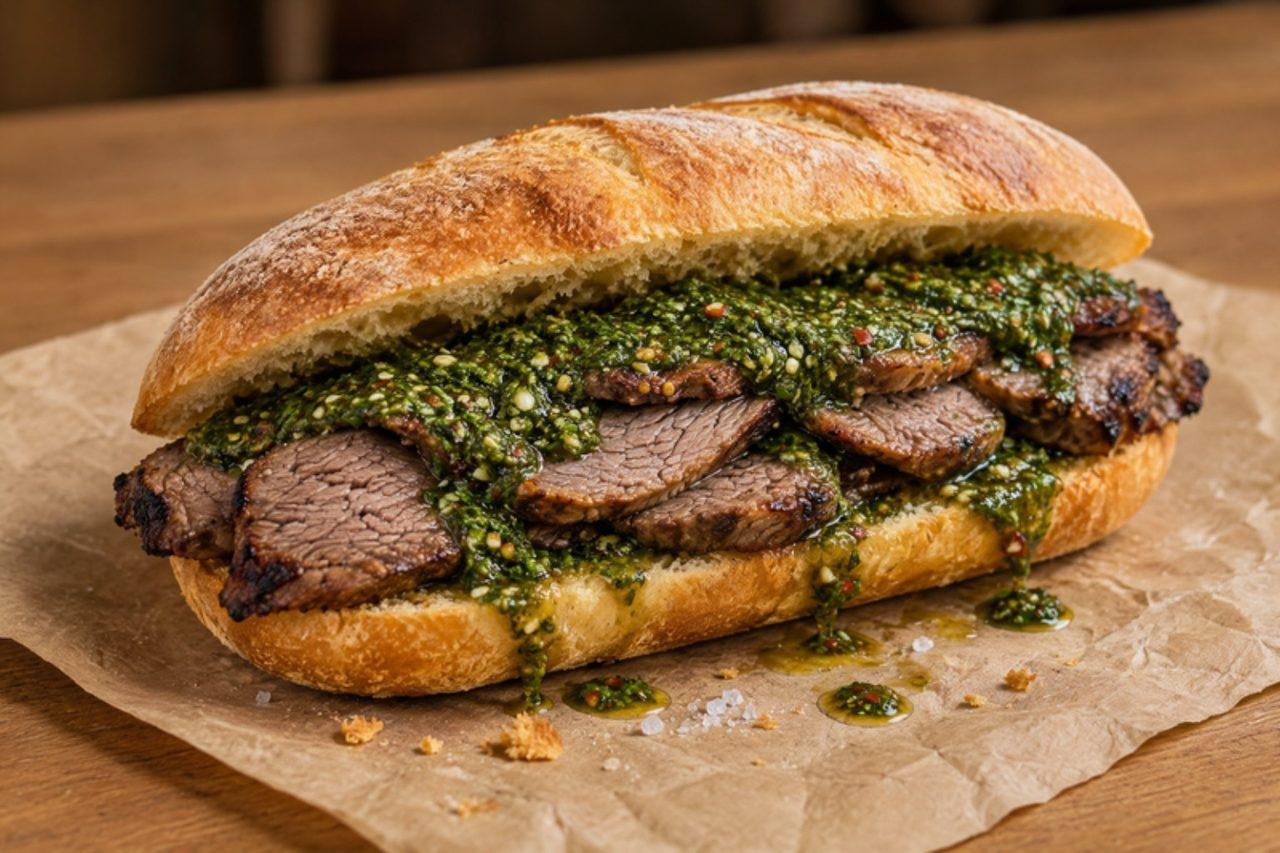
Sándwich de vacíoGrilled flank steak sandwich

Vacío, the flank cut with its layer of fat and membrane, is grilled slowly for a long time at Buenos Aires parrillas, and at the street grills near football grounds and the weekend fairs of Mataderos it ends up sliced into crusty bread for a hearty midday sandwich. Cooked gently, it turns tender and very juicy, with a crisp, salty layer of fat. Chef's tip: grill it membrane side down first for most of the time and do not trim that membrane off; it protects the meat and turns crisp.

by KrazyBadal 0 views

Morcilla dulceSweet blood sausage with walnuts

No Uruguayan parrilla is complete without morcilla dulce: a soft pork blood sausage sweetened with sugar and scented with orange peel, studded with walnuts and raisins, grilled until the skin crisps and served first, as part of the achuras, while the beef is still cooking. It is pork throughout: pork blood, pork back fat and natural pork casings. Making it at home is a project. Buy fresh pork blood with an anticoagulant added from a butcher who supplies it for sausage making, keep it chilled below 4 °C and use it within a day. The common mistake is poaching at a rolling boil, which bursts the casings. Chef's tip: keep the water at 80–85 °C, just shivering, and prick a sausage after 25 minutes: it is done when brown, not red, juice comes out.

by KrazyBadal 0 views

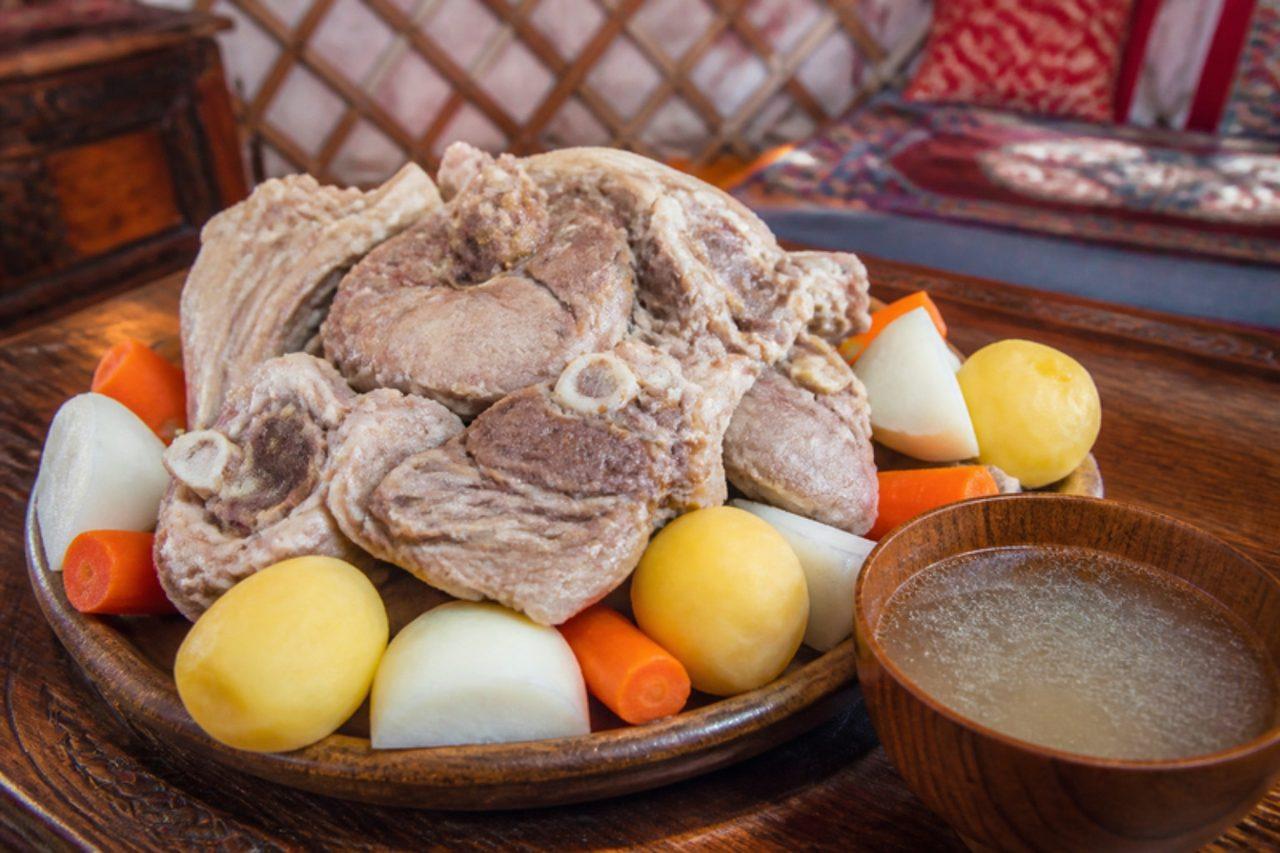
Boiled mutton

Chanasan makh is the simplest and most loved meal of the Mongolian countryside, boiled in a big pot on the ger stove in Övörkhangai or Khentii whenever guests arrive or a holiday comes round. Large bone-in pieces of mutton are simmered with nothing but salt and a little onion, then served steaming on a platter to be cut with a knife and eaten by hand, with the rich broth drunk from bowls alongside. Potato, carrot and turnip are often cooked in the same pot. A common mistake is boiling hard, which makes the meat tough and the broth cloudy; keep it at a lazy simmer and skim. Chef's tip: mutton or older lamb with some fat on it gives the deepest flavour.

by KrazyBadal 0 views

BortsAir-dried beef strips

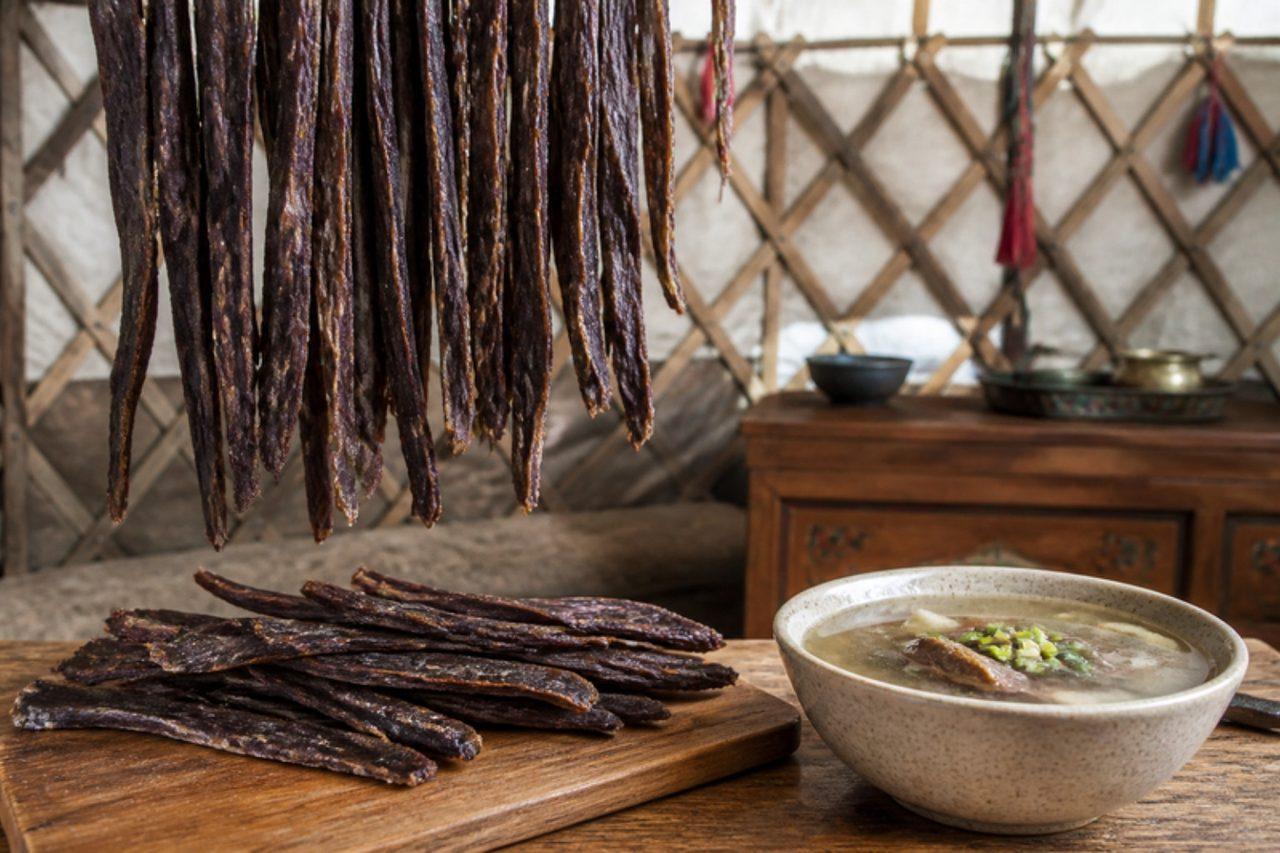
Borts is the winter-dried meat of Mongolian herding families: in the cold, dry air of late autumn, strips of beef are hung inside the ger until they shrink to hard, dark sticks, then pounded and stored in a bag to last until spring. A handful of borts dropped into hot water makes an instant soup, and nomads carry it on long journeys. In Mongolia it is also made from horse or camel meat; this recipe uses beef. Home kitchens don't have the steppe's freezing dry air, so here the meat is heated to a safe temperature first and dried in a low oven. A common mistake is leaving fat on the strips; fat turns rancid, so trim it all. Chef's tip: slice the meat while half-frozen to get thin, even strips.

by KrazyBadal 0 views

Mongolian salty milk tea

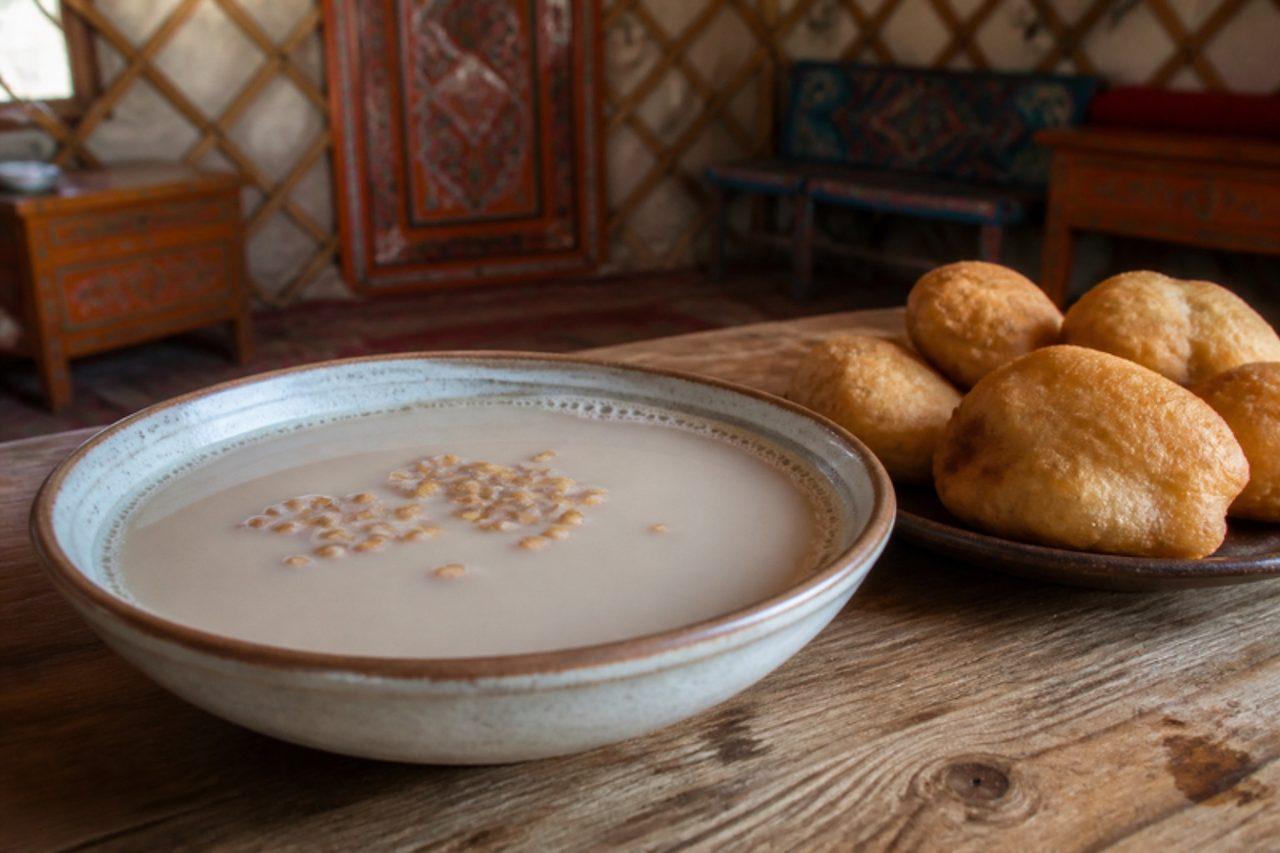
Süütei tsai is the first thing offered to anyone who steps into a ger on the Mongolian steppe, from Arkhangai to the Gobi, and families drink it all day long from wide bowls. Green brick tea is boiled in water, then milk and a pinch of salt go in, and the tea is ladled high and poured back again and again to aerate it. Some households add a knob of butter or a spoon of toasted millet for a richer, more filling bowl. It is savoury, not sweet, which surprises first-time visitors. A common mistake is using black tea leaves, which go bitter; use green brick tea or a mild green tea. Chef's tip: the ladling is not just ritual, it gives the tea a smooth, rounded taste.

by KrazyBadal 0 views

TereréIced yerba mate

In Asunción the hottest part of the day stops for tereré: a horn or cup packed with yerba mate, topped up again and again with ice water infused with crushed herbs, and passed round the group through a metal straw. It was recognised by UNESCO as part of Paraguay's cultural heritage, and the herbs (yuyos) change with the season and the drinker's mood. Yerba mate contains caffeine, so it isn't one for small children. The common mistake is pouring water straight into loose yerba, which then clogs the straw; tilt the yerba to one side first. Chef's tip: for tereré ruso, swap the water for cold orange or grapefruit juice.

by KrazyBadal 0 views

Cocido quemadoBurnt sugar mate drink

Cocido is how Paraguay starts the day: in Asunción, in the villages of Guairá and Itapúa, and in school kitchens, a pot of burnt yerba is brewed and poured into cups with chipa, the cheesy cassava bread, or with a hard galleta. The old way is to drop a glowing piece of charcoal into a pot with yerba and sugar and stir until the sugar burns. On a home stove you caramelise them together in a dry pan instead, which is safer and gives the same smoky, toffee-like taste. The drink is clear amber-brown, with roasted, slightly bitter mate notes over burnt-sugar sweetness; with milk added it becomes cocido con leche, creamy and coffee-coloured. Yerba mate contains caffeine, so treat it like a cup of coffee. The common mistake is letting the sugar go black: it turns acrid and bitter. Pull it off the heat when the caramel is deep amber and the yerba smells toasted, not burnt. It is ready when the liquid is a clear dark amber and tastes of toffee and smoke. Chef's tip: the water will spit fiercely when it hits the hot caramel, so pour it in from the side, at arm's length.

by KrazyBadal 0 views

BusecaTripe and white bean stew

Buseca arrived in Montevideo with Italian immigrants from Lombardy and became a classic winter dish of Uruguayan bodegones and family kitchens, eaten on cold June and July days. Honeycomb tripe is simmered until tender, then stewed with white beans, pork chorizo, bacon, peppers, tomato and paprika into a thick, warming stew served with crusty bread. Buy tripe that is already cleaned and blanched (dressed). The usual mistake is undercooking the tripe: it needs a full 2 hours, until it's soft enough to cut with a spoon. Slow-cooker option: after step 4, cook on low for 8 hours. Chef's tip: a little grated lemon zest and parsley stirred in at the end lifts the rich, gelatinous sauce.

by KrazyBadal 0 views

Centolla gratinadaBaked king crab with cheese

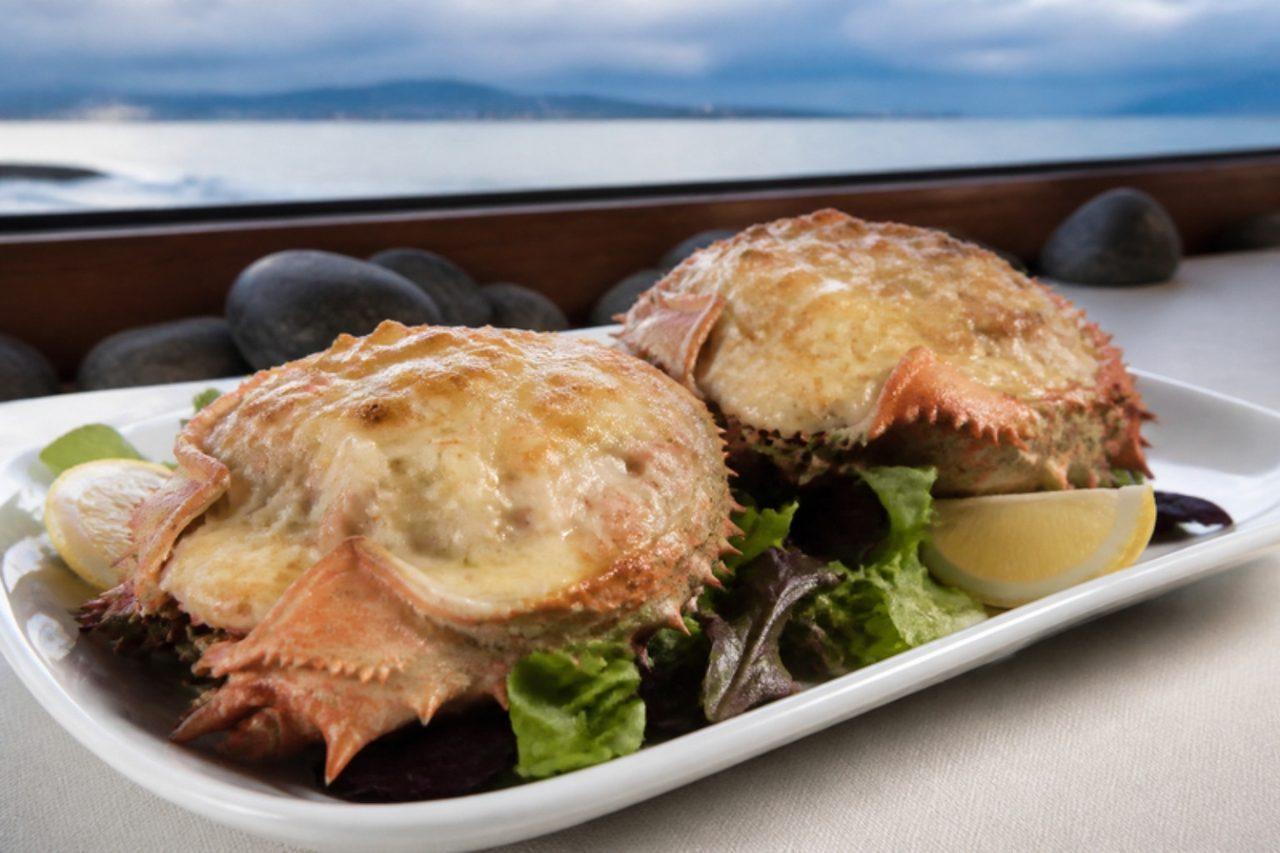
Centolla, the southern king crab hauled from the cold waters of the Beagle Channel, is Ushuaia's pride, and seafood restaurants along the harbour serve it gratinada: sweet chunks of leg meat in a light white sauce, crowned with cheese and browned under a fierce grill. It is rich, so serve it in small dishes as a starter with lemon and a green salad, plus crusty bread for anyone who can eat gluten. Buy cooked, frozen king crab legs or meat and thaw them in the fridge overnight; if you ever cook crab yourself, it must be alive when it goes into the pot. A frequent mistake is a sauce so thick and cheesy that the delicate crab disappears; keep it pourable and the cheese thin. Chef's tip: fold the crab in gently at the end, in big pieces, and let the oven only heat it; it is already cooked and turns stringy if it boils.

by KrazyBadal 0 views

Cazuela de cabritoKid goat stew

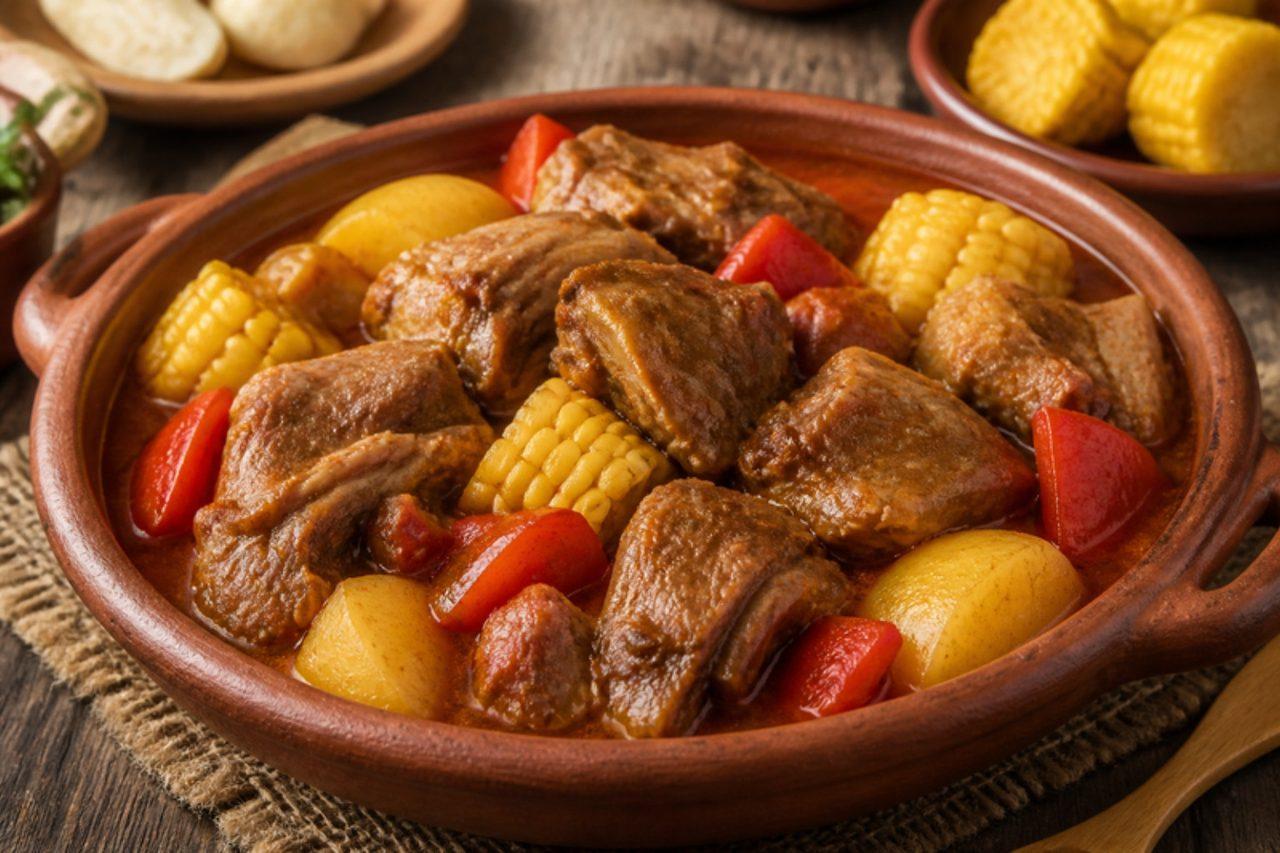
Up in the Calchaquí valleys of Salta, where goats graze between the vineyards and the cardón cactus, cabrito ends up in a heavy clay cazuela on Sunday or feast days. The meat simmers with onion, red pepper, cumin and ají molido until it slides off the bone, and the potatoes and thick rounds of corn on the cob drink up a brick-red, gently spiced broth. Bring it to the table in the pot with bread or a simple tomato and onion salad. Kid goat can be ordered from halal butchers and some farm shops; lamb shoulder works too. People often boil it hard to save time, which squeezes the lean meat dry and stringy; it wants the barest simmer. Chef's tip: brown the pieces in two or three batches so they colour properly instead of stewing in their own juices; that browning is where most of the flavour comes from.

by KrazyBadal 0 views

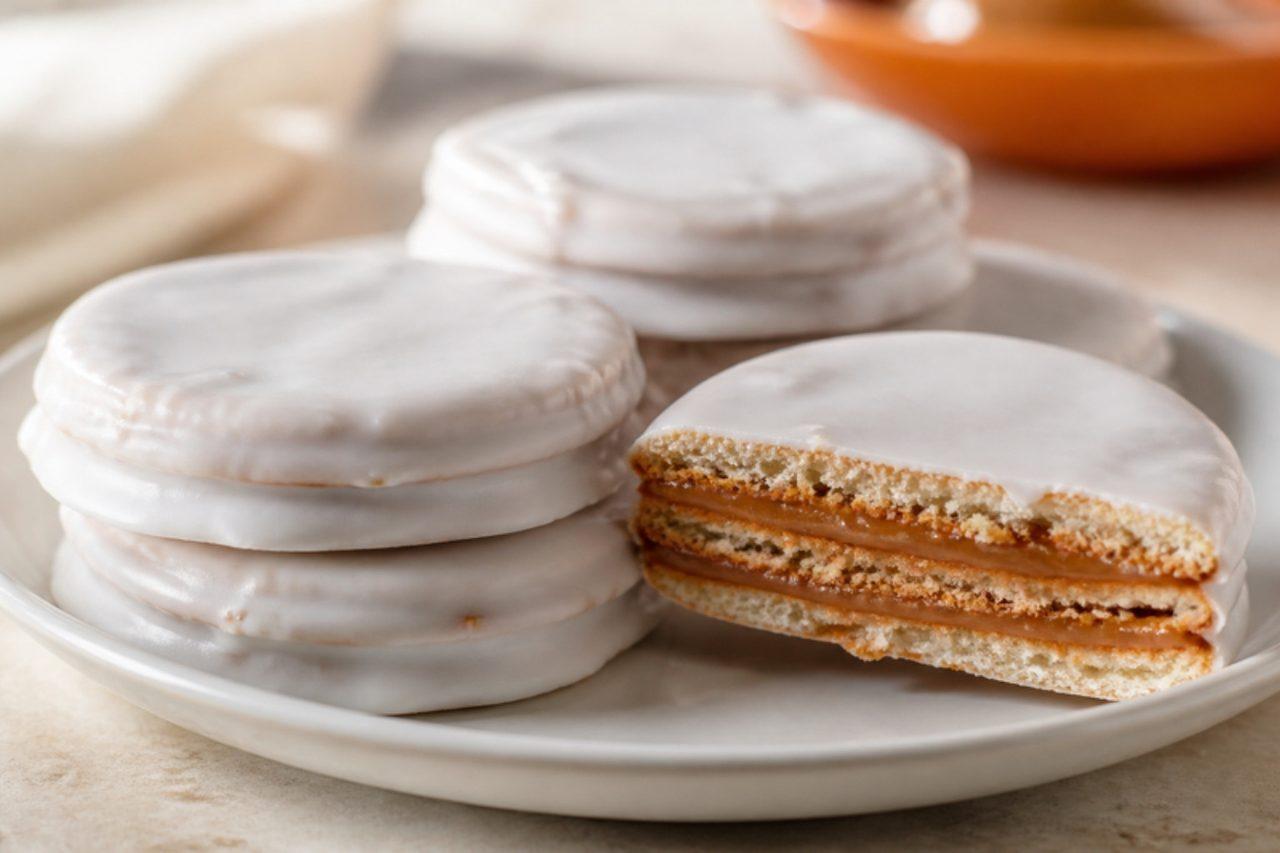
Alfajor santafesinoPastry discs with dulce de leche

Santa Fe's alfajor is a different animal from the soft cornflour kind sold everywhere else: three wafer-thin, crackly discs of yolk-rich pastry, stacked with dulce de leche, then dipped in a cooked sugar glaze that sets hard, white and shiny. Bakeries in Santa Fe city and along the Paraná river ship them all over the country in boxes, and travellers bring them home as the regional present. Bite through and the glaze shatters, the pastry flakes and the dulce de leche holds it all together. Thick pastry is the mistake that ruins the texture; it has to be rolled until you can almost see the worktop through it, or the alfajor turns bready. Some old recipes add a splash of cane spirit to the dough; this version uses only water and is alcohol-free. Use a thick, pastry-chef's dulce de leche (repostero) so it doesn't ooze. Chef's tip: bake the discs in batches and keep the rest of the dough covered; it dries out fast and then cracks when rolled.

by KrazyBadal 0 views

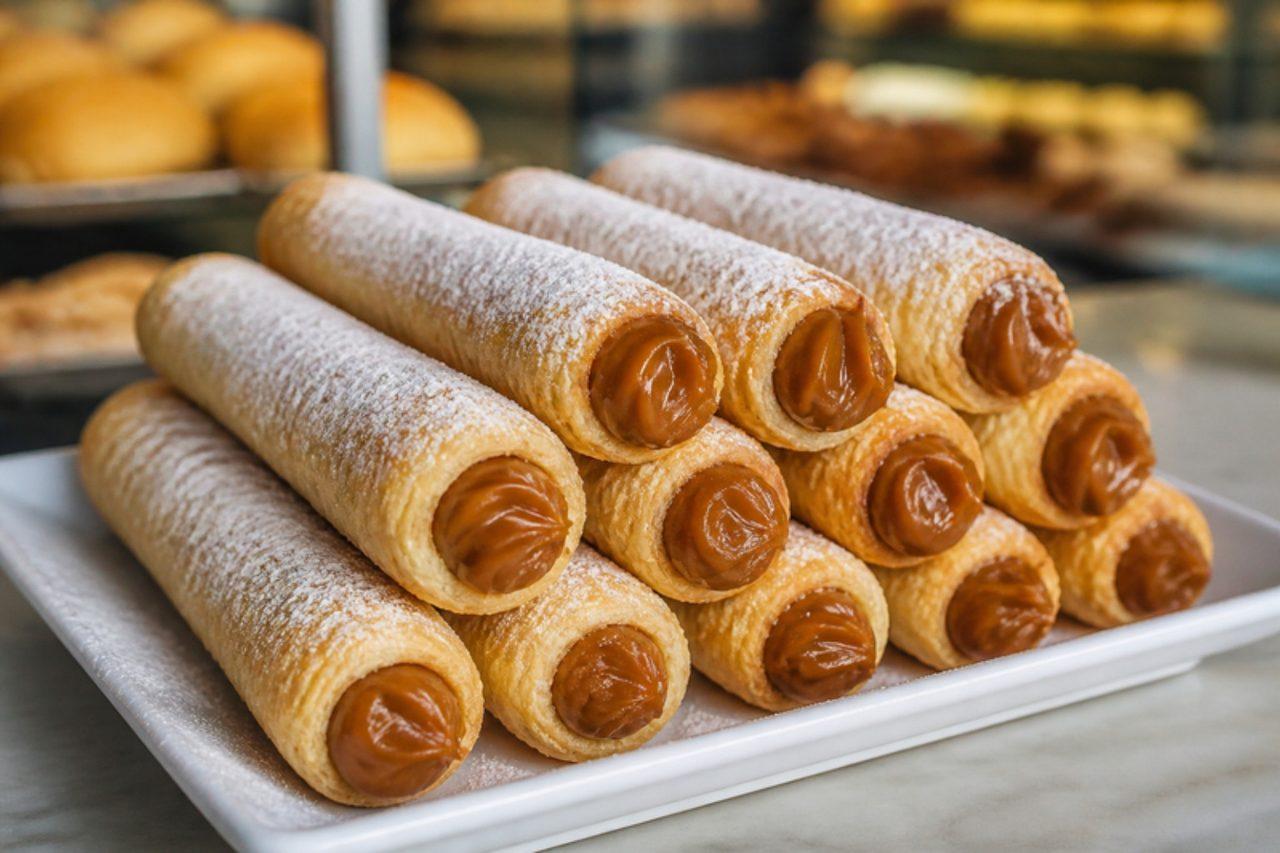
Cañoncitos de dulce de lecheDulce de leche puff pastry tubes

Look at the tray of facturas in any Argentine panadería and the little cannons are easy to spot: flaky tubes of puff pastry, baked around metal moulds and filled from both ends with dulce de leche, then finished with a snowfall of icing sugar. They come from the Italian cannoncini, but here the filling is almost always dulce de leche. Each bite is crisp, buttery and shattering on the outside with a dense, caramel middle, and they sit on the Sunday table next to medialunas and bolas de fraile. Undercooking is the problem to avoid: pale pastry goes soft as soon as the filling goes in, so bake until it is a deep gold all over. Use all-butter puff pastry, and metal cannoli or cream-horn tubes (or rolls of foil). Chef's tip: wrap the strips without stretching them, overlapping each turn by a third; stretched pastry shrinks in the oven and the tubes split.

by KrazyBadal 0 views

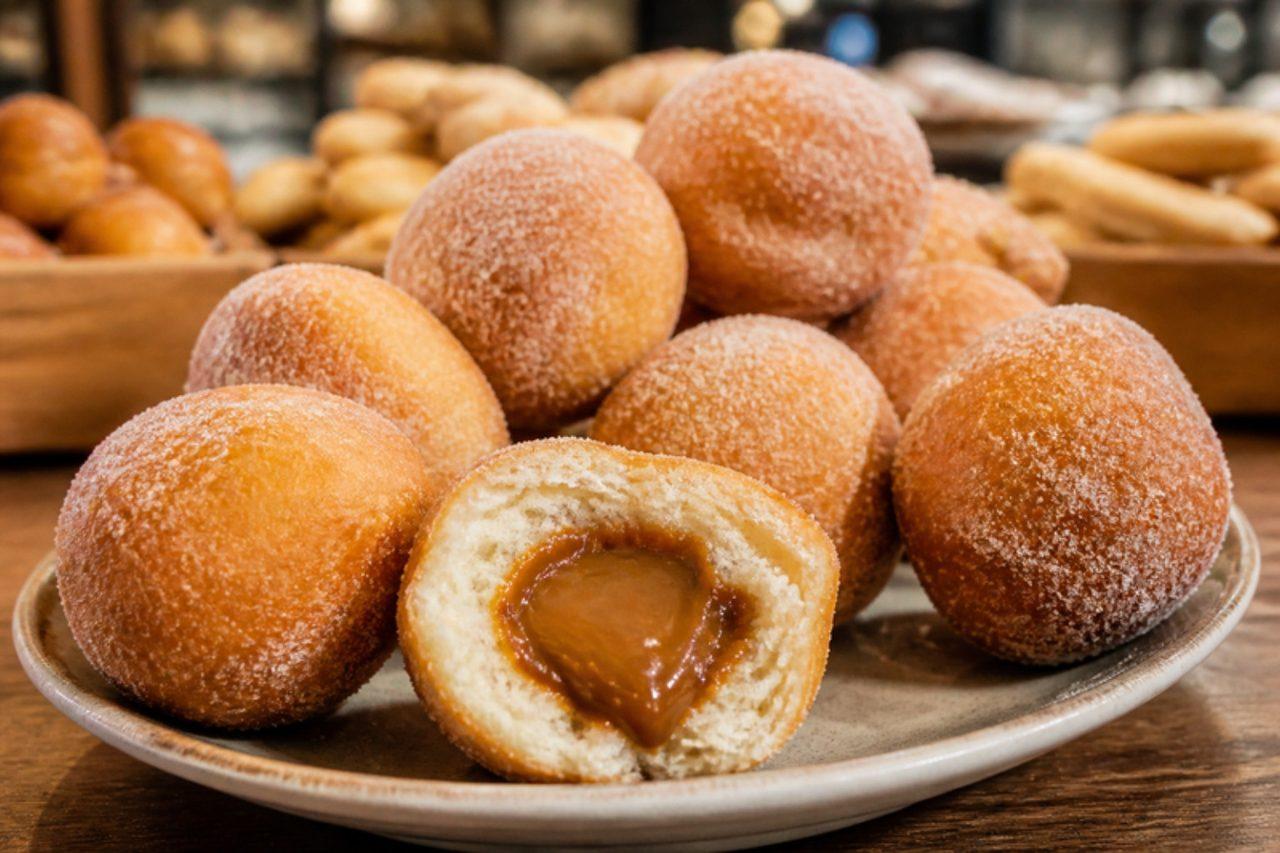
Bolas de fraileDulce de leche doughnuts

Friars' balls, to translate them literally, are a fixture of the Buenos Aires panadería counter among the facturas that porteños buy by the dozen on Sunday morning: soft, round yeast doughnuts, fried golden, rolled in sugar and split or piped with dulce de leche or crema pastelera. Children dive for them first. Inside they are light and fluffy, outside slightly crisp and sweet, and they are at their best within a few hours, with mate or coffee with milk. Oil that is too hot is the mistake: the outsides brown in seconds and the centres stay raw and doughy, so keep it at 170 °C and fry slowly. A thermometer helps a lot. Pastry cream is the other classic filling if you prefer it. Chef's tip: let the shaped balls rise on individual squares of baking paper and slide them into the oil on the paper; they keep their round shape and the paper peels off after a few seconds.

by KrazyBadal 0 views

Alfajor cordobésJam sandwich cakes with sugar glaze

Córdoba's version of the alfajor is the soft one: two tender, slightly spongy honey-scented rounds sandwiched with fruit jam, usually quince or mixed fruit, and coated in a thin sugar glaze that dries to a crackly white shell. They are sold by the dozen in the sierras towns of Villa General Belgrano, La Falda and Capilla del Monte, where tourists buy boxes on the way home from holidays. Expect a gentle crunch, a cakey bite and a tart-sweet centre, best with a cup of coffee or mate. Overworking the dough is where they usually go wrong: knead it like bread and the rounds bake tough and flat, so mix only until it comes together. Quince paste (dulce de membrillo) loosened with water works well if you can't find a soft quince jam. Chef's tip: dry the glazed alfajores for 5 minutes in a barely warm oven; the glaze sets glassy and crackles when you bite.

by KrazyBadal 0 views

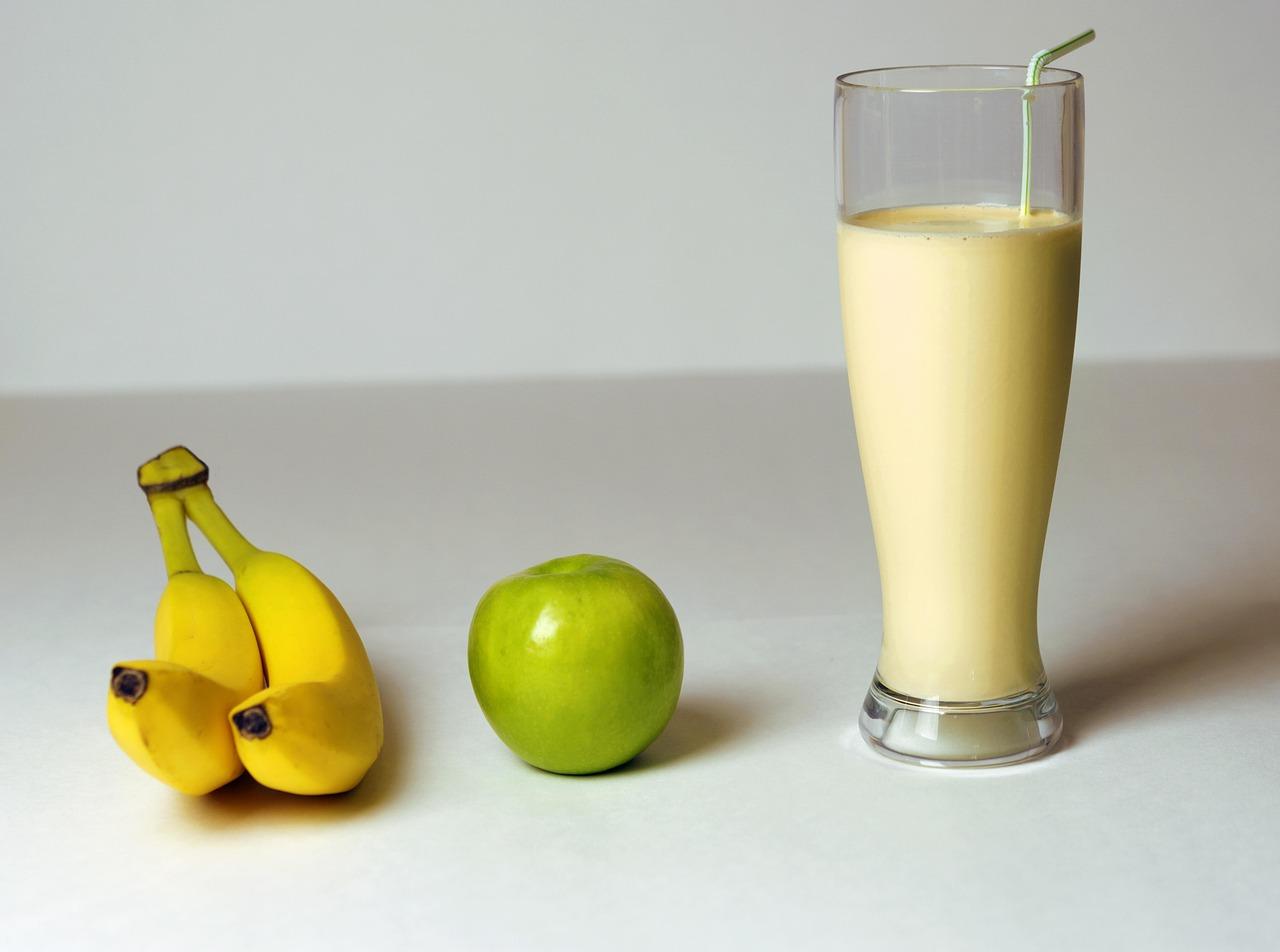
Licuado de bananaBanana milk shake

Order a licuado in any Argentine café or bar and you will get a tall glass of fruit blended with milk (con leche) or water (con agua), and banana with milk is the one nearly everyone grows up on. It is breakfast for teenagers in a hurry, a merienda with tostados, and the drink parents in Buenos Aires make when the fruit bowl has spotty bananas. It should be thick, cold and smooth, with a light froth, sweet mainly from ripe fruit. Using under-ripe bananas is the mistake: they taste chalky and need lots of sugar, so wait for brown freckles. Chef's tip: slice and freeze the bananas the night before and you can skip the ice; the shake comes out colder and thicker without being watered down.

by KrazyBadal 0 views

Matambre arrolladoRolled stuffed flank steak

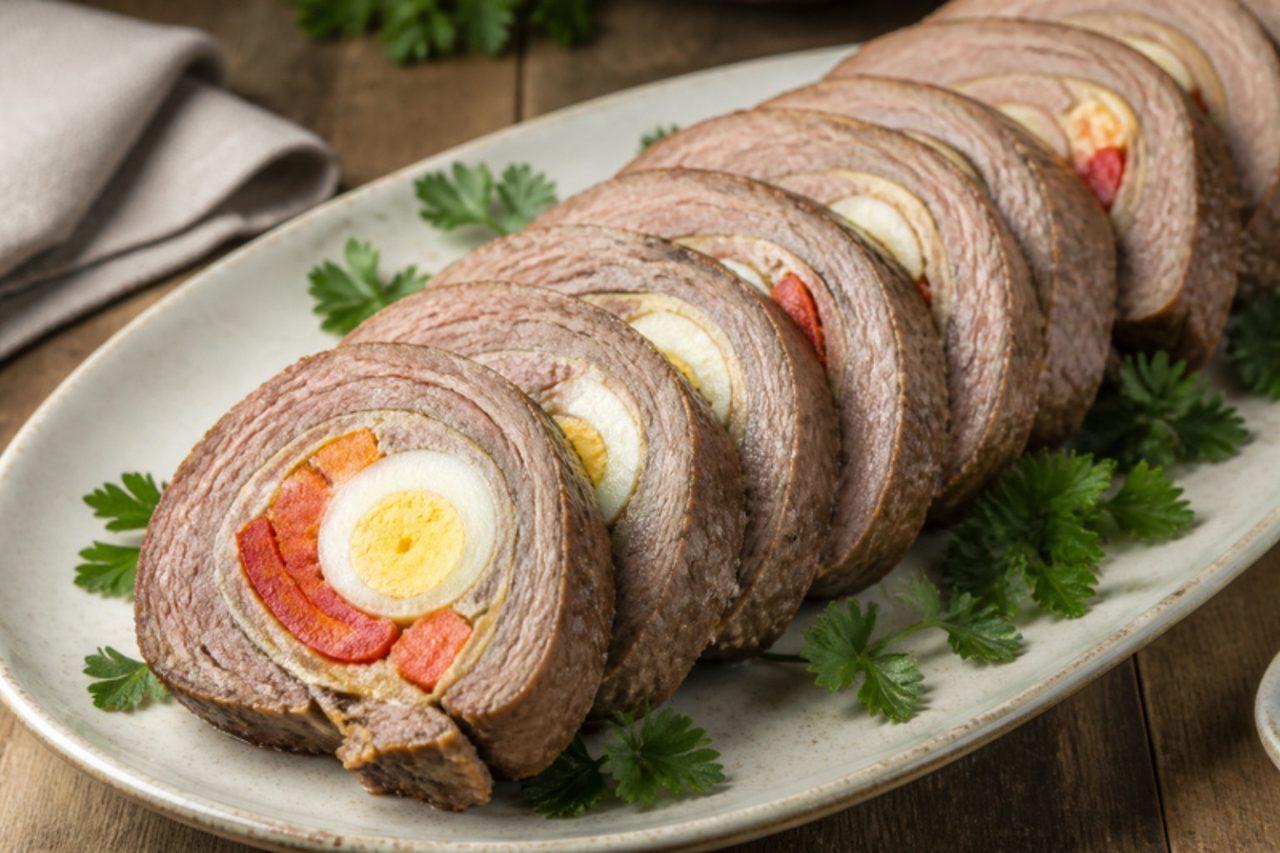
Christmas and New Year in Argentina fall in high summer, so the festive table is crowded with cold dishes, and matambre arrollado is the one that draws a crowd: a thin sheet of beef from between the ribs and skin (matambre, the rose or flank cut), spread with garlic and parsley, layered with hard-boiled egg, carrot and red pepper, rolled into a fat sausage, poached and pressed. Rotiserías in the Buenos Aires suburbs sell it by the slice, and each round shows a mosaic of colours. Served cold with Russian salad and a sharp chimichurri, it is tender and savoury. Because the outside of the meat ends up rolled inside, cook it to a core temperature of 71 °C, as for minced meat. The usual mistake is slicing it warm: it falls apart, so press it under a weight in the fridge overnight. If you can't find matambre, ask the butcher for a thin flank steak butterflied to 1 cm. Chef's tip: lay the meat with the grain running along the roll, so each slice cuts across the fibres and stays tender.

by KrazyBadal 0 views

Mejillones a la provenzalMussels with garlic and parsley

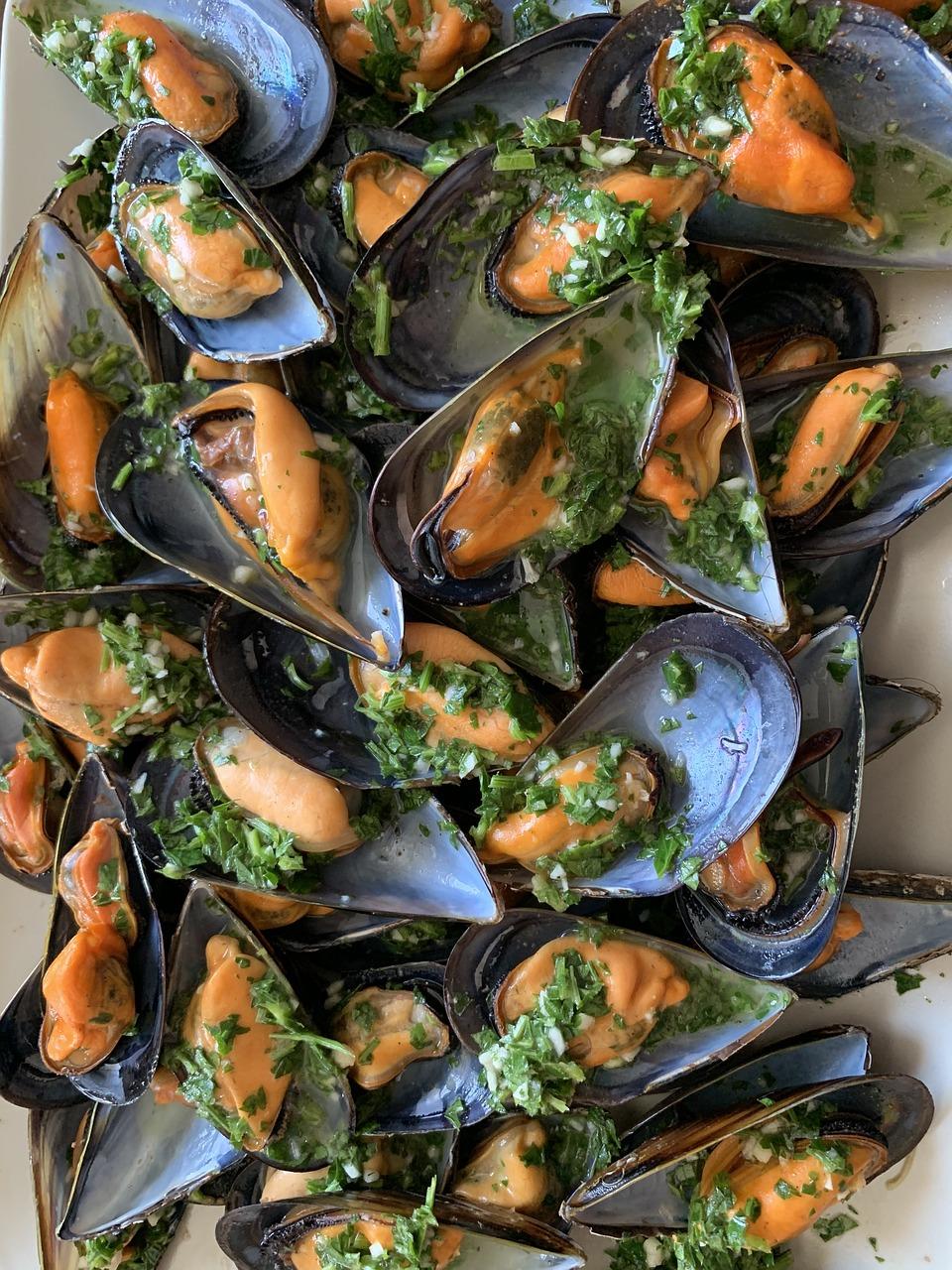
On the Atlantic coast around Puerto Madryn and the Golfo Nuevo, mussels from cold Patagonian waters are farmed and gathered in quantity, and seafood places along the rambla steam them a la provenzal, which in Argentina means lots of garlic and parsley. A splash of dry white wine goes into the pot; the alcohol mostly cooks off, but you can swap it for fish stock with a little lemon for an alcohol-free pot that tastes just as good. Serve with bread or chips to mop up the briny juices. Cooking mussels too long is the usual slip: they shrink and turn rubbery, so lift the lid as soon as most have opened. Before cooking, throw away any mussel with a broken shell or one that stays open when tapped; after cooking, discard any that stay shut. Chef's tip: keep the garlic in gently warm oil until it just smells sweet; brown garlic turns bitter and dominates the mussels.

by KrazyBadal 0 views

Matambre a la pizzaFlank steak with tomato and mozzarella

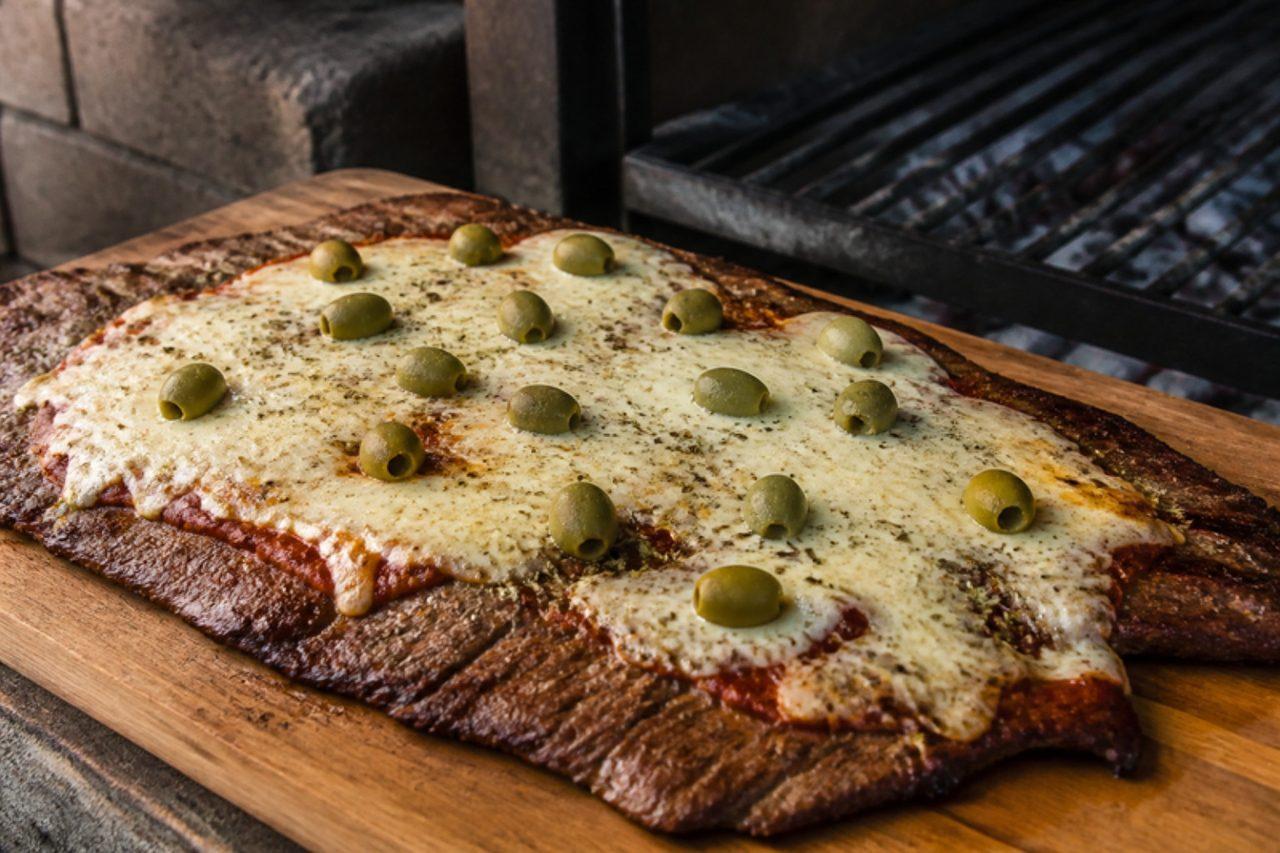
Weekend asados around Buenos Aires usually end with a show-off dish from the grill, and matambre a la pizza is the one that makes children cheer: a whole sheet of matambre (the thin flank cut that sits under the skin) cooked slowly until tender, flipped, then spread with tomato sauce, oregano and mozzarella and left on the grill until the cheese bubbles. Parrillas in the suburbs sell it cut into squares. Many cooks first simmer the meat in milk, which keeps the lean cut juicy and soft; that is the method here, finished under a hot grill or in the oven if you have no barbecue. Matambre is eaten well done and tender rather than pink. The usual mistake is grilling it straight away like a steak, which leaves it leathery: slow cooking first is what makes it tender. Chef's tip: score the membrane on the fatty side in a criss-cross before cooking, so the sheet stays flat instead of curling up when it hits the heat.

by KrazyBadal 0 views

Showing 24 of 57 recipes

Show more recipes

Page 1 of 3