Skip to content
WhatToEat.Today

All recipes

7

Vegetarian, or something you can't eat? Set your diet once and we'll hide recipes that don't fit.

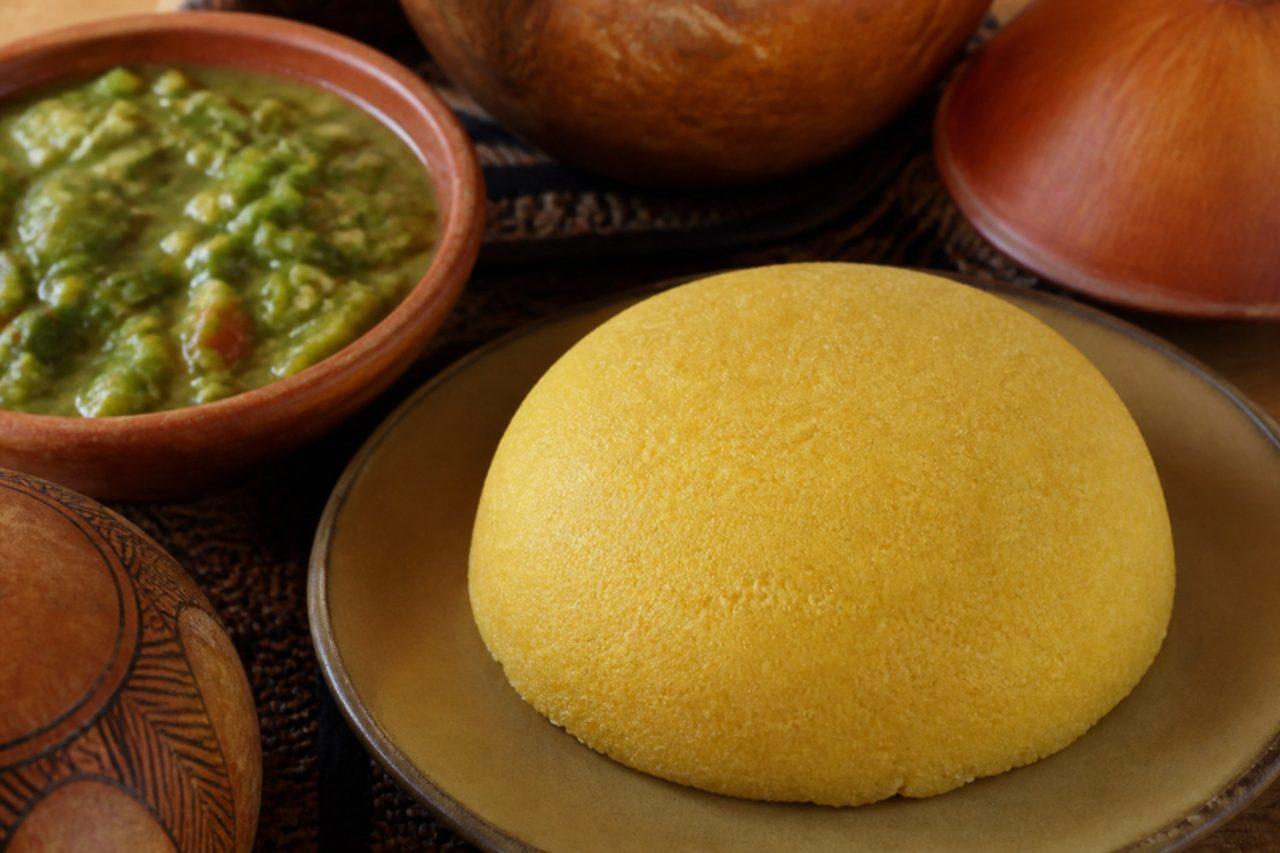
Couscous de maïsStiff maize paste

Across the North, from Garoua's riverside neighbourhoods to the Adamawa plateau around Ngaoundéré, the evening meal is usually couscous de maïs: not the steamed grains of North Africa but a stiff, smooth maize paste shaped into domes with a wet calabash. It is eaten with the right hand, dipped into slippery okra sauce, leaf sauces or a tomato and groundnut stew. The flavour is mild and sweet like fresh corn, and the texture firm enough to hold the dent made by your thumb. Use fine maize meal; coarse polenta gives a gritty result. Chef's tip: let the first handful of meal cook undisturbed on the simmering water for a few minutes before stirring; it forms a raft that blends in without lumps.

by KrazyBadal 0 views

KondreGoat and green plantain stew

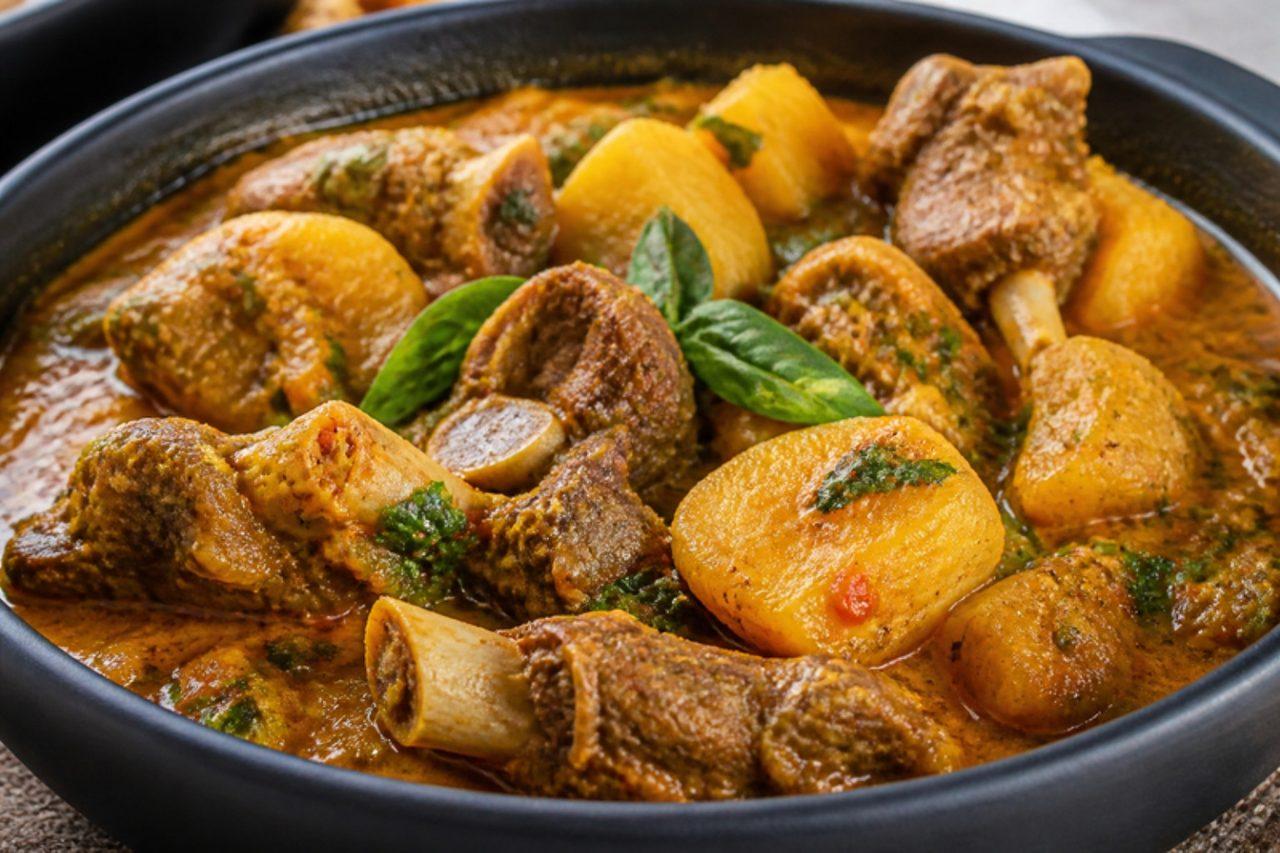
For weddings, funerals, the enthronement of a chief or the return of a relative from abroad, the Bamileke of the West Region cook kondre. Chunks of goat are stewed slowly with green plantain, tomato and a fragrant blend of local spices including white pepper, pebe and country onion, until the plantain melts at the edges and thickens the sauce. The result is earthy, peppery and very satisfying, eaten straight from the bowl with nothing else alongside. Beef or lamb can replace goat; pebe and country onion are sold in Cameroonian grocers, with nutmeg and a pinch of clove standing in at a pinch. Marinate the meat in the fridge, never on the counter. Chef's tip: give the goat a full hour on its own before the plantain goes in; the meat needs far longer to soften.

by KrazyBadal 0 views

Mbongo tchobiFish in black spice sauce

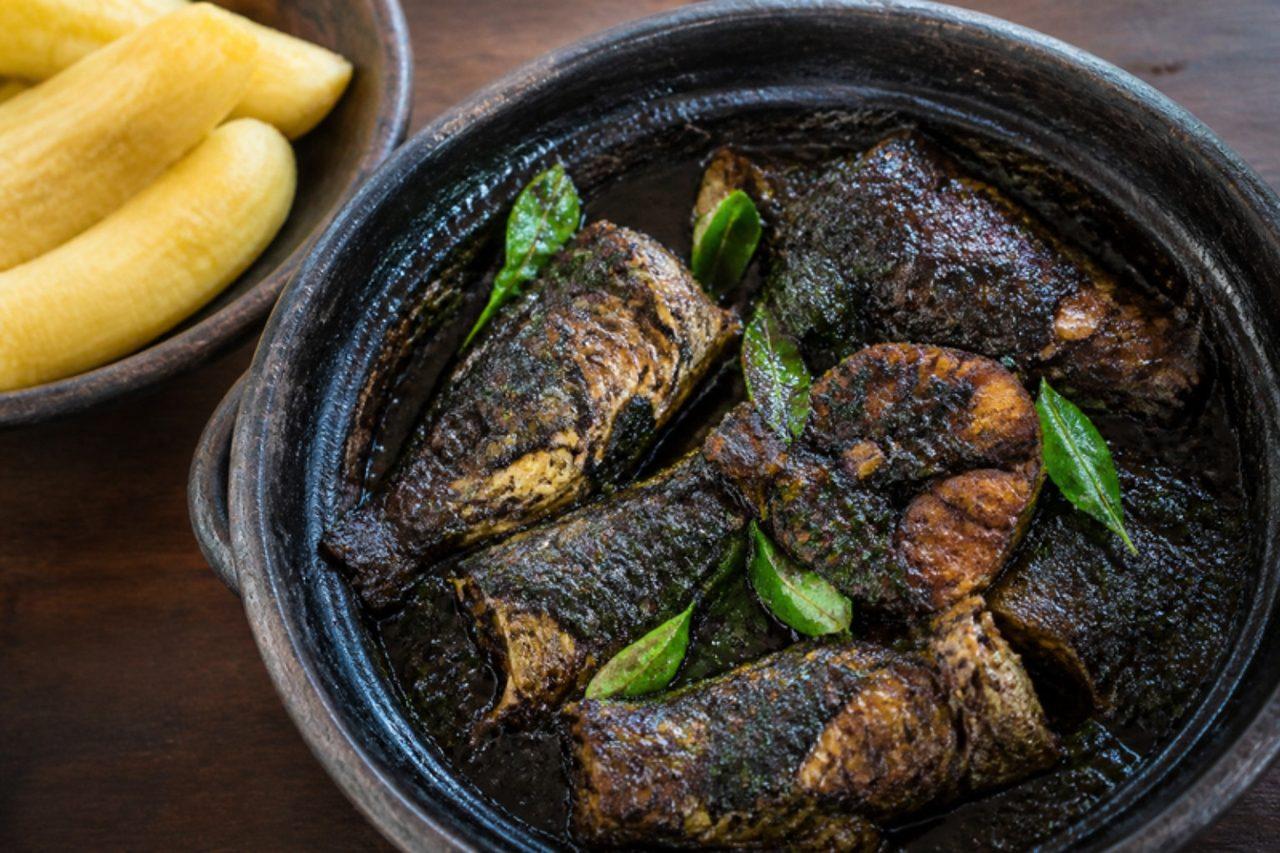
The Bassa people of the Littoral, between Douala and Édéa, are famous for mbongo tchobi, fish cooked in a startling jet-black sauce. The colour comes from mbongo, the pods of a wild plant in the ginger family, charred over a flame until black and ground with onion, garlic, ginger and njansang; the taste is smoky, peppery and deeply aromatic rather than burnt. Freshwater fish such as carp or tilapia is traditional, simmered gently in the sauce for family gatherings and in Douala restaurants, with boiled plantain, miondo or rice on the side. If mbongo is hard to find, charred black cardamom with grains of paradise gives a similar smoky warmth. Chef's tip: shake the pan instead of stirring once the fish goes in, so the pieces stay whole.

by KrazyBadal 0 views

MintumbaCassava and palm oil leaf parcels

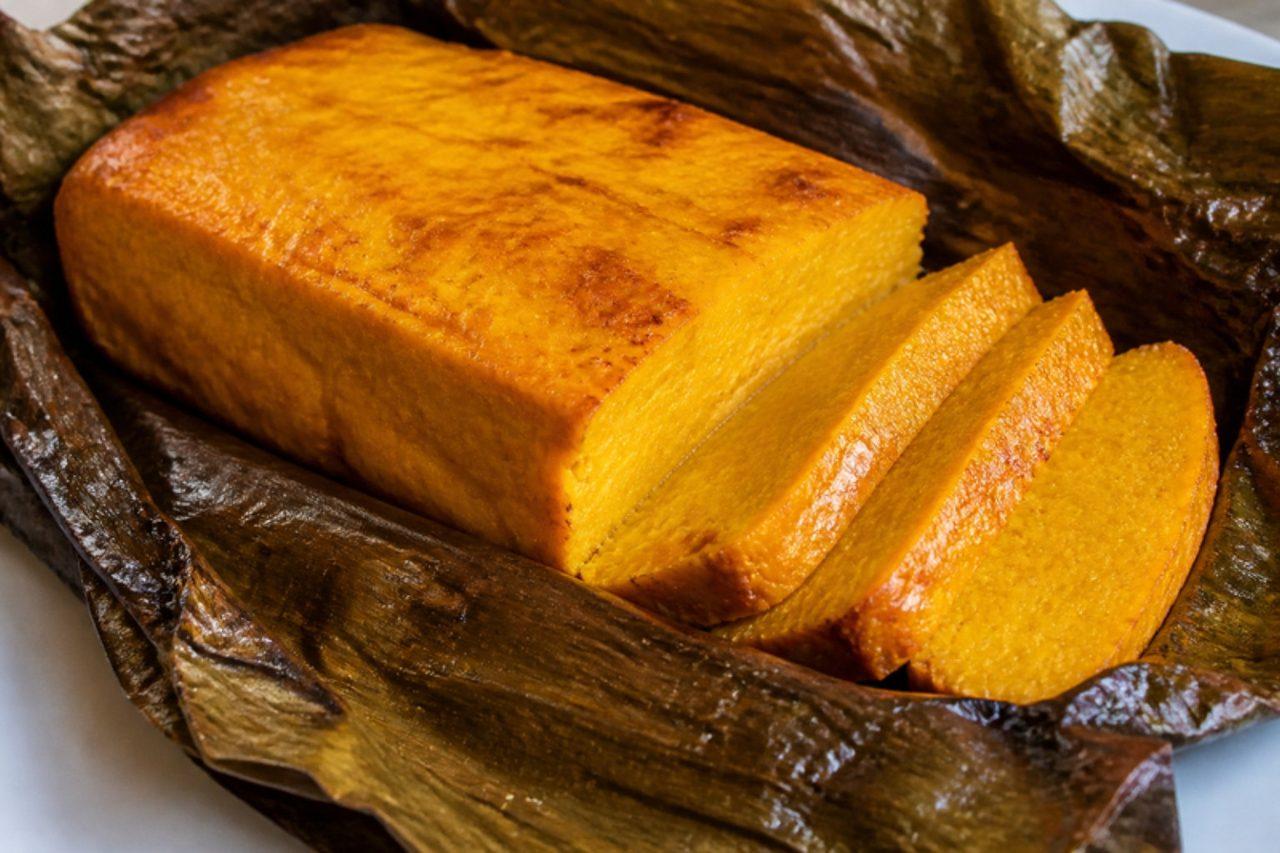
Golden and glossy with red palm oil, mintumba is the richer cousin of bobolo, baked or steamed in leaves in the Centre region and eaten as a snack or alongside sauce, grilled fish or roasted groundnuts. The soured cassava dough is kneaded with oil and a little salt, then wrapped and cooked until it sets into a dense, chewy loaf with a toasty crust where it touched the leaf. Its flavour is tangy, earthy and buttery from the oil. Start with bought fermented cassava paste from an African grocer, or make the dough as for bobolo. Don't wrap the dough loosely; gaps let water in and the parcels turn soggy. Chef's tip: warm the palm oil until just liquid before kneading it in; poured in solid, it streaks the dough instead of colouring it evenly.

by KrazyBadal 0 views

MiondoSoured cassava sticks

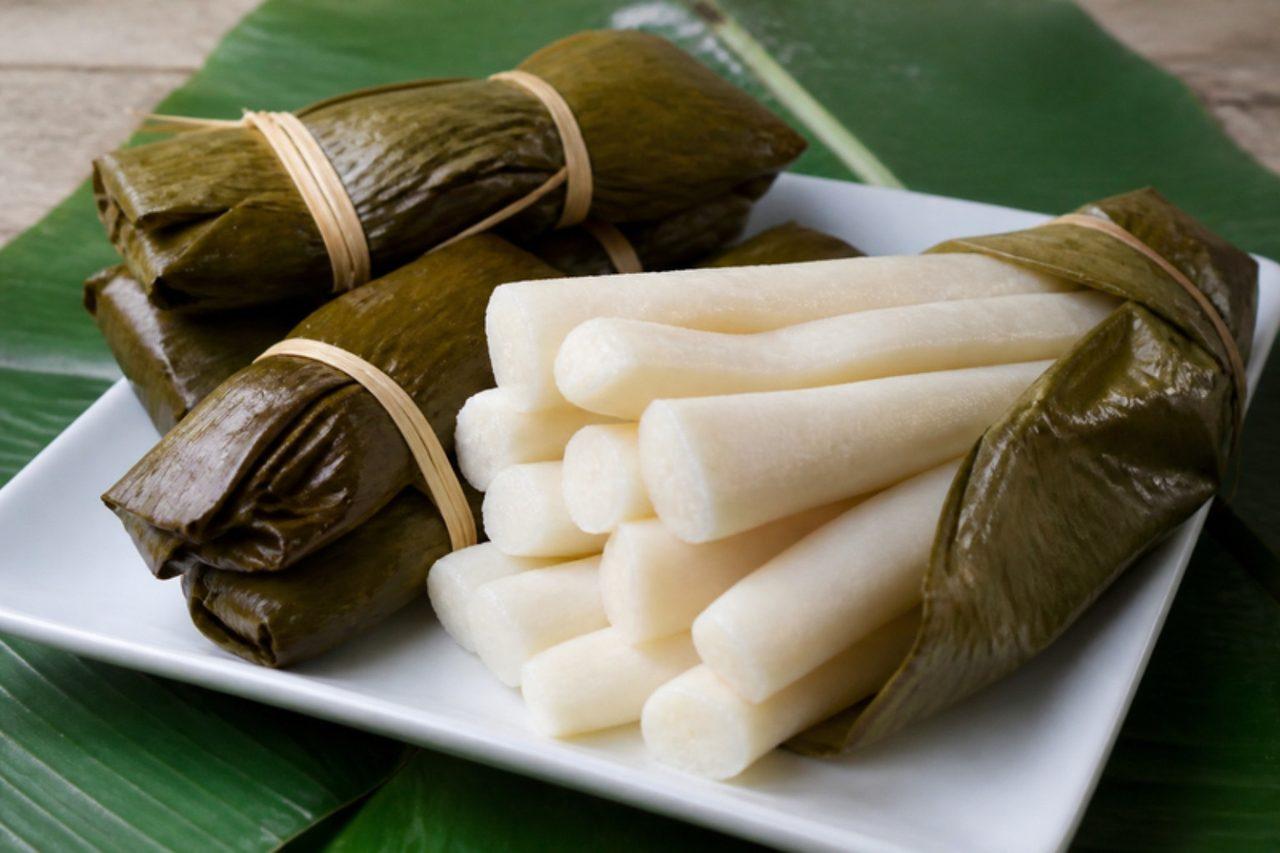
Douala's Duala families wrap their cassava dough into slim sticks no thicker than a finger, and bundles of miondo tied with string are stacked at every market from Akwa to New Bell. The roots are soaked for several days until they soften and sour, then ground smooth, drained, rolled, wrapped in leaves and boiled until firm and slightly translucent. The result is chewy, gently tangy and neutral enough to soak up ndolé, grilled fish or a fiery pepper sauce, and peeling back the leaf is part of the pleasure. Plan ahead: the soaking takes 3–4 days and the draining a few hours more, though the hands-on work is about an hour. Chef's tip: roll the sticks no thicker than your little finger so they cook through evenly; fat ones stay pasty in the middle.

by KrazyBadal 0 views

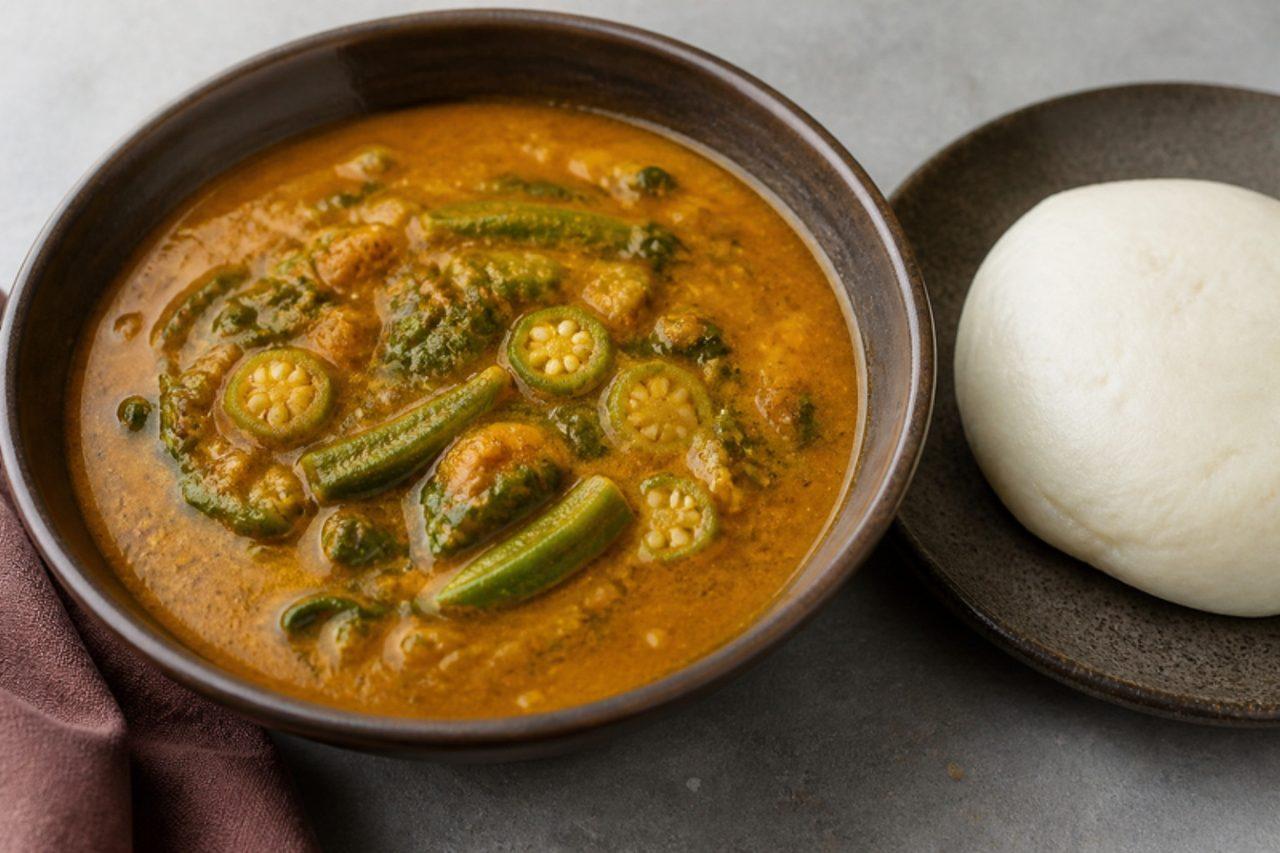
NkuiOkra and spice draw soup

Bamileke families in the West Region cook nkui for celebrations, and it is also a traditional food for new mothers in the weeks after a birth. Bark from the nkui shrub is steeped and squeezed until the water turns long and slippery, then simmered with a peppery blend of local spices and finished with okra for an even stronger draw. The soup is thin, silky and warming rather than rich, with a woody, citrusy heat. Lift it with a ball of fufu corn and let the strands trail from your fingers. Look for the bark and the spice mix in Cameroonian grocers; grated okra alone gives a lighter but similar draw. The usual mistake is boiling the soup hard after whisking; it loses its draw. Keep it at a bare simmer. Chef's tip: whip the soup hard with a whisk right after adding the potash; the beating is what builds the stretchy strands.

by KrazyBadal 0 views

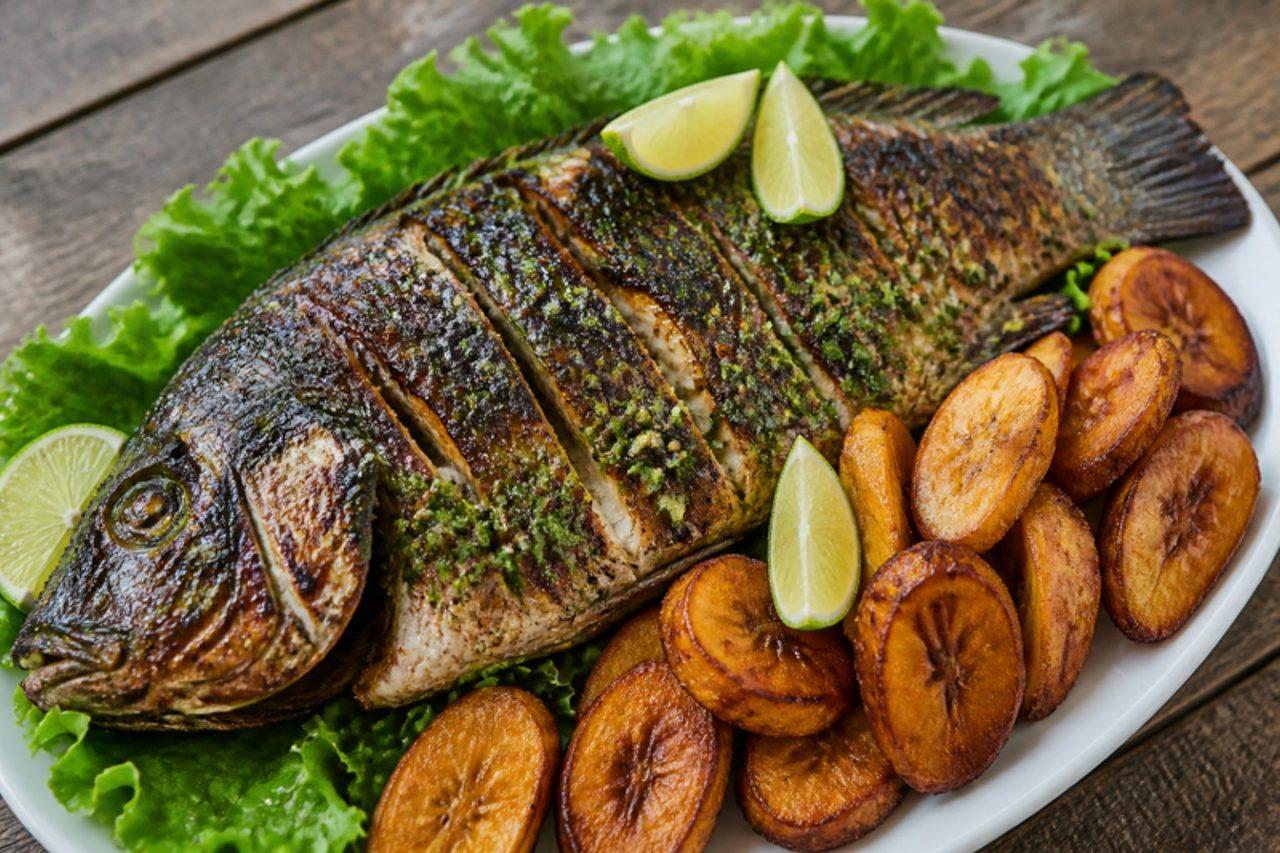
Poisson braiséCharcoal-grilled fish

On the roadside grills of Douala and Yaoundé, women split tilapia or mackerel, smear them with a green paste of ginger, garlic, onion and herbs, and grill them over charcoal while people wait with a cold drink; it is late-evening food, eaten with fried plantain, bobolo (cassava sticks) or miondo and a fiery tomato pepper sauce. At home a very hot grill or a barbecue does the job. The mistake is turning the fish too early, so it sticks and breaks: wait until the skin is crisp and releases. Chef's tip: oil the fish and the grill bars, not just one of them.

by KrazyBadal 0 views