Skip to content
Recipes

All recipes

Vegetarian, or something you can't eat? Set your diet once and we'll hide recipes that don't fit.

RasiyaJaggery rice kheer

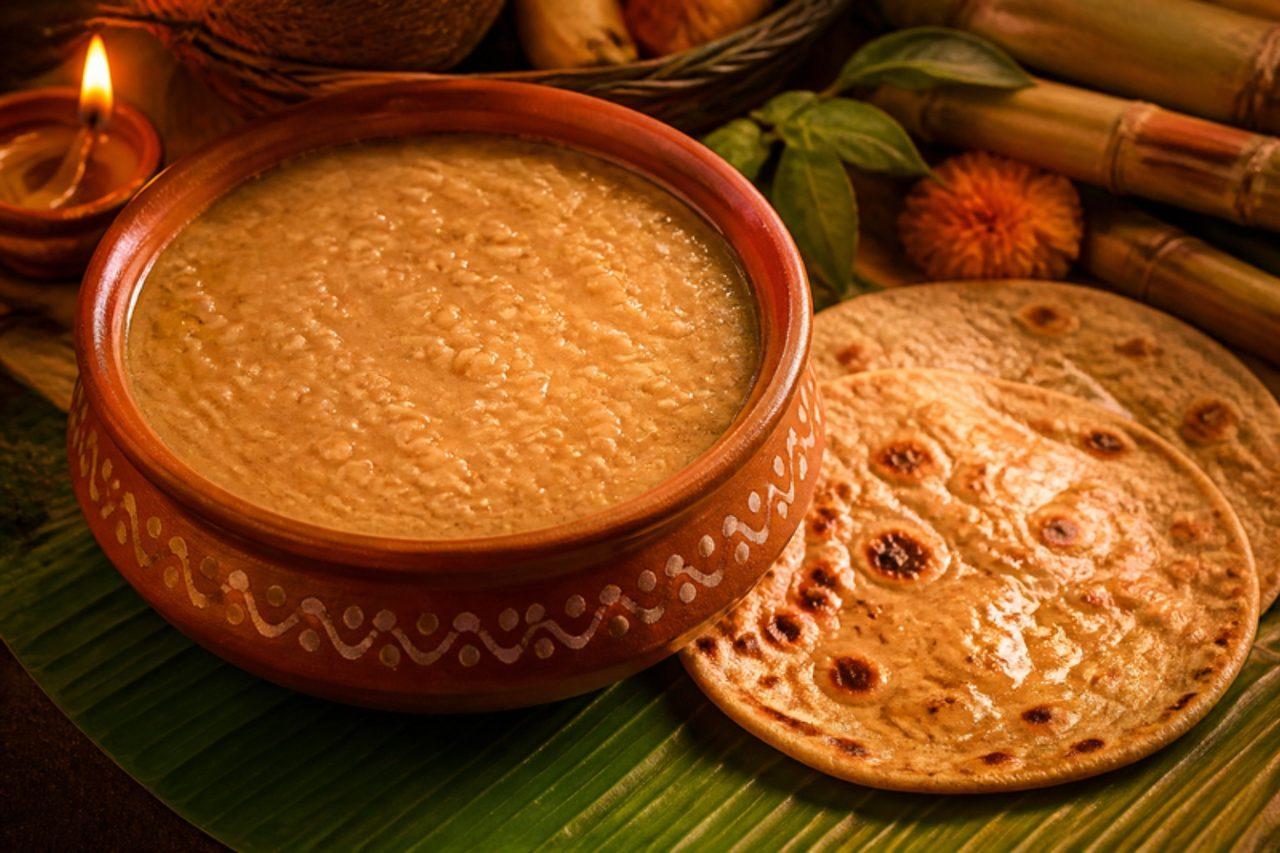
On the evening of Kharna, the second day of Chhath in Bihar and eastern Uttar Pradesh, the vrati who has fasted since dawn cooks rasiya on a new clay chulha over mango wood: arwa rice simmered in milk with jaggery, offered to Chhathi Maiya and eaten with ghee-smeared roti before the 36-hour waterless fast begins. It is pale brown, creamy and tastes of caramel and milk. Common mistake: adding jaggery while the milk is boiling hard, which curdles it; take the pan off the heat, let it calm, then stir in the jaggery, and the kheer is ready when the rice is completely soft and it coats the spoon. Chef's tip: many families cook it with no salt and in a separate pan from everyday cooking; do the same if you are making it for the puja.

by KrazyBadal 0 views
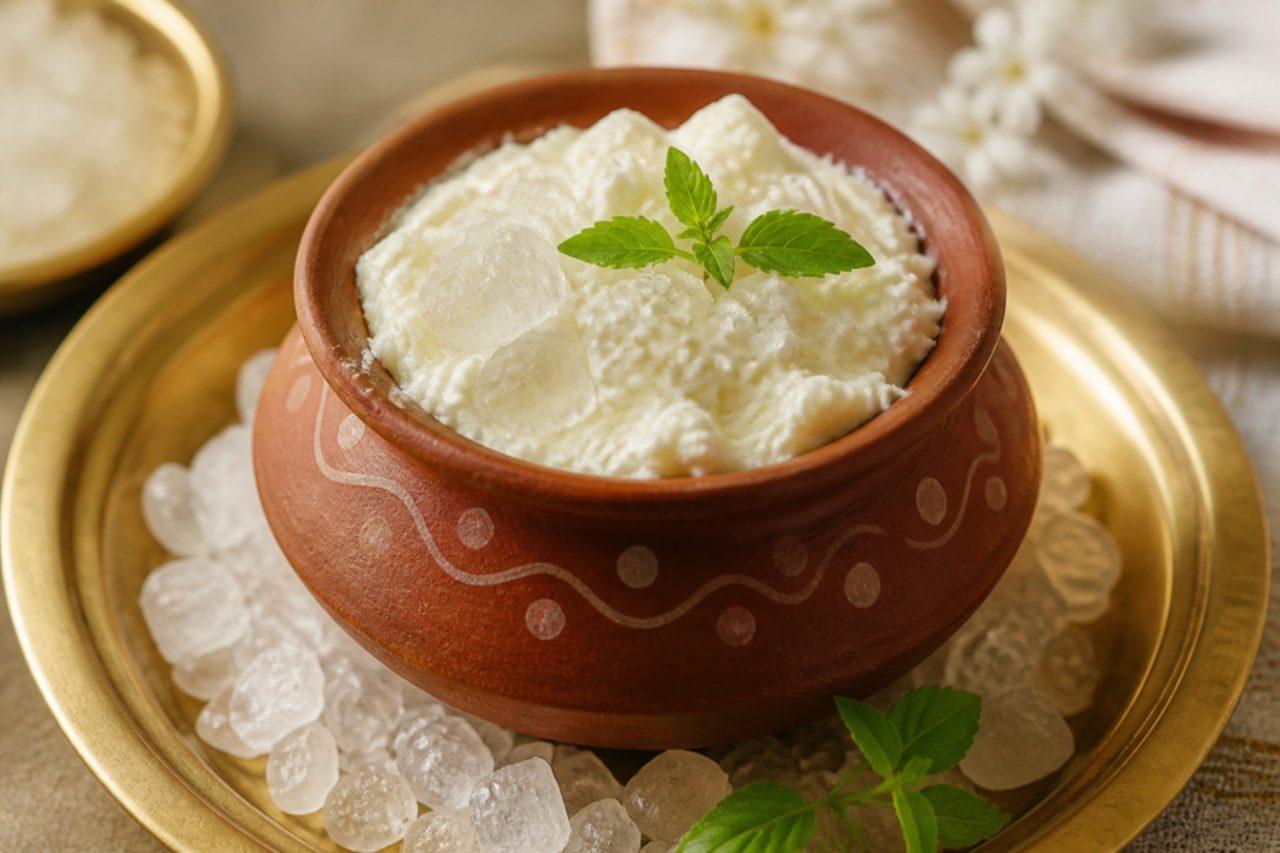
Makhan mishriFresh butter with rock sugar

Stories from Mathura and Vrindavan tell of the child Krishna stealing butter from the pots of the cowherd women, so at midnight on Janmashtami the first offering in the temples and at home is a bowl of fresh white butter mixed with mishri, the rock-sugar crystals. The butter is churned from cream at home, so it is soft, cool and lightly tangy, and the sugar crunches against it. It is eaten as prasad in tiny spoonfuls, often with a tulsi leaf on top. Common mistake: churning warm cream, which turns greasy instead of breaking; the cream must be fridge-cold, and the butter is ready when yellow-white clumps separate cleanly from thin buttermilk. Chef's tip: rinse the butter in iced water two or three times and press it with a spoon; washing out the buttermilk keeps it fresh for a day.

by KrazyBadal 0 views
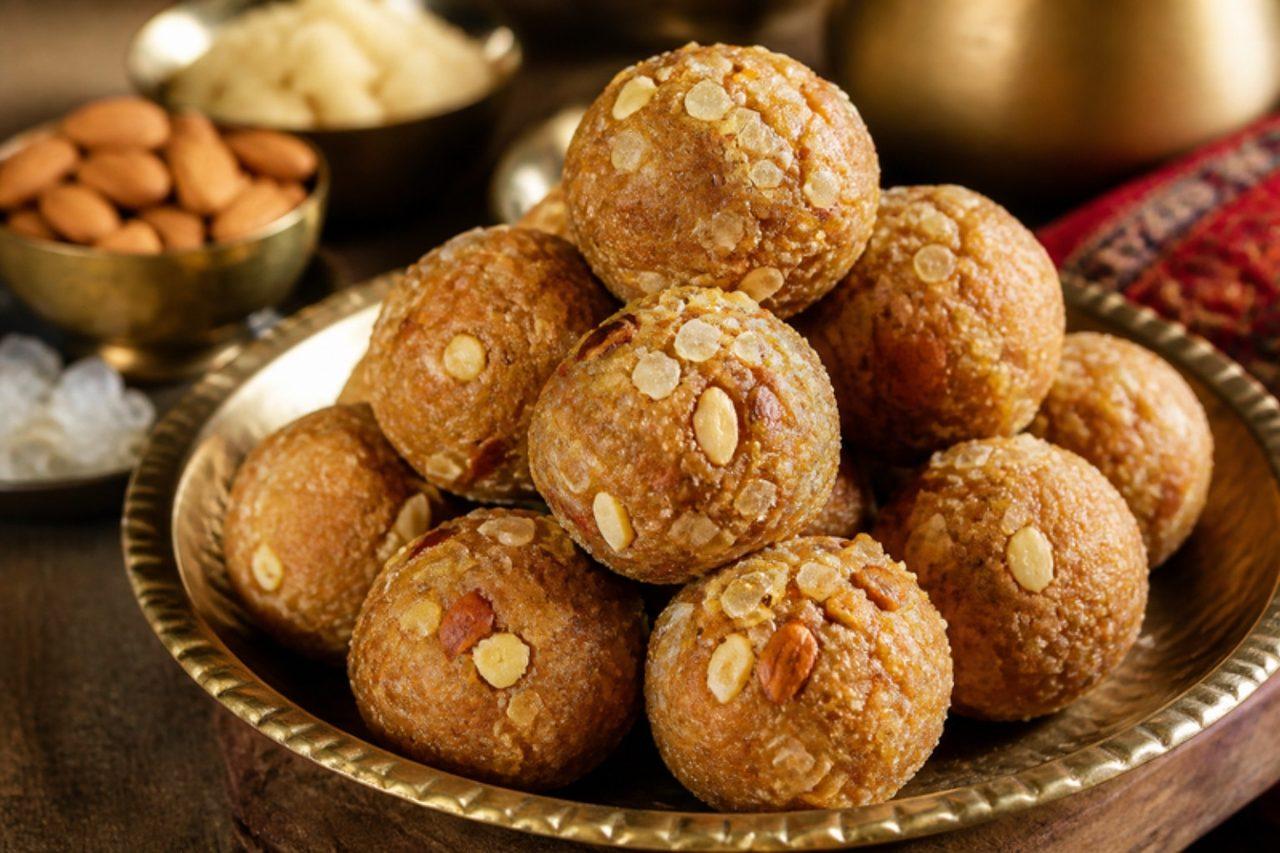
Gond ke ladduEdible gum and flour laddus

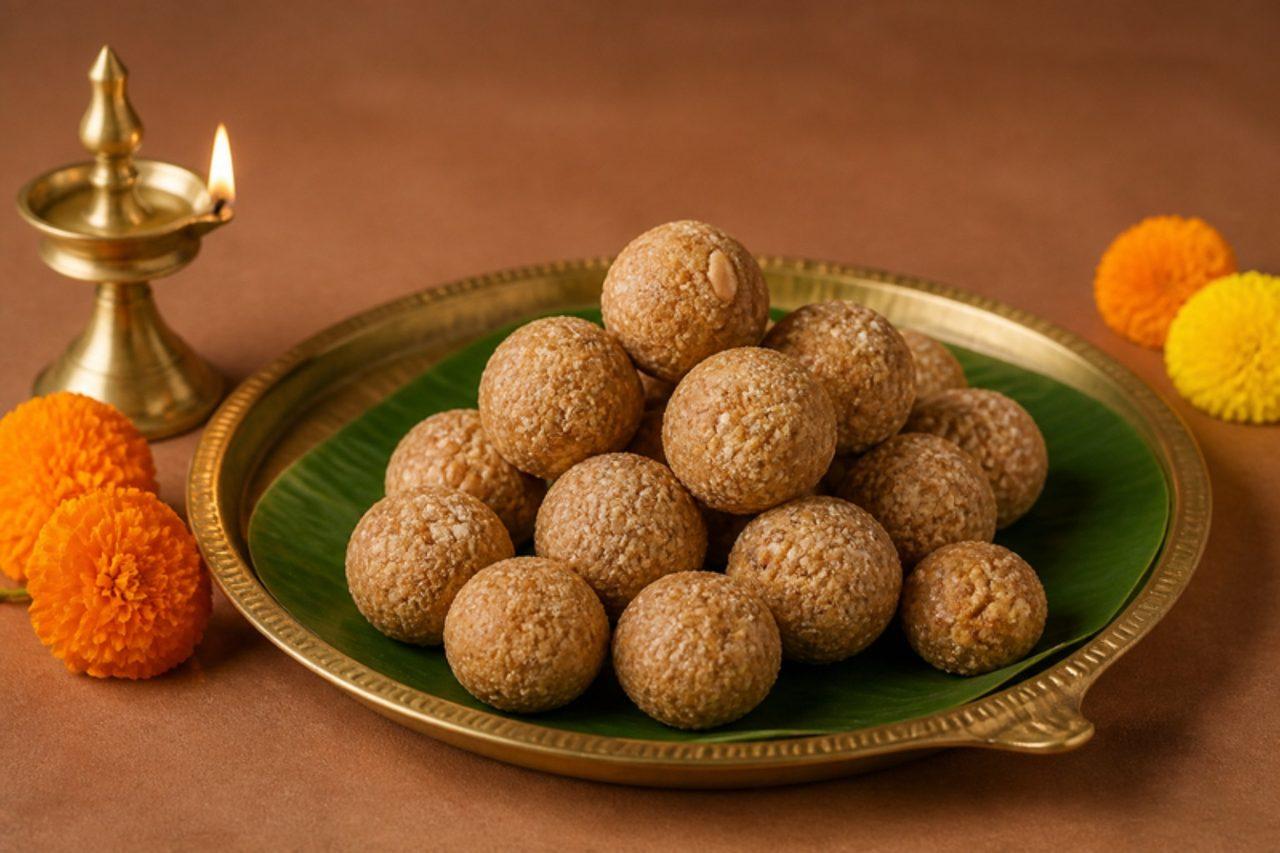
When the January cold sets in around Lohri, Punjabi and Marwari kitchens make a tin of gond ke laddu, one of which is eaten each morning with hot milk to keep warm through winter. Edible gum (gond, from the acacia tree) is fried in ghee until it puffs into light crunchy nuggets, then crushed and mixed with ghee-roasted wheat flour, jaggery, dry ginger and plenty of nuts, so the laddus are rich, crumbly and crackle as you bite. Common mistake: frying the gum in oil that is too hot; it browns outside and stays glassy and chewy in the middle, so fry it on a medium heat until each piece swells to twice its size and turns opaque white. The flour is done when it smells nutty, turns golden and the ghee loosens at the edges. Chef's tip: roll the laddus while the mixture is still warm; once it cools it will not bind.

by KrazyBadal 0 views
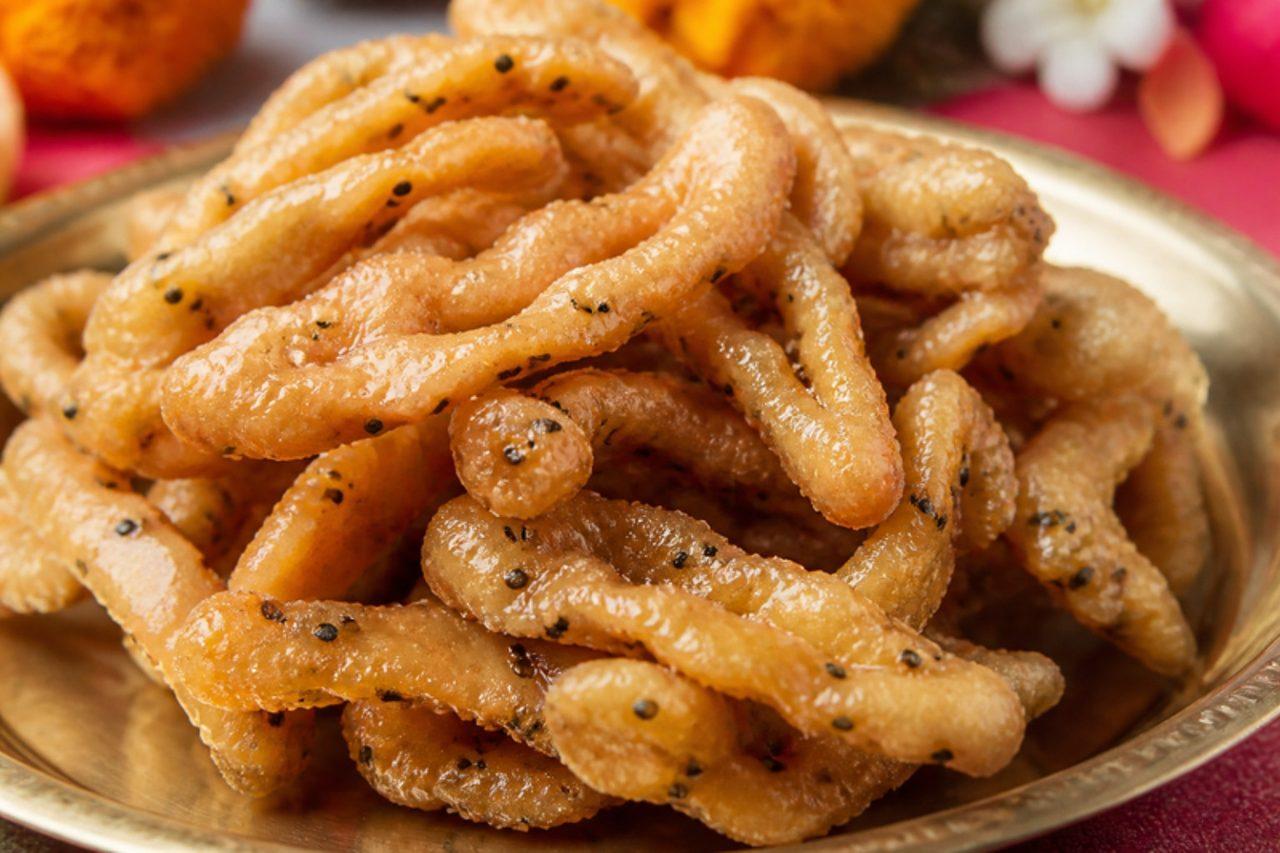
Elo jheloFried dough strips in sugar syrup

Elo jhelo means something like 'messy-tangled', and it describes these knotted, twisted strips of fried dough that Bengali grandmothers make for Bijoya Dashami, when the goddess leaves and everyone shares sweets. The strips are cut, slit and pulled through themselves into a twist, fried slowly until crisp, then dipped in a one-string sugar syrup that sets to a thin, crackly glaze. They keep for weeks in a tin. Common mistake: dipping the strips in syrup that is too thin; it soaks in and makes them soggy. Cook the syrup until a drop pulled between finger and thumb forms one thread. Chef's tip: add a teaspoon of semolina to the dough; it makes elo jhelo crunchier and less likely to soften once glazed.

by KrazyBadal 0 views
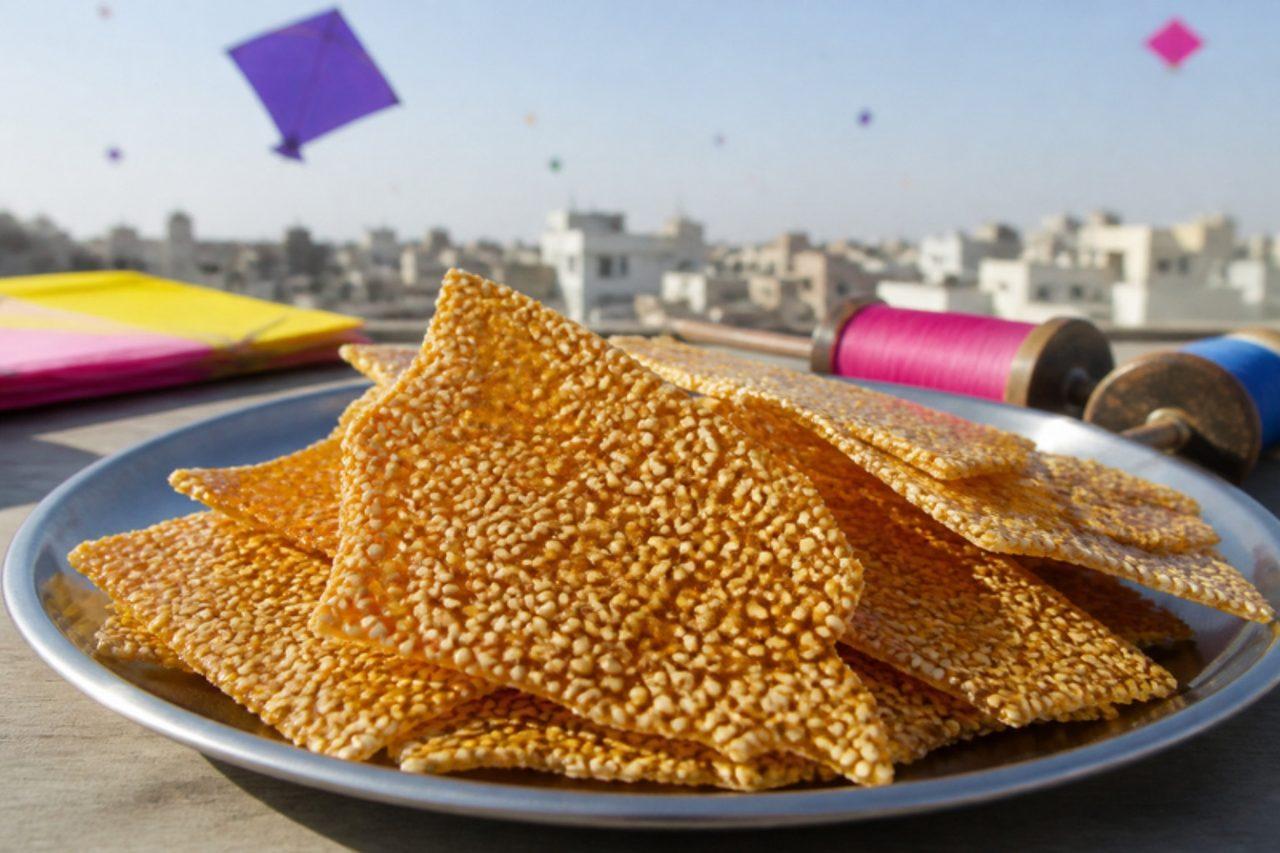
Tal ni chikkiSesame jaggery brittle

On 14 January every Gujarati rooftop fills with kite-flyers, and somewhere between the manja reels there is always a tin of tal ni chikki, broken into shards. The thinnest kind, tal sankli, is rolled out so fine you can almost see through it; it shatters with a snap and tastes of toasted sesame and dark caramel. It is a two-ingredient sweet where everything depends on the jaggery. Common mistake: pulling the jaggery off the heat too soon; it must reach the hard-crack stage, when a drop in cold water sets instantly and snaps cleanly, or the chikki stays chewy and sticks to the teeth. Chef's tip: work fast and roll on the greased back of a steel thali; if it hardens before you finish, warm it in the pan for a few seconds.

by KrazyBadal 0 views
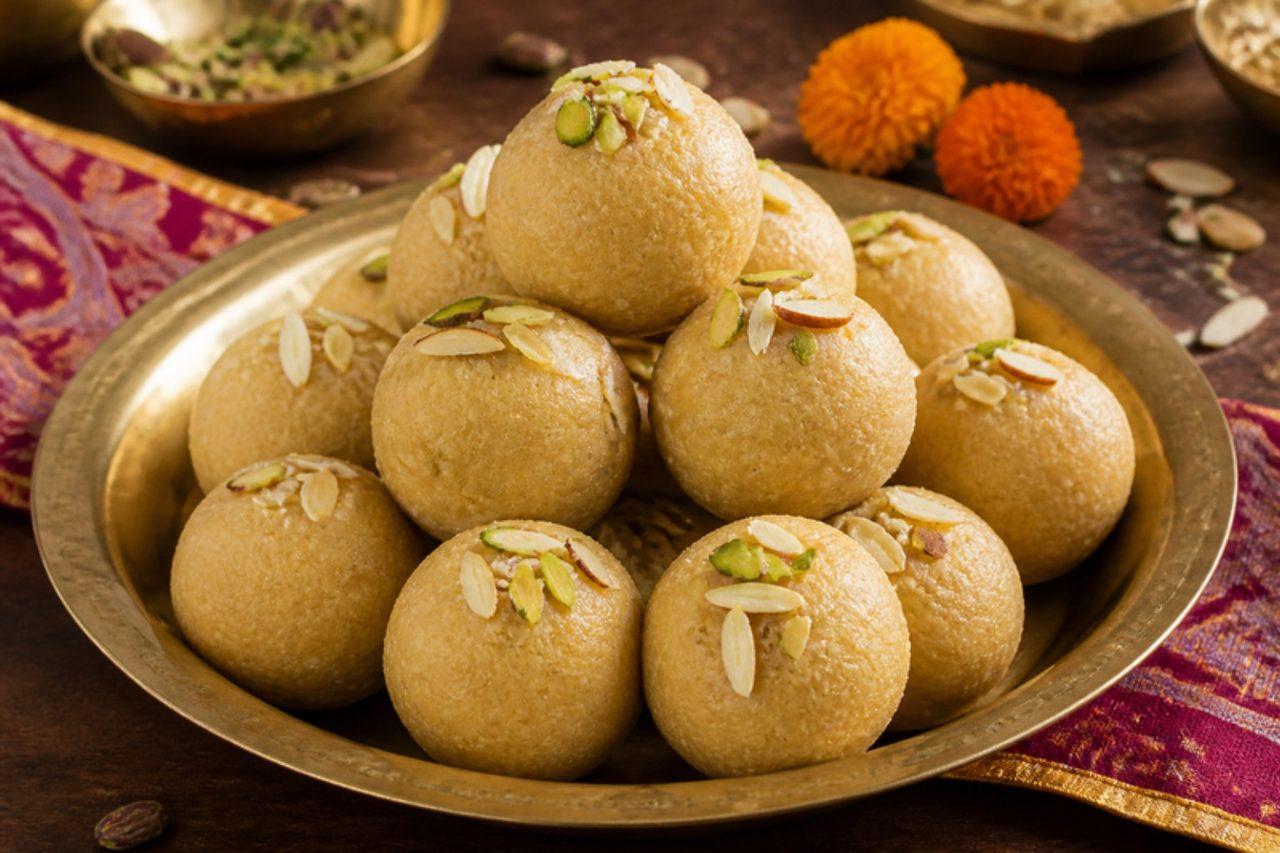
Sattu ke ladduRoasted gram laddus

Kajli Teej in Bundi, Rajasthan, falls in the dark fortnight of Bhadrapad, when women fast for their husbands and break the fast in the evening by moonrise with sattu: roasted gram flour mixed with ghee, sugar and nuts and pressed into laddus or one large decorated cake called a sattu pinda. The laddus are nutty, soft, powdery and very filling. Common mistake: using plain besan instead of sattu, or under-roasting the sattu, which tastes raw; roast gently in ghee until it smells biscuity and the ghee starts to separate at the edges. Chef's tip: shape while the mix is warm but cool enough to hold, and press each laddu firmly in your palm so it does not crumble.

by KrazyBadal 0 views
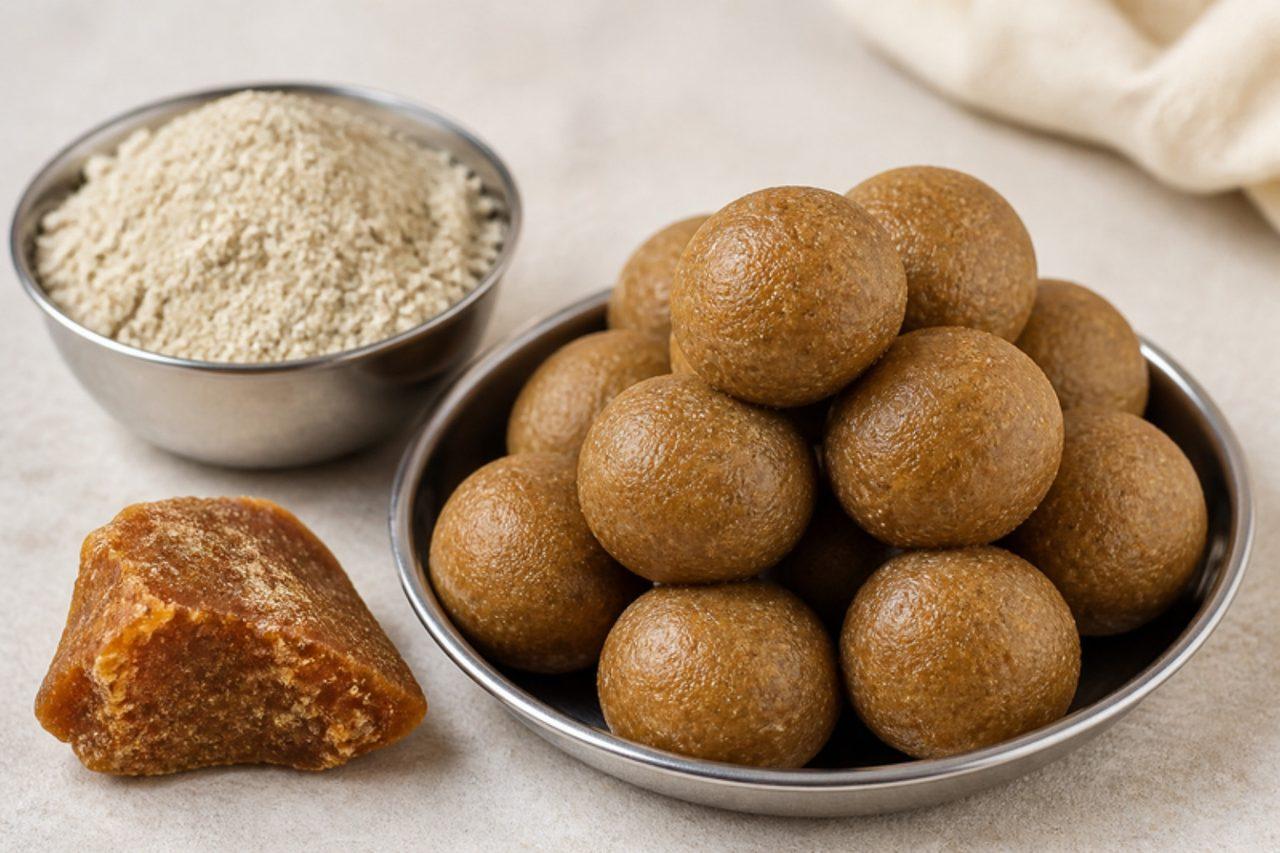
KulerBajra ghee jaggery balls

On Nag Pancham, Gujarati women draw a snake in kumkum on the wall or visit a nag temple and offer kuler with milk and cotton: a raw sweet of fine bajra flour rubbed with ghee and jaggery, rolled into soft balls. Since the day is a cold-food day in many homes, nothing is cooked; the bajra simply soaks up the ghee. It is soft, earthy, sweet and slightly sandy. Common mistake: using coarse or stale bajra flour, which tastes bitter and gritty; use fresh, finely ground flour, and the mix is ready when a handful holds together when squeezed. If you prefer, you can lightly roast the flour first, though that is not the traditional way. Chef's tip: grate the jaggery very finely, or melt it with the ghee and cool slightly, so it blends evenly.

by KrazyBadal 0 views
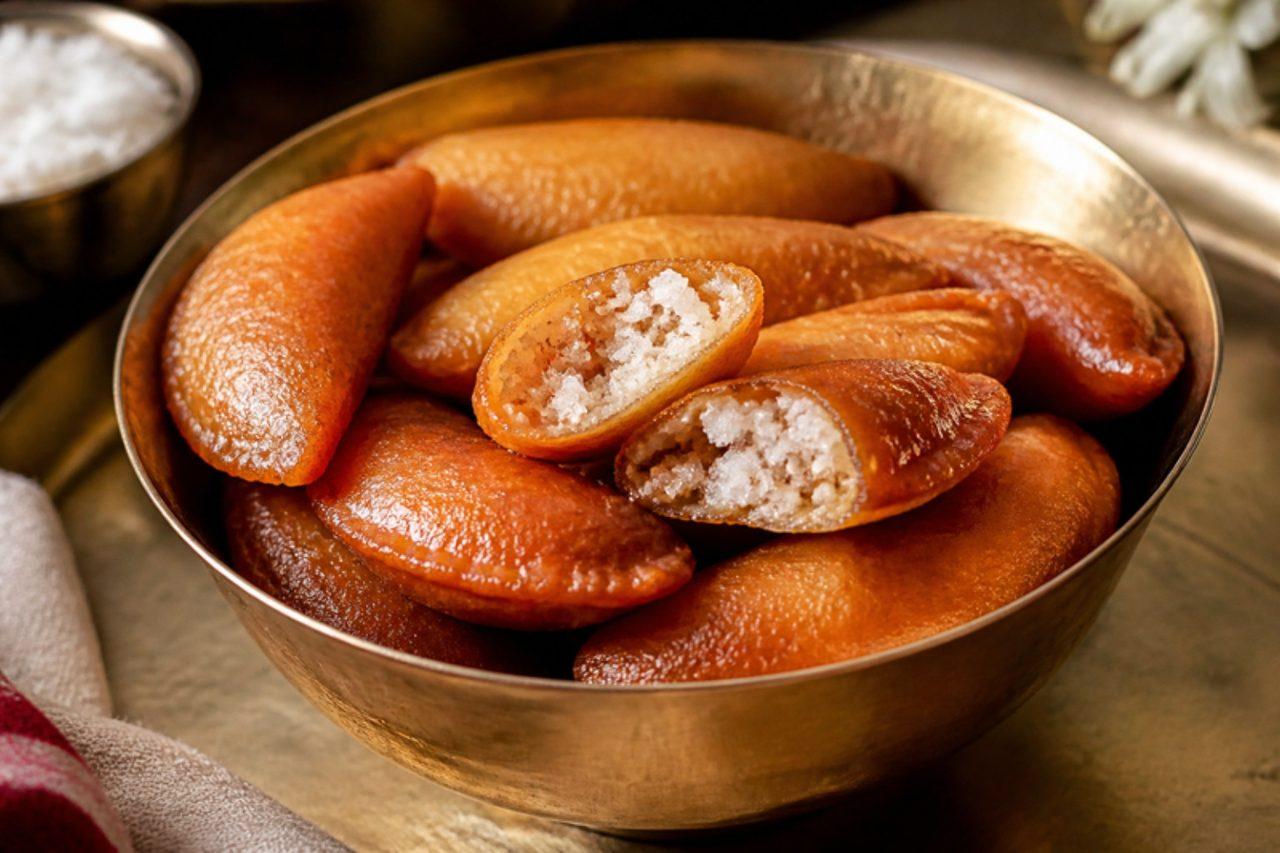
Ranga alur pitheSweet potato coconut parcels

Poush Sankranti in Bengal is the day for pithe, and ranga alur pithe uses the sweet potatoes that come in with the winter harvest. Boiled sweet potato is kneaded with a little flour into a soft dough, wrapped round a coconut and jaggery filling, fried and then dipped in syrup, so you get a crisp shell, a melting orange layer and a sweet, nutty centre. They are eaten warm on the festival evening or the next day once they have soaked up more syrup. Common mistake: watery sweet potato; boil it whole in its skin and let it steam dry, or the dough gets sticky and the pithe burst in the oil. They are fried enough when they are deep golden and float. Chef's tip: the syrup should be warm and at one-string stage, a thread forming between finger and thumb; too thick and it won't soak in.

by KrazyBadal 0 views
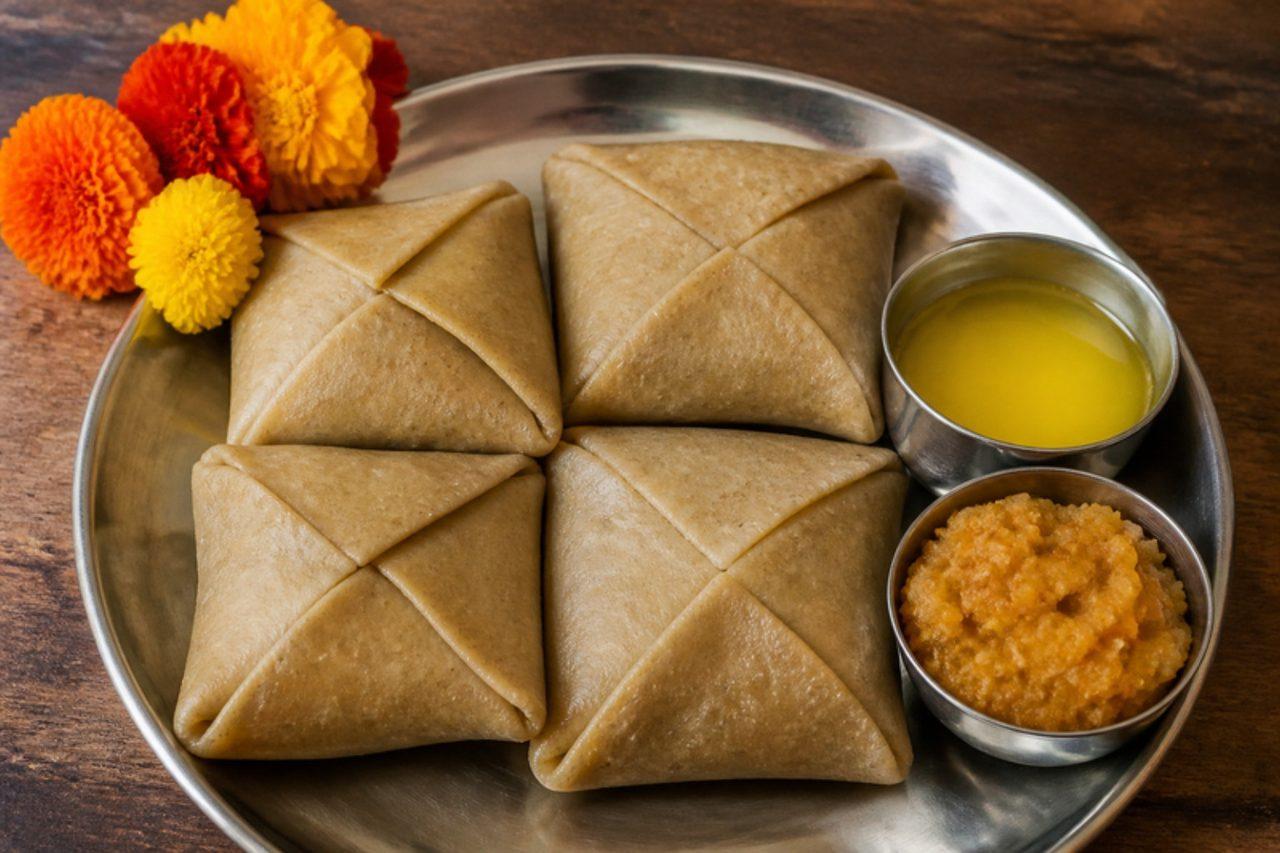
DindeSteamed chana jaggery parcels

On Nag Panchami in Maharashtra, women draw snakes in turmeric, offer milk and lahya at anthills, and by custom nothing is cut, chopped or fried on the tava that day, so the festival sweet is dinde: wheat-dough squares folded around puran (chana dal and jaggery) and steamed. They are soft, a little chewy and fragrant with nutmeg and cardamom, eaten warm with ghee. Common mistake: wet puran that leaks; cook the dal and jaggery until the mixture is thick and a spoon stands upright in it, then cool before filling. Chef's tip: steam the dinde on a greased banana leaf or plate and keep the seams down, so they keep their square shape.

by KrazyBadal 0 views

Meethe pudeJaggery fennel pancakes

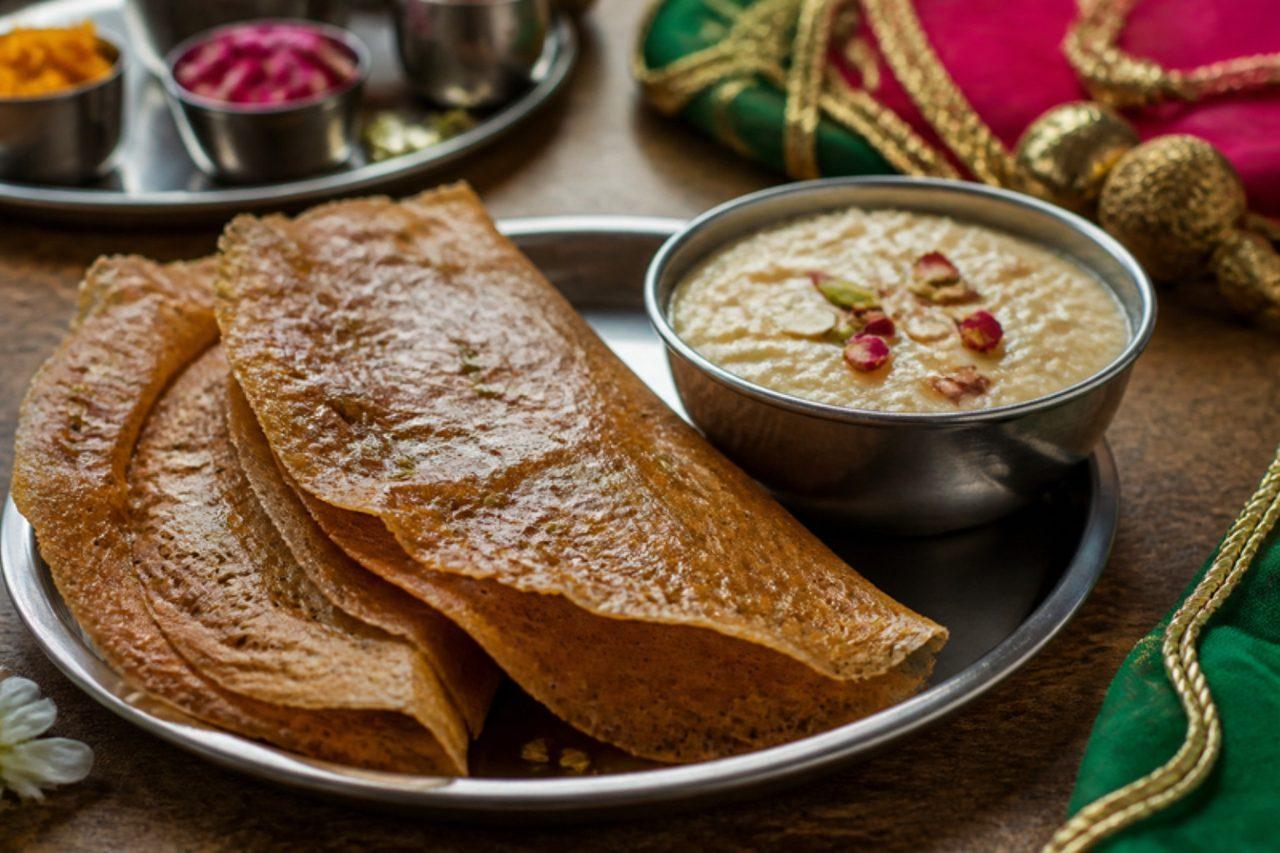
Teeyan, Punjab's monsoon festival of Teej, is when married daughters visit their parents, girls swing from neem trees and dance giddha, and the food that comes out on rainy afternoons is kheer with meethe pude: thin wheat-flour pancakes sweetened with jaggery and fennel, shallow-fried in ghee until lacy at the edges. They are soft in the middle and crisp round the rim. Common mistake: a thick batter, which gives heavy, doughy pude; it should pour like single cream, and each pancake is ready to flip when the edges brown and lift from the pan. Chef's tip: rest the batter for 20 minutes so the flour hydrates; the pude spread thinner and crisp better.

by KrazyBadal 0 views

Methi laddooFenugreek and jaggery laddoos

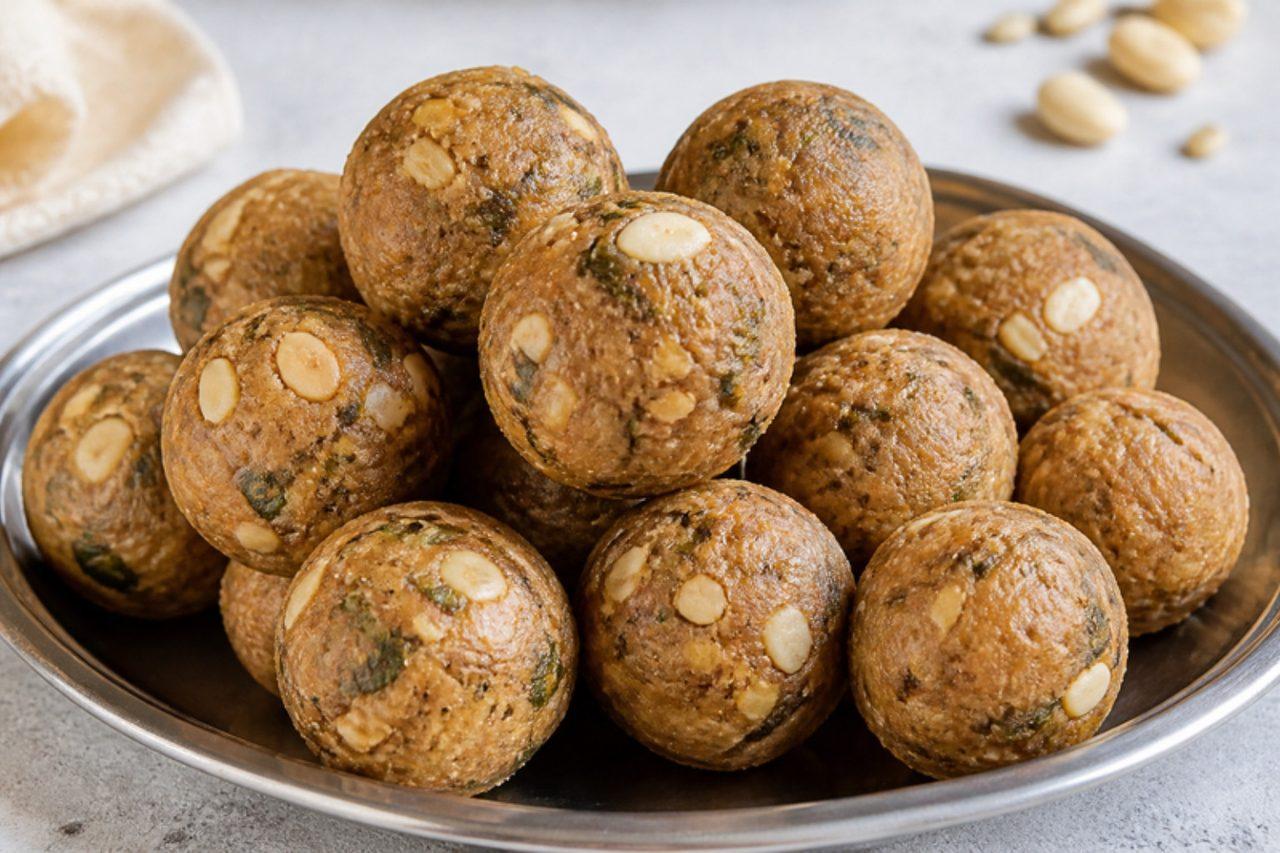
Every Punjabi winter, mothers and grandmothers roast a big batch of methi laddoos and hand out one a day with morning tea or warm milk, for strength and to keep the cold out of the joints. Fenugreek gives a gentle bitterness that the jaggery, ghee and roasted wheat balance into something nutty and warming, with crunch from puffed gond and almonds. The mistake people make is roasting the atta on high heat: it browns outside, stays raw inside and the laddoos taste floury. Keep it low and patient until it smells of biscuits. Chef's tip: soak the fenugreek powder in milk overnight; it softens the bitterness so even children will eat them.

by KrazyBadal 0 views

ChooriCrumbled roti with ghee and sugar

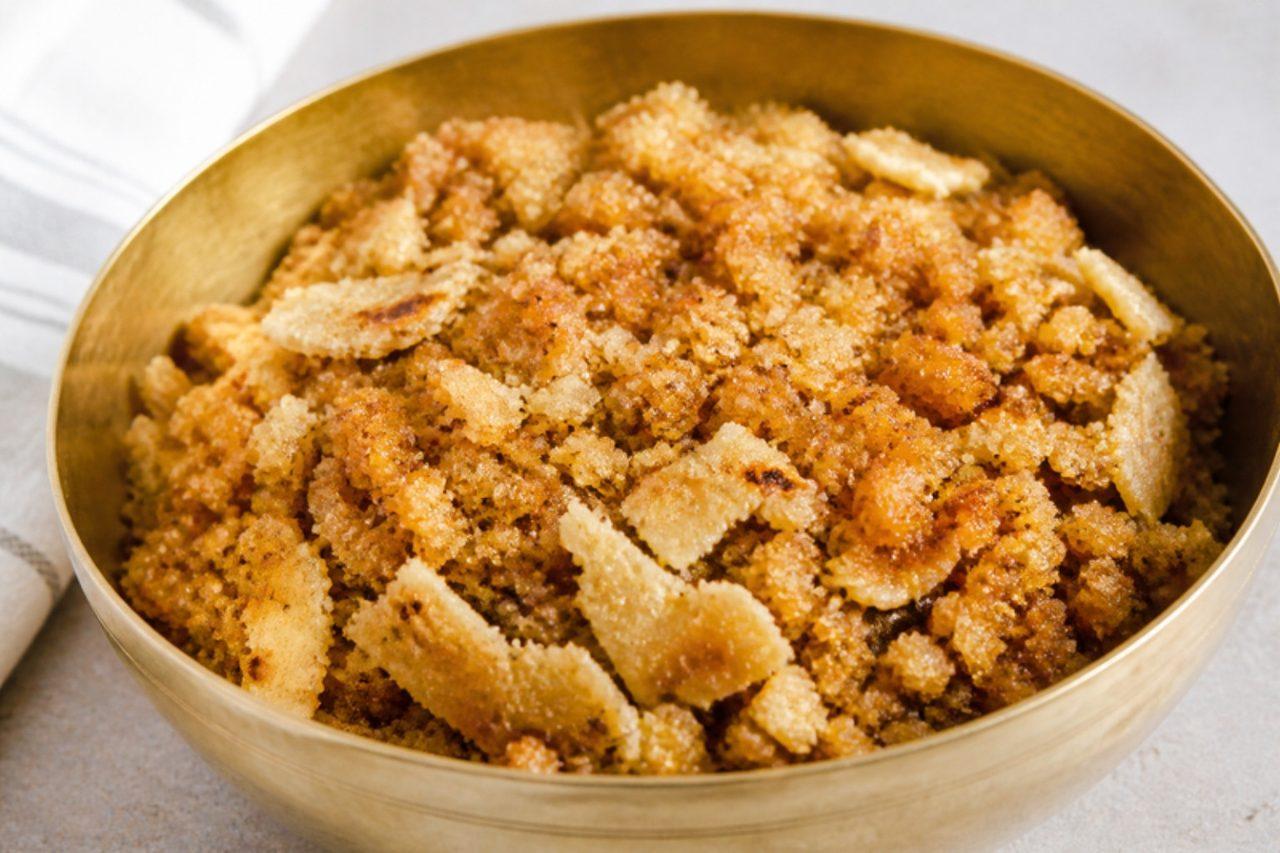
In Punjabi villages choori is what a grandmother makes when a child comes home hungry before dinner: a warm roti or leftover paratha crumbled by hand into ghee and shakkar until it turns into soft, sweet, buttery crumbs. It is eaten with a glass of tea or milk in the late afternoon, and in many homes a bowl is set aside as an offering on Sankranti and at the gurdwara. The common mistake is using cold, leathery rotis straight from the box: the ghee won't soak in and the sugar stays gritty. Warm them on the tawa first until they are soft and just crisp at the edges. Chef's tip: a pinch of crushed fennel and some chopped almonds turn it into a little treat for guests.

by KrazyBadal 0 views

BooreluChana dal and jaggery dumplings

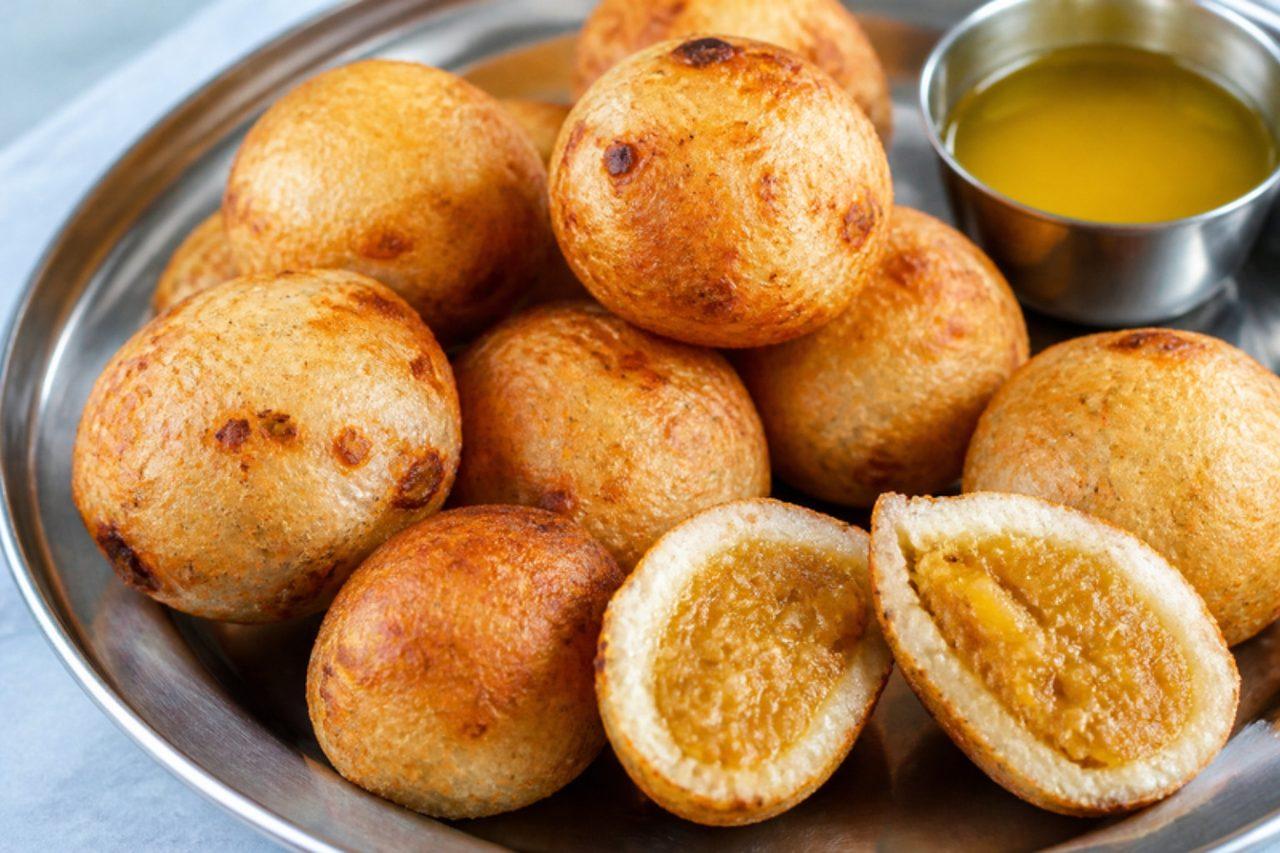
Boorelu, also called poornalu, are the sweet that Telugu homes fry for Sankranti, Varalakshmi Vratam and weddings, and that a bride's family traditionally sends to her in-laws by the basketful. A soft ball of cooked chana dal, jaggery, coconut and cardamom is dipped in a thick batter of urad dal and rice and fried until the shell is crisp and blistered while the filling stays fudgy. They are eaten warm, split open with a spoon of ghee for those who take dairy. The usual mistake is a filling that is too wet: it bursts through the batter in the oil and splatters, so cook the dal and jaggery until it holds a firm ball. Chef's tip: grind the batter thick like idli batter and add salt; the slight saltiness of the shell is what makes the sweet filling sing.

by KrazyBadal 0 views

Kavuni arisiBlack rice sweet

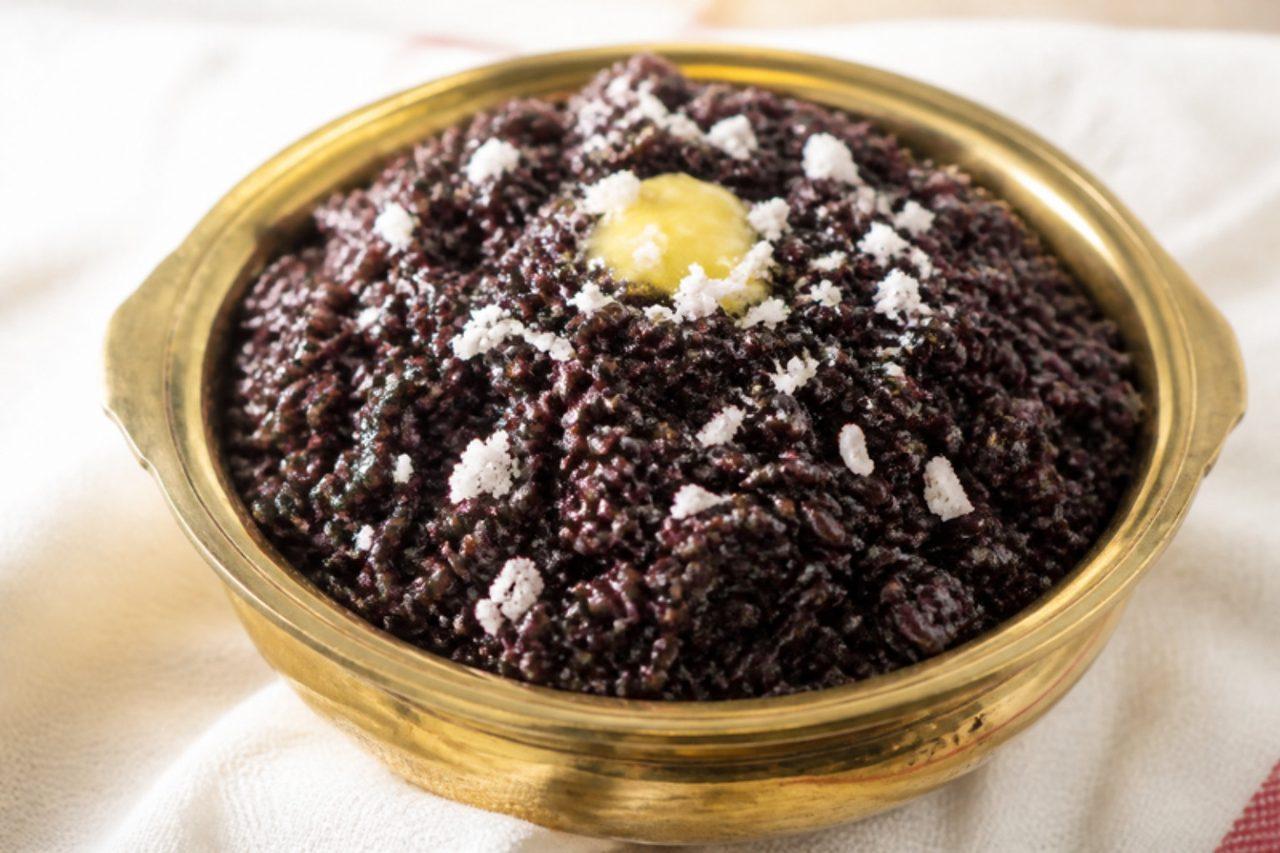
Kavuni arisi is the deep purple-black sweet that every Chettiar wedding feast in Karaikudi begins with, a nod to the trading families' old links with Burma, where the black rice came from. The rice is soaked overnight, cooked until soft but still chewy, then mixed with sugar, plenty of fresh grated coconut and a spoon of ghee, so it is nutty, gently sweet and pleasantly sticky. It is eaten warm or at room temperature in small portions. The usual mistake is cooking black rice like white rice; it needs a long soak and a long cook, or the grains stay hard at the centre. Chef's tip: mash a quarter of the cooked rice lightly with the back of a spoon before adding sugar, which makes it hold together the way it does in Chettinad.

by KrazyBadal 0 views

TambittuRoasted rice flour jaggery laddus

Nagara Panchami in Karnataka is a festival of sisters and brothers as much as of snakes: women offer milk to the stone naga images under peepal trees, and the sweets made at home are tambittu, laddus of roasted rice flour, roasted gram, coconut and sesame bound with jaggery syrup and ghee. They are crumbly-soft and earthy, and a few are also offered at Varamahalakshmi. Common mistake: binding with thin syrup, which leaves the laddus wet and collapsing; boil the jaggery only to a soft-ball stage, when a drop in cold water forms a soft ball you can pick up. Chef's tip: roast the rice flour until it just smells toasty and is barely cream-coloured; too dark and the laddus taste bitter.

by KrazyBadal 0 views

SunthavadaDry ginger, coconut and sugar mix

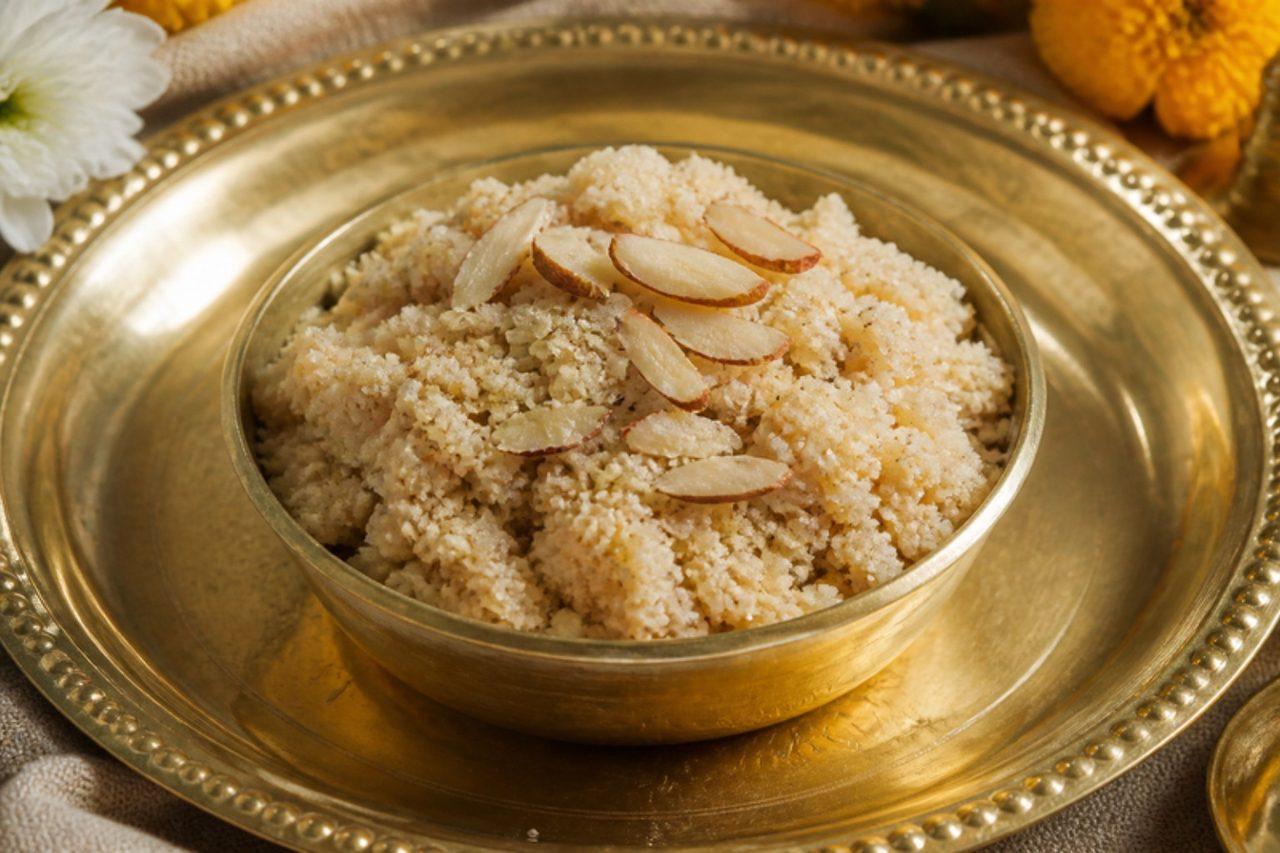
At exactly noon on Ram Navami, when Maharashtrian temples and homes rock a decorated cradle to mark Rama's birth, each person is handed a spoonful of sunthavada: dry ginger powder, toasted dry coconut, poppy seeds and sugar pounded together into a fragrant, warming powder. The same mix is given at Janmashtami midnight. It is sweet, nutty and gently fiery from the ginger. Common mistake: burning the coconut; it should be toasted on a low heat only until it turns pale gold and smells sweet, then cooled before grinding so it does not turn oily. Chef's tip: grind in short pulses; long grinding releases the coconut oil and the powder clumps.

by KrazyBadal 0 views

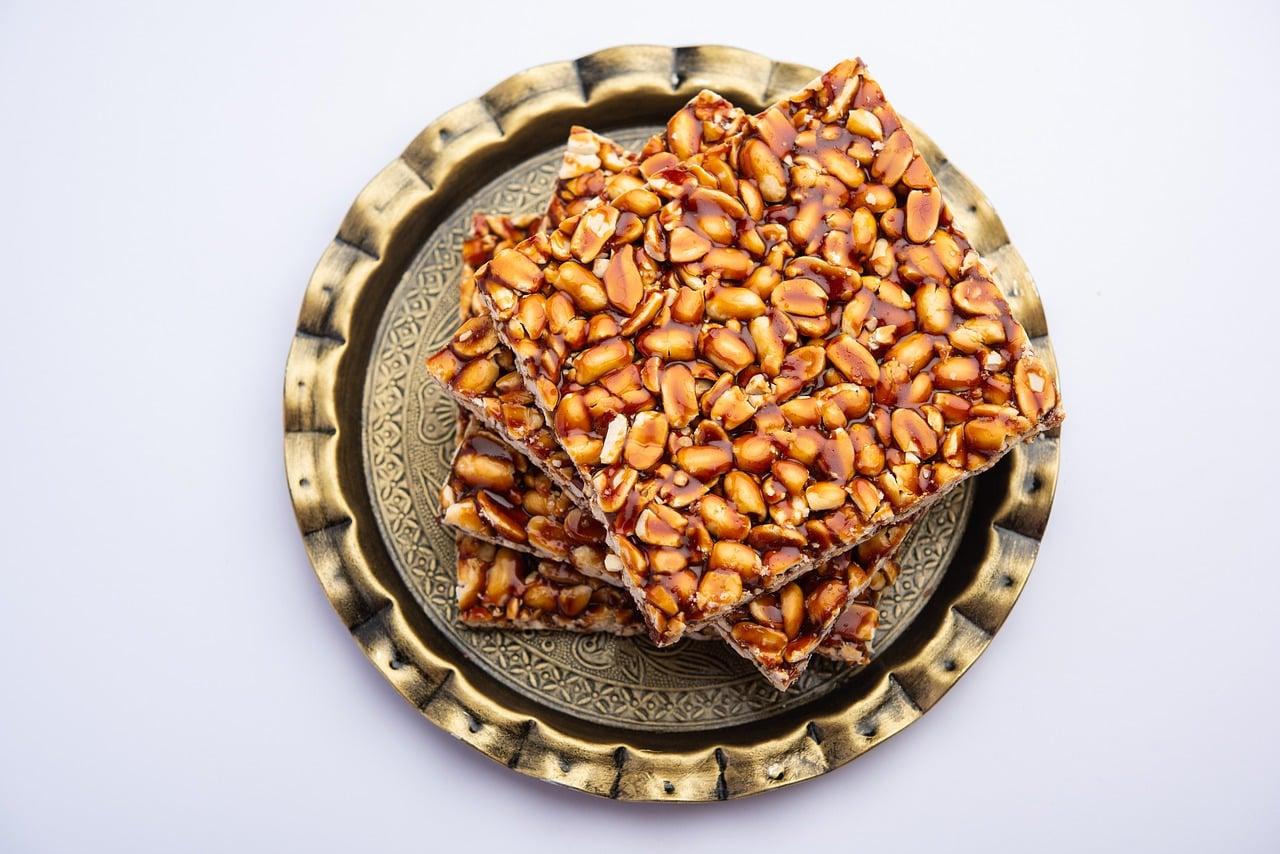
Sing ni chikkiPeanut jaggery brittle

Peanut chikki is the sweet every Gujarati child grows up with, and in the week of Uttarayan, when the sky over Ahmedabad is crowded with kites, households make it by the tray to hand round on the terrace. Halved roasted peanuts are bound in dark jaggery and cut into neat slabs that snap cleanly and taste of caramel and toasted nuts. Common mistake: undercooking the jaggery; it is ready only when a drop in cold water hardens into a ball that cracks when pressed, and when the syrup is foaming and has darkened by a shade. Undercooked syrup gives chikki that bends and pulls out fillings. Chef's tip: rub the skins off the roasted peanuts and split them in half; halves pack together far better than whole nuts and the slabs don't crumble.

by KrazyBadal 0 views

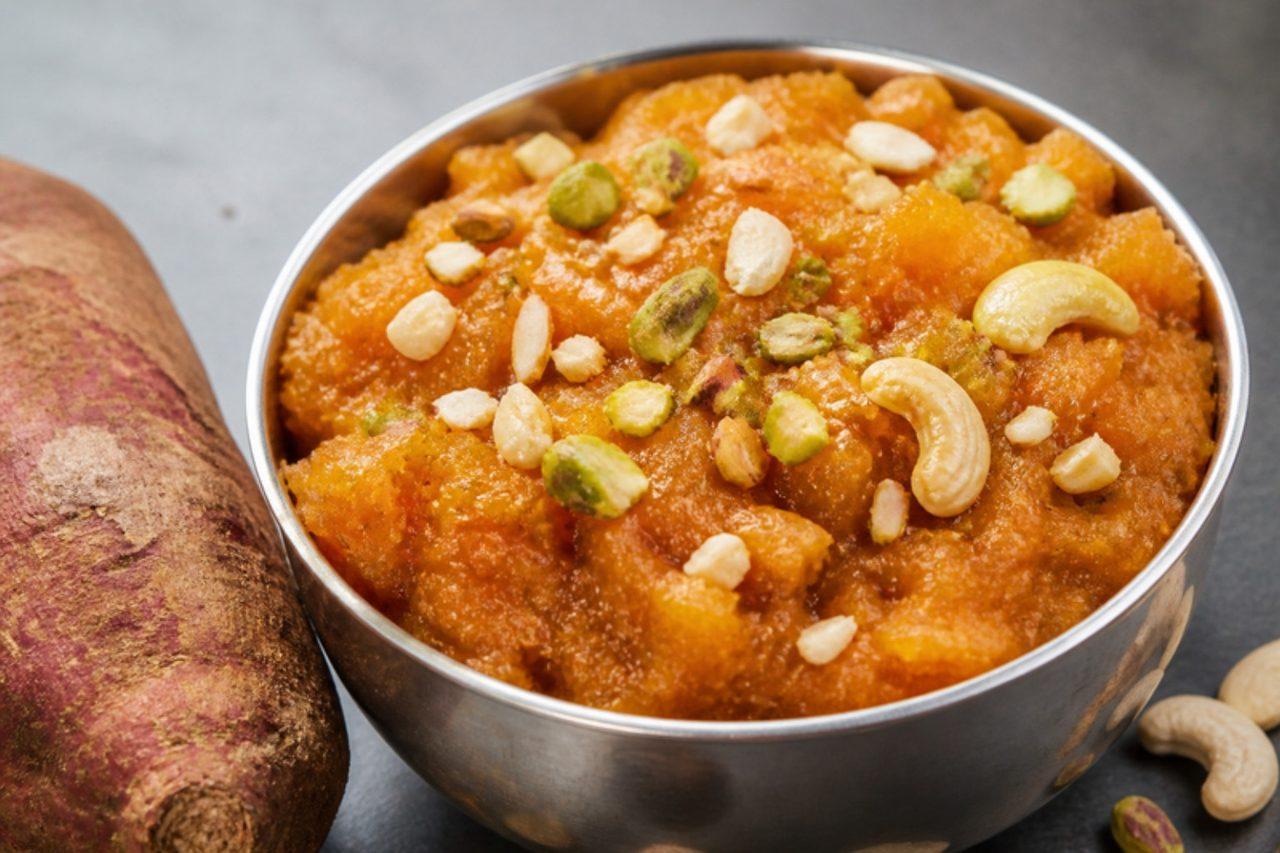
Shakarkandi ka halwaSweet potato halwa

When winter sweet potatoes arrive in North Indian markets, they go straight into the Mahashivratri and Ekadashi fasting kitchen: boiled, mashed and slowly roasted in ghee with sugar and cardamom, they make a soft, fudgy halwa with a natural caramel sweetness. It is offered after the puja and eaten in small bowls, warm, often as the first thing that breaks a day without grains. A few communities do not eat sweet potato on a fast, so check your own tradition. Common mistake: hurrying the roasting; the halwa is ready only when the ghee starts to separate and glisten at the edges and the mixture rolls away from the sides of the pan as one soft mass. Chef's tip: steam or bake the sweet potatoes rather than boiling them in water; drier flesh roasts faster and gives a deeper flavour.

by KrazyBadal 0 views

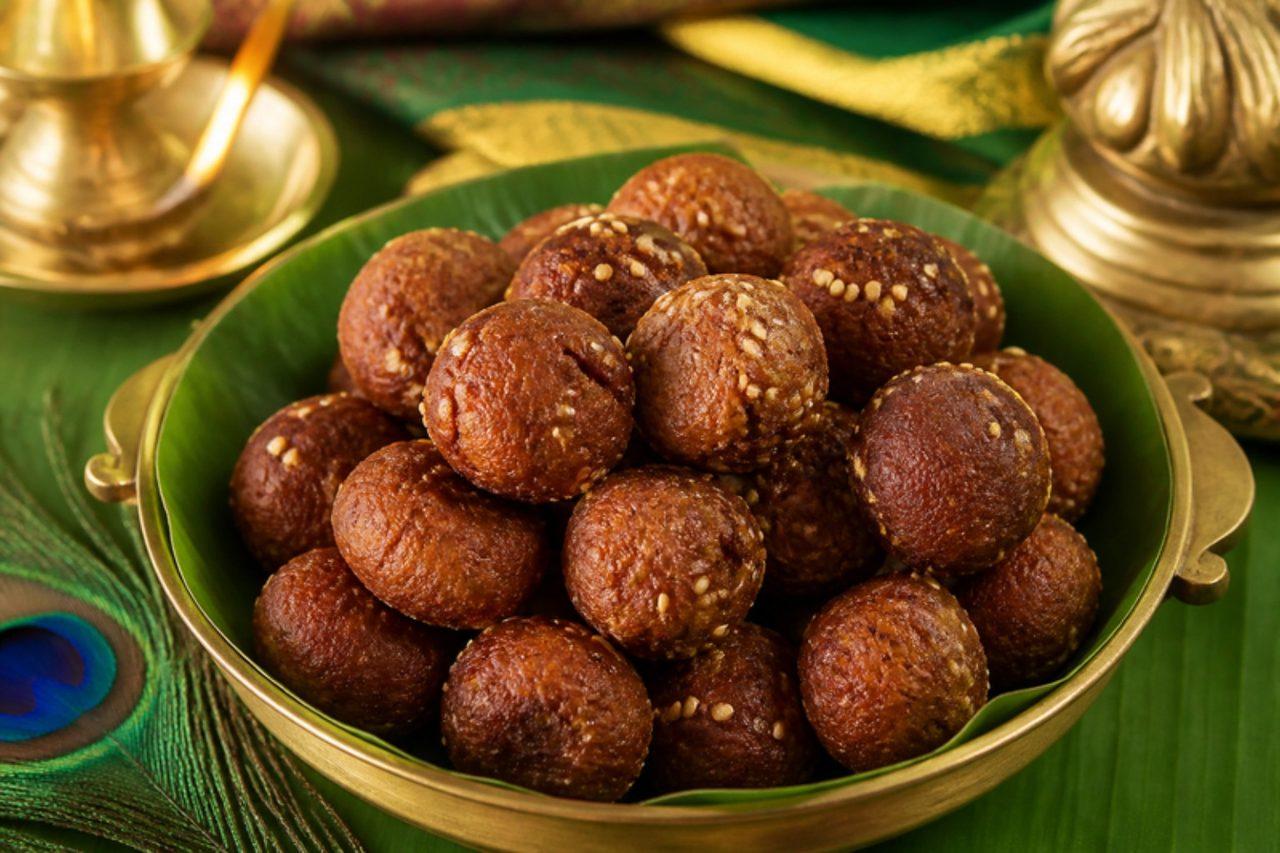
Vella seedaiJaggery-glazed rice flour balls

Next to the salty seedai on the Gokulashtami tray in Tamil Nadu sit vella seedai, the sweet twin: rice and urad flour kneaded with jaggery syrup, sesame and cardamom, rolled into slightly larger balls and fried to a deep brown crunch. They are offered to Krishna with butter, aval and fruit, then shared with neighbours. Common mistake: using hot syrup, which cooks the flour into a sticky mass and makes the balls burst; the syrup should be strained, cooled to warm and only cooked to a thin, sticky stage, not to a string. They are fried when the oil goes quiet and they turn deep golden-brown. Chef's tip: let the dough rest covered for 30 minutes before rolling; it firms up and the balls hold their shape.

by KrazyBadal 0 views

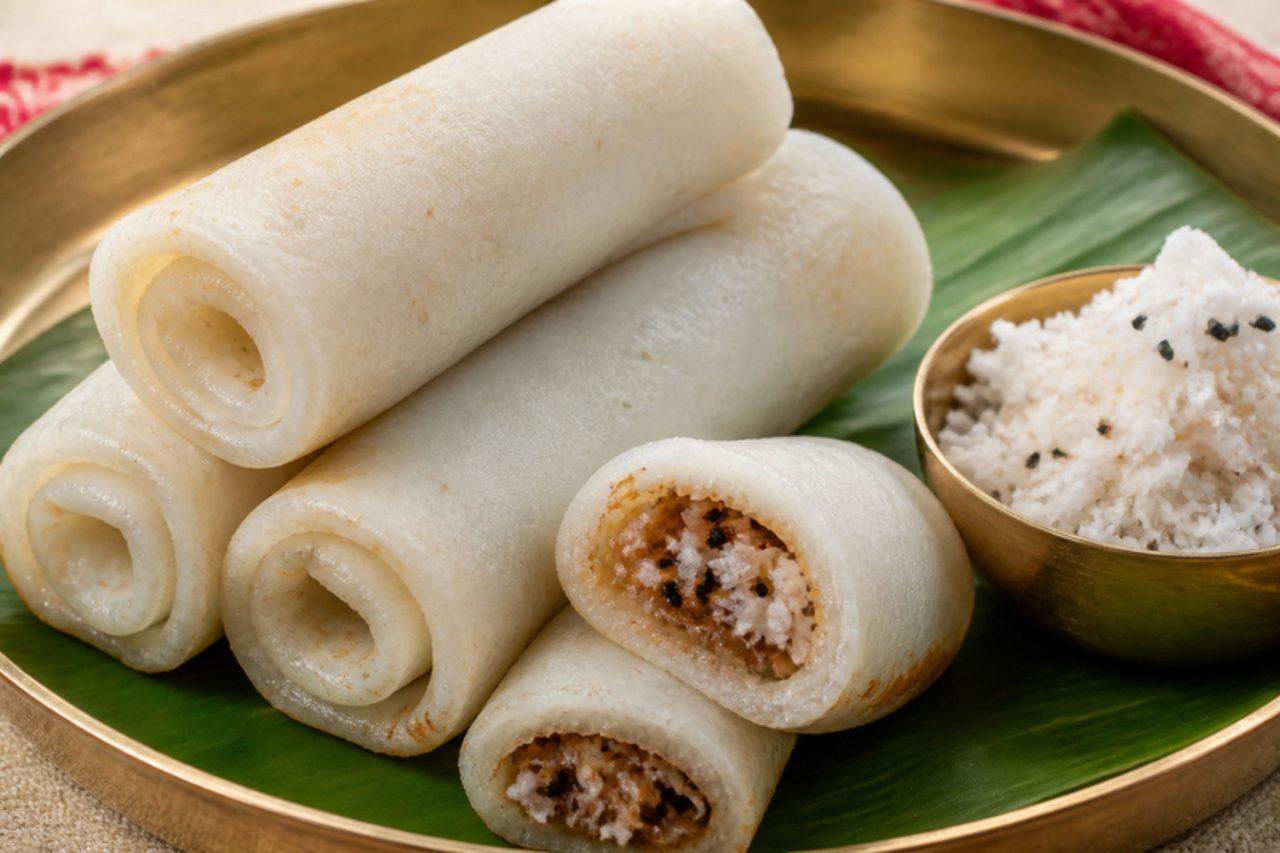
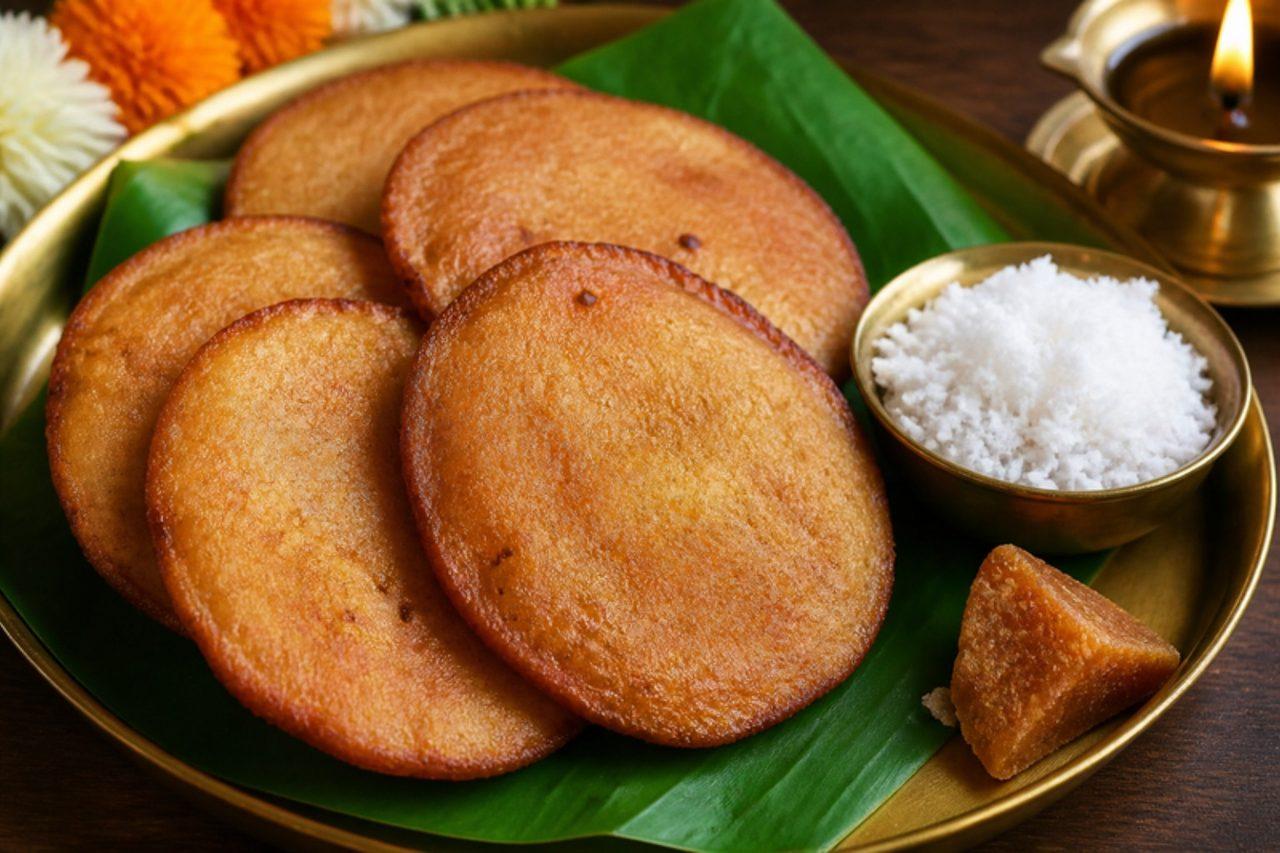
Kholasapori pithaRice pancakes with coconut and jaggery

Kholasapori means 'pressed in the khola', the shallow clay pan that every Assamese kitchen brings out for Magh Bihu, when guests are offered a plate of pitha before anything else. These are thicker and softer than the crisp til pitha: a loose batter of sticky rice flour is spread on the hot pan, filled with coconut and jaggery and folded over, so the outside is lightly speckled and the inside chewy and sweet. A heavy cast-iron pan stands in well for the khola. Common mistake: a pan that is too hot; the batter should set slowly with no browning in the first minute, and it is ready to fold when the edges lift and the top no longer looks wet. Chef's tip: wipe the pan with a cloth dipped in oil between each pitha rather than pouring oil in, so they stay pale and even.

by KrazyBadal 0 views

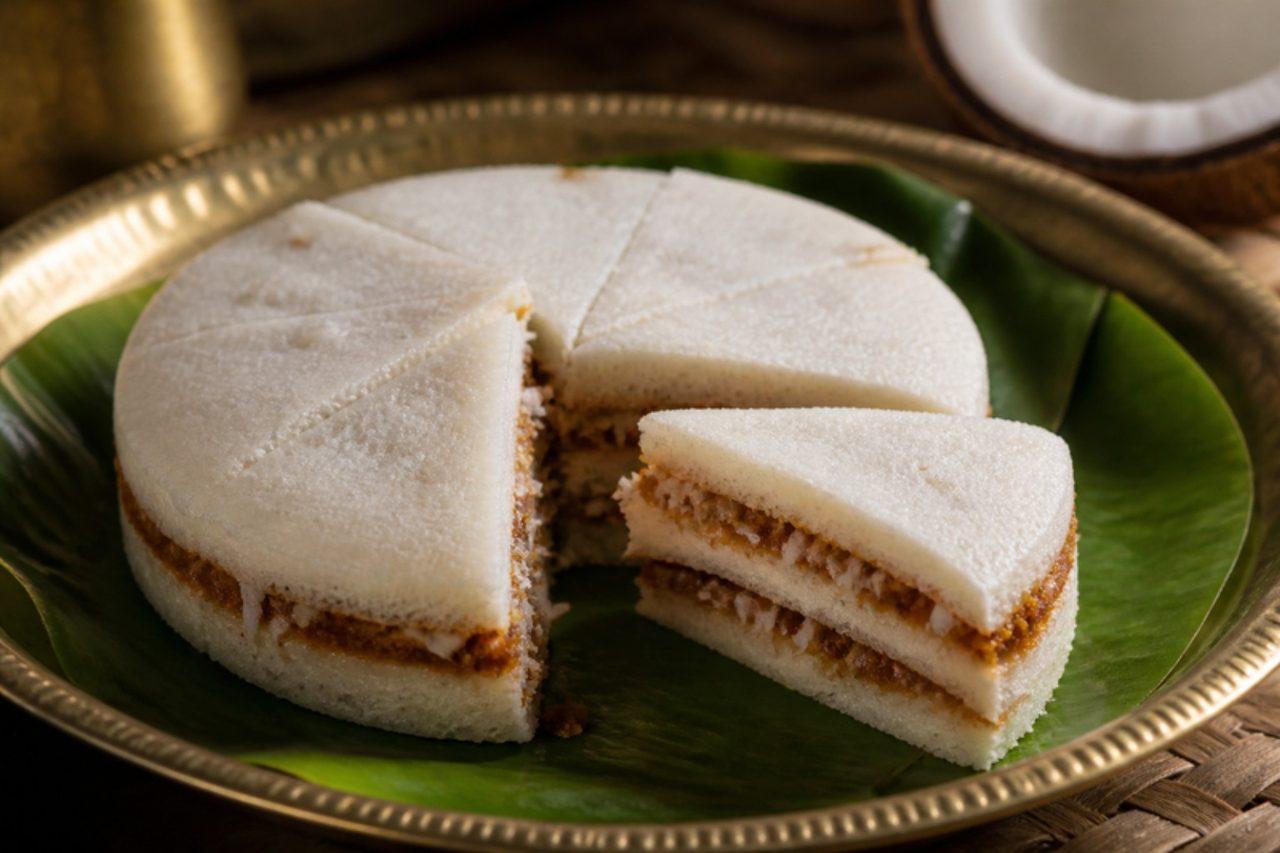
Tekeli pithaSteamed coconut jaggery rice cake

In Assamese homes the nights before Magh Bihu are spent making pitha, and tekeli pitha is the one named after the pot it is cooked on: a cloth is tied over the mouth of a tekeli (a small clay water pot), and damp rice flour, coconut and jaggery are piled on top and steamed by the water boiling underneath. It comes off as a soft, crumbly cake, sweet in the middle and plain at the edges, eaten warm with tea on Bihu morning or packed into the bhogali spread. Any narrow-necked pot or saucepan works at home. Common mistake: using dry shop rice flour straight from the packet; it needs to be just damp enough to clump when pressed, or the cake falls apart, and it is done when the top looks matt and a skewer comes out clean, about 10–12 minutes. Chef's tip: soak and grind your own rice flour if you can; flour from soaked rice, dried for an hour, gives the softest pitha.

by KrazyBadal 0 views

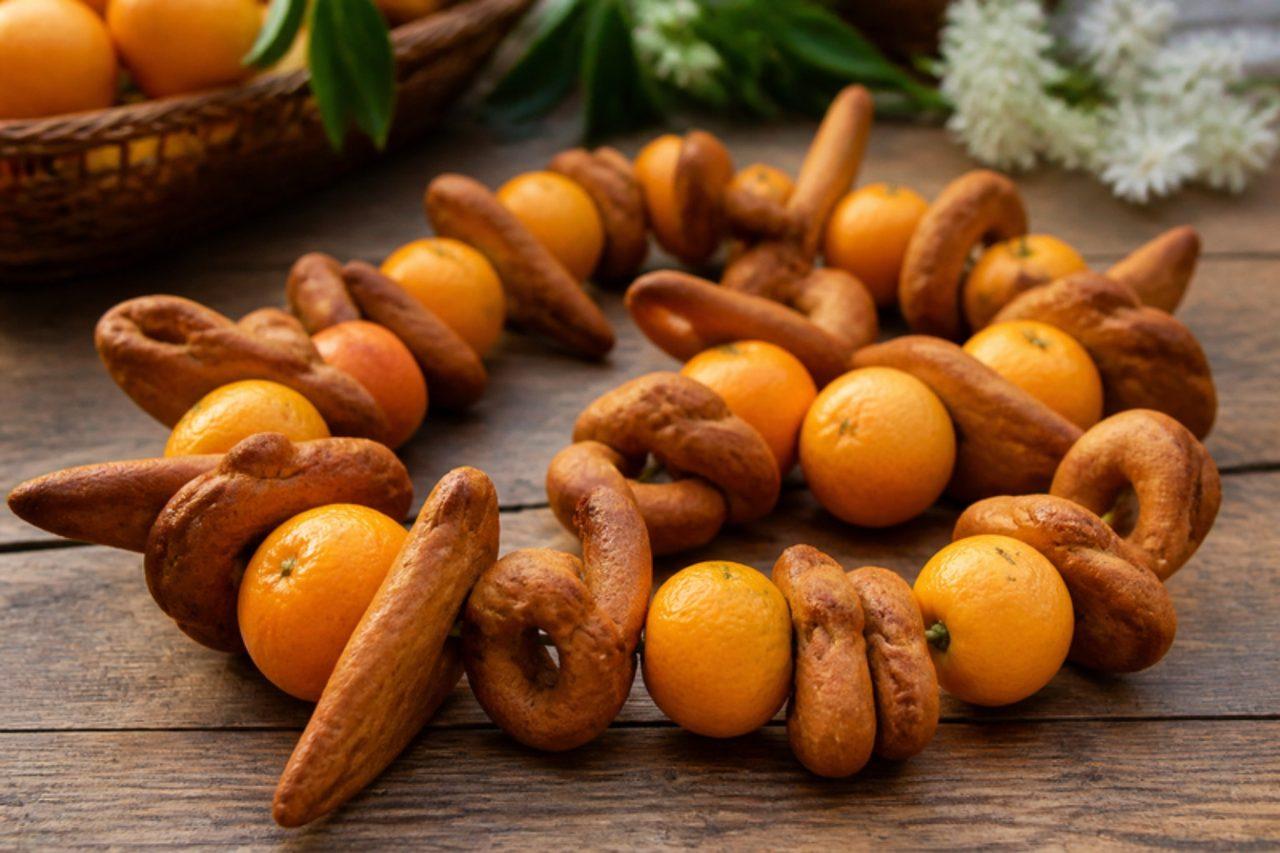
GhughuteFried jaggery dough shapes

In Kumaon, Makar Sankranti is Ghughutiya, and the evening before, families knead wheat flour with jaggery and shape it into little drums (damru), swords, knots and flowers, fry them and thread them into necklaces with an orange in the middle. The next morning children wear the garlands and call the crows: 'kale kale, ghughuti mala khale', offering them the first bites before eating the rest themselves. The ghughute are crisp outside and slightly chewy within, gently sweet with fennel. Common mistake: oil that is too hot; they darken in seconds but stay doughy inside, so fry on a medium heat until they are an even deep gold and sound hollow when tapped. Chef's tip: keep the dough quite stiff, like for mathri; soft dough loses its shapes in the oil.

by KrazyBadal 0 views

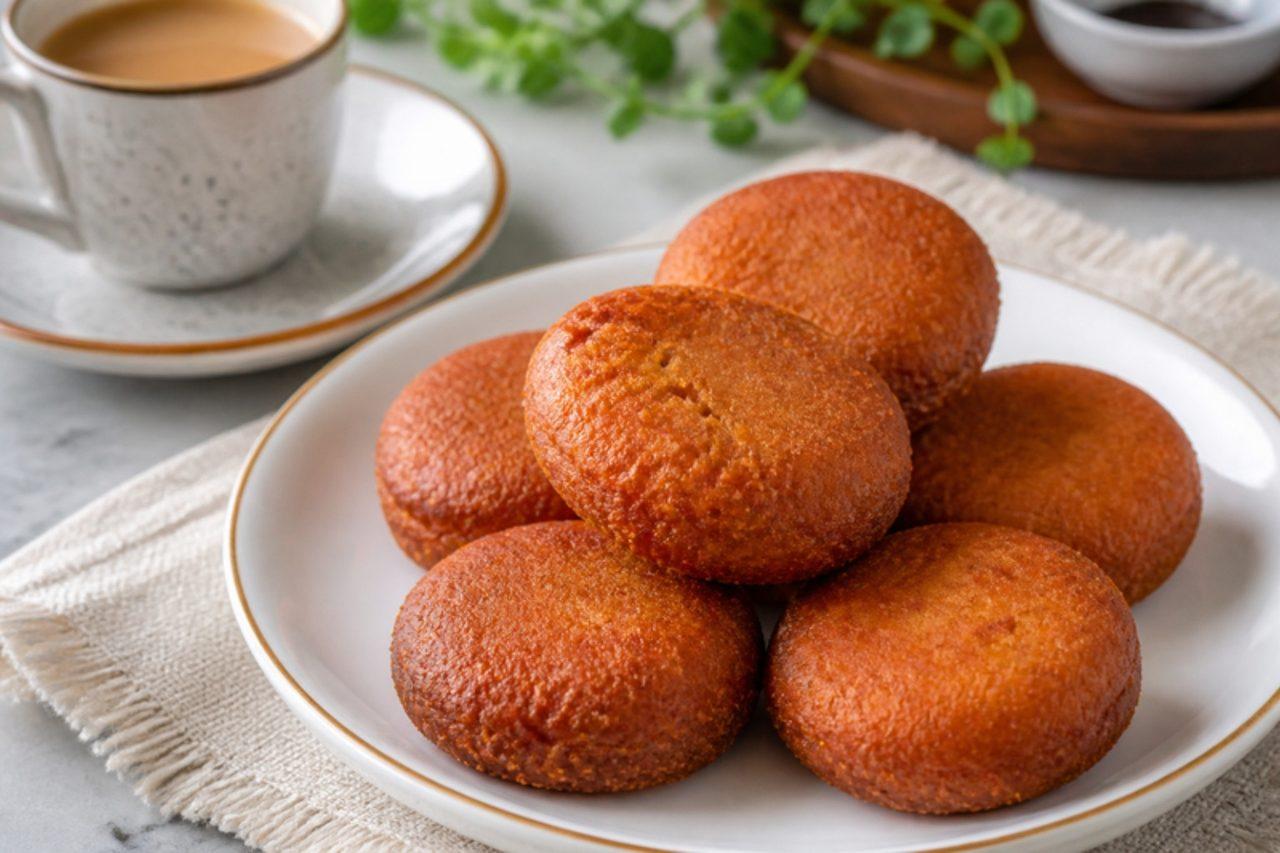
BhakraFried yogurt semolina cakes

Bhakra are the thick, sweet fried cakes that Parsi families of Navsari and Udvada make for the Navjote and wedding days, for Jamshedi Navroz and to pack for long journeys, because they keep for a couple of weeks. The old recipe rises with toddy; this alcohol-free version uses sour yogurt and a little baking soda, which gives the same faint tang and a close, cakey crumb. Outside they fry to a deep mahogany crust, inside they are firm, buttery and fragrant with cardamom and nutmeg. The most common mistake is frying in oil that is too hot: the outside browns in a minute while the centre stays raw and doughy. Chef's tip: fry them low and slow, and break one open before you do the rest of the batch.

by KrazyBadal 0 views

Kakara pithaFried semolina coconut cakes

In Odisha no festival plate is complete without kakara pitha, and during Durga Puja (and on Prathamastami and Dussehra) Odia homes fry them by the dozen to offer and share. A soft semolina dough cooked in sweetened milk-water is wrapped around a filling of fresh coconut, jaggery, cardamom and a surprising pinch of crushed black pepper, flattened into discs and fried in ghee until golden. They are crisp outside, soft and chewy within, with a gently spicy sweet centre. Common mistake: letting the jaggery filling stay wet, which makes it leak and burst in the hot fat; cook it until it gathers into a ball that leaves the pan clean. Chef's tip: knead the cooked semolina while it is still warm with a little ghee on your palms; it turns smooth and pliable and will not crack as you shape the pitha.

by KrazyBadal 0 views

Showing 24 of 239 recipes

Show more recipes

Page 1 of 10