Skip to content
WhatToEat.Today

All recipes

30

Vegetarian, or something you can't eat? Set your diet once and we'll hide recipes that don't fit.

KhabizginaPotato and cheese pie

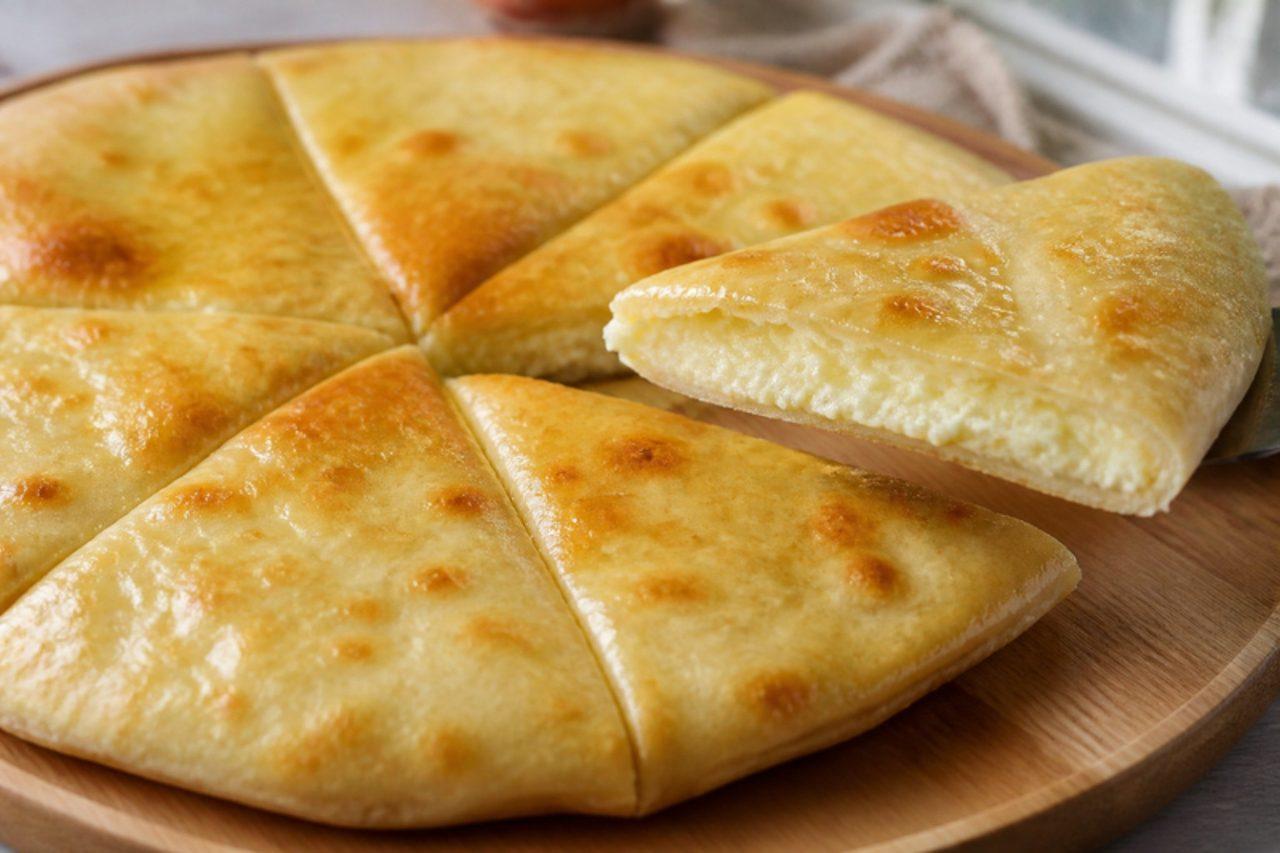
Of all the Ossetian pies, khabizgina is the homely one: a thin round of soft yeast dough wrapped around mashed potato and salty fresh cheese, baked hot and fast and drenched in melted butter. For feasts and remembrance days Ossetian cooks bake three pies and stack them, but on an ordinary evening one khabizgina cut into wedges is supper, with a pot of tea, yogurt or a crunchy salad. The crust is barely 1 cm thick and the filling creamy and peppery. Using a rolling pin tends to tear the dough over the filling, so shape it with your palms instead. If your cheese is made with animal rennet, look for a vegetarian alternative. Chef's tip: let the mash cool and mix it with the cheese until it is a stiff ball, roughly the same size and softness as the dough, and it spreads evenly to the edge.

by KrazyBadal 0 views

Penovani khachapuriPuff pastry cheese squares

Before 9 a.m. the warm trays by the till of every Tbilisi bakery are stacked with penovani: squares of crackly puff pastry folded around a salty, slightly sour cheese. Commuters eat them from a paper bag with a cup of coffee, and students live on them. Imeruli cheese is the classic filling; outside Georgia a mix of feta and low-moisture mozzarella gets very close. Some imeruli and mozzarella is made with animal rennet, so pick a vegetarian one if that matters to you. Rolling the pastry too thin is a common error, because it then can't puff around the cheese and the corners burn. Chef's tip: leave a small open window in the middle when you fold the corners in, so steam can escape and the pastry rises in layers instead of splitting at the sides.

by KrazyBadal 0 views

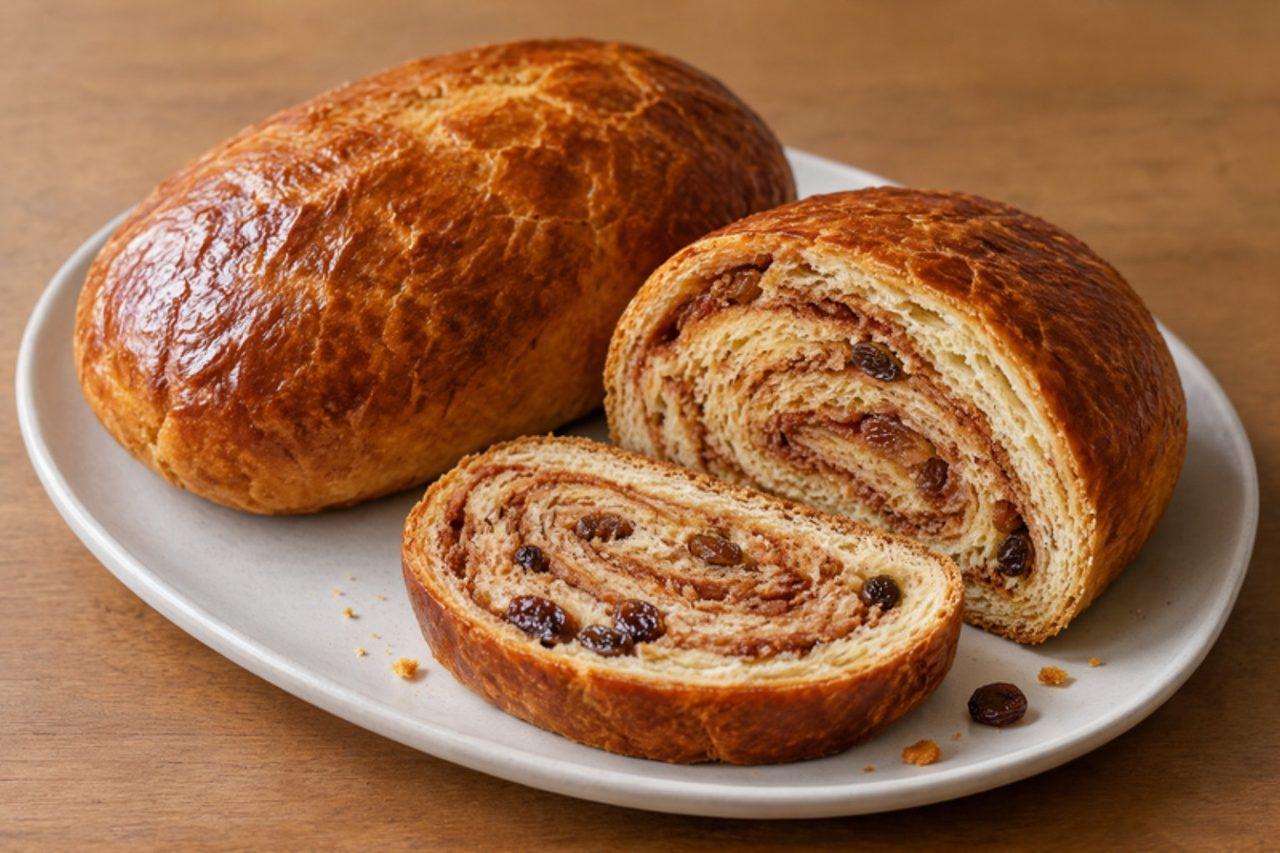
NazukiSweet cinnamon raisin bread

Nazuki comes from Surami, a town on the road west of Tbilisi, where roadside bakers slap the long, glossy loaves onto the hot walls of a tone oven and sell them still steaming to drivers. In Tbilisi you find them at the Dezerter Bazaar and from small tone bakeries in Sololaki and Vake, bought warm for breakfast or with afternoon tea. The crumb is soft and rich with milk, cinnamon, vanilla and raisins, and the crust is shiny and caramel-dark. This version bakes on a hot oven tray. It contains wheat, milk and egg. Chef's tip: preheat a heavy tray or baking stone for 20 minutes; the burst of heat from below imitates the tone wall and gives the loaves their rise.

by KrazyBadal 0 views

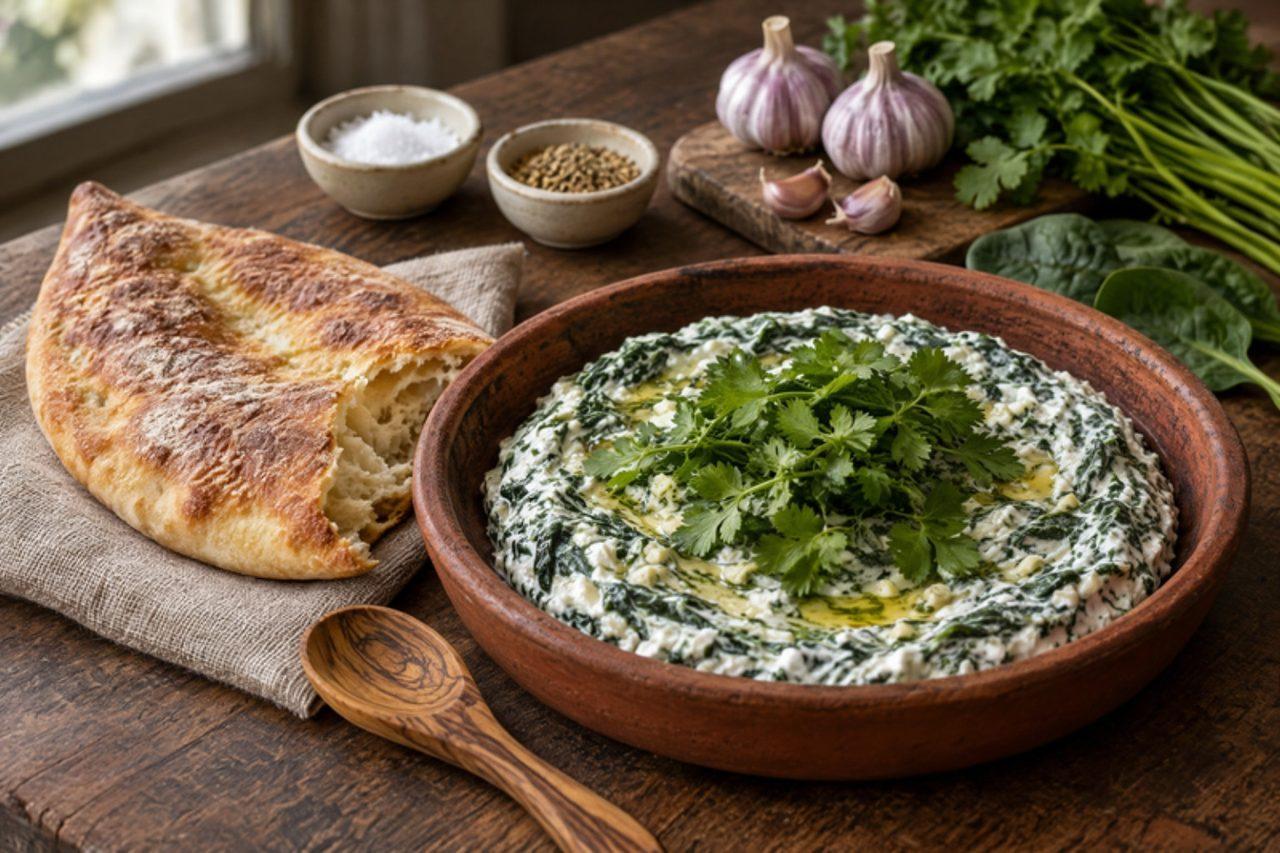
Ispanakhi matsvnitSpinach with yogurt

In Georgian homes from Tbilisi to Kakheti, ispanakhi matsvnit is one of the quick dishes on a supra table and a weekday side all spring, when spinach is young and sweet. The spinach is wilted, squeezed and chopped, then folded into thick matsoni (Georgian set yoghurt) with crushed garlic, coriander and a little blue fenugreek, and served cool with bread, beans or grilled vegetables. Suitable as part of a balanced diet. About 110 kcal and 8 g carbohydrate per portion. The usual mistake is not squeezing the spinach hard enough, so water seeps into the yoghurt and makes it thin. Chef's tip: crush the garlic with a pinch of salt to a smooth paste so it spreads evenly through the yoghurt rather than hitting you in raw lumps.

by KrazyBadal 0 views

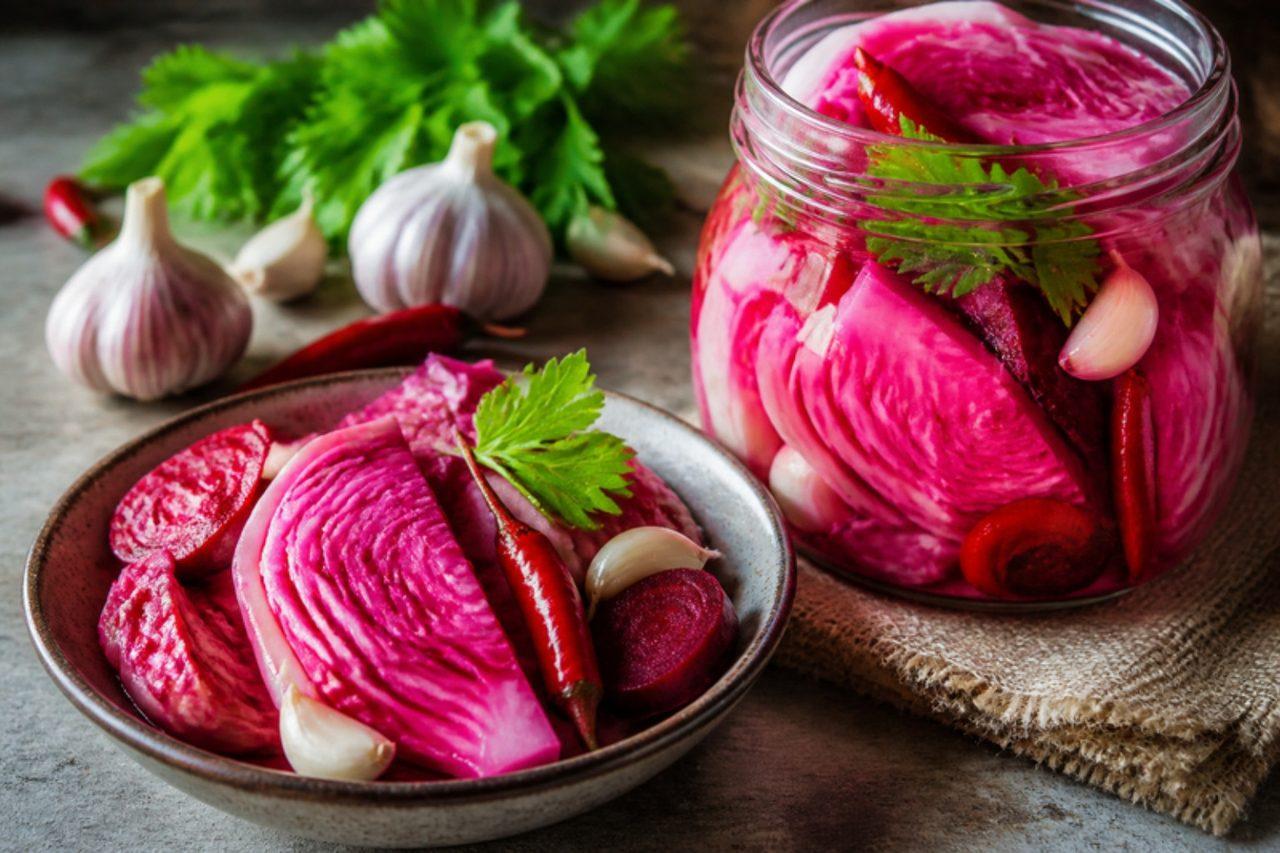
Gurian pickled cabbage

Gurian pickled cabbage turns heads at the Ozurgeti market: whole cabbage wedges stained deep pink by beetroot, layered with garlic, celery leaves and hot pepper and left to ferment in brine until crunchy and sour. Families in Guria put up big crocks in late autumn for the winter and the New Year table, and serve it beside fatty pork, beans and cornbread. A common mistake is using iodised salt, which can stop the ferment and darken the pickle. Chef's tip: keep the jar at cool room temperature for the first few days, then move it to the fridge once it tastes pleasantly sour, so it stays crisp.

by KrazyBadal 0 views

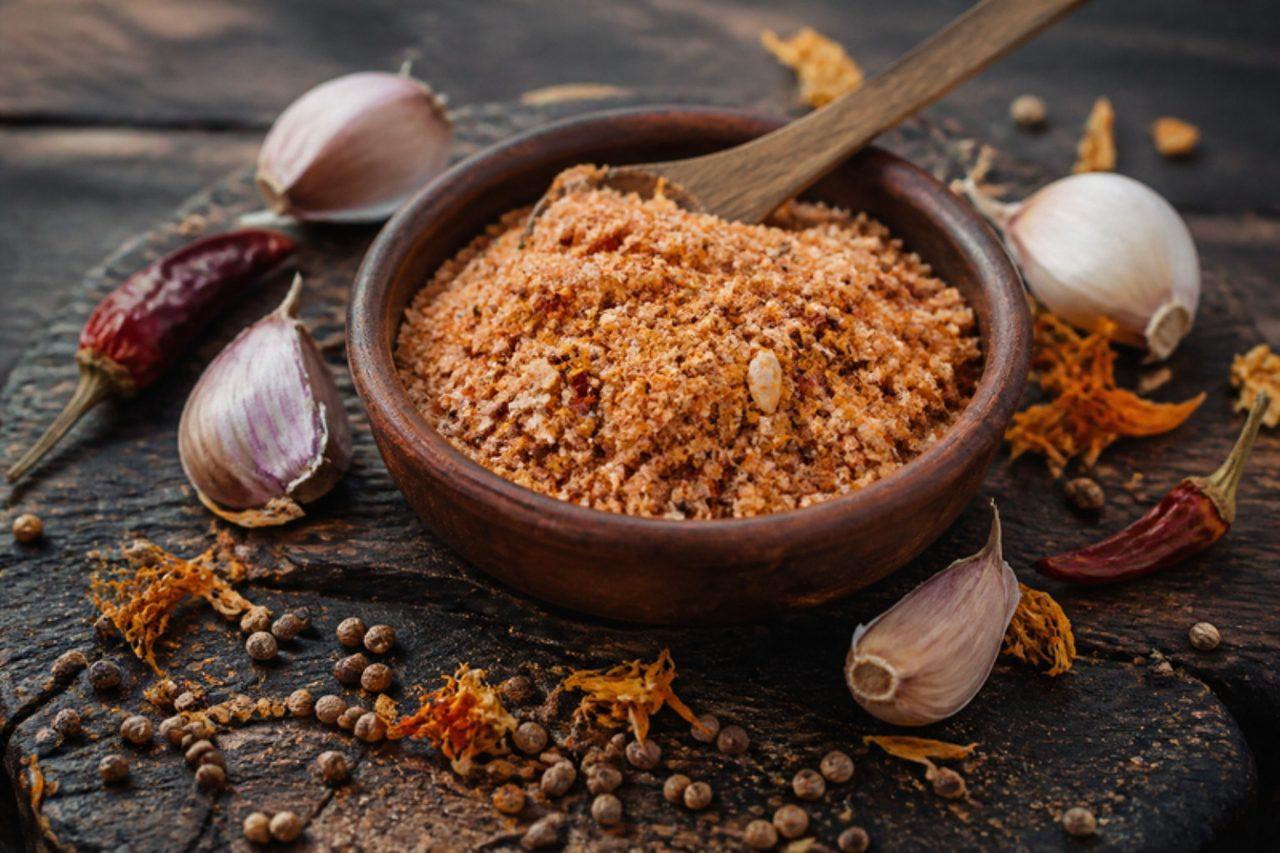
Svanetian salt

In the stone-towered villages of upper Svaneti, salt was precious and families stretched it by grinding it with garlic and the spices that grow on their slopes: blue fenugreek, coriander seed, dried dill seed, marigold and hot pepper. The result is a fragrant, damp, greenish salt that every Svan kitchen keeps in a jar, rubbed on potatoes, stirred into soups or sprinkled on tomatoes and cucumbers. A common mistake is using fine table salt, which turns to paste; coarse salt grinds the garlic and dries it at the same time. Chef's tip: spread the finished salt on a tray and let it dry for a day before jarring, so it keeps for months.

by KrazyBadal 0 views

Imeretian cheese

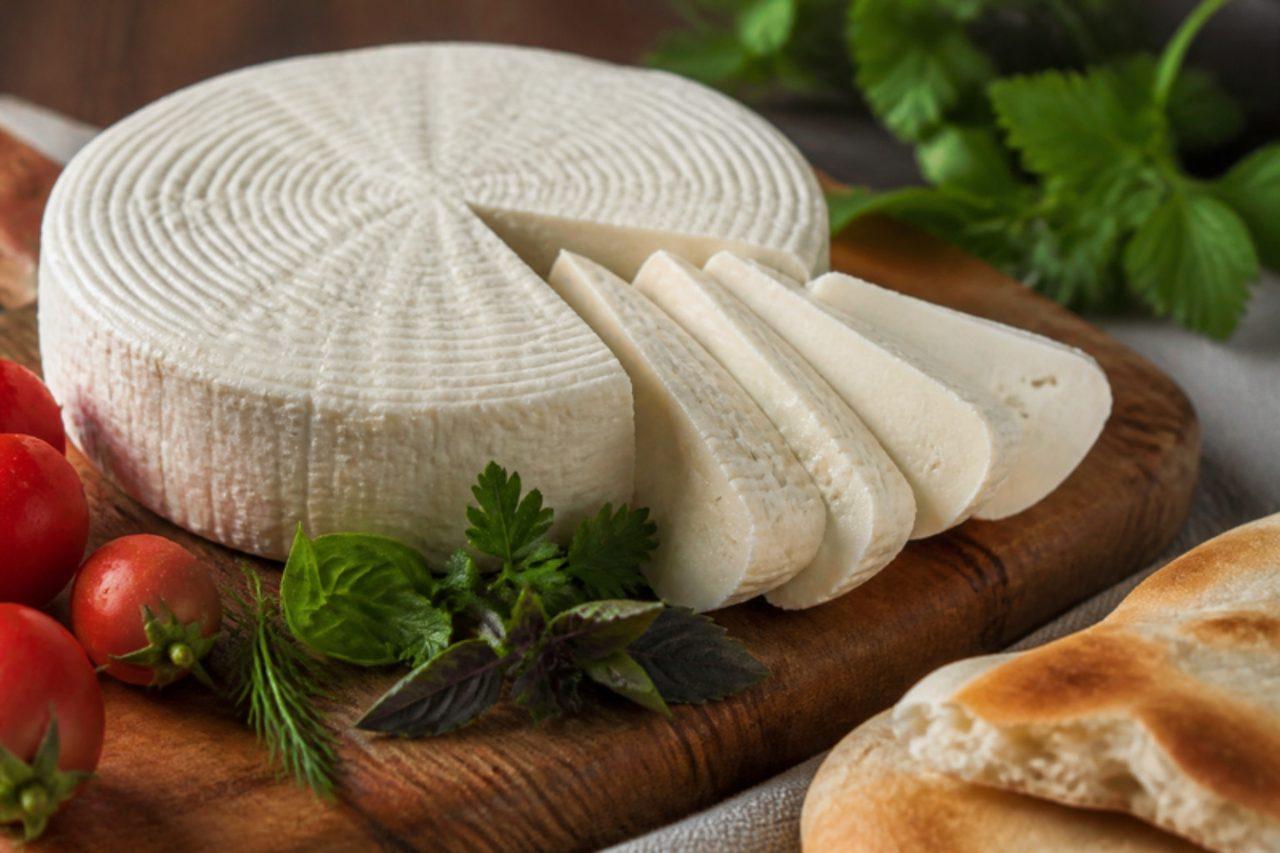
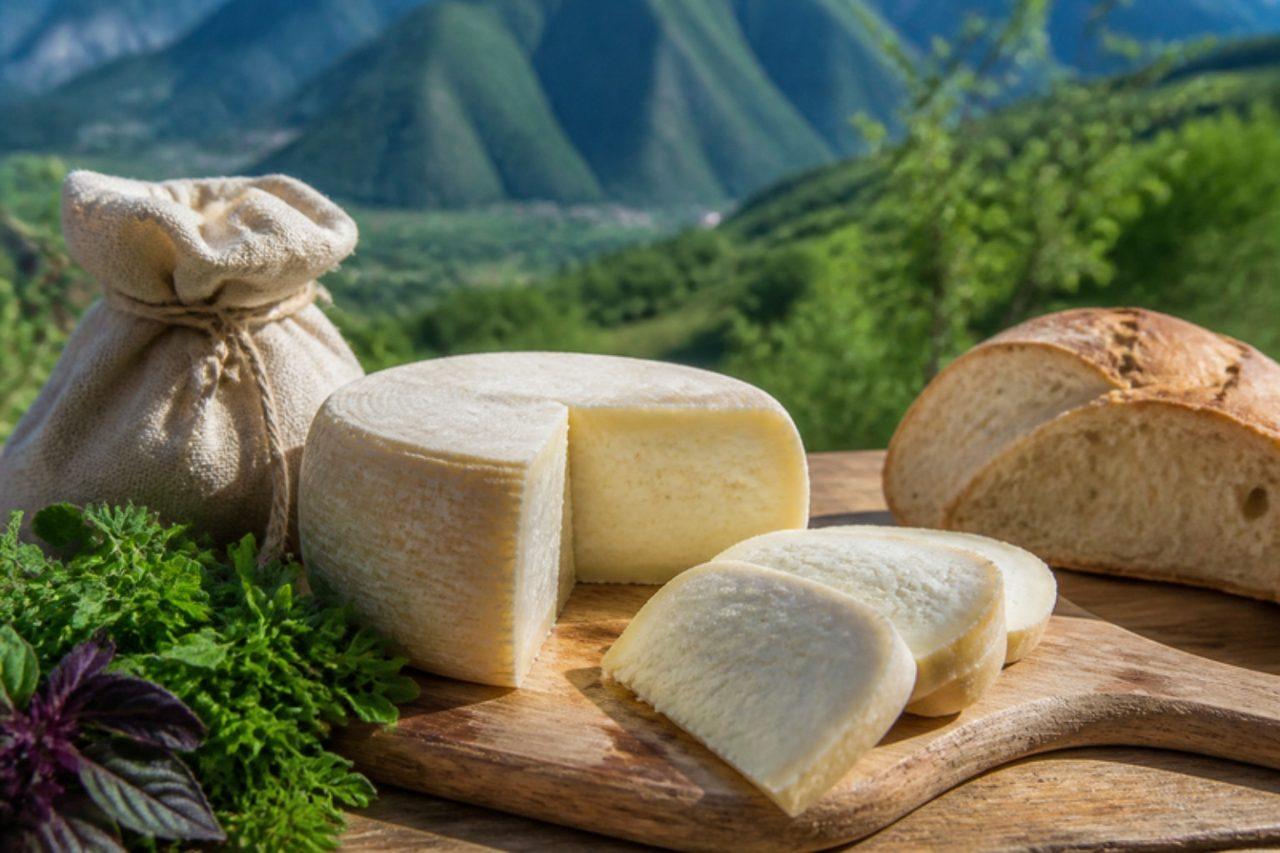
Imeruli kveli is the everyday cheese of western Georgia: in Kutaisi's Green Bazaar it sits in wet white wheels, mild and milky with a faint sourness, ready to be grated into khachapuri, sliced with tomatoes and herbs, or stretched into sulguni. Families in Imereti make it in a morning from the day's milk. Traditionally it is set with animal rennet; use vegetarian (microbial) rennet for a vegetarian cheese. A common mistake is heating the curd too hard, which squeezes out the moisture and gives a rubbery cheese instead of a soft, springy one. Chef's tip: make a double batch, keep one wheel fresh for eating and leave the other in brine for two or three days, which gives it the saltier bite that bakers prefer for khachapuri.

by KrazyBadal 0 views

Gurian Christmas pie

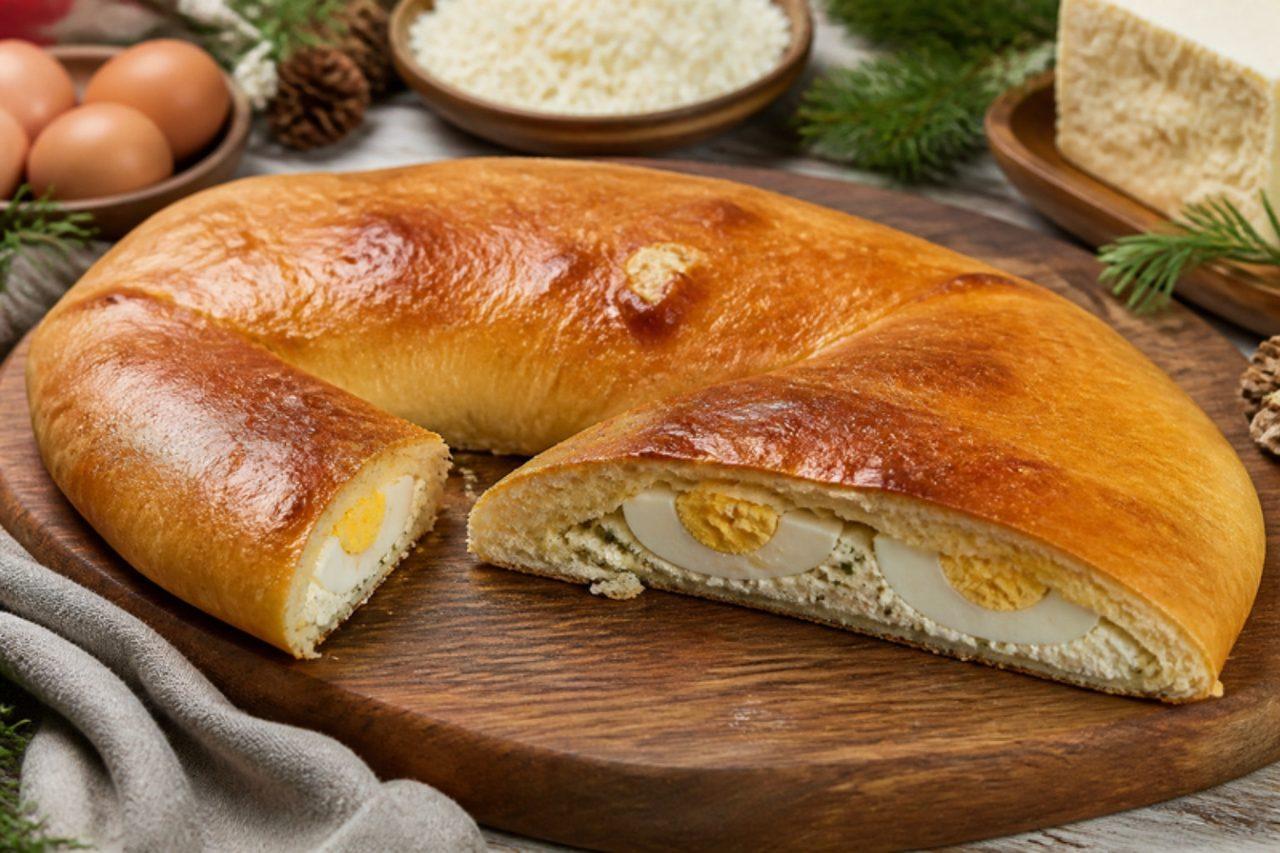
On Christmas Eve, 6 January, kitchens across Guria, around Ozurgeti and Lanchkhuti, smell of baking ghvezeli: large crescent pies stuffed with fresh cheese and chunks of boiled egg, their shape said to recall the crescent moon. They are baked in batches, carried to relatives and eaten through the holidays with tea. A common mistake is overfilling, which makes the crescent split at the seam in the oven. Chef's tip: let the yeasted dough rise once, shape the pies, then give them 15 minutes more so they puff into soft, rounded crescents. Imeruli and sulguni usually use animal rennet; look for vegetarian ones.

by KrazyBadal 0 views

Tarragon lemonade

Tarkhuna is the emerald-green soda that every Tbilisi child knows, sold from street fountains since the early 1900s and still poured in tall glasses at cafés on Rustaveli Avenue. The bottled kind is coloured; the home version gets its green from blitzing fresh tarragon with lemon and syrup, giving an aniseedy, sweet-sour fizz. A common mistake is boiling the tarragon, which dulls the colour and turns the flavour stewed. Chef's tip: blitz the herb into cool syrup and strain it straight away; the drink stays vivid green for a day in the fridge.

by KrazyBadal 0 views

Trout with tarragon

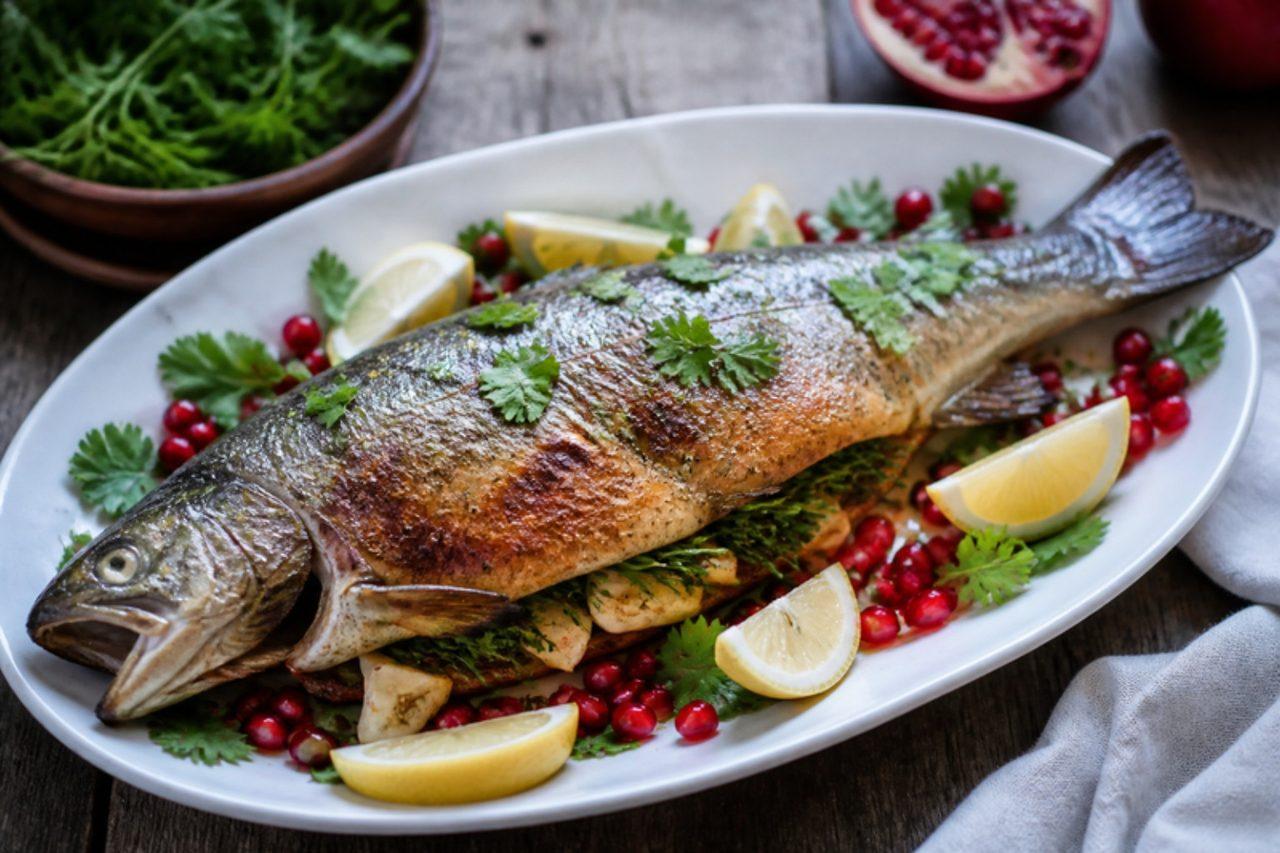
In the river valleys of Racha, around Ambrolauri and Oni, cafés keep live trout in stone tanks fed by mountain streams, and the classic way to cook them is simply: stuffed with tarragon, garlic and a little salt, roasted or grilled over vine cuttings, and finished with a shower of pomegranate seeds and a squeeze of their juice. A common mistake is cooking the fish too long, which dries the delicate flesh. Chef's tip: slash the skin twice on each side so the heat reaches the thickest part evenly, then check by pressing the backbone: the flesh is done when it is opaque and lifts away in clean flakes.

by KrazyBadal 0 views

AbkhazuraSpiced mince in caul fat

Abkhazura is a feast dish from Samegrelo and the old Abkhazian borderlands, still on the menu of Zugdidi restaurants: finely chopped beef and pork, seasoned with onion, garlic, dried barberries, hot pepper and herbs, wrapped in thin, lacy caul fat and grilled over coals or fried until crisp outside and juicy inside. This contains pork. Served with tkemali and raw onion rings. A common mistake is using lean mince, which makes the patties dry; the fat is what keeps them succulent. Chef's tip: soak caul fat in warm salted water for 10 minutes so it softens and stretches without tearing. Minced meat must reach 71 °C in the middle.

by KrazyBadal 0 views

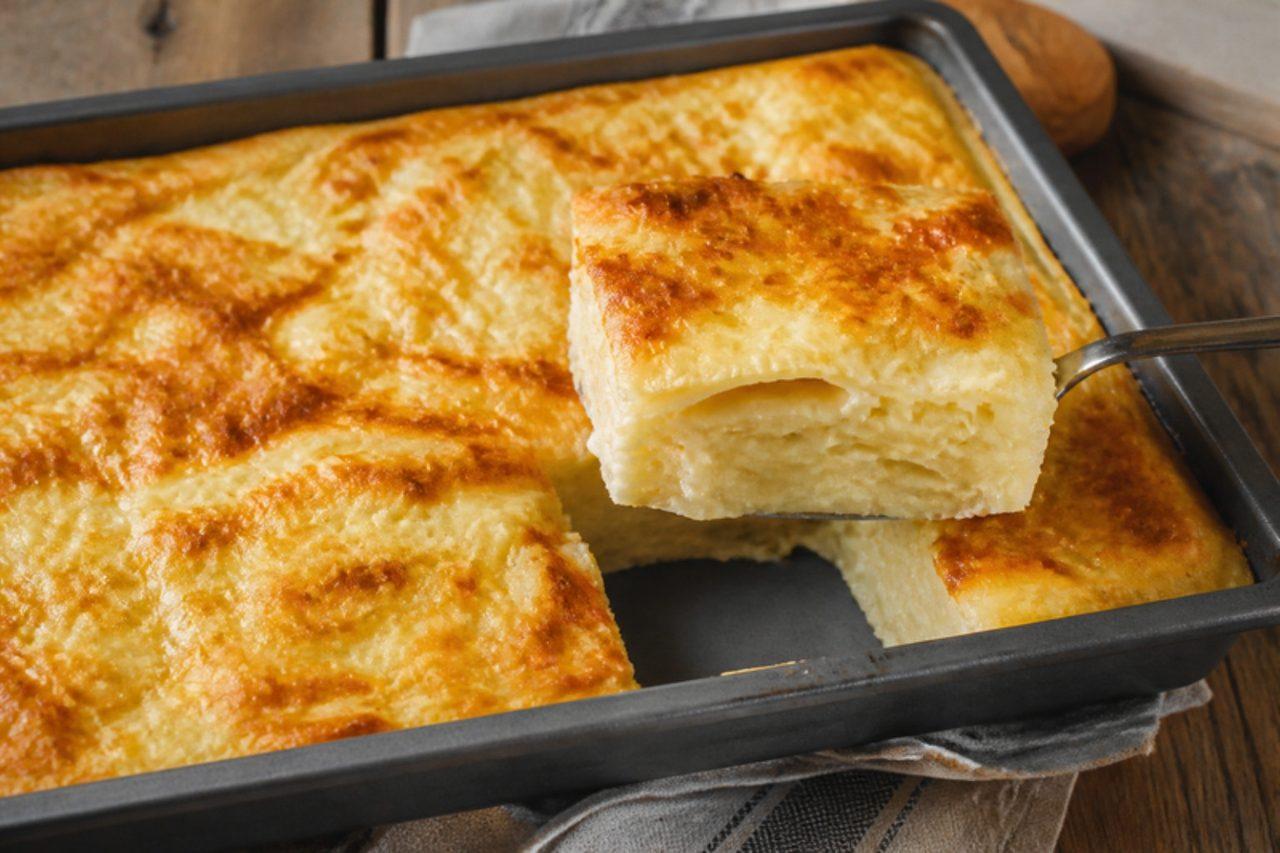
AchmaLayered cheese pie

Ask in Batumi and someone will call achma the Georgian lasagne: thin sheets of egg dough are boiled one by one, layered in a deep tray with salty cheese and a lot of butter, and baked until the top crackles and the inside is soft and molten. It is made for name days and holidays across Adjara, and slices are carried to neighbours on a plate. A common mistake is boiling the sheets too long; they should be barely cooked and still firm, or the layers merge into a heavy paste. Chef's tip: plunge every boiled sheet into iced water and lay it out on a towel, so the layers stay distinct and silky. Most sulguni and imeruli cheeses use animal rennet, so choose vegetarian versions.

by KrazyBadal 0 views

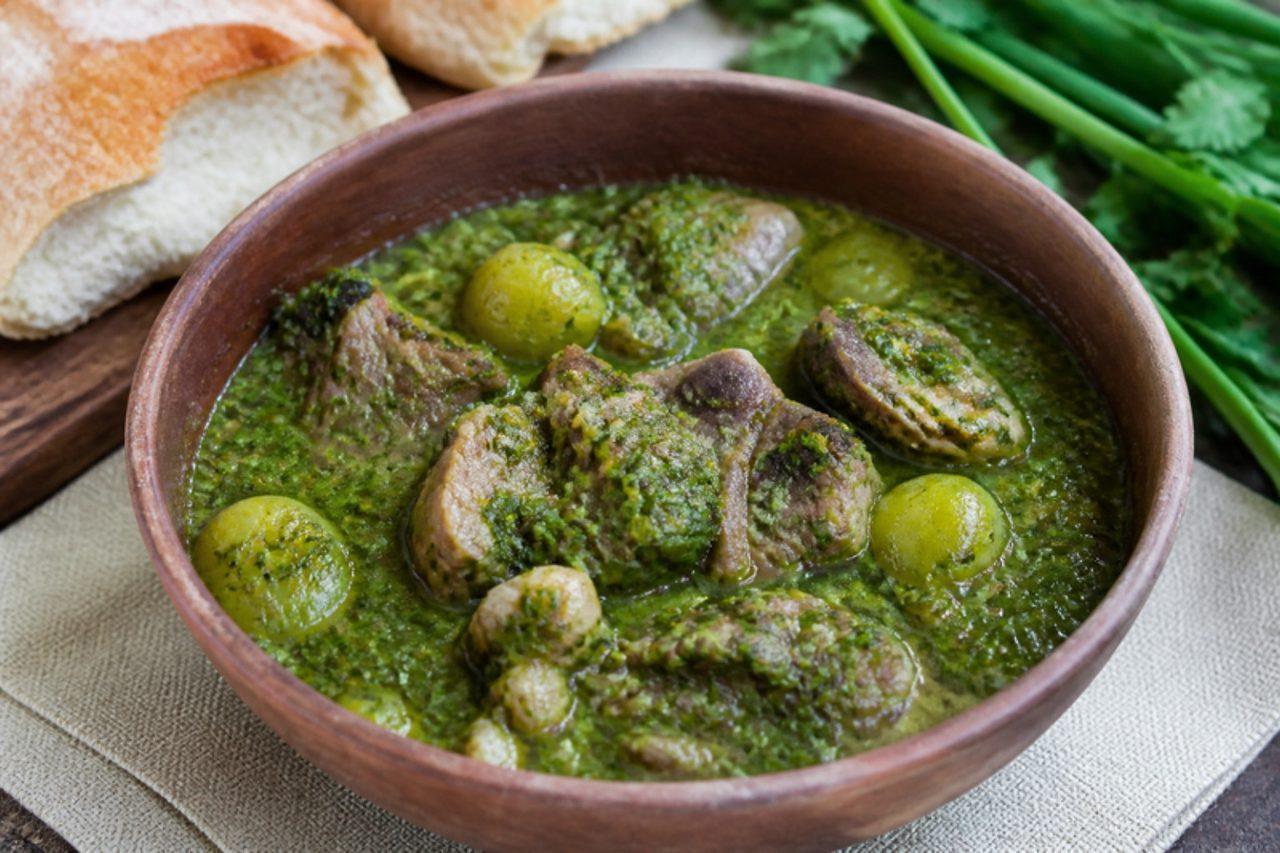
ChakapuliLamb with tarragon and sour plums

Chakapuli is the Easter dish of Kakheti, cooked when the first tarragon shoots and hard green tkemali plums appear in April: young lamb is stewed in Kakhetian white wine with heaps of tarragon, spring onion and coriander until the broth turns bright green and sour. It is eaten from deep bowls with shoti bread to soak up the juices. The recipe uses white wine, as it is traditionally made; for an alcohol-free pot, use the swap in the ingredient note. A common mistake is putting in all the herbs at the start, which turns them grey; half go in at the end for freshness. Chef's tip: if you can't find sour green plums, a squeeze of lemon and a spoon of tkemali sauce give the same tartness.

120 minGeorgianMeatGluten free
by KrazyBadal 0 views

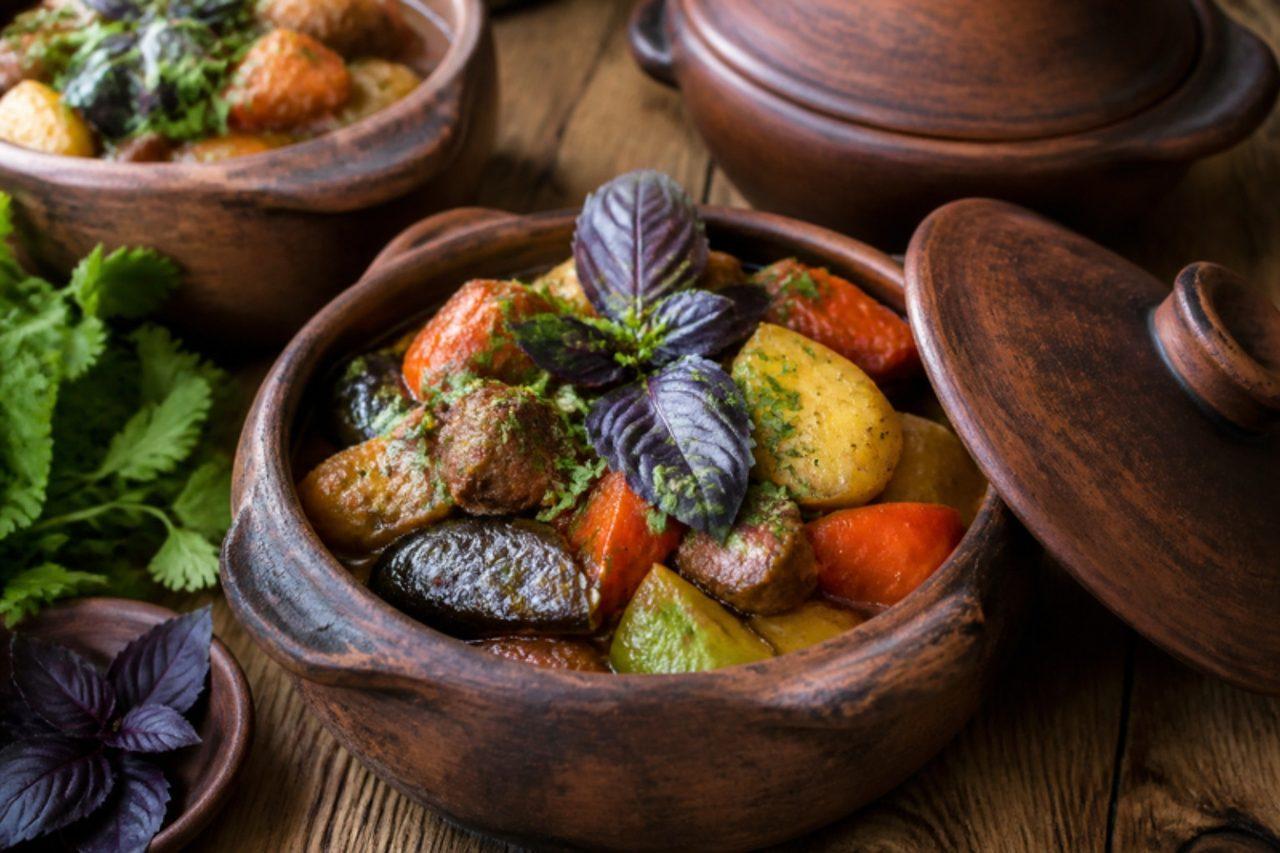
ChanakhiLamb and aubergine clay pot

In Tbilisi homes and restaurants chanakhi arrives in its own small clay pot, the lid lifted at the table to release a cloud of steam smelling of lamb, tomato, basil and garlic. Lamb, potato, aubergine, onion and tomato are layered raw with herbs and left to cook slowly in their own juices, so the vegetables soak up the lamb fat and the meat goes spoon-soft. A common mistake is adding too much water; the vegetables release plenty, and a watery pot tastes flat. Chef's tip: put a tomato slice on top of each pot as a lid of its own, which bastes everything below as it melts.

150 minGeorgianMeatGluten free
by KrazyBadal 0 views

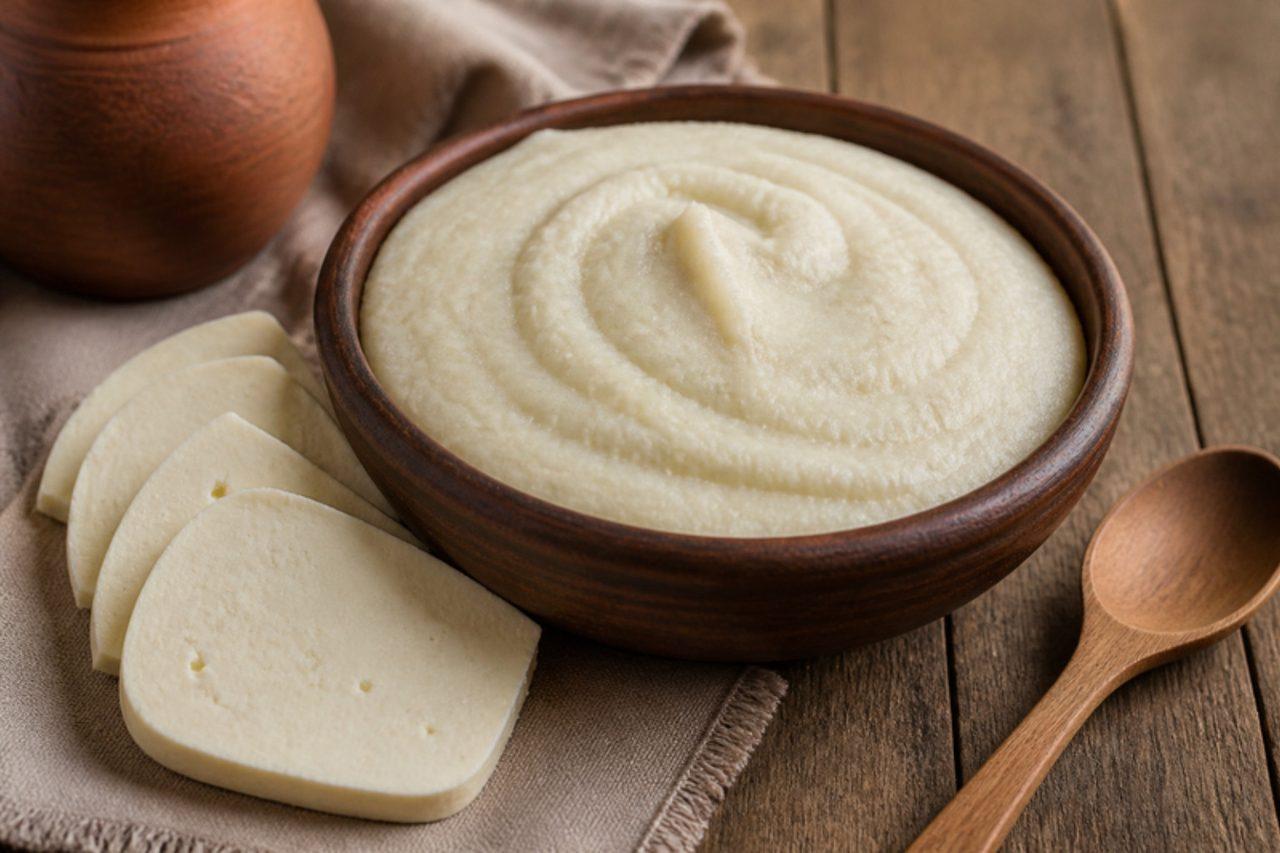
GhomiWhite corn porridge

Across Samegrelo and Guria, ghomi plays the role bread plays elsewhere: a soft, smooth porridge of white corn and cornmeal, set on the table unseasoned so that slices of sulguni can be pushed into it to melt, and so that bazhe, ajika or bean stew can be scooped up with it. In Zugdidi homes it is cooked in a heavy pot and stirred with a flat wooden paddle. A common mistake is stirring too little; ghomi catches easily and lumps form at the bottom. Chef's tip: cook it until it comes away from the sides in one smooth mass, then wet a spoon and smooth the top; ghomi should feel like soft polenta that can be scooped, not runny porridge.

by KrazyBadal 0 views

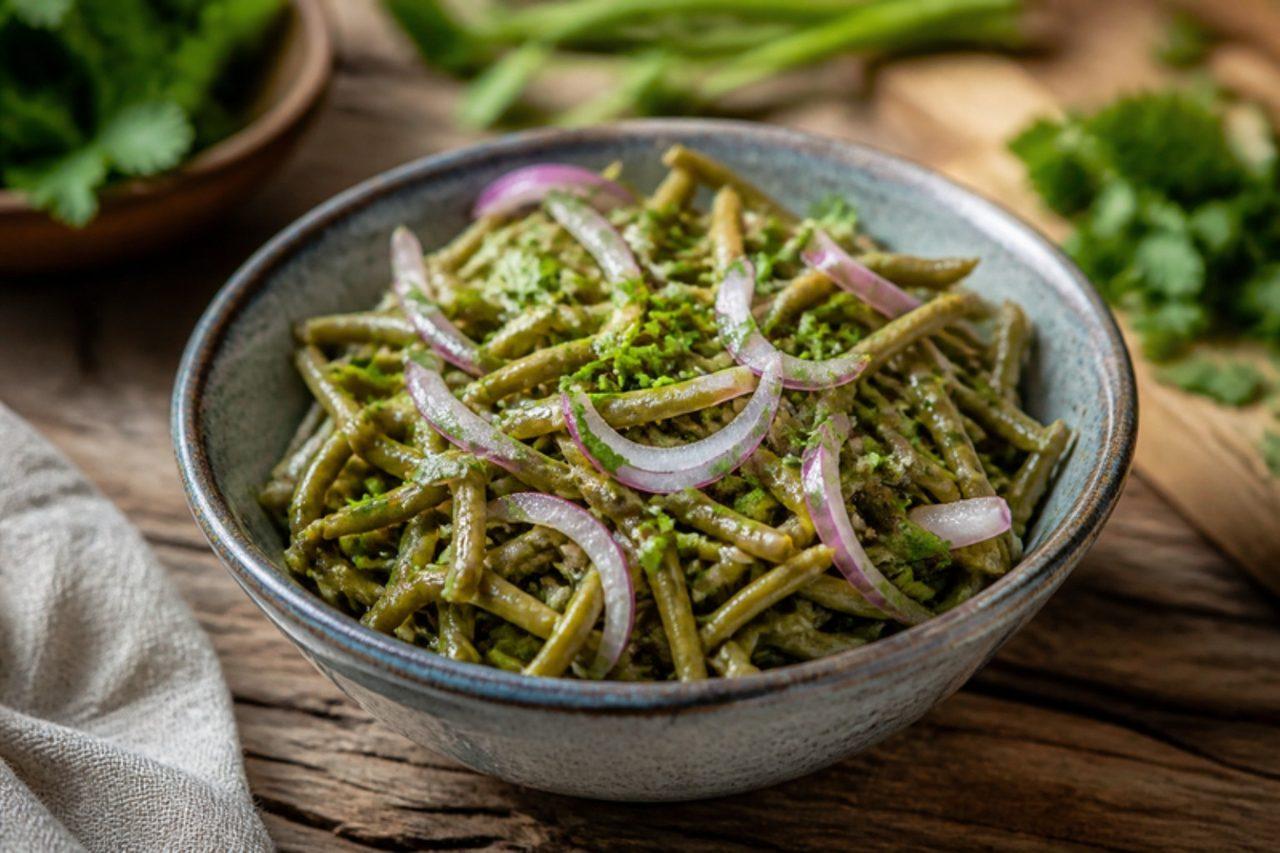
JonjoliPickled bladdernut flowers

Jonjoli are the clustered flower buds of the bladdernut shrub, picked in May across Imereti and pickled in brine, and a bowl of them dressed with onion and oil appears on almost every Georgian table, from Kutaisi kitchens to Tbilisi restaurants. They taste sour, a little like capers crossed with olives, and cut through rich cheese bread and grilled meat. Jars are sold in Georgian and Russian shops, and the home pickling takes weeks, so this recipe starts from a jar. A common mistake is serving them straight from the jar; they need rinsing and a short soak, or the brine overwhelms everything. Chef's tip: dress them at least 30 minutes ahead so the onion softens and its sharpness balances the sour stalks.

by KrazyBadal 0 views

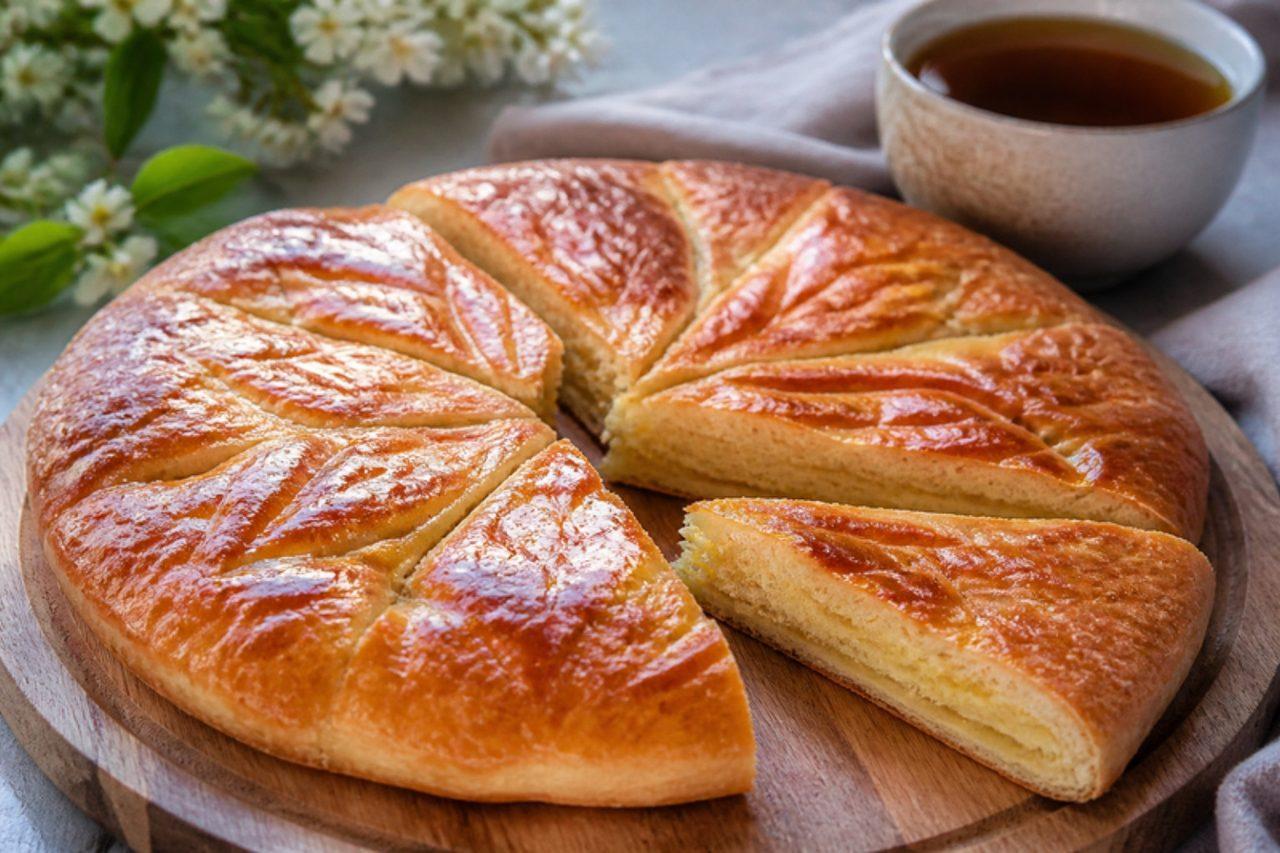
KadaFlaky pastry with butter crumbs

Kada is a tea-time pastry found in bakeries from Tbilisi to the Mtskheta monastery stalls, where it is sold warm beside churchkhela: a round of rich yeasted dough, folded around a sweet filling of flour, butter and sugar rubbed into crumbs, then rolled flat so the filling bakes into soft, melting layers. A common mistake is rolling the filled dough too hard, which pushes the crumbs through the surface. Chef's tip: chill the filling so the butter stays cold; it melts in the oven and makes flaky, buttery pockets.

by KrazyBadal 0 views

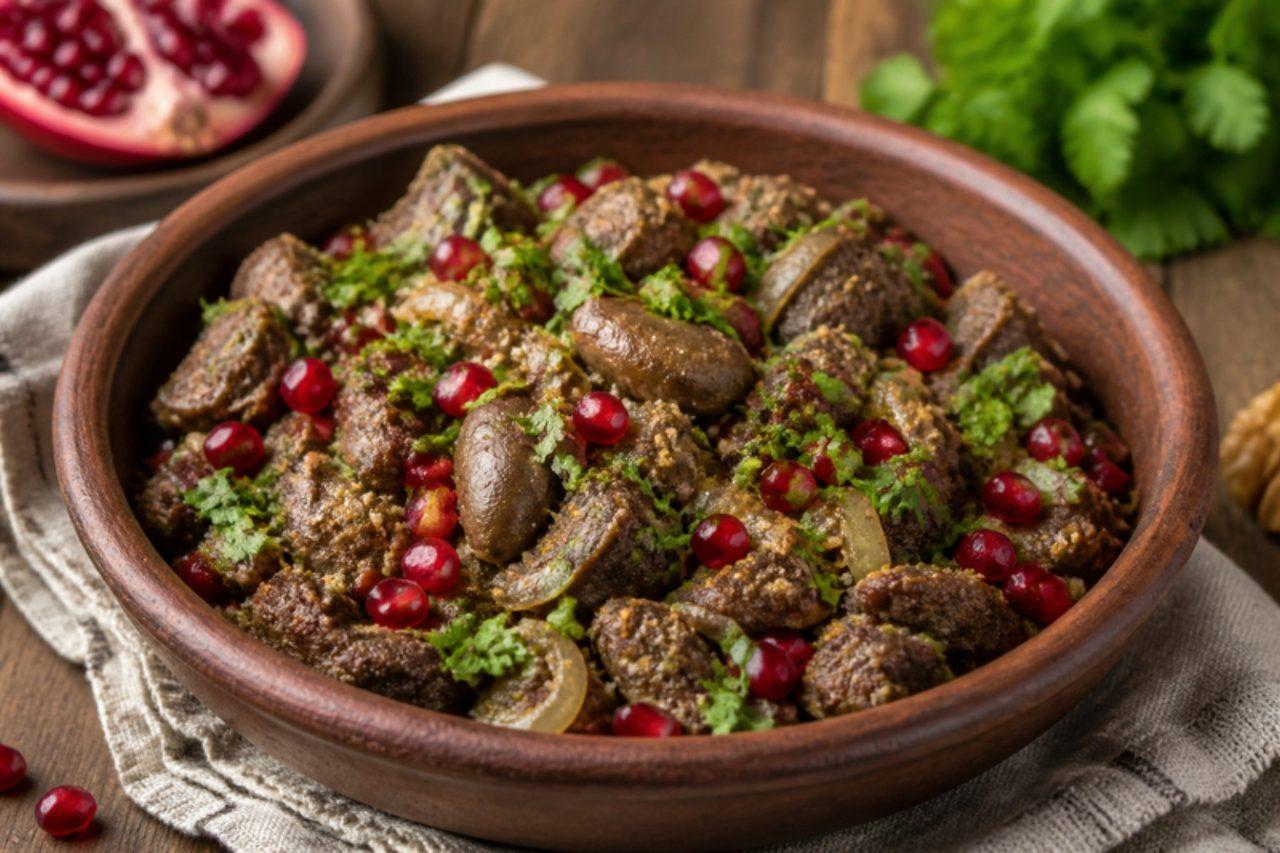
KuchmachiChicken hearts and livers with walnuts

Kuchmachi is supra food from western Georgia, particularly Imereti and Racha: offal, usually chicken hearts and livers or beef tripe and liver, fried with onion and then folded into a spicy walnut sauce and showered with pomegranate seeds. It is served warm or at room temperature in a clay dish, with cold wine and bread. This version uses chicken offal, which is easy to find and quick to cook. A common mistake is overcooking the livers until grainy; take them off as soon as the centre has lost its pink. Chef's tip: fry hearts and livers separately, since hearts need longer. Chicken offal is cooked when no pink remains and it reaches 74 °C.

by KrazyBadal 0 views

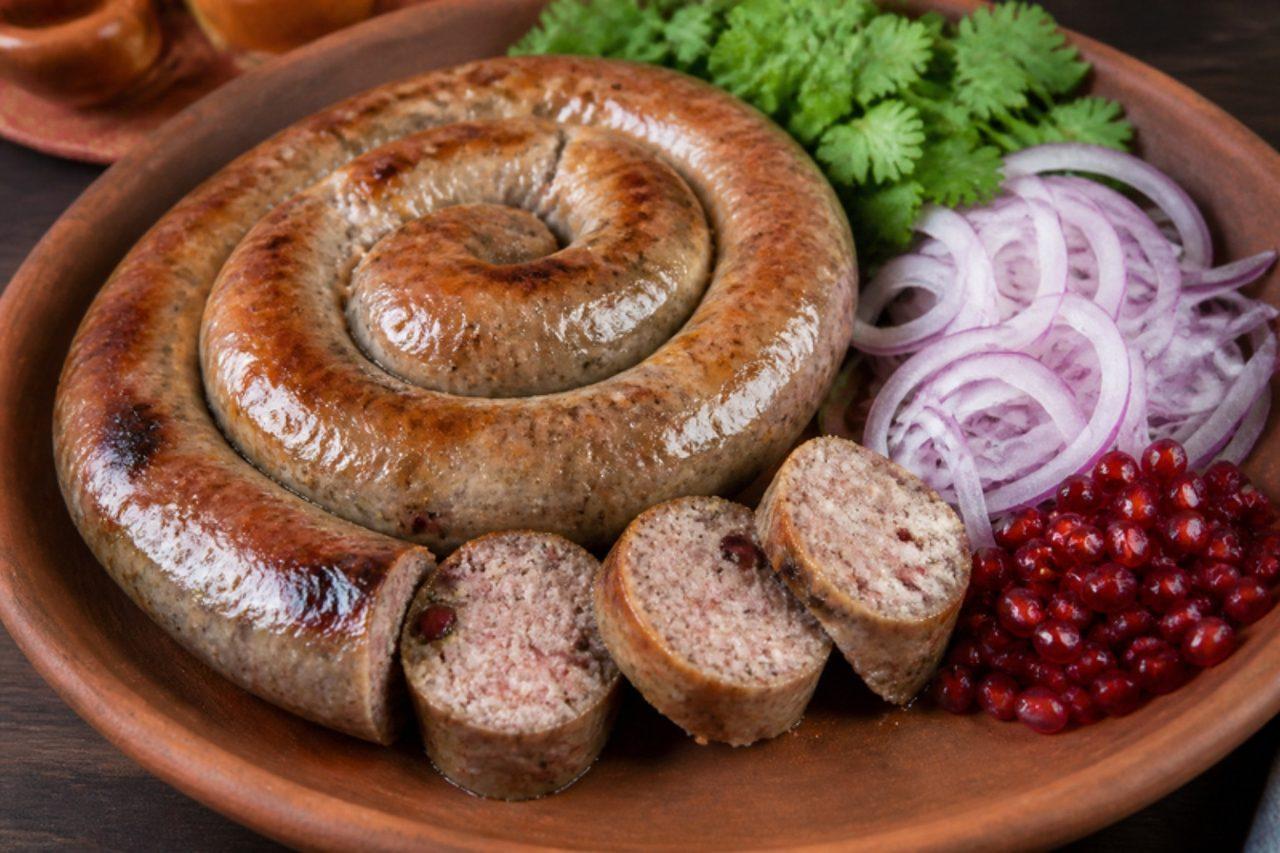
KupatiPork and offal sausages

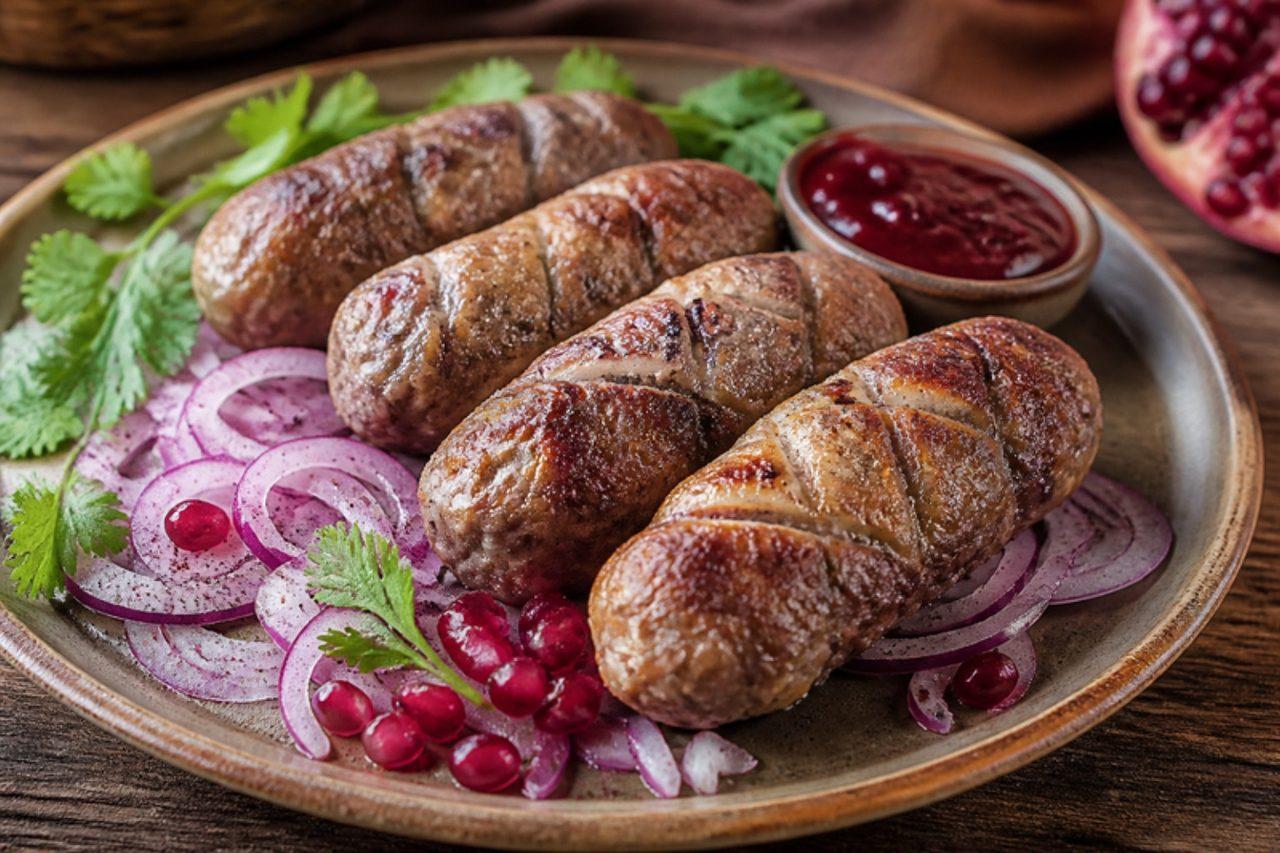
Kupati are the coarse, spicy sausages of Imereti, made after a winter pig slaughter and grilled over vine cuttings or fried in a pan with onions; in Kutaisi they are a staple of village feasts. This is a pork recipe: minced pork shoulder with a share of pork heart and liver, seasoned with dried barberries, garlic, cinnamon, khmeli-suneli and hot pepper, stuffed into casings. A common mistake is overfilling the casings, which makes them burst as they cook. Chef's tip: poach the sausages gently first, then brown them; they cook through evenly and stay juicy. Pork sausages must reach 71 °C in the centre.

by KrazyBadal 0 views

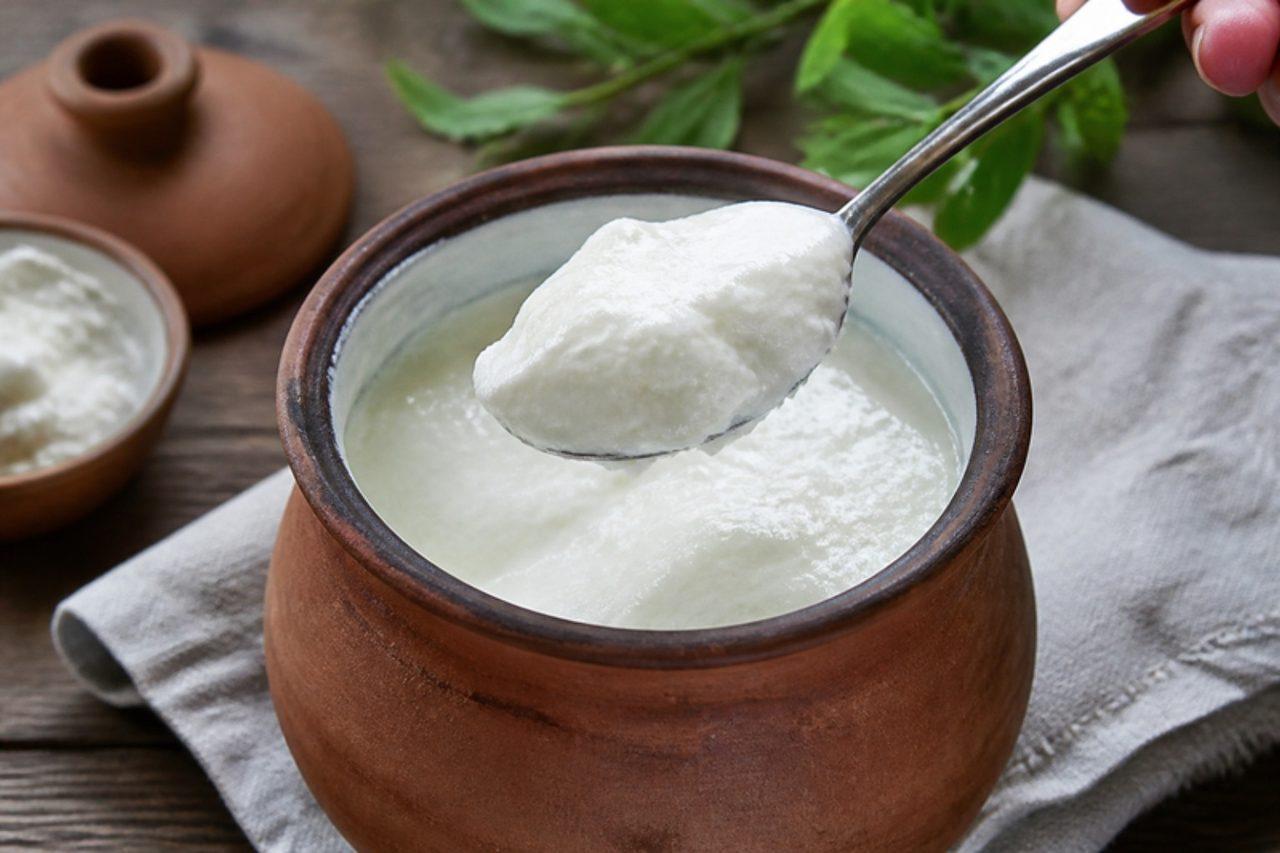
MatsoniGeorgian yogurt

In Kakheti, matsoni is set every evening in clay pots and eaten the next morning with honey, folded into soups, or stirred with water and herbs on a hot afternoon; it is thicker and sharper than most shop yogurt, with a skin of cream on top. To start, you need a spoonful of matsoni or any live plain yogurt, and after that each batch seeds the next. A common mistake is to add the starter while the milk is still hot; above about 45 °C the cultures die and the milk never sets. Chef's tip: wrap the pot in a blanket and leave it somewhere warm and still, like an oven with just the light on, so it sets evenly without separating.

by KrazyBadal 0 views

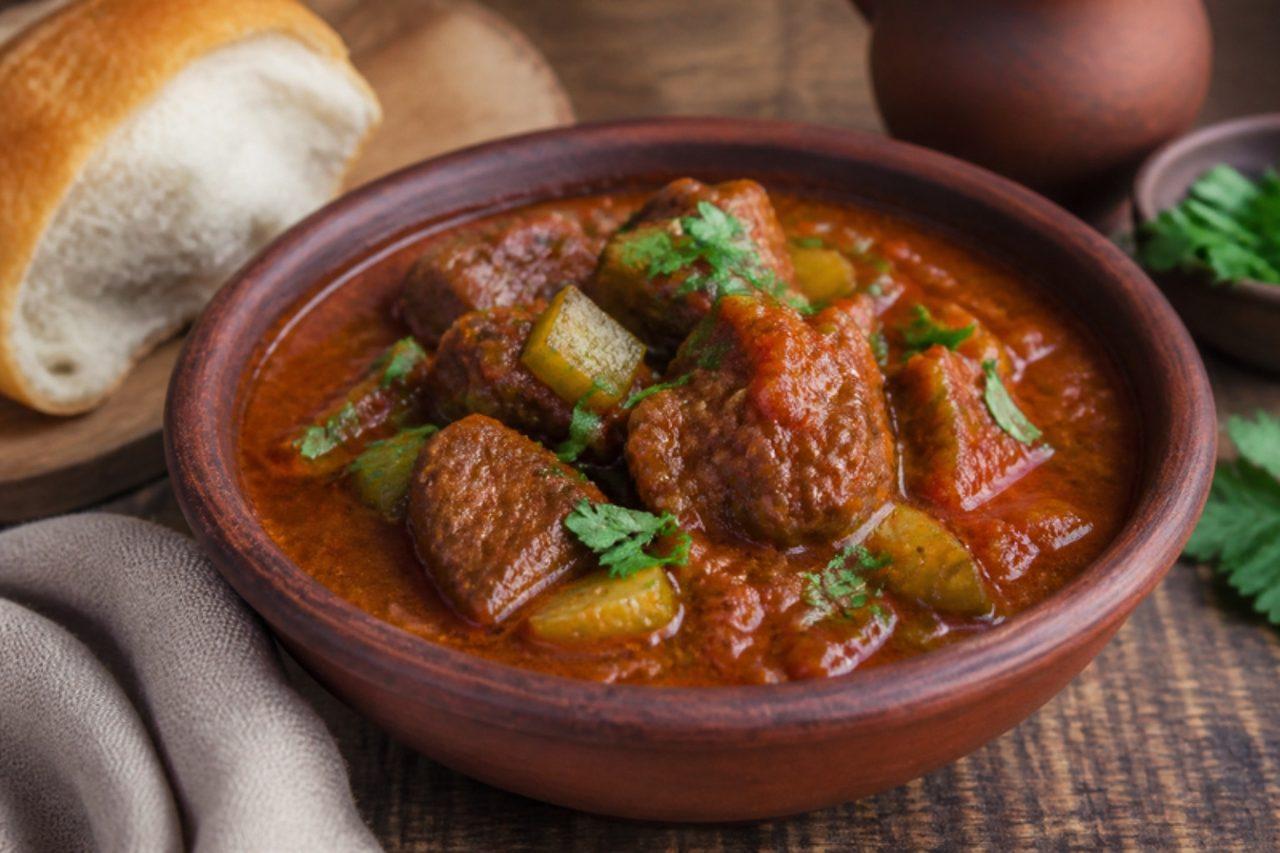
OstriSpicy beef stew

Ostri is a dish of the old Tbilisi duqani, the cellar taverns of Sololaki and the sulphur-bath district, where it is served in small clay bowls with bread and a glass of something red: beef cut small, browned and simmered with onion, tomato, a little pickled cucumber and plenty of garlic and hot pepper until thick and glossy. It should be fiery, sour and rich all at once. A common mistake is crowding the pan when browning, which makes the beef stew in grey juices instead of searing. Chef's tip: add the garlic and herbs only in the final minutes, so the stew finishes with a fresh, sharp heat.

100 minGeorgianMeatGluten freeSpicy
by KrazyBadal 0 views

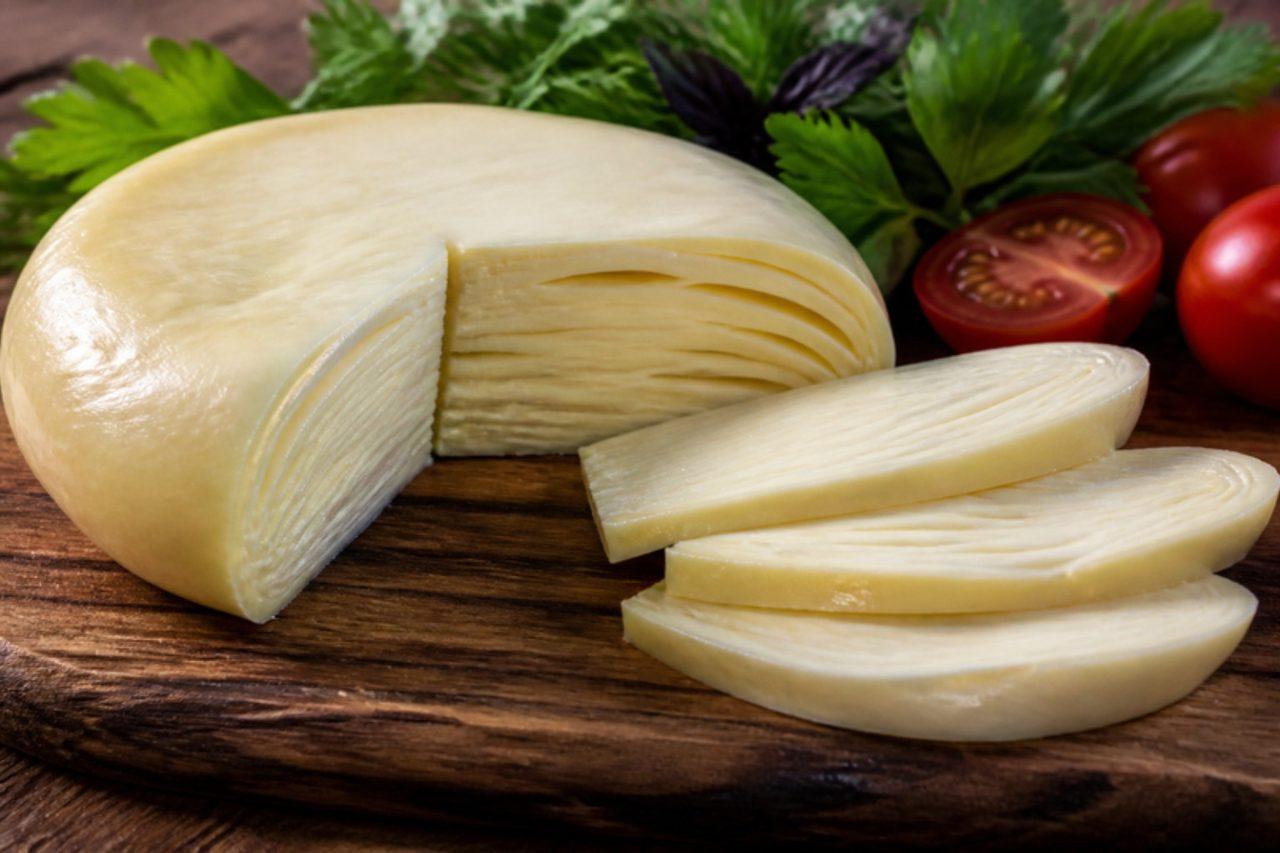
SulguniStretched cheese

Sulguni is the famous cheese of Samegrelo, made in Zugdidi homes by taking fresh, slightly soured curd, cutting it up and working it in hot water until it can be pulled into a glossy, layered, salty ball. It is eaten in thick slices, melted into elarji and khachapuri, and smoked over embers for a darker version. The curd has to be acidic enough to stretch, so you make the cheese one day and stretch it the next, or buy fresh Imeretian cheese and start from there. Traditionally animal rennet is used; vegetarian rennet works too. A common mistake is trying to stretch fresh, sweet curd; it melts into a puddle instead of pulling. Chef's tip: test a small piece in hot water first; if it stretches 30 cm without breaking, the curd is ready.

by KrazyBadal 0 views

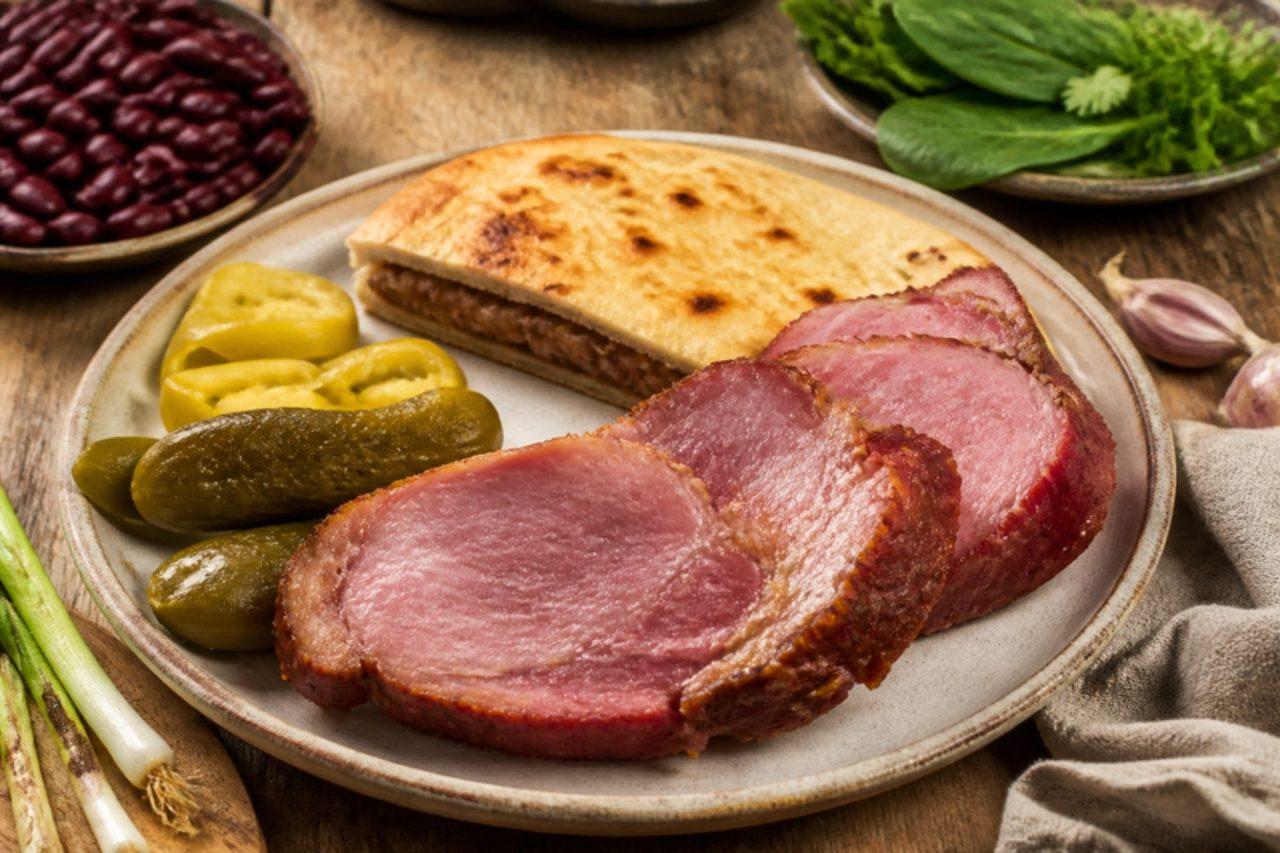
Rachan ham

Rachuli lori is the pride of Racha: pork legs salted and hung in the smoky rafters above a wood fire, then sliced and fried until crisp, and above all eaten with lobiani bean bread, which in Racha is made with fried ham inside. This is a pork dish. Home kitchens cannot copy months in a chimney, so this version brines a boneless pork leg joint for two days in the fridge and then hot-smokes and roasts it until cooked through, giving a ham you can slice cold or fry. A common mistake is skipping the rinse after brining, which makes the ham far too salty. Chef's tip: smoke over fruit wood with a few dried bay leaves for the dark, sweet smoke of a Rachan kitchen. Whole pork joints are safe at 63 °C followed by a 10-minute rest.

240 minGeorgianMeatGluten free
by KrazyBadal 0 views

Guda cheese

Tush shepherds make guda in summer huts high above the Alazani valley, pressing sheep's-milk curd into bags sewn from sheepskin, where it ripens into a crumbly, pungent cheese that travels down to Telavi markets in autumn. You cannot copy the sheepskin at home, but you can make a firm, salty sheep's-milk cheese and ripen it in a cloth in the fridge for two to three weeks, which gives a similar sharp, grassy bite. Traditionally the milk is set with animal rennet; vegetarian (microbial) rennet works the same way. A common mistake is cutting the curd before it gives a clean break, which leaves a soft, wet cheese that sours instead of ripening. Chef's tip: grate aged guda over hot ghomi or khinkali; its strong flavour goes a long way.

by KrazyBadal 0 views

Showing 24 of 30 recipes

Show more recipes

Page 1 of 2