Skip to content
Recipes

All recipes

Vegetarian, or something you can't eat? Set your diet once and we'll hide recipes that don't fit.

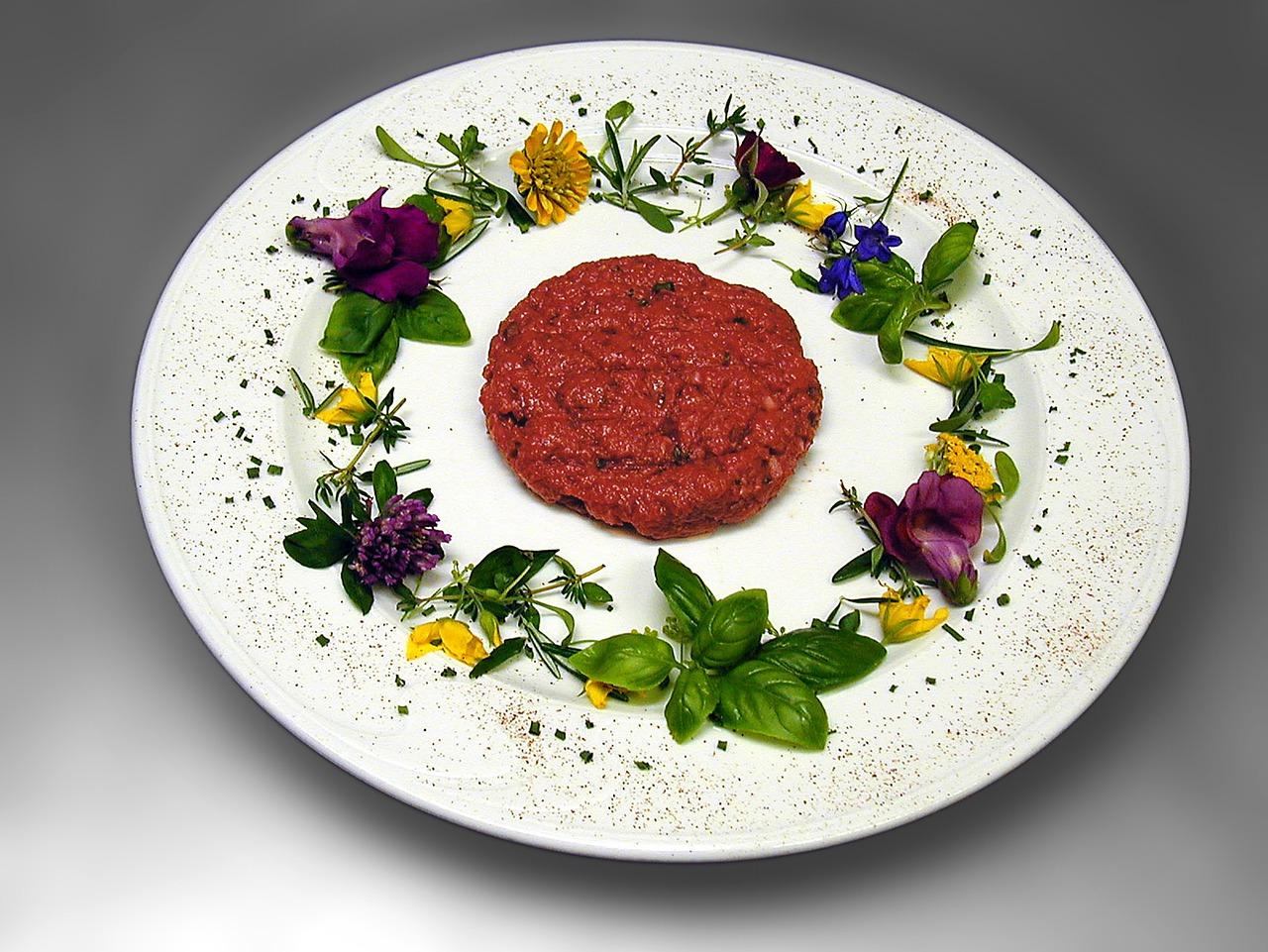
Carne cruda all'albeseChopped raw beef with lemon

In the trattorie of Alba and the Langhe hills in Piedmont, carne cruda is the first course on almost every menu: lean veal or beef from the local Fassone breed, chopped by hand with a knife into tiny pieces and dressed simply with olive oil, lemon, garlic, salt and pepper. In autumn it arrives with white truffle shaved over the top. The traditional dish is raw, which is not for pregnant women, young children or anyone with a weakened immune system. Our safer version sears the whole piece of meat on the outside before chopping, which kills the bacteria on the surface where they live, and is the way to make it if anyone is unsure. Chef's tip: chop with a cold, very sharp knife on a chilled board; a mincer squashes the meat and turns it pasty, while a knife keeps it tender and bright.

by KrazyBadal 0 views

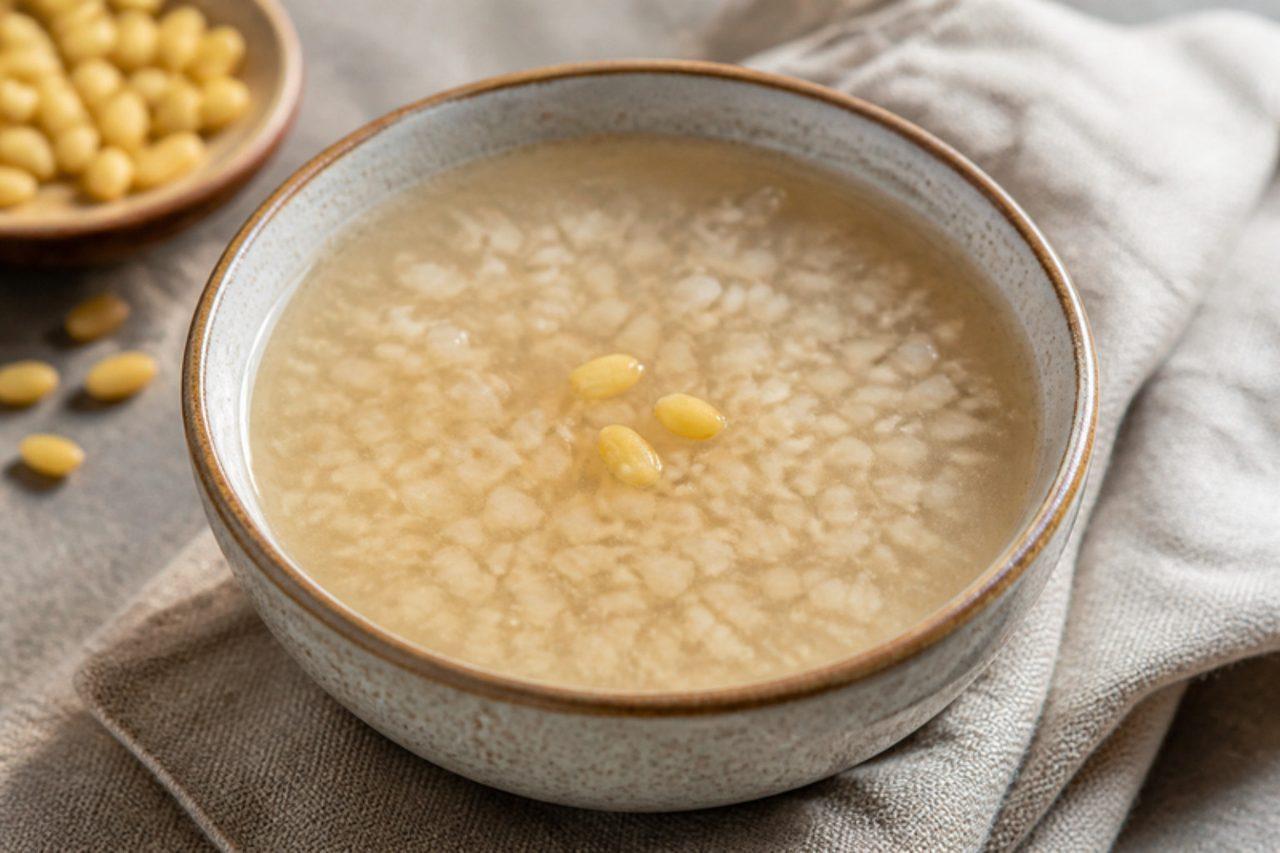
SikhyeSweet rice punch

Every Korean jjimjilbang (bathhouse) sells sikhye in little cans, and every grandmother makes a big pot of it before Seollal and Chuseok to sip after the heavy holiday meal, because it is believed to help digestion. Barley malt water and cooked rice are kept warm for several hours until enzymes turn the rice starch into sugar and the grains float up to the top, then the drink is boiled with ginger and chilled until icy. It is mild, lightly sweet and nutty, with soft rice grains to slurp. The usual mistake is letting it get too hot while it ferments: above about 65 °C the enzymes stop working and the grains never float. Contains barley (gluten). Chef's tip: use the rice cooker's 'keep warm' setting; it holds the perfect temperature on its own.

320 minKoreanDrinksVegan
by KrazyBadal 0 views

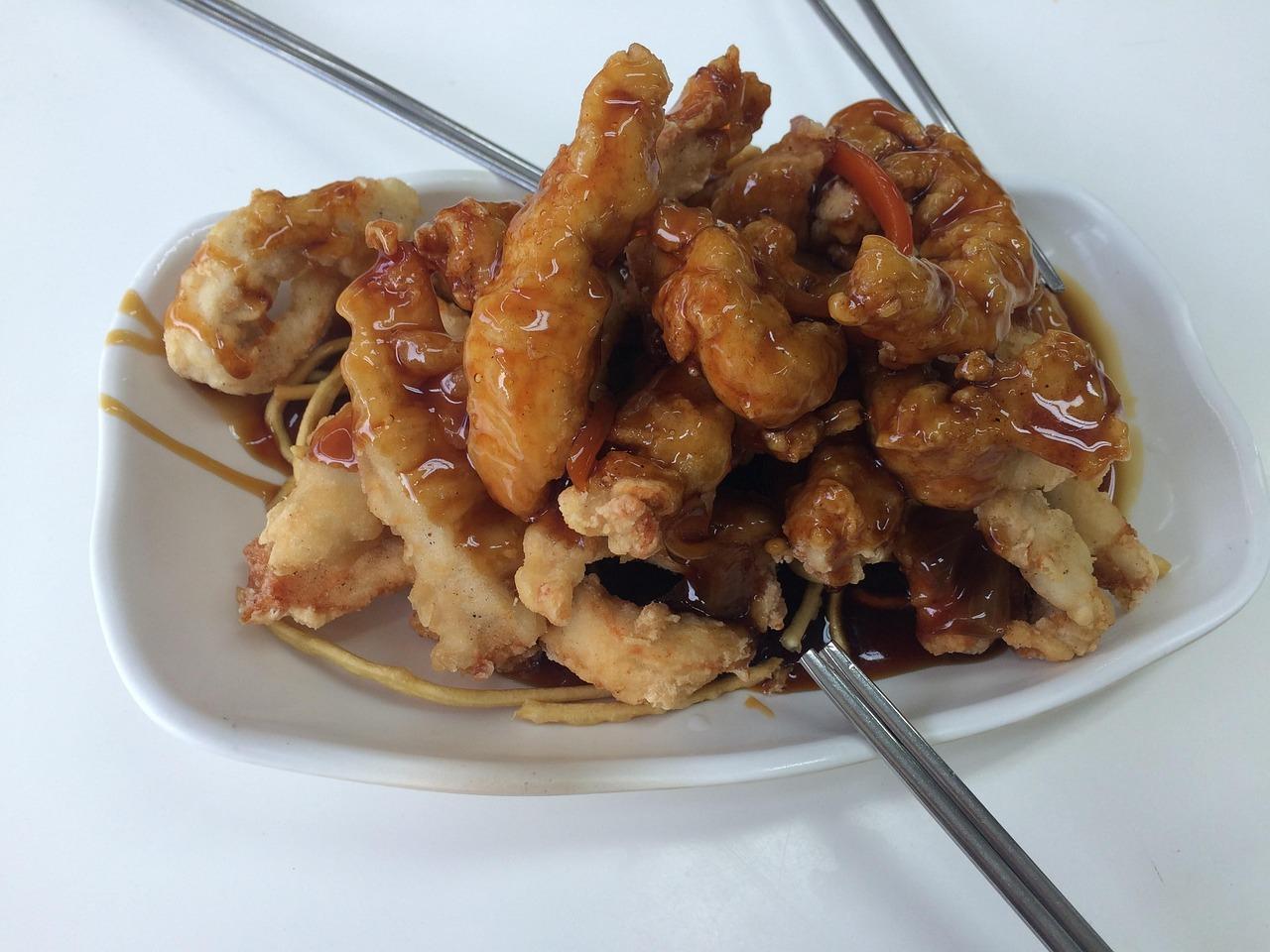
TangsuyukSweet and sour pork

Tangsuyuk is the star of Korean-Chinese restaurants, ordered with jajangmyeon for graduations and family celebrations since Chinese cooks settled in Incheon's Chinatown over a century ago. Strips of pork are coated in a thick potato-starch batter and fried twice until they shatter, then served with a glossy sweet-and-sour sauce full of vegetables and fruit. The pork marinade uses a spoonful of rice wine, which cooks off in the frying; leave it out or use extra ginger juice for an alcohol-free version. Koreans argue happily over pouring the sauce on (bumeok) or dipping (jjikmeok). The common mistake is pouring the sauce over too early: the crust softens in minutes. Chef's tip: soak the potato starch in water for an hour and pour off the water; the wet starch left behind gives the crunchiest batter.

105 minKoreanMeat
by KrazyBadal 0 views

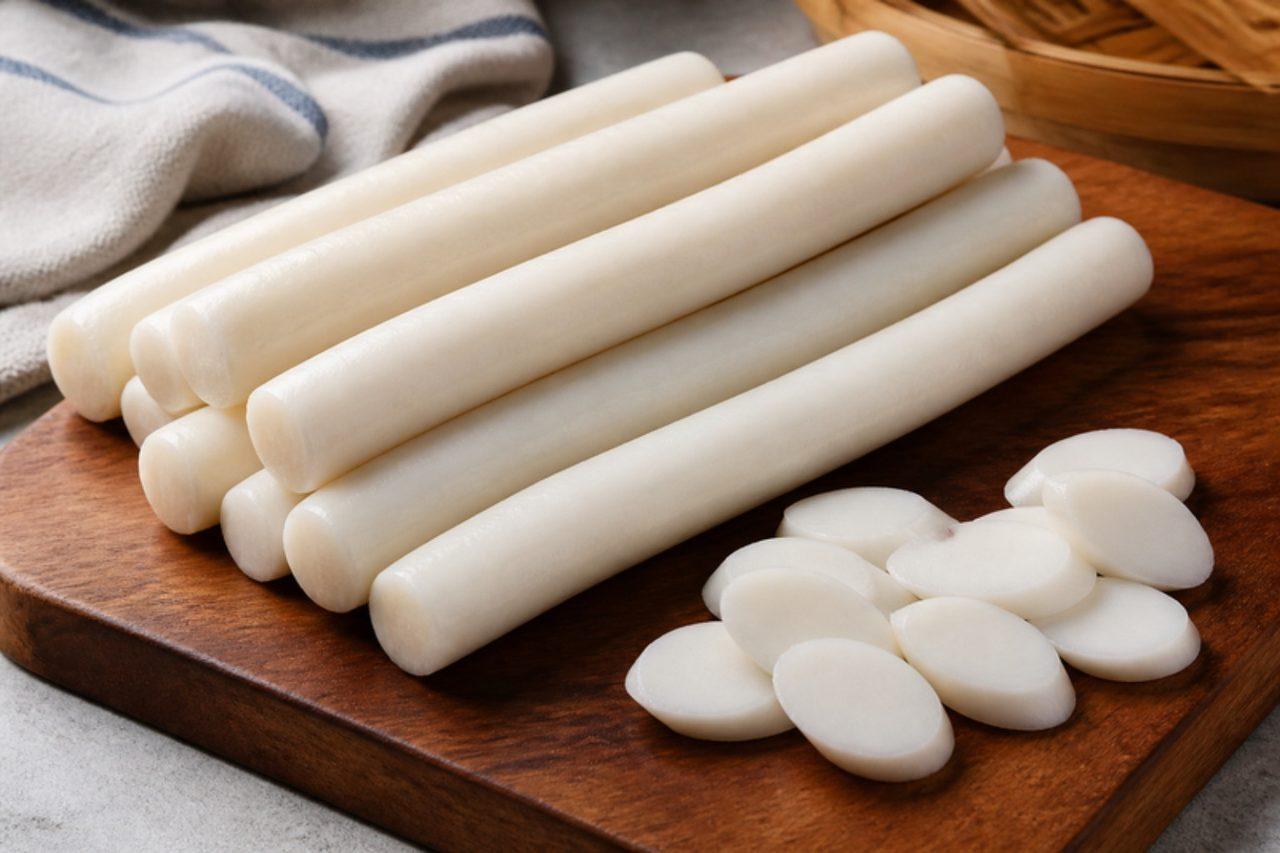
GaraetteokLong cylinder rice cakes

Garaetteok are the long white rice-cake logs that Korean mills churn out before Seollal, when families queue with their own rice to have them pressed and then slice them into ovals for tteokguk, the New Year soup. The length is meant to wish for a long life. Freshly made, they are soft and chewy and eaten warm, dipped in honey or toasted over a grill; once they firm up they are sliced for soup or cut into sticks for tteokbokki. Making them at home is simple, though the logs come out a little less glossy than machine-pressed ones. The usual mistake is rolling the dough when it has cooled: it must be hot to stay smooth. Rice cakes are chewy and sticky, a known choking risk: cut them into small pieces for young children and older people and eat them sitting down. Chef's tip: leave the logs to firm overnight before slicing on the diagonal; they cut cleanly instead of squashing.

by KrazyBadal 0 views

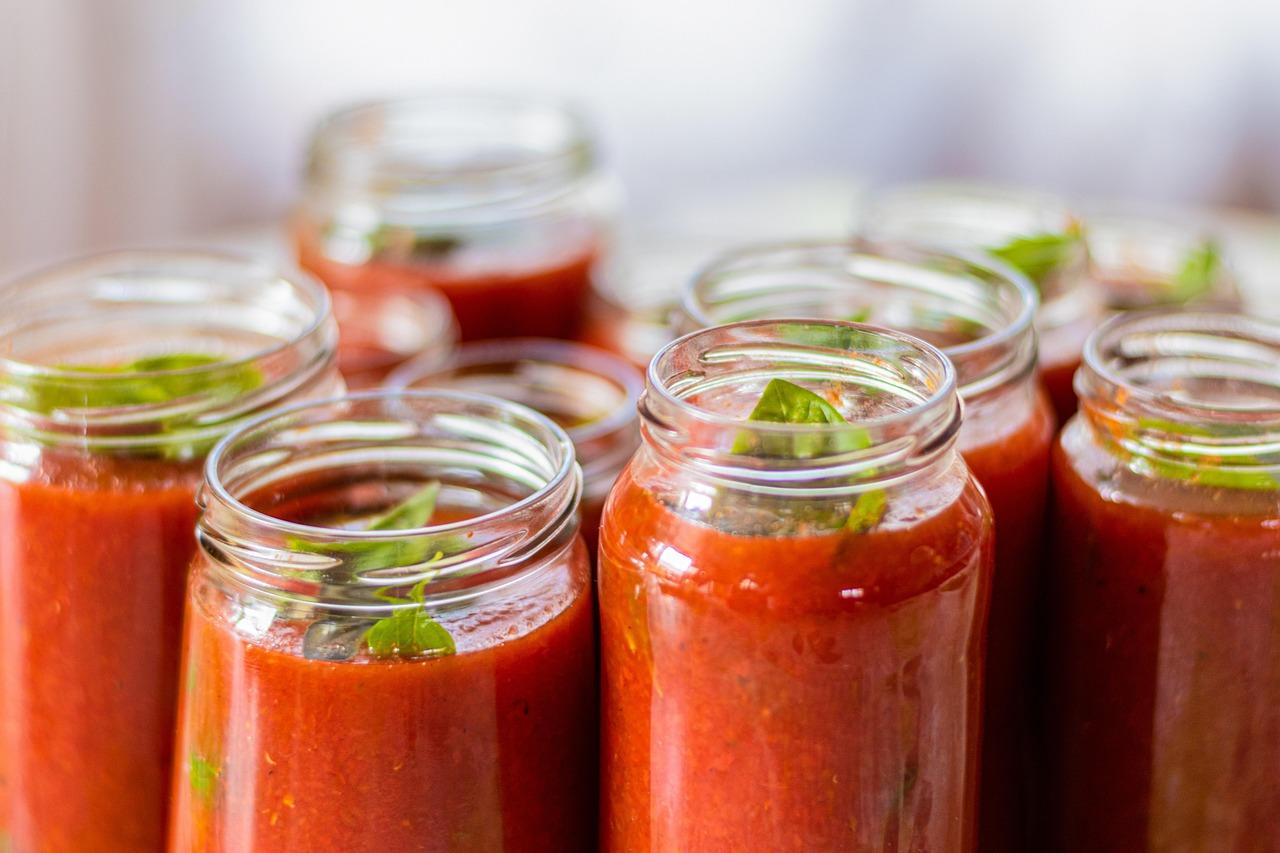
Passata di pomodoroBottled tomato purée

At the end of August, all over southern and central Italy, families gather for the "giornata della salsa", the day of the sauce: crates of ripe plum tomatoes are washed, cooked, passed through a hand-cranked mill and bottled in hundreds, with a basil leaf in each bottle. The passata lasts until the next summer and is used for every ragù and pizza. For home bottling, add lemon juice to each jar and process in a water bath, as tomatoes alone are not acidic enough to be safe at room temperature. Chef's tip: use only fully ripe, deep red plum tomatoes; underripe tomatoes give a pale, sour passata.

by KrazyBadal 0 views

StrattuSun-dried tomato paste

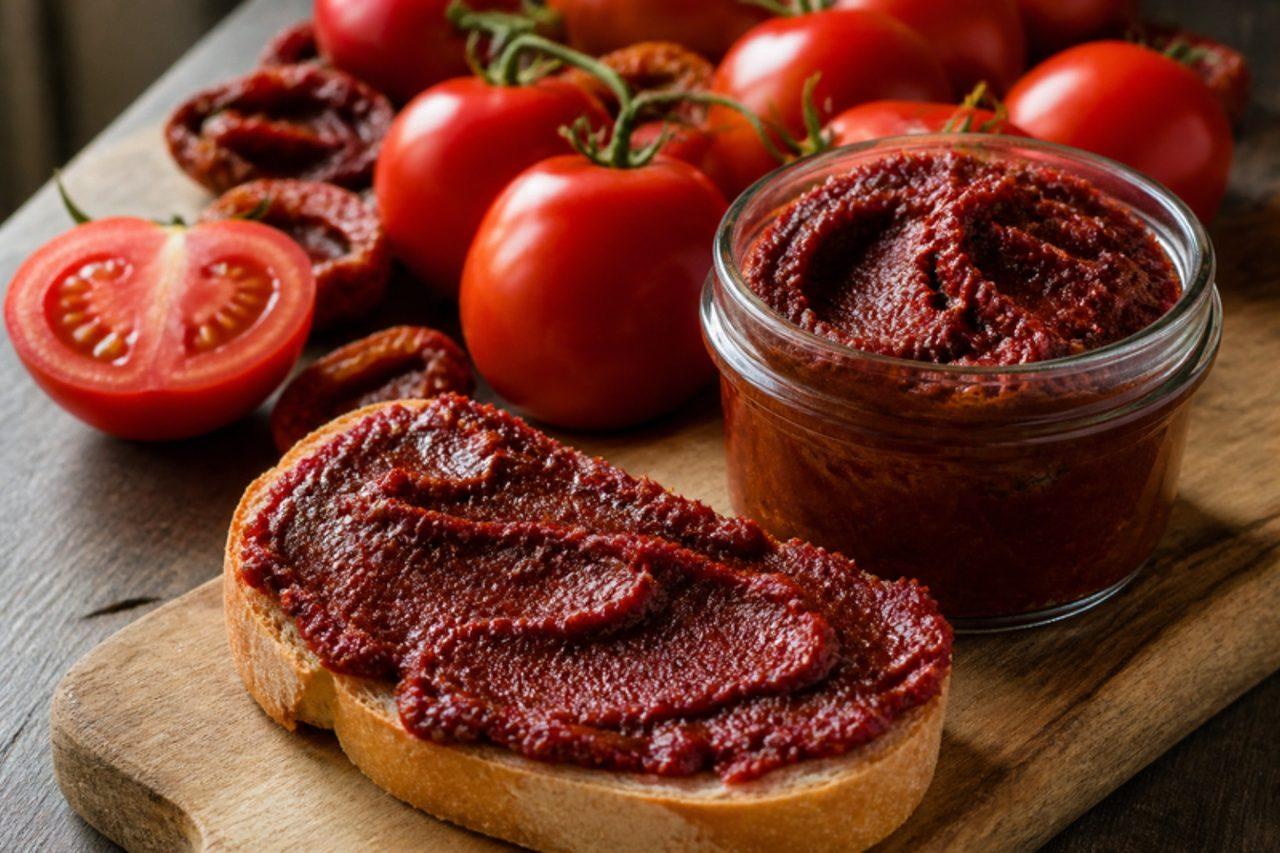
In late August in western Sicily, around Trapani and Palermo, tomato purée is spread on large wooden boards and left in the hot sun for several days, stirred by hand until it turns into a thick, dark-red paste that smells of sun and sweet tomatoes. Strattu, short for "estratto", is used a spoonful at a time to give depth to sauces and stews. This home version dries the passata slowly in a low oven over a day. Chef's tip: spread the purée thin, no more than 1 cm, and stir it every hour; thick layers dry on top and stay wet underneath.

by KrazyBadal 0 views

Carpaccio di manzoRaw beef carpaccio

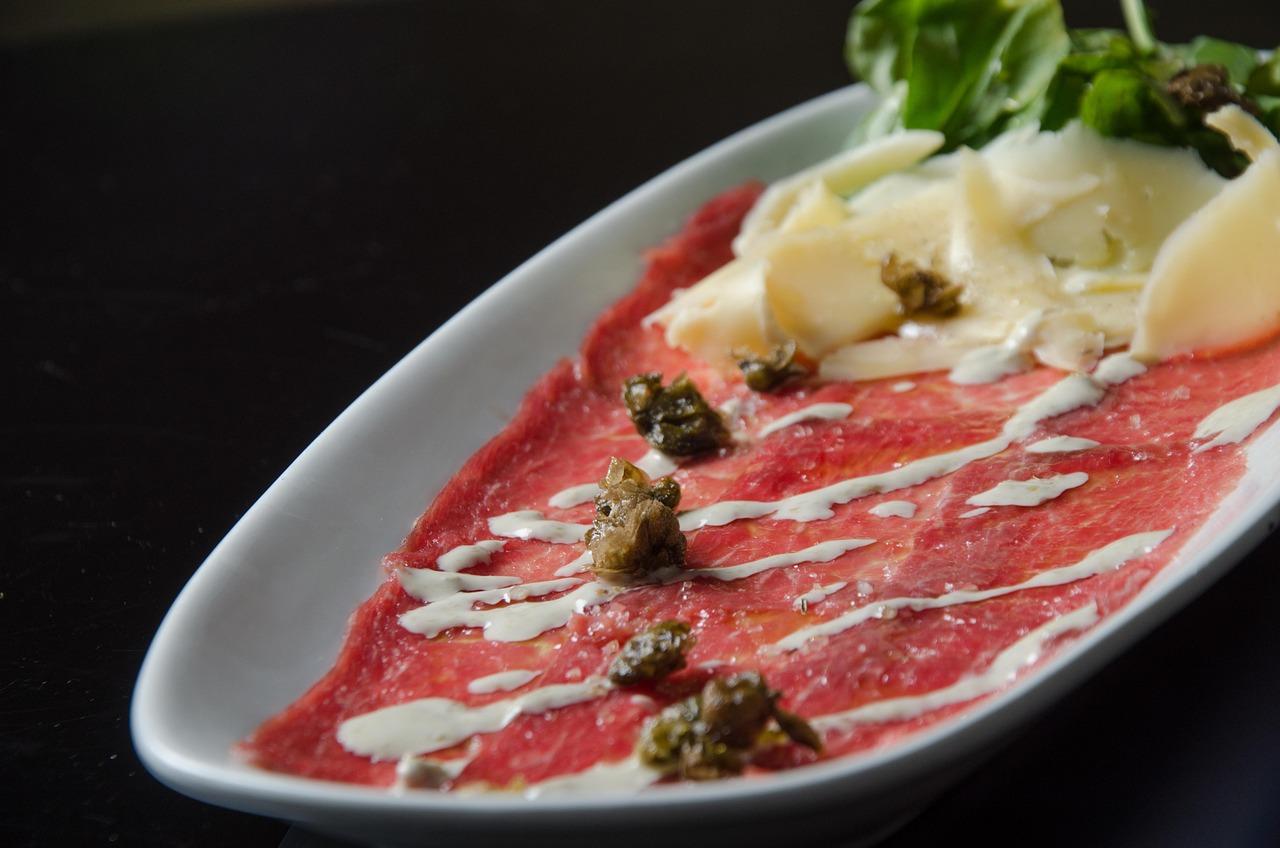
Carpaccio was created at Harry's Bar in Venice in the 1950s for a countess whose doctor had told her to avoid cooked meat, and it was named after the painter Vittore Carpaccio for its deep red colour. Venetians eat it as a light first course at lunch: beef sliced so thin you can see the plate through it, with a creamy mustard-lemon sauce drizzled in lines across the top, rocket and shaved Parmigiano. The classic version is completely raw, which is not for pregnant women, young children or anyone with a weakened immune system; the safer version here sears the outside of the beef first, which kills surface bacteria and keeps the centre rosy. Chef's tip: wrap the beef tightly and freeze it for 40 minutes before slicing; firm meat lets you cut wafer-thin slices with an ordinary sharp knife.

by KrazyBadal 0 views

Tonkatsu (panko pork cutlet)

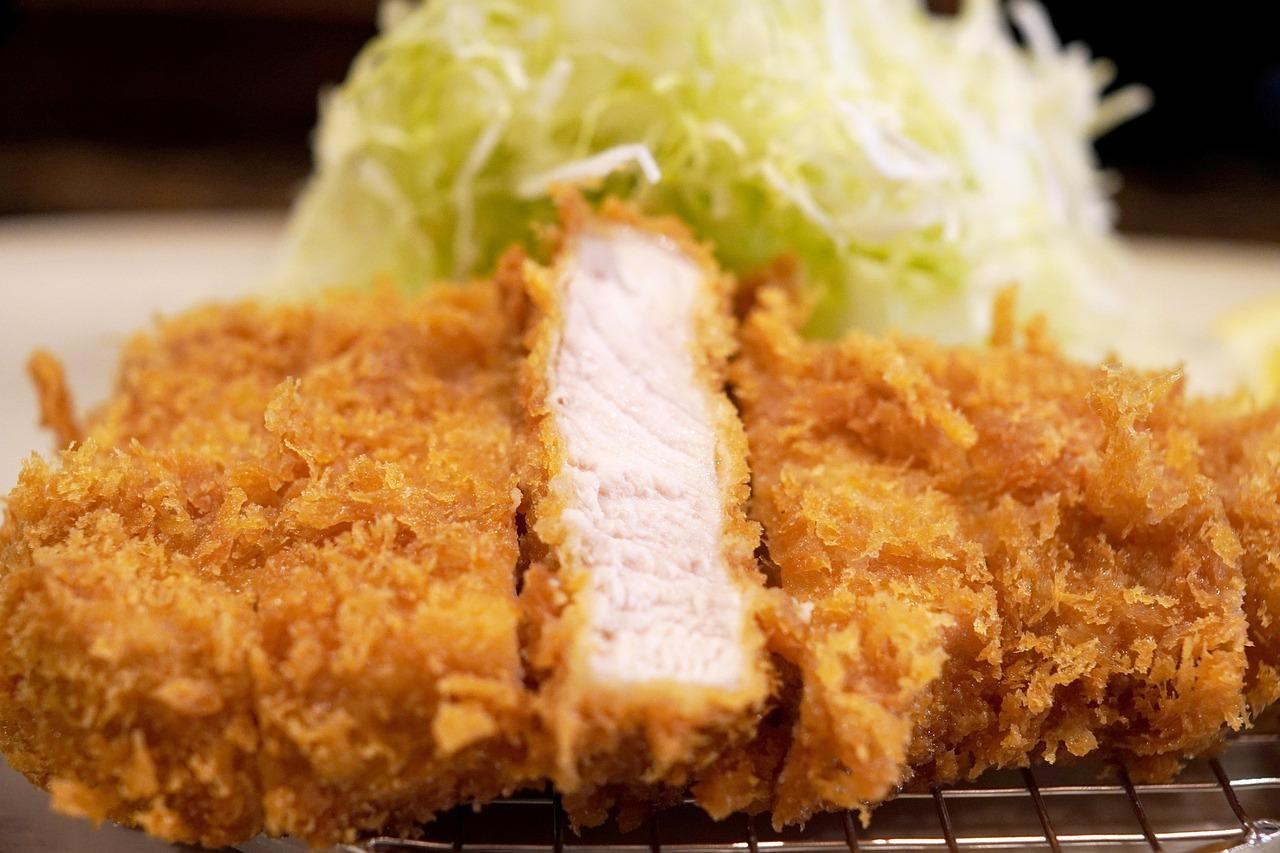
Tonkatsu took shape in Tokyo's Ueno and Ginza in the early 20th century, and the specialist katsu restaurants there still serve it the same way: a thick pork loin cutlet in a light, spiky panko crust, sliced into strips, with a mountain of feather-fine cabbage, rice, miso soup and a pot of thick, fruity tonkatsu sauce. This version uses a simple homemade sauce of ketchup, Worcestershire and soy rather than the miso sauce of Nagoya. The common mistake is frying too hot: the crumbs burn before the centre cooks. Fry at 170 °C, then rest the cutlets, which finish cooking as they sit; pork loin is safe at 63 °C after a 3-minute rest. Chef's tip: snip the fat along the edge every 2 cm before crumbing so the cutlet stays flat.

by KrazyBadal 0 views

Hambagu (Japanese hamburg steak)

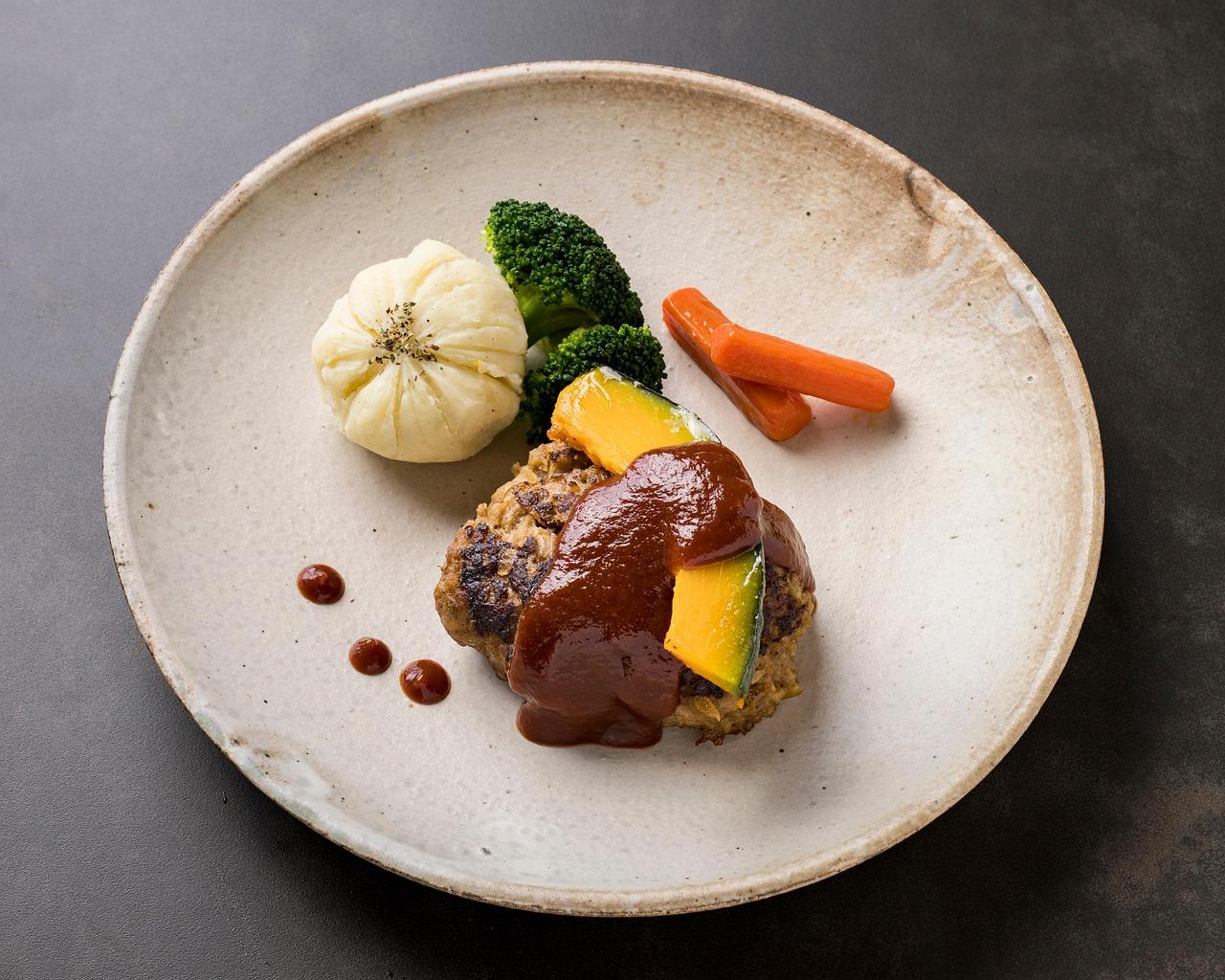
Hambagu is the dinner Japanese children ask for on their birthday: a thick, juicy oval patty of beef and pork mince, browned and steamed in the pan, then smothered in a shiny sauce of ketchup and Worcestershire sauce. Family restaurants from Shizuoka to Hokkaido build whole menus around it, served on a hot iron plate with rice and buttered corn. This recipe uses pork mince with beef. The common mistake is under-kneading the mixture; it needs a good 2 minutes of mixing until sticky, or the patties crumble and leak their juice. Mince must reach 71 °C, so check the thickest one. Chef's tip: press a dent into the centre of each patty before cooking; the middle puffs as it cooks and the patty stays flat and even.

by KrazyBadal 0 views

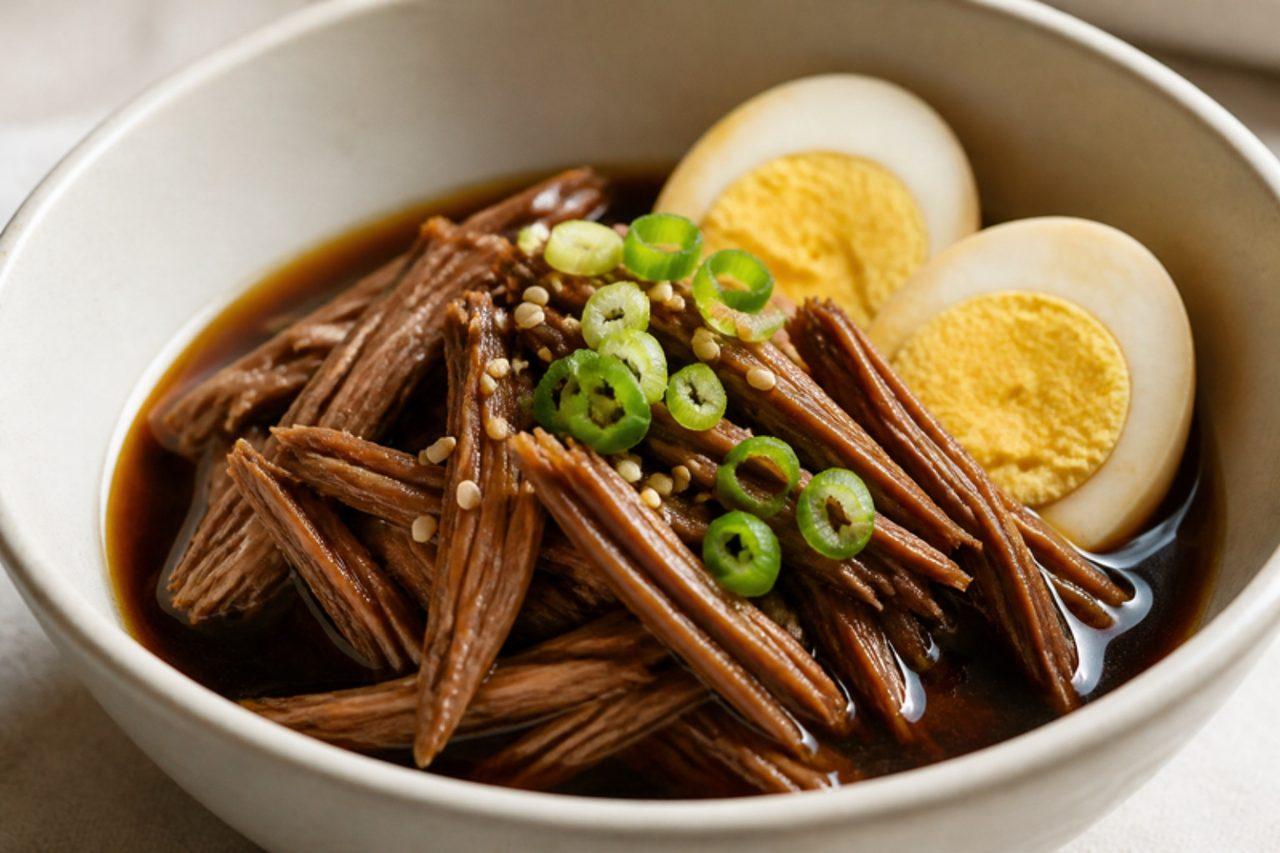
JangjorimSoy-braised beef and eggs

Jangjorim began as a way to keep beef for days without a fridge, and it is still the protein banchan Korean families in Seoul and beyond keep in a tub for quick meals with rice. Lean beef is simmered until tender, then braised with boiled eggs, garlic cloves and green peppers in a salty-sweet soy broth, and finally pulled into strands. The common mistake is putting the soy in from the start: the beef seizes up and turns hard, so cook it tender in plain water first. Chef's tip: let the eggs sit in the cooled sauce overnight; the whites turn mahogany and the yolks take on the seasoning right to the middle.

95 minKoreanMeat
by KrazyBadal 0 views

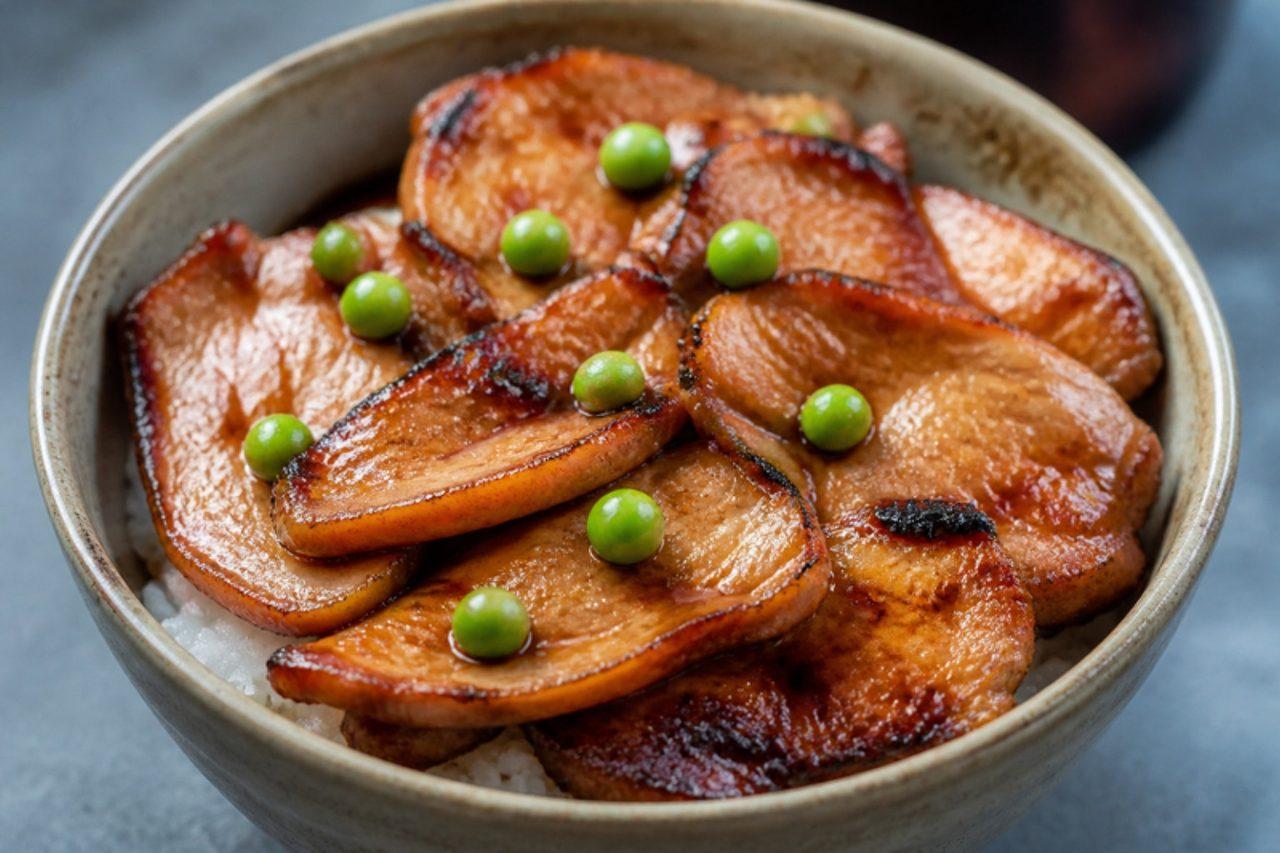
Butadon (Obihiro grilled pork rice bowl)

Butadon was invented in Obihiro, on the Tokachi plain of eastern Hokkaido, as a cheap, filling lunch for farmers clearing the land, and today the town's shops still grill thick slices of pork loin over charcoal and lay them overlapping on rice like roof tiles. The glaze is a sweet-salty mix of soy, sugar, mirin and sake that is boiled down so the alcohol cooks off; water and extra sugar make an alcohol-free version. A griddle pan or hot grill gives the smoky edges. The common mistake is slicing the pork too thin: about 5 mm keeps it juicy. Pork must reach 71 °C in the middle with no pink juices. Chef's tip: snip the fat edge so the slices stay flat, and dip them in the glaze twice in the pan for a lacquered finish.

by KrazyBadal 0 views

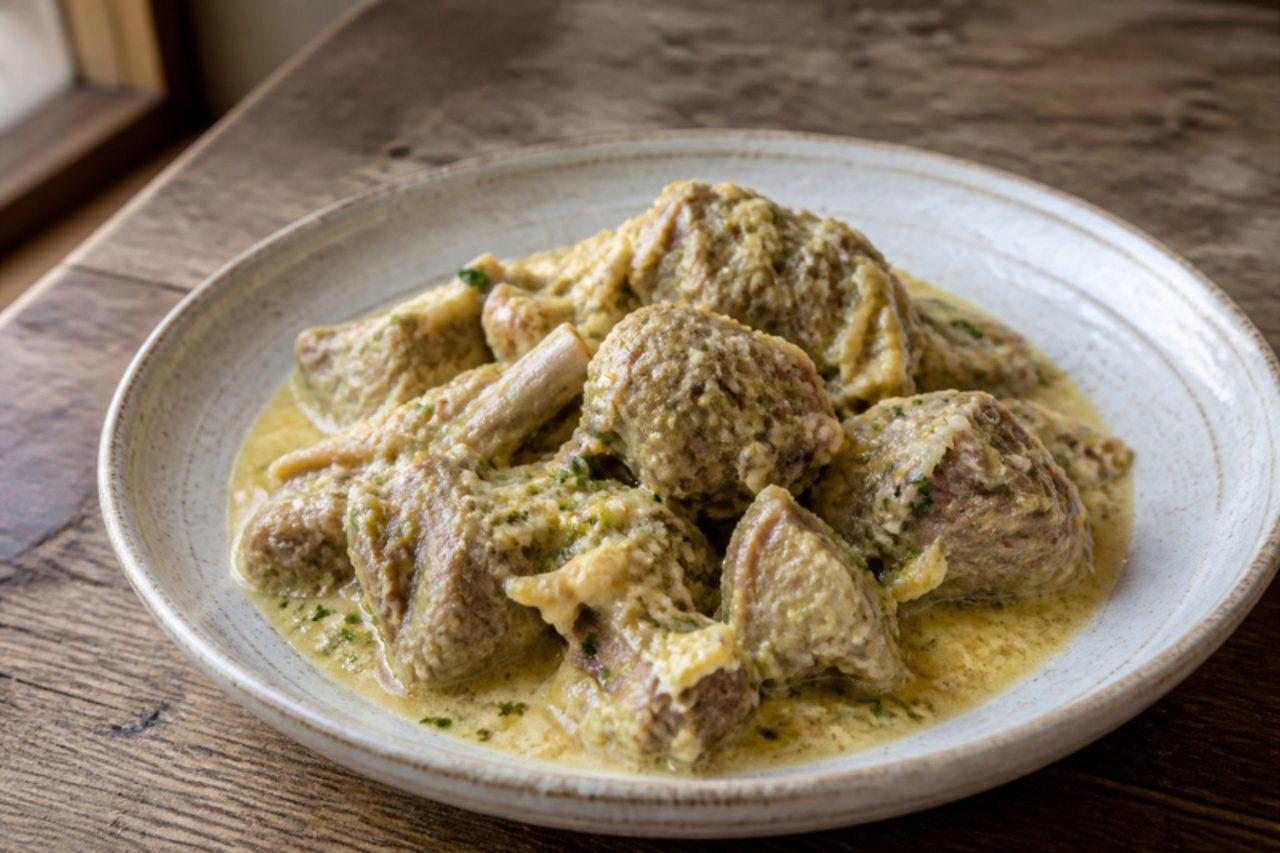
Agnello cacio e ovaLamb with egg and pecorino

In the mountain villages of Abruzzo and Molise, where sheep farming shapes the whole calendar, Easter lunch means lamb stewed slowly with garlic, rosemary and white wine and finished "cacio e ova", with eggs beaten with pecorino stirred in at the end so they set into a creamy, golden sauce. It is rich and comforting and symbolic: lamb and eggs for spring and new life. Alcohol is used here: you can replace the wine with stock and a squeeze of lemon. Chef's tip: take the pan off the heat before adding the eggs and stir constantly; the heat of the lamb thickens them without scrambling.

by KrazyBadal 0 views

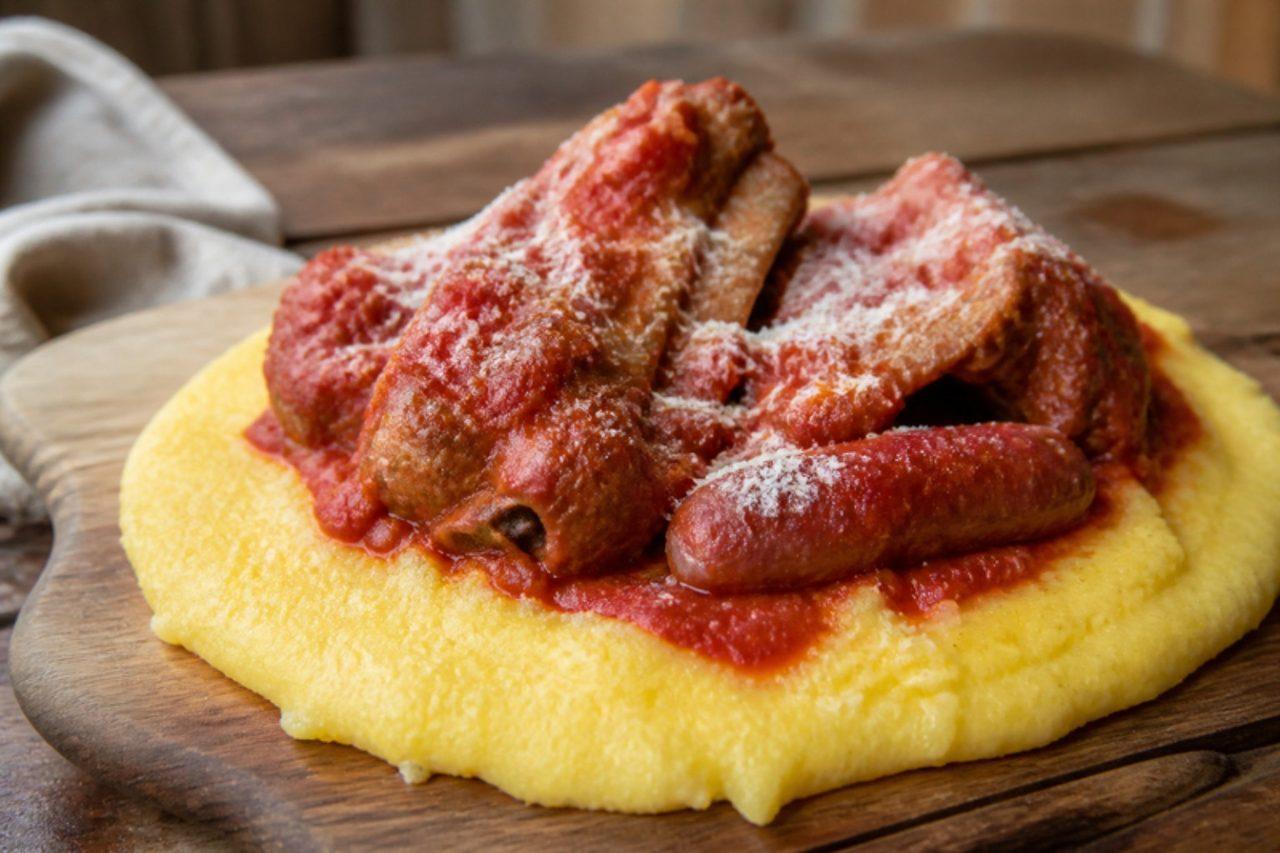
Polenta con le spuntaturePolenta with pork ribs

In the towns of the Ciociaria and the Sabine hills of Lazio, polenta is poured straight onto a wooden board, the spianatora, set in the middle of the table, and topped with spuntature, short pork ribs stewed with pork sausage in tomato. Everyone eats from their own patch of the board, working inwards. It is a winter feast for the feast of Sant'Antonio in January and for big family Sundays. Alcohol is used here: white wine, which you can replace with water and a spoonful of vinegar. Chef's tip: brown the ribs well before the tomatoes go in; the colour and crusty bits make the sauce rich and meaty.

140 minItalianMeatGluten free
by KrazyBadal 0 views

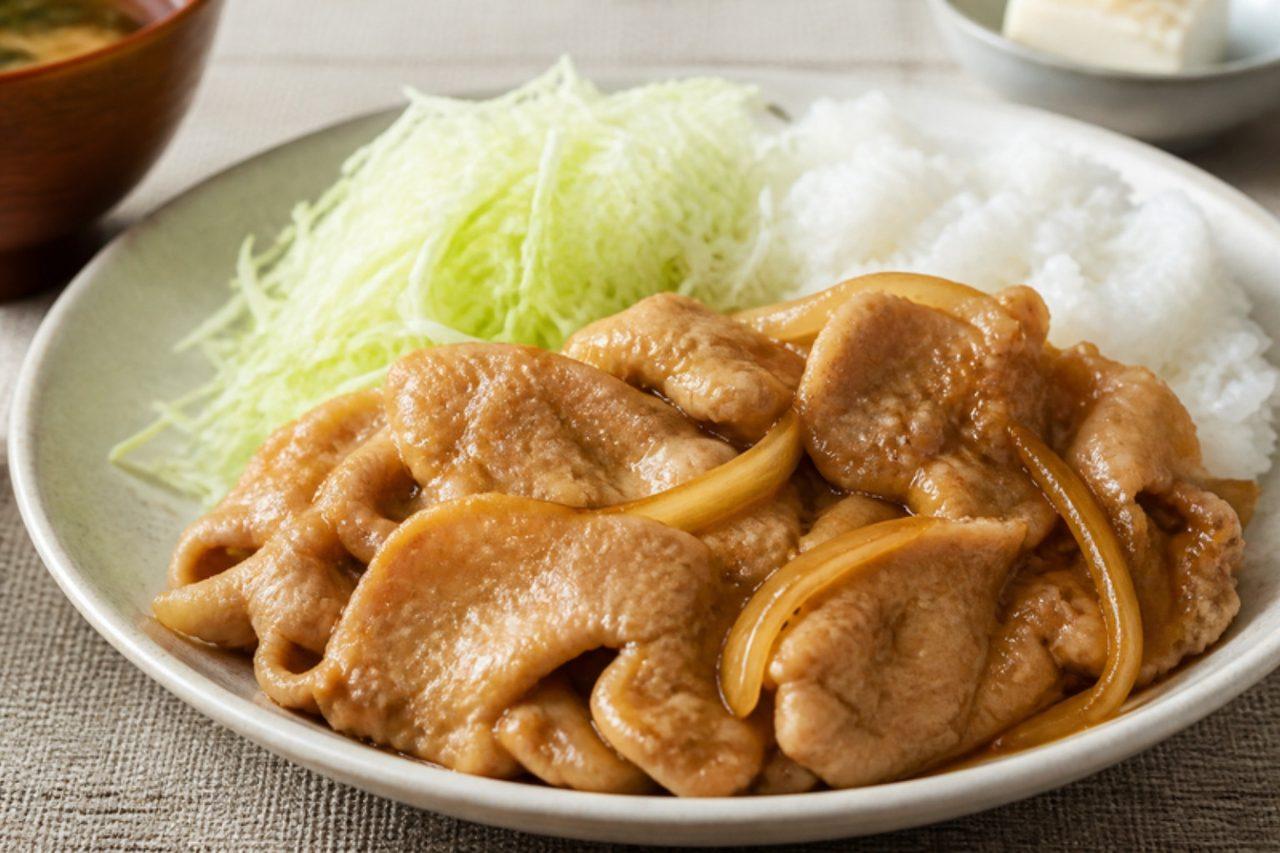
Shogayaki (ginger pork)

Shogayaki, thin slices of pork loin seared in a sticky ginger and soy glaze, is the single most popular set lunch at Tokyo's teishoku diners, served with a mound of shredded cabbage, rice and miso soup, and it is just as common in home bento. This recipe uses pork, with sake and mirin (Japanese rice wines) in the glaze; both bubble down in the hot pan so the alcohol mostly cooks off, and water and sugar make an alcohol-free swap. The mistake to avoid is marinating the pork for hours: fresh ginger contains an enzyme that turns the meat mushy, so 10–15 minutes in the fridge is plenty. Chef's tip: dust the slices lightly with flour before frying; it helps the sauce cling and keeps the pork tender.

by KrazyBadal 0 views

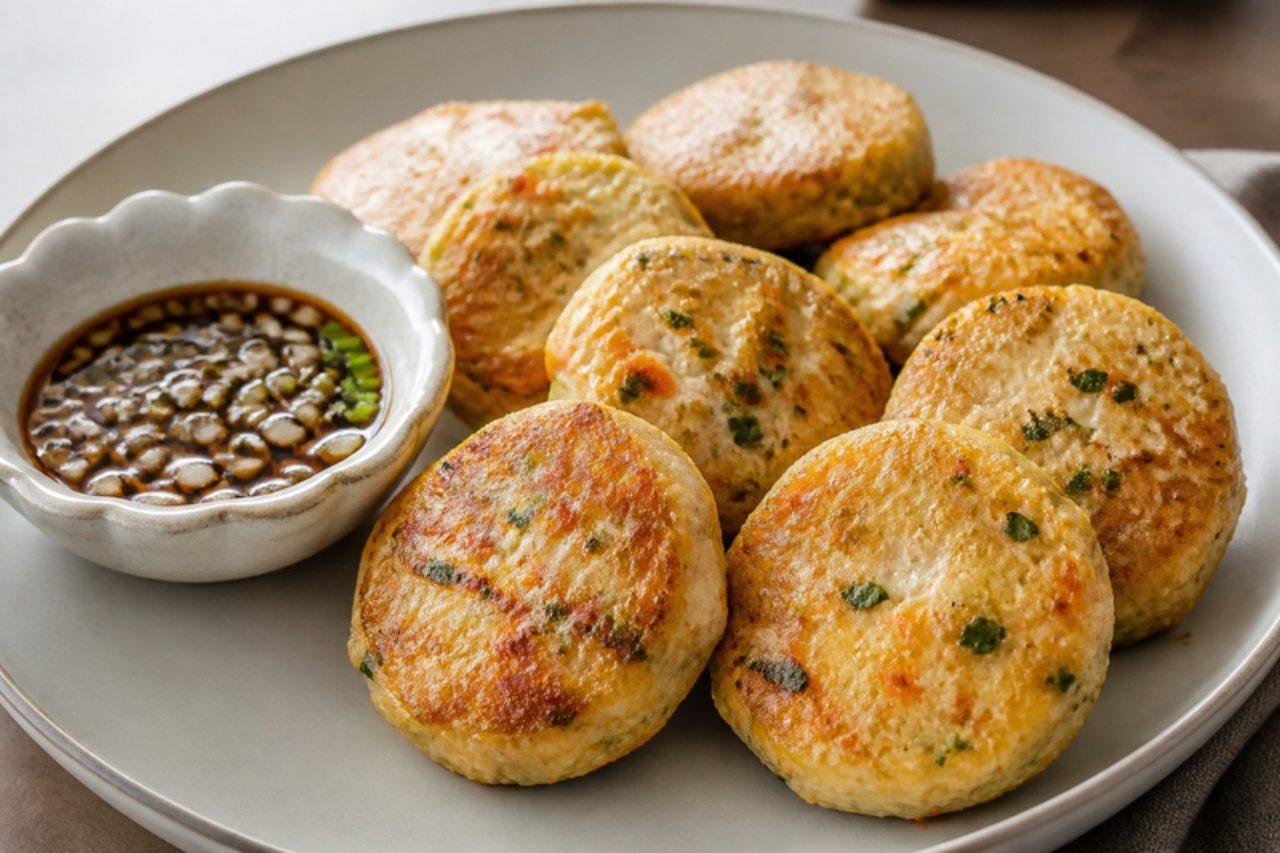
DongeurangttaengPork and tofu patties

Dongeurangttaeng are the coin-sized pork patties that Korean families fry by the hundred in the days before Chuseok and Seollal, the whole kitchen floor in Seoul flats covered with newspaper and pans. Minced pork is mixed with mashed tofu, onion, carrot and spring onion, dipped in flour and egg and pan-fried until golden, tender and juicy. They are eaten warm or at room temperature with a soy-vinegar dip, and children love them. The common mistake is frying over high heat: the egg coating browns long before the pork is cooked through to the middle. Chef's tip: squeeze the tofu bone-dry in a cloth; wet tofu makes the patties fall apart and spit.

55 minKoreanMeat
by KrazyBadal 0 views

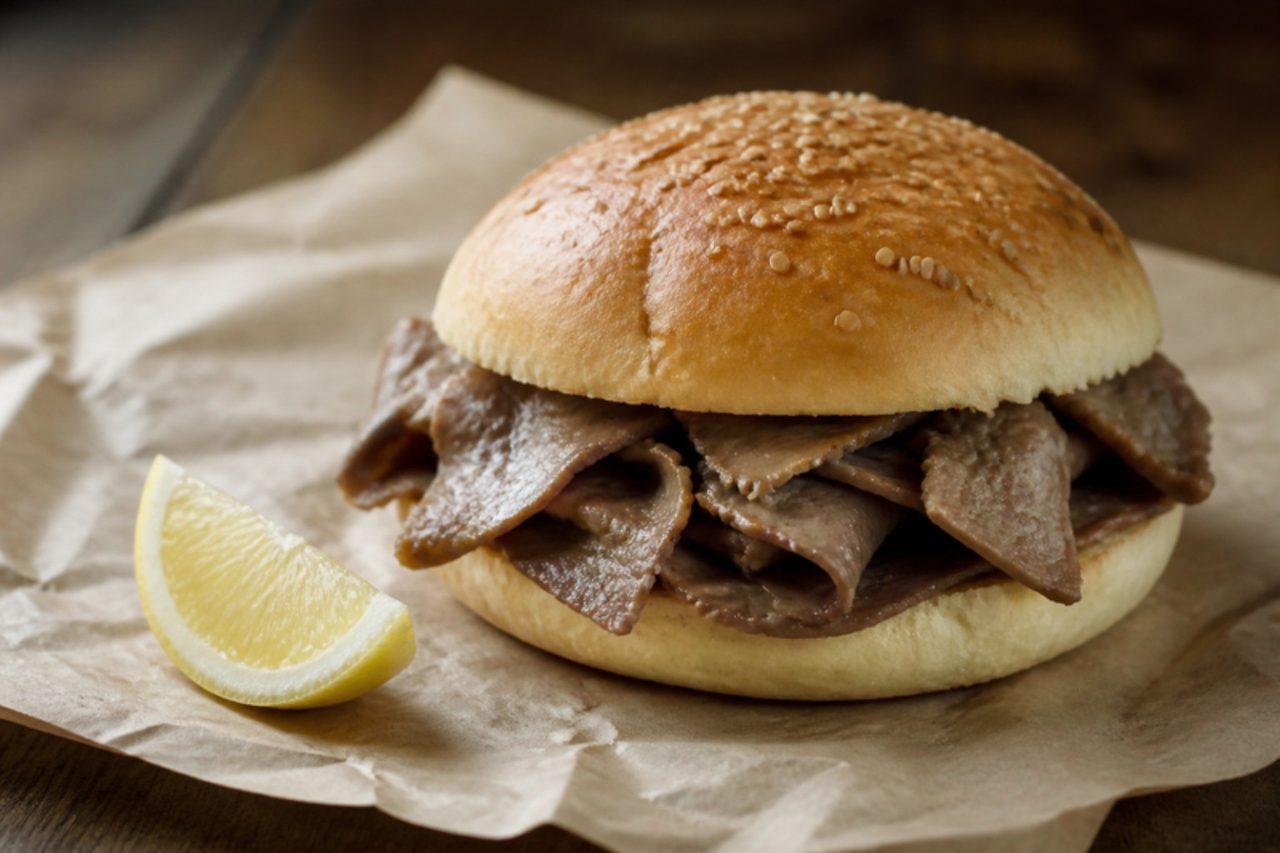
Pani ca' meusaVeal spleen sandwich

Pani ca' meusa ("bread with spleen") has been sold in Palermo since the Middle Ages, when the Jewish butchers of the city were paid with the offal of the animals they slaughtered and sold it in bread. At the old Focacceria San Francesco and the stalls around the Vucciria market, veal spleen and lung are boiled, sliced thin and then fried in pork lard in a huge pan before being piled into a sesame roll. Ordered "schettu" (single) it comes with lemon; "maritatu" (married) with ricotta and caciocavallo. Lung is not sold in many countries, so this recipe uses spleen only. Chef's tip: slice the boiled spleen while it is cold and firm; warm spleen crumbles.

170 minItalianMeat
by KrazyBadal 0 views

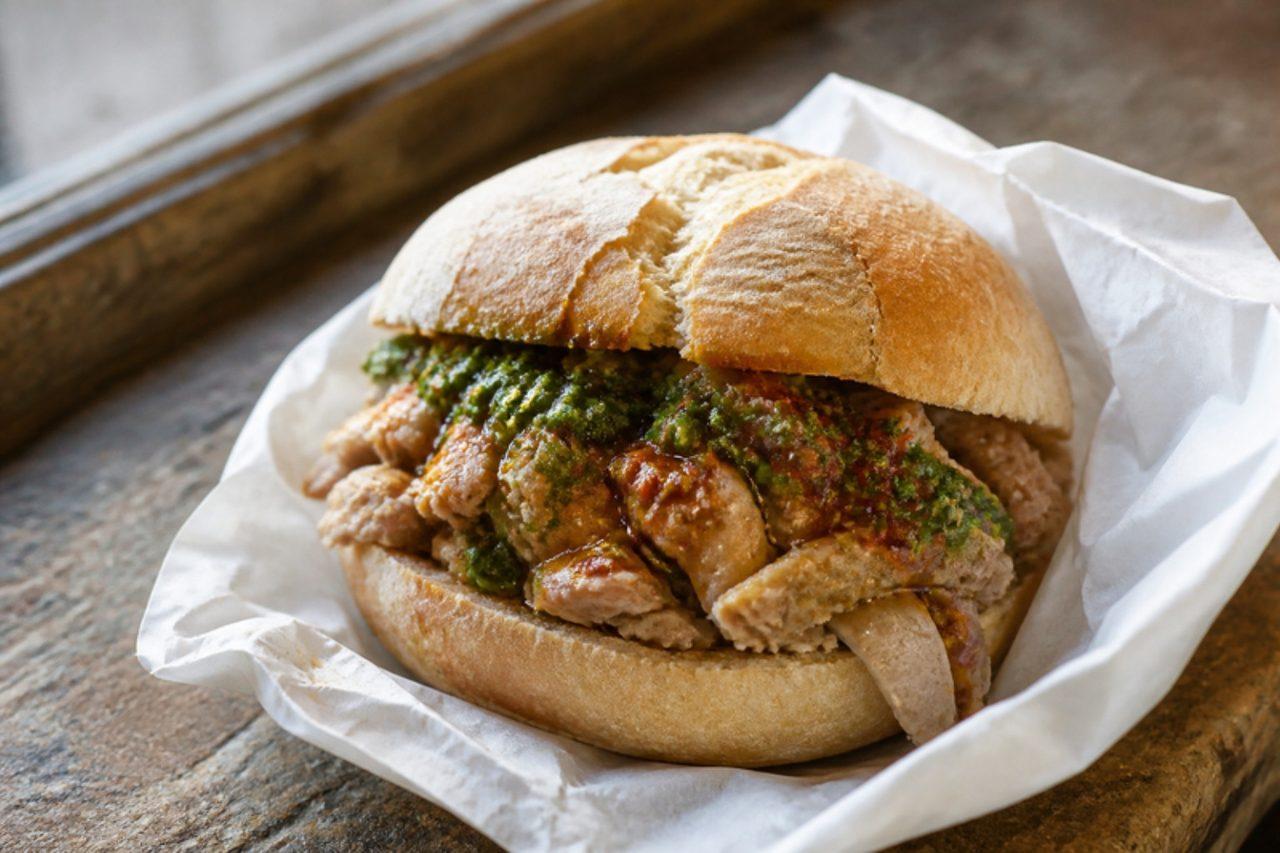
Panino con il lampredottoTripe sandwich

Lampredotto is the fourth stomach of the cow, slowly simmered in a broth with tomato, onion and celery until tender, and for Florentines it is the true street food of the city. Lampredottai sell it from carts at the San Lorenzo market and Porta Romana from mid-morning: the meat is chopped on a board, salted, piled into a crusty roll whose top half is dipped in the broth, and topped with salsa verde and chilli oil. Ask a butcher for lampredotto or abomasum tripe, ready cleaned. Chef's tip: dip the top of the bun ("bagnato") briefly in the hot broth; it soaks up the flavour but shouldn't fall apart.

205 minItalianMeat
by KrazyBadal 0 views

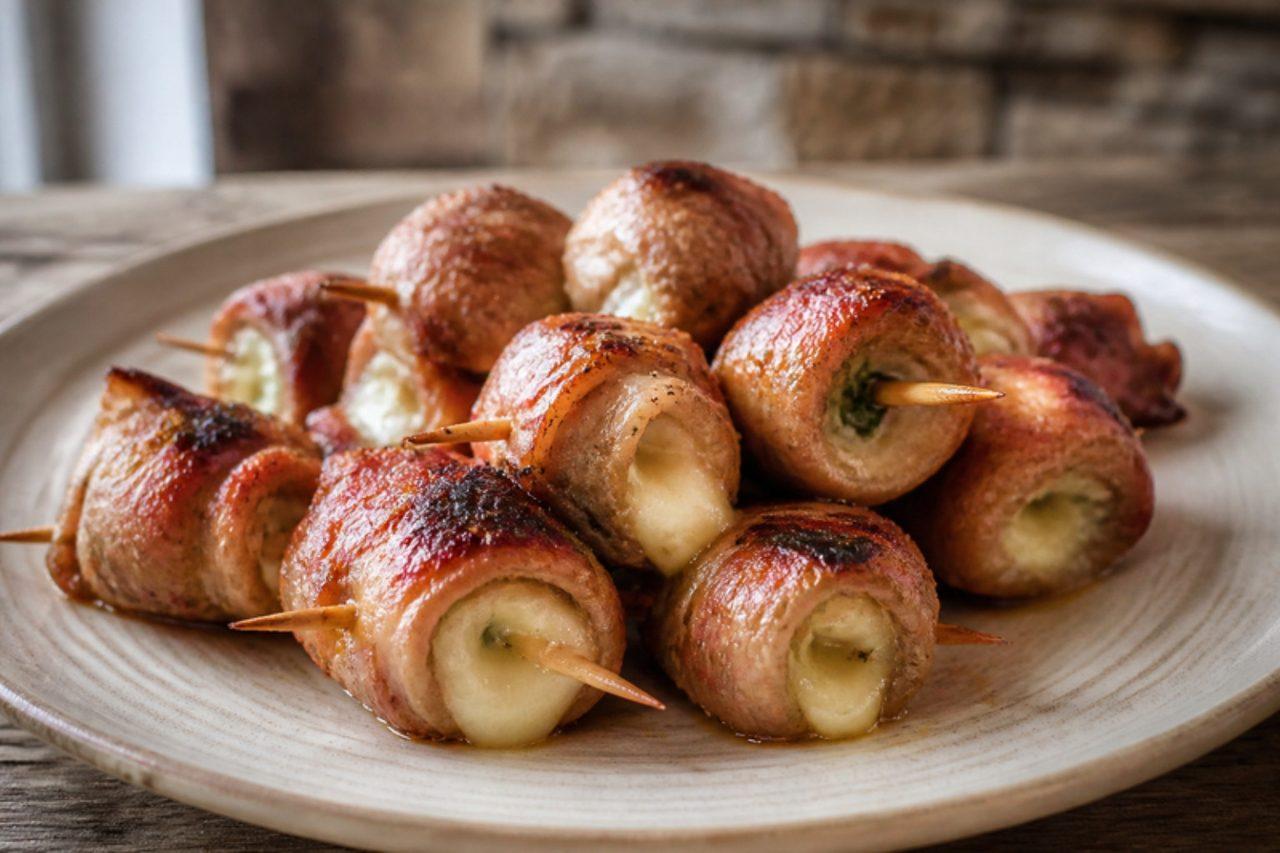
Bombette pugliesiCheese-stuffed pork rolls

In the white towns of the Valle d'Itria in Puglia, Cisternino, Martina Franca and Locorotondo, butchers' shops double as grill restaurants in the evening: you pick your meat at the counter and it is cooked on the spot over coals. The stars are bombette, small parcels of thin pork neck wrapped around cubes of caciocavallo and pancetta (cured pork belly), skewered and grilled until the cheese melts. They are eaten hot, with bread and a glass of the local wine. Chef's tip: fold the meat tightly around the cheese and close every gap; any opening lets the cheese leak out and burn on the grill.

by KrazyBadal 0 views

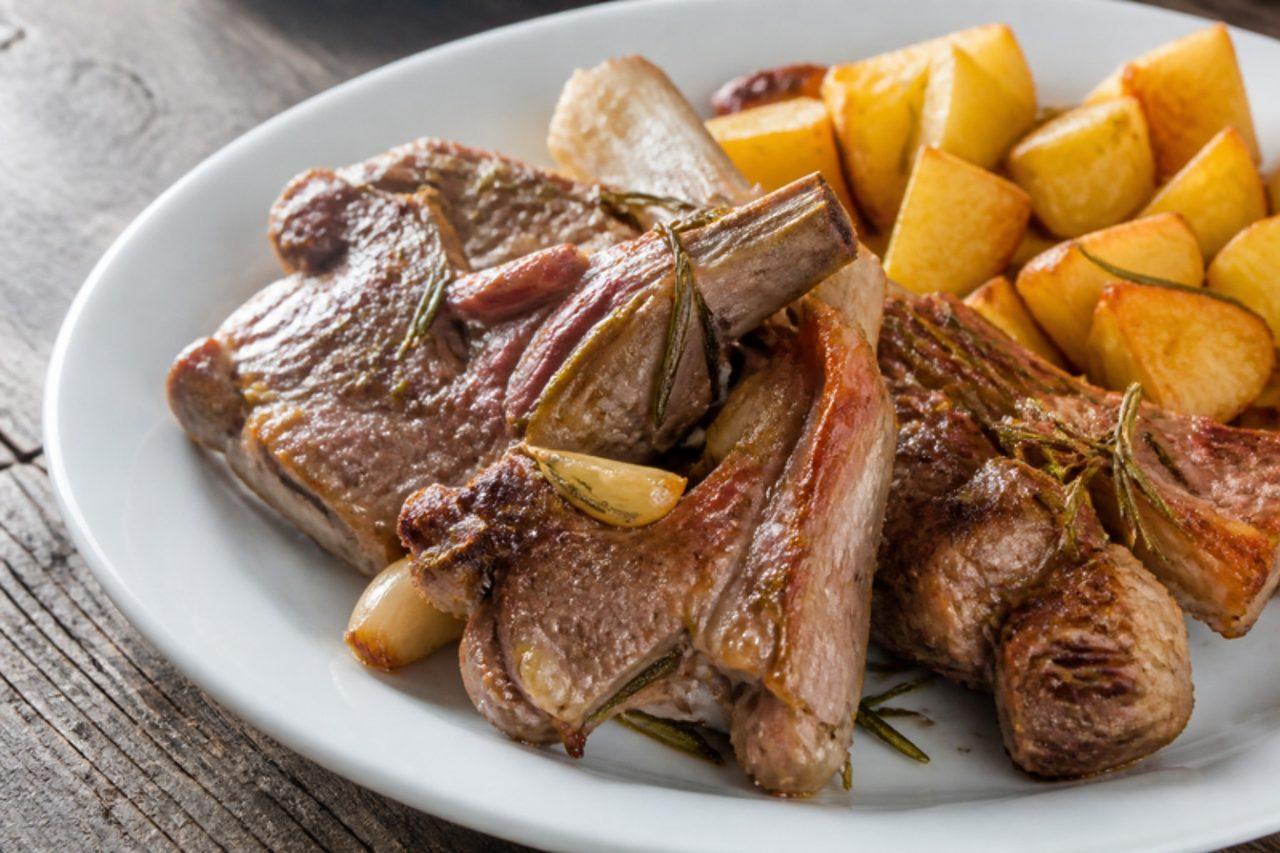
Abbacchio alla romanaRoman Easter lamb

Abbacchio is the Roman name for young milk-fed lamb, and abbacchio alla romana is what Roman families cook for Easter Sunday: small pieces of shoulder and leg browned in a pan, then cooked slowly with garlic, rosemary and sage and finished with a paste of anchovy and vinegar that cuts through the richness. It is served with roast potatoes or puntarelle. Outside Italy, use young spring lamb on the bone. Chef's tip: brown the lamb in batches until really golden before adding anything else; pale lamb gives a pale sauce.

by KrazyBadal 0 views

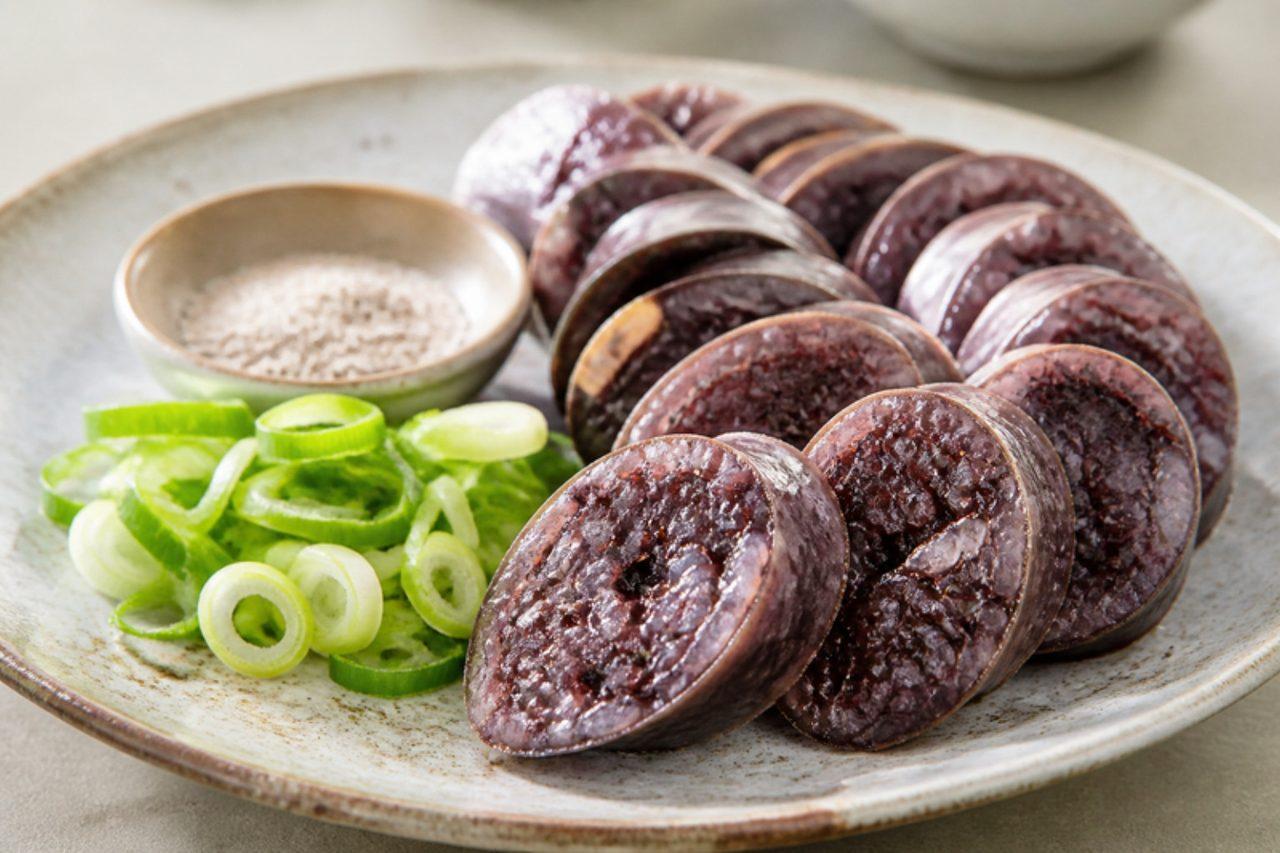
SundaeKorean blood sausage

Sundae is the steamed sausage sold sliced from big steaming trays in every Korean market, from Seoul's Sillim-dong sundae town to the Byeongcheon market in Cheonan, and eaten with salt and pepper, tteokbokki sauce or a bowl of soup. This home version fills cleaned pork casings with pork blood, glass noodles, sticky rice, cabbage and bean sprouts, then poaches them gently until firm, giving soft, savoury, slightly springy slices. It is pork through and through: pork blood and pork casings. Buy the blood fresh from a butcher, keep it chilled and use it the same day. The common mistake is boiling the water hard, which bursts the casings; keep it at a lazy simmer and prick any air bubbles. Chef's tip: fill the casings only about three-quarters full; the rice swells as it cooks and an overfilled sausage splits.

140 minKoreanMeat
by KrazyBadal 0 views

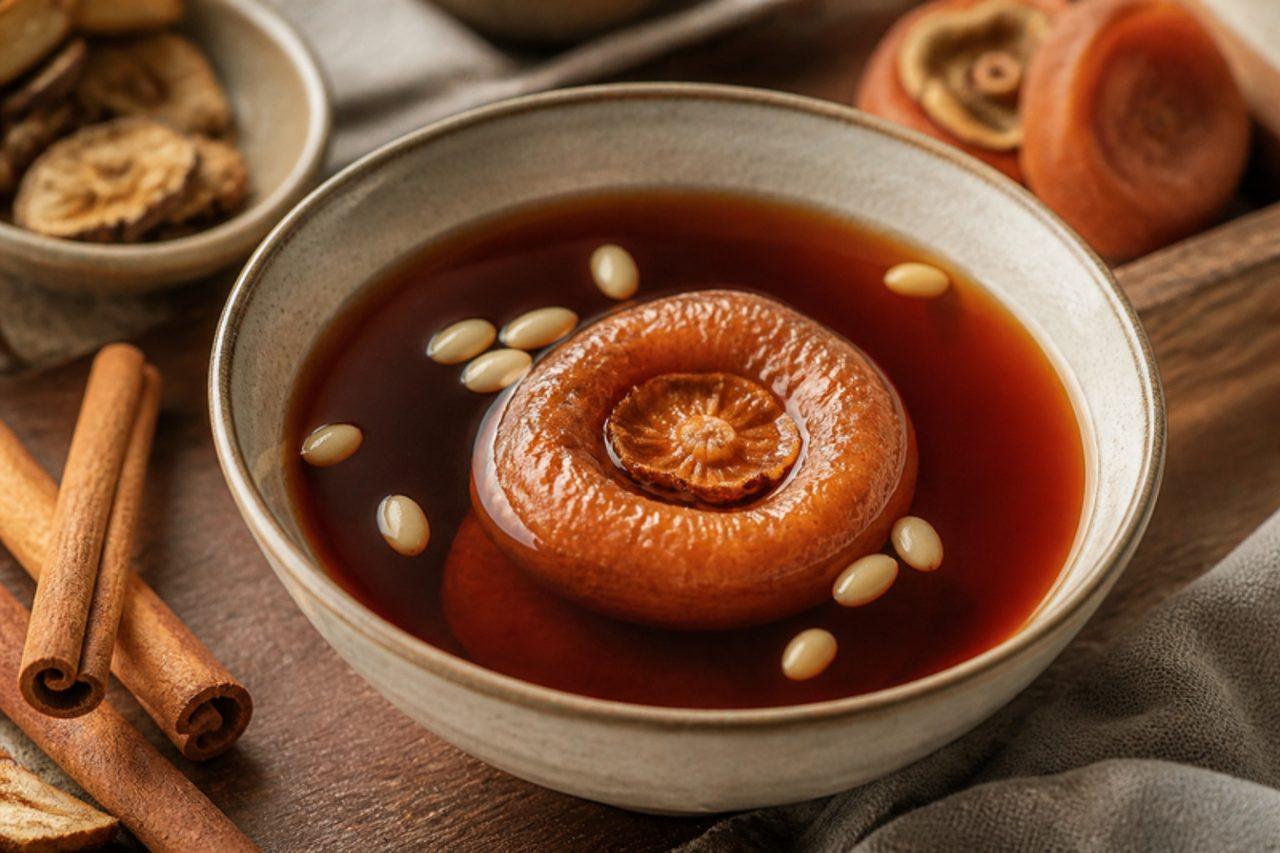
SujeonggwaCinnamon persimmon punch

After a big Seollal feast in Seoul, sujeonggwa comes out ice-cold in small bowls, dark red-brown and fragrant with cinnamon and ginger, with a soft dried persimmon and a few pine nuts floating in each one. It is the punch of the New Year season, made a day or two ahead and kept on a cold balcony. The cinnamon and ginger are boiled separately and then combined, which keeps each flavour clean. The common mistake is boiling the cinnamon too long or too hard: it turns bitter and cloudy, so keep it to a gentle simmer. Contains pine nuts. Chef's tip: soak the dried persimmons in the cooled punch only a few hours before serving, so they soften without falling apart.

by KrazyBadal 0 views

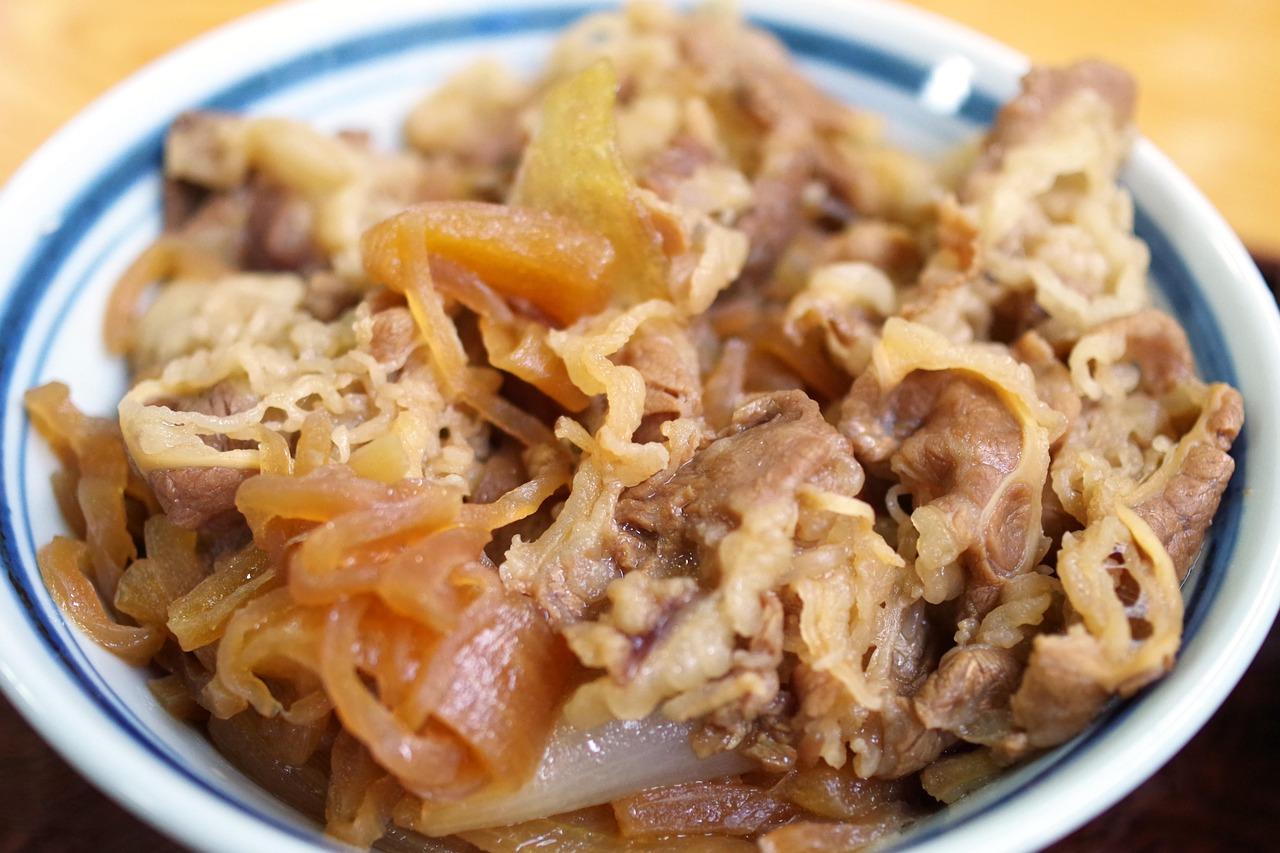
Gyudon (beef and onion rice bowl)

Gyudon fuels Japan's commuters: at 24-hour counters near every big station from Tokyo to Osaka, a bowl of rice topped with soft onions and wafer-thin beef in sweet soy broth arrives in under a minute. At home it takes about 20. Sake and mirin go into the broth and simmer away, so very little alcohol is left; swap them for water and a little sugar if you prefer. The usual mistake is boiling the beef hard and long, which makes thin slices tough and grey; simmer the onion first, then add the beef only until it changes colour. Chef's tip: pile on pink pickled ginger (beni shoga) and a raw or soft-poached egg yolk for the full counter experience; use a soft-poached egg for pregnant women, young children or anyone with a weakened immune system.

by KrazyBadal 0 views

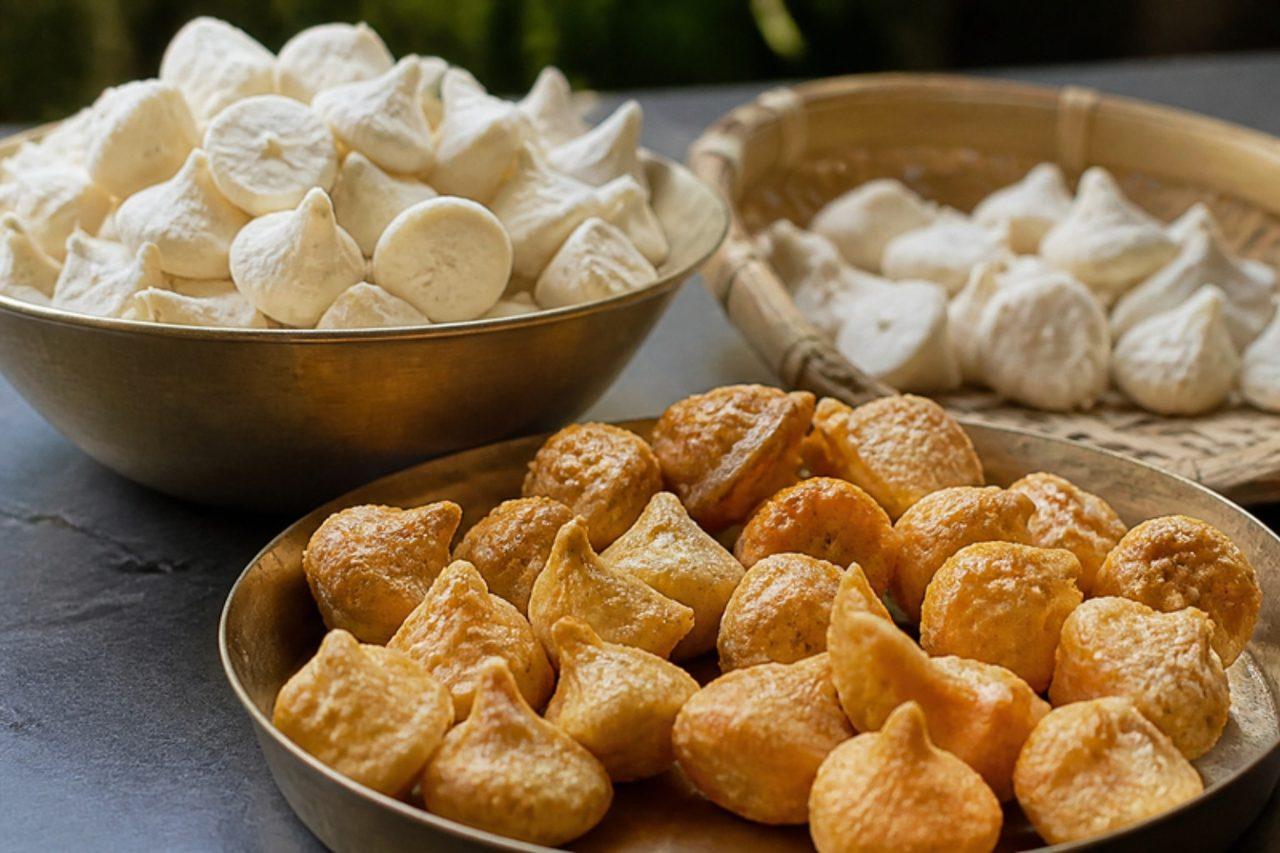
Bengali boriSun-dried lentil dumplings

Winter mornings in rural Bengal used to mean bori-making: the household gathered on the roof with a big bowl of freshly ground, hand-whipped urad dal and dropped little peaked dollops onto cloth in neat rows. In Medinipur the women even pipe them into lace-like gohona bori, a folk art of its own. The everyday kind is simpler, a cone the size of a marble, sun-dried until rock hard. Fried in mustard oil, a bori turns crisp and golden outside and slightly spongy inside, and it soaks up gravy beautifully. A handful goes into shukto, into a maacher jhol with potatoes, into lau ghonto (bottle gourd) or into a simple vegetable chorchori. Common mistake: grinding the dal with too much water; the paste then spreads flat on the cloth instead of holding a peak. Chef's tip: check the whipped paste by dropping a little into a bowl of water. If it floats, it has enough air and the bori will be light; if it sinks, keep beating.

by KrazyBadal 0 views

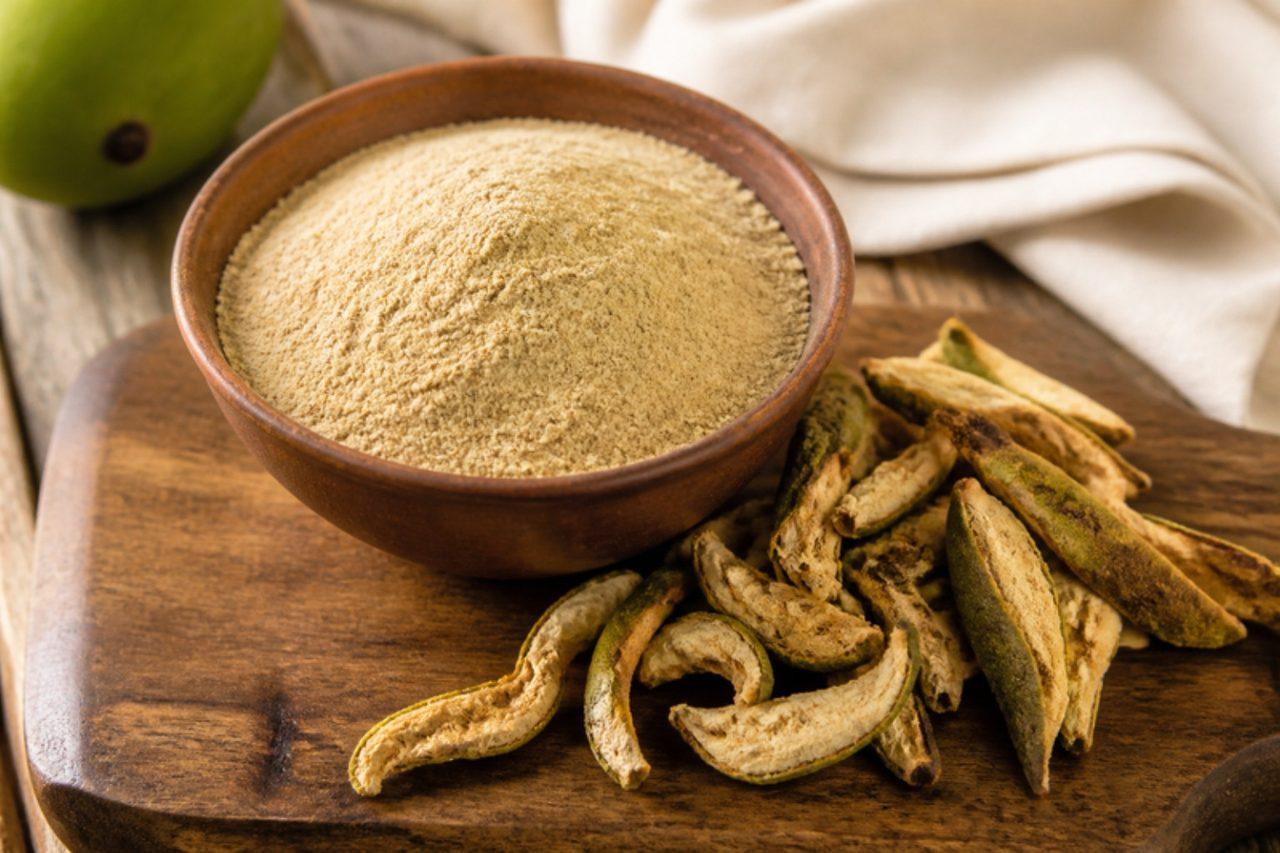
AmchurDry mango powder

Every Punjabi and UP kitchen keeps a jar of amchur next to the jeera and haldi, and the homemade version smells far fresher and sourer than most shop powder. In villages around Saharanpur and Malihabad, the raw mangoes that fall in early-summer storms are peeled, sliced and spread out to dry, and the brittle slices (amchur khatai) are either stored whole or ground. Amchur gives a fruity, mouth-puckering sourness without any liquid, which is why it goes into dry dishes where tomato or tamarind would make things soggy: bhindi masala, stuffed karela, samosa and kachori fillings, chole, chaat masala and pav bhaji masala. A kilo of mangoes gives roughly 100 g of powder. Common mistake: grinding slices that still bend; even slight moisture makes the powder clump into hard lumps in the jar. Chef's tip: choose small, rock-hard, very sour green mangoes with white flesh, not ones starting to turn yellow; riper fruit dries into a brown, sweetish powder.

by KrazyBadal 0 views

Showing 24 of 1,806 recipes

Show more recipes

Page 1 of 76