Skip to content
Recipes

All recipes

Vegetarian, or something you can't eat? Set your diet once and we'll hide recipes that don't fit.

Serunding dagingSpiced beef coconut floss

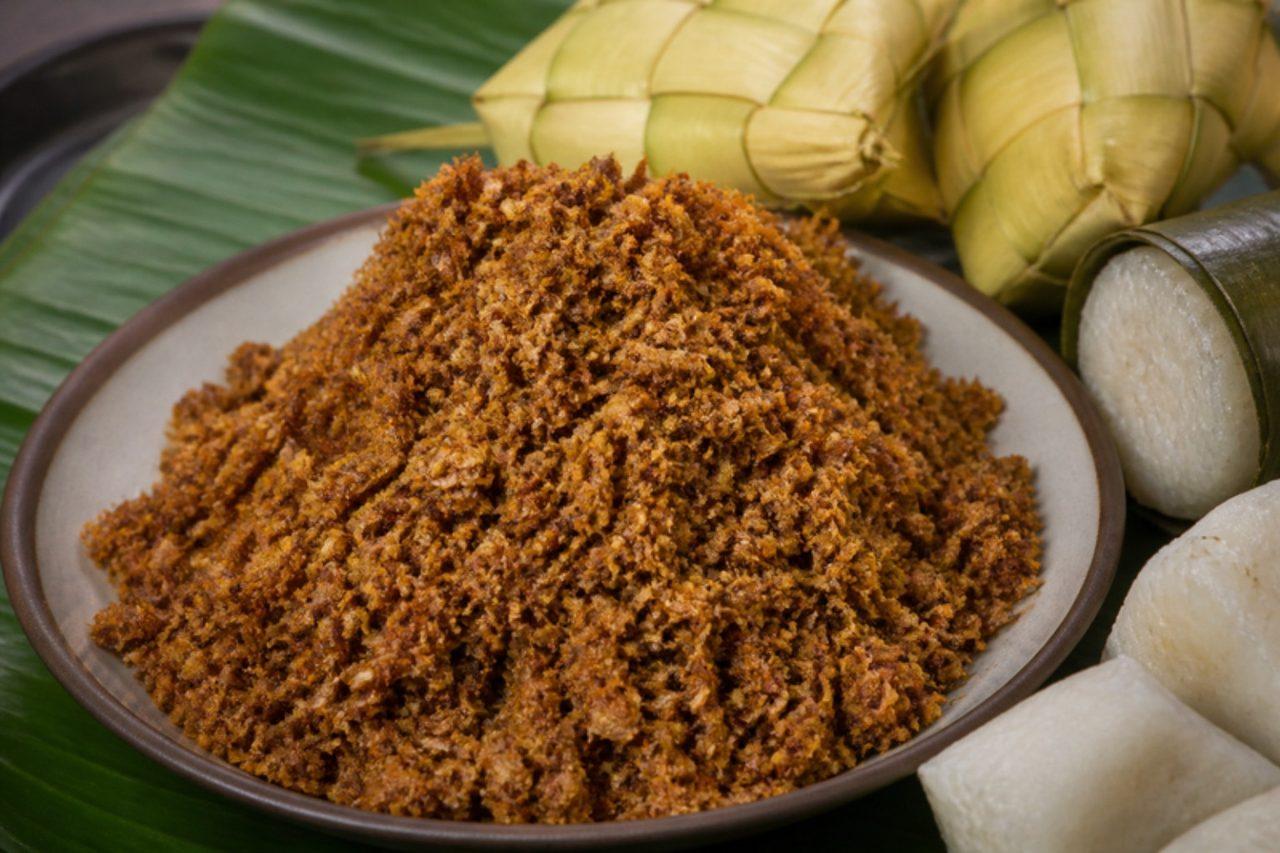
On the first morning of Hari Raya, Malay families across the peninsula set out serunding daging beside lemang (rice cooked in bamboo) and ketupat, and jars of it are sent to relatives who couldn't come home. Beef is simmered tender, shredded into fine threads and slowly dry-fried with a lemongrass and chilli paste and grated coconut until it is fluffy, dark and almost crisp. It keeps for weeks and is wonderful sprinkled over plain rice. Chef's tip: turning up the heat to speed things up scorches the coconut and makes it bitter; it needs low heat and constant stirring for the full hour.

by KrazyBadal 0 views

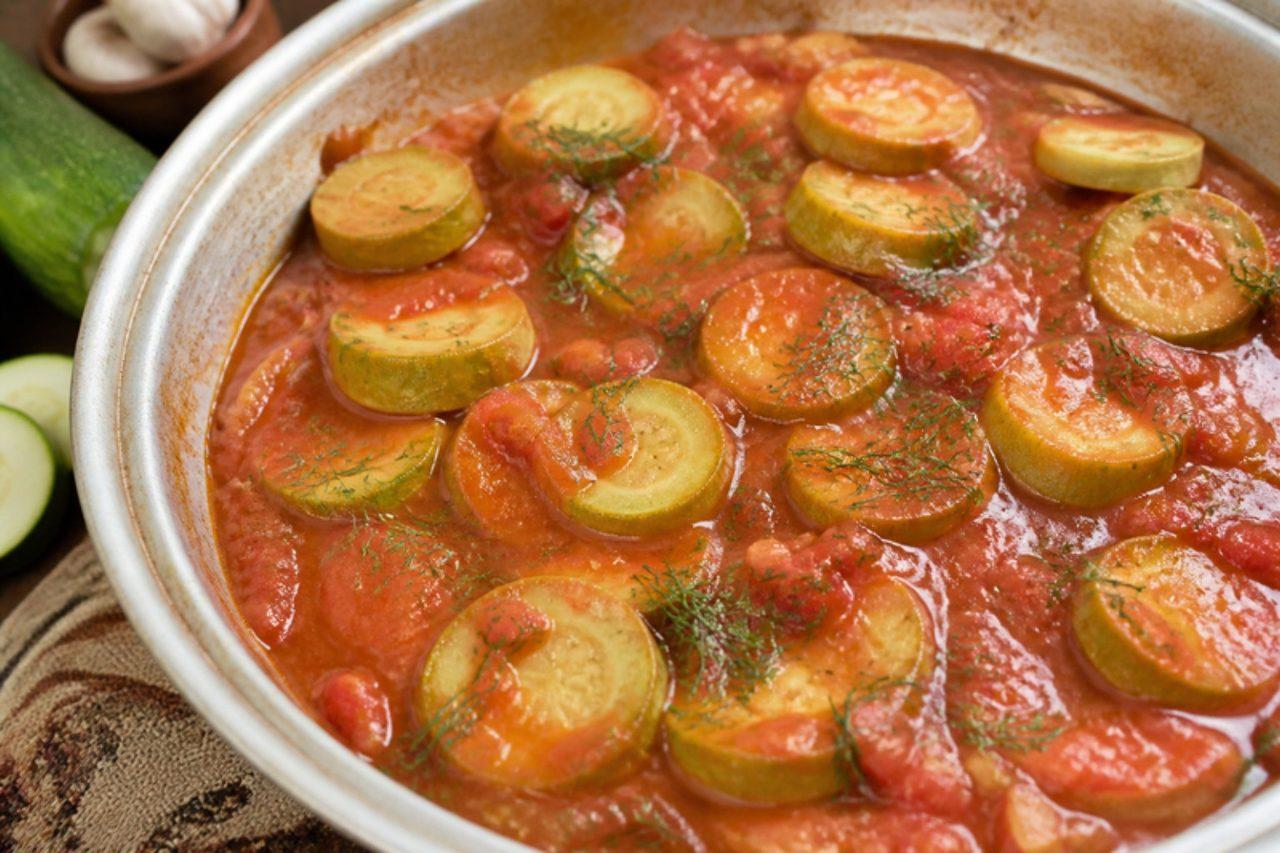
Kosa bel salsa (courgettes in tomato sauce)

The pale green Egyptian kosa is shorter and sweeter than a supermarket courgette, and in summer Delta towns like Tanta cook it in tomato sauce several times a week. This vegan version keeps the rounds just soft enough to hold together, in a light sauce with garlic and a handful of dill. It is light enough for a hot evening, eaten with rice or torn baladi bread. The classic mistake is stirring too hard so the courgettes collapse into mush; shake the pan instead. Chef's tip: if you can find pale Middle Eastern courgettes, use them; they hold their shape better and taste nuttier.

by KrazyBadal 0 views

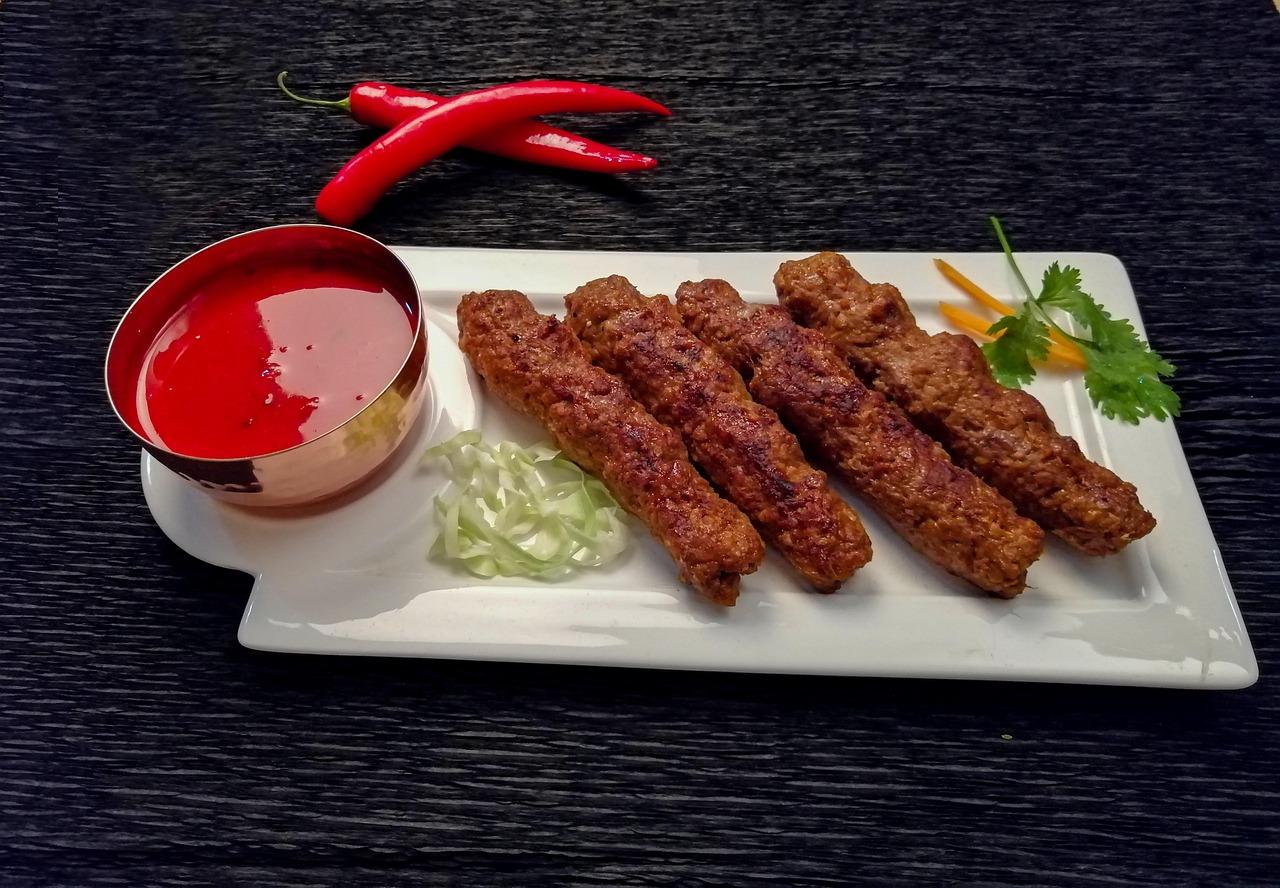
Seekh kebab

The long, charred seekh kebab is the first thing grilled when the coals glow on Lahore's food streets and on Karachi's Boat Basin in the evening, eaten hot off the skewer with naan, onion rings, lemon and green chutney. Coarsely minced beef (or mutton) with some fat is kneaded with onion, ginger, garlic, green chilli and roasted spices until it turns sticky enough to cling to a flat skewer, then grilled until smoky outside and juicy within. The classic failure is a kebab that slides off into the coals, which happens when the onion is left wet or the mince too lean; squeeze the onion dry and use mince with about 20 per cent fat. Chef's tip: chill the shaped skewers for 20 minutes before grilling so the fat firms and holds the meat in place.

by KrazyBadal 0 views

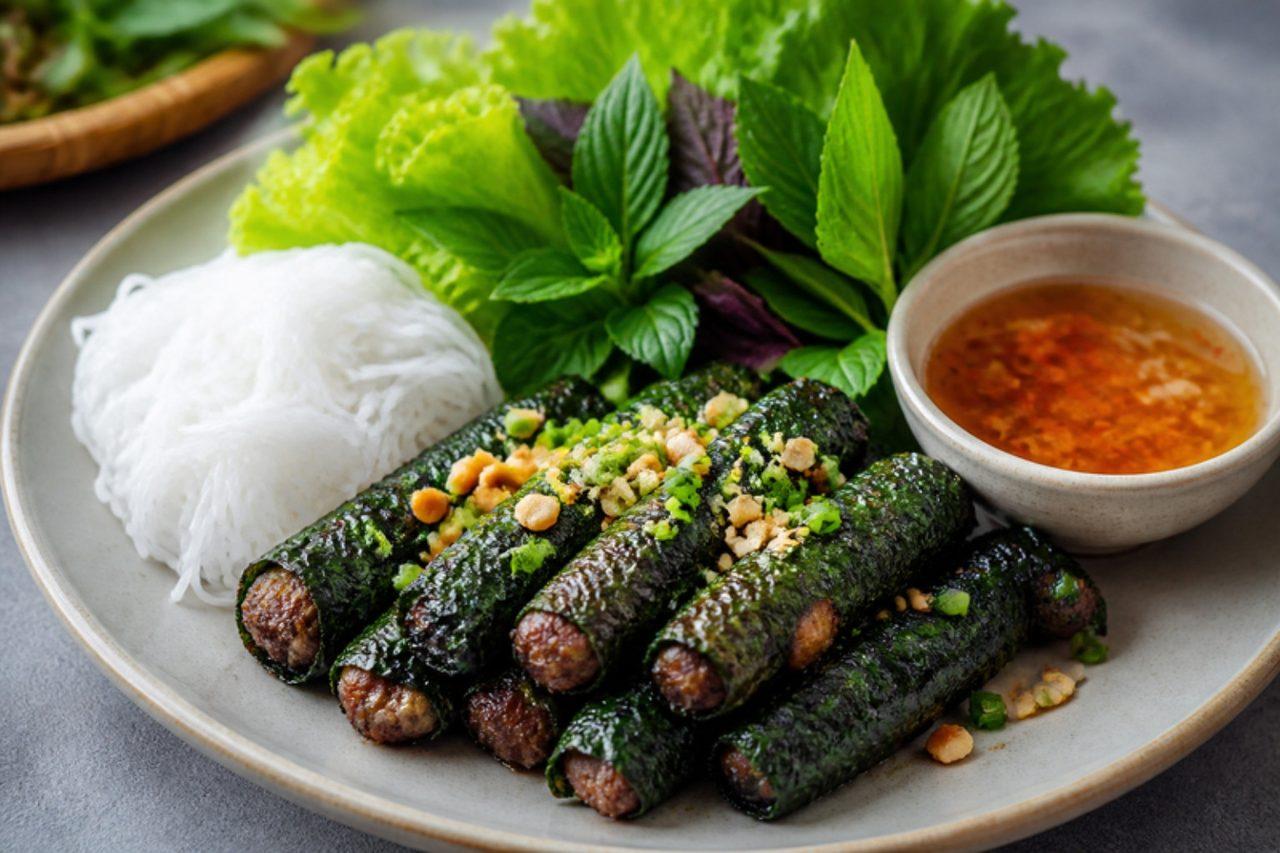
Bò lá lốtBeef in betel leaves

Saigon's evening grill stalls fan charcoal under racks of bò lá lốt, little cigars of garlicky, lemongrass-scented minced beef wrapped in wild betel leaves that char and turn smoky, almost tea-like. They are eaten rolled in rice paper or lettuce with vermicelli and herbs, dipped in nước chấm or the funkier mắm nêm anchovy sauce. Look for lá lốt (Piper sarmentosum) in Vietnamese and Thai grocers; it is not the same as the betel leaf chewed with areca nut. Chef's tip: wrap with the shiny side of the leaf outward and keep the rolls snug; loose rolls unravel on the grill and the filling dries out.

by KrazyBadal 0 views

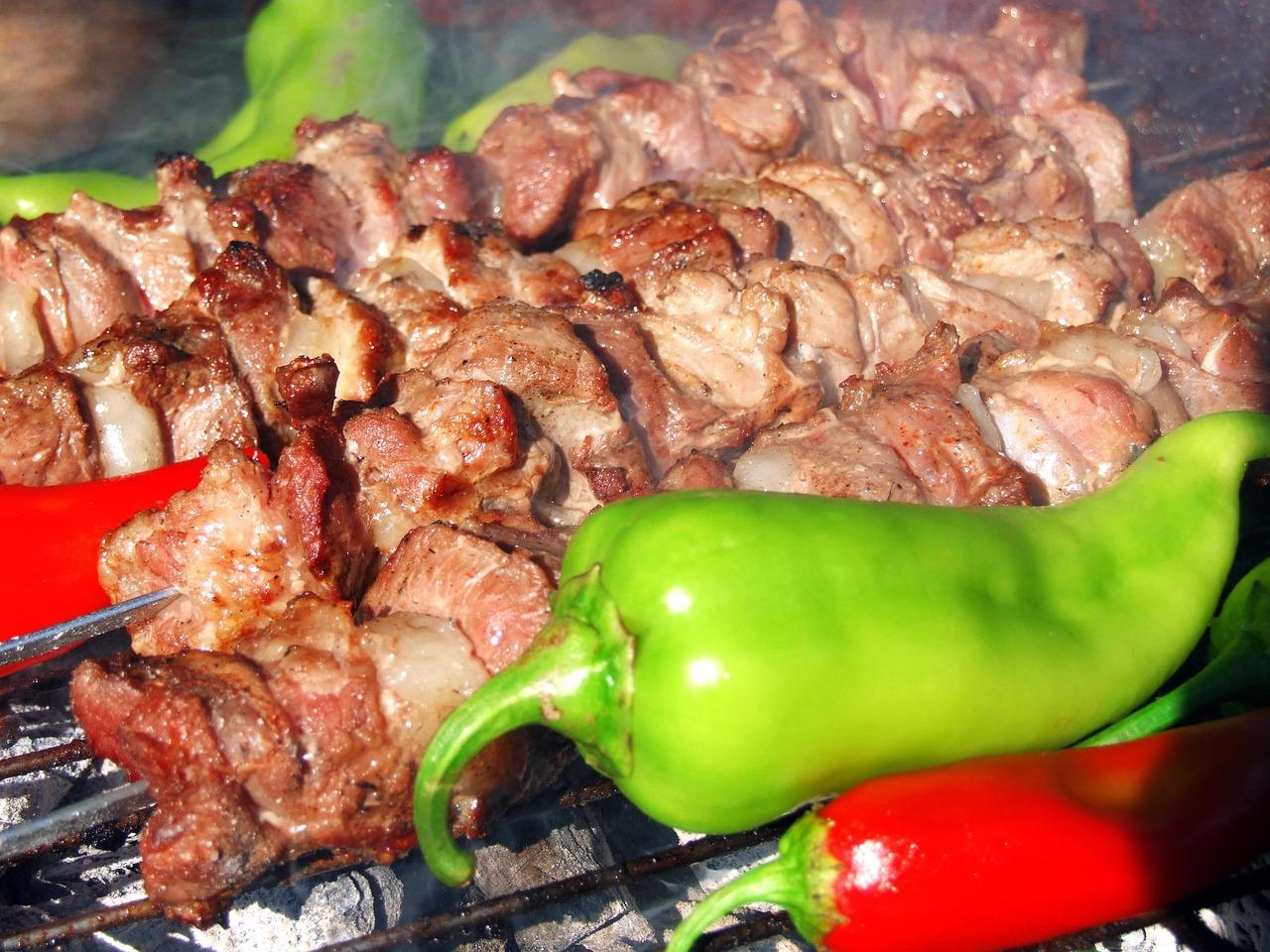
Chenjeh kababSaffron lamb kebab

Chenjeh, chunks of lamb grilled on wide flat skewers, is the kebab of the roadside restaurants on the road to Mashhad and the Friday grills of Tehran, where whole families queue for it with bread and grilled tomatoes. The meat marinates in grated onion, yogurt and saffron until tender, then cooks fast over hot coals so it is charred outside and juicy within. Serve it with chelow and butter, or lavash, sumac and grilled tomatoes. The usual mistake is cutting the pieces too small, so they dry out before they char; 3–4 cm cubes are right. Chef's tip: strain the grated onion and use only its juice in the marinade, so no onion bits burn on the grill.

175 minPersianMeatGluten free
by KrazyBadal 0 views

Kabab bakhtiariLamb and chicken kebab

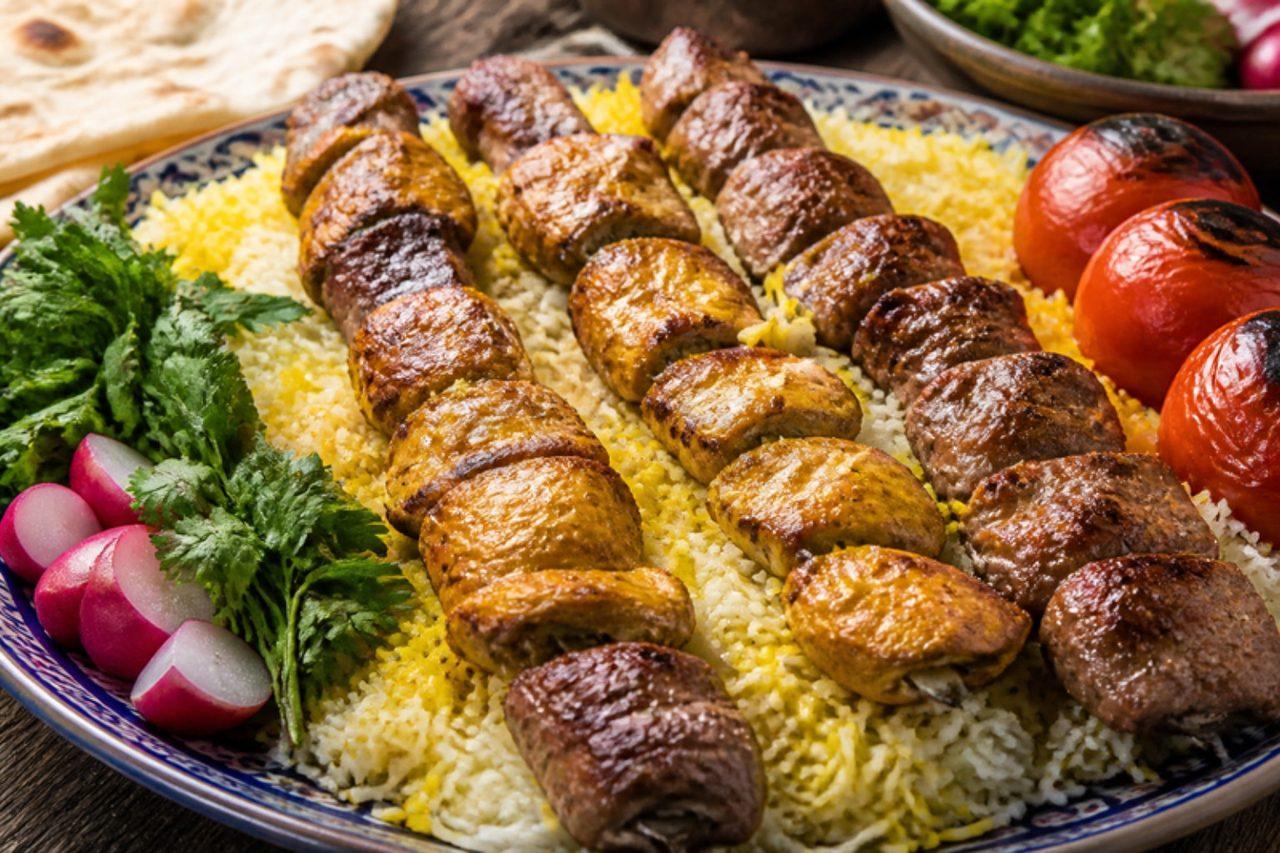
Named after the Bakhtiari tribes of the Zagros mountains but really a creation of Iran's big city kebab houses, kabab bakhtiari puts lamb fillet and saffron chicken side by side on the same skewer, so each person gets both. It is a celebration order in Tehran and Isfahan restaurants, served with buttered chelow and grilled tomatoes. Each meat has its own marinade: onion and pepper for the lamb, saffron, lemon and yogurt for the chicken. The common mistake is cutting both meats to the same size; chicken needs slightly smaller pieces so it cooks through as the lamb reaches pink. Chef's tip: press the lamb and chicken pieces tightly together on the skewer so the juices pass between them as they grill.

165 minPersianMeatGluten free
by KrazyBadal 0 views

Gueddid (spiced dried lamb, safe oven method)

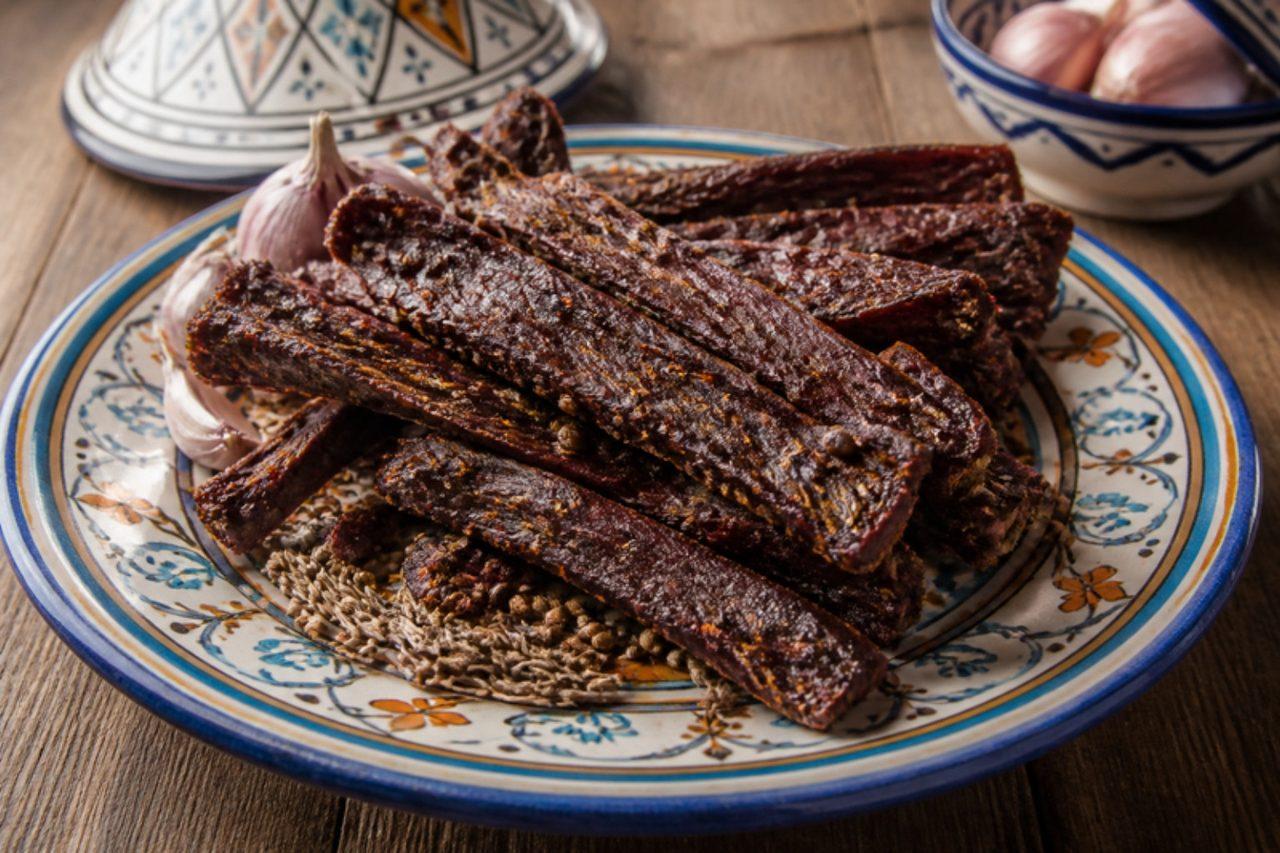
After Eid al-Adha, families across Morocco traditionally cut part of the sacrificed lamb into strips, rub it with salt, garlic, cumin and coriander and hang it on rooftop lines in the sun for days; the gueddid is then kept for Ashura couscous, lentil stews and eggs. Sun-drying meat at home is not safe without strict control, so this version cures the strips in the fridge, then dries them in a low oven until the meat is cooked through to at least 71 °C and leathery-dry, with the same deep, salty, cumin flavour. The common mistake is cutting thick strips: anything over 1 cm stays moist in the centre. Chef's tip: semi-freeze the meat for an hour first so you can slice it thinly and evenly. Not for anyone on a low-salt diet.

by KrazyBadal 0 views

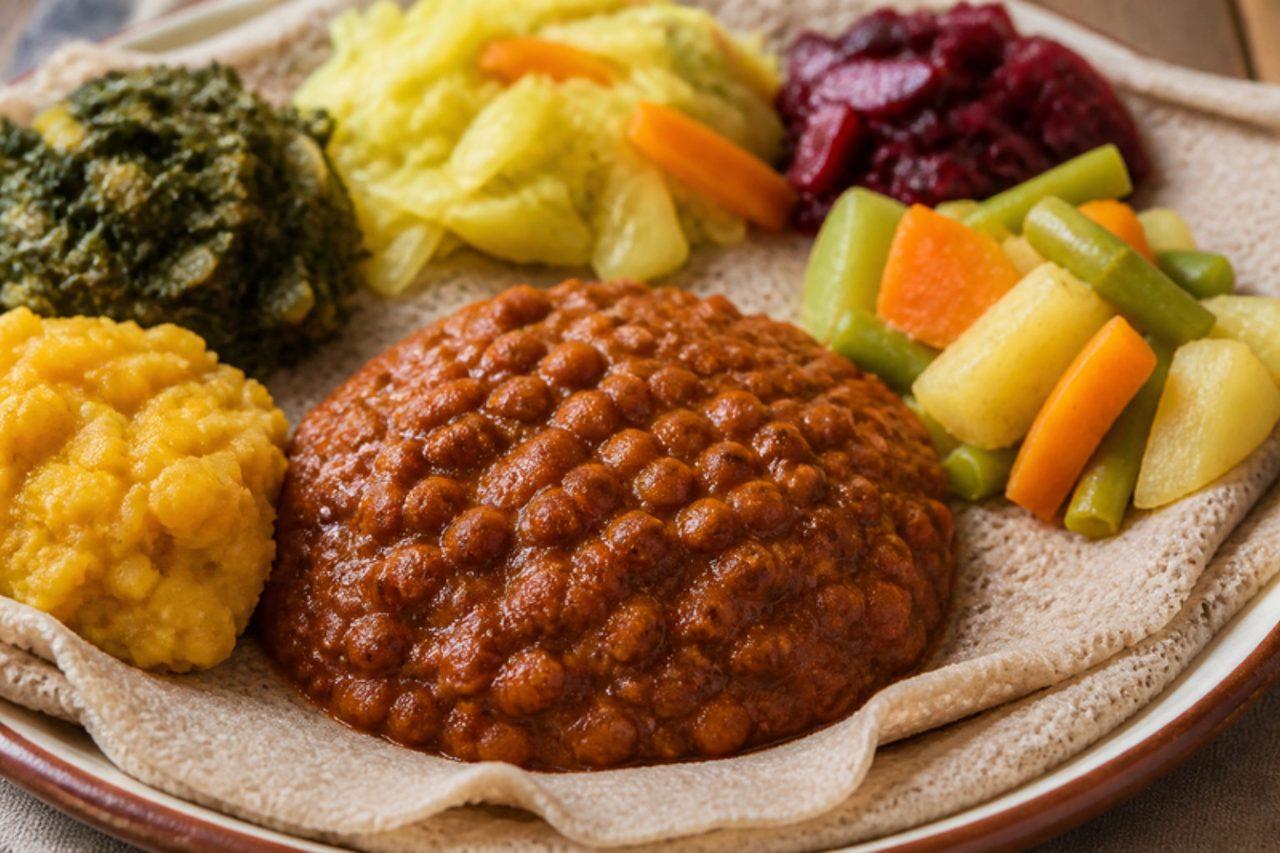
Misir alichaMild red lentil stew

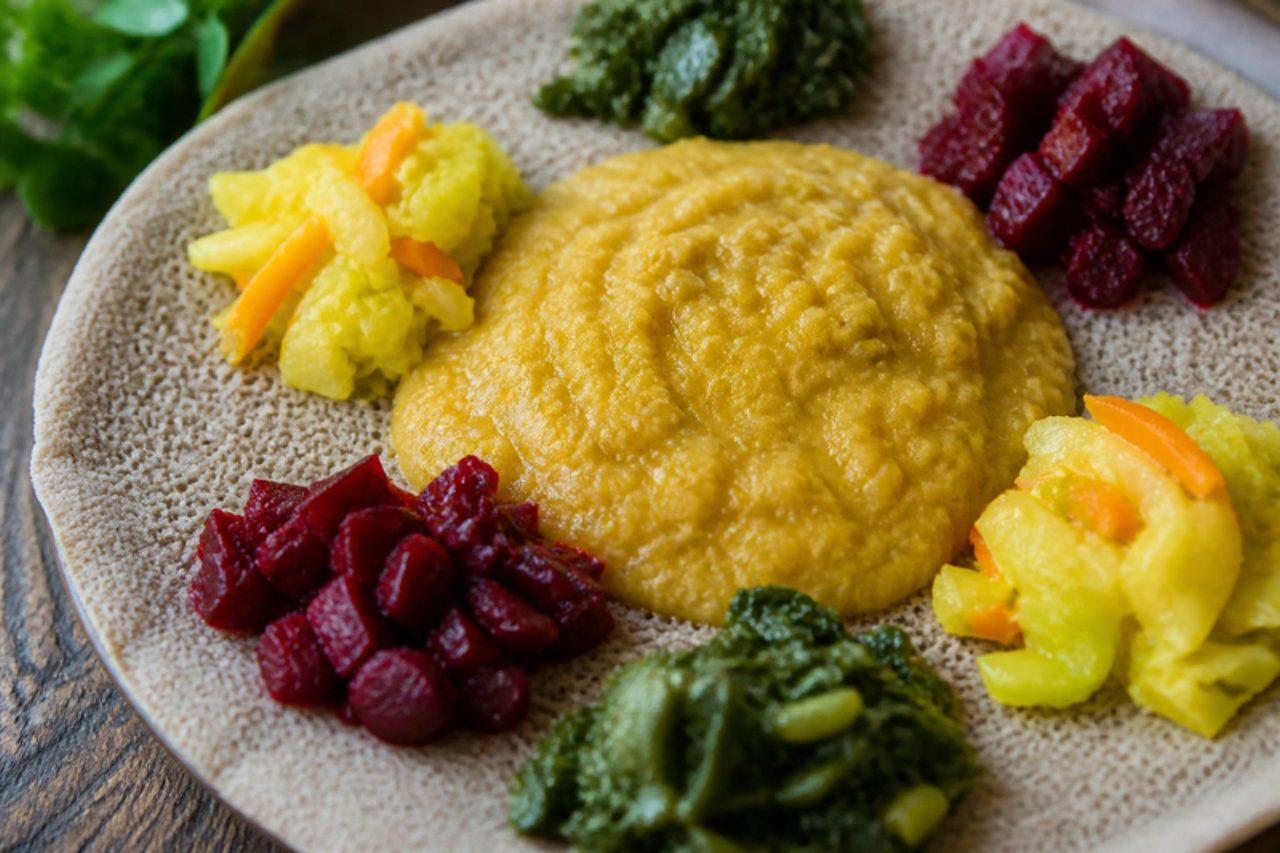
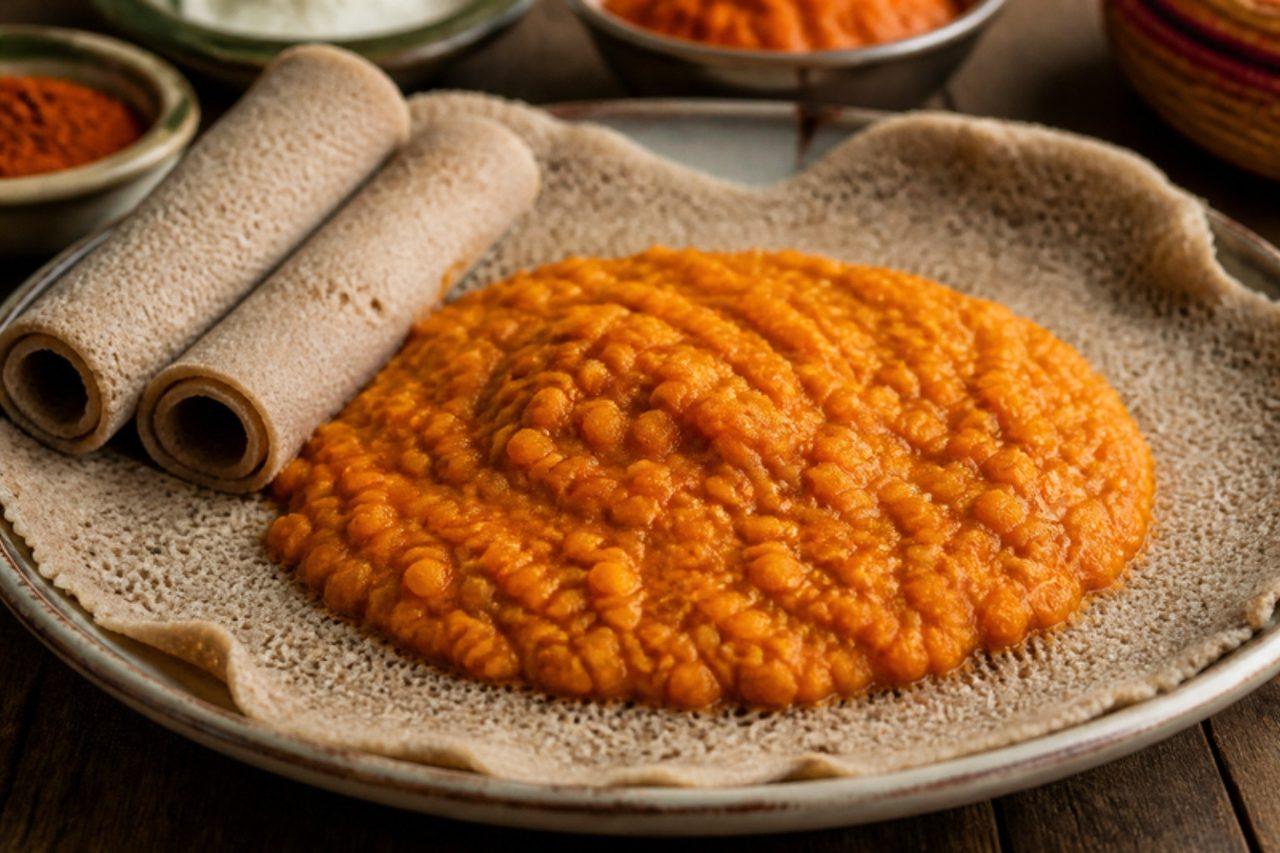
Not everyone at the table in Gondar or Addis wants berbere, so the fasting platter almost always has a gentle yellow wat beside the red one: misir alicha, split red lentils cooked down with dry-sweated onion, garlic, ginger and turmeric until creamy. It is soft, warming and easy on children and anyone who finds misir wat too hot. The common mistake is letting the lentils cook to a thin soup; simmer uncovered at the end until it mounds on a spoon and sits on injera without running. Chef's tip: a sliced green chilli and a pinch of ground ajwain (netch azmud) stirred in at the end lift it without adding much heat.

by KrazyBadal 0 views

Rau luộc chấm kho quẹtBoiled vegetables with dipping sauce

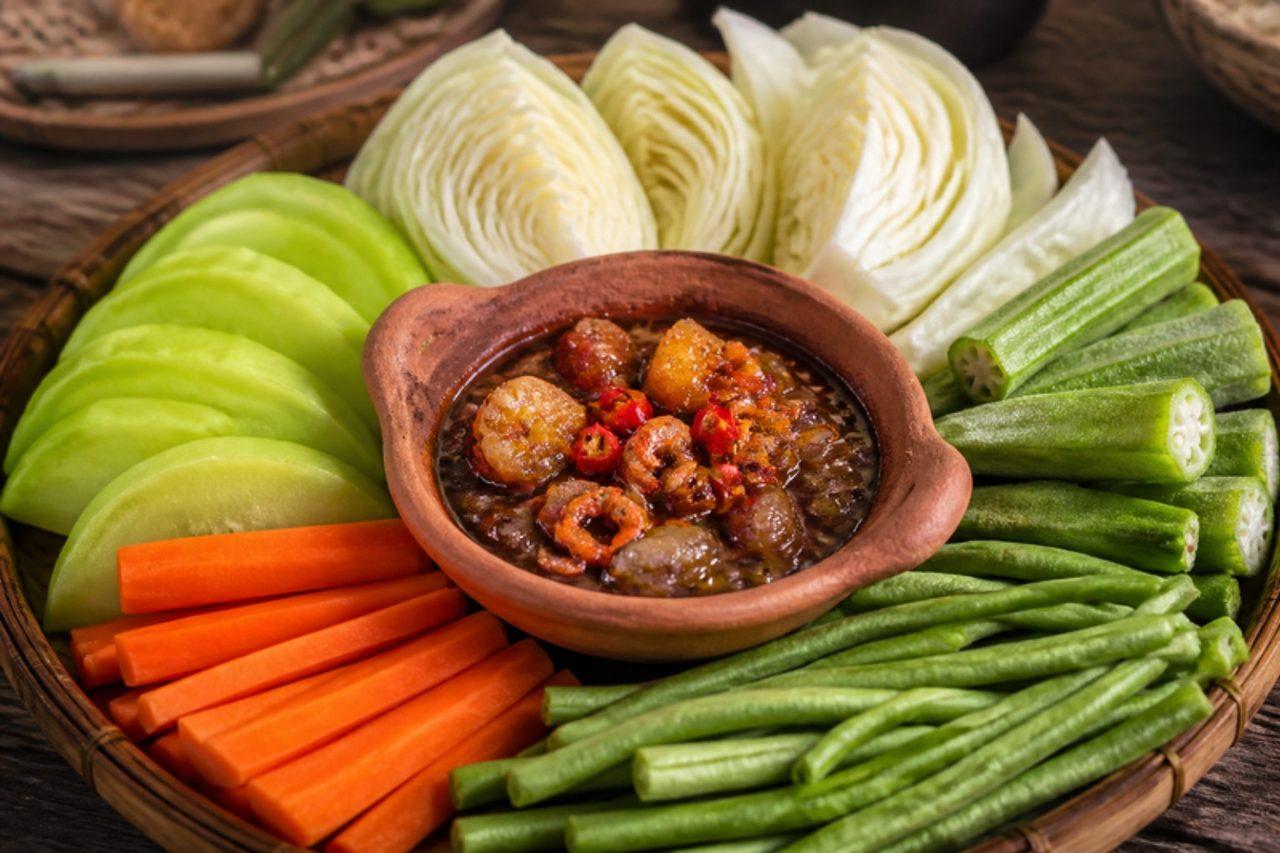
Farm families in the Mekong Delta, in Đồng Tháp and Cần Thơ, used to stretch a few spoonfuls of salty kho quẹt across a whole basket of boiled garden vegetables, and it is now a nostalgic favourite in Saigon restaurants. The dip is pork fat rendered into crisp cracklings, then fish sauce, sugar, shallot, dried shrimp and black pepper bubbled down until thick and sticky enough to 'scrape' (quẹt) with a vegetable. The vegetables do most of the work, so the plate stays light. Chef's tip: take the dip off the heat while it still looks a little loose; it sets as it cools and, cooked too far, it burns bitter and turns rock-hard.

by KrazyBadal 0 views

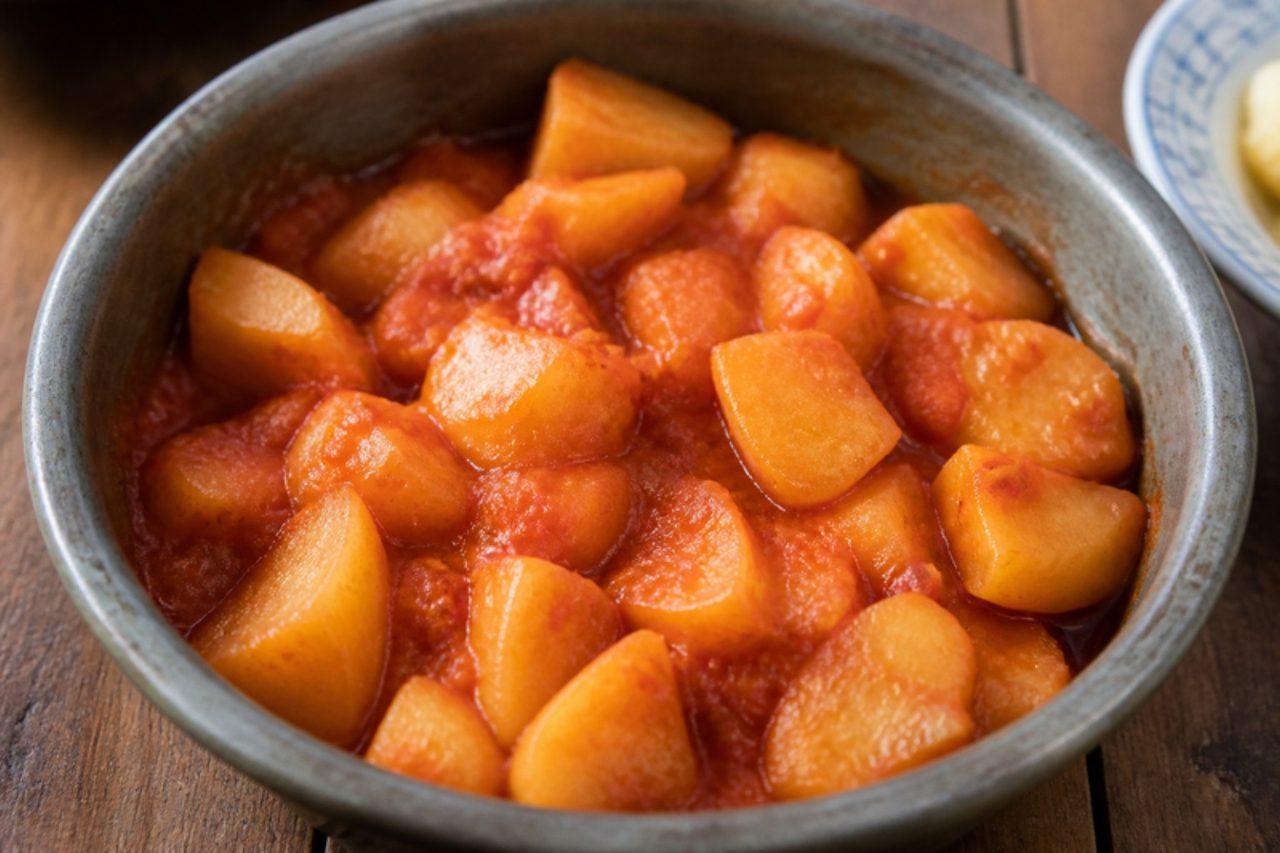
Batates bel salsa (potatoes in garlicky tomato sauce)

In Egyptian kitchens "salsa" simply means tomato sauce, and batates bel salsa is what a Cairo mother makes when the fridge is nearly empty: potatoes, onion, tomato and a lot of garlic. The cubes are fried briefly first so they hold their shape, then simmered until soft and velvety in a sauce sharpened with a little vinegar. It goes on the table with rice and bread, sometimes with a fried egg on top for the kids. A common slip is cutting the potatoes in different sizes, so some fall apart while others stay hard; keep them to 2.5 cm cubes. Chef's tip: a few slices of green chilli in the sauce wake the whole pot up without making it hot.

by KrazyBadal 0 views

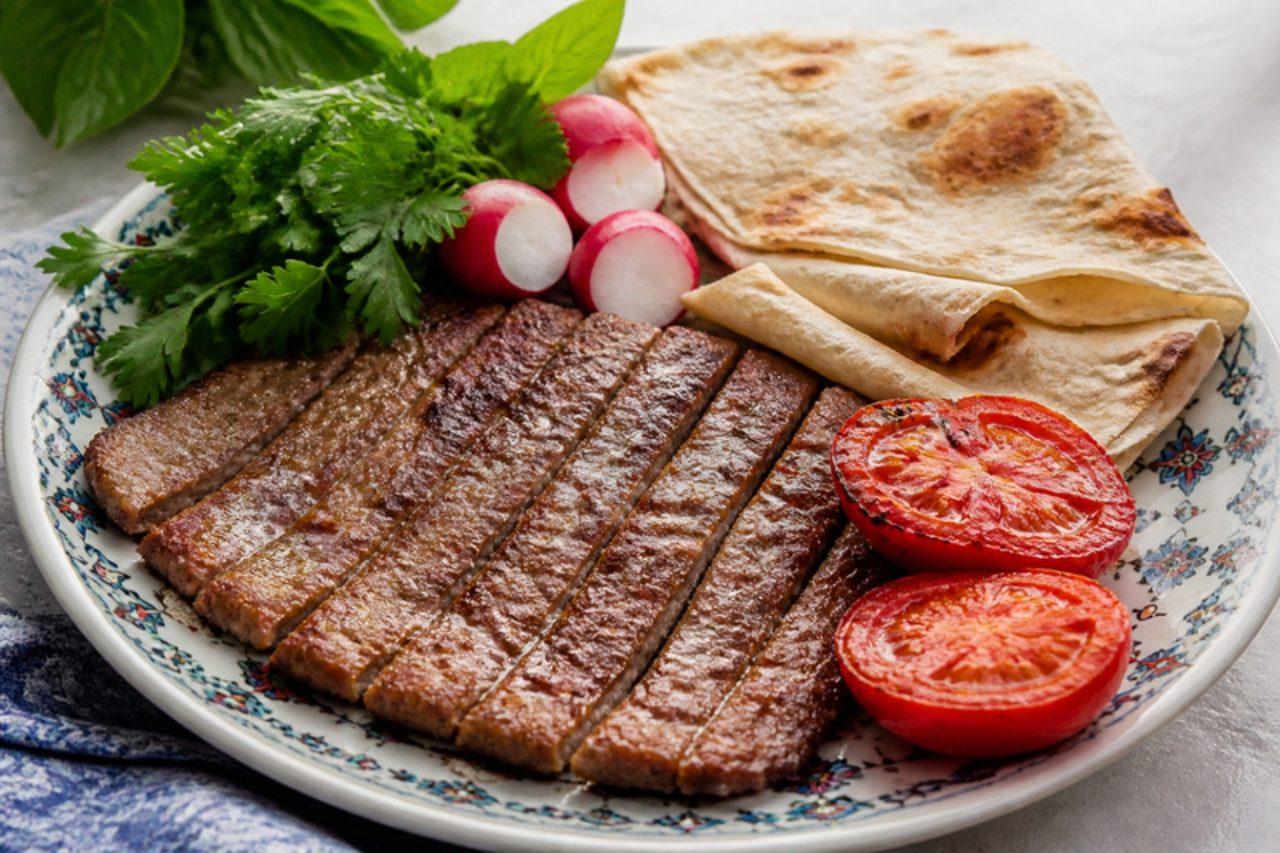
Kabab tabeiPan-fried minced meat kebab

Kabab tabei is the kebab Iranian students make in a frying pan when there is no grill, and the quick weeknight dinner in flats all over Tehran: minced meat with grated onion and turmeric pressed flat across the pan, cut into strips and fried in its own juices. It tastes like koobideh without the charcoal and is ready in half an hour. Serve it with chelow or bread, pan-fried tomatoes and raw onion. The mistake is a cold pan, which makes the meat stew; heat it well first and don't move the slab until it has browned. Chef's tip: once the first side is cooked, tip in halved tomatoes around the meat; they soften in the juices and become the sauce.

by KrazyBadal 0 views

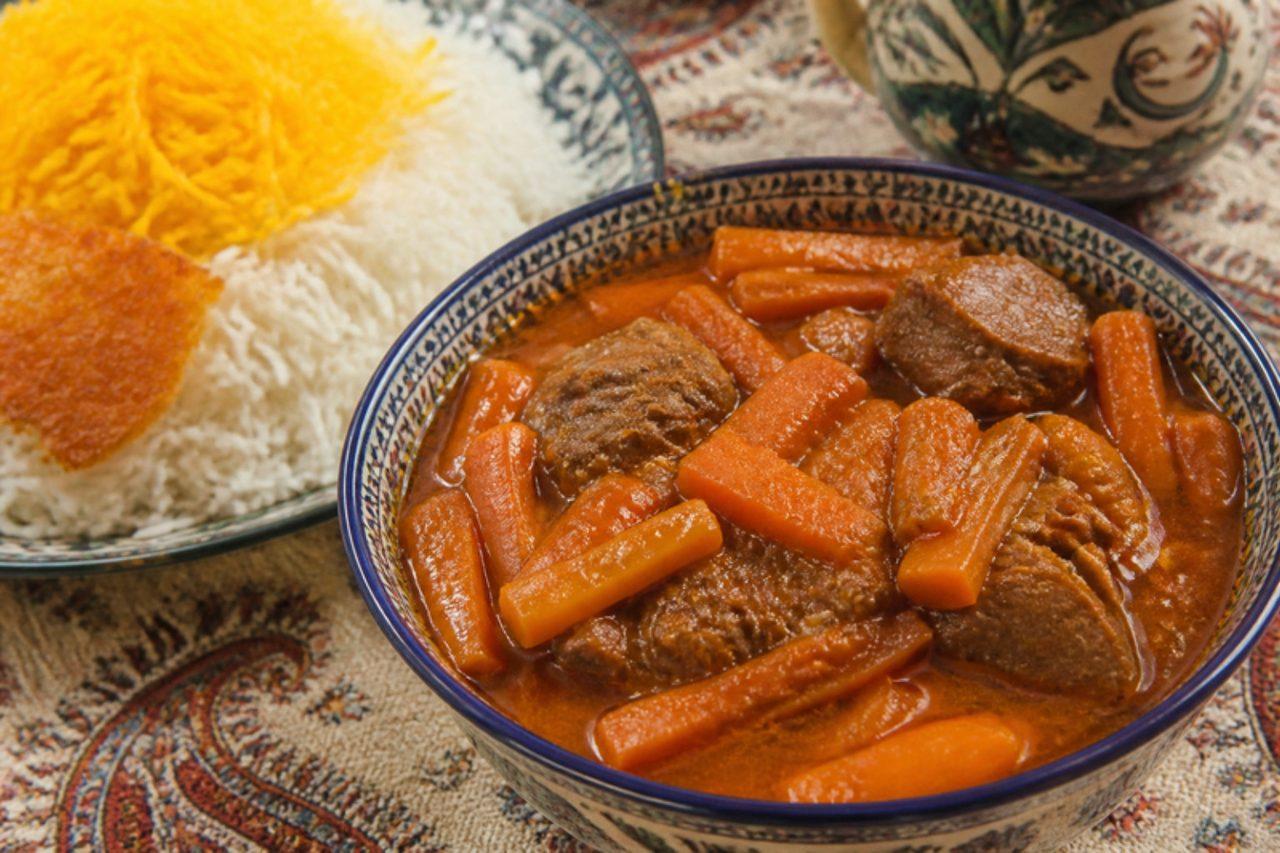
Khoresh-e havijCarrot and lamb stew

Tabriz cooks in Iranian Azerbaijan like their stews a little sweet, and khoresh-e havij is a winter weeknight dish there and in Tehran, made with thin batons of carrot fried until they caramelise. The lamb cooks soft in a turmeric and onion broth, then the carrots go in with saffron, a spoon of sugar and lemon, giving a bright orange, gently tangy stew. Serve it with chelow and a green salad. The common slip is cutting the carrots thick; they stay hard and never take on the sauce, so cut them like matchsticks. Chef's tip: a handful of yellow split peas, added with the water, makes it more filling, as many Tabrizi families do.

by KrazyBadal 0 views

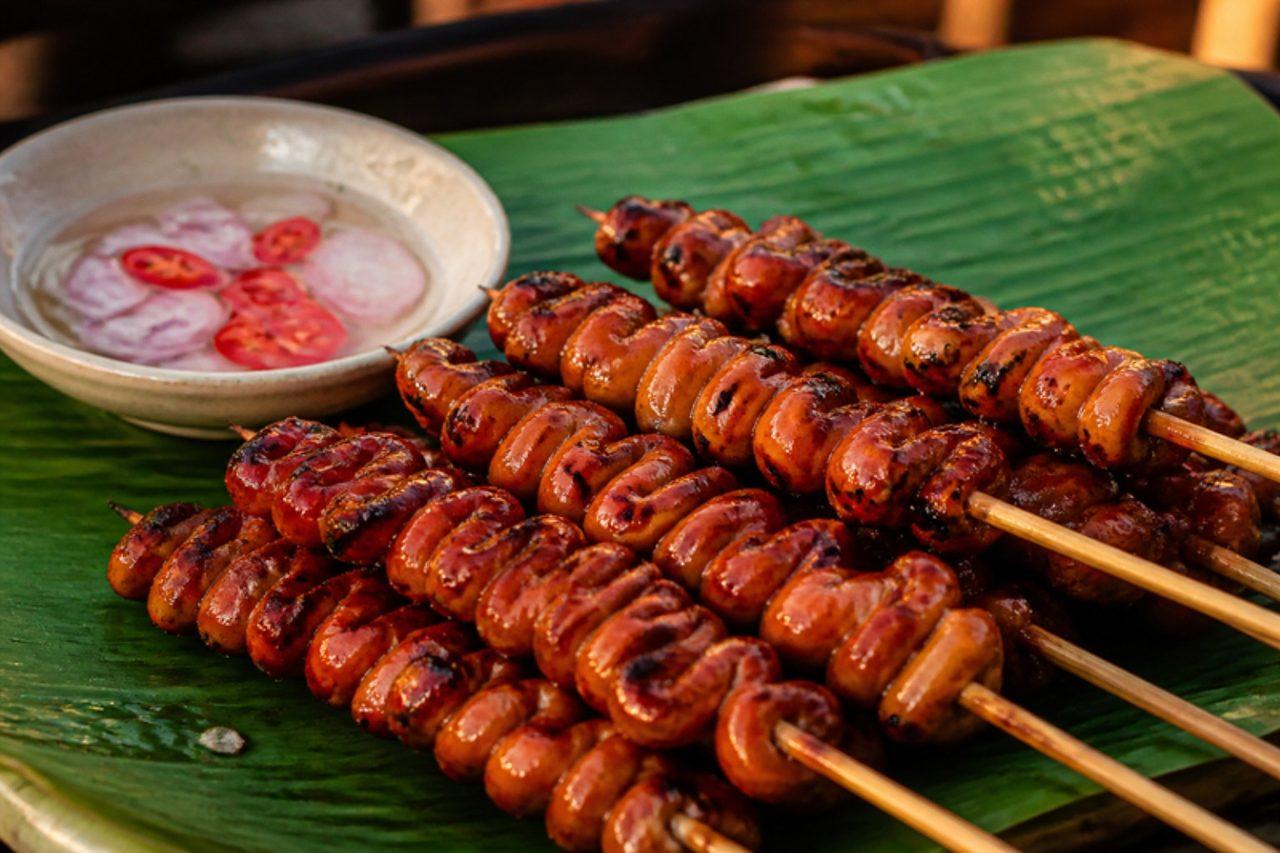
IsawGrilled chicken intestines

Around the University of the Philippines campus in Diliman and in night markets across Manila, isaw is the street-grill snack people queue for: chicken intestines threaded in coils on sticks, grilled over charcoal until crisp and smoky, and dipped in sour, chilli-spiked vinegar. At home the key is hygiene: the intestines are slit open, scrubbed with salt and vinegar, then simmered before grilling, so they are clean and cooked through to 74 °C. Chef's tip: never skip the simmering step; grilled-from-raw intestines char outside long before the inside is safe.

by KrazyBadal 0 views

EmbutidoSteamed pork roll

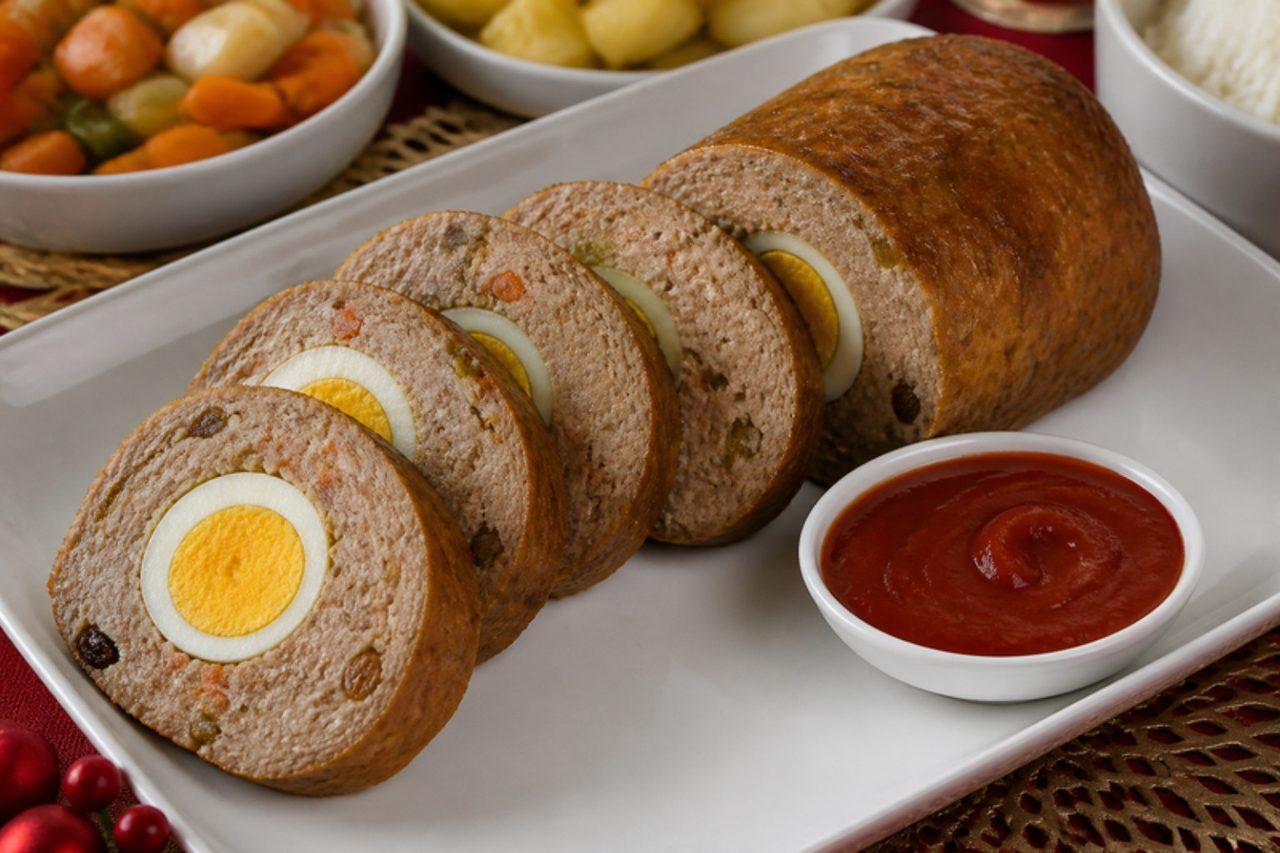
Foil-wrapped logs of embutido are steamed days ahead of Noche Buena in kitchens all over the Philippines, then sliced cold or fried for the Christmas Eve spread. The roll is made from minced pork bound with egg and breadcrumbs and studded with carrot, sweet pickle relish and raisins, with boiled egg running through the middle so each slice shows a yellow-and-white centre. Serve with banana ketchup and rice, or in pandesal. Chef's tip: roll the foil tightly and twist the ends like a sweet; a loose wrap lets steam in and the roll comes out soggy and crumbly.

by KrazyBadal 0 views

Karahi qeemaMinced meat karahi

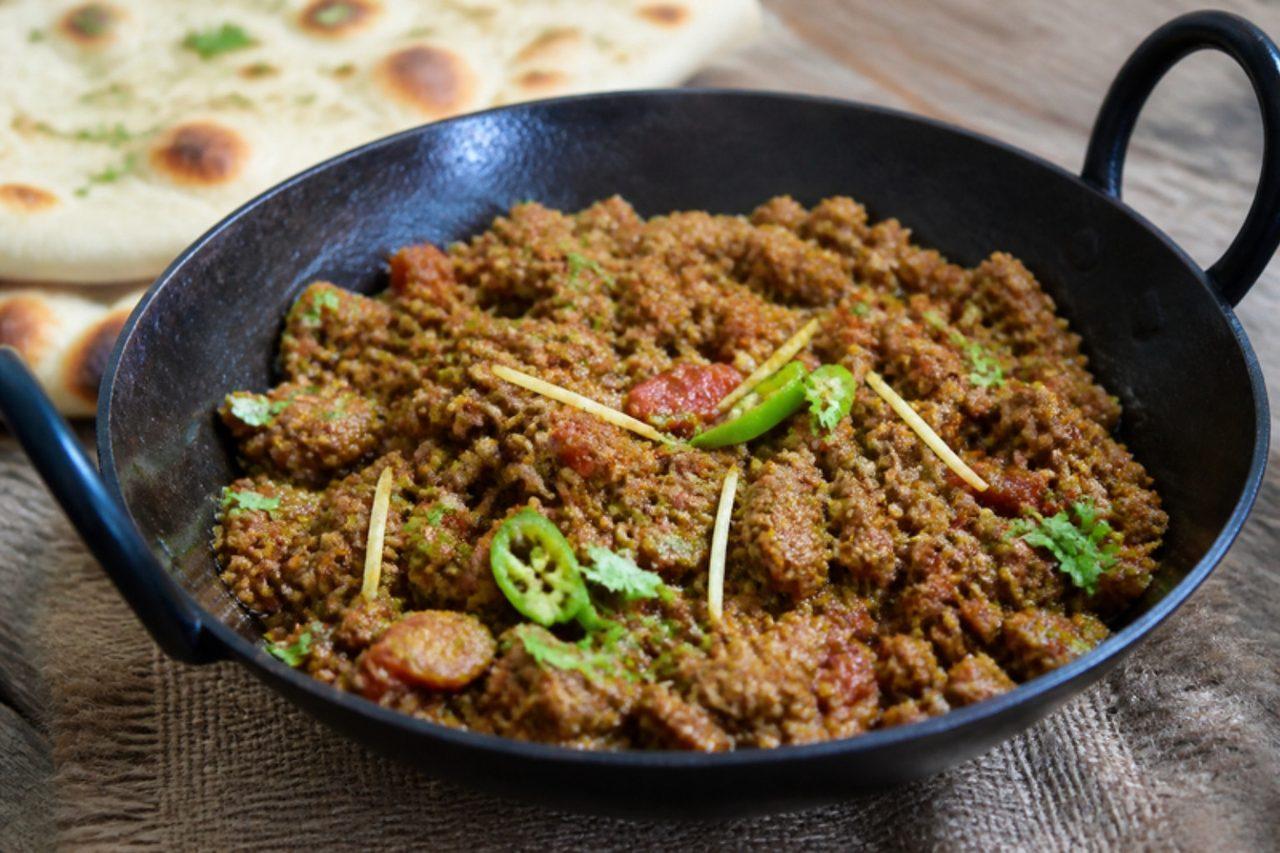
Karahi qeema is what home cooks across Punjab make when guests arrive unannounced, and what roadside karahi shops in Rawalpindi and Lahore fry to order for a quick lunch: beef or mutton mince stir-fried hard in an iron wok with tomato, ginger and green chilli until dry and glossy. It is scooped up with roti or stuffed into a paratha the next morning. The usual mistake is crowding the cold mince into a lukewarm pan, which stews it; get the oil smoking hot and break the meat up quickly so it fries. Chef's tip: finish with a handful of julienned ginger and a squeeze of lemon off the heat, for a fresh bite against the rich meat.

by KrazyBadal 0 views

Fasolia beida (white beans in tomato sauce)

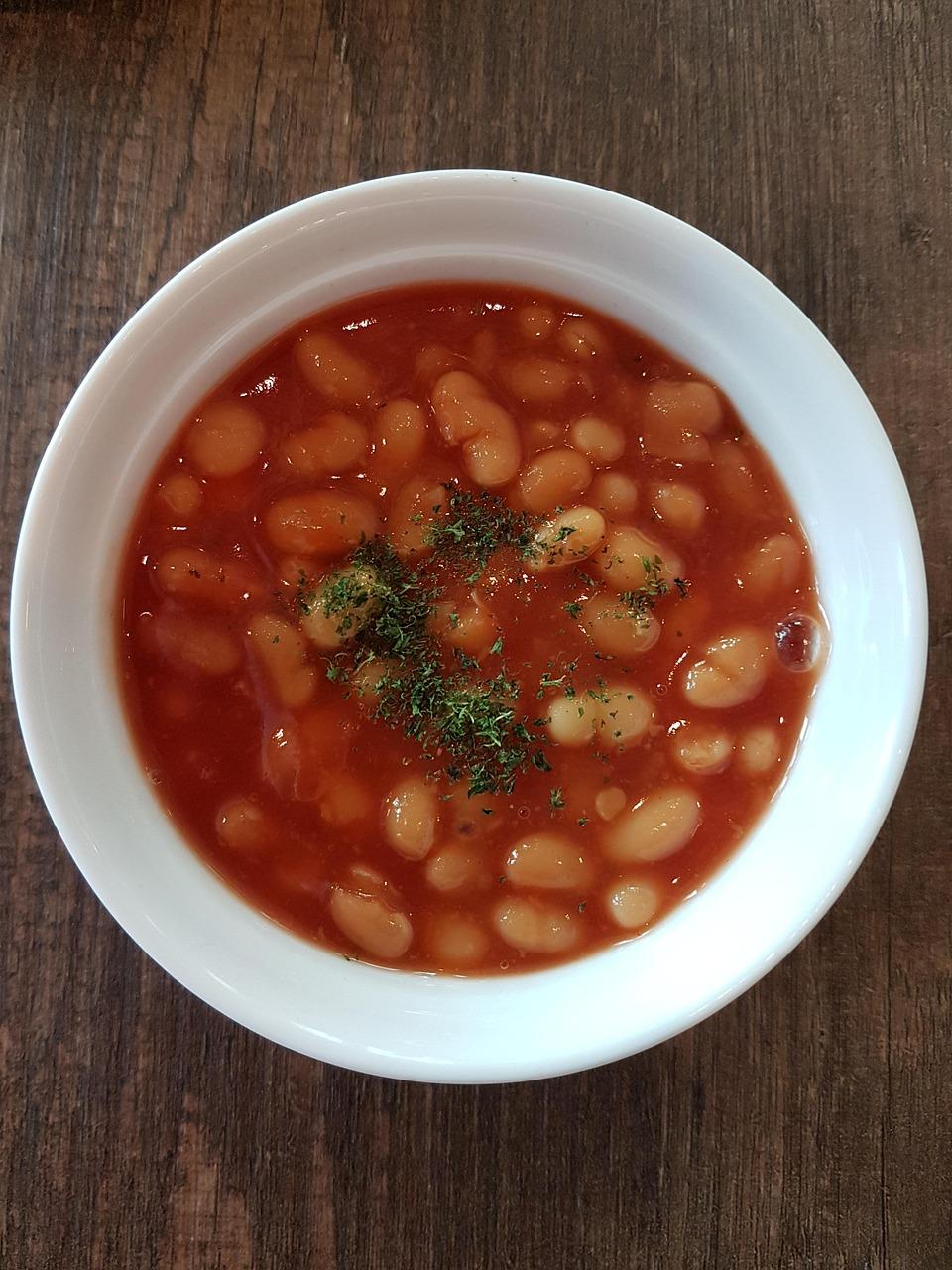
Fasolia beida keeps Egyptian families going through the short Cairo winter: dried white beans, soaked overnight and stewed thick with tomato and onion, eaten on rice with crunchy turnip pickles and green chillies on the side. It's cheap, filling and better the next day, which is why many cooks make a double pot. Beans cooked in salted tomato from the start can stay hard forever, so they get boiled tender in plain water first. Chef's tip: mash a ladleful of the beans against the side of the pot near the end; it thickens the sauce naturally.

by KrazyBadal 0 views

Kik watSpiced split pea stew

On Wednesdays, Fridays and the long Lenten fast, Orthodox households from Addis Ababa to Bahir Dar fill the beyaynetu platter with kik wat, the fiery red sibling of the mild yellow kik alicha. Yellow split peas are cooked into a thick sauce built on a mountain of slowly dry-cooked red onions, garlic, ginger and plenty of berbere, so it is earthy, smoky-hot and spoonable on a sheet of injera. The mistake is frying the onions in oil from the start: Ethiopian cooks sweat them in a dry pot until they collapse and turn jammy, and only then add oil and spice, which gives the sauce its body. Chef's tip: bloom the berbere in the oil for a full two minutes with a splash of water so it turns brick-red and loses its raw, dusty edge.

by KrazyBadal 0 views

Ye-difin misir watSpicy brown lentil stew

The everyday misir wat of Addis Ababa's fasting houses is made with split red lentils, but in Tigray and Amhara homes many cooks prefer difin misir, whole brown or green lentils that keep their shape and give a thicker, nubbly stew with a deep, peppery berbere sauce. It is hearty, earthy and properly spicy, the backbone of a Lenten lunch with injera, cabbage and a cold salad. The mistake is adding the lentils to the sauce raw: whole lentils take far longer than the onions can stand, so cook them separately until tender first. Chef's tip: finish with a teaspoon of mitmita or a pinch of ground cardamom (korerima) just before serving for a fragrant top note.

by KrazyBadal 0 views

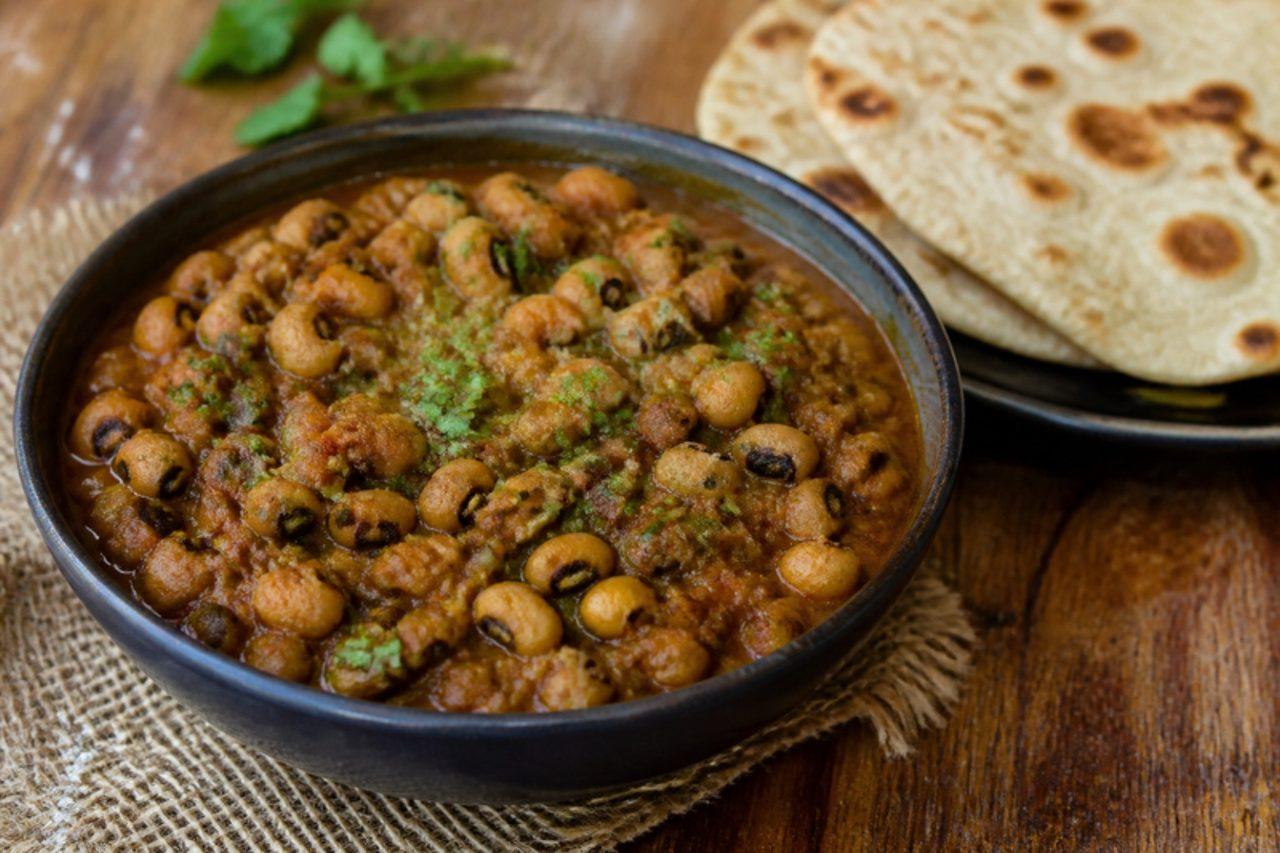
Lobia masalaBlack-eyed bean curry

Truck drivers on the GT Road and students in Lahore's Anarkali eat lobia at dhabas for a few rupees a plate: soft black-eyed beans in a dark onion and tomato masala, mopped up with tandoori roti and a green chilli on the side. It tastes earthy and comforting, with a peppery edge and a thick, spoonable gravy. Undercooked beans that stay chalky in the middle are the common complaint, especially when tomato goes in before the beans are soft; boil them tender first, then simmer them in the masala. Chef's tip: mash a ladleful of the beans against the side of the pot near the end, which thickens the gravy the way dhaba cooks do.

by KrazyBadal 0 views

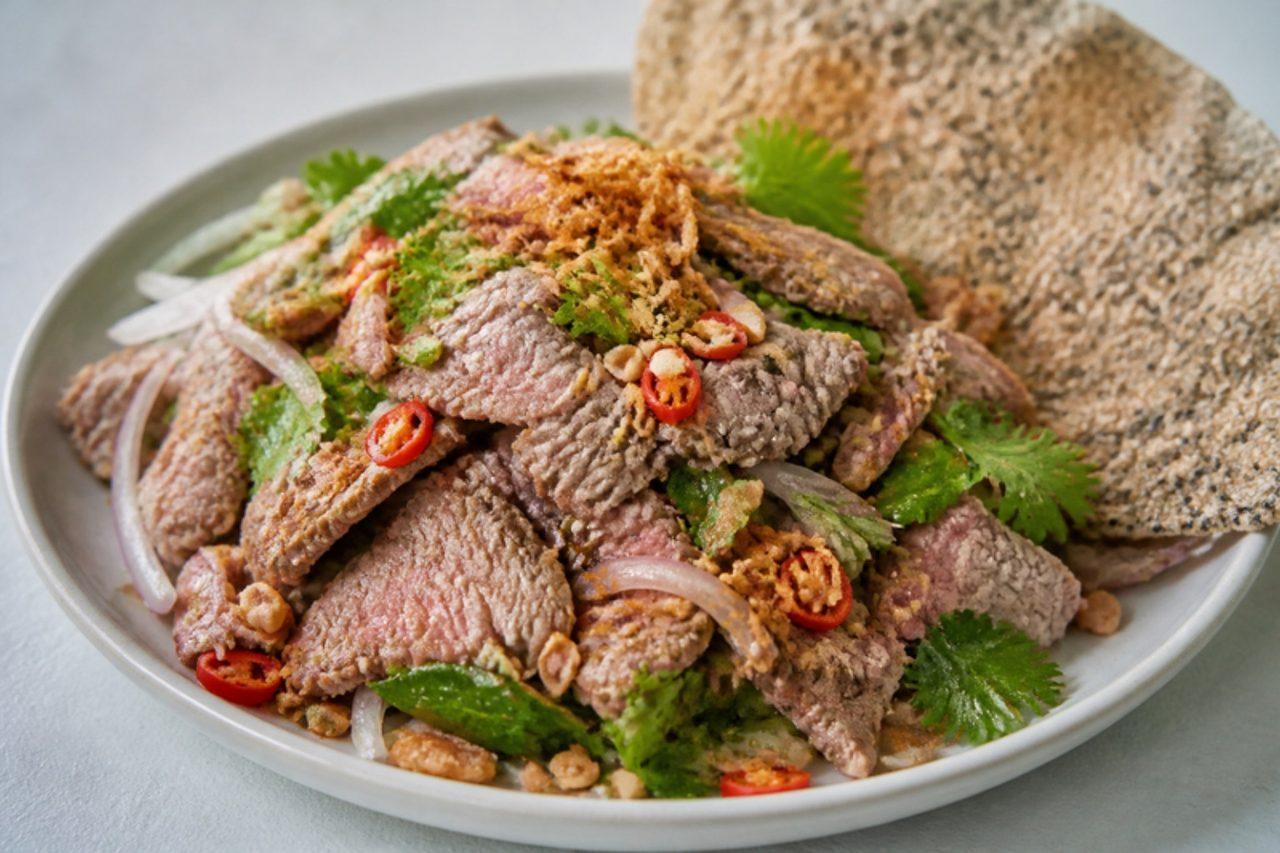
Bò tái chanhLime-cured beef salad

In Saigon's beer gardens bò tái chanh arrives as the first plate of the evening, a sharp, herb-heavy pile of thin beef slices dressed in lime juice and fish sauce with onion, rau răm and peanuts, scooped up with sesame rice crackers. Street cooks often leave the beef almost raw and let the lime 'cook' it; lime does not make beef safe, so this home version blanches the slices for a few seconds until they are cooked at least to medium, still tender and rosy at the centre. Chef's tip: squeeze out the lime juice before dressing; beef left sitting in a pool of lime turns grey and chewy.

by KrazyBadal 0 views

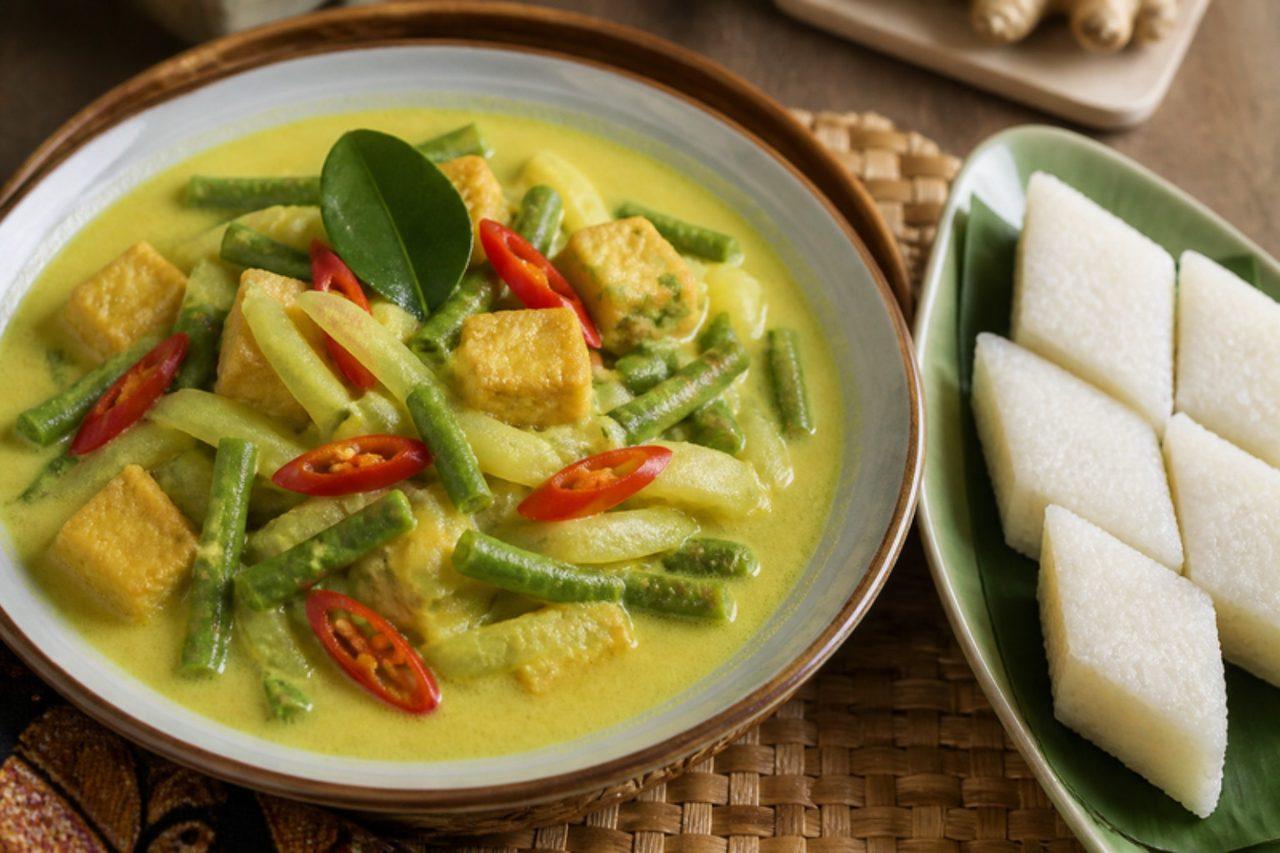
Sayur labu siamChayote and tofu coconut curry

On Lebaran morning in Java and Jakarta, sayur labu siam is the mild, soupy vegetable ladled over cut ketupat beside the richer opor and sambal goreng. Crisp-tender chayote, long beans and fried tofu simmer in a thin, pale-gold coconut broth fragrant with turmeric, galangal and salam leaf; it also makes an easy weeknight lontong sayur. This version is vegan, while many home cooks add a little terasi and dried shrimp to the spice paste. Chef's tip: let the broth simmer gently after the coconut milk goes in; a hard boil splits it into oily curds.

by KrazyBadal 0 views

Sambal goreng atiBeef liver in chilli coconut sauce

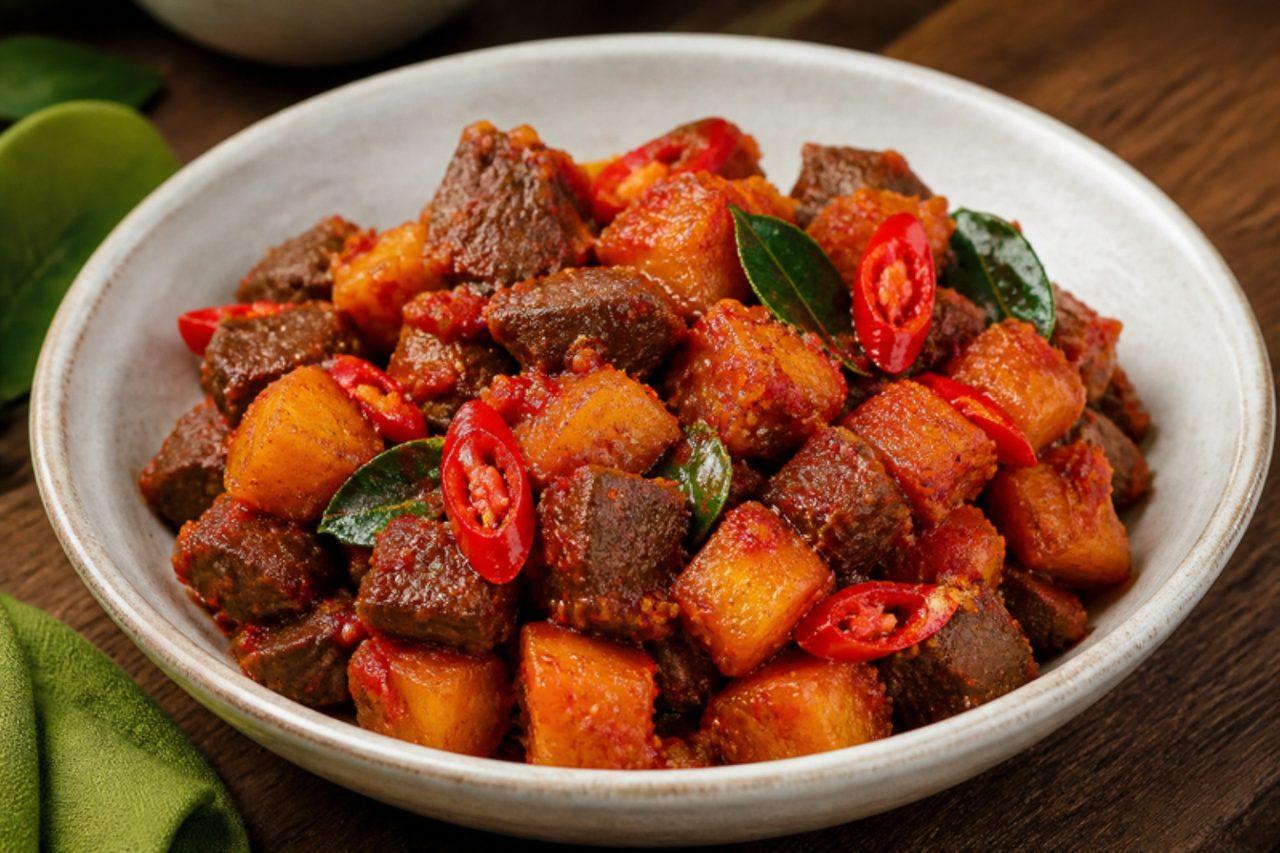
Next to opor ayam on the Lebaran table in Java sits a bowl of sambal goreng ati: cubes of beef liver and fried potato cooked in a sweet-hot red chilli sauce loosened with coconut milk and scented with galangal and lime leaf. It is rich, a little sticky and meant to be eaten in small spoonfuls with ketupat. Some cooks add fried quail eggs or petai beans. Chef's tip: blanch the liver in boiling water first and cook it right through in the sauce; underdone liver is unsafe, and boiling it too long beforehand makes it dry and grainy.

by KrazyBadal 0 views

MorconStuffed beef roll

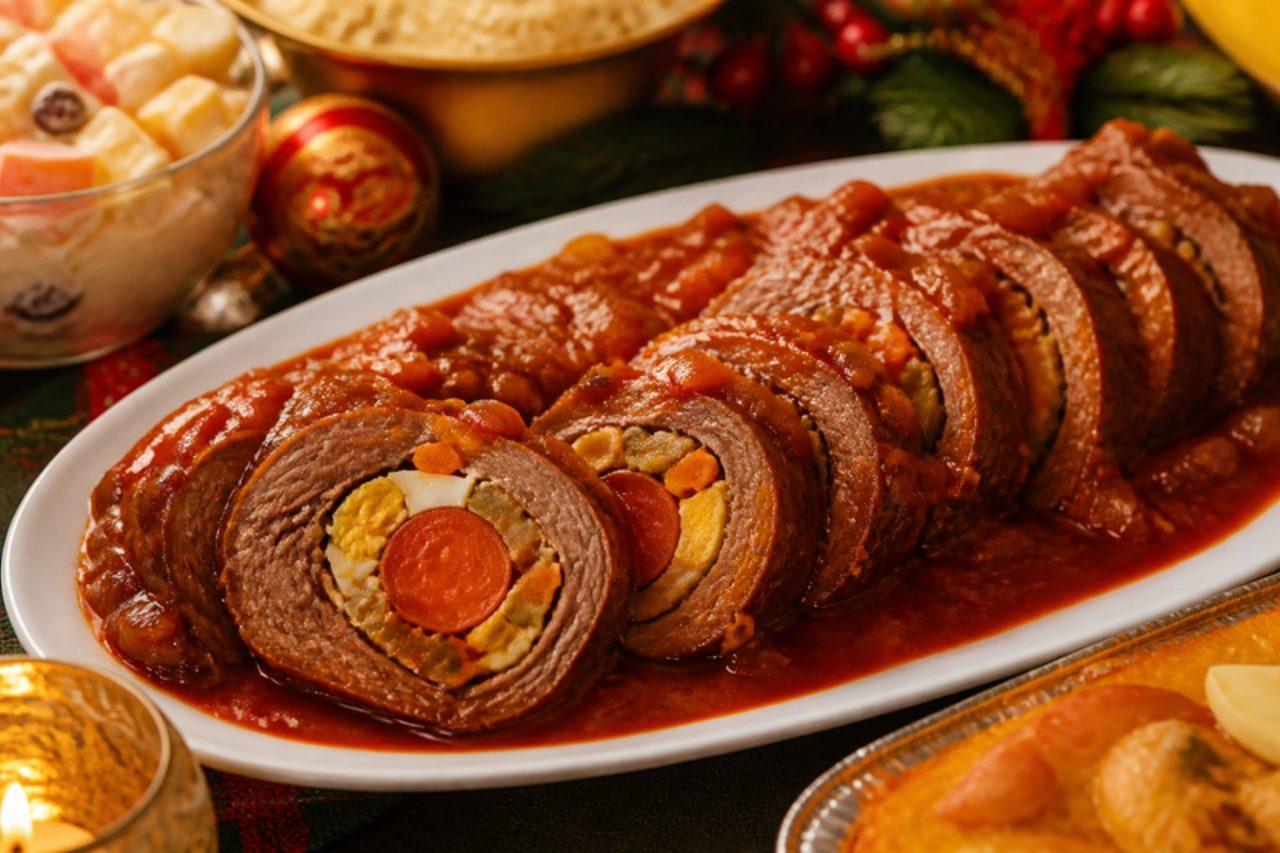
Morcon is a fiesta and Christmas centrepiece from Spanish-era kitchens in Pampanga and Batangas: a thin sheet of beef wrapped around strips of sausage, carrot, pickle and boiled egg, tied up, browned and braised slowly in tomato sauce until meltingly tender. Sliced, it shows a colourful mosaic, and the reduced sauce is spooned over steamed rice. It takes time but can be cooked a day ahead and reheated in its sauce. Chef's tip: pound the beef to an even thickness before rolling; thick patches tear the roll and stay tough while thin ones fall apart.

165 minFilipinoMeat
by KrazyBadal 0 views

Khoresh-e aloo esfenajLamb, spinach and plum stew

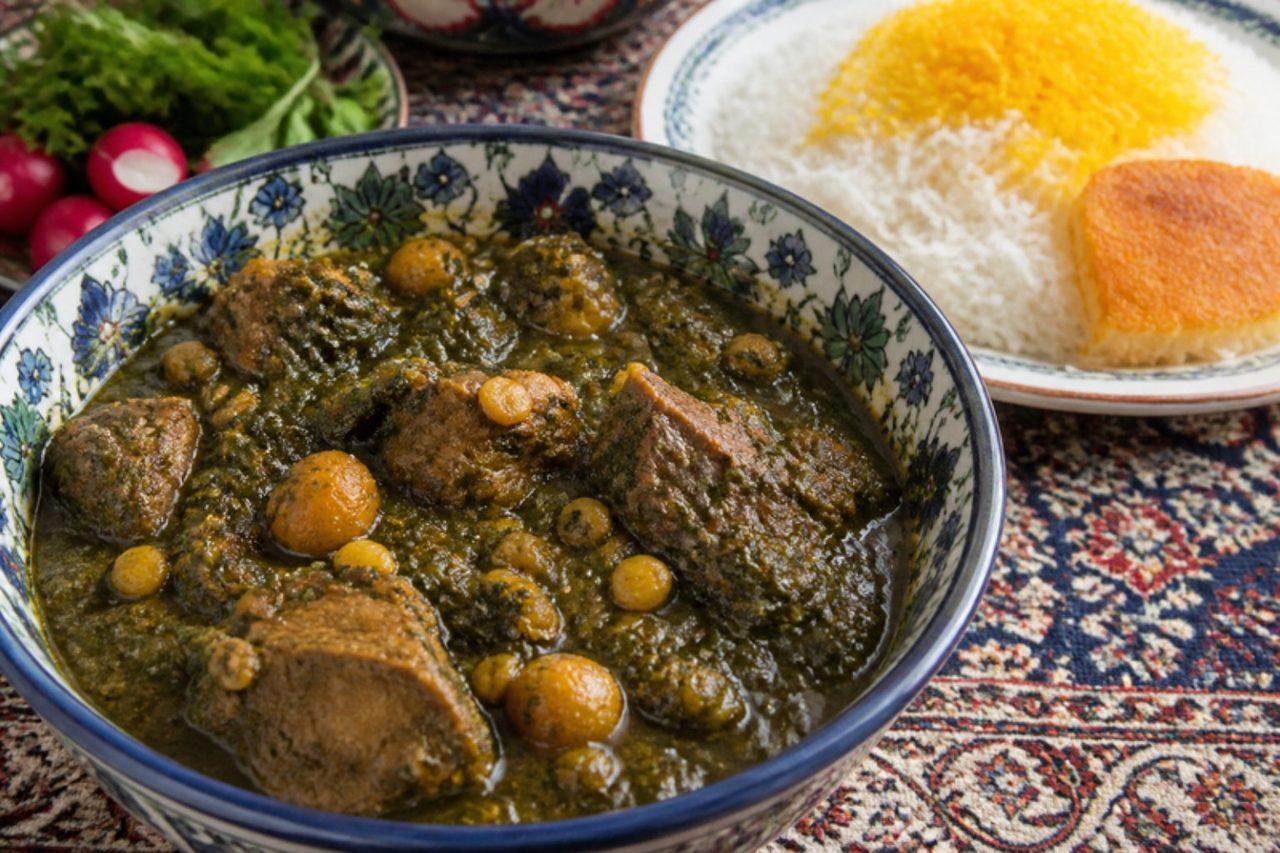
In Tehran and along the Caspian, khoresh-e aloo esfenaj is a cold-weather dish, made when winter spinach is sweet and dried golden plums (aloo zard) hang in the bazaar. Lamb, yellow split peas and a mountain of wilted spinach cook down into a dark green stew that is sour first, then sweet, with soft plums melting through it. Serve it with plenty of chelow. People often add the plums at the start, but they dissolve and the stew turns muddy; they go in for the last half hour. Chef's tip: fry the spinach in a dry pan until all its water is gone before it meets the sauce, so the stew stays rich rather than watery.

by KrazyBadal 0 views

Showing 24 of 1,838 recipes

Show more recipes

Page 1 of 77