Skip to content
WhatToEat.Today

All recipes

20

Vegetarian, or something you can't eat? Set your diet once and we'll hide recipes that don't fit.

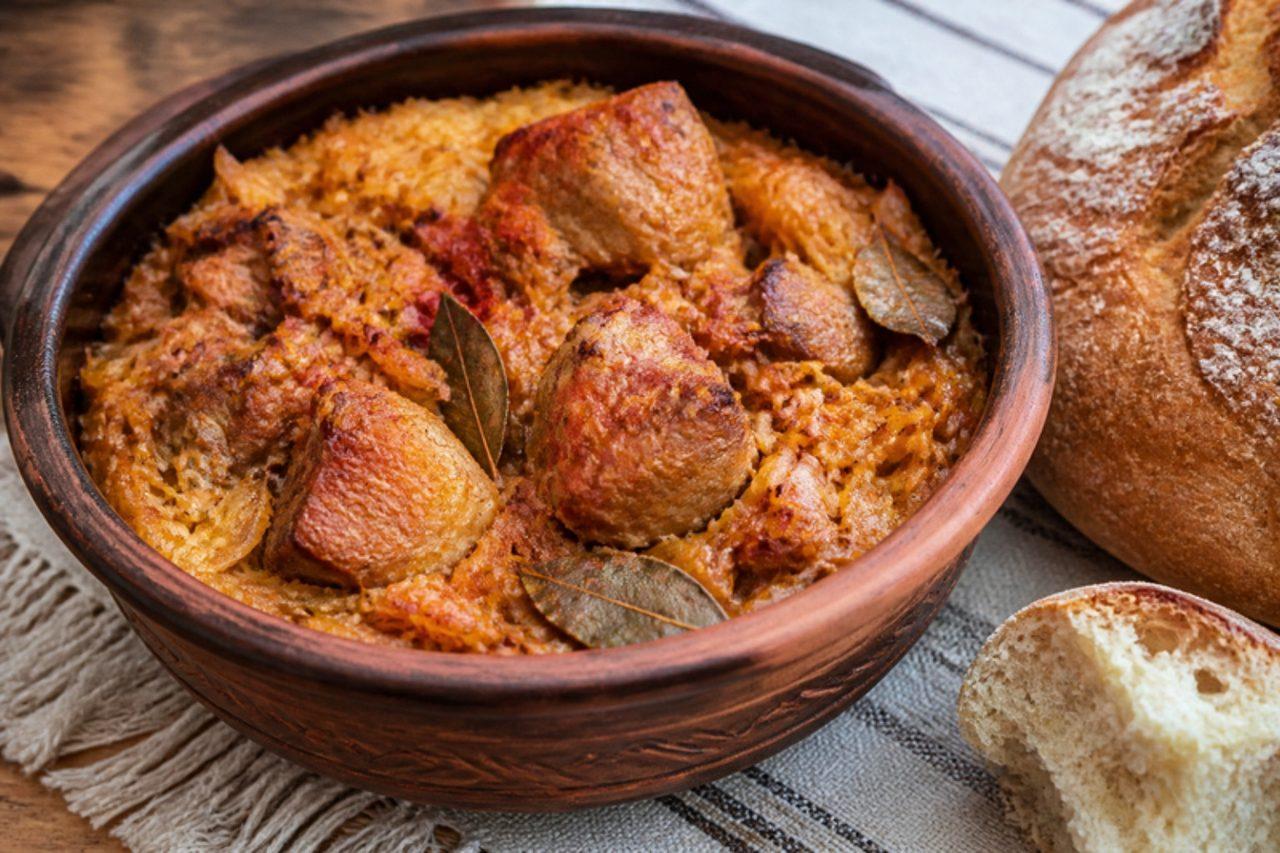
Svinsko s kiselo zelePork baked with sauerkraut

After the forty-day Advent fast and the meatless Christmas Eve, Bulgarians break the fast on Christmas Day with pork, and the classic dish is svinsko s kiselo zele: pork shoulder baked slowly with homemade sauerkraut, rice, paprika and bay in a clay pot until the cabbage turns soft and golden. It fills the house with a sour, savoury smell and tastes even better the next day. Chef's tip: rinse the sauerkraut if it is very sour, but keep some brine; a little sharpness is what balances the rich pork.

by KrazyBadal 0 views
Gergyovsko agneRoast lamb with rice

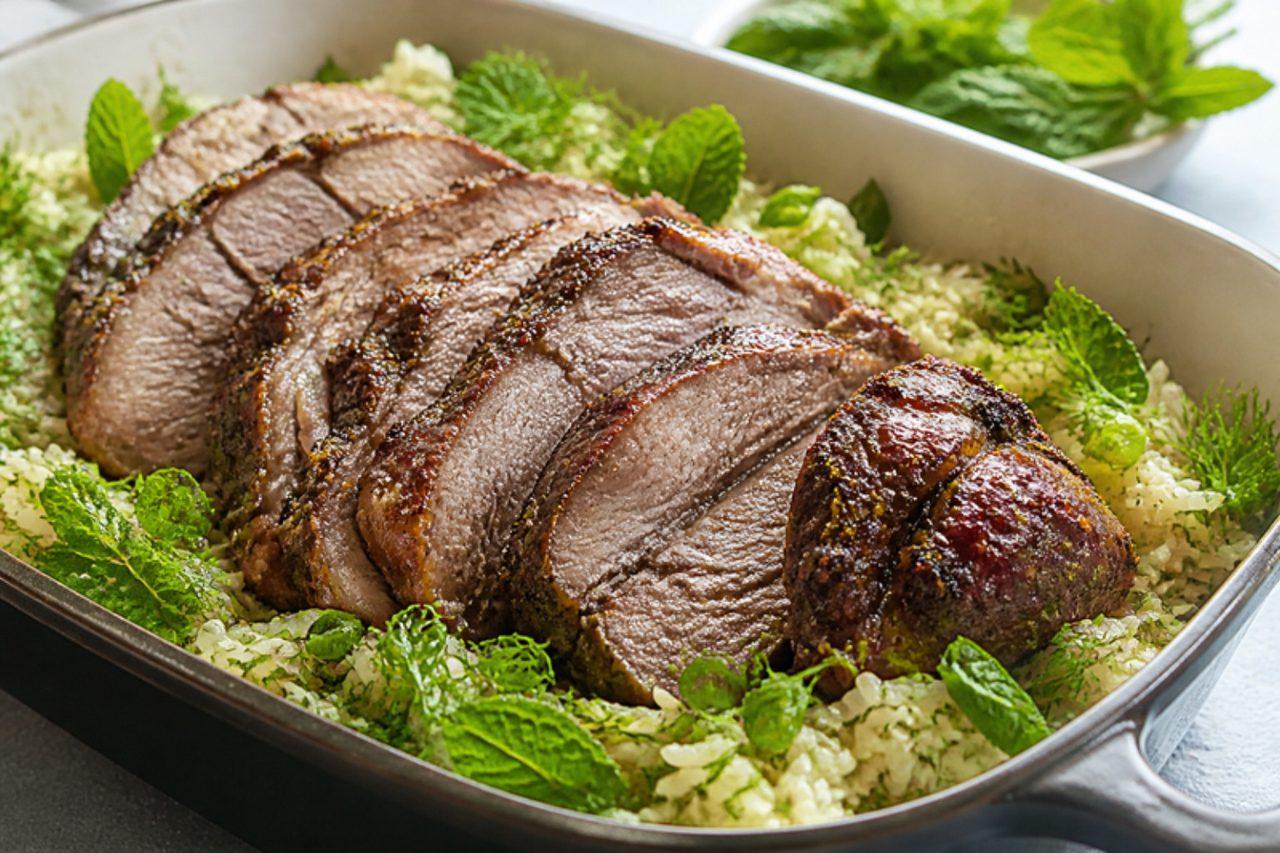
St George's Day, Gergyovden, on 6 May, is one of Bulgaria's biggest festivals: George is the patron of shepherds, and every family roasts lamb, traditionally a whole one baked over rice, green onions, mint and chopped liver. Our site writes this as a boned lamb shoulder rather than a whole animal: the shoulder is slow-roasted on a bed of rice cooked with the lamb's liver, spring onions, dill and mint, which soaks up the juices. Serve with a yogurt and cucumber salad. Chef's tip: cover the lamb for most of the roast and uncover it only at the end, so it stays juicy and the rice doesn't dry out.

by KrazyBadal 0 views
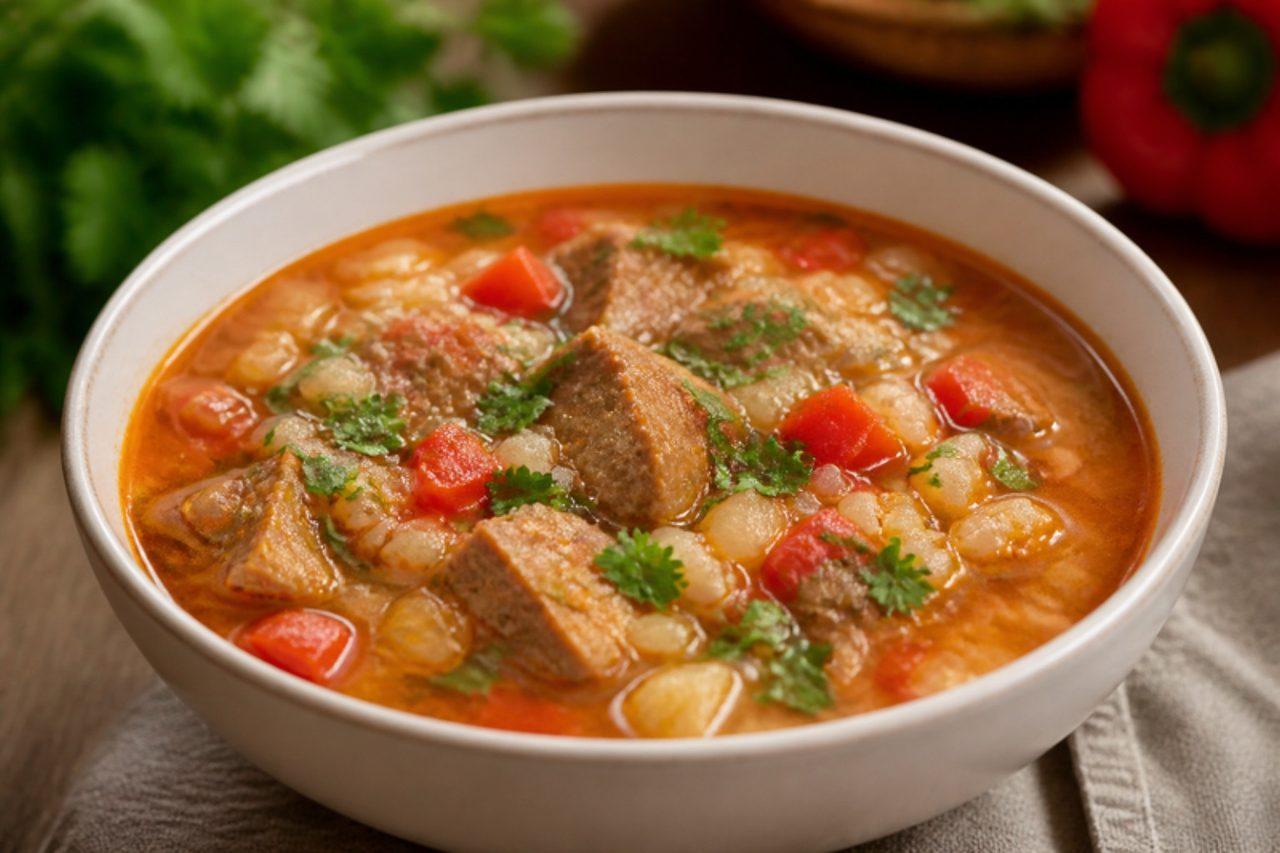
Bob chorbaWhite bean soup

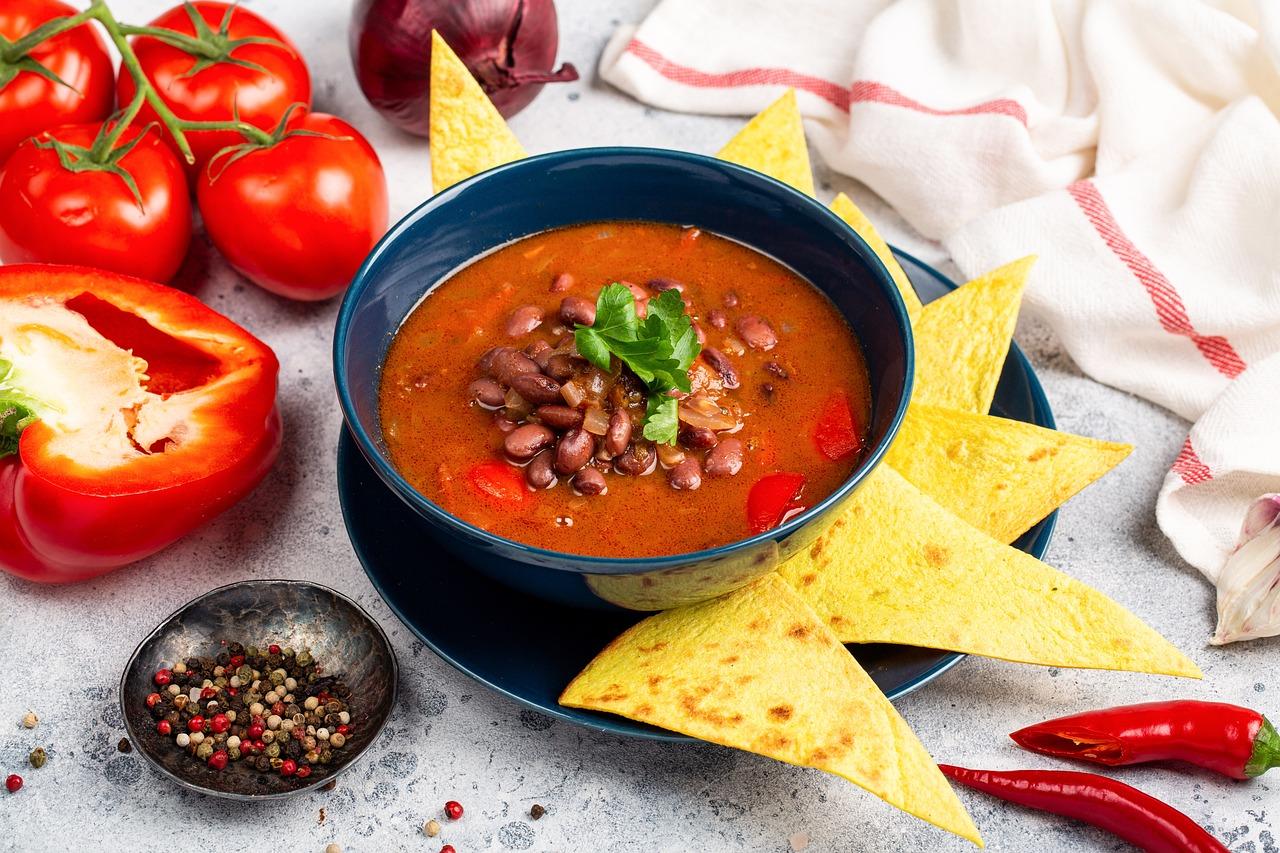
Bob chorba is one of Bulgaria's best-loved soups, cooked in every region, served in monasteries such as Rila and set on the meat-free table on Christmas Eve, when the dishes must be Lenten. White beans simmer slowly with onion, carrot, peppers and tomato until creamy, then the pot is seasoned with dzhodzhen (dried mint), chubritsa (summer savory) and sweet paprika fried in oil. A bowl gives about 21 g of protein from the beans, and it is eaten with fresh bread and a hot pickled pepper alongside. Soak the beans for 12 hours first; that time is not counted below. The most common mistake is pouring paprika into very hot oil: it burns in seconds and makes the soup bitter, so take the pan off the heat first. Chef's tip: dried savory is the true taste of this soup; if you can't find it, use dried thyme with a pinch of oregano.

by KrazyBadal 0 views
Popska yahniyaBeef and onion stew

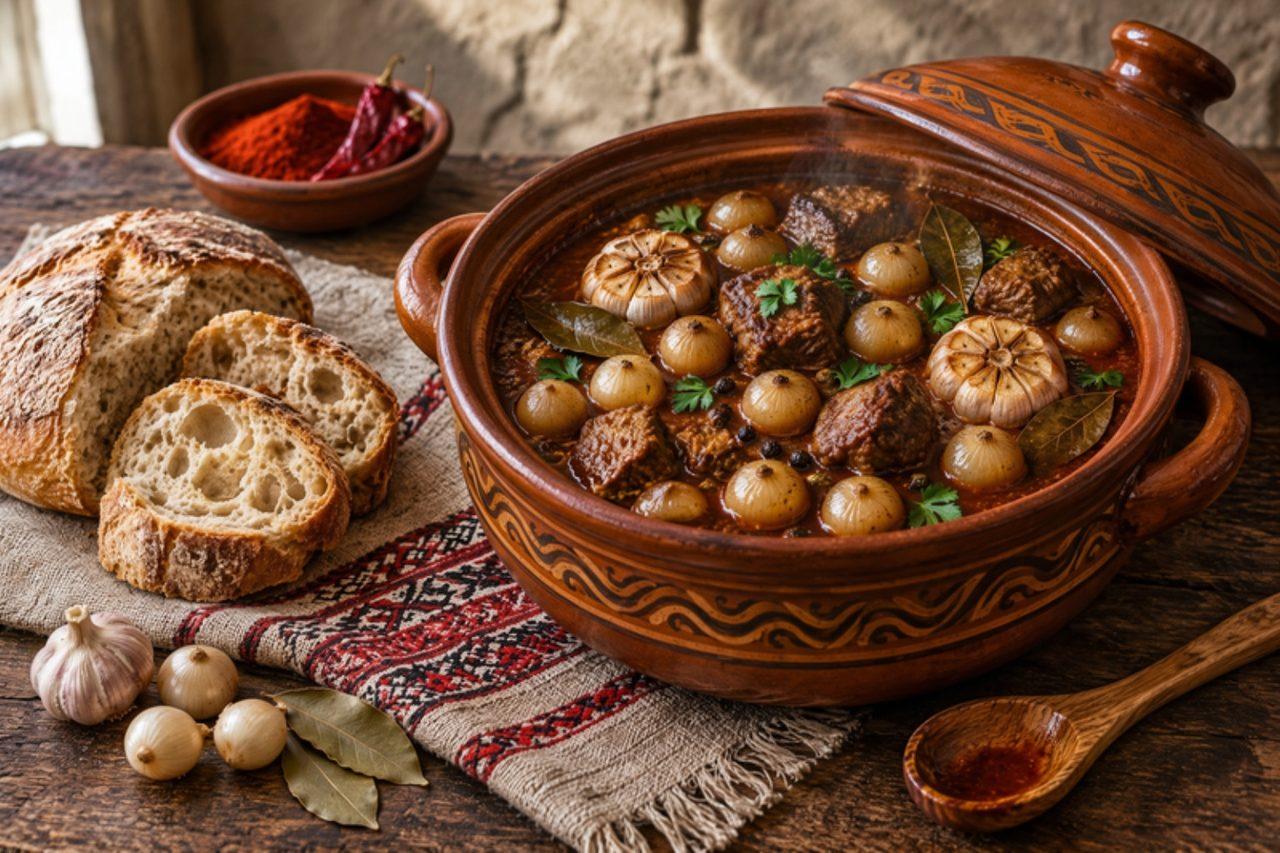
Popska yahniya, the 'priest's stew', is cooked across Bulgaria in autumn and winter, often in a clay gyuveche in the oven, and appears at name-day dinners in Plovdiv and Veliko Tarnovo. Beef is braised with a heap of small whole shallot-sized onions, garlic, paprika, red wine and a splash of vinegar until the onions are sweet and jammy and the sauce is glossy. The wine is part of the dish and some alcohol can remain after cooking; for an alcohol-free version use the same amount of beef stock plus 1 extra tablespoon of vinegar. Pork shoulder is a common alternative to beef. The usual mistake is letting the onions break apart: add them after the meat has had an hour, so they hold their shape. Chef's tip: blanch the onions for one minute in boiling water and the skins slip off in seconds.

by KrazyBadal 0 views
ZelnikLeek and cheese pie

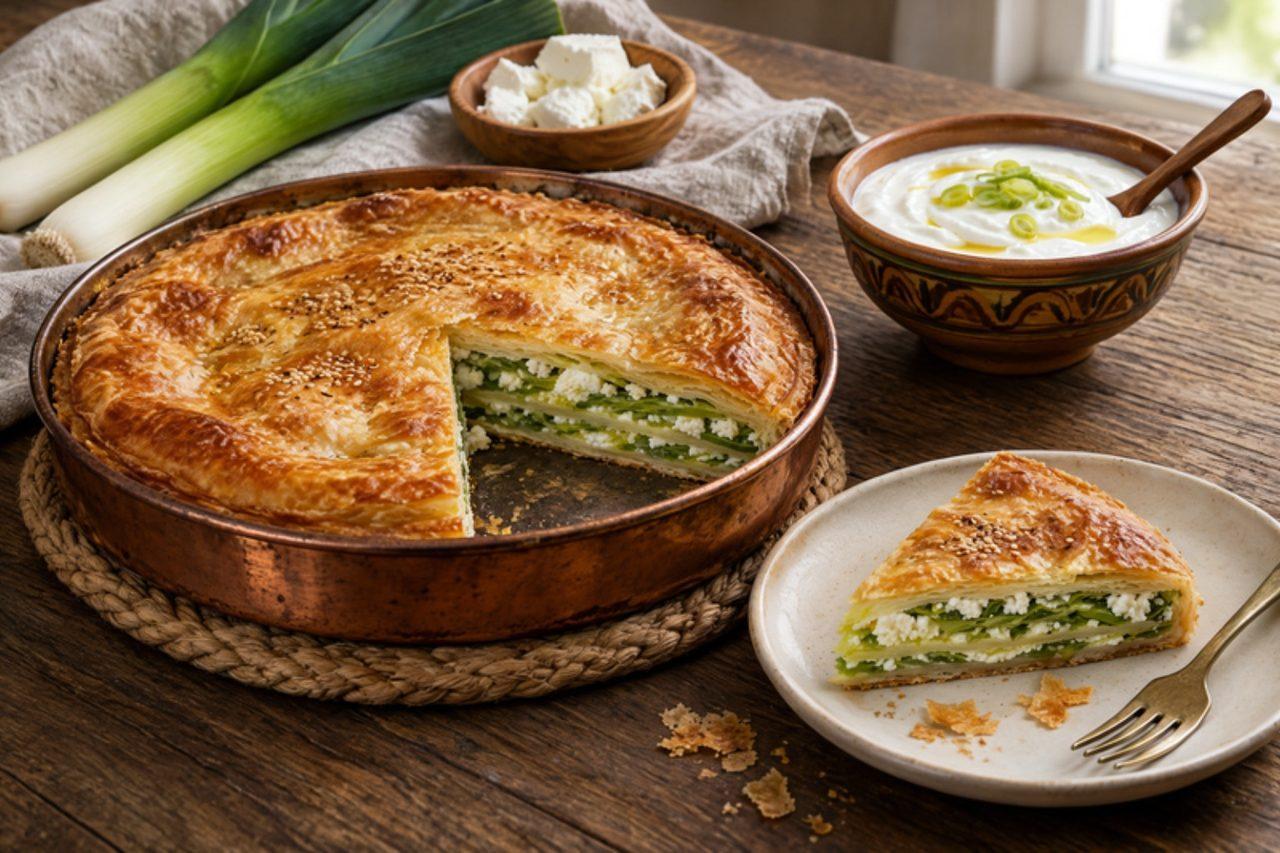
In the Pirin and Struma valleys of southwest Bulgaria, zelnik is baked in a large round tin for Sunday breakfast and village feasts: crinkled sheets of thin pastry layered with sautéed leeks (or cabbage or spinach), crumbled sirene and egg, then baked until crisp and golden. It is cut into wedges and eaten with a bowl of thick yoghurt or a glass of ayran. The common mistake is a wet filling: squeeze or cook the leeks until all their liquid has gone, or the bottom layers turn soggy. Chef's tip: scrunch the pastry sheets loosely as you layer them instead of laying them flat, so the pie bakes up light and flaky.

by KrazyBadal 0 views

BozaFermented millet drink

In Bulgaria boza is a breakfast habit: a plastic bottle of it from the corner pastry shop and a slice of hot, flaky banitsa, bought on the way to work or school, especially from autumn through to spring. Towns such as Radomir, Plovdiv and Sofia argue over whose is best. It is the colour of milky coffee, thick enough to coat the glass, sweet up front with a sour, bready finish and a faint prickle. Like every fermented grain drink it makes a trace of alcohol, well under 1% when drunk young. The base is millet flour, toasted for flavour, cooked into a thin porridge, then fermented for about a day before being strained and sweetened. The common mistake is adding the yeast while the porridge is still hot, which kills it and leaves you with sweet gruel; wait until it feels only just warm on your wrist. It is ready when the surface is covered in small bubbles, it smells like fresh bread with a sour edge and tastes pleasantly tangy. Chef's tip: keep back a glass of each batch in the fridge and use it instead of yeast next time; boza made from an old starter is rounder and more sour.

by KrazyBadal 0 views

Leshta chorbaLentil soup

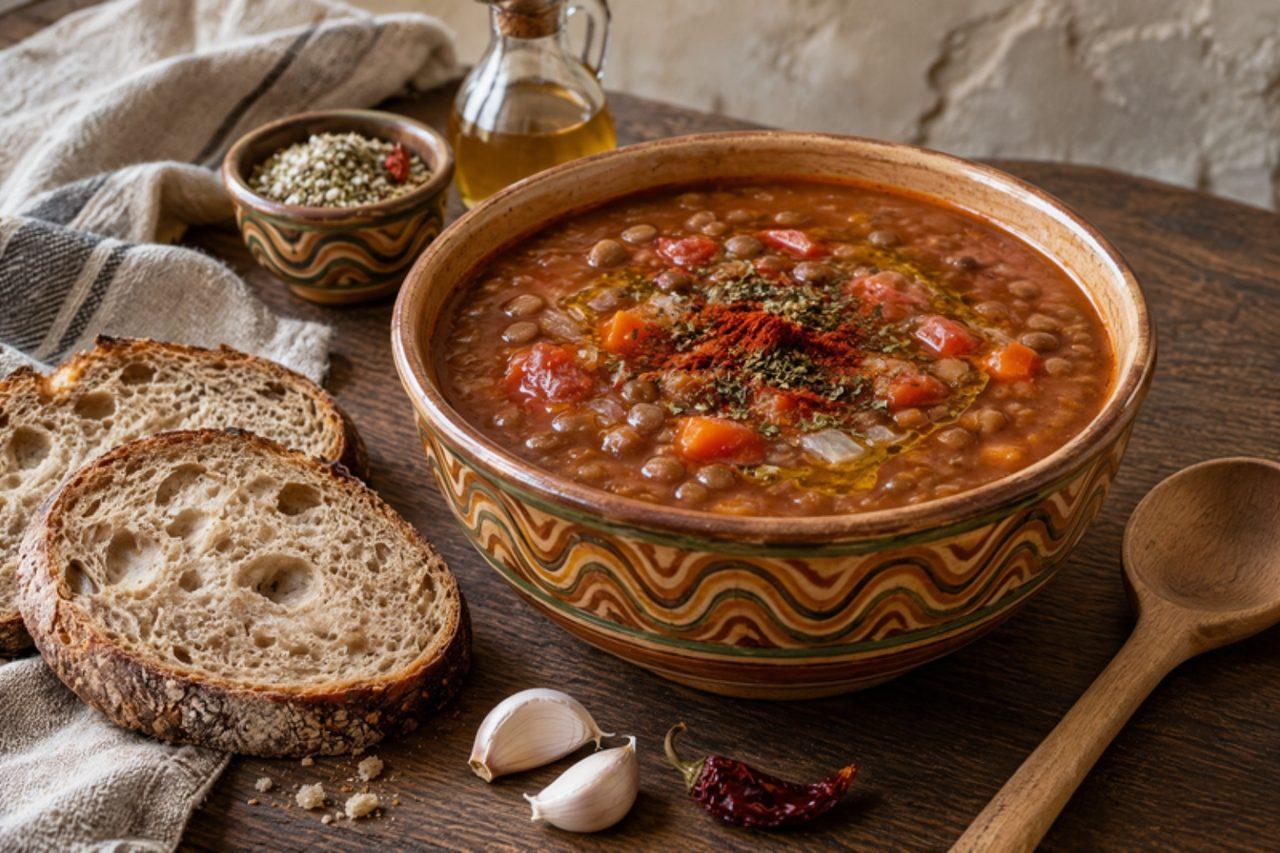
Leshta chorba is cooked in Bulgarian homes all winter, and it is the soup of choice on fasting days before Christmas and Easter, when families eat no meat or dairy. Brown lentils simmer with onion, carrot and tomato, coloured with sweet paprika and scented with chubritsa (summer savory), the herb that makes Bulgarian cooking taste like itself. It is eaten with a slice of wholemeal bread and a few pickles. Suitable as part of a balanced diet. About 280 kcal and 34 g carbohydrate per portion. The usual mistake is frying the paprika in very hot oil: it burns and turns bitter in a few seconds, so take the pan off the heat first. Chef's tip: a splash of vinegar stirred into each bowl at the table brightens the earthy lentils.

by KrazyBadal 0 views

Mursalski chaiIronwort tea

High in the Rhodope mountains, shepherds and villagers start the day with a pot of mursalski chai, brewed from the dried flowering stems of Sideritis scardica, the Balkan ironwort that grows on the limestone slopes around Mursalitsa peak. It tastes gently floral, lemony and a little like chamomile and mint, and is traditionally sweetened with honey or drunk plain. The common mistake is steeping it for just a couple of minutes like black tea; the woody stems need a short simmer to give their full flavour and golden colour. Chef's tip: break the stems into 5 cm pieces so they fit the pot and release more flavour, and use a slice of lemon to brighten the colour. Vegans can sweeten it with sugar instead of honey.

by KrazyBadal 0 views

ChomlekClay-pot beef with vegetables

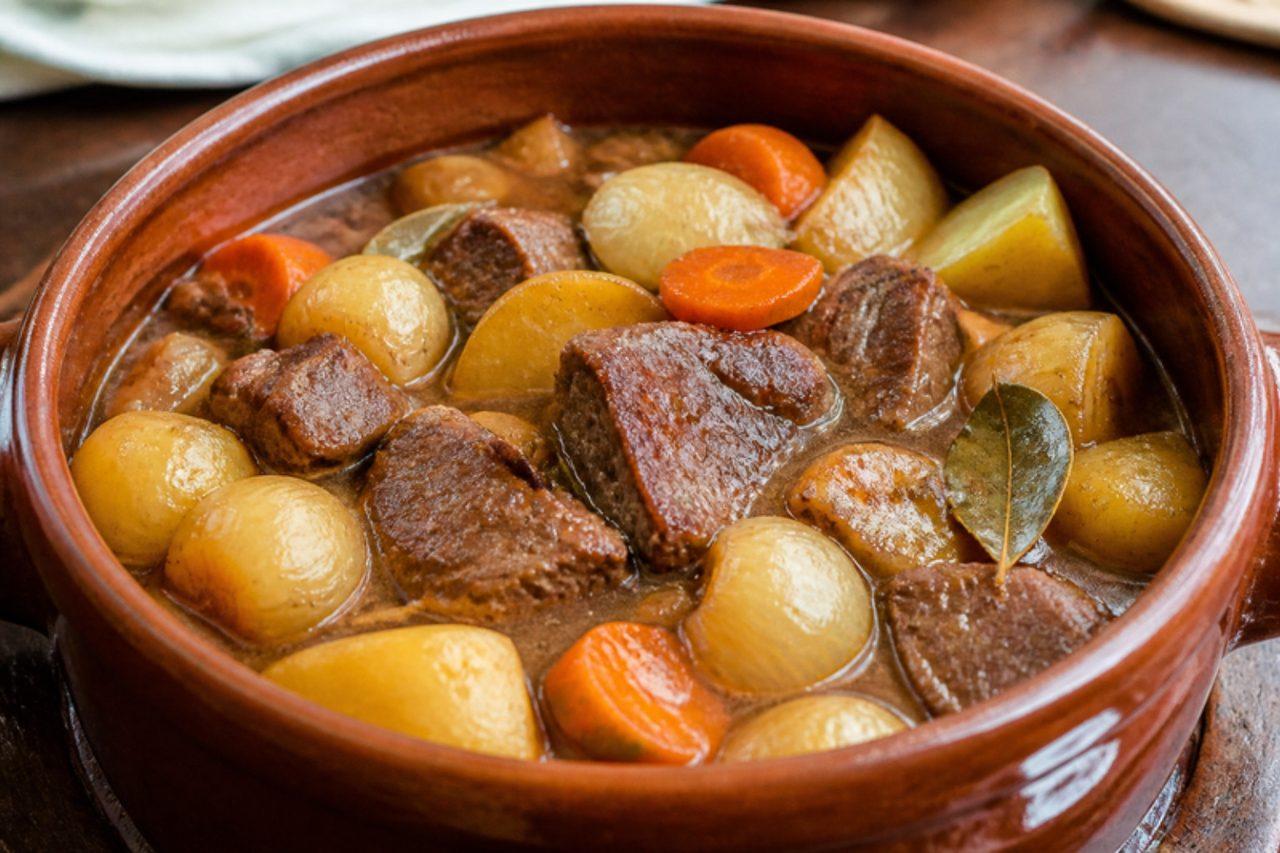
Rhodope housewives once set the chomlek pot in the embers of the hearth in the morning and came back from the fields at dusk to a supper that had cooked itself. Chunks of beef, or pork in some villages, go into the pot with whole small onions, carrots, potatoes, garlic and tomato, seasoned with paprika, allspice, black pepper, bay and savory. Hours of gentle heat make the beef spoon-tender and turn the onions sweet and jammy in a thick red gravy. It is a whole meal in one pot; add pickles or a cabbage salad on the side. Many old recipes pour in a glass of red wine; here a spoon of red wine vinegar gives the same lift with no alcohol. A common mistake is browning in a crowded pan, which leaves the gravy pale, so brown the beef in batches until dark. Chef's tip: soak the small onions in boiling water for two minutes and the skins slip right off.

by KrazyBadal 0 views

Garash tortaWalnut meringue chocolate cake

In 1885 a Hungarian confectioner named Kosta Garaš created this cake in Ruse, the elegant Danube town, and it has been the pride of Bulgarian patisseries ever since. Five thin, chewy layers of walnut meringue are stacked with a dark, glossy chocolate ganache and finished with a mirror-like chocolate glaze. Because it uses no flour, it is naturally gluten-free; it is rich and dense, so slices are thin, served with black coffee on name days and anniversaries. The cake is best made a day ahead and chilled so the meringue softens slightly into the ganache. Where most people go wrong is grinding the walnuts to an oily paste; pulse them only until like coarse sand. You will have ten yolks left over: use them for custard or pasta. Chef's tip: bake each layer on a circle drawn on baking paper and trim them all to the same size while still warm, when they cut cleanly.

by KrazyBadal 0 views

KapamaPork, chicken and sauerkraut feast pot

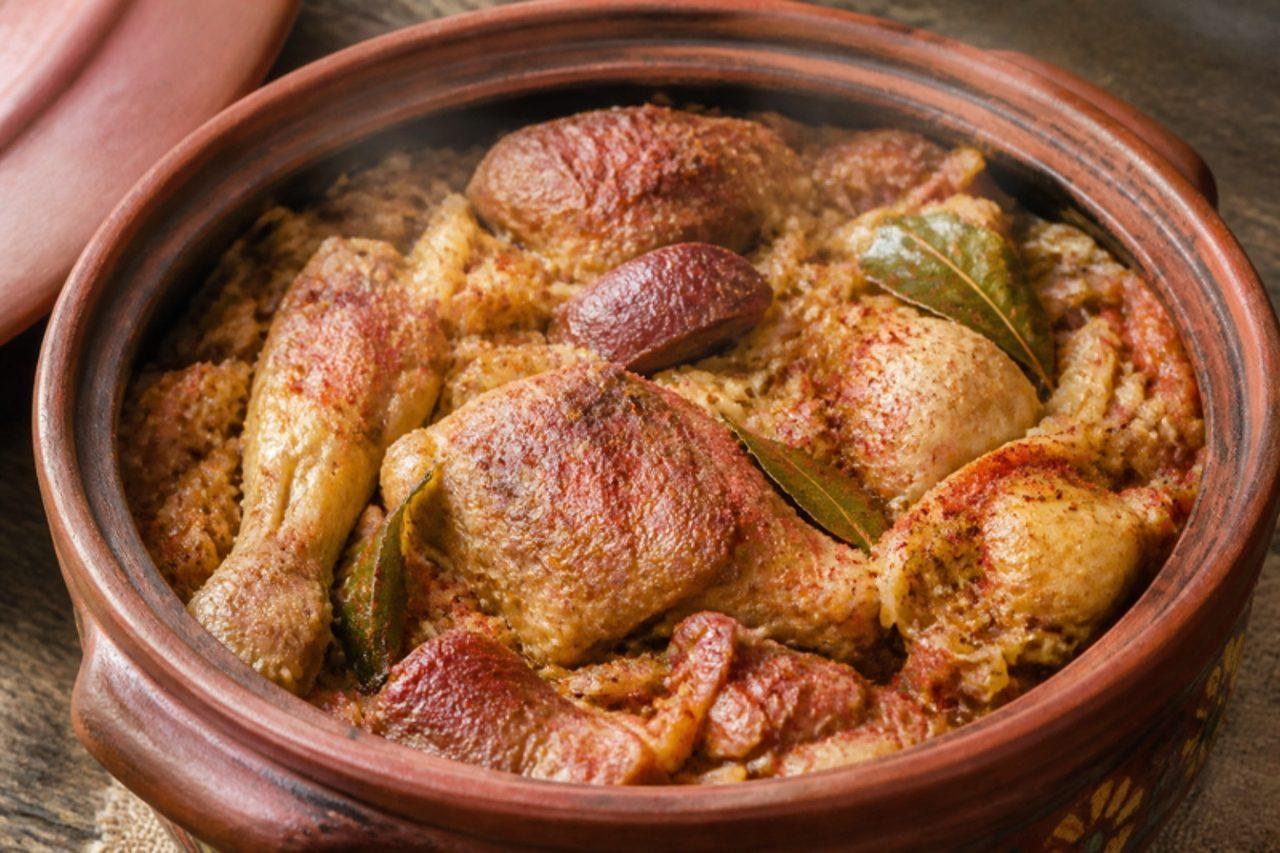
In the stone houses of Bansko, beneath the Pirin mountains, kapama is the dish of the winter holidays, carried to the table in its clay pot at Christmas, New Year and the masked Kukeri carnival. Pork shoulder, chicken on the bone and fresh pork sausage are layered with sauerkraut, rice and paprika, then sealed and baked for hours until the meat falls apart and the rice has soaked up the tangy, smoky juices. Old cooks seal the lid with a rope of dough; this version uses foil under a tight lid, which keeps it gluten free. Serve with extra sauerkraut and pickled peppers. The usual slip is lifting the lid too often, which lets out the steam and dries the top layer. Chef's tip: taste a strand of the sauerkraut first and rinse it only if it is very salty; its sourness is the backbone of the dish.

by KrazyBadal 0 views

Katino mezePork and mushrooms in cream

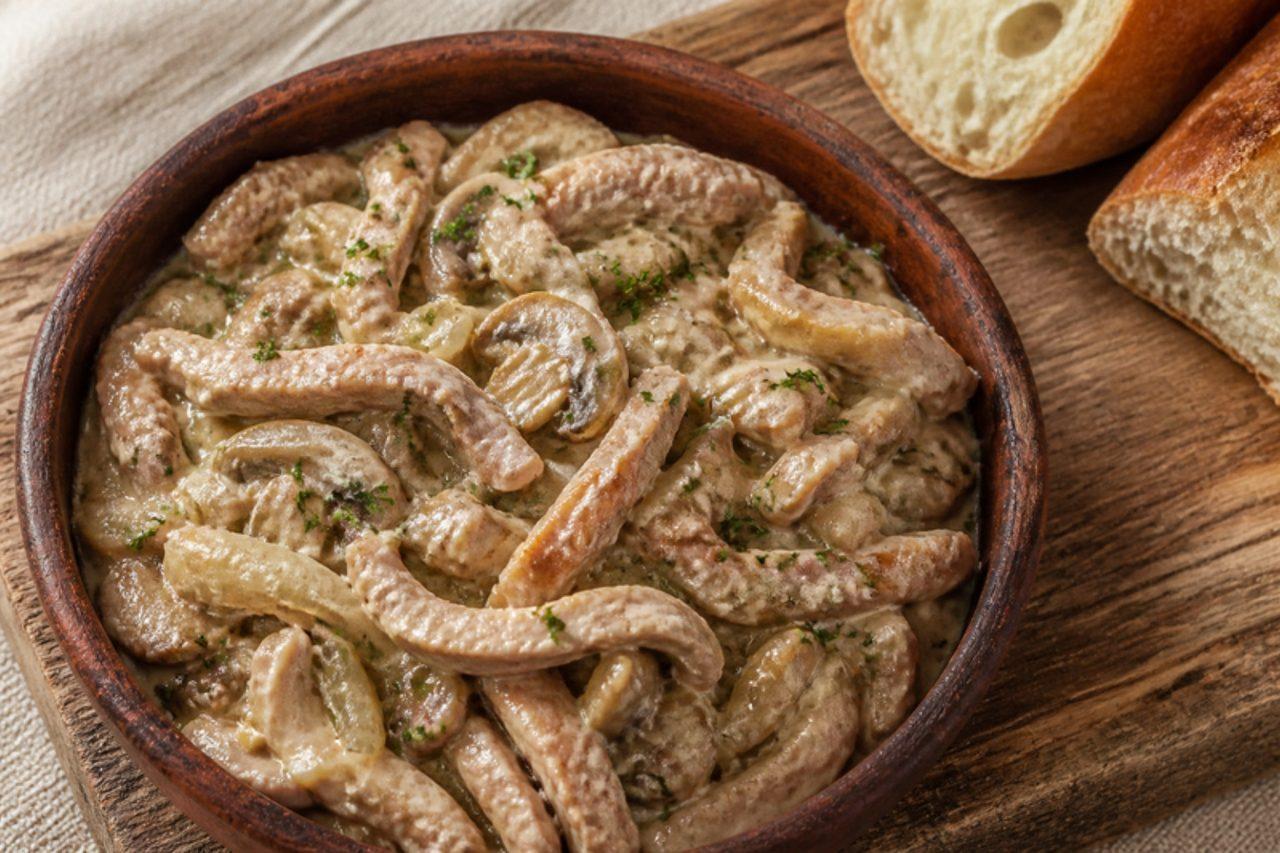
Every Bulgarian mehana, the wood-panelled tavern, has Katino meze on the menu, sizzling in a small clay dish next to a shopska salad, and it is quick enough for a weeknight at home. Thin strips of pork loin are seared, then tossed with mushrooms, onion and pickled gherkin, deglazed with dry white wine and finished with cream, black pepper and a pinch of hot chilli. For an alcohol-free sauce, swap the wine for the same amount of vegetable stock with a teaspoon of white wine vinegar or a splash of white grape juice. Serve with crusty bread or chips. A common mistake is crowding the pan: the pork stews grey instead of browning, so sear it in two batches. Chef's tip: cut the pork across the grain into finger-thin strips while it is half-frozen; it slices neatly and stays tender.

by KrazyBadal 0 views

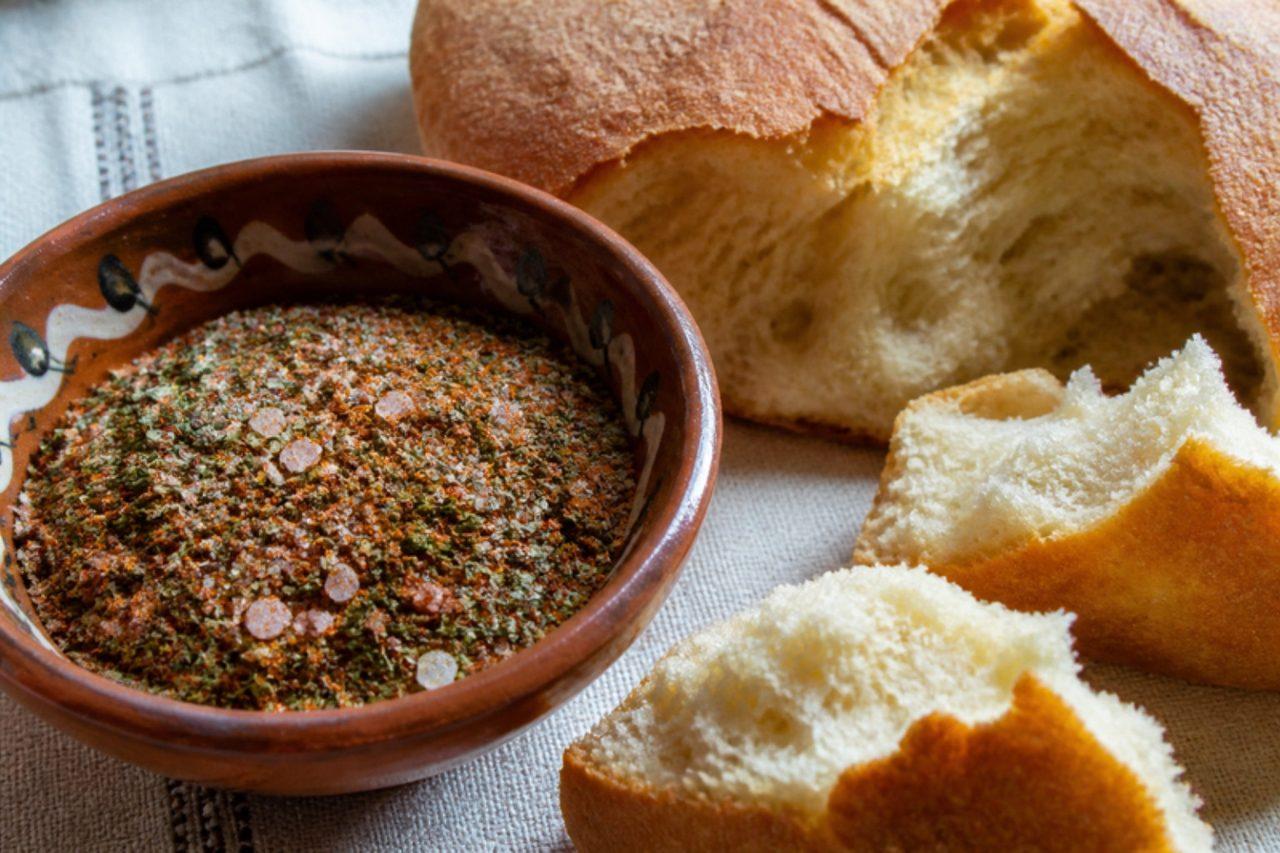
Sharena solSavory and paprika coloured salt

Every Bulgarian kitchen has a jar of sharena sol, 'mottled salt', and every guest knows the ritual: tear a piece of warm bread, dip it in sunflower oil or a dab of butter, then press it into the salt. The blend is earthy and herbal from summer savory (chubritsa), mellow and sweet from paprika, with a faintly maple-like warmth from blue or common fenugreek. It also goes on boiled eggs, grilled vegetables, potatoes and tomato salads. Village grandmothers in the mountains each have their own mix, sometimes with dried thyme or toasted pumpkin seeds. The usual slip is buying ready-ground old paprika, which tastes dusty and turns brown; use fresh, bright red paprika and keep the jar out of the sun. Chef's tip: toast the fenugreek seeds in a dry pan just until they smell of caramel before grinding them; a few seconds too long and they turn bitter.

by KrazyBadal 0 views

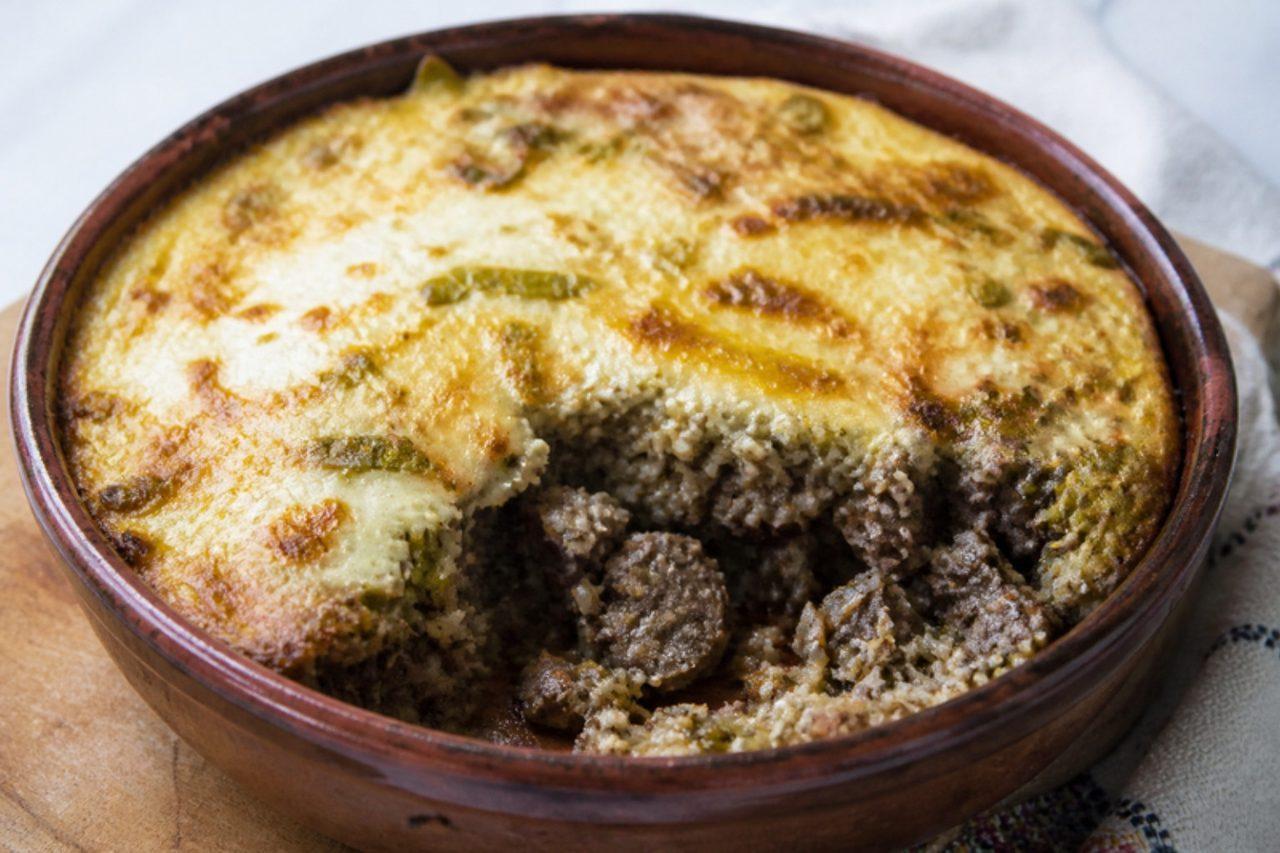
Drob sarmaBaked lamb liver and rice

Gergyovden, St George's Day on 6 May, is the great shepherds' feast in Bulgaria, when families roast spring lamb and make sure nothing goes to waste: the liver and heart go into drob sarma, baked alongside the roast and often eaten first. The offal is blanched, chopped small and fried with plenty of spring onion, then baked with rice in stock with dried mint and paprika until the grains are plump; a topping of yogurt beaten with eggs sets into a soft, golden, faintly tangy custard. Serve hot with a lettuce and radish salad. Liver is very high in vitamin A, so pregnant women are usually advised to avoid it. Where most people go wrong is over-frying the liver, which turns it grainy; it only needs to lose its pink before it goes into the oven to finish cooking. Chef's tip: beat thick, full-fat yogurt with the eggs until completely smooth, so the topping puffs evenly.

by KrazyBadal 0 views

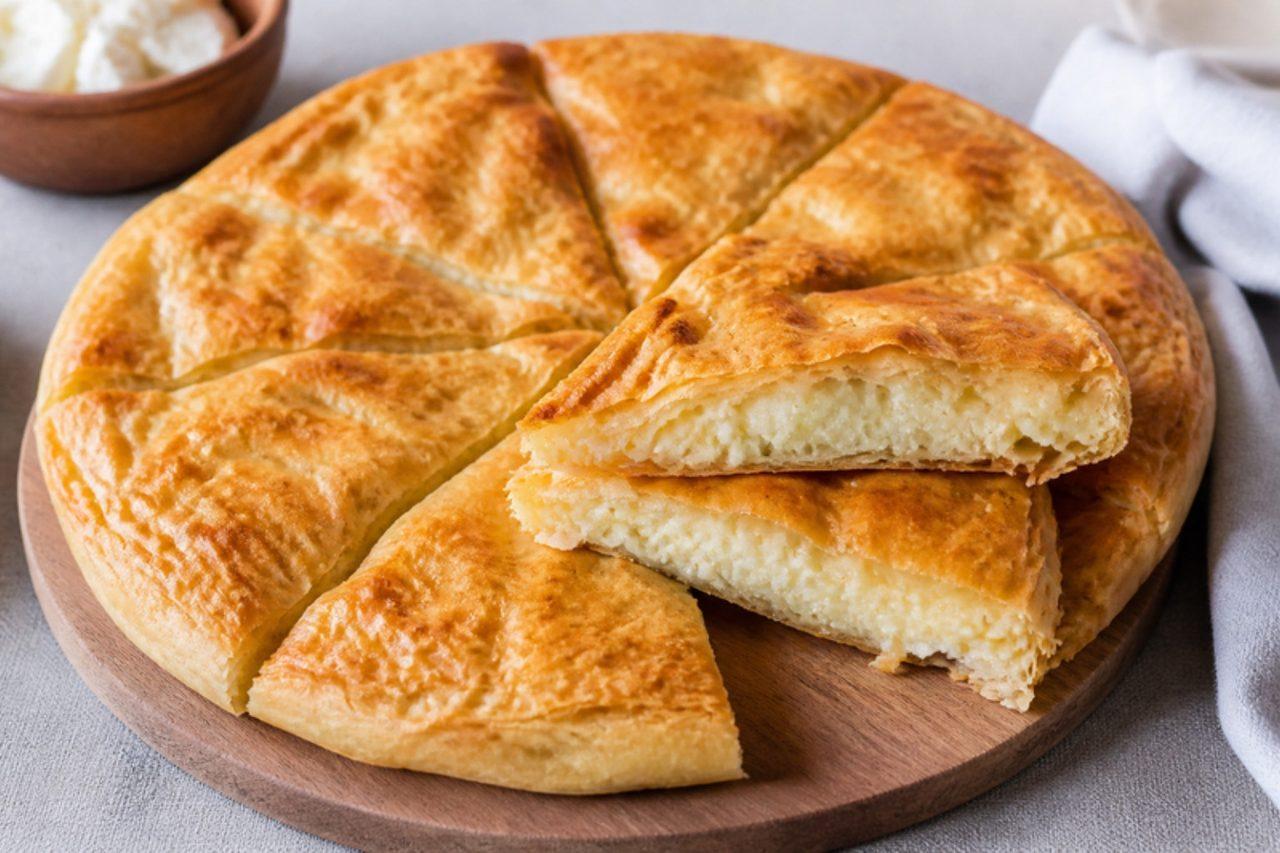
KlinRice and cheese filo pie

Klin is the festive pie of the Rhodopes, baked for Gergyovden in May, for weddings and for the end of the haymaking, in large round tins that come out to be shared across the village. Thin pastry sheets are layered with a loose, custardy mix of cooked rice, crumbled white cheese, eggs, milk and butter, so it bakes tender and soft inside with a crisp, golden lid. The rice makes it heartier than banitsa and gives every slice a gentle, creamy chew. It is eaten warm or cold with yogurt or ayran. Sirene is often made with animal rennet, so use a vegetarian white cheese. Where most people go wrong is cooking the rice fully; it must stay slightly firm, because it carries on soaking up milk in the oven. Chef's tip: pour any leftover egg and milk over the top just before baking, and the surface puffs into a glossy, golden crust.

by KrazyBadal 0 views

Kurban chorbaLamb and rice feast soup

On saints' days such as St George's in May or St Dimitar's in October, Bulgarian villages set big cauldrons over fires in the churchyard or square, and the kurban, the shared offering, is ladled out as a rich lamb soup to everyone who comes, neighbours and strangers alike. Lamb on the bone simmers gently with onion until tender, then the meat is pulled into pieces and returned to the broth with rice, carrot, red pepper, tomato, paprika, dried mint and plenty of parsley. It tastes deep, meaty and herby, sharpened with a squeeze of lemon, and bread on the side is traditional. The usual slip is skipping the skimming at the start; grey foam left in the pot muddies the broth. Chef's tip: rub the mint and savory between your palms over the pot in the last five minutes, so the herbs stay bright.

by KrazyBadal 0 views

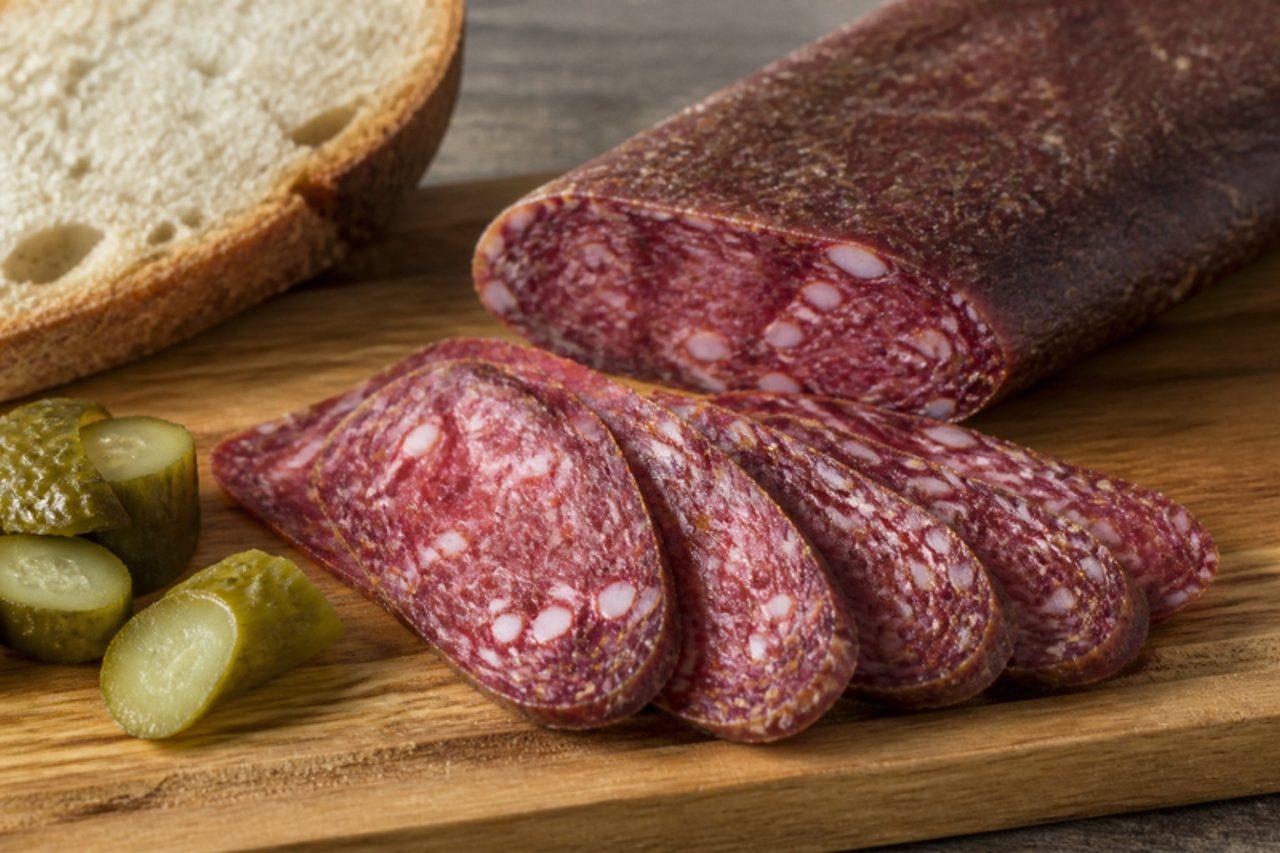
LukankaCumin pork and beef sausage

Flat, dark-red lukanka from Panagyurishte and Smilyan hangs in every Bulgarian delicatessen, sliced paper-thin for a meze plate with white cheese, tomato and cucumber. The traditional sausage is pork and beef with cumin, black pepper and salt, pressed flat and dry-cured for weeks in cold mountain air, which needs curing salts and controlled humidity and temperature to be safe, so it is not for a home kitchen. This home version keeps the flavour and flat shape but is fully cooked: the mix rests overnight in the fridge, is poached in pork casings to 71 °C, then pressed and chilled so it slices cold. Bought dry-cured lukanka is raw cured meat: not for pregnant women, young children or anyone with a weakened immune system. The usual slip is letting the meat warm up, which smears the fat, so keep everything fridge-cold. Chef's tip: fry a teaspoon of the mix and taste it for salt and cumin before you stuff.

by KrazyBadal 0 views

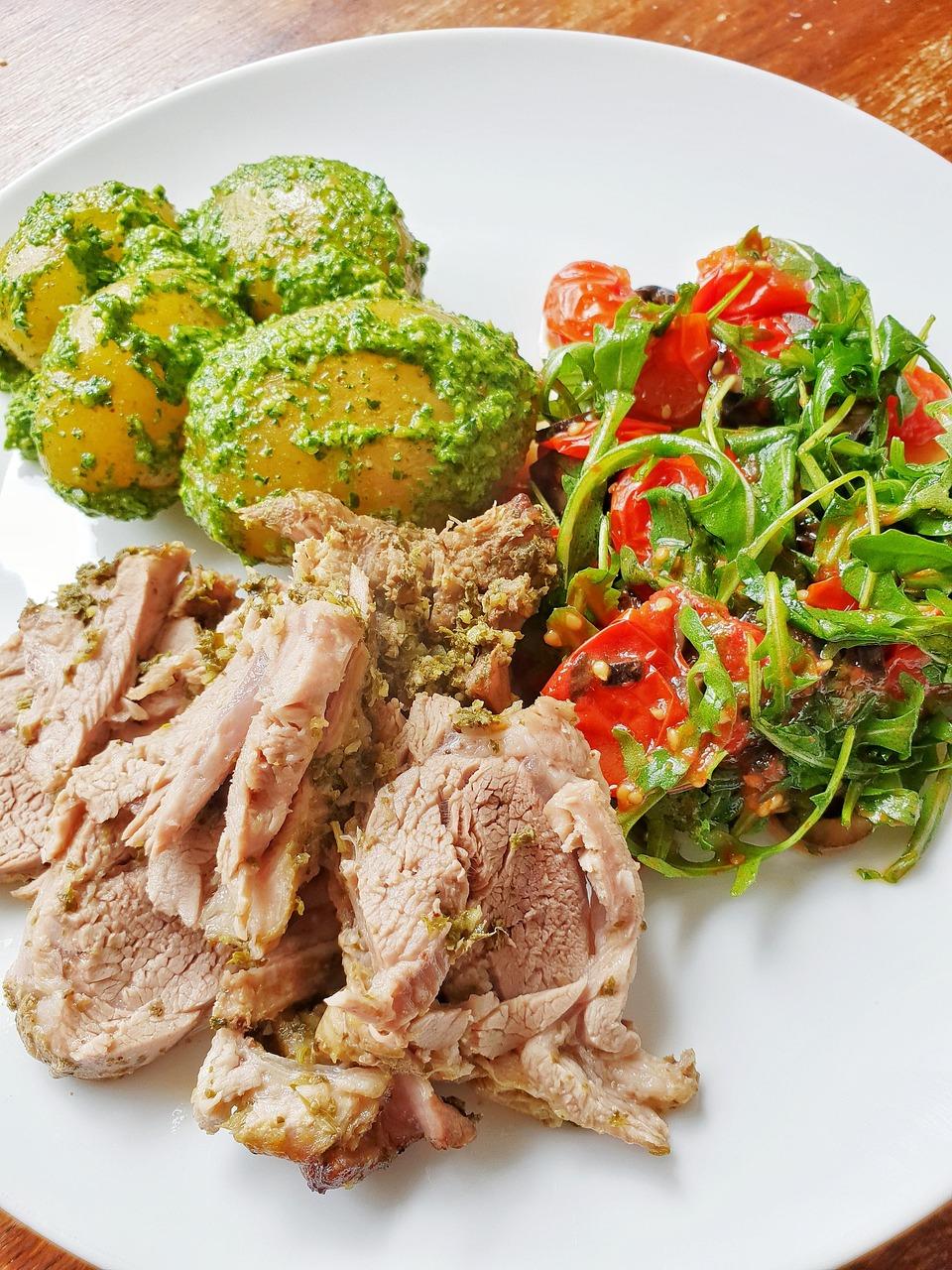
ChevermeSlow-roast lamb

At summer festivals in the Rhodope villages around Smolyan and Chepelare, lamb for cheverme is turned slowly on a spit over beech embers for hours until the outside crackles and the meat slides off the bone, and the carved meat is shared with bread and spring onions. Few home cooks have a spit or a fire pit, so this recipe brings the same idea to a bone-in lamb shoulder or leg: rubbed simply with salt, savory, black pepper, garlic and oil, then roasted low and slow in the oven or in a covered barbecue over indirect heat. The result is crisp-edged, juicy and tender enough to pull apart with a spoon. Serve with spring onions, radishes, a tomato and cucumber salad and bread. The usual slip is too much heat, which tightens the meat instead of melting it. Chef's tip: cheverme is always well done; cook until a probe in the thickest part reads about 90 °C and the bone wiggles loose.

by KrazyBadal 0 views

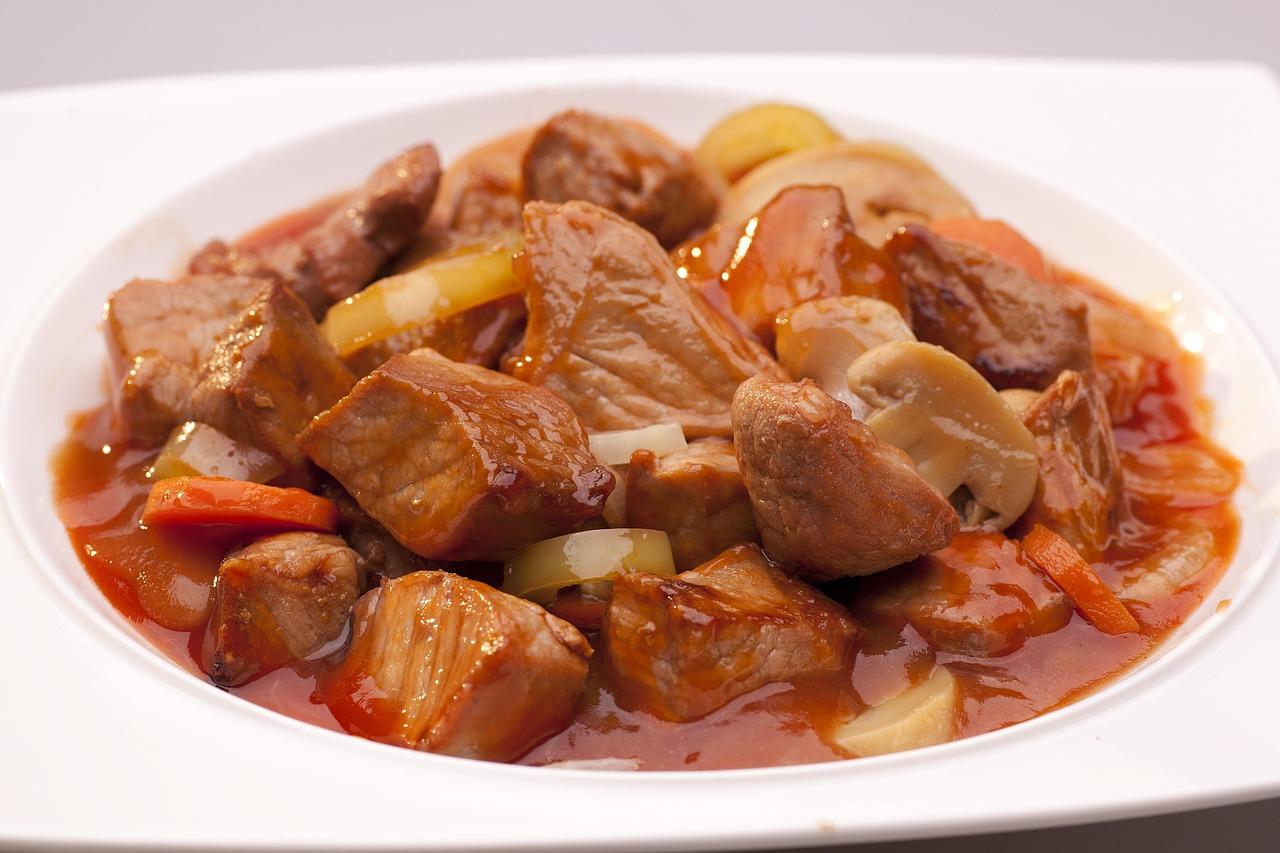
KavarmaClay-pot pork with peppers

Up in Bulgaria's Rhodope mountains, around Smolyan and Chepelare, kavarma is cooked in individual glazed clay pots and brought to the table still bubbling, often with an egg baked on top. This one is made with pork shoulder (chicken thighs work too), browned and then stewed slowly with a mountain of onion, peppers, mushrooms, paprika and savory. It traditionally includes a splash of dry white wine; the ingredient list gives an alcohol-free swap. Eat it with crusty bread and a shopska-style tomato and cucumber salad. A common slip is cutting the pork too small, so it dries out before the sauce is ready; keep the pieces bite-size but chunky. Chef's tip: let the onions cook down with the meat until almost jammy before the peppers go in; that is where kavarma gets its sweetness.

by KrazyBadal 0 views

TaratorCold yogurt and cucumber soup

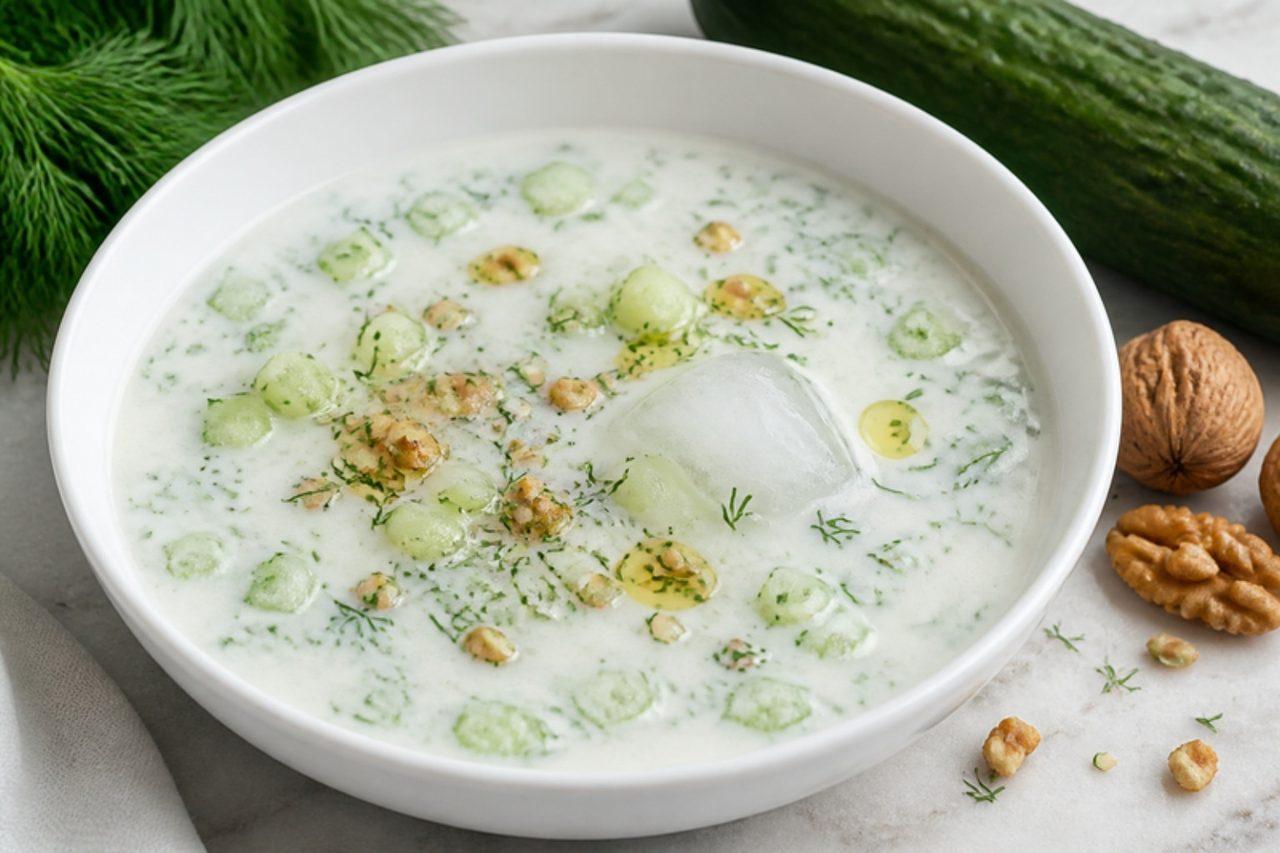
Tarator is what Bulgarians eat on hot July days, from the Black Sea resorts of Varna and Burgas to Sofia lunch counters: a cold, thin soup of tangy yogurt and water with grated cucumber, garlic, dill and crushed walnuts, a drizzle of sunflower oil on top and sometimes an ice cube floating in the bowl. It is served as a starter or drunk from a glass beside a plate of grilled vegetables. Chef's tip: use full-fat, sour, set yogurt and thin it to the consistency of single cream; making it too thick is the usual mistake, and it should be sippable.

by KrazyBadal 0 views