Skip to content
Recipes

All recipes

Vegetarian, or something you can't eat? Set your diet once and we'll hide recipes that don't fit.

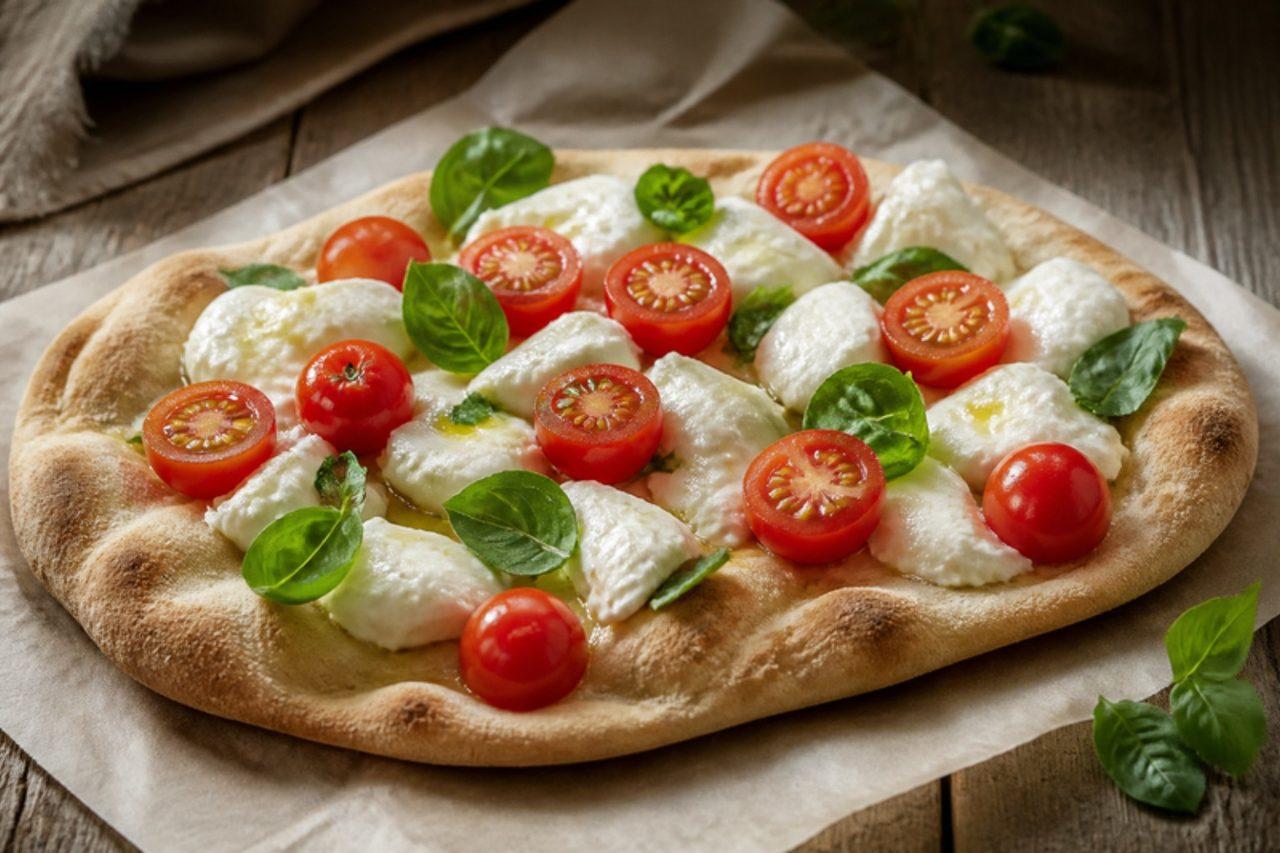
Pinsa romanaOval Roman flatbread

Pinsa is a modern Roman creation inspired by the flatbreads of ancient Rome: an oval base made from a mix of wheat, rice and soy flour (or in this home version, wheat and rice), with a lot of water and a long rest in the fridge. The result is crisp outside, light as a cloud inside and easy to digest. Pinserie in Rome top it with everything from buffalo mozzarella to courgette flowers; this version uses cherry tomatoes, mozzarella and basil. Mozzarella is usually made with calf rennet; vegetarian versions are easy to find. Chef's tip: shape the pinsa by pressing with your fingertips on a floured board, never stretching it; you want to keep all the bubbles.

by KrazyBadal 0 views

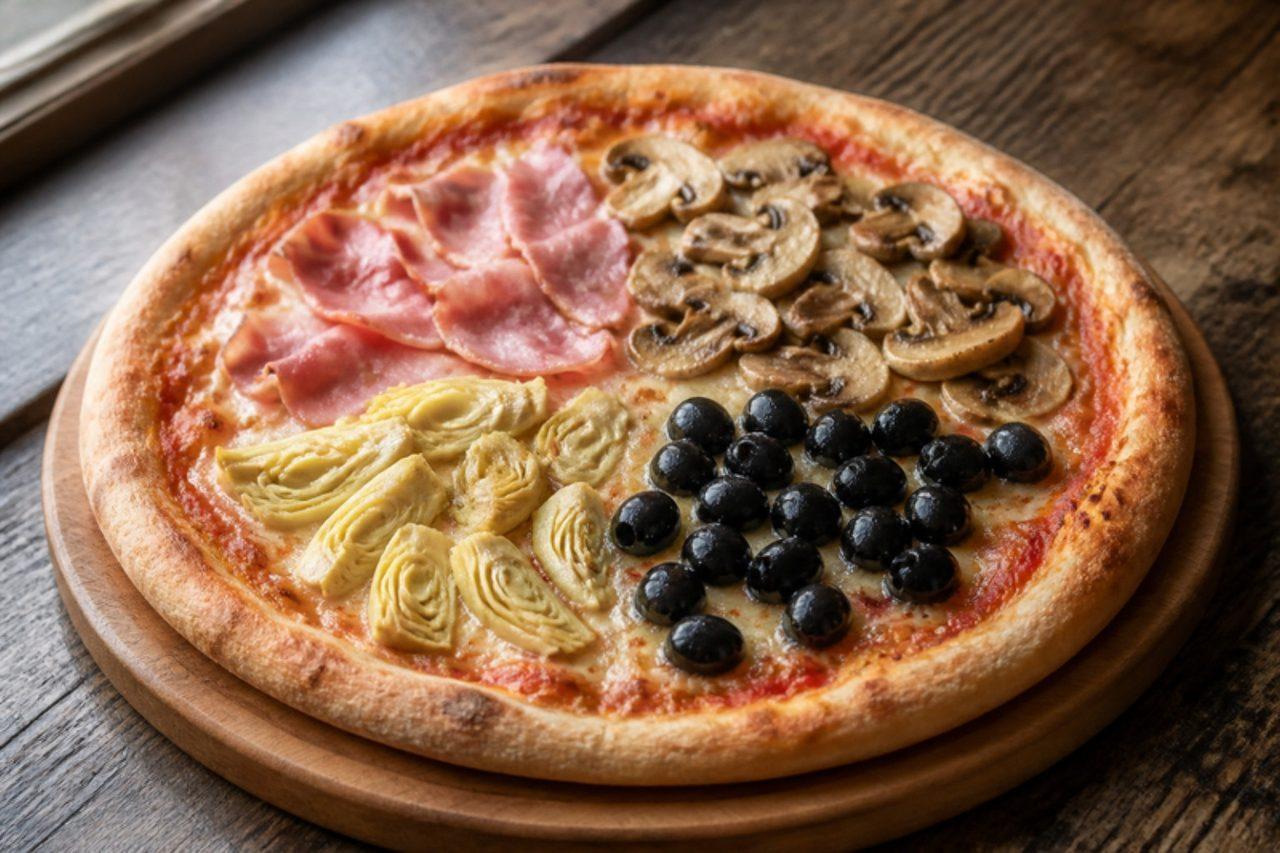
Pizza capricciosaHam, mushroom and artichoke pizza

Capricciosa means "whimsical" or "capricious", and the story goes that a Neapolitan pizzaiolo created it after the war to use up whatever was in the kitchen. It is now one of the most ordered pizzas across Italy: tomato and mozzarella covered with cooked ham, mushrooms, artichoke hearts and black olives, each in its own patch. The ham is cooked pork ham, a favourite with children. Chef's tip: cook the mushrooms in a dry pan for a few minutes first; raw mushrooms release water in the oven and make the pizza soggy.

by KrazyBadal 0 views

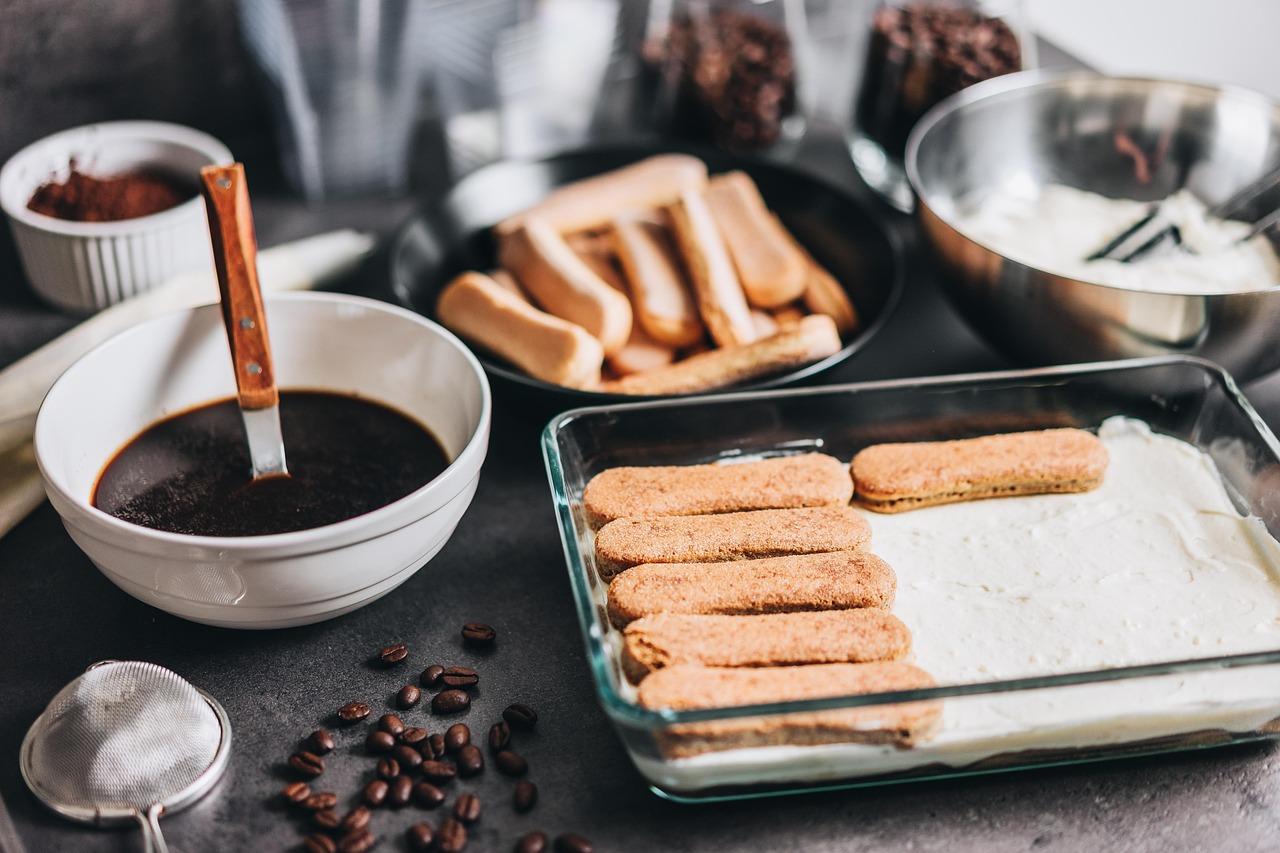
Savoiardi

Savoiardi were created in the 1300s at the court of the House of Savoy in Piedmont, for a visit by the King of France. They are long, light finger biscuits of whipped eggs, sugar and flour, with a crisp sugary crust and a dry, spongy inside, made to be soaked: in coffee for tiramisù, in liqueur for zuppa inglese, or in milk for children's breakfast. Chef's tip: dust the piped fingers twice with icing sugar, 5 minutes apart; this forms the pearly crust that keeps them crisp outside.

by KrazyBadal 0 views

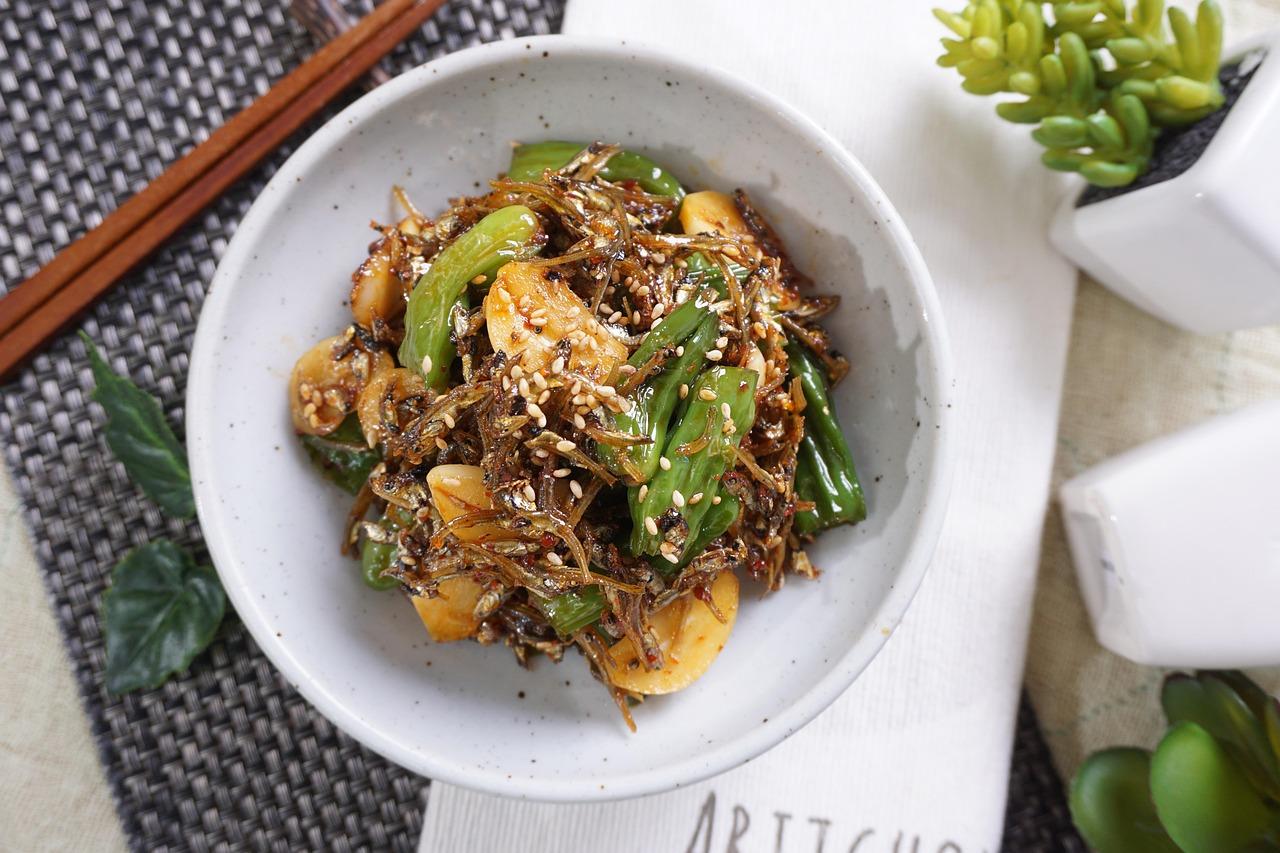
Myeolchi bokkeumSweet stir-fried anchovies

Myeolchi bokkeum is the lunchbox banchan of Korea, made with tiny dried anchovies landed and sun-dried on the southern coast around Tongyeong and Namhae, the country's anchovy heartland. The little fish are toasted in a dry pan, then tossed in garlic oil and a quick soy and rice-syrup glaze, so they end up crunchy, sweet, salty and deeply savoury. A small dish goes alongside rice at almost every Korean meal. The common mistake is adding the syrup over a high heat: it caramelises into a hard sheet that welds the anchovies into a brick. Chef's tip: take the pan off the heat before the syrup goes in and toss; the pan's leftover warmth is enough to glaze without hardening.

15 minKoreanFish
by KrazyBadal 0 views

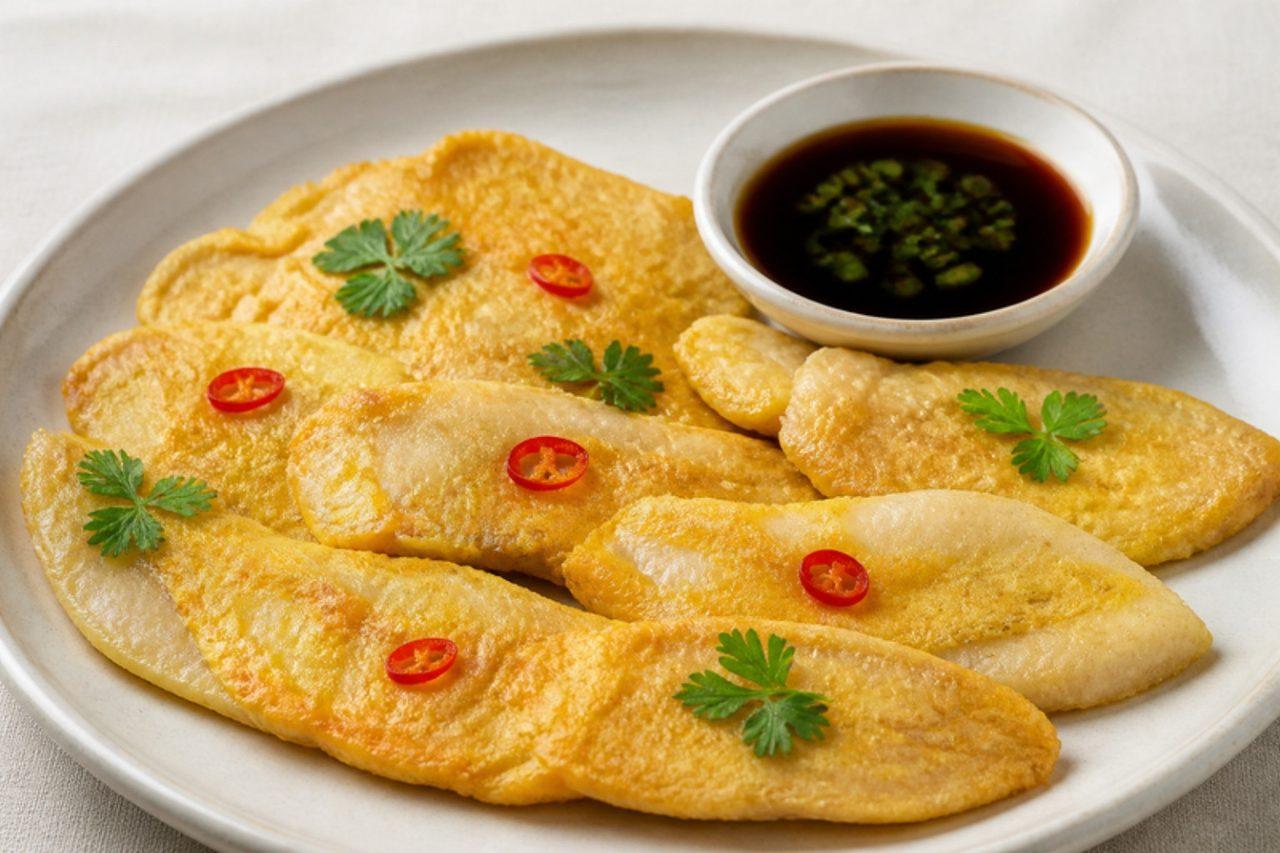
Saengseon jeonEgg-battered fish slices

Saengseon jeon is one of the golden jeon laid out on ancestral rite tables at Chuseok and Seollal, especially in coastal homes along the East Sea, where pollock and cod are the holiday fish. Thin slices of white fish are seasoned, floured, dipped in egg and fried gently, giving delicate, tender fish inside a soft yellow coat. They are eaten with a soy-vinegar dip. The common mistake is cutting the fish too thick, so the egg browns before the centre is cooked. Chef's tip: slice the fillets while they are still half-frozen; you can cut neat 7 mm slices that cook in the time it takes the egg to set.

35 minKoreanFish
by KrazyBadal 0 views

SundaeKorean blood sausage

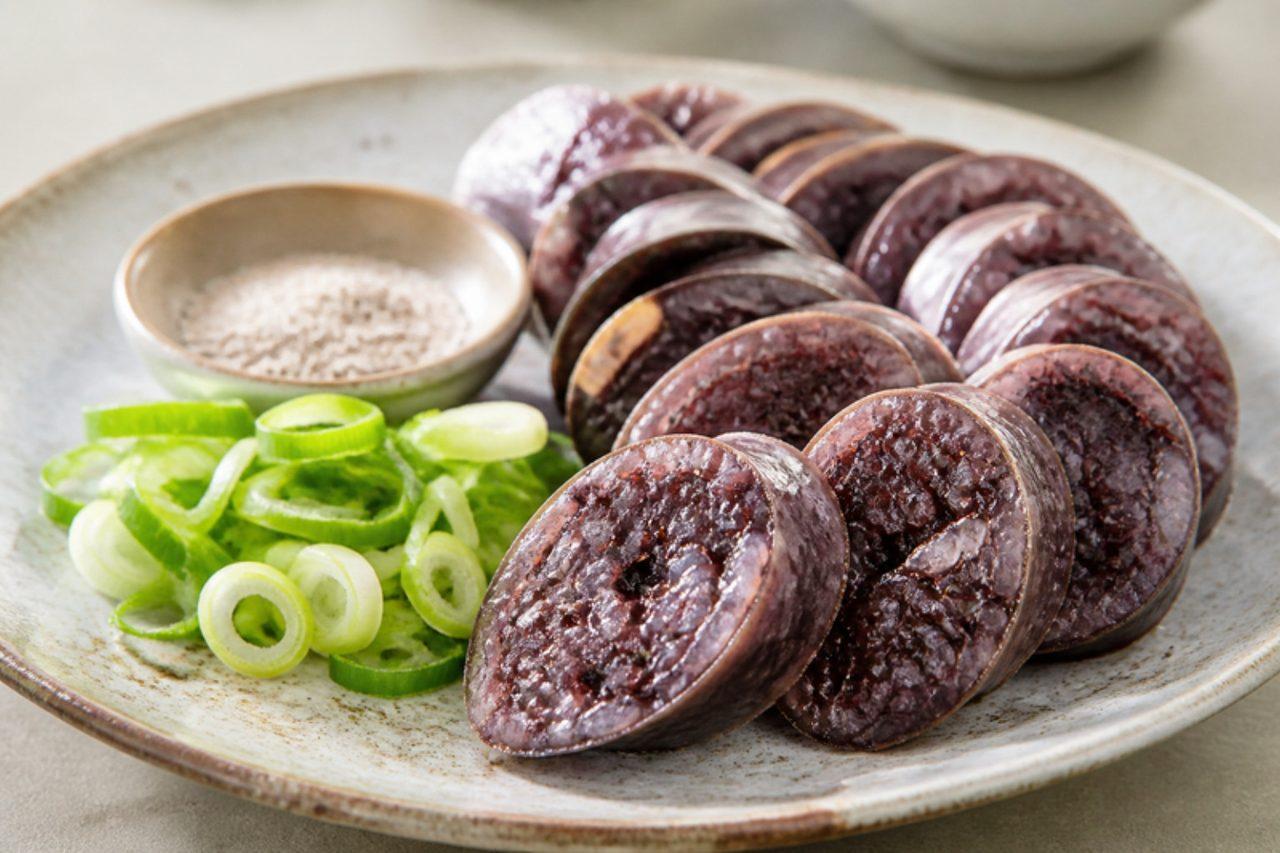
Sundae is the steamed sausage sold sliced from big steaming trays in every Korean market, from Seoul's Sillim-dong sundae town to the Byeongcheon market in Cheonan, and eaten with salt and pepper, tteokbokki sauce or a bowl of soup. This home version fills cleaned pork casings with pork blood, glass noodles, sticky rice, cabbage and bean sprouts, then poaches them gently until firm, giving soft, savoury, slightly springy slices. It is pork through and through: pork blood and pork casings. Buy the blood fresh from a butcher, keep it chilled and use it the same day. The common mistake is boiling the water hard, which bursts the casings; keep it at a lazy simmer and prick any air bubbles. Chef's tip: fill the casings only about three-quarters full; the rice swells as it cooks and an overfilled sausage splits.

140 minKoreanMeat
by KrazyBadal 0 views

Panino con il lampredottoTripe sandwich

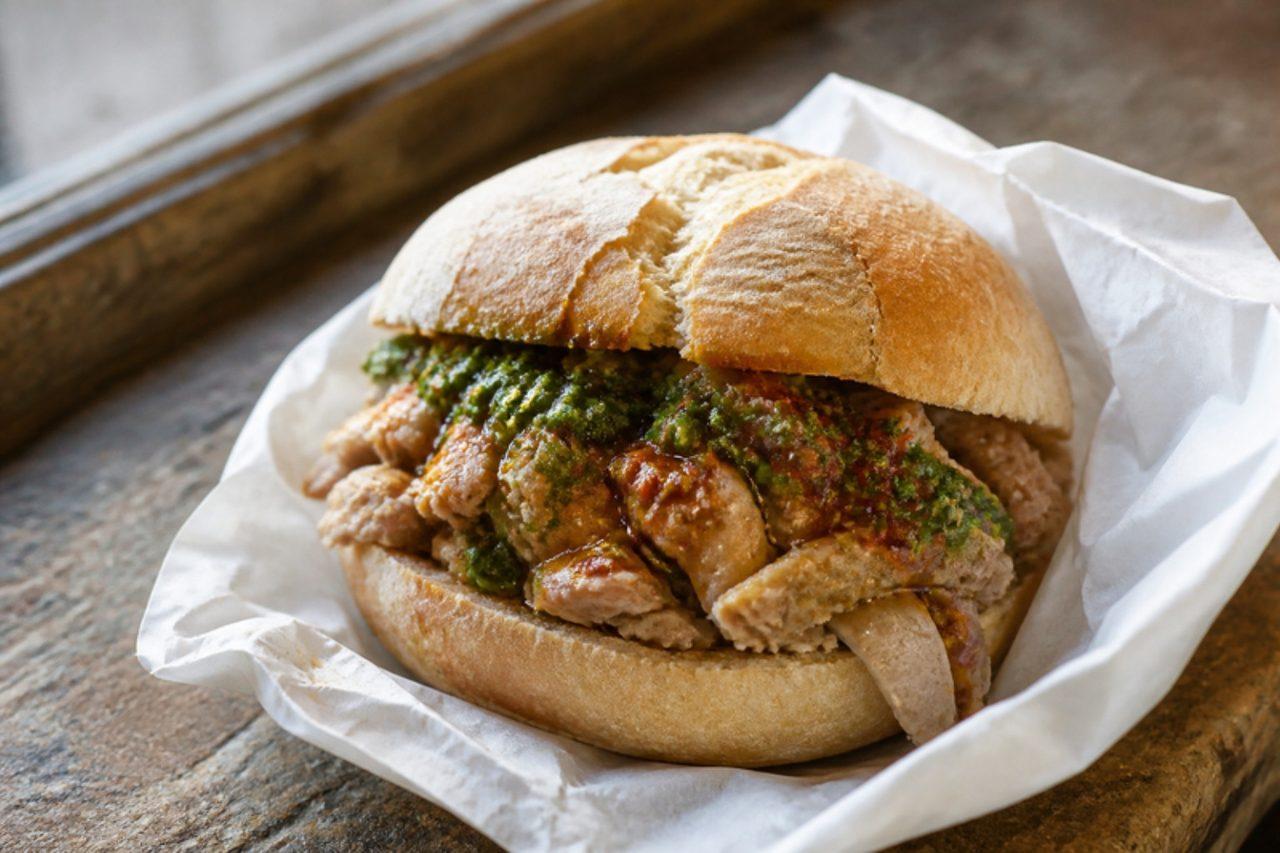
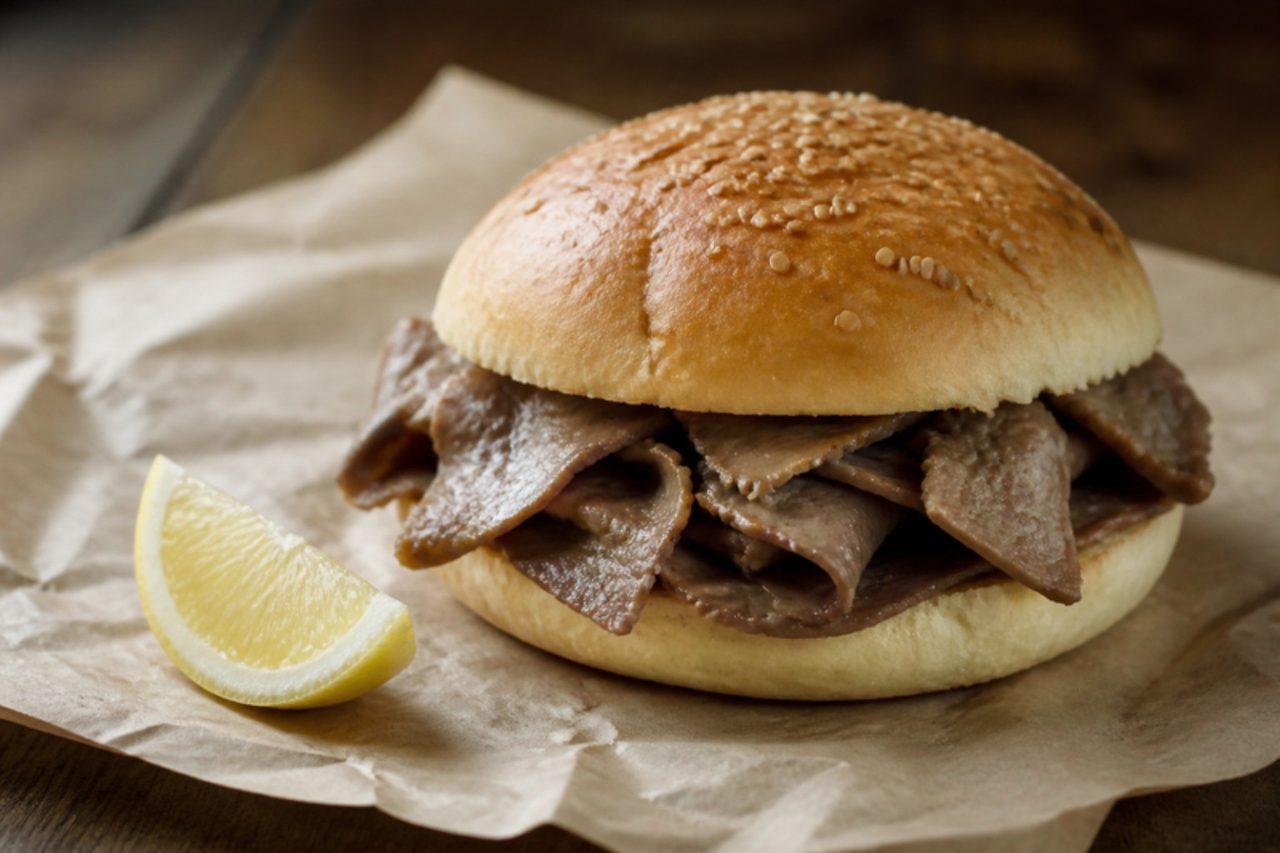
Lampredotto is the fourth stomach of the cow, slowly simmered in a broth with tomato, onion and celery until tender, and for Florentines it is the true street food of the city. Lampredottai sell it from carts at the San Lorenzo market and Porta Romana from mid-morning: the meat is chopped on a board, salted, piled into a crusty roll whose top half is dipped in the broth, and topped with salsa verde and chilli oil. Ask a butcher for lampredotto or abomasum tripe, ready cleaned. Chef's tip: dip the top of the bun ("bagnato") briefly in the hot broth; it soaks up the flavour but shouldn't fall apart.

205 minItalianMeat
by KrazyBadal 0 views

Folpetti lessiBoiled baby octopus

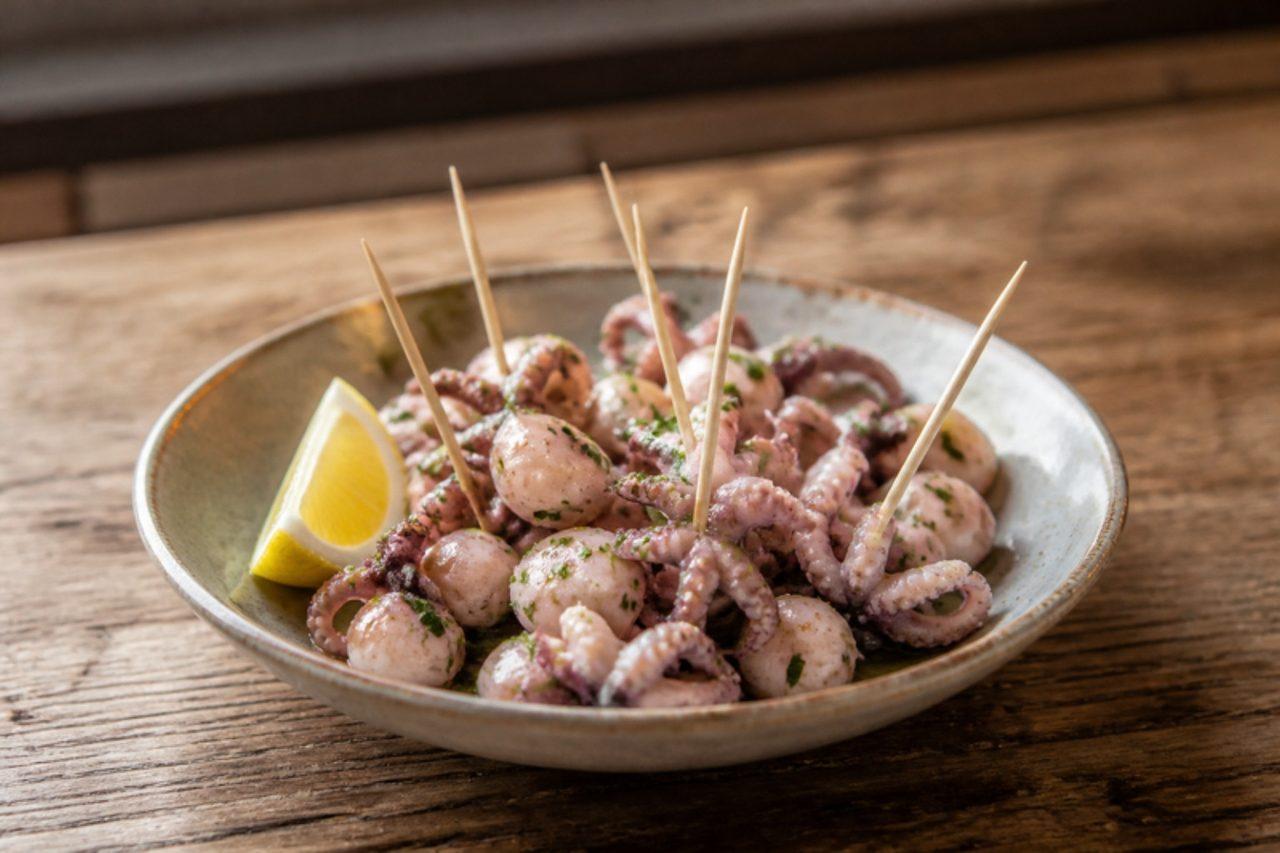
In the bacari (wine bars) of Venice, around the Rialto market, folpetti sit warm in a tray on the counter and are speared with a toothpick as a cicchetto, the city's small bite eaten standing up before lunch or after work. They are tiny musky octopus from the lagoon, simply boiled until tender and dressed with olive oil, lemon, garlic and parsley. The texture should be tender with a slight bite, never rubbery. Chef's tip: let the octopus cool in its cooking water for 15 minutes; it finishes softening gently and soaks up flavour.

by KrazyBadal 0 views

Abbacchio alla romanaRoman Easter lamb

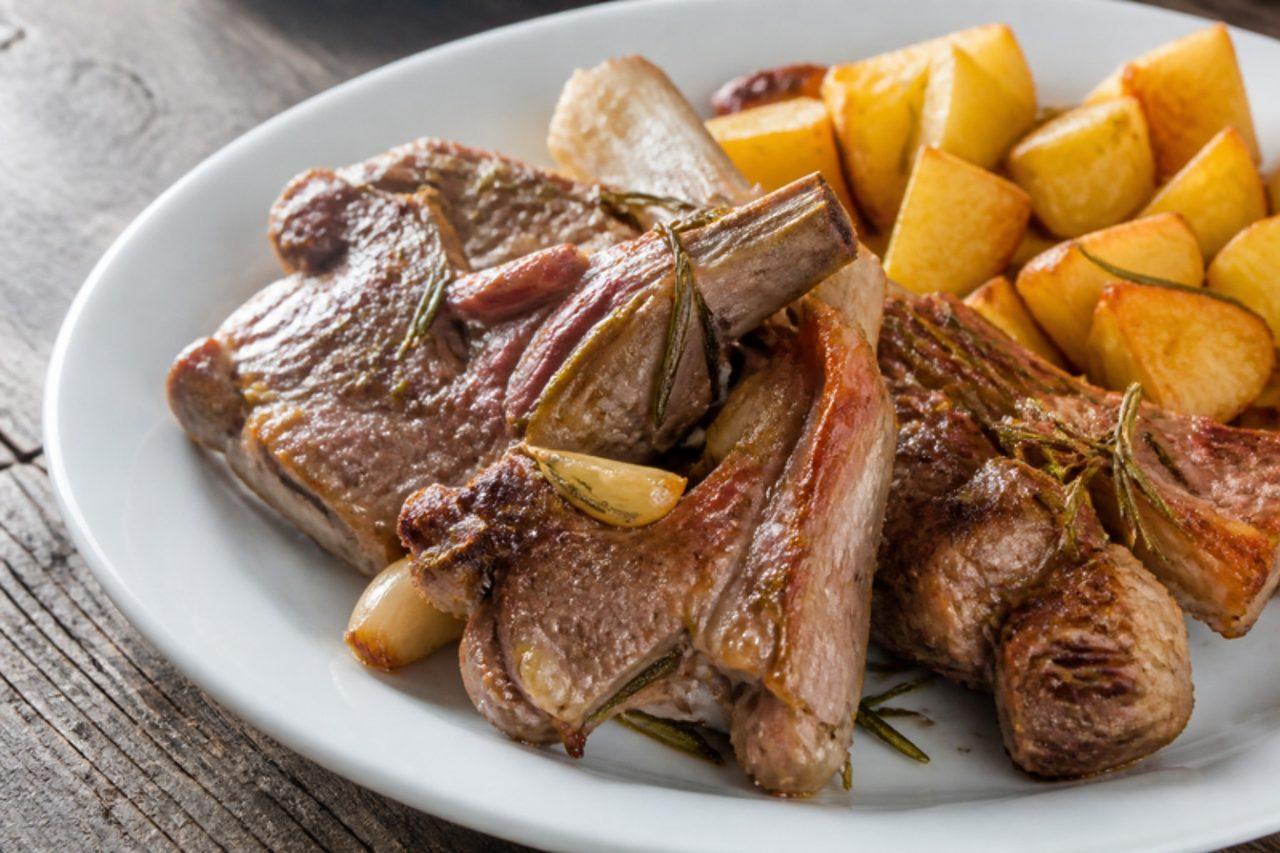
Abbacchio is the Roman name for young milk-fed lamb, and abbacchio alla romana is what Roman families cook for Easter Sunday: small pieces of shoulder and leg browned in a pan, then cooked slowly with garlic, rosemary and sage and finished with a paste of anchovy and vinegar that cuts through the richness. It is served with roast potatoes or puntarelle. Outside Italy, use young spring lamb on the bone. Chef's tip: brown the lamb in batches until really golden before adding anything else; pale lamb gives a pale sauce.

by KrazyBadal 0 views

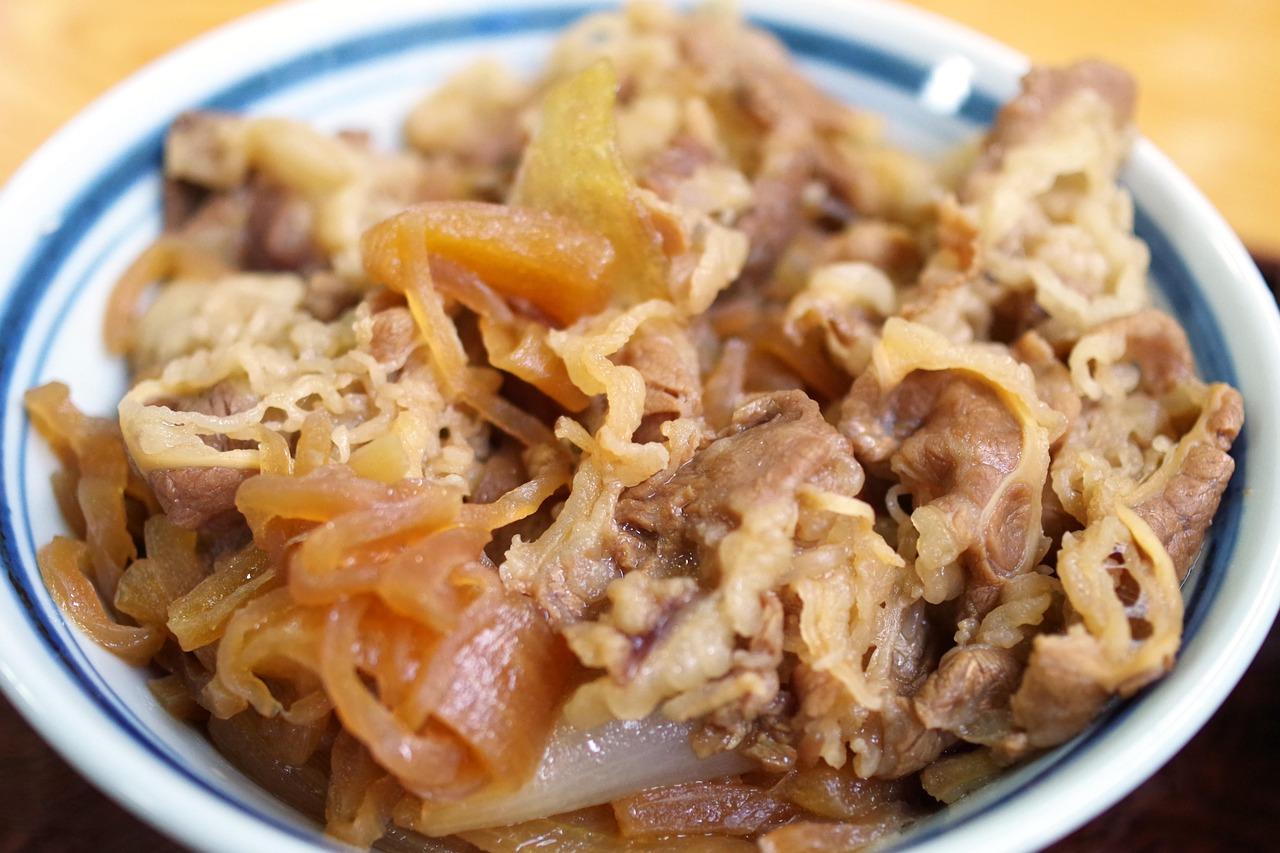
Gyudon (beef and onion rice bowl)

Gyudon fuels Japan's commuters: at 24-hour counters near every big station from Tokyo to Osaka, a bowl of rice topped with soft onions and wafer-thin beef in sweet soy broth arrives in under a minute. At home it takes about 20. Sake and mirin go into the broth and simmer away, so very little alcohol is left; swap them for water and a little sugar if you prefer. The usual mistake is boiling the beef hard and long, which makes thin slices tough and grey; simmer the onion first, then add the beef only until it changes colour. Chef's tip: pile on pink pickled ginger (beni shoga) and a raw or soft-poached egg yolk for the full counter experience; use a soft-poached egg for pregnant women, young children or anyone with a weakened immune system.

by KrazyBadal 0 views

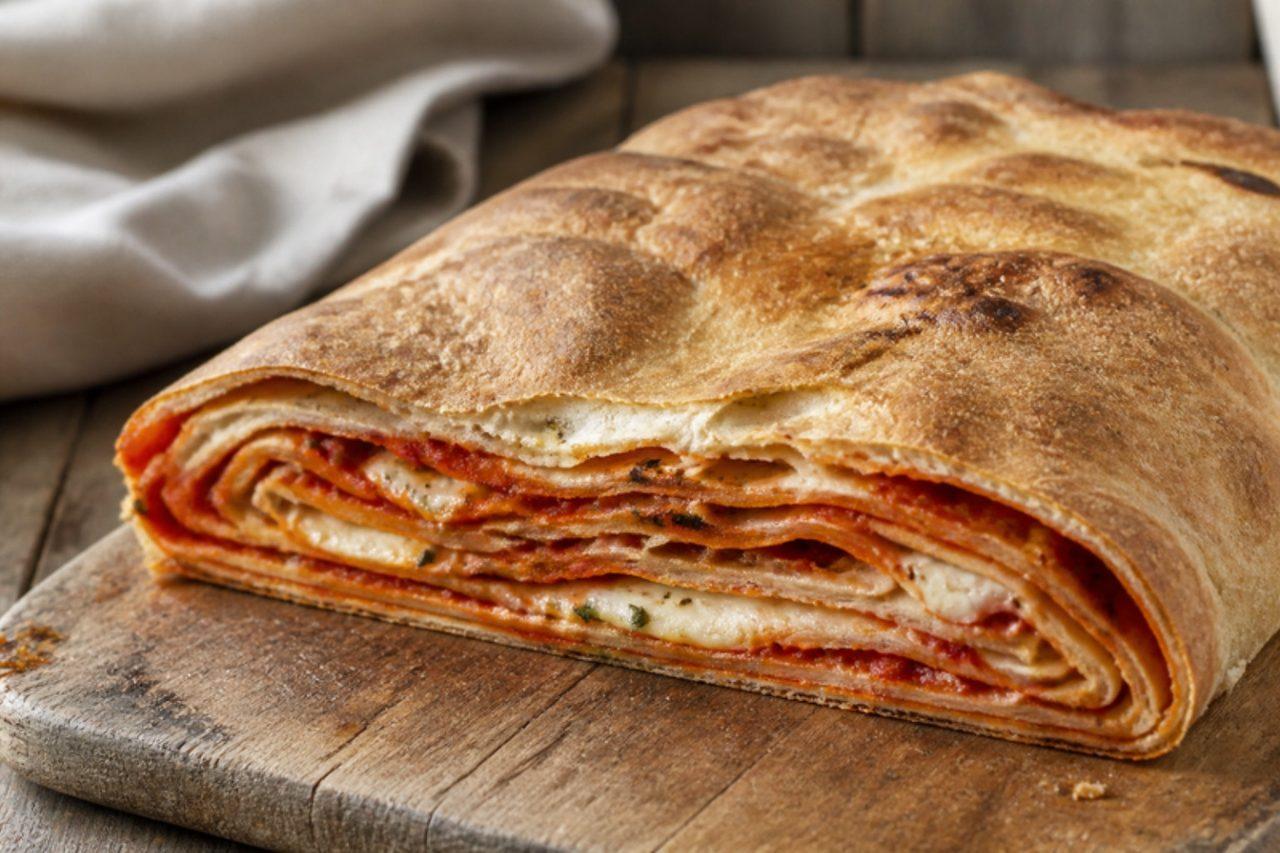
Scaccia ragusanaRolled tomato and cheese flatbread

In Ragusa and Modica in south-east Sicily, scaccia is what families bake for Christmas and Easter and for every picnic in between: a semolina dough rolled out paper-thin, spread with tomato sauce and grated caciocavallo, then folded over and over into a flat, layered loaf. Cut across, it shows thin stripes of dough and filling. It is eaten warm or at room temperature, often for the evening "passeggiata" snack. Caciocavallo is usually made with animal rennet; a vegetarian melting cheese works. Chef's tip: roll the dough really thin, almost see-through; thick dough makes stodgy layers.

105 minItalianPizza
by KrazyBadal 0 views

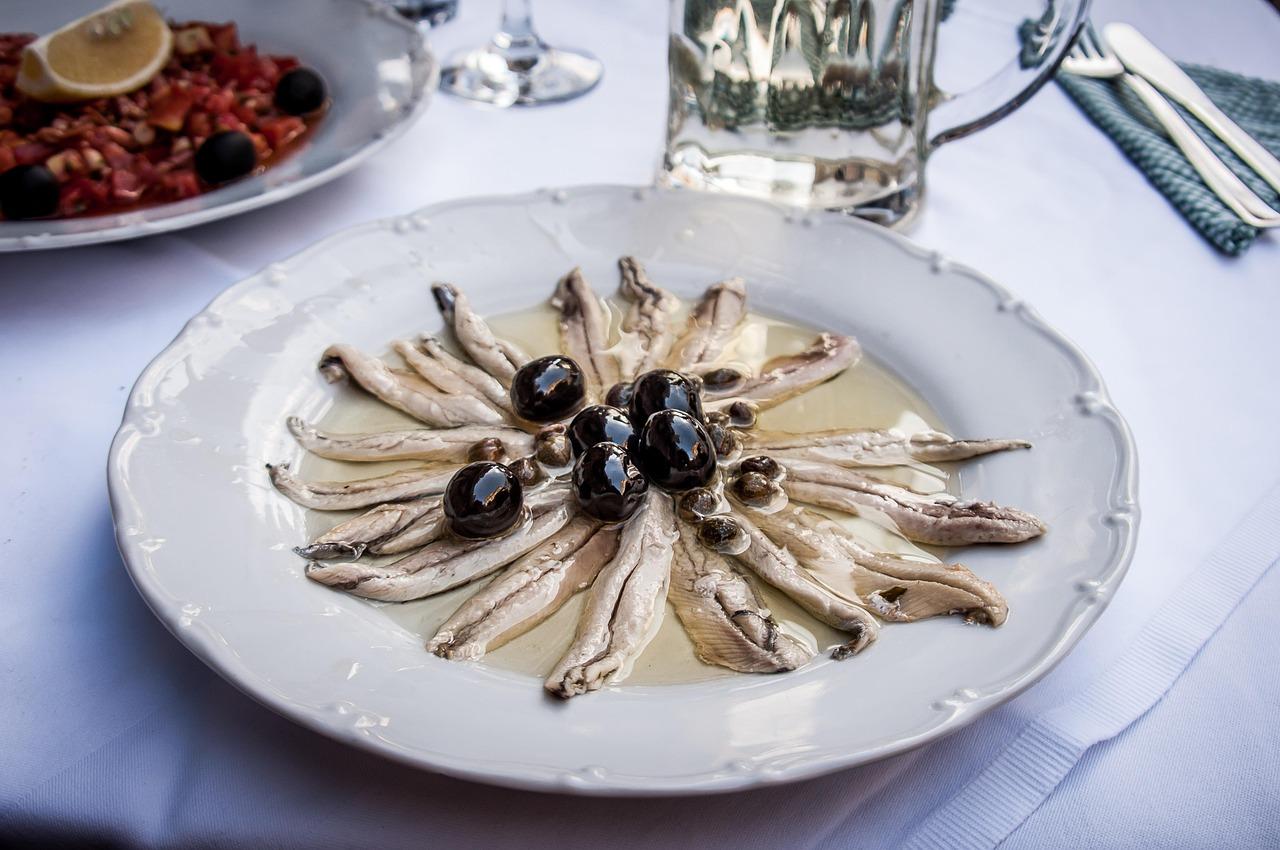
Alici marinateMarinated fresh anchovies

Along the Amalfi Coast and in the fish restaurants of Naples, alici marinate are a summer antipasto: very fresh anchovy fillets "cooked" by soaking in lemon juice and vinegar until they turn white, then dressed with olive oil, garlic, parsley and chilli. The fish is not heated, so it is not for pregnant women, young children or anyone with a weakened immune system. To be safe from parasites, freeze the cleaned fillets at −20 °C for at least 96 hours (or buy them already frozen) before marinating; the acid does not kill parasites. For a fully cooked version, poach the fillets in the marinade for 1 minute, until opaque. Chef's tip: marinate in the fridge until the flesh is white all the way through; pink in the middle means it needs longer.

by KrazyBadal 0 views

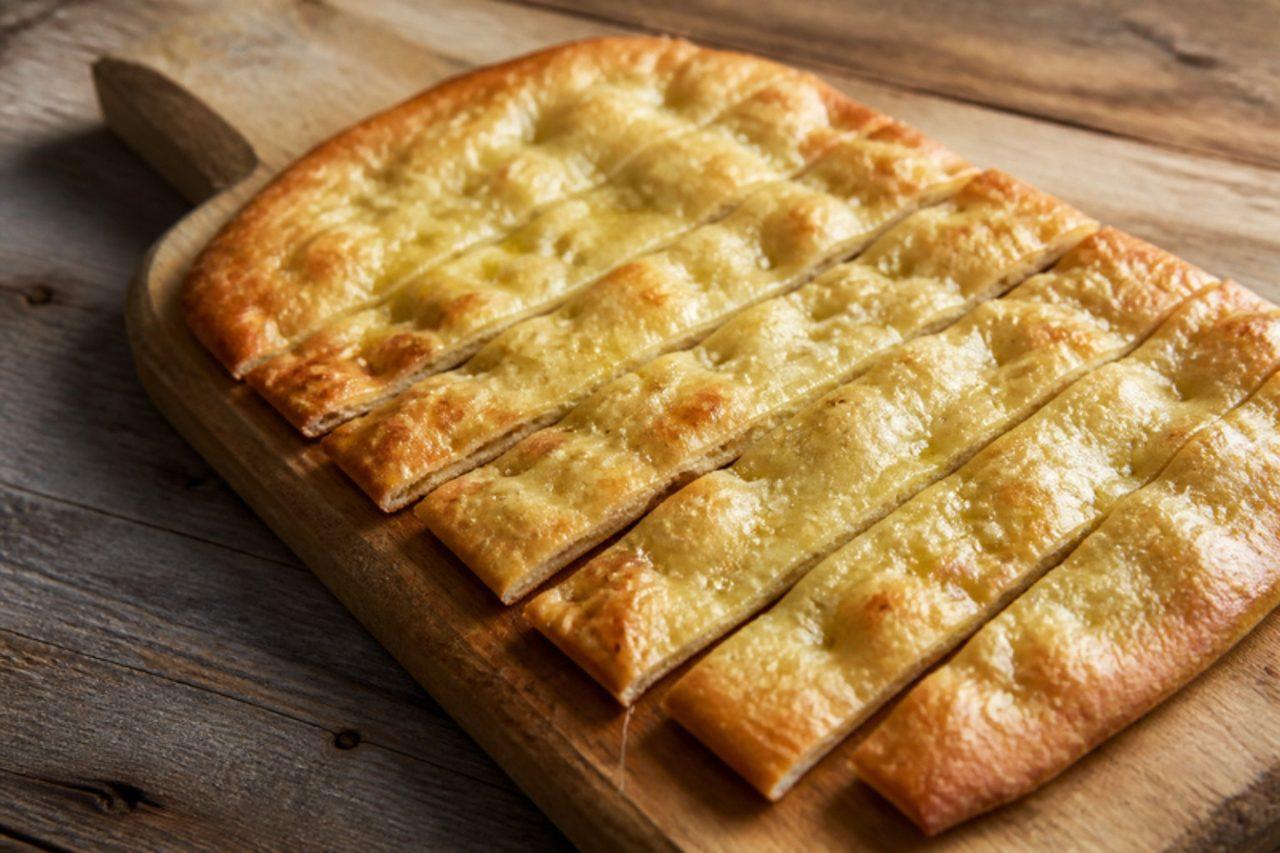
Pizza bianca romanaRoman olive oil flatbread

Walk past any Roman forno at eleven in the morning and you'll see pizza bianca coming out of the oven in planks a metre long: crisp on top, chewy and full of holes inside, brushed with olive oil and scattered with salt. Romans buy it by the slice for children's snacks after school, or split it open and fill it with mortadella or fresh figs in late summer. The dough is very wet and needs only folding, not kneading. Chef's tip: stretch the dough with oily fingertips straight onto the tray; dimpling it presses big bubbles into the dough that puff up in the oven.

by KrazyBadal 0 views

Pizza al taglioRoman tray pizza

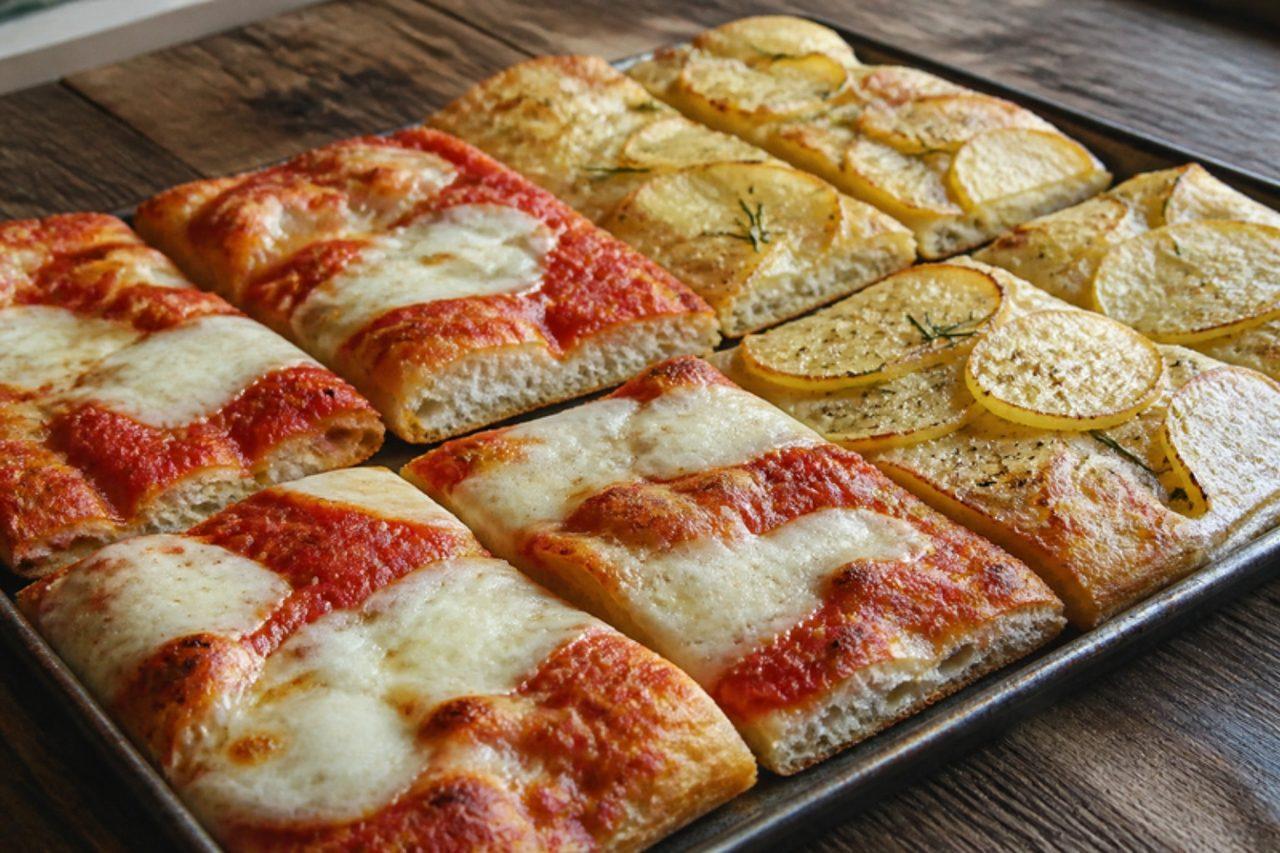
In Rome, pizza al taglio is sold by weight from long rectangular trays, cut with scissors and folded in paper, the lunch of office workers and students across the city. The dough is very wet and rests in the fridge for a day or more, which gives a crust that is crunchy at the base and light and airy above. This recipe makes two classic toppings, potato and rosemary on one half and tomato and mozzarella on the other. Mozzarella is usually made with calf rennet; vegetarian versions are easy to find. Chef's tip: bake the base with just oil and tomato first and add the mozzarella for the last few minutes, so the cheese melts without burning.

by KrazyBadal 0 views

Pizza ai quattro formaggiFour-cheese pizza

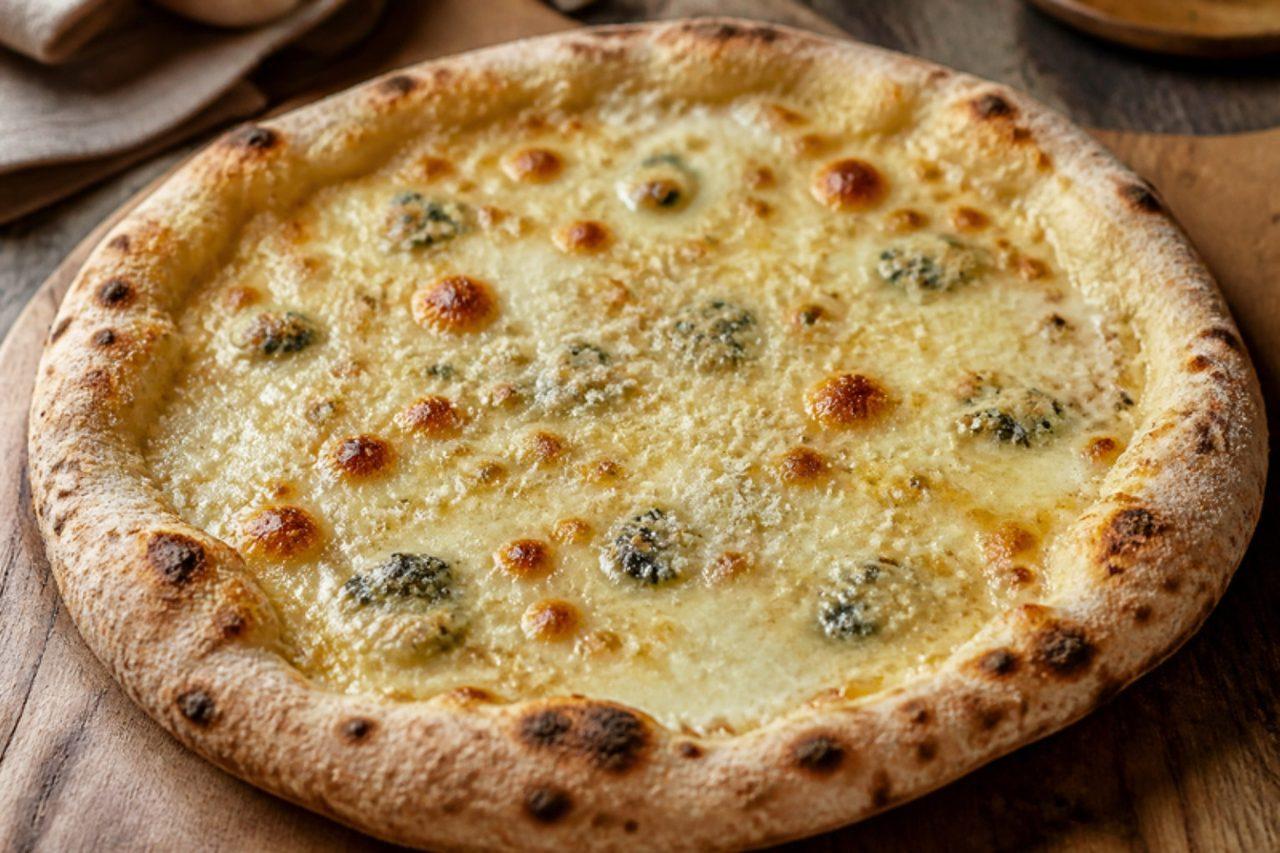
Four-cheese pizza is a pizzeria classic from Milan to Palermo, a pizza bianca (no tomato) where each cheese does a different job: mozzarella for stretch, gorgonzola for a blue tang, fontina from the Aosta Valley for creaminess and Parmigiano for a salty crust. It is the order for winter evenings, often with a drizzle of honey or a few walnuts on top. Most of these cheeses are made with animal rennet; choose vegetarian versions of each if you need to. Chef's tip: cut the cheeses into small cubes rather than slices and scatter them unevenly; they melt at different speeds and give pockets of flavour.

by KrazyBadal 0 views

Cannoncini alla cremaCustard puff pastry horns

Every pastry shop in Turin and Piedmont has a tray of cannoncini: puff pastry wrapped around metal cones, baked until golden and flaky, then piped full of vanilla custard and dusted with icing sugar. Little ones are part of the "pasticcini mignon" bought on Sunday morning after church to take to lunch at the grandparents' house. You need cannoncino or cream-horn moulds. Chef's tip: fill them just before serving; custard softens the pastry within a few hours.

by KrazyBadal 0 views

DongeurangttaengPork and tofu patties

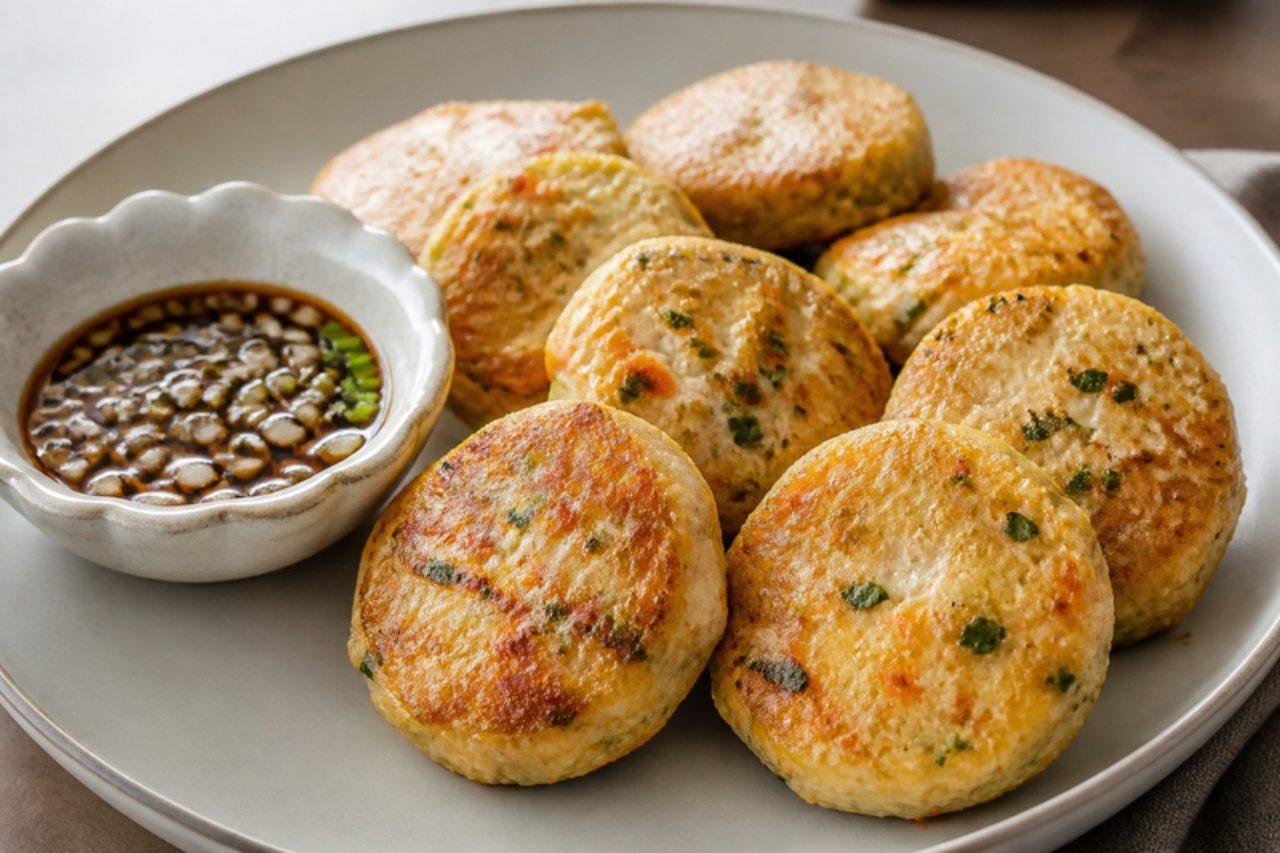
Dongeurangttaeng are the coin-sized pork patties that Korean families fry by the hundred in the days before Chuseok and Seollal, the whole kitchen floor in Seoul flats covered with newspaper and pans. Minced pork is mixed with mashed tofu, onion, carrot and spring onion, dipped in flour and egg and pan-fried until golden, tender and juicy. They are eaten warm or at room temperature with a soy-vinegar dip, and children love them. The common mistake is frying over high heat: the egg coating browns long before the pork is cooked through to the middle. Chef's tip: squeeze the tofu bone-dry in a cloth; wet tofu makes the patties fall apart and spit.

55 minKoreanMeat
by KrazyBadal 0 views

Pani ca' meusaVeal spleen sandwich

Pani ca' meusa ("bread with spleen") has been sold in Palermo since the Middle Ages, when the Jewish butchers of the city were paid with the offal of the animals they slaughtered and sold it in bread. At the old Focacceria San Francesco and the stalls around the Vucciria market, veal spleen and lung are boiled, sliced thin and then fried in pork lard in a huge pan before being piled into a sesame roll. Ordered "schettu" (single) it comes with lemon; "maritatu" (married) with ricotta and caciocavallo. Lung is not sold in many countries, so this recipe uses spleen only. Chef's tip: slice the boiled spleen while it is cold and firm; warm spleen crumbles.

170 minItalianMeat
by KrazyBadal 0 views

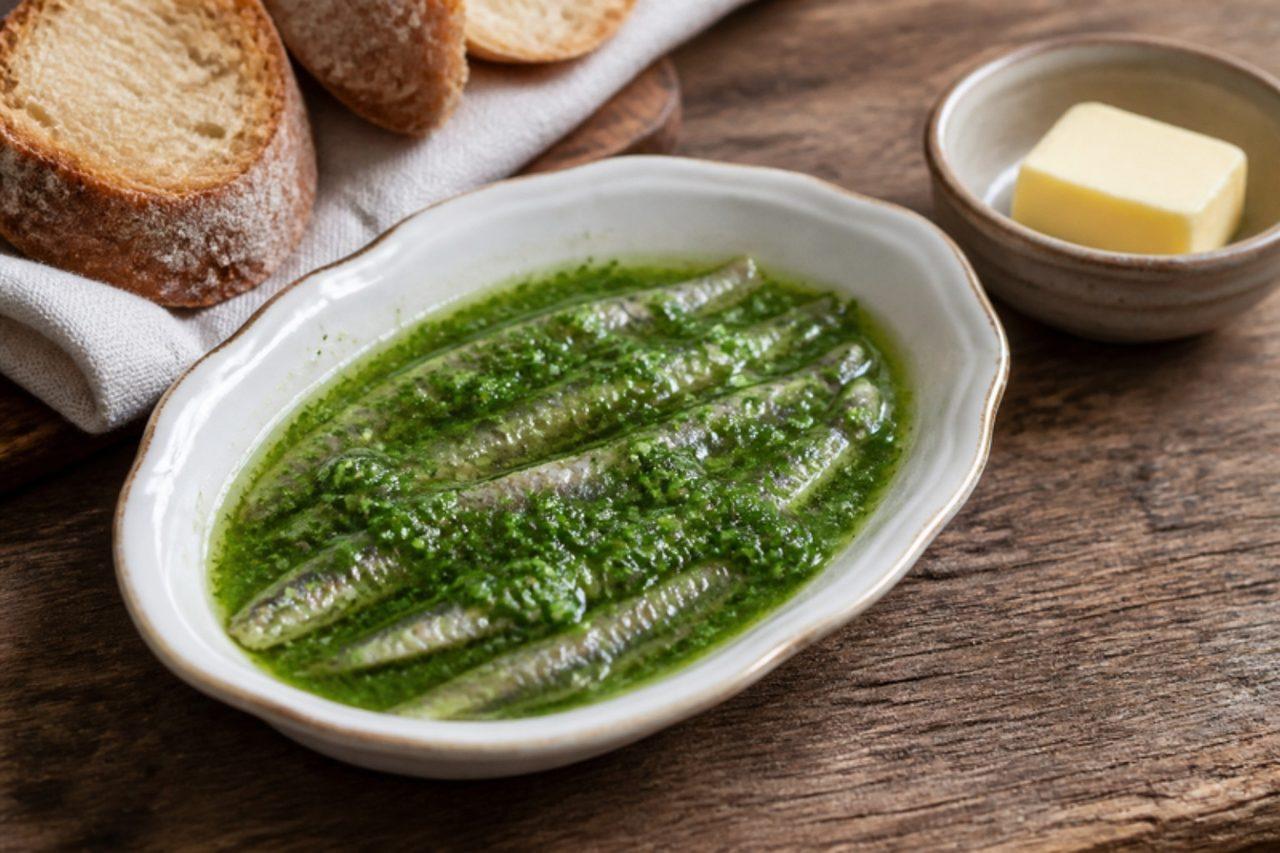
Acciughe al verdeAnchovies in green sauce

Piedmont has no coast, yet anchovies are part of its soul: salt-packed anchovies came over the mountain passes from Liguria with the salt traders, and acciughe al verde is still on the antipasto trolley of every trattoria in Turin and the Langhe. Fillets are layered in a jar with a green sauce of parsley, garlic, olive oil and a little vinegar and chilli, then left for a day to mellow. They are eaten with bread and butter or with boiled potatoes. Chef's tip: soak salted anchovies in a bowl of milk or water and vinegar for 10 minutes; it draws out the harsh salt and makes the fillets easy to lift off the bone.

by KrazyBadal 0 views

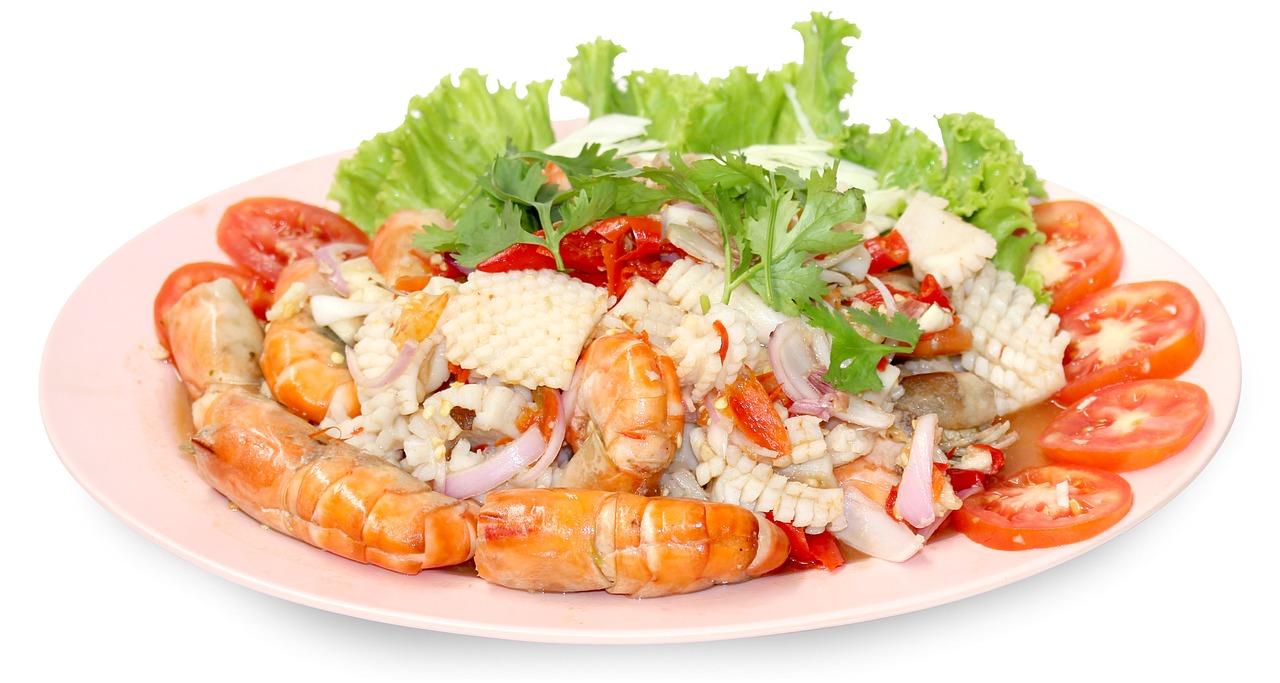
Insalata di mareSeafood salad

Along every Italian coast, from the Adriatic beaches of Romagna to the Amalfi Coast, insalata di mare is the cold antipasto that opens a seafood lunch in summer and the Christmas Eve feast in winter. Squid, prawns, mussels and clams are cooked separately, each just long enough, then dressed with lemon, olive oil, garlic, celery and parsley and left to chill so the flavours meld. Chef's tip: cook each kind of seafood on its own and pull it the moment it is done; squid needs only a minute or two, and overcooked squid turns as tough as a rubber band.

by KrazyBadal 0 views

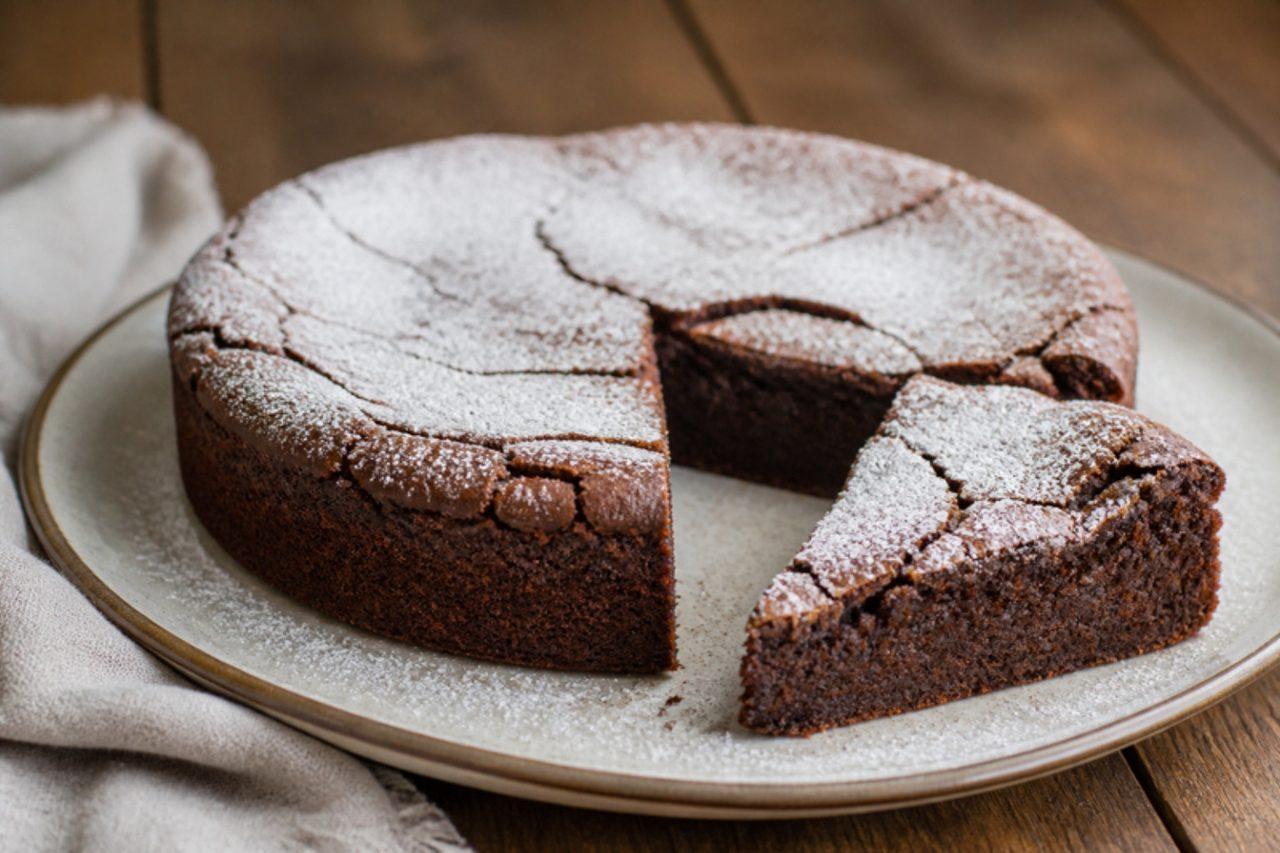
Torta capreseFlourless chocolate almond cake

Torta caprese was born on the island of Capri in the 1920s, the story goes, when a baker forgot to add flour to a chocolate almond cake and created a classic by accident. It is now the cake of the Amalfi Coast: dense, moist and fudgy in the middle, with a thin crackled crust and a dusting of icing sugar. Restaurants in Capri and Sorrento serve it with a spoonful of cream or lemon sorbet. It is naturally gluten free. Contains nuts. Chef's tip: take it out while the middle is still slightly soft; it firms up as it cools and stays moist for days.

by KrazyBadal 0 views

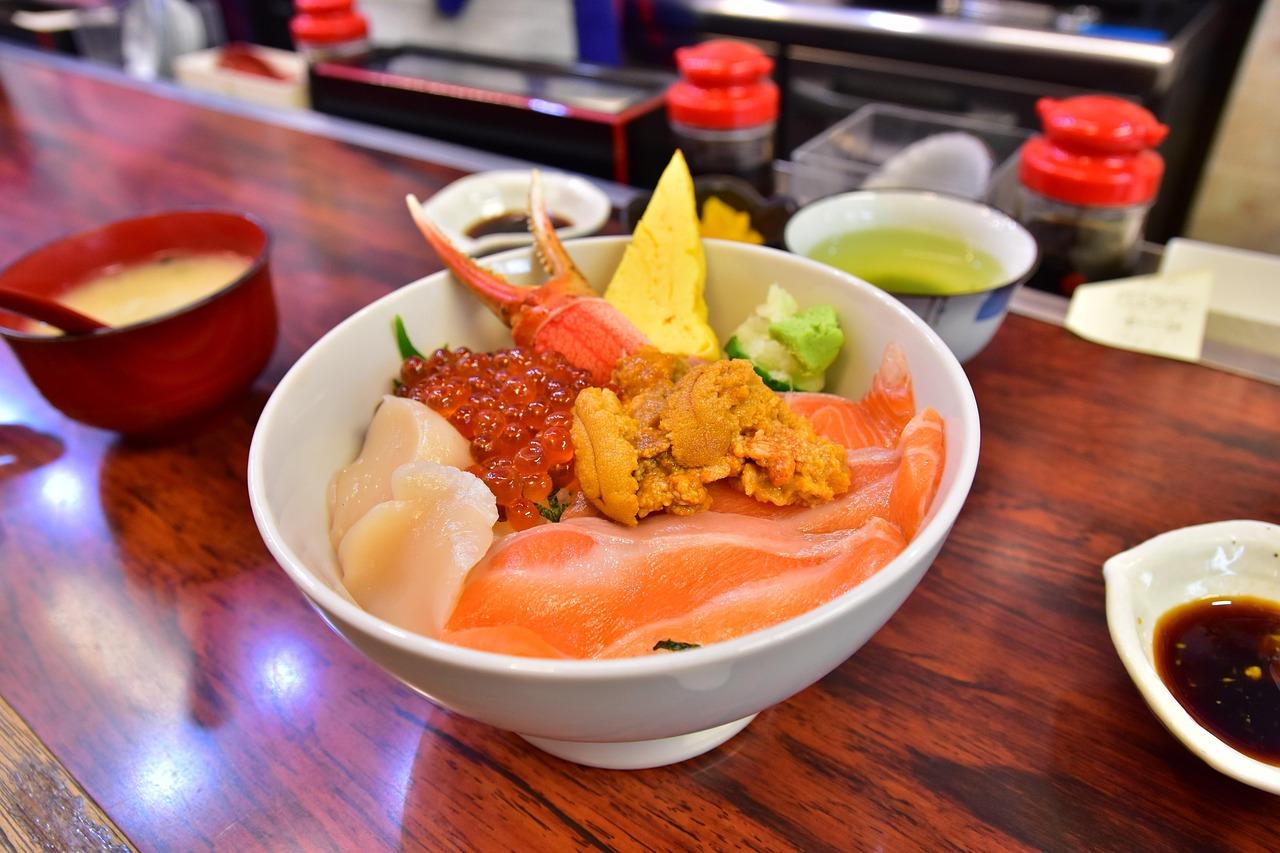
Kaisendon (seafood rice bowl)

At the morning markets of Hakodate and Sapporo, and in harbour towns all along Japan's coast, kaisendon is breakfast: a bowl of sushi rice heaped with raw salmon, tuna, scallops and glistening salmon roe, eaten with wasabi and a drizzle of soy. At home, buy only fish sold as sushi- or sashimi-grade that has been previously frozen (freezing kills parasites), keep it cold and eat it the day you buy it. Raw fish is not for pregnant women, young children or anyone with a weakened immune system; for them, sear the salmon and tuna all over and cook through, and use cooked prawns. The common mistake is piling cold fish onto hot rice, which warms the fish and makes the rice gluey; cool the rice to body temperature first. Chef's tip: slice the fish across the grain in one long pull of a very sharp knife, not a sawing motion.

by KrazyBadal 0 views

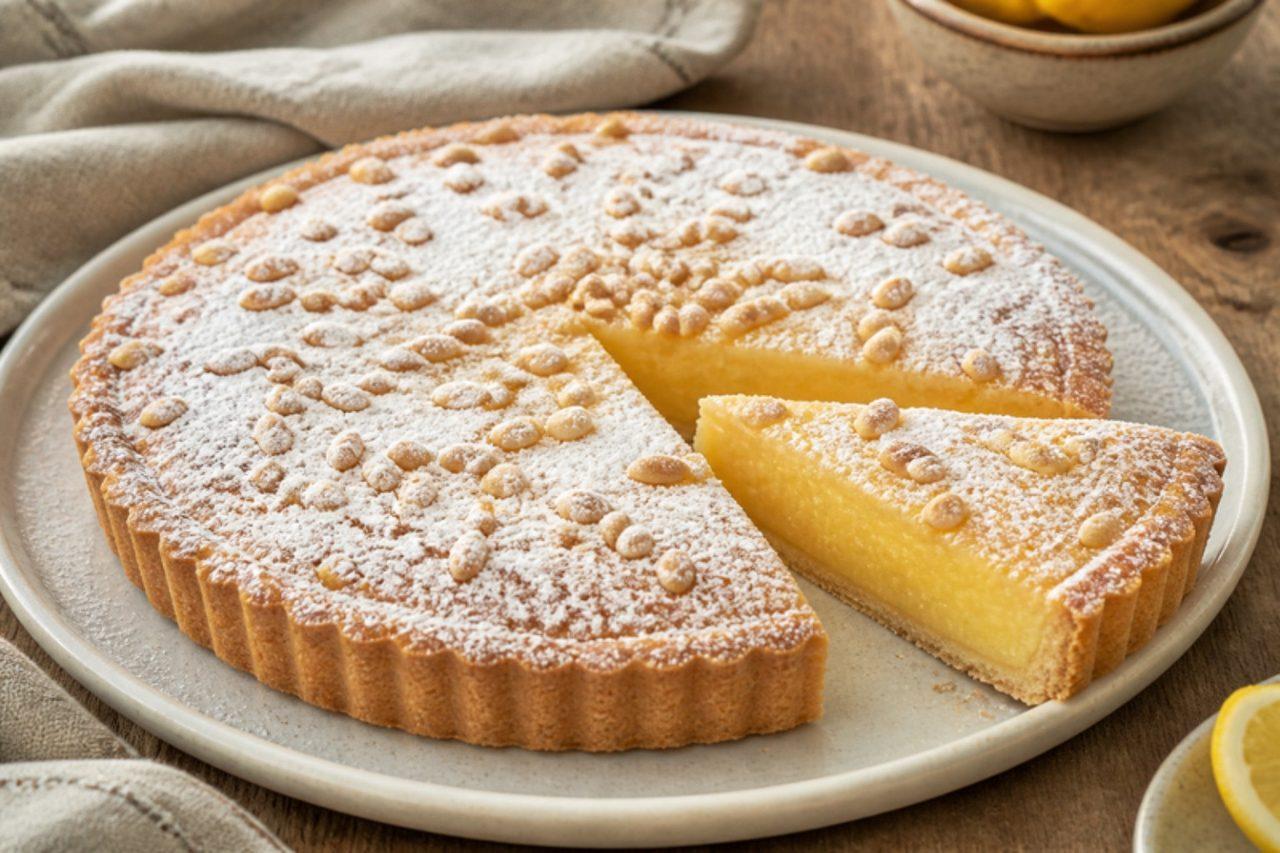
Torta della nonnaLemon custard pine nut tart

Torta della nonna, "grandmother's tart", is on the dessert menu of almost every trattoria in Florence and across Tuscany: a shortcrust case filled with thick lemon-scented custard, covered with a second layer of pastry and scattered with pine nuts and icing sugar. Despite the name it was probably invented by a Florentine restaurant cook in the 1900s, but it tastes of family Sunday lunches. Contains pine nuts. Chef's tip: let the custard cool completely before filling the tart; warm custard melts the butter in the pastry and makes the base soggy.

by KrazyBadal 0 views

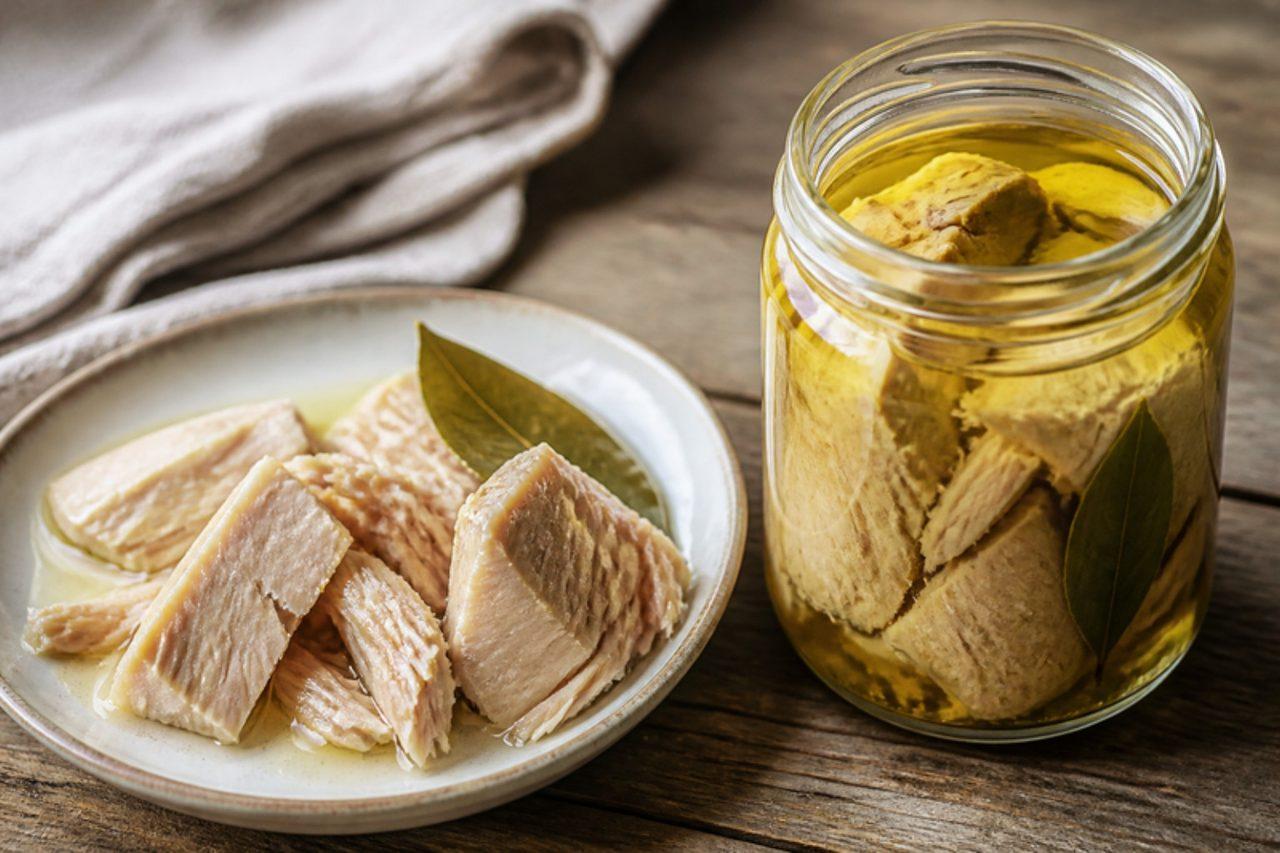
Tonno sott'olioTuna preserved in oil

In the tonnare, the old tuna fisheries of Sicily and Calabria around Favignana and Pizzo, fresh bluefin tuna was boiled in sea water and packed in olive oil to keep for months. At home, Italian families still do it with a piece of fresh tuna: poached gently in salted water with bay and lemon, dried and covered in good oil. It tastes far better than tinned tuna and is perfect for salads and pasta. Chef's tip: poach the tuna at a bare simmer and let it cool in the water; boiling makes it dry and stringy.

by KrazyBadal 0 views

Showing 24 of 2,227 recipes

Show more recipes

Page 1 of 93