Skip to content
Recipes

All recipes

Vegetarian, or something you can't eat? Set your diet once and we'll hide recipes that don't fit.

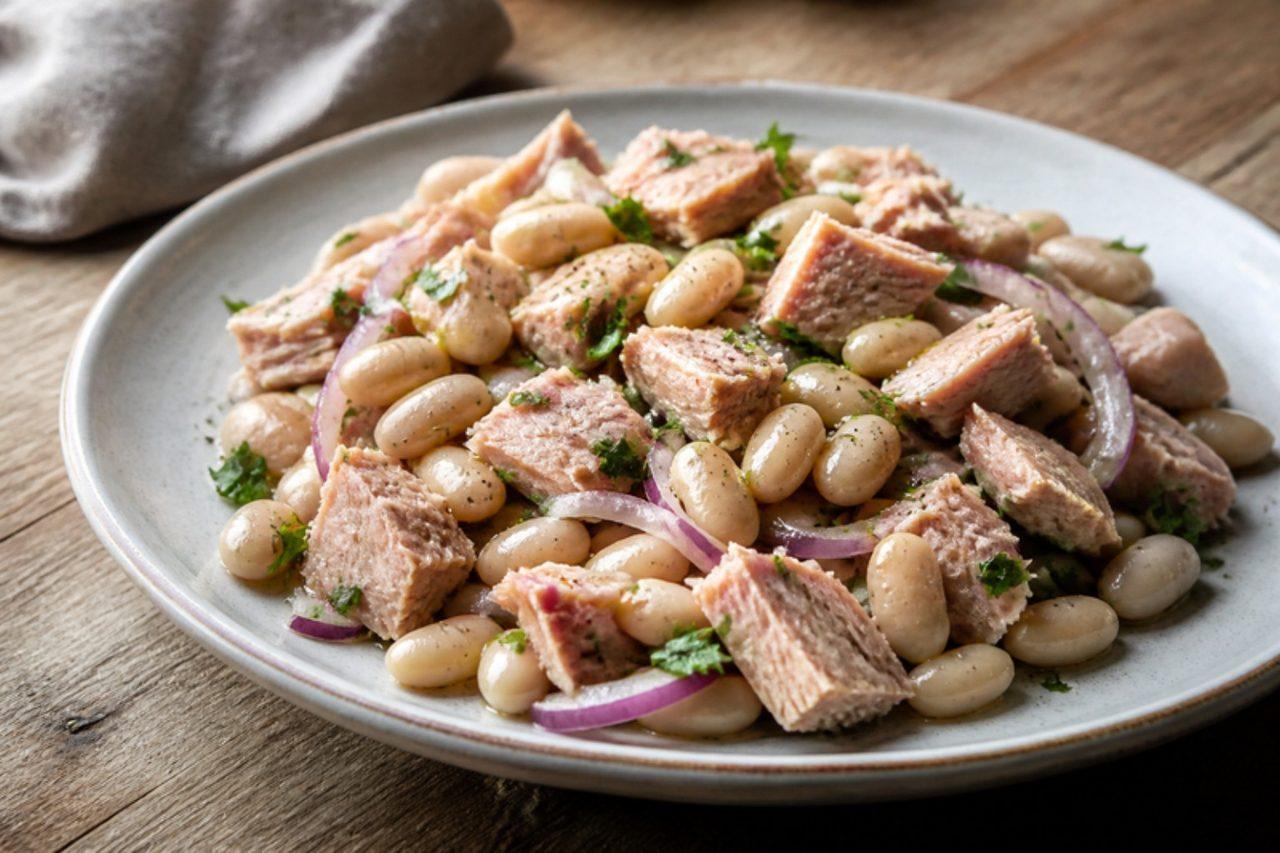
Tonno e fagioliTuna and bean salad

Tonno e fagioli is one of the most loved quick dishes of Tuscany, served in Florentine trattorie as an antipasto or a light lunch: creamy cannellini beans, the Tuscans' favourite, tossed with good tuna in olive oil, thin slices of sweet red onion and plenty of extra virgin olive oil and black pepper. It takes ten minutes and needs only bread to wipe the plate. Chef's tip: soak the sliced onion in cold water for 10 minutes; it loses its harsh bite and stays crisp.

by KrazyBadal 0 views

Bavette à l'échaloteFlank steak with shallots

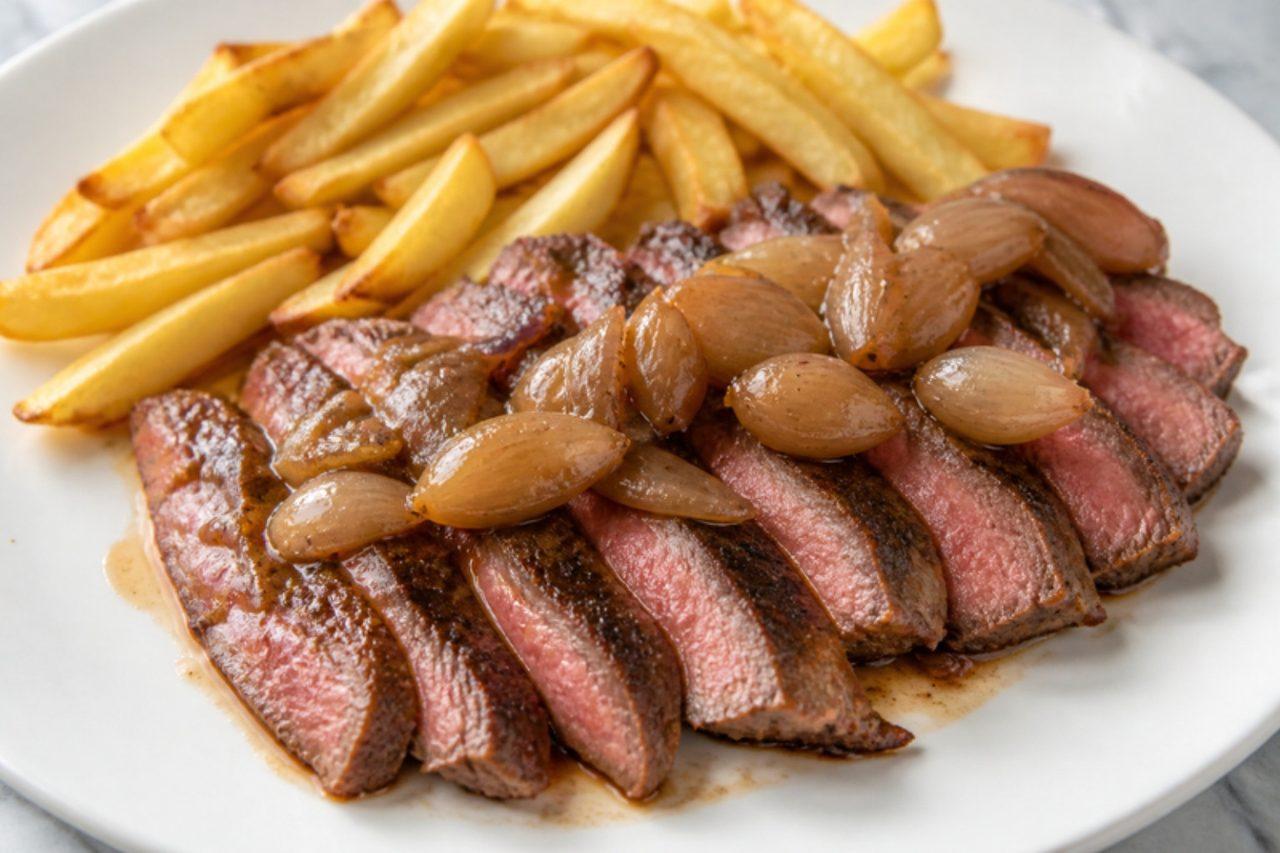
Bavette à l'échalote is the everyday steak of Paris bistros and workers' cafés, cheaper than entrecôte and full of beefy flavour, served at lunch with frites. The flank steak is seared fast and served rare to medium, then the pan is used to soften a heap of shallots in butter with a splash of red wine into a sweet, sharp sauce. The wine is boiled down hard, which drives off most of the alcohol but not all; for an alcohol-free sauce use 100 ml beef stock and 1 tbsp red wine vinegar. The common mistake is cooking bavette past medium or slicing it along the grain, which makes it chewy. Chef's tip: slice it thinly across the grain after resting; every slice will be tender.

25 minFrenchMeatGluten free
by KrazyBadal 0 views

Caffè d'orzoBarley coffee

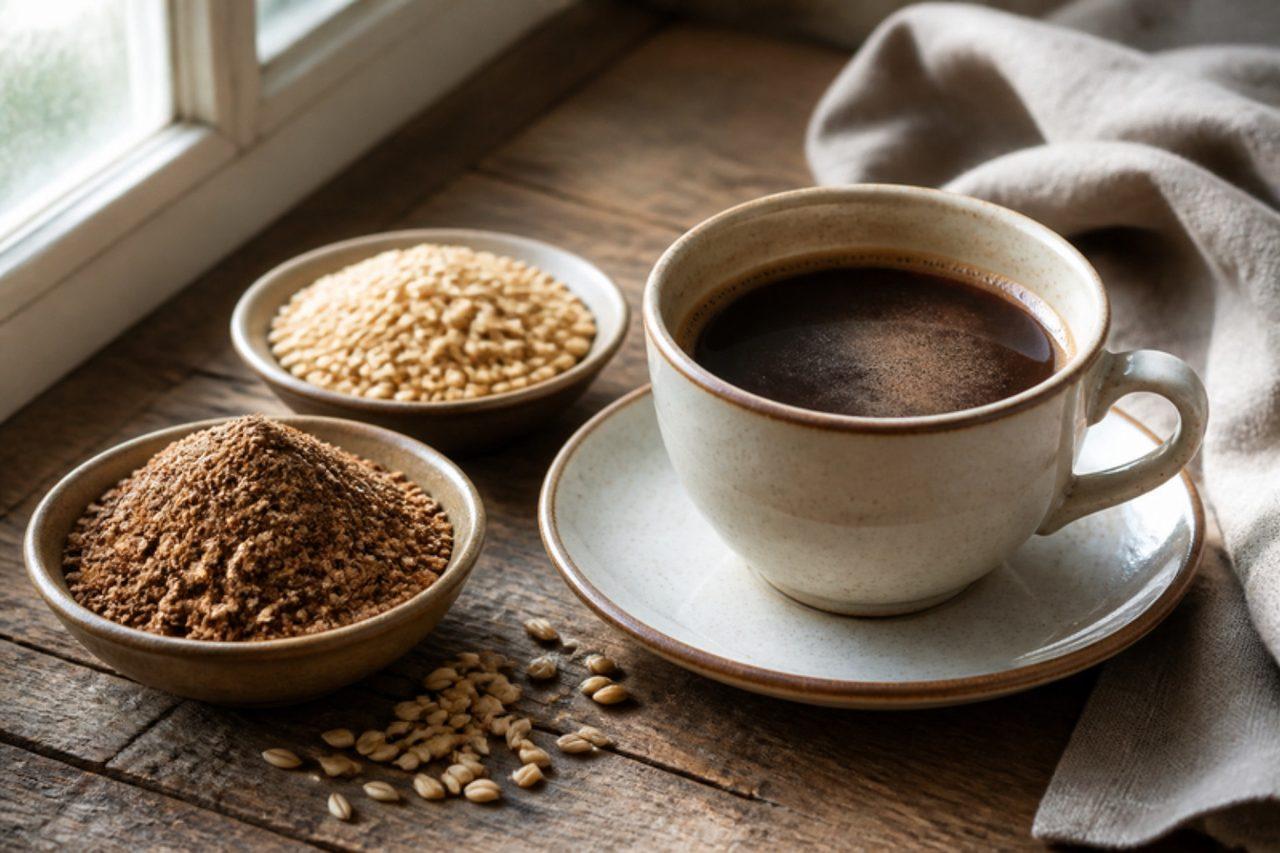
In Italian bars you can always ask for "un orzo": a hot drink made from roasted barley that looks like coffee and has a toasty, slightly sweet taste but no caffeine. During the war, when coffee was scarce, families drank it every morning, and today it is given to children, pregnant women and anyone avoiding caffeine. It can be made in a moka pot, served in a small cup like espresso or in a large one with milk. Barley contains gluten. Chef's tip: don't press the barley into the moka basket like coffee; packed tightly, it blocks the water and the pot hisses.

by KrazyBadal 0 views

Pot-au-feuBoiled beef and vegetables

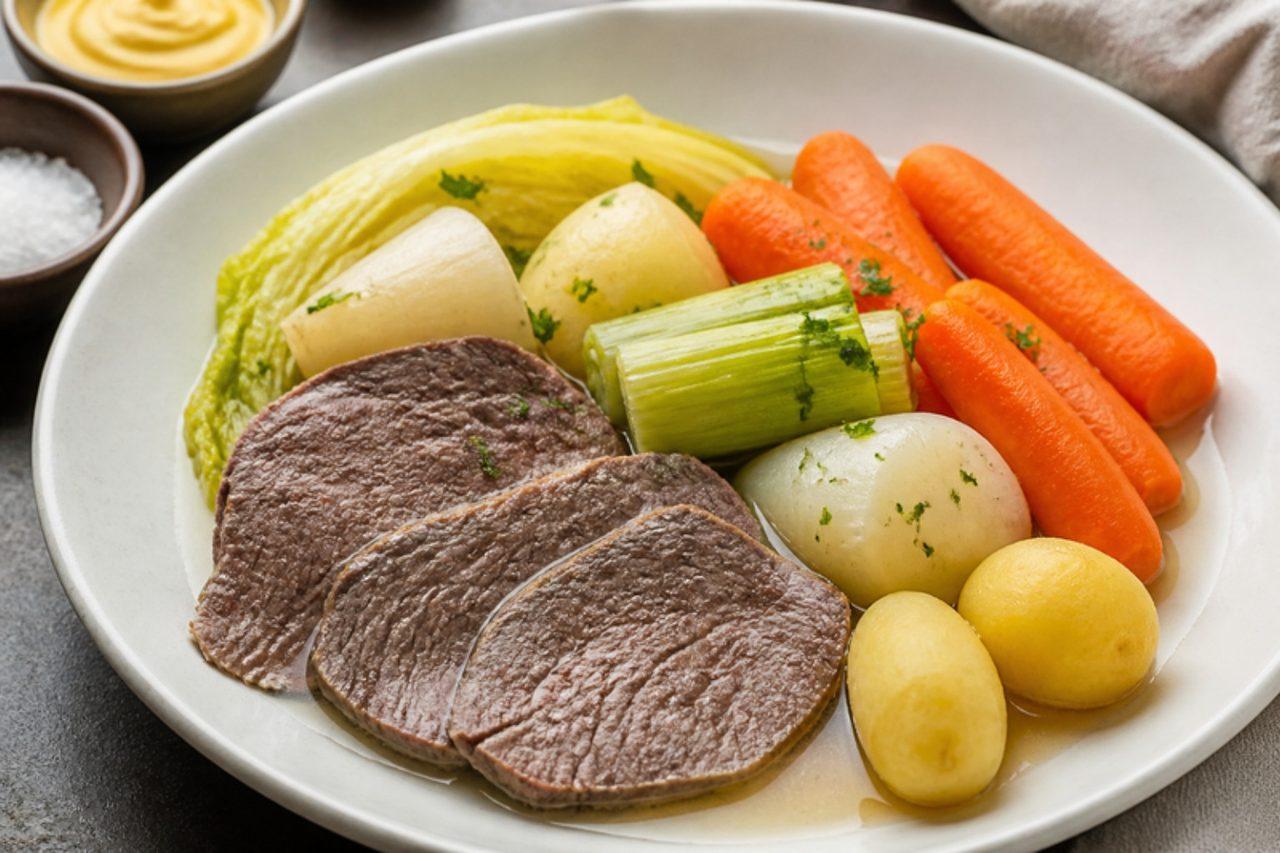
Pot-au-feu, "pot on the fire", is the most French of family meals, cooked on winter Sundays in homes from Normandy to the Auvergne and served in two courses: first the clear broth with toasted bread, then the meat and vegetables with coarse salt, mustard and gherkins. Several cuts are used together, something lean, something gelatinous and a marrow bone, simmered very slowly for hours. The common mistake is boiling it hard, which clouds the broth and toughens the meat. Chef's tip: skim carefully in the first 30 minutes and keep the water at a bare shiver; the broth will be clear and golden.

270 minFrenchMeatGluten free
by KrazyBadal 0 views

Carottes râpéesGrated carrot salad

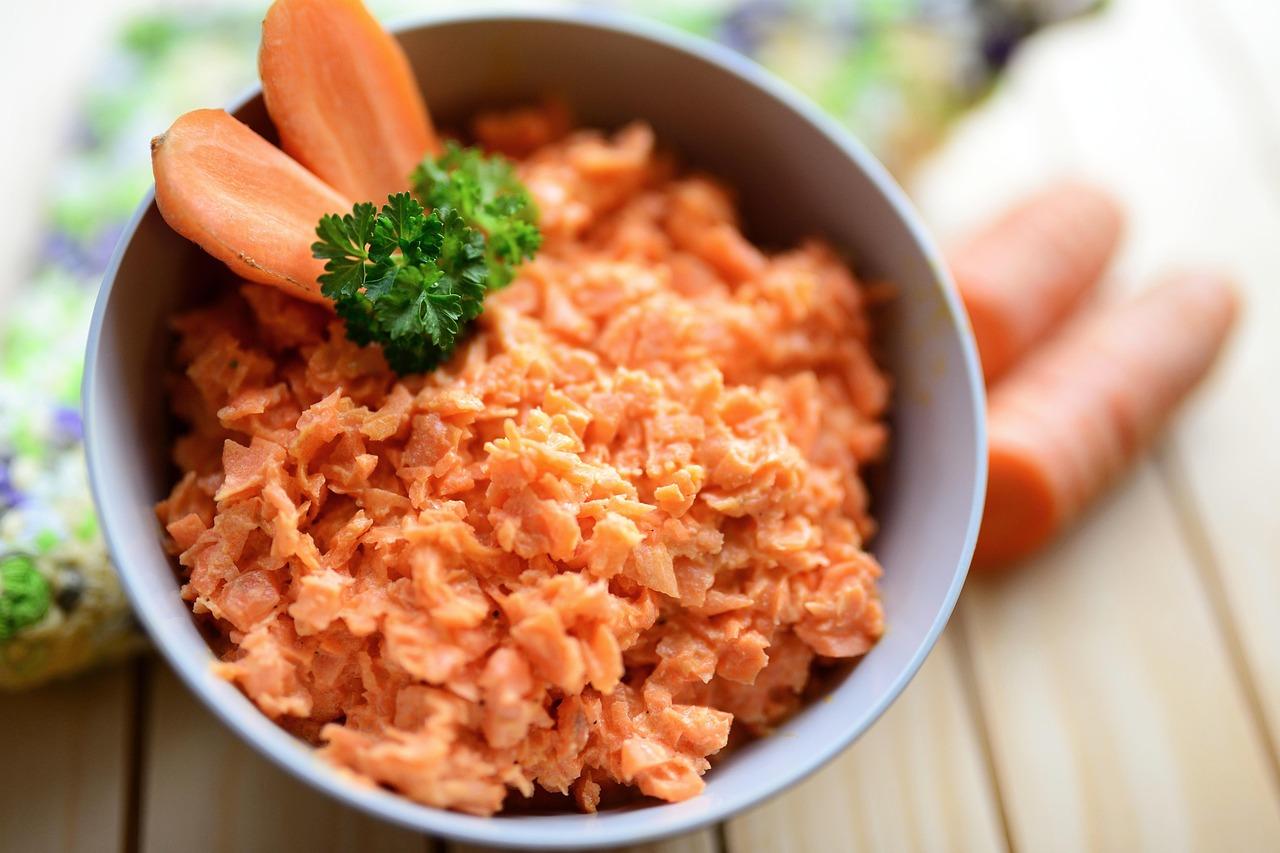
Carottes râpées is the everyday starter of French school canteens, bistro crudité plates and family lunches all over the country, a heap of finely grated carrots in a bright lemon dressing that wakes up any meal. It is sweet, juicy and crunchy, and takes ten minutes. The secret is grating the carrots on the fine side of the grater, so they release some juice into the dressing. The common mistake is using the coarse holes, which gives dry, chewy strands that do not take the dressing. Chef's tip: dress the carrots 20 minutes before serving and toss again just before the table; they soften slightly and taste much sweeter.

by KrazyBadal 0 views

Steak au poivrePepper steak

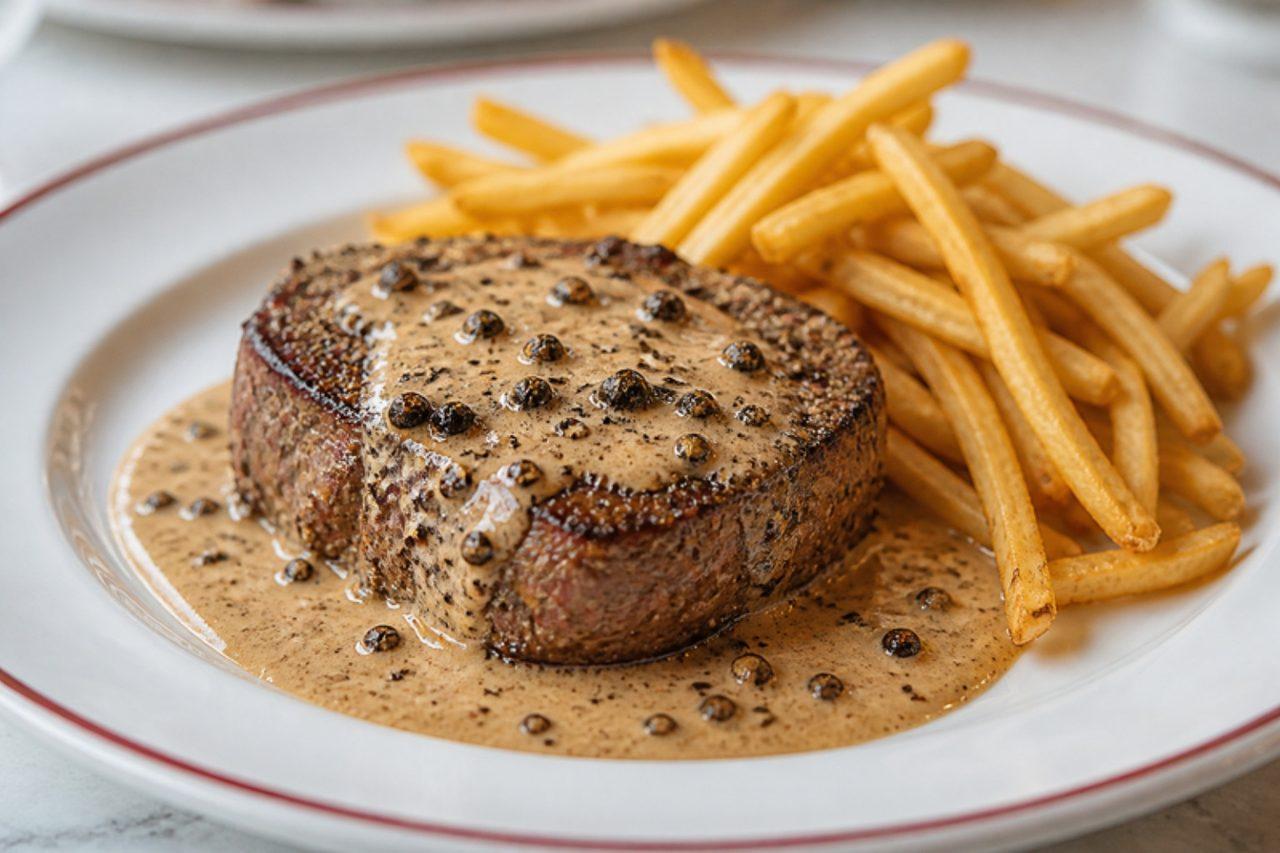
Steak au poivre is the great Paris bistro main course, ordered with a mountain of frites at lunchtime brasseries from the Left Bank to Montmartre. Thick steaks are pressed into coarsely cracked black peppercorns, seared hard, then the pan is deglazed with cognac and finished with cream into a peppery, glossy sauce. The cognac is flamed and boiled, which drives off most of the alcohol but not all; for an alcohol-free sauce use 60 ml beef stock with 1 tsp red wine vinegar instead. The common mistake is grinding the pepper too fine, which makes the crust bitter and fiercely hot. Chef's tip: crush the peppercorns under a heavy pan so they stay in coarse pieces, and sieve off the fine dust.

30 minFrenchMeatGluten free
by KrazyBadal 0 views

MarocchinoEspresso with cocoa and milk foam

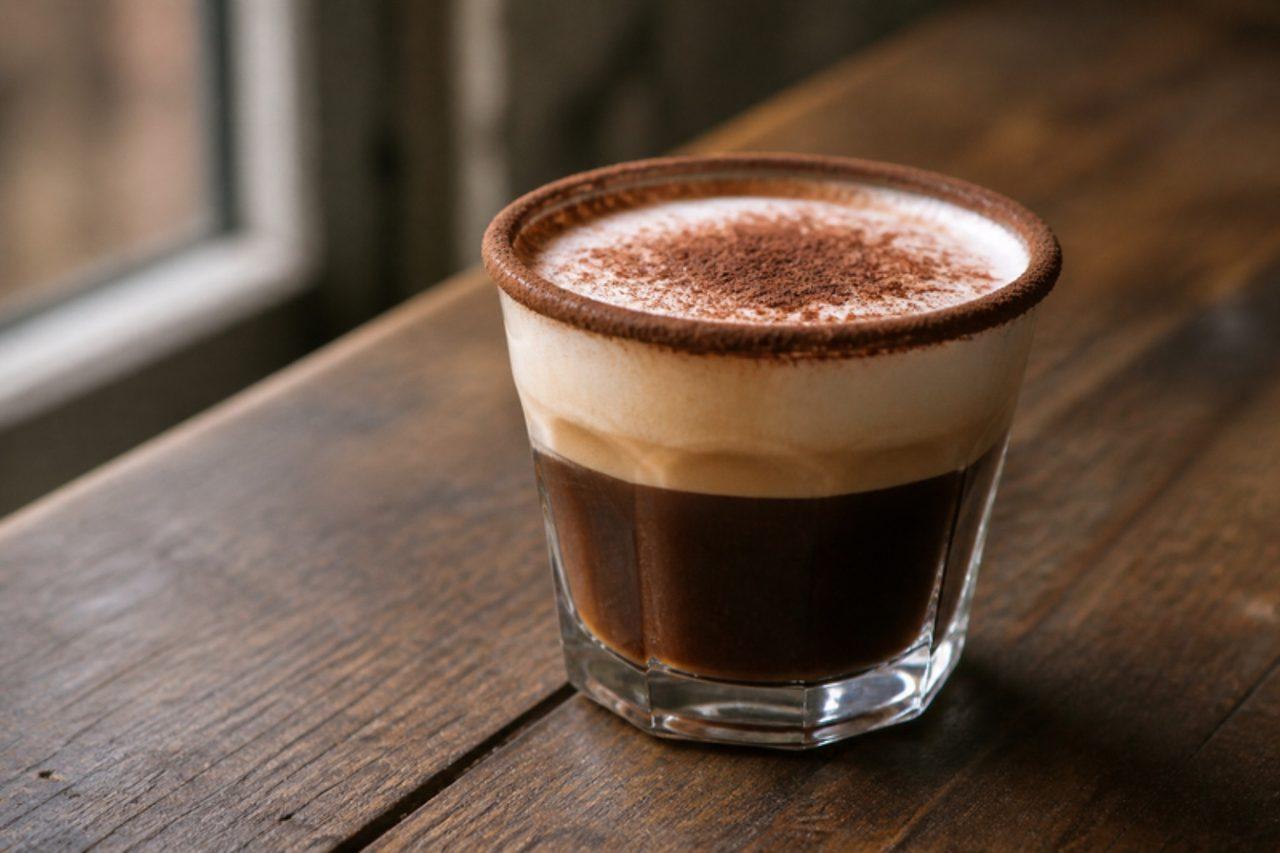
The marocchino was born in the bars of Alessandria in Piedmont, and it is now ordered all over northern Italy: a little glass dusted inside with cocoa, filled with an espresso and topped with milk foam and more cocoa, sometimes with a spoonful of chocolate sauce at the bottom. Its name comes from the brown colour of a leather called "marocchino" once used for hat bands. It is a mid-morning or afternoon treat. Contains caffeine. Chef's tip: dust the empty glass with cocoa before pouring the coffee in; it sticks to the hot glass and gives each sip a chocolate edge.

by KrazyBadal 0 views

BicerinLayered chocolate and coffee drink

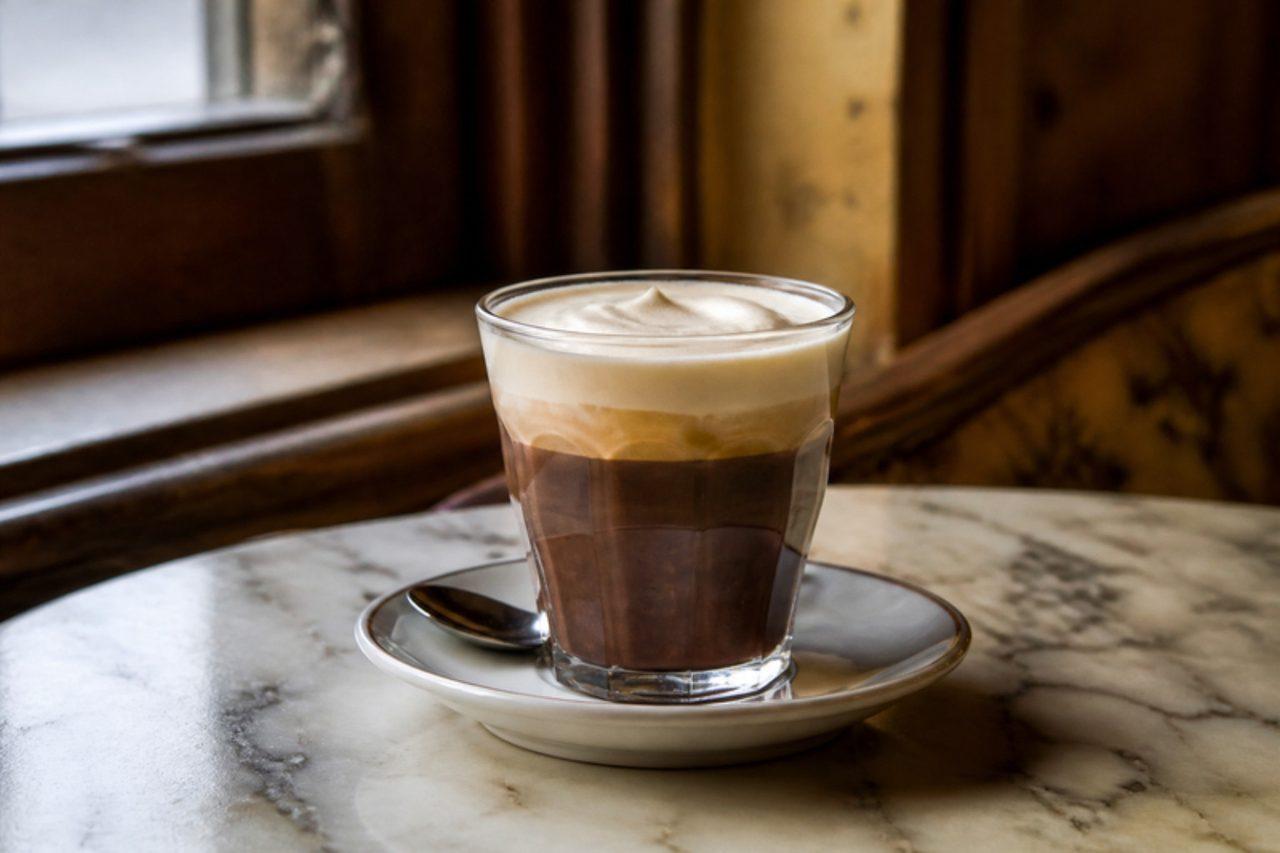
The bicerin ("little glass" in Piedmontese dialect) has been served since 1763 at the tiny Caffè al Bicerin opposite the Consolata church in Turin, where it was the drink that churchgoers had after fasting before Mass. It is three layers in a small glass: thick hot chocolate at the bottom, espresso in the middle and cold, lightly whipped cream on top, not stirred, so you taste each layer in turn. Contains caffeine. Chef's tip: pour the coffee and then the cream slowly over the back of a spoon so the layers sit on top of each other instead of mixing.

by KrazyBadal 0 views

Pâté lorrainPork and veal pastry pie

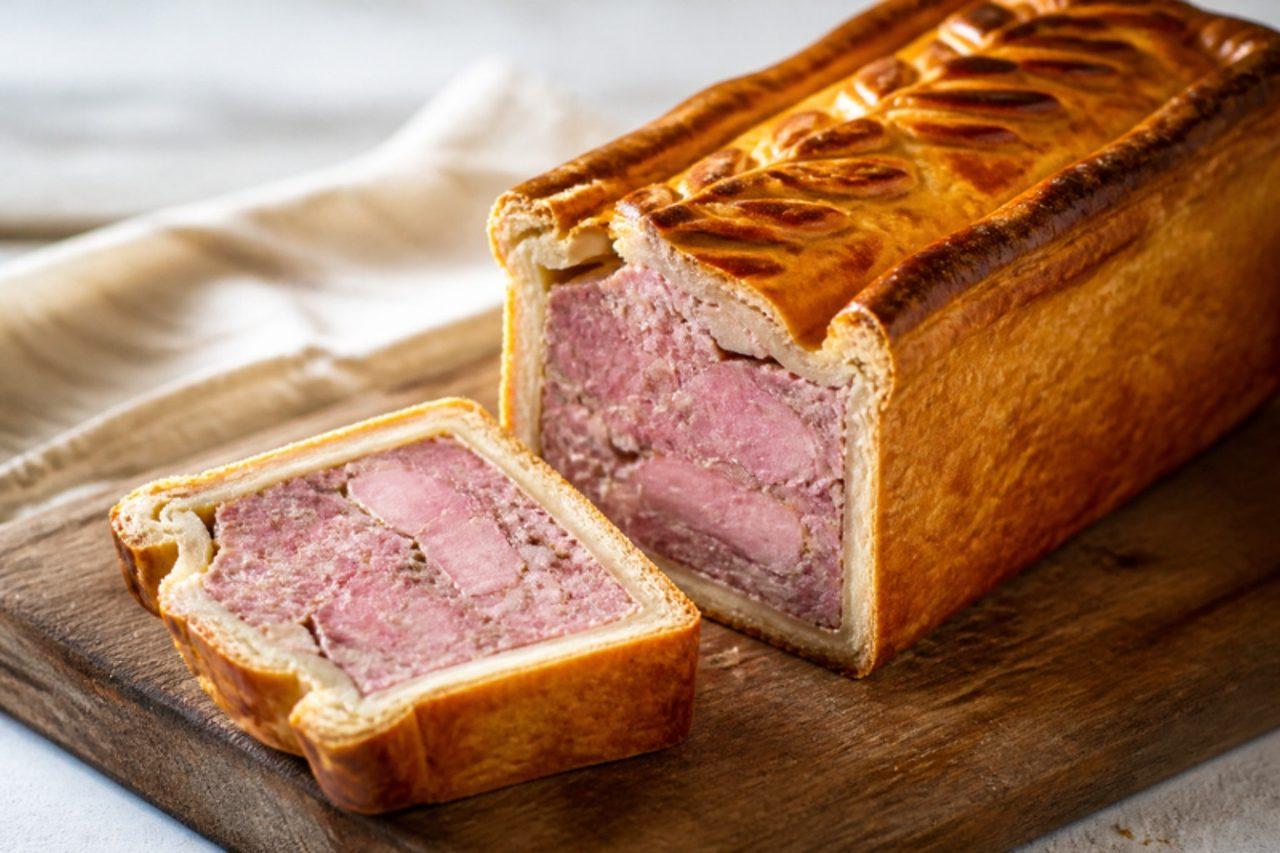
Pâté lorrain is the pride of Lorraine in north-east France, a long puff pastry loaf filled with pork and veal marinated overnight in white wine, shallots and herbs, served hot as a starter for Sunday lunch or village feasts with a green salad. It contains pork. The meat marinates raw in wine in the fridge and then bakes for an hour, which cooks off most of the alcohol but not all; for an alcohol-free version marinate in 150 ml chicken stock with 1 tbsp white wine vinegar. The common mistake is underbaking: the filling must reach 71 °C in the centre. Chef's tip: cut the meat into thin strips, not cubes; it cooks evenly and slices neatly.

90 minFrenchMeat
by KrazyBadal 0 views

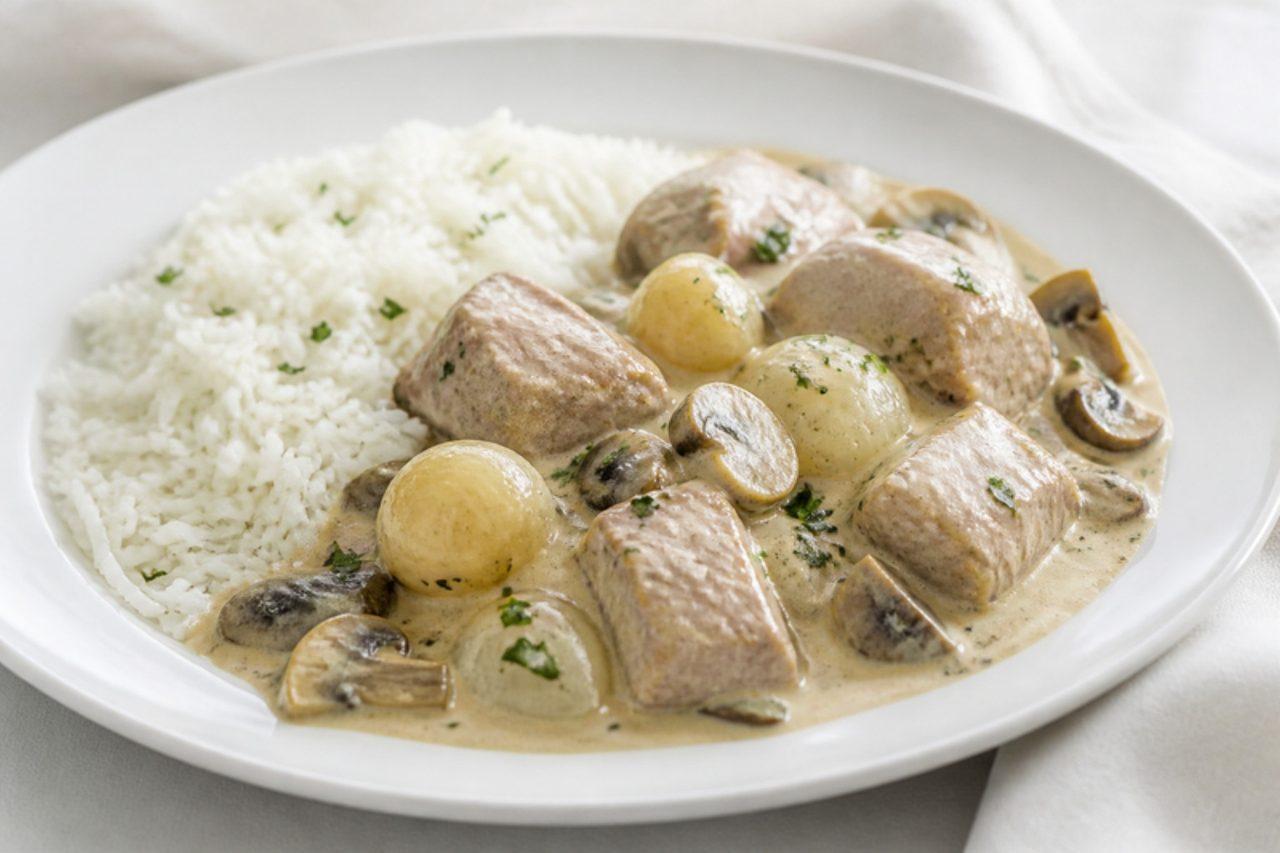
Blanquette de veauVeal in cream sauce

Blanquette de veau is the classic French family Sunday stew and a fixture on the lunch menus of traditional bistros, always served with white rice. Pieces of veal shoulder are simmered gently, never browned, in a light stock with carrots and an onion studded with cloves, and the broth is then turned into a silky white sauce with butter, flour, cream and egg yolk, finished with small mushrooms and lemon. The common mistake is letting the sauce boil after adding the egg yolk, which scrambles it. Chef's tip: blanch the veal for 2 minutes first and rinse it; the stock stays clear and the sauce comes out pure ivory.

150 minFrenchMeat
by KrazyBadal 0 views

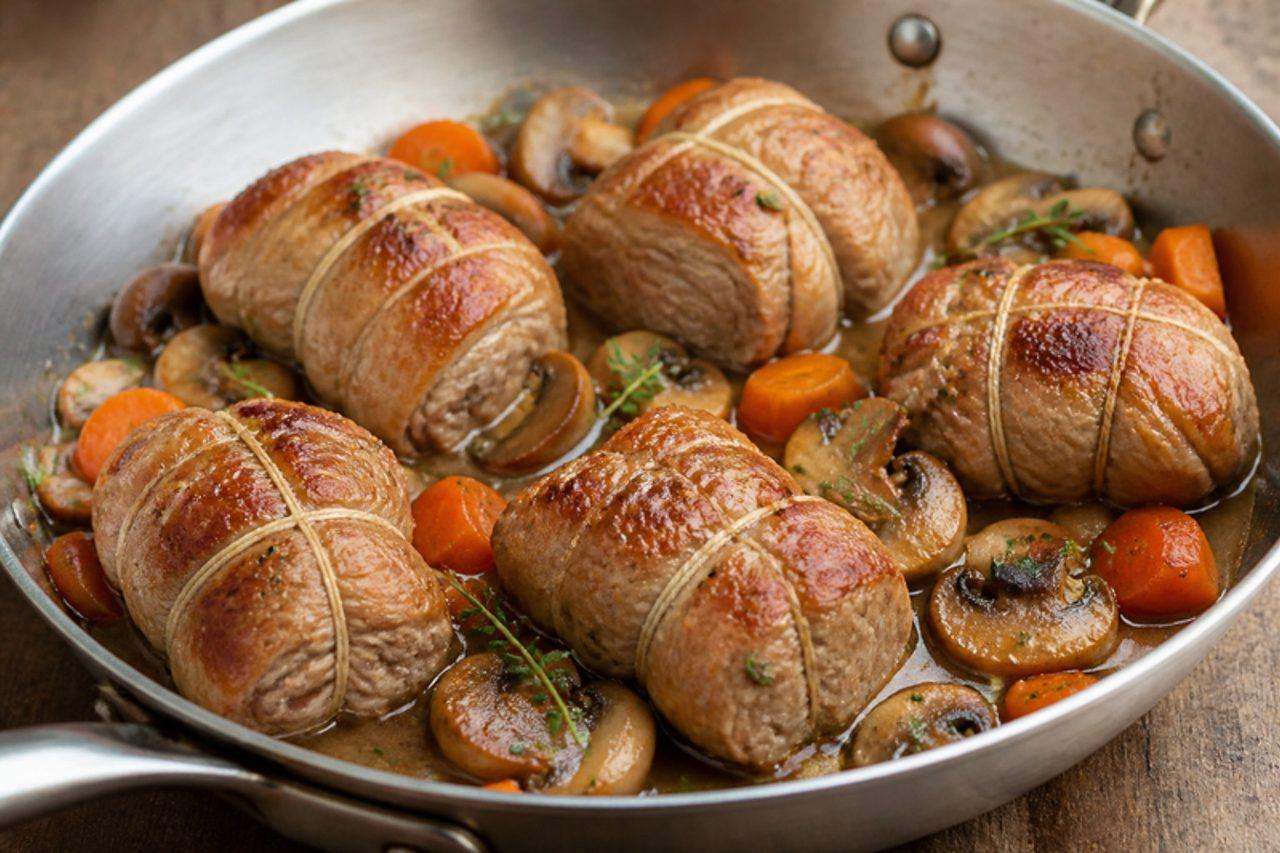
Paupiettes de veauStuffed veal rolls

Paupiettes de veau are the little tied bundles every French butcher sells ready-made for family dinners, especially in autumn and winter, but they are simple to make at home. Thin veal escalopes are rolled around a seasoned stuffing of pork sausage meat and herbs, tied with string, browned and braised in a light tomato and white wine sauce with mushrooms. This recipe contains pork. The wine simmers for 45 minutes, which drives off most of the alcohol but not all; for an alcohol-free version use more stock with 1 tsp white wine vinegar. The common mistake is undercooking the stuffing: it must reach 71 °C in the centre. Chef's tip: pound the escalopes very thin between sheets of cling film; they roll tightly and cook evenly.

80 minFrenchMeat
by KrazyBadal 0 views

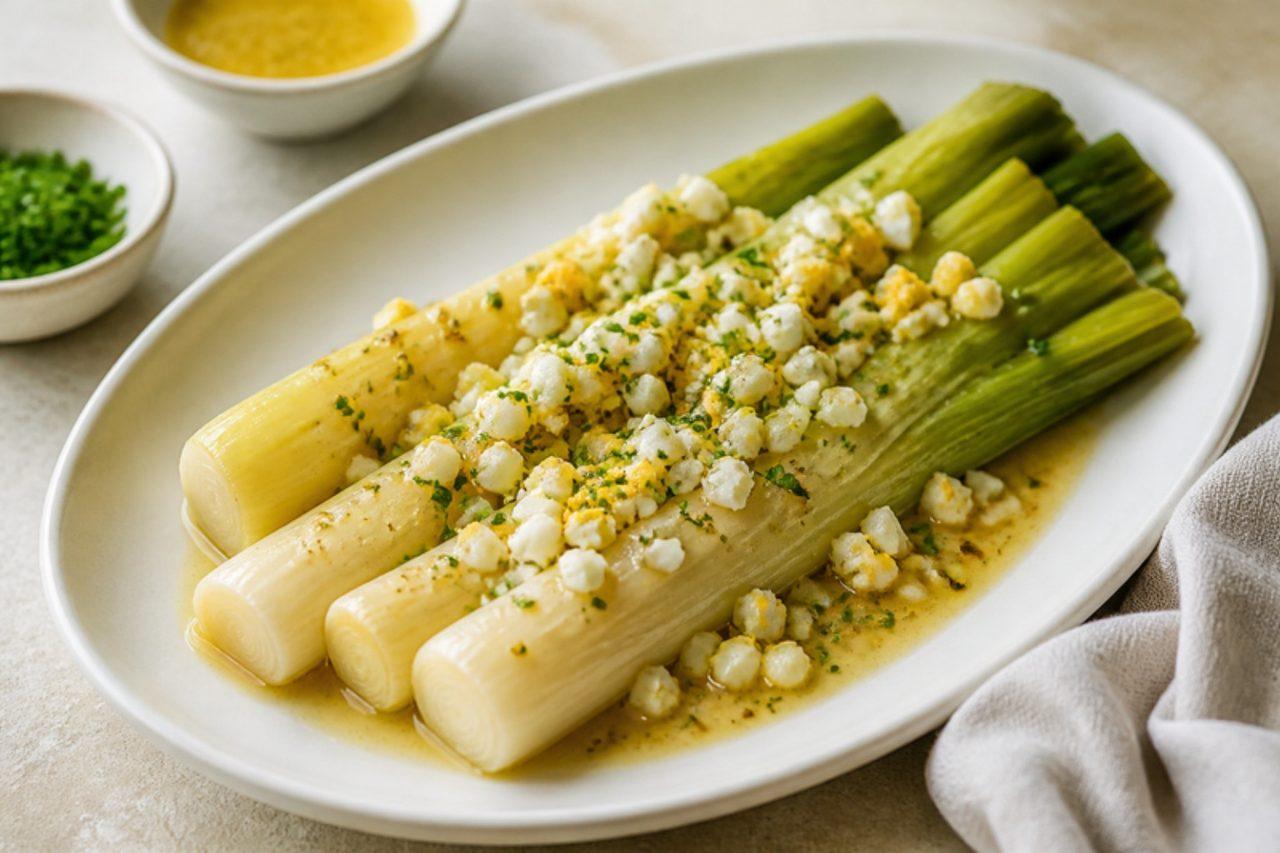
Poireaux vinaigretteLeeks in vinaigrette

Poireaux vinaigrette is the humble leek starter of Parisian bistros, served lukewarm on long plates from autumn to early spring, when leeks are cheap and sweet. Whole young leeks are poached until silky, drained well and dressed while still warm with a punchy mustard vinaigrette, so they drink it in. Some bistros finish them with chopped egg; this version keeps it vegan with shallots and chives. The common mistake is not washing the leeks well, which leaves grit between the layers. Chef's tip: tie the leeks in a bundle before poaching so they stay whole and easy to lift out.

by KrazyBadal 0 views

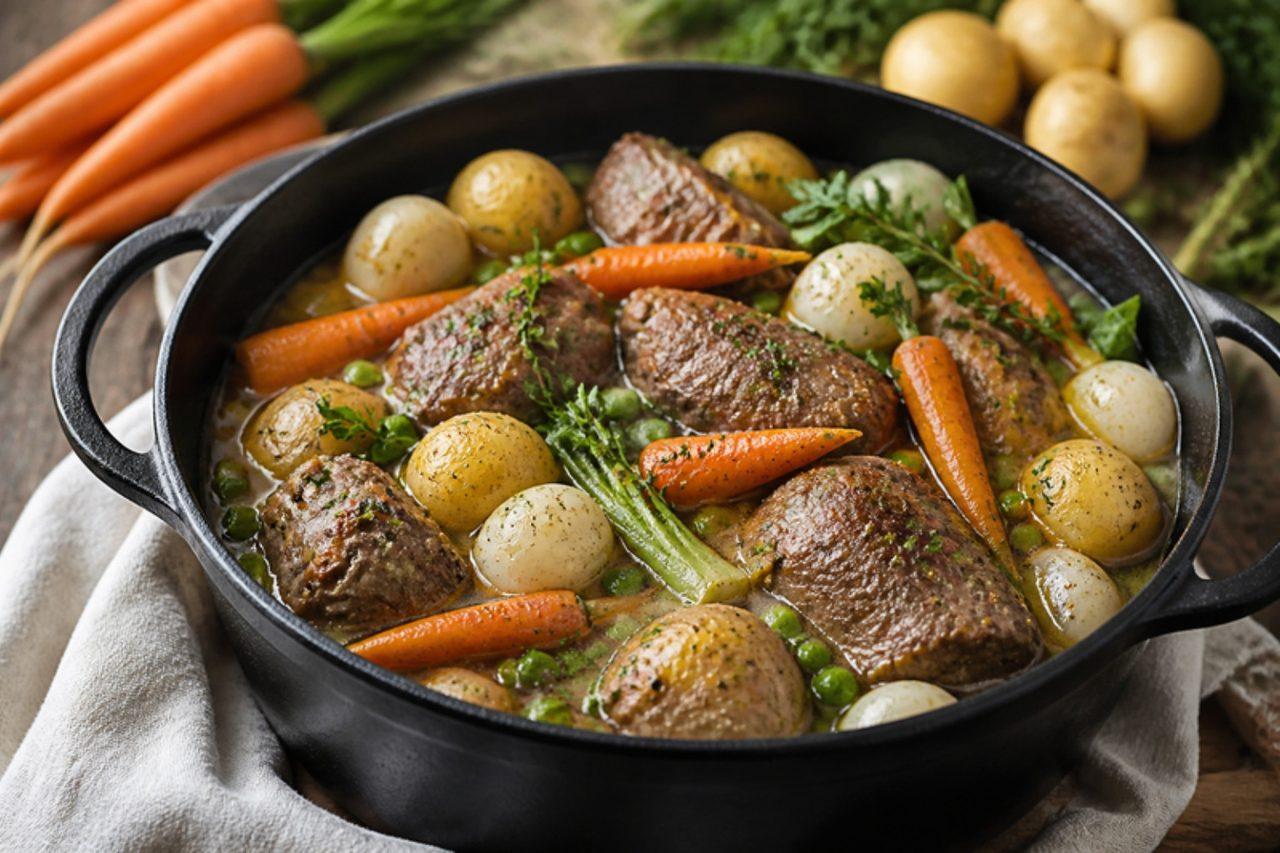
Navarin d'agneau printanierSpring lamb stew

Navarin d'agneau is the lamb stew of the French spring table, cooked for Easter and the first warm Sundays of April and May, when new potatoes, baby turnips and fresh peas fill the markets. Browned lamb shoulder simmers in a light tomato gravy until tender, and the young vegetables are added in stages so each one is perfectly cooked. The common mistake is adding all the vegetables at the start, which turns them to mush. Chef's tip: dust the browned lamb with a little flour and sugar and let it catch in the pan for a minute; it gives the sauce its colour and body.

130 minFrenchMeat
by KrazyBadal 0 views

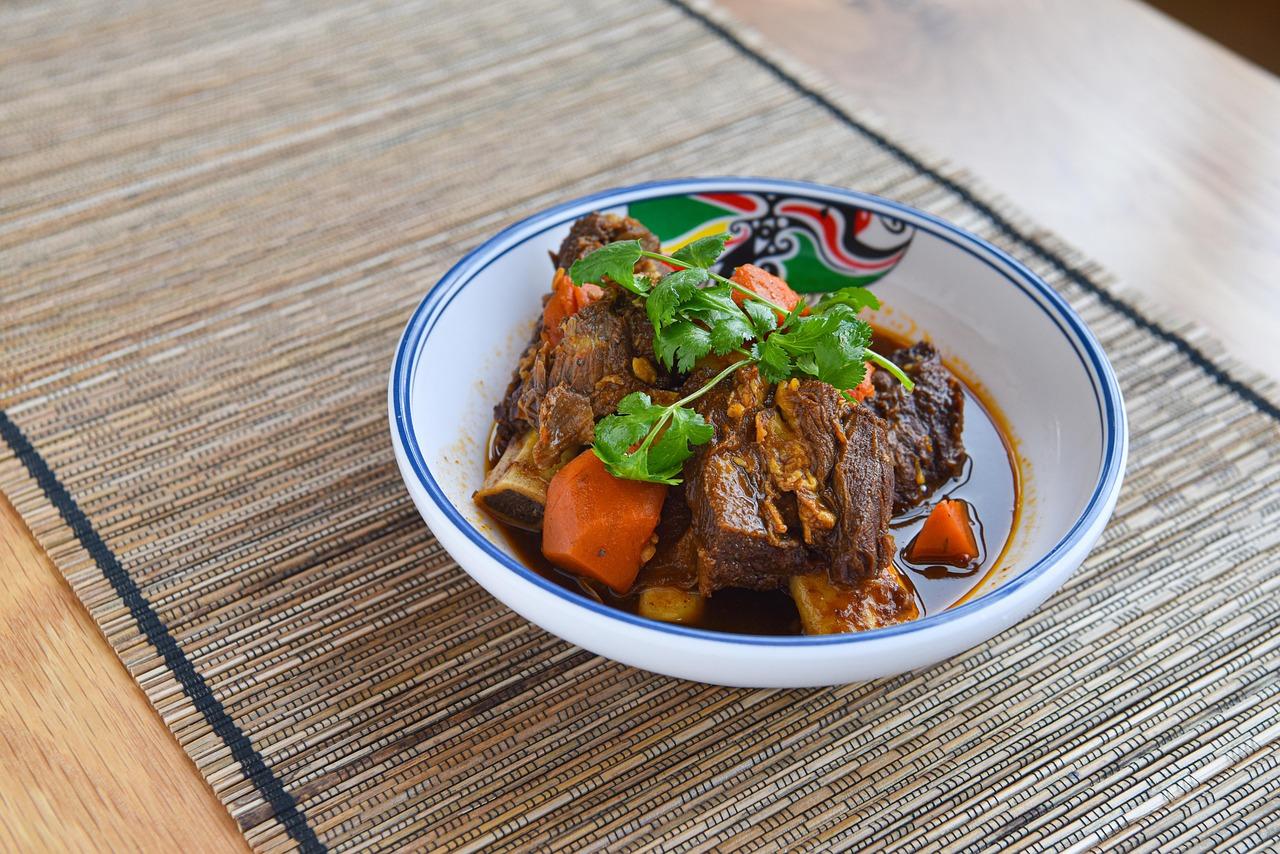
Bœuf carottesBraised beef with carrots

Bœuf carottes is the simple slow braise French grandmothers and school canteens have always made on cold weekdays, a whole pan of beef and carrots cooked so long that the meat collapses and the carrots turn sweet and glossy. Some families add a glass of wine; this version uses stock and a little tomato so it is alcohol-free and suits everyone. It is even better reheated the next day. The common mistake is using lean steak, which dries out; you need a gelatinous cut like chuck or cheek. Chef's tip: cut the carrots thick on the slant; they hold their shape through three hours of cooking.

200 minFrenchMeatGluten free
by KrazyBadal 0 views

OrzataAlmond syrup drink

Orzata was first made from barley (orzo), but in Liguria, Sardinia and Sicily it has long been made from almonds: a milky, sweet almond syrup, diluted with ice-cold water and drunk on hot summer afternoons in seaside bars and at home. Its gentle almond and orange-blossom flavour makes it a children's favourite. Contains nuts. Chef's tip: soak the blanched almonds in water for an hour before blending; they release more milk and the syrup is richer.

by KrazyBadal 0 views

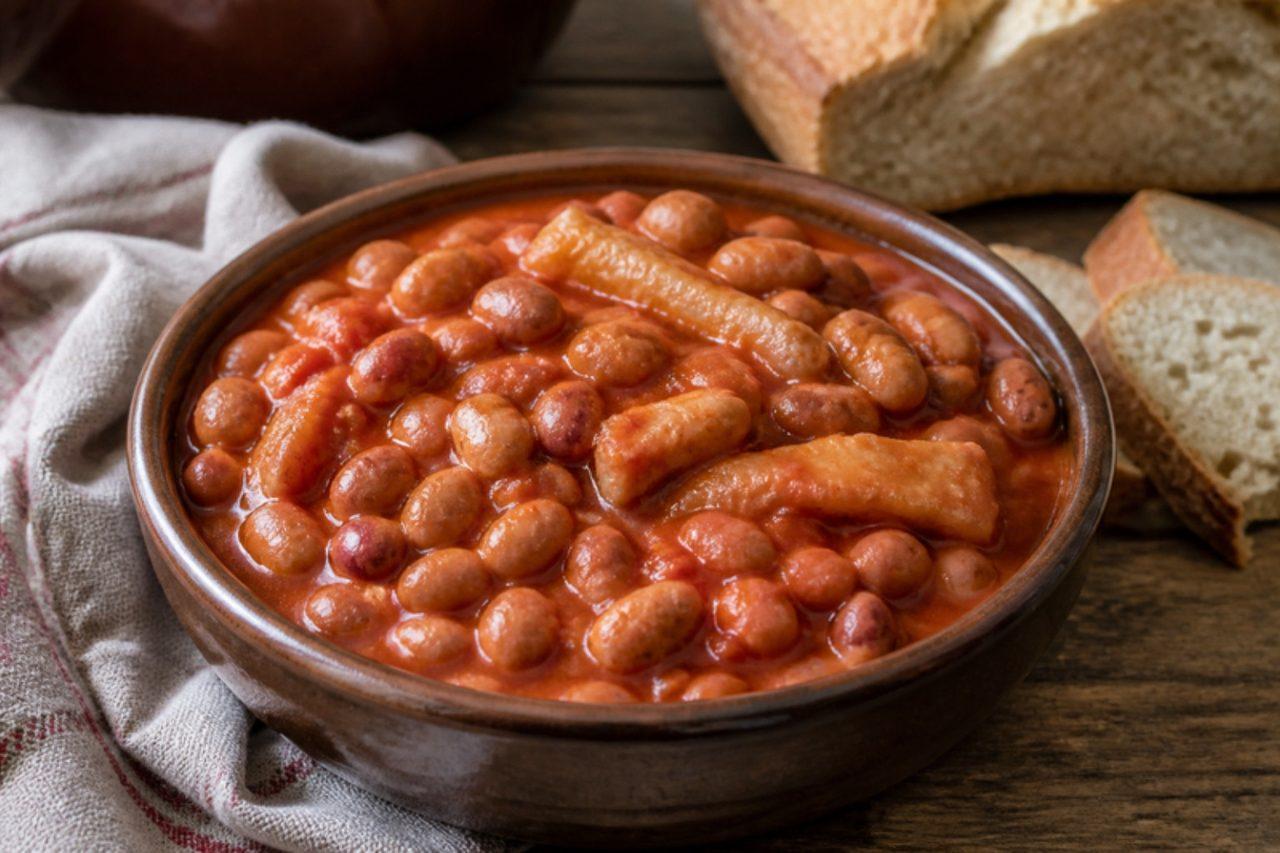
Fagioli con le coticheBeans with pork rind

In Rome and the towns of Lazio, fagioli con le cotiche is the winter dish from the old trattorie of Trastevere: borlotti beans stewed slowly in tomato with cotiche, the skin of the pig, which melts into soft, sticky ribbons that make the sauce rich and glossy. It was the food of the poor who used every part of the pig. Ask the butcher for clean pork rind, or use rind cut from a piece of pork belly. Chef's tip: boil the rind twice in fresh water before stewing it; it removes any strong smell and makes it tender.

210 minItalianMeatGluten free
by KrazyBadal 0 views

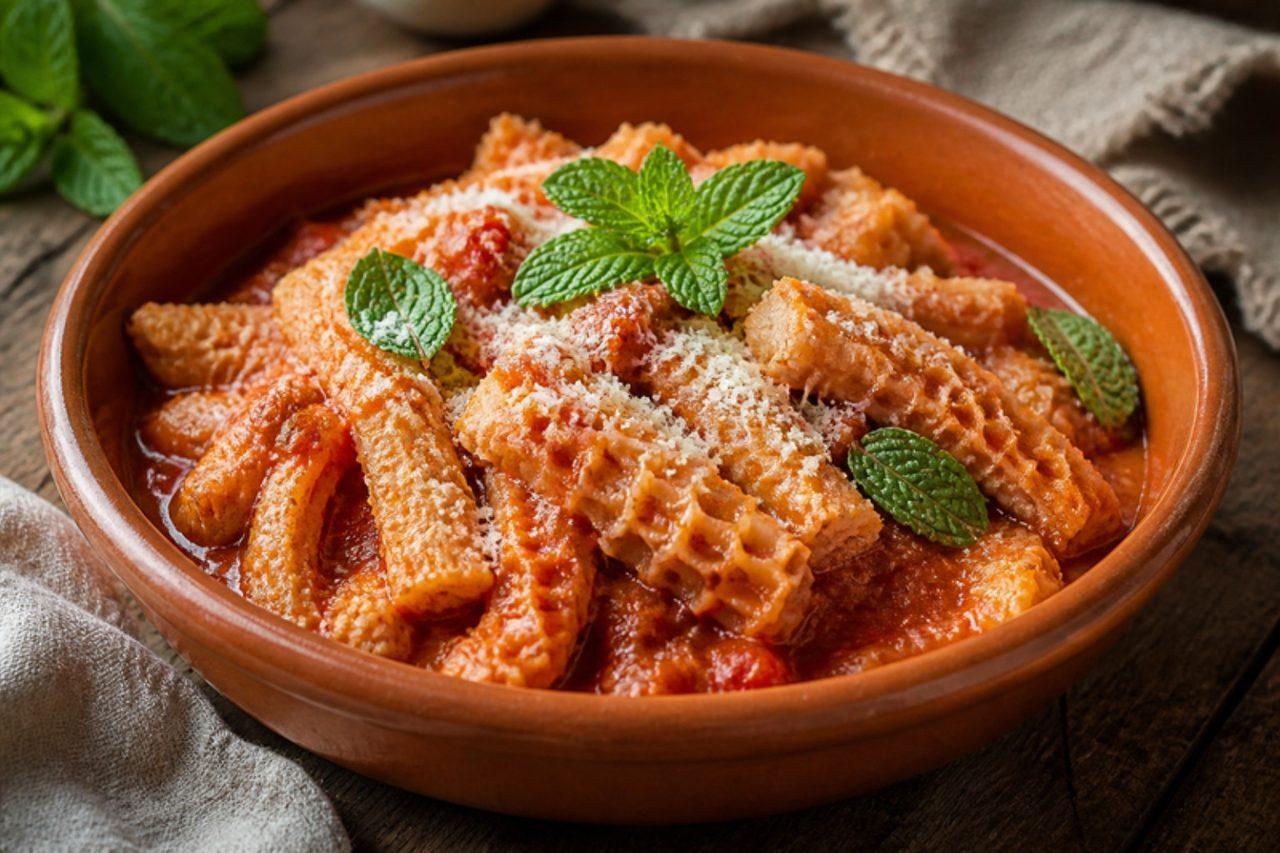
Trippa alla romanaTripe in tomato sauce

Rome's quinto quarto, the "fifth quarter" or offal, was the food of the slaughterhouse workers of Testaccio, and trippa alla romana is still served there every Saturday: honeycomb beef tripe stewed slowly in tomato with onion, carrot and celery, finished with fresh mint, which Romans call mentuccia, and a heap of grated pecorino. It is tender, rich and surprisingly delicate. Buy tripe ready cleaned and part-cooked from a butcher. Alcohol is used here: white wine, which you can replace with water and a spoonful of vinegar. Chef's tip: add the mint only at the end; cooked too long, it turns dark and loses its fresh, cooling taste.

170 minItalianMeatGluten free
by KrazyBadal 0 views

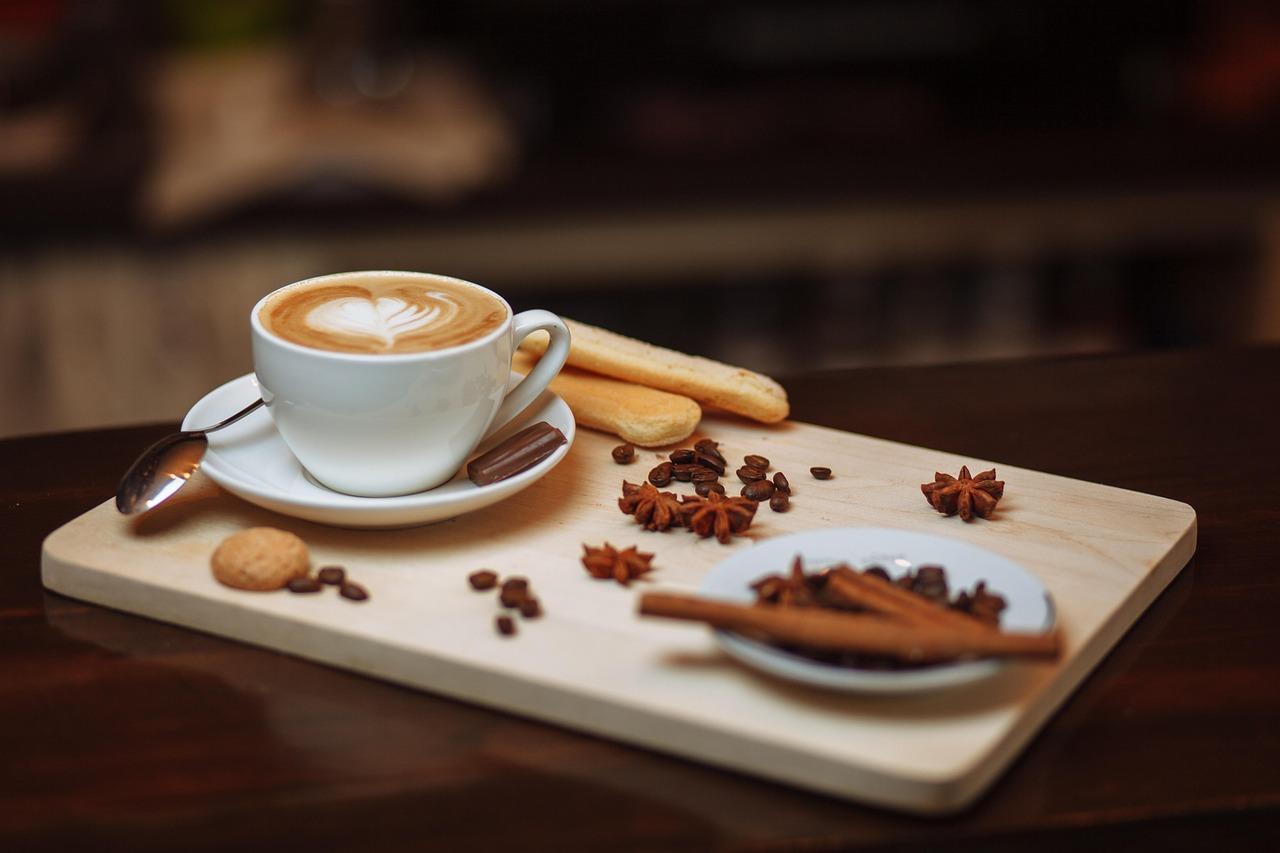
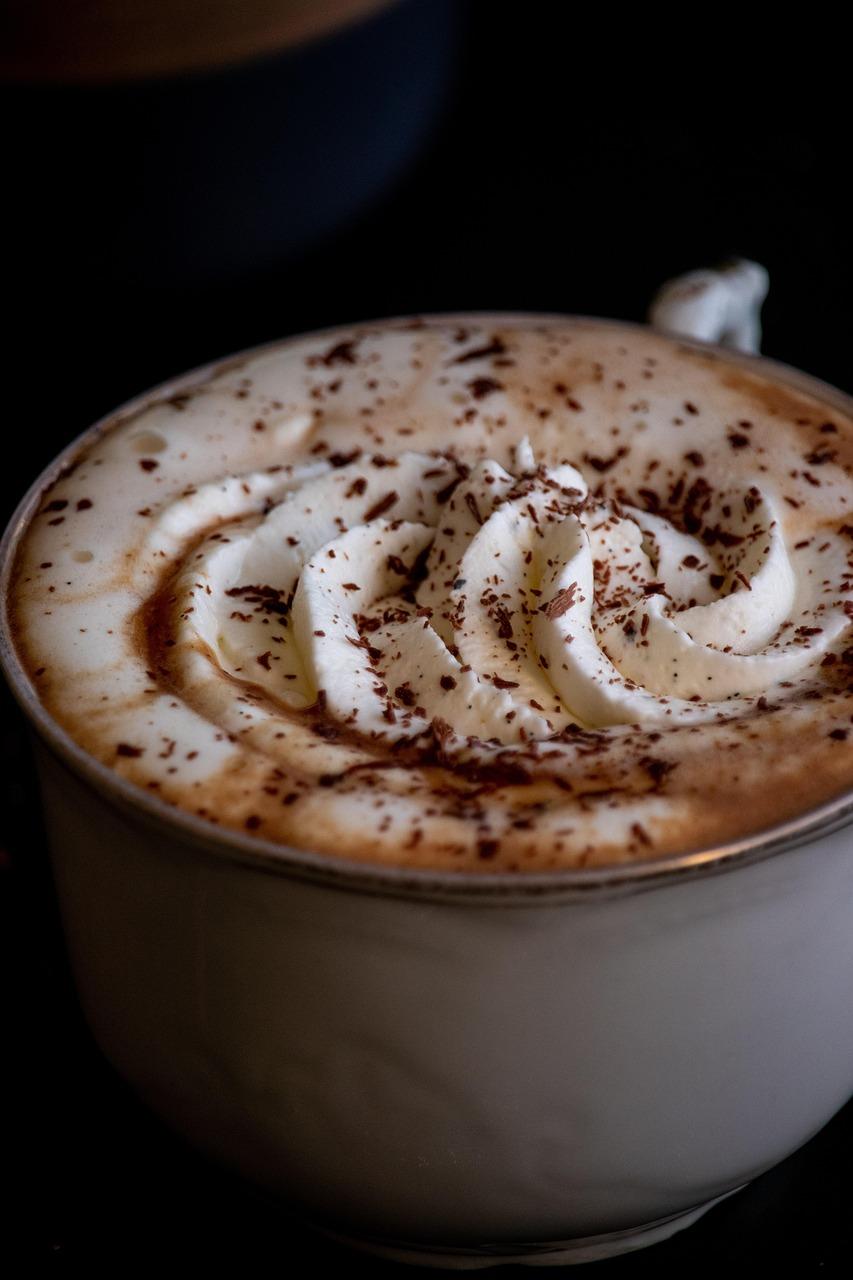
Cappuccino

In Italy the cappuccino is strictly a breakfast drink, ordered at the bar counter with a cornetto before 11 in the morning, never after a meal. It is a single espresso topped with an equal amount of hot milk and a thick cap of velvety foam, named after the brown habits of Capuchin friars. Baristas in Turin and Trieste are famous for their thick, glossy microfoam. Contains caffeine, so it's not for children. Chef's tip: heat the milk only to about 65 °C, when the jug is too hot to hold for more than a second; hotter milk tastes cooked and the foam collapses.

by KrazyBadal 0 views

Cioccolata caldaThick hot chocolate

Italian hot chocolate is not a milky drink but almost a pudding: thick enough to coat a spoon, made with real dark chocolate and cocoa thickened with a little starch. On cold winter afternoons in Turin, Florence and Perugia, families sit in historic cafés with a cup topped with whipped cream (con panna), dipping biscuits into it. Children love it. Chef's tip: mix the cornflour and cocoa with a little cold milk to a smooth paste first; dropped straight into hot milk, they form lumps.

by KrazyBadal 0 views

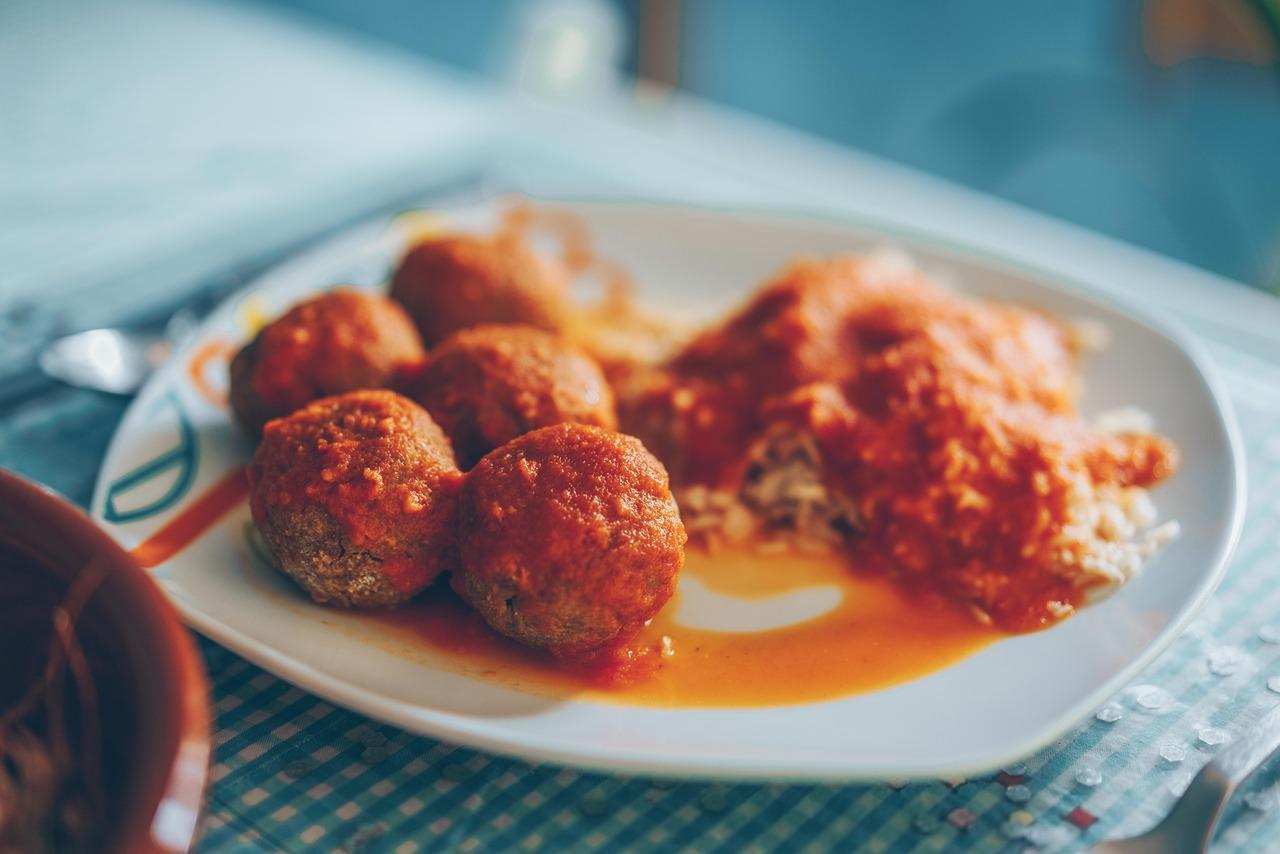
Polpette al sugoMeatballs in tomato sauce

In southern Italian homes, polpette al sugo are the Sunday treat: soft meatballs of beef and pork mince with stale bread, egg, Parmigiano, garlic and parsley, browned and then simmered slowly in tomato sauce. The sauce goes on pasta as the first course, and the meatballs are the second, with bread. Neapolitan grandmothers make them big, the size of a small orange. They contain pork. Chef's tip: soak the bread in milk and use plenty of it; it is what keeps the meatballs tender and light, not firm and dry.

by KrazyBadal 0 views

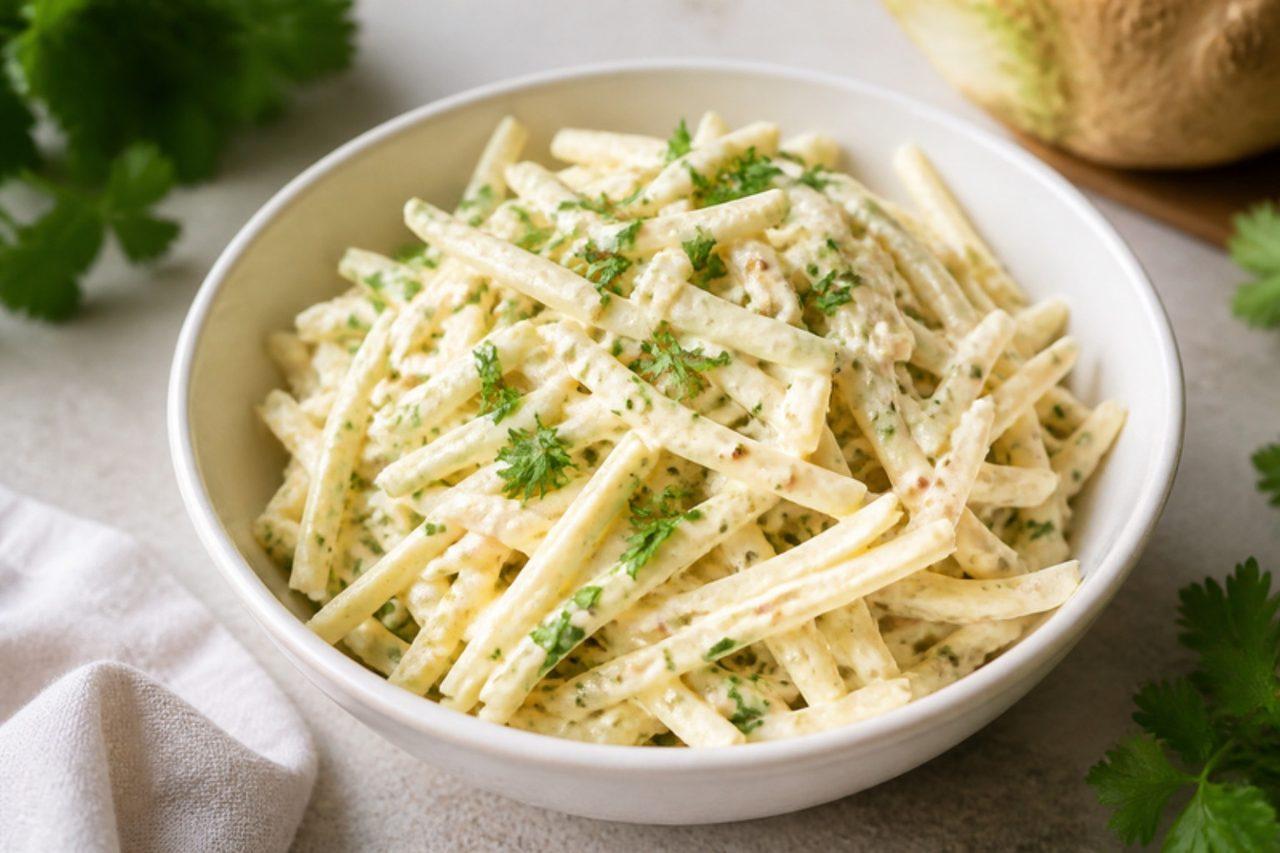
Céleri rémouladeCeleriac in mustard mayonnaise

Céleri rémoulade is the classic winter crudité of Paris, sold by the scoop at every charcuterie counter and served in brasseries as part of an assiette de crudités with grated carrots and beetroot. Raw celeriac is cut into fine matchsticks, softened briefly with lemon and salt, then folded through a thick mayonnaise sharpened with plenty of Dijon mustard. It tastes nutty and fresh and keeps well for a day. The mayonnaise uses a raw egg yolk: use a pasteurised yolk or good shop-bought mayonnaise for anyone pregnant, very young, elderly or with a weakened immune system. A common mistake is cutting the celeriac too thick, which leaves it woody and stops the dressing clinging. Chef's tip: salt and lemon the celeriac 15 minutes before dressing; it softens just enough and stops turning brown.

by KrazyBadal 0 views

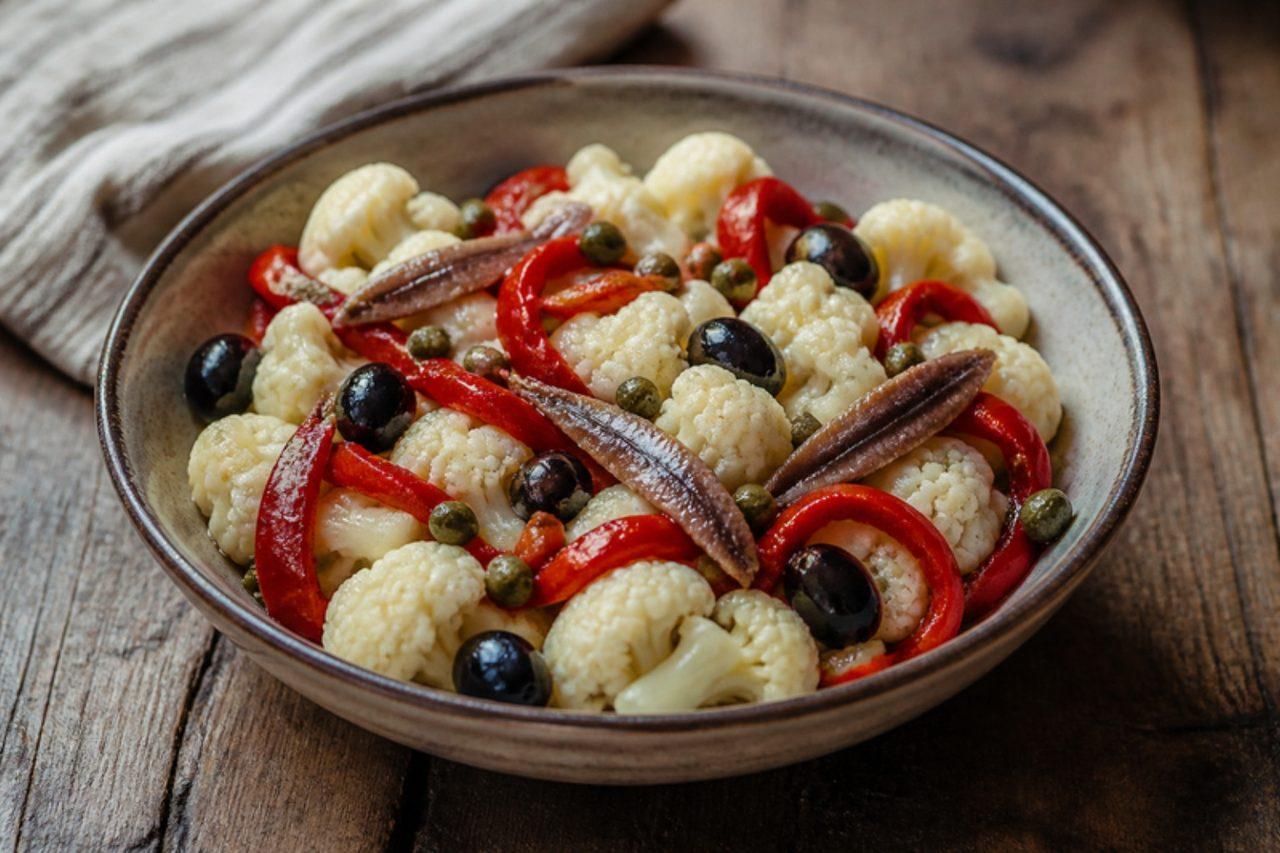
Insalata di rinforzoCauliflower and pickle salad

Insalata di rinforzo, the "reinforcement salad", is on every Neapolitan table from Christmas Eve to New Year. It is made in a big bowl and "reinforced" each day with more vegetables and pickles as it is eaten: boiled cauliflower, pickled peppers (papaccelle), giardiniera, black olives, capers and anchovies, dressed with olive oil and vinegar. It is served alongside the fried fish of the Vigilia. Chef's tip: boil the cauliflower until just tender, still with a little crunch; it soaks up the dressing better and won't fall apart over the days.

by KrazyBadal 0 views

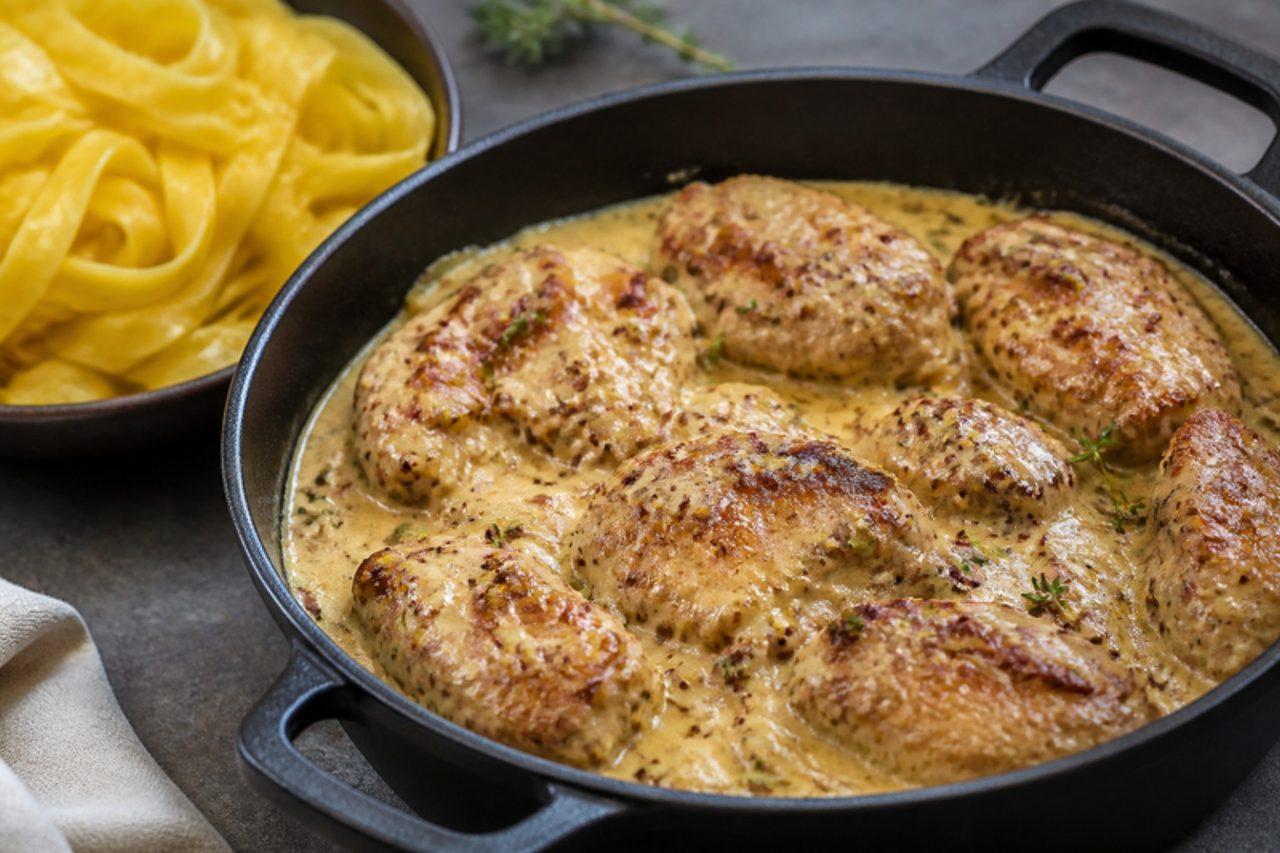
Lapin à la moutardeRabbit in mustard cream

Lapin à la moutarde is a farmhouse dish of Burgundy and Champagne, cooked for family lunches in autumn and winter, where rabbit is as common as chicken and Dijon mustard is the local pride. The rabbit pieces are brushed thickly with mustard, browned, then braised in white wine with shallots and thyme and finished with cream into a pale, tangy sauce. The wine simmers for an hour, which drives off most of the alcohol but not all; for an alcohol-free version use chicken stock with 1 tbsp cider vinegar. The common mistake is a hard boil, which dries out the lean rabbit. Chef's tip: stir a spoonful of fresh mustard into the sauce at the very end; cooked mustard loses its bite, and this brings it back.

75 minFrenchMeatGluten free
by KrazyBadal 0 views

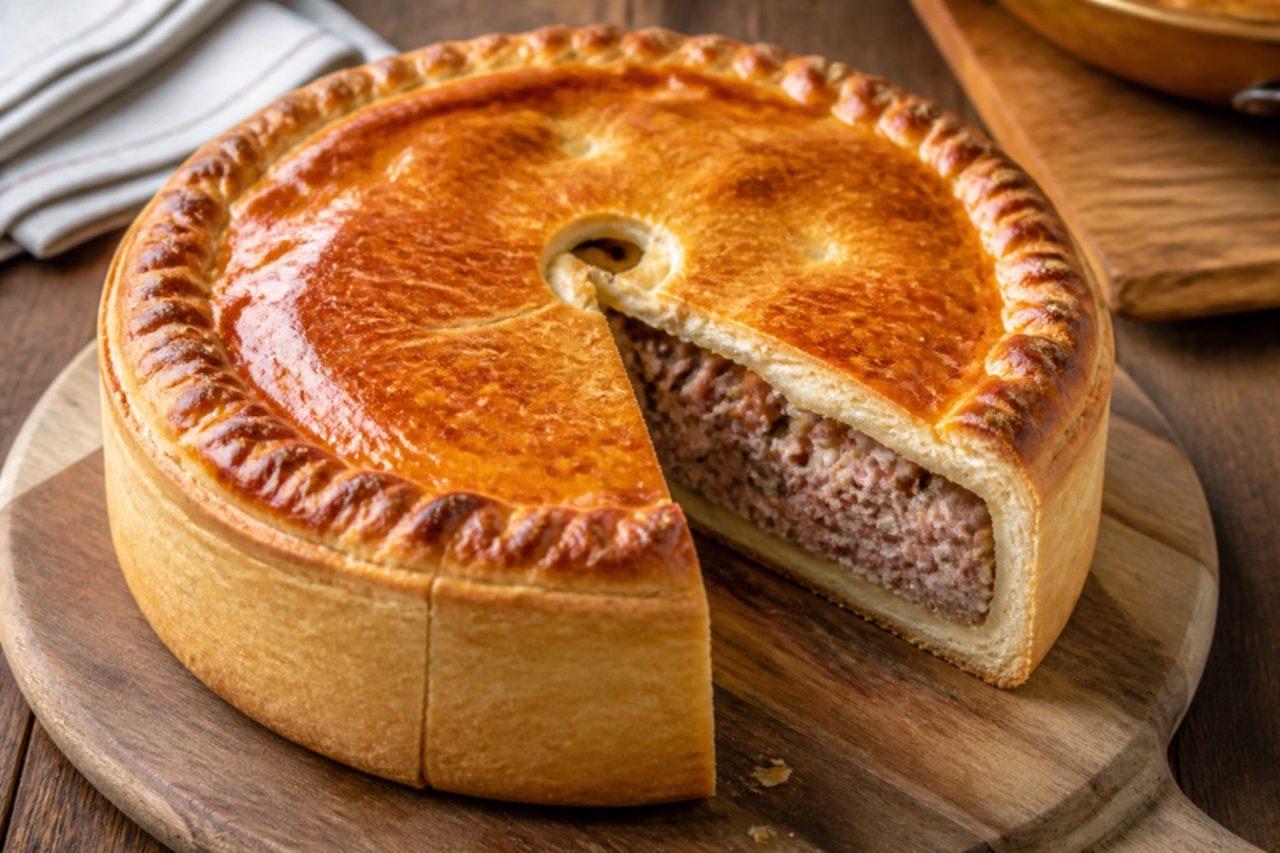
Tourte de la vallée de MunsterMarinated pork pie

The tourte of the Munster valley is the festive pie of the farms in the Vosges mountains of Alsace, served hot at Sunday lunches and village celebrations with a green salad and, for those who eat it, a slice of local Munster cheese. Minced pork and veal are marinated with white wine, onion and bread soaked in milk, then baked in a tall, round double crust. It contains pork. The wine bakes for over an hour, which drives off most of the alcohol but not all; for an alcohol-free version use 100 ml chicken stock. The common mistake is underbaking the thick filling; it must reach 71 °C right in the centre. Chef's tip: rest the pie for 15 minutes before cutting so the juices settle and the slices hold.

115 minFrenchMeat
by KrazyBadal 0 views

Showing 24 of 1,549 recipes

Show more recipes

Page 1 of 65