Skip to content
WhatToEat.Today

All recipes

15

Vegetarian, or something you can't eat? Set your diet once and we'll hide recipes that don't fit.

ChichingaSpicy peanut beef kebabs

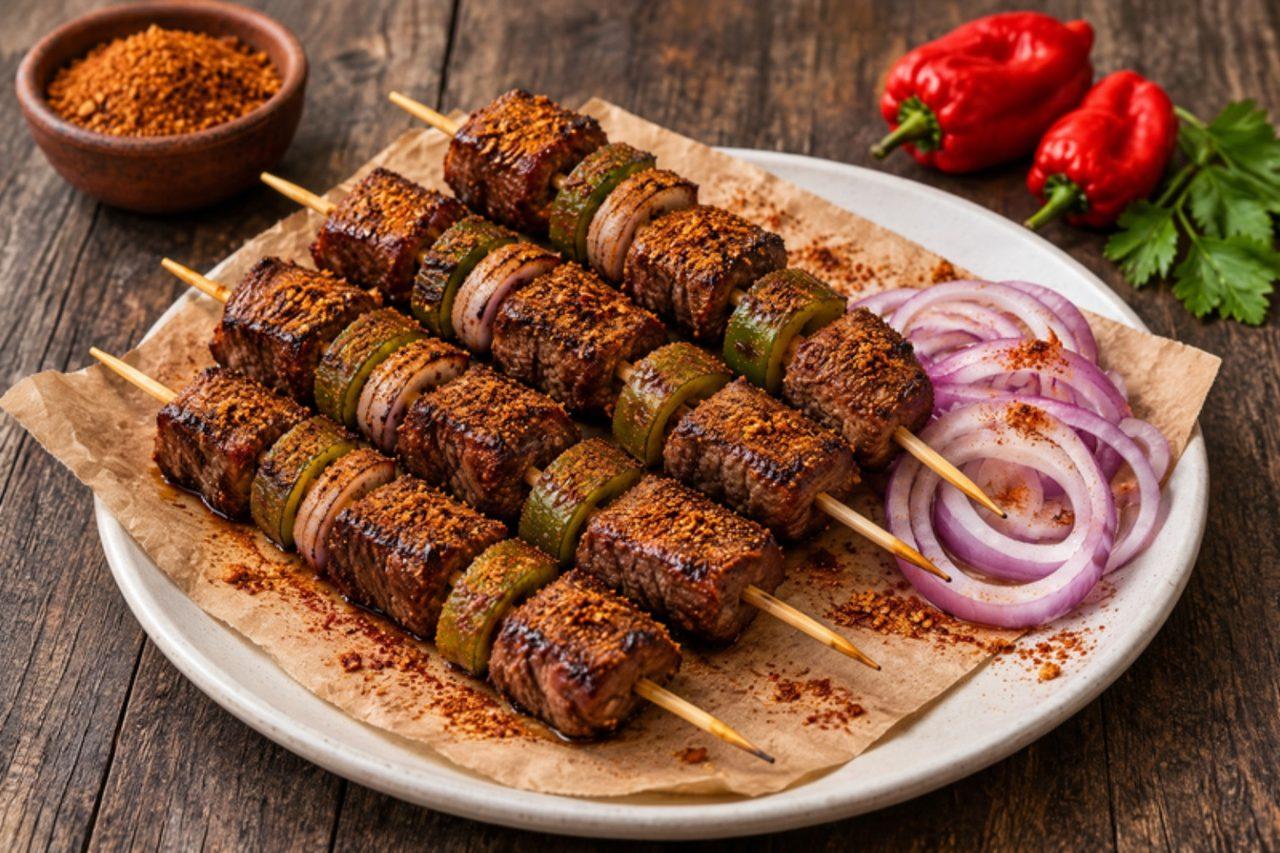
As the sun goes down on Oxford Street in Osu, Accra, chichinga sellers fan their charcoal grills at the roadside and the smell of spiced beef and roasting peanuts pulls in the evening crowd. The skewers came south with traders from northern Ghana and are close cousins of Nigerian suya: chunks of beef rubbed with a hot powder of ground peanuts, ginger and chilli, grilled with onion and green pepper and eaten with a sprinkle of extra spice, sliced tomato and a cold drink. It contains peanuts. Chef's tip: dust on most of the peanut spice in the second half of grilling; over fierce coals it scorches if it goes on too early.

by KrazyBadal 0 views

Asaana (caramelised corn drink)

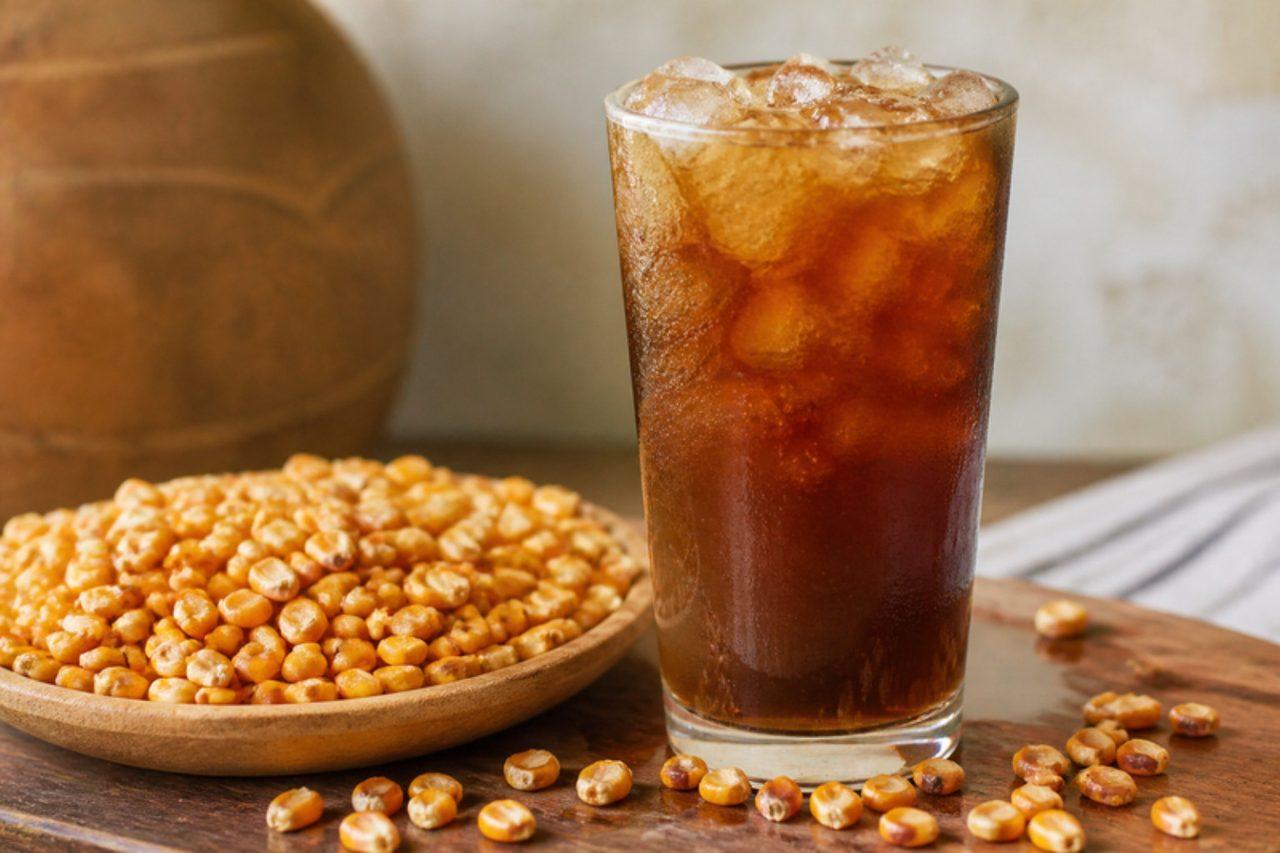
Chilled in plastic bottles and sold from cool boxes at lorry parks, schools and roadside stalls, asaana is one of the most loved soft drinks in Ghana. Maize is soaked, ground and left to sour for a day, then boiled and strained, and the pale liquid is coloured and sweetened with sugar caramelised almost to bitterness. The result is tangy, toasty and refreshing, a little like a light malt drink. Boiling after the souring stops the fermentation, so asaana is a non-alcoholic drink. It needs about two days of mostly hands-off waiting. Chef's tip: take the caramel to a deep mahogany colour before adding water; pale caramel is the usual mistake and gives a flat, sugary drink without the classic toasted edge.

by KrazyBadal 0 views

Lamugin (spiced ginger millet drink)

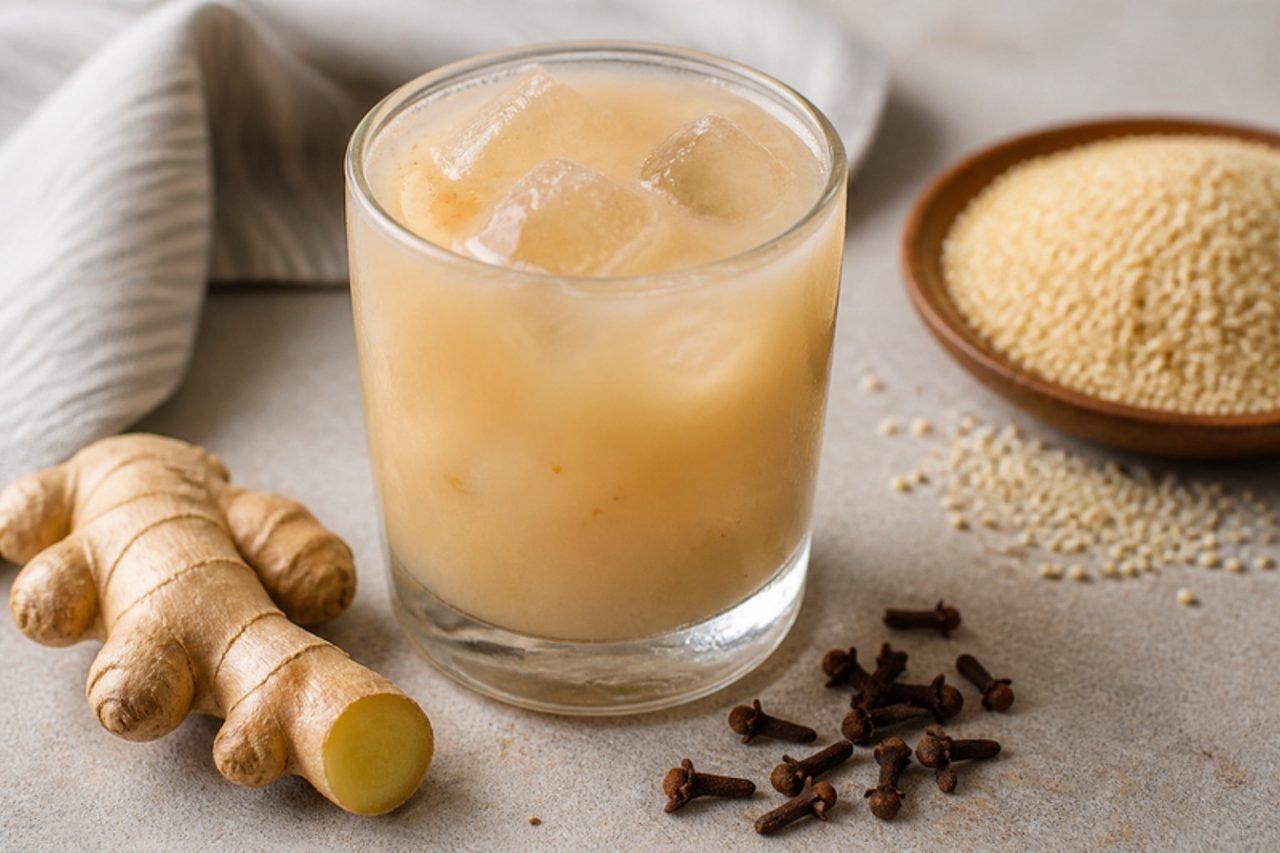
Around Tamale and across Northern Ghana, lamugin is the drink that bites back: millet flour stirred into ginger water spiked with cloves, black pepper and chilli, then sweetened and served very cold. Sellers keep it in sachets or calabashes at markets and roadside stands, and it is handed round at gatherings and during Ramadan evenings. It is cloudy and slightly thick from the millet, with a sweet start and a long peppery warmth. This version is non-alcoholic and cooks the millet briefly so it tastes clean rather than raw. Chef's tip: pass the ginger water through a fine cloth before adding the millet, so the drink stays smooth instead of stringy.

by KrazyBadal 0 views

Ghanaian rock buns

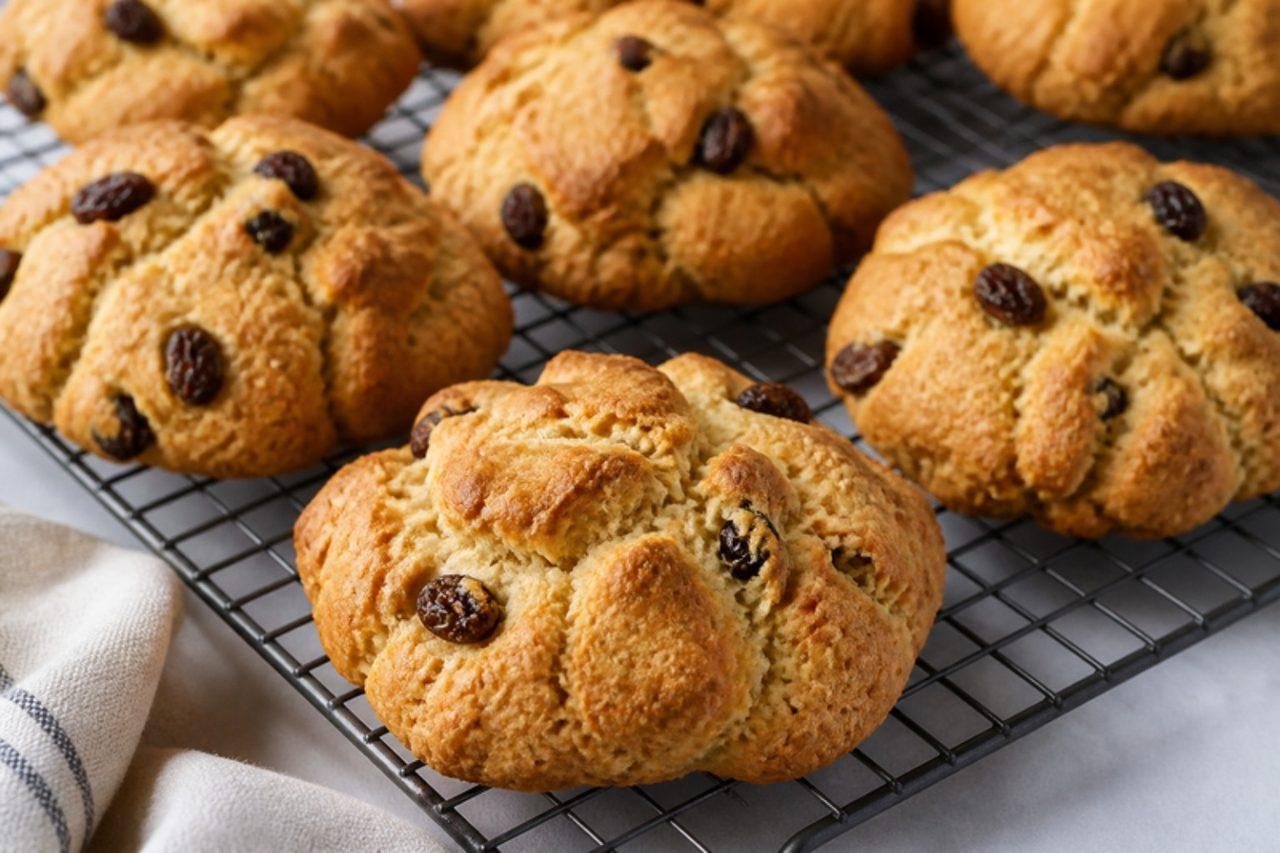
Rock buns came to Ghana with colonial-era baking and never left: every neighbourhood bakery and many school canteens sell these rough, golden mounds, eaten with tea in the morning or with a soft drink after school. They are crisp on the craggy outside, soft and cakey inside, scented with nutmeg and studded with raisins. They take minutes to mix and are a good first bake for children. Chef's tip: keep the dough stiff and drop it in rough heaps without smoothing; too much milk is the common mistake, and the buns spread into flat cookies instead of rising into 'rocks'.

by KrazyBadal 0 views

Domedo (Ghanaian spiced pork)

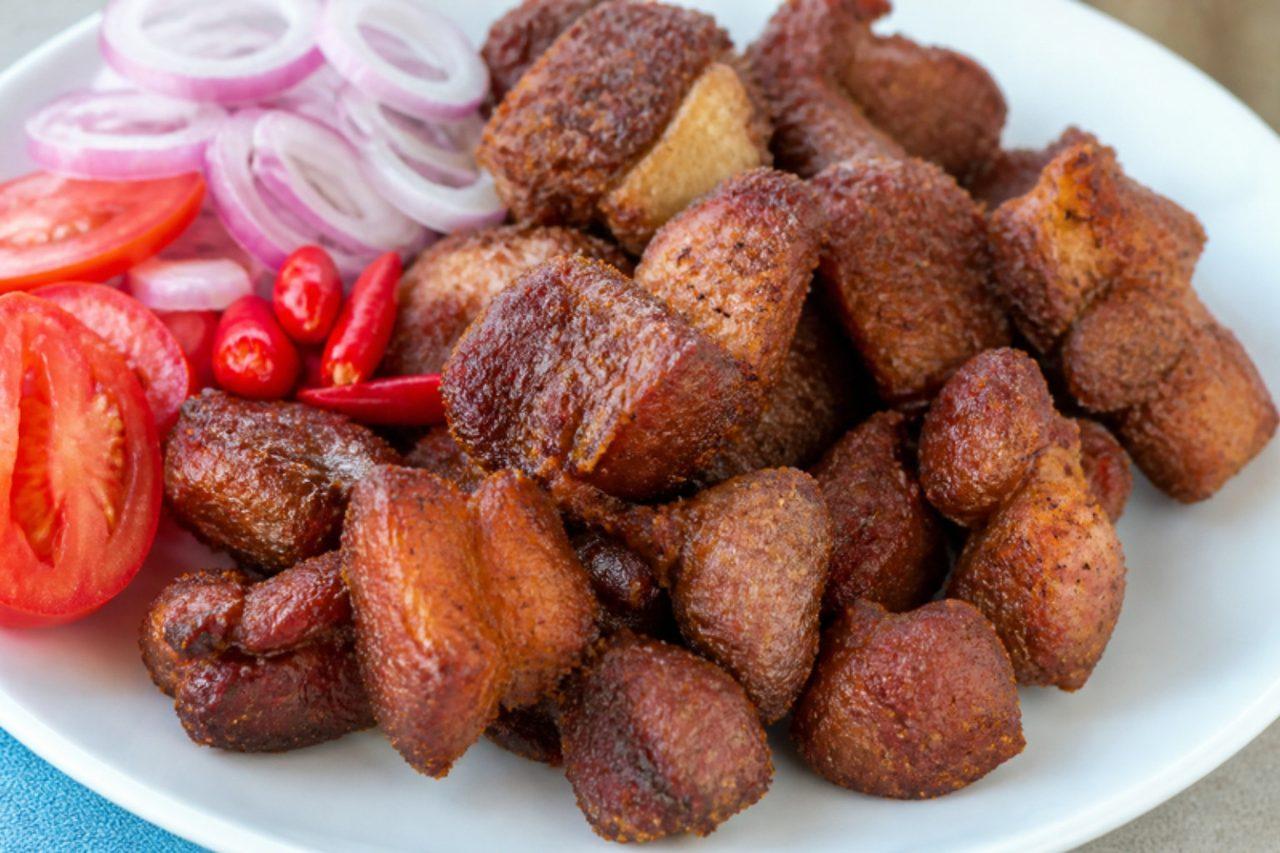
Domedo is pork: chunks of pork shoulder or belly rubbed with ginger, garlic, onion, cloves and chilli, simmered until tender, then roasted or fried until the edges turn crisp and caramelised. Around Accra it is a favourite at chop bars and roadside grills in the evening, wrapped in paper with raw onion, sliced tomato and a pile of fresh pepper, often alongside kenkey. The meat is juicy and spicy with a crackling, salty outside. Cooking it twice means the fat renders out and the chunks stay moist. Chef's tip: dry the boiled pork well before roasting and give the pieces space on the tray; crowding them is the usual mistake, and they steam instead of crisping.

by KrazyBadal 0 views

Abenkwan (palm nut soup with goat)

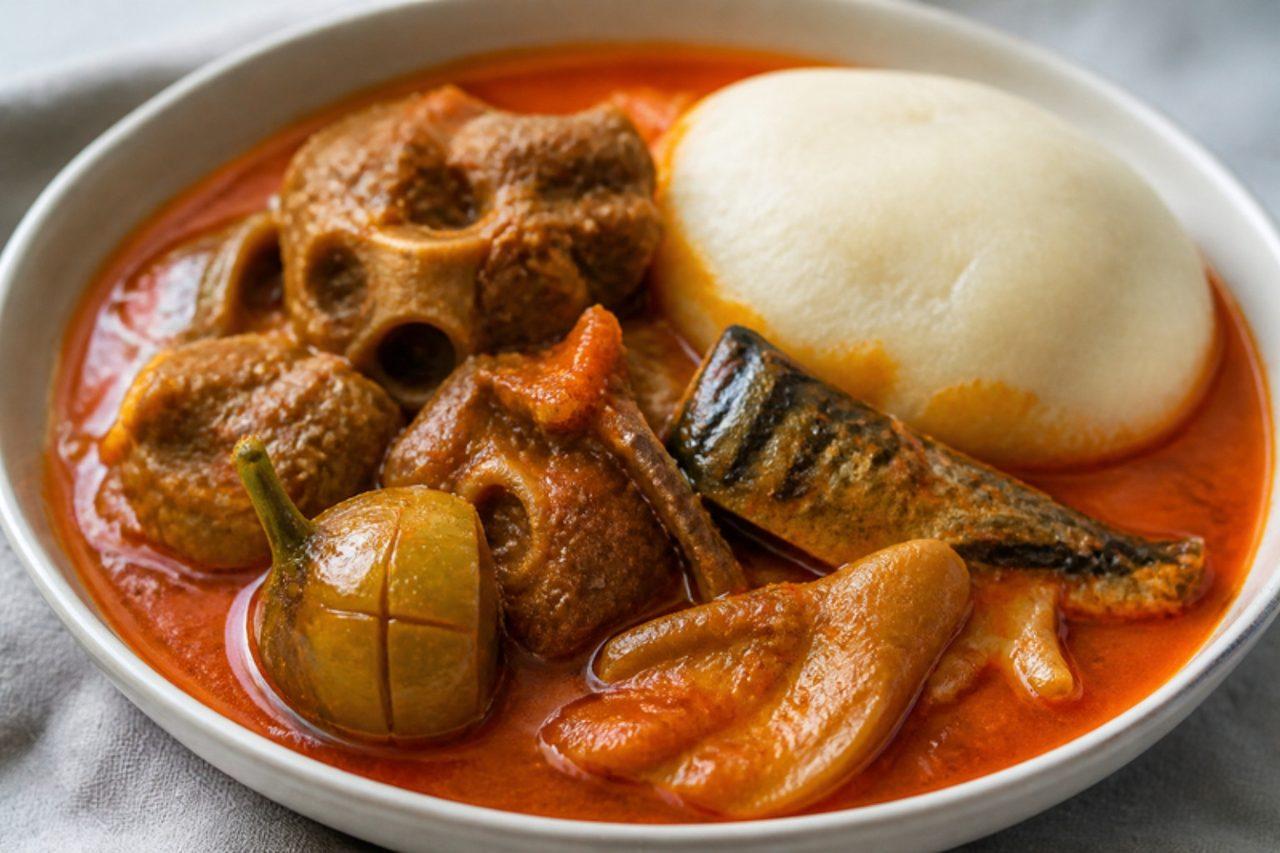
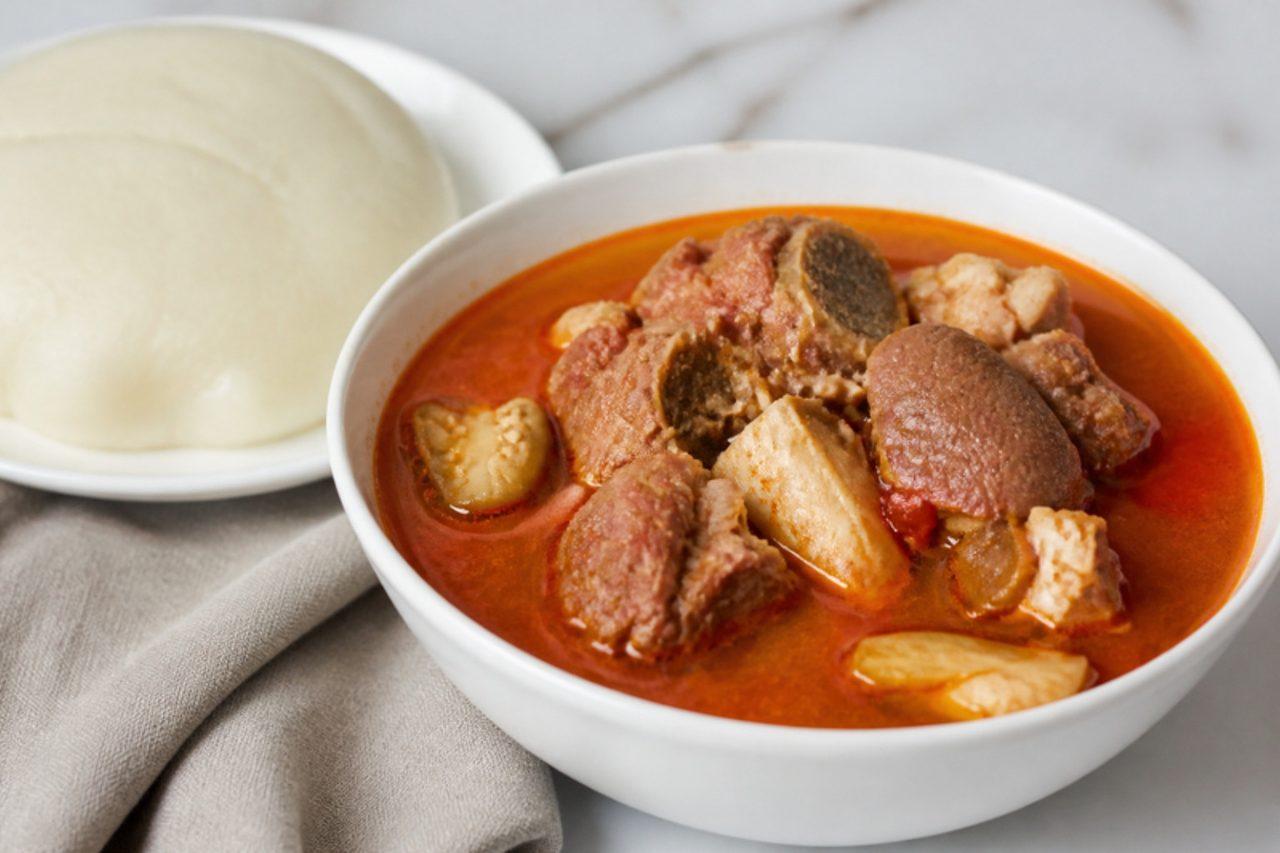
Sunday lunch in Kumasi often means a deep bowl of abenkwan, the brick-red palm-nut soup that chop bars serve all week with pounded fufu. Goat is first steamed in its own juices with onion and ginger, then simmered with garden eggs, tomatoes and pepper that are blended back in, and finally with the rich cream of palm fruit until a layer of orange oil floats on top. Smoked fish adds a savoury, smoky edge. The soup is thick, slightly sweet, earthy and peppery. Canned palm nut cream, sold in African shops, saves hours of pounding fresh fruit; small white aubergines can replace garden eggs. Chef's tip: simmer until the palm oil rises and collects on the surface; serving it earlier is the most common mistake and leaves the soup tasting raw and heavy.

130 minGhanaianMeatGluten free
by KrazyBadal 0 views

Abunuabunu (Ghanaian green soup)

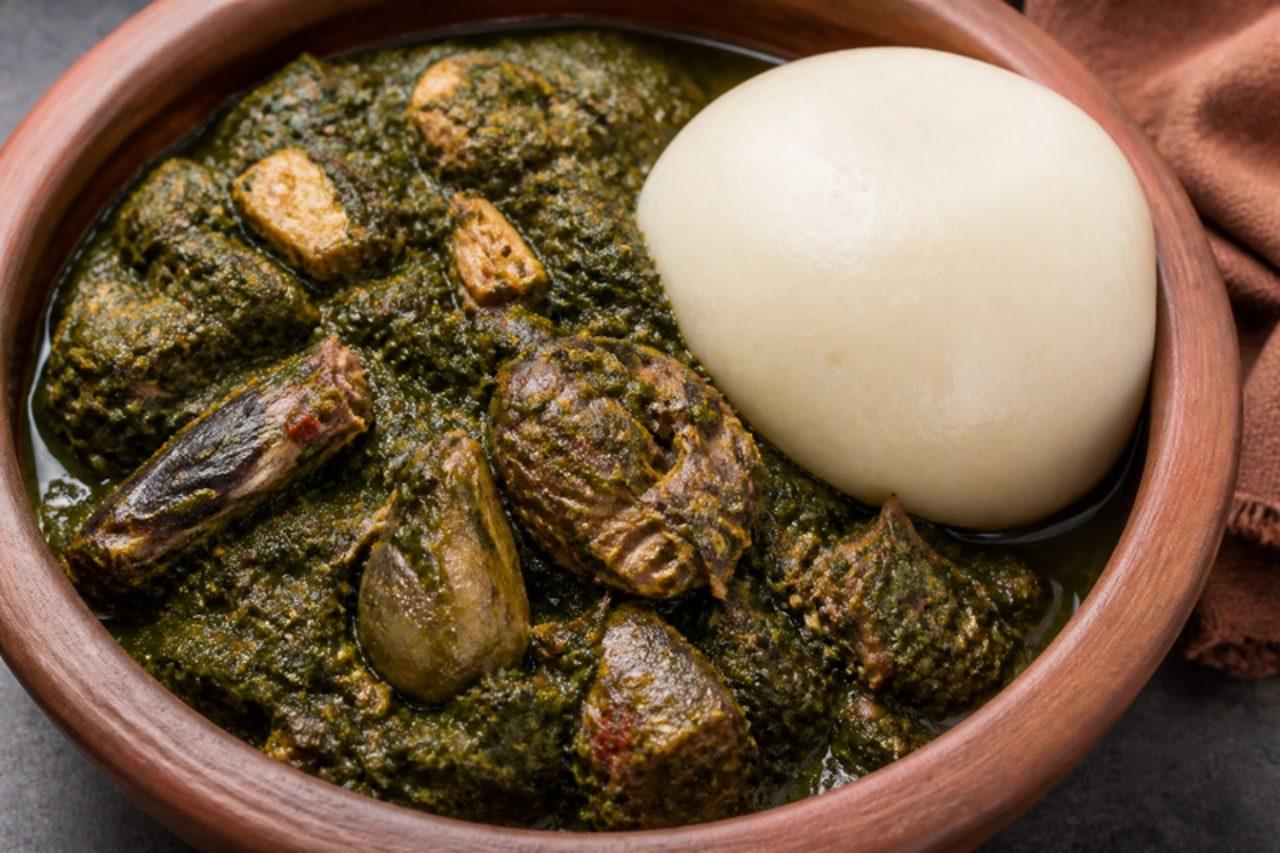
Green from cocoyam leaves (kontomire), garden eggs and green chillies, abunuabunu is a home-style soup from the Ashanti and Bono farmlands, cooked when the leaves are young and plentiful. Traditionally it is made with giant land snails or bush meat; this version uses goat or beef with smoked fish, which are easier to find. The leaves and vegetables are boiled, pounded or blended and returned to the meat stock, giving a fresh, grassy, peppery soup with a gentle bitterness. It is eaten with fufu or ampesi (boiled yam and plantain). Spinach works if you cannot buy cocoyam leaves. Don't skimp on the cooking time for the cocoyam leaves; undercooked, they leave an itchy, scratchy feel in the throat. Chef's tip: always boil cocoyam leaves for at least 15 minutes, because underdone leaves leave an itchy, scratchy feeling in the throat; if you use snails, buy them cleaned from a reputable seller and simmer them until firm.

by KrazyBadal 0 views

AkpleCorn and cassava swallow

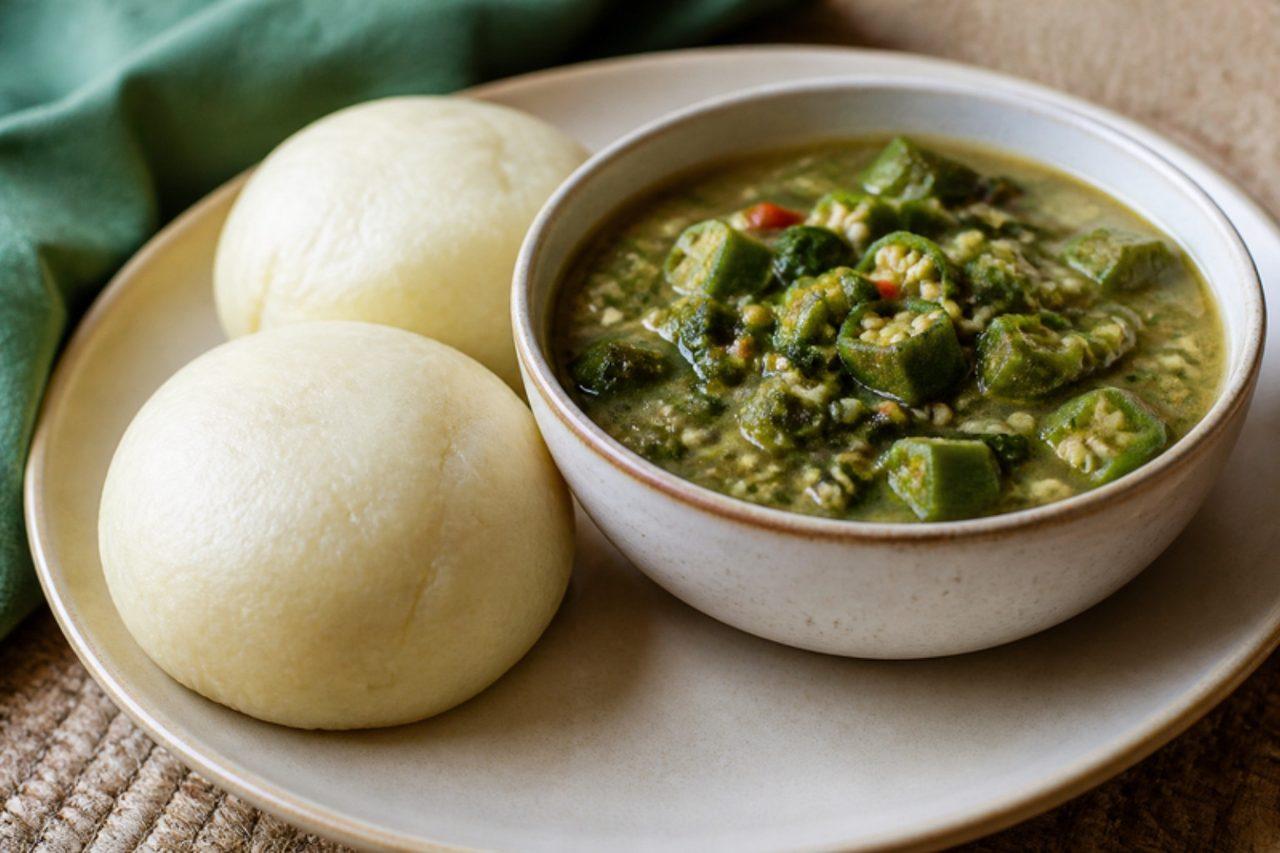
Ewe homes in Ho, Keta and across the Volta Region eat akple at the main meal of the day, almost always with fetri detsi, the slippery okra soup that slides it down. It is firmer and less sour than banku, made by stirring fine maize meal into a hot base of fermented corn and cassava dough, and the finished balls are smooth, dense and mild. A vegetable okra soup makes it a meat-free meal. Chef's tip: add the dry maize meal in small handfuls and press every addition into the dough before the next; pouring it in all at once is the common mistake that leaves dry, floury pockets.

by KrazyBadal 0 views

BankuFermented corn and cassava dough

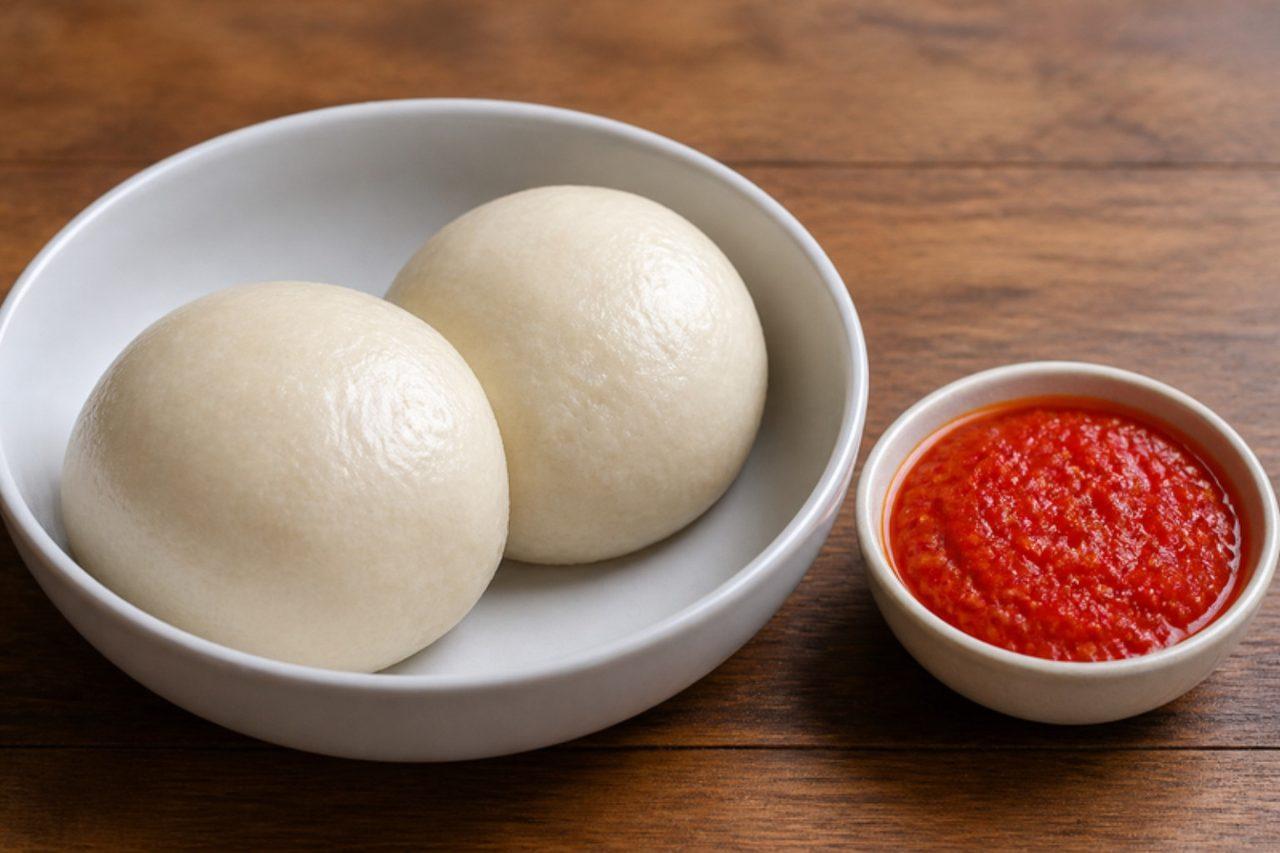
Chop bars from Jamestown to Teshie serve banku all day, usually beside grilled tilapia, okro stew and a fierce raw pepper sauce. Fermented corn dough and cassava dough are cooked together and turned hard with a wooden spatula until they become a smooth, stretchy, faintly sour ball that you pinch off with your fingers and dip into soup or stew. At home it is good with any Ghanaian soup, and a meat-free okro stew or pepper sauce keeps the whole meal vegan. Ready-made doughs are sold in African grocers. A lumpy banku comes from adding dough to hot water; always mix it with cold water first, then heat. The commonest mistake is stopping the stirring; banku needs constant turning with a wooden spoon or it goes lumpy and raw in patches. Chef's tip: keep a bowl of water next to the pot and wet the spatula and your hands as you shape the balls, so the banku comes out glossy and nothing sticks.

by KrazyBadal 0 views

Ghanaian fufuPounded cassava and plantain

The rhythmic thud of a pestle in a wooden mortar is the sound of lunchtime in Kumasi, where fufuo is pounded by two people, one lifting the pestle and one turning the dough between strokes. Boiled cassava and unripe plantain are beaten together until they become a soft, stretchy, slightly springy ball, served in a bowl of light soup, palm nut soup or groundnut soup and eaten with the right hand. Those soups are usually made with meat or fish; serve it with a vegetable soup for a meat-free meal. Cassava must always be fully cooked, never eaten raw. A food processor makes a good version at home. Chef's tip: pound the plantain first, then add the cassava; adding too much water is the common mistake and leaves the fufu sticky instead of smooth and elastic.

by KrazyBadal 0 views

KokonteDried cassava swallow

Dried in the sun and ground to a coarse brown powder, cassava keeps for months as kokonte, and in Ashanti villages it is the swallow of the dry season and of lean times. Cooked, it turns into a smooth, firm, earthy-tasting dough, darker than fufu and with a faint smokiness, that is classically eaten with groundnut soup or palm nut soup; its colour earned it the joking nickname 'face the wall'. It takes only minutes to make. Those soups usually carry meat or fish, so serve a vegetable soup for a meat-free meal. Chef's tip: mix a third of the powder with cold water to a paste before it goes into the boiling water; dumping dry powder into hot water is the common mistake and makes stubborn lumps.

by KrazyBadal 0 views

YakeyakeSteamed grated cassava

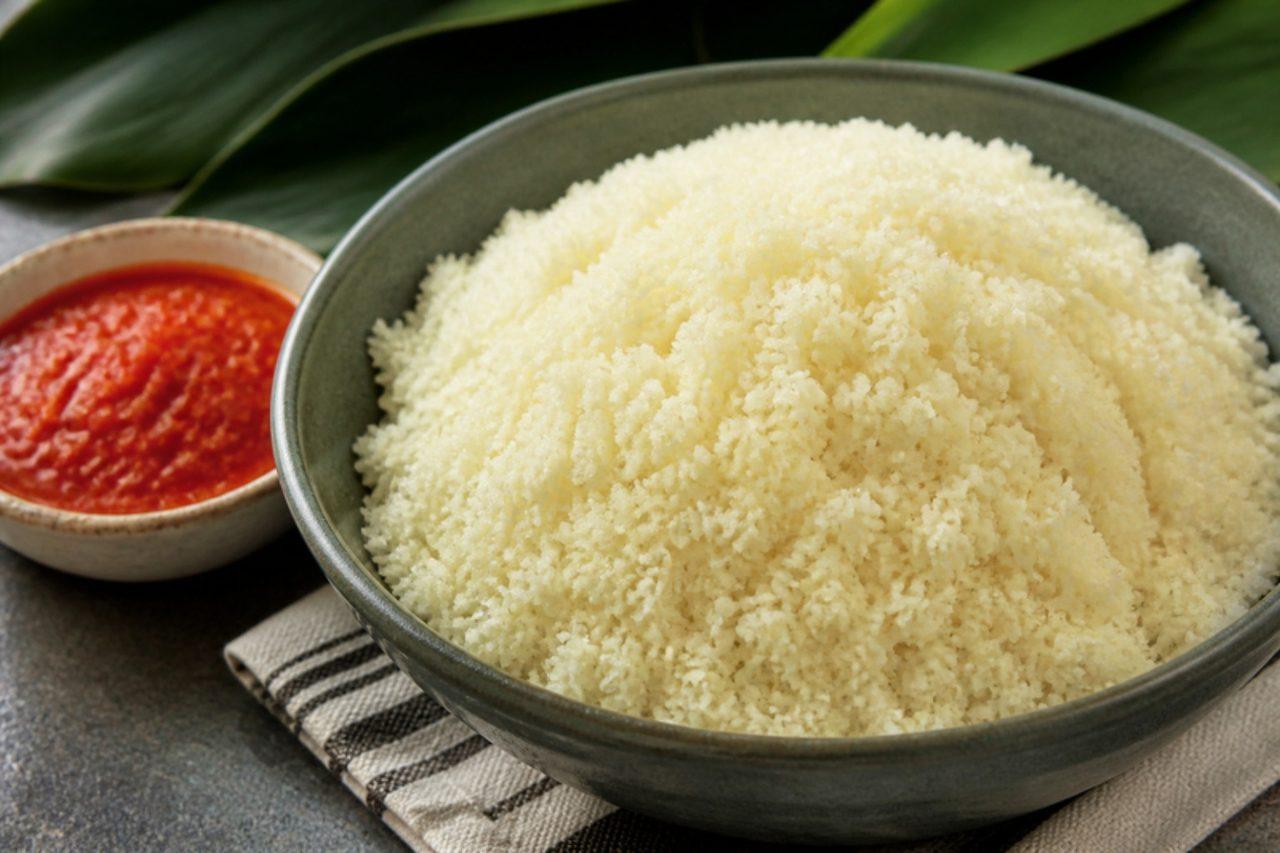
Yakeyake comes from the Volta Region, where grated cassava is pressed dry, broken into crumbs and steamed until it turns into a light, slightly chewy grain that looks like coarse couscous. It is pleasantly neutral, a little sweet, and in Ewe homes it is often eaten with fried fish and a hot tomato and pepper sauce; for a meat-free plate, serve it with that same pepper sauce, sliced avocado and fried ripe plantain. Fresh cassava must be cooked thoroughly and never eaten raw. Chef's tip: squeeze the grated cassava in a cloth until no more liquid comes out; wet cassava is the common mistake and steams into a gummy paste instead of separate crumbs.

by KrazyBadal 0 views

Tuo zaafi with ayoyo soupMaize swallow with jute leaf soup

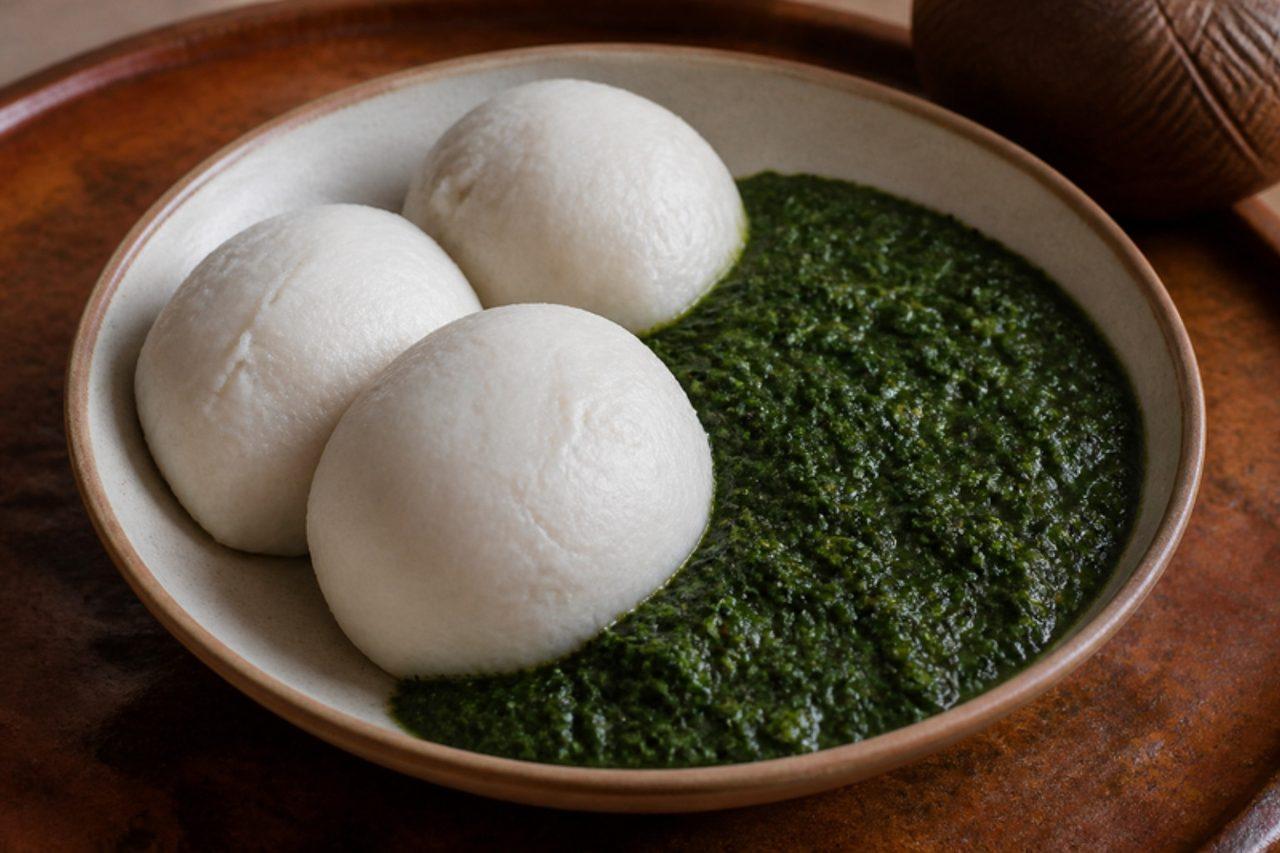
In Tamale and across northern Ghana, TZ is the evening meal: a soft, smooth swallow of maize (sometimes millet) that wobbles in the bowl and is eaten with ayoyo, a bright green, slippery jute-leaf soup flavoured with dawadawa. The pair is often served with a meat or fish stew alongside; this version is fully vegan, with the ayoyo seasoned well enough to stand alone. Frozen jute leaves, sold as ewedu or molokhia, are a good substitute, and a teaspoon of miso can stand in for dawadawa. Chef's tip: make a thin porridge with part of the maize meal first and then thicken it; the usual mistake is adding all the meal at once, which makes a lumpy, stiff TZ.

by KrazyBadal 0 views

Ghanaian light soup with goat

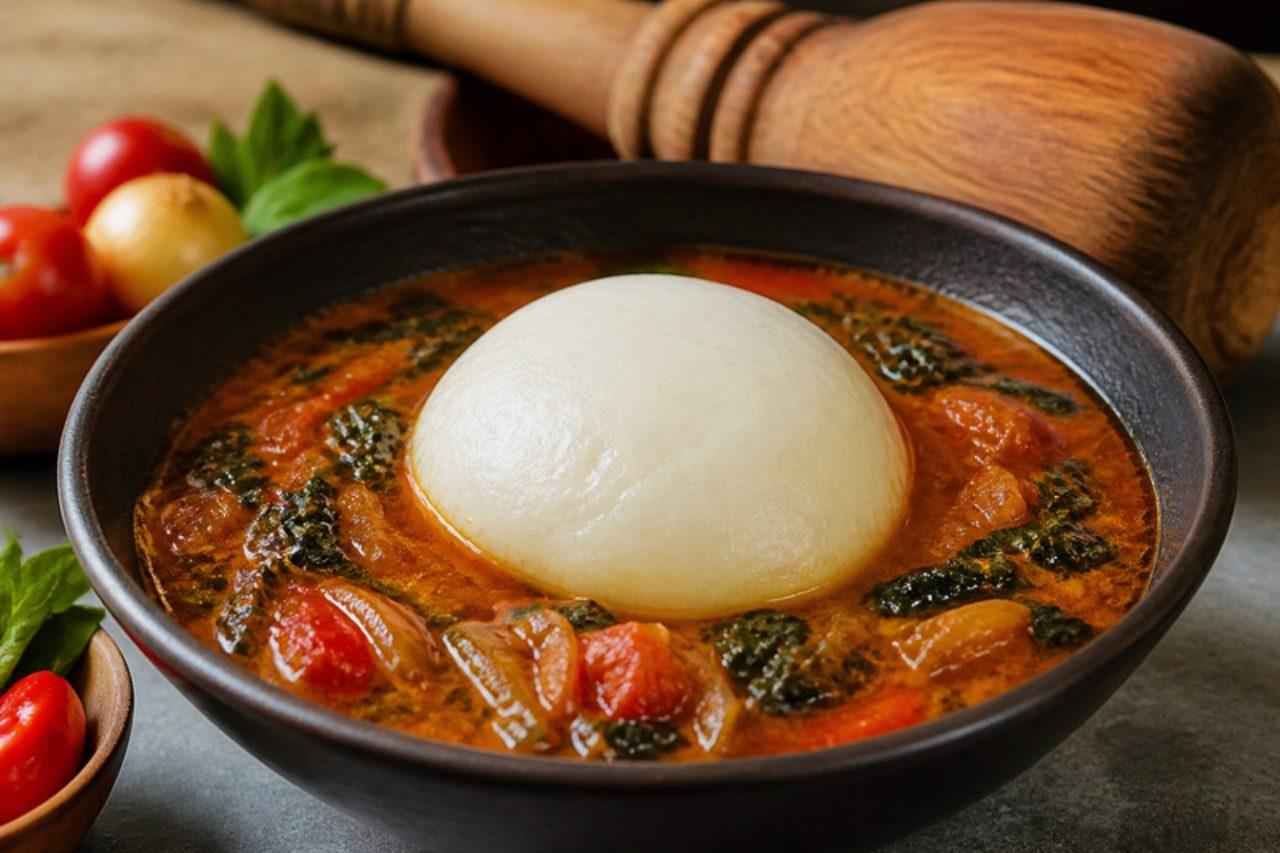
Light soup is the everyday soup of southern Ghana, cooked in Accra and Kumasi homes several times a week and served alongside fufu, omo tuo (rice balls) or banku, with each bite dipped in the hot broth. Goat meat is the favourite, though chicken light soup is just as common: use 1.2 kg of bone-in chicken pieces and cut the simmering time to 35 minutes. Tomatoes, onion, ginger and pepper are boiled whole with the meat, then blended and strained back in, so the soup is clear, bright orange and very peppery but never heavy. The usual mistake is skipping the straining step, which leaves the soup gritty with seeds and skins. Chef's tip: steam the goat in its seasoning with no water for the first 15 minutes; the meat flavours the whole soup from the inside.

by KrazyBadal 0 views

Groundnut soup (nkatenkwan)Peanut soup

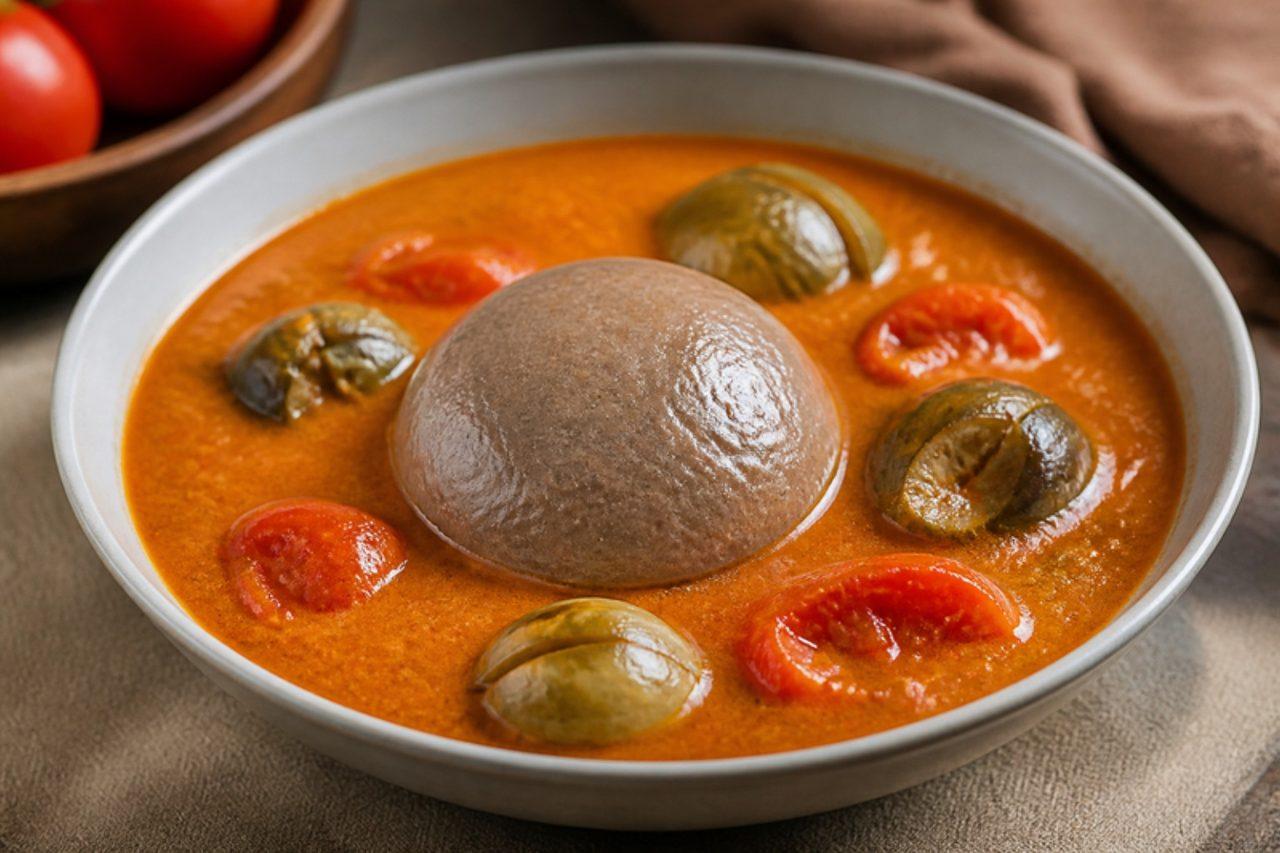
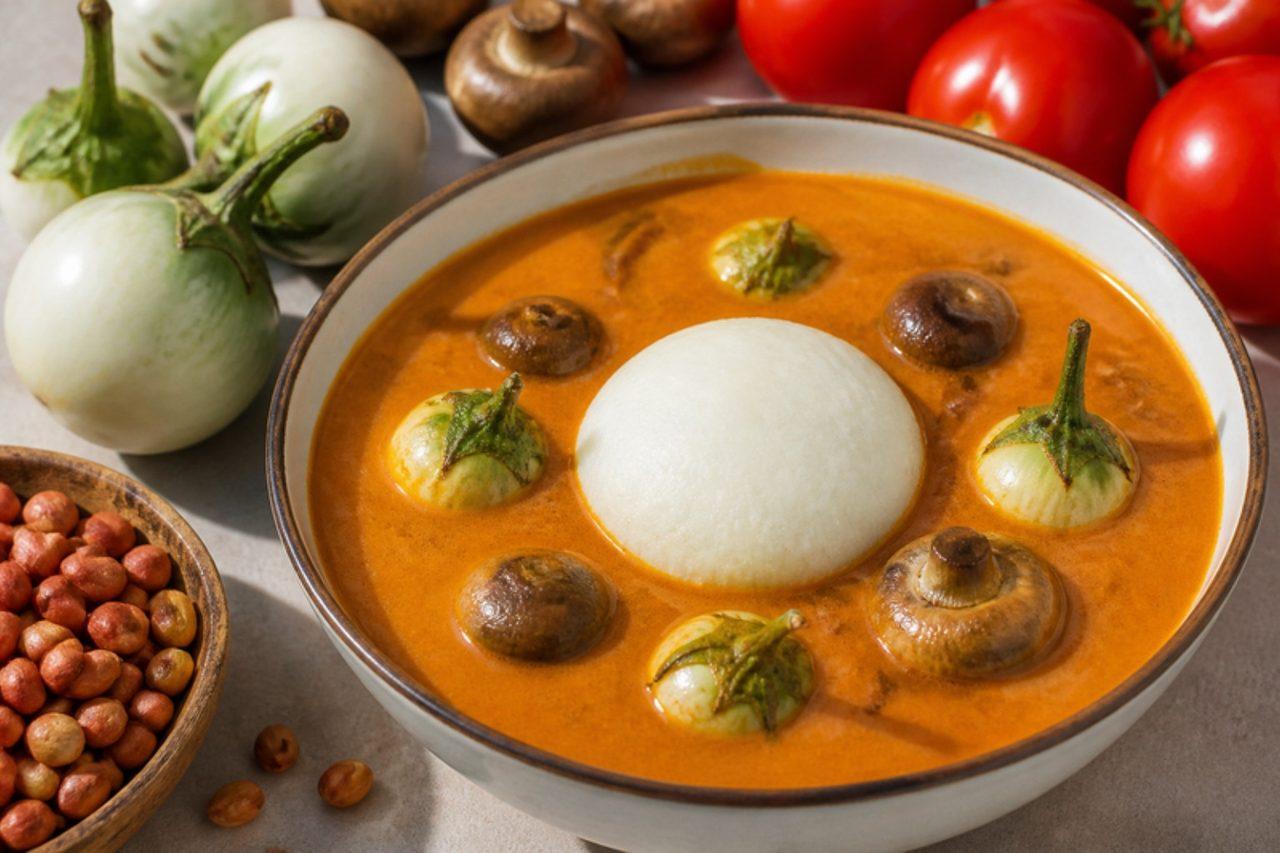
Nkatenkwan is the Sunday soup of Ghanaian homes, simmered while families are at church and eaten afterwards with omo tuo (soft rice balls) or fufu. Roasted groundnut paste is cooked slowly in a peppery tomato and ginger broth until the oil separates and turns the soup a rich orange-brown. It usually carries chicken or goat; here garden eggs (small African aubergines) and mushrooms keep it meaty without meat. Chef's tip: cook the groundnut paste long and slow; it is ready only when reddish oil rises and pools on top, and rushing it leaves a raw, pasty taste.

by KrazyBadal 0 views