Skip to content
Recipes

All recipes

Vegetarian, or something you can't eat? Set your diet once and we'll hide recipes that don't fit.

Pajagua mascadaBeef and cassava patties

Pajagua mascada is a Paraguayan street-food classic that appears on every table for the San Juan festival on 24 June, when bonfires burn and the night is full of games and traditional food. Minced beef is mixed with mashed cassava, onion, garlic and a little egg and flour, shaped into flat patties and fried until crisp. The name comes from Guaraní and refers to the 'chewing' of old Paraguayan cooks, who made it from leftover meat. Chef's tip: dry the boiled cassava well and remove its woody core, which keeps the patties light and crunchy.

by KrazyBadal 0 views

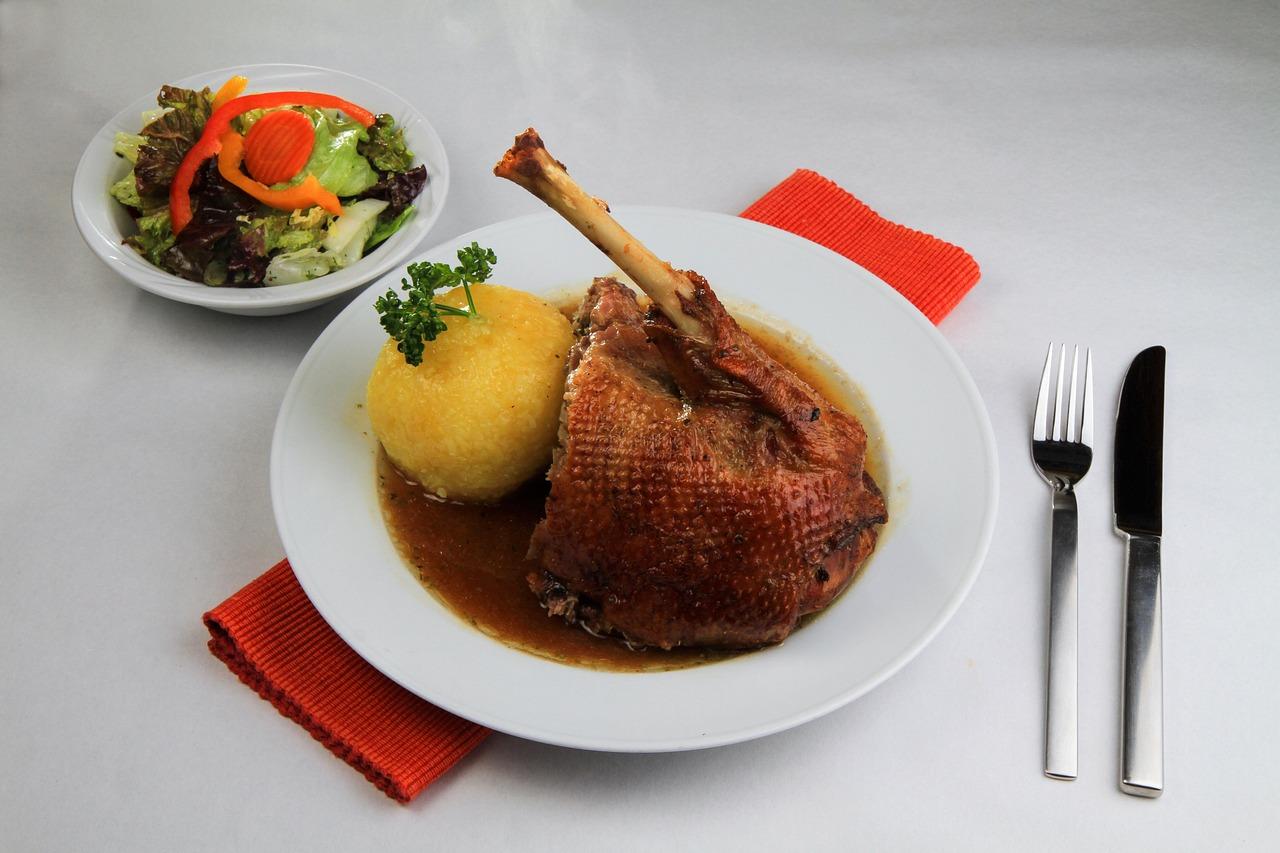
MartinsgansRoast goose with red cabbage

On 11 November, St Martin's Day, children in Germany and Austria walk in lantern processions, and families and restaurants serve the Martinsgans: a goose roasted slowly with apples, onion and mugwort or marjoram until the skin is crisp and the meat tender, with red cabbage, potato dumplings and a rich gravy. Legend says the geese's cackling gave away St Martin when he hid to avoid being made bishop. Goose gives off a lot of fat; save it for roast potatoes. Chef's tip: prick the skin all over (not the meat) and roast on a rack so the fat drains and the skin crisps.

270 minGermanMeat
by KrazyBadal 0 views

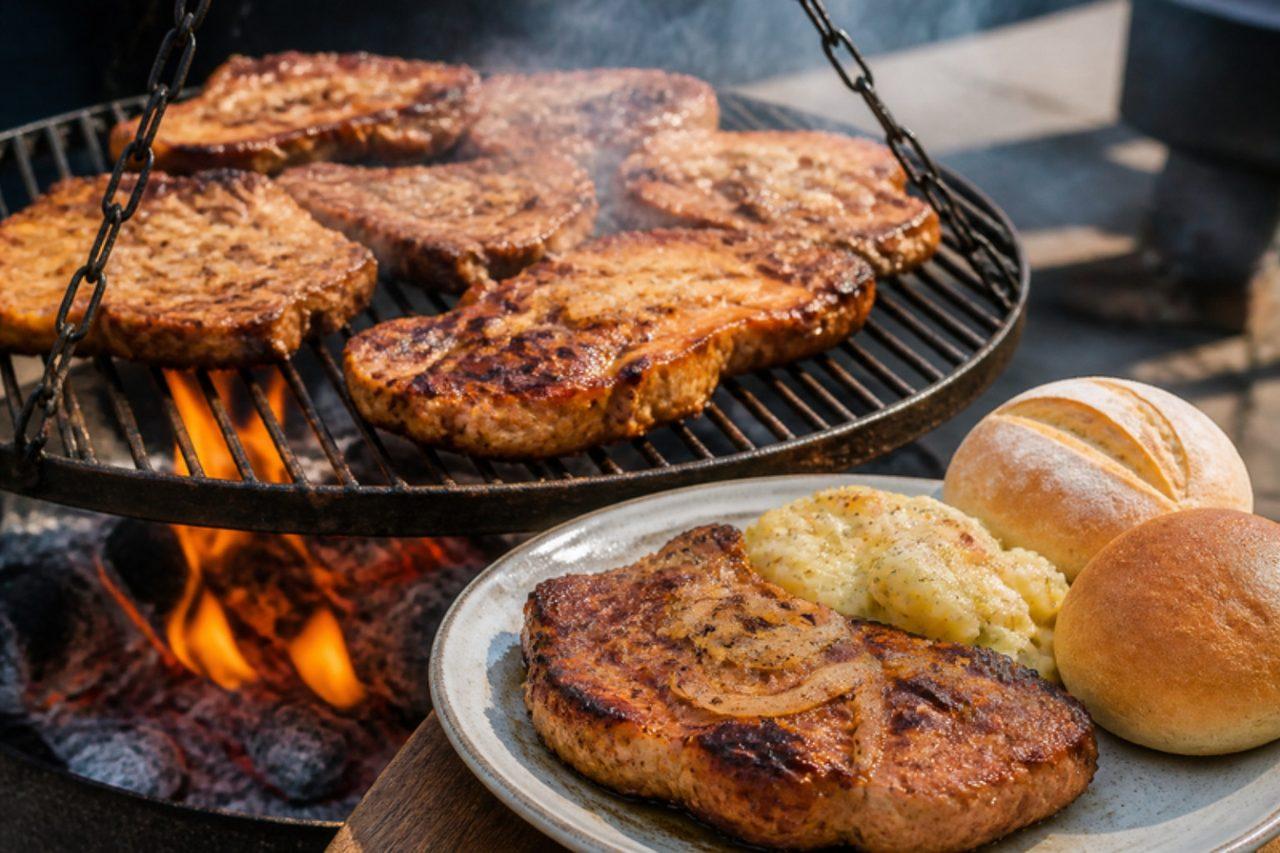
SchwenkbratenMarinated grilled pork neck steaks

Schwenkbraten is the pride of the Saarland, where every village fair, football club party and summer Kirmes has a Schwenker: a round grill hung from a tripod and swung gently over a beech-wood fire. The meat is pork neck steaks marinated overnight with heaps of onion, garlic, marjoram and paprika, and they come off juicy, smoky and slightly charred. Locals often add beer to the marinade, but this recipe leaves it out, so no alcohol is involved. Serve with bread rolls, potato salad and mustard. Chef's tip: pork neck has fine marbling, so it stays moist; do not swap it for lean pork loin, which dries out on the grill.

35 minGermanMeatGluten free
by KrazyBadal 0 views

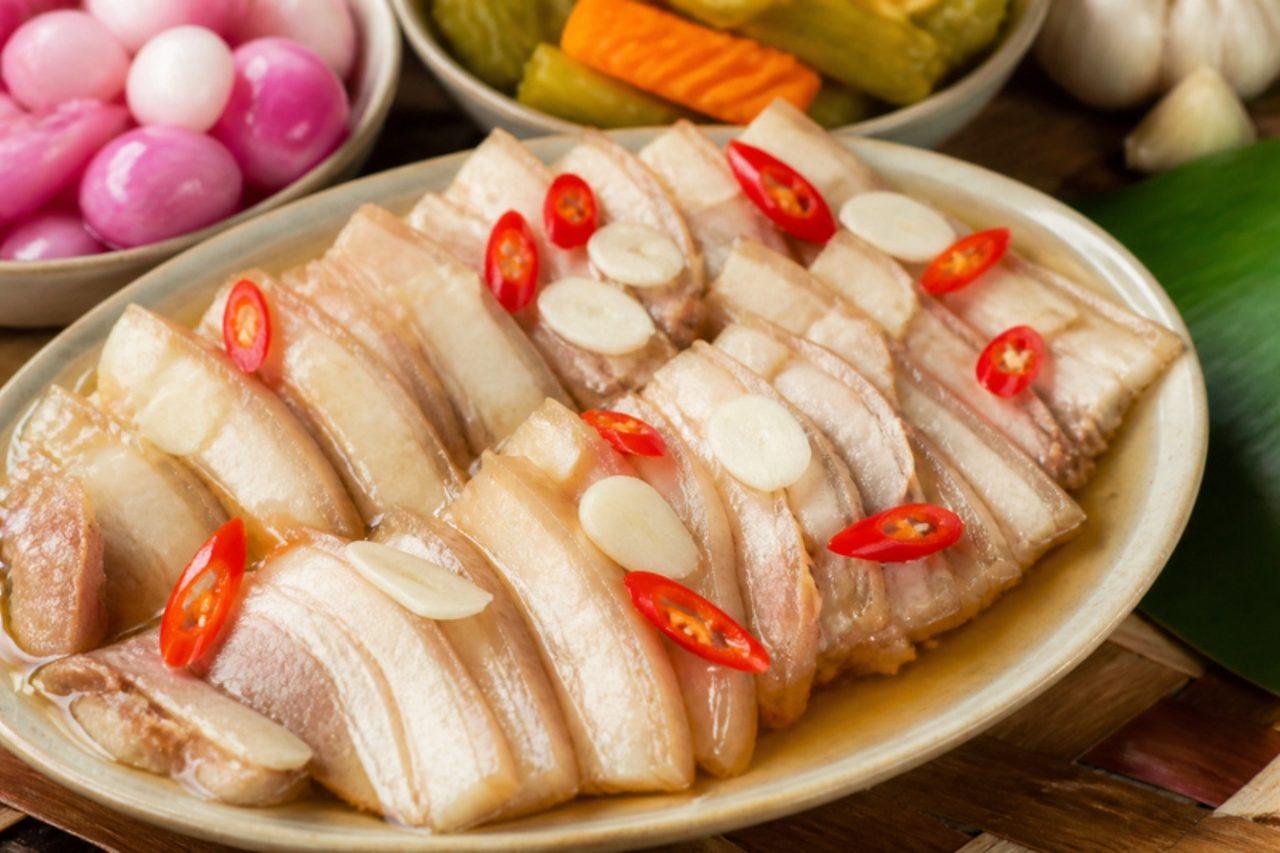
Thịt heo ngâm mắm (fish-sauce cured pork)

In southern Vietnam a jar of thịt heo ngâm mắm is prepared a week before Tết so that hosts always have something ready when relatives drop by; the jar full of pork is a sign of a well-stocked home in the new year. Pork belly is boiled until fully cooked, then submerged in a boiled and cooled brine of fish sauce, sugar, garlic and chilli, where it turns amber, savoury-sweet and firm enough to slice paper thin. Serve it with steamed rice, pickled mustard greens or củ kiệu, and fresh herbs. Chef's tip: make sure the belly and the brine are both completely cold before they meet, and keep the jar in the fridge throughout.

by KrazyBadal 0 views

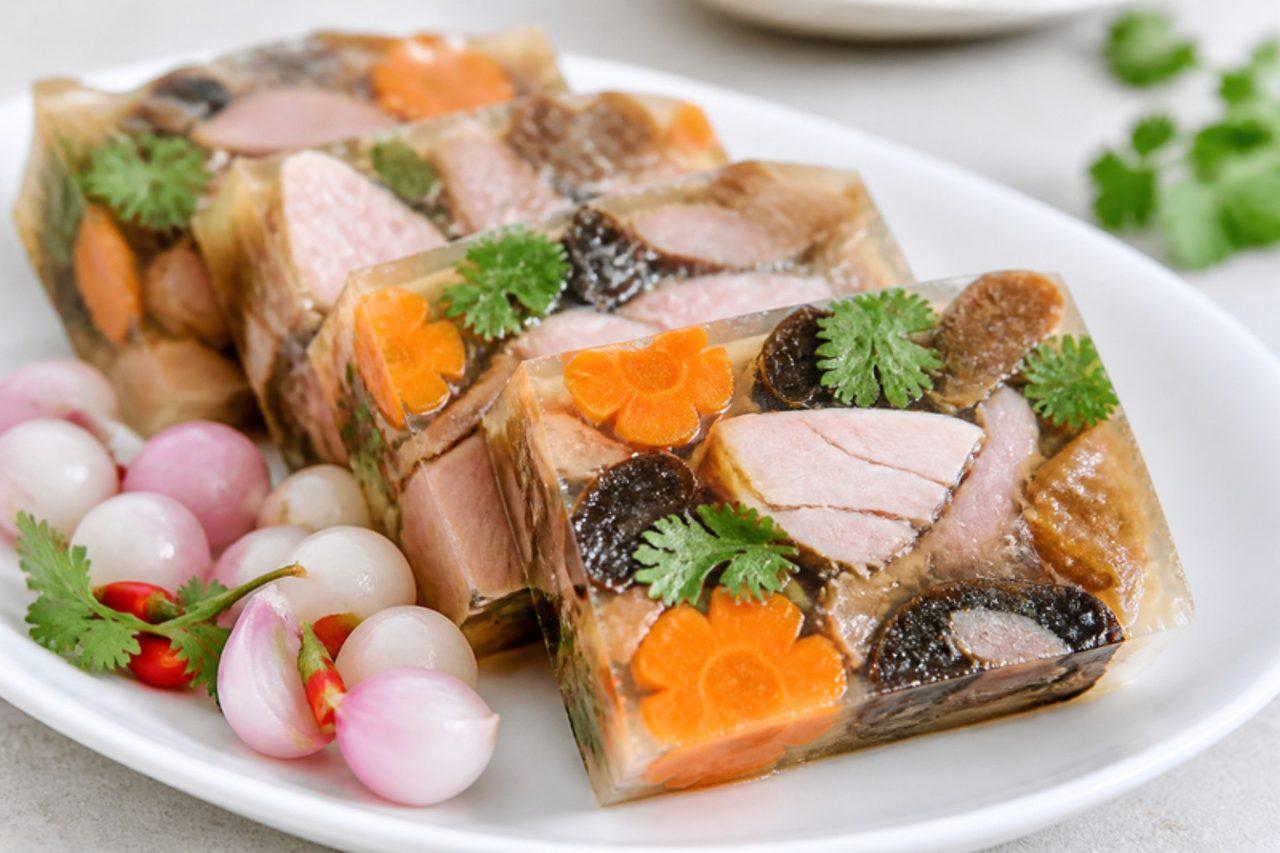
Thịt đông (pork in aspic)

Thịt đông is a dish of the cold northern Tết, when families once left bowls of simmered pork outside overnight to set; today the fridge does the job. Pork hock and pork skin are cooked gently with shallots, fish sauce and black pepper until the meat is tender and the broth is rich in natural gelatine, then wood ear mushrooms are added for crunch and everything sets into a clear, wobbly jelly. It is eaten cold, cut into wedges, with hot rice, bánh chưng and a bowl of pickled shallots to cut the richness. No gelatine powder is needed. Chef's tip: keep the pot at a bare simmer and skim often; a rolling boil clouds the jelly.

by KrazyBadal 0 views

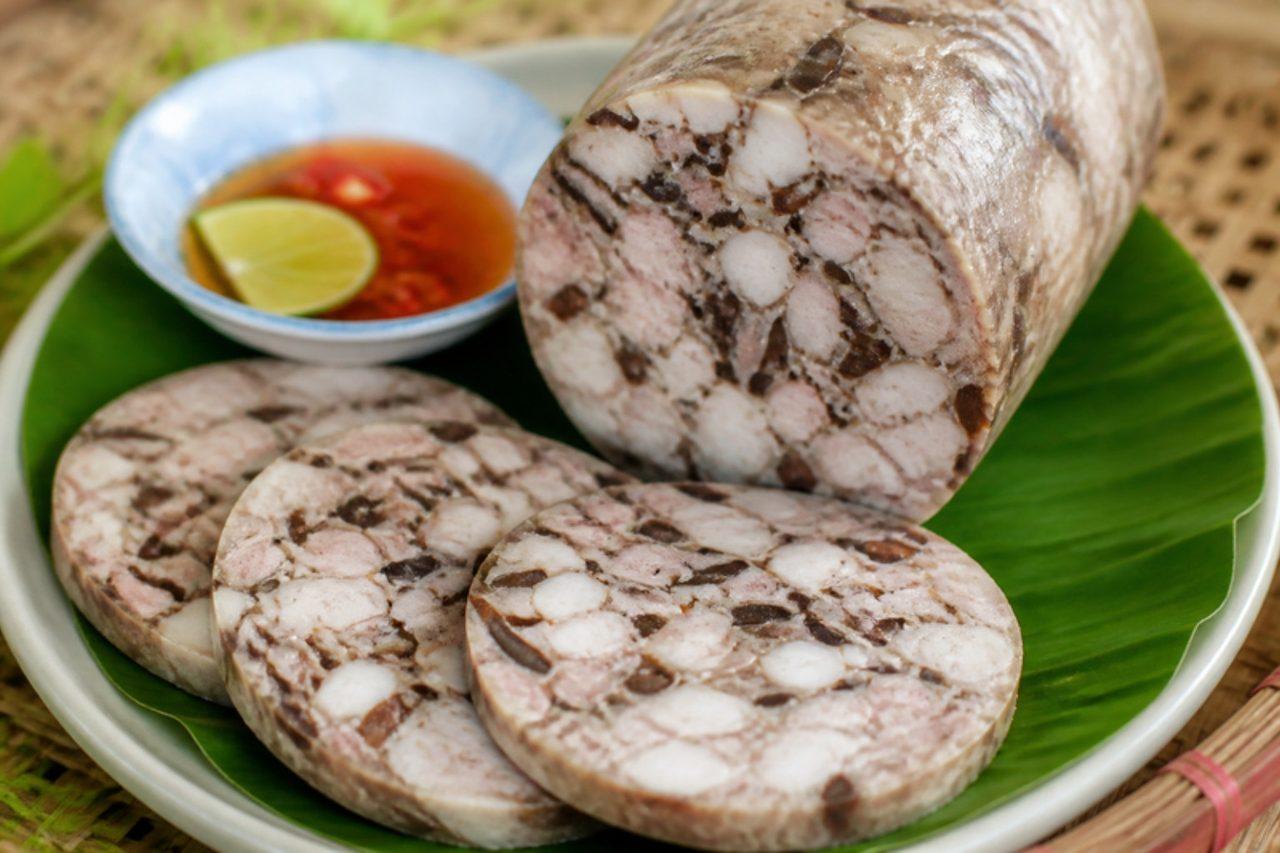
Giò thủ (pressed pork roll)

Giò thủ is a northern Tết classic, a mosaic roll made from pork ear, pork tongue and boneless pork cheek meat with crunchy wood ear mushrooms and plenty of black pepper. Using these cuts is an old way of honouring the whole animal at the year's biggest feast, and the roll's neat round slices are a wish for a complete, well-ordered year. The pieces are boiled, sliced, stir-fried with fish sauce and packed hot into banana leaf, where their natural gelatine binds them as they cool. Every slice is crunchy, chewy and peppery; serve with pickled shallots, fish sauce with lime and chilli, and bánh chưng. Chef's tip: pack and press the filling while it is still very hot; once it cools the gelatine sets and the roll will not hold together.

by KrazyBadal 0 views

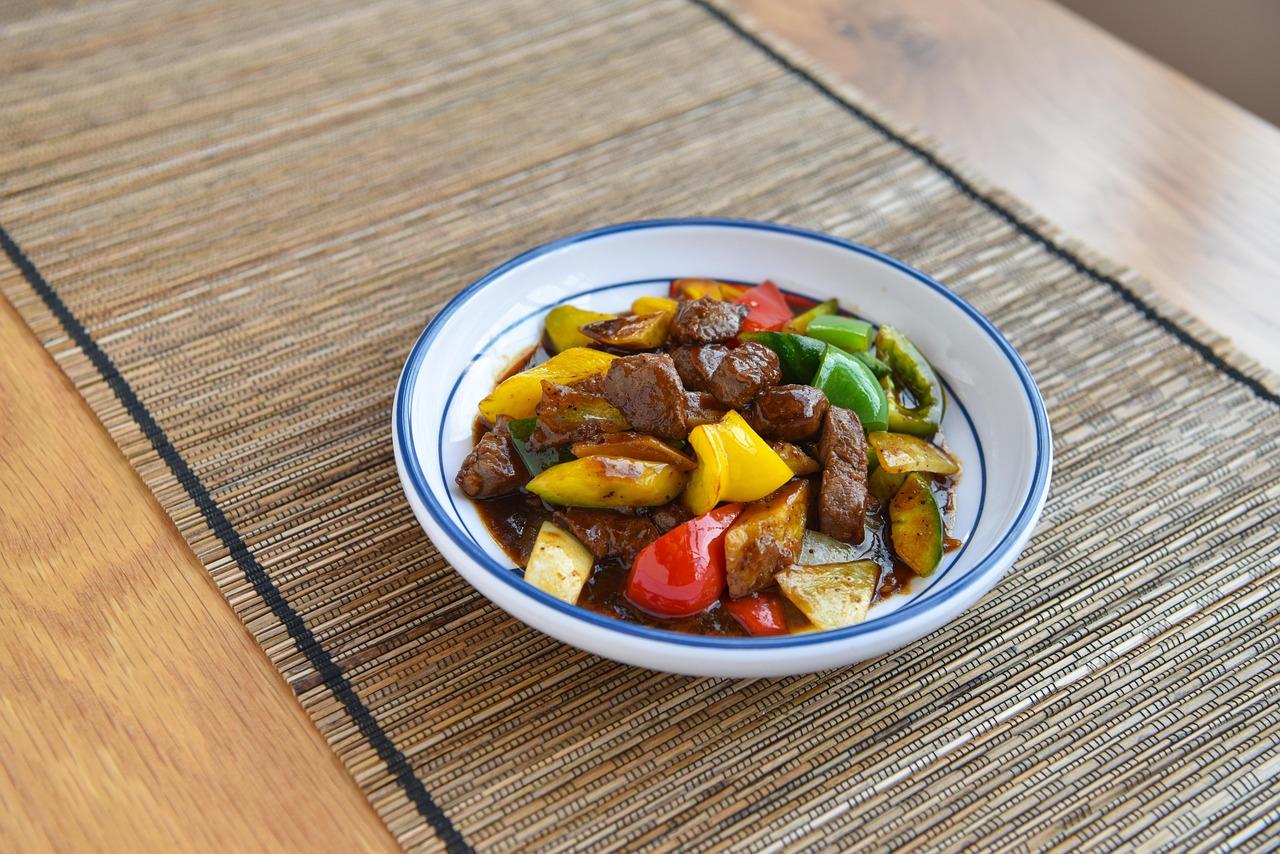
Bò lúc lắc (Vietnamese shaking beef)

Bò lúc lắc, shaking beef, is a Saigon dish from the French-influenced south, ordered at family dinners and celebrations: cubes of tender steak seared in a smoking pan and shaken with garlic and onion, then tipped over peppery watercress and tomato with a lime, salt and pepper dip. The mistake almost everyone makes is crowding the pan, which boils the meat grey instead of searing it; cook in two batches. Chef's tip: let the cubes sit untouched for a full minute before the first shake to build a dark crust.

by KrazyBadal 0 views

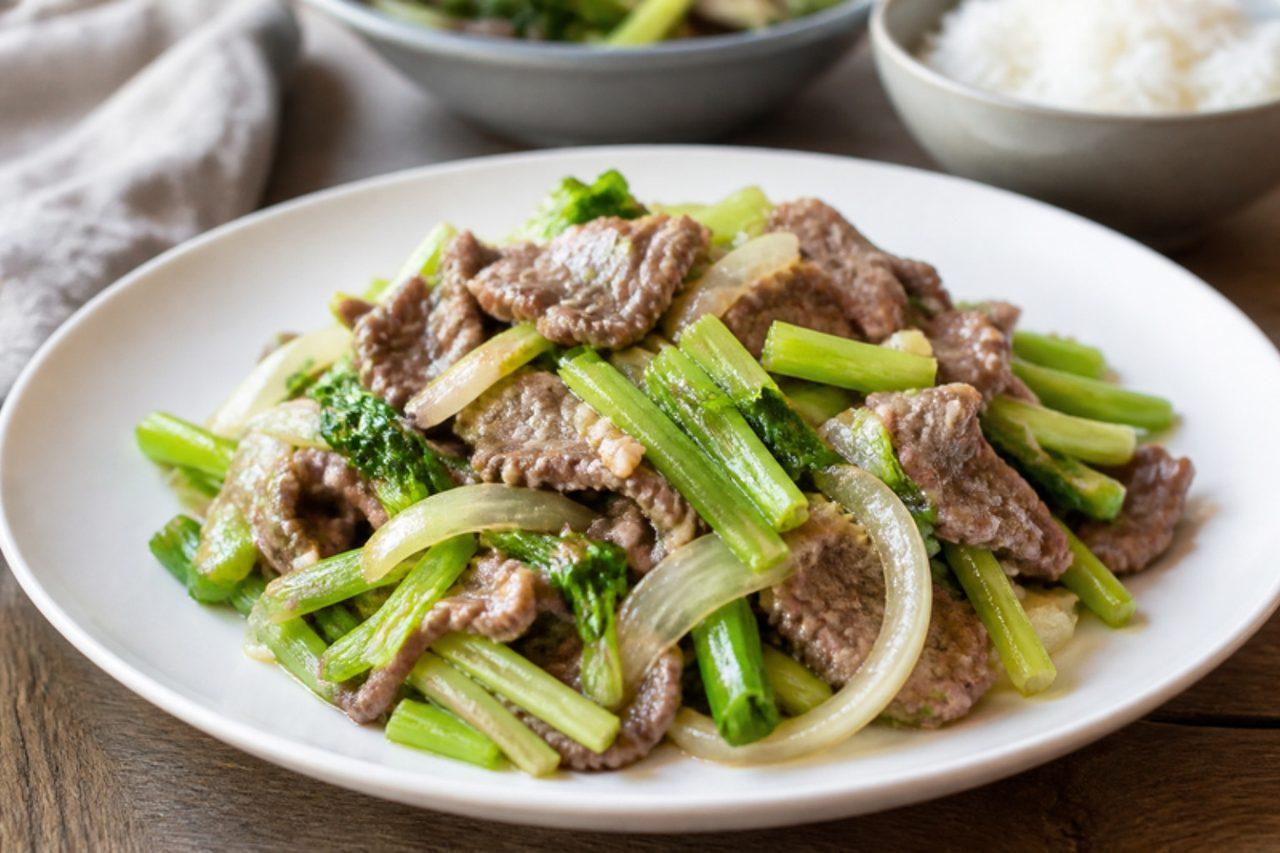
Bò xào cần tây (beef and celery stir-fry)

Bò xào cần tây is a weeknight stir-fry found on family tables all over Vietnam: thin slices of beef, seasoned with fish sauce and pepper, flashed in a hot wok with crunchy celery, onion and plenty of garlic, then eaten with rice. The usual mistake is cooking the beef and celery together from the start, so the beef stews while the celery softens; sear the beef first, take it out, and add it back at the end. Chef's tip: slice the beef across the grain and as thin as you can, so it is tender after only a minute in the pan.

by KrazyBadal 0 views

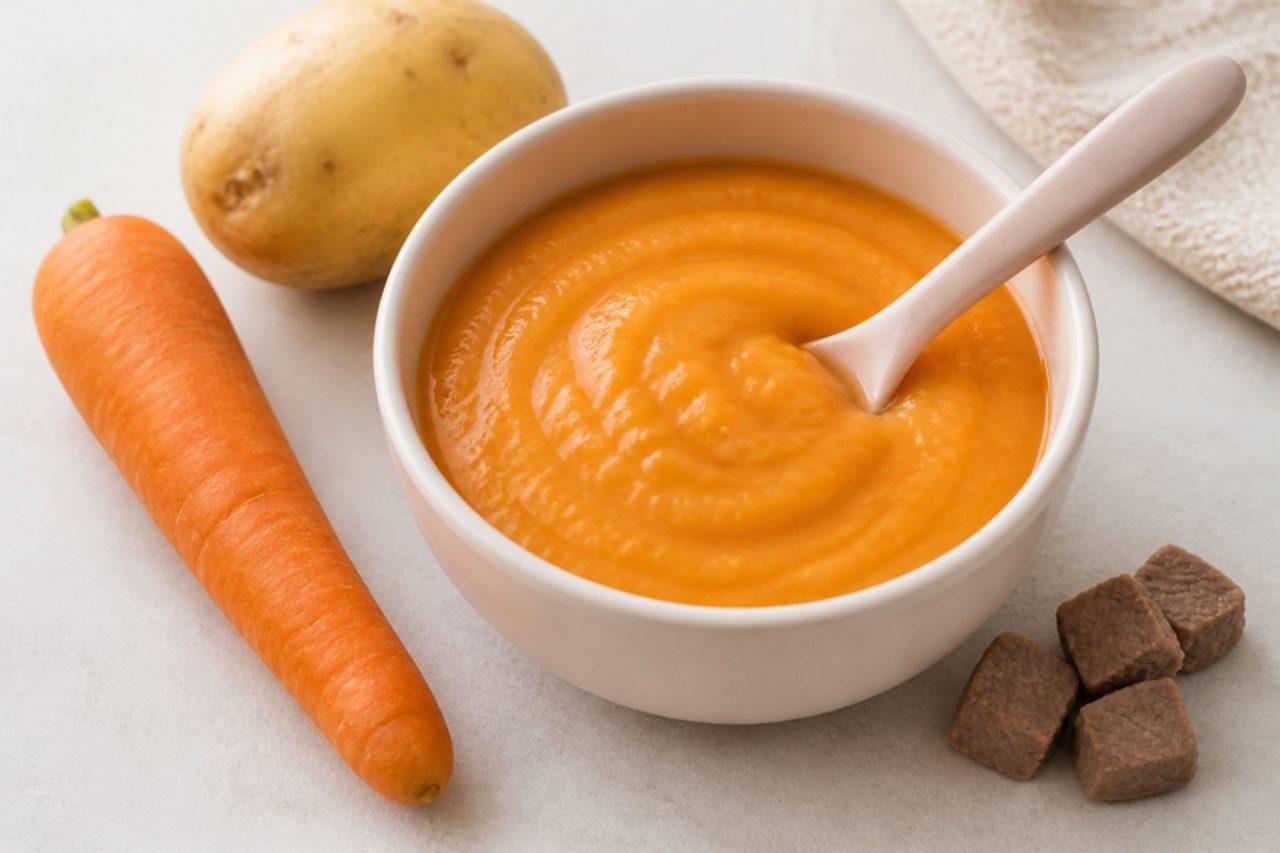
Gemüse-Kartoffel-Fleisch-Brei (vegetable, potato and beef mash)

In Germany the first proper lunch for a baby of about six months is the Gemüse-Kartoffel-Fleisch-Brei, a smooth purée of carrot or parsnip with potato and a little lean beef, finished with a spoonful of rapeseed oil. Many parents stir in a little unsweetened fruit juice or purée too, as vitamin C helps the body take up the iron from the meat. It tastes sweet and mild and is made with no salt. It contains none of the common allergens (milk, egg, gluten, peanut, tree nuts, soya, sesame, fish). Chef's tip: add the oil to each portion after reheating rather than before freezing, so it stays fresh-tasting.

40 minGermanMeatGluten free
by KrazyBadal 0 views

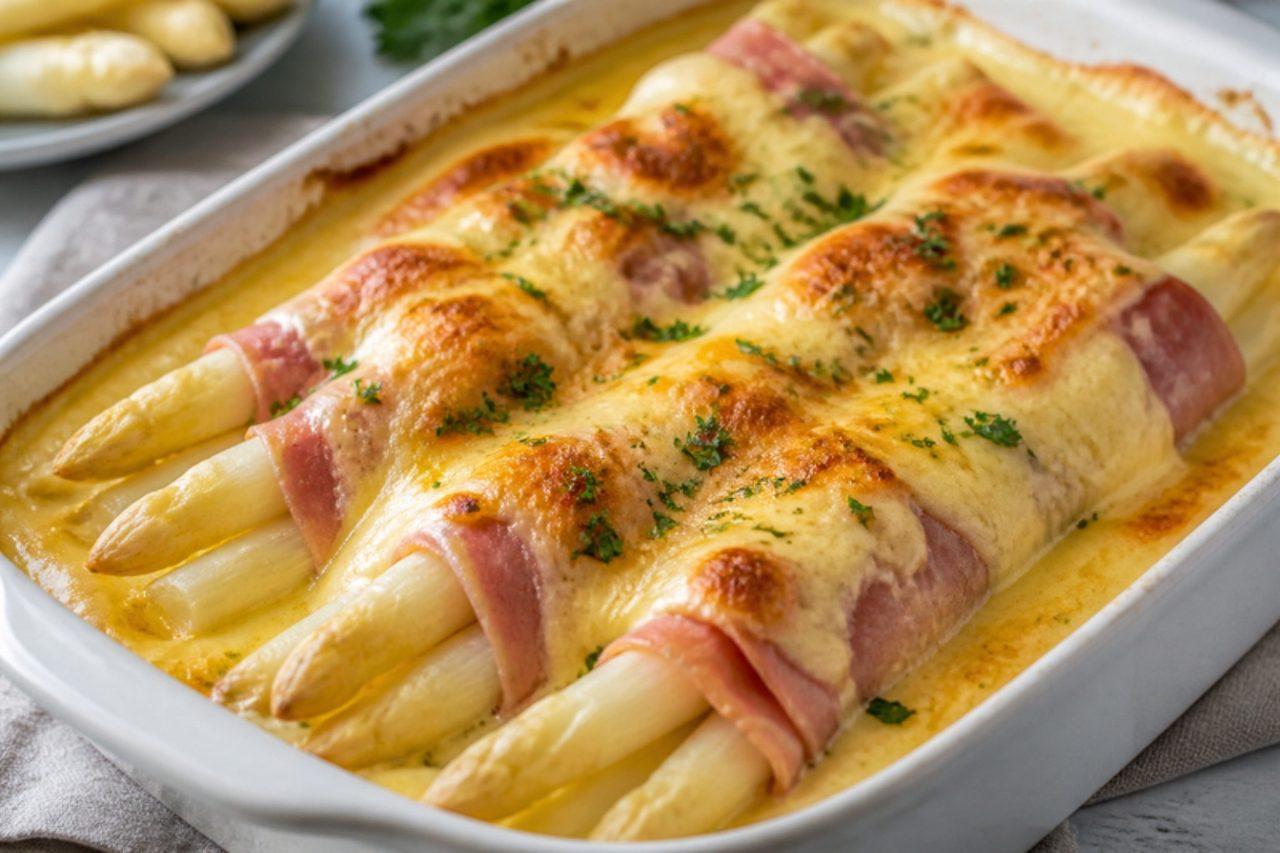
Überbackener SpargelBaked asparagus with ham

This gratin is a spring classic of German home cooking, made from Lower Saxony to Bavaria when white asparagus is cheap at the market in May. Bundles of cooked spears are rolled in slices of cooked ham (pork), laid in a dish, covered with hollandaise and grated cheese and baked until bubbling and golden, then served with buttered new potatoes. It is an easy way to feed a family on asparagus without fuss. A common mistake is skipping the draining step, so water from the spears thins the sauce. Chef's tip: for a vegetarian version, roll the asparagus in thin pancakes instead of ham.

55 minGermanMeatGluten free
by KrazyBadal 0 views

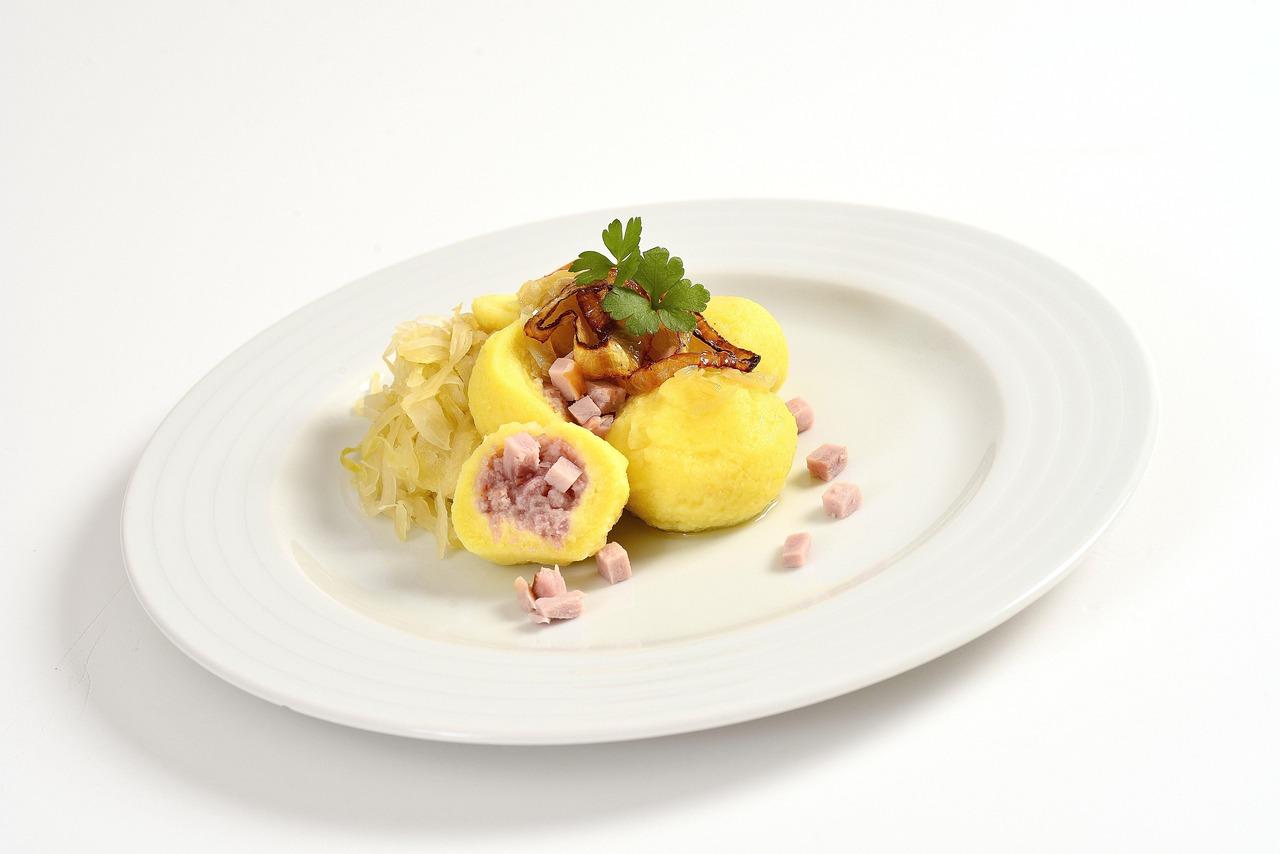
GefilldeStuffed potato dumplings

Gefillde are the Saarland's festive Sunday dumplings, especially loved in the Bliesgau and around Homburg: a dough of raw and cooked potato wrapped around a filling of pork liver sausage and minced pork and beef, poached gently, then served with a creamy bacon sauce (Speckrahmsoße) and sauerkraut. They are rich and filling, a dish for cold weekends and family gatherings. The most common mistake is a filling that is too wet, which bursts through the dough while poaching. Chef's tip: chill the filling balls for 20 minutes before wrapping so they are firm and easy to seal.

120 minGermanMeat
by KrazyBadal 0 views

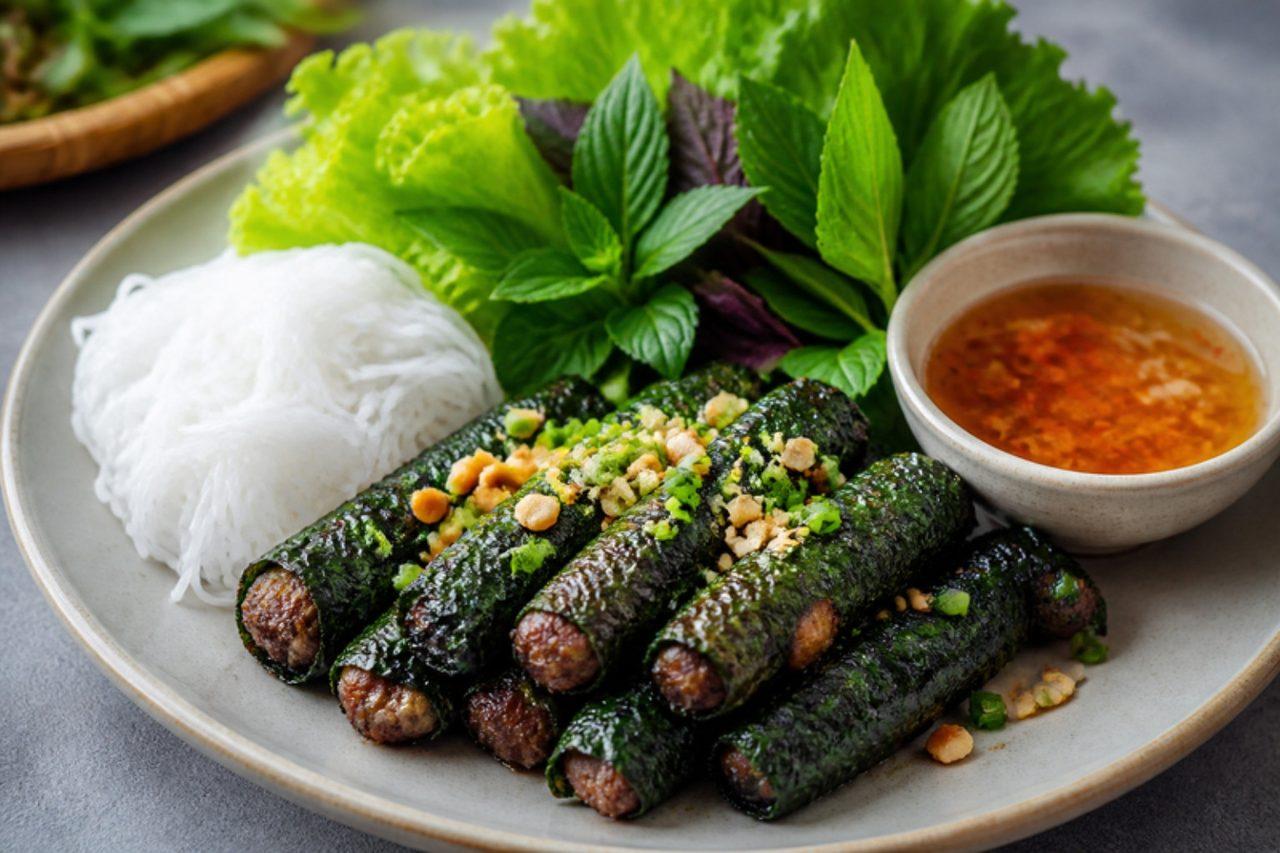
Bò lá lốtBeef in betel leaves

Saigon's evening grill stalls fan charcoal under racks of bò lá lốt, little cigars of garlicky, lemongrass-scented minced beef wrapped in wild betel leaves that char and turn smoky, almost tea-like. They are eaten rolled in rice paper or lettuce with vermicelli and herbs, dipped in nước chấm or the funkier mắm nêm anchovy sauce. Look for lá lốt (Piper sarmentosum) in Vietnamese and Thai grocers; it is not the same as the betel leaf chewed with areca nut. Chef's tip: wrap with the shiny side of the leaf outward and keep the rolls snug; loose rolls unravel on the grill and the filling dries out.

by KrazyBadal 0 views

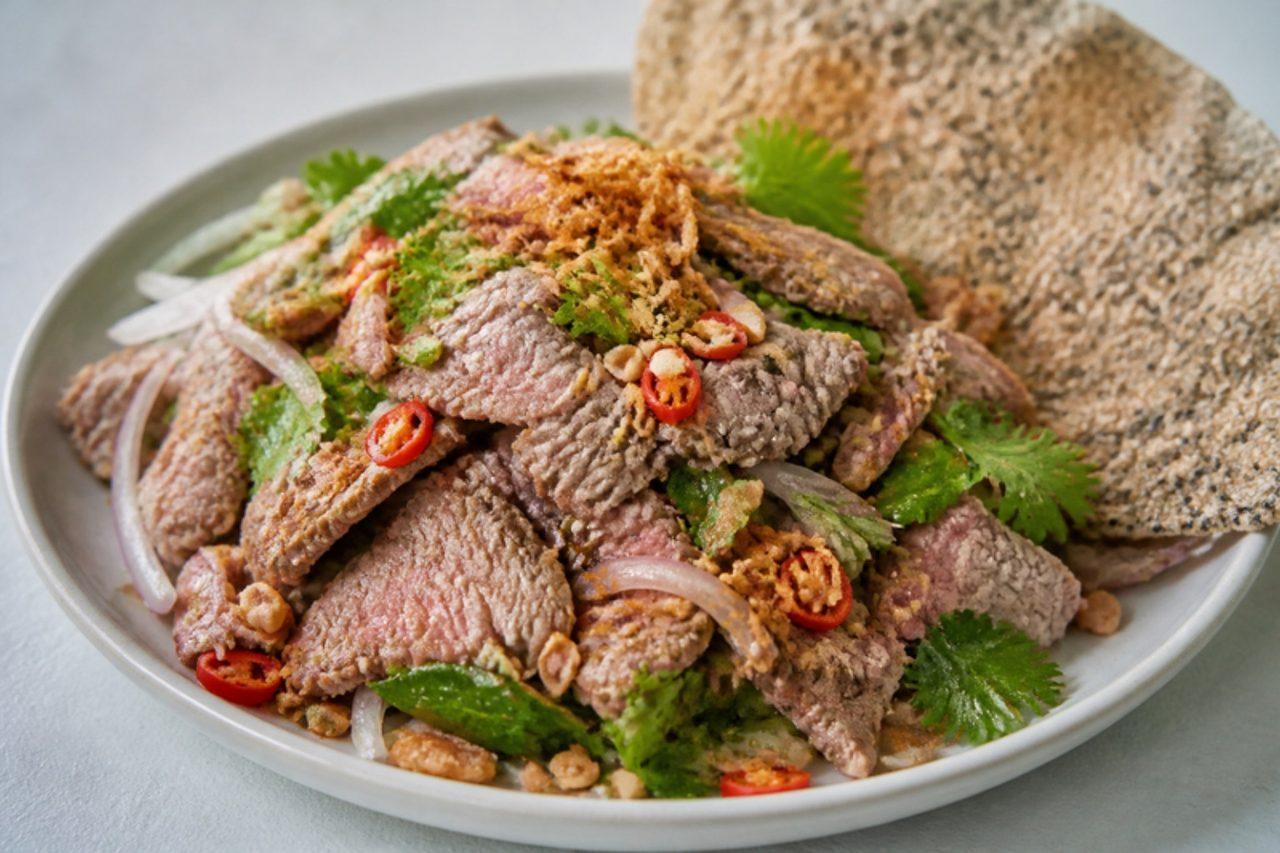
Bò tái chanhLime-cured beef salad

In Saigon's beer gardens bò tái chanh arrives as the first plate of the evening, a sharp, herb-heavy pile of thin beef slices dressed in lime juice and fish sauce with onion, rau răm and peanuts, scooped up with sesame rice crackers. Street cooks often leave the beef almost raw and let the lime 'cook' it; lime does not make beef safe, so this home version blanches the slices for a few seconds until they are cooked at least to medium, still tender and rosy at the centre. Chef's tip: squeeze out the lime juice before dressing; beef left sitting in a pool of lime turns grey and chewy.

by KrazyBadal 0 views

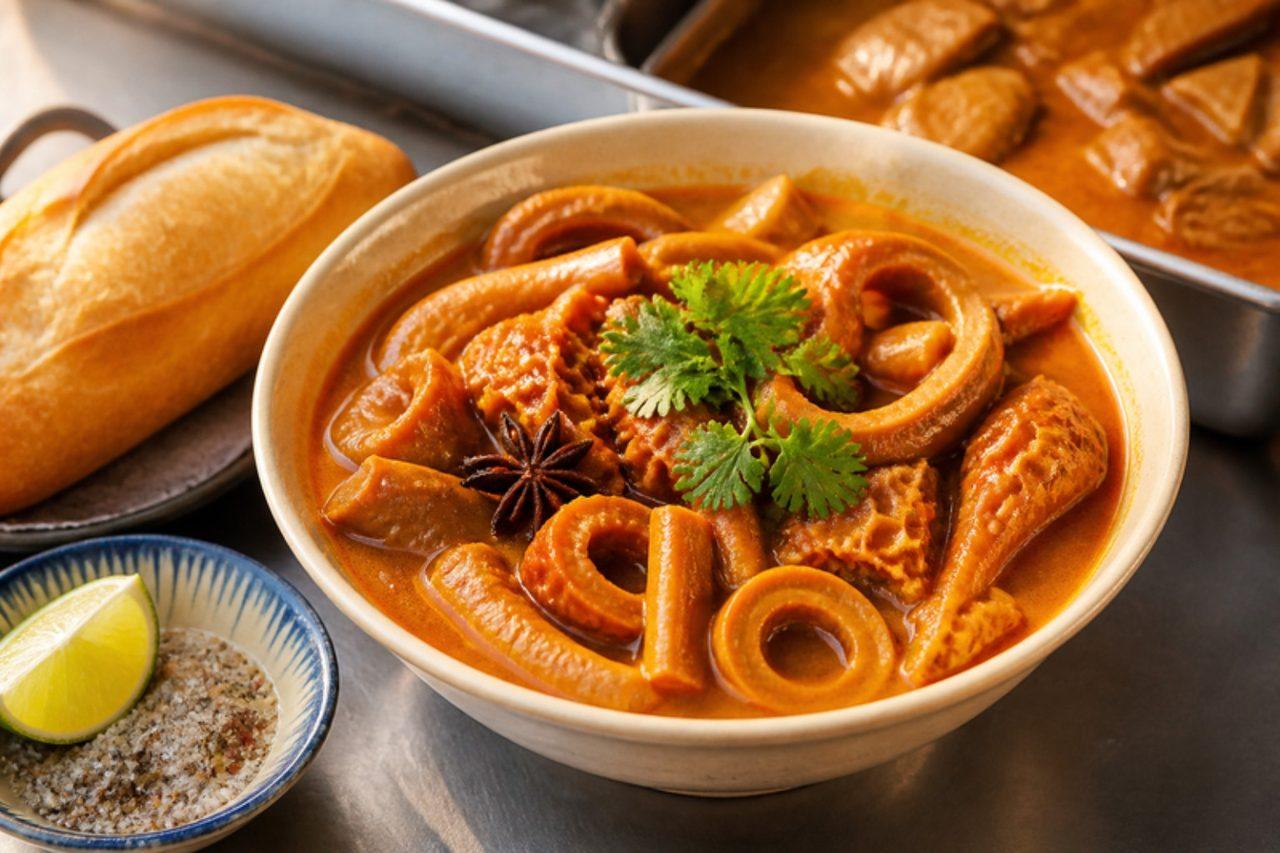
Phá lấu (five-spice braised pork offal)

In District 4 and Chợ Lớn, Saigon's Chinese quarter, phá lấu carts park outside schools and alleys every afternoon, ladling pork offal from a bubbling five-spice broth into bowls to eat with crusty bread and a dip of lime, salt and pepper. Teochew immigrants brought the braise; the Vietnamese version adds coconut water and a splash of coconut milk, which makes the broth rich, sweet and orange-red with annatto. Chef's tip: scrub and blanch the offal twice with salt and vinegar; skipping the cleaning leaves a strong smell that no amount of spice will hide.

by KrazyBadal 0 views

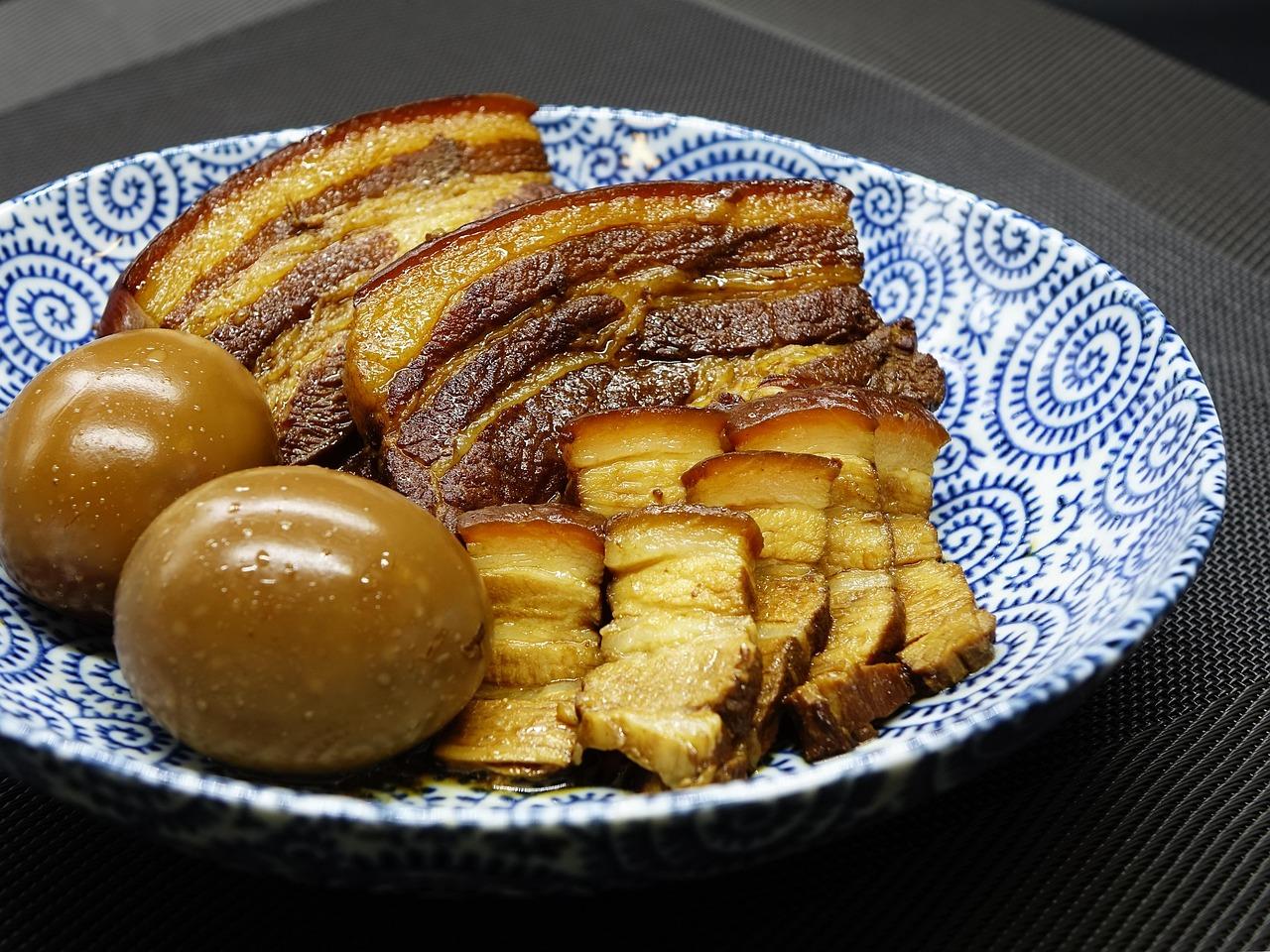
Thịt kho trứng (caramelised pork belly and eggs)

In southern Vietnam the New Year does not feel like Tết without a big pot of thịt kho trứng on the stove: chunks of pork belly and peeled boiled eggs simmered slowly in coconut water, fish sauce and a dark caramel until the fat is jelly-soft and the eggs are stained mahogany. Families cook it a day or two ahead and reheat it throughout the holiday, when its flavour only deepens. It is eaten with plain rice, pickled dưa món or củ kiệu, and bitter melon soup. For a vegetarian table, firm tofu and eggs can be braised in the same way with soy sauce. Chef's tip: blanch the pork first and keep the simmer lazy; a hard boil makes cloudy, greasy sauce and dry, tough meat.

by KrazyBadal 0 views

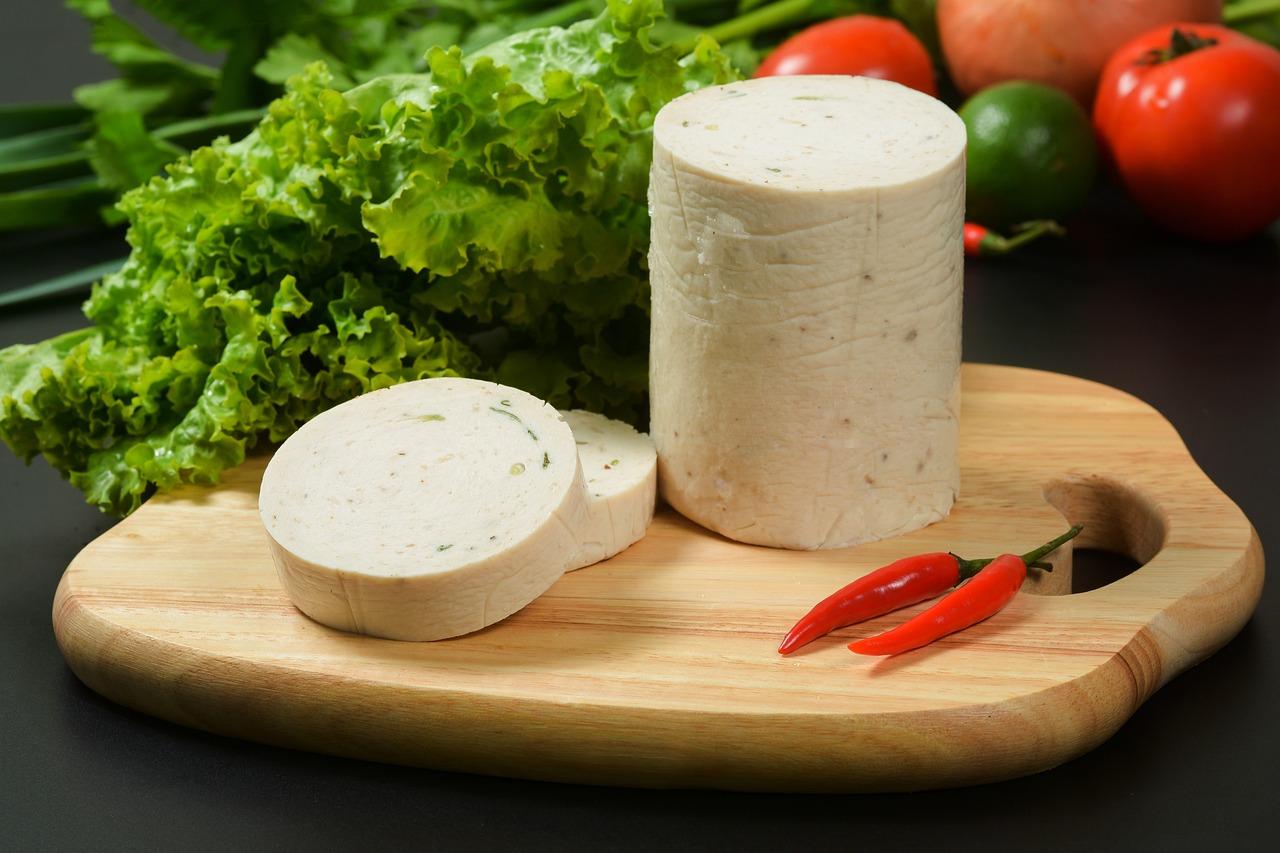
Giò lụa (Vietnamese pork roll)

Ước Lễ village near Hanoi is famous for giò lụa, and no northern Tết tray is complete without a pale, springy pork roll cut into wedges beside sticky rice and pickled onions. Lean pork is pounded or blended ice-cold with fish sauce into a smooth, elastic paste, wrapped tightly in banana leaves and boiled until set. Slices are silky, bouncy and delicately peppery; they go into bánh mì, bánh cuốn and noodle soups all year. This home version uses a food processor. Chef's tip: keep the pork paste near freezing as you blend; if it warms up it turns grainy and crumbly instead of smooth and bouncy.

by KrazyBadal 0 views

Grünkohl mit PinkelBraised kale with smoked sausage

In Bremen and Oldenburg, Grünkohl mit Pinkel is the dish of the winter Kohlfahrt, when groups walk out into the frosty countryside and finish at an inn for kale, smoked pork and Pinkel, a smoked sausage of pork, bacon and oats. The kale is braised for hours with onions, lard and smoked pork until dark, soft and almost creamy, then the sausages warm through on top. Serve with boiled potatoes or small caramelised ones and mustard. The usual mistake is cooking the kale briefly like a vegetable side; it needs the long braise to lose its bitterness. Chef's tip: kale is best after the first frost, which makes the leaves sweeter; frozen chopped kale is a good shortcut.

160 minGermanMeat
by KrazyBadal 0 views

RinderrouladenStuffed beef rolls

Rinderrouladen are the Sunday and holiday roast of Germany, made by grandmothers from the Rhineland to Saxony and served at Christmas with red cabbage and potato dumplings. Thin slices of beef are spread with mustard and rolled round smoked bacon (pork), onion and gherkin, then browned and braised for two hours in red wine and stock until tender, giving a deep, glossy gravy. For an alcohol-free version use extra stock with a tablespoon of red wine vinegar. The usual mistake is rolls that unravel in the pot; tie them firmly or pin with two cocktail sticks. Slow-cooker: after browning, cook on low for 7 hours, then thicken the sauce in a pan. Chef's tip: ask the butcher for topside sliced 5 mm thick and beat it a little thinner, so it rolls easily without tearing.

165 minGermanMeat
by KrazyBadal 0 views

BusecaTripe and white bean stew

Buseca arrived in Montevideo with Italian immigrants from Lombardy and became a classic winter dish of Uruguayan bodegones and family kitchens, eaten on cold June and July days. Honeycomb tripe is simmered until tender, then stewed with white beans, pork chorizo, bacon, peppers, tomato and paprika into a thick, warming stew served with crusty bread. Buy tripe that is already cleaned and blanched (dressed). The usual mistake is undercooking the tripe: it needs a full 2 hours, until it's soft enough to cut with a spoon. Slow-cooker option: after step 4, cook on low for 8 hours. Chef's tip: a little grated lemon zest and parsley stirred in at the end lifts the rich, gelatinous sauce.

by KrazyBadal 0 views

Morcilla dulceSweet blood sausage with walnuts

No Uruguayan parrilla is complete without morcilla dulce: a soft pork blood sausage sweetened with sugar and scented with orange peel, studded with walnuts and raisins, grilled until the skin crisps and served first, as part of the achuras, while the beef is still cooking. It is pork throughout: pork blood, pork back fat and natural pork casings. Making it at home is a project. Buy fresh pork blood with an anticoagulant added from a butcher who supplies it for sausage making, keep it chilled below 4 °C and use it within a day. The common mistake is poaching at a rolling boil, which bursts the casings. Chef's tip: keep the water at 80–85 °C, just shivering, and prick a sausage after 25 minutes: it is done when brown, not red, juice comes out.

by KrazyBadal 0 views

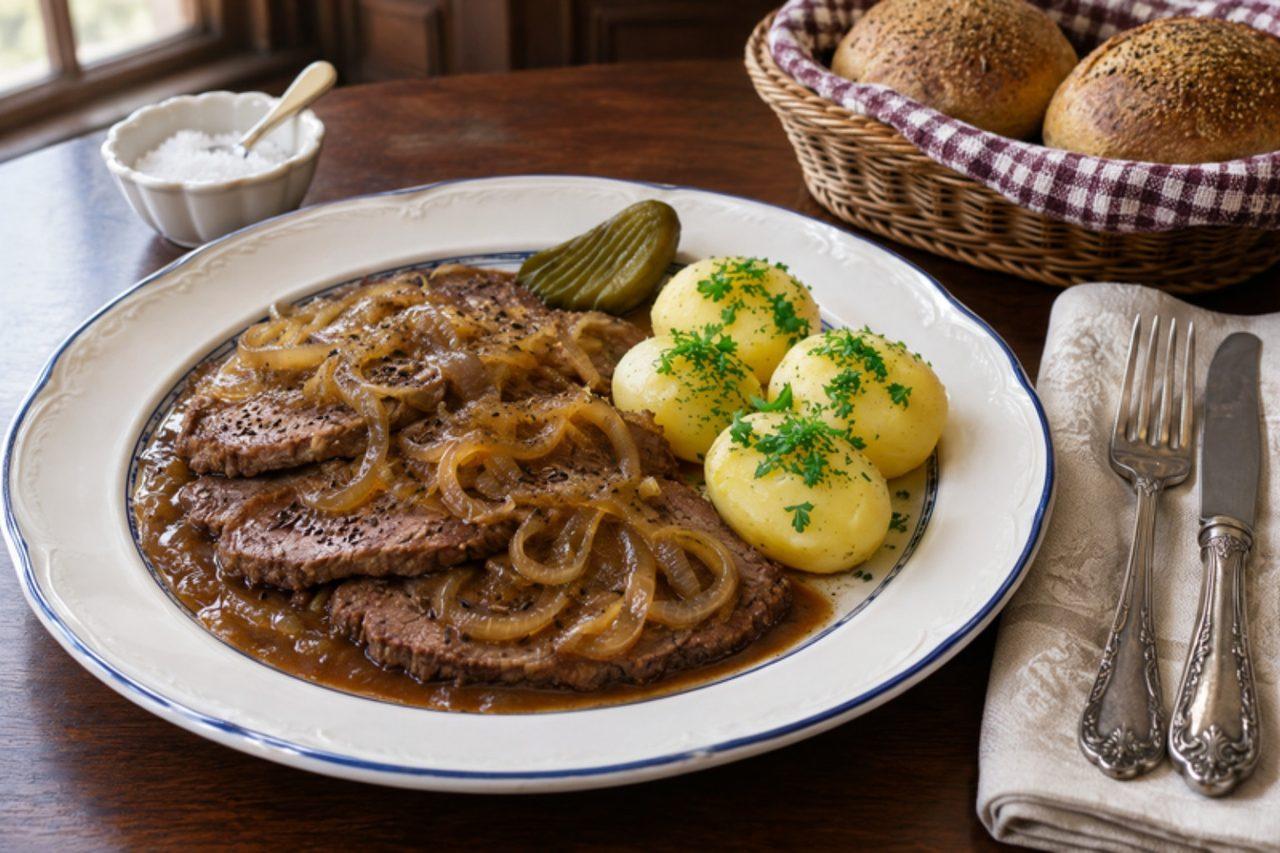
ZwiebelfleischBeef braised with onions

Zwiebelfleisch is an old Viennese Beisl dish, the kind of hearty lunch an inn serves on a cold weekday, with boiled or fried potatoes alongside. Thin slices of beef braise slowly with a mountain of onions, a splash of vinegar, caraway and marjoram until the onions melt into a sweet, tangy gravy. The usual mistake is browning the onions too fast: they turn bitter, so let them colour slowly to a deep gold. Pressure-cooker: 25 minutes at high pressure after browning. Chef's tip: a teaspoon of mustard stirred in at the end rounds out the sauce and brightens the vinegar.

125 minGermanMeat
by KrazyBadal 0 views

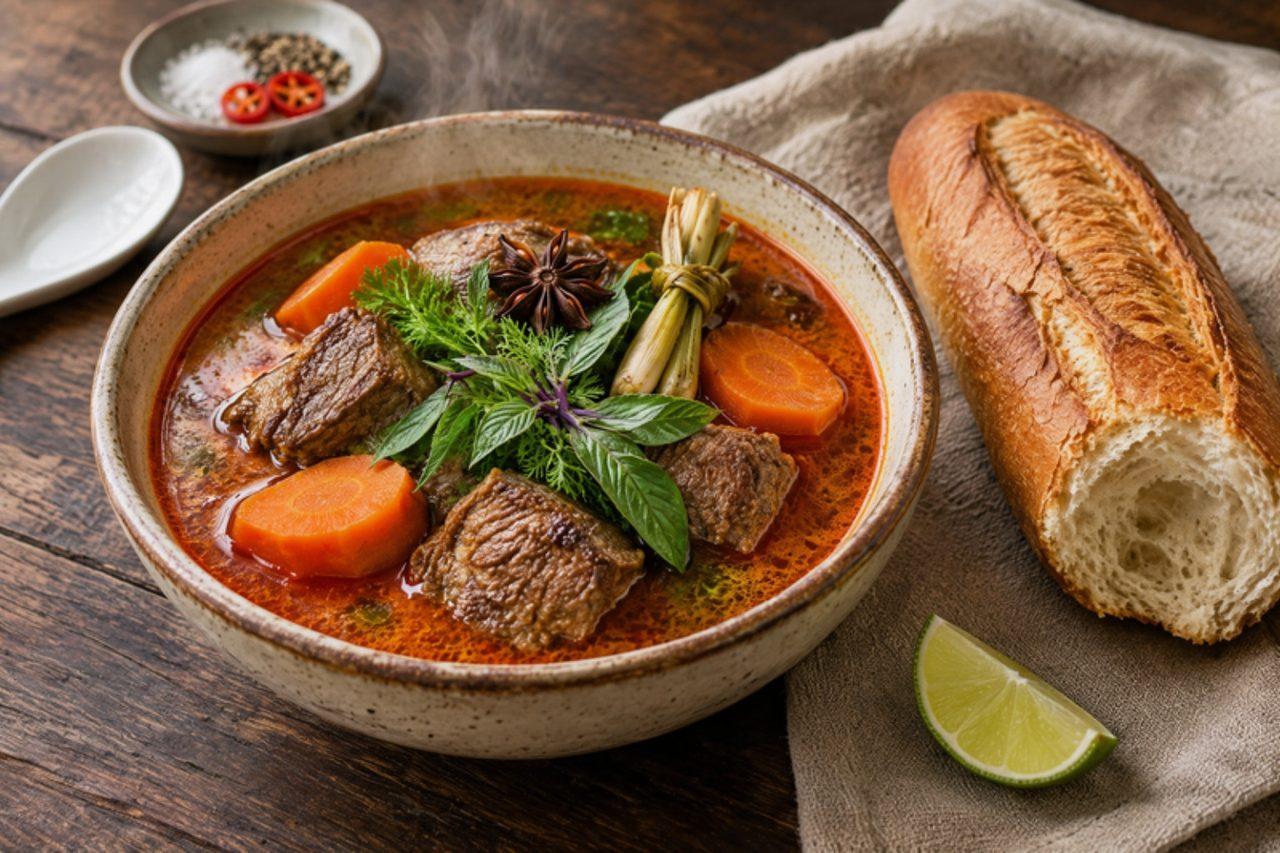
Bò khoLemongrass beef stew

Bò kho is a southern Vietnamese breakfast: in Saigon street stalls ladle this red, gently spiced beef stew over bánh mì torn for dunking, or over rice noodles, from first light. Chunks of beef shin marinate with lemongrass, ginger, garlic, five-spice and fish sauce, are browned in annatto oil, then simmered in coconut water with star anise and cinnamon until tender, with carrots added near the end. The broth should be glossy and aromatic, not thick. The usual mistake is adding the carrots at the start, so they turn to mush; they go in for the last 25 minutes. Slow-cooker option: brown the beef, then cook everything except the carrots on low for 8 hours, adding the carrots for the last hour. Chef's tip: bruise the lemongrass stalks with the back of a knife so they release oil without falling apart.

by KrazyBadal 0 views

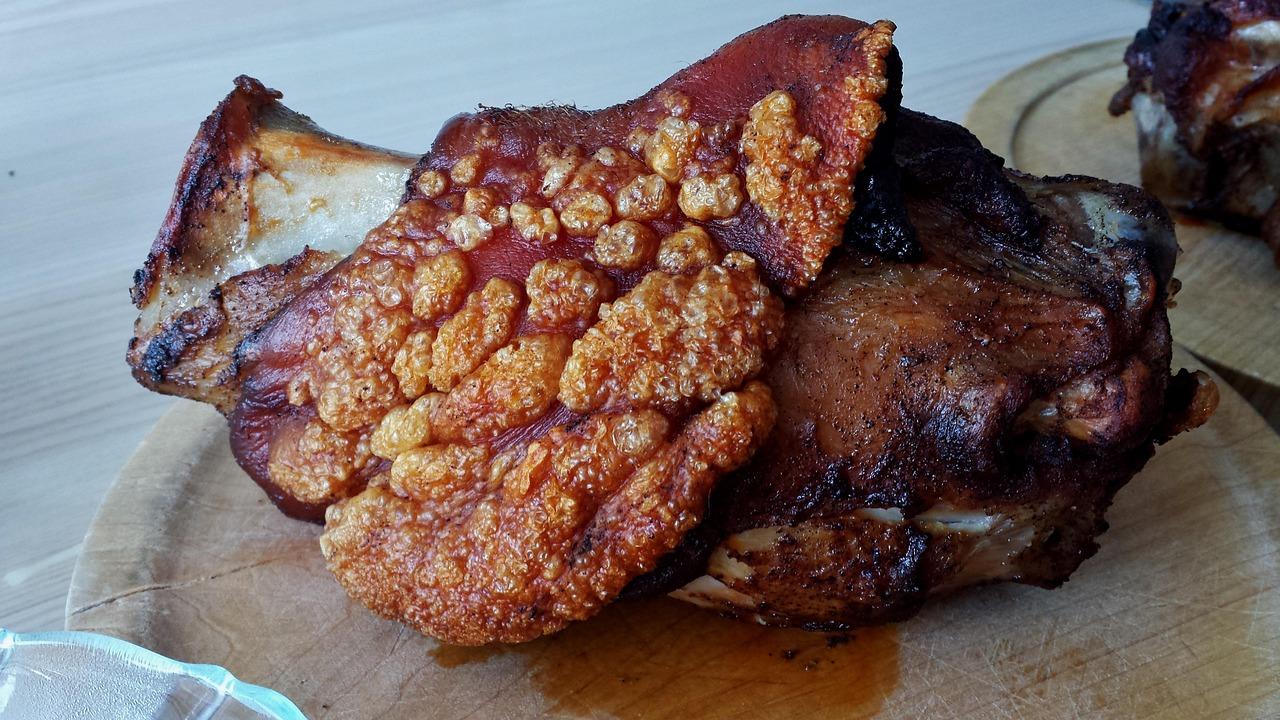
SchweinshaxeRoast pork knuckle

In Munich beer halls and Upper Bavarian village inns, a Schweinshaxe arrives as a whole roast pork knuckle, crackling glassy on the outside and the meat falling off the bone, usually with a potato dumpling and a spoon of sauerkraut. At home it is a weekend dish for cold months: the fresh (not cured) pork hocks are simmered first, then roasted hard so the skin puffs. Ask the butcher for hind knuckles, which carry more meat than front ones. Chef's tip: dry the simmered skin with kitchen paper and leave it uncovered for 20 minutes before roasting; dry skin is the secret to crackling that shatters.

190 minGermanMeatGluten free
by KrazyBadal 0 views

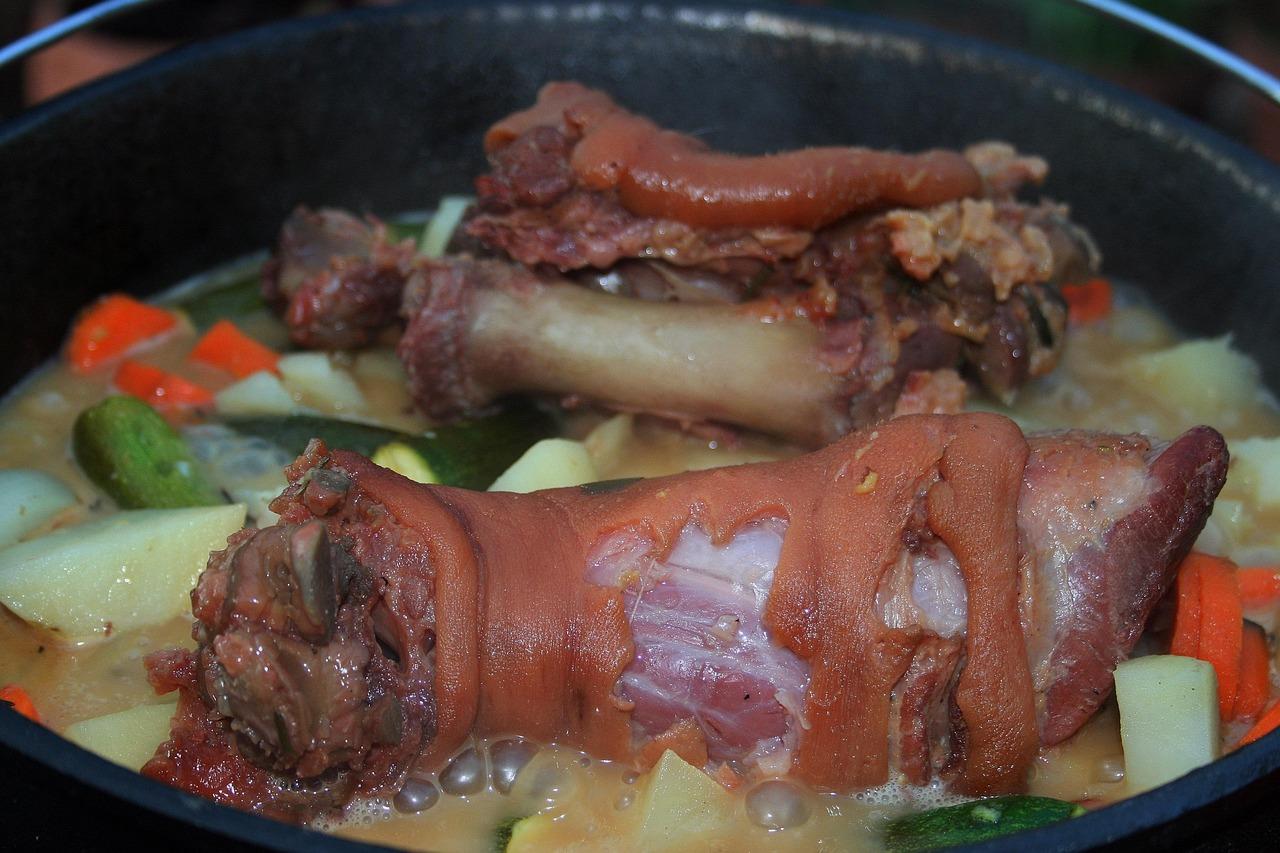
EisbeinCured pork knuckle

Eisbein is old Berlin pub food, the cured pork knuckle served in Kneipen across the city with a mound of yellow pease pudding (Erbspüree) and sauerkraut, and it is especially popular in the cold months. Unlike the Bavarian roast Haxe, this pork knuckle is pickled in brine by the butcher and then simmered slowly, so the meat turns pink, tender and gently salty and the rind stays soft. Order a cured ("gepökelt") knuckle from a German or Polish butcher. Chef's tip: soak the knuckle in cold water for a few hours first if your butcher's cure is strong; taste a little of the simmering water after 30 minutes and change it if it is very salty.

180 minGermanMeatGluten free
by KrazyBadal 0 views

Showing 24 of 47 recipes

Show more recipes

Page 1 of 2