Skip to content
Recipes

All recipes

Vegetarian, or something you can't eat? Set your diet once and we'll hide recipes that don't fit.

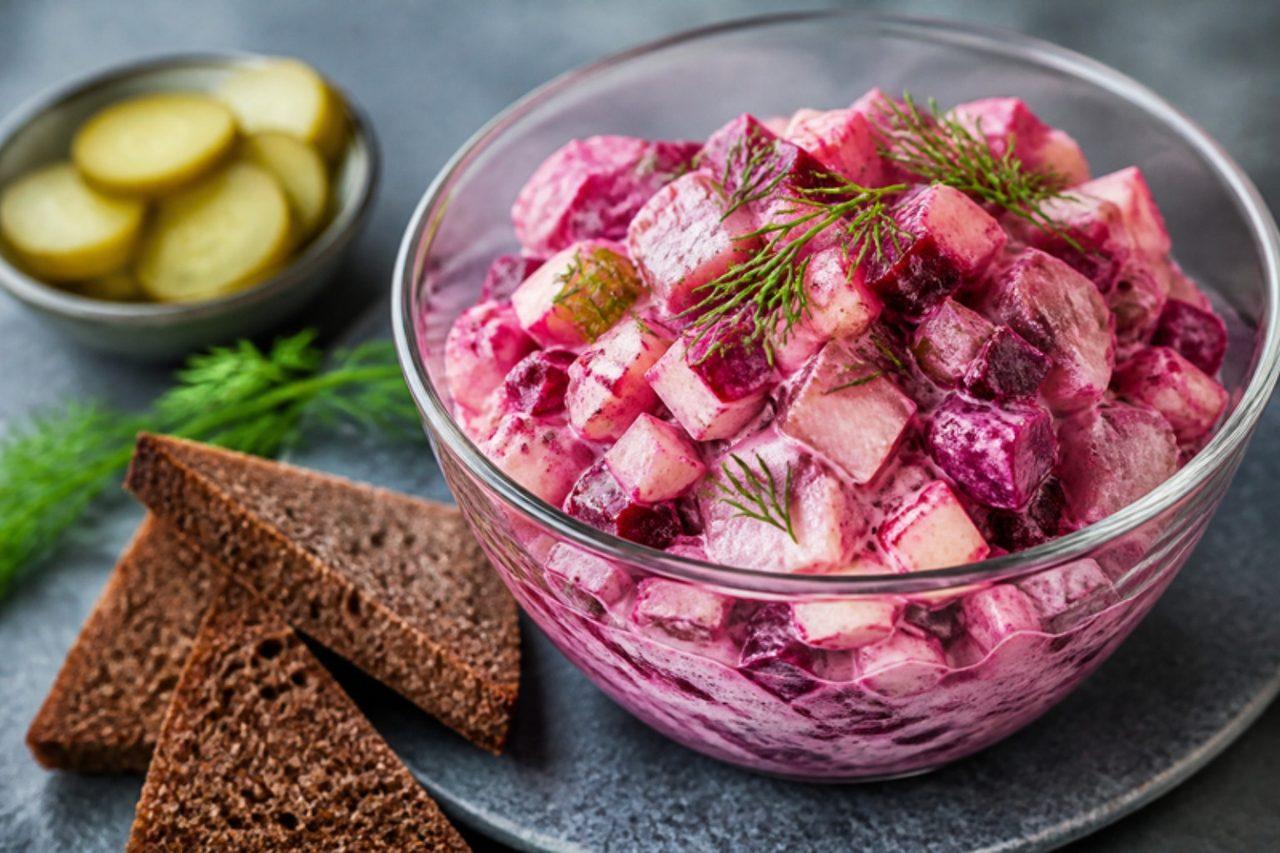
HeringssalatPickled herring and beetroot salad

When the carnival ends in the Rhineland and northern Germany, Ash Wednesday brings the Heringsessen, a herring meal shared in pubs and homes to mark the start of the Lenten fast. This rosy salad mixes diced pickled herring with beetroot, apple, gherkin and boiled potato in a creamy yogurt-mayonnaise dressing, and is served with rye bread. Use pickled herring bought ready-made in jars from the chiller, which has been commercially cured, and keep the salad in the fridge. Pickled and cured fish is not cooked, so it is not for pregnant women, young children or anyone with a weakened immune system; for a safer version use hot-smoked mackerel or cooked fish. The common mistake is dressing the salad while the potatoes are hot, which turns it mushy. Chef's tip: make it the day before; the flavours deepen overnight.

by KrazyBadal 0 views

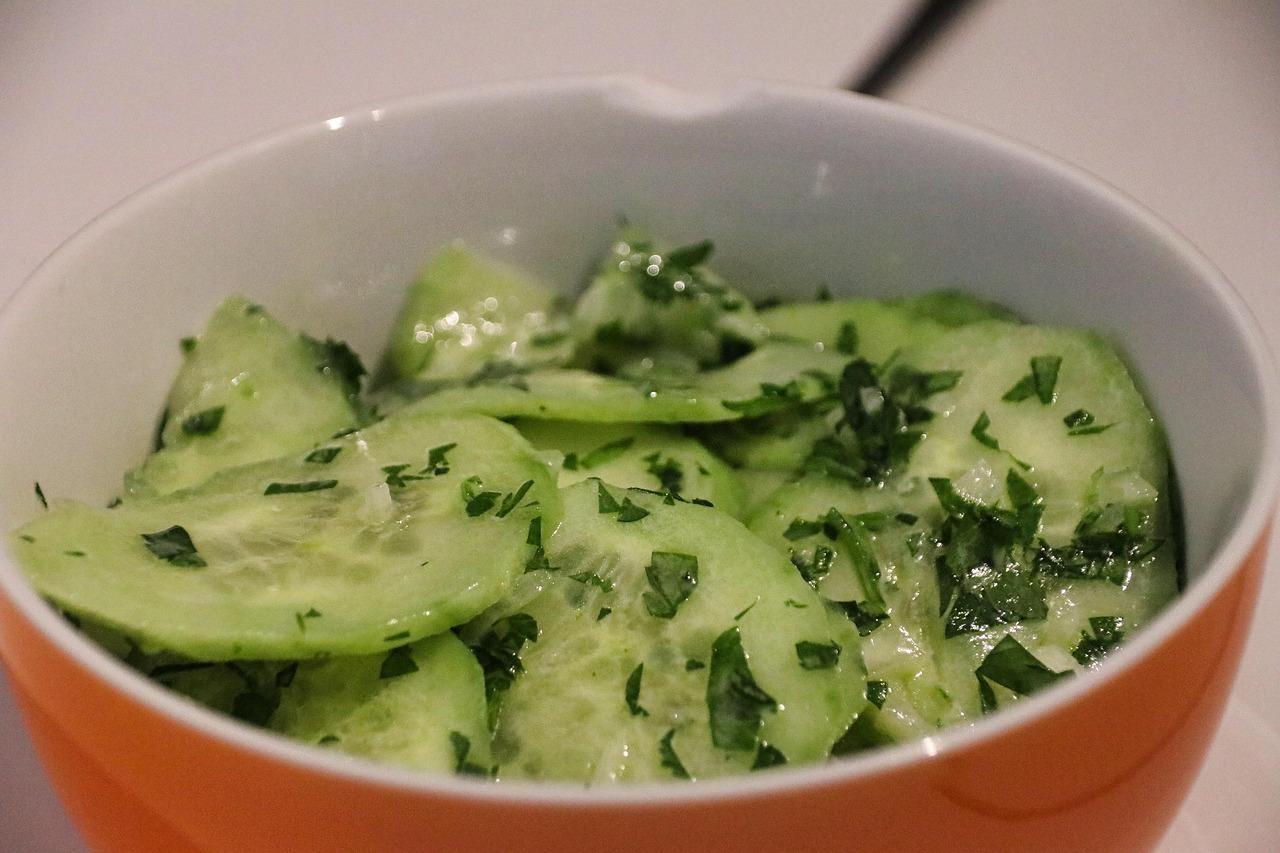
GurkensalatCucumber and dill salad

Gurkensalat is on German tables from Bavaria to Berlin all summer, served alongside potato pancakes, egg dishes or the Sunday roast, and it is just as common at a garden barbecue. Cucumber is sliced almost paper-thin, salted briefly, then dressed with a little vinegar, sugar, onion and lots of fresh dill, so it is cool, sharp and soft-crunchy. Some households stir in soured cream; this vinaigrette version is vegan. It is very light, with about 1 g of protein a portion, so it is purely a side. The most common mistake is skipping the salting: unsalted slices weep water into the bowl and dilute the dressing within minutes. Chef's tip: squeeze the salted slices gently in your hands before dressing; they bend like ribbons and take up the dill dressing much better.

by KrazyBadal 0 views

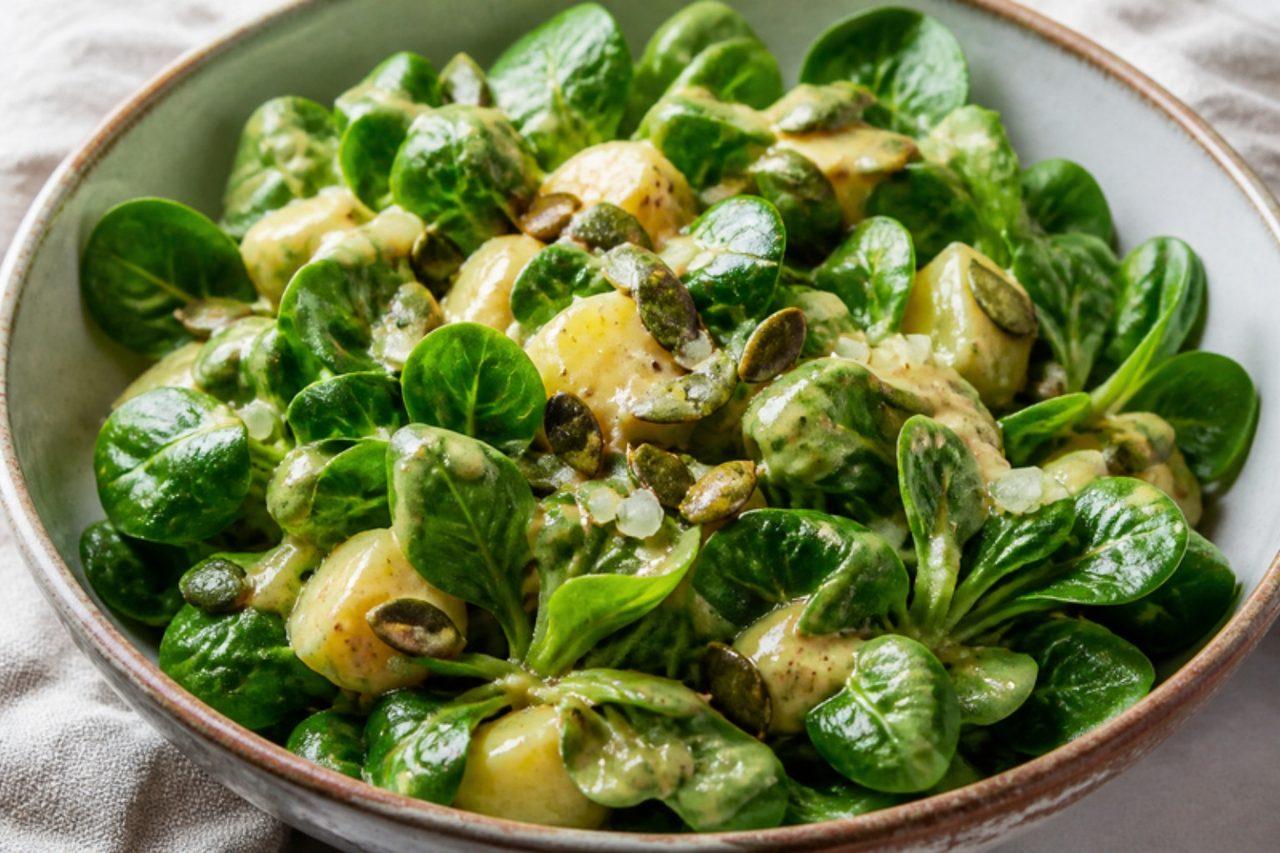
Feldsalat mit warmem KartoffeldressingLamb's lettuce with warm potato dressing

In Baden-Württemberg and Bavaria, Feldsalat (lamb's lettuce, also called Ackersalat or Nüsslisalat) is the winter salad, eaten from October to March as a starter or beside Spätzle and egg dishes. The small, tender rosettes are dressed in a warm, creamy Swabian dressing made from a boiled potato mashed with stock, mustard, vinegar and oil, which coats the leaves without weighing them down. Traditional versions use meat stock and bacon; this one uses vegetable stock and crisp fried onions, so it is vegan. It gives about 3 g of protein a portion, so it is a side; add toasted pumpkin seeds for more. The most common mistake is not washing the leaves well: grit hides deep inside the rosettes, so wash in two or three changes of water. Chef's tip: dress the leaves only at the table; the warm dressing wilts them within minutes.

by KrazyBadal 0 views

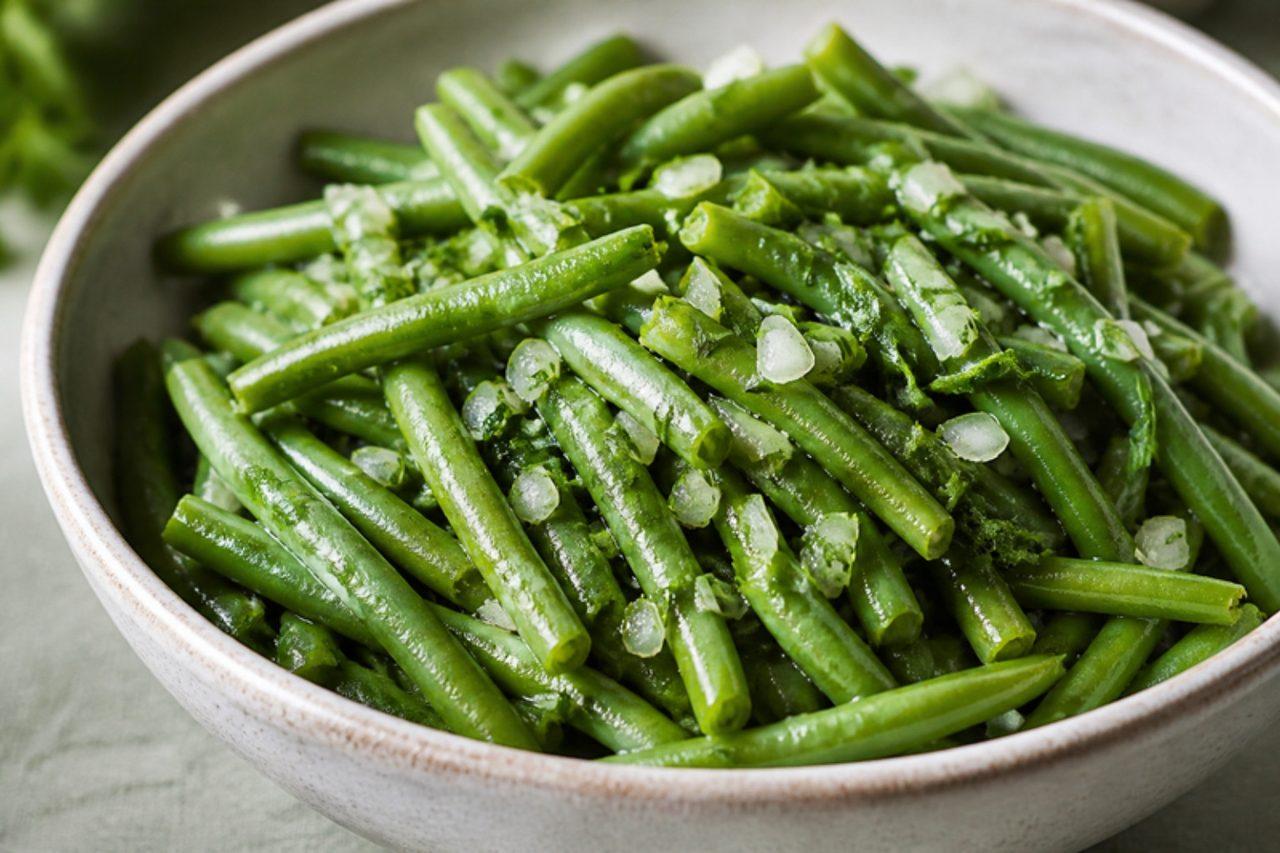
Grüner BohnensalatGreen bean salad

In German kitchens from Swabia to Westphalia, green bean salad comes out in high summer when beans are cheap and plentiful, as a side to fried eggs, potato salad or grilled food, and it travels well to picnics. The beans are cooked until just tender, then dressed warm with vinegar, oil, onion and Bohnenkraut (summer savory), the peppery herb Germans always pair with beans. Many cooks add bacon; this version is vegan. A portion gives about 3 g of protein, so it is a side; add a handful of white beans to make it more filling. The most common mistake is undercooking the beans so they squeak: German bean salad is meant to be tender, not crisp, so cook until a bean bends without snapping. Chef's tip: dress the beans while they are still warm and let them sit for 30 minutes; they absorb the vinegar and taste far better than freshly dressed.

by KrazyBadal 0 views

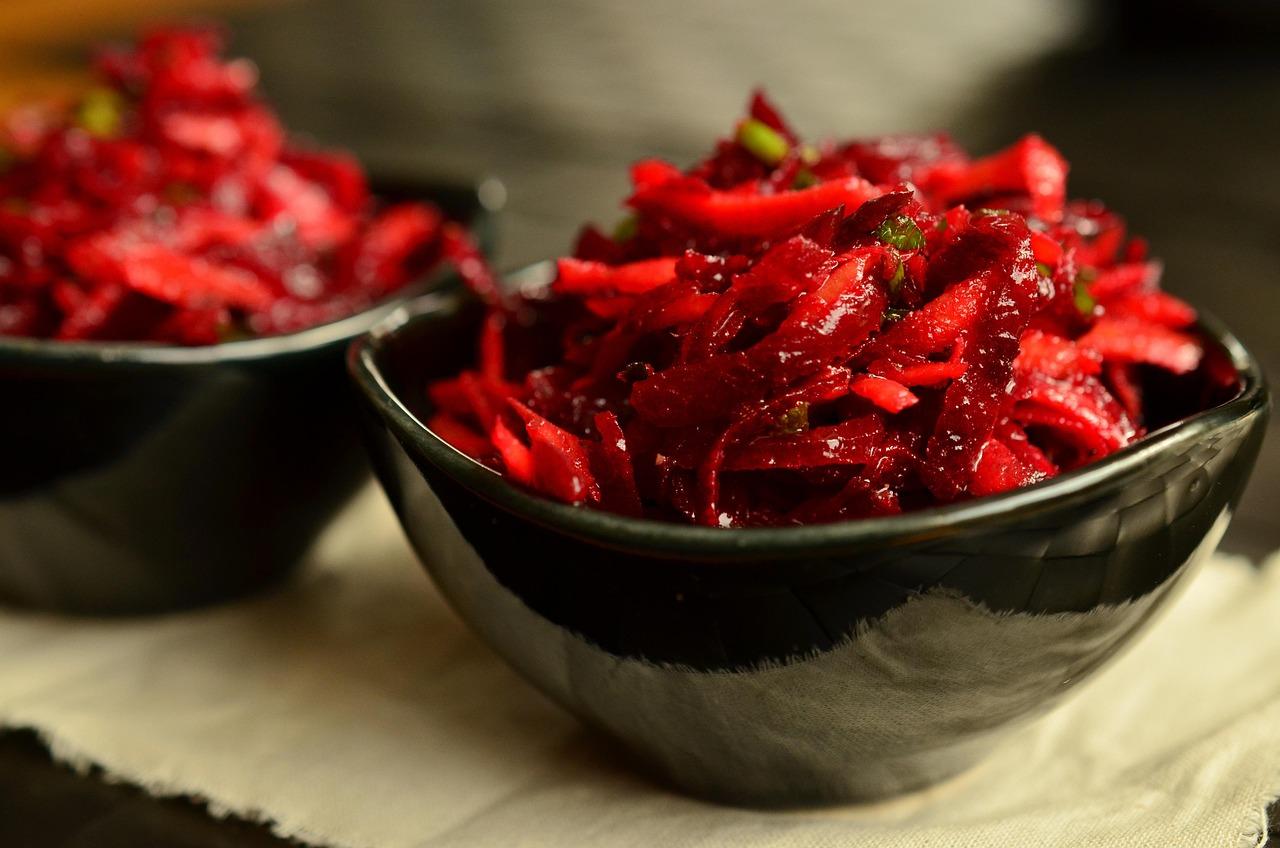
Rote-Bete-SalatBeetroot salad

Rote-Bete-Salat is on the table in German homes through autumn and winter, beside potato pancakes, fried eggs or simply bread and butter. Cooked beetroot is cut into slices or batons and dressed with onion, vinegar, oil and a little caraway or grated horseradish, so it is sweet, earthy and sharp at once. It is vegan, gluten free and keeps for days in the fridge. The most common mistake is serving it straight after dressing: give it at least 10 minutes, or better an hour, so the beetroot soaks up the flavour. Chef's tip: wear gloves or rub your hands with lemon juice afterwards, as beetroot stains everything it touches.

by KrazyBadal 0 views

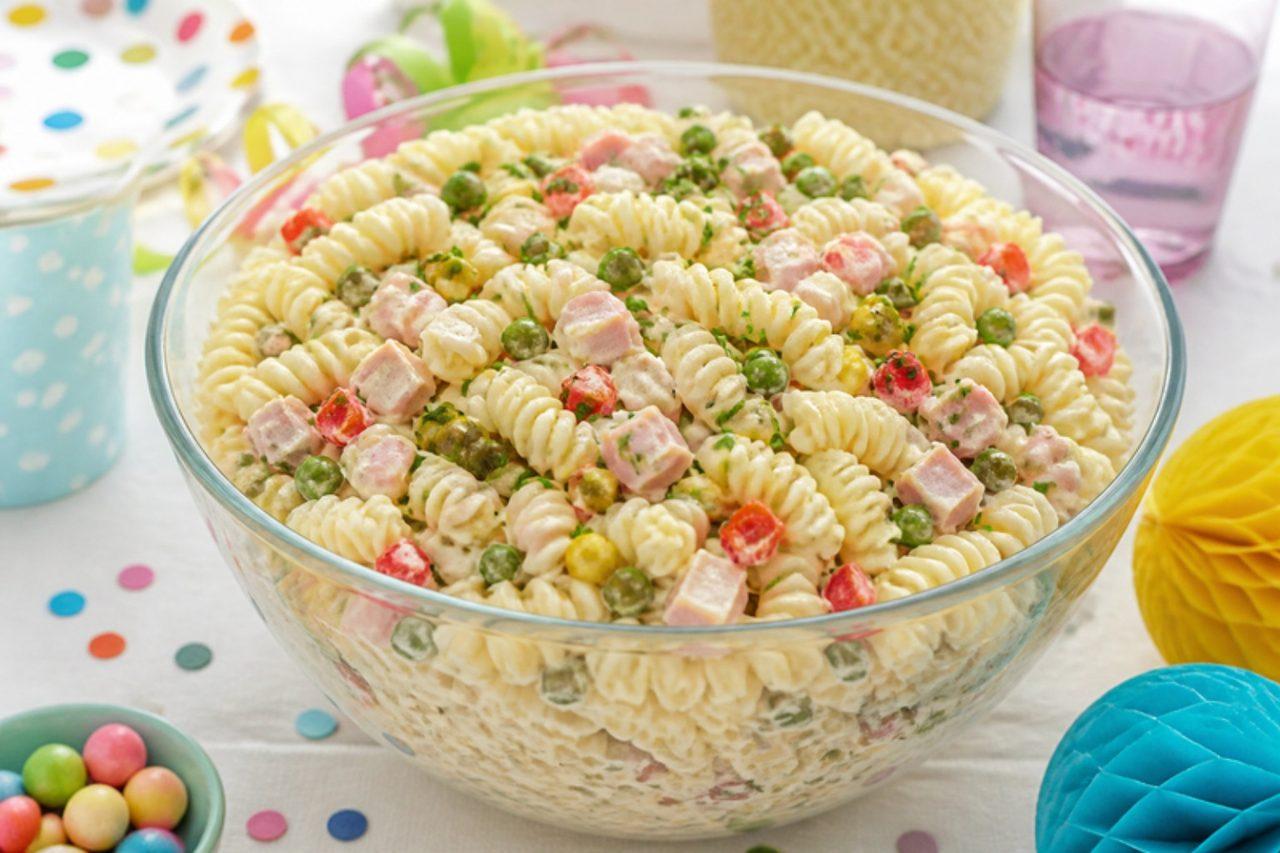
German party pasta salad (Nudelsalat)

In Germany a big bowl of Nudelsalat is the backbone of a Kindergeburtstag, a summer barbecue or a school outing: short pasta, ham, peas, sweetcorn and chopped gherkins bound in a mayonnaise and yoghurt dressing, made the evening before so the flavours settle. This version lightens the dressing with yoghurt and gherkin brine. It contains gluten, egg (mayonnaise) and milk. Chef's tip: dress the pasta while it is still slightly warm, then add a splash more dressing just before serving, because the pasta drinks it overnight.

by KrazyBadal 0 views

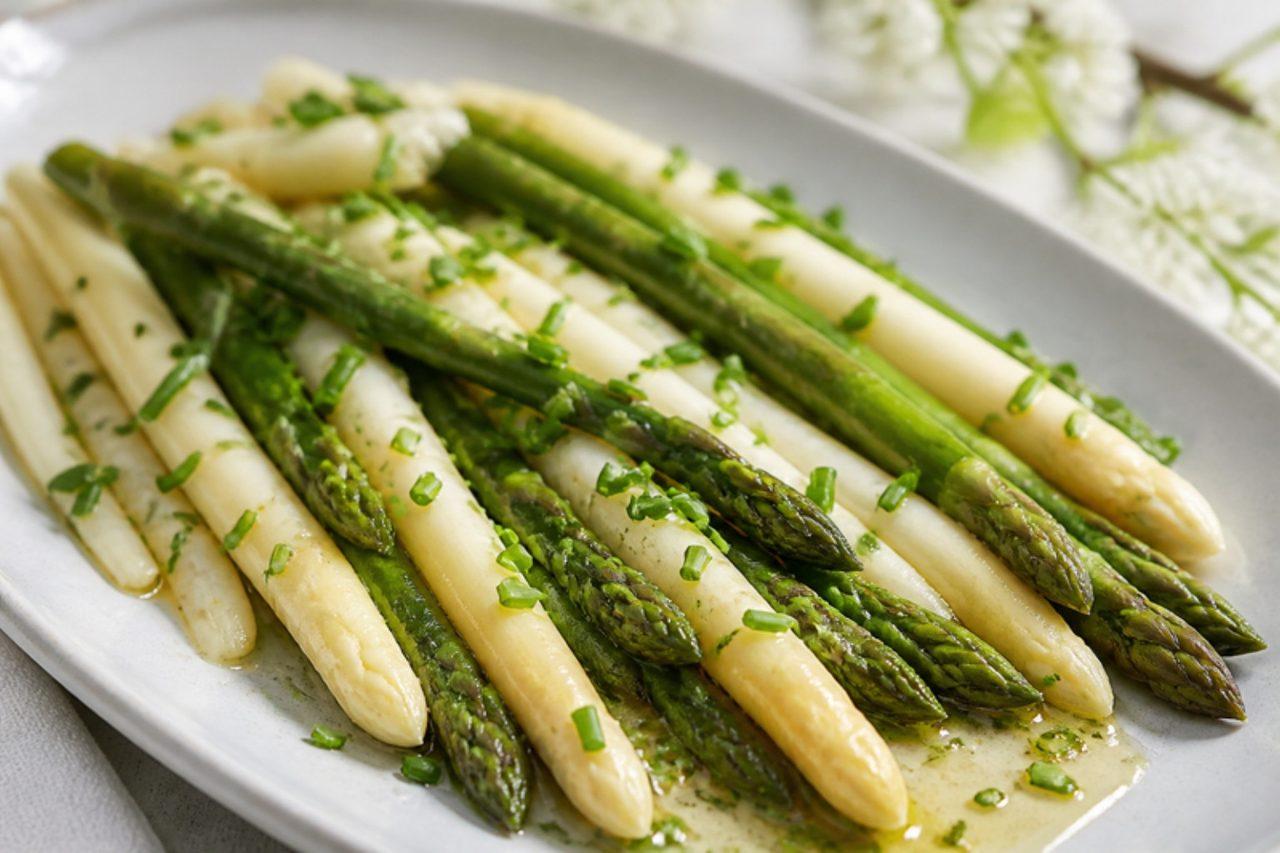
SpargelsalatWarm asparagus salad

Asparagus farms along the Baden Spargelstraße and in the Lüneburg Heath sell their spears straight from roadside huts in May, and this lukewarm salad is how many households there eat the first bundle. White and green spears are cooked just tender, cut into lengths and dressed while warm in a sharp vinaigrette of white wine vinegar, mustard, shallot and plenty of chives, so they soak up the flavour. It goes with new potatoes, or as a light lunch with bread. A frequent mistake is overcooking white asparagus until it is limp and stringy. Chef's tip: dress the spears while still warm and leave them for 15 minutes; cold asparagus barely absorbs the dressing.

by KrazyBadal 0 views

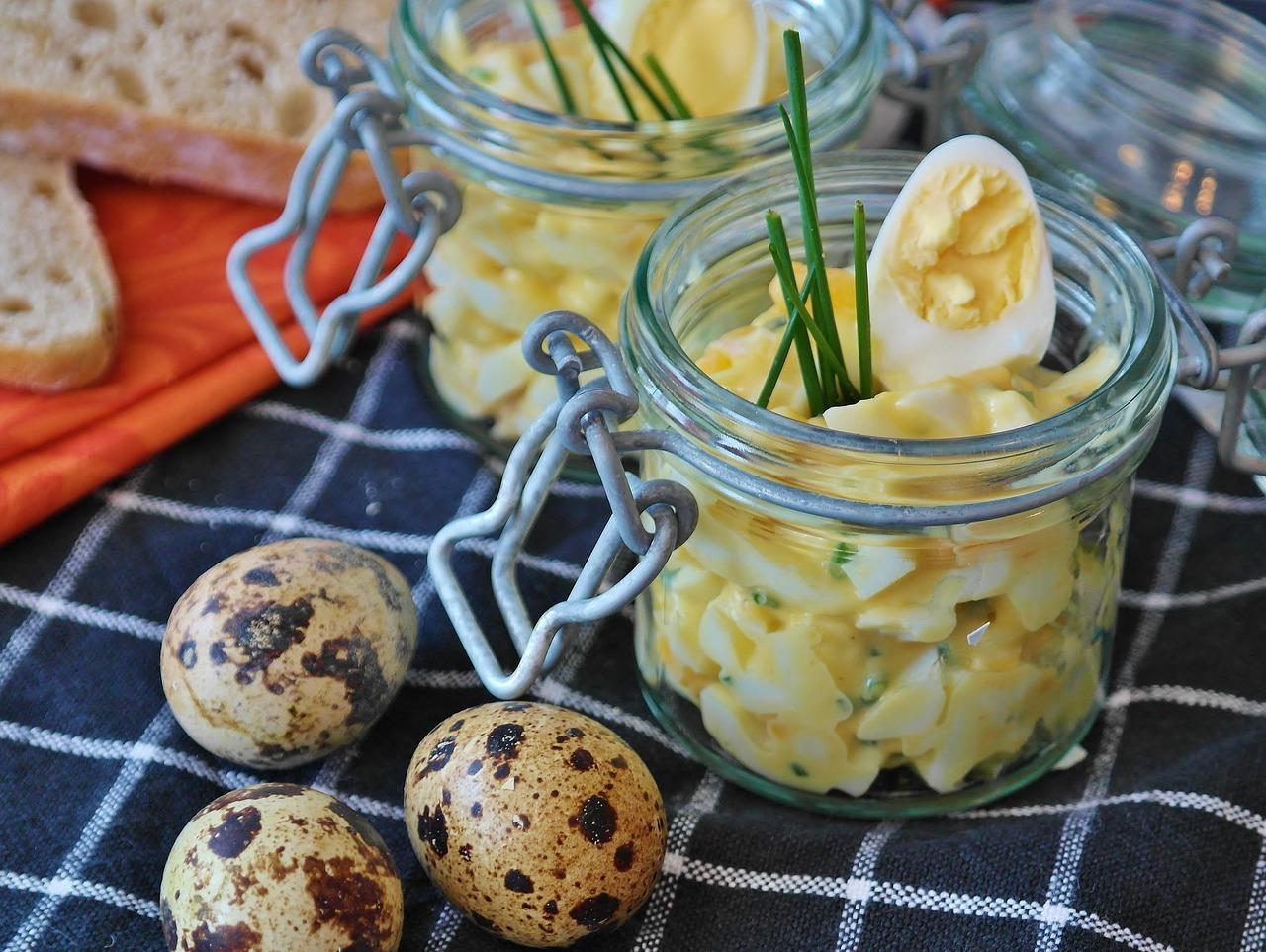
EiersalatEgg salad

Every German bakery counter and many Sunday breakfast tables have a bowl of Eiersalat, spread thickly on halved Brötchen or rye bread at Abendbrot. This home version keeps it light: chopped hard-boiled eggs bound with a little mayonnaise and yoghurt, sharpened with mustard and gherkin and finished with lots of chives. It is also the usual way to use up dyed Easter eggs in the week after Easter. The classic mistake is overcooking the eggs, which leaves grey-green rims and a sulphur smell. Chef's tip: chop the eggs with a fork or an egg slicer, not a blender, so the salad keeps soft little pieces of white and yolk.

by KrazyBadal 0 views

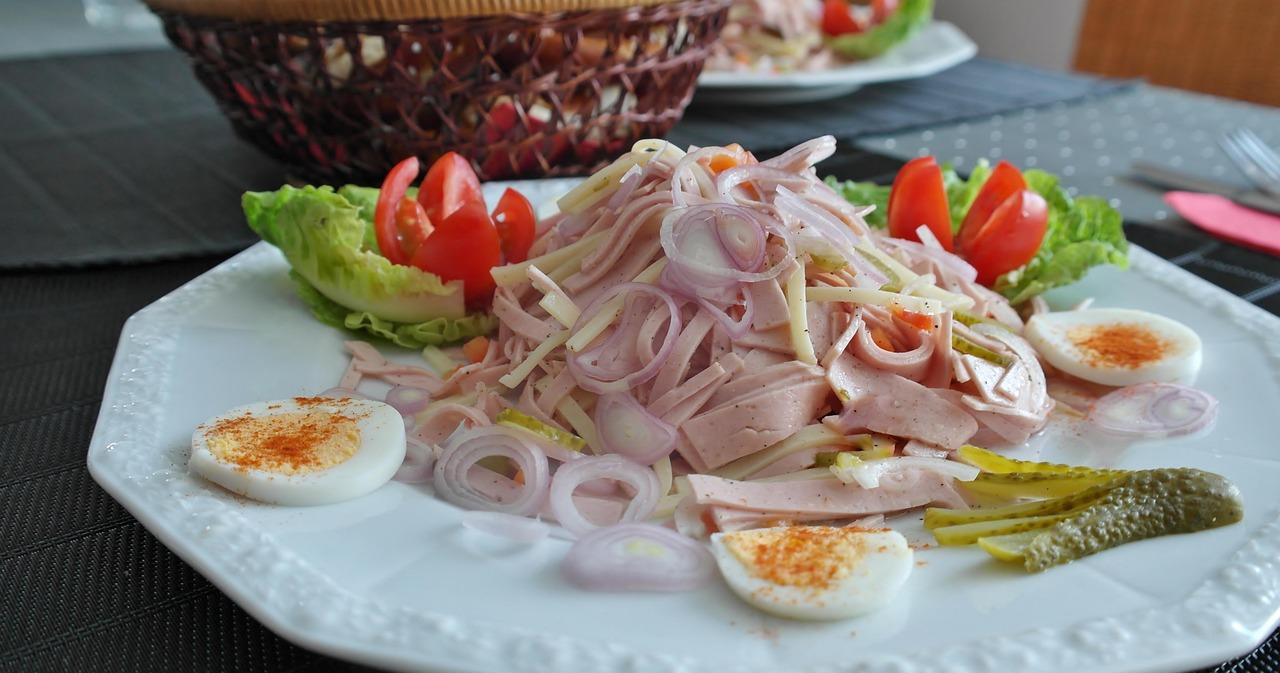
Bayerischer WurstsalatBavarian sausage salad

Bavarian Wurstsalat is the Brotzeit plate of the beer garden: thin strips of Regensburger or Lyoner, mild cooked pork sausages, tossed with onion rings and gherkins in a sharp, slightly sweet vinegar dressing, and eaten with a pretzel in the shade of chestnut trees. At home it is a fast summer supper on a warm evening. Swabians add cheese and call it Schweizer Wurstsalat. A common mistake is drowning it in oil; the dressing should be mostly vinegar and gherkin brine. Chef's tip: leave the dressed salad for 30 minutes in the fridge so the onion softens and the sausage picks up the vinegar.

by KrazyBadal 0 views

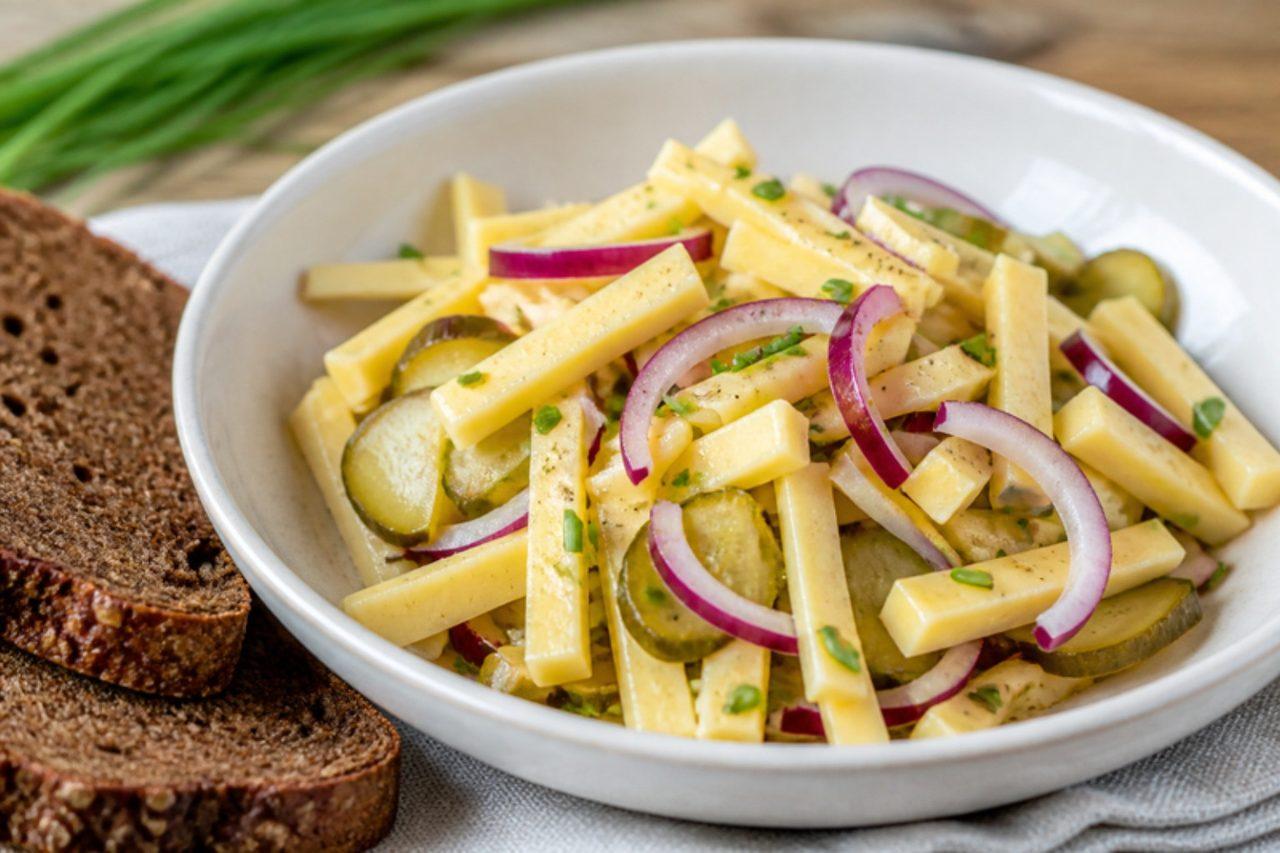
KäsesalatCheese salad

In Bavarian beer gardens and Swabian Vesper stubes, Käsesalat is the cheese lover's answer to sausage salad: matchsticks of Emmental tossed with red onion, gherkins and a sharp vinegar dressing, eaten with a crusty roll or a Breze. It turns up on Saturday evenings at home too, made in ten minutes from what is in the fridge. The cheese soaks up the dressing and goes tender and tangy, while the onion and gherkins keep it crunchy. Traditional Emmental is made with animal rennet, so choose a vegetarian Emmental-style cheese if that matters to you. A common mistake is serving it straight away; the flavours need a short rest. Chef's tip: cut the cheese into thin strips rather than cubes, so the dressing coats every piece.

by KrazyBadal 0 views

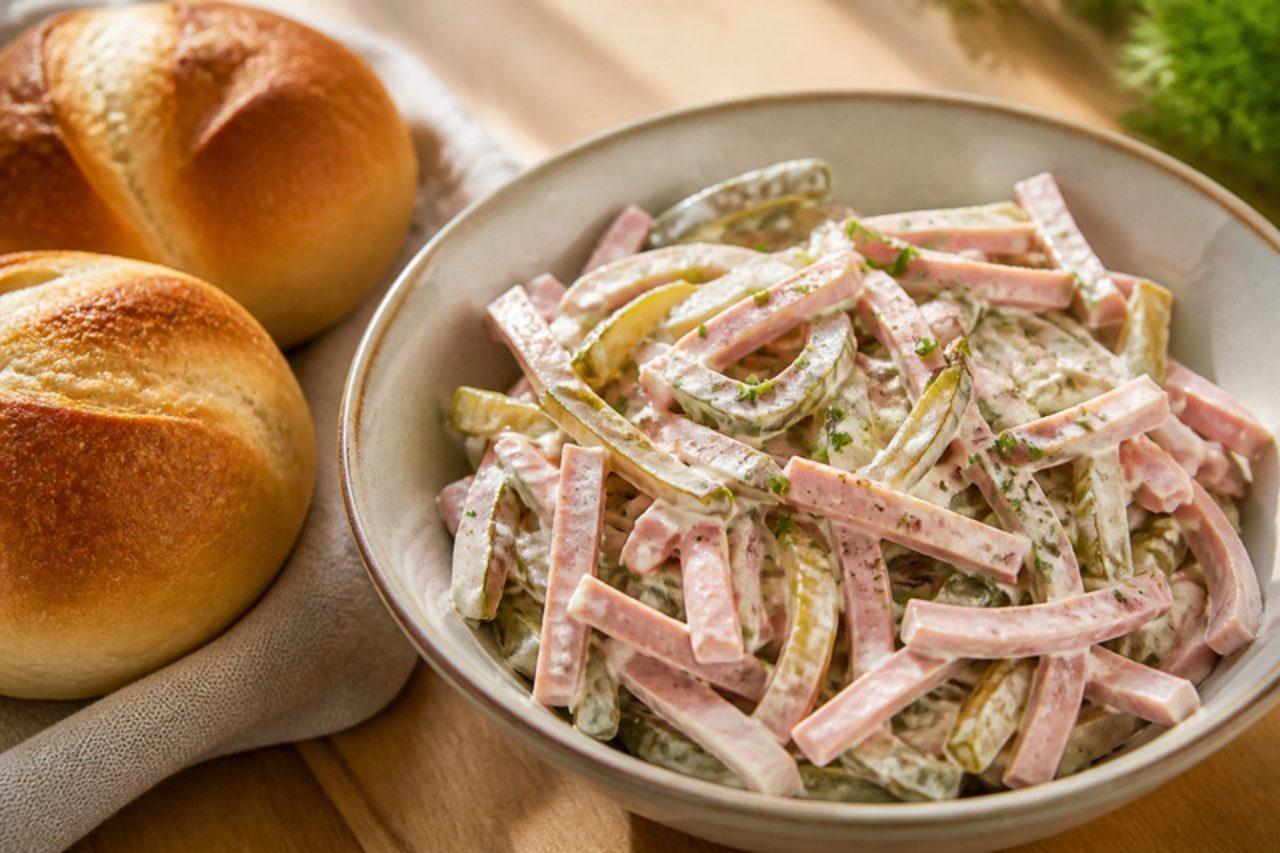
FleischsalatSausage salad

Every German butcher sells Fleischsalat in tubs, and it is spread thickly on bread rolls for Abendbrot or a workday second breakfast from Cologne to Leipzig. It is made from Lyoner or Fleischwurst, a mild cooked pork sausage, cut into fine strips and folded into mayonnaise with gherkins and a little of their brine. Making it at home lets you use less mayonnaise and add yoghurt for freshness. A common mistake is cutting the sausage into thick chunks, which makes it heavy; thin matchsticks are what you want. Chef's tip: chill it for an hour before serving so the gherkin brine flavours the sausage.

by KrazyBadal 0 views

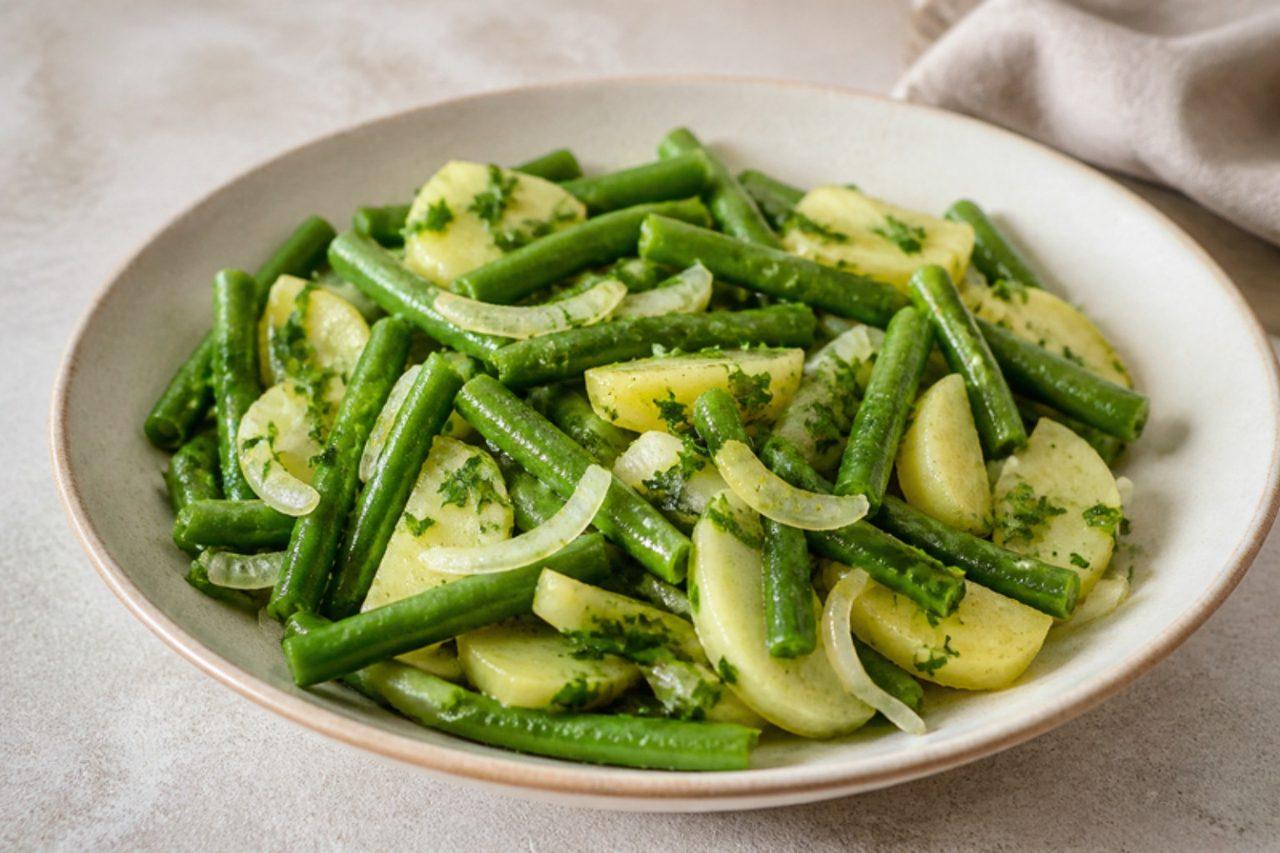
Salade liégeoiseWarm green bean and potato salad

Salade liégeoise is the warm salad of Liège, eaten as a main course in the city's brasseries in summer when green beans are in season: just-cooked green beans and waxy potatoes tossed while warm with onion softened in butter and a sharp vinegar dressing, scattered with parsley. In Liège it is made with crisp bacon lardons; this version leaves them out and adds a fried egg on top for a fuller meal if you like. A common mistake is dressing cold vegetables, which don't absorb the vinegar. Chef's tip: deglaze the onion pan with the vinegar, then pour it straight over the hot beans and potatoes.

by KrazyBadal 0 views

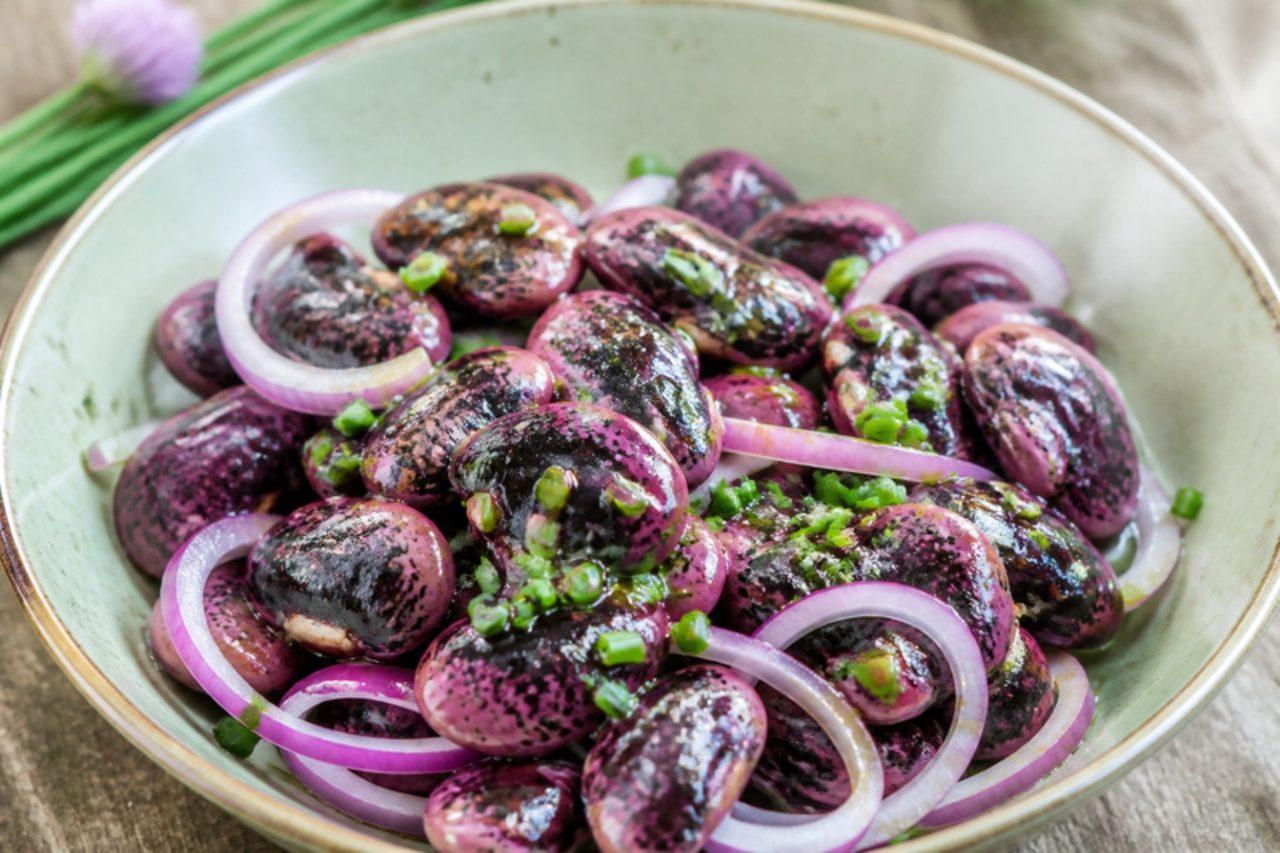
Steirischer KäferbohnensalatRunner bean pumpkin oil salad

In the hills of south-east Styria, fat purple-speckled runner beans called Käferbohnen, 'beetle beans', are dried every autumn and turned into this simple salad. It is a fixture of the Buschenschank, the farm wine taverns where you sit outdoors with a board of bread, cheese and spreads. The beans are soft and creamy, the red onion and cider vinegar sharp, and the dark green pumpkin seed oil gives a deep, toasty, nutty flavour. A common mistake is dressing cold beans straight from the fridge; dress them lukewarm so they soak up the vinegar. Chef's tip: add the pumpkin seed oil last and do not heat it; it turns bitter when warm.

by KrazyBadal 0 views

Bayerischer KrautsalatWarm-dressed cabbage salad

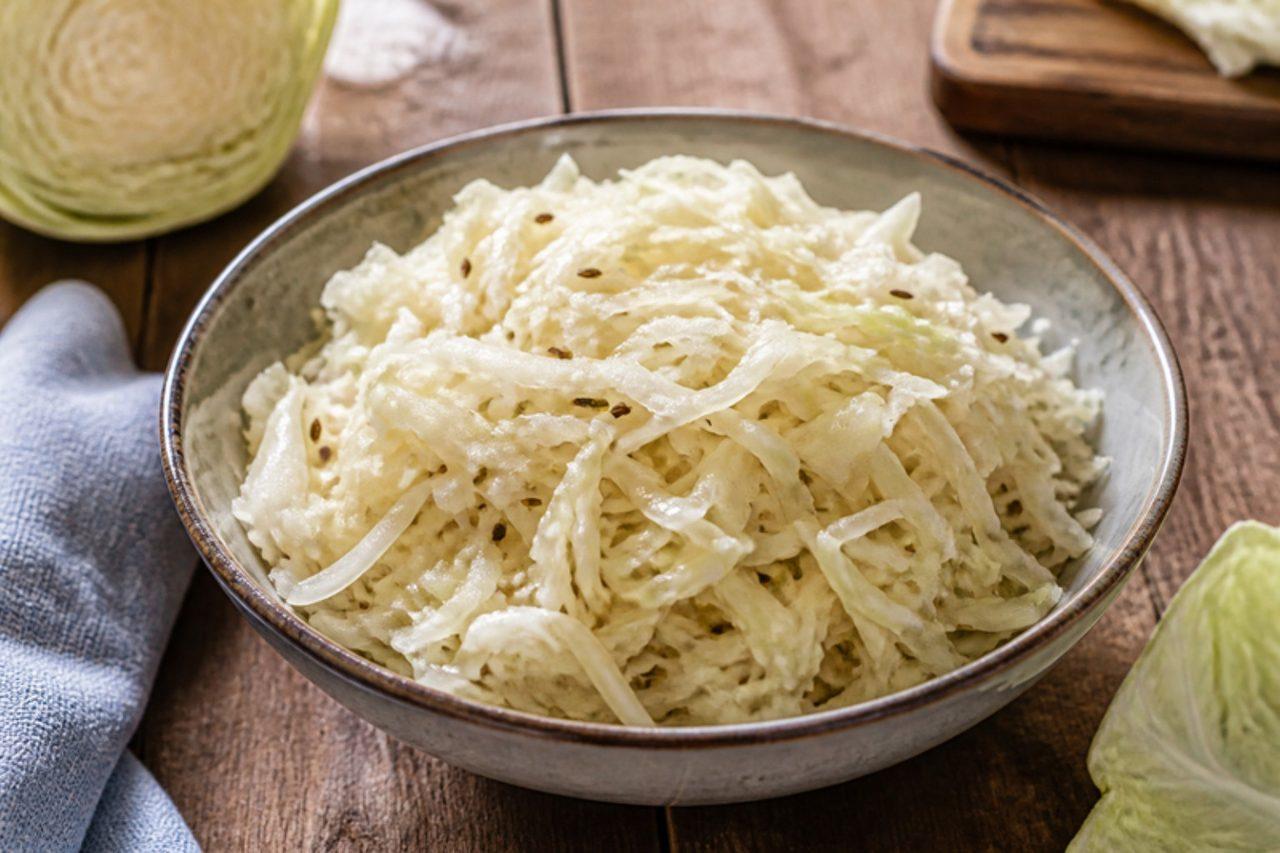
Every Bavarian inn serves this pale, glossy cabbage salad beside roast pork and dumplings, and it is just as good on its own at a summer barbecue. The white cabbage is shaved very finely, salted and kneaded, then dressed with hot vinegar, oil and caraway so it softens while keeping a crunch. Many cooks finish it with crisp bacon bits; this version leaves them out and is vegan. The common mistake is dressing it cold and serving it at once: it needs the warm dressing and at least half an hour to turn silky. Chef's tip: shave the cabbage as thin as paper; thick shreds never soak up the dressing properly.

by KrazyBadal 0 views

Ceviche de chochoLupin bean ceviche

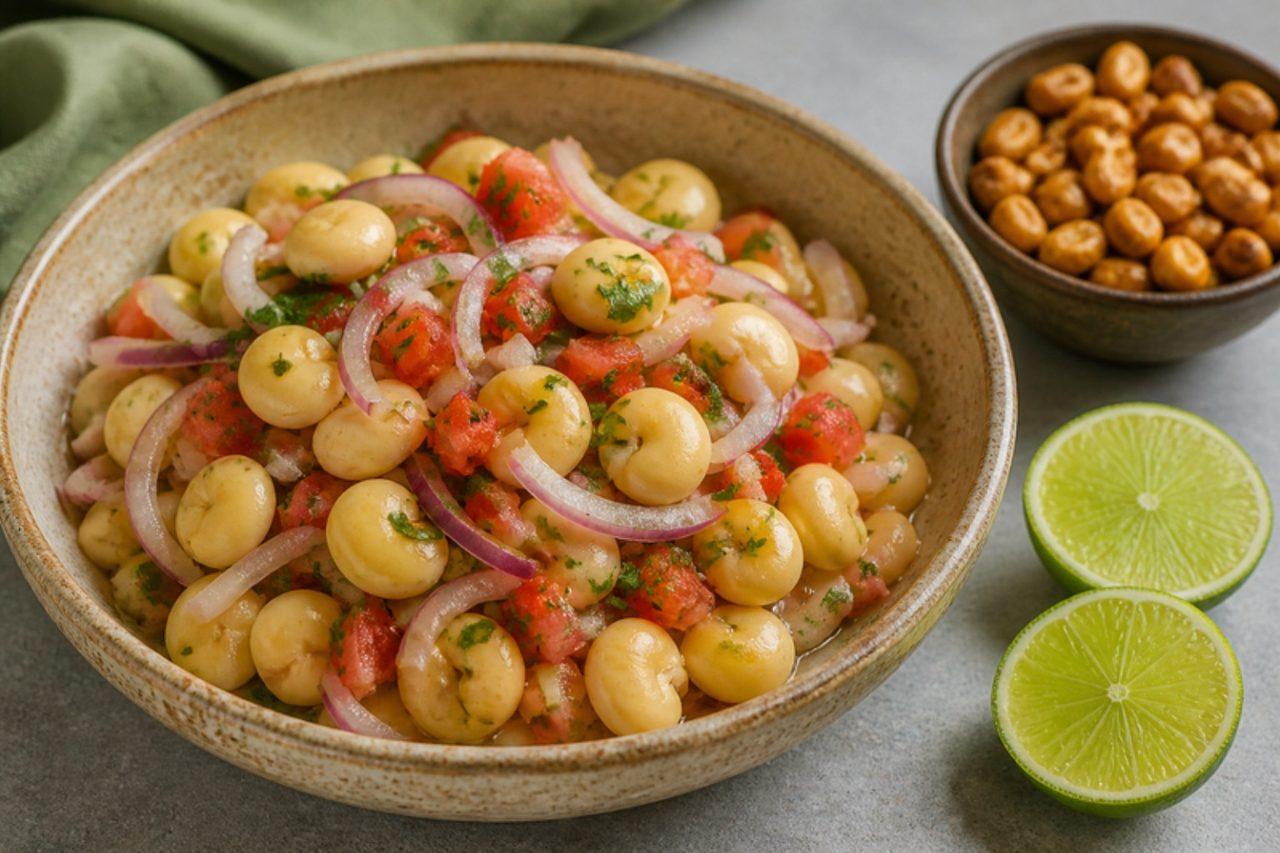
Chocho, or tarwi, is the Andean lupin bean, a protein-packed legume grown high around Huaraz, Cajamarca and Puno, and street carts in the highlands sell it in plastic cups dressed like a ceviche: lime, red onion, tomato, coriander and a little ají, sometimes with toasted corn for crunch. It is fresh, sour and pleasantly firm, a vegan stand-in for fish ceviche that works as a starter or a light lunch. Food safety matters here: raw or bitter lupins contain toxic alkaloids and must never be eaten as they are. Use only ready-debittered, cooked chochos, sold in jars, vacuum packs or chilled tubs in Latin shops; if they taste bitter, rinse and soak them longer or throw them away. Lupin is also a common allergen and may affect people allergic to peanuts. The usual mistake is to drown everything in lime and leave it, which makes the onion limp; mix the dressing just before serving. Chef's tip: squeeze the limes gently by hand rather than with a press, so the juice doesn't turn bitter.

by KrazyBadal 0 views

Ensalada de chontaPalm heart salad

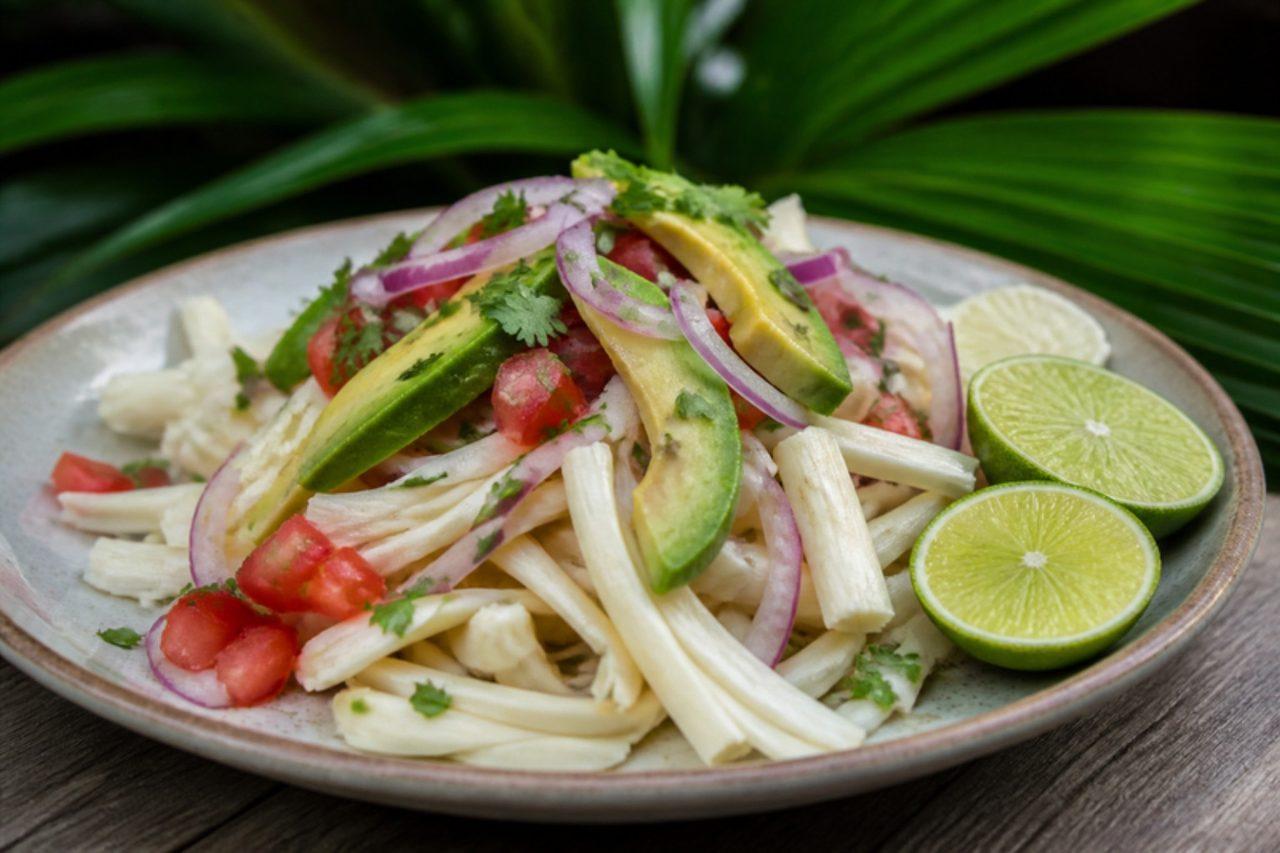
Iquitos restaurants and the riverside cafés of the Peruvian Amazon serve ensalada de chonta as a cool counterpoint to grilled fish and juanes: long, pale ribbons of fresh palm heart, crisp and faintly sweet, tossed with tomato, avocado, red onion and lots of lime. At Belén market you can watch sellers shave the chonta into curls with a big knife. Outside the Amazon, fresh palm heart is hard to find, but good jarred hearts of palm cut into thin strips work well, and the salad becomes a ten-minute job. It's crunchy, juicy and sharp, perfect with rice and beans or any fried snack. Where most people go wrong is adding the avocado and salt early, so the salad turns soupy and grey; dress it at the last moment. Chef's tip: slice the palm hearts lengthwise on a mandoline or with a peeler for thin, curling ribbons that look like the Iquitos original.

by KrazyBadal 0 views

Ensalada de pallaresLima bean and red onion salad

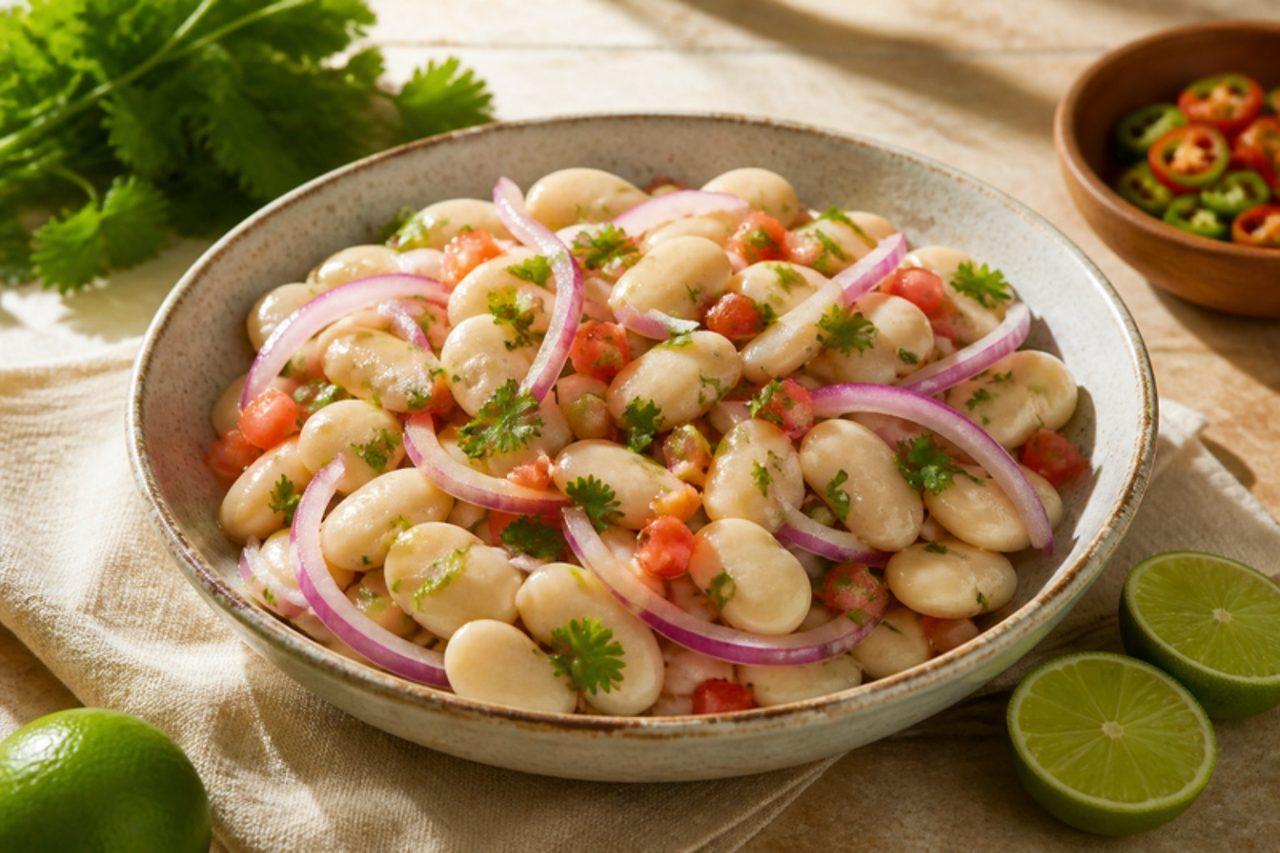
Around Ica, on Peru's southern desert coast, pallares grow in irrigated valleys and dry into fat, flat beans the size of a thumbnail; the region holds them in high regard and sells them by the sack at the Ica market. Cooked until creamy and dressed while warm, they become a filling salad that sits on the table beside fried fish, rice or a plate of boiled sweet potato, and it works as a light lunch on its own. The onion is cut the Peruvian way, in fine half-moons, rinsed so it stays crisp without biting, and the ají limo gives a fruity heat that you can turn up or down. A frequent slip is dressing the beans straight from the fridge: they stay chalky and the lime slides off instead of soaking in. Using dried beans adds an overnight soak; good jarred or canned large lima beans make it a 20-minute dish. Chef's tip: dress the beans while they are still warm with half the lime and salt, then add the onion, tomato and the rest of the lime just before serving.

by KrazyBadal 0 views

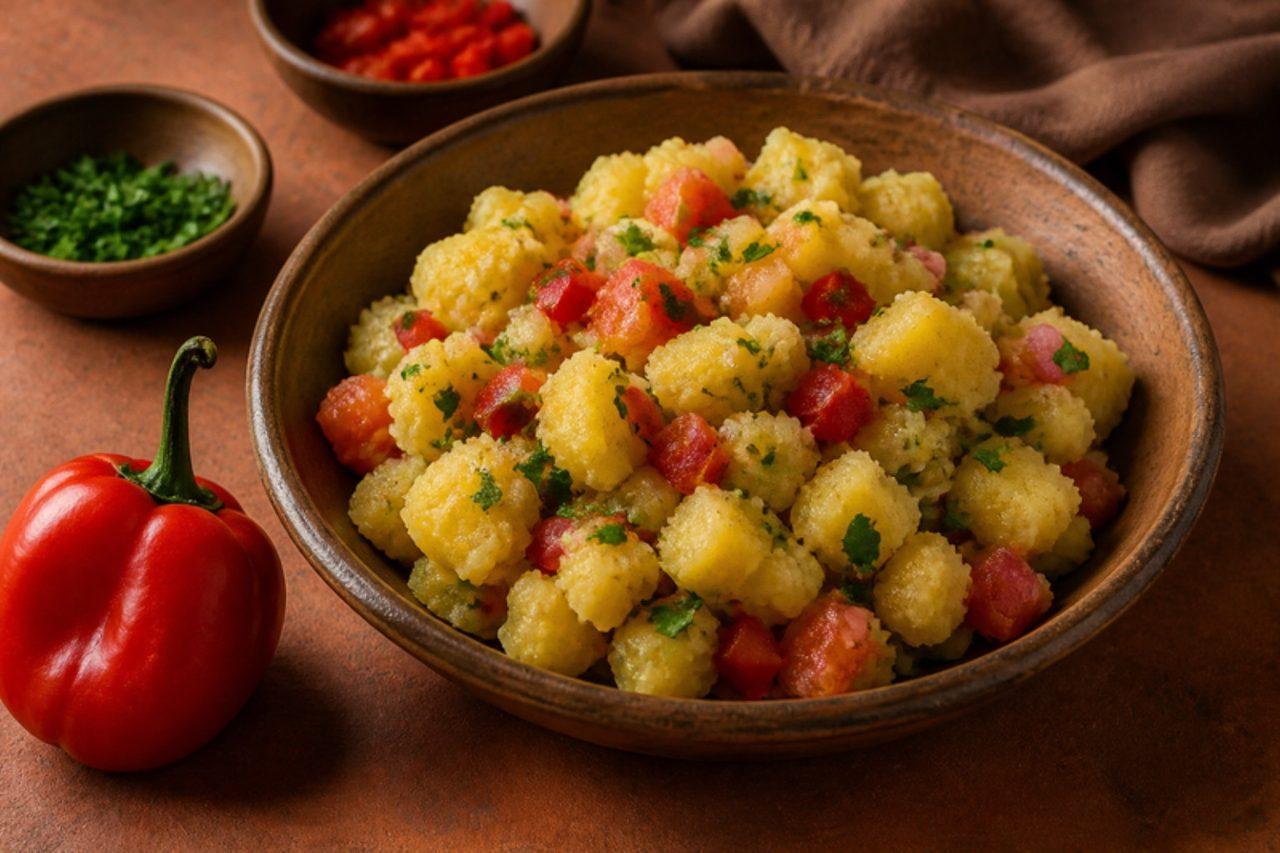
EscribanoCrushed potato salad with rocoto

Mid-morning in Arequipa's traditional picanterías, before the big plates come out, regulars order escribano: a bowl of warm yellow potato crushed with a fork and drenched in rocoto, ripe tomato, vinegar and oil. Local lore says it was a snack for the court clerks (escribanos) who worked nearby, and it is still eaten as a sharp, spicy wake-up with a glass of chicha or a soft drink. The texture should be rough and juicy, somewhere between a salad and a mash, with the red chilli bright against the potato. Don't purée it: overworked potato goes gluey and loses the chunks that hold the dressing. Rocoto is fiercely hot, so start with half and taste. Serve it alone with crusty bread, or beside fried cheese or grilled vegetables. Chef's tip: dress the potatoes the moment they are drained and peeled, while they are steaming, so they drink in the vinegar.

by KrazyBadal 0 views

Schwäbischer KartoffelsalatWarm potato salad

Swabian potato salad is nothing like the creamy kind. In Stuttgart and across Baden-Württemberg it is made with waxy potatoes sliced while still warm and soaked in hot stock, vinegar, onion and oil until it turns glossy and slightly 'schlonzig', a local word for that loose, juicy texture. It is eaten lukewarm, never fridge-cold, beside Maultaschen or vegetarian schnitzel, and at every summer garden party. This version uses vegetable stock. Chef's tip: pour the hot dressing over the potatoes while they are still warm; cold potatoes won't drink it in and the salad stays dry.

by KrazyBadal 0 views

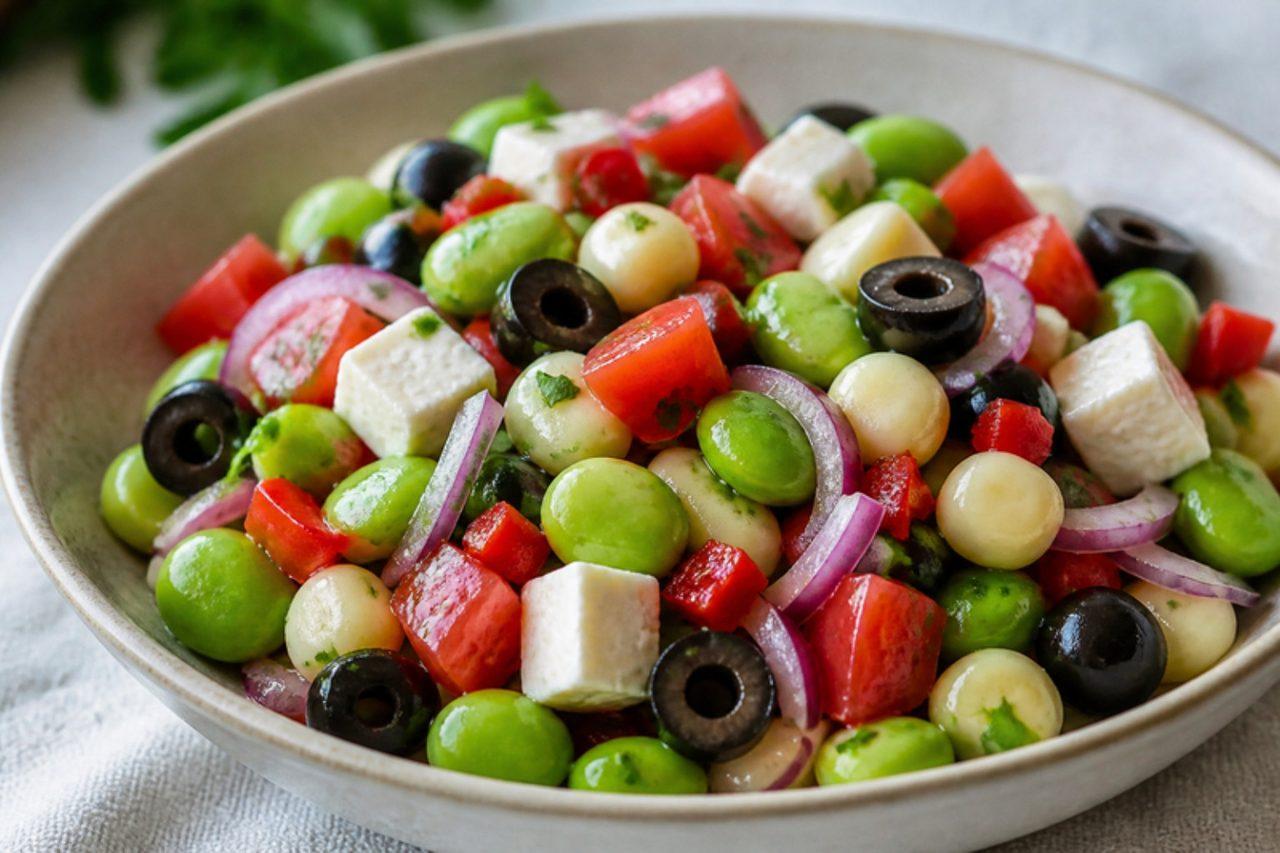
SolteritoBroad bean, corn and cheese salad

Solterito, the 'little bachelor', is a cold salad from Arequipa in southern Peru, so called because it was simple enough for a single man to make. Broad beans, sweet corn, fresh cheese, tomato and red onion are tossed with black olives, parsley and a little rocoto chilli in an oil and vinegar dressing. It is eaten with the spicy dishes of Arequipa's picanterías, or on its own as a light lunch. Rocoto is a fat, fiery red chilli; a red pepper with a little habanero gives a similar crunch and heat. Use queso fresco made with vegetarian rennet. Chef's tip: peel the broad beans after blanching; the pale skins are tough and the bright green beans inside make the salad sweet and tender.

by KrazyBadal 0 views

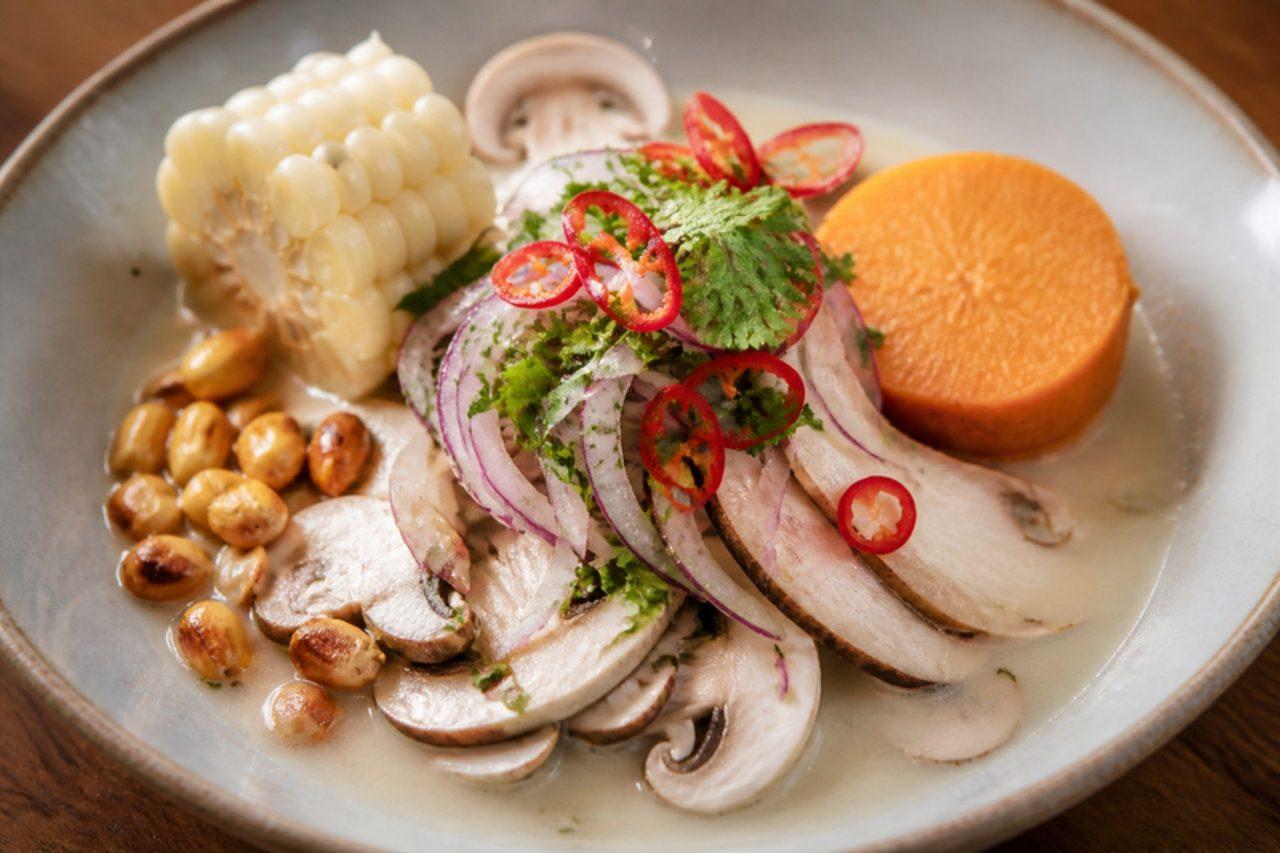
Mushroom ceviche

Ceviche is Lima's great obsession, eaten at lunchtime in cevicherías all along the coast; this vegetarian ceviche de champiñones keeps everything that makes it thrilling except the fish. Raw mushrooms are sliced thin and tossed at the last minute in leche de tigre, the bright, peppery marinade of lime, garlic, ginger, celery and ají limo, so they turn silky but still bite back. Red onion brings crunch, coriander freshness, and on the plate it gets the classic Lima company: a slice of sweet potato, a wedge of corn on the cob and a handful of toasted cancha. Serve it as a starter on a hot day, straight away. Chef's tip: squeeze the limes gently by hand and stop before the pith; pressing hard or using a squeezer that crushes the peel makes the leche de tigre bitter.

by KrazyBadal 0 views