Skip to content
Recipes

All recipes

Vegetarian, or something you can't eat? Set your diet once and we'll hide recipes that don't fit.

Fish singari (Alexandrian baked fish)

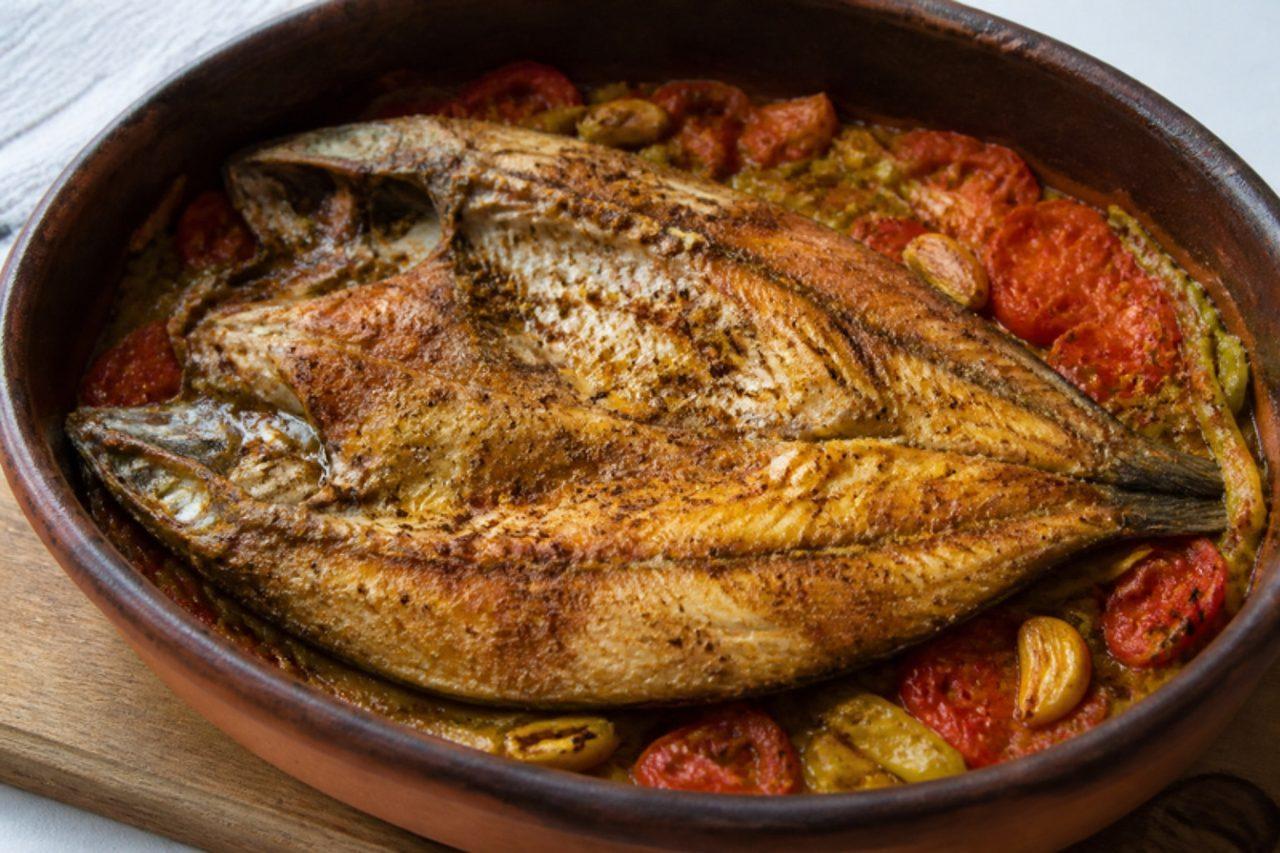
Alexandrian fish restaurants list singari next to grilled and fried fish, and families along the coast bake it at home for Friday lunch, usually with sea bream, sea bass or a large bolti. The fishmonger splits the fish down the back and opens it flat, then it is smothered in a garlicky cumin and lemon paste and laid over sliced tomatoes, green peppers, onion and chilli. In the oven the vegetables soften into a juicy sauce underneath while the fish roasts on top, so you get tender flesh, a slightly charred skin and plenty of sauce for spooning over rice. Serve with white rice, tahini and bread. Chef's tip: give the vegetables 10 minutes in the oven on their own first; it drives off water so the fish roasts instead of steaming.

by KrazyBadal 0 views

Smoked kutum

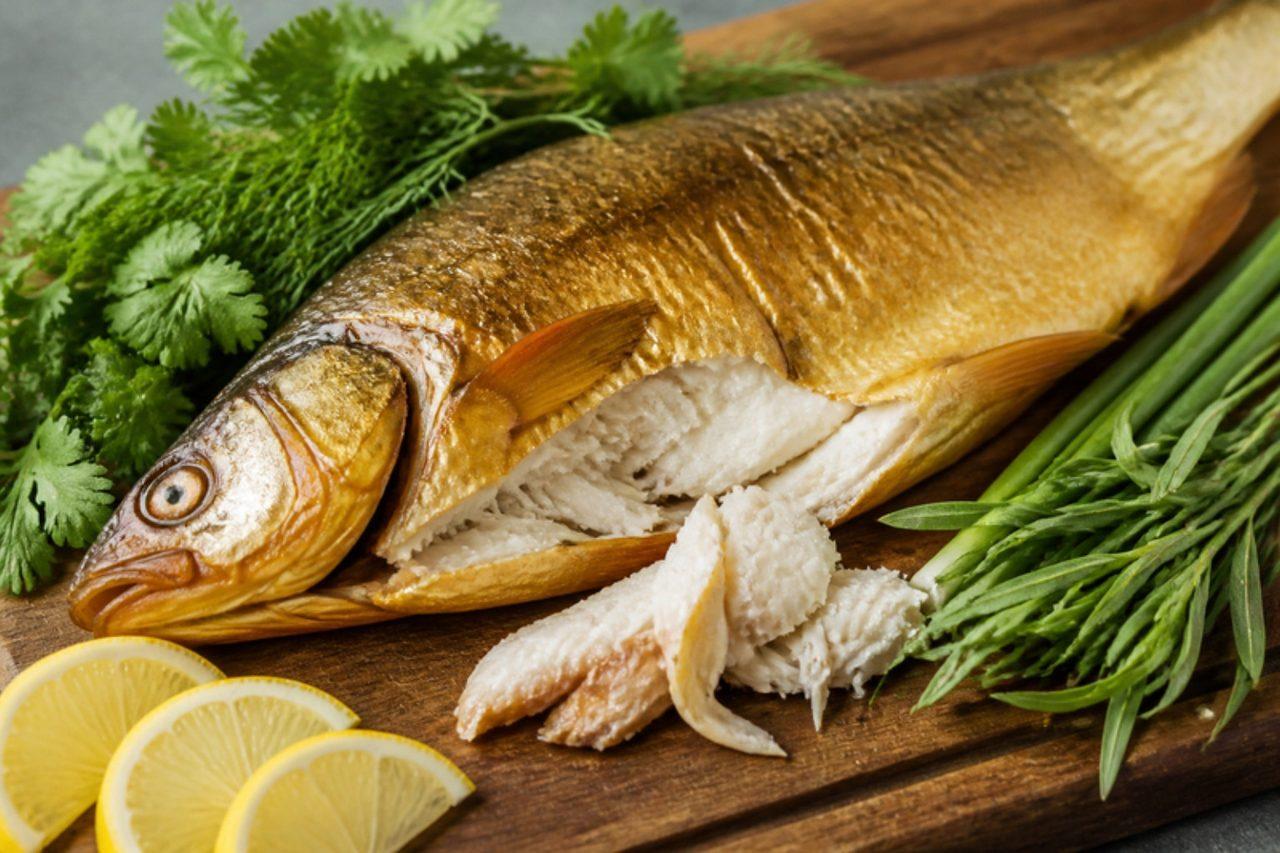
Kutum, the Caspian white fish, is the favourite catch of the Azerbaijani coast from Lankaran to Baku, and in spring fishermen's families salt it and hang it in smoke so it keeps for weeks. The traditional cold-smoked fish is not cooked by the smoke; this home version is hot-smoked instead, so the fish is cooked right through, which is safer. Use kutum, mullet, sea bass or trout. A common mistake is putting wet fish into the smoker; the smoke cannot stick and it tastes steamed. Chef's tip: let the salted fish dry, uncovered, in the fridge for a few hours until the surface feels tacky, which gives a glossy golden skin. Eat it with greens, fresh herbs and bread.

by KrazyBadal 0 views

Jamaican roast yam

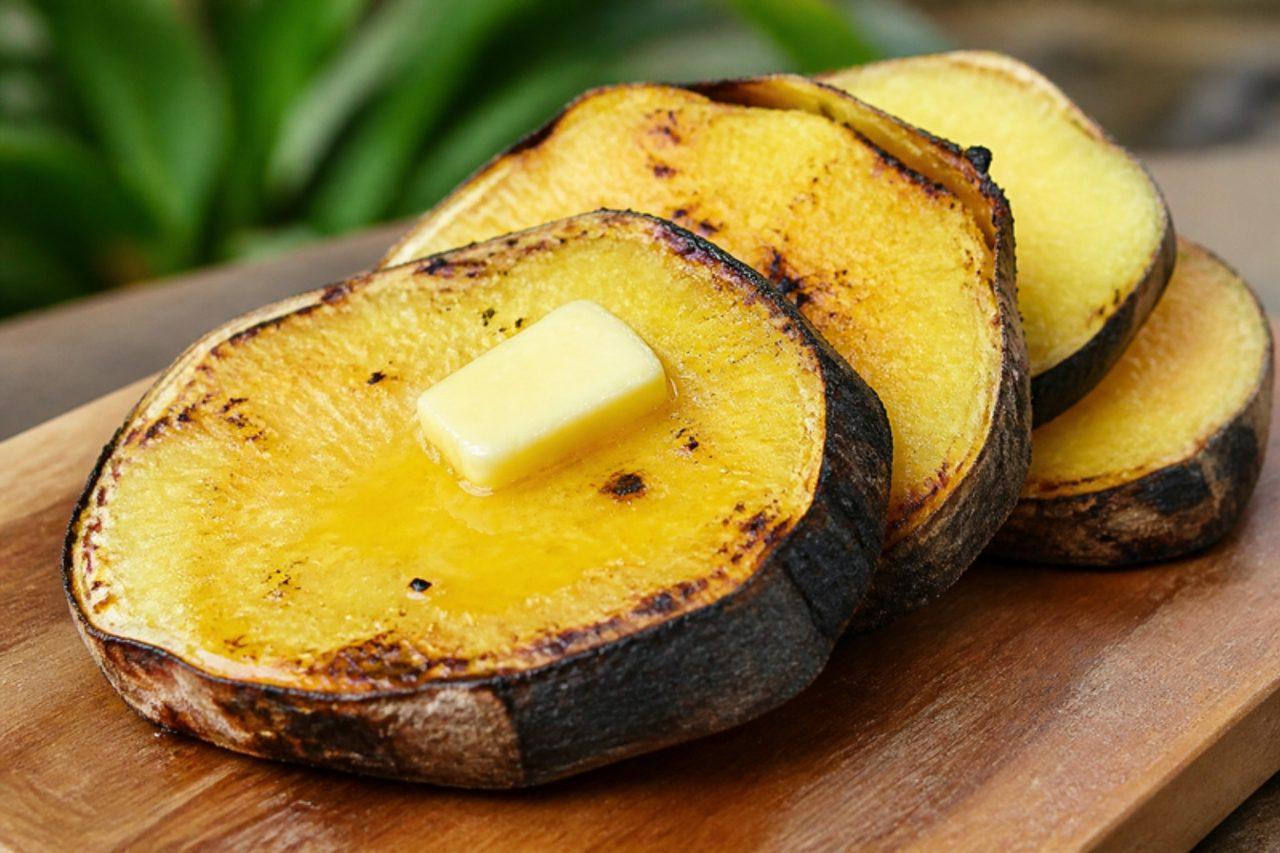
Roast yam stands beside roast fish at the beach shacks of Treasure Beach and at the roadside stalls along the Ocho Rios road, long pieces pulled out of the coals with blackened, smoky skins. Yellow yam roasted this way turns dense, dry and nutty, quite different from boiled, and it is eaten hot with a little coconut oil or butter and a sprinkle of salt. The usual mistake is cutting the yam too short or thin, so it dries out; roast it in thick 20 cm lengths with the skin on. Here it is done in a hot oven, with a flame option for a smoky edge. Chef's tip: wrap the pieces in foil for the first 30 minutes so they steam inside, then unwrap them to char the outside.

by KrazyBadal 0 views

Sobia

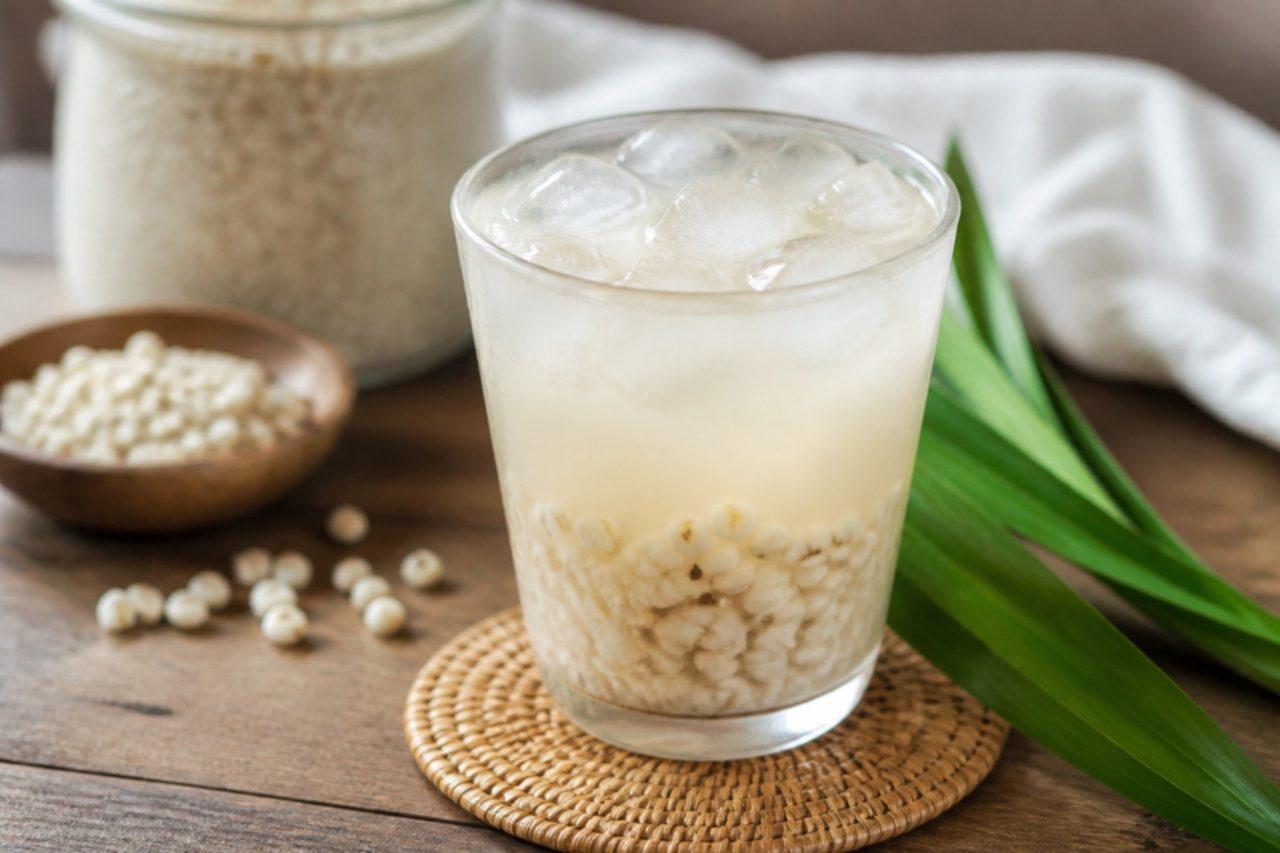
Before the sunset call to prayer in Ramadan, juice shops in Cairo's old quarters fill plastic bags and jugs with sobia for families to carry home, and it is one of the classic drinks for breaking the fast. It is milky white, sweet and smooth, with a gentle coconut flavour and a light body from the rice that makes it filling after a long day without food. This version simmers the rice-coconut milk briefly so it is safe to keep for a day or two in the fridge. Allow an hour for soaking the rice. The common mistake is not straining well, which leaves the drink gritty; push it through muslin. Chef's tip: chill it for at least 3 hours, because sobia tastes flat unless it is ice-cold.

by KrazyBadal 0 views

Halabessa

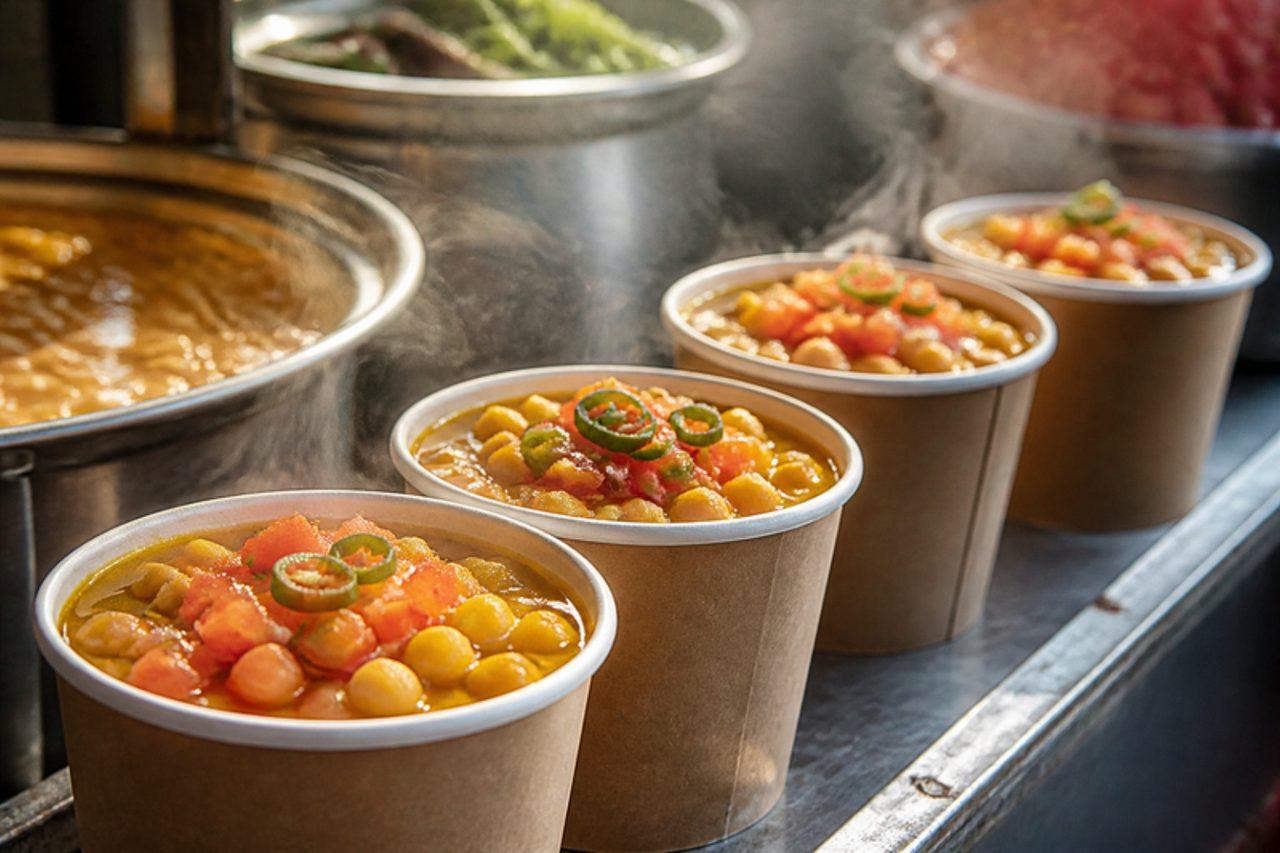
Halabessa carts appear on Cairo and Alexandria corners once the winter evenings get cold, with a steaming pot of chickpeas and a stack of cups. The vendor ladles out tender chickpeas with plenty of their cooking broth, then adds salt, cumin, lemon and chilli, and sometimes a spoonful of tomato sauce, so it is half drink, half snack. It warms the hands as much as the stomach. The chickpeas need soaking overnight before cooking. The cardinal mistake is draining the chickpeas: the starchy cooking water is the whole point, so keep every drop. Chef's tip: simmer them very gently with the lid ajar so the broth turns cloudy and silky without the skins breaking.

by KrazyBadal 0 views

Doum drink

Spice and herb sellers in the Aswan souk pile up the hard, glossy brown fruit of the doum palm, and Nubian households soak it into a cold, sweet drink for the hot months and for Ramadan iftar. The dried flesh gives a cloudy amber drink that tastes surprisingly like gingerbread or caramel, with a faint woody bitterness. Buy it crushed or as coarse powder at Egyptian and African grocers; whole fruit is extremely hard to break. Leaving it to steep too long is the mistake to avoid, because it turns bitter. Chef's tip: strain twice, once through a sieve and again through muslin, to remove the gritty fibre.

by KrazyBadal 0 views

Barley water

Ask for 'barley' at any drinks stall in a Singapore kopitiam and you get a tall glass of cloudy, faintly sweet barley water, the drink older relatives swear by on the hottest afternoons because it is said to cool the body. Home cooks simmer pearl barley for an hour with knotted pandan leaves, and in Teochew and Cantonese households chunks of winter melon go in as well for a gentle, cucumber-like sweetness. The result is light and clean, ideal beside a plate of chicken rice, char kway teow or anything greasy and salty. The usual mistake is boiling it hard, which turns the liquid starchy and slimy instead of smooth and pale; keep it at a gentle simmer. Chef's tip: don't throw away the softened barley grains; spoon some into each glass, as the stalls do, or eat them warm with a little rock sugar as a light dessert.

by KrazyBadal 0 views

Gandofli (Alexandrian garlic clams)

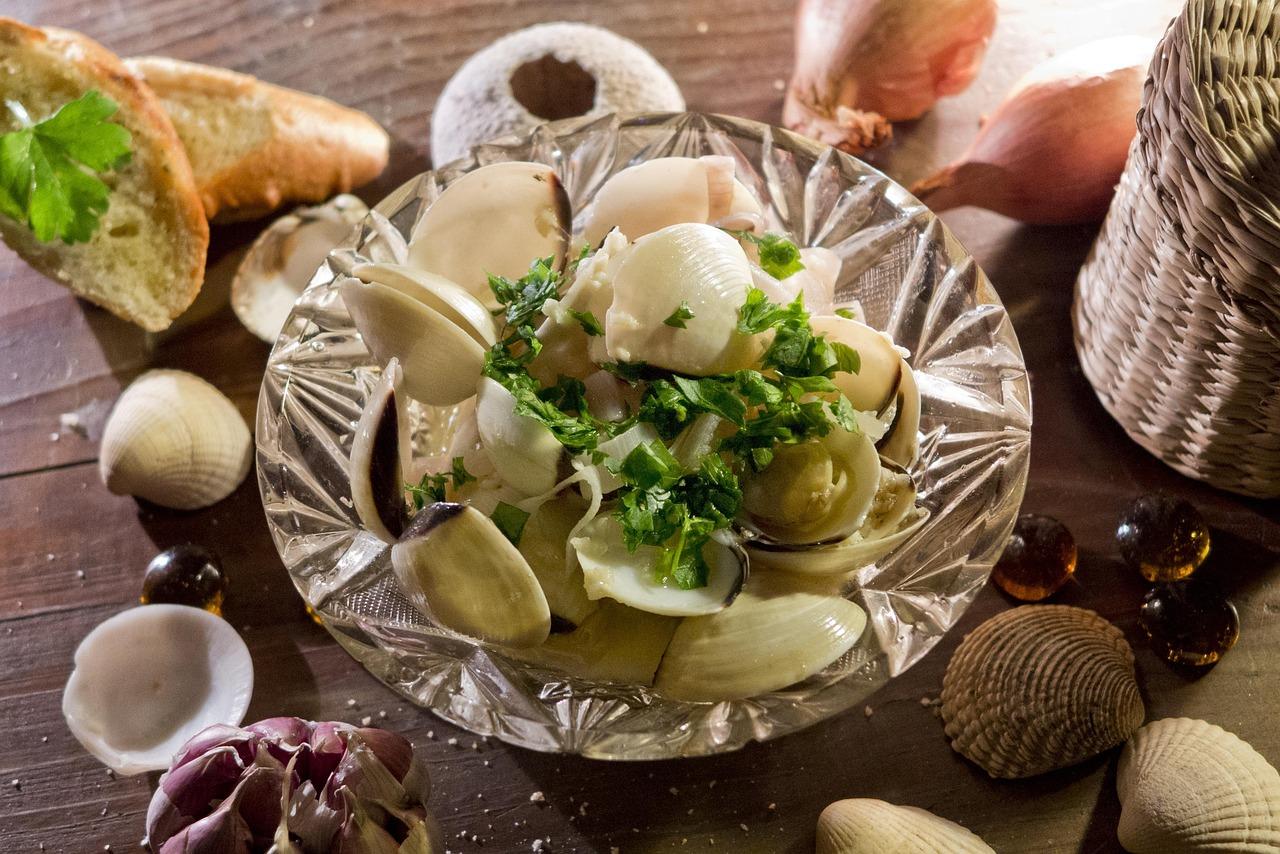
Along the Alexandria Corniche and in the old Anfushi fish quarter, gandofli are a summer seaside snack, often sold by the plateful with lemon and sometimes eaten raw. Raw shellfish carries a real risk of food poisoning, so this home version cooks them: the little clams go into a hot pan with olive oil, garlic, a pinch of cumin and chilli, and steam open in a minute or two, releasing sweet, salty juices that mix with lemon into a sauce for mopping up with bread. Buy them live from a reputable fishmonger and cook them the same day. Chef's tip: soak the clams in salted water in the fridge for 30 minutes before cooking so they spit out their sand; nothing spoils them faster than grit.

by KrazyBadal 0 views

Limonana

The name joins limon and nana, lemon and mint, and this slushy green lemonade is what beach cafés from Herzliya to Eilat hand over the counter on blazing summer days. Lemon juice, sugar syrup, a big handful of mint and ice are blended until smooth and frosty, so the drink is sour, sweet and cooling at once. It is alcohol-free and children love it. The mistake is blending the mint so long that it turns bitter and brownish; a short, hard blitz keeps it bright. Chef's tip: make the syrup ahead and chill it, then use plenty of ice so the drink stays thick rather than watery.

by KrazyBadal 0 views

Grilled bolti (Nile tilapia)

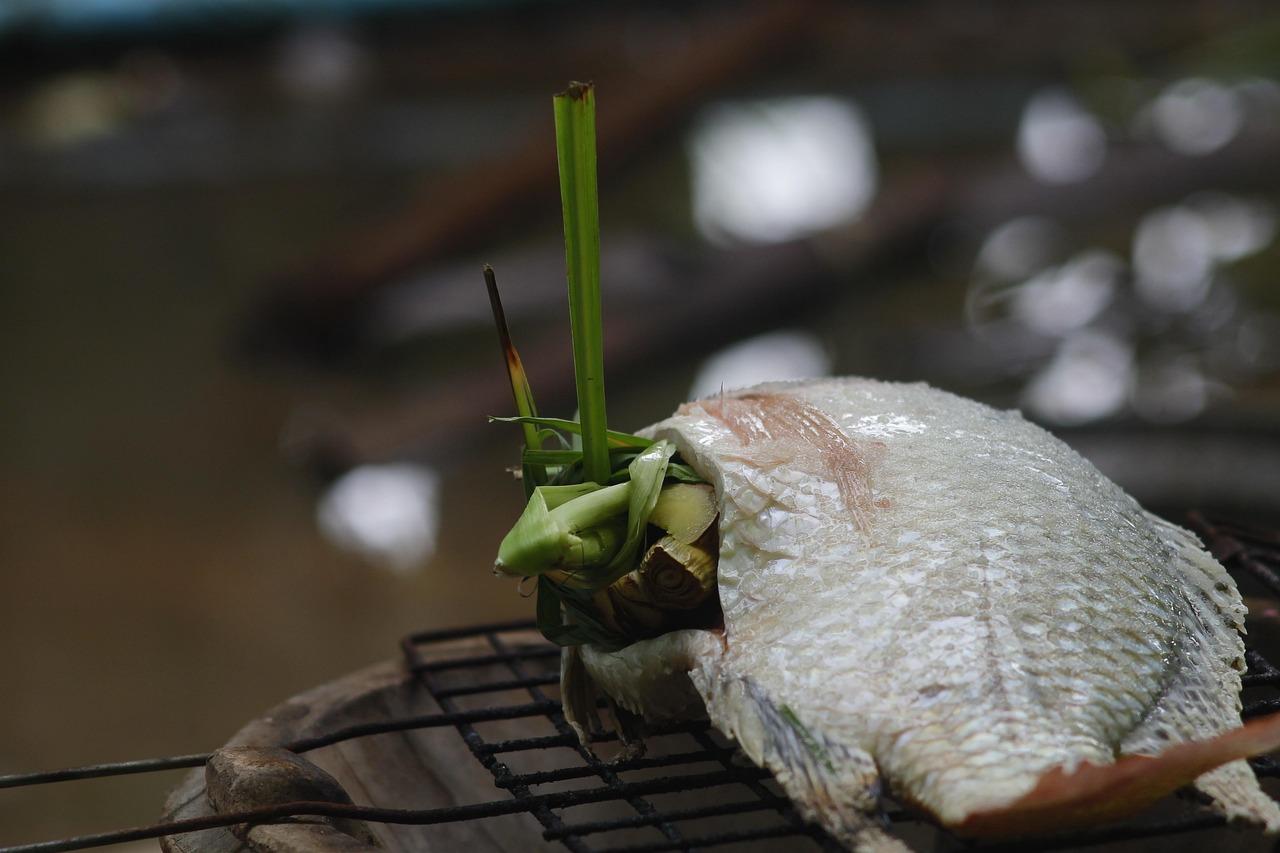
From the Nubian villages near Aswan to the fishing camps on Lake Nasser, bolti caught that morning is gutted, slashed and grilled over charcoal for lunch, and fish grills all over Egypt cook it the same way. The rub is simple: crushed garlic, plenty of cumin, lemon, chilli and oil, which toasts on the skin and seasons the sweet, mild flesh. A stuffing of onion and parsley in the belly keeps it moist. Eat it with your hands, picking the flesh from the bones, alongside tahini, green salad and rice or bread. Chef's tip: oil the grill bars as well as the fish and leave it alone for the first 6 minutes; fish moved too early tears and sticks, which is the usual grilling mistake.

by KrazyBadal 0 views

Bedouin sage tea

Visitors to a Bedouin camp in the Sinai mountains are handed small glasses of this tea almost before they sit down, brewed in a blackened kettle over the fire and sweetened generously. Wild maramiya, the local sage, is dropped in at the end, giving the strong black tea a soft, herbal, slightly camphor scent that is soothing after a long walk or a heavy meal. Garden sage works well, and dried sage is fine in a pinch. Boiling the sage is the mistake to avoid, because it turns the tea bitter. Sage is best taken in moderation and avoided in large amounts during pregnancy. Chef's tip: pour from a height into the glasses; the froth that forms is how Bedouin hosts like it served.

by KrazyBadal 0 views

Spris (layered fruit juice)

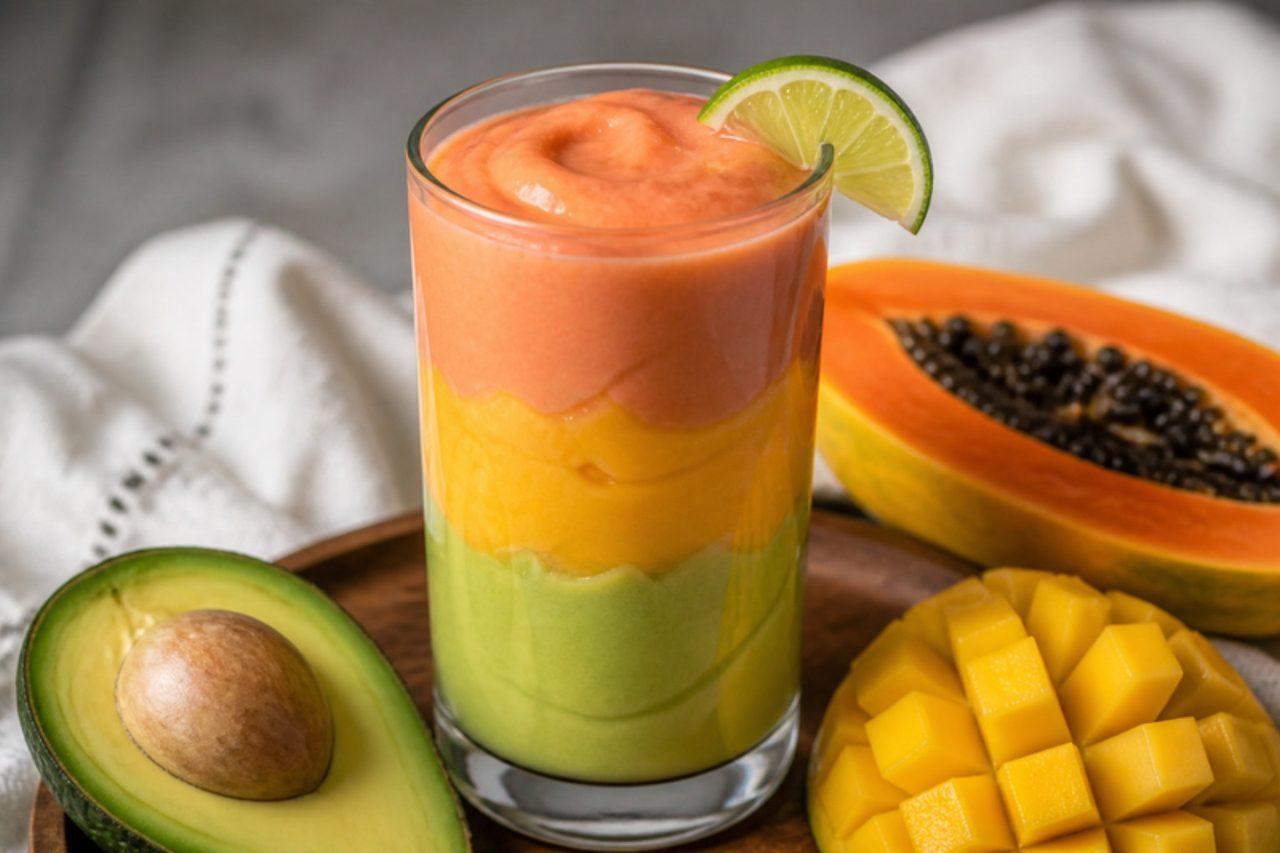
Juice houses all over Addis Ababa, with their towers of fruit stacked in the window, are famous for spris: a tall glass of thick purées poured in stripes, usually green avocado, golden mango and orange papaya, with a wedge of lime on the rim. It is closer to a spoonable smoothie than a juice, and people often eat the layers one by one before stirring the rest together. It makes a filling breakfast or an afternoon pick-me-up, and children love the colours. Chef's tip: blend each fruit separately and keep every purée thick enough to hold a spoon; runny purées bleed into each other and the stripes vanish.

by KrazyBadal 0 views

Tunisian octopus salad

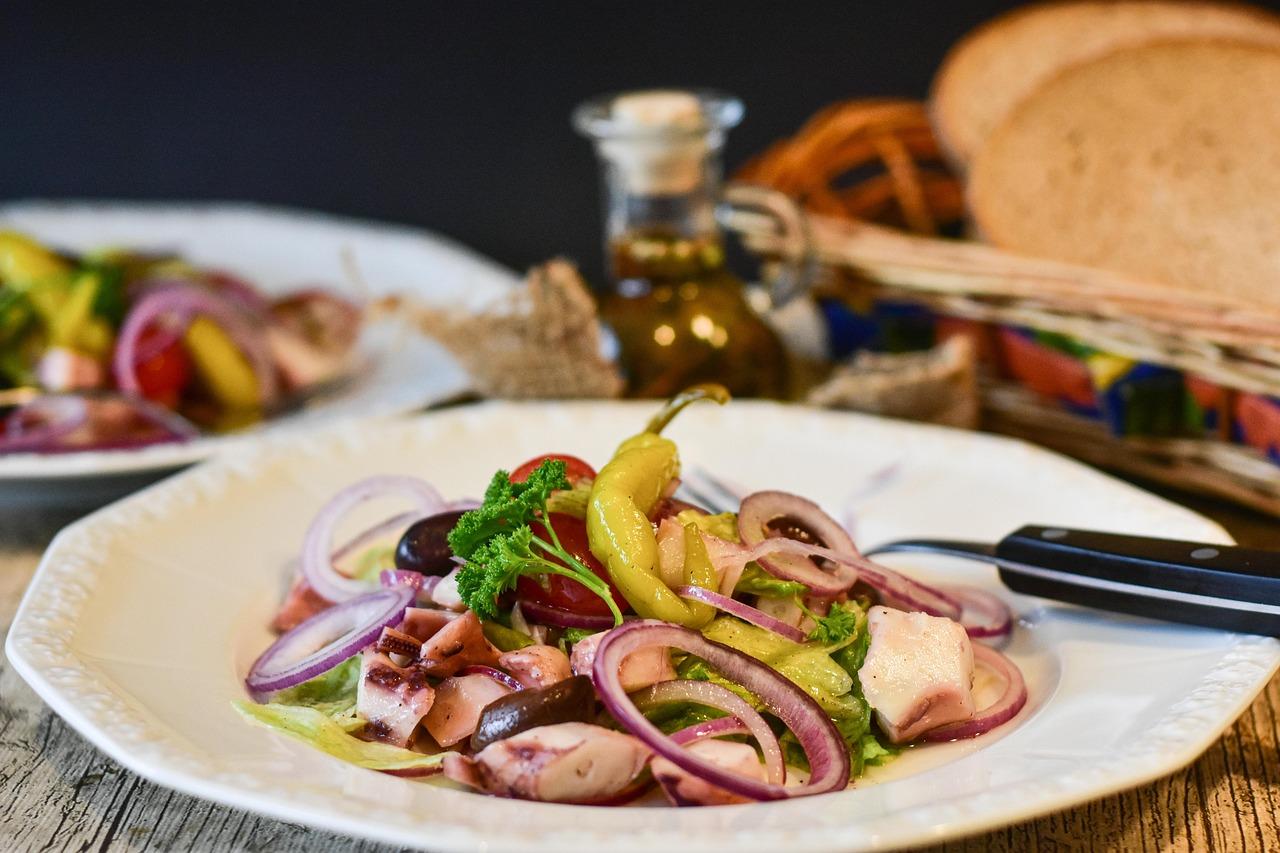
Fishermen of the Kerkennah islands, off Sfax, still catch octopus in clay pots laid on the shallow seabed, and in winter the season's catch turns up in harbour cafés and home kitchens as this simple salad. The octopus is simmered slowly until tender, cooled in its broth, then sliced and tossed with red onion, plenty of parsley, lemon juice and good olive oil, with a little harissa if you like. It is light, clean and briny, eaten as a starter with bread or on a summer table of salads and grilled fish. Buy octopus from a reputable fishmonger; frozen and thawed octopus is often more tender than fresh. A common mistake is boiling the octopus at a rolling boil, which makes it rubbery; keep it at a gentle simmer until a knife slides in easily. Chef's tip: let the cooked octopus cool in its cooking liquid for 20 minutes before slicing; it stays juicy rather than tightening up.

by KrazyBadal 0 views

Sugarcane juice

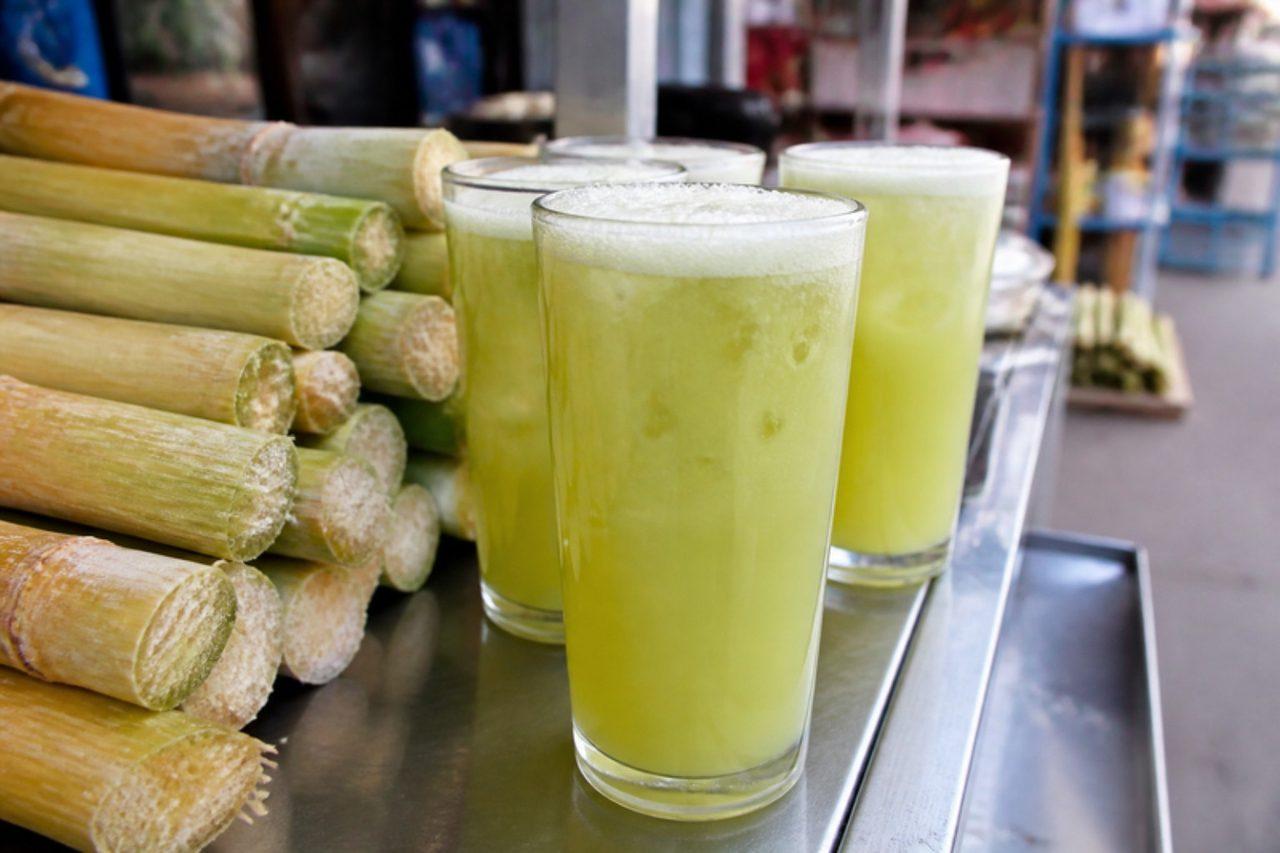
Juice shops all over Cairo and the towns of Upper Egypt crush sugarcane through clattering steel rollers and serve the pale green juice ice-cold for a few pounds a glass, a favourite in the summer heat and after Ramadan fasting. It is sweet, grassy and refreshing, with a faint lemony edge, and it tastes best within minutes of pressing. Without a press, peeled cane chopped small and blended with a little water gives a very close result at home. Chef's tip: peel the cane completely, because the hard green rind makes the juice bitter and dark.

by KrazyBadal 0 views

Aiyu jelly with lemon

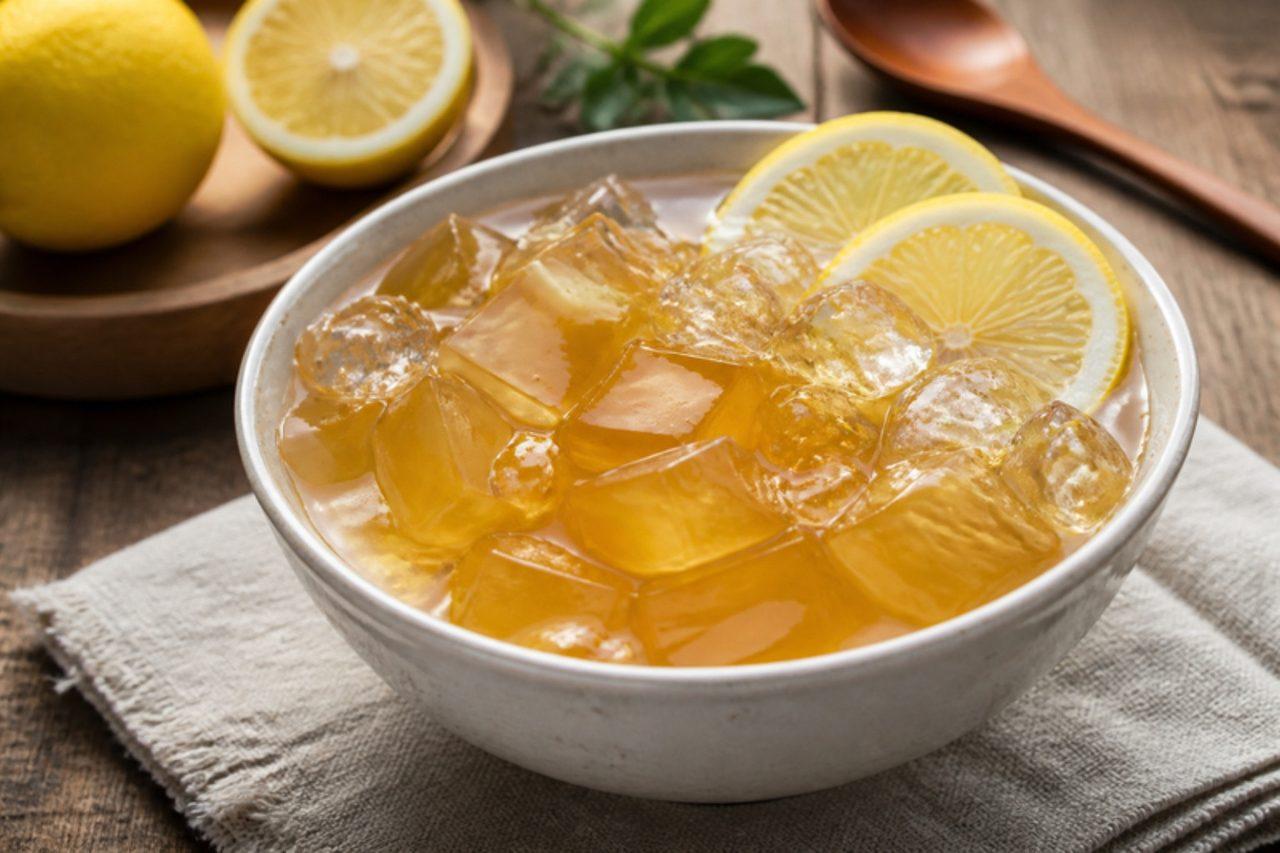
Squeezing a little cloth bag of seeds in a bowl of water until it turns into jelly sounds like a magic trick, yet that's how aiyu has been made for well over a century in Chiayi, at the foot of the Alishan hills where the climbing fig grows wild. The pectin in the dried seeds sets the water into a soft, glassy, pale-gold jelly with almost no taste of its own, so it's cut into cubes and served icy cold with tart lemon juice and honey syrup, the most refreshing thing on a sticky Taipei summer afternoon. The classic failure is a bowl that won't set, usually because the bowl was oily or the water was distilled or very soft; it needs ordinary tap or mineral water. Chef's tip: rub the bag steadily for 8–10 minutes and stop as soon as it feels slippery and nothing more comes out, or the jelly turns cloudy and bitter.

by KrazyBadal 0 views

Pescado con coco

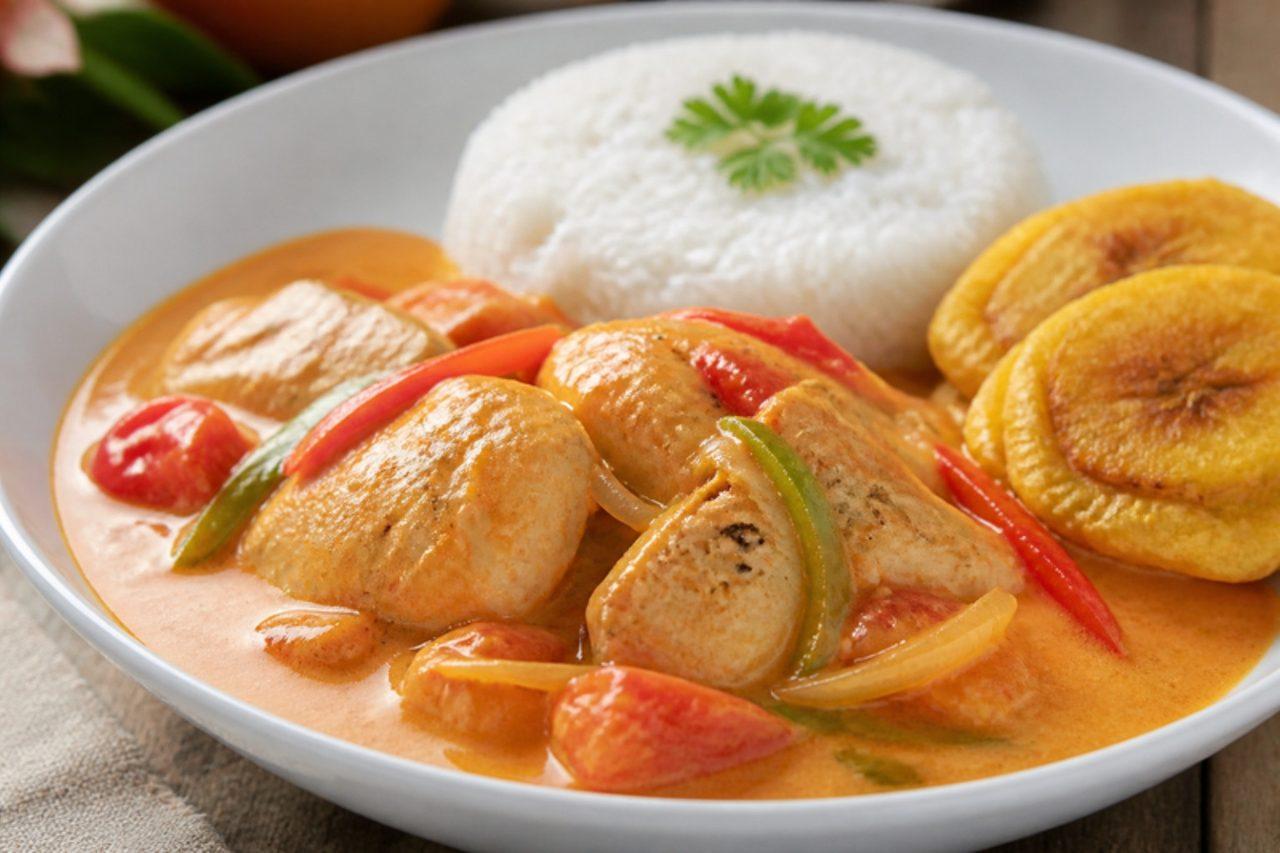
On the Samaná peninsula in the north-east of the Dominican Republic, where coconut palms grow down to the sea and the local cooking carries traces of the African-American settlers who arrived there in the 1820s, fish is braised in fresh coconut milk with tomato, peppers and herbs. It is served at beach shacks in Las Terrenas with white rice and tostones to mop up the sauce. The common mistake is boiling the sauce hard once the coconut milk is in, which makes it split and oily; keep it at a gentle simmer. Chef's tip: let the fish sit in lime, garlic and salt in the fridge for 15 minutes first, but no longer, or the acid starts to cook it.

by KrazyBadal 0 views

Hong Kong iced lemon tea

Ask for 'ling cha, dung' at any Hong Kong cha chaan teng and a tall glass arrives crammed with ice, a heap of thin lemon slices and a long spoon for pounding them, the default thirst-quencher with set lunches all year round. The tea is brewed almost bitter, so it holds its own against the ice, and the sharp lemon and simple syrup turn it bright, tangy and refreshing. It is drunk with everything from macaroni soup breakfasts to afternoon pineapple buns. The common slip is brewing tea at normal strength, which tastes thin and watery once the ice melts; double the tea. Chef's tip: press the lemon slices with the back of the spoon only a few times to release juice and oil from the zest; grinding them to a pulp brings out bitterness from the pith.

by KrazyBadal 0 views

Salt and pepper squid

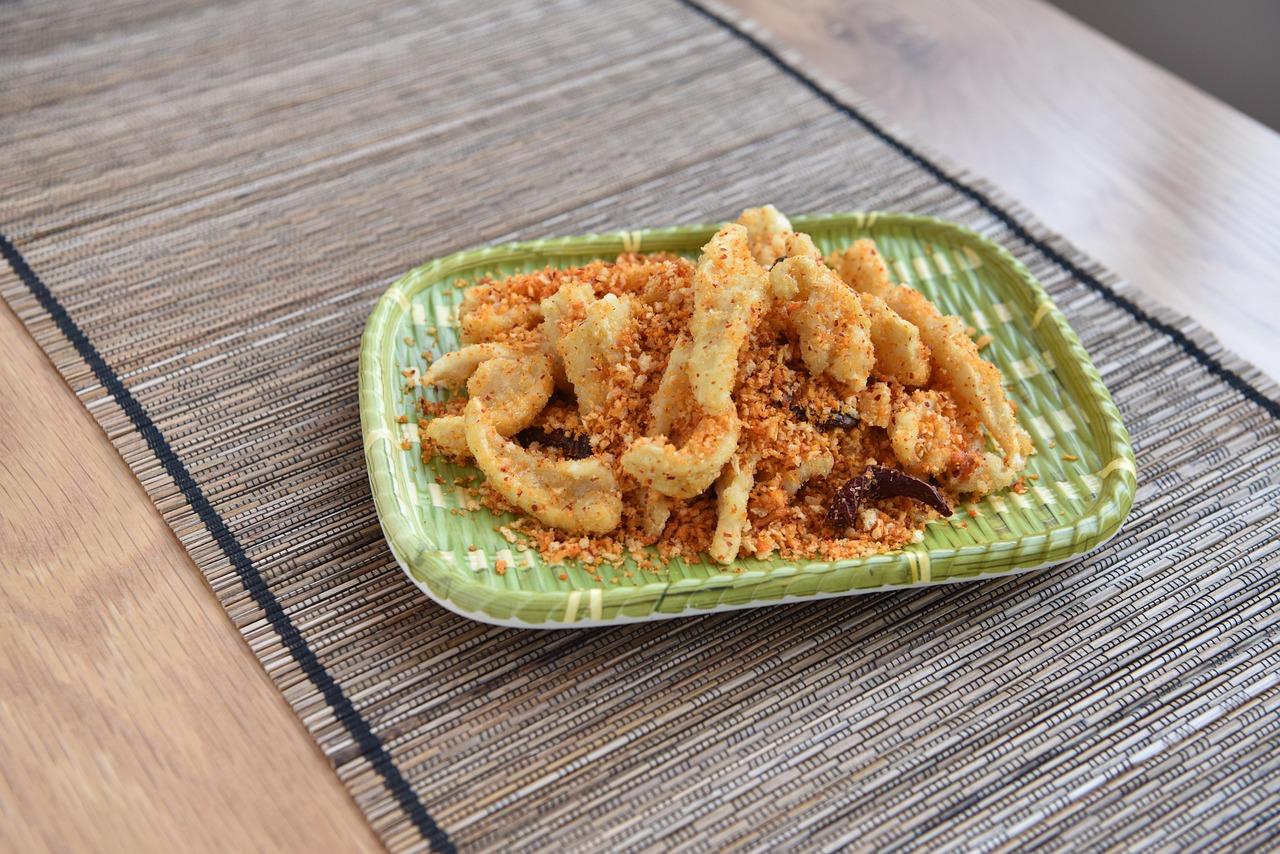
Late at night in Temple Street, or at a seafood restaurant on Lamma Island after a ferry ride, someone at the table always orders the jiu yim squid: tender pieces under a thin, shattering coat, wok-tossed with a heap of fried garlic, chilli and spring onion and showered with a peppery spiced salt. It is crunchy, salty and a little fiery, ideal with a cold soft drink or as one of several dishes with rice. Squid cooks in seconds. The most frequent mistake is crowding the oil, which drops its temperature so the coating turns soggy and the squid goes rubbery while you wait; fry in small batches. Chef's tip: score the inside of the squid in a criss-cross pattern so it curls up and catches more of the salt.

by KrazyBadal 0 views

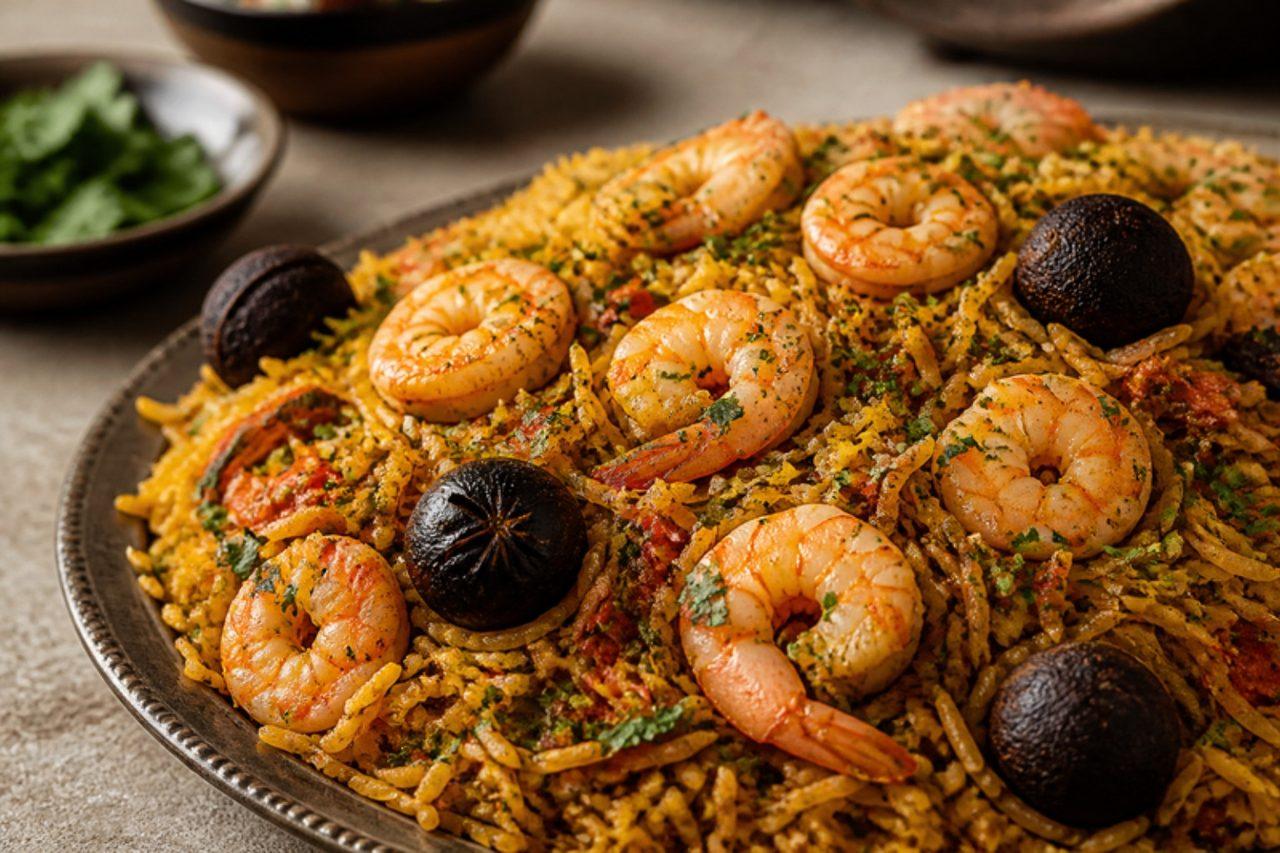
Murabyan

Kuwait has long been known for its Gulf shrimp, and in Kuwaiti homes murabyan is the rice dish made when the season's catch is sweet and plentiful, usually from autumn into winter. Shrimp are fried briefly with onion, dried lime and baharat, then the rice is cooked in the same pot so it soaks up their colour and flavour. It tastes warm, slightly sour and gently sweet, with bites of tender shrimp through orange-tinted grains. Serve with daqqus and a green salad. The common mistake is cooking the shrimp for the whole time with the rice, so they turn rubbery; take them out and return them at the end. Chef's tip: use the shells to make a quick stock for the rice, it doubles the shrimp flavour.

by KrazyBadal 0 views

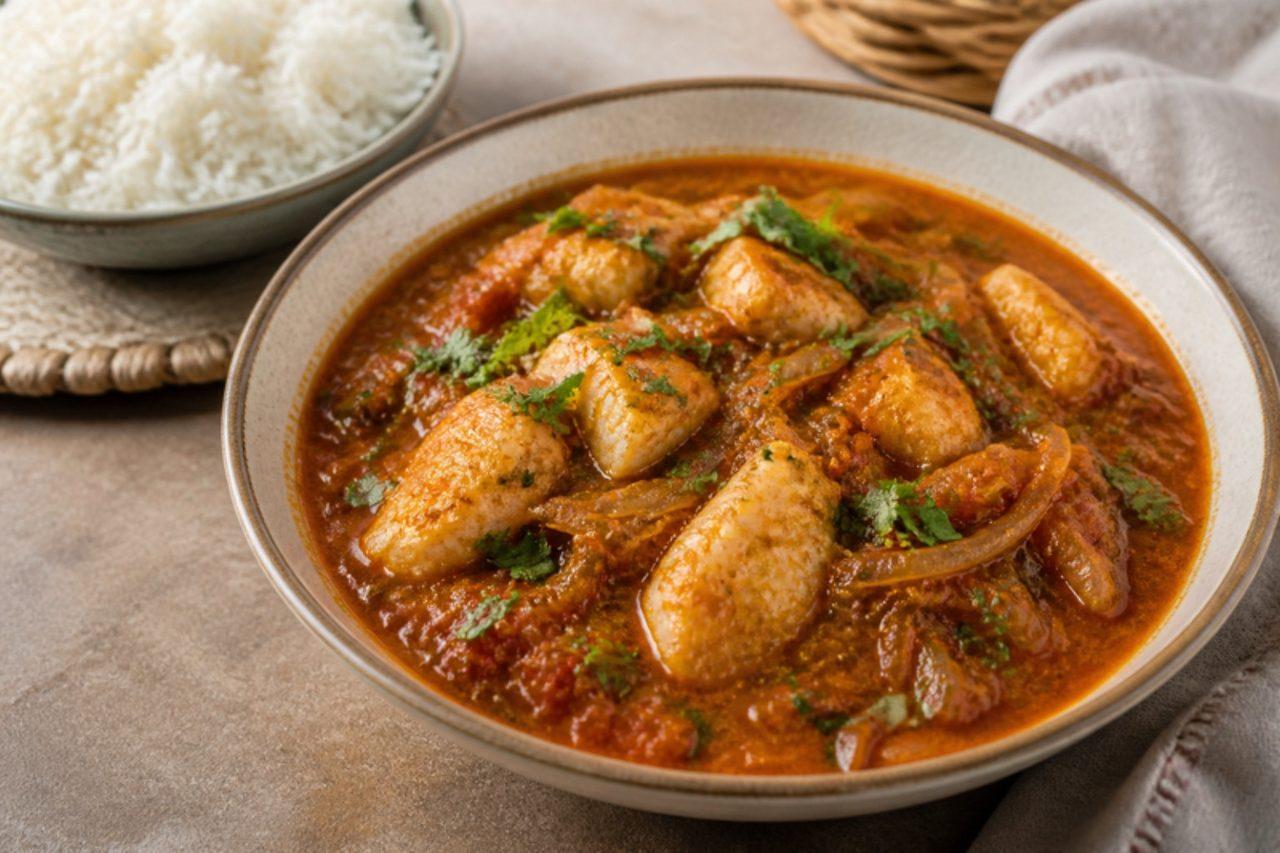
Maleh

Before refrigeration, fishermen in Ras Al Khaimah and along the coast of the United Arab Emirates packed their surplus catch in salt for weeks, and maleh is still cooked in Emirati homes, especially in winter, with rice and fresh lime. The stew is sharp and deeply savoury, the firm salted fish flaking into a thick onion and tomato gravy warmed with bezar. This home version salts fresh fish in the fridge for 2–3 days, which gives the same firm, briny bite without the long cure; ready-cured maleh from a Gulf grocer is soaked and used in the same way. The mistake people make is forgetting to soak the fish, which leaves the dish too salty to eat. Chef's tip: taste a flake after soaking; it should be pleasantly salty, like an olive, before it goes into the pot.

by KrazyBadal 0 views

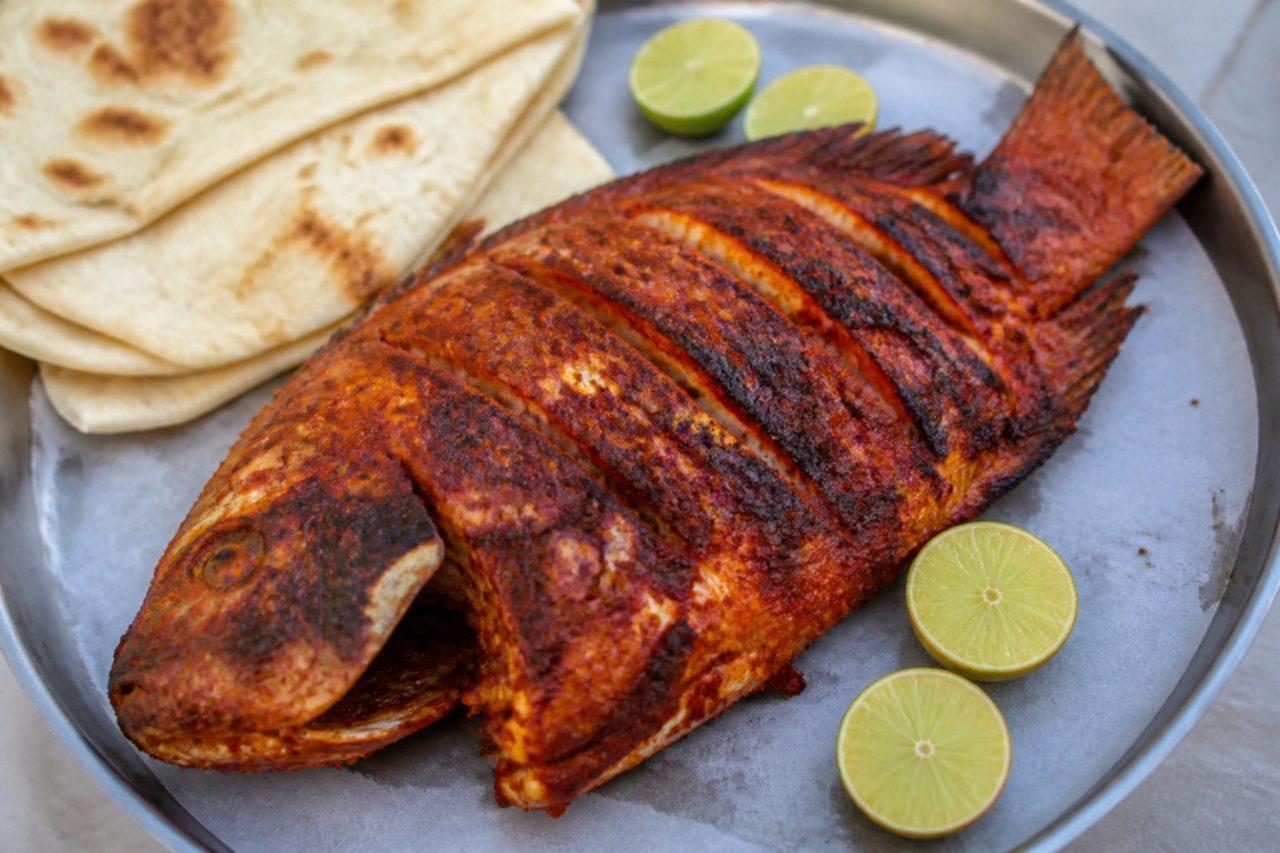
Samak mofa

In Mukalla in Hadhramaut and along the Tihama coast of Yemen, samak mofa is slapped against the hot clay wall of a tannour oven, the same one used for bread, so the fish chars on the outside and steams in its own juices within. It is rubbed with a red paste of chilli, garlic, cumin and turmeric and eaten with hot flatbread, a squeeze of lime and a bowl of sahawiq chilli sauce. At home a very hot oven with the grill on gives the same blistered finish. The common mistake is using thin fillets, which dry out before they char. Chef's tip: choose a thick whole fish or thick steaks, and slash deep so the paste reaches the bone.

by KrazyBadal 0 views

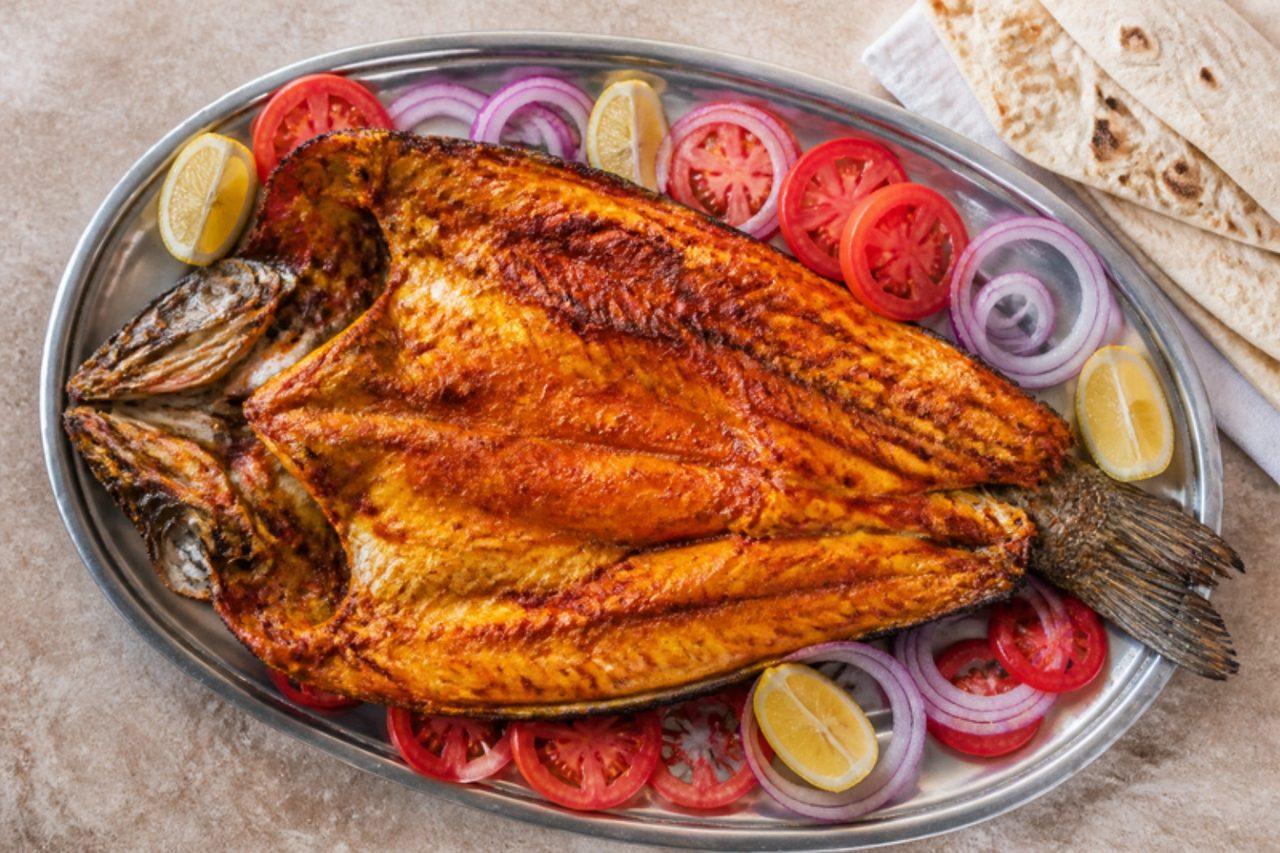
Masgouf

On the banks of the Tigris, Baghdad's fish restaurants once stood carp upright on stakes round a wood fire, and Iraqi Jews brought the memory of masgouf to Israel, where it is grilled at family gatherings in Or Yehuda and at fish restaurants near Lake Kinneret. A whole carp is split along the back and opened flat, brushed with tamarind, turmeric and oil, then roasted under a fierce heat until the skin chars and the flesh flakes in big, smoky pieces. It is served on flatbread with sliced onion, tomato and amba. The usual problem is overcooking from the start; roast the flesh side first and finish briefly skin side. Chef's tip: if carp is not available, a butterflied sea bass or two large trout work very well.

by KrazyBadal 0 views

Chapman (Nigerian fruit punch)

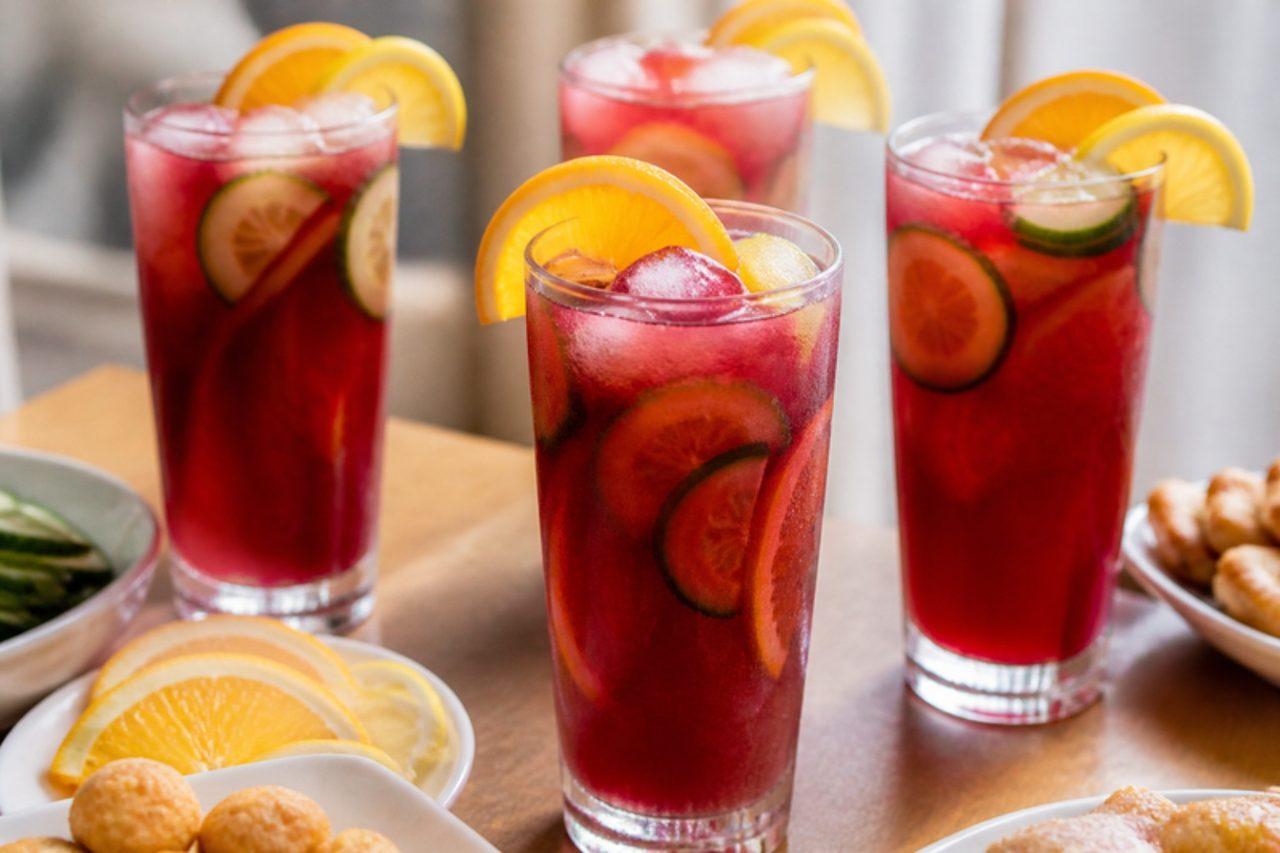
Order a chapman in a Lagos club house or at an owambe party and it arrives in a tall glass full of ice, glowing red and crowded with slices of cucumber, orange and lemon. Lemon-lime and orange sodas are mixed with blackcurrant cordial and grenadine for a sweet, fruity, fizzy drink with a fresh edge from the cucumber. The classic recipe adds a few dashes of aromatic bitters, and those bitters contain alcohol; leave them out (or use an alcohol-free bitters) and it is fully alcohol-free and fine for children. Adding the soda too early is the usual mistake, as it goes flat, so mix the syrups and fruit first and top up just before serving. Chef's tip: chill every bottle well beforehand, so less ice melts into the drink.

by KrazyBadal 0 views

Sayadiya (fisherman's fish and rice)

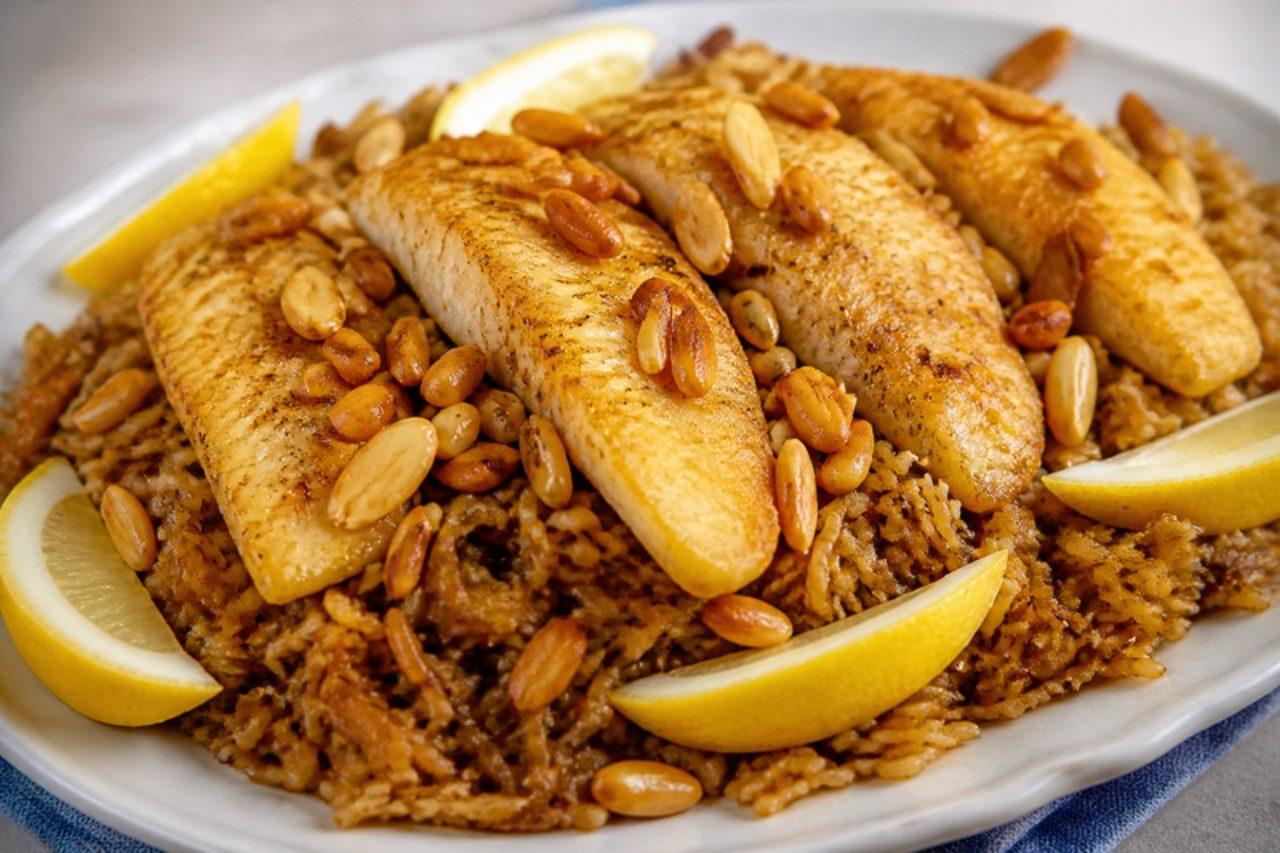
The name comes from the word for fisherman, and sayadiya is the pride of the fish restaurants along the Alexandria seafront and in Suez, where it is ordered as a platter for the whole table. Its signature is the colour: onions are fried slowly until mahogany, then simmered into a stock that turns the rice a deep brown and fills it with sweet, savoury, cumin-scented flavour. On top go pieces of crisp fried fish and a scatter of toasted pine nuts and almonds, with lemon wedges, tahini and a green salad alongside. Chef's tip: watch the onions closely in the last few minutes and lift them out when they are dark brown, never black; burnt onions make the whole pot bitter.

by KrazyBadal 0 views

Showing 24 of 839 recipes

Show more recipes

Page 1 of 35