Skip to content
Recipes

All recipes

Vegetarian, or something you can't eat? Set your diet once and we'll hide recipes that don't fit.

Chai nabat (saffron rock candy tea)

Pilgrims leaving Mashhad carry home boxes of saffron nabat, crystals of rock candy grown on a string and tinted gold with Khorasani saffron. Across Iran a glass of chai nabat is what you are handed when you feel unwell, after a shock, after an exam, or late at night when the evening meal sits heavy; it is traditionally drunk to settle the stomach and warm you up. The tea is brewed strong in a teapot that sits on top of the kettle, then poured clear and amber into small glasses, and the nabat stick is stirred until it softens the tea with a gentle, honeyed sweetness and a faint saffron aroma. Black tea has a moderate amount of caffeine, so give children a weaker glass. A common mistake is boiling the leaves or letting them steep on direct heat, which turns the tea bitter and murky; Persian tea is "dam" — brewed gently on steam. It is ready when the leaves have sunk, the tea is clear and reddish-amber and it smells of bergamot or cardamom. Chef's tip: hold the glass up to the light; if you can't see through it, top it up with hot water, as Iranians do.

by KrazyBadal 0 views

Sharbat-e bidmeshk (willow blossom sherbet)

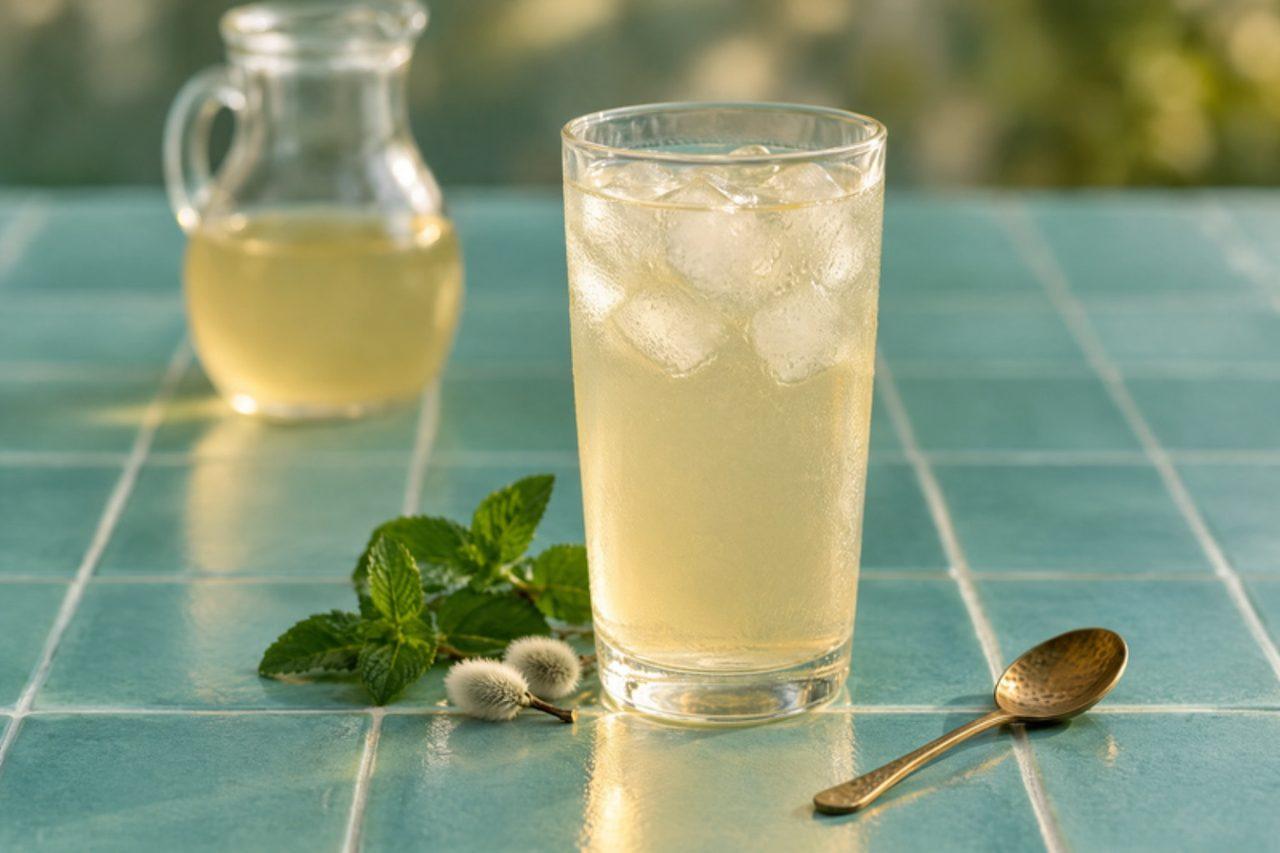
Kashan and the villages of Qamsar and Niasar are famous for distilling flowers in spring: rose water in May, and before that araq-e bidmeshk, the distillate of the fuzzy catkins of the musk willow. In summer, when the desert heat settles over the old houses, the same bottles go into sharbat-e bidmeshk, a pale syrup diluted with icy water and served to guests in tall glasses, sometimes with swollen basil seeds. It is traditionally drunk to calm the nerves and cool the body. The taste is delicate, sweet and haunting, somewhere between honeysuckle, musk and fresh hay. The common mistake is adding the distillate to hot syrup; the heat drives the scent away within minutes, so cool the syrup completely first. The syrup is ready when it is clear and pours like thin honey, and the finished sherbet should smell floral the moment you lift the glass. Look for the distillate in Iranian shops; there is no true substitute, though rose water with a few drops of orange-blossom water makes a pleasant but different drink. Chef's tip: a squeeze of lemon in the syrup stops it crystallising in the fridge, where it keeps for a month.

by KrazyBadal 0 views

Sharbat-e zaferan (saffron sherbet)

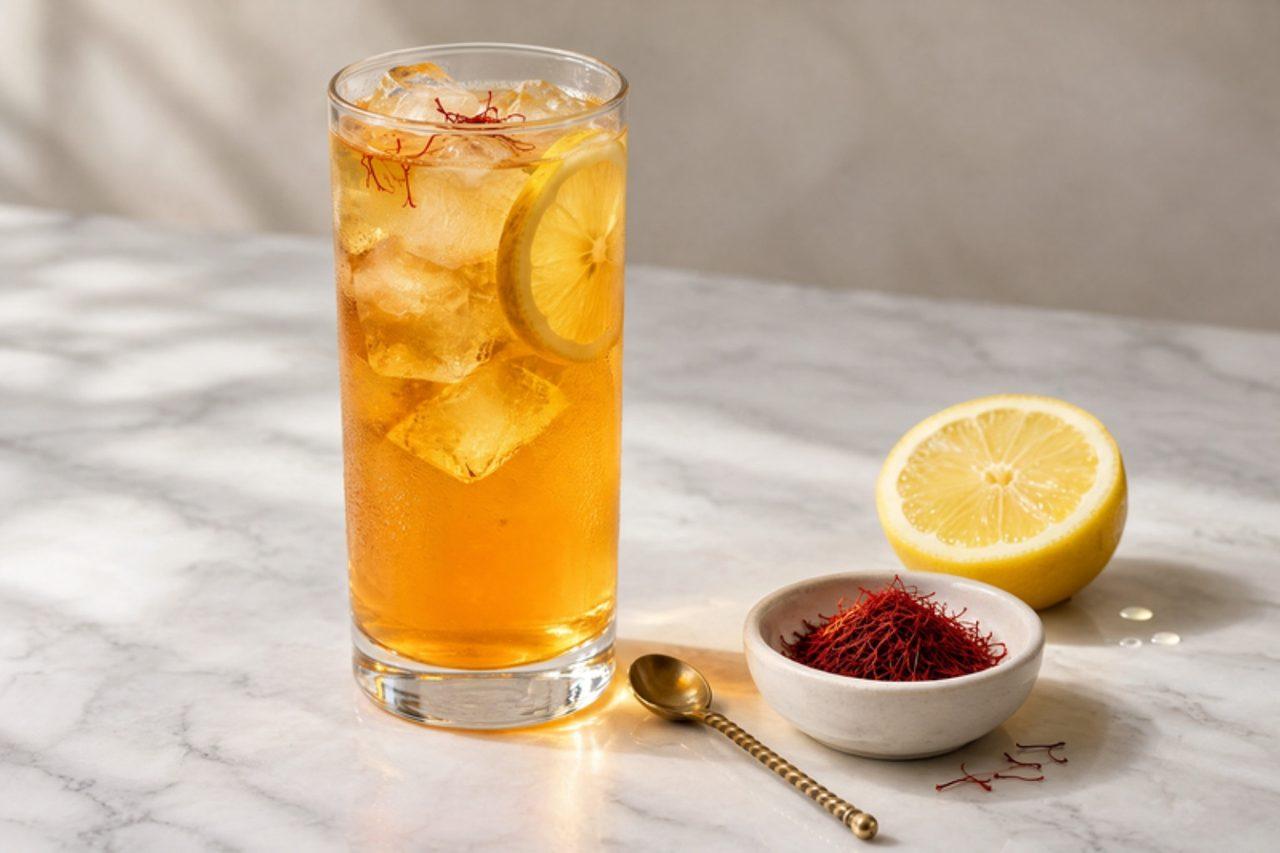
Big steel urns of golden saffron sherbet are poured for guests at Iranian weddings and engagement parties, and the same drink is handed out on the street as nazri during Muharram and at memorial gatherings, when families offer something sweet and cool in the name of the departed. Saffron from Khorasan is ground with a sugar cube, bloomed in a little water and stirred into syrup with rose water and lemon. The result is honey-sweet and floral, with saffron's faint bitterness and hay-like perfume at the end, and a colour that should be a clear, sunny orange-gold. The usual mistake is dropping whole threads straight into cold water, which gives a pale, patchy drink and wastes expensive saffron; grind it first and let it bloom for at least 10 minutes. You know the bloom is ready when the water is a deep red-orange and smells strongly of saffron. Taste before serving: it should be sweet but finish clean, with the lemon just noticeable. Chef's tip: an ice cube placed on the ground saffron and left to melt slowly gives the deepest colour of all, an old Iranian trick.

by KrazyBadal 0 views

Sharbat-e rivas (rhubarb sherbet)

For a few weeks in spring, after Nowruz, sellers come down from the Alborz foothills, the mountains of Khorasan and Kurdistan with bundles of rivas, the thick-stalked wild rhubarb. People peel and eat the stalks raw with salt, cook them into khoresh, and boil the rest into syrup to keep the taste of the season into summer. Sharbat-e rivas is pink, sharp and refreshing, like sour cherry and green apple together, softened by sugar and lifted by mint. The common mistake is boiling the rhubarb hard and pressing it through the sieve, which makes the syrup cloudy, brownish and stringy; simmer gently and let it drip on its own. Use only the stalks, never the leaves, which are poisonous. The syrup is ready when it is clear, rose-coloured and coats a spoon in a thin film; it keeps for two weeks in a clean bottle in the fridge, and should be thrown away if it fizzes, smells of alcohol or grows mould. Garden rhubarb is a good substitute for rivas; the reddest stalks give the prettiest colour. Chef's tip: a strip of lemon peel in the pot brightens the colour and stops the syrup tasting flat.

by KrazyBadal 0 views

Mandi'o chyryryFried cassava with onion and egg

Mandi'o chyryry means 'fried cassava' in Guaraní, and it is what rural Paraguayan families make from yesterday's boiled mandi'o: chunks crushed and fried in a big pan with onion until crisp in places, then scrambled with eggs. It comes out for breakfast with cocido or for a quick supper, and costs next to nothing. Use sweet cassava, the kind sold in supermarkets. The mistake is stirring constantly, which turns it to mush; let the cassava sit and brown. Chef's tip: the best chyryry starts with cold, day-old boiled cassava, which fries crisper than freshly boiled.

by KrazyBadal 0 views

Cocido quemadoBurnt sugar mate drink

Cocido is how Paraguay starts the day: in Asunción, in the villages of Guairá and Itapúa, and in school kitchens, a pot of burnt yerba is brewed and poured into cups with chipa, the cheesy cassava bread, or with a hard galleta. The old way is to drop a glowing piece of charcoal into a pot with yerba and sugar and stir until the sugar burns. On a home stove you caramelise them together in a dry pan instead, which is safer and gives the same smoky, toffee-like taste. The drink is clear amber-brown, with roasted, slightly bitter mate notes over burnt-sugar sweetness; with milk added it becomes cocido con leche, creamy and coffee-coloured. Yerba mate contains caffeine, so treat it like a cup of coffee. The common mistake is letting the sugar go black: it turns acrid and bitter. Pull it off the heat when the caramel is deep amber and the yerba smells toasted, not burnt. It is ready when the liquid is a clear dark amber and tastes of toffee and smoke. Chef's tip: the water will spit fiercely when it hits the hot caramel, so pour it in from the side, at arm's length.

by KrazyBadal 0 views

TereréIced yerba mate

In Asunción the hottest part of the day stops for tereré: a horn or cup packed with yerba mate, topped up again and again with ice water infused with crushed herbs, and passed round the group through a metal straw. It was recognised by UNESCO as part of Paraguay's cultural heritage, and the herbs (yuyos) change with the season and the drinker's mood. Yerba mate contains caffeine, so it isn't one for small children. The common mistake is pouring water straight into loose yerba, which then clogs the straw; tilt the yerba to one side first. Chef's tip: for tereré ruso, swap the water for cold orange or grapefruit juice.

by KrazyBadal 0 views

EinspännerBlack coffee with whipped cream

The Einspänner is named after the one-horse carriages of old Vienna: coachmen waiting outside in winter supposedly liked their coffee under a lid of cream that kept it hot and stopped it slopping. Today it is served in a handled glass at classic coffee houses, a strong black mocha (a double espresso or Großer Brauner without milk) topped with a thick layer of cold, lightly sweetened whipped cream and a pinch of icing sugar. You do not stir it: you sip the hot, bitter coffee through the cold, sweet cream, so each mouthful is two temperatures and two textures. It is an afternoon or late-morning coffee, often with a slice of Sachertorte. The common mistake is runny cream that sinks and turns the drink into a milky latte; whip it until it just holds a peak and spoon it on gently so it floats. It is ready when the cream stands at least 2 cm above the coffee and slowly sinks at the edges. It is strong: a double shot of caffeine in one glass. Chef's tip: pour the coffee in first and wait ten seconds before adding the cream, so the crema settles and helps support the cap.

by KrazyBadal 0 views

Wiener MelangeCoffee with milk and foam

In Vienna you never simply order 'a coffee'; you order by name, and the Melange is the one most Viennese ask for. It arrives in a large cup on a small silver tray with a glass of water and often a tiny chocolate, and you may sit over it for an hour with the newspapers at Café Prückel or Hawelka, mid-morning or after lunch. Traditionally it is a mild, longer espresso (a Verlängerter) with roughly equal hot milk and a soft cap of milk foam; it is gentler than a cappuccino and the foam is looser and creamier. Expect a round, nutty, slightly sweet cup with little bitterness. The common mistake is overheating the milk: once it passes about 70 °C it smells cooked and loses its sweetness and the foam turns big-bubbled and dry. Stop when the jug is too hot to hold for more than a second or two. It is ready when the foam sits in a smooth, glossy dome about a finger thick and the coffee shows as a brown ring at the edge. One cup has about the caffeine of a single espresso. Chef's tip: always serve the glass of water alongside, as Vienna does; it is drunk first to clear the palate.

by KrazyBadal 0 views

Sharbat-e khakshirIced rosewater drink with seeds

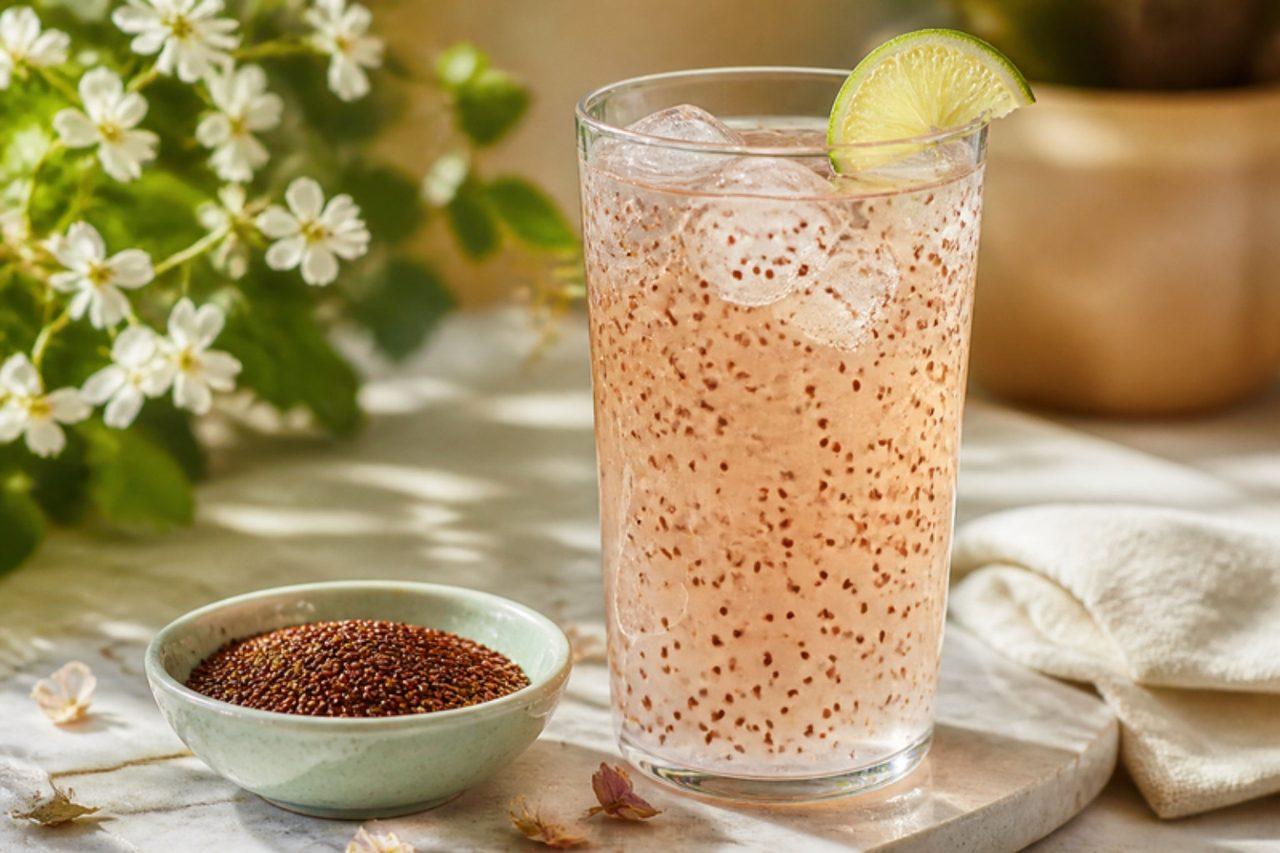
Khakshir are the tiny reddish seeds of flixweed, and in Yazd, Kashan and across the hot centre of Iran a glass of khakshir sharbat is what people drink on scorching summer afternoons and to break the fast on long Ramadan days. The seeds swell slightly and float through sweet iced water perfumed with rosewater, giving a gentle crunch; some add a squeeze of lime or a little sour cherry syrup. Find khakshir at Iranian grocers. Chef's tip: rinse the seeds in several changes of water and pour off anything that floats; dust and grit come away with it.

by KrazyBadal 0 views

Ab havij bastaniCarrot juice with saffron ice cream

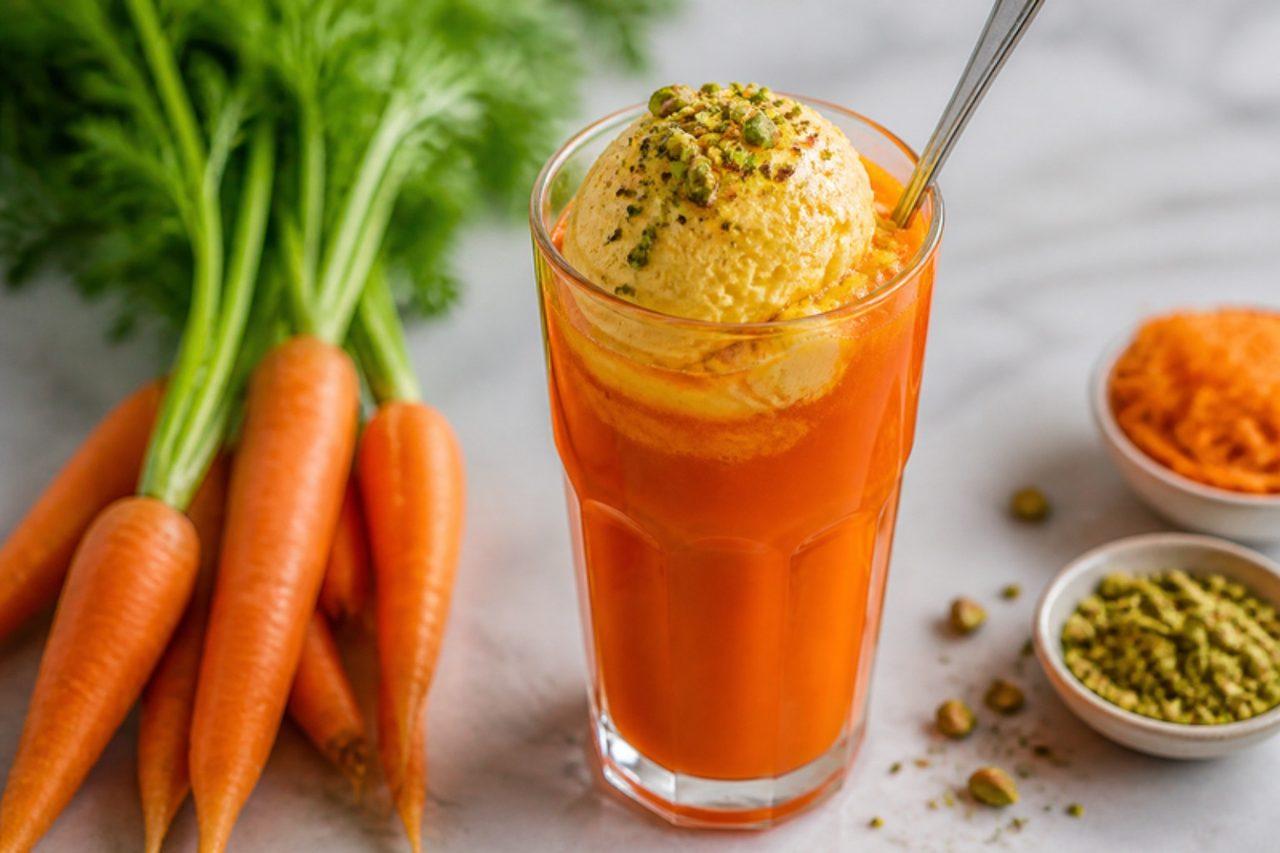
Every juice bar in Tehran, from Tajrish Square to the stalls of Valiasr Street, sells ab havij bastani: a tall glass of fresh, ice-cold carrot juice with a scoop of saffron ice cream floating on top. People eat it with a long spoon in summer, stirring the melting ice cream into the juice until it turns creamy and pale orange. It is sweet, earthy and cooling, and kids treat it as a dessert. Chef's tip: chill the carrots well before juicing; warm juice melts the ice cream at once and loses its fresh taste.

by KrazyBadal 0 views

Gol gav zabanBorage flower tea

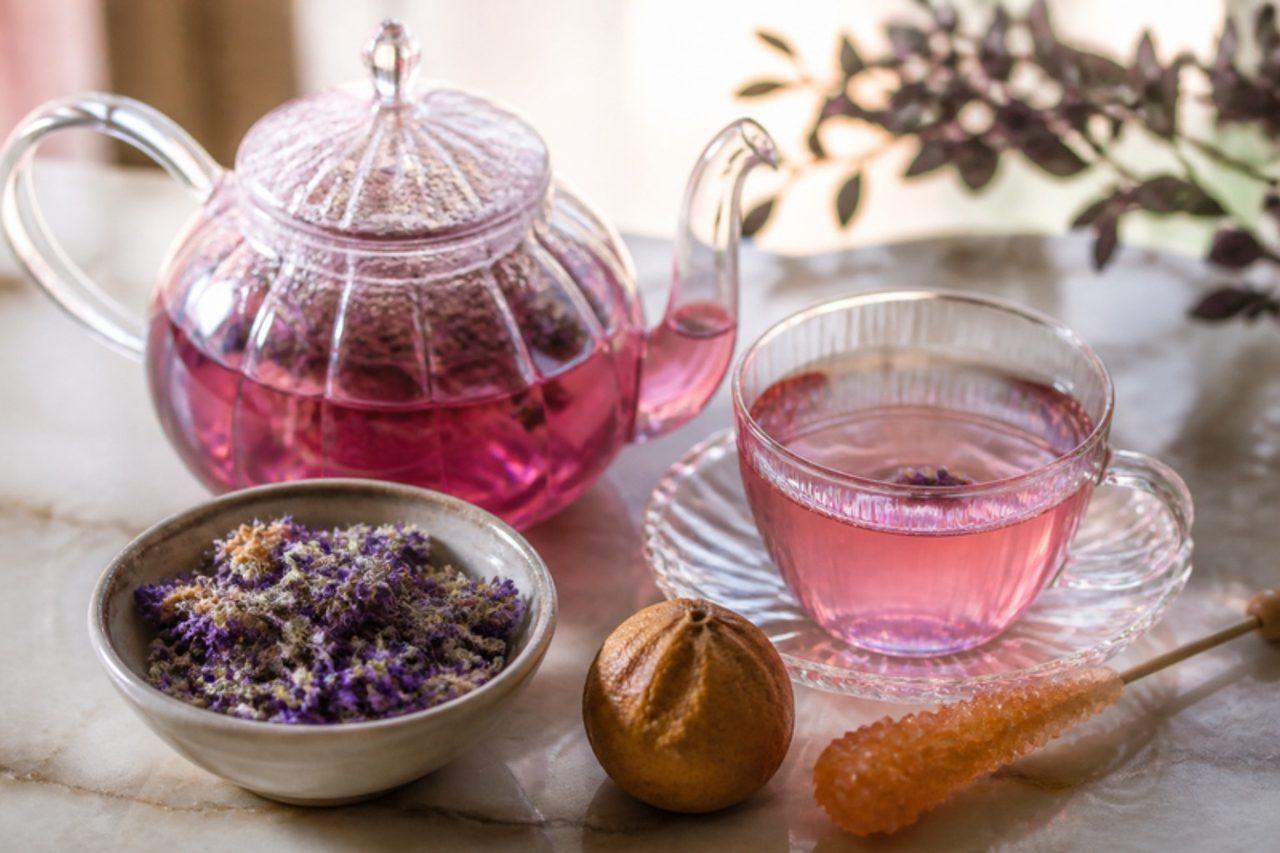
Gol gav zaban is the calming tea Iranians make on stressful evenings or when a cold is coming on, sold in bags of dried purple flowers by herbalists in the old bazaars of Tehran and Tabriz. Steeped in hot water it turns a dusky blue-brown, then flashes pink the moment lime juice goes in, which children love to watch. It is sipped with a stick of saffron nabat (rock sugar), sometimes with a few dried limes or a pinch of valerian. Persian borage contains small amounts of natural compounds that can strain the liver, so drink it only now and then, and avoid it if you are pregnant, breastfeeding or have liver problems. Chef's tip: steep below boiling and keep the pot covered so the gentle aroma doesn't escape.

by KrazyBadal 0 views

Sharbat-e albalooSour cherry syrup drink

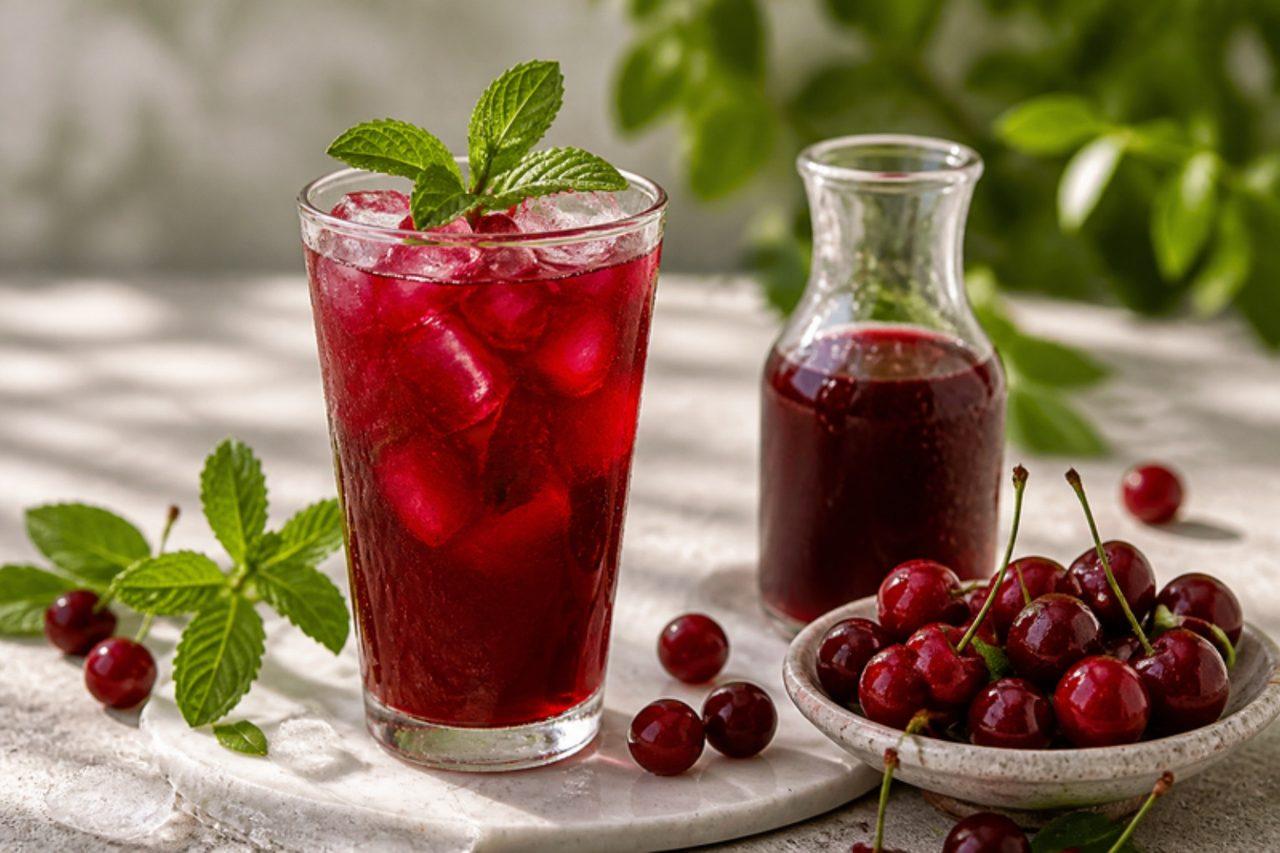
In early summer, when sour cherries arrive from the orchards around Karaj and Mashhad, families make a big batch of sharbat-e albaloo, the deep ruby syrup that is mixed with iced water for guests through the hot months. It is sweet, sharp and very refreshing, and the cooked cherries left over are not wasted: they go into albaloo polo, the cherry rice. A splash of the syrup also goes over shaved ice or yogurt. Chef's tip: stop cooking as soon as the syrup coats a spoon thinly; overcooked syrup loses its fresh cherry flavour and tastes of jam.

by KrazyBadal 0 views

Sharbat-e beh limooQuince and lime syrup drink

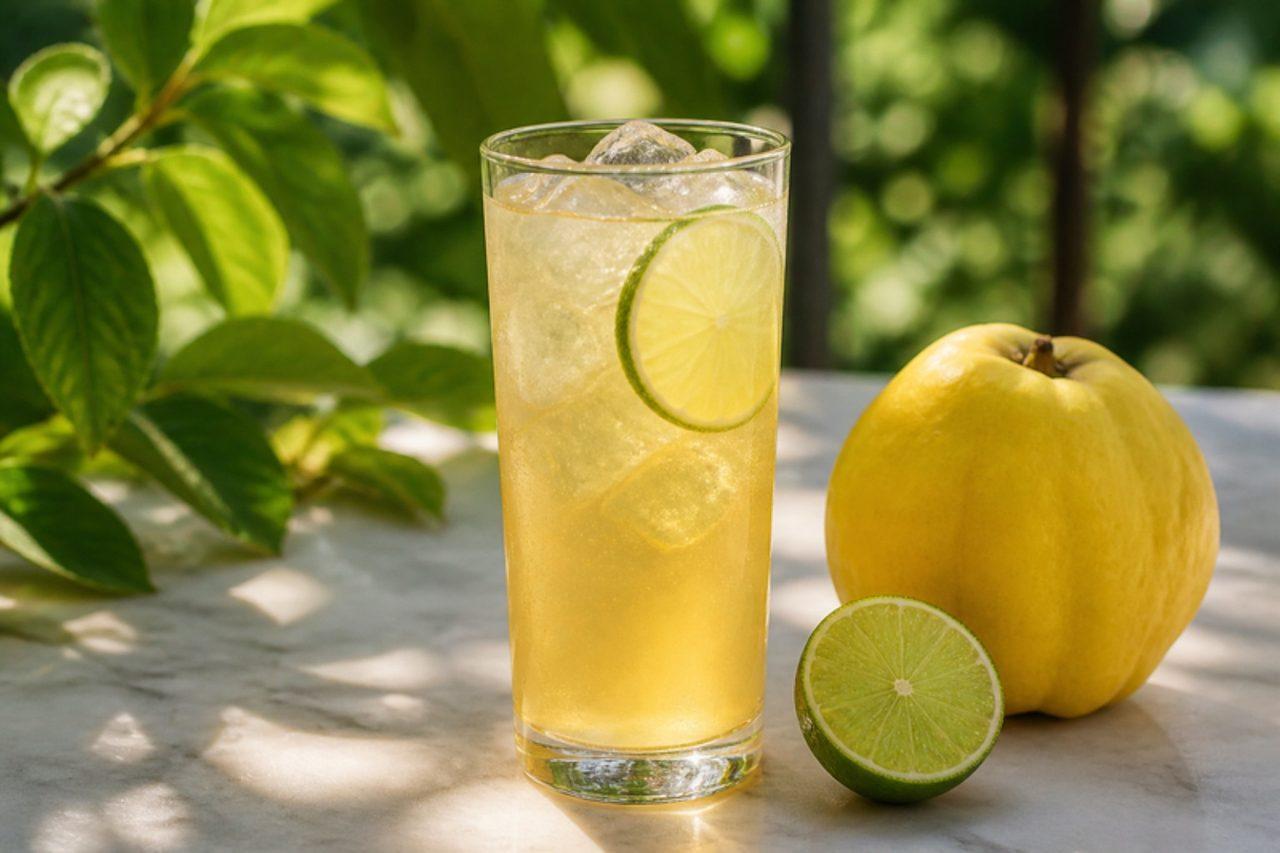
Quince and lime syrup is an old-fashioned Persian cooler, the drink grandmothers in Isfahan and Tehran bring out on hot afternoons, said to settle the stomach and cool the body. Grated quince simmered in syrup turns from cream to a soft rosy amber and gives a floral, almost honeyed scent; fresh lime juice cuts through the sweetness. Diluted with iced water, it is lovely after a heavy meal of rice and stew. Chef's tip: cook the grated quince gently for the full time; the colour only turns pink after long, slow simmering.

by KrazyBadal 0 views

DooghSalted yogurt drink

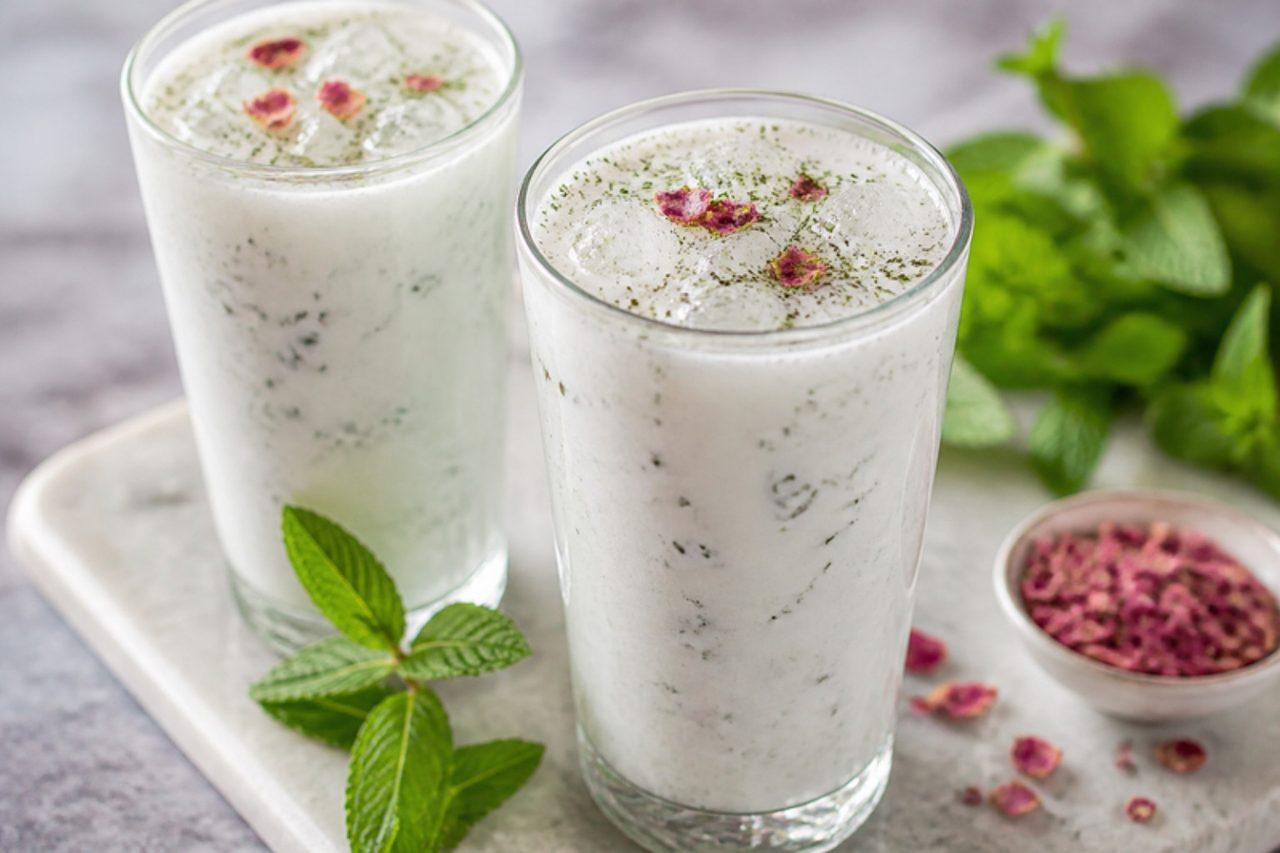
Doogh is the salty, fizzy yogurt drink served in tall glasses with lunch across Iran, and above all with kebab and rice at the chelow-kababi restaurants of Tehran. Bottled sparkling doogh from the mineral springs of Abali, in the mountains east of the capital, is the famous one; at home it is mixed from yogurt, cold water and soda water with crumbled dried mint, and sometimes wild pennyroyal (kakuti) or rose petals. Its bubbles and mint set it apart from plainer, still yogurt drinks. It is cooling and good with rich, herby food. Chef's tip: add the sparkling water last and stir gently, or the fizz disappears before it reaches the glass.

by KrazyBadal 0 views