Skip to content
Recipes

All recipes

Vegetarian, or something you can't eat? Set your diet once and we'll hide recipes that don't fit.

Gratin de fenouilFennel gratin

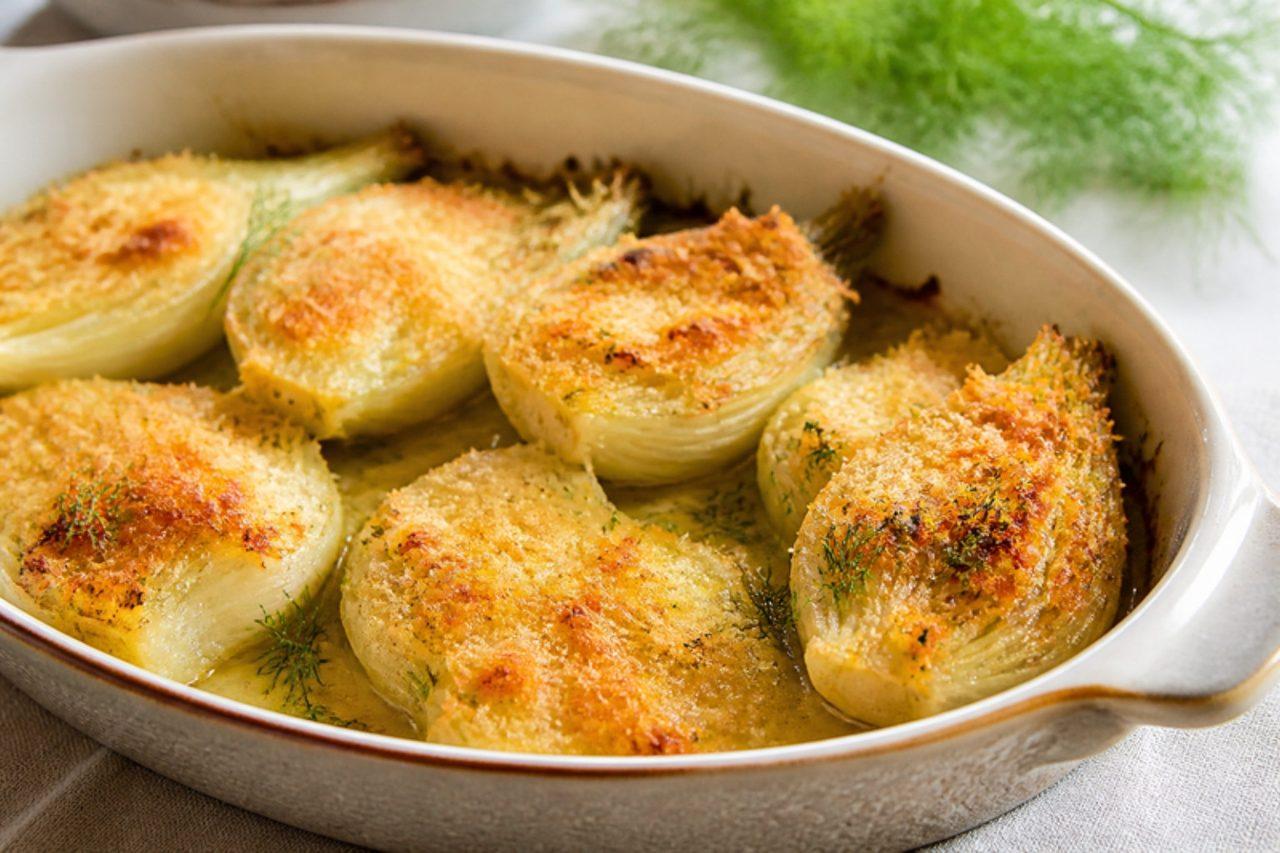
Gratin de fenouil is a winter side dish from Provence, where fennel grows wild on the hills and the bulbs fill markets from October to March. The wedges are braised in olive oil and a little stock until soft and sweet, their aniseed flavour mellowing, then baked under Parmesan and breadcrumbs until crisp. It goes well with fish or a bean stew. Parmesan is always made with animal rennet; use a vegetarian Italian-style hard cheese for a vegetarian dish. The common mistake is baking raw fennel, which stays hard and fibrous. Chef's tip: keep the core in each wedge so the layers hold together.

by KrazyBadal 0 views

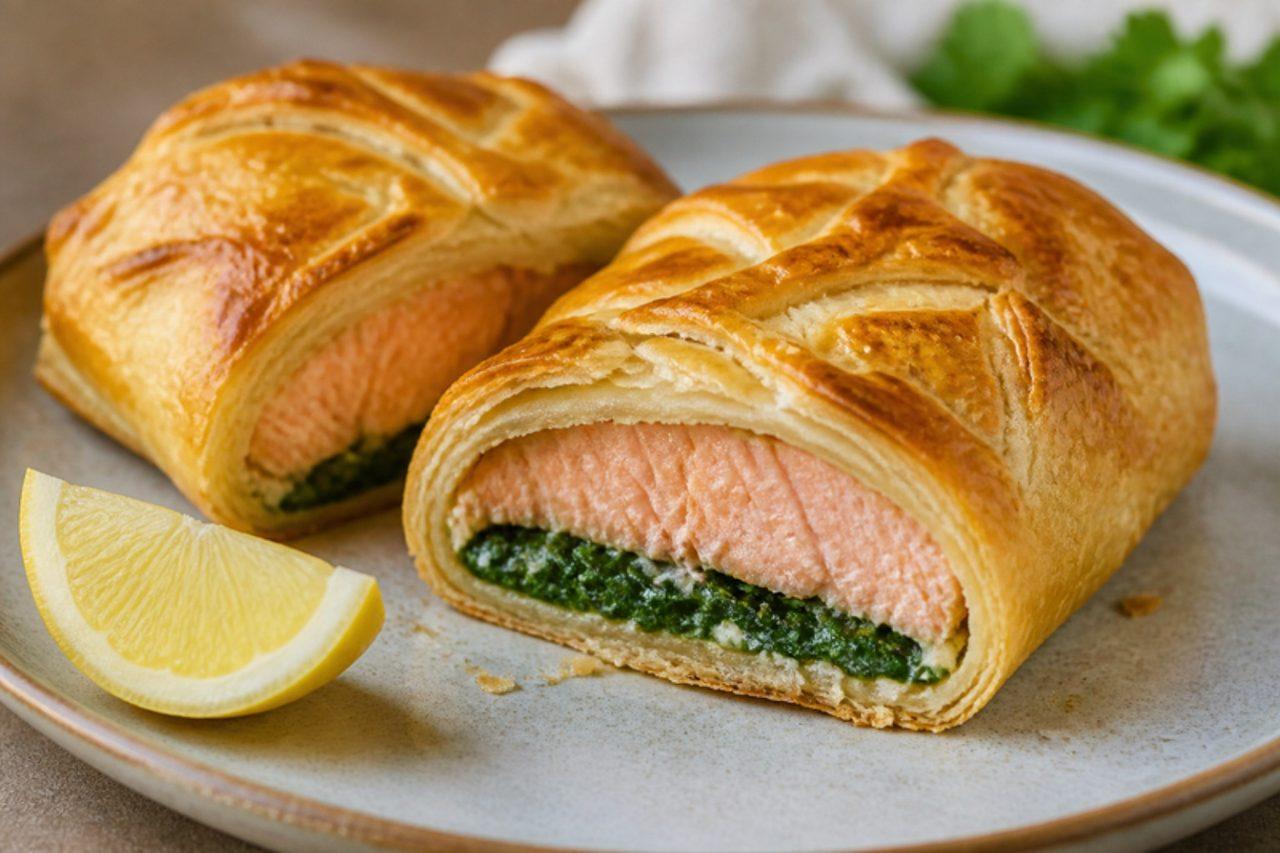
Feuilleté de saumonSalmon in puff pastry

Feuilleté de saumon is a French family dinner-party favourite and a classic for Christmas Eve and New Year's Eve, when a whole salmon fillet is wrapped in puff pastry with a layer of creamy spinach and baked until golden, then sliced at the table. Served with a lemony butter sauce or crème fraîche and a green salad, it looks grand but is simple to make. The common mistake is wet spinach, which turns the pastry soggy underneath; squeeze it bone dry. Chef's tip: rest the pastry parcel for 5 minutes before slicing; the salmon finishes cooking and the slices stay neat.

60 minFrenchFish
by KrazyBadal 0 views
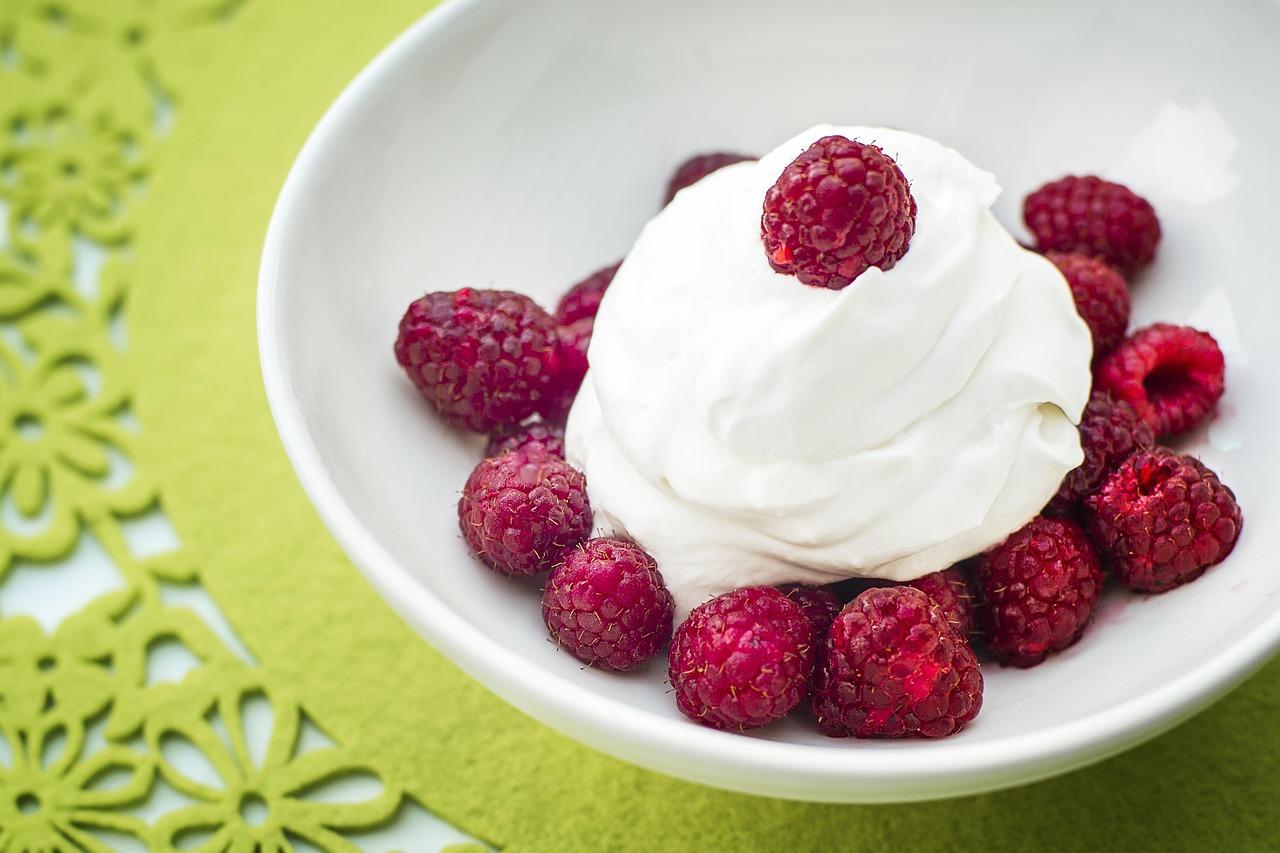
Crème chantillySweetened whipped cream

Crème chantilly is named after the Château de Chantilly north of Paris, where the 17th-century steward Vatel is said to have served it, and today it crowns waffles, crêpes, fruit tarts and hot chocolate in cafés across France. Cold cream is whipped with a little icing sugar and vanilla to soft, billowy peaks, light rather than stiff. The common mistake is over-whipping, which turns the cream grainy and then into butter. Chef's tip: chill the bowl and whisk for 15 minutes first, and stop as soon as the cream holds soft peaks that just flop over.

by KrazyBadal 0 views
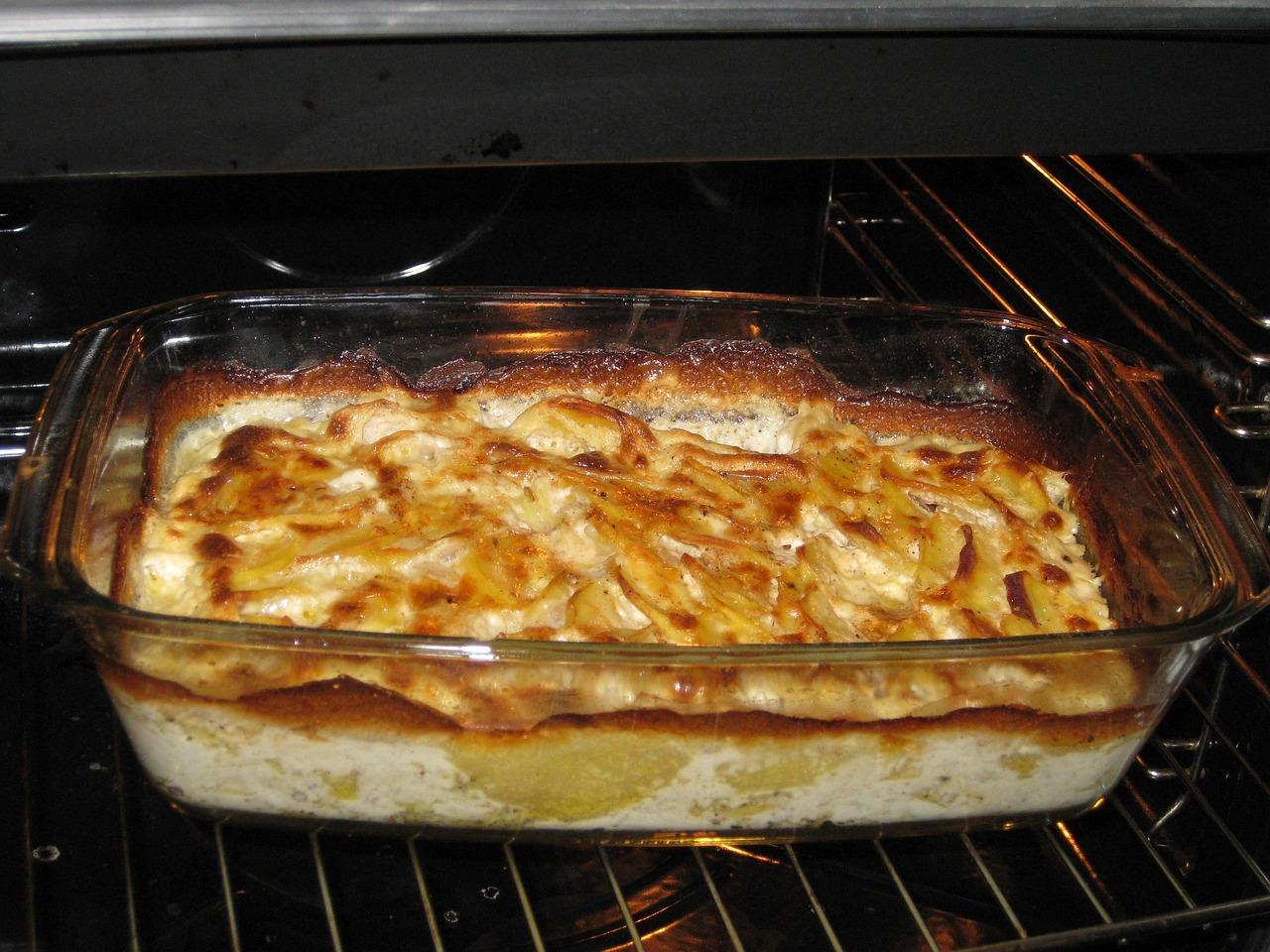
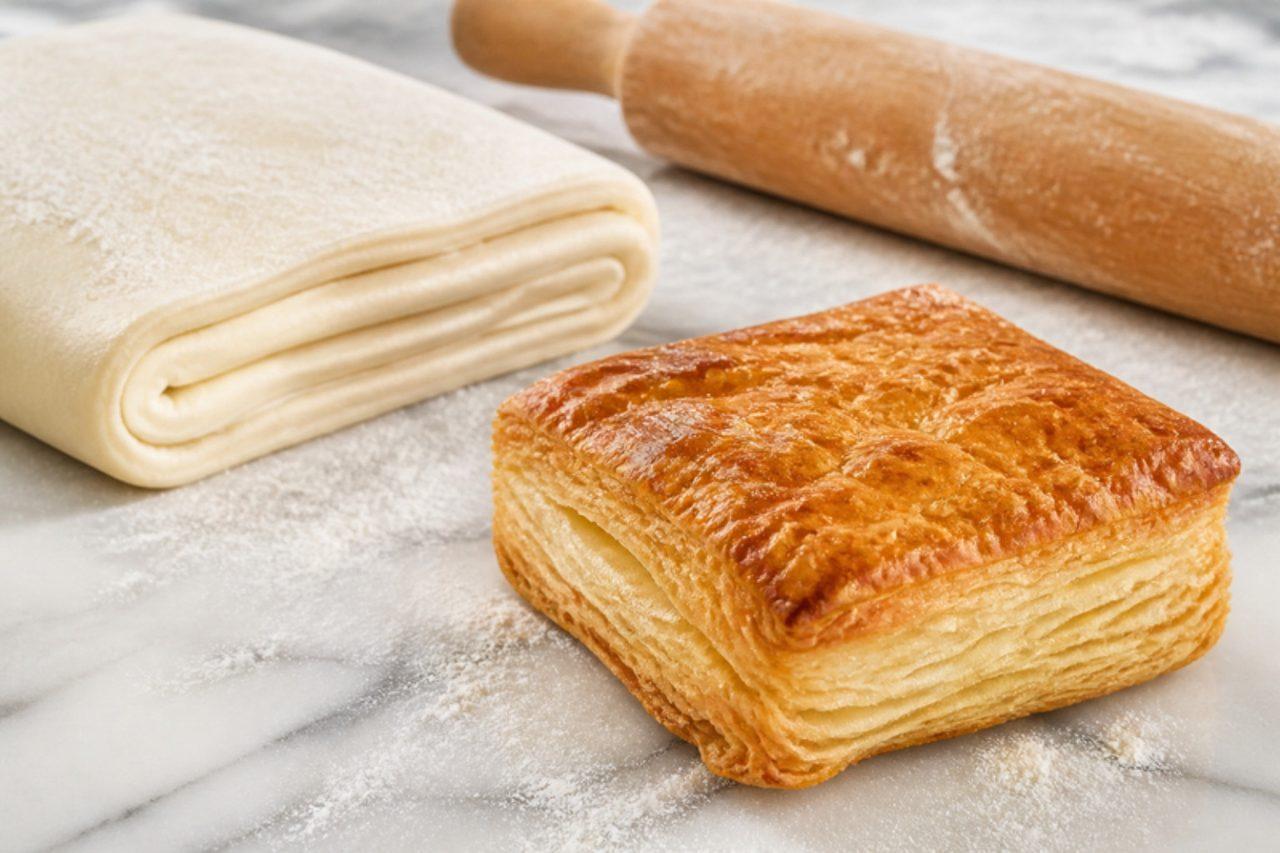
Pâte feuilletéePuff pastry

Pâte feuilletée is the queen of French pastries, the flaky dough behind galettes des rois, mille-feuilles, vol-au-vents and palmiers, still made by hand in pâtisseries all over France. A simple dough is wrapped around a flat block of cold butter, then rolled and folded six times, so that in the oven the water in the butter turns to steam and lifts hundreds of layers. It takes time rather than skill. The common mistake is letting the butter get warm and soft, which smears the layers together. Chef's tip: chill the dough for 30 minutes after every two turns, and work in a cool kitchen.

300 minFrenchBasics
by KrazyBadal 0 views
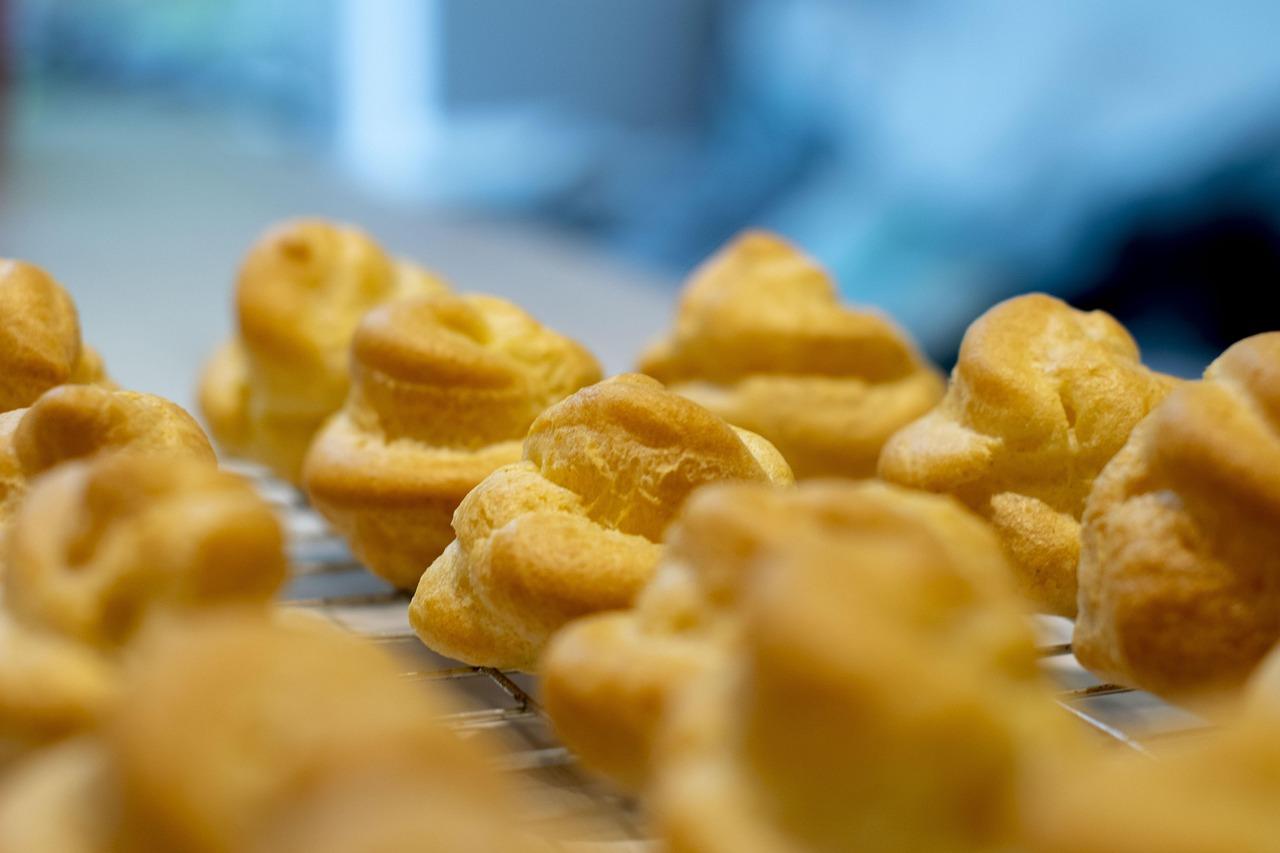
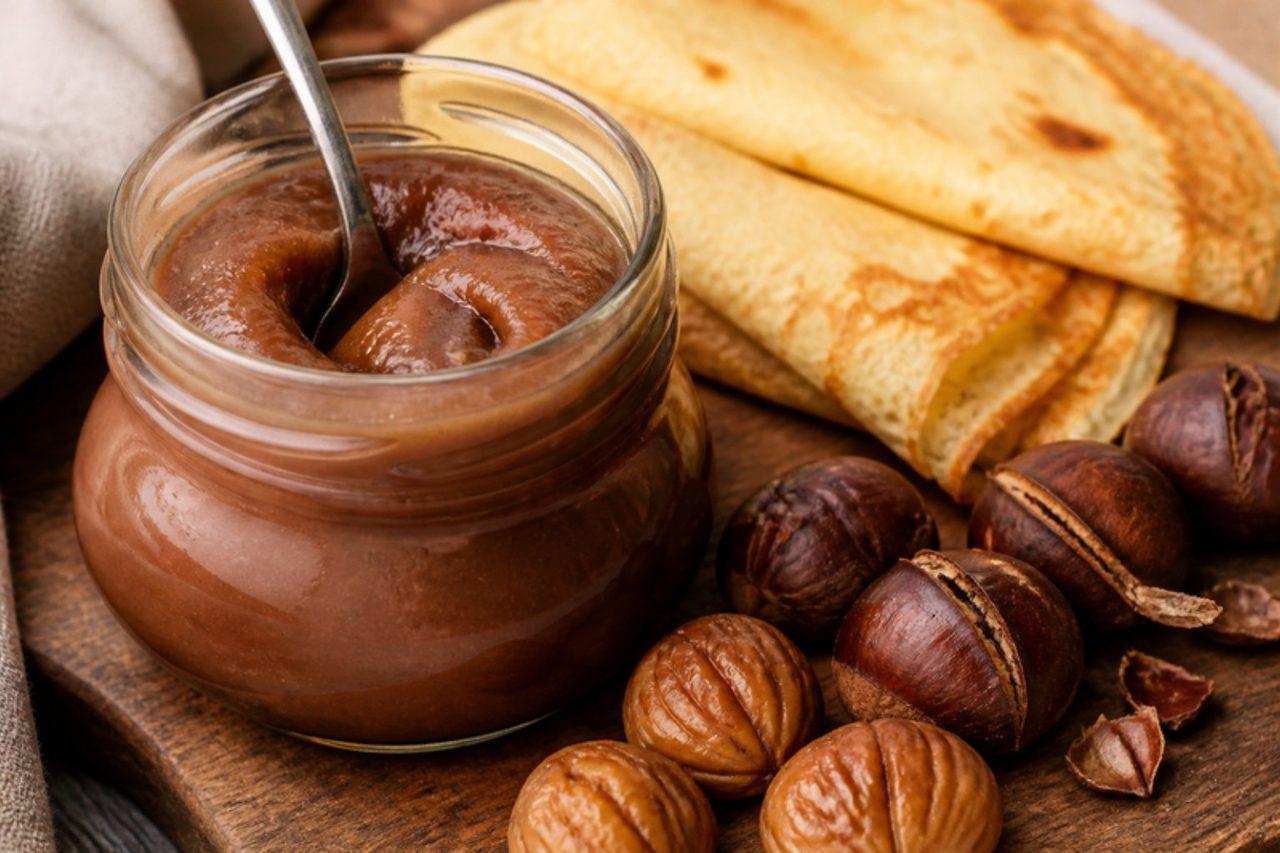
Crème de marronsSweet chestnut spread

Crème de marrons, sweet chestnut cream, was invented in Privas in the Ardèche in the 1880s to use up broken chestnuts from making marrons glacés, and it is now a French store-cupboard classic: spread on crêpes at Candlemas, stirred into fromage blanc, or piled into a Mont Blanc dessert. This home version uses cooked, peeled chestnuts. The common mistake is not blending it smooth enough. Chef's tip: blend while still warm, and push it through a sieve for a silky finish.

by KrazyBadal 0 views
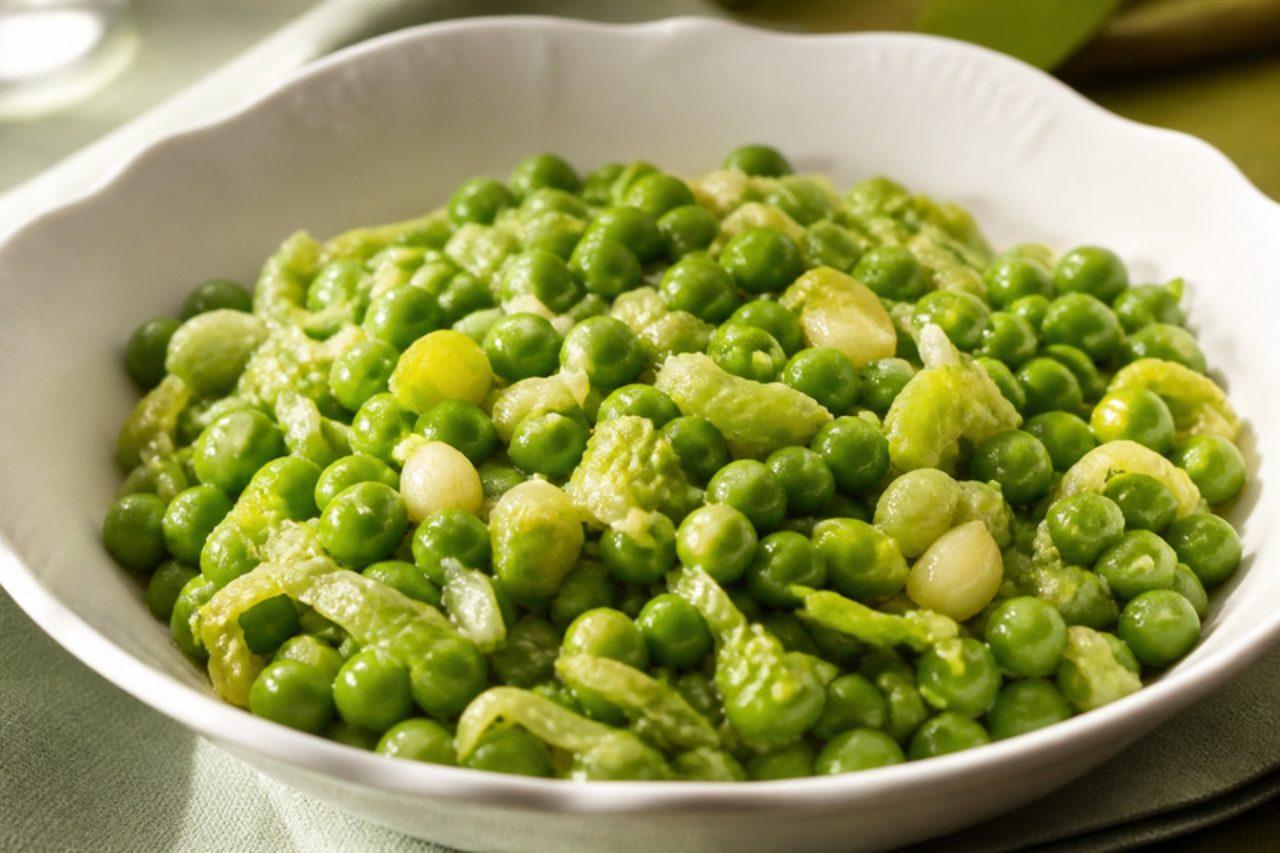
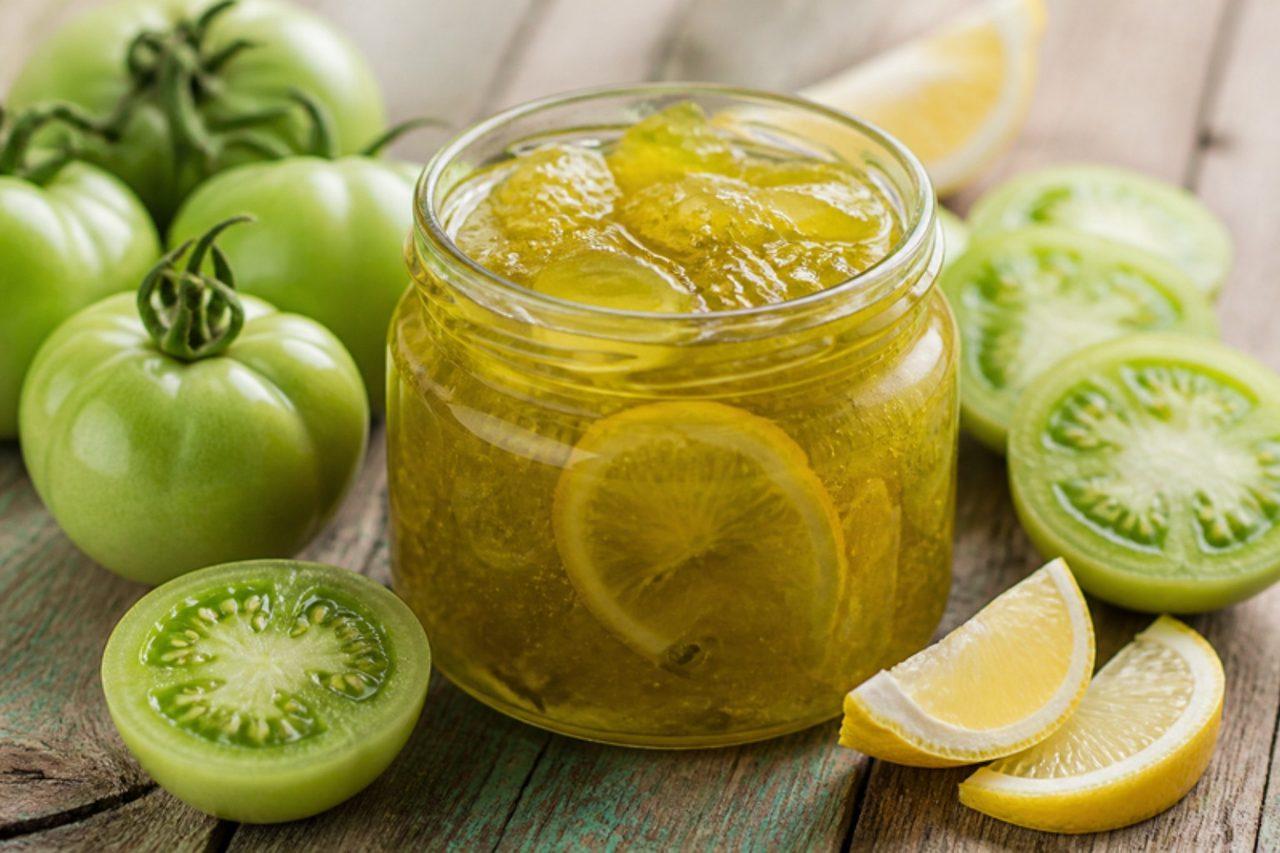
Confiture de tomates vertesGreen tomato jam

Green tomato jam is the thrifty end-of-summer preserve of French kitchen gardens, made in October in the south-west and Provence with the tomatoes that will never ripen before the frost; it tastes surprisingly like a mix of melon and lemon and is served with breakfast or with cheese. The common mistake is cutting the tomatoes too big, so they stay hard. Chef's tip: slice them thinly and leave them overnight in the sugar; they turn translucent when cooked.

by KrazyBadal 0 views
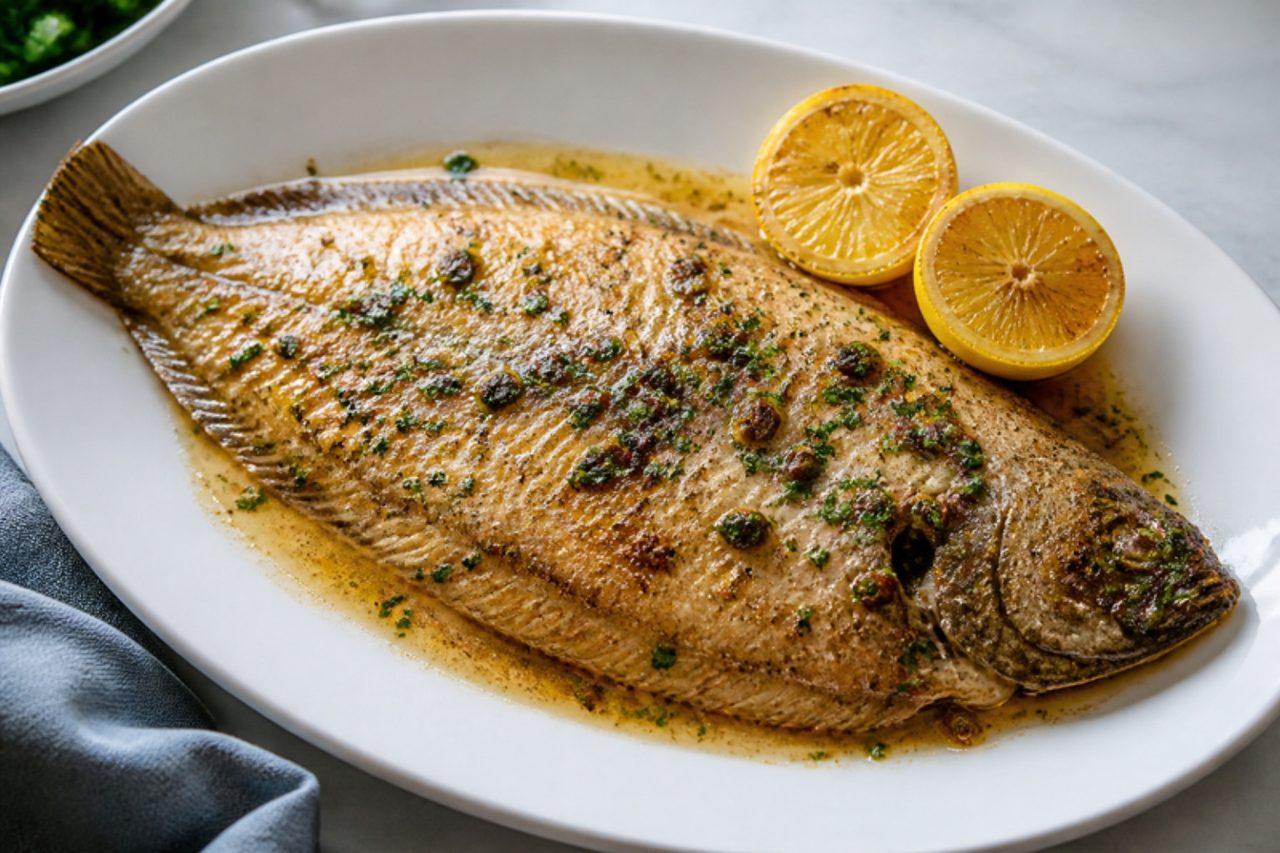
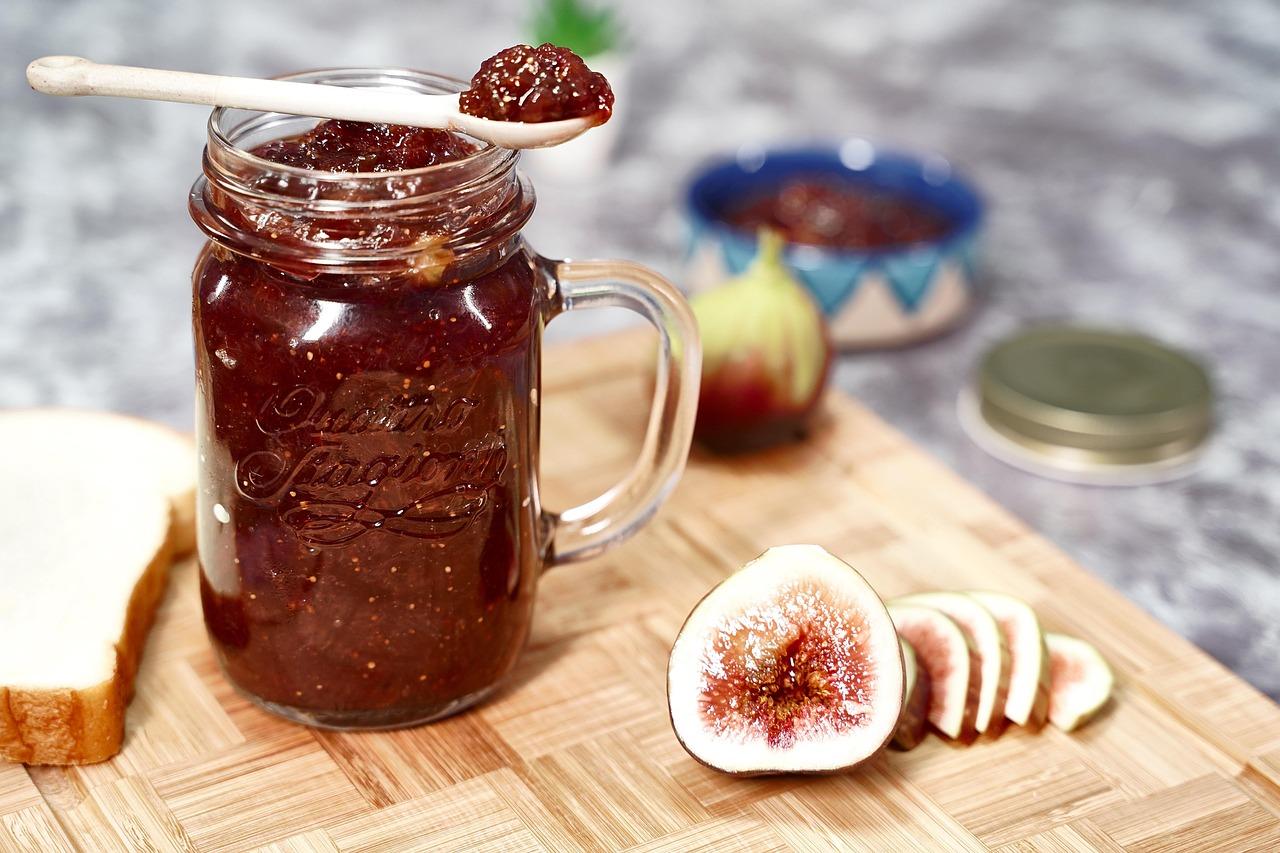
Confiture de figuesFig jam

Fig jam is made in late summer in Provence and the south-west, when the trees are heavy with violet figs, and it is served with breakfast and, very often, with cheese, especially goat's cheese and ewe's cheese from the Pyrenees. The figs are cooked with lemon and vanilla until thick and glossy. The common mistake is undercooking it, so it stays runny. Chef's tip: figs are low in pectin, so add a grated apple or use jam sugar.

by KrazyBadal 0 views
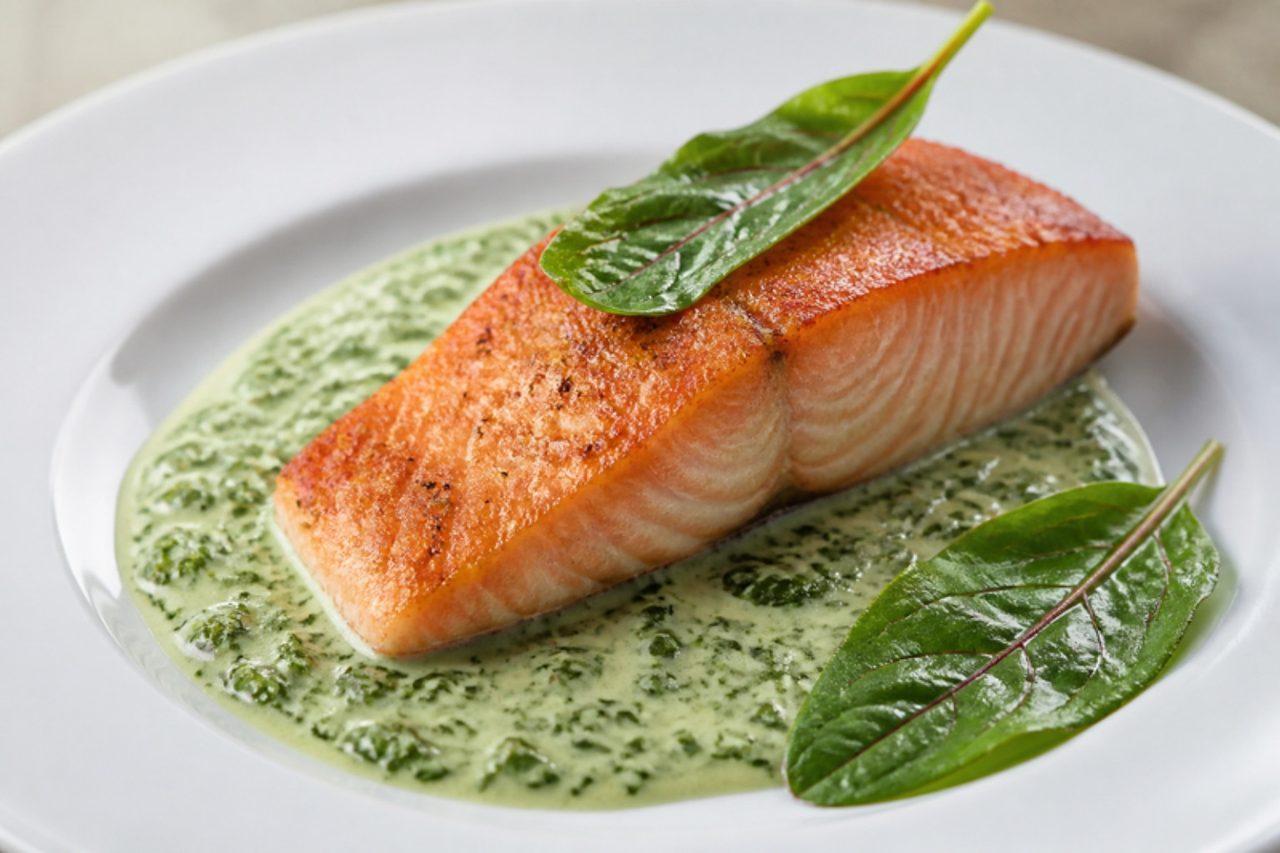
Saumon à l'oseilleSalmon with sorrel sauce

Saumon à l'oseille was created in the 1960s at the Troisgros brothers' famous restaurant in Roanne, north of Lyon, and it soon became a dinner-party classic in French homes. Thin escalopes of salmon are cooked for barely a minute and laid on a pale green cream sauce sharpened with sorrel, whose lemony bite cuts the richness of the fish. This home version uses a quick fish stock and no wine, so it is alcohol-free. The common mistake is overcooking the salmon; the thin escalopes are done the moment they turn pale. Chef's tip: add the sorrel at the very end and take it off the heat at once; it collapses in seconds and turns khaki if boiled.

25 minFrenchFishGluten free
by KrazyBadal 0 views
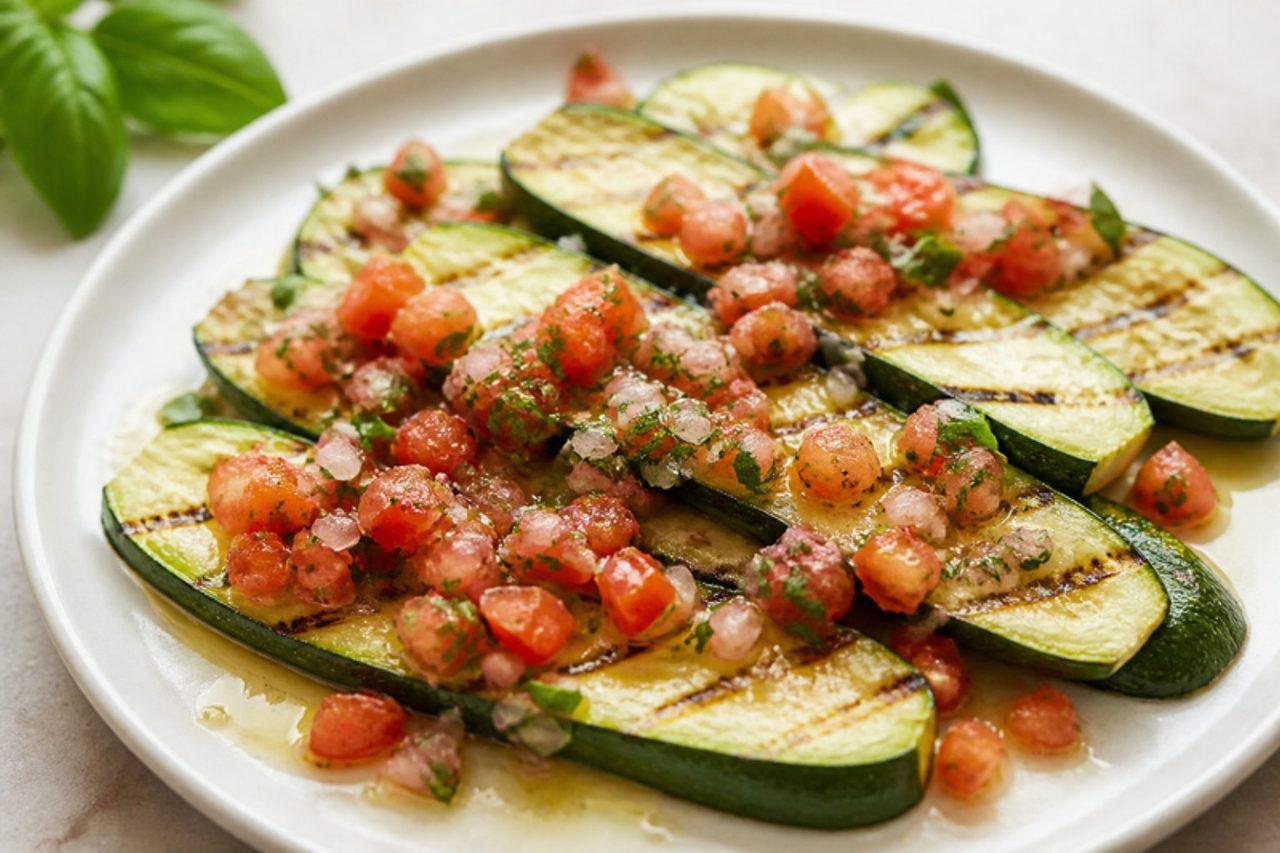
Sauce viergeRaw tomato and olive oil sauce

Sauce vierge is the fresh summer sauce of Provence, made popular by chefs on the Côte d'Azur in the 1980s and now spooned over grilled fish, vegetables and pasta in homes from July to September. Diced ripe tomato, shallot and basil are gently warmed in good olive oil with lemon and coriander seed, just enough to release the flavours without cooking them. The common mistake is heating it too much, which turns it into a cooked tomato sauce. Chef's tip: use the ripest tomatoes you can find and leave the sauce to infuse for 20 minutes before serving.

by KrazyBadal 0 views
Tomates à la provençaleBaked garlic breadcrumb tomatoes

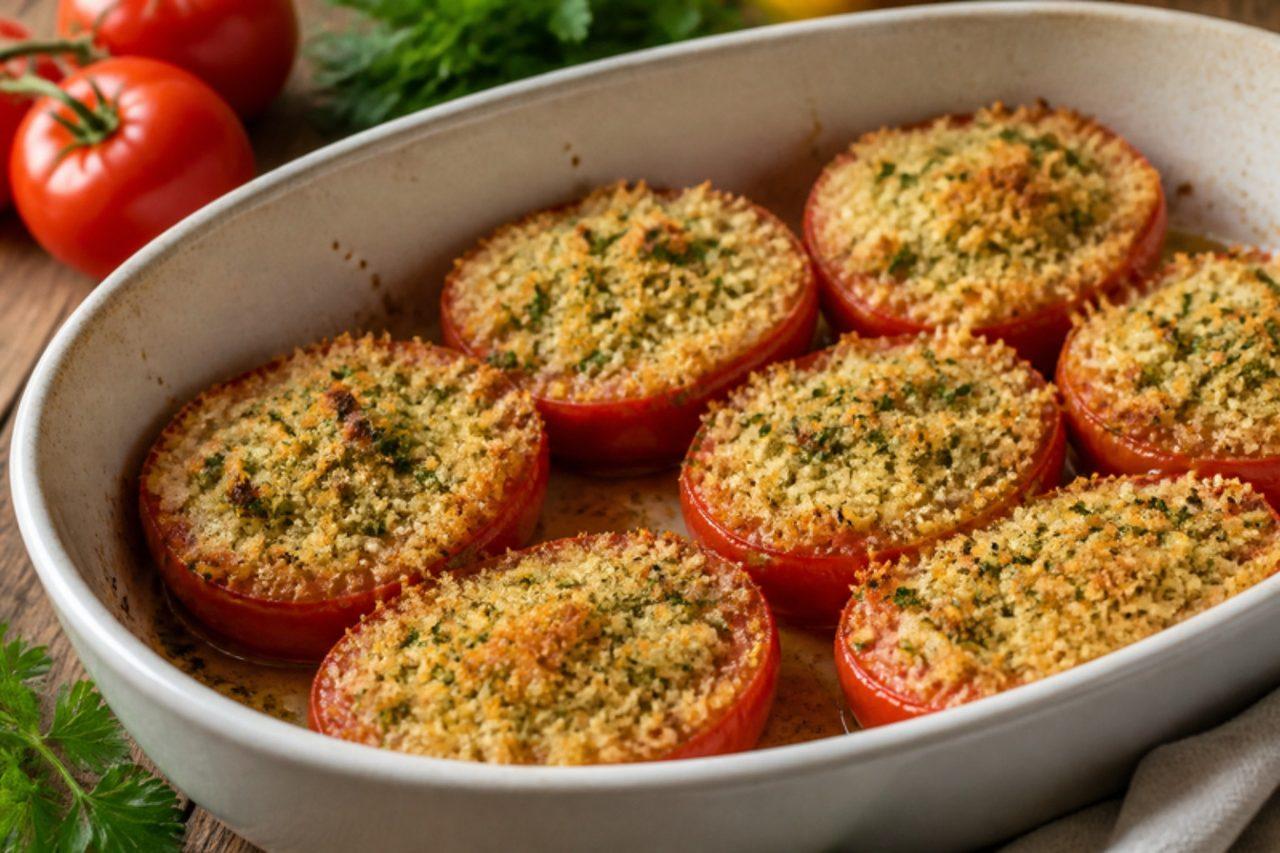
Tomates à la provençale are the summer side dish of every Provençal kitchen, set out at lunch from June to September beside grilled fish, lamb or an omelette. Ripe tomato halves are baked slowly, cut side up, under a heap of garlic, parsley and olive-oil breadcrumbs until the tomatoes slump and caramelise and the topping crisps. The common mistake is using under-ripe tomatoes, which stay sour and firm. Chef's tip: salt the cut tomatoes and turn them upside down for 15 minutes before topping; they lose excess juice and the crumbs stay crisp.

by KrazyBadal 0 views
Pommes puréeSmooth mashed potatoes

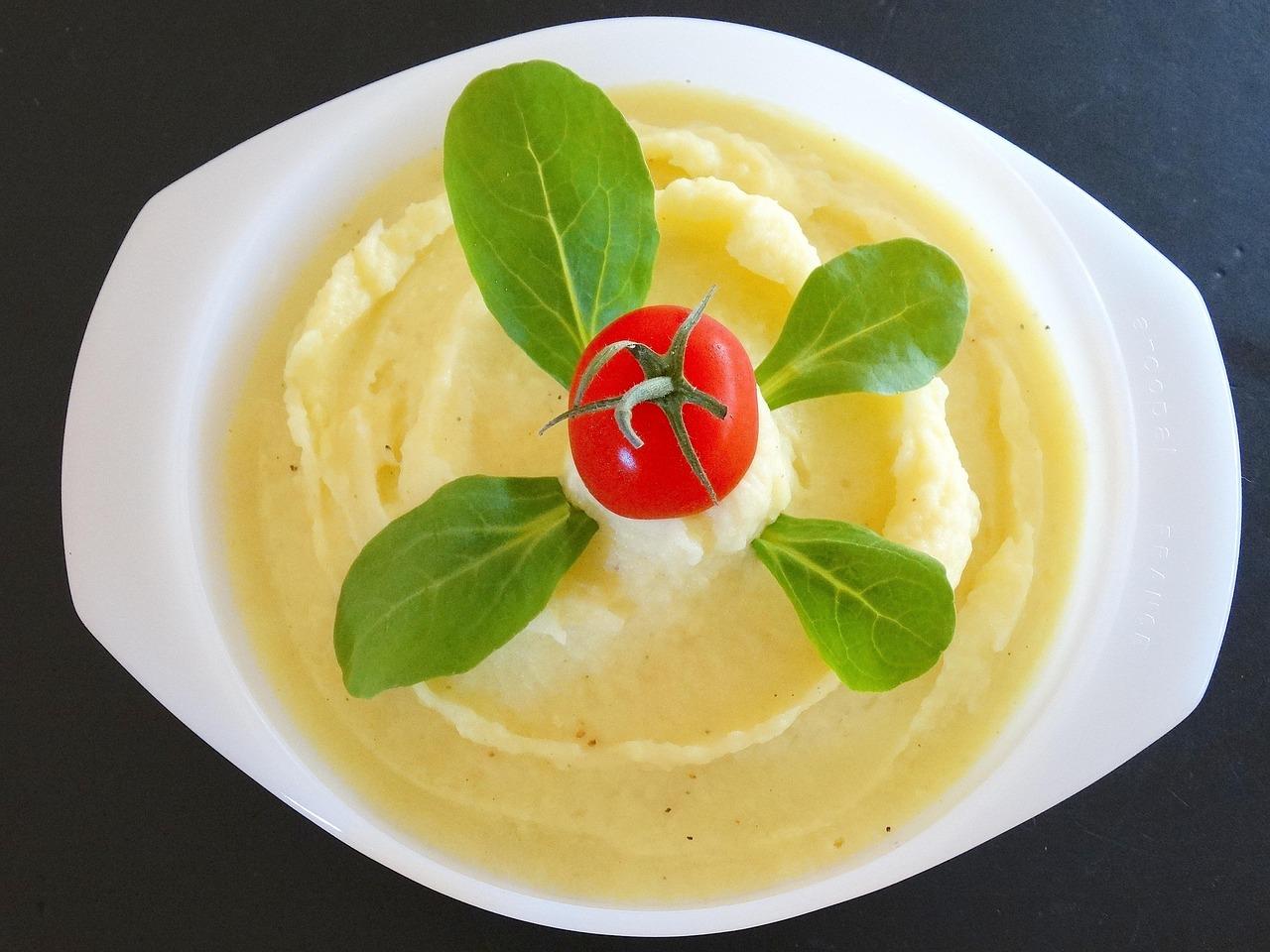
Pommes purée is the smooth, rich mash served all over France with roast chicken, sausages or a Sunday daube, and made famous in Paris restaurants where chefs beat in almost as much butter as potato. Floury potatoes are boiled whole in their skins, peeled hot, pressed through a ricer or sieve and beaten with hot milk and cold butter until silky. The common mistake is mashing in a food processor or with a blender, which turns the starch gluey. Chef's tip: dry the riced potato over a low heat for a minute before adding the butter; drier potato takes in more butter and tastes richer.

by KrazyBadal 0 views

Pommes boulangèrePotatoes baked in stock

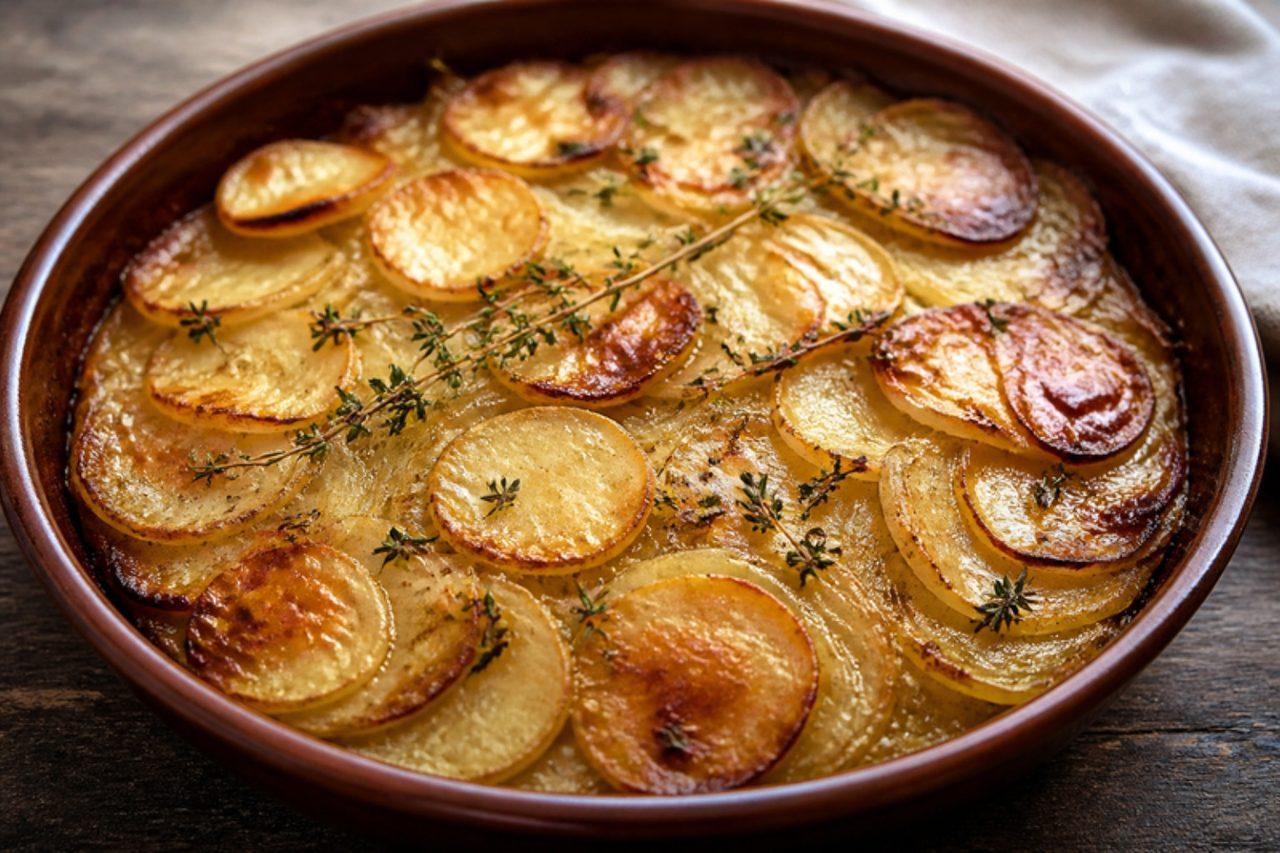
Pommes boulangère takes its name from the village baker, whose oven families once borrowed on Sundays, leaving a dish of potatoes and onions to cook slowly in the falling heat while they were at church; it would come home ready to go with the roast lamb. Thin slices of potato and soft onion are layered with thyme and baked in stock until the top is crisp and the inside tender and savoury. This version uses vegetable stock so it is vegetarian and dairy-free. The common mistake is not softening the onions first, so they stay crunchy. Chef's tip: press the potatoes down with a spatula halfway through baking; they soak up the stock and bake into neat layers.

by KrazyBadal 0 views

Sauce béarnaiseTarragon butter sauce

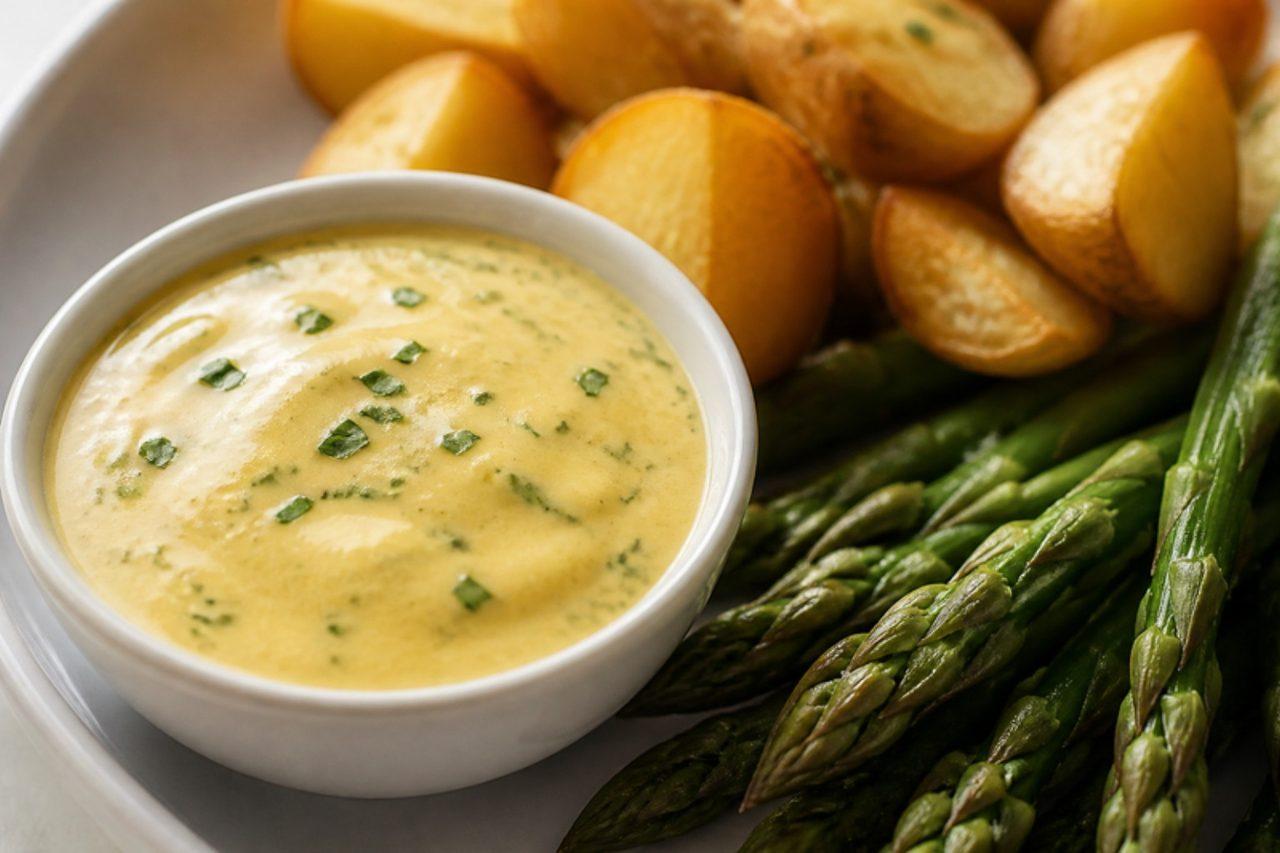
Sauce béarnaise was created in the 1830s at a restaurant in Saint-Germain-en-Laye near Paris and named after the Béarn region, home of King Henri IV, and it is still the sauce French families serve with steak and frites on special evenings. Egg yolks are whisked over gentle heat with a sharp reduction of vinegar, shallot and tarragon, then thickened with warm butter into a glossy, tangy sauce. The yolks are only lightly cooked, so use pasteurised egg yolks if serving anyone pregnant, very young, elderly or with a weakened immune system. The common mistake is too much heat, which scrambles the yolks. Chef's tip: if the sauce starts to look grainy, whisk in a teaspoon of cold water off the heat at once.

by KrazyBadal 0 views

Pommes AnnaLayered buttered potato cake

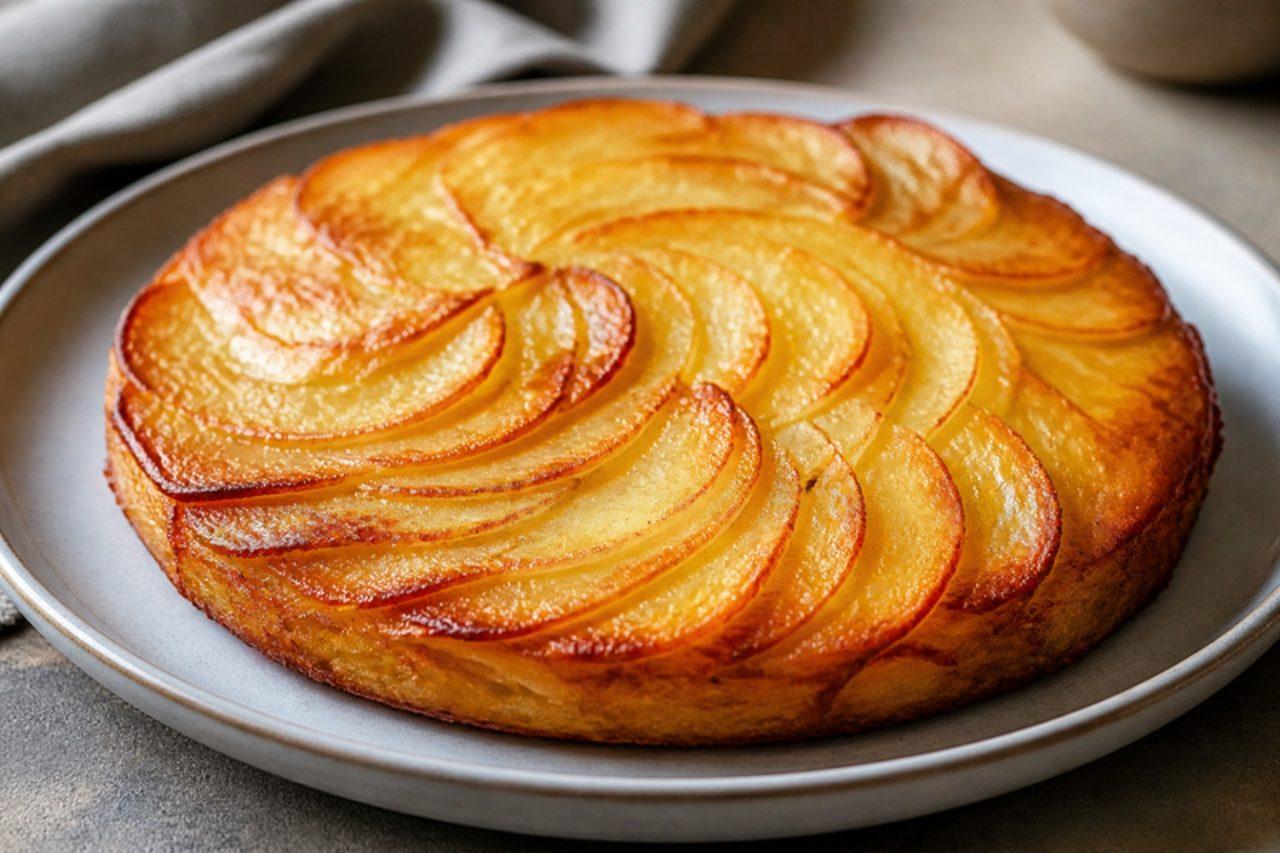
Pommes Anna was created in the 1860s at the Café Anglais in Paris and named after one of the fashionable ladies who dined there, and it is still a special-occasion side dish for roasts and Christmas dinners in French homes. Very thin potato slices are layered in overlapping circles with butter, pressed down and baked until the outside is a crisp golden cake and the inside soft. It is turned out like a tart and cut in wedges. The common mistake is not pressing the layers firmly, so the cake falls apart when turned out. Chef's tip: use clarified butter; it does not burn and gives the deepest golden crust.

by KrazyBadal 0 views

Champignons à la grecqueMushrooms in lemon and coriander

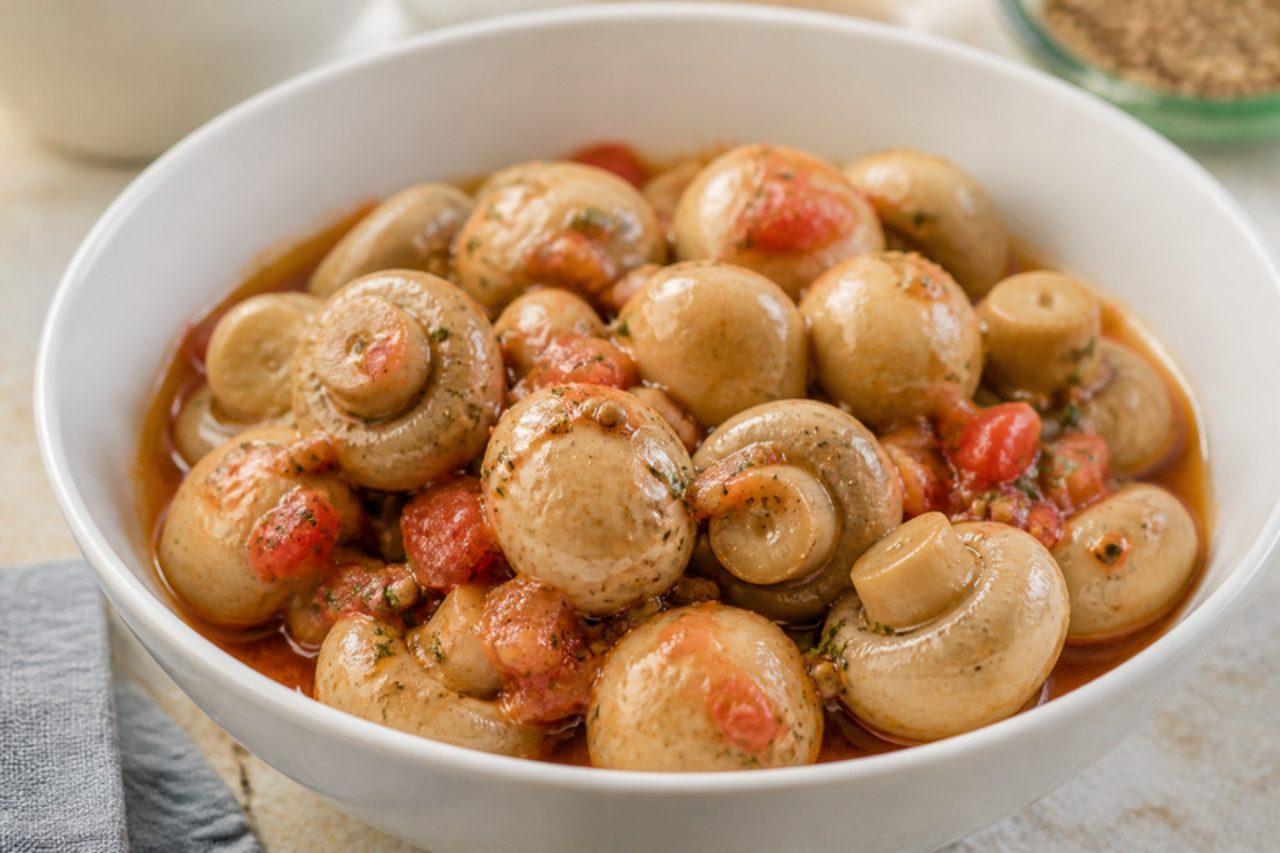
Despite the name, champignons à la grecque are a Parisian invention, a cold starter of the old bistros and delicatessens where vegetables were cooked "the Greek way" in olive oil, lemon and spices. Small button mushrooms simmer with tomato, coriander seed, bay and thyme until they shrink and soak up the tangy liquid, then they are left to cool and served at room temperature with bread on a crudités plate. They are even better made a day ahead. The common mistake is crowding raw mushrooms into a small pan so they stew grey; give them space and a lively simmer. Chef's tip: crush the coriander seeds lightly before adding them; they release a warm, citrus flavour.

by KrazyBadal 0 views

Pâte sucréeSweet tart pastry

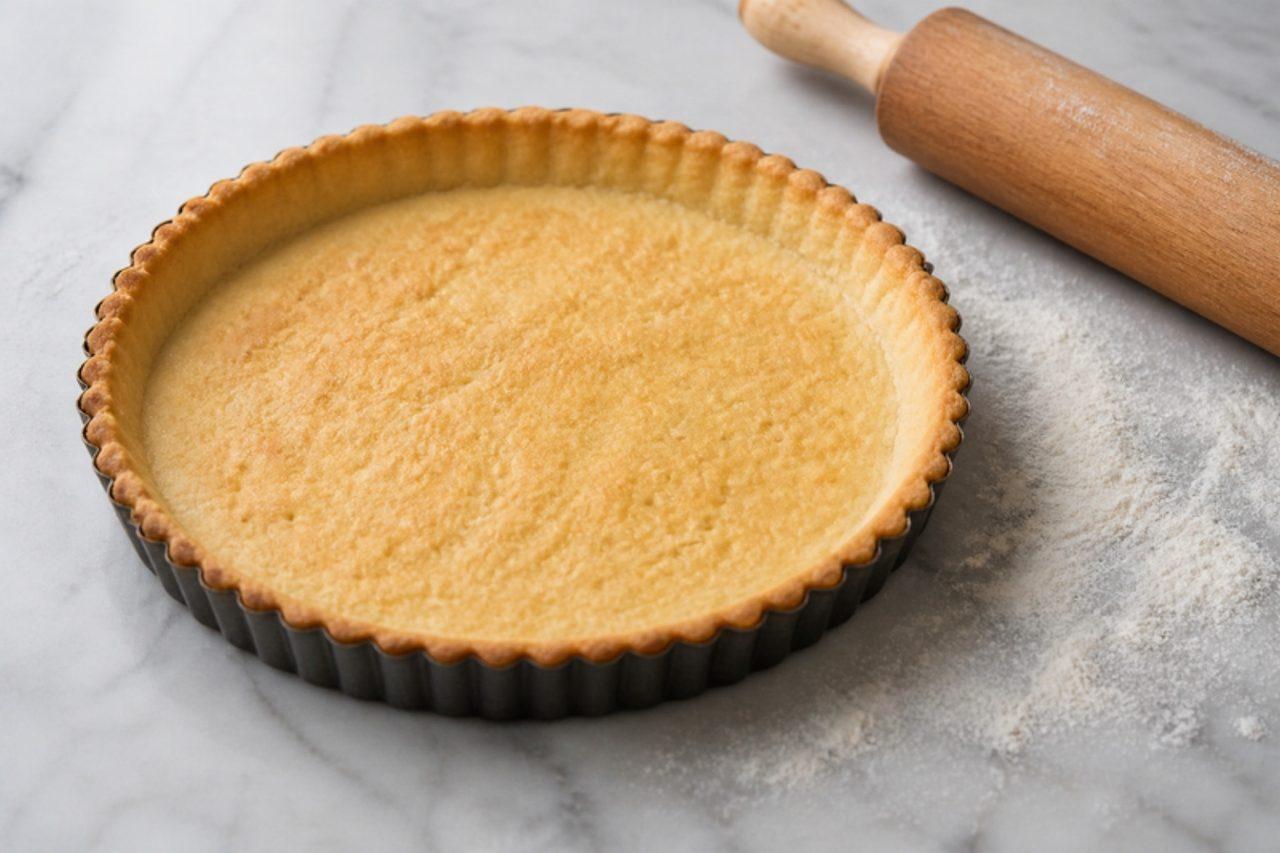
Pâte sucrée is the sweet pastry of French pâtisseries, the crisp, biscuit-like case under every lemon tart, strawberry tart and chocolate tart in the bakery windows from Paris to Marseille. Butter is creamed with icing sugar and egg, then flour and ground almonds are mixed in just until the dough comes together, giving a short, tender crust that holds its shape. The common mistake is working the dough too much, which makes it tough and shrink in the oven. Chef's tip: roll the pastry between two sheets of baking paper straight from mixing, then chill it flat; it is much easier to handle and never cracks.

110 minFrenchBasics
by KrazyBadal 0 views

Gratin savoyardPotato and cheese gratin

Gratin savoyard is the mountain cousin of gratin dauphinois, cooked in the ski villages and farmhouses of Savoie through the long winter, and served alongside roast meats or with a green salad and cured ham for those who eat it. Instead of cream, the thin potato slices are layered with Beaufort cheese and baked in vegetable stock, so the top turns crisp and the inside soft and savoury. Beaufort is made with raw milk and animal rennet, so use a pasteurised or vegetarian hard cheese for anyone pregnant, very young or with a weakened immune system. The common mistake is rinsing the sliced potatoes, which washes away the starch that thickens the stock. Chef's tip: slice the potatoes 3 mm thick on a mandoline so every layer cooks at the same speed.

by KrazyBadal 0 views

Pâte à chouxChoux pastry

Pâte à choux is the cooked dough at the heart of French pâtisserie, piped into éclairs, profiteroles, religieuses and chouquettes in Paris bakeries, and turned savoury with cheese into gougères in Burgundy. Water, milk and butter are boiled, flour is beaten in, the paste is dried on the heat and eggs are beaten in until glossy; in the oven the water turns to steam and puffs each bun hollow. The common mistake is opening the oven early, which makes the puffs collapse. Chef's tip: add the last egg a little at a time; the paste is ready when it falls from the spoon in a thick V-shaped ribbon.

by KrazyBadal 0 views

Petits pois à la françaiseBraised peas with lettuce

Petits pois à la française is the spring side dish of French family Sunday lunches, served with roast chicken or lamb from April to June, when fresh peas and soft round lettuces arrive in the markets together. The peas are braised in their own steam with shredded lettuce, spring onions and butter, which melts into a sweet, glossy little sauce. Frozen petits pois work very well out of season. The common mistake is adding too much water, which boils the peas grey instead of braising them. Chef's tip: a pinch of sugar brings out the sweetness of the peas, especially if they are a little starchy.

by KrazyBadal 0 views

Sole meunièreSole in browned butter

Sole meunière, "in the style of the miller's wife", is the fish dish of old Paris brasseries and Normandy seaside restaurants, served on Fridays and for special lunches with boiled potatoes. The sole is dusted in flour and cooked in foaming butter until golden, then bathed in nutty browned butter with lemon juice and parsley. The common mistake is a pan that is too crowded or not hot enough, so the flour turns soggy instead of crisp. Chef's tip: cook the fish in clarified butter or butter with a little oil, then make a fresh batch of browned butter for the sauce; it stays golden, not burnt.

25 minFrenchFish
by KrazyBadal 0 views

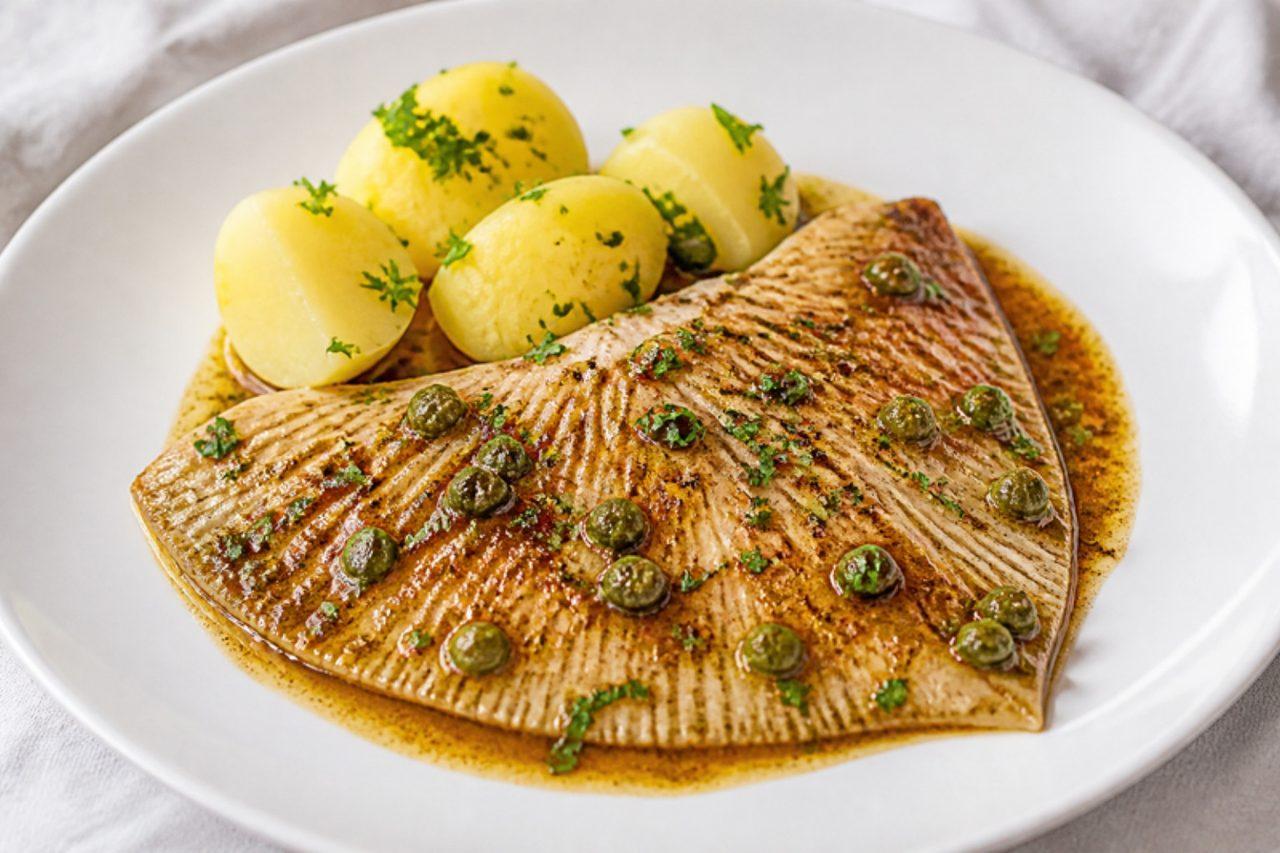
Raie au beurre noirSkate in brown butter

Raie au beurre noir is a much-loved bistro and home dish all along the French coasts and in Paris, served on Fridays with boiled potatoes. The skate wing is poached gently in a vinegary court-bouillon until the soft, ribbed flesh slides off its cartilage, then it is covered with butter cooked until deep brown and nutty, sharpened with capers and a splash of vinegar. Despite the name, the butter should be dark hazelnut, never black and burnt. The common mistake is overcooking the skate, which turns it stringy. Chef's tip: buy skate very fresh; any smell of ammonia means it is old.

30 minFrenchFishGluten free
by KrazyBadal 0 views

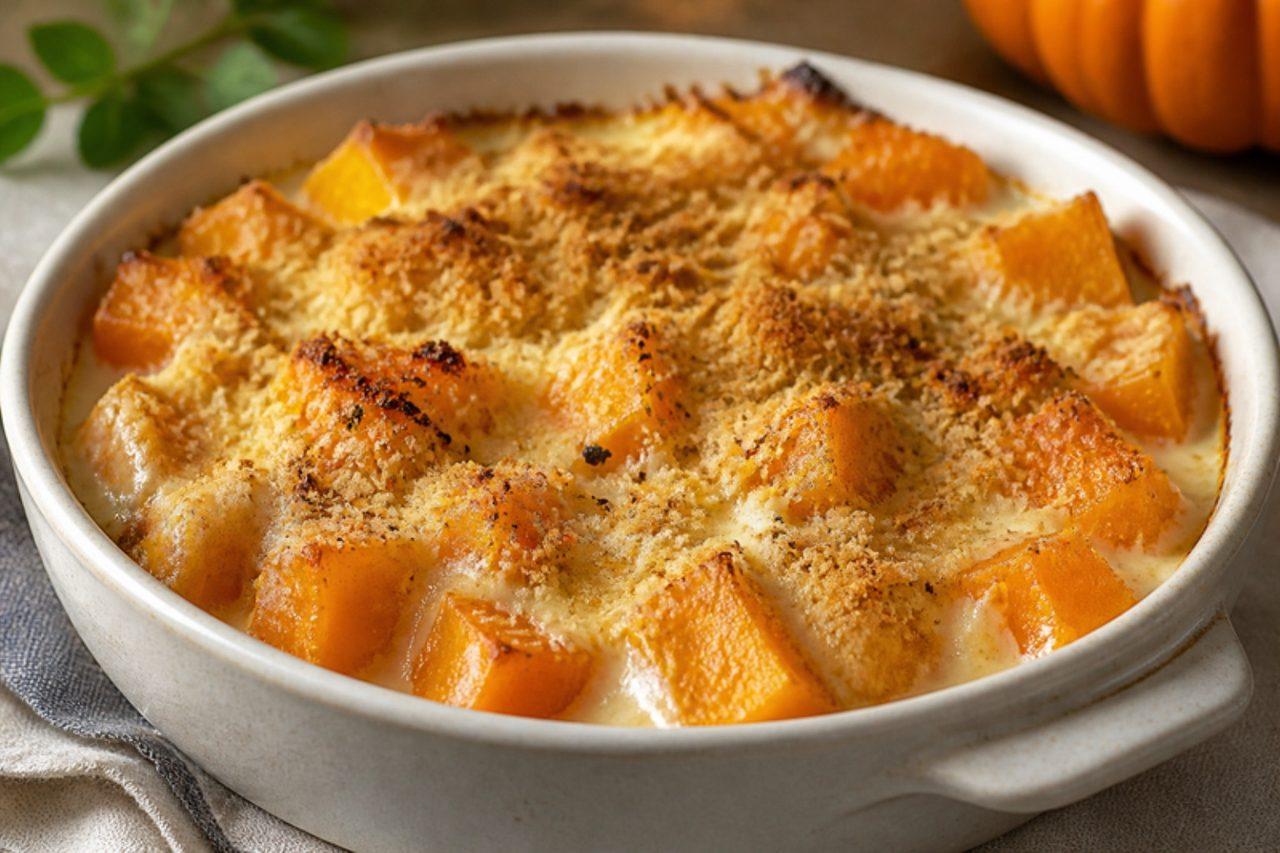
Gratin de potironPumpkin gratin

Gratin de potiron is the autumn gratin of French homes, made from October to December when big orange pumpkins and squashes are sold by the slice in every market. Cubes of pumpkin are baked in cream with garlic and nutmeg under a lid of cheese until melting, sweet and bubbling. It goes beautifully with roast chicken or a green salad. Comté and Gruyère are usually made with animal rennet, and often with raw milk, so use a vegetarian or pasteurised cheese for anyone pregnant or with a weakened immune system. The common mistake is using a watery pumpkin without roasting it first. Chef's tip: roast the cubes for 15 minutes before adding the cream; they lose water and caramelise slightly.

by KrazyBadal 0 views

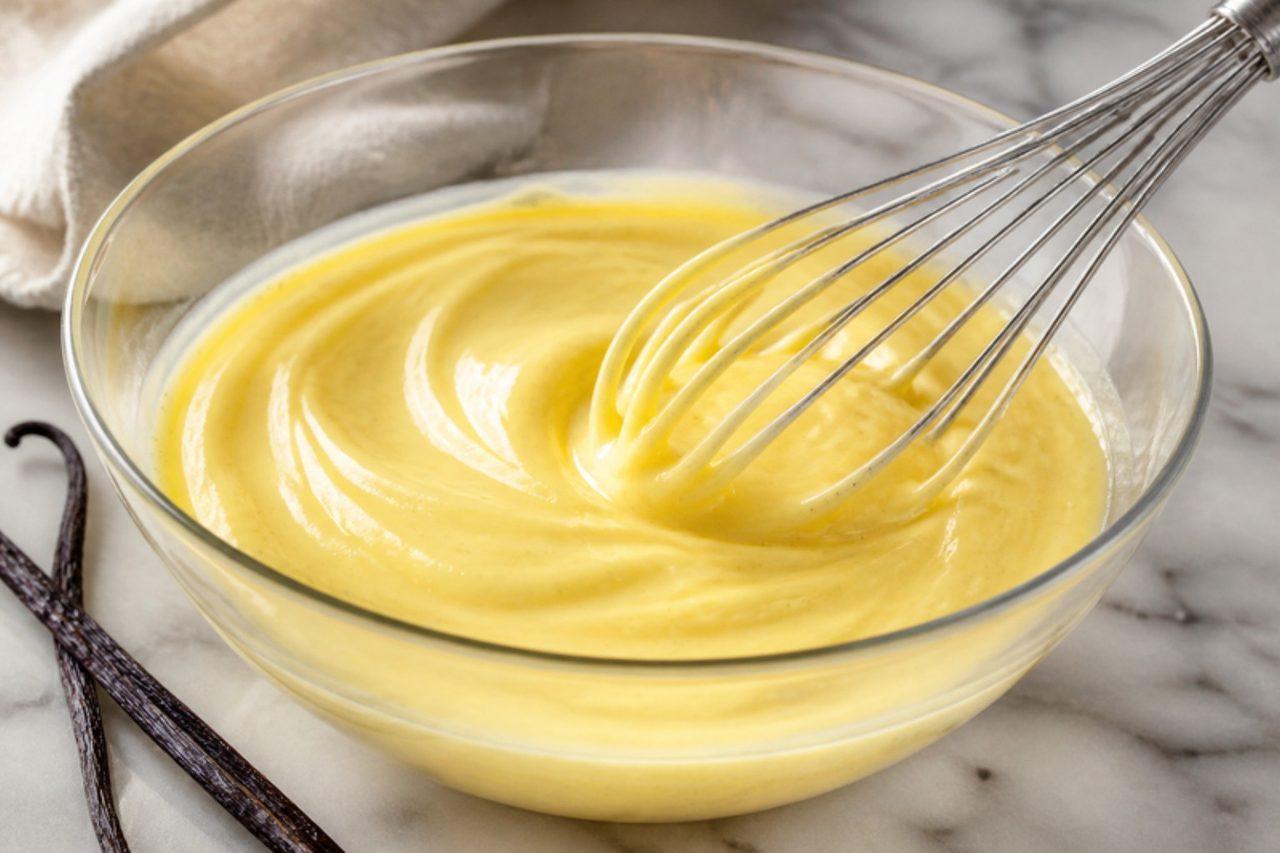
Crème pâtissièrePastry cream

Crème pâtissière is the vanilla pastry cream of every French bakery, piped into éclairs and choux, spread under strawberries in fruit tarts and swirled through pains aux raisins. Milk infused with vanilla is whisked into egg yolks, sugar and cornflour, then boiled until thick and glossy and chilled. The common mistake is stopping before it boils, so it stays floury and runny; it must bubble for a full minute. Chef's tip: press cling film right on the surface as it cools to stop a skin forming.

by KrazyBadal 0 views

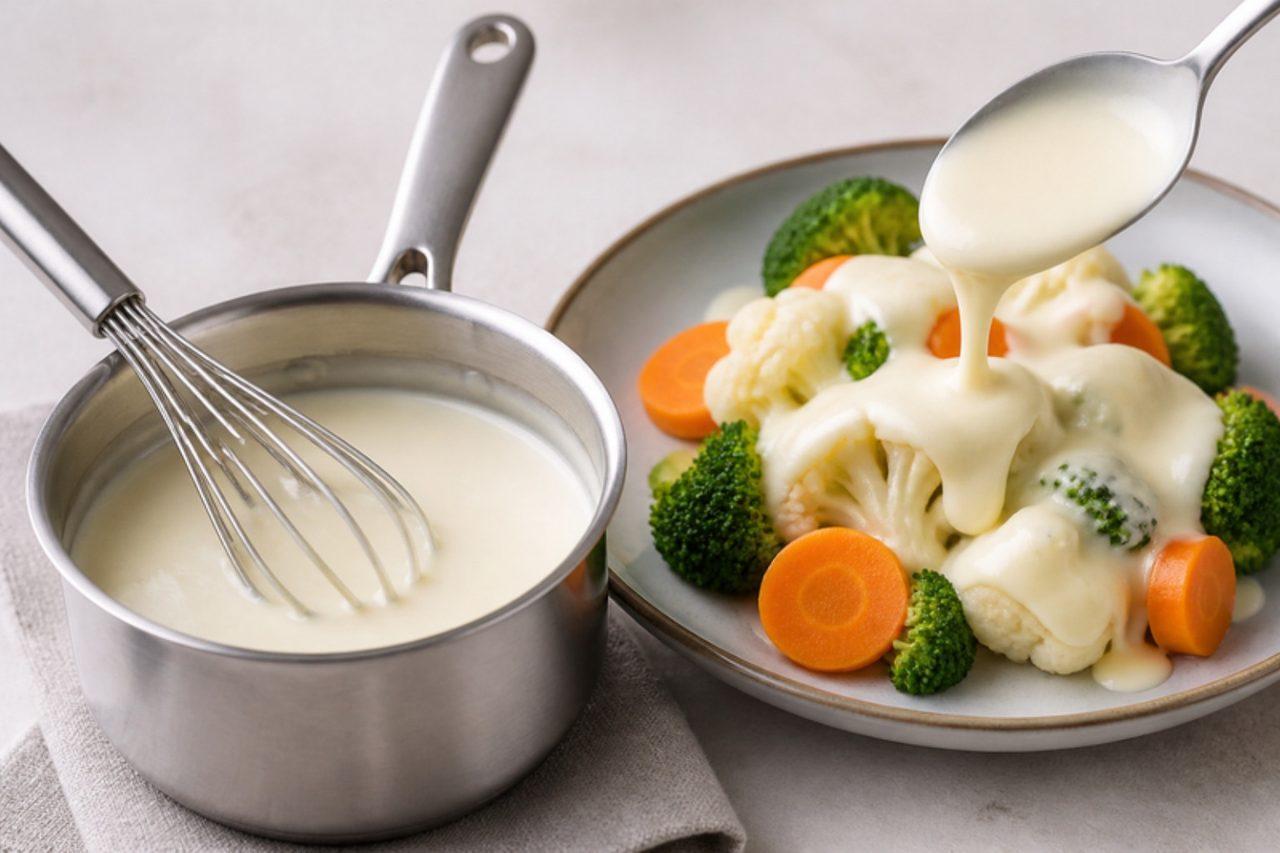
Sauce veloutéLight stock white sauce

Velouté is one of the five mother sauces of classic French cooking, taught in every cookery school from Paris to Lyon and used as the base for dozens of sauces for vegetables, eggs, chicken and fish. A blond roux of butter and flour is cooked without browning, then whisked into hot light stock and simmered until silky. This version uses vegetable stock so it is vegetarian; for the classic, use chicken, veal or fish stock to match the dish. The common mistake is not simmering long enough, which leaves the sauce tasting of raw flour. Chef's tip: add the hot stock to a warm roux gradually, whisking hard, and you will never get lumps.

by KrazyBadal 0 views

Showing 24 of 66 recipes

Show more recipes

Page 1 of 3