Skip to content
Recipes

All recipes

Vegetarian, or something you can't eat? Set your diet once and we'll hide recipes that don't fit.

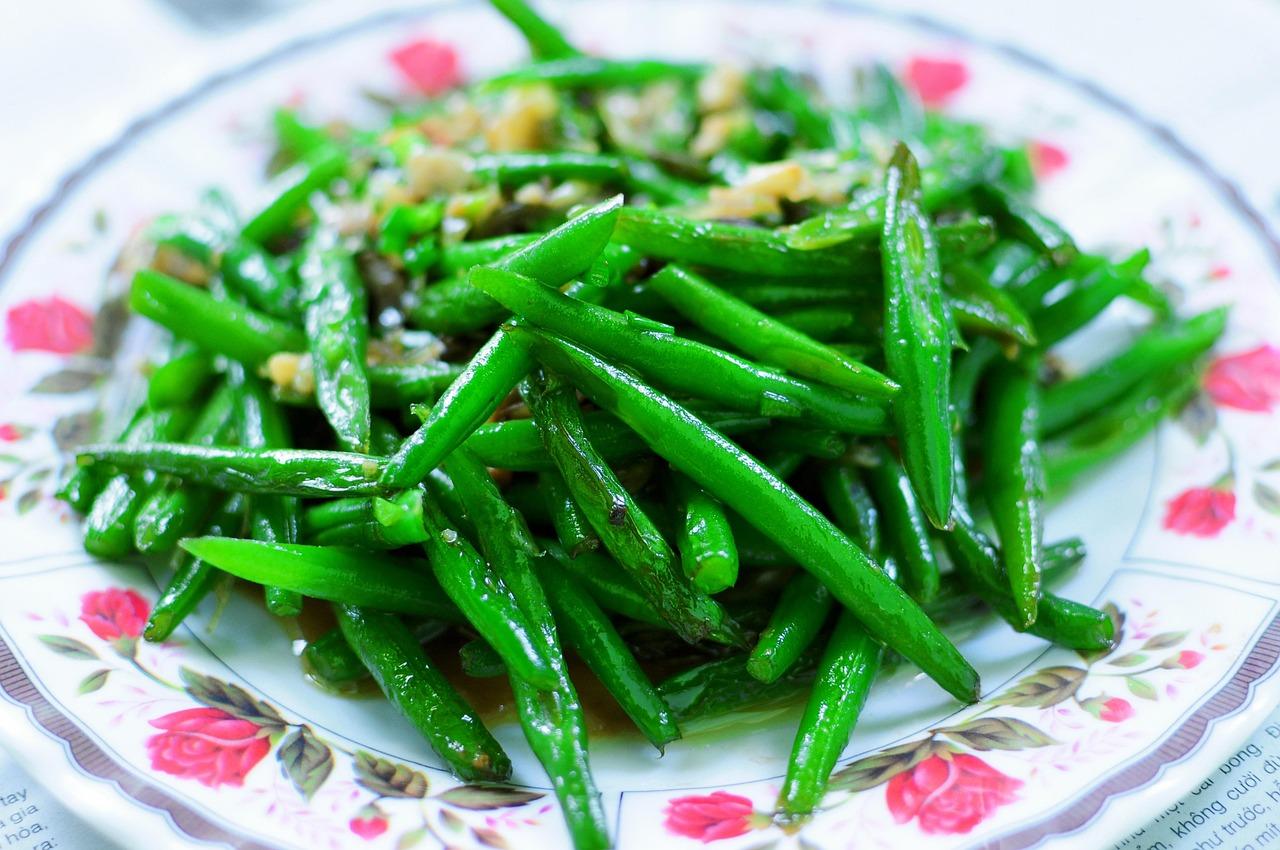
Haricots verts persillésGreen beans with garlic and parsley

Haricots verts persillés are the green beans that sit beside roast chicken, an omelette or a plate of potatoes in homes all over France, especially in June and July when fine beans are at their best. They are blanched until just tender, then tossed in foaming butter with a little garlic and lots of chopped parsley, so they stay bright green with a slight snap. Using olive oil instead of butter makes them vegan. The most common mistake is cooking the beans in too little water, so it stops boiling and they turn olive-grey; use a big pot of well-salted water. Chef's tip: cool the beans in iced water after blanching if you want to make them ahead, then warm them in the butter just before serving.

by KrazyBadal 0 views

Tomates à la provençaleBaked garlic breadcrumb tomatoes

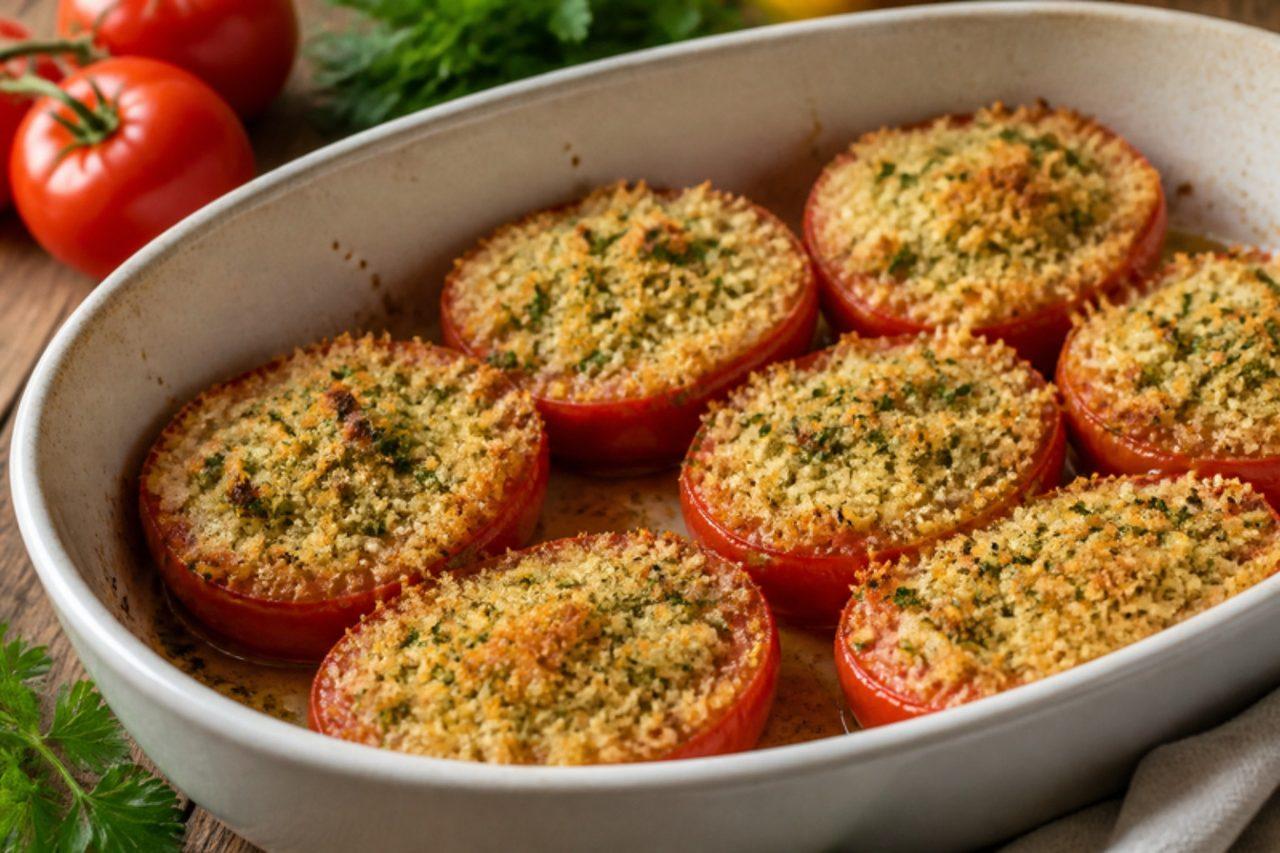
Tomates à la provençale are the summer side dish of every Provençal kitchen, set out at lunch from June to September beside grilled fish, lamb or an omelette. Ripe tomato halves are baked slowly, cut side up, under a heap of garlic, parsley and olive-oil breadcrumbs until the tomatoes slump and caramelise and the topping crisps. The common mistake is using under-ripe tomatoes, which stay sour and firm. Chef's tip: salt the cut tomatoes and turn them upside down for 15 minutes before topping; they lose excess juice and the crumbs stay crisp.

by KrazyBadal 0 views

Pommes puréeSmooth mashed potatoes

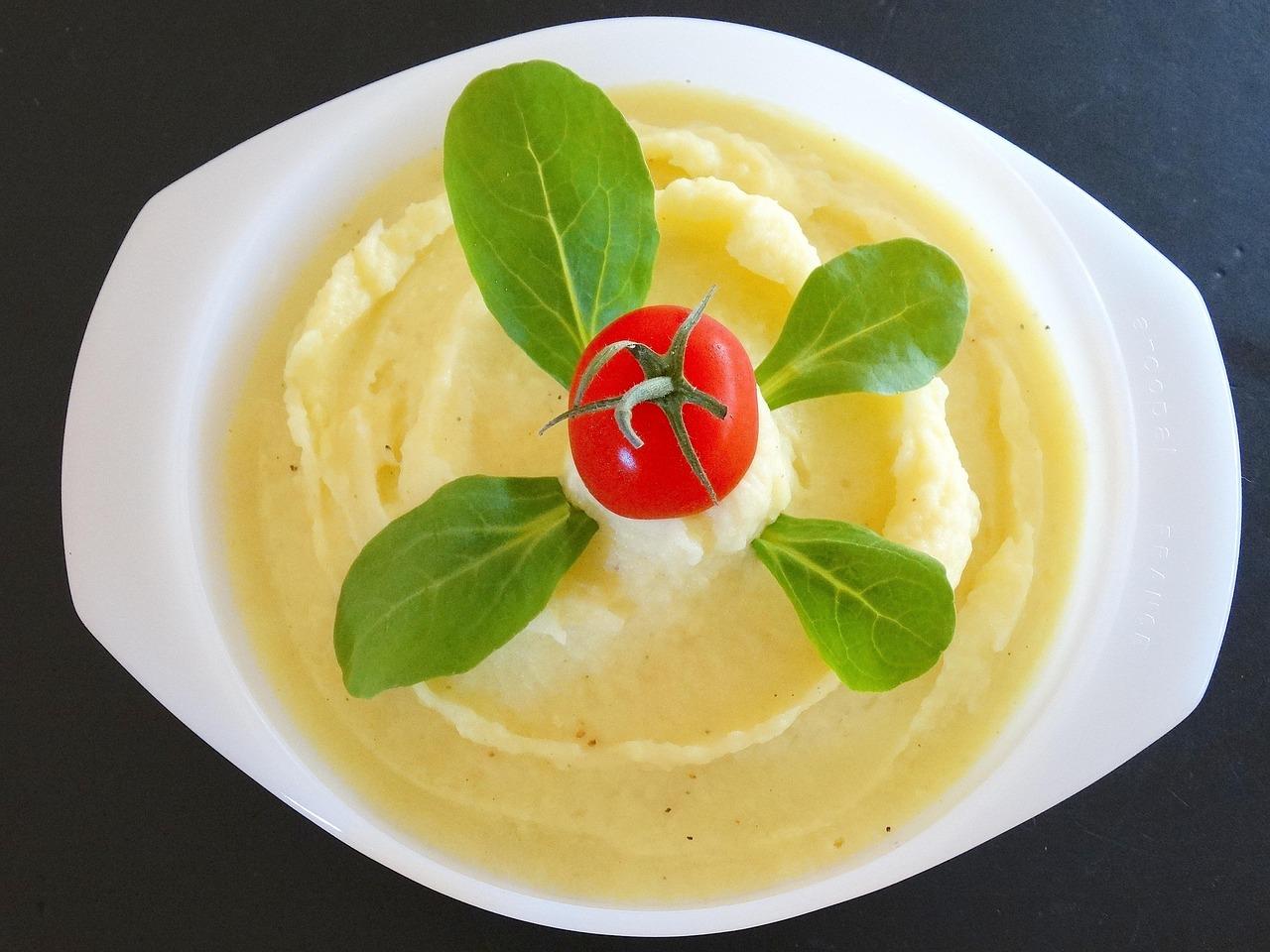
Pommes purée is the smooth, rich mash served all over France with roast chicken, sausages or a Sunday daube, and made famous in Paris restaurants where chefs beat in almost as much butter as potato. Floury potatoes are boiled whole in their skins, peeled hot, pressed through a ricer or sieve and beaten with hot milk and cold butter until silky. The common mistake is mashing in a food processor or with a blender, which turns the starch gluey. Chef's tip: dry the riced potato over a low heat for a minute before adding the butter; drier potato takes in more butter and tastes richer.

by KrazyBadal 0 views

Pommes boulangèrePotatoes baked in stock

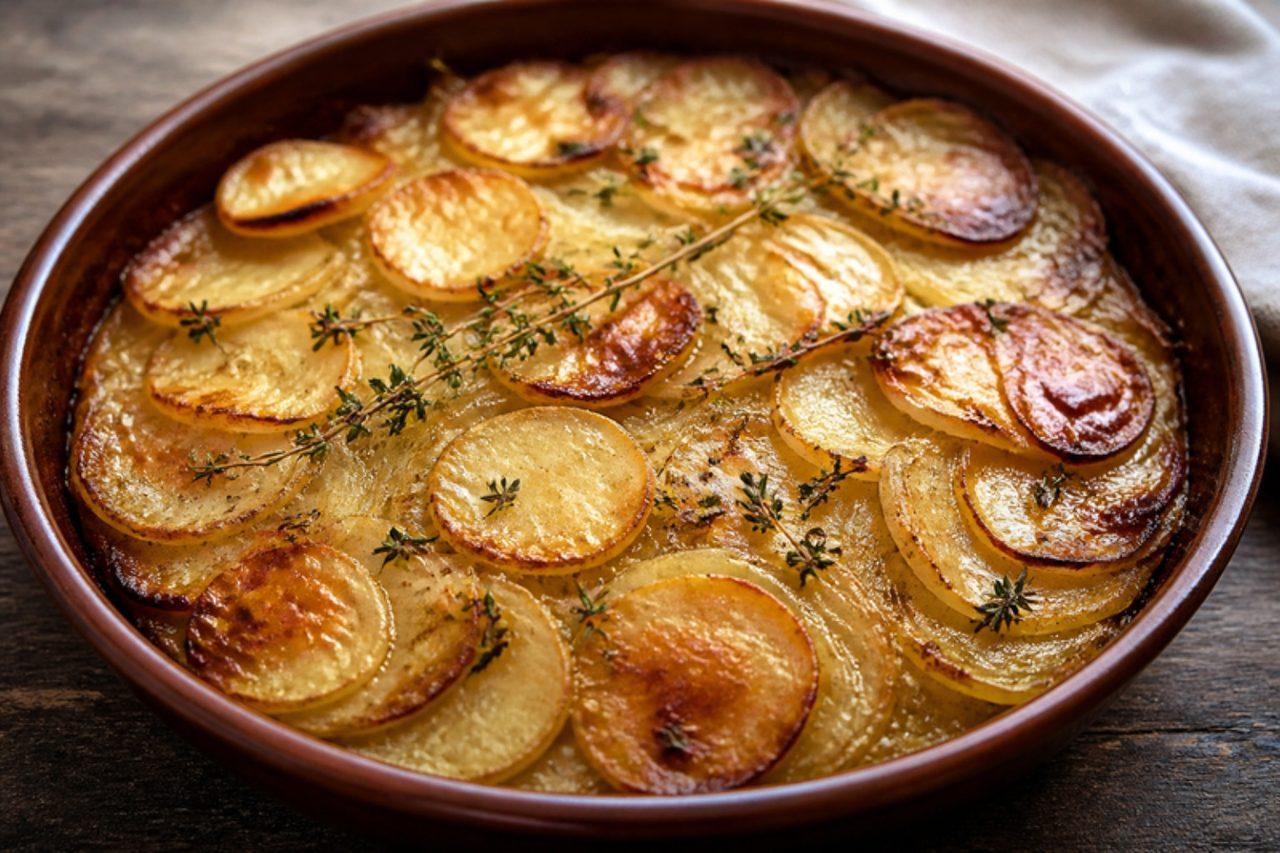
Pommes boulangère takes its name from the village baker, whose oven families once borrowed on Sundays, leaving a dish of potatoes and onions to cook slowly in the falling heat while they were at church; it would come home ready to go with the roast lamb. Thin slices of potato and soft onion are layered with thyme and baked in stock until the top is crisp and the inside tender and savoury. This version uses vegetable stock so it is vegetarian and dairy-free. The common mistake is not softening the onions first, so they stay crunchy. Chef's tip: press the potatoes down with a spatula halfway through baking; they soak up the stock and bake into neat layers.

by KrazyBadal 0 views

Pommes AnnaLayered buttered potato cake

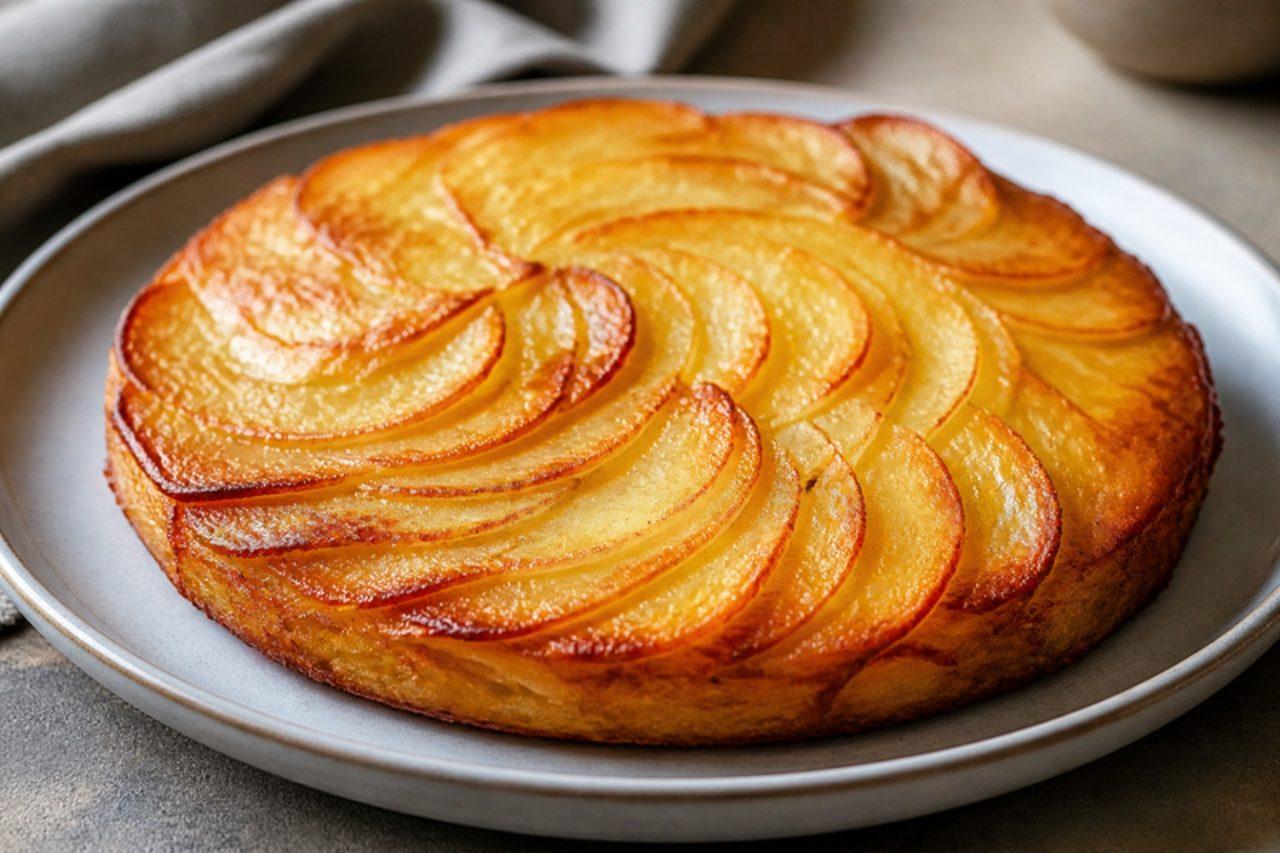
Pommes Anna was created in the 1860s at the Café Anglais in Paris and named after one of the fashionable ladies who dined there, and it is still a special-occasion side dish for roasts and Christmas dinners in French homes. Very thin potato slices are layered in overlapping circles with butter, pressed down and baked until the outside is a crisp golden cake and the inside soft. It is turned out like a tart and cut in wedges. The common mistake is not pressing the layers firmly, so the cake falls apart when turned out. Chef's tip: use clarified butter; it does not burn and gives the deepest golden crust.

by KrazyBadal 0 views

Champignons à la grecqueMushrooms in lemon and coriander

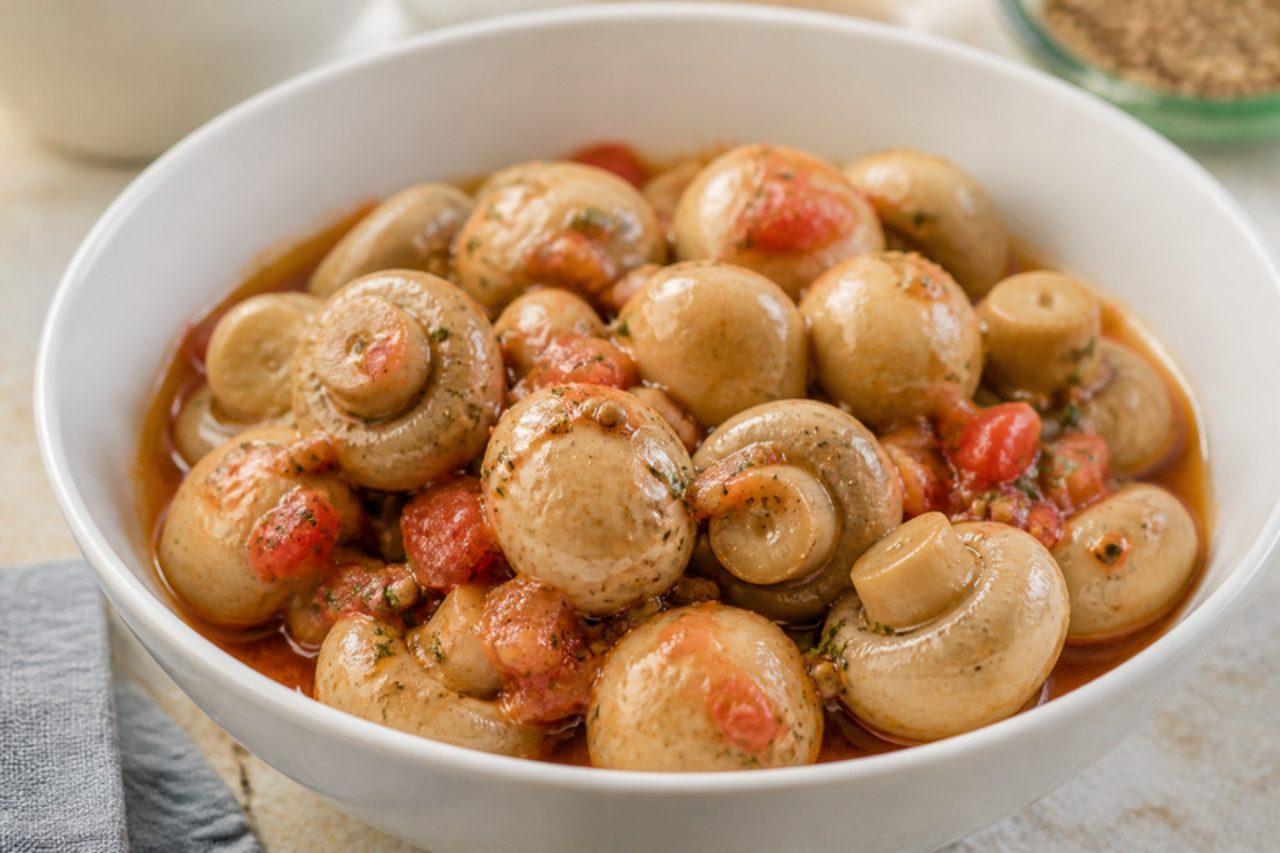
Despite the name, champignons à la grecque are a Parisian invention, a cold starter of the old bistros and delicatessens where vegetables were cooked "the Greek way" in olive oil, lemon and spices. Small button mushrooms simmer with tomato, coriander seed, bay and thyme until they shrink and soak up the tangy liquid, then they are left to cool and served at room temperature with bread on a crudités plate. They are even better made a day ahead. The common mistake is crowding raw mushrooms into a small pan so they stew grey; give them space and a lively simmer. Chef's tip: crush the coriander seeds lightly before adding them; they release a warm, citrus flavour.

by KrazyBadal 0 views

Petits pois à la françaiseBraised peas with lettuce

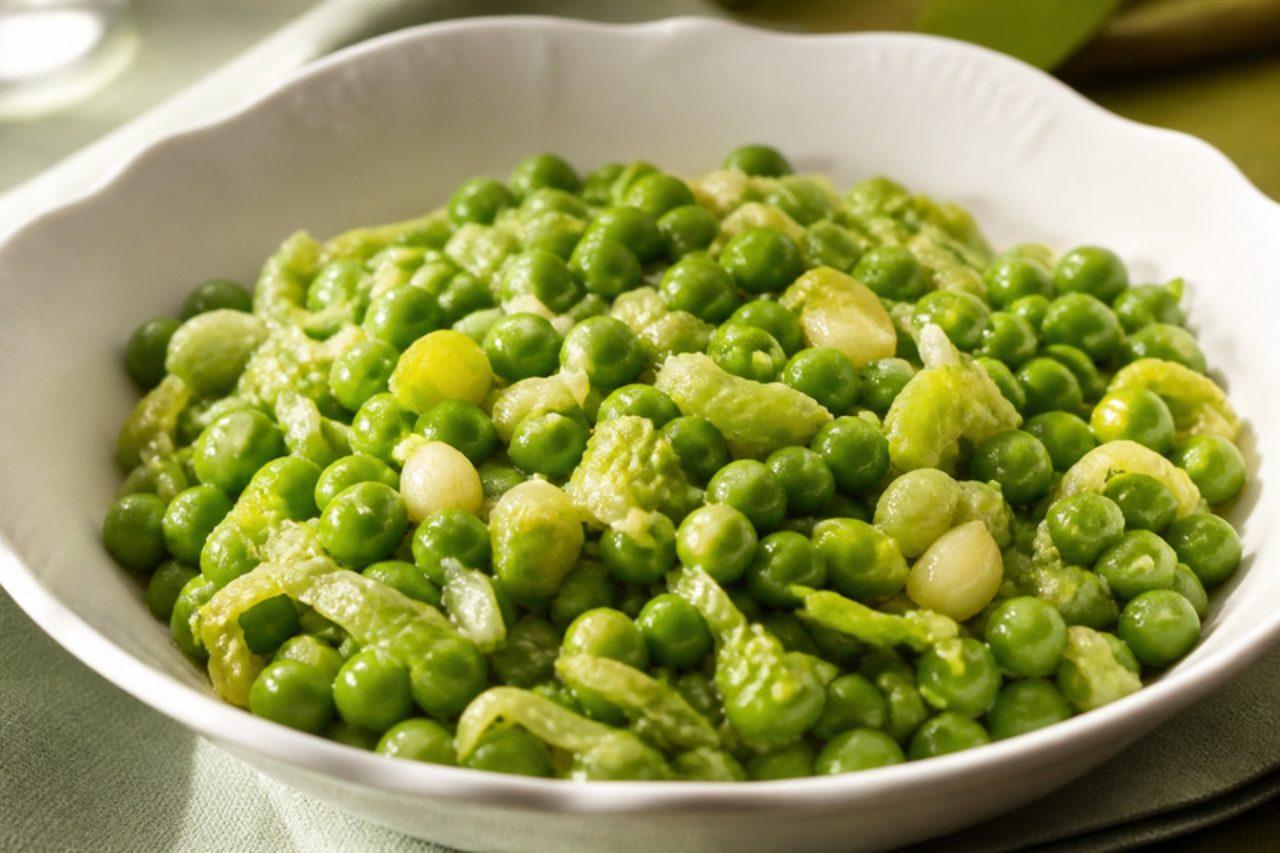
Petits pois à la française is the spring side dish of French family Sunday lunches, served with roast chicken or lamb from April to June, when fresh peas and soft round lettuces arrive in the markets together. The peas are braised in their own steam with shredded lettuce, spring onions and butter, which melts into a sweet, glossy little sauce. Frozen petits pois work very well out of season. The common mistake is adding too much water, which boils the peas grey instead of braising them. Chef's tip: a pinch of sugar brings out the sweetness of the peas, especially if they are a little starchy.

by KrazyBadal 0 views

Gratin de potironPumpkin gratin

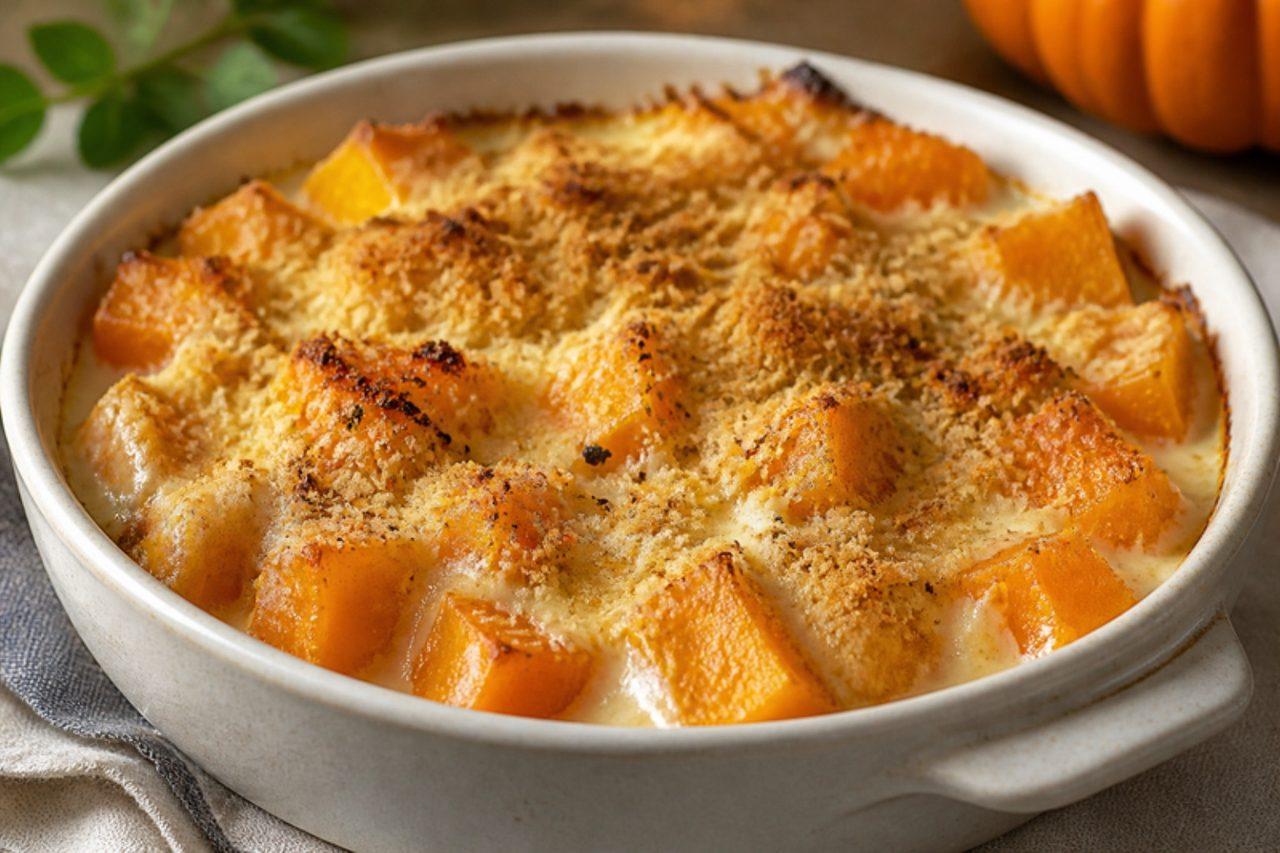
Gratin de potiron is the autumn gratin of French homes, made from October to December when big orange pumpkins and squashes are sold by the slice in every market. Cubes of pumpkin are baked in cream with garlic and nutmeg under a lid of cheese until melting, sweet and bubbling. It goes beautifully with roast chicken or a green salad. Comté and Gruyère are usually made with animal rennet, and often with raw milk, so use a vegetarian or pasteurised cheese for anyone pregnant or with a weakened immune system. The common mistake is using a watery pumpkin without roasting it first. Chef's tip: roast the cubes for 15 minutes before adding the cream; they lose water and caramelise slightly.

by KrazyBadal 0 views

Gratin de fenouilFennel gratin

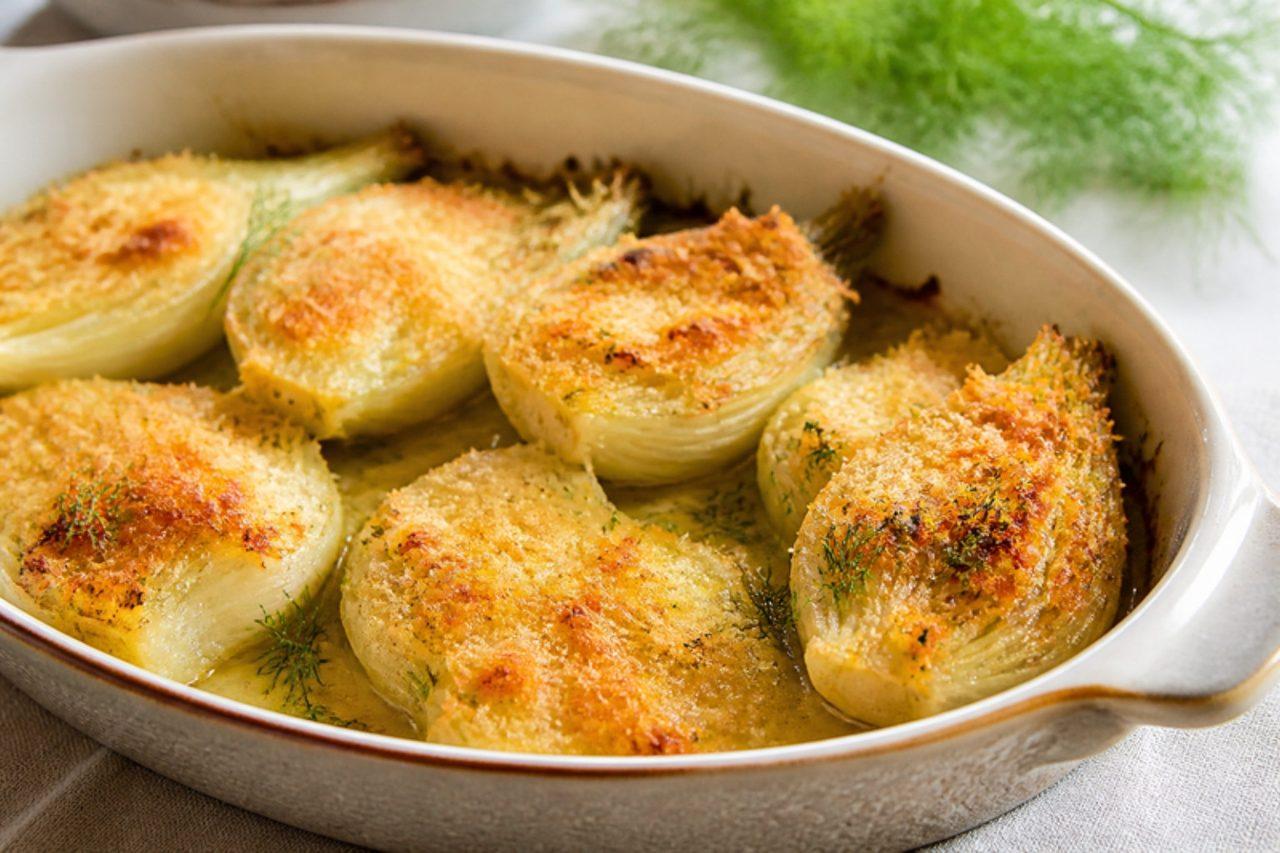
Gratin de fenouil is a winter side dish from Provence, where fennel grows wild on the hills and the bulbs fill markets from October to March. The wedges are braised in olive oil and a little stock until soft and sweet, their aniseed flavour mellowing, then baked under Parmesan and breadcrumbs until crisp. It goes well with fish or a bean stew. Parmesan is always made with animal rennet; use a vegetarian Italian-style hard cheese for a vegetarian dish. The common mistake is baking raw fennel, which stays hard and fibrous. Chef's tip: keep the core in each wedge so the layers hold together.

by KrazyBadal 0 views

Gratin savoyardPotato and cheese gratin

Gratin savoyard is the mountain cousin of gratin dauphinois, cooked in the ski villages and farmhouses of Savoie through the long winter, and served alongside roast meats or with a green salad and cured ham for those who eat it. Instead of cream, the thin potato slices are layered with Beaufort cheese and baked in vegetable stock, so the top turns crisp and the inside soft and savoury. Beaufort is made with raw milk and animal rennet, so use a pasteurised or vegetarian hard cheese for anyone pregnant, very young or with a weakened immune system. The common mistake is rinsing the sliced potatoes, which washes away the starch that thickens the stock. Chef's tip: slice the potatoes 3 mm thick on a mandoline so every layer cooks at the same speed.

by KrazyBadal 0 views

Mandi'o chyryryFried cassava with onion and egg

Mandi'o chyryry means 'fried cassava' in Guaraní, and it is what rural Paraguayan families make from yesterday's boiled mandi'o: chunks crushed and fried in a big pan with onion until crisp in places, then scrambled with eggs. It comes out for breakfast with cocido or for a quick supper, and costs next to nothing. Use sweet cassava, the kind sold in supermarkets. The mistake is stirring constantly, which turns it to mush; let the cassava sit and brown. Chef's tip: the best chyryry starts with cold, day-old boiled cassava, which fries crisper than freshly boiled.

by KrazyBadal 0 views

Fondue de poireauxSlow-cooked leeks in butter

Fondue de poireaux is a winter side from northern France and Belgium, cooked in home kitchens from Picardy to Lille whenever leeks are cheap and sweet. Thinly sliced leeks are sweated very gently in butter with a lid on until they collapse into a soft, pale-green tangle, then finished with a spoon of cream and nutmeg. Serve it with roast fish, eggs, potatoes, or spooned onto toast as a light supper. The usual mistake is cooking over too high a heat, which browns the leeks and makes them bitter; they should never colour. Chef's tip: wash the sliced leeks in a bowl of water and lift them out with your hands, so the grit stays at the bottom.

by KrazyBadal 0 views

Carottes VichyGlazed carrots

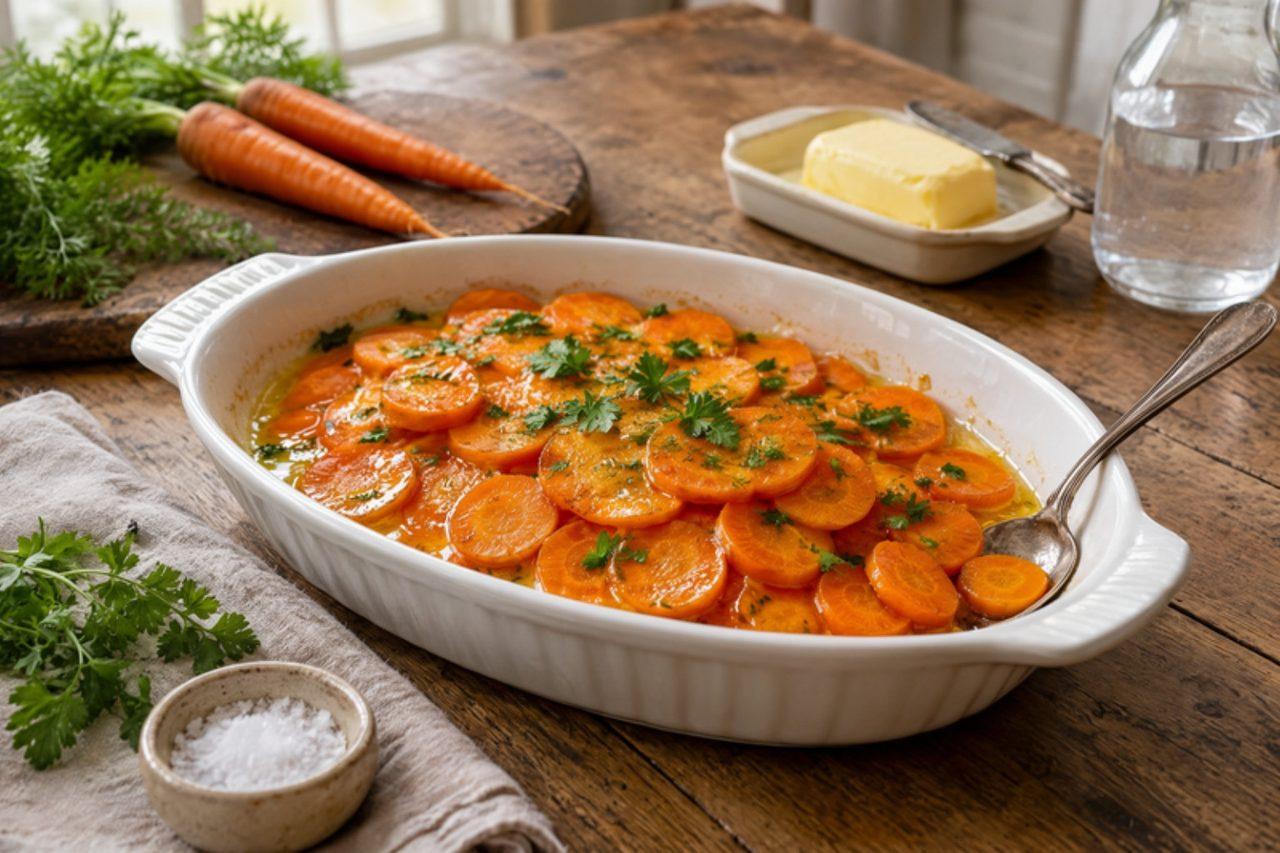
Carottes Vichy come from the spa town of Vichy in the Auvergne, where they were cooked in the local mineral water; today they are the classic French bistro and Sunday-lunch side, loved by children. Thin rounds of carrot simmer with butter, a little sugar and salt in just enough water, so that when the carrots are tender the water has boiled down to a shiny glaze. Serve with roast chicken, an omelette or lentils. The usual mistake is using too much water, so you must drain away the flavour; it should just cover the carrots. Chef's tip: a pinch of bicarbonate of soda in the water copies Vichy's alkaline water and helps the carrots turn sweet and bright.

by KrazyBadal 0 views

TruffadeFried potatoes with Cantal cheese

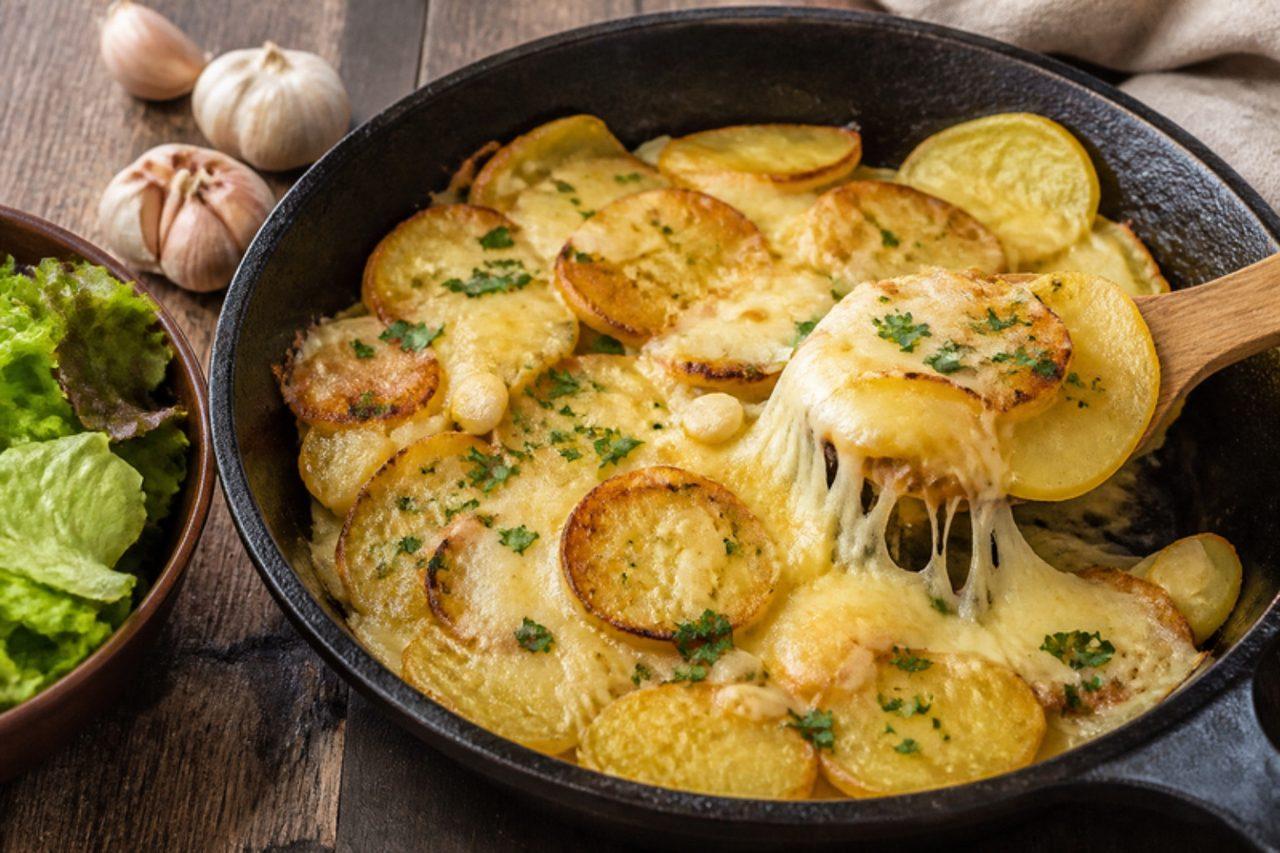
Truffade is cattle-herders' food from the volcanic mountains of the Cantal, cooked in a big pan over the fire in the stone burons where Salers cows spend the summer. Potato slices are fried until tender and lightly golden, then folded with thin slices of young tomme fraîche du Cantal until the cheese melts into strings, and the whole thing is eaten with a green salad, nothing else. Herders used lard; this version uses butter and oil, so it is vegetarian. Tomme du Cantal is made with animal rennet; a young vegetarian cheese that melts well, such as a mild Lancashire-style or vegetarian mozzarella, also works. Chef's tip: slice the potatoes as thin as a coin so they cook through before they burn.

by KrazyBadal 0 views

AligotCheesy garlic mashed potato

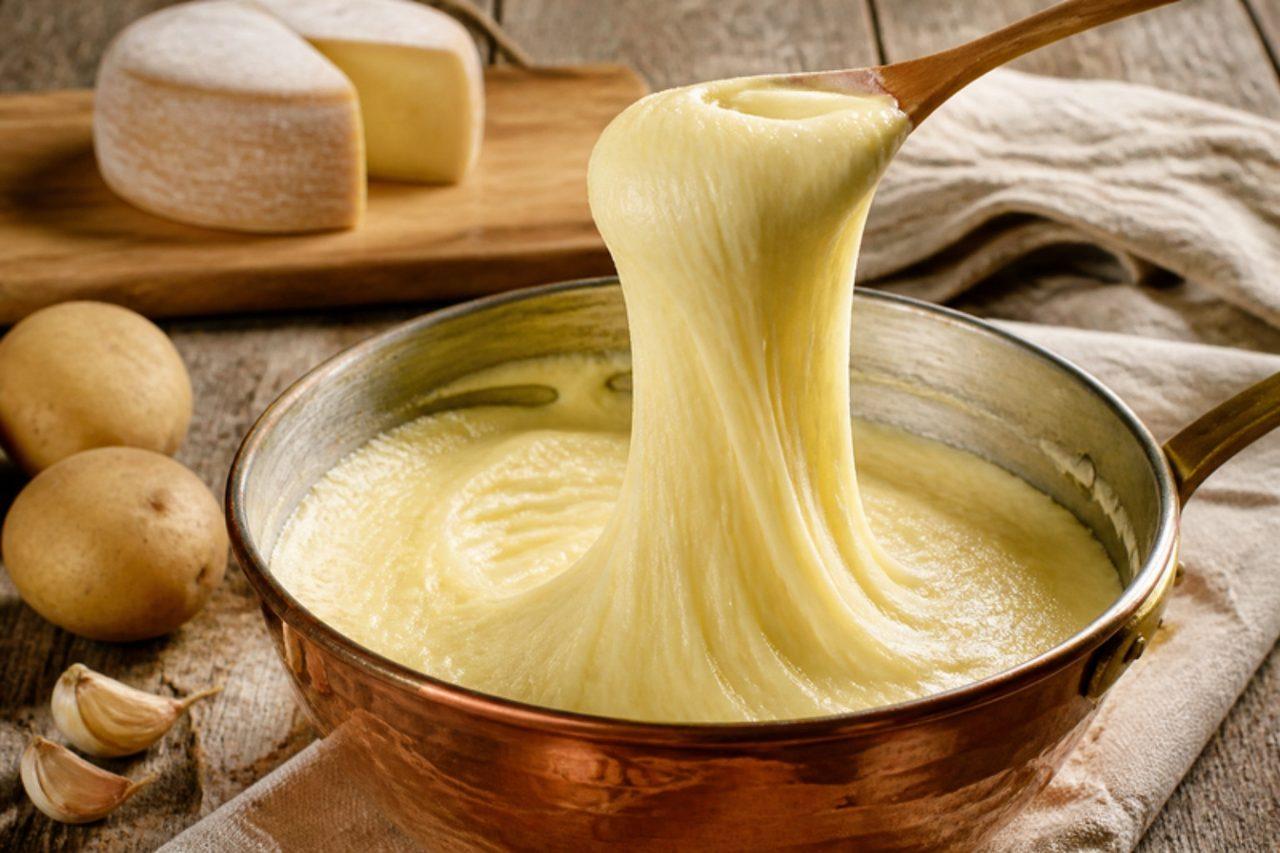
High on the Aubrac plateau, where Aveyron, Cantal and Lozère meet, aligot was once the meal monks gave to pilgrims on the road to Santiago. Today it is beaten in huge copper pans at village fêtes and buron farm restaurants around Laguiole, then lifted high on a wooden spoon in long, glossy ribbons before it is served beside sausages or, for a vegetarian table, a big green salad and roasted mushrooms. It is a mash of floury potato, butter, cream and garlic, worked with young tomme fraîche until it stretches like mozzarella. Tomme fraîche is made with animal rennet; a mix of vegetarian mozzarella and a vegetarian mild cheddar gives a similar stretch. Chef's tip: keep beating in a figure of eight once the cheese goes in; the stretch only comes with steady work.

by KrazyBadal 0 views

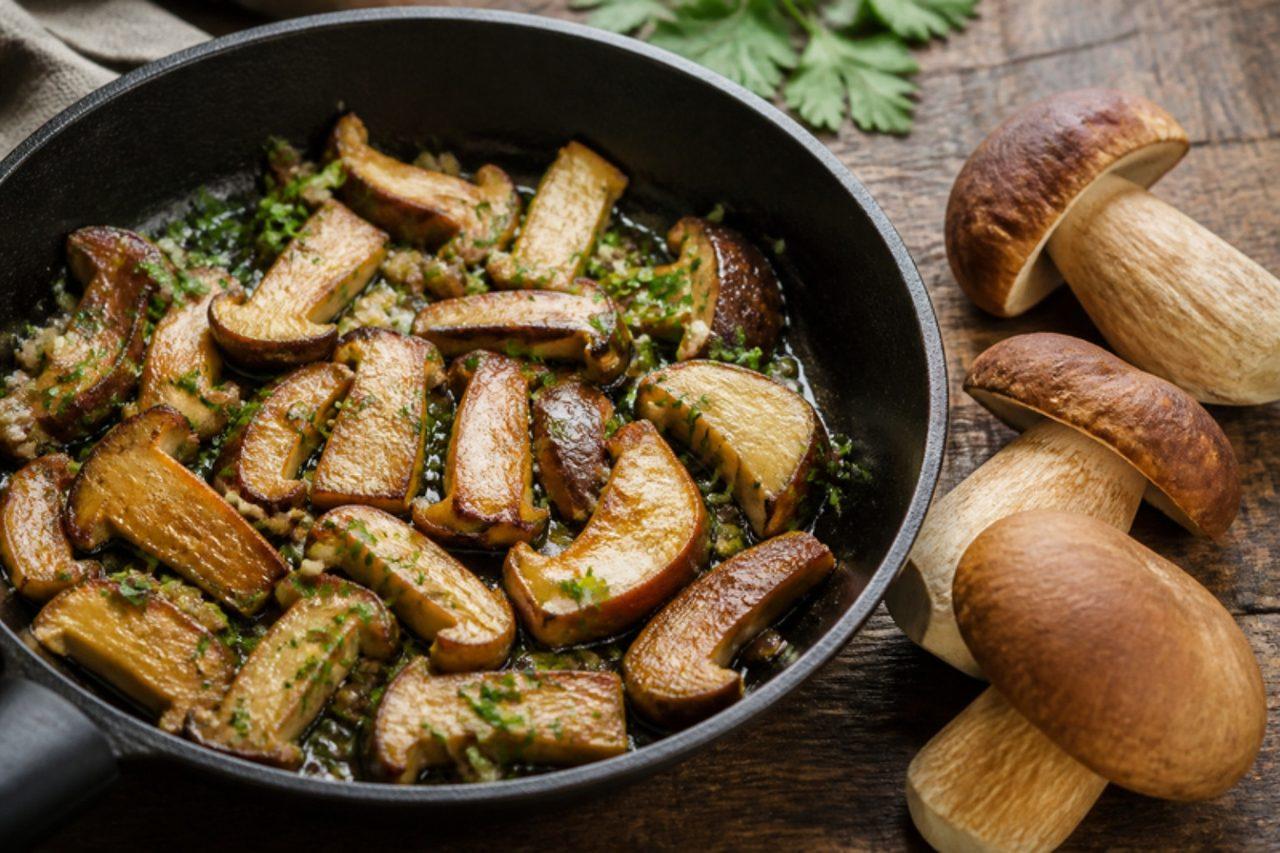
Cèpes à la bordelaisePorcini with garlic and parsley

In autumn, when cèpes push up through the pine forests of the Landes and the oak woods of the Gironde, Bordeaux families fry them the local way: thick slices browned hard in a hot pan, then tossed with shallot, garlic and plenty of parsley. They come to the table as a side for Sunday lunch, piled on toast for a starter, or beside an omelette for supper. Many cooks use duck fat; this version uses olive oil, so it is vegan. Out of season, use chestnut mushrooms with a few soaked dried porcini for flavour. Chef's tip: wipe the cèpes with a damp cloth instead of washing them; wet mushrooms steam instead of browning.

by KrazyBadal 0 views

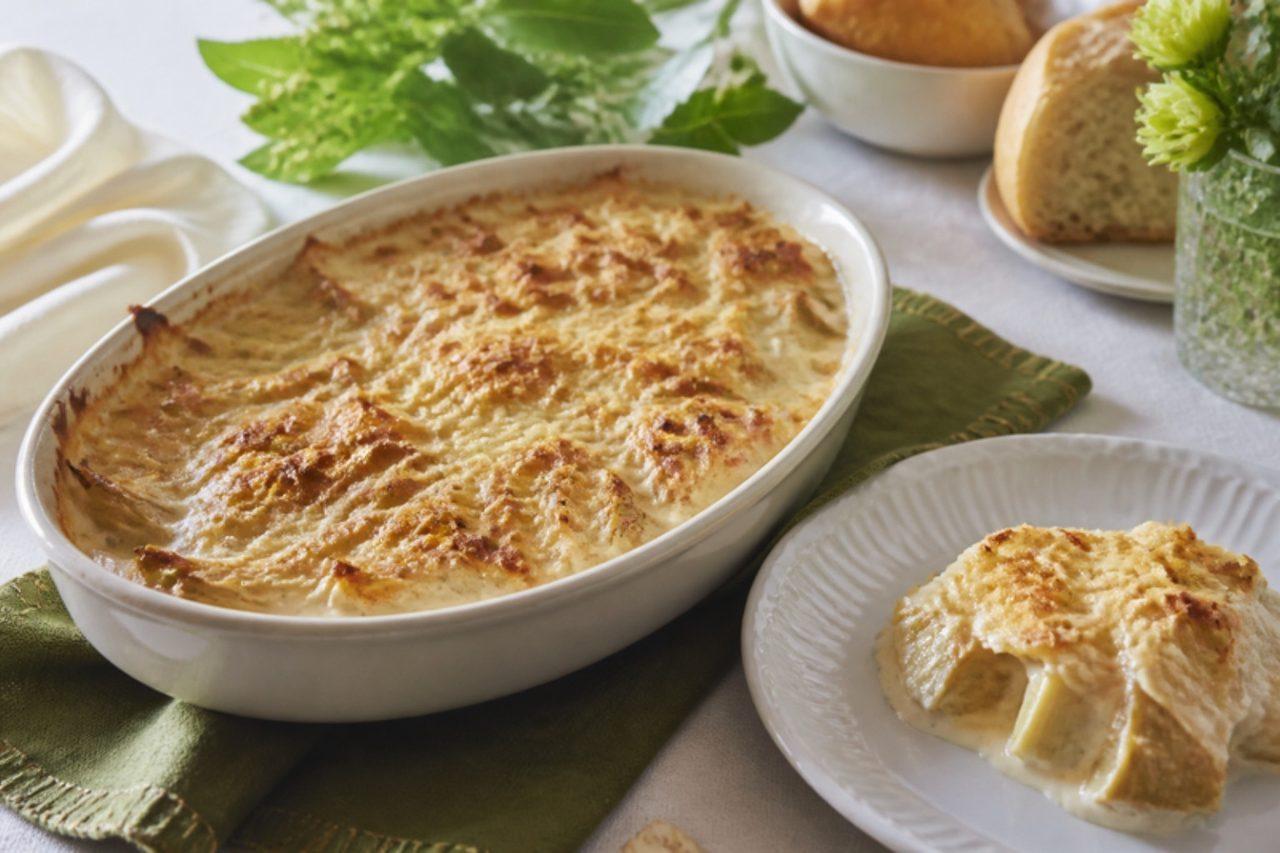
Gratin de cardonsCardoon gratin

Cardoons, the tall silvery cousin of the artichoke, are a Christmas vegetable in Lyon and the Dauphiné; market stalls on the Quai Saint-Antoine sell them in December, and the gratin goes on the table at the réveillon dinner. The stalks taste gently of artichoke and celery and turn meltingly soft under a nutmeg béchamel. Lyon cooks often add bone marrow; this version leaves it out and uses vegetable stock in the sauce. Gruyère is usually made with animal rennet, so choose a vegetarian alternative if needed. If you cannot find cardoons, celery hearts work, though they cook faster. Chef's tip: drop each peeled stalk straight into lemon water; cardoons blacken within minutes in the air.

105 minFrenchSides
by KrazyBadal 0 views

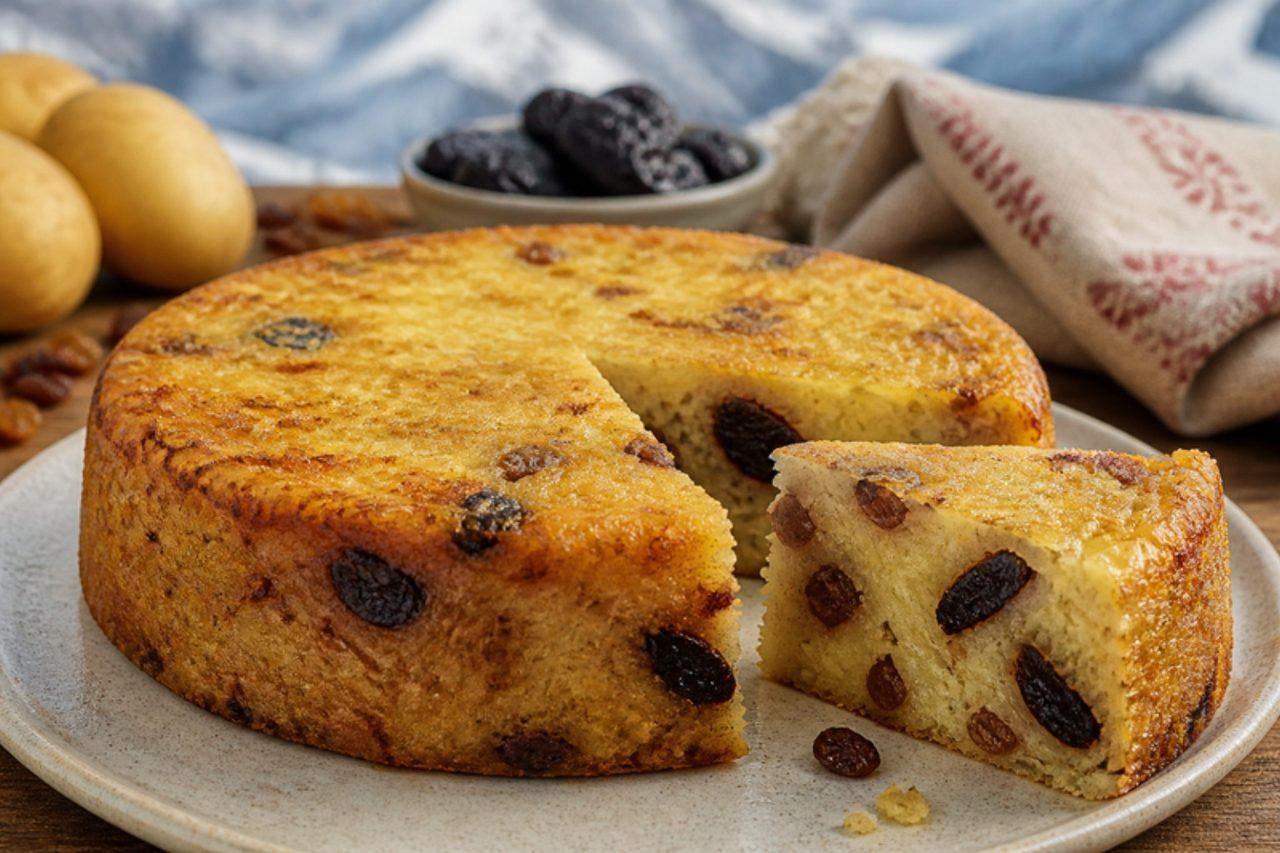
Farçon savoyardBaked potato pudding with prunes

In the Savoyard valleys, especially around Albertville and the Val d'Arly, farçon was the Sunday dish left to cook slowly while the family was at Mass: grated potatoes mixed with eggs, cream, prunes and raisins, set in a tall mould and cooked for hours in a water bath. The result is a sliceable, sweet-and-savoury cake, soft and golden, served with a green salad or as a side at a winter feast. Traditionally the mould is lined with bacon; this version uses a buttered mould instead, so it is vegetarian. Chef's tip: let it rest for 15 minutes in the mould before turning it out; it firms up and slices cleanly.

145 minFrenchSidesGluten free
by KrazyBadal 0 views

Frites with aïoliChips with garlic mayonnaise

Frites are a fixture of French brasseries and street stalls, served in paper cones at markets and beside every omelette and salad in Paris cafés. The secret is frying twice: once gently to cook them through, then hot to make them crisp. In Provence, the dip would be aïoli, a thick, garlicky sauce that gave its name to the region's Friday feast. Our aïoli is made the old-fashioned egg-free way, with a little boiled potato to hold the garlic and olive oil together. Children usually prefer it with less garlic. Chef's tip: dry the cut potatoes thoroughly before frying; wet chips are the common mistake that make the oil spit and leave the chips soft.

by KrazyBadal 0 views

Gratin dauphinoisPotato and cream gratin

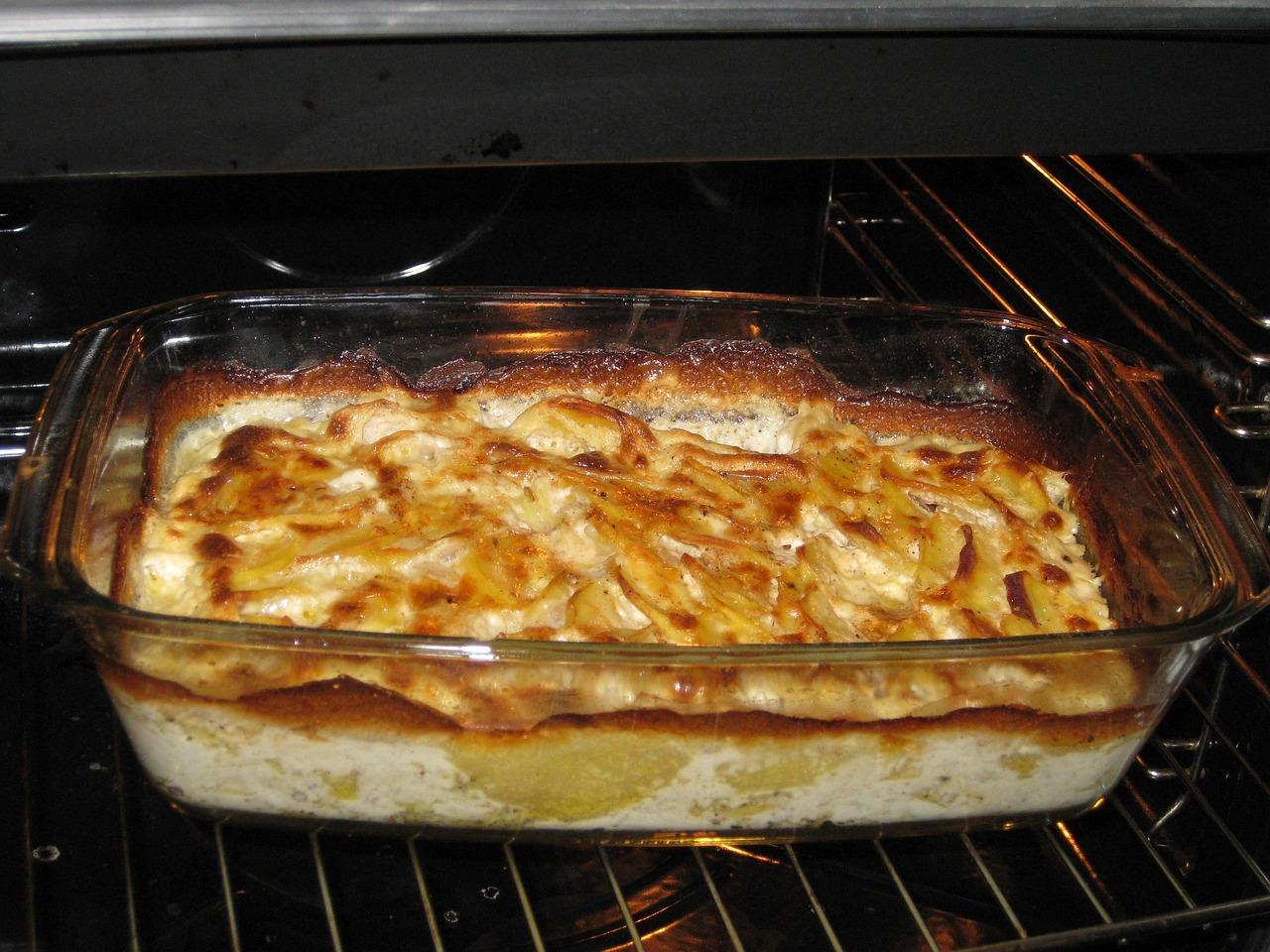
Gratin dauphinois comes from the Dauphiné, the mountain region around Grenoble, where it has been made since at least the 1700s. Thinly sliced potatoes are simmered in milk and cream with garlic and nutmeg, then baked slowly until the top is golden and blistered and the inside is soft and creamy enough to cut with a spoon. Purists in the Dauphiné insist there is no cheese; the crust comes from the cream itself. It is a side for Sunday lunch and festive meals, especially good with a green salad or roasted mushrooms. Chef's tip: don't rinse the potato slices; washing off the starch is the common mistake that leaves the cream thin and watery.

by KrazyBadal 0 views