Skip to content
Recipes

All recipes

Vegetarian, or something you can't eat? Set your diet once and we'll hide recipes that don't fit.

Tamalitos verdes

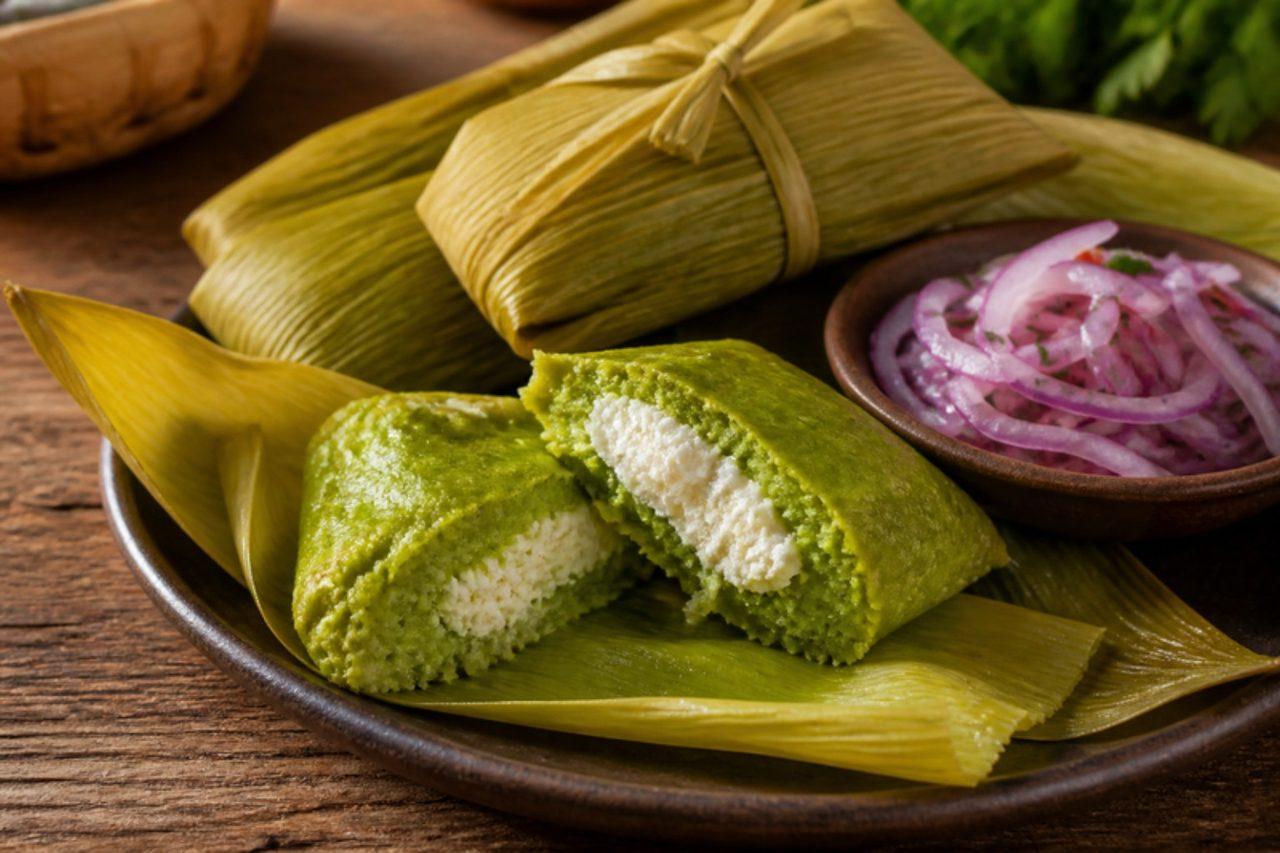
Bright green from a whole bunch of coriander, tamalitos verdes are the morning snack of Chiclayo and Trujillo, sold warm at market stalls and bakeries and unwrapped at the table with a heap of salsa criolla on top. Fresh corn is ground with coriander, onion and ají amarillo into a soft dough, wrapped around a strip of fresh cheese in corn husks and steamed. They should be tender, moist and herby, with a slightly sweet corn flavour and a salty melting middle. Traditional ones are made with lard; this version uses vegetable oil to stay vegetarian. The classic problem is a dough that's too wet, which makes the tamales fall apart; the starchy Peruvian choclo is ideal, and if you use sweet corn, add the cornmeal to firm it up. Queso fresco is usually made with animal rennet, so look for a vegetarian fresh cheese. Chef's tip: keep the steamer water at a steady simmer and top it up with boiling water, never cold, so the steam never stops.

by KrazyBadal 0 views

Chifles

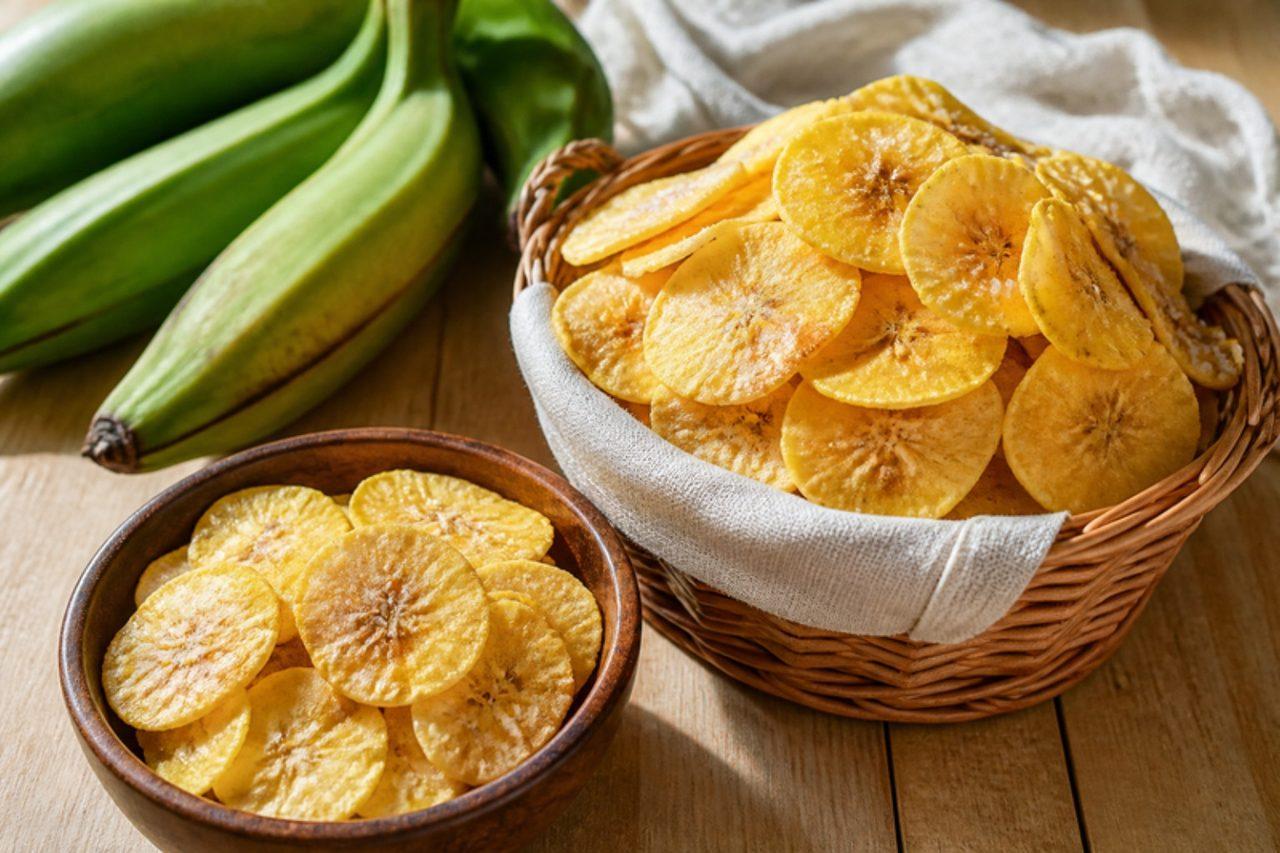
Bags of chifles hang from every shop door in Piura and Sullana, and on the northern coast they come alongside almost everything: ceviche, seco, a cold drink at the beach. They are green plantains sliced paper-thin, lengthwise or in rounds, fried until glassy and crisp, then salted. The flavour is starchy and lightly nutty, the crunch is louder than a potato crisp, and they keep for days in a tin. Getting the slices even is what matters most: thick and thin slices fry at different speeds, and the thick ones end up leathery while the thin ones burn, so use a mandoline set to 1–2 mm. Use firm, fully green plantains; any yellow means sugar, which browns too fast. Chef's tip: soak the slices in salted water for 10 minutes, then dry them completely before frying; they crisp more evenly and stay pale gold.

by KrazyBadal 0 views

Papa rellena

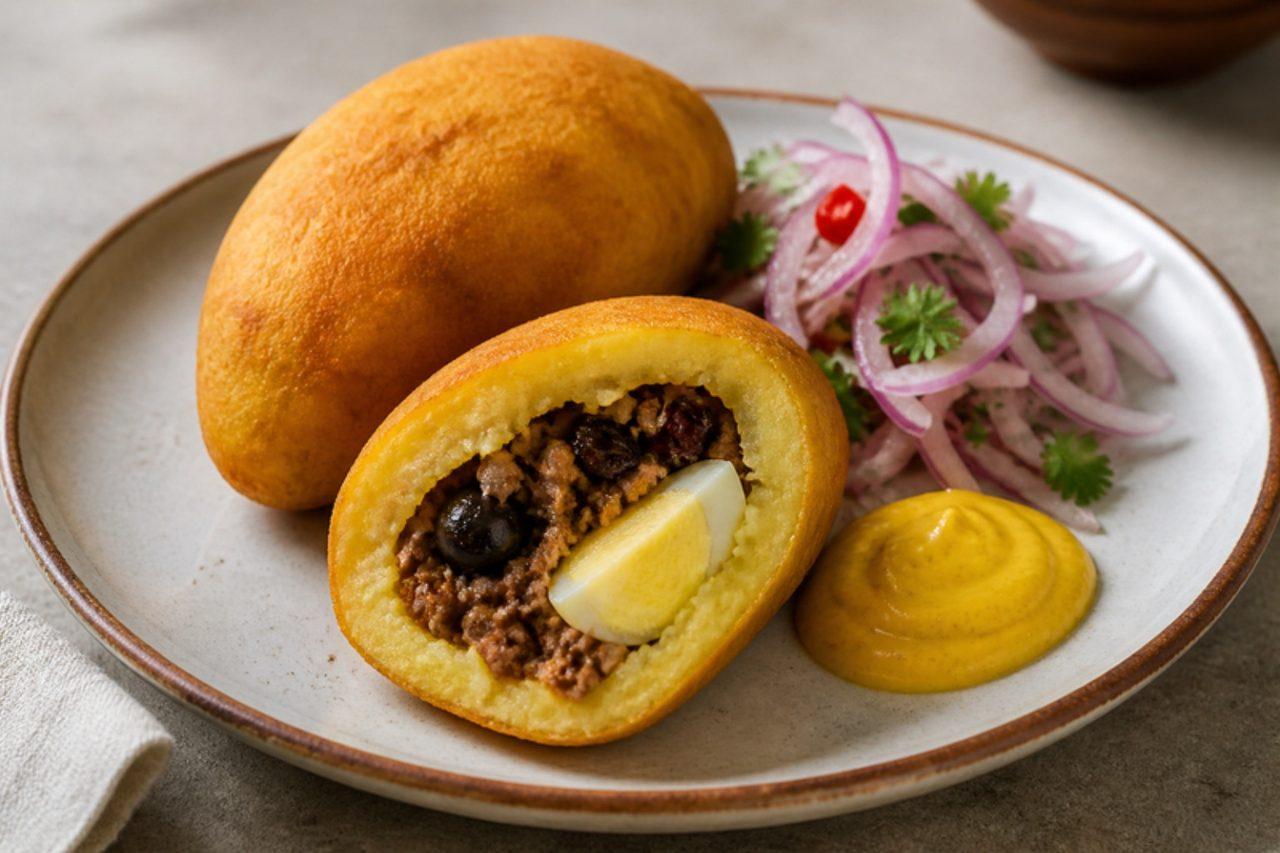
Torpedo-shaped and golden, papas rellenas sit stacked in the glass cases of Lima's sangucherías and market stalls, and they are just as often made at home on a weekday to use up a pot of mash. The shell is plain yellow potato with a crisp, thin crust; inside is a picadillo of minced beef with onion, ají panca, cumin, sliced egg, black olives and a few raisins for sweetness. They are eaten warm with a heap of salsa criolla and a spoon of ají sauce. The usual mistake is working the potato while it is still hot and wet: it turns gluey and splits in the oil, so let it steam dry and cool before shaping. Chef's tip: dust your hands and the croquettes with rice flour rather than wheat flour; it gives a thinner, crisper shell and keeps them gluten free. For a meat-free version, swap the beef for chopped mushrooms fried hard until dry.

by KrazyBadal 0 views

Kam lu wantán

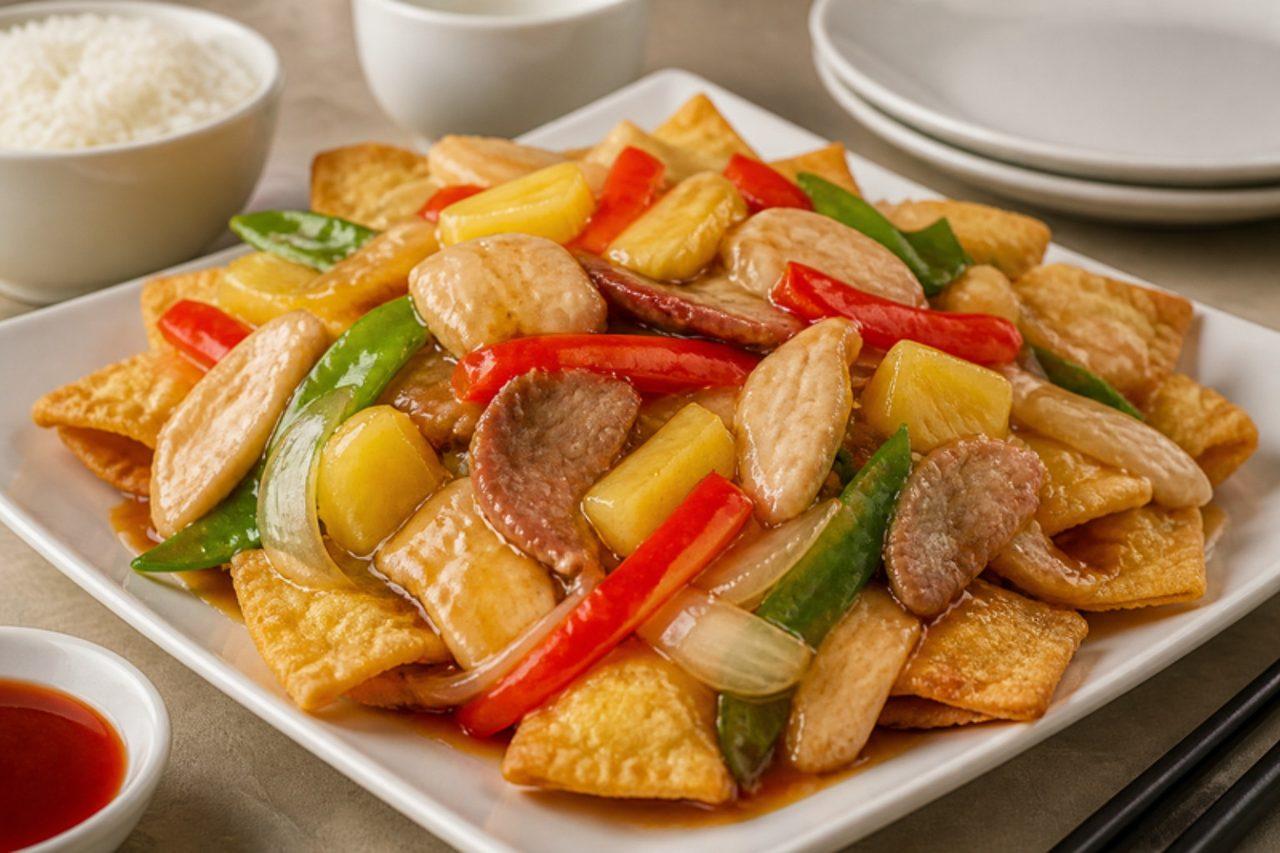
Brought to the table as a sharing platter at big chifa lunches in Lima, kam lu wantán is a gleeful mix of textures: golden fried wontons filled with ginger-spiked pork, smothered in a bright, sweet-and-sour sauce full of sliced chicken, pork, pineapple, peppers, carrot, snow peas and bok choy. The wontons shatter at the edges and soften where the sauce soaks in, so eat it fast. It works as a starter for a crowd or a main with rice. The mistake to avoid is making the sauce too thick and gloopy; it should flow over the wontons, not sit on them like jam. Chef's tip: fry the wontons at the last minute and pour the sauce over at the table so the crunch survives.

by KrazyBadal 0 views

Choclo con queso

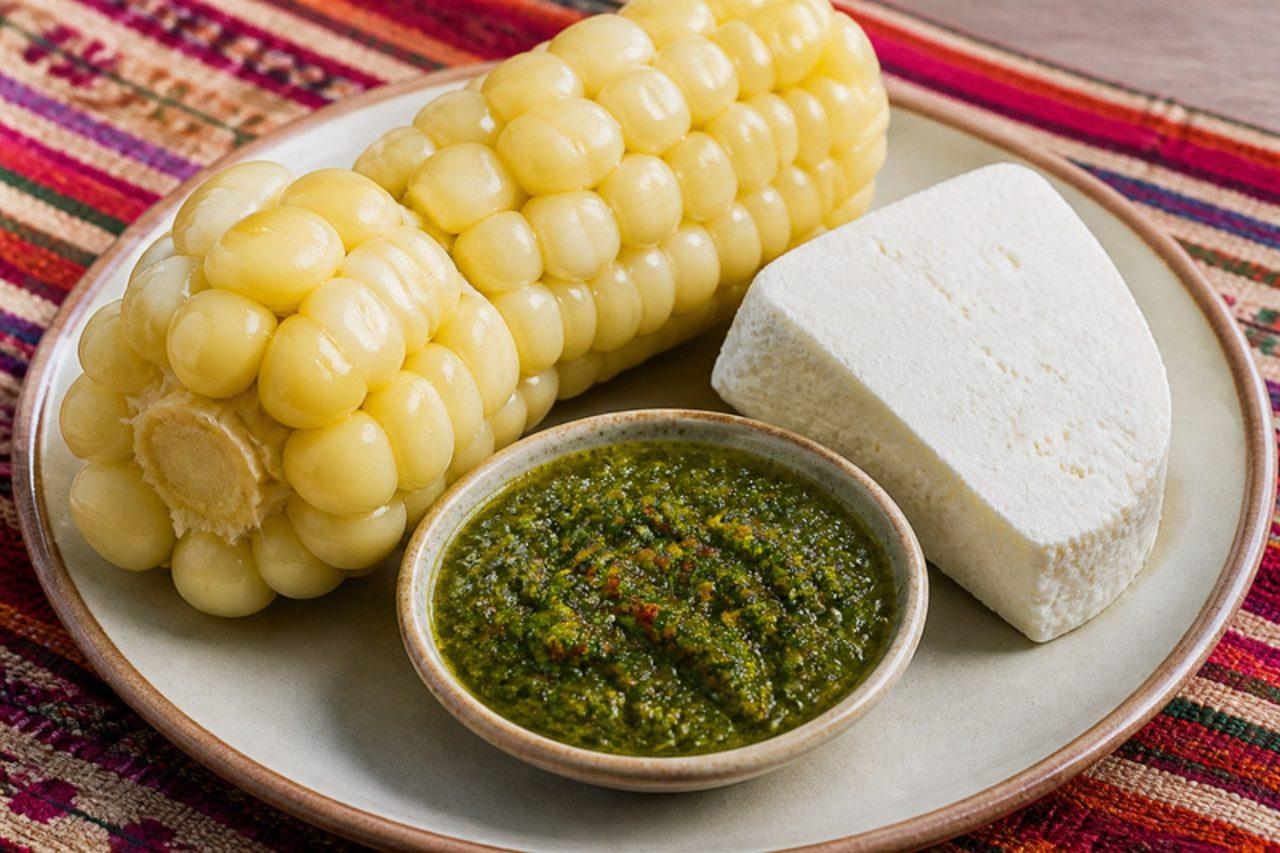
Ride the train or the bus through the Sacred Valley of Cusco and at every stop someone will hold up choclo con queso: a steaming cob of Urubamba's huge white-kernelled corn with a slab of fresh cheese tucked into a corn husk. The kernels are big, chewy and starchy rather than sweet, and the salty, milky cheese is eaten in alternating bites, sometimes with a dab of uchucuta or ají. It's snack food, a market lunch and something to keep children going on a long day. Fresh choclo is sold frozen in Latin American shops; sweet corn works but is sweeter and softer. Adding salt to the cooking water is the usual misstep, as it can toughen the kernels: season the cheese, not the corn. Andean fresh cheese is generally made with animal rennet, so use a vegetarian fresh cheese if needed. Chef's tip: drop a few of the inner husks and a small spoon of sugar into the pot; it brings back some of the sweetness lost after picking.

by KrazyBadal 0 views

Habas tostadas

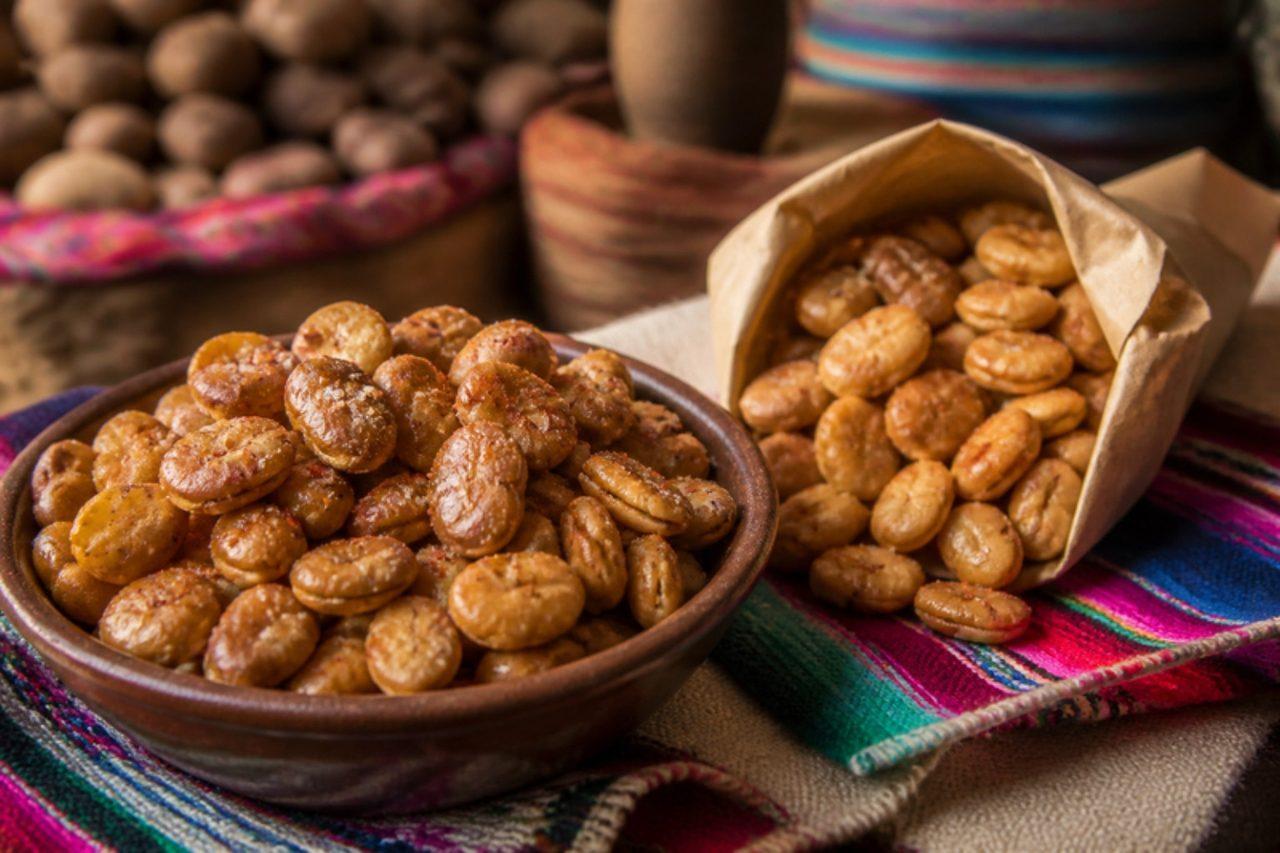
Paper cones of habas tostadas are sold by the scoop at markets from Huancayo to Puno, piled next to cancha and roasted peanuts, and they disappear by the handful at football matches, on long bus rides and with a cold drink in the evening. Dried broad beans are soaked, dried and fried until they crack open, turning golden and crisp outside with a slightly mealy, nutty centre. Most sellers leave the skins on, which gives them their bite. The beans need an overnight soak before you start, so plan a day ahead. The mistake to avoid is frying them still wet from the soak: the oil spits dangerously and the beans steam instead of crisping, so dry them thoroughly on a towel. Eat them on their own or put a bowl out with olives and pickled onions. Chef's tip: fry them twice, first at a lower heat to cook the centre, then hotter for the crunch, and salt them the moment they come out of the oil.

by KrazyBadal 0 views

Leche de tigre

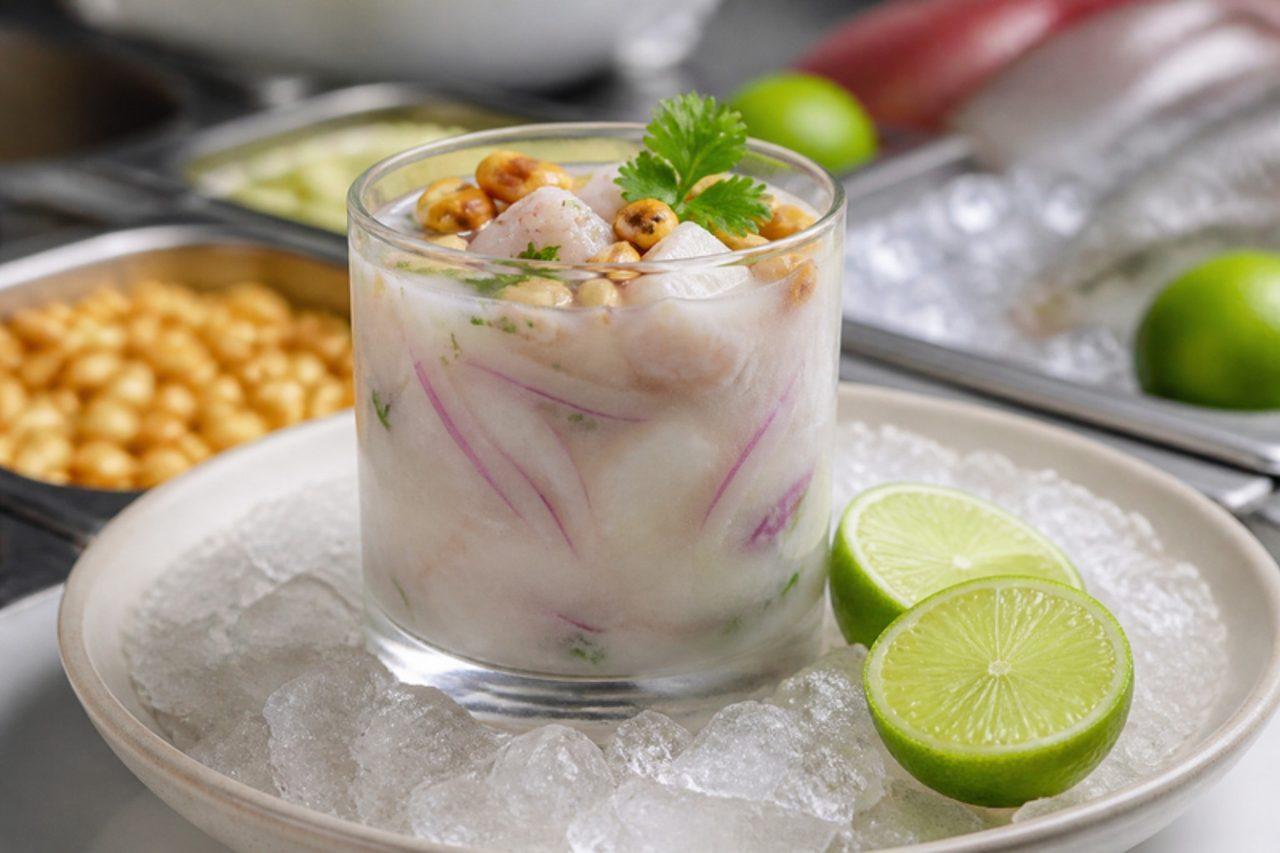
Every cevichería along Lima's coast, from Chorrillos to the market stalls of Surquillo, sells this as a pick-me-up before lunch: a small glass of milky, lime-sharp juice blitzed with fish, celery, ginger and ají limo, with a few cubes of fish and kernels of cancha floating on top. It is cold, salty, very sour and fiery, and people swear by it the morning after a long night. Because the fish is cured only by lime, this safer version uses very fresh white fish that has been frozen at −20 °C for 24 hours first, keeps everything ice cold and is drunk at once; it is not for pregnant women, young children or anyone with a weakened immune system. The common mistake is blending the lime with the fish for too long, which makes the juice bitter, so pulse only briefly. Chef's tip: squeeze the limes by hand, gently, without pressing the pith; the last hard squeeze is what turns leche de tigre bitter.

by KrazyBadal 0 views

Pastel mandi'o

Pastel mandi'o are the golden half-moons sold at bus stations and street stalls all over Paraguay, especially in Asunción and around Holy Week: a soft dough of cooked cassava (mandi'o in Guaraní) and a little corn flour, wrapped round minced beef with onion, pepper, boiled egg and cumin, then fried. The mistake is a wet cassava dough that sticks and tears; drain the cassava well and add starch until it is smooth and pliable. Chef's tip: shape them between two sheets of cling film, which stops the soft dough sticking to the worktop.

by KrazyBadal 0 views

Causa limeña

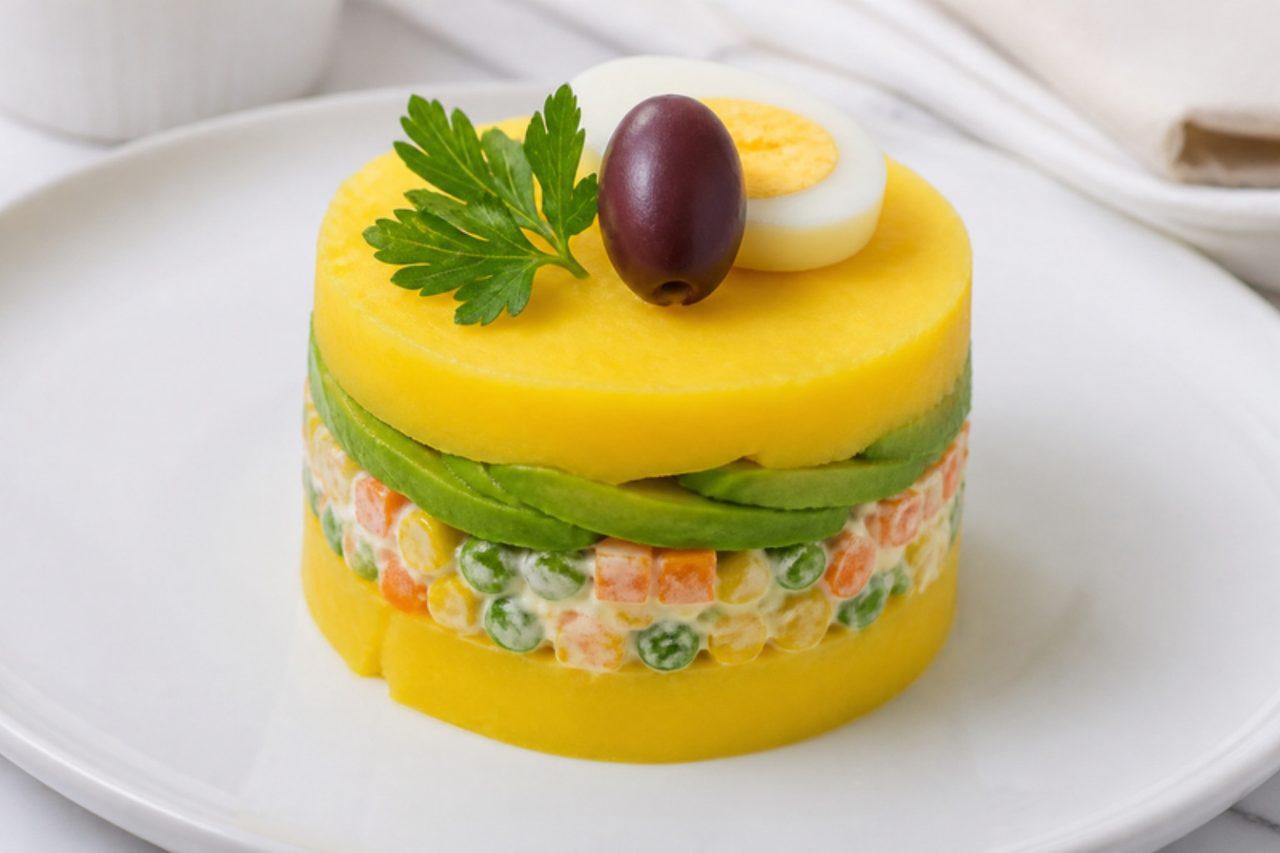
Causa limeña is Lima's cold potato terrine: yellow potatoes mashed with lime, oil and ají amarillo, pressed into layers and filled. In Lima it is a lunchtime starter sold in every menú and at every family party, often with tuna or chicken; this vegetarian causa is filled with ripe avocado and a creamy salad of corn, peas and carrot. The potato should be smooth, sunny yellow, tangy and gently hot, and the whole thing is served cold in neat slices. Make it in the morning for dinner, or the day before for a party. Chef's tip: mash the potatoes while warm but add the lime only once they have cooled; lime on hot potato turns the mash grey and gluey.

by KrazyBadal 0 views

Papa a la huancaína

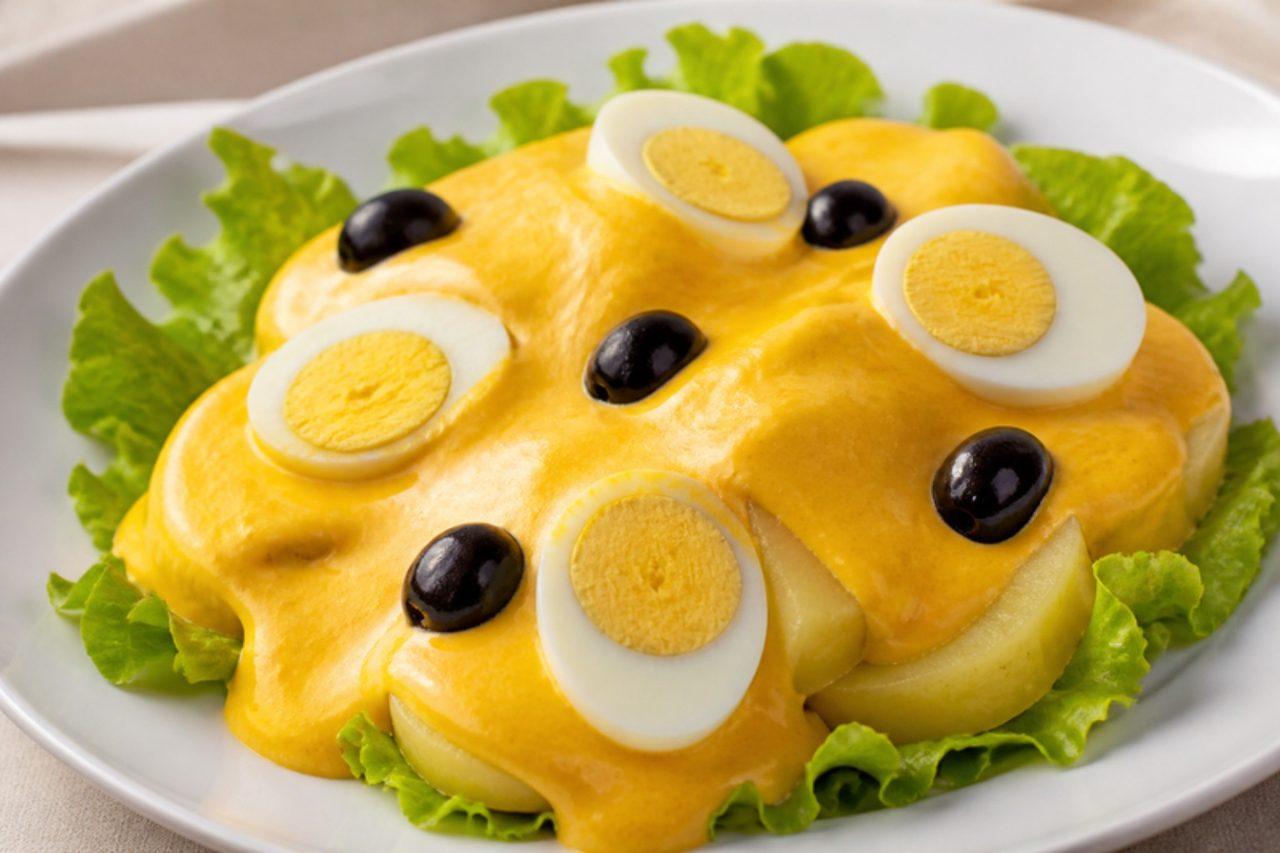
Papa a la huancaína is named after Huancayo in Peru's central Andes, but it is eaten everywhere, from Lima's set-lunch counters to Sunday family tables. Thick slices of cold boiled potato are blanketed in huancaína sauce, a silky, mildly hot sauce of ají amarillo, fresh cheese and evaporated milk, then finished with boiled egg and black olives. It is served cold as a starter, and the sauce is also the favourite dip for boiled corn and fried yuca. Use a queso fresco made with vegetarian rennet if you want it fully vegetarian (or a mild feta rinsed of salt). Chef's tip: fry the chillies, onion and garlic before blending; this takes off their raw edge and gives the sauce its rounded, sweet heat.

by KrazyBadal 0 views

Torta frita

In Uruguay, a grey rainy afternoon has one answer: torta frita and mate. These thin discs of dough, pierced with a hole in the middle, are fried until puffed and golden and either sprinkled with sugar or eaten plain, still hot, between sips passed around the circle. In Montevideo you'll smell them from street stalls on wet days; at home they're made with butter or beef fat, here with butter. Chef's tip: the hole in the middle isn't decoration; it lets the centre cook through at the same speed as the edges.

by KrazyBadal 0 views

Tamia (Arabian fritters)

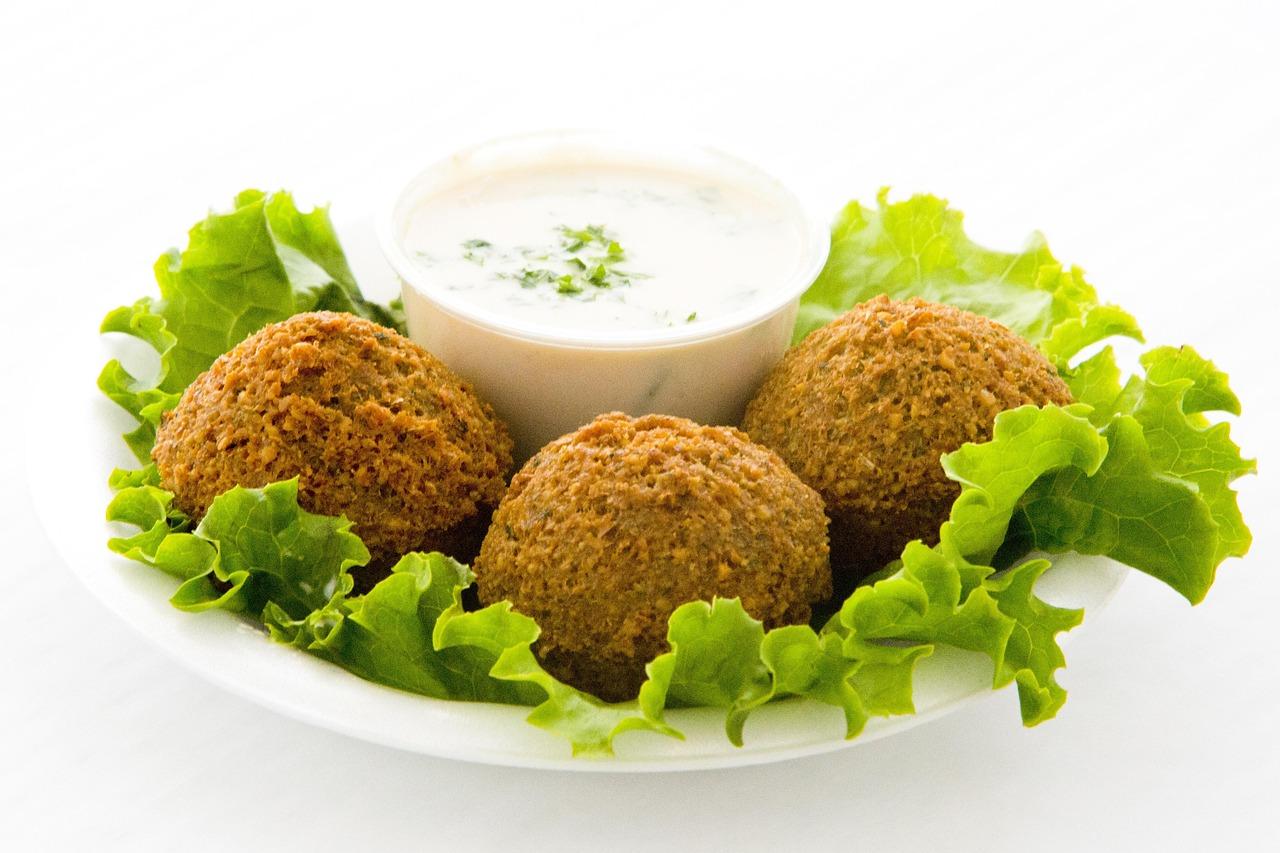
Tamia is the Egyptian cousin of falafel: soaked raw chickpeas are ground with dill, coriander, onion, garlic, chilli and cumin, shaped into small patties, coated with sesame seeds and deep-fried until crisp and golden outside and green and fluffy inside. Serve hot with coconut and tamarind chutneys, or tuck them into pitta with salad.

by KrazyBadal 0 views

Falafel in pitta

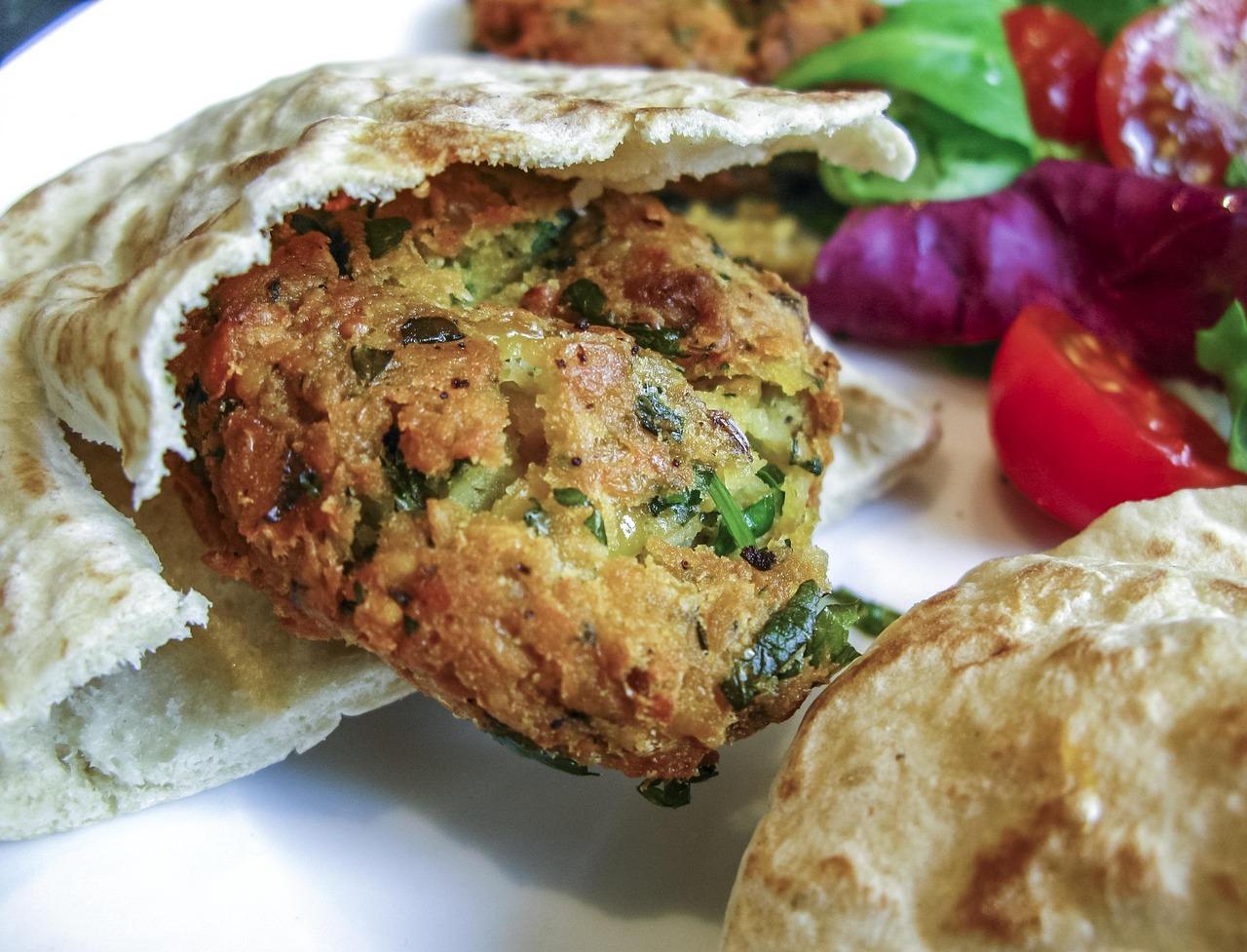
A full falafel meal: crisp chickpea fritters flavoured with fenugreek, spinach, chilli and ginger are stuffed into pitta pockets spread with hummus and tahini, then packed with a crunchy cabbage, cucumber and carrot salad and a fiery home-made red chilli sauce. Serve with green, red and tamarind chutneys.

by KrazyBadal 0 views