Skip to content
WhatToEat.Today

All recipes

40

Vegetarian, or something you can't eat? Set your diet once and we'll hide recipes that don't fit.

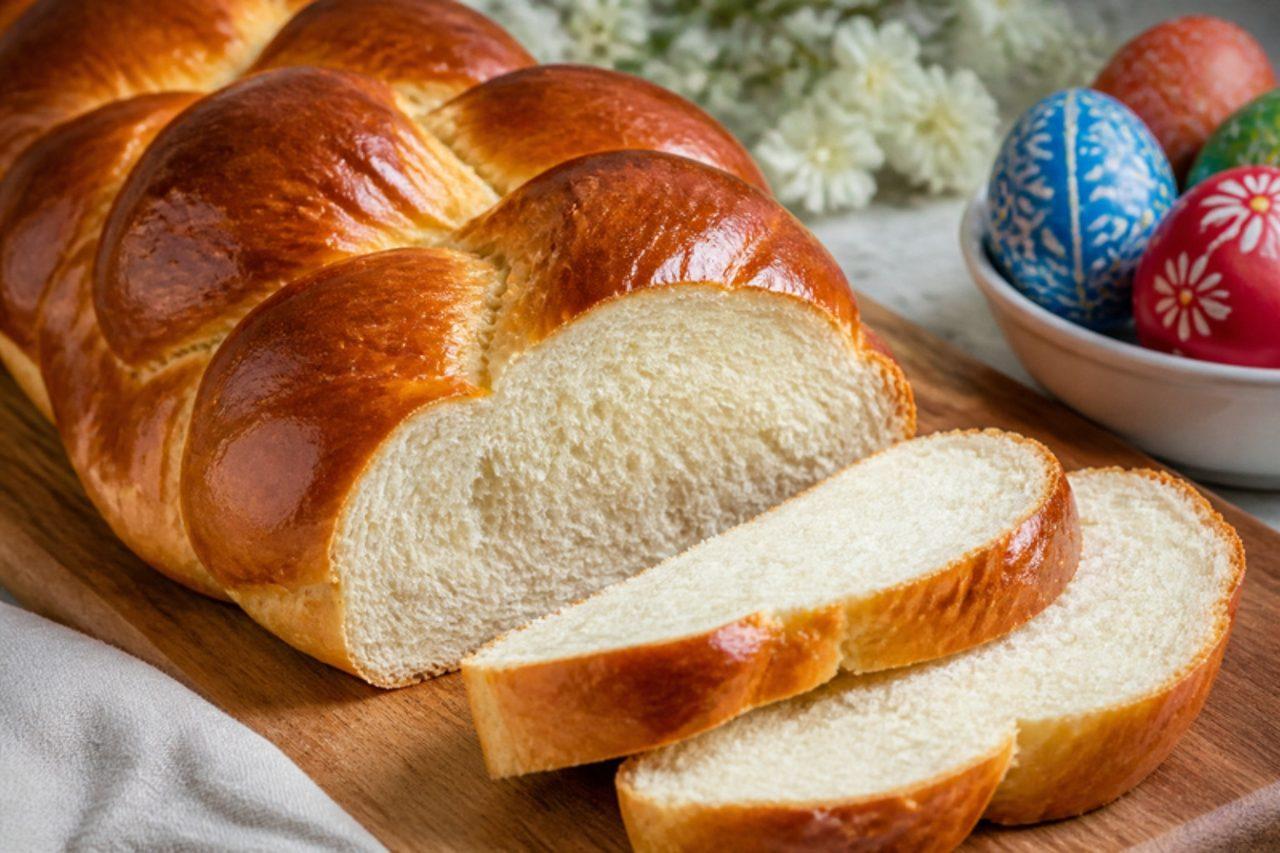
Húsvéti kalácsBraided Easter milk loaf

In Hungary the Easter table on Sunday morning centres on smoked ham, hard-boiled eggs, fresh horseradish and húsvéti kalács, a soft, braided milk bread enriched with butter and egg yolks. It is lightly sweet, so it suits the salty ham perfectly, and the leftovers make excellent French toast on Easter Monday. Many families braid it with three or four strands and bake it into a ring. Chef's tip: braid loosely and tuck the ends under, because a tight braid splits along the sides as it rises in the oven.

by KrazyBadal 0 views

Húsvéti sonkaSmoked ham with eggs and horseradish

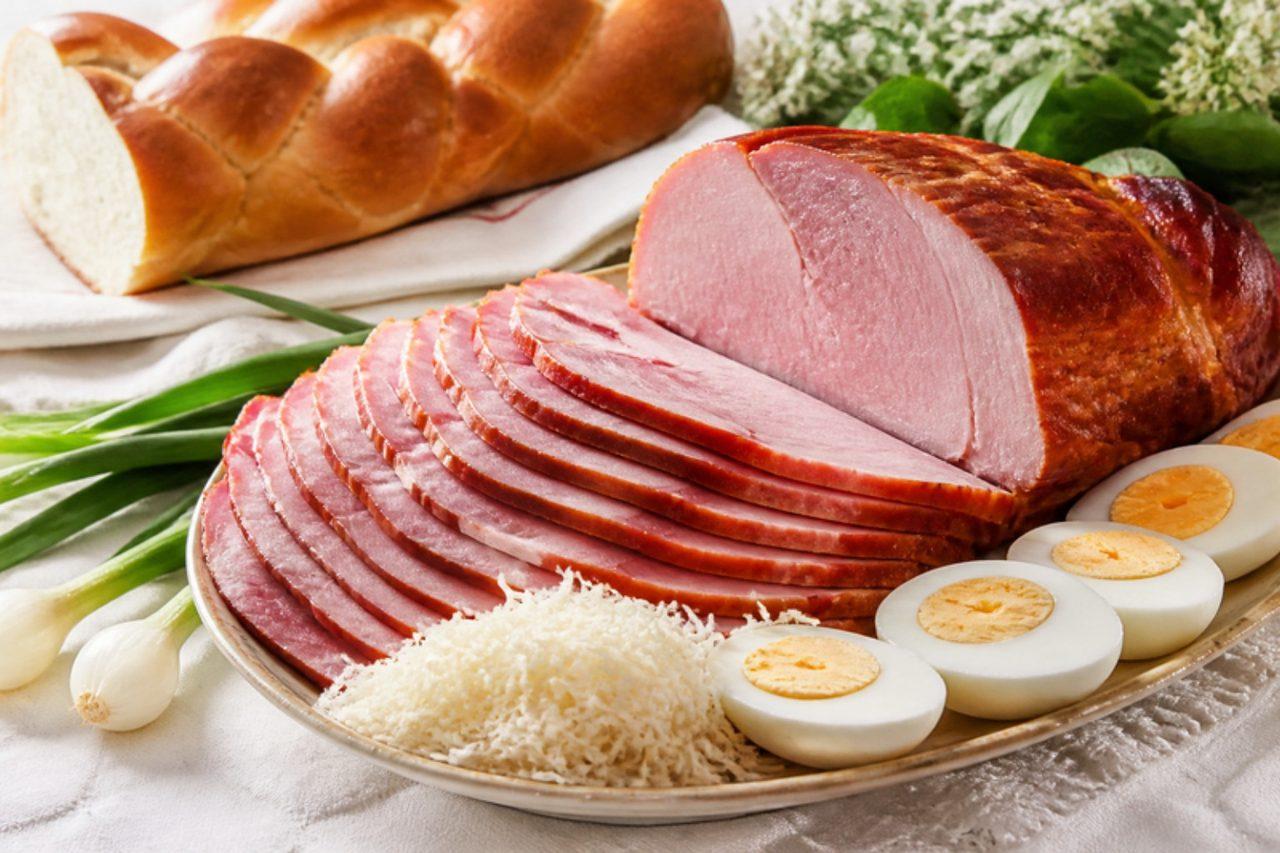
On Easter Sunday morning in Hungary the table is laid with húsvéti sonka, a whole smoked pork ham simmered slowly the day before, sliced cold and served with eggs hard-boiled in the ham's cooking water, freshly grated horseradish, spring onions and braided kalács. The cooking water then becomes the base of a bean or lentil soup the next day. Use a raw-smoked (uncooked) ham from a Hungarian or Polish butcher. Chef's tip: soak the ham overnight to draw out salt, and cool it in its cooking water so it stays juicy.

by KrazyBadal 0 views

Zöldbableves (Hungarian green bean soup)

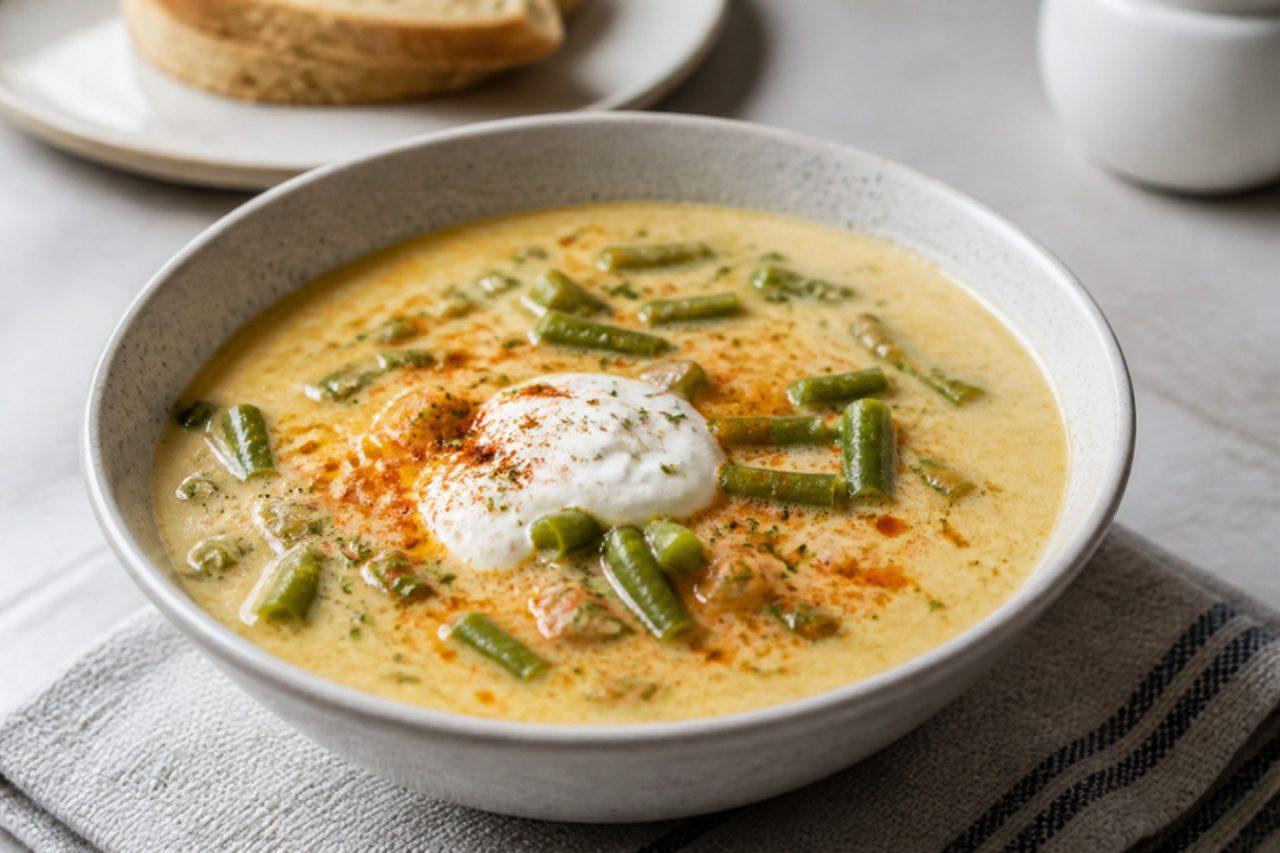
Zöldbableves is a summer soup from Hungarian home kitchens, made when green beans are cheap at every market: tender beans in a light broth, soured with a little vinegar and thickened with a paprika roux and sour cream, so it is creamy, gently tart and bright red-orange. It is served as the first course of a weekday lunch or as a light supper with bread. The classic mistake is pouring cold sour cream straight into the hot soup, where it splits into flecks; temper it first. Chef's tip: let the roux turn just golden before adding the paprika off the heat, because paprika burns in seconds and turns bitter.

by KrazyBadal 0 views

Meggyes piteSour cherry slice

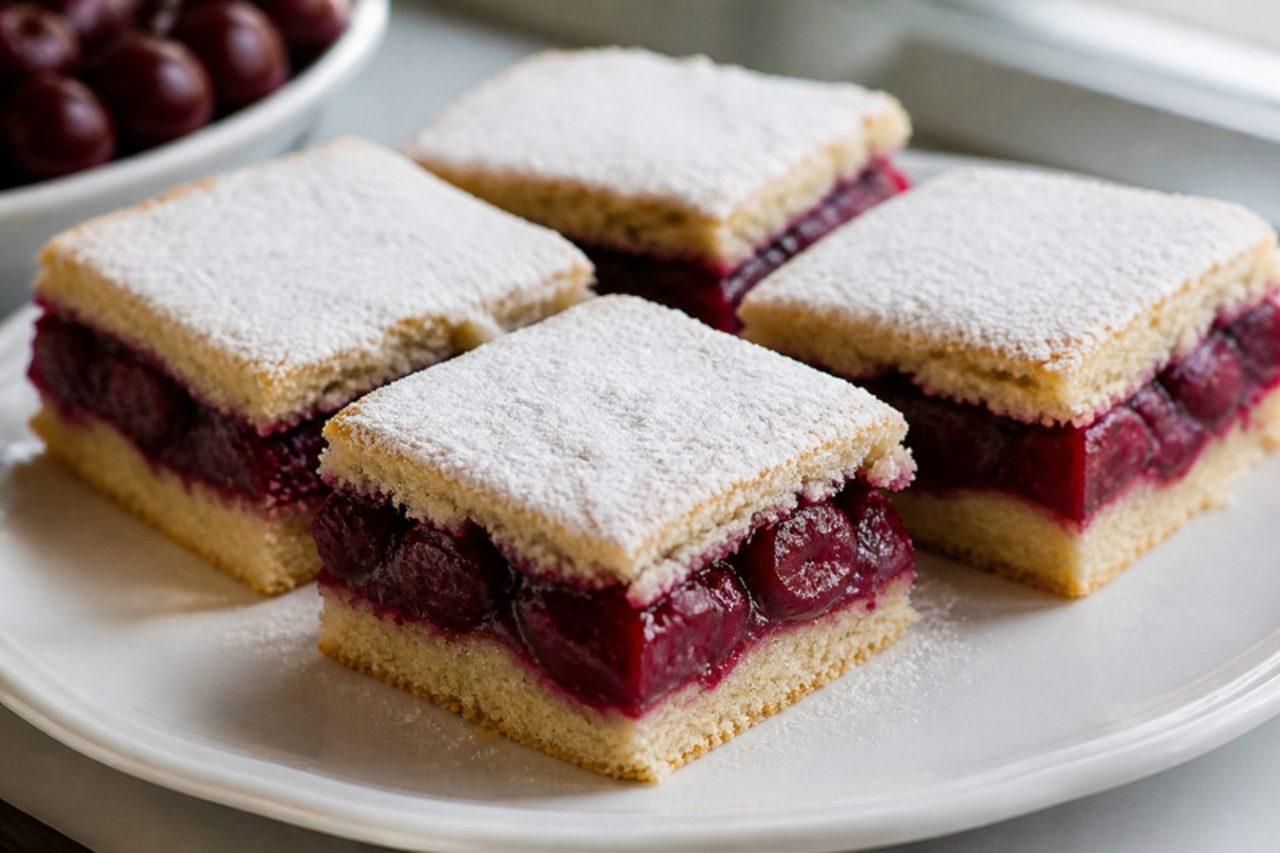
Hungarian grandmothers bake meggyes pite in a big rectangular tin in June, when sour cherries hang from every garden tree, and the rest of the year with jarred ones from the pantry. Two layers of soft, almost cakey pastry made with sour cream hold a tart, juicy cherry layer, and the top disappears under a snowfall of icing sugar. Squares of it turn up at Sunday lunch, in school lunch boxes and on the plate next to an afternoon coffee. Skipping the semolina is the mistake that gives a soggy middle: it soaks up the cherry juice as it bakes. Chef's tip: drain jarred or thawed cherries in a sieve for a good 30 minutes and keep the juice for a drink or a sauce.

by KrazyBadal 0 views
Túrós lepénySweet curd cheese sheet cake

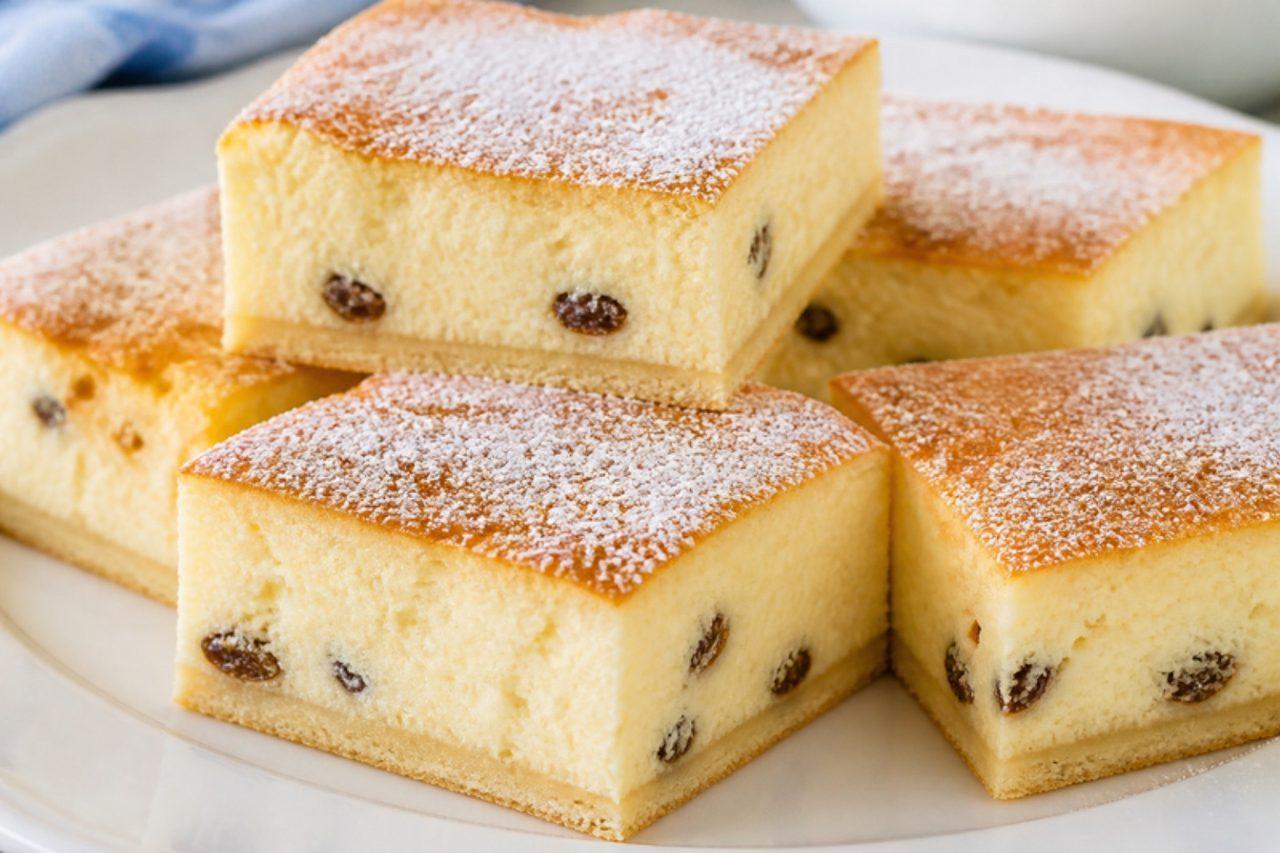
Hungarians use túró, a dry, crumbly fresh curd cheese, the way other cooks use cream, and túrós lepény is one of its homeliest outings: a thin short pastry base, a deep layer of lemony sweetened curd with raisins, baked in a tray and cut into squares for afternoon coffee, a picnic at Lake Balaton or the school lunch box. The filling is light and tangy rather than dense like a cheesecake, because the egg whites are whipped and folded in. Wet curd is the classic mistake; it weeps and the base goes soggy, so press the cheese through a sieve and use farmer's cheese or well-drained quark if you can't find túró. Chef's tip: take the lepény out while the very centre still has a slight wobble; it sets as it cools and stays creamy instead of cracking.

by KrazyBadal 0 views
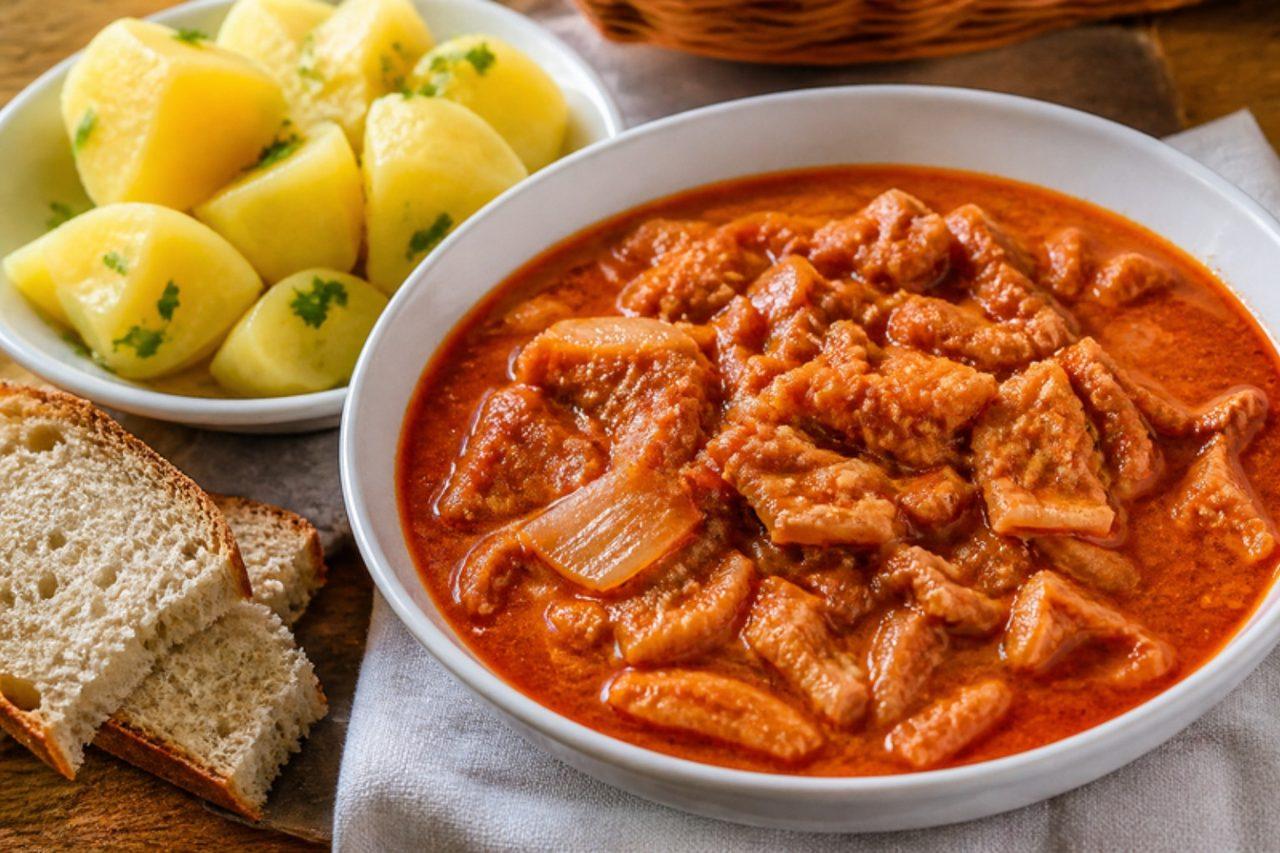
PacalpörköltTripe stew

The upstairs food stalls of Budapest's Great Market Hall and the old market halls of Szeged serve pacalpörkölt from late morning, and regulars eat it with boiled potatoes and a pile of pickles. Tripe takes patience: hours of slow simmering in a deep red paprika and onion sauce turn it tender, with a gentle chew and a rich, savoury flavour. Buy beef tripe that is already cleaned and blanched (white or bleached) from a butcher. Chef's tip: boil and rinse the tripe once before you start the stew; skipping this is the mistake that leaves a strong farmyard smell in the sauce.

by KrazyBadal 0 views
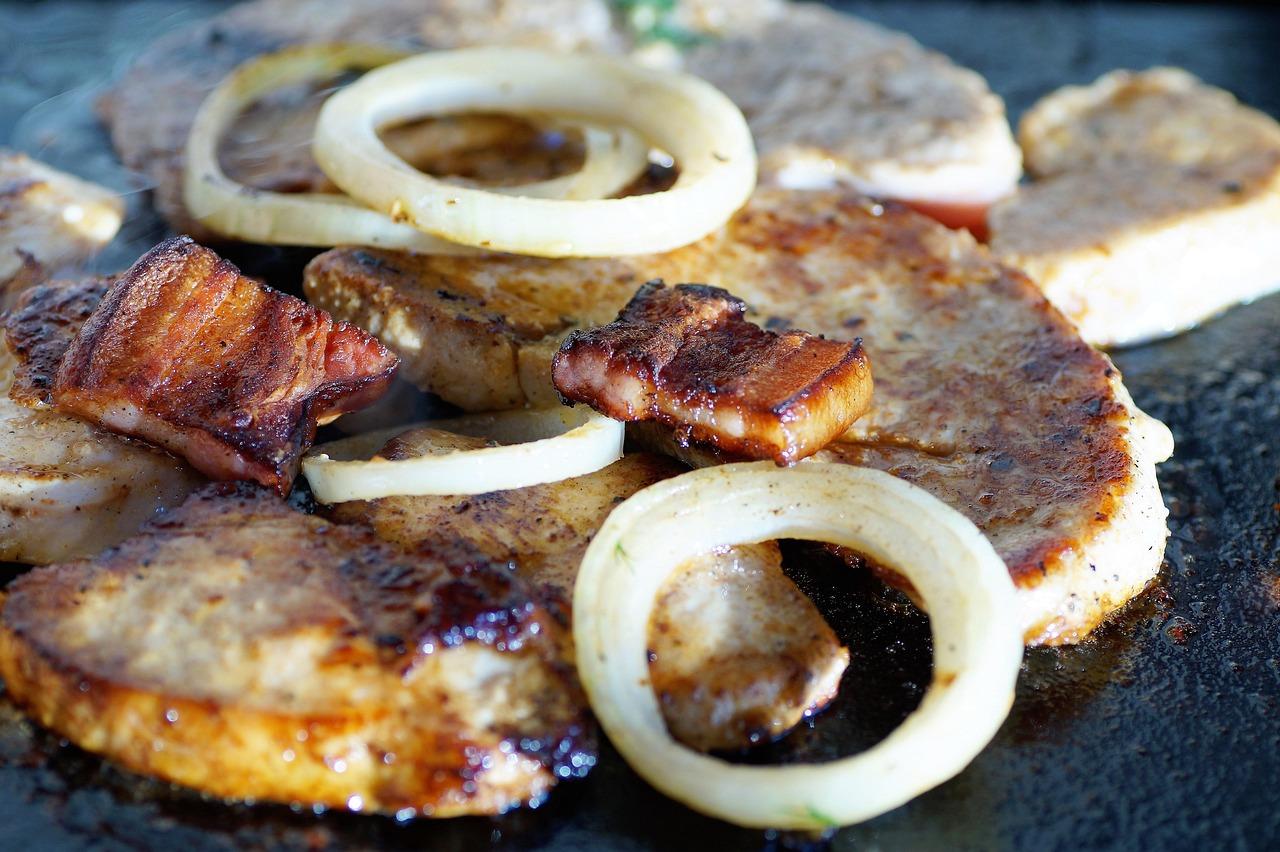
LacipecsenyeGrilled pork neck

At village fairs (búcsú), wine festivals and the roadside stalls known as lacikonyha, 'Laci's kitchen', the smell of lacipecsenye pulls in the crowds: pork neck steaks rubbed with garlic, grilled on a griddle and heaped with fried onions. It is eaten standing up from a paper plate with a hunk of white bread, mustard and pickled cucumbers, and it is just as good from a home barbecue or a heavy pan. Marinate the pork in the fridge for at least 2 hours, or overnight. Chef's tip: pork neck is marbled, so it stays juicy; the mistake is pressing it with the spatula, which squeezes out the juices.

by KrazyBadal 0 views

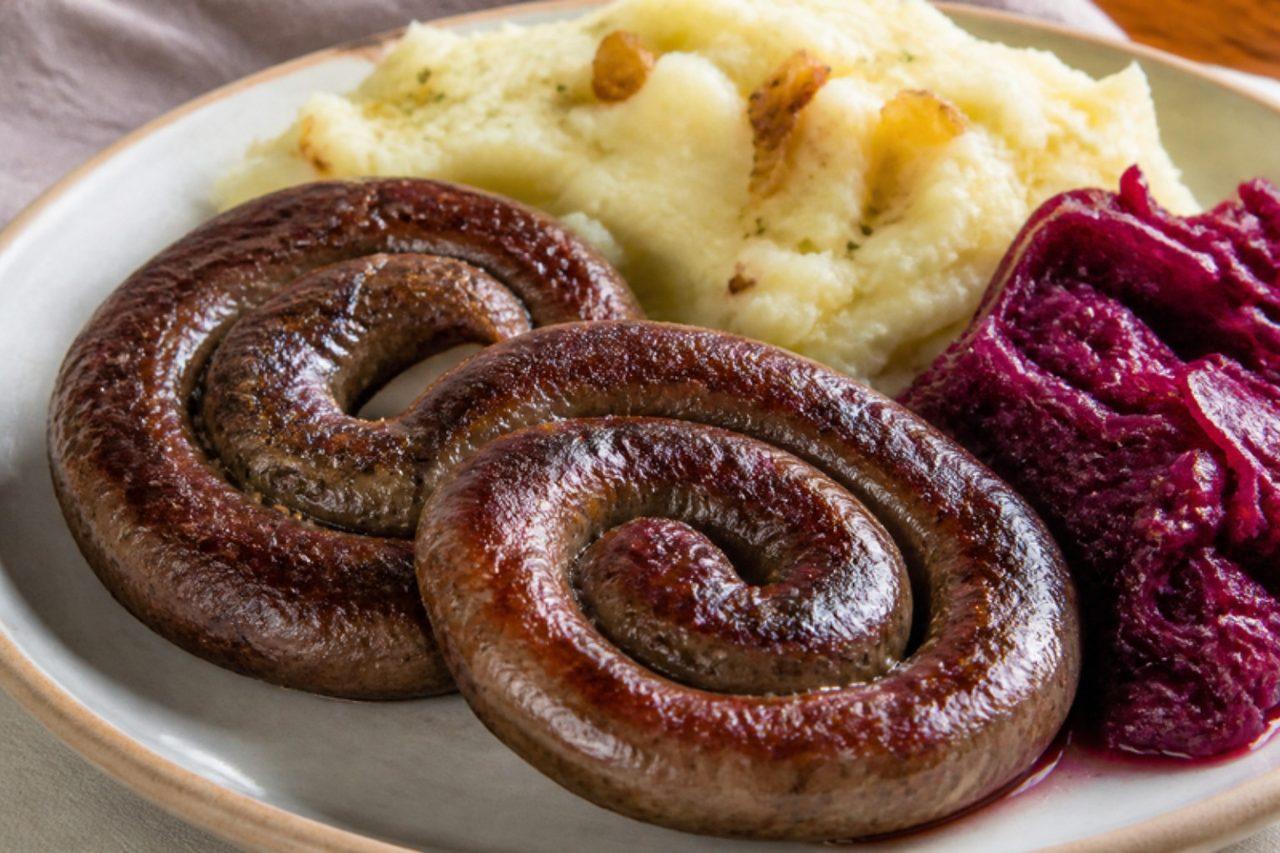
Májas hurkaLiver and rice sausage

In Hungarian villages the winter pig-killing (disznótor) ends with a feast, and hurka is the star: soft sausages of pork, pork liver and rice seasoned with marjoram and black pepper, roasted until the skins crackle. Today you buy them at market stalls in Budapest's Great Market Hall and at country butchers, eaten hot with mustard, bread and pickled cabbage. Blood sausage (véres hurka) is the other version; this is the liver one. Ask your butcher for natural pork casings. Chef's tip: roast the sausages in a little fat with a splash of water and don't prick them, or they burst and dry out.

by KrazyBadal 0 views
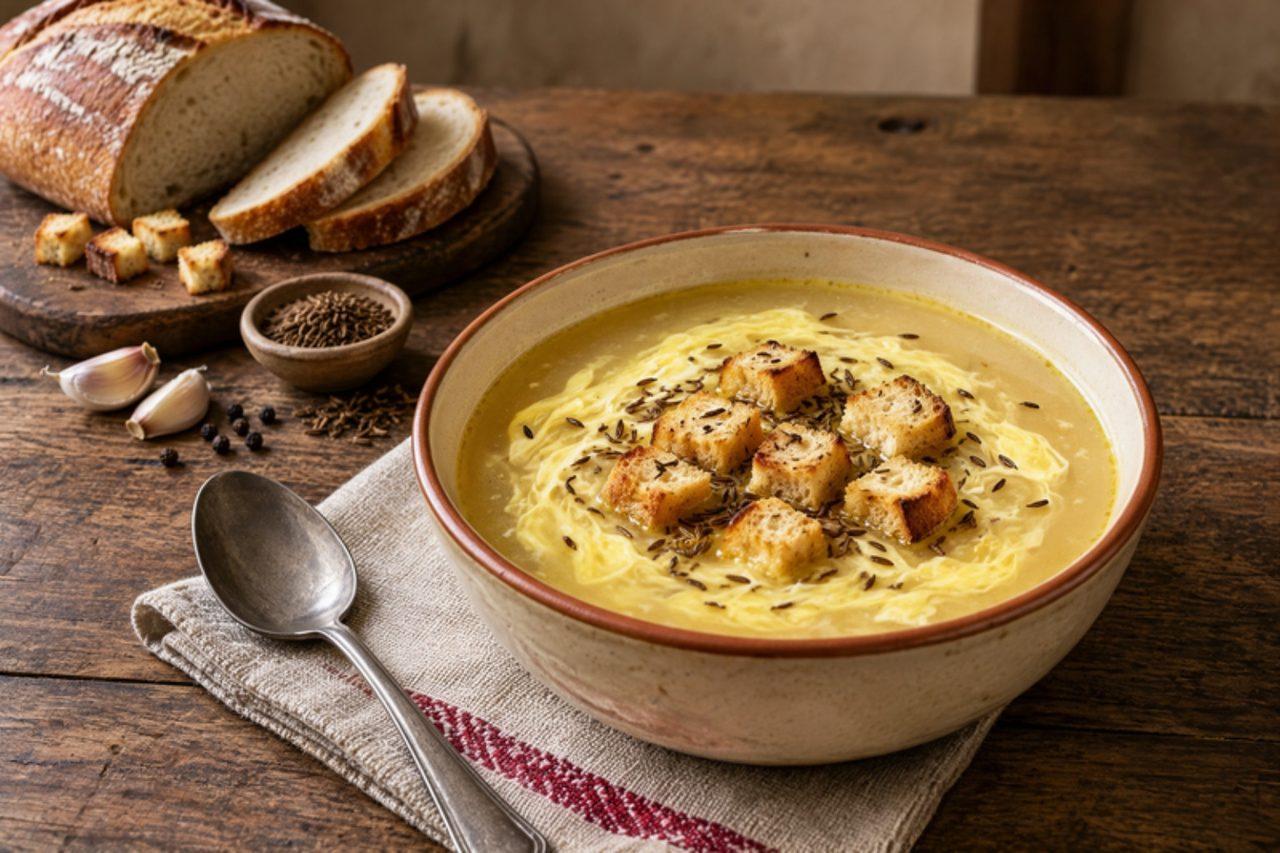
Köménymagos levesCaraway soup with bread cubes

Köménymagos leves was the breakfast of Hungarian peasants and soldiers long before coffee arrived, and it is still made in villages on cold mornings and as a soothing soup after a big night. A dark roux of flour and fat is cooked with plenty of caraway and a touch of paprika, thinned with water and finished with beaten egg and crisp bread cubes. The common mistake is not browning the roux enough: pale roux gives a floury, grey soup, so keep stirring until it is the colour of hazelnuts. Chef's tip: add the paprika off the heat, just before the water, because paprika burns in seconds in hot fat and turns bitter.

by KrazyBadal 0 views
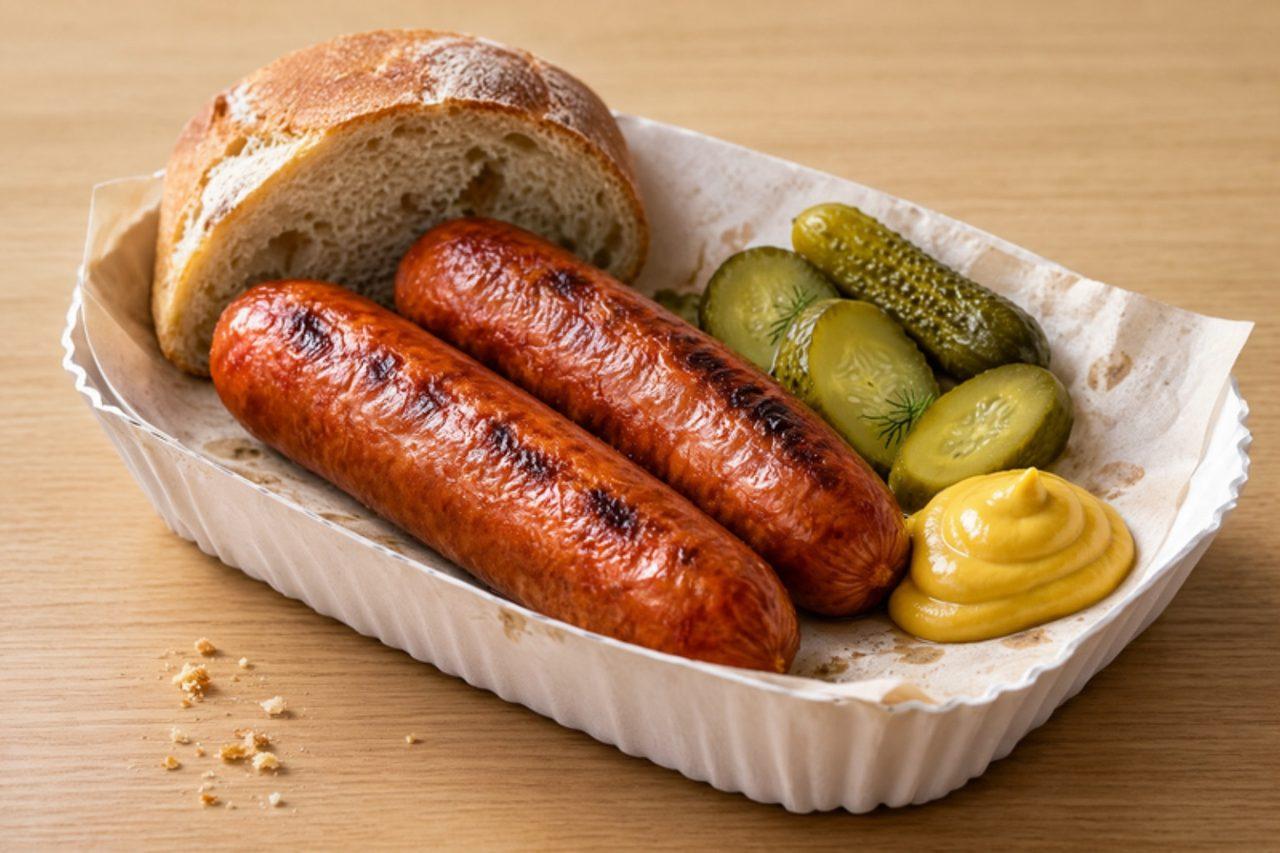
DebreceniPaprika pork sausage

Debreceni are long, thin pork sausages seasoned with sweet paprika, garlic and caraway, and they are the standing snack of Budapest's büfé counters: at the Nagyvásárcsarnok, at Christmas markets on Vörösmarty tér and outside the Keleti railway station. The stand heats them on a griddle (or simmers them), then hands them over on a paper plate with a slice of rye bread, a big spoon of mustard and a pile of pickled peppers or gherkins. This home version uses bought debreceni and adds a quick paprika glaze. Chef's tip: simmer them gently before grilling; a hard boil splits the skins and dries the pork.

by KrazyBadal 0 views

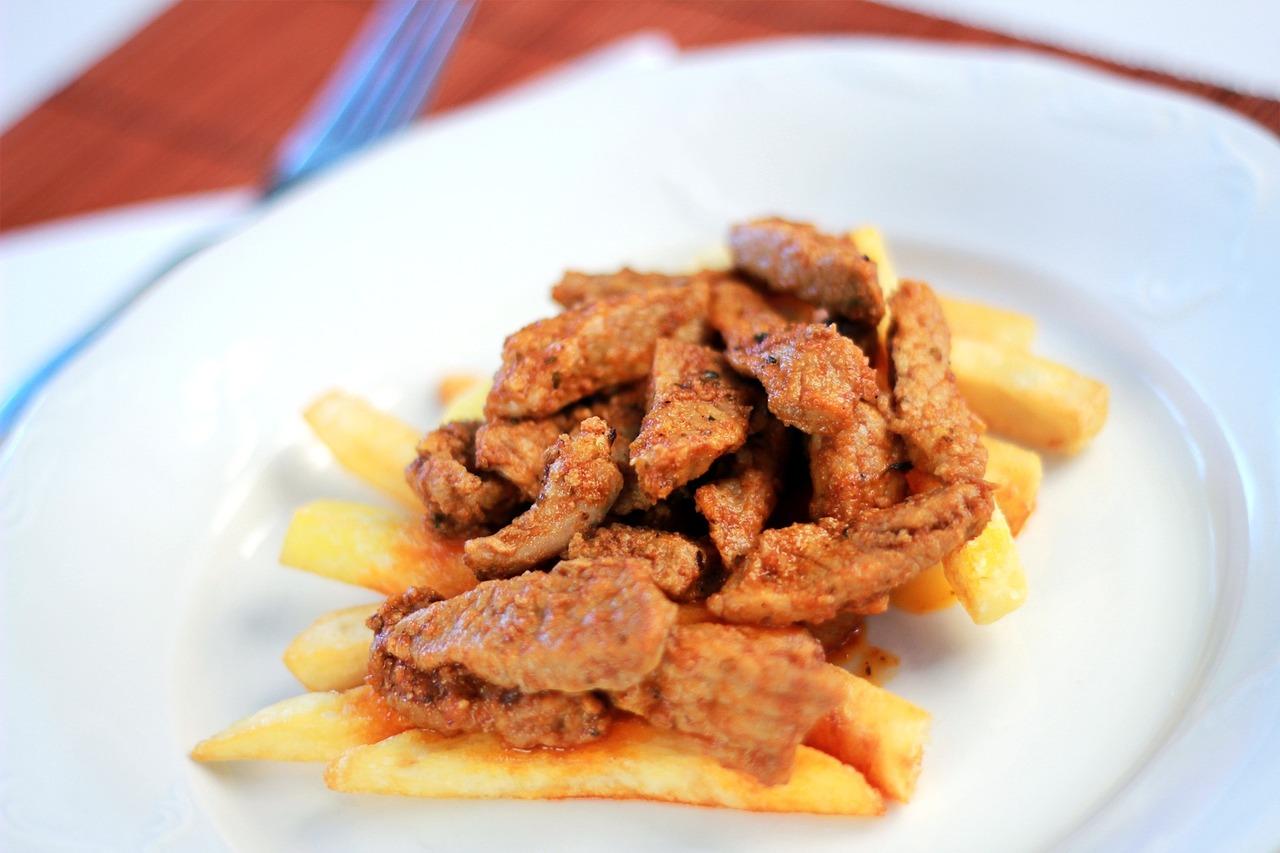
Brassói aprópecsenyeFried pork with potato cubes

Despite the name, which points to Brassó (Brașov) in Transylvania, this is a Budapest invention, and it is still one of the most ordered plates in the city's small family restaurants. Small cubes of pork neck or shoulder are fried hard with onion, lots of garlic, marjoram and a little paprika until they are browned and juicy, then tossed with golden, crunchy fried potato cubes. It is a quick, salty, garlicky dish, best with a bowl of pickles or a crisp cucumber salad and a glass of cold mineral water. The usual slip is crowding the pan, so the pork steams grey instead of browning; fry it in two batches. Chef's tip: add half the garlic at the start and the rest in the last minute, so you get both the mellow and the sharp flavour.

by KrazyBadal 0 views

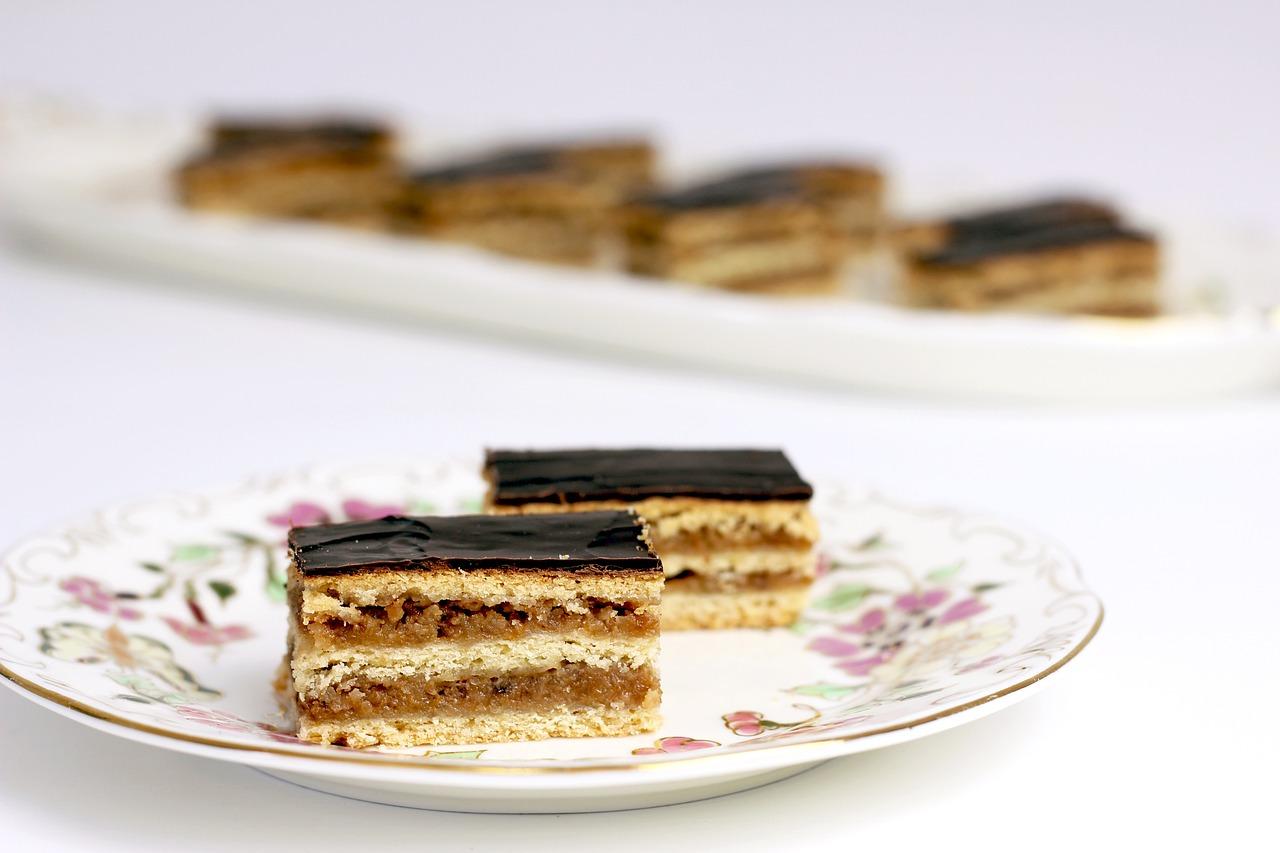
ZserbóWalnut and apricot layered pastry

At Christmas and at every family name day, a Hungarian grandmother cuts zserbó into neat diamonds: three layers of walnut and apricot jam between four thin sheets of rich yeast pastry, crowned with dark chocolate. It was created at the Gerbeaud café on Vörösmarty tér in Budapest, and the name is simply the café's French name spelled the Hungarian way. The pastry bakes short and tender, the jam stays sharp and fruity, and the chocolate adds a firm, glossy snap. A common mistake is rolling the sheets unevenly, so the slices come out lopsided; weigh the dough into four equal parts and roll each to the size of the tin on baking paper. It tastes even better the next day, once the jam has soaked in. Chef's tip: use a tart apricot jam and stir a squeeze of lemon into it if it seems very sweet.

by KrazyBadal 0 views

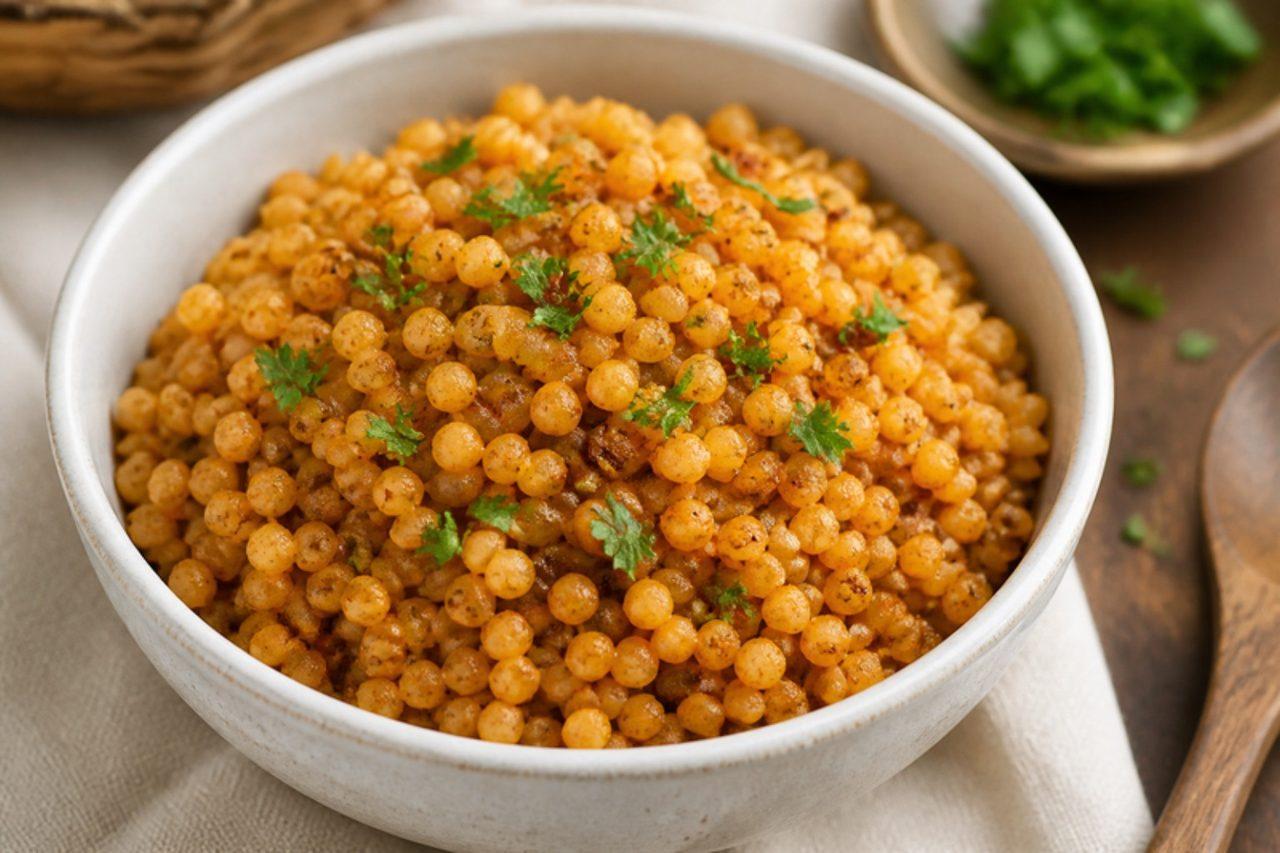
TarhonyaToasted egg barley

Tiny pebbles of dried egg pasta, tarhonya is one of the oldest Hungarian staples, once dried on cloths in the sun by farm women on the Great Plain and stored for the winter. It is toasted in fat until golden, then simmered in water like a pilaf until each grain is plump but separate. Hungarians serve it as the side for paprika stews, and in a vegetarian kitchen it is perfect next to lecsó or a mushroom paprikás. The flavour is nutty and savoury, with a light warmth from the paprika. A common mistake is stirring it during the simmer, which breaks the grains and makes it sticky; once the water is in, cover it and leave it alone. Chef's tip: toast it slowly and evenly to the colour of hazelnuts; that toasting is where all the flavour comes from.

by KrazyBadal 0 views

Túrós táskaSweet cheese puff pastry pockets

Every Hungarian bakery chain and village shop has a túrós táska in the case, a flaky square folded corner to corner over a fat cushion of sweet curd cheese. The filling is fresh túró beaten with egg yolk, vanilla, lemon zest and raisins, and it bakes soft and slightly tangy inside crisp, buttery puff pastry. It is a mid-morning snack with coffee, or breakfast on the go. Túró is usually made without animal rennet, but check the label if that matters to you. The usual slip is a runny filling that leaks onto the tray, so press the túró through a sieve and add a spoon of semolina to bind it. Chef's tip: chill the filled pockets for 10 minutes before baking; the cold pastry puffs higher and the corners stay folded.

by KrazyBadal 0 views

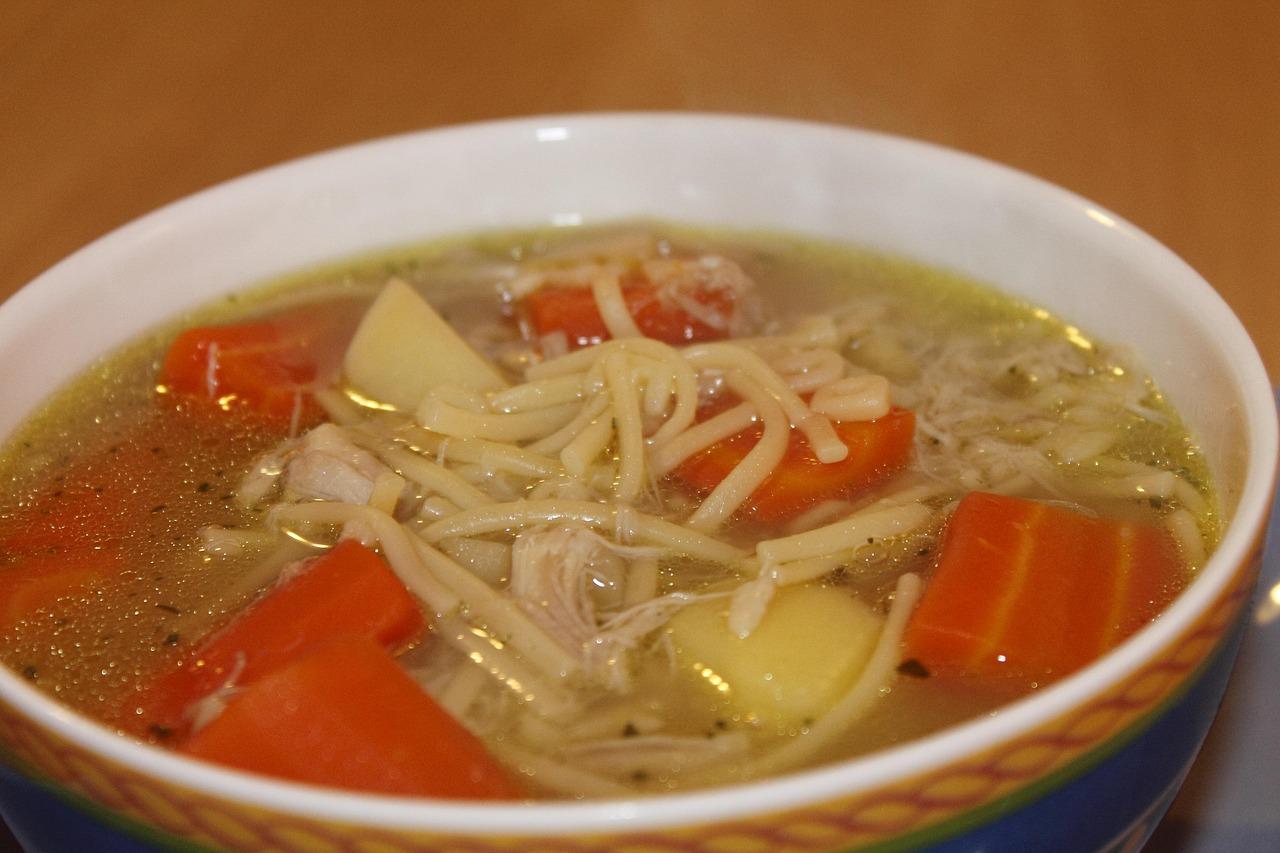
Újházi tyúkhúslevesHen soup with vermicelli

Ede Újházi, a much-loved actor of the Budapest National Theatre at the turn of the last century, was so fussy about his Sunday hen soup that a city restaurant named its version after him, and the name stuck. Today Újházi soup is the standard first course at Hungarian weddings and Sunday lunches: a clear, golden broth simmered for hours from a boiling hen, full of carrot, parsley root and celeriac, with mushrooms, green peas and a tangle of thin vermicelli added at the end. The meat is pulled off the bone and served in the bowl, or eaten separately with the vegetables and a little horseradish. The usual slip is letting the pot boil hard, which clouds the broth; it should only tremble. Chef's tip: cook the vermicelli separately and put it straight into the bowls, so the broth stays clear and the noodles don't swell overnight.

by KrazyBadal 0 views

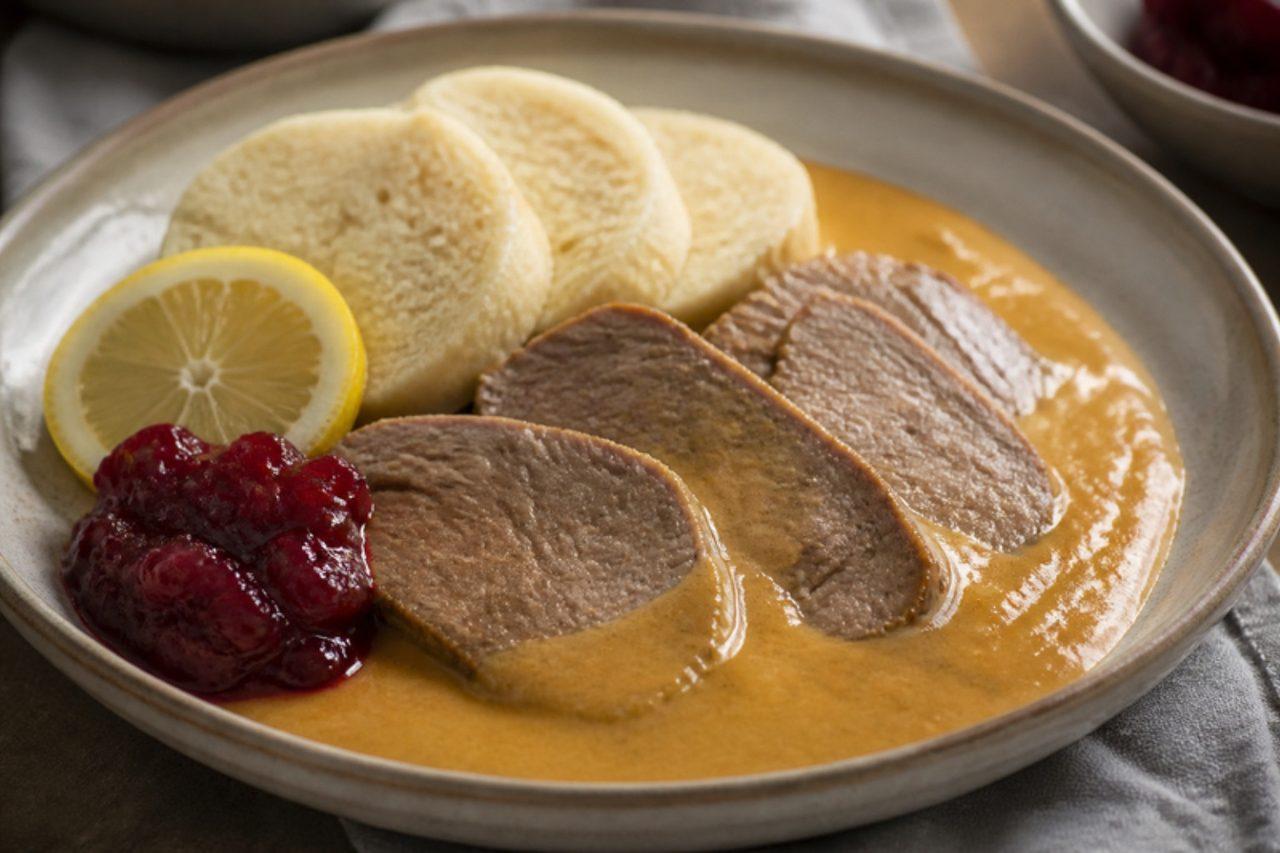
VadasBraised beef in mustard cream sauce

The word vadas means in the manner of game, and the dish once was a way of treating venison; in Budapest it is now made with beef and is one of the great canteen and Sunday dishes. A joint of beef is browned and braised with carrots, parsley root and celeriac, then the vegetables are blended into a velvety orange sauce, sharpened with mustard, a little caramelised sugar, vinegar and lemon, and enriched with cream. Thick slices of beef sit in the sauce next to fluffy bread dumplings (zsemlegombóc) and a spoon of cranberry sauce. Some cooks marinate the beef in red wine; this version uses stock and vinegar, so it is alcohol-free. Where most people go wrong is serving the meat before it is truly tender; it should yield to a fork. Chef's tip: if you marinate the beef in the vinegar and spices overnight, always do it in the fridge, covered.

by KrazyBadal 0 views

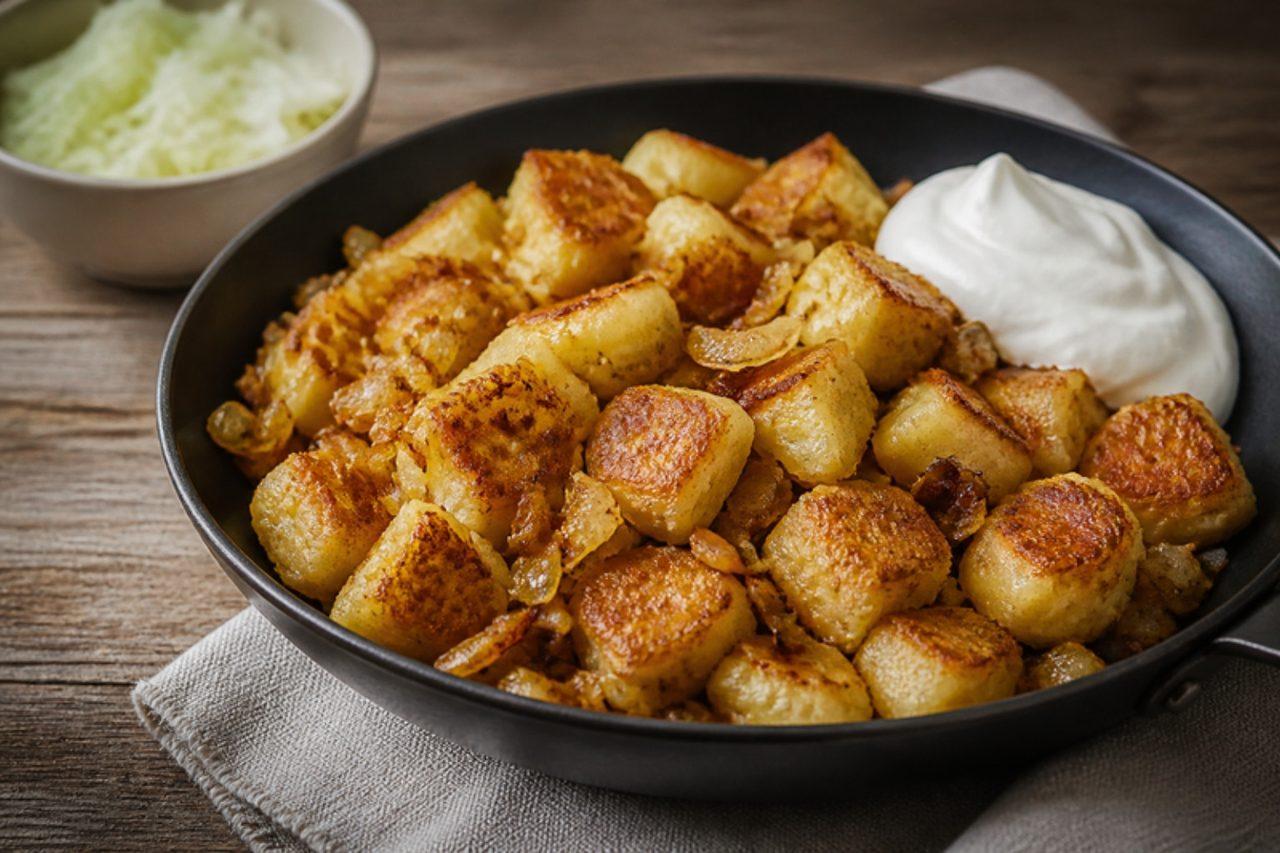
Zalai dödölleFried potato dumplings

Zala county, in the green hills of south-west Hungary, is so proud of dödölle that villages hold festivals for it. Potatoes are boiled, mashed with flour into a stiff dough right in their pot, then scooped into little lumps with a spoon dipped in hot fat and fried with plenty of onion until crisp and brown on the outside and soft inside. The old way is to fry them in lard; this version uses oil, so it is vegan, though a knob of butter is lovely if you eat dairy. Eat them as a side, or as a main with sauerkraut, cucumber salad or a mushroom stew. A common mistake is drying the dough out with too much flour, which makes heavy, gluey lumps; it should be thick but still a little sticky. Chef's tip: dip the spoon in the hot oil before every scoop, and the dödölle slide off smooth.

by KrazyBadal 0 views

Csabai kolbászPaprika pork sausage

Every October the town of Békéscsaba holds a sausage festival where teams grind, season and stuff pork by hand, and the town's name is on Hungary's most famous paprika sausage. The real csabai is smoked over beech and then air-dried for weeks; curing like that needs curing salt, careful temperature and humidity control and a lot of experience, so this recipe makes the same spicy pork mixture as a fresh sausage that is cooked through to 71 °C and never eaten raw. It is fiery, garlicky and deep red from sweet and hot paprika with a warm hint of caraway, and is excellent grilled or pan-fried, with mustard, fresh bread, pickled peppers and raw onion. The usual slip is letting the meat get warm while you work, which smears the fat and gives a dry, crumbly sausage; keep everything ice cold. Chef's tip: fry a small test patty before stuffing to check the salt and heat.

by KrazyBadal 0 views

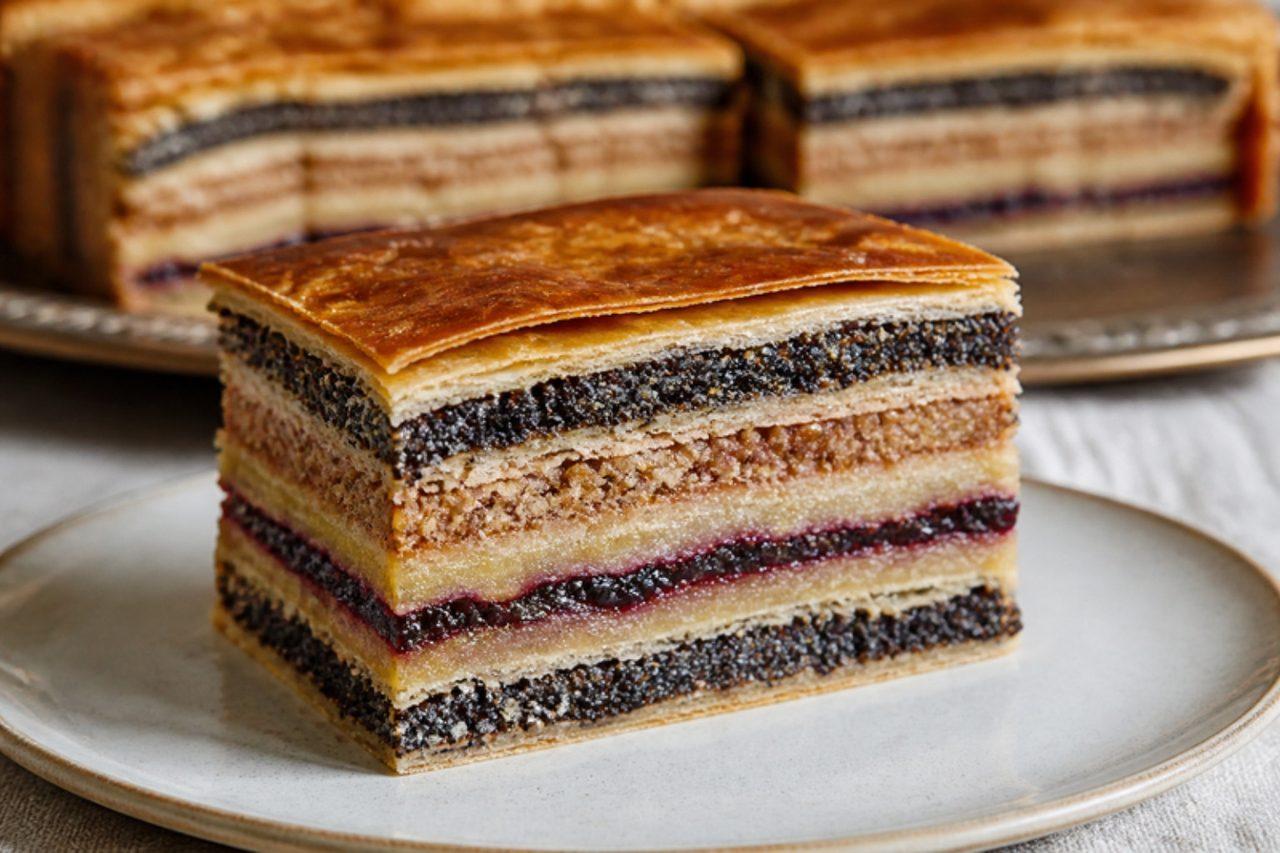
FlódniFour-layer poppy seed and fruit pastry

Four stripes of filling, black poppy seed, golden apple, nutty walnut and dark plum jam, stacked between thin sheets of shortcrust: that is flódni, the Hungarian-Jewish pastry of Budapest's old Jewish quarter around Kazinczy and Dob streets. Jewish families bake it for Purim and Hanukkah, and the bakeries of the seventh district sell it by the slab all year. Each cut slice should be moist, dense and not too sweet, best with a glass of tea or black coffee. Many families make the dough with a little sweet white wine and use margarine so it can follow a meat meal; this version keeps it alcohol-free with grape juice, and you can swap the butter for a firm baking margarine to make it dairy-free. The usual slip is rolling the sheets too thick, so the pastry swamps the fillings; each one should be barely 3 mm. Chef's tip: bake it a day ahead and slice it cold with a hot, wet knife, because the layers settle overnight and cut cleanly.

by KrazyBadal 0 views

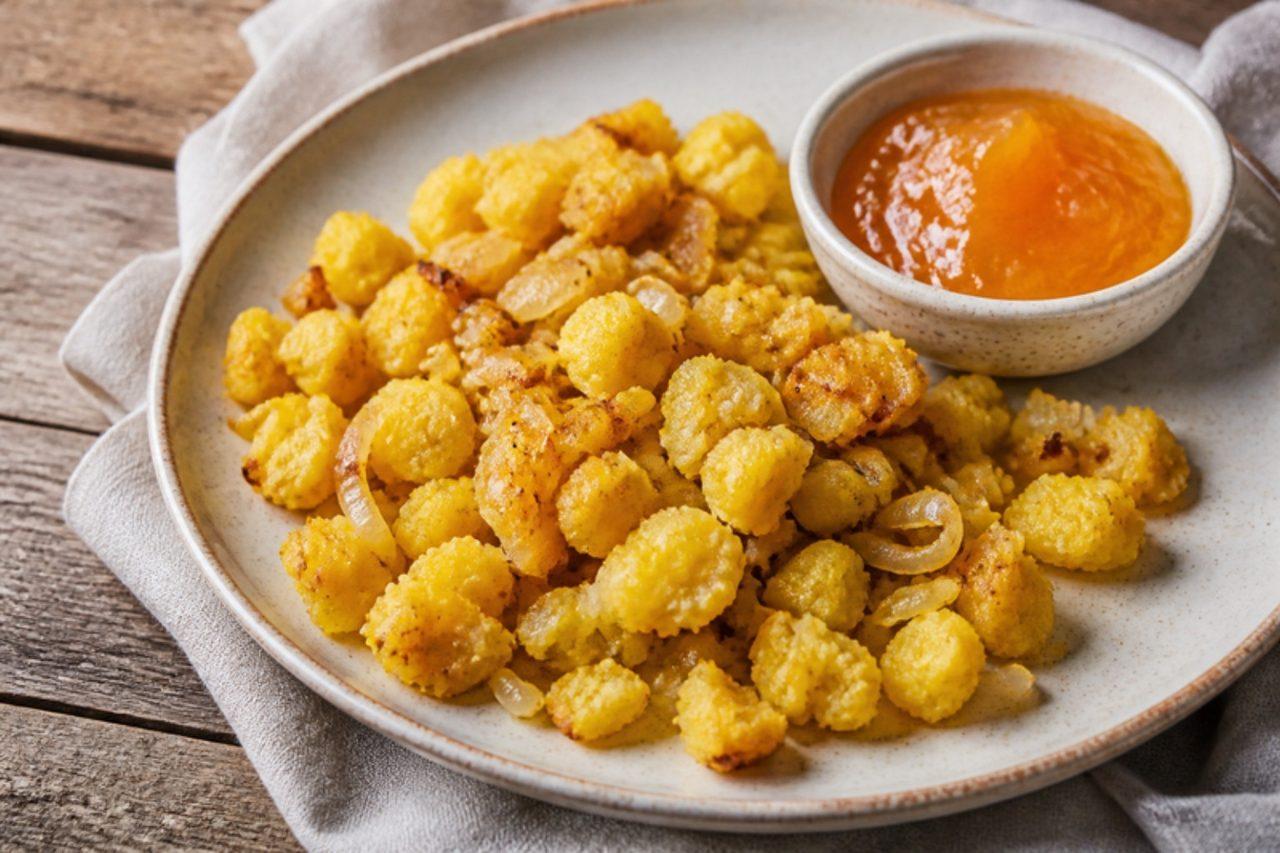
GánicaPotato and flour crumble

Up in the hills of northern Hungary, in Nógrád and Borsod, potatoes and flour were often all a farmhouse kitchen had in late winter, and gánica made a meal of them. The potatoes are mashed with flour into a heavy dough, then torn apart with two forks into small, uneven crumbs, which are tossed in a pan of onion-scented oil until golden in places. The result is soft and fluffy with crunchy edges, more like a savoury crumble than a dumpling. Eat it as a side with a mushroom stew, or sweet, spooned over with plum jam. The usual slip is under-cooking the flour, which leaves the crumbs pasty; give it the full time over the heat while you beat it. Chef's tip: tear the dough while it is still hot; once it cools it sets into a lump and will not crumble.

by KrazyBadal 0 views

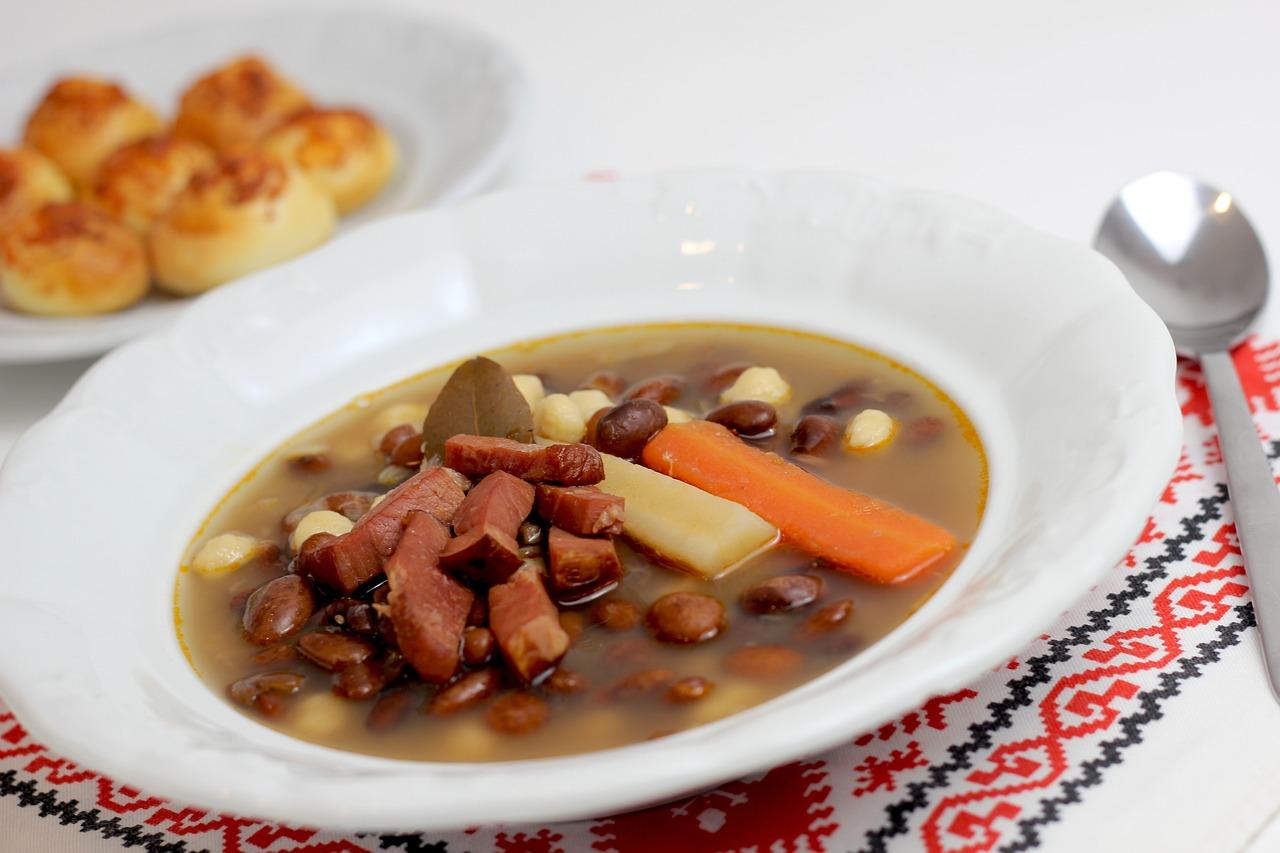
Jókai bablevesSmoky bean soup with pork

Mór Jókai, the nineteenth-century novelist, is said to have ordered this bean soup so often in his favourite Balatonfüred restaurant that it was named after him, and it is now a fixture of Budapest lunch menus and workers' canteens. This is a pork soup through and through: a smoked pork knuckle simmers with dried beans and roots until the meat falls apart, and slices of smoked pork sausage go in at the end. A paprika roux gives colour, a swirl of sour cream and a dash of vinegar add tang, and tiny pinched csipetke noodles make it a full meal with a slice of bread. Soak the beans overnight first. A common mistake is salting early; the smoked knuckle is salty, so taste only at the end. Chef's tip: simmer the knuckle for 30 minutes on its own first and taste the water; if it is very salty, throw it away and start again with fresh water.

by KrazyBadal 0 views

Kakaós csigaCocoa yeast snails

Walk into any Hungarian bakery at seven in the morning and the window will hold trays of kakaós csiga, cocoa snails, glossy on top and dark-striped inside. Children eat them on the way to school with a carton of chocolate milk, and office workers grab one with a coffee. The dough is soft and milky, rolled up with butter, cocoa and sugar so the swirl turns fudgy and slightly sticky; a brush of syrup after baking keeps them shiny and moist for a day. Where most people go wrong is spreading the filling on too-warm dough, which tears; let the risen dough rest for a few minutes after rolling. Chef's tip: roll the dough up from the long side quite tightly and cut with dental floss or a very sharp knife, so the snails keep their round shape.

by KrazyBadal 0 views

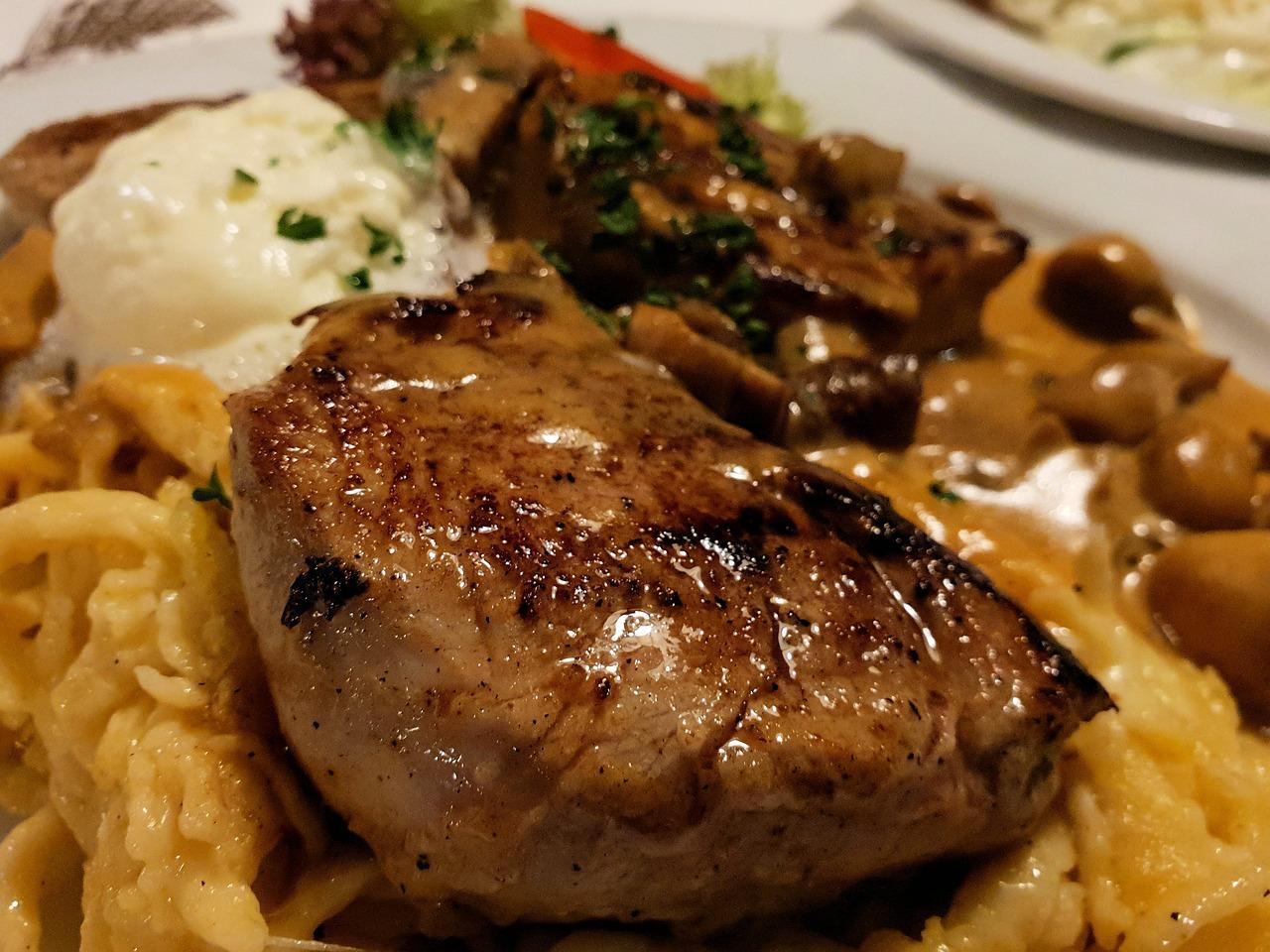
Bakonyi sertésszeletPork in mushroom paprika sauce

The Bakony hills north of Lake Balaton are known for their beech forests and mushrooms, and any Hungarian dish called bakonyi comes with a creamy paprika and mushroom sauce. Here it covers seared pork loin steaks, a favourite of roadside inns and Sunday lunches across Transdanubia. The sauce starts like a pörkölt with onion, paprika, pepper and tomato, then takes on sliced mushrooms and is finished with sour cream, so it is earthy, tangy and rich. Serve it with nokedli or rice to soak it up. Where most people go wrong is boiling the sauce after the sour cream goes in, which makes it split; keep it just below a simmer. Chef's tip: use a mix of wild and chestnut mushrooms if you can, and fry them hard first so they brown instead of stewing.

by KrazyBadal 0 views

LebbencslevesPotato and pasta sheet soup

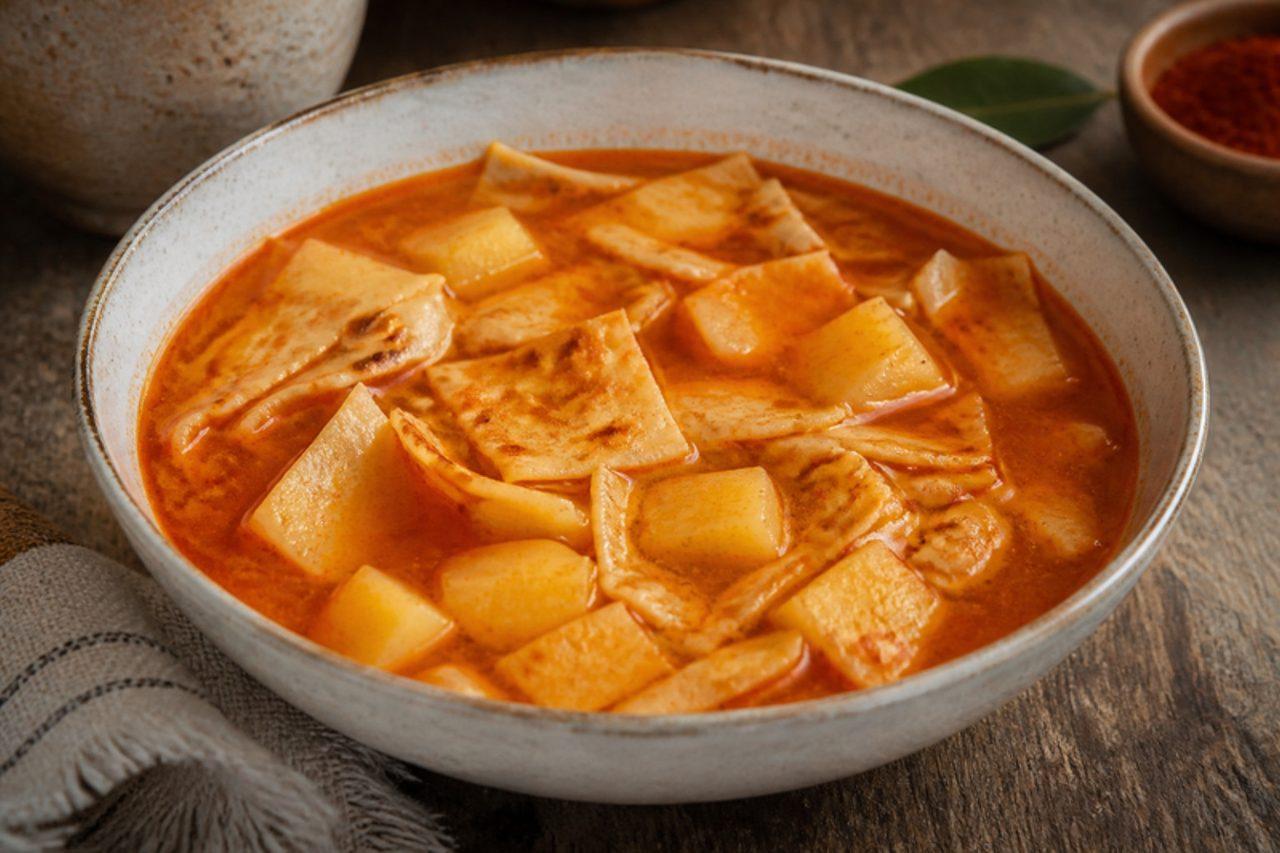
Shepherds on the Hungarian Great Plain carried dry sheets of pasta in their packs, broke them into a cauldron over the fire with potatoes and paprika, and called it lebbencsleves. In villages and family kitchens it is still the soup for a cold weekday. Usually the onion is fried in smoked bacon; this meat-free version fries the onion and paprika in oil, so it is vegan, and toasts the pasta in the same pot first for a nutty depth. The broth turns brick red and is thickened a little by the potatoes, with chewy shards of pasta in every spoonful. Buy egg-free dried pasta sheets (or broken lasagne sheets) to keep it vegan. Where it goes wrong is adding the pasta too early: it swells, goes slimy and drinks up the soup. Chef's tip: a little green pepper and a fresh tomato added with the potatoes give the soup a summery sweetness.

by KrazyBadal 0 views

Showing 24 of 40 recipes

Show more recipes

Page 1 of 2