Skip to content
Recipes

All recipes

Vegetarian, or something you can't eat? Set your diet once and we'll hide recipes that don't fit.

Lawa de chocloFresh corn soup

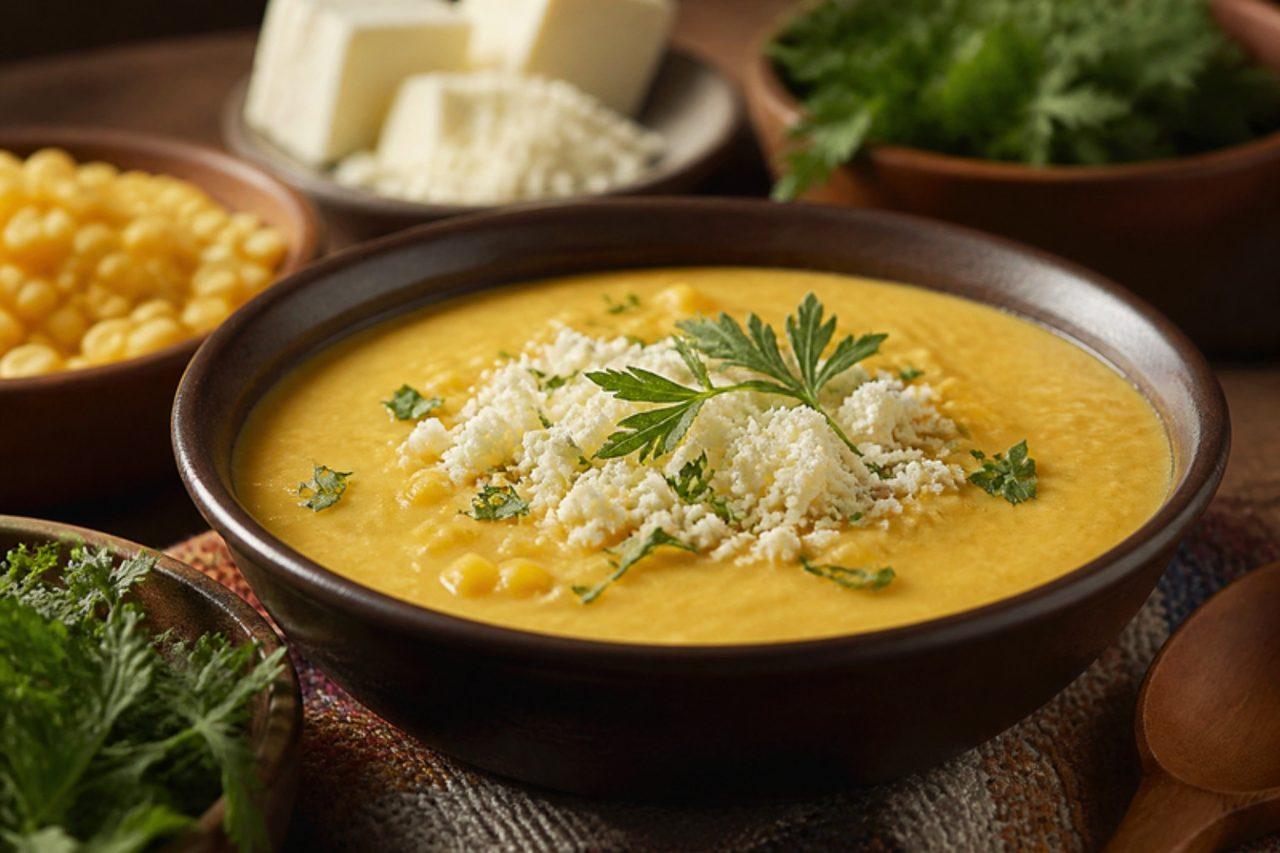
In the valley markets of Cochabamba and up into the cold highland towns, lawa de choclo is the soup that greets early risers: grated fresh corn simmered into a velvety, naturally sweet porridge-like broth with potato, melting cheese and a handful of herbs. Bolivian cooks use huacataya (black mint); mint and parsley together come close. Traditional queso fresco uses animal rennet, so pick a vegetarian fresh cheese if you need one. Most failed lawas are lumpy because the blended corn went into boiling liquid without stirring. Chef's tip: grate the kernels straight off the cob rather than cutting them; the milky pulp is what thickens the soup.

by KrazyBadal 0 views
YaguarlocroPotato and lamb offal soup

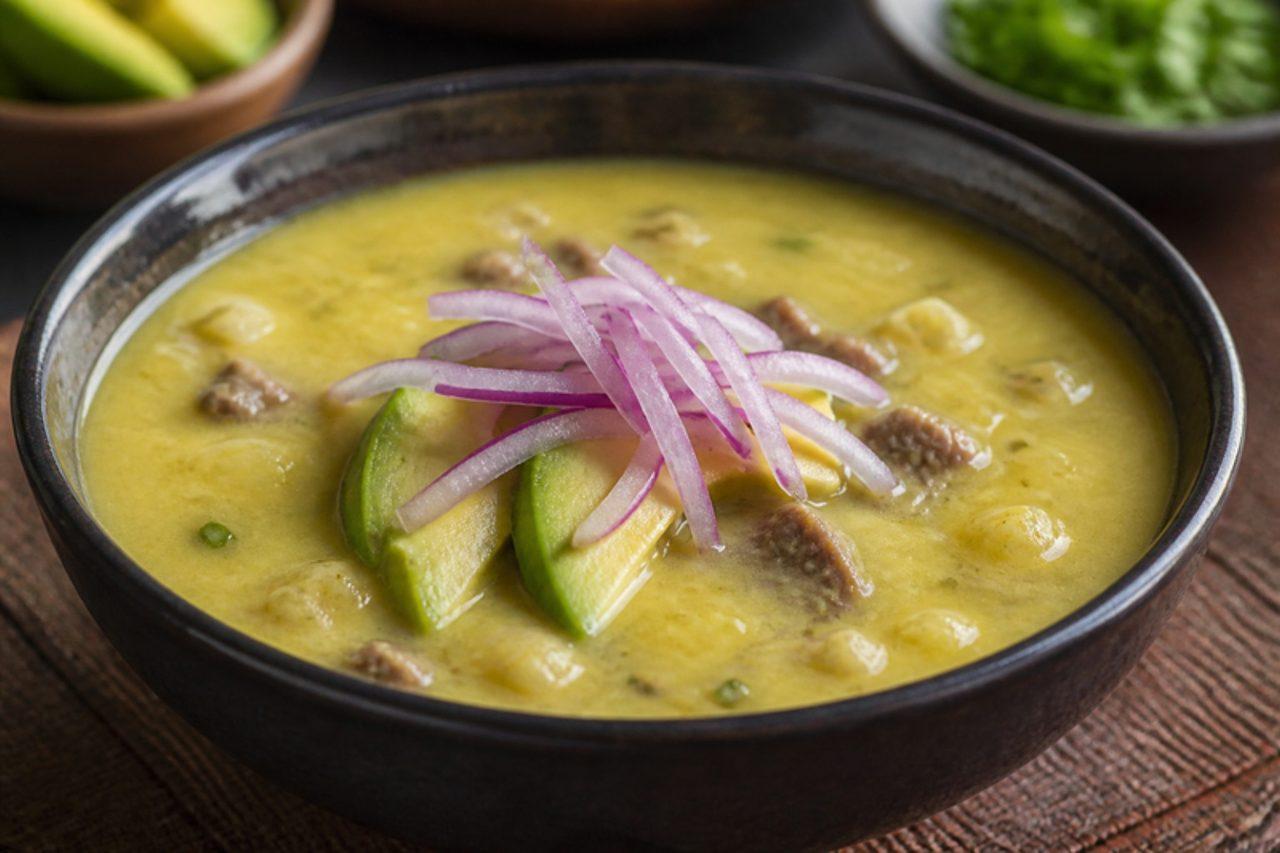
Yaguar is blood in Kichwa, and yaguarlocro is the Saturday soup of the markets of Ambato, Latacunga and Riobamba: a creamy potato broth cooked with lamb offal, cumin and achiote, crowned with avocado, sharp pickled red onion and, traditionally, crisp fried blood. Here the blood topping is optional; the soup is rich and complete without it. It is served at midday as a full meal. The usual mistake is blending the potatoes, which turns the soup gluey; let some break down by themselves and mash the rest lightly. Cook the offal until tender and the liver until no pink remains. Chef's tip: use half floury and half waxy potatoes, so the soup thickens yet keeps some soft chunks.

150 minAndeanSoupsGluten free
by KrazyBadal 0 views

Repe lojanoGreen banana and milk soup

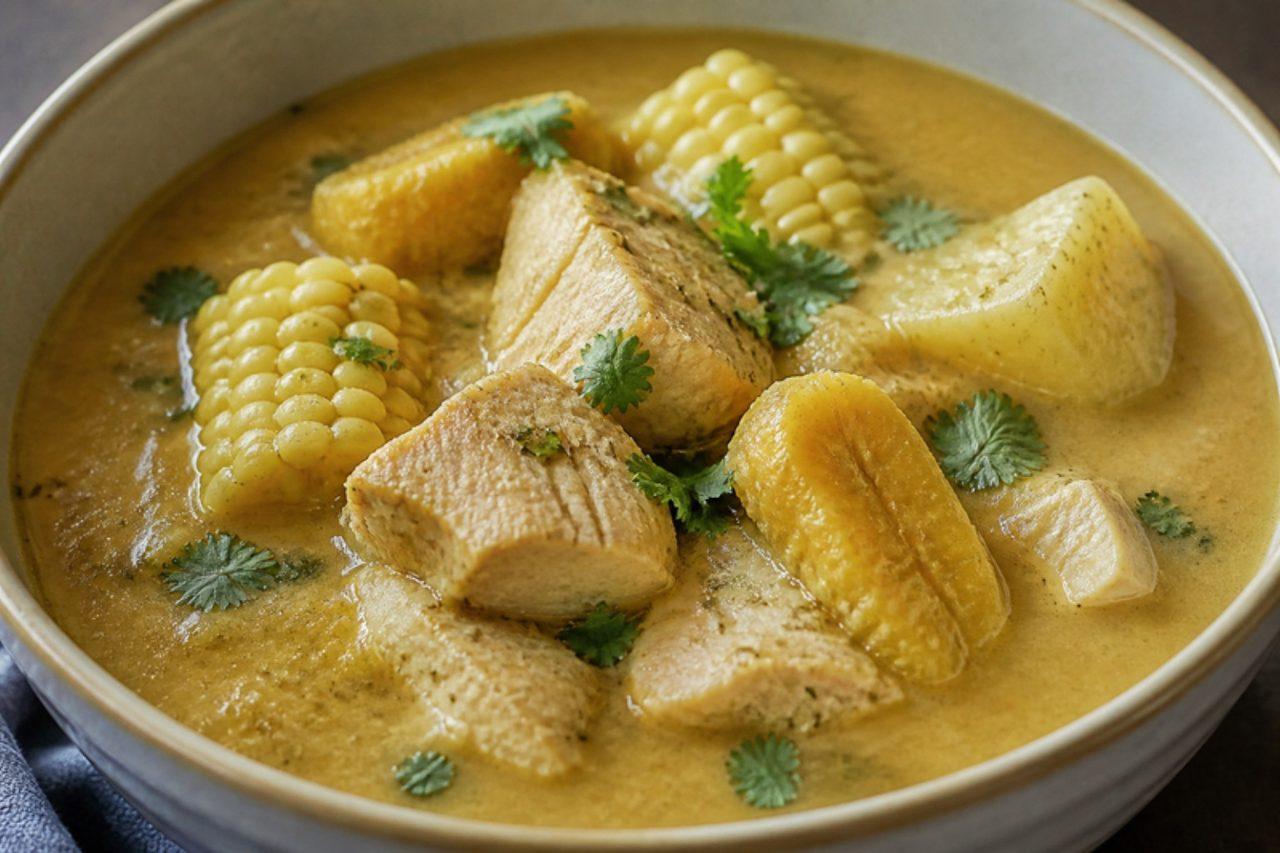
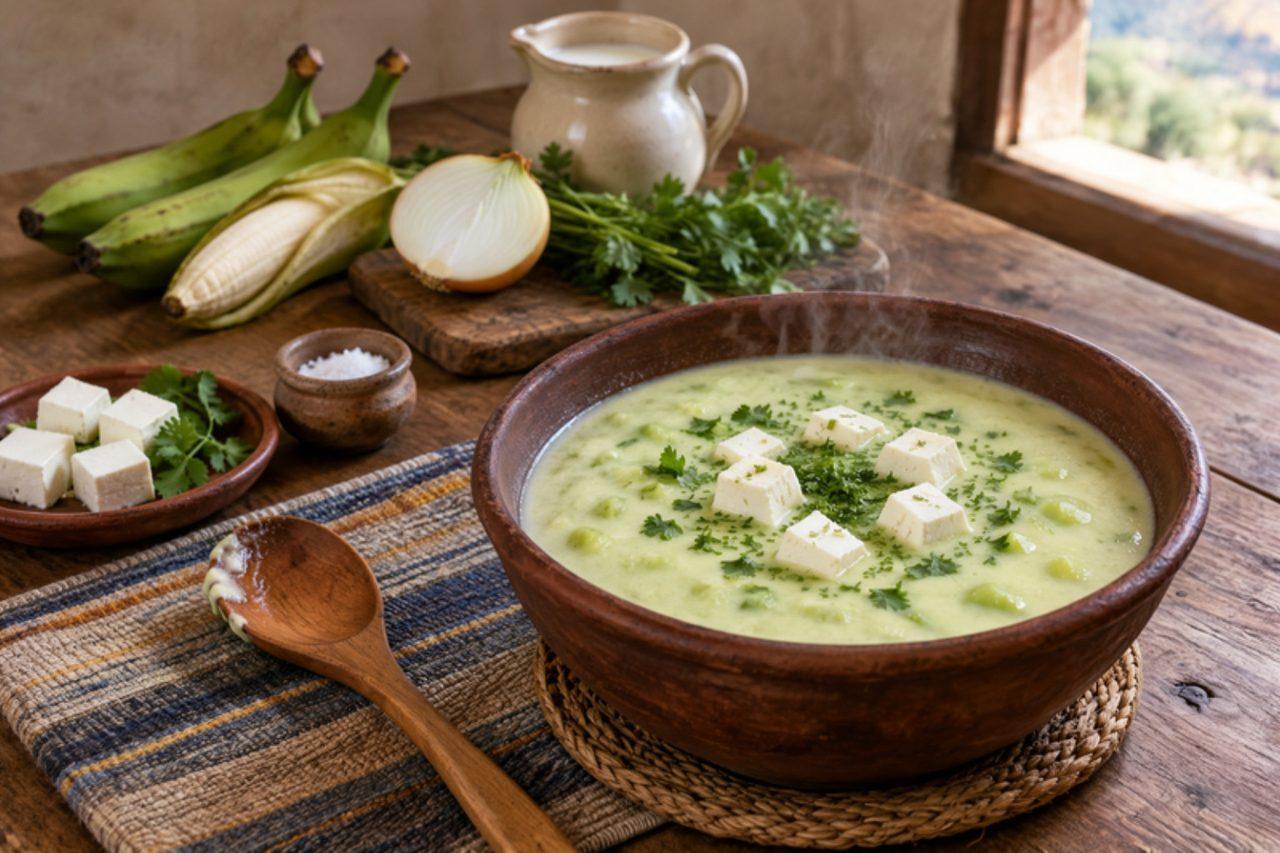
Repe is the comfort soup of Loja in southern Ecuador, eaten at lunch on chilly Andean days and often as the first course of the main midday meal. Green bananas are cooked in a light onion and achiote broth until they break down, then milk and crumbled fresh cheese turn it creamy and gently savoury, with coriander on top and avocado on the side. Lojano quesillo is usually made with animal rennet; use a fresh cheese labelled vegetarian or paneer instead. The usual mistake is cutting the bananas with a knife: break them into rough pieces by hand, as the rough edges dissolve and thicken the soup. Chef's tip: once the milk is in, keep the soup just below a simmer so it doesn't catch or curdle.

by KrazyBadal 0 views

Caldo de bolas de verdeBeef broth with plantain dumplings

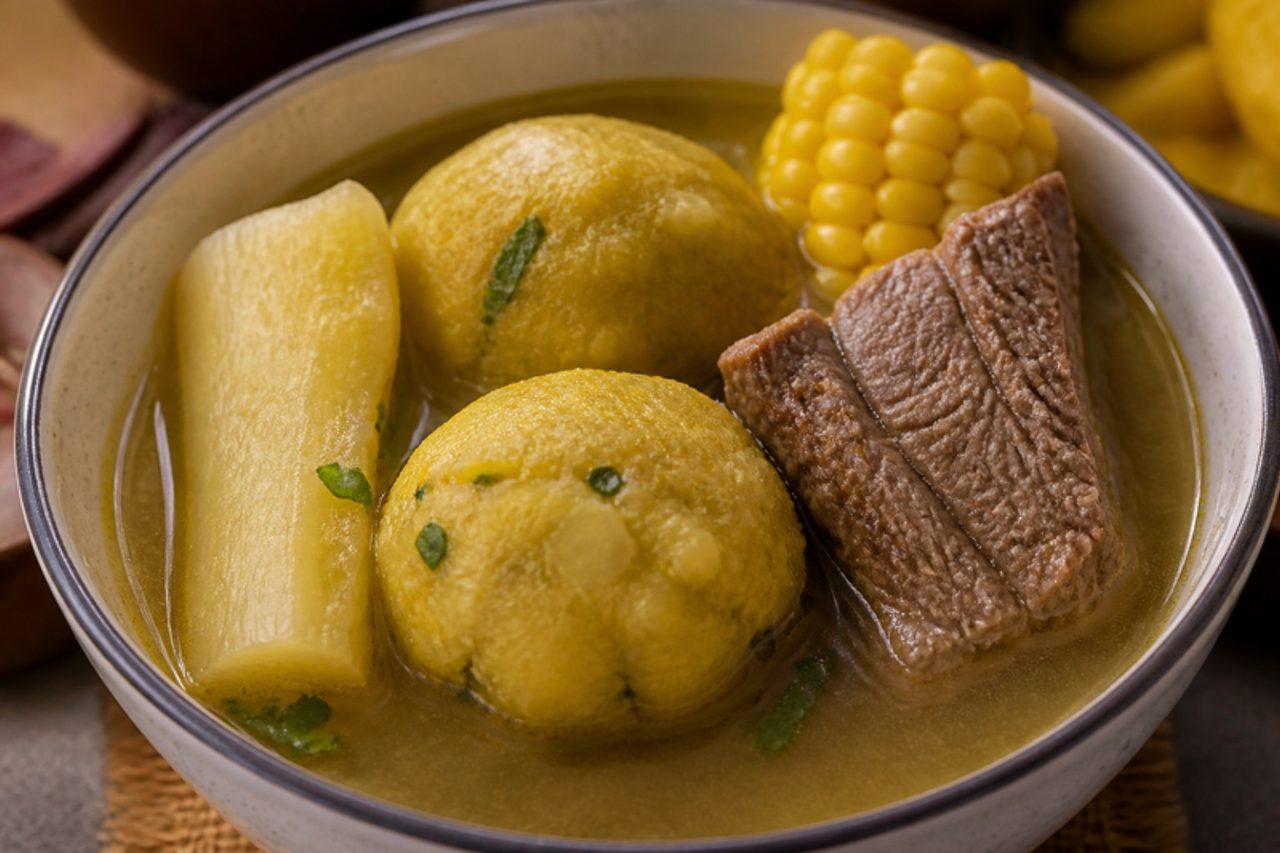
Caldo de bolas is the big Sunday soup of Guayaquil and the Guayas coast: a clear beef broth with corn and cassava in which float fist-sized dumplings of green plantain, each stuffed with a savoury filling of beef mince, egg, peas and peanuts. It takes time, so families make it for gatherings and serve it with lime, chilli and rice. Peanuts are an allergen and optional here. The usual mistake is a plantain dough that is too dry, which cracks and falls apart in the broth; it should feel like soft play dough. Cook the mince filling until no pink remains. Chef's tip: mix boiled and raw grated plantain; the raw starch is the glue that holds the bolas together.

160 minAndeanSoupsGluten free
by KrazyBadal 0 views

Viche de pescadoFish and peanut soup

Viche is the Sunday soup of Manabí's coast, cooked in Portoviejo kitchens and beach shacks at Crucita: a golden broth thickened with ground peanuts and grated green plantain, loaded with corn, cassava, squash and chunks of white fish. It is nutty, earthy and gently sweet, a meal in a bowl, served with lime and chilli. Peanuts are a major allergen. The common mistake is adding the fish too early, so it breaks into threads; it goes in last and needs only 8 minutes, until opaque and flaking. Chef's tip: toast the peanuts until golden before grinding; it gives the broth its deep, roasted flavour.

by KrazyBadal 0 views

Chanka de polloChicken soup with broad beans

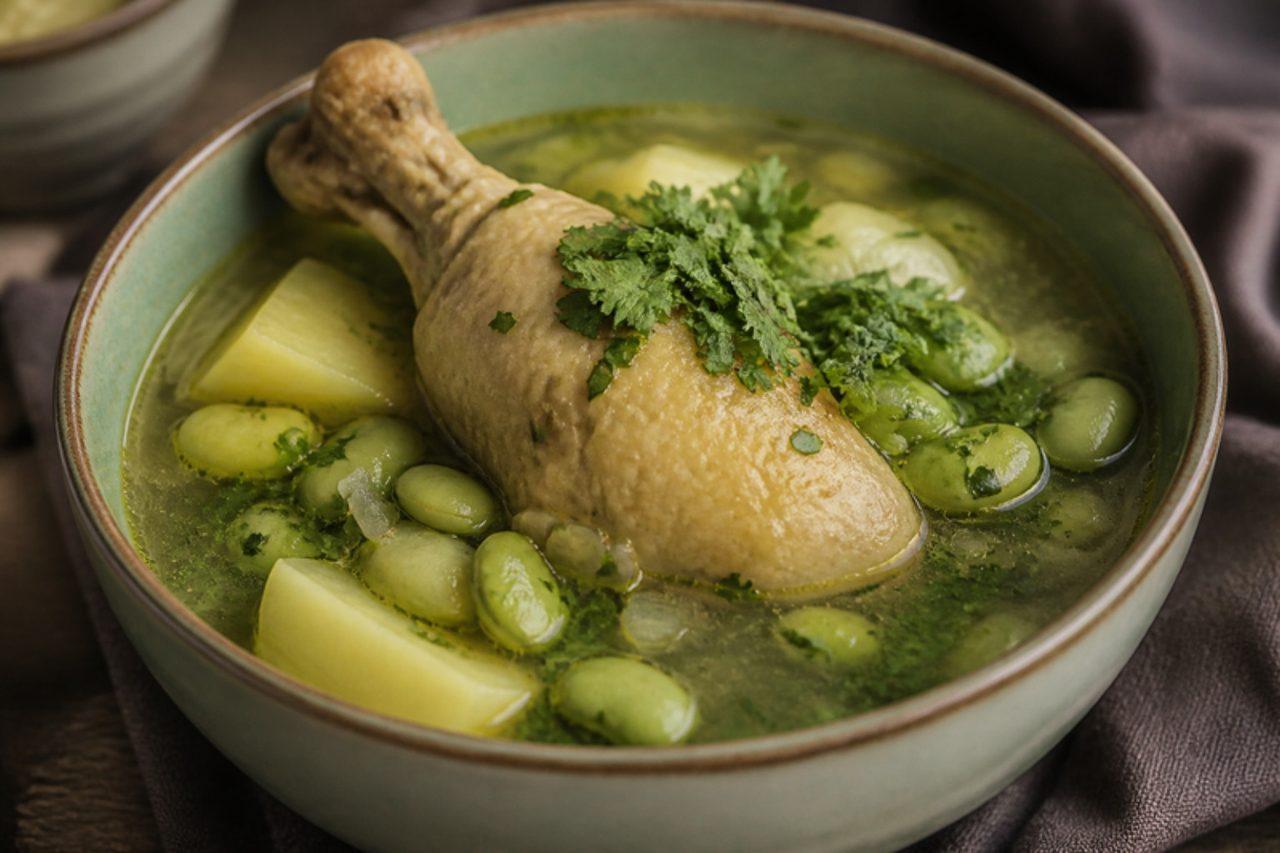
Every Cochabamba market has a corner where chanka de pollo bubbles in huge pots: a clear, herby chicken broth full of broad beans, potatoes and spring onion, with a whole joint of chicken in each bowl and chuño or a boiled potato on the side. It is fresh and grassy rather than rich, sharpened with a little locoto. Many people let it boil hard, which clouds the broth. Chef's tip: add the herbs and spring onion right at the end so they stay bright green.

by KrazyBadal 0 views

Postre MassiniCustard sponge with burnt sugar top

Montevideo's birthday cake of choice since the early twentieth century, the Massini is two thin layers of sponge sandwiching a thick filling of whipped cream folded with egg-yolk custard, crowned with a thin glassy crust of torched yolk and sugar. Bakeries across Uruguay sell it on Sundays. Traditional versions sometimes add a sweet fortified wine to the custard; this one is alcohol-free. The custard is cooked to a safe 71 °C. The common mistake is assembling with warm custard, which melts the cream into a puddle. Chef's tip: if you don't have a blowtorch, put the sugared top under a very hot grill for a minute and watch it closely.

by KrazyBadal 0 views

Pira caldoCreamy fish soup with cheese

Along the Paraguay River from Asunción to Concepción, pira caldo is the fishermen's soup, said to restore strength after a long night: chunks of firm river fish poached in a broth of onion, peppers and tomato fried in fat, then made creamy with milk and melted fresh cheese. Surubí or other catfish is traditional; any firm white fish such as hake or pollock works. The mistake most people make is boiling the soup after the milk and cheese go in, which splits it. Chef's tip: fry the vegetables until they are very soft and sweet before adding the water; that is where the flavour comes from.

by KrazyBadal 0 views

Guaguas de panSweet bread babies

Guagua means baby in Kichwa, and in late October Quito's bakeries line their windows with these swaddled bread figures, each with a sugar-iced face and blanket, made to eat with colada morada for the Day of the Dead on 2 November. The bread is soft, buttery and lightly sweet, often hiding a strip of guava paste, and children love decorating them. The common mistake is shaping thin heads and arms, which brown and dry long before the body is baked; keep the shapes plump. Chef's tip: let the shaped figures rise fully before baking, so they puff into round, friendly babies rather than cracking at the seams.

by KrazyBadal 0 views

Vegetarian vori voriCornmeal dumpling and vegetable soup

Vori vori is the soup Paraguayan grandmothers make on cold June and July evenings: a golden broth full of bori, small balls of cornmeal and cheese that swell soft as they simmer. The name is a Guaraní take on the Spanish 'bolita' (little ball). It's usually made with hen; this version gets its colour and body from pumpkin, carrot and a sofrito with saffron or turmeric. Chef's tip: shape the balls no bigger than a hazelnut; they double in size and larger ones stay raw inside.

by KrazyBadal 0 views

EncebolladoTuna and yuca soup

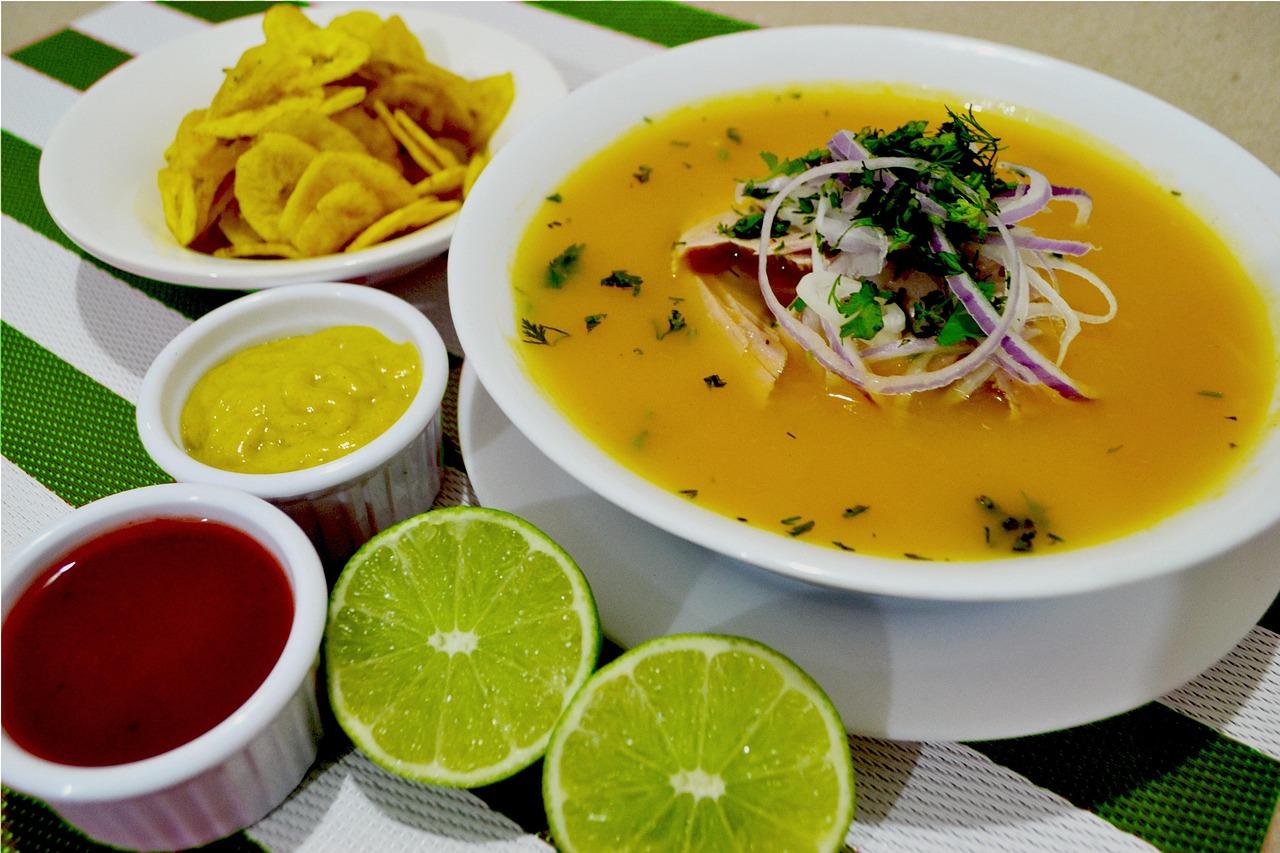
Encebollado is the morning soup of Guayaquil and the Ecuadorian coast, sold from street carts and small cevicherías from dawn and famous as a cure after a late night: tuna poached in a broth of tomato, cumin and chilli, with soft chunks of yuca, topped with a heap of lime-pickled red onion and coriander, and eaten with banana chips (chifles) and popcorn. The mistake is boiling the tuna until it goes dry; poach it gently and add it back at the end. Chef's tip: pickle the onion at least 20 minutes ahead so it turns pink and loses its sharpness.

by KrazyBadal 0 views

Vegetarian fanescaSquash, grain and bean soup

Fanesca is cooked in Ecuador only once a year, in the days before Easter, and families spend a whole day shelling, peeling and stirring. Traditionally it gathers twelve grains and legumes (said to stand for the apostles) in a thick soup of squash, milk and peanut, with salt cod in the pot. This version leaves the fish out and keeps the festival garnishes: hard-boiled egg, fried ripe plantain, fresh cheese and parsley. It's rich and very filling; small bowls are enough. Chef's tip: cook everything the day before and reheat; like many big feast soups, fanesca tastes better on day two.

130 minAndeanSoupsGluten free
by KrazyBadal 0 views

Locro de papaPotato and cheese soup

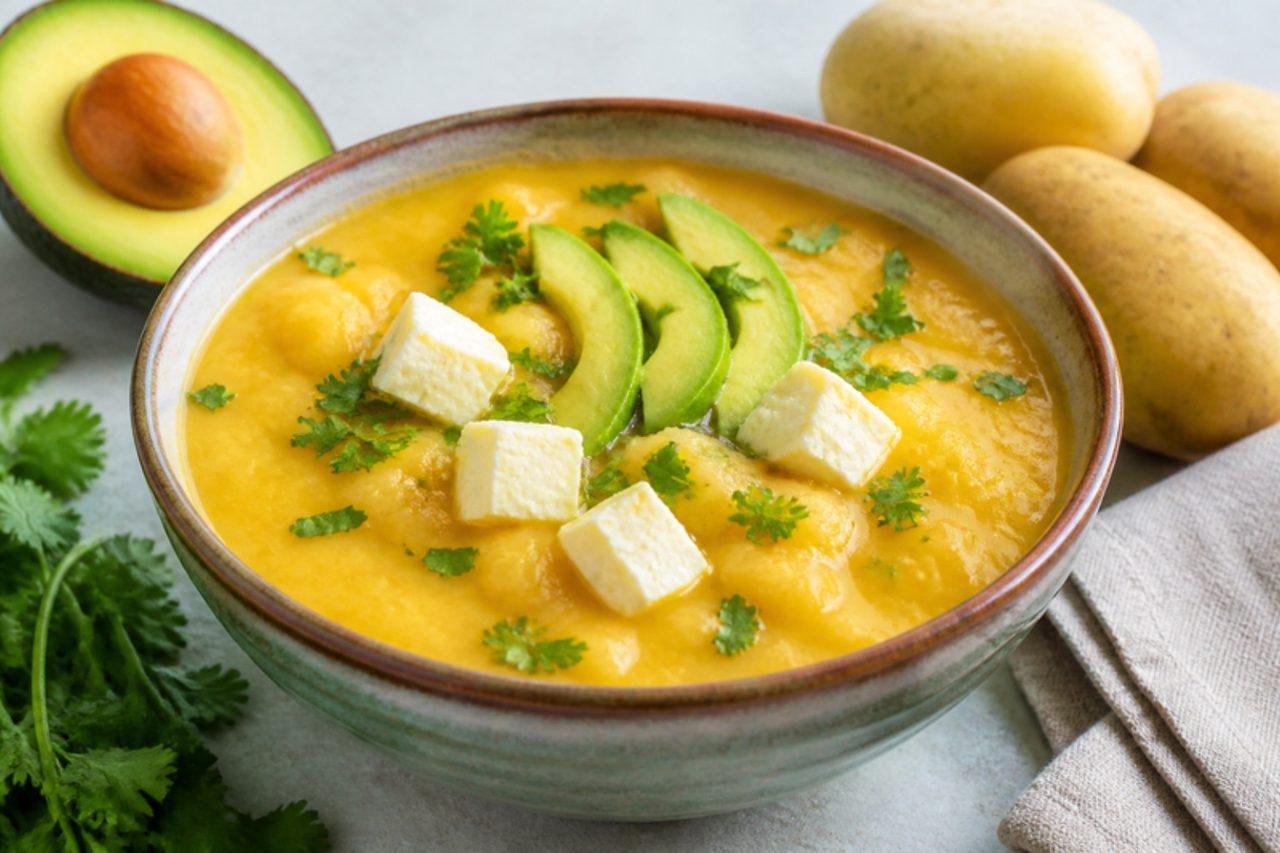
Locro de papa is Quito's comfort soup, eaten on cold afternoons in the Andean highlands where nights drop near freezing. Potatoes are cooked until half of them dissolve into a thick, achiote-tinted broth, then finished with milk and cubes of fresh cheese that soften into strings. Bowls are crowned with avocado slices and served with ají (chilli sauce) on the side. Ecuador uses two potatoes, a floury one to thicken and a waxy one to hold its shape. Chef's tip: add the cheese off the heat; it should soften and go stretchy, not melt into an oily layer.

by KrazyBadal 0 views

Sopa de maníPeanut soup

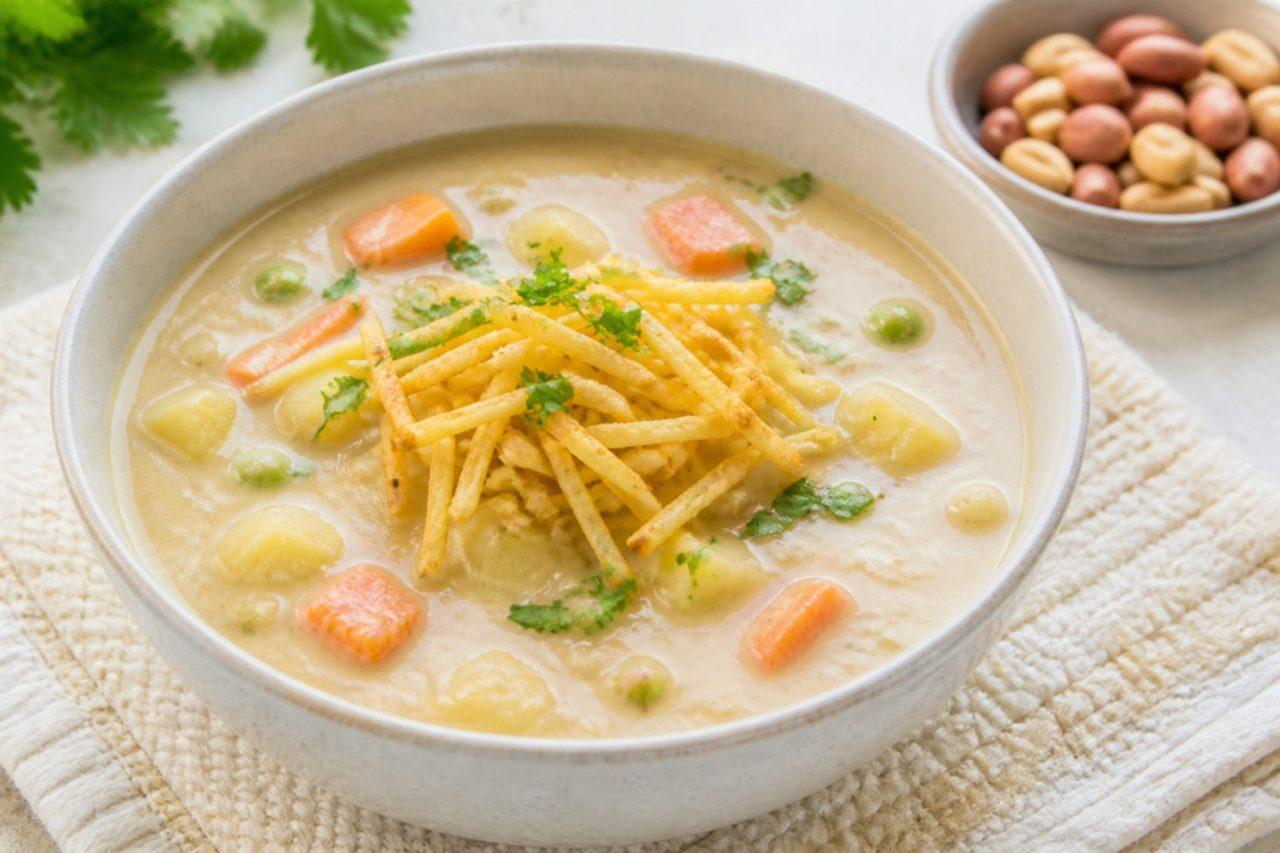
Sopa de maní is a pride of Cochabamba, Bolivia's food capital, where it starts the big midday meal in homes and market comedores. Raw peanuts are blended into a pale, creamy broth with vegetables and peas, and every bowl is topped with a tangle of thin, crisp fried potatoes and chopped parsley. It's usually made with beef broth; vegetable stock and a little more garlic keep it full-flavoured. Chef's tip: use raw (unroasted) peanuts and blend them very finely with water; that's what gives the soup its milky colour and silkiness.

by KrazyBadal 0 views

ChajáSponge, peach and cream cake

Chajá was created in 1927 at a bakery in Paysandú, a city on the Uruguay River, and named after a local bird whose feathers look as fluffy as its crumbly meringue coat. Today it's Uruguay's birthday and celebration cake: layers of light sponge soaked in peach syrup, filled with whipped cream, peaches and dulce de leche, then covered in crushed meringue. It's sweet, soft and crunchy at once, best on the day it's assembled. Chef's tip: soak the sponge but not too much; it should feel moist, not wet, or the layers slide.

by KrazyBadal 0 views

So'o yosopyGround beef and rice soup

So'o yosopy, "pounded meat" in Guaraní, is a soup Paraguayans make for anyone who is tired or recovering, and on cold days in Asunción's winter: beef is ground very finely and stirred into cold water so it breaks into soft, delicate threads, then simmered with onion, tomato, pepper and a little rice and oregano. The texture is smooth and the broth light. The mistake is adding the beef to boiling water, which makes it clump into meatballs; mix it into cold water first and stir as it heats. Chef's tip: ask the butcher to mince lean beef twice, or pulse it very fine in a food processor.

by KrazyBadal 0 views

Arabian date pinwheels

Crumbly, buttery biscuit dough is rolled out, spread with a soft date filling flavoured with cinnamon and lemon, rolled into logs, sliced and baked into pretty pinwheels. They make a big batch of 50 and keep well in an airtight tin. Serve with tea, or with ice cream as a dessert.

by KrazyBadal 0 views

Lebanese date cake

A soft, moist cake made without eggs: self-raising flour and brown sugar are rubbed with butter, then mixed with milk and sour cream and studded with chopped dates, raisins and pistachios, with a warm hint of nutmeg and vanilla. Lovely with tea or served warm with cream.

by KrazyBadal 0 views

Ma'amoulDate and walnut butter pastries

Ma'amoul are delicate shortbread-like pastries made for Eid and Easter across the Middle East. A soft, rose-scented butter dough is wrapped around a filling of dates, walnuts, almonds and pistachios cooked with cinnamon, marked with a fork, baked pale and dusted with icing sugar. Makes 35; they keep well in a tin.

by KrazyBadal 1 views

Semolina cake

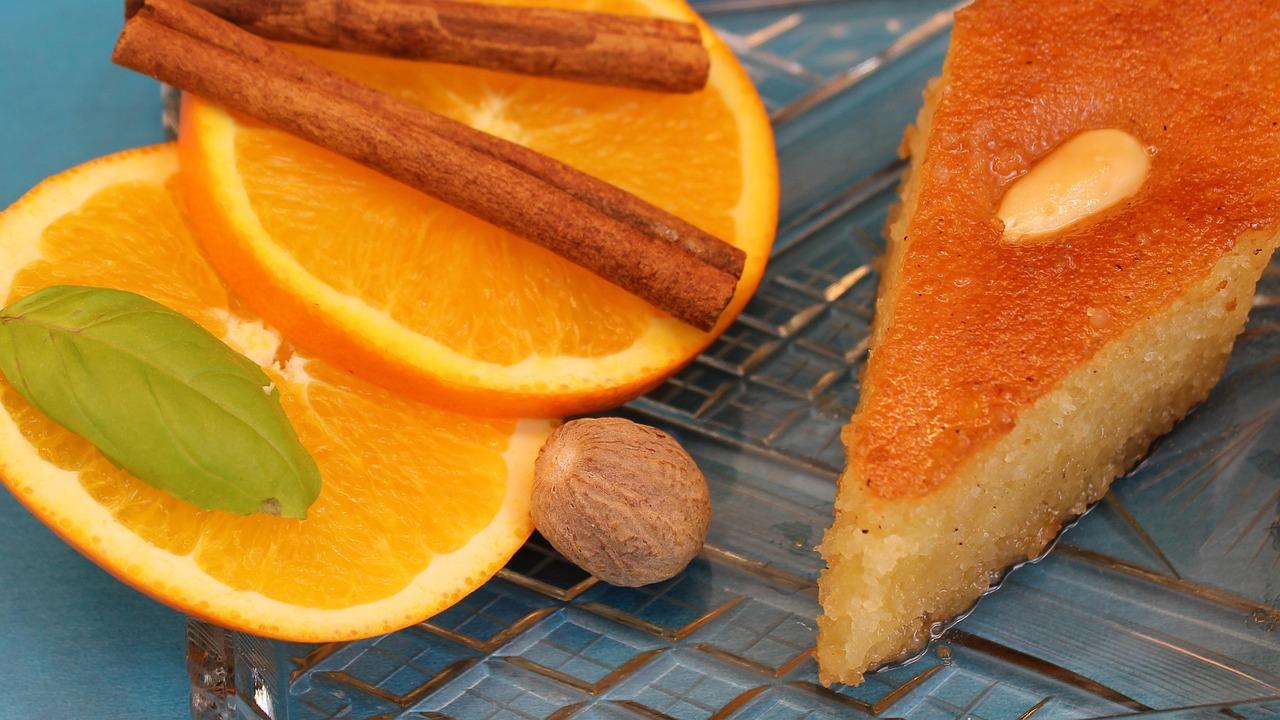
A moist eggless cake made with semolina, coconut and yogurt, baked with slivered almonds on the bottom and top and moistened with orange juice. Serve with coconut ice cream or custard sauce.

by KrazyBadal 0 views