Skip to content
Recipes

All recipes

Vegetarian, or something you can't eat? Set your diet once and we'll hide recipes that don't fit.

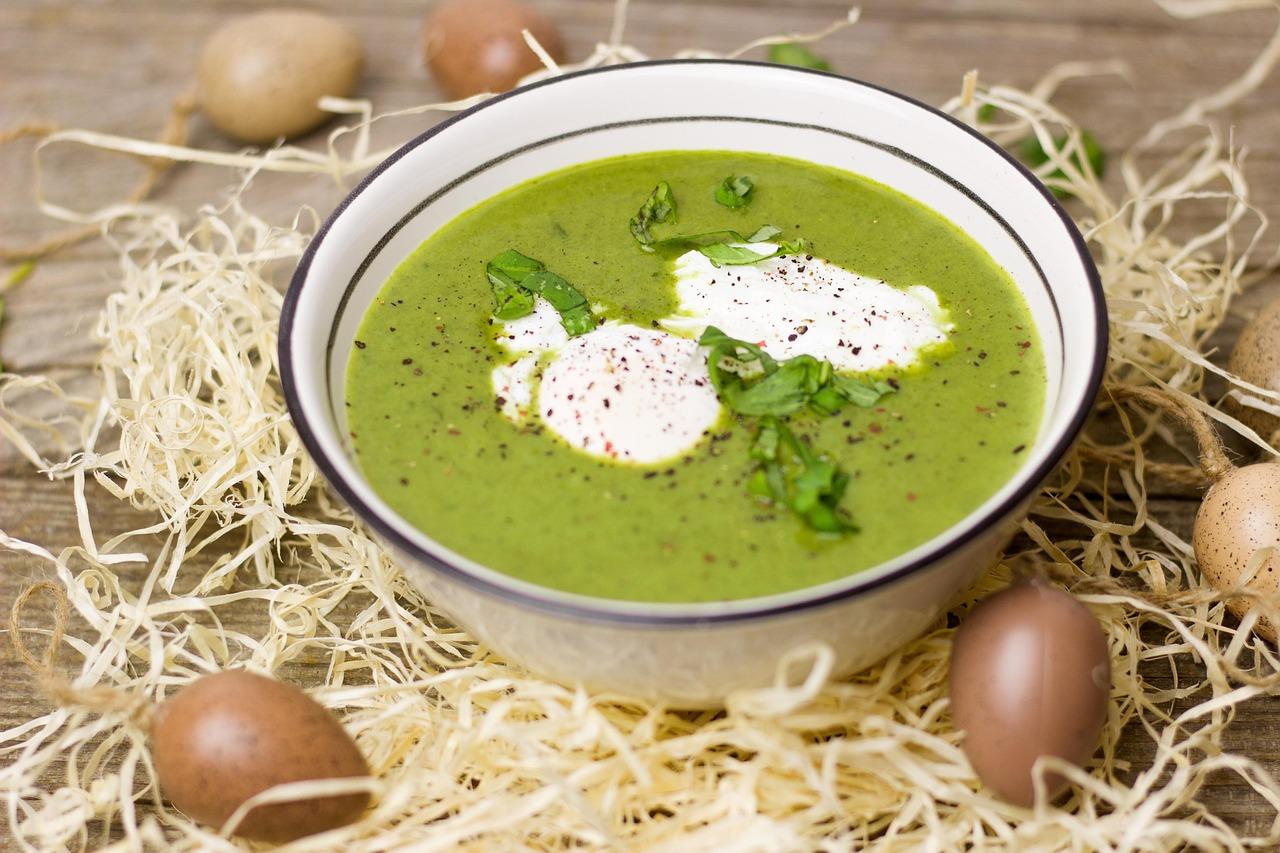
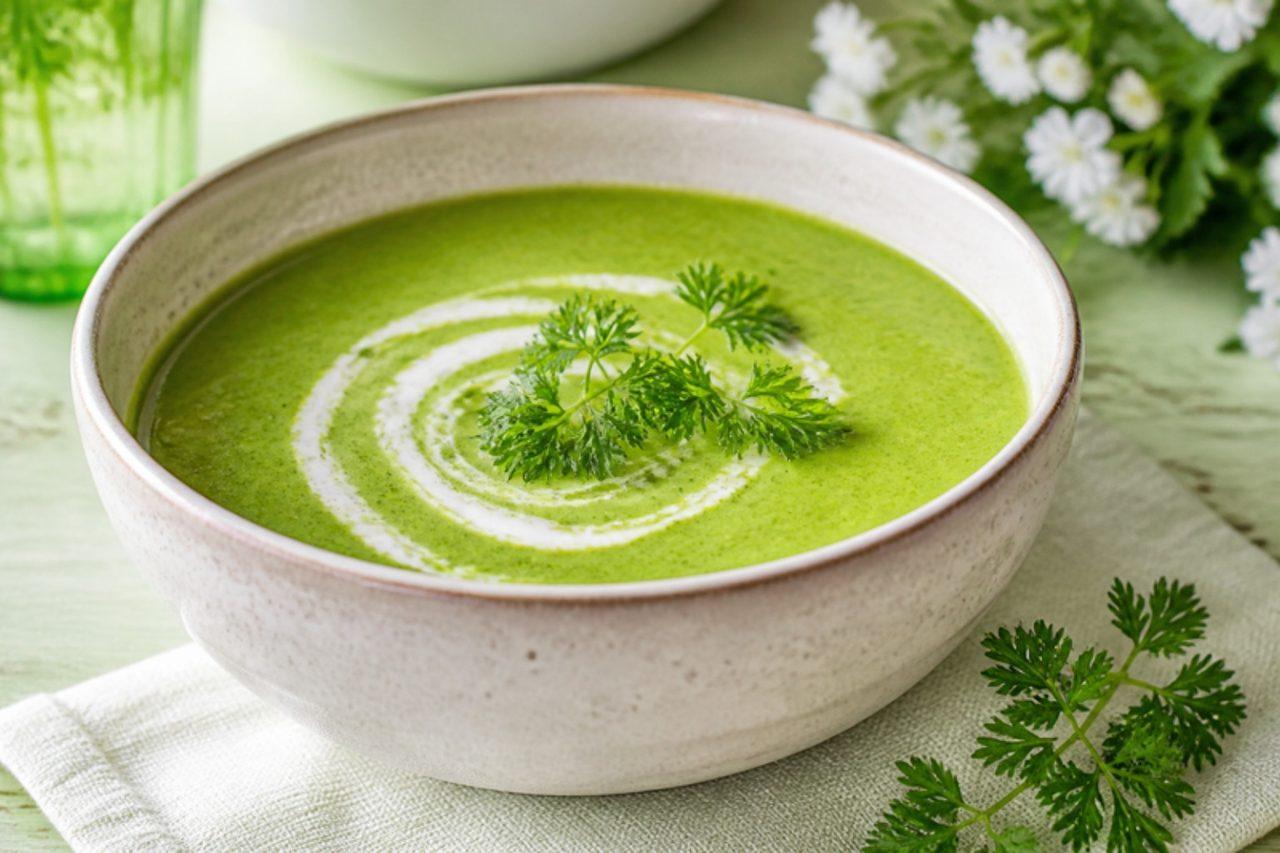
KerbelsuppeChervil soup

In Germany, Maundy Thursday is called Gründonnerstag, 'green Thursday', and many families eat something green that day for health in the coming year: spinach with eggs, herb soup or this creamy chervil soup. Chervil is one of the first herbs of spring, with a delicate taste of aniseed and parsley, and the soup is simply potato, shallot and vegetable stock blended with a big bunch of fresh chervil and finished with cream. It is ready in half an hour and gluten free. Chef's tip: add the chervil only at the very end and blend straight away, because heat quickly dulls its colour and flavour.

by KrazyBadal 0 views

Sopa teólogaTurkey broth with bread and cheese

Sopa teóloga ('the theologian's soup') goes back to colonial convents in Lima and Arequipa, where it was cooked for feast days, and it is still served at Holy Week and family celebrations. A rich turkey (or chicken) broth is thickened with soaked bread, milk and fresh cheese, with yellow potatoes and shreds of turkey, and finished with a little ají amarillo and chopped huacatay or parsley. It is thick, comforting and filling. Chef's tip: blend part of the soaked bread with broth before adding it, which gives the soup its creamy body without lumps.

by KrazyBadal 0 views

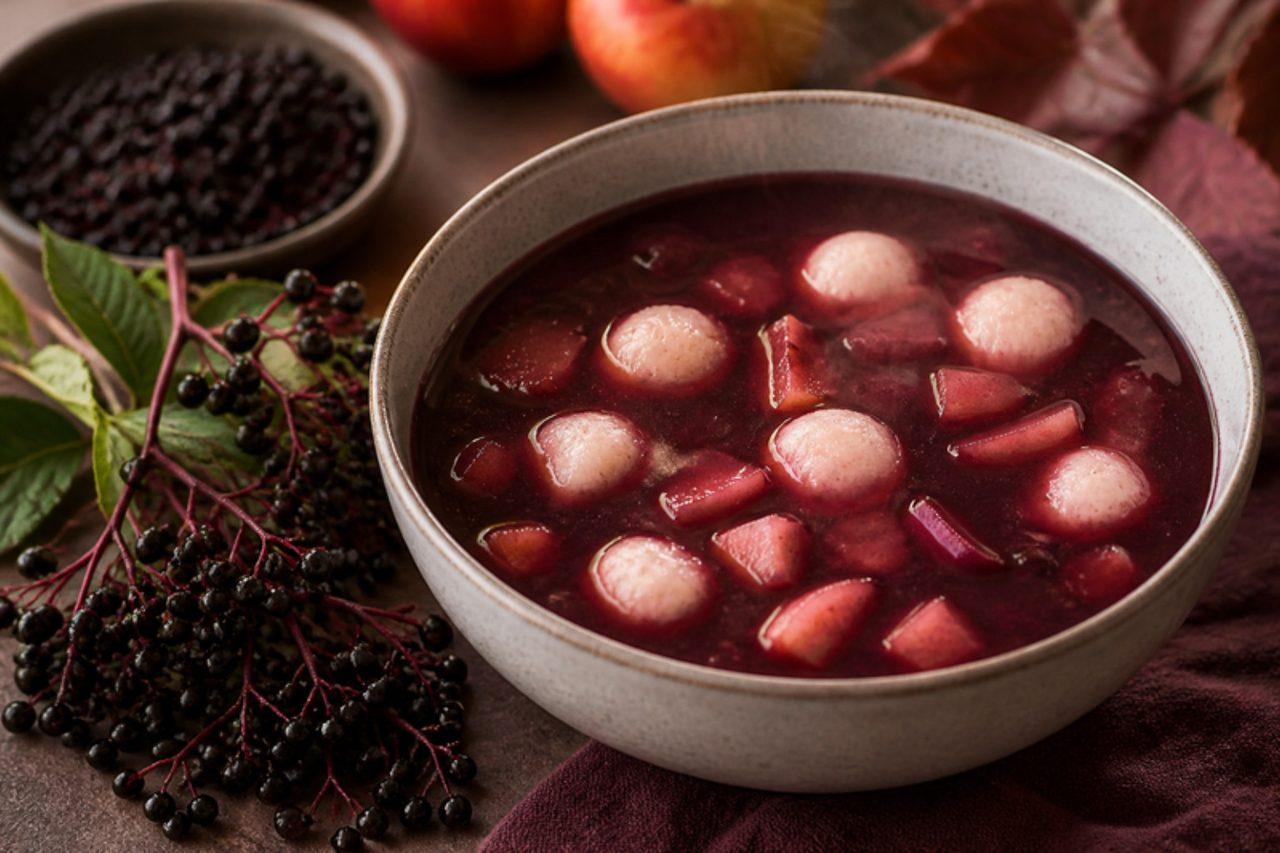
FliederbeersuppeElderberry soup with dumplings

In northern Germany, from Hamburg to Schleswig-Holstein, the elder bushes hang heavy with black berries in late summer, and a bowl of hot Fliederbeersuppe is a harvest-time comfort around Erntedank, said to keep colds away for the winter. The dark purple soup is sweet and tart, with pieces of apple and little fluffy semolina dumplings (Grießklößchen) floating on top. It is eaten as a first course or a light supper, hot in autumn and sometimes cold in summer. Important: elderberries must be fully ripe, stripped from every stem and always cooked, as raw berries, stems and leaves can make you sick. Chef's tip: strip the berries with a fork straight into a bowl; it is quick and leaves the green stems behind.

by KrazyBadal 0 views

Aguadito de polloCoriander chicken rice soup

Aguadito is the soup Lima serves in the small hours: at the end of a wedding, after New Year's Eve and at weekend family lunches, it is ladled out thick and steaming to revive everyone. Rice simmers in chicken broth coloured deep green with blended coriander and warmed with yellow ají amarillo, along with peas, carrot, pepper, sweetcorn and potato. A portion gives about 24 g of protein, from the chicken with a little from the rice and peas, for around 480 kcal. The common mistake is adding the coriander purée too early: cooked for long it turns khaki and loses its fresh taste, so stir it in for the last 10 minutes. The chicken must reach 74 °C at the bone. Chef's tip: blend a handful of spinach with the coriander; it keeps the colour vivid green without changing the flavour.

by KrazyBadal 0 views

Chilcano de pescadoClear fish broth

In the fishermen's terminals of Chorrillos and Callao, chilcano is what you drink on a Sunday morning after a long night: a clear, gingery broth made from the heads and bones left over from cleaning fish for ceviche, with chunks of fish, red onion, chilli and a squeeze of lime in the bowl. It is light and warming, around 160 kcal a bowl, and still gives about 24 g of protein from the fish fillet and the broth. The common mistake is squeezing the lime into the pot while it boils, which turns it bitter; add it to each bowl at the table. Don't boil the bones for more than 30 minutes either, or the broth turns cloudy and harsh. Chef's tip: ask the fishmonger for heads and frames from mild white fish like sea bass or cod, and leave out oily fish such as mackerel, which makes the broth strong and fishy.

by KrazyBadal 0 views

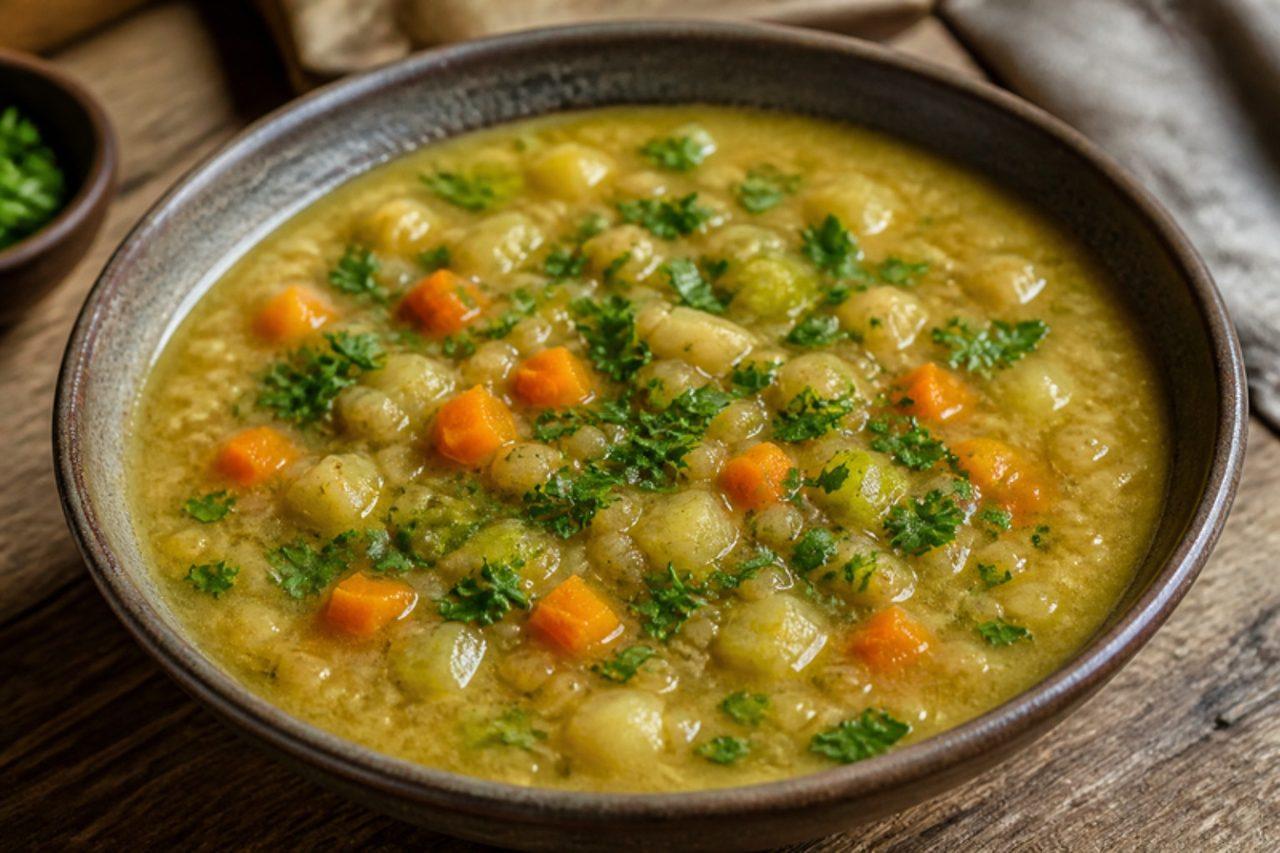
GrünkernsuppeGreen spelt soup

Grünkern is spelt harvested half-ripe and dried over beech smoke, a trick farmers in the Bauland and Odenwald of northern Baden and Lower Franconia used when wet summers threatened the crop. Around Boxberg and Walldürn the cracked grains still go into a thick, nutty soup for autumn and winter weekday lunches, often followed by something sweet. The grains simmer with leek, carrot and celeriac until they burst and thicken the broth, and a spoon of cream and plenty of parsley go in at the end. Chef's tip: toast the cracked Grünkern in the butter until it smells like smoky popcorn before adding any liquid; skipping this leaves the soup flat and grey.

by KrazyBadal 0 views

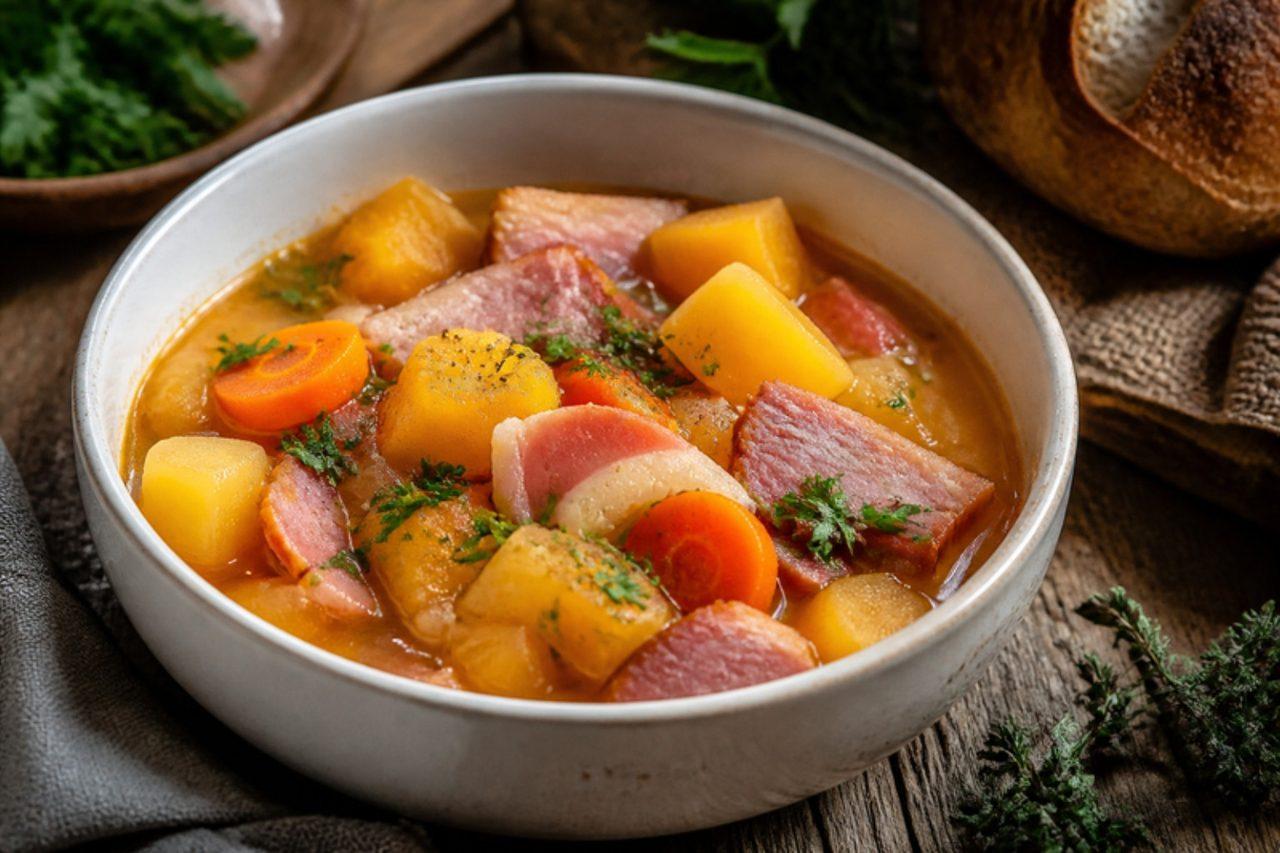
SteckrübeneintopfSwede stew

Swede carries hard memories in northern Germany, where it fed families through the 'turnip winter' of 1916–17, yet in Mecklenburg, Holstein and along the Elbe it is loved again as a sweet, golden winter stew. Chunks of swede, potato and carrot cook down in broth with smoked pork shoulder (Kasseler) until some of the vegetables collapse and thicken the pot, and it is ladled out on frosty days with mustard and dark bread. Expect a mellow, earthy sweetness. The usual mistake is cutting the swede too large; it takes longer than potato, so keep the cubes small. Chef's tip: mash a few ladles of vegetables against the side of the pot at the end for a thick, creamy stew without any flour.

by KrazyBadal 0 views

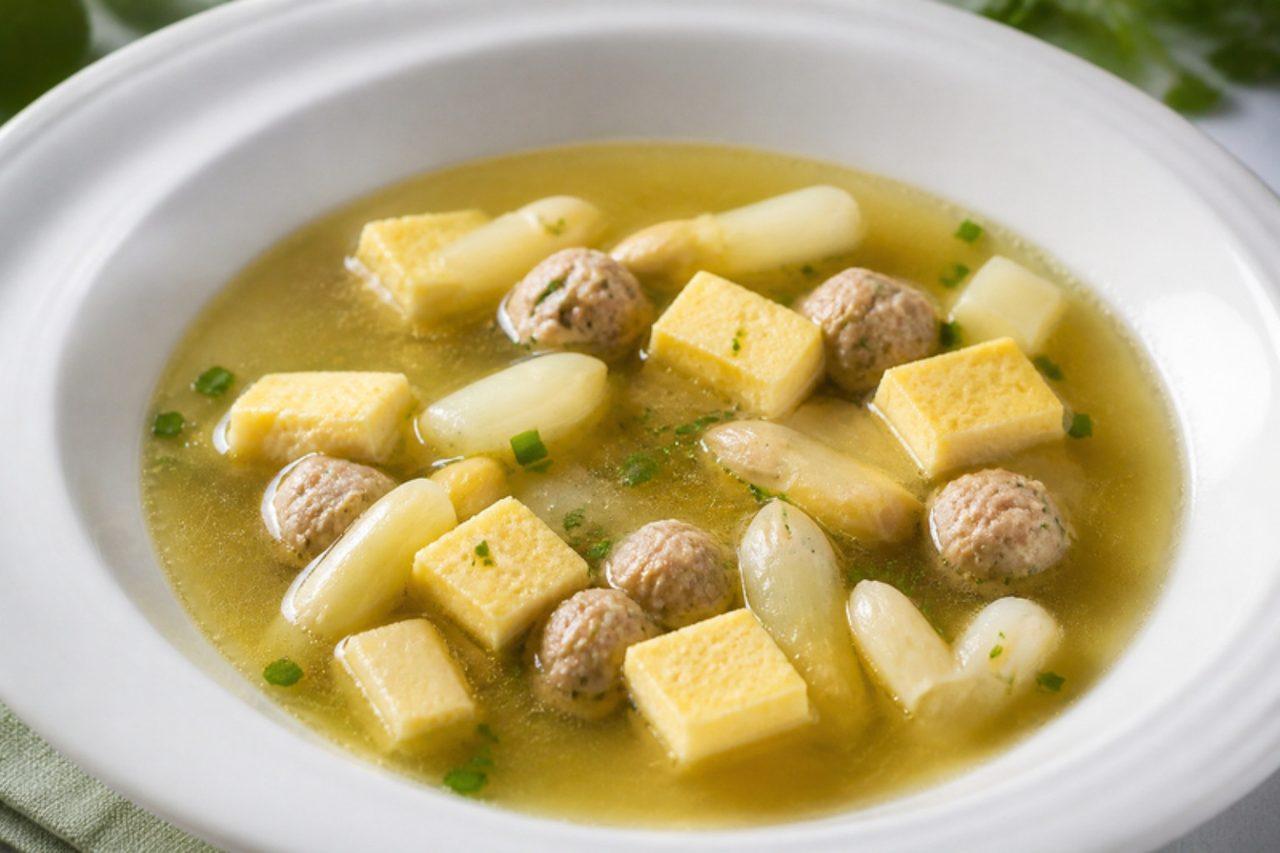
HochzeitssuppeWedding soup with meatballs

At weddings in Lower Saxony and Westphalia the meal begins with this soup, often served at village inns around Hanover and Münster long before the roast arrives. A clear beef broth carries three garnishes: tiny meatballs of beef and pork, cubes of Eierstich (a steamed egg custard) and pieces of asparagus or peas, so every spoonful has something different. It can be prepared in stages a day ahead, which is why it suits a crowd. A common mistake is boiling the meatballs hard, which clouds the broth. Chef's tip: poach the meatballs separately in salted water, then add them to the clear broth just before serving.

180 minGermanSoups
by KrazyBadal 0 views

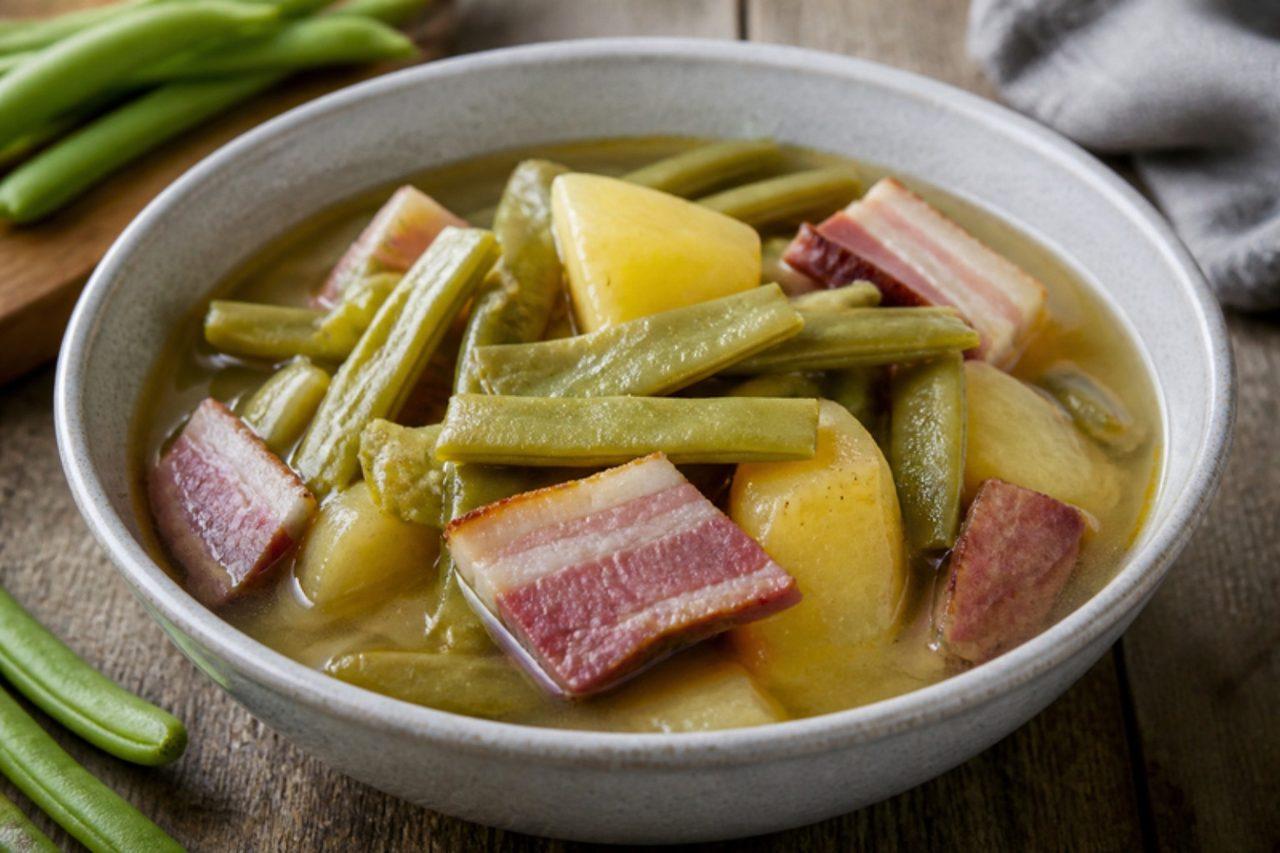
SchnippelbohneneintopfRunner bean stew

Schnippelbohnen are runner beans sliced thinly on the slant, and in Westphalia and the Osnabrück area every late-summer kitchen once had a bean slicer clamped to the table. The beans go into a one-pot stew with potatoes, onion, savory and smoked pork belly, eaten on cool September weekdays and often made with salted beans from a crock in winter. This version uses fresh beans and pork belly; for a vegetarian pot, leave out the pork, use vegetable stock and add a teaspoon of smoked paprika. A common mistake is cutting the beans too thick, so they stay squeaky. Chef's tip: a splash of vinegar at the end lifts the smoky broth the way the old salted beans did.

by KrazyBadal 0 views

BärlauchsuppeWild garlic soup

In March and April the beech woods of the Bavarian foothills, the Vienna Woods and the Swabian Jura carpet themselves with wild garlic, and inns from Munich to Graz put this bright green soup on their spring menus. A simple potato and onion base is blended with a big handful of raw leaves at the last moment, so the colour stays vivid and the garlic flavour fresh. Serve it with croutons or a swirl of sour cream. Foragers must be sure of their leaves, since wild garlic can be confused with poisonous lily of the valley; buy from a reliable source or a market. Cooking the leaves too long is the mistake that turns the soup khaki. Chef's tip: blend the leaves in off the heat and serve straight away.

by KrazyBadal 0 views

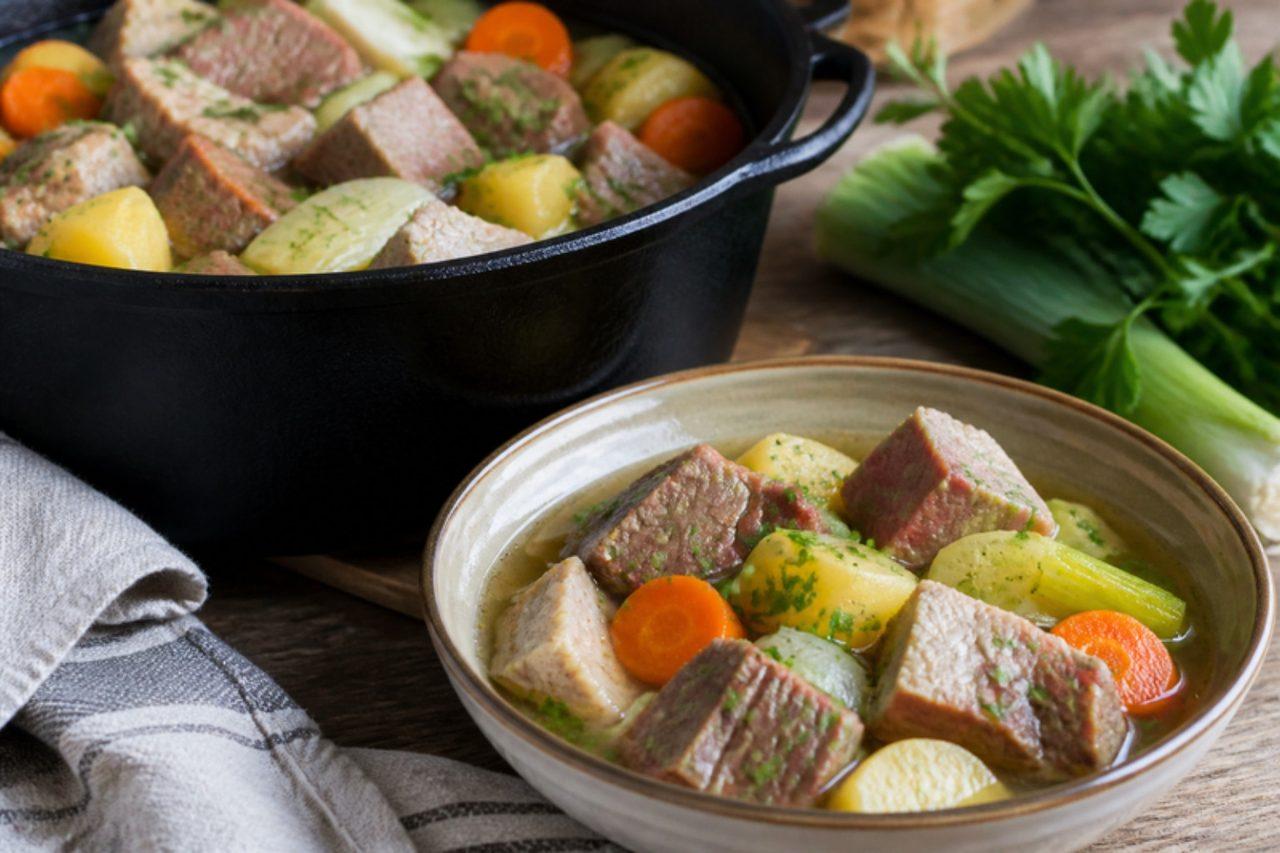
PichelsteinerBeef, pork and vegetable stew

Every summer the town of Regen in the Bavarian Forest holds a Pichelsteiner festival in honour of this layered stew, said to have been first cooked on the Büchelstein hill in the 1800s. Cubes of beef and pork shoulder are stacked in a heavy pot with potatoes, carrots, celeriac, leek and cabbage, a little marrow-bone fat or butter goes between the layers, and the whole thing cooks gently without stirring. Each spoonful mixes tender meat with soft vegetables in a clear, peppery broth. Stirring early is the classic mistake: the potatoes turn to mush. Chef's tip: brown the meat well first and the broth turns a rich amber instead of pale grey.

130 minGermanSoupsGluten free
by KrazyBadal 0 views

BrennsuppeBrowned flour soup

Farmhouse kitchens in Upper Bavaria and the Swabian Allgäu once started the day with Brennsuppe, a soup built from almost nothing: flour browned slowly in butter until it smells of hazelnuts, then whisked into water or stock with caraway and onion. Grandmothers still make it on cold evenings or for anyone feeling poorly, with cubes of stale bread toasted in the pan and a heap of chives on top. It tastes far richer than its ingredients suggest. The usual mistake is rushing the roux on a high heat, so it scorches and turns bitter instead of nutty. Chef's tip: whisk the stock in a little at a time while it is cold or lukewarm, and the soup stays perfectly smooth.

by KrazyBadal 0 views

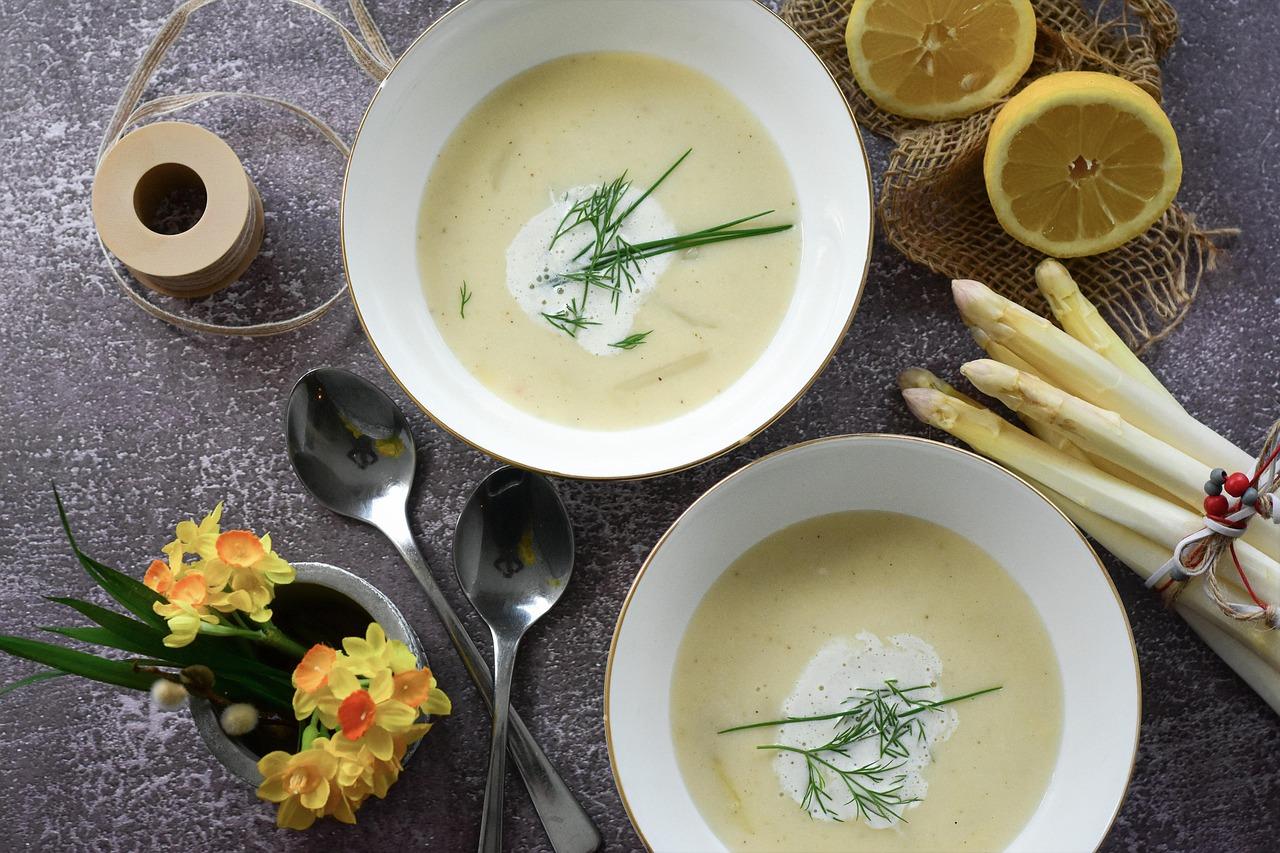
SpargelcremesuppeCream of asparagus soup

During Spargelzeit, from April to 24 June, kitchens around Schwetzingen, Beelitz and Schrobenhausen fill with white asparagus, and nothing is wasted. The peelings and woody ends are simmered into a light stock, which becomes this velvety cream soup with a few tender tips floating on top, served as a starter before the big asparagus platter or as lunch on its own. Its flavour is delicate, slightly sweet and nutty. Using a strong stock cube is the mistake to avoid; it drowns the asparagus. Chef's tip: a pinch of sugar and a squeeze of lemon in the stock balance the faint bitterness of the peel.

by KrazyBadal 0 views

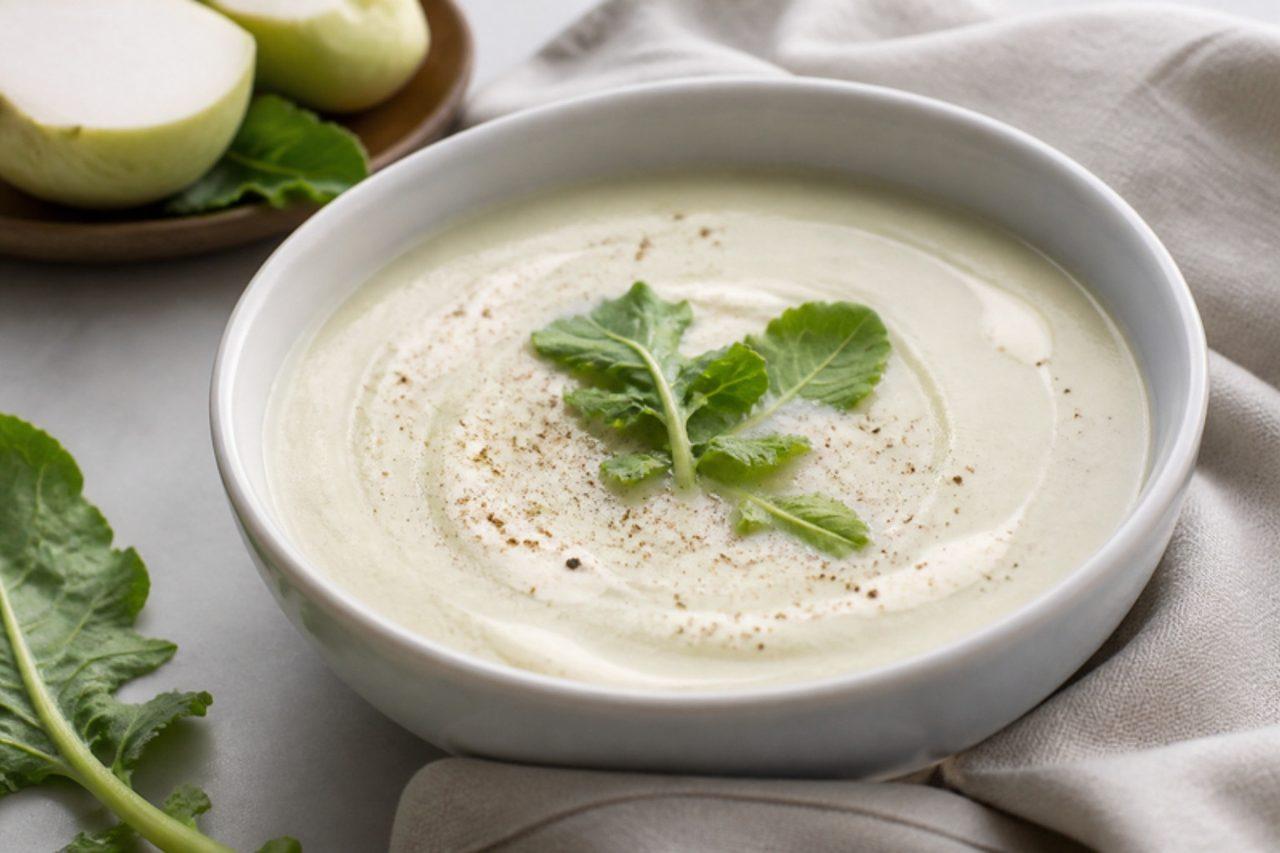
KohlrabisuppeKohlrabi soup

When the first pale-green kohlrabi arrive at market stalls in Hamburg, Bremen and across Lower Saxony in May, many families turn them into this gentle, creamy soup for a light lunch. Kohlrabi is cooked with a little potato for body, blended smooth and finished with cream, nutmeg and the bulb's own chopped young leaves, which taste like mild cabbage. Bread and butter is all it needs. A common mistake is leaving the woody lower part of the skin on: peel thickly, or fibres will spoil the texture. Chef's tip: keep the smallest, most tender leaves, shred them finely and stir them in raw at the end for colour and a fresh bite.

by KrazyBadal 0 views

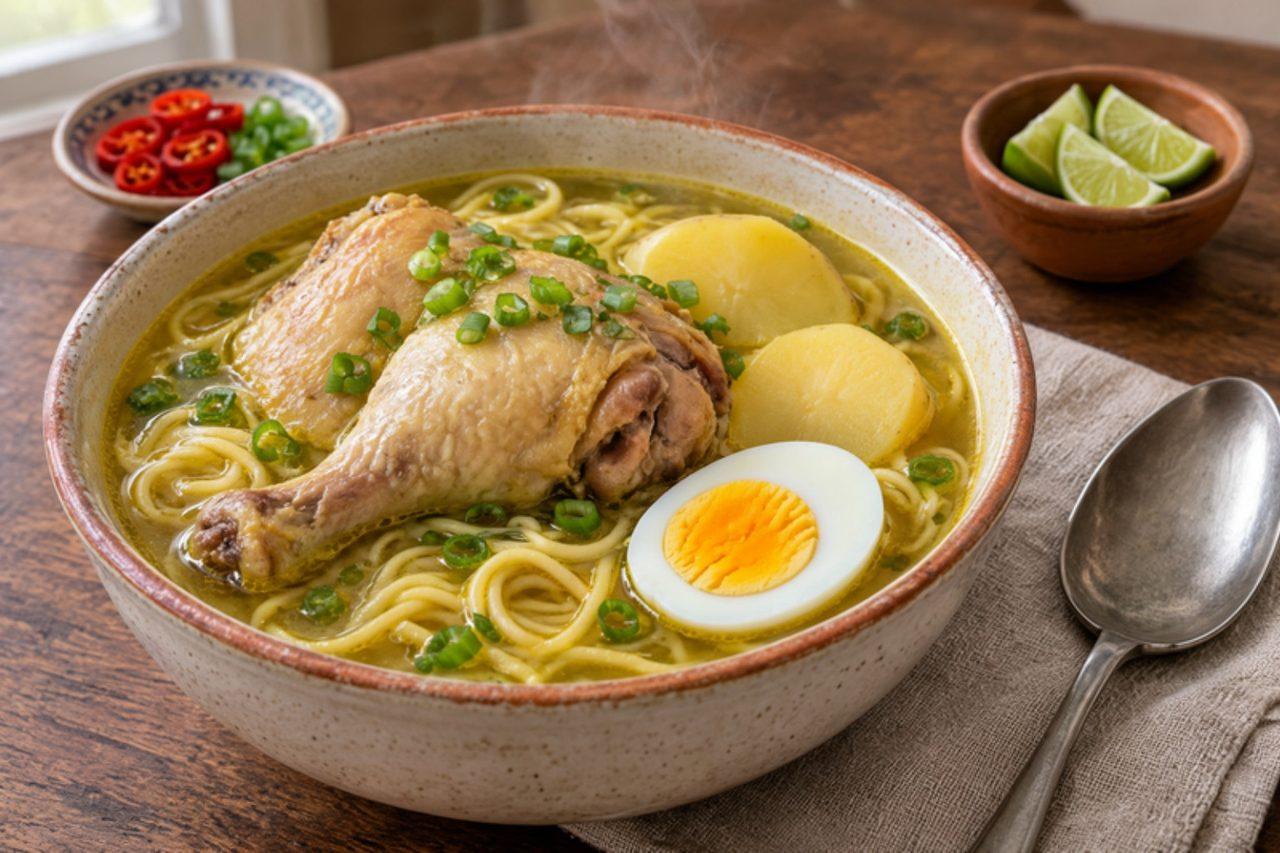
Caldo de gallinaHen broth with noodles

In Lima's markets and the all-night caldo stalls of districts like La Victoria, a bowl of caldo de gallina is the dawn breakfast for market porters, taxi drivers and anyone coming home late: a deep, golden broth from a slow-simmered hen (a boiling fowl) with ginger and spring onion, ladled over thick noodles and yellow potato, with a boiled egg, lime and ají chilli on the side. The common mistake is boiling the broth hard, which clouds it and toughens the meat; keep it to a lazy simmer. The chicken must reach 74 °C, though after this long simmer it will be well past that. Chef's tip: cook the noodles separately, then put them in the bowls; cooked in the pot they drink the broth and turn it starchy.

by KrazyBadal 0 views

Pira caldoCreamy fish soup with cheese

Along the Paraguay River from Asunción to Concepción, pira caldo is the fishermen's soup, said to restore strength after a long night: chunks of firm river fish poached in a broth of onion, peppers and tomato fried in fat, then made creamy with milk and melted fresh cheese. Surubí or other catfish is traditional; any firm white fish such as hake or pollock works. The mistake most people make is boiling the soup after the milk and cheese go in, which splits it. Chef's tip: fry the vegetables until they are very soft and sweet before adding the water; that is where the flavour comes from.

by KrazyBadal 0 views

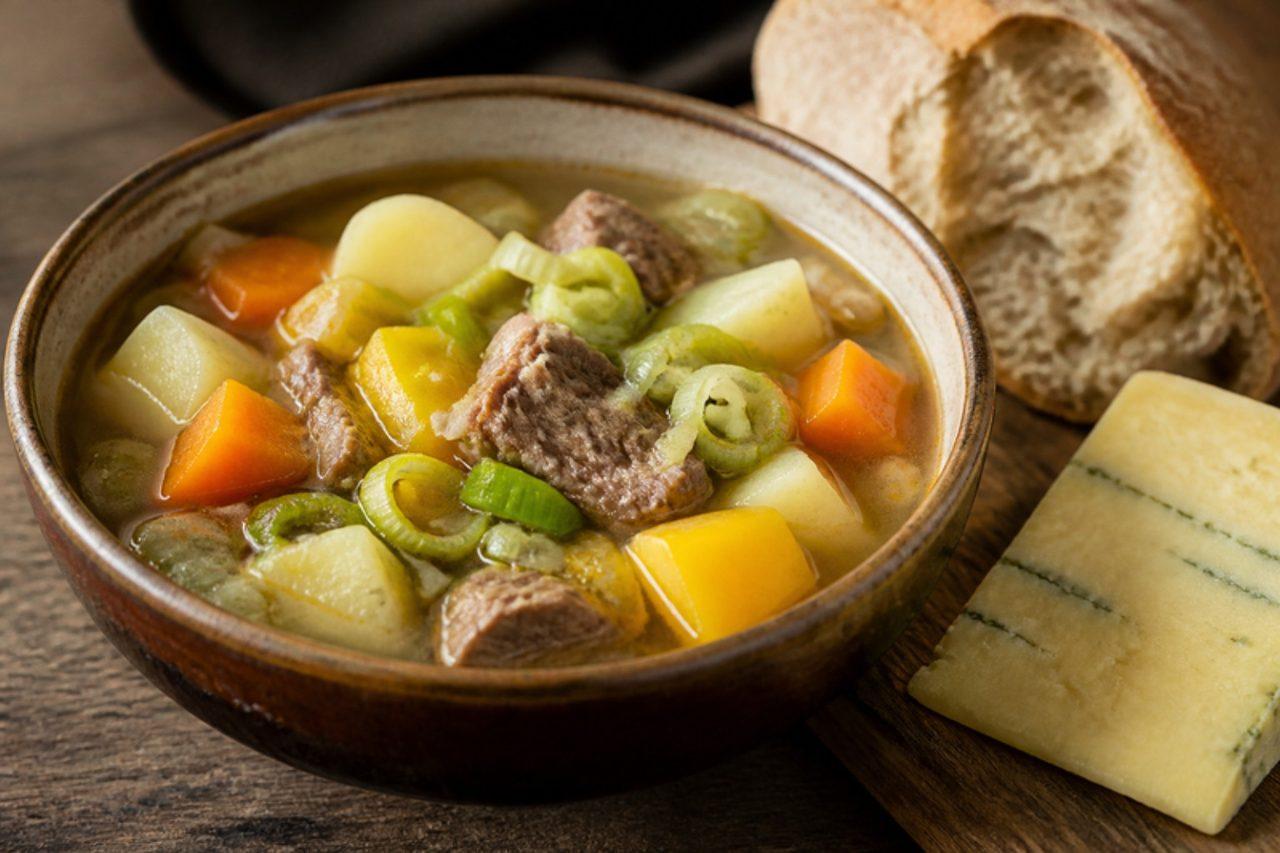
Welsh cawlLamb and leek broth

Cawl is the national dish of Wales, a slow broth of lamb on the bone, swede, carrots, potatoes and leeks that farmhouses kept simmering through the winter, and which is eaten with bread and a hunk of Caerphilly on St David's Day. Many families serve the broth first and the meat and vegetables after, and say cawl tastes best on the second day. Chef's tip: chill it overnight and lift off the fat that sets on top for a cleaner broth.

170 minBritishSoupsGluten free
by KrazyBadal 0 views

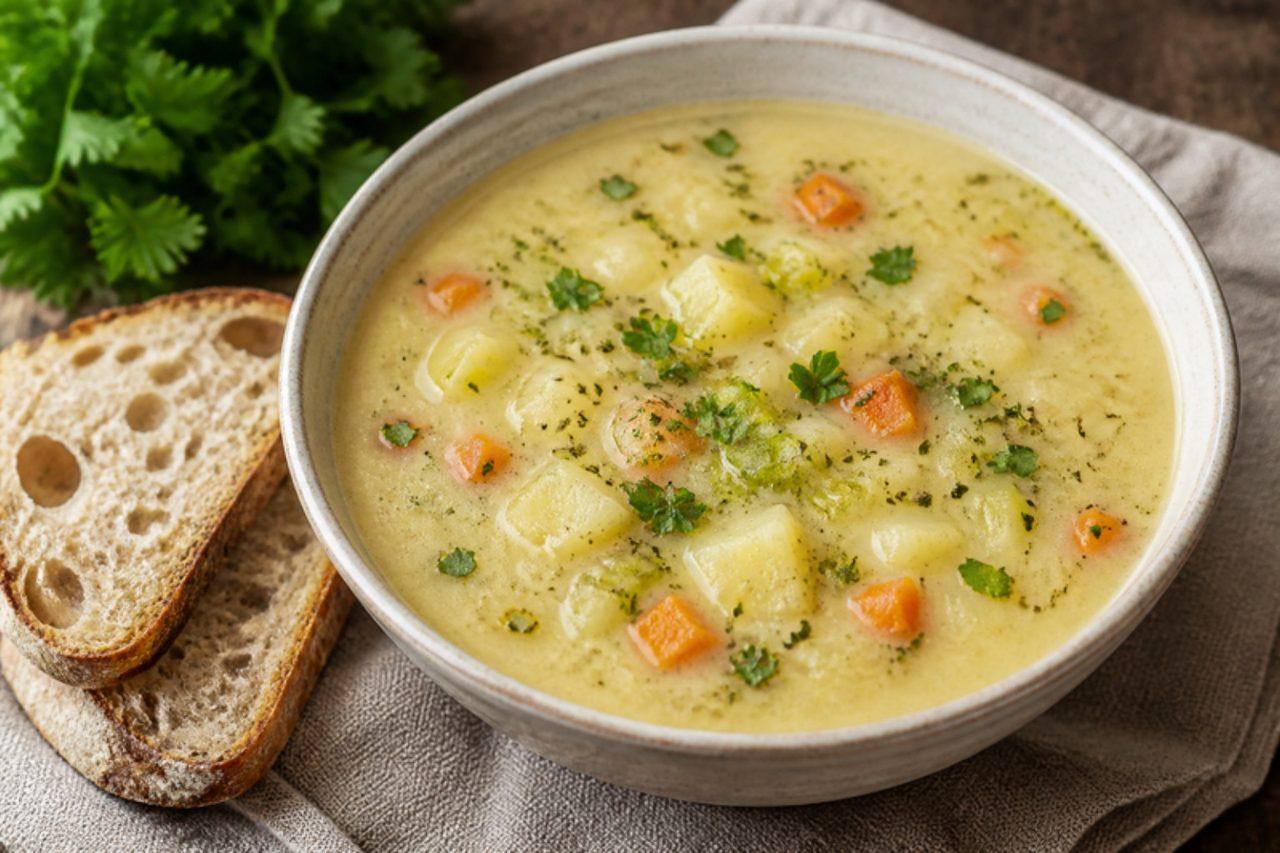
Berliner KartoffelsuppePotato and root vegetable soup

This is the soup of Berlin's cheap lunch counters and winter kitchens: potatoes and the 'Suppengrün' bundle of carrot, celeriac, leek and parsley root, simmered thick and seasoned with plenty of marjoram. In Berlin it usually comes with a sliced Wiener sausage floating on top; this vegetarian version is finished instead with crisp fried onions and croutons, which give the same savoury contrast. A common mistake is using waxy potatoes, which never thicken the soup; you want floury ones that collapse. Chef's tip: rub the dried marjoram between your palms as it goes in, which wakes up its sweet, piney scent.

by KrazyBadal 0 views

CalapurcaHominy and meat soup

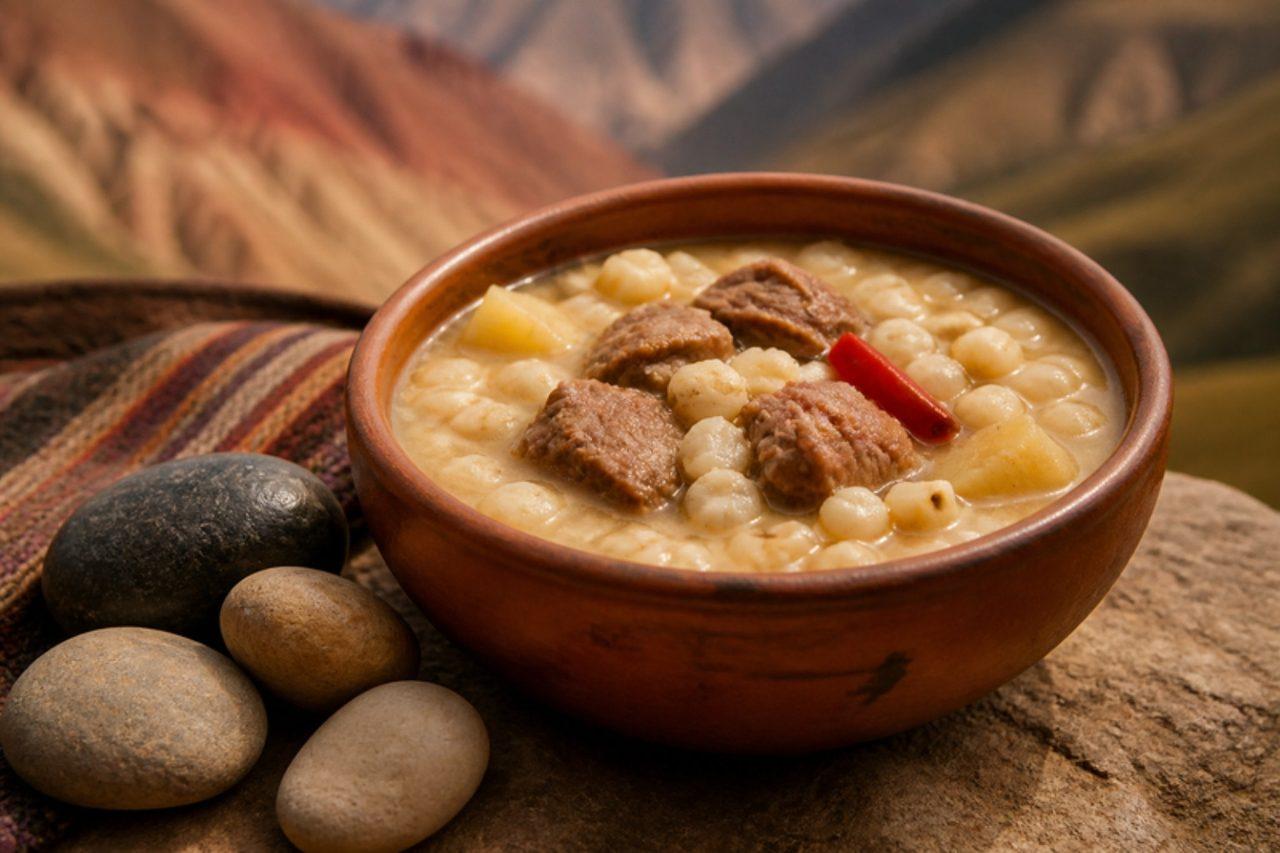
Nobody hurries calapurca. In the villages of the Quebrada de Humahuaca, especially around Carnival and the August Pachamama rites, cooks heat stones in the fire until they glow and then drop them into a clay pot of soup made from dried maize, beef and lamb (or llama), potatoes and chilli, so it boils up in a hiss of steam and takes on a faintly smoky taste. Bowls are passed around the gathering with a sprinkle of fresh herbs. The stones are a ritual best left to people who know which ones are safe, because wet or river stones can crack or burst when heated, so this home version simply simmers on the stove. Look for dried white hominy (mote, or pozole corn) in Latin American shops; it needs soaking overnight. The usual problem is undercooked corn: it needs a good 2 hours before the meat goes in. Chef's tip: for a hint of the smoky flavour, char the onion and a dried chilli in a dry pan before adding them.

by KrazyBadal 0 views

Grumbeersupp mit QuetschekuchePotato soup with plum cake

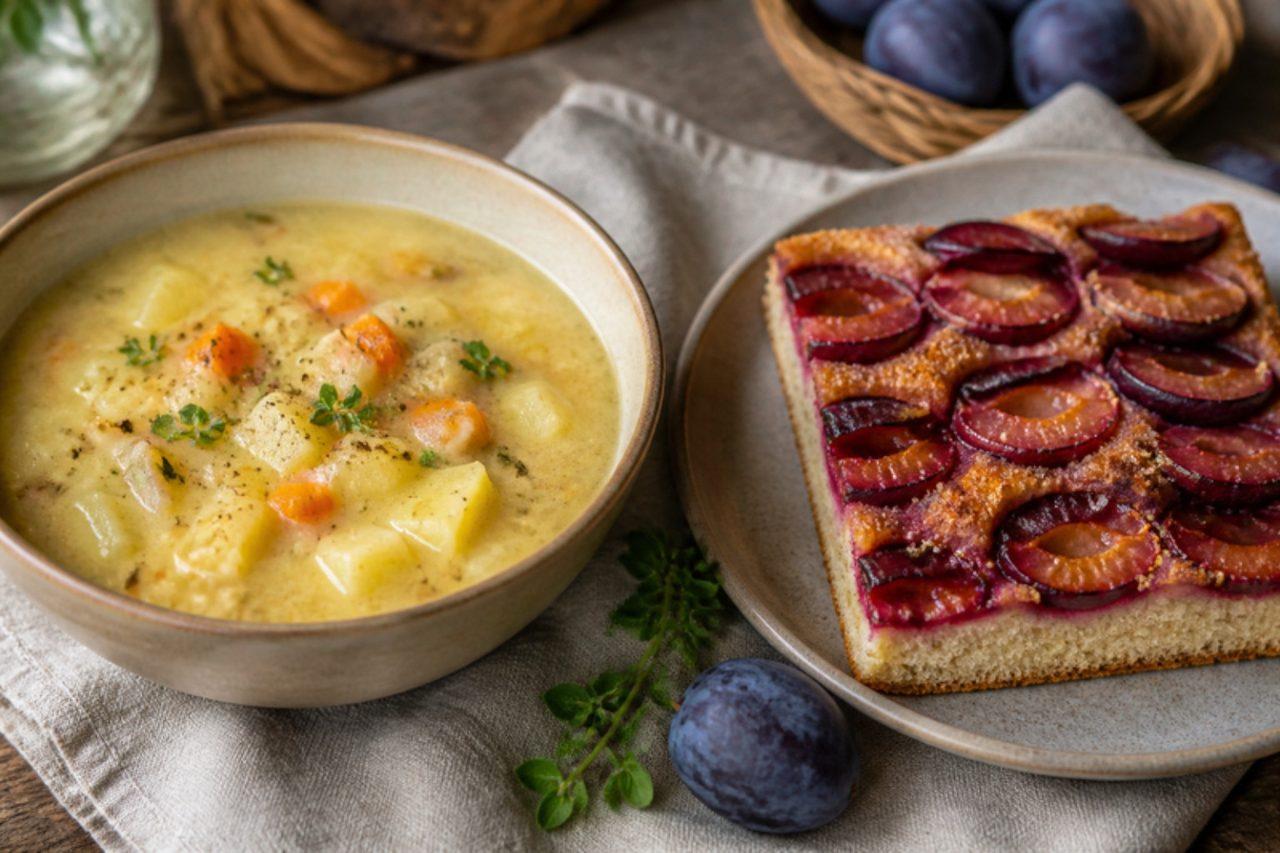
In the Palatinate, between the Rhine and the vineyards of the Weinstraße, September brings a pairing that puzzles outsiders: a bowl of creamy potato soup served with a slice of plum tray cake on the side, and you dip the cake as you go. It is a plain, cheap farmhouse supper for plum season, and the sweet-sour fruit against the soft, marjoram-scented soup is the whole joy. This version makes a small tray of yeasted plum cake while the soup simmers. A common mistake is sweetening the soup; it should stay savoury so the cake can do the sweet work. Chef's tip: use dark, oval Zwetschgen plums, which hold their shape; round dessert plums go watery.

by KrazyBadal 0 views

InchicapiPeanut chicken soup

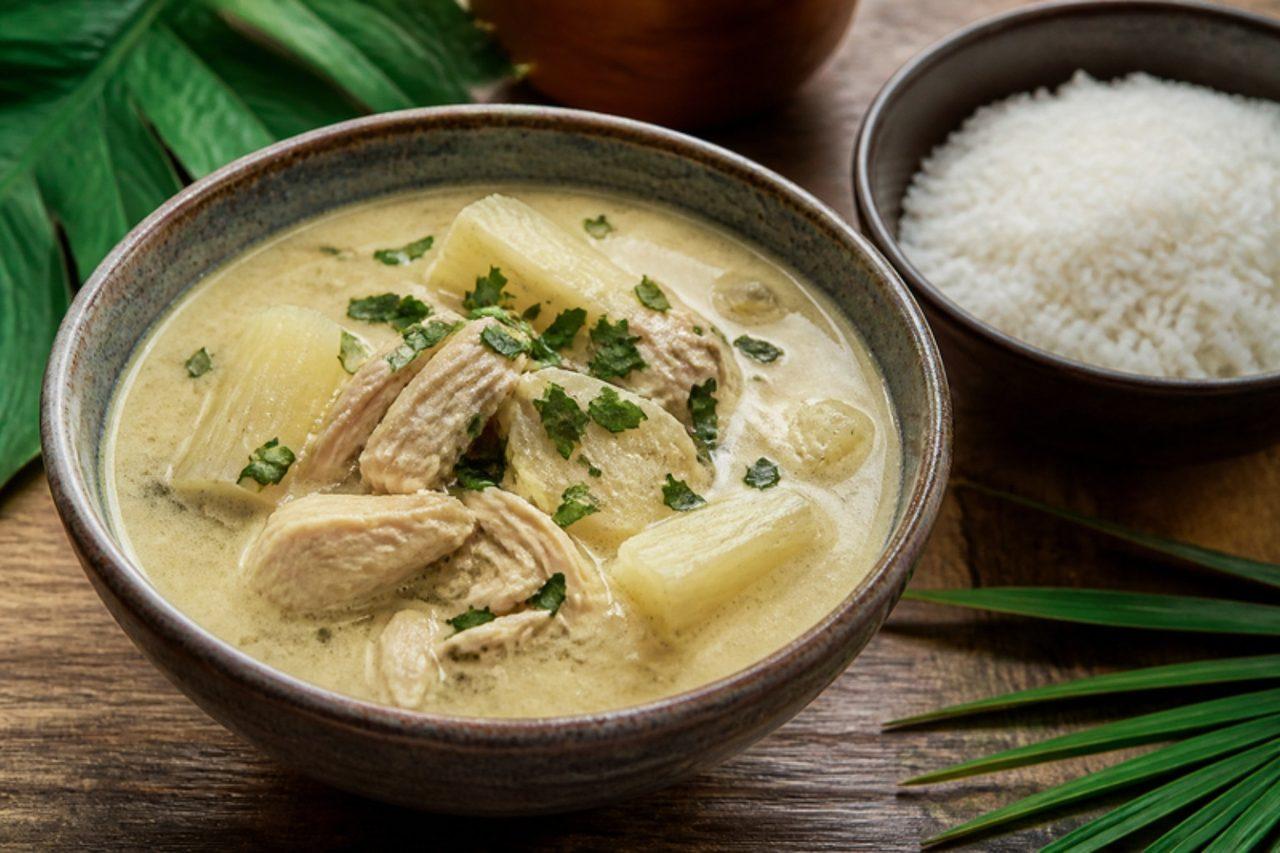
From the riverside kitchens of Iquitos and the Peruvian Amazon comes inchicapi, a festive chicken soup traditionally made with a free-range hen for birthdays and fiestas. Raw peanuts and a little maize flour are ground and stirred into the broth, which turns it creamy, pale and nutty, and pieces of cassava, garlic, ají dulce and sacha culantro (a long, serrated, strongly flavoured coriander) finish it. It is served with rice, boiled plantain or cassava. If you can't find sacha culantro in Asian or Latin shops (sold as culantro or ngo gai), use a big handful of coriander. The pitfall is adding the peanut paste dry: it clumps and catches on the bottom, so loosen it with broth first and stir often. Chef's tip: use raw, not roasted, peanuts; they keep the soup pale and give it the right fresh, milky taste.

by KrazyBadal 0 views

London particularSplit pea and ham soup

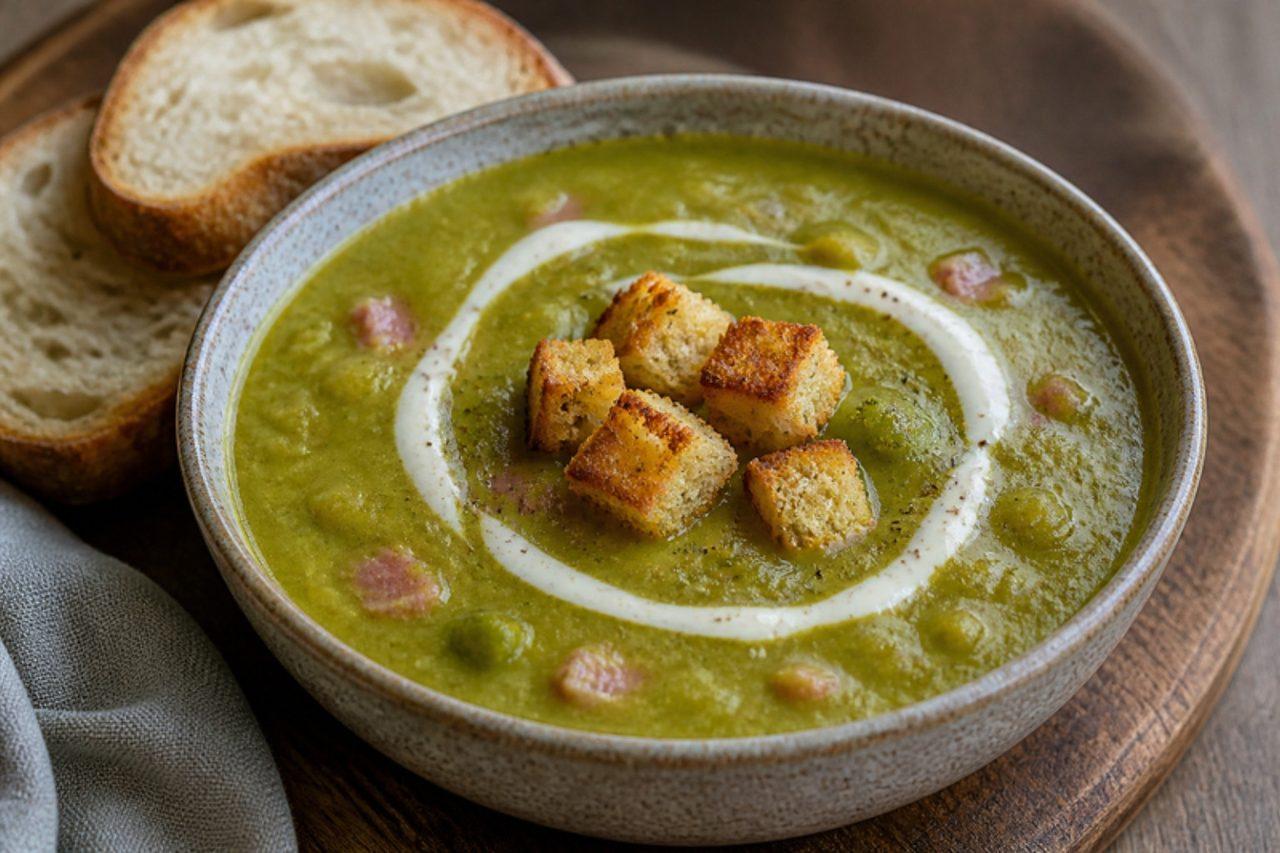
London particular is a thick, yellow-green soup of split peas and smoked pork ham hock, named after the pea-souper smogs that once smothered the city. It was a cheap winter warmer in Victorian London eating houses and is still on menus in pubs and cafés when the weather turns. The hock gives a deep smoky saltiness and shreds of soft meat. Chef's tip: skim the grey foam off as the water first boils, for a cleaner taste.

135 minBritishSoupsGluten free
by KrazyBadal 0 views

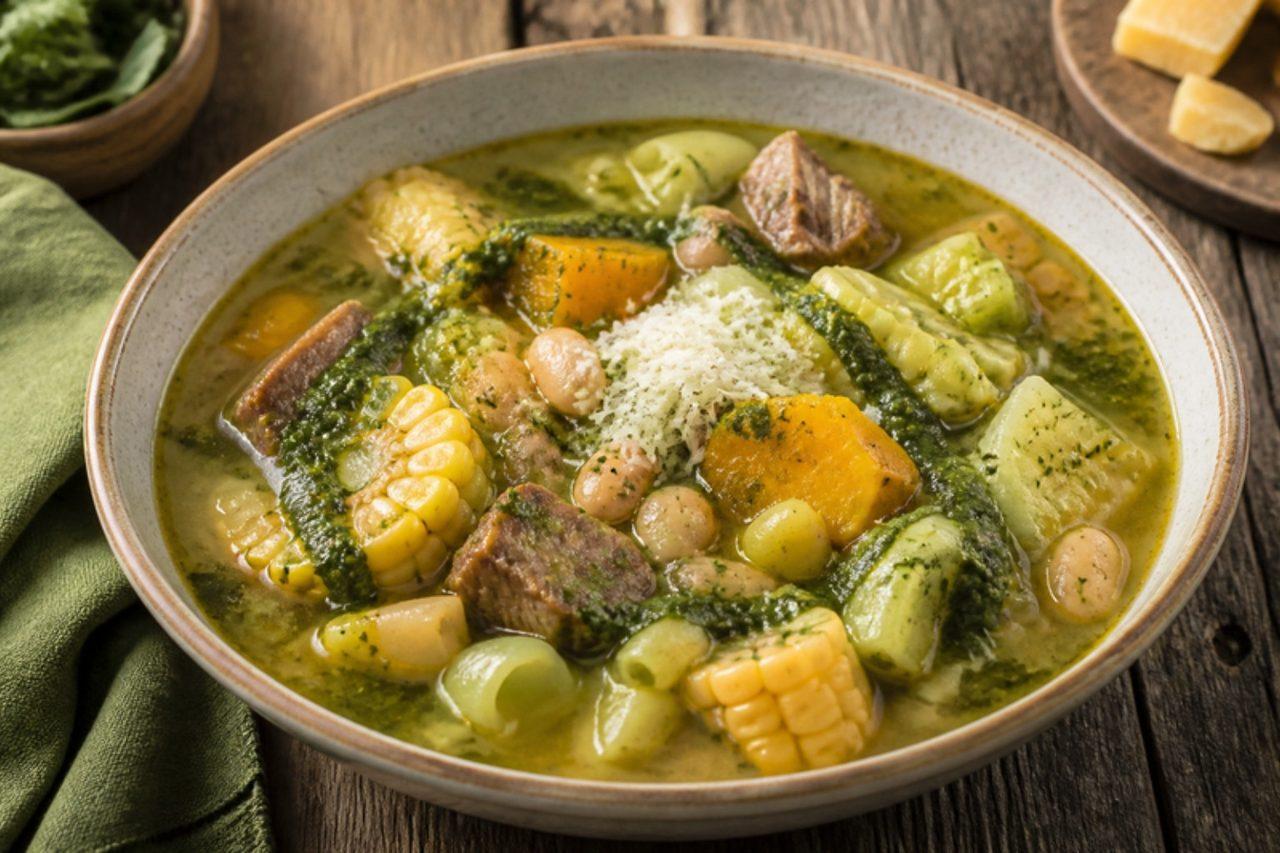
MenestrónBeef, bean and pasta soup

Think of the Italian minestrone after a century of Lima kitchens: menestrón is thicker, heartier and greener, a weekday soup that families and menú restaurants make in huge pots. Beef shin simmers into a rich broth with potatoes, squash, corn, cabbage, green beans and white beans, then short pasta goes in, and finally a purée of basil, spinach, garlic and fresh cheese turns the whole pot pale green and fragrant. It is a meal in a bowl, best with bread and a squeeze of lime or a spoon of ají. People tend to add the basil purée too early; boiled, it loses its colour and its scent, so stir it in off the heat. Chef's tip: for a vegetarian menestrón, skip the beef and use vegetable stock, with a cheese made with microbial (vegetarian) rennet.

by KrazyBadal 0 views

Partan breeCrab and rice soup

Partan bree comes from the fishing villages of the north-east of Scotland, where partan is the Scots word for the brown crab and bree means broth. Rice is simmered in milk and fish stock until soft, blended with the crab's brown meat, and finished with sweet white claw meat and a little cream. It is the coast's answer to a bisque, simpler and milder. Buy ready-cooked crab meat and keep it chilled. Chef's tip: add the white meat right at the end and only warm it through, so it stays in flakes.

by KrazyBadal 0 views

Showing 24 of 40 recipes

Show more recipes

Page 1 of 2