Skip to content
Recipes

All recipes

Vegetarian, or something you can't eat? Set your diet once and we'll hide recipes that don't fit.

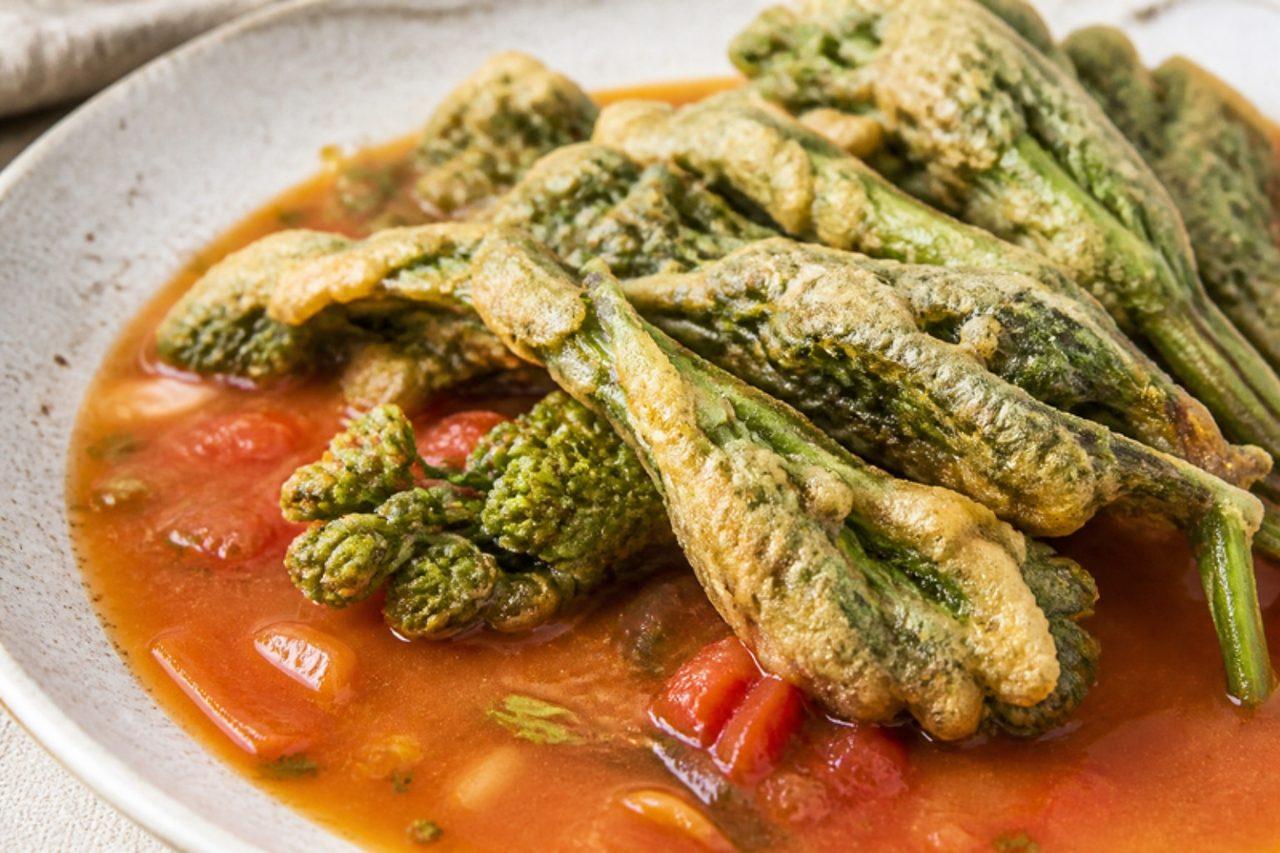
Huauzontles capeadosBattered cheese-stuffed greens

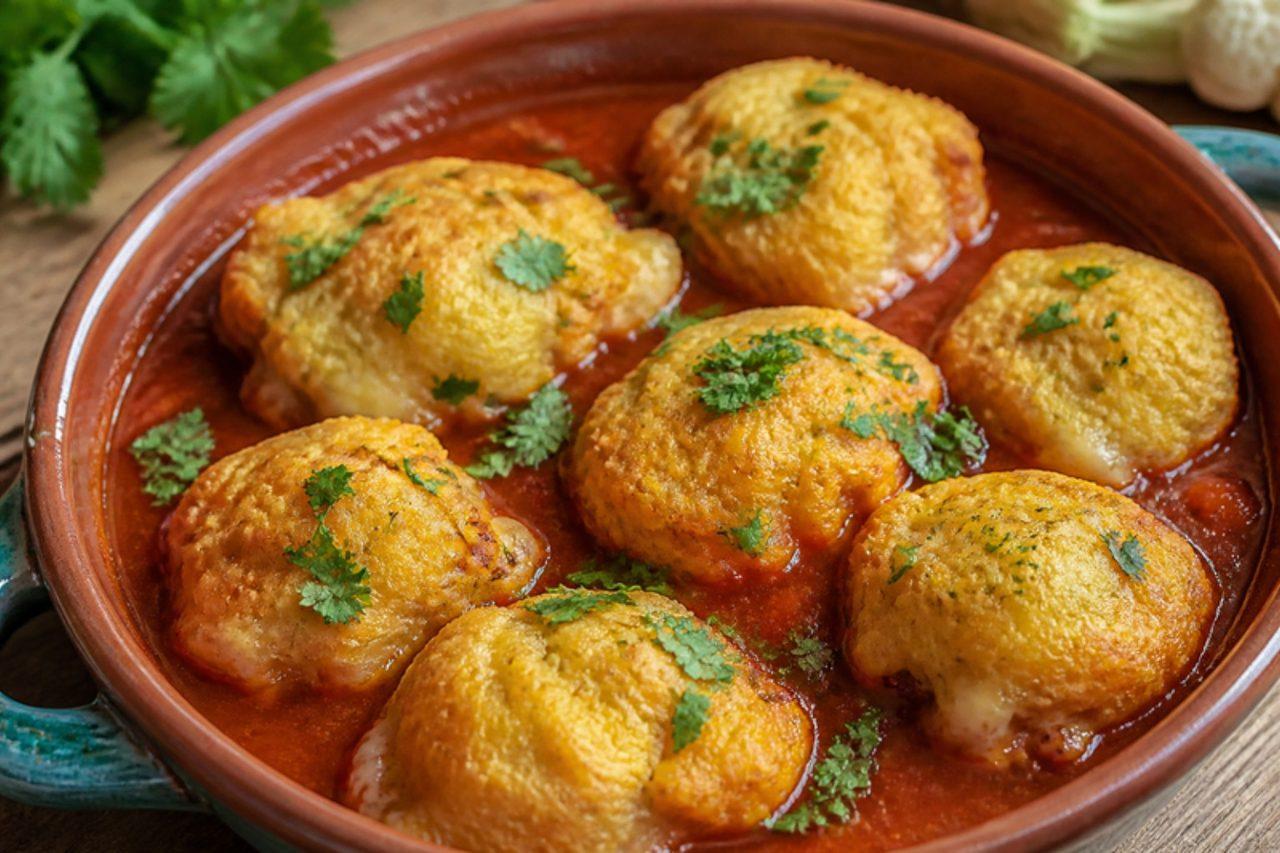
In central Mexico, Lent and Holy Week bring meatless Fridays, and huauzontles capeados are a beloved vigil dish. Huauzontle is a leafy, broccoli-like green with tiny seed buds; little bundles of the blanched sprigs are pressed around a piece of fresh cheese, dipped in fluffy egg batter, fried and then simmered briefly in a light tomato and chile broth. If you can't find huauzontle, use tenderstem broccoli tips or quelites. Queso fresco is usually made with animal rennet, so choose a vegetarian one if needed. Chef's tip: squeeze the blanched greens very dry, as wet greens make the batter slide off.

by KrazyBadal 0 views

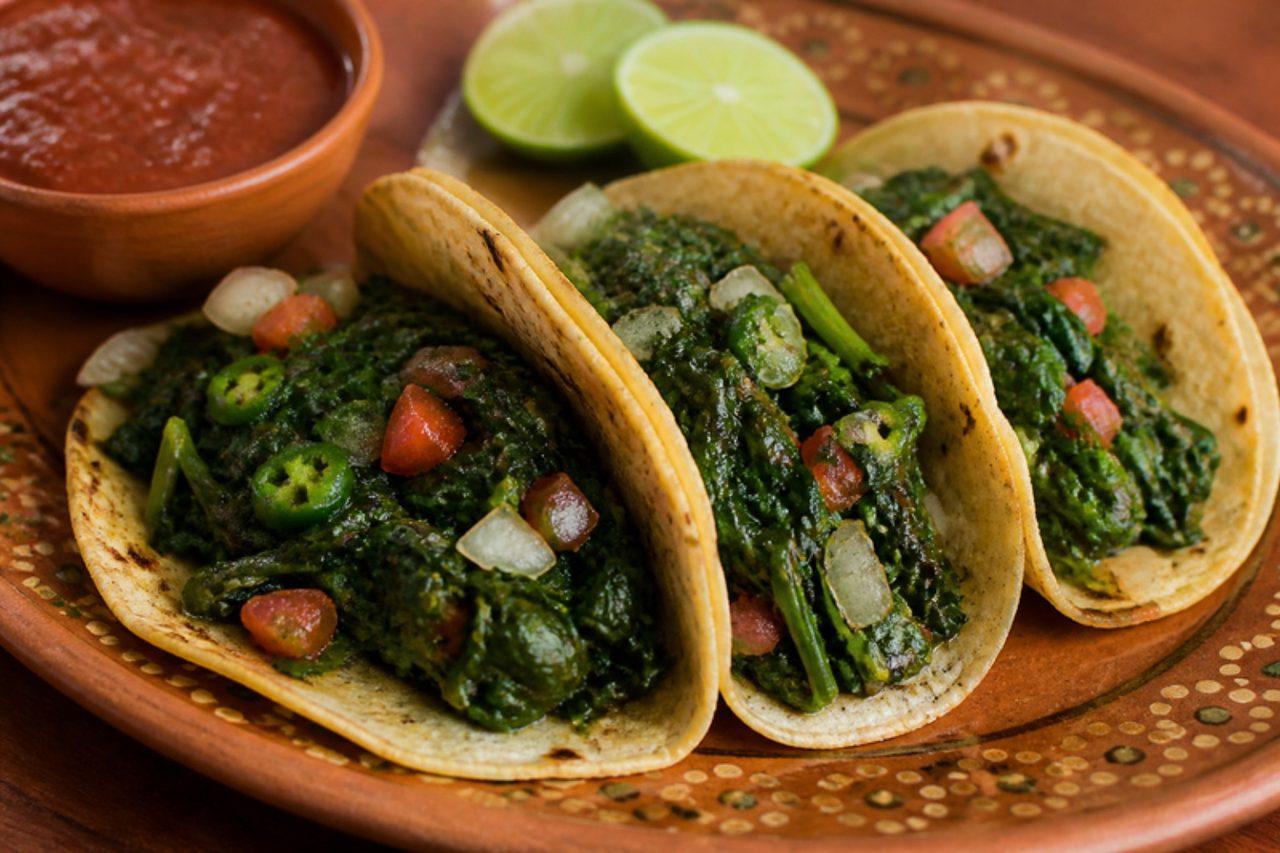
Quelites guisadosSautéed wild greens

Quelites is the Nahuatl-rooted word for the edible wild greens of central Mexico, such as quintoniles (amaranth), verdolagas (purslane) and huauzontle, and in the markets of Mexico City, Puebla and Tlaxcala they are sold by the bunch in the rainy season and cooked this way for everyday lunches. The greens are blanched, then sautéed with onion, garlic, tomato and serrano chilli until soft and savoury, and piled into hot corn tortillas with salsa and, if you like, crumbled fresh cheese. Without cheese it is vegan, with about 6 g of protein per portion including two tortillas. The common mistake is leaving the greens wet: they steam and turn watery instead of frying. Spinach, chard or amaranth leaves work if you can't find quelites. Chef's tip: cut the serrano in half lengthways and fry it with the onion; it flavours the oil gently and you can lift it out if it's too hot.

by KrazyBadal 0 views

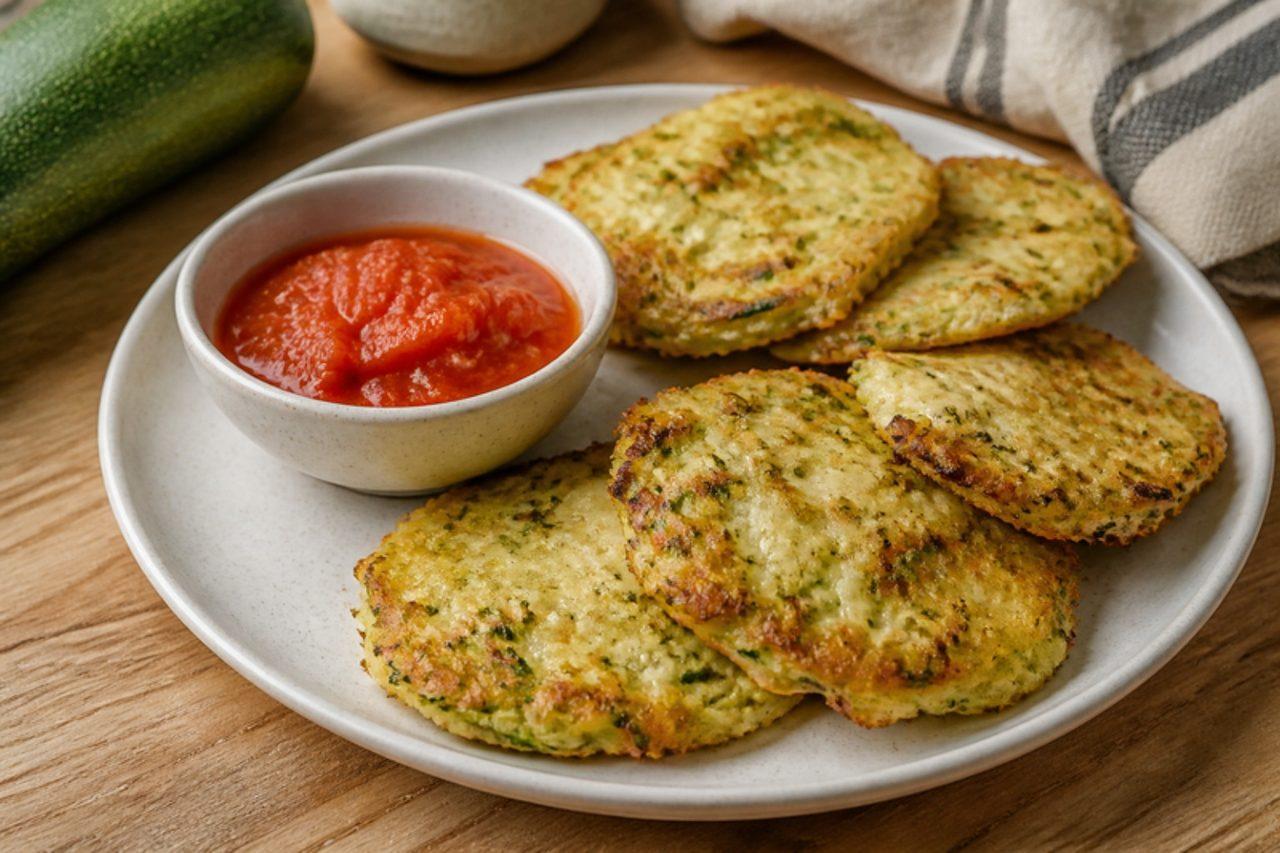
Tortitas de calabacita (courgette and cheese fritters)

Tortitas de calabacita are a Lenten and everyday favourite in Mexican homes from Puebla to Jalisco: grated courgette, crumbled cheese and egg fried into soft little cakes, then served with a warm, thin tomato salsa spooned over, plus rice and beans. They make a meatless Friday dinner that children happily eat. The mistake is crowding the pan, which drops the oil temperature and leaves the fritters greasy and pale; fry in batches. The fresh cheeses often used are made with animal rennet, so choose a vegetarian queso fresco or a vegetarian mild Cheddar. Chef's tip: let the batter rest 2 minutes after adding the flour so it thickens and holds together in the pan.

by KrazyBadal 0 views

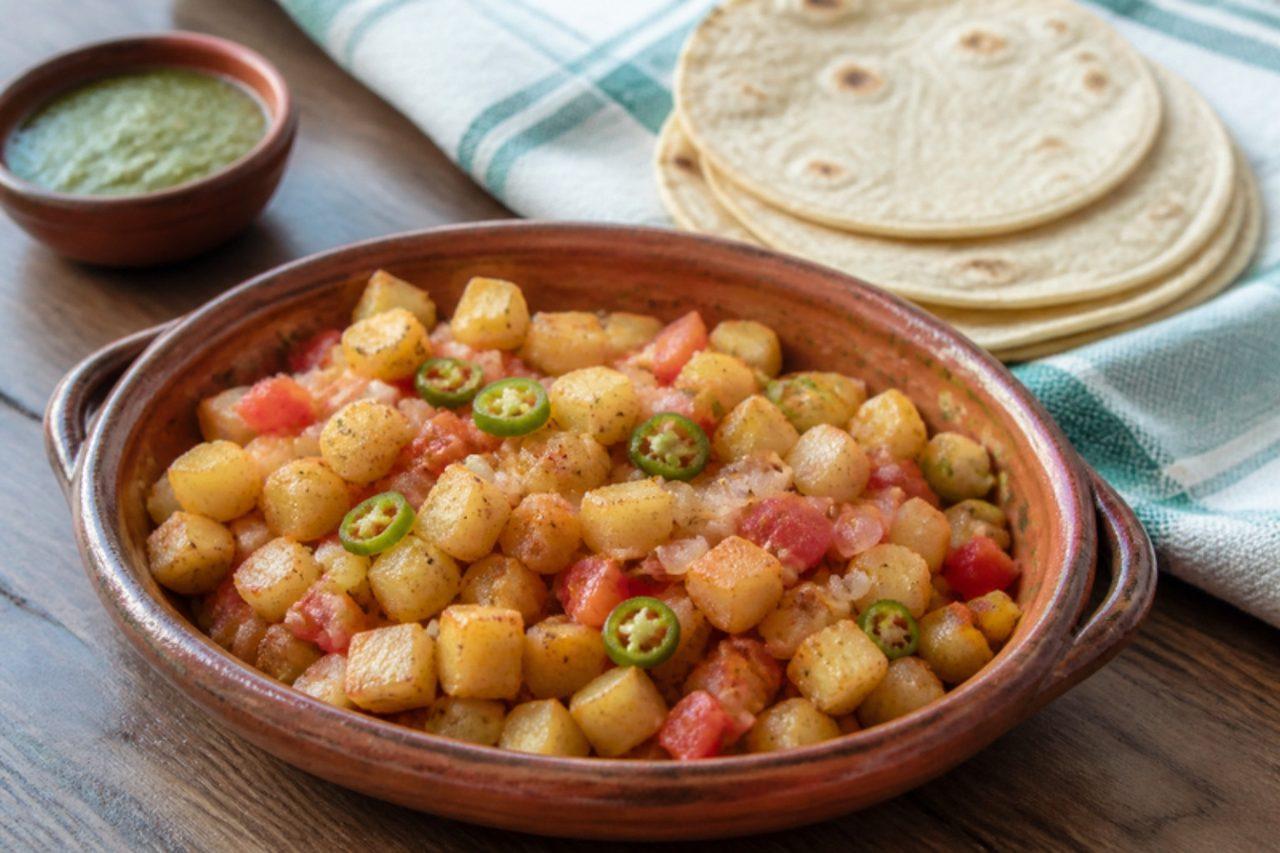
Papas a la mexicanaPotatoes with tomato and chile

Papas a la mexicana carry the colours of the flag, red tomato, white onion and green chile, and they are cooked in kitchens all over Mexico as a taco filling, a breakfast side or a cheap supper with beans and tortillas. The potatoes are fried until golden at the edges, then folded with a quick sofrito so they soak up the fresh, spicy juices. The usual mistake is adding the tomato before the potatoes are cooked through, which leaves them hard in the middle and stewing rather than frying. Chef's tip: parboil the diced potatoes for 4 minutes first; they fry to a crisp edge in half the time.

by KrazyBadal 0 views

ErdäpfelstrudelSavoury potato strudel

Austrians, especially in the Mühlviertel of Upper Austria and the Waldviertel, make savoury strudels as often as sweet ones, and Erdäpfelstrudel is a farmhouse favourite for a meatless Friday or a cold evening. Thin pastry wraps a filling of potatoes, fried onion, sour cream, marjoram and parsley, baked until crisp and golden and sliced with a green salad or a dill and sour-cream dip. Bought filo makes it easy at home. The mistake to avoid is a wet filling, which turns the pastry soggy underneath. Chef's tip: cool the filling completely before rolling; warm filling makes the layers stick and tear.

by KrazyBadal 0 views

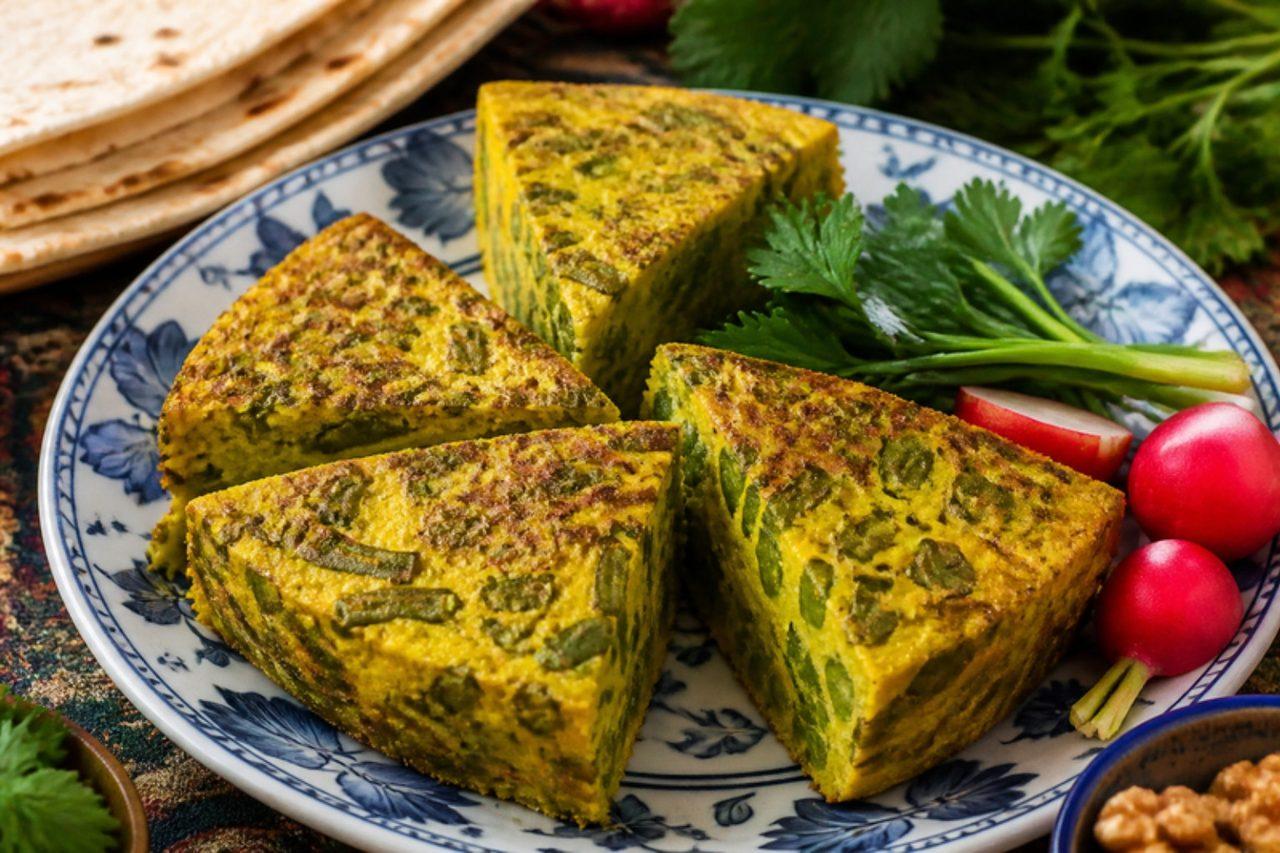
Kuku loobia sabzGreen bean egg cake

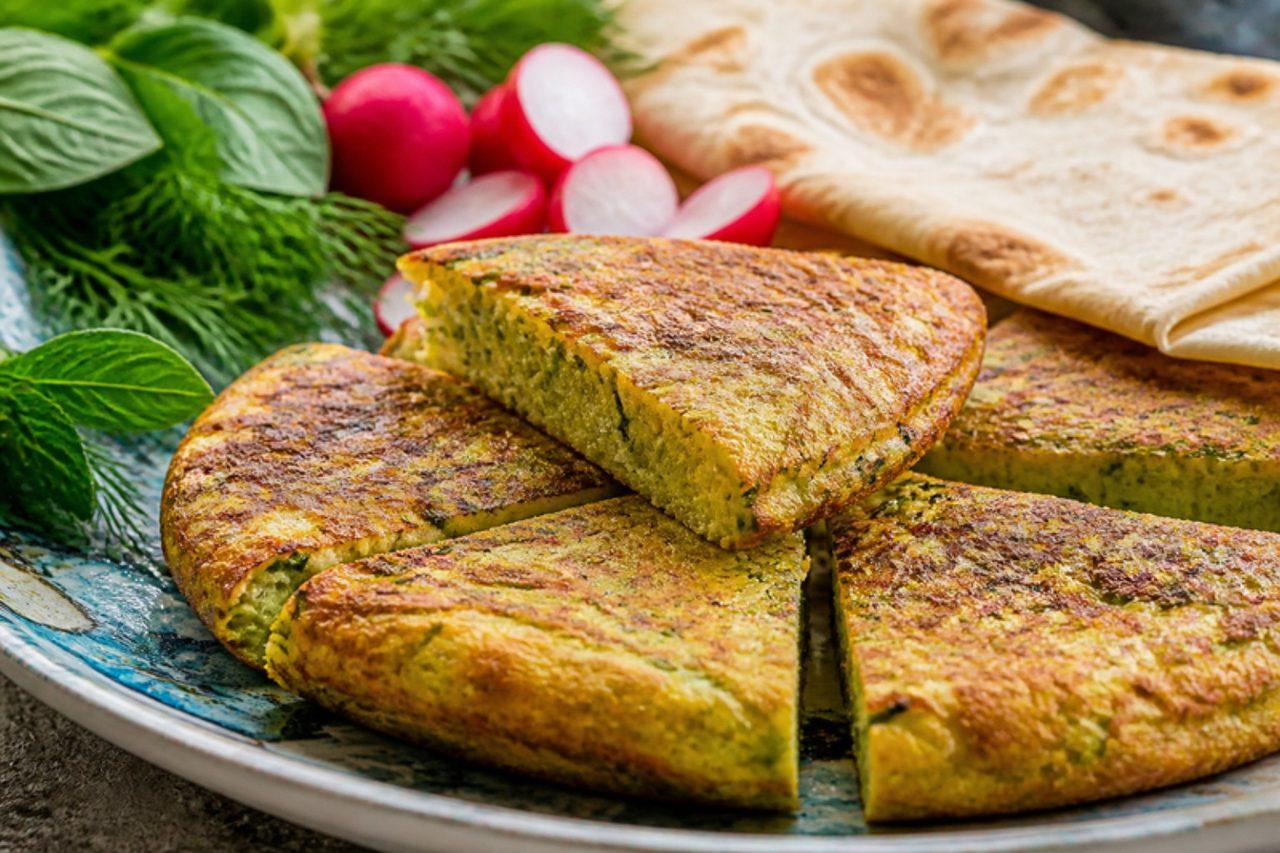
Iranian students and office workers know kuku loobia sabz from the lunchbox, wrapped in sangak bread with a pickled cucumber; at home it is a thrifty summer supper when green beans are at their cheapest. Finely chopped beans and golden onion are fried with turmeric and then set in eggs, giving a sturdy, speckled kuku that slices neatly. Serve it with bread, yogurt and salad shirazi. A common slip is adding raw beans, which stay squeaky inside; fry them until tender first. Contains egg. Chef's tip: chop the beans into 5 mm pieces, about the size of peas, so every slice holds together.

by KrazyBadal 0 views

Khoresh-e gharchMushroom stew

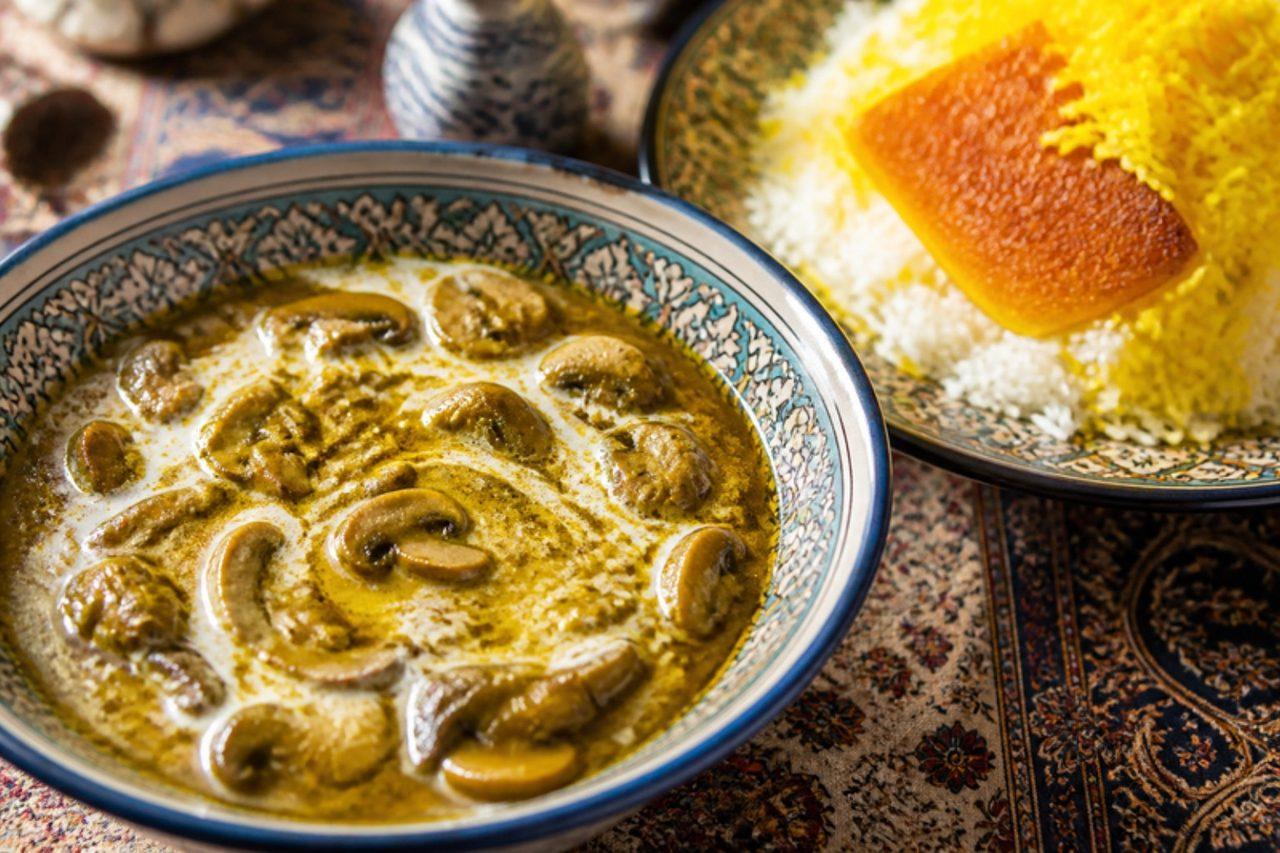
Tehran flats fill with the smell of khoresh-e gharch on busy weeknights, when there is no time for a three-hour gheymeh but rice is already steaming; it became a city favourite in the late twentieth century as button mushrooms grew common in the bazaars. The mushrooms are browned hard, then simmered briefly with golden onion, turmeric and saffron, and the sauce is finished with lemon and a spoon of kashk or cream, so it tastes savoury, a little sour and gently rich. Serve it over chelow with a plate of fresh herbs and torshi. The usual mistake is crowding the pan: piled-up mushrooms stew in their own water and turn grey and slippery instead of meaty. Kashk contains dairy; use soured cream if you can't find it. Chef's tip: tear rather than slice half the mushrooms, because the ragged edges brown better and soak up more sauce.

by KrazyBadal 0 views

Kuku kadooCourgette herb egg cake

Kuku kadoo is what summer lunch looks like in homes across Iran when the garden produces more courgettes than anyone can eat; Tehran mothers slice it into school sandwiches with tomato and pickles. Grated courgette and onion are squeezed dry, fried briefly, then mixed with eggs, dill and dried mint for a light, green-flecked kuku that is soft and fluffy inside. Eat it hot or cold with bread, yogurt and herbs. The usual mistake is skipping the squeeze; courgette is mostly water and the kuku turns soggy and pale. Contains egg. Chef's tip: a teaspoon of baking powder and a spoon of flour, as many Iranian cooks add, make it rise and hold together better; leave out the flour to keep it gluten free.

by KrazyBadal 0 views

Kuku gol-kalamCauliflower egg cake

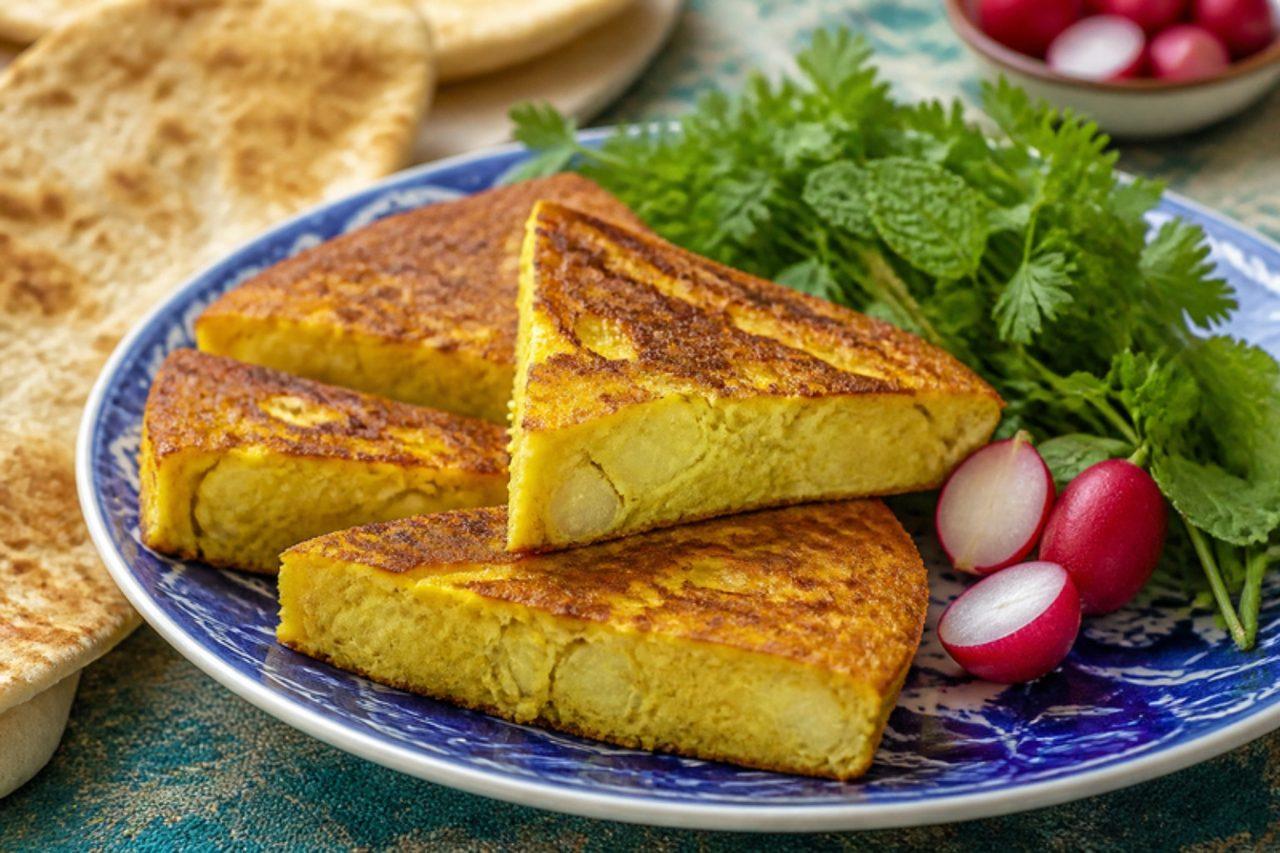
Winter kitchens in Tehran and Isfahan turn cheap cauliflower into kuku gol-kalam, a family supper that is just as good cold the next day, tucked into bread for the office. The cauliflower is boiled soft, crushed with fried onion, turmeric and a little cumin, then bound with eggs into a golden, mild, slightly nutty cake. Serve it with bread, torshi and herbs. Many cooks leave the cauliflower in big chunks, so the kuku crumbles when cut; mash it roughly first. Contains egg. Chef's tip: dry the boiled cauliflower in the hot pan for a minute before mashing, which gets rid of the extra water and keeps the kuku firm.

by KrazyBadal 0 views

Kuku bademjanAubergine and walnut egg cake

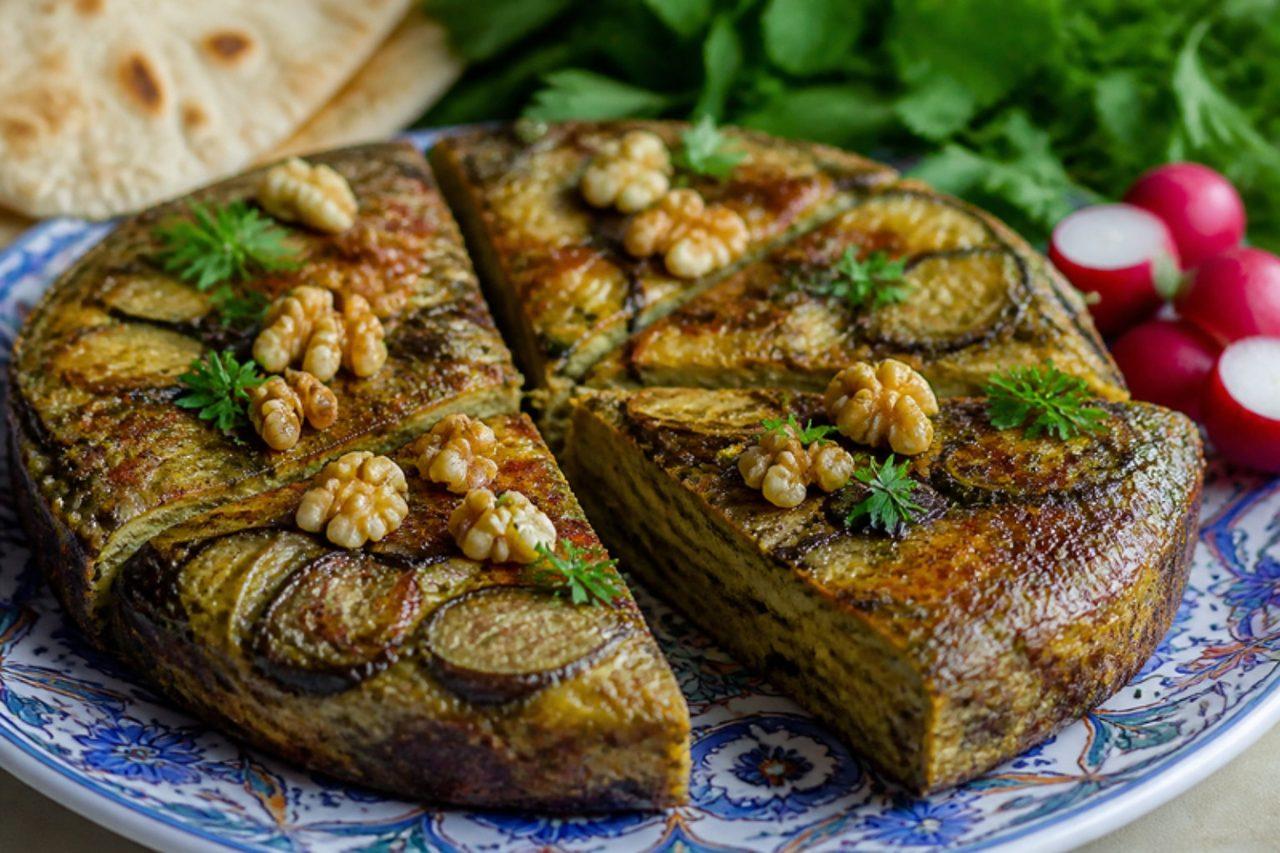
Kuku bademjan is the picnic kuku of Iran, packed into lavash for Sizdah Bedar, the thirteenth day of Nowruz, when families eat outdoors in parks from Tehran to Shiraz. Charred, smoky aubergine is mashed with garlic, saffron and chopped walnuts, bound with eggs and cooked into a thick, soft-set cake that tastes deep and slightly sweet. Serve it warm or cold with yogurt, bread and herbs. The mistake people make is leaving the aubergine wet; squeeze the cooked flesh in a sieve or the kuku will never set firm. Contains egg and walnuts. Chef's tip: cook the finished mixture in a well-oiled pan with the lid on, then slide it onto a plate and flip it back for the second side, so it browns evenly without drying out.

by KrazyBadal 0 views

EnmoladasEnchiladas in mole

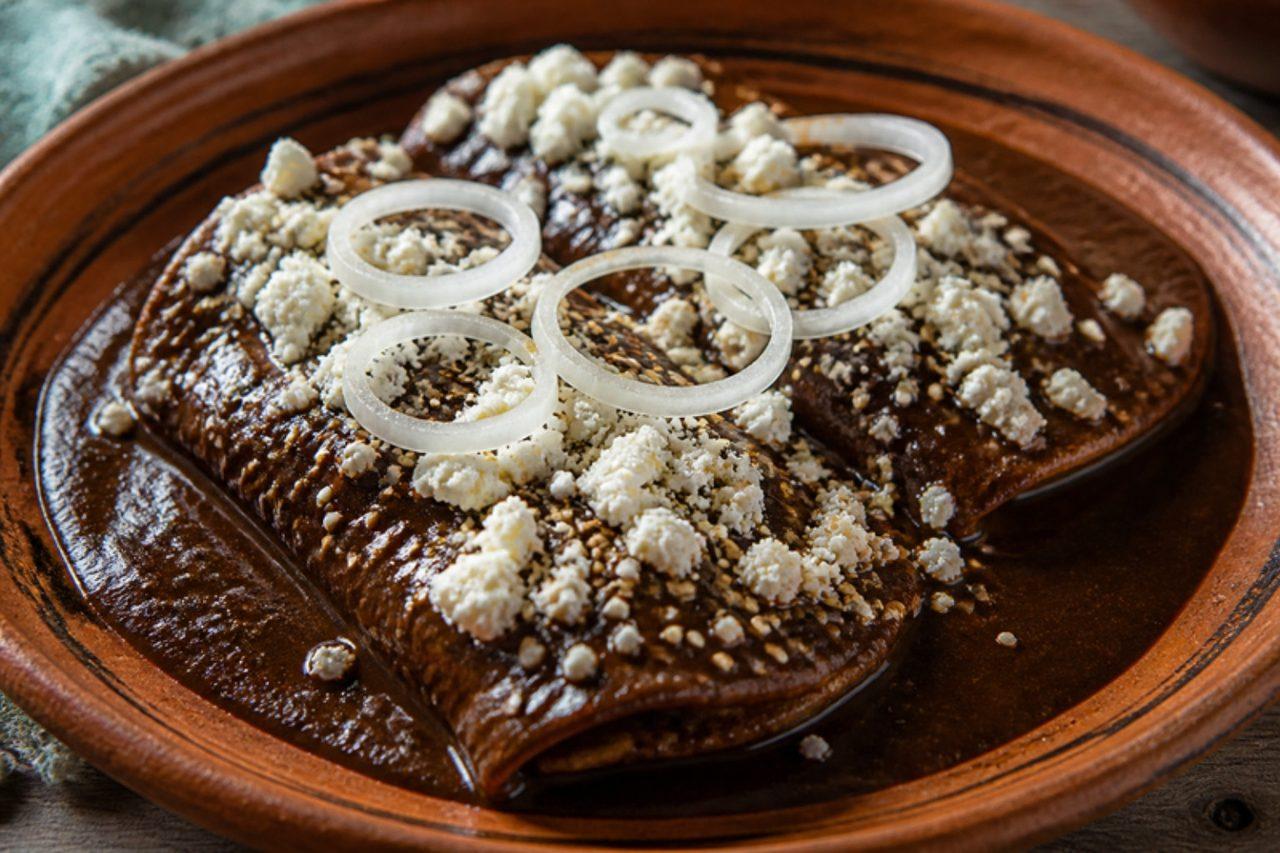
In Puebla and Oaxaca, leftover mole from a fiesta becomes enmoladas the next day: warm tortillas dipped in the dark sauce, folded around cheese and finished with onion and toasted sesame. This version makes a quick vegetarian mole from scratch with vegetable stock and oil, because market moles often contain lard or chicken stock. The cheese is the one ingredient to check, since queso fresco is often made with animal rennet; use a vegetarian fresh cheese or paneer-style curd instead. Chef's tip: keep the mole loose, like pouring cream, so it coats each tortilla in a thin glossy layer rather than a thick paste.

by KrazyBadal 0 views

Tortitas de coliflorCauliflower in egg batter

Cuaresma, the six weeks of Lent, is cauliflower season in the markets of Puebla and Mexico City, and cooks turn the florets into these puffy capeados: each piece stuffed with a little cheese, dipped in whisked egg, fried until golden and then bathed in a brick-red sauce of tomato and guajillo chilli. They come to the table with white rice and a stack of tortillas. Queso Oaxaca and panela are often made with animal rennet, so pick a vegetarian melting cheese if needed. Chef's tip: dust the florets with flour before the batter so it clings rather than slides off.

by KrazyBadal 0 views

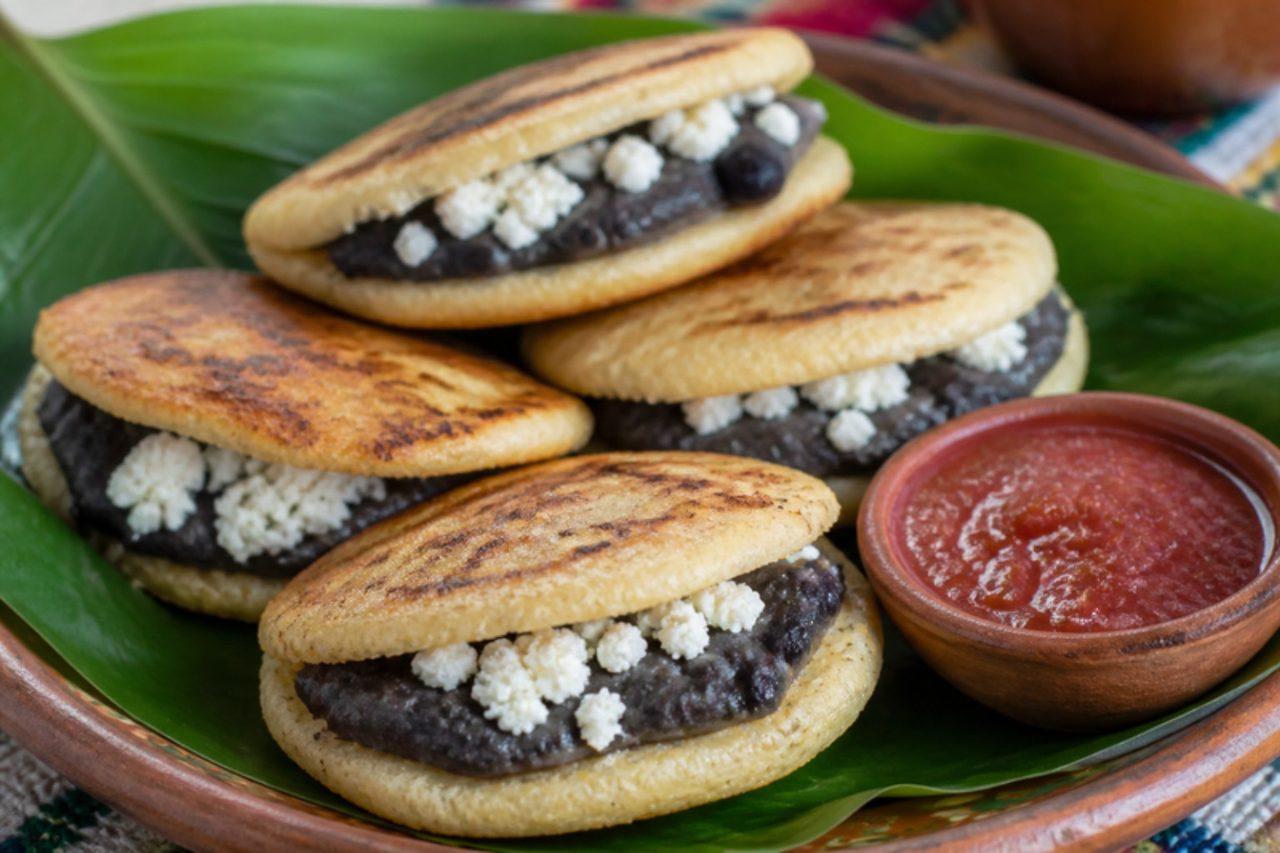
HuarachesSandal-shaped masa cakes

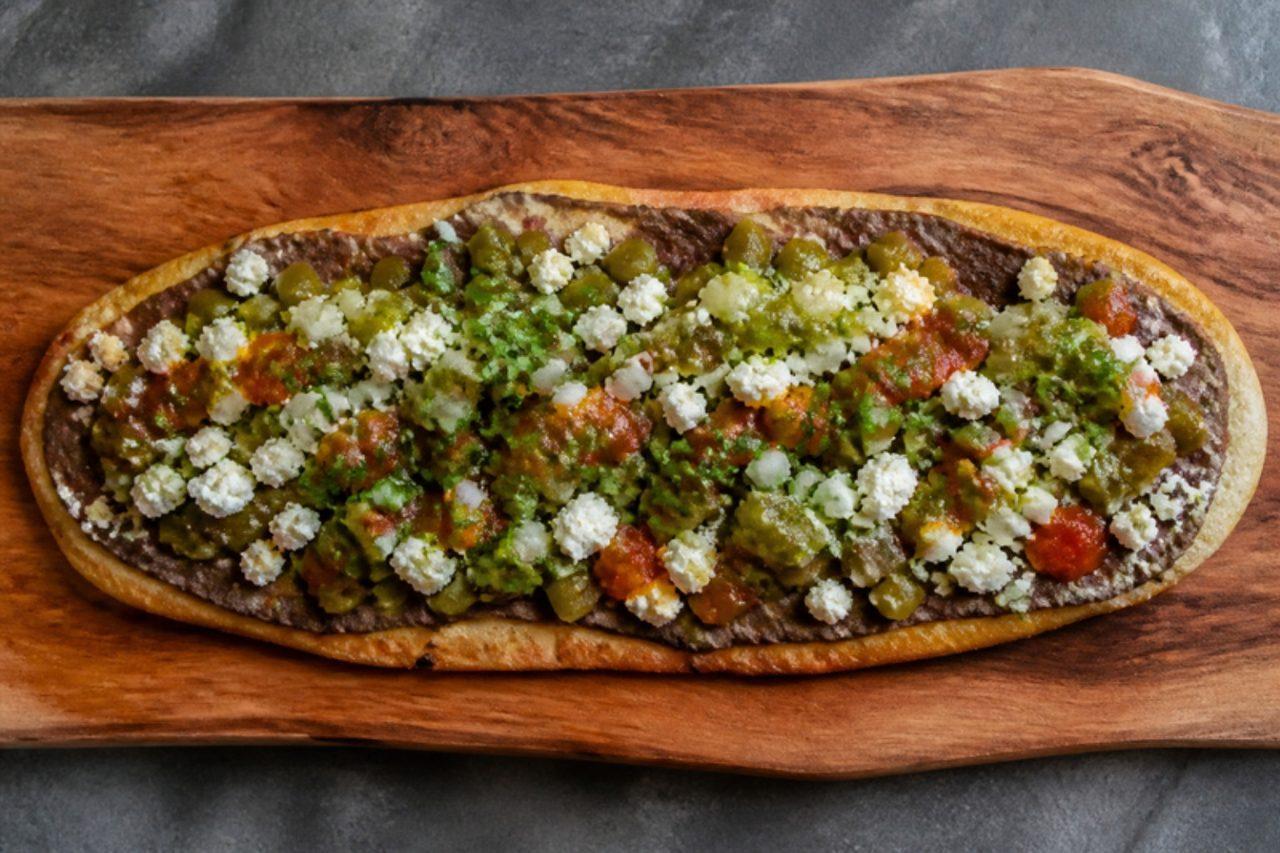
Named for the leather sandals they resemble, huaraches are the pride of the market stalls around La Merced and the Jamaica market in Mexico City, where long ovals of masa are filled with beans, griddled and loaded with toppings at breakfast or lunch. This vegetarian version is topped with salsa verde, grilled nopales, crema, onion and crumbled fresh cheese. Most queso fresco is set with animal rennet; a vegetarian-labelled fresh cheese or a crumbly feta made with microbial rennet keeps it meat-free. Chef's tip: pat the beans into a log inside the masa before pressing, so they spread evenly to the edges.

by KrazyBadal 0 views

TetelasBean-filled masa triangles

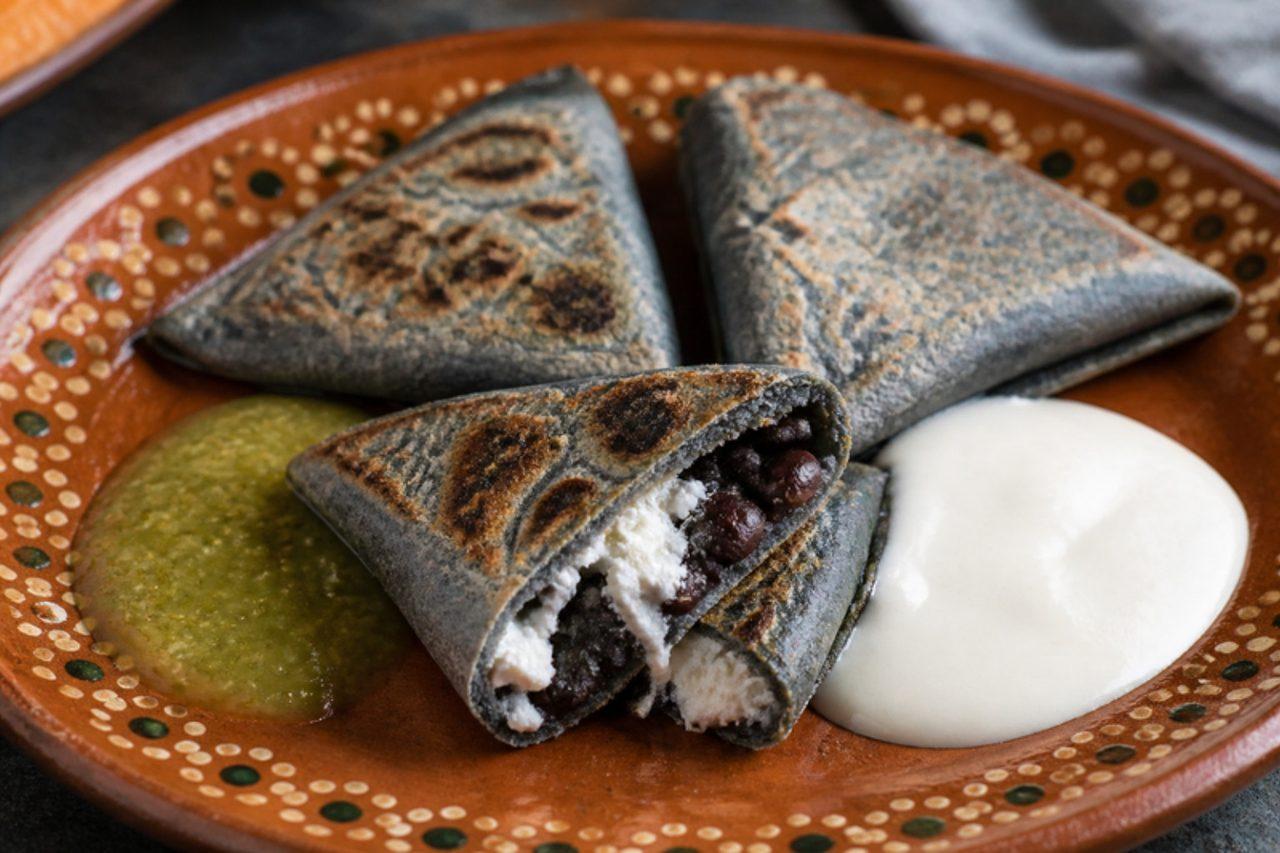
In the Mixteca region between Oaxaca and Puebla, tetelas are folded into neat triangles on the comal and sold at village markets, often filled with black beans scented with avocado leaf and a little stringy quesillo. The masa turns toasty and slightly crisp outside while the filling stays creamy, and they are eaten with salsa as a snack or light supper. Quesillo is traditionally made with animal rennet, so pick a vegetarian stretched-curd cheese or a mozzarella labelled suitable for vegetarians. Chef's tip: fold the third side over last and press the seams with your fingertip so nothing leaks onto the comal.

by KrazyBadal 0 views

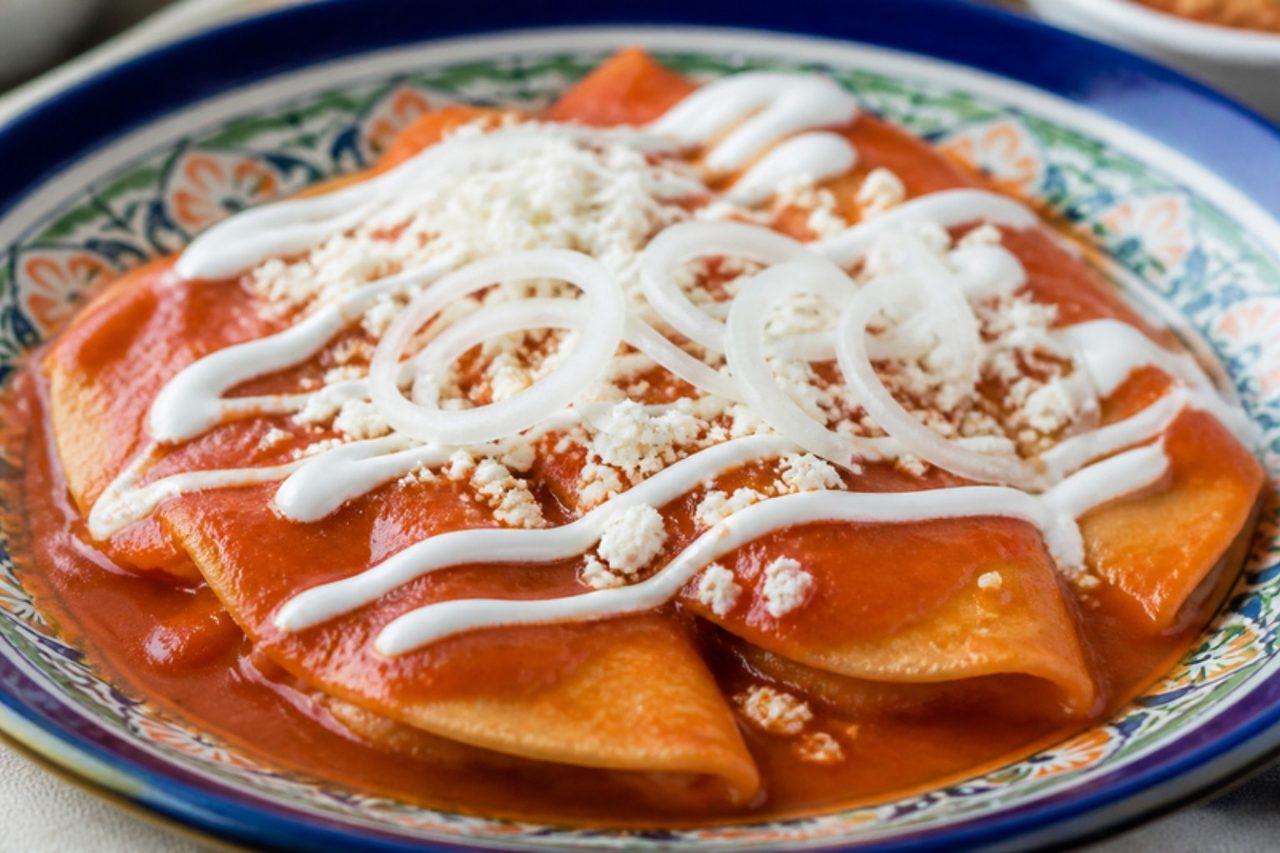
EntomatadasEnchiladas in tomato sauce

Entomatadas are what many families in central and northern Mexico make on a weekday evening, from Querétaro to Chihuahua: corn tortillas warmed in oil, bathed in a mild, garlicky tomato sauce and folded around fresh cheese. Without dried chiles they are gentle enough for children, and they are often served with refried beans and a fried egg on the side. Check the cheese label: many fresh Mexican cheeses use animal rennet, and a vegetarian queso fresco or ricotta salata works just as well here. Chef's tip: warm each tortilla in a little oil before it meets the sauce, so it bends without tearing.

by KrazyBadal 0 views

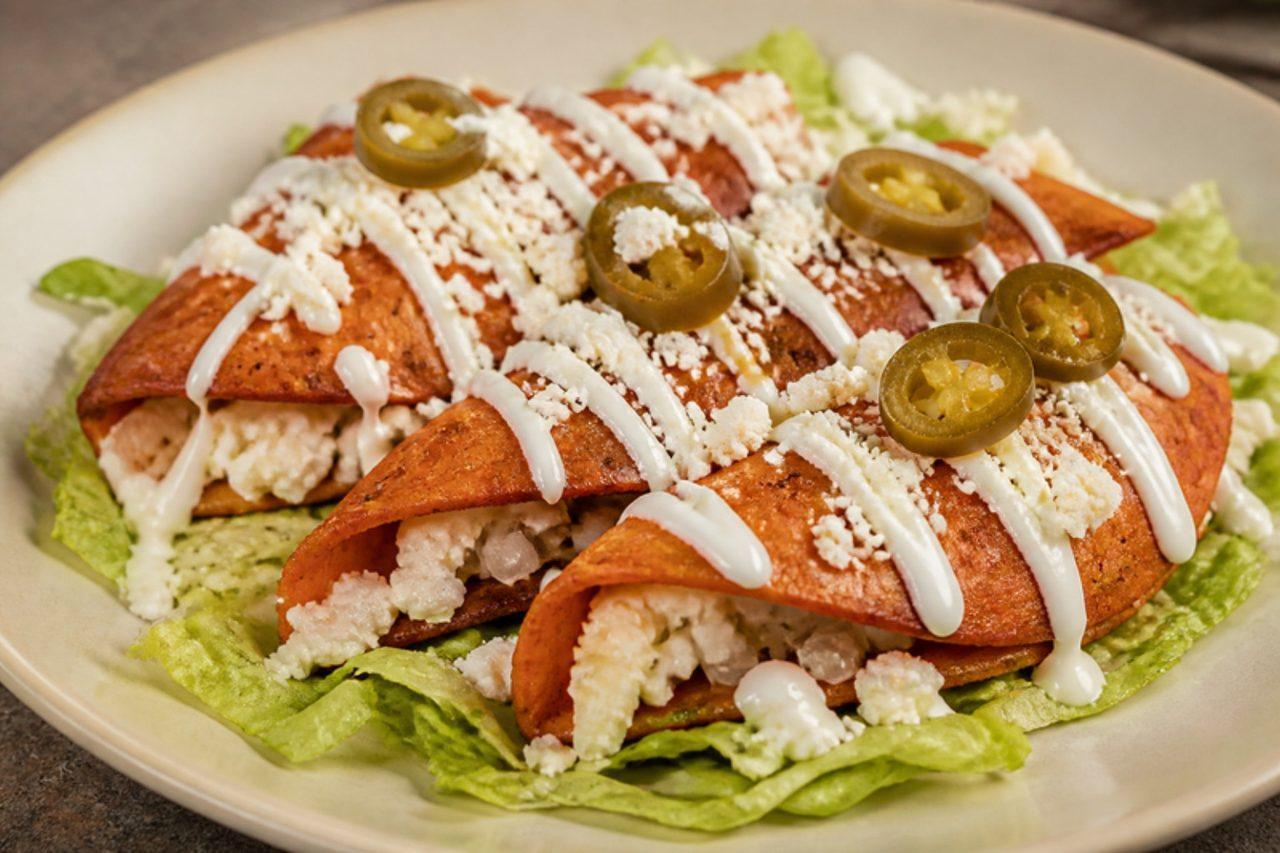
Enchiladas potosinasRed chile cheese enchiladas

Unlike the sauced enchiladas of Mexico City, the enchiladas of San Luis Potosí are small turnovers of masa kneaded with red chile paste, filled with fresh cheese and onion, cooked on the comal and quickly fried. In the city's plaza they are sold by the dozen with crema, shredded lettuce and pickled vegetables, and they're a favourite for Sunday family suppers. For a fully vegetarian plate, swap the usual animal-rennet queso fresco for a vegetarian fresh cheese or a mild microbial-rennet feta. Chef's tip: let the chile paste cool before kneading it into the masa, or the dough turns sticky.

by KrazyBadal 0 views

BocolesFilled masa cakes

Bocoles are breakfast across the Huasteca, the green hill country shared by Veracruz, San Luis Potosí and Tamaulipas, where they come off the comal at dawn to be split open and stuffed. The masa is enriched with fat (traditionally pork lard; vegetable shortening here keeps them vegetarian) so the cakes are tender and slightly crumbly. Fill them with beans, cheese and salsa, or with scrambled egg. If you keep a vegetarian kitchen, note that ranch-style fresh cheese is usually set with animal rennet; a vegetarian queso fresco or feta does the same job. Chef's tip: cook them slowly over a medium-low heat so the thick centre cooks through before the outside burns.

by KrazyBadal 0 views

PenequesCheese-filled masa pockets

Peneques are a Lenten and weekday favourite in the fondas of Mexico City and Puebla: thin masa pockets are cooked on the comal, stuffed with stringy cheese, coated in a fluffy egg batter, fried and then simmered briefly in a light tomato broth, like a chile relleno without the chile. They are soft, comforting and served with rice and beans. Oaxaca cheese is commonly made with animal rennet, so choose a vegetarian mozzarella or stretched-curd cheese if that matters to you. Chef's tip: dust the stuffed pockets with masa harina before battering so the egg clings instead of sliding off.

by KrazyBadal 0 views

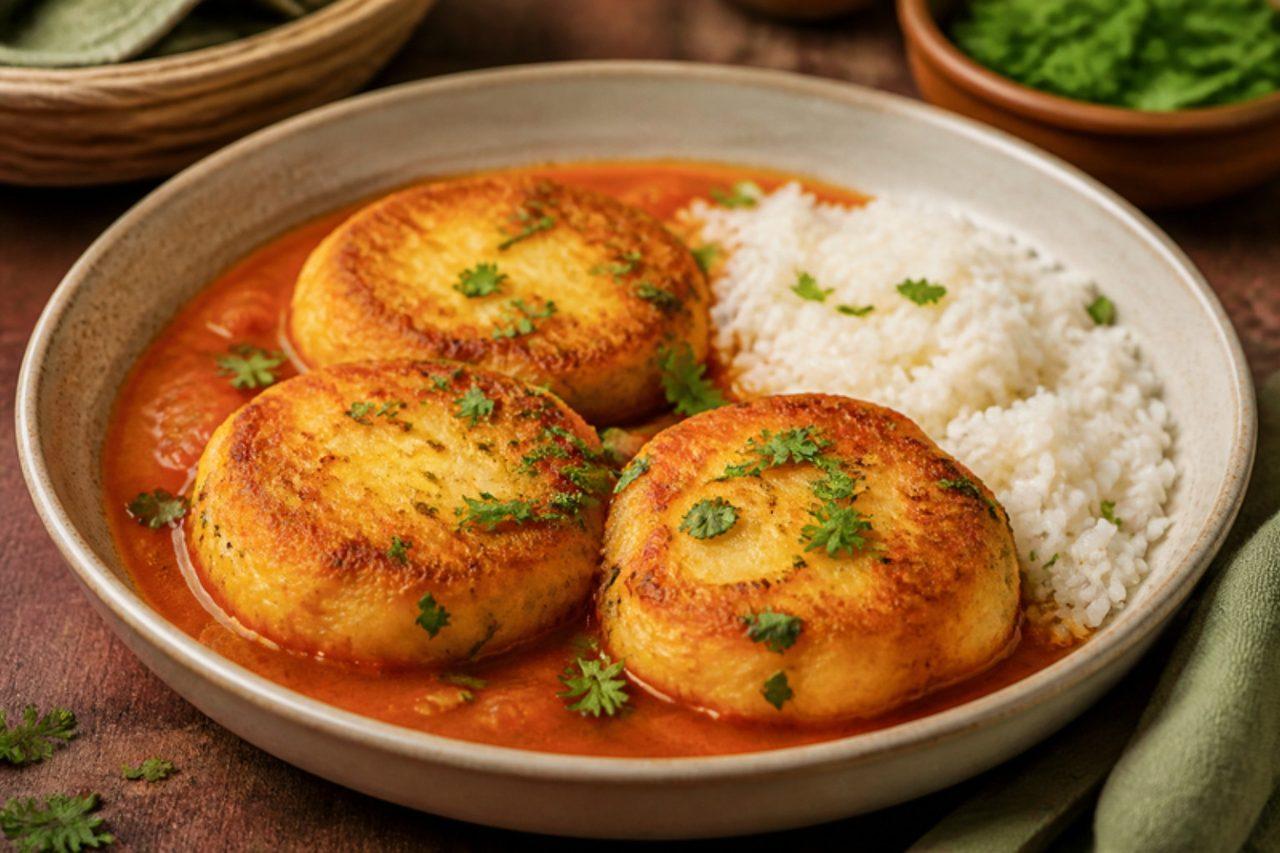
Tortitas de papaPotato patties in tomato broth

Meatless Fridays in Lent turn Mexican kitchens toward tortitas: in Mexico City and across the Bajío, golden patties of mashed potato and cheese are fried, then slipped into a thin, warm tomato caldillo and eaten with rice, beans and tortillas. Children love them, and they stretch a few potatoes into a proper meal. Mexican fresh cheeses are often made with animal rennet; a vegetarian mozzarella or mild cheddar works well. Chef's tip: mash the potatoes while hot and let them steam dry, so the patties hold together without flour.

by KrazyBadal 0 views

Ejotes con huevoGreen beans with egg

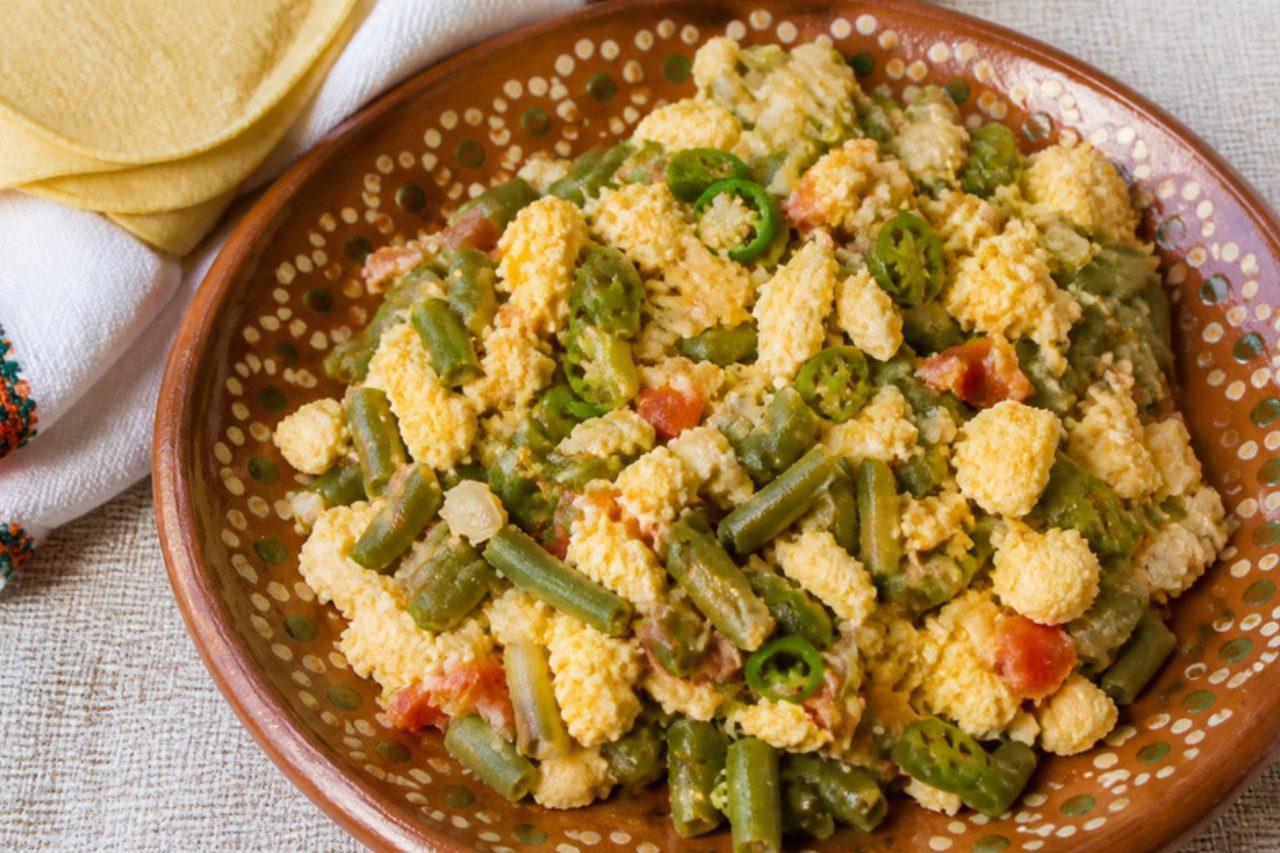
Cheap, fast and filling, this is the kind of dish that turns up on Mexican home tables on a Lent Friday, at breakfast or as the main course of a weekday comida. Green beans are blanched, tossed through a quick tomato and serrano sofrito and bound with softly scrambled egg. Spoon it into warm corn tortillas or eat it with frijoles de la olla and rice. Chef's tip: cut the beans on a slant into short pieces so every forkful catches some egg.

by KrazyBadal 0 views

Chileajo de verdurasVegetables in guajillo garlic sauce

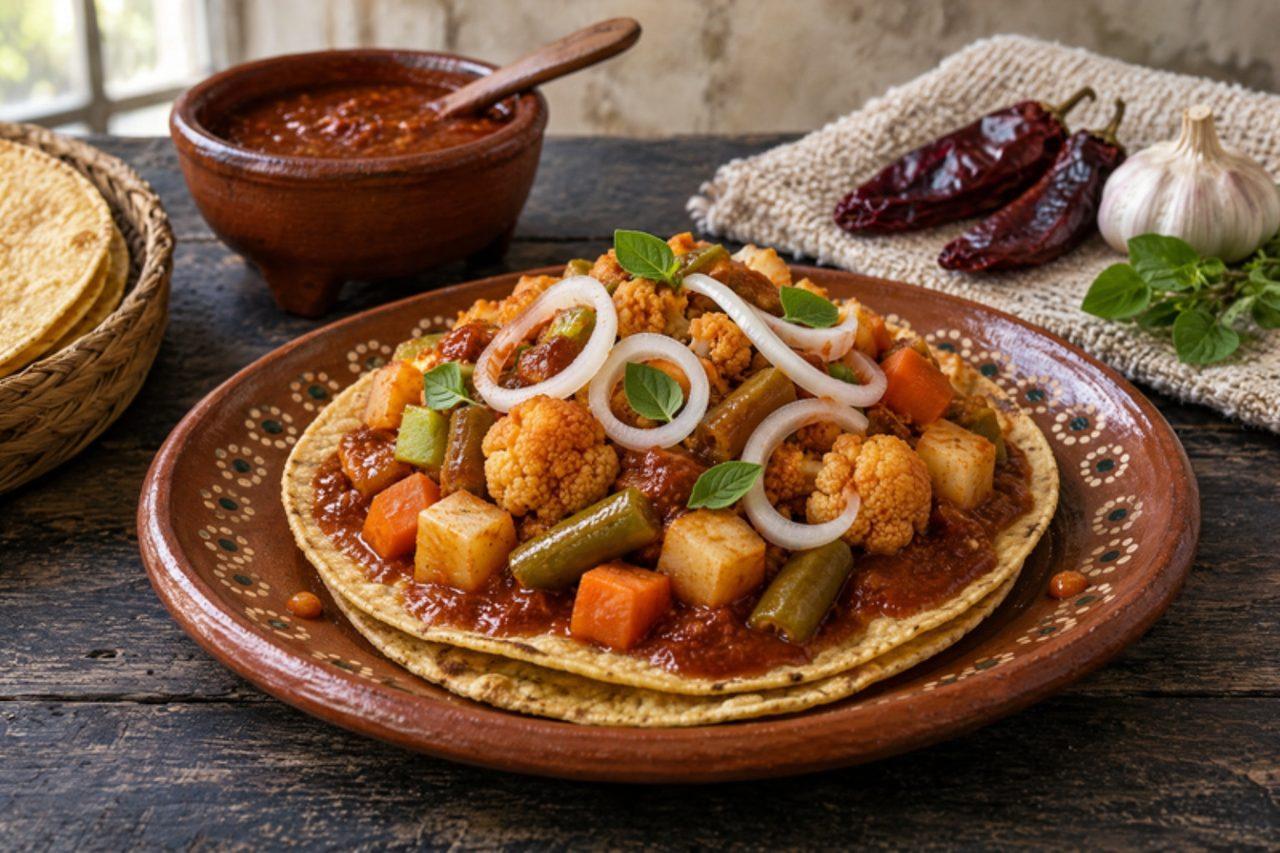
Chileajo is a cold dish of the Mixteca and the Oaxaca valley markets, sold from big clay bowls on Sundays and during Lent, and piled onto crisp tostadas at family fiestas. Potatoes, green beans, carrots, chayote, cauliflower and peas are cooked just tender and folded into a brick-red sauce of guajillo chiles, plenty of garlic, cloves and vinegar, then left to soak up its tangy, smoky heat. It keeps for days and improves as it sits. The usual mistake is overcooking the vegetables before they meet the sauce, so they turn mushy once mixed; they should still have a little bite. Chef's tip: toast the chiles only until they smell fragrant and blister, a few seconds a side; burnt chiles make the whole sauce bitter.

by KrazyBadal 0 views

Frijoles maneadosPinto beans with chile and cheese

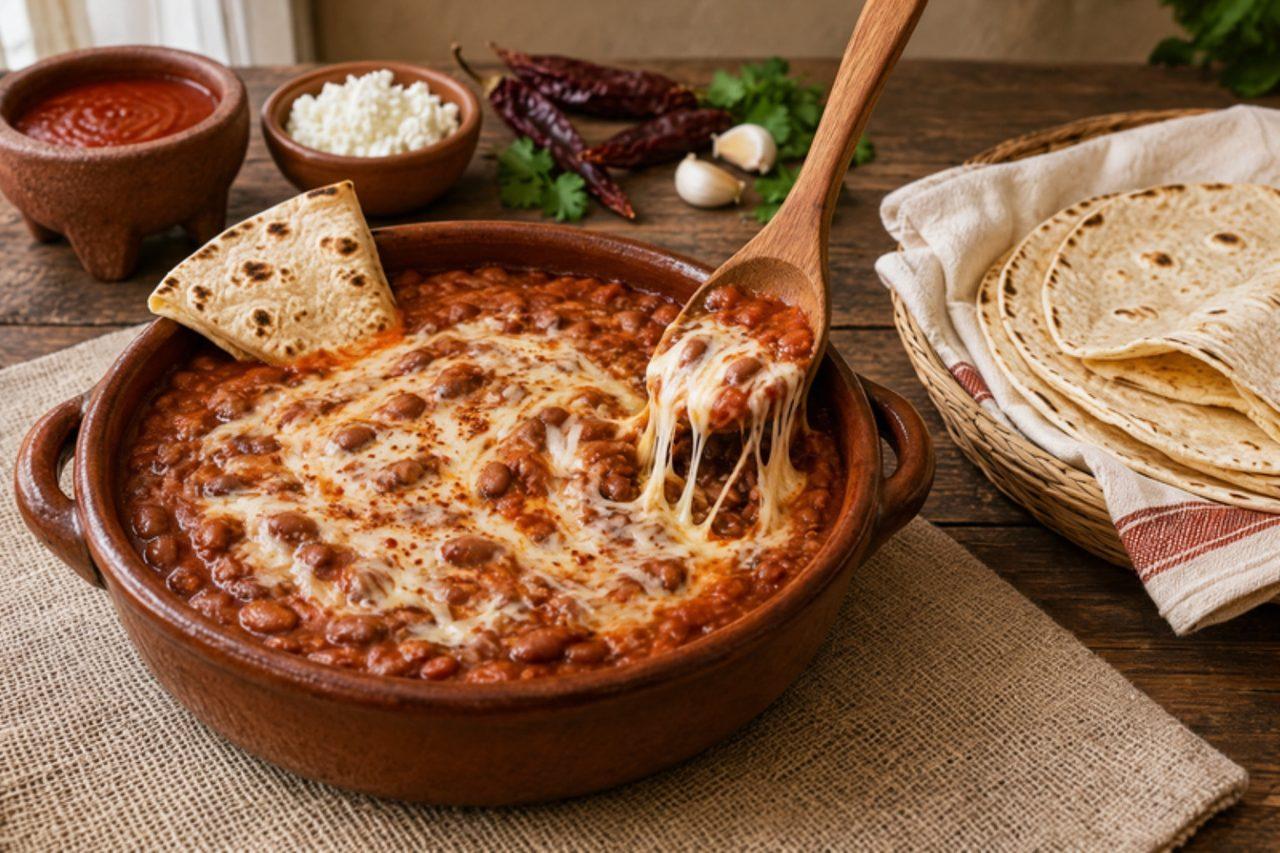
Frijoles maneados are the rich party beans of Sonora in northern Mexico, cooked for carne asada gatherings, weddings and Sunday lunch, and spooned onto flour tortillas. Soft pinto beans are mashed and beaten (maneados means stirred or worked) with dried red chile colorado, milk and so much melting cheese that the pot pulls into strings. Serve them with flour tortillas, grilled vegetables and a sharp salsa. The usual mistake is adding the cheese while the pot is boiling hard, which makes it go rubbery and oily; take the heat right down first. Chef's tip: Sonoran queso regional or Chihuahua cheese is often made with animal rennet, so for a vegetarian pot choose a vegetarian Monterey Jack-style or mild Cheddar cheese labelled suitable for vegetarians.

by KrazyBadal 0 views

MbaipyCheesy polenta

Mbaipy (say 'mbai-PU') is Guaraní country cooking at its plainest: coarse corn flour stirred into milk and onion fried in oil until it thickens into a soft, spoonable porridge, finished with cubes of fresh cheese that melt into strings. In the Paraguayan countryside it is a cheap winter supper; cooks often stir in shredded chicken to make mbaipy so'o, but this is the meat-free version eaten on fasting days and in plenty of homes. Queso Paraguay is made with animal rennet, so use a vegetarian mozzarella or fresh cheese if you need to. The usual mistake is tipping the corn flour in all at once, which makes lumps that never cook out. Chef's tip: let it sit, covered, off the heat for five minutes before serving; it firms up slightly and the corn swells fully.

by KrazyBadal 0 views

PapadzulesEgg tortillas in pumpkin seed sauce

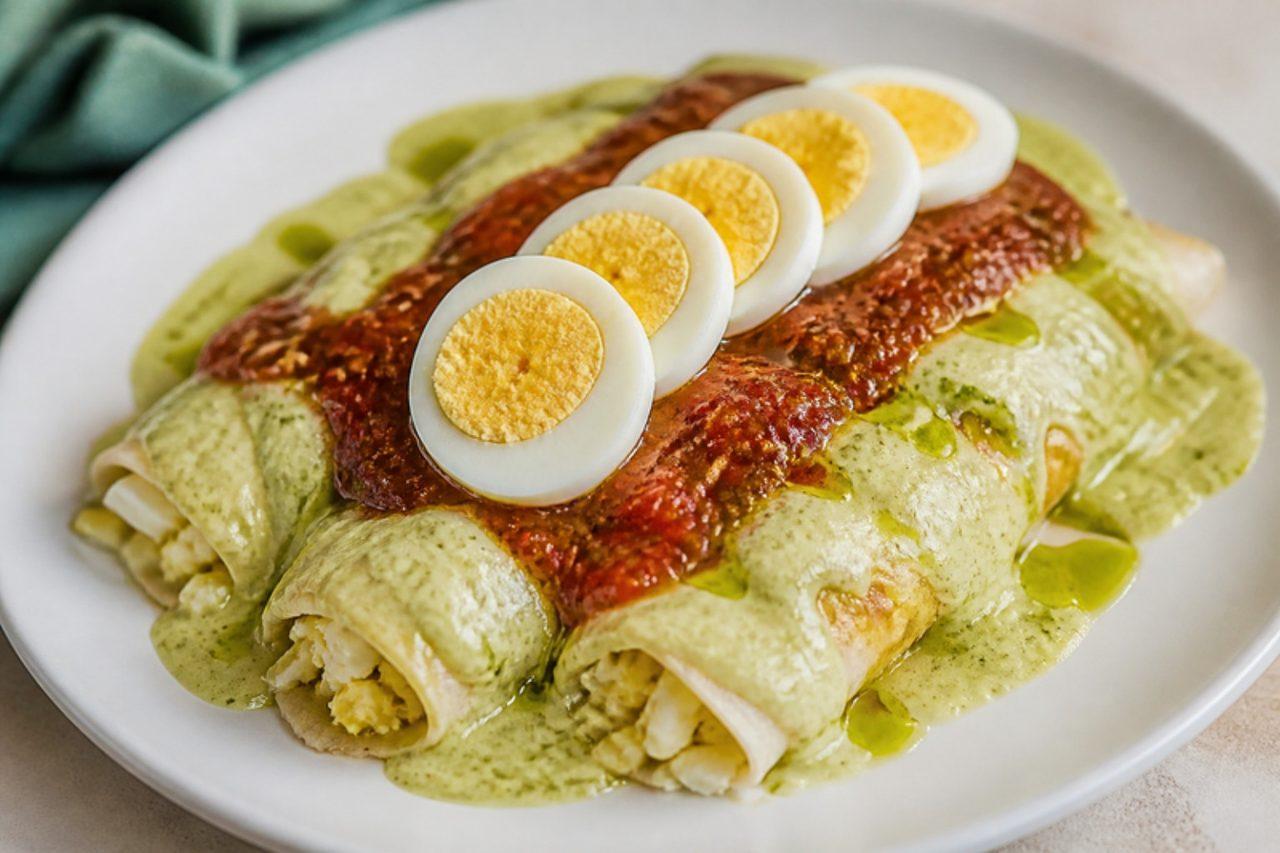
Papadzules may be the oldest dish still eaten in the Yucatán: Maya cooks were rolling tortillas in ground squash seeds long before the Spanish brought chickens and their eggs. Today they are a lunch and Lent dish in Mérida, Valladolid and Campeche. Corn tortillas are dipped in a pale green sauce of toasted pumpkin seeds and epazote, rolled around chopped hard-boiled egg, then topped with a cooked habanero-tomato sauce and a few drops of green pumpkin-seed oil squeezed from the paste. The flavours are nutty, herbal and gently hot. Chef's tip: keep the seed sauce warm, never boiling; heat makes it split and turn grainy, and the oil that separates is meant to be drizzled on top, not stirred back in.

by KrazyBadal 0 views

Showing 24 of 46 recipes

Show more recipes

Page 1 of 2