Skip to content
Recipes

All recipes

Vegetarian, or something you can't eat? Set your diet once and we'll hide recipes that don't fit.

Potoler dormaPaneer-stuffed pointed gourd

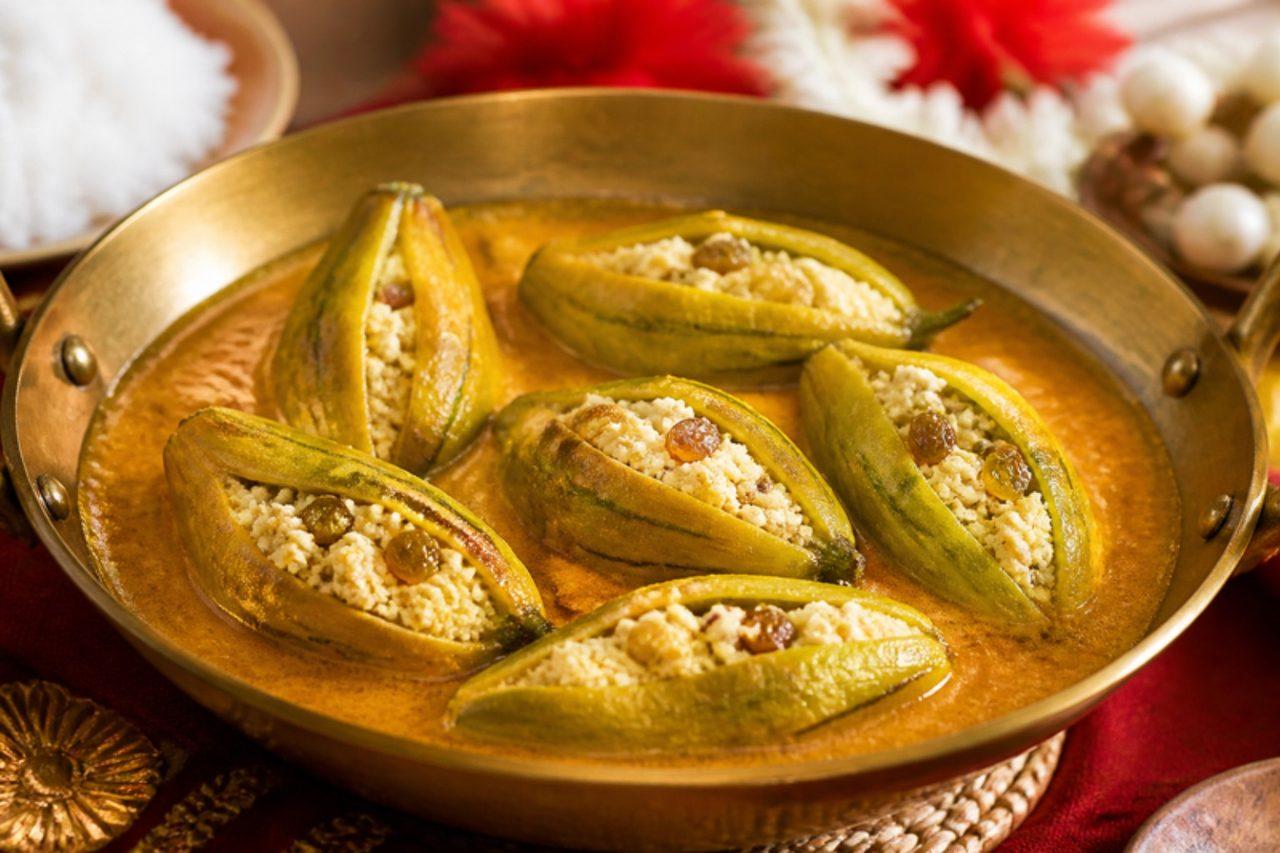
Potoler dorma is a showpiece of the Bengali vegetarian table, cooked for Durga Puja Navami lunches, weddings and the jamai shoshti feast. Pointed gourds (potol) are scraped, hollowed, fried, stuffed with paneer, raisins and spices, then simmered in a cashew, yoghurt and tomato gravy that is rich, gently sweet and fragrant with garam masala and ghee. This version keeps to the puja's no-onion, no-garlic style. Common mistake: cutting the gourds open lengthwise; for a dorma you slit only one end and scoop through it with a small spoon, so the filling stays inside while it simmers. The gourd is done when a toothpick slides in easily but the skin is still green and holds its shape. Chef's tip: chop the scooped-out seeds and flesh and cook them into the filling, which adds flavour and wastes nothing.

by KrazyBadal 0 views

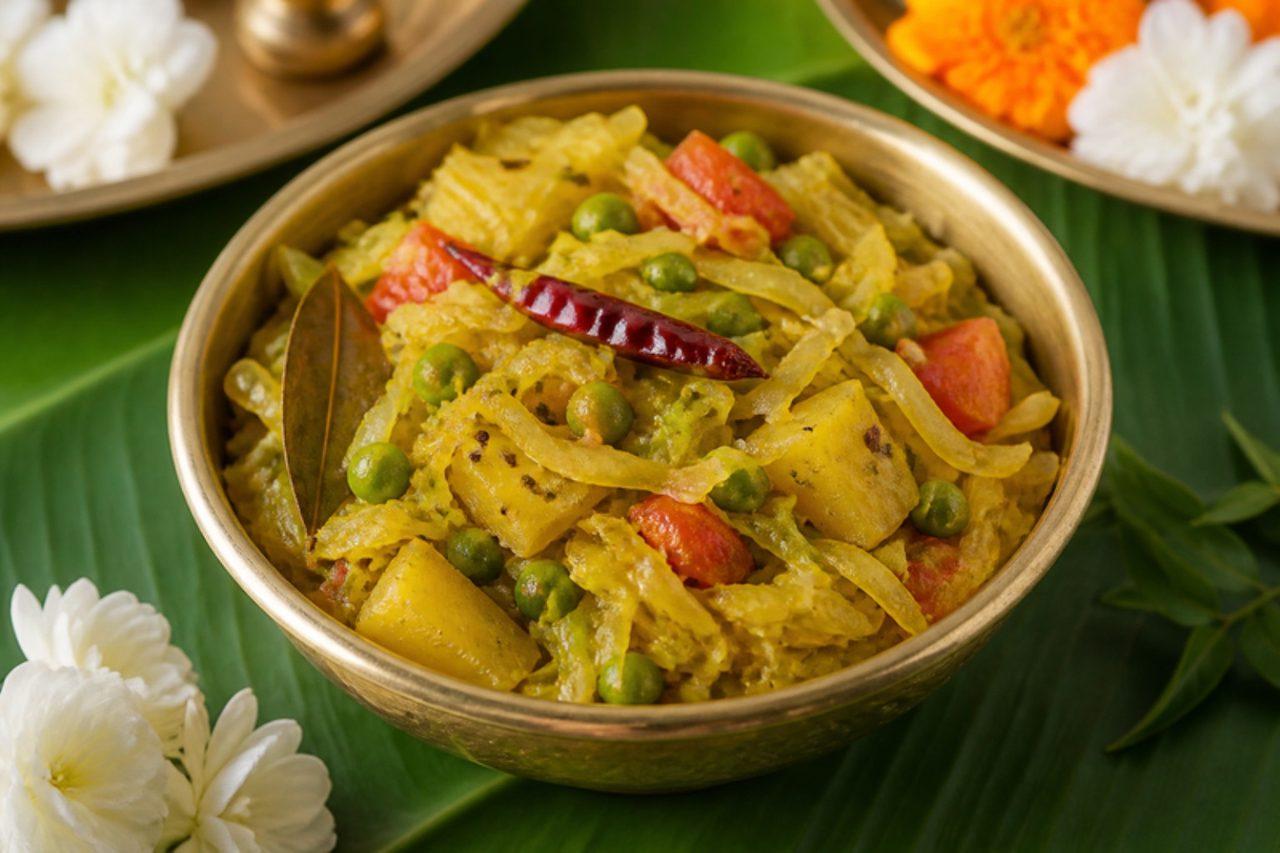
Bandhakopir torkariCabbage with peas and potato

In Bengali homes and pandal kitchens during Durga Puja, the bhog plate needs a dry vegetable beside the khichuri, and bandhakopir torkari is one of the favourites. Cabbage is shredded fine and cooked slowly with potato, peas, ginger and whole cumin, with no onion or garlic because it is offered to the goddess before it is eaten. A pinch of sugar and a final dusting of garam masala make it gently sweet and fragrant. Serve it with khichuri, luchi or plain rice and dal. Common mistake: covering the pan for the whole time, which steams the cabbage grey and watery; cook it mostly uncovered so the liquid evaporates and the edges just start to brown. Chef's tip: salt the shredded cabbage for 10 minutes and squeeze it lightly before cooking; it cooks faster and soaks up the spices better.

by KrazyBadal 0 views

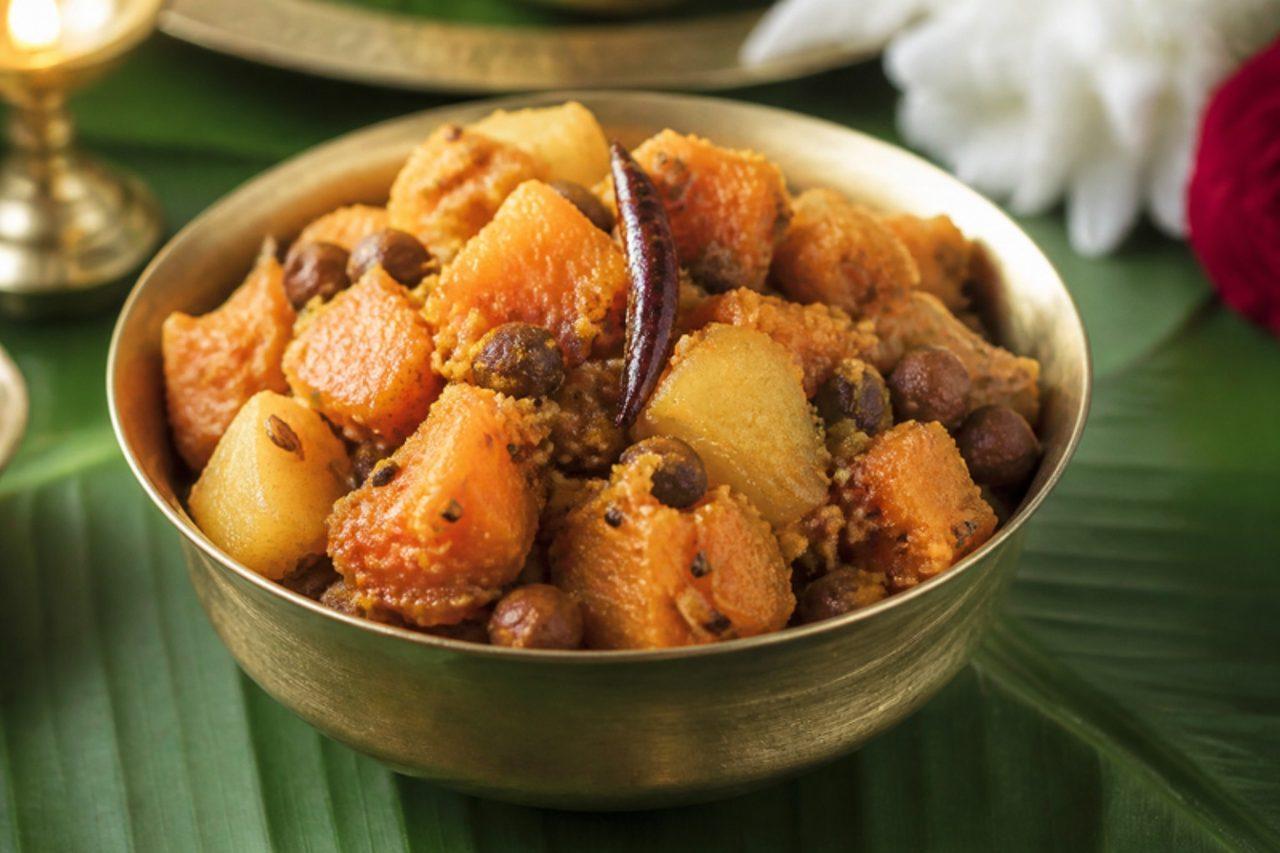
Kumror chhokkaPumpkin, potato and chickpeas

Kumror chhokka is the soft, sweet-savoury pumpkin dish that turns up on the niramish bhog plate at Durga Puja, next to khichuri and luchi, and at Bengali vegetarian feasts all year. Red pumpkin and potato are cooked down with soaked chickpeas, panch phoron (the Bengali five-spice), ginger and a pinch of sugar, until the pumpkin half melts and coats everything. There is no onion or garlic, which keeps it fit for the offering. It is mild, a little sweet and comforting. Common mistake: cutting the pumpkin and potato the same size; pumpkin cooks much faster, so cut it into bigger pieces, and stop when the potato is soft and some of the pumpkin has broken down. Chef's tip: a teaspoon of ghee and a pinch of roasted cumin powder stirred in at the very end makes it taste like the pandal version.

by KrazyBadal 0 views

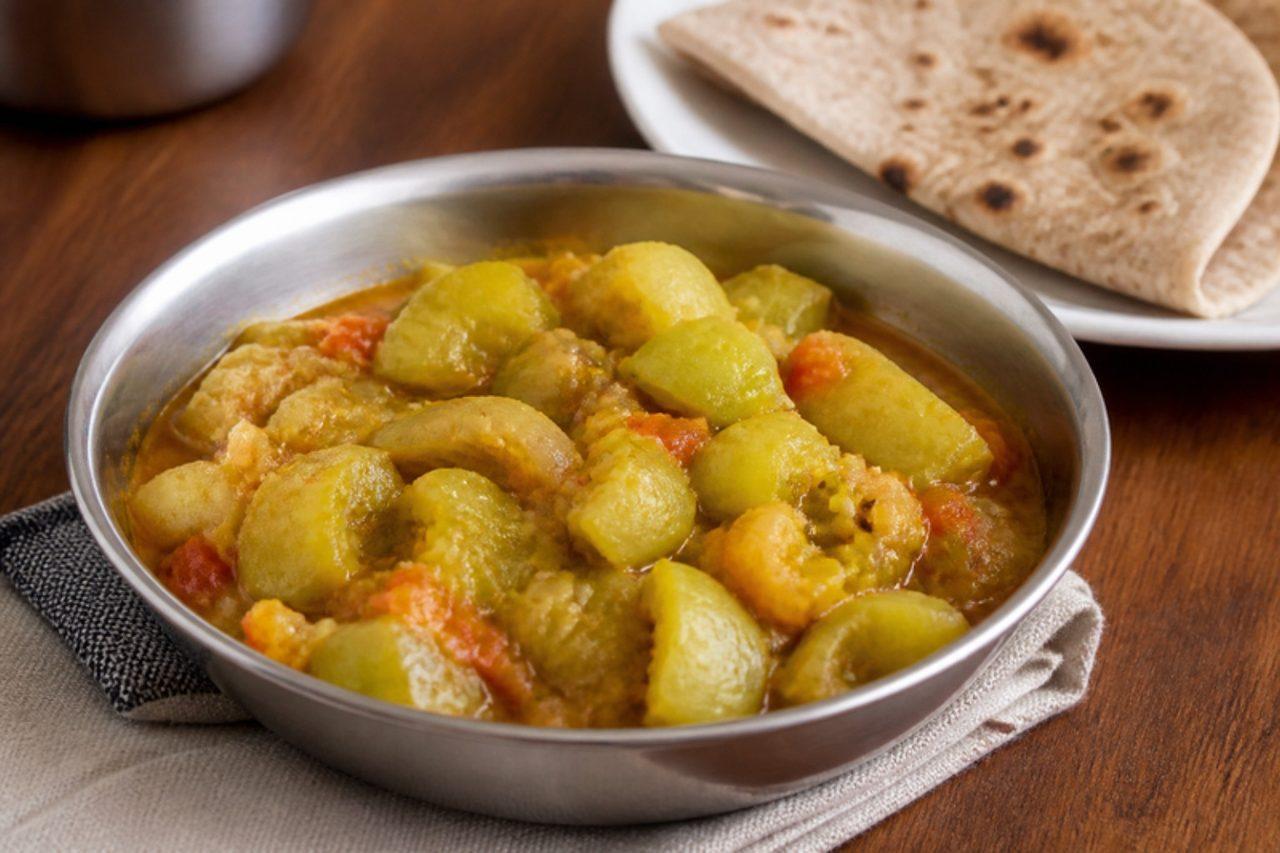
Turai ki sabziRidge gourd with tomato

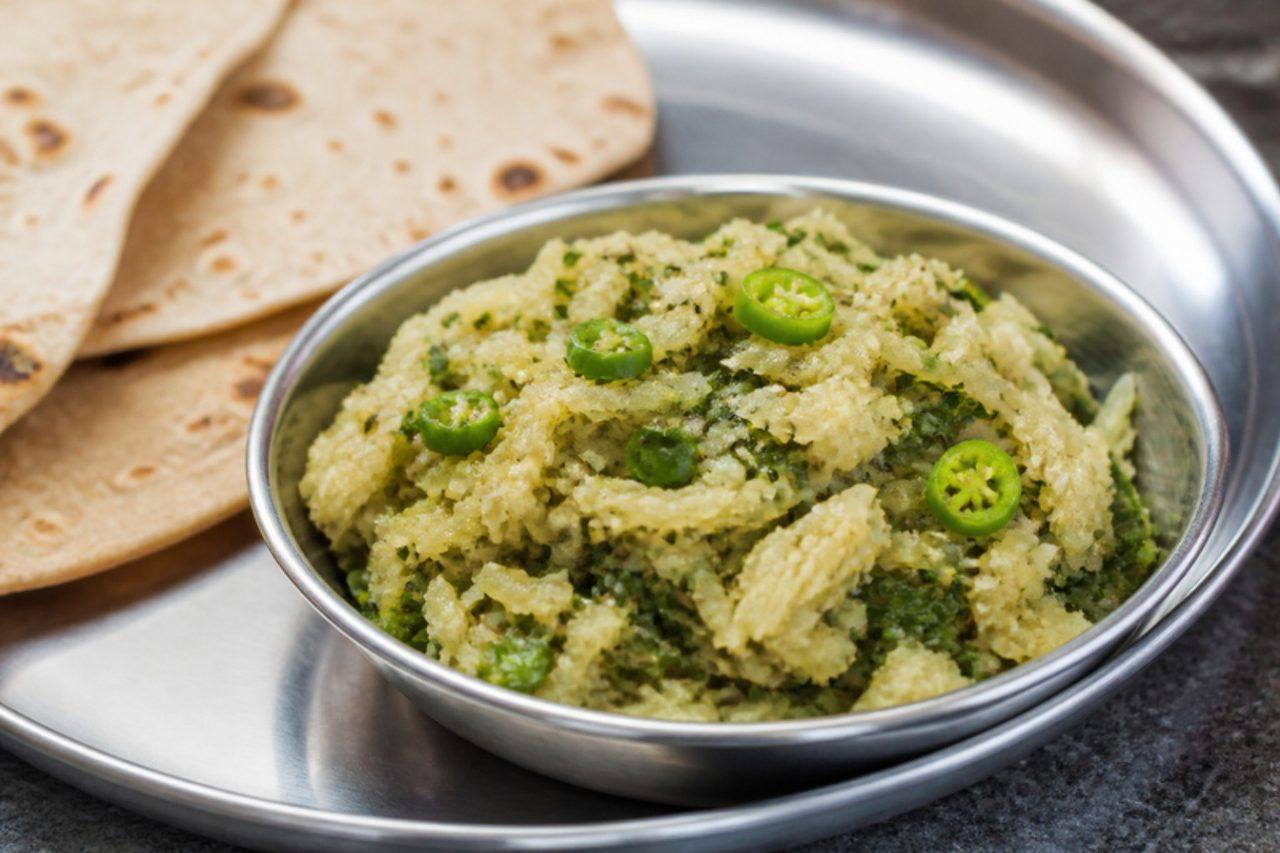
In Uttar Pradesh, Bihar and across the North Indian plains, turai (ridge gourd) is the light monsoon vegetable that mothers cook for upset stomachs, hot evenings and anyone who wants a gentle dinner with roti and dal. Peeled and chopped, it releases its own water as it cooks, and with a little tomato and cumin it forms a soft, sweet, barely spicy gravy. The common mistake is adding water: the gourd is full of it, and extra water gives a bland, thin soup, so cover the pan and let it make its own. Chef's tip: taste a slice of raw gourd before cooking; very occasionally one is bitter, and a bitter gourd will spoil the whole pot.

by KrazyBadal 0 views

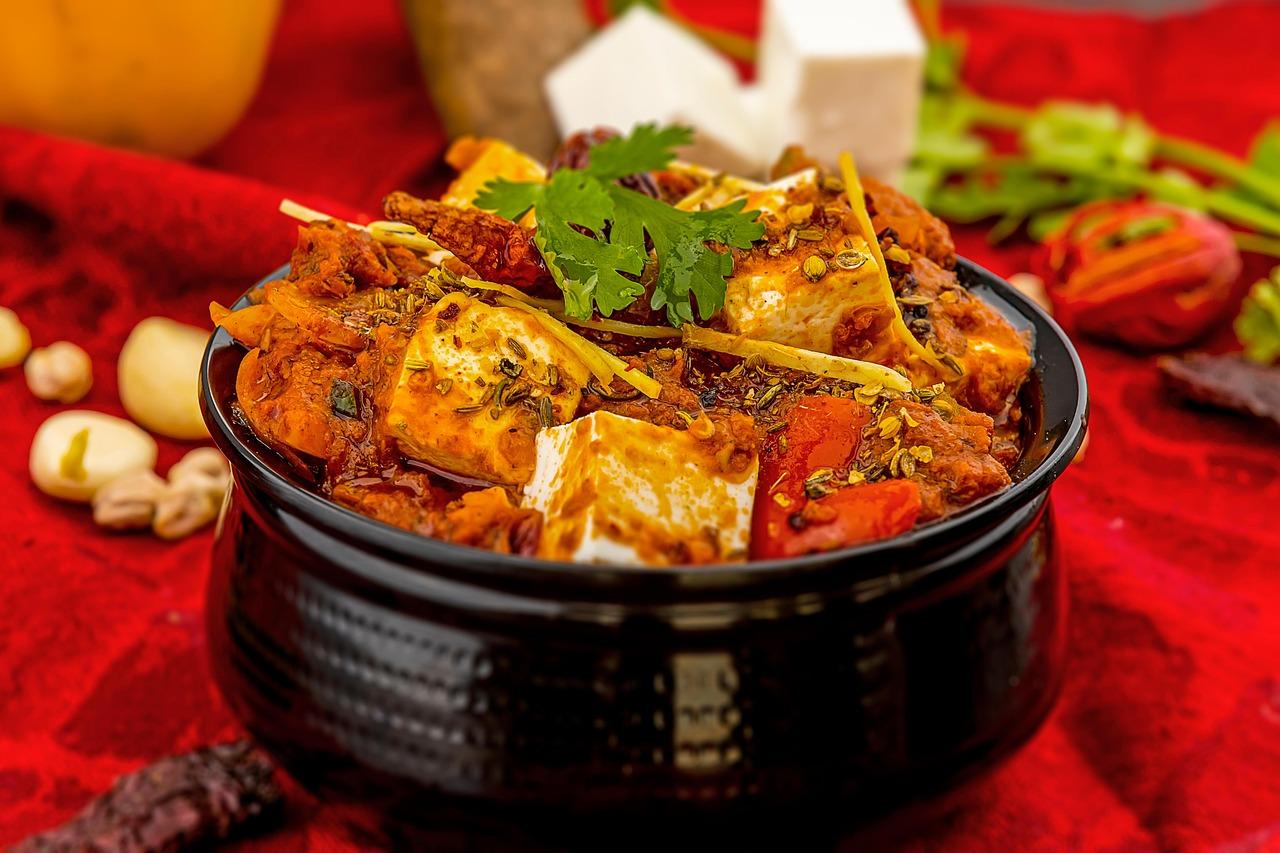
Chilli paneerPaneer with peppers and soy

Chilli paneer was born in the Chinese restaurants of Kolkata's Tangra and Tiretta Bazaar, where Hakka cooks adapted their chilli chicken for vegetarian customers, and today it is the Friday-night order from Delhi to Bengaluru. Cubes of paneer are coated in cornflour and fried crisp, then tossed over a fierce flame with onion petals, green pepper, garlic, soy sauce and plenty of green chilli in a glossy sauce. Paneer is set with acid, not rennet, so it is fully vegetarian. The mistake to avoid is letting the paneer sit in the sauce, which makes the crust soggy; toss it in at the very end and serve. Chef's tip: soak the paneer in hot salted water for 5 minutes before coating; it stays soft inside even after frying. Soy sauce contains wheat; use tamari if you need it gluten-free.

by KrazyBadal 0 views

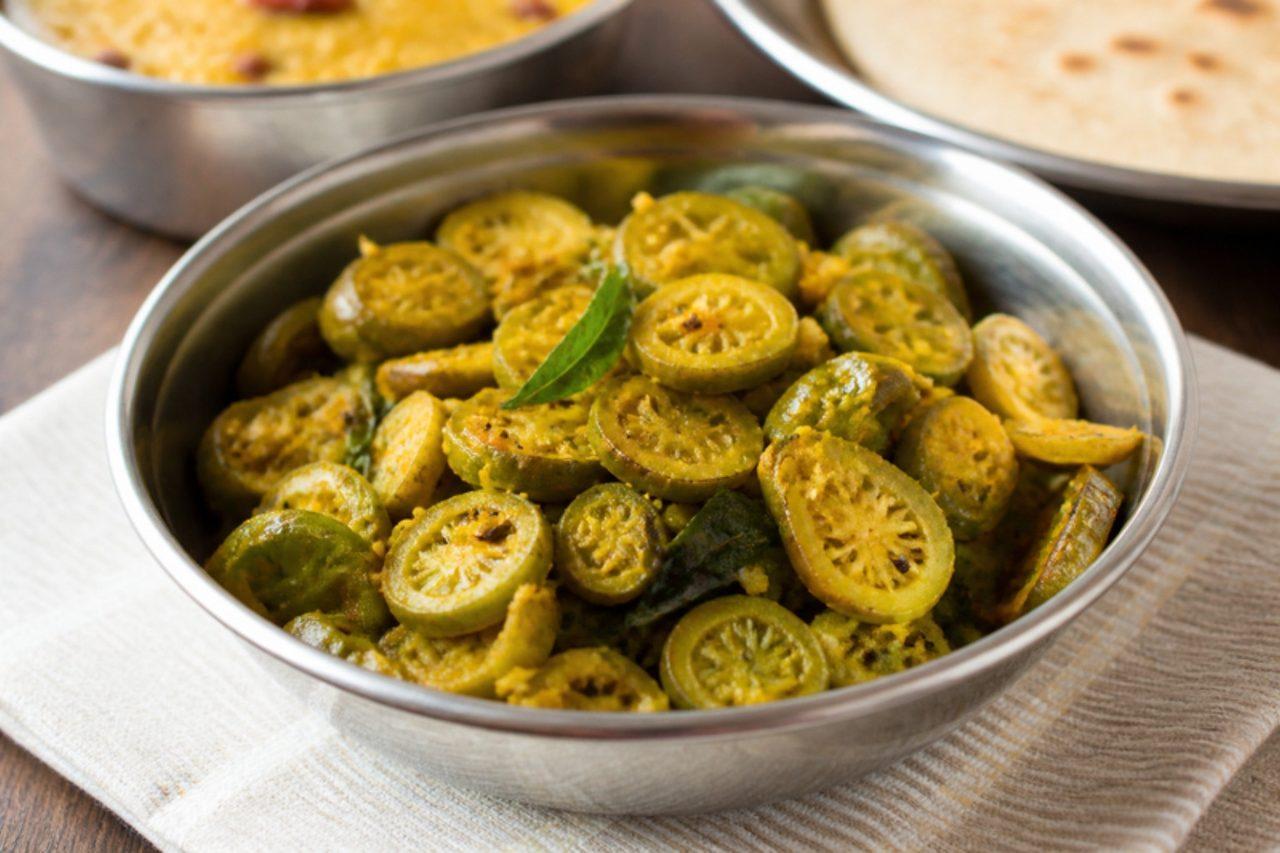
Tindora nu shaakIvy gourd stir-fry

Tindora (ivy gourd) nu shaak is a lunch-box and dinner standby in Gujarat and Mumbai's Gujarati homes: thin rounds of the little gourd stir-fried with mustard seeds and turmeric until they are tender inside and lightly crisp at the edges. It is a dry shaak, eaten with dal-bhaat or rolled into a rotli, and children often like it best. The common mistake is slicing the tindora too thick, which means it either stays raw in the middle or needs water that makes it soggy; cut every round about 3 mm thick. Chef's tip: avoid tindora that is red or soft inside, which means it is overripe and will taste sour. Most hing contains wheat, so buy a gluten-free one if needed.

by KrazyBadal 0 views

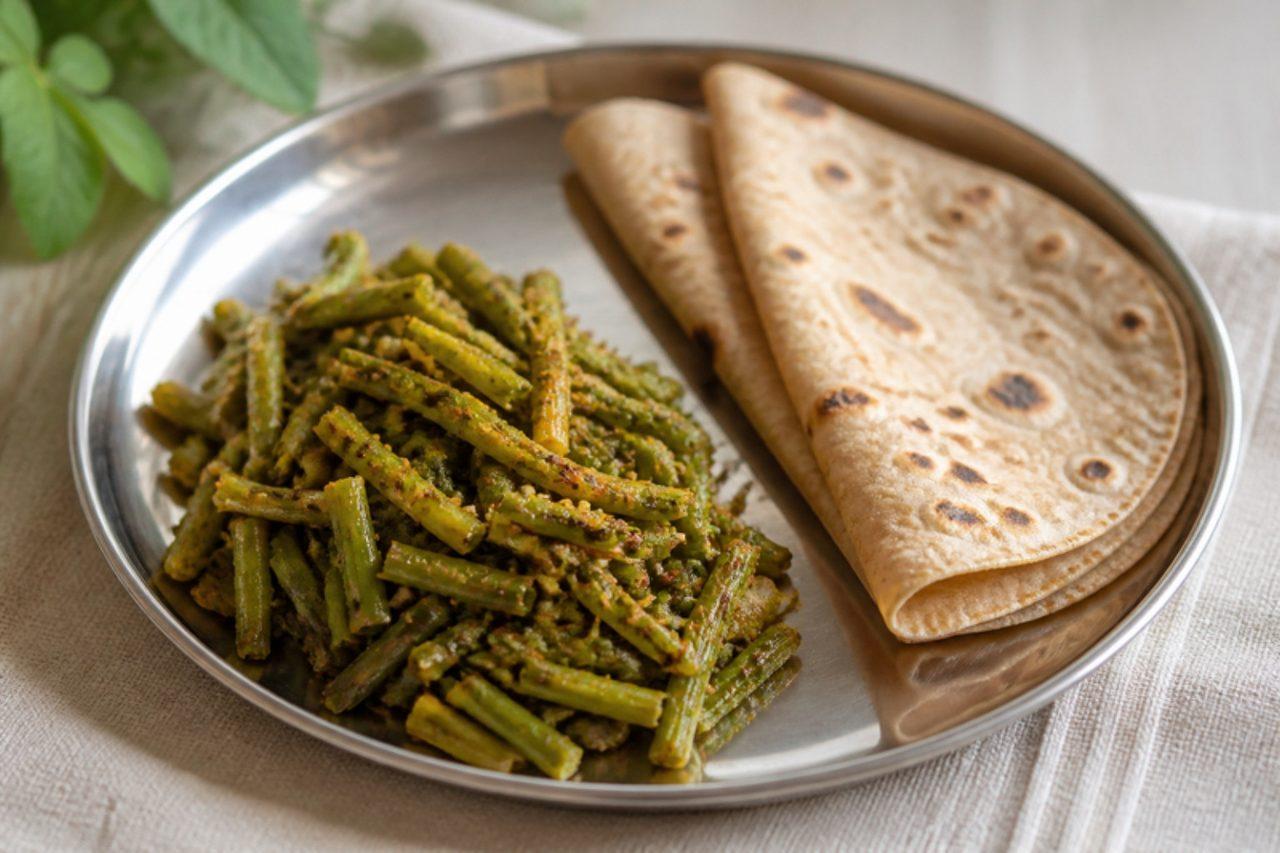
Guvar nu shaakCluster beans with garlic and jaggery

Guvar (cluster beans) is everyday Gujarati shaak, cooked in Kathiawad and Ahmedabad homes most weeks with bajra rotla or rotli and a bowl of khadhi. The flat, slightly bitter beans are steamed in their pan with ajwain and garlic, then balanced the Gujarati way with a little jaggery and a squeeze of lemon, so every mouthful is gently sweet, sour and spicy. The mistake to avoid is using old, thick guvar; the pods should snap cleanly, and tough ones stay stringy however long you cook them. Chef's tip: a pinch of bicarbonate of soda in the cooking water is an old trick for keeping guvar green, but it is not needed if you keep the lid off at the end. Most hing contains wheat, so buy a gluten-free one if needed.

by KrazyBadal 0 views

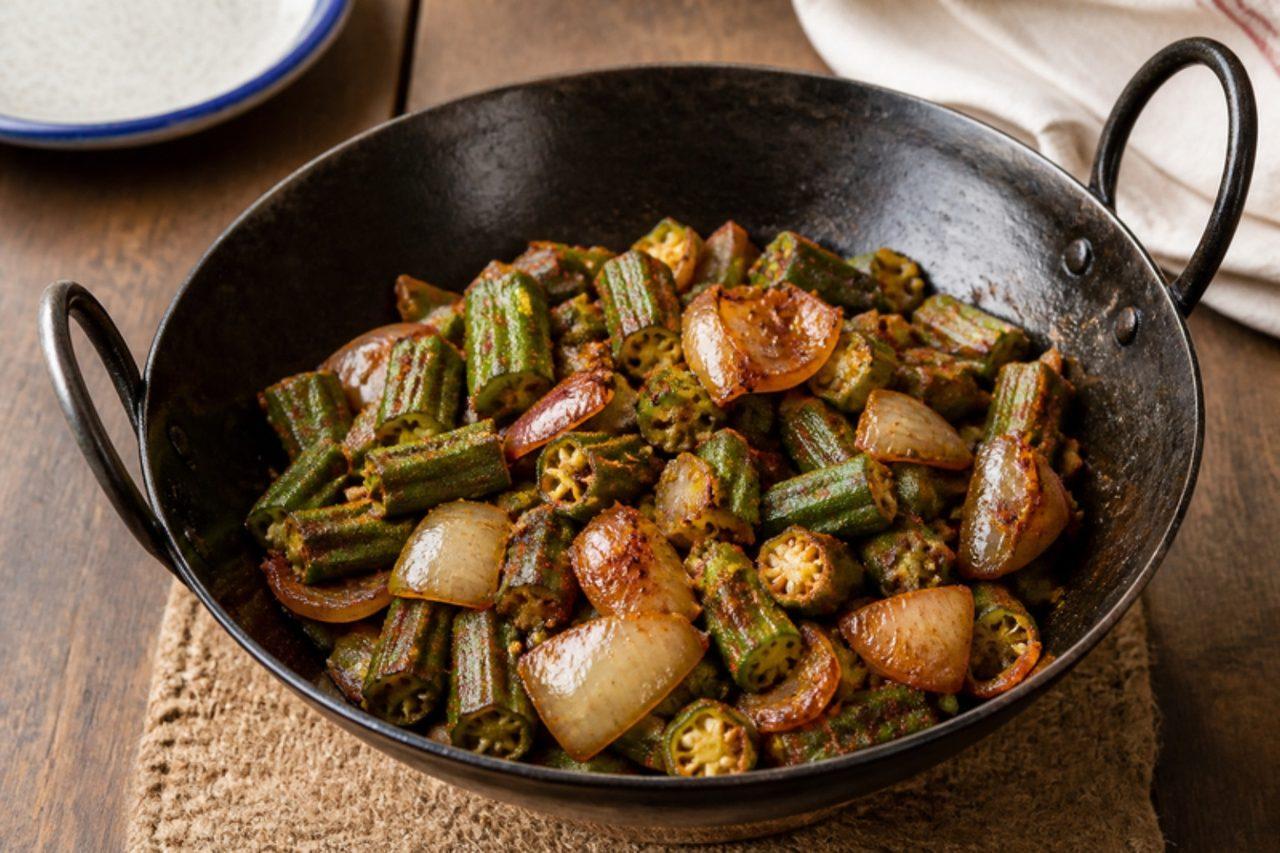
Bhindi do pyazaOkra with onions

Bhindi do pyaza is the summer okra dish of North Indian dhabas and home kitchens, made in the hot months when ladyfinger is tender and cheap. 'Do pyaza' means two lots of onion: one fried soft into the masala and one added in chunky petals near the end so it stays sweet and slightly crunchy against the okra. The classic mistake is washing the okra and cutting it while it is still wet, which turns the whole pan slimy; dry every pod completely before you slice it. Chef's tip: add the salt only once the okra is nearly cooked, because salt draws out moisture and makes it sticky.

by KrazyBadal 0 views

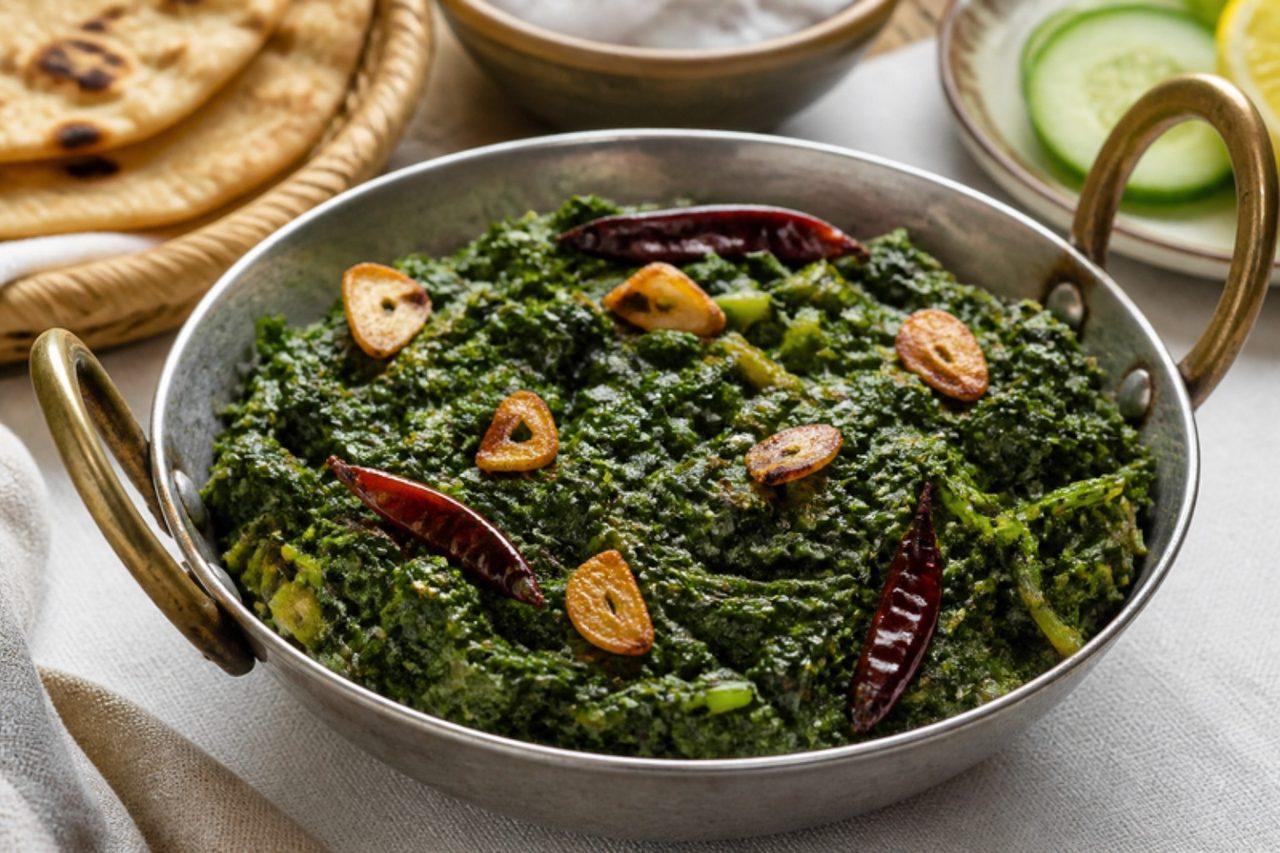
Lehsuni palakGarlic spinach

In Punjabi homes from Amritsar to Ludhiana, lehsuni palak is the green dish that lands on the table in winter when spinach is cheap and sweet, eaten with hot phulkas and a bowl of dal. It is not a purée like palak paneer: the leaves are chopped and wilted so they keep some body, then a second round of garlic fried golden in oil is poured over at the end, nutty and fragrant. The usual mistake is burning the garlic; dark brown garlic turns bitter and spoils the whole pan, so pull it off the heat when it is the colour of light toast. Chef's tip: squeeze the washed spinach lightly before it goes in, or the pan floods and the leaves stew instead of sautéing.

by KrazyBadal 0 views

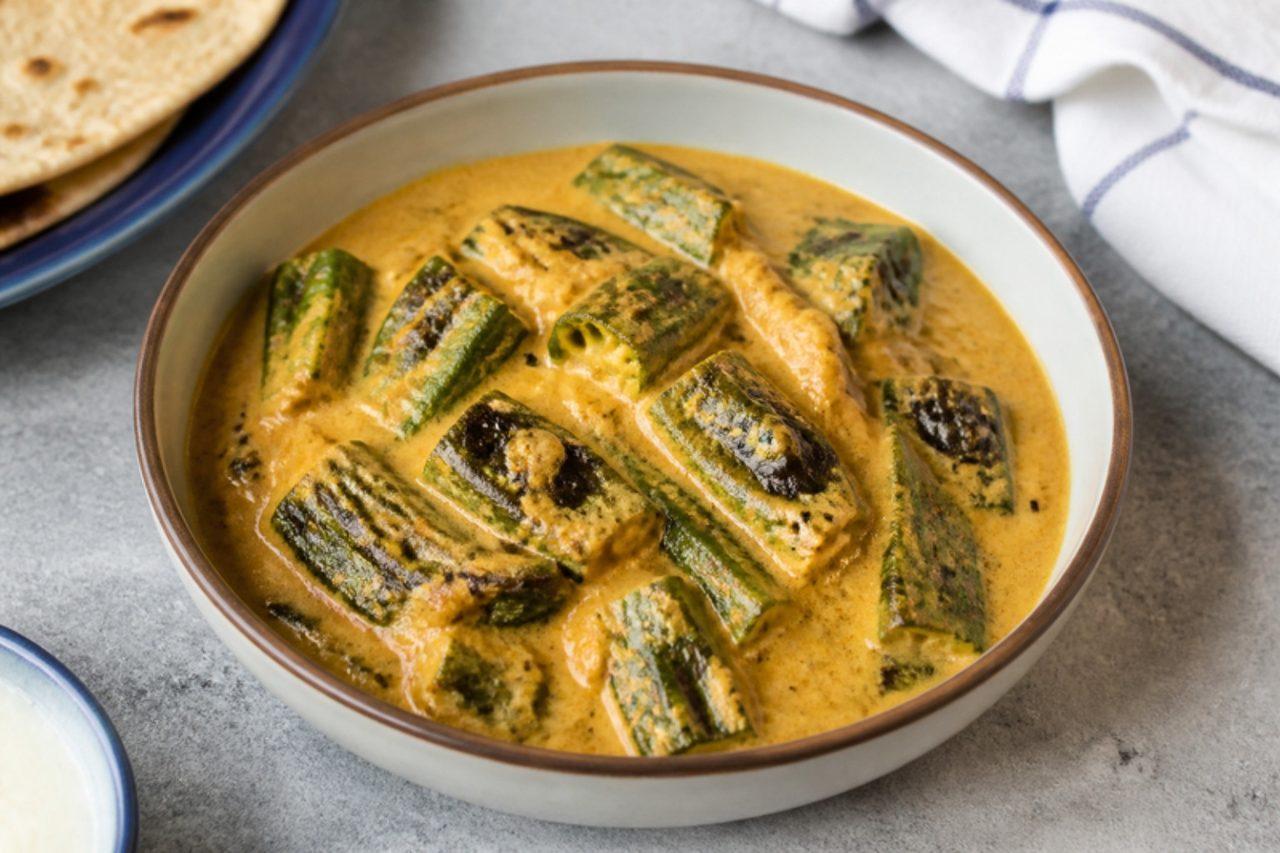
Dahi bhindiOkra in yogurt gravy

Dahi bhindi is how North Indian and Rajasthani cooks turn a plate of okra into a saucy curry for summer evenings, when the heat calls for something sour and cooling. The okra is fried first until it loses its stickiness, then folded into a thin yogurt gravy flavoured with fennel, cumin and a little chilli, good with rotis or plain rice. The usual mistake is pouring in the yogurt over a high flame, which curdles it; whisk it with the spices first, turn the heat right down, and stir until it simmers. Chef's tip: a pinch of crushed fennel seeds in the tempering brings out the sweetness of the okra.

by KrazyBadal 0 views

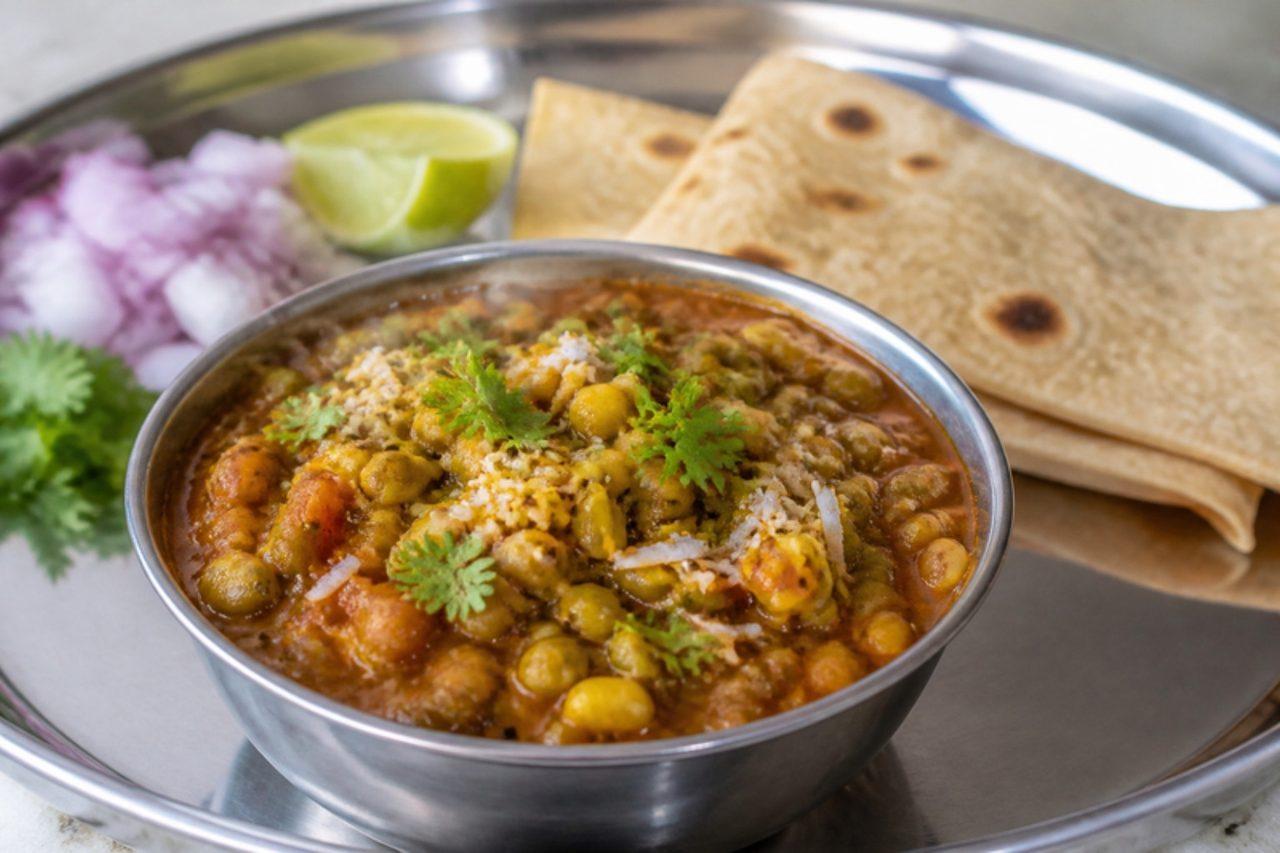
Matki usalSprouted moth bean curry

Every Marathi kitchen from Pune to Kolhapur keeps a jar of matki, the small brown moth beans, sprouting on the counter, and a bowl of usal is what turns up with chapati or bhakri at a weekday lunch, or topped with farsan as misal on Sundays. The sprouts stay slightly firm in a thin, spicy gravy flavoured with goda masala, the sweet-smoky spice mix of Maharashtra, and a little fresh coconut. A portion is about 230 kcal. Sprouting takes 2 days (soak overnight, then leave wrapped in a cloth for 24–36 hours), which is not counted in the times. The common mistake is overcooking the sprouts until they split and go mushy; they should hold their shape and still have a slight bite. Chef's tip: add a teaspoon of jaggery and a few kokum petals at the end; the gentle sweet-sour balance is what makes usal taste Maharashtrian.

by KrazyBadal 0 views

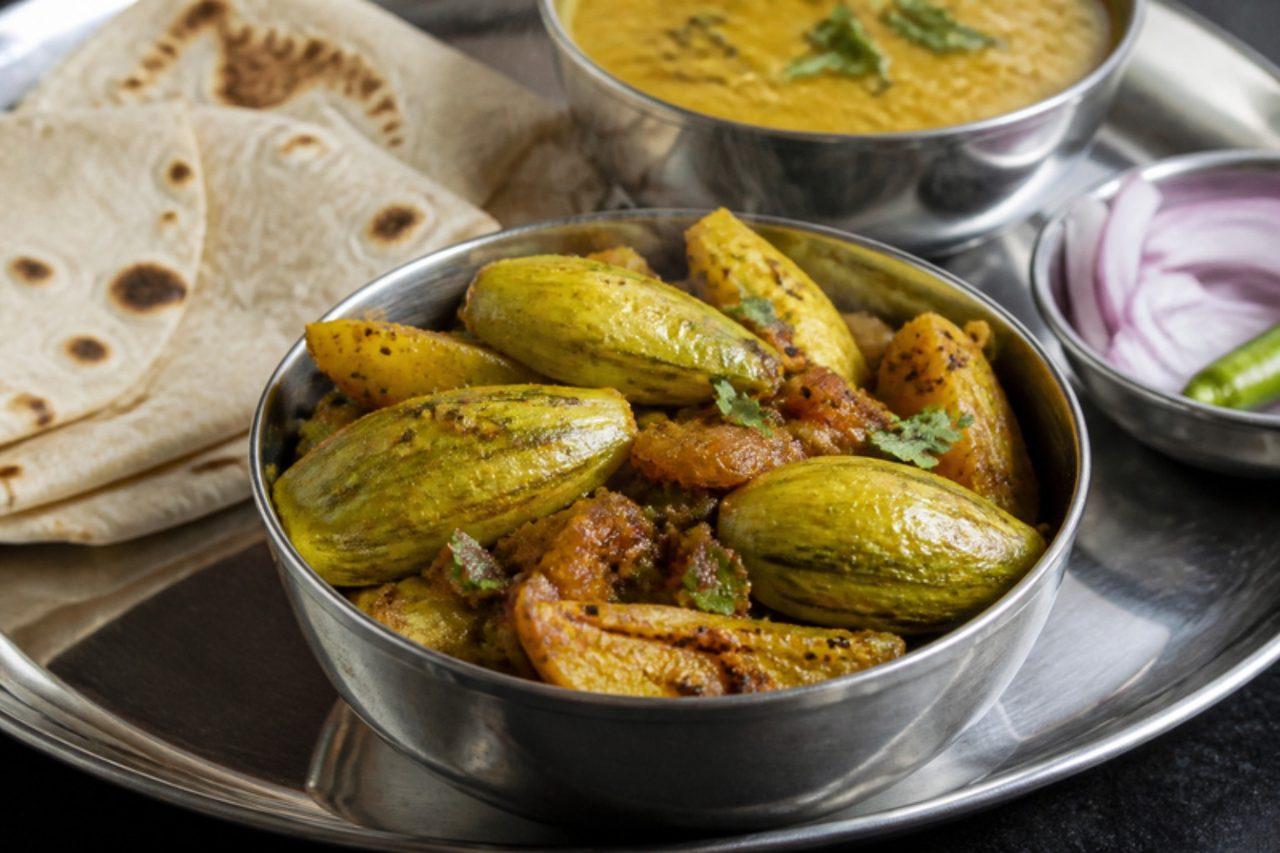
Parwal ki sabziPointed gourd and potato curry

Parwal, the small striped pointed gourd, is the summer vegetable of Patna, Varanasi and the Bhojpuri belt, and parwal-aloo is what fills the plate beside dal, rice and roti through the monsoon months. Lightly scraped gourds are halved and cooked with potato, onion, turmeric and a little garam masala until tender and golden in spots. A portion is about 140 kcal. The common mistake is peeling the parwal completely; just scrape off the rough outer skin so the halves keep their green colour and do not fall apart. Chef's tip: choose firm, bright green parwal with soft seeds; if the seeds are hard and red, scoop them out before cooking.

by KrazyBadal 0 views

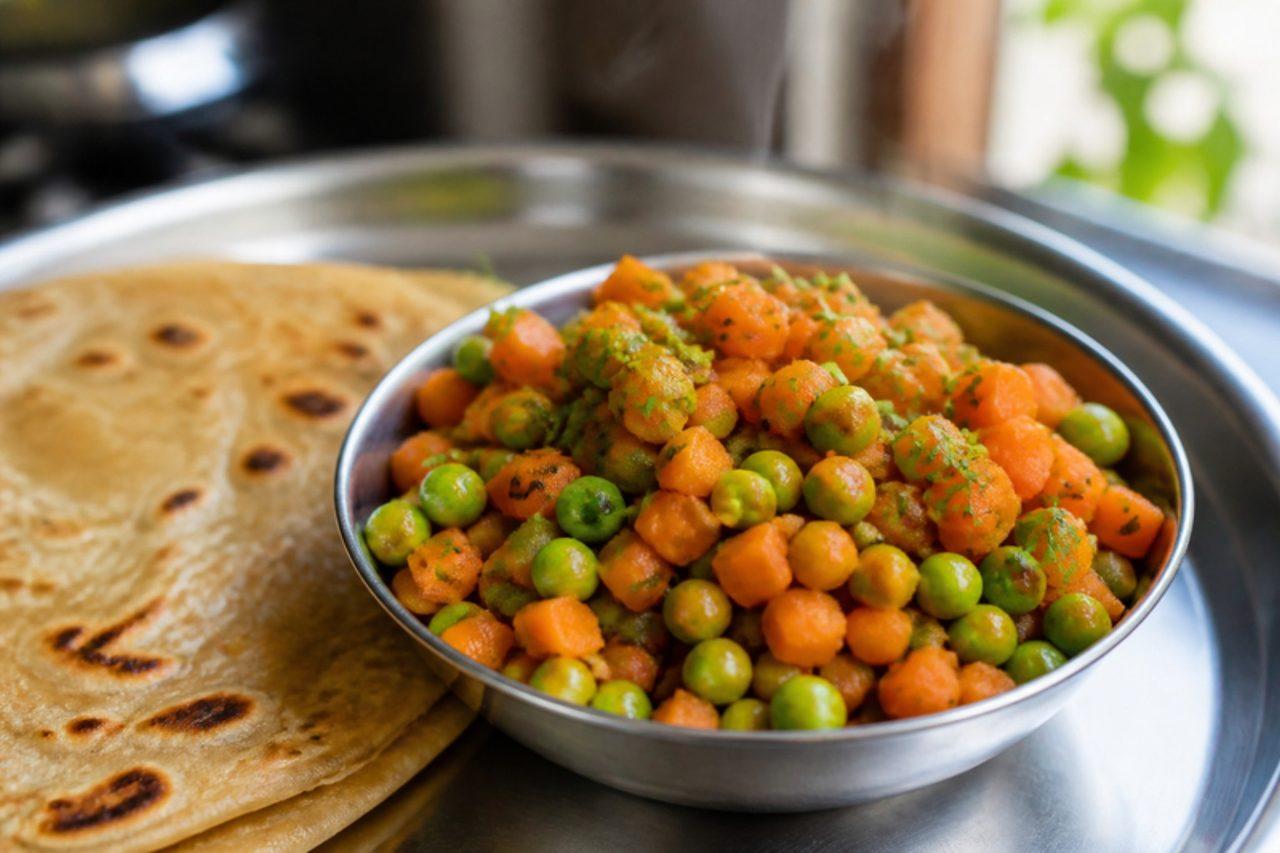
Gajar matarCarrot and pea stir-fry

Come December, the carts in Delhi and Lucknow are full of long red Delhi carrots and pods of fresh peas, and gajar matar becomes the everyday sabzi of the season, packed into tiffins with paratha or eaten with dal and rice. Diced carrot and peas are cooked with cumin, a little ginger and dry spices until just tender and sweet. Children tend to like it for its colour and mild taste. A portion is about 120 kcal. The usual mistake is cutting the carrot too big, so the peas go wrinkly before the carrot is cooked; dice it to the size of a pea. Chef's tip: if you can find the red winter carrots, use them; they are sweeter and juicier than orange ones, so you need no sugar at all.

by KrazyBadal 0 views

Mooli ki sabziRadish stir-fry

In Punjab and western Uttar Pradesh, radishes are bought with their leafy tops in the winter months, and nothing is wasted: the root is grated and the greens chopped, and both are cooked down with ajwain and green chilli into a soft, slightly sweet sabzi. It is eaten with makki or wheat roti and a spoon of white butter for those who are not counting, and it is very light without it. A portion is about 80 kcal. The usual mistake is skipping the squeeze: grated radish holds a lot of sharp-tasting water, so press it out first, or the sabzi turns soupy and bitter. Chef's tip: ajwain is the classic partner for radish; it softens the pungency and helps digestion, so don't leave it out.

by KrazyBadal 0 views

ErdäpfelstrudelSavoury potato strudel

Austrians, especially in the Mühlviertel of Upper Austria and the Waldviertel, make savoury strudels as often as sweet ones, and Erdäpfelstrudel is a farmhouse favourite for a meatless Friday or a cold evening. Thin pastry wraps a filling of potatoes, fried onion, sour cream, marjoram and parsley, baked until crisp and golden and sliced with a green salad or a dill and sour-cream dip. Bought filo makes it easy at home. The mistake to avoid is a wet filling, which turns the pastry soggy underneath. Chef's tip: cool the filling completely before rolling; warm filling makes the layers stick and tear.

by KrazyBadal 0 views

Shimla mirch besanCapsicum with gram flour

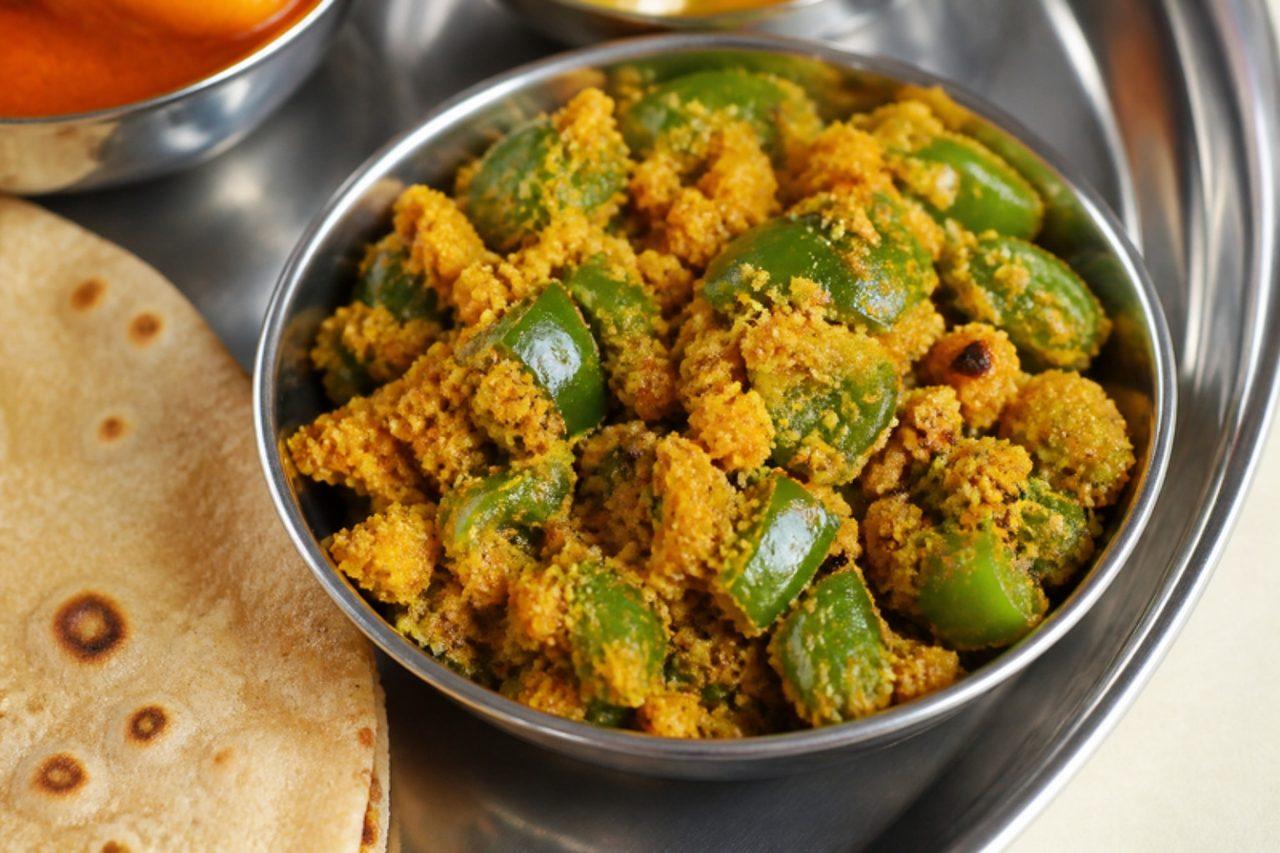
In Marwari homes in Jodhpur and Bikaner, and across Vidarbha in Maharashtra, gram flour stretches a few vegetables into a satisfying dry sabzi, and capsicum with besan is the weekday favourite, eaten with phulka and a bowl of kadhi or dal. Diced green peppers are cooked until just soft, then dusted with roasted, spiced besan, which turns into crumbly golden bits that cling to the peppers. A portion is about 165 kcal. The common mistake is adding the besan raw to the wet peppers, which gives a pasty, raw-tasting coating; roast it dry in a separate pan first until it smells nutty. Chef's tip: keep the capsicum slightly crunchy; it carries on softening once the besan goes in.

by KrazyBadal 0 views

Patta gobhi matarCabbage and pea stir-fry

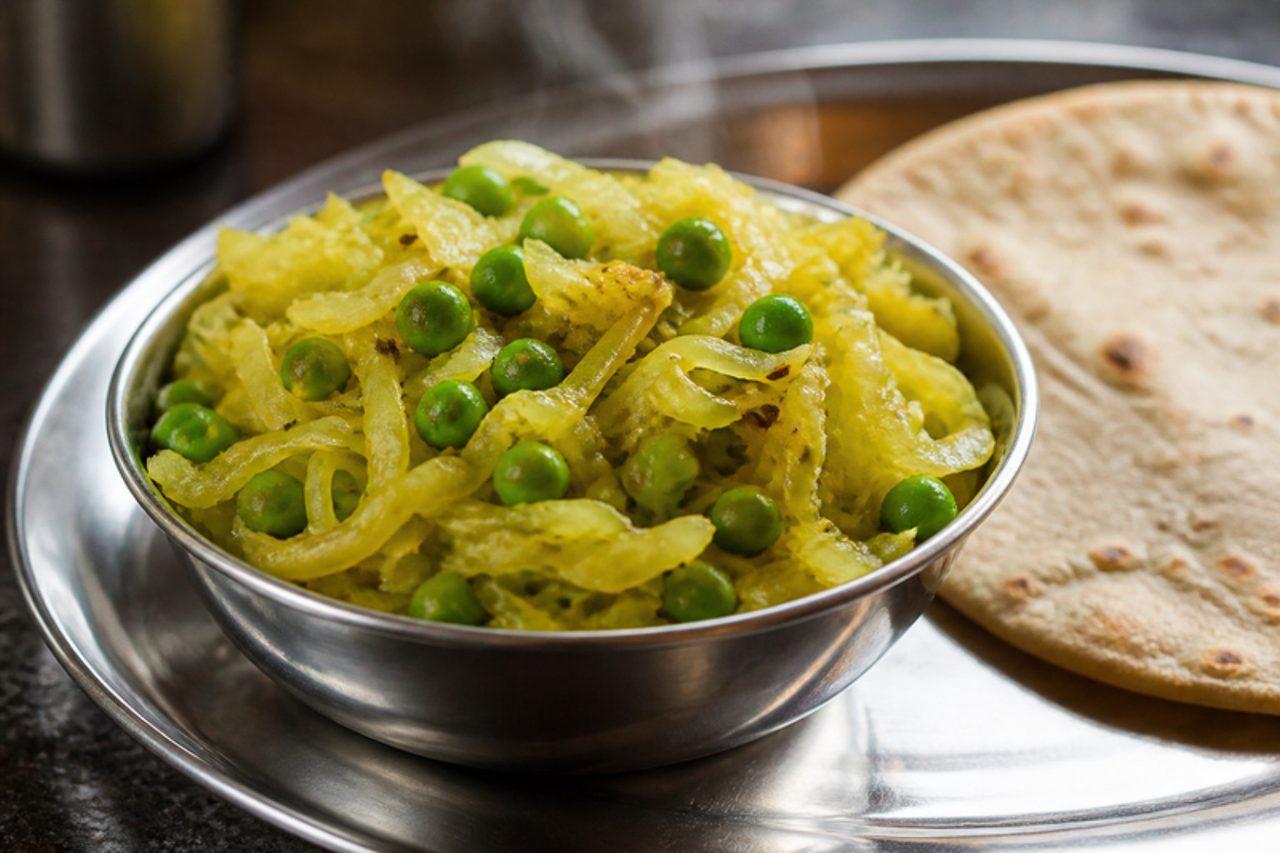
This is one of the plainest and most loved dishes of North Indian home cooking, made in Kanpur, Dehradun and Delhi on any weeknight when the fridge holds half a cabbage: finely shredded cabbage and green peas cooked fast with cumin, green chilli and turmeric until just wilted, still with some crunch. It goes into lunch boxes with ajwain parathas or onto the dinner thali with dal. A portion is about 110 kcal. The most common mistake is covering it for too long, which makes the cabbage watery and gives it a sulphur smell; cook it mostly uncovered on a fairly high heat. Chef's tip: shred the cabbage as finely as you can with a sharp knife; thin ribbons cook in five minutes and soak up the spices evenly.

by KrazyBadal 0 views

Aloo gobi

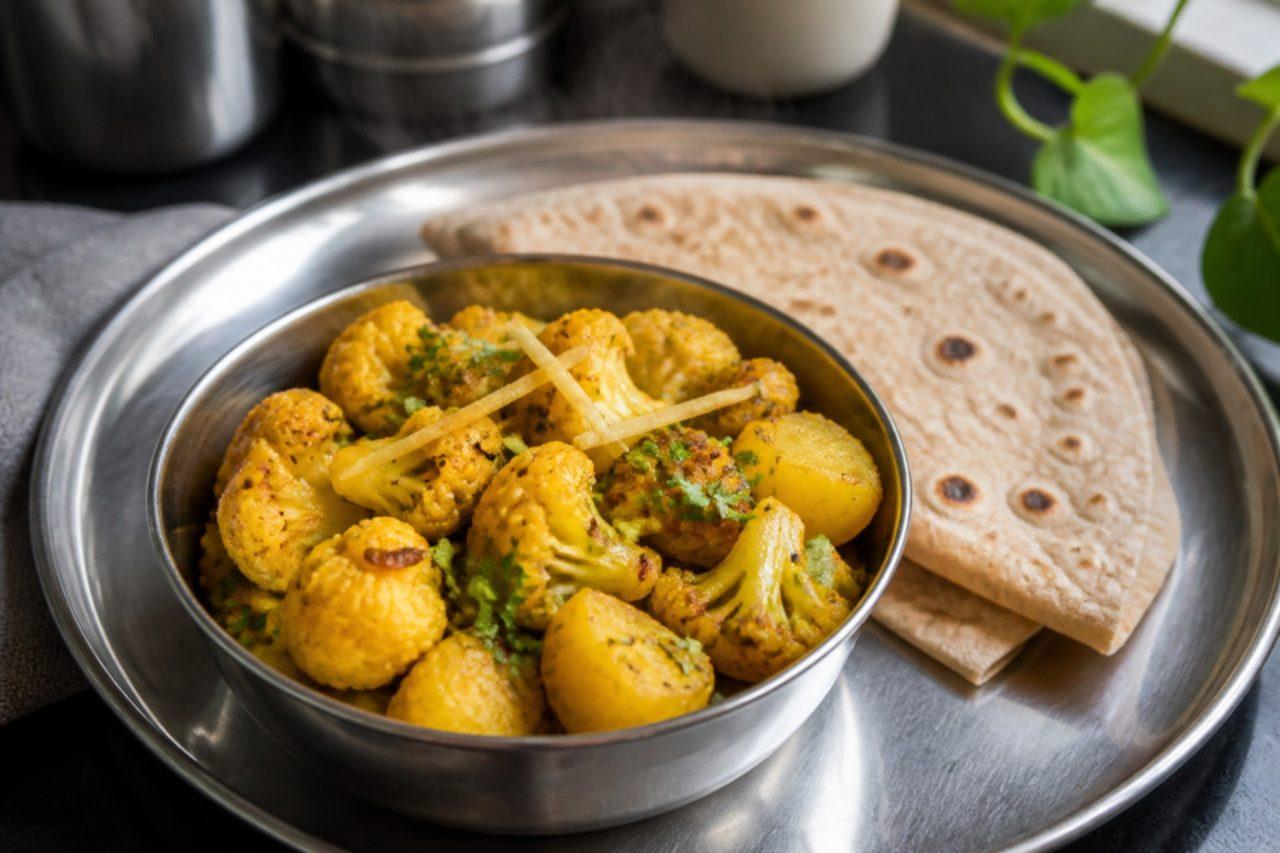
In winter, when the Punjab markets are piled with tight white cauliflowers, aloo gobi is on the table in Amritsar and Ludhiana homes several times a week, folded into hot phulkas for lunch boxes or eaten with dal and rice at night. This is the dry home version, not the oily dhaba one: florets and potato cubes cooked covered in their own steam with cumin, ginger, turmeric and green chilli, then uncovered so the edges brown a little. A portion is about 175 kcal. The most common mistake is adding water, which boils the cauliflower to mush; the lid and a low heat do the work. Chef's tip: cut the potatoes smaller than the florets so they cook in the same time, and don't stir too often, or the florets break.

by KrazyBadal 0 views

ChorchoriMixed vegetable stir-fry

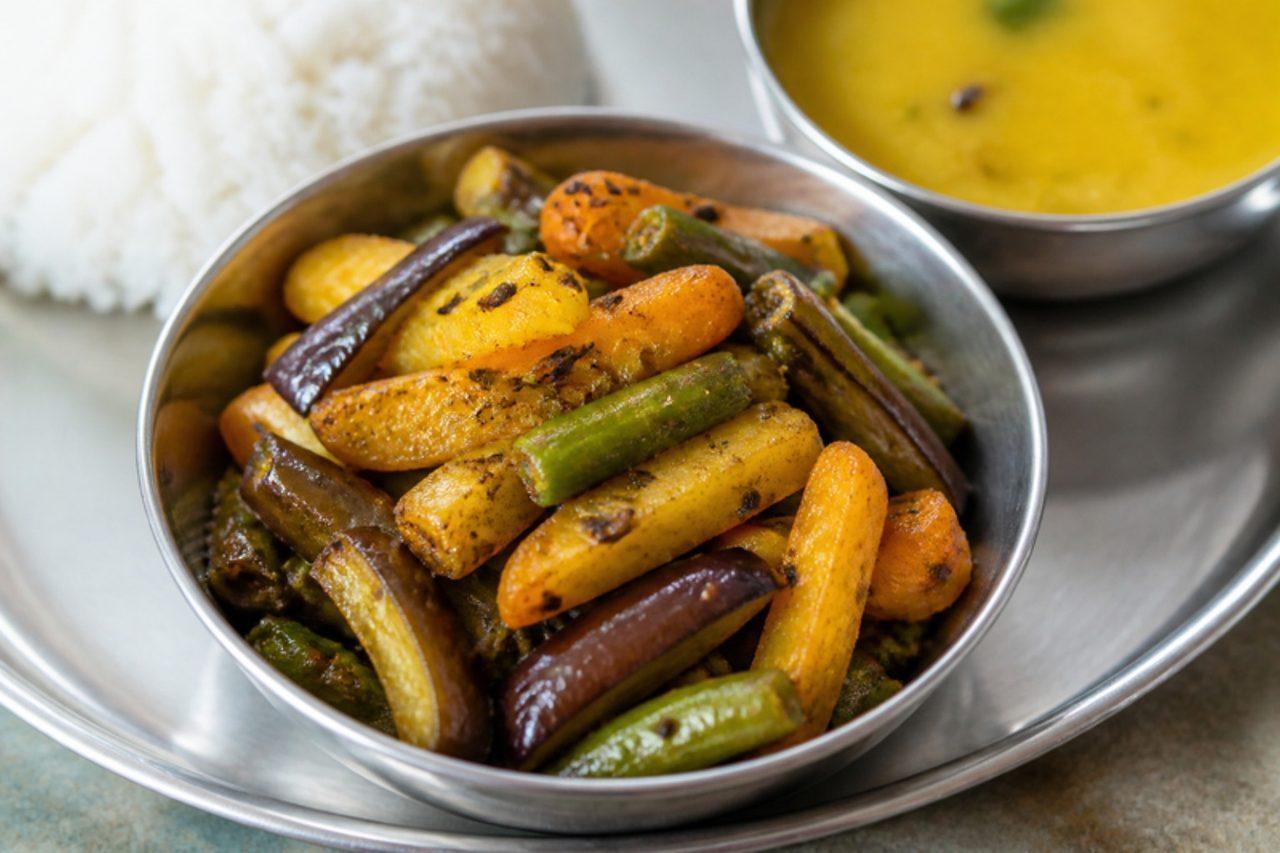
Chorchori is the thrifty everyday dish of Kolkata kitchens, where whatever vegetables are in the basket, pumpkin, potato, aubergine, radish, beans, are cut into sticks and cooked down slowly with panch phoron and mustard oil until the pan is dry and the bottom catches a little. Bengalis love that slightly caramelised scrape at the bottom of the pan. It is eaten with rice and dal at lunch. A portion is about 150 kcal. The usual mistake is stirring too much, which breaks the vegetables into mush; once the lid is on, leave it and just shake the pan. Chef's tip: add a teaspoon of mustard paste or a pinch of sugar at the end, as many Bengali homes do; it rounds out the flavour.

by KrazyBadal 0 views

Paneer bhurjiScrambled paneer

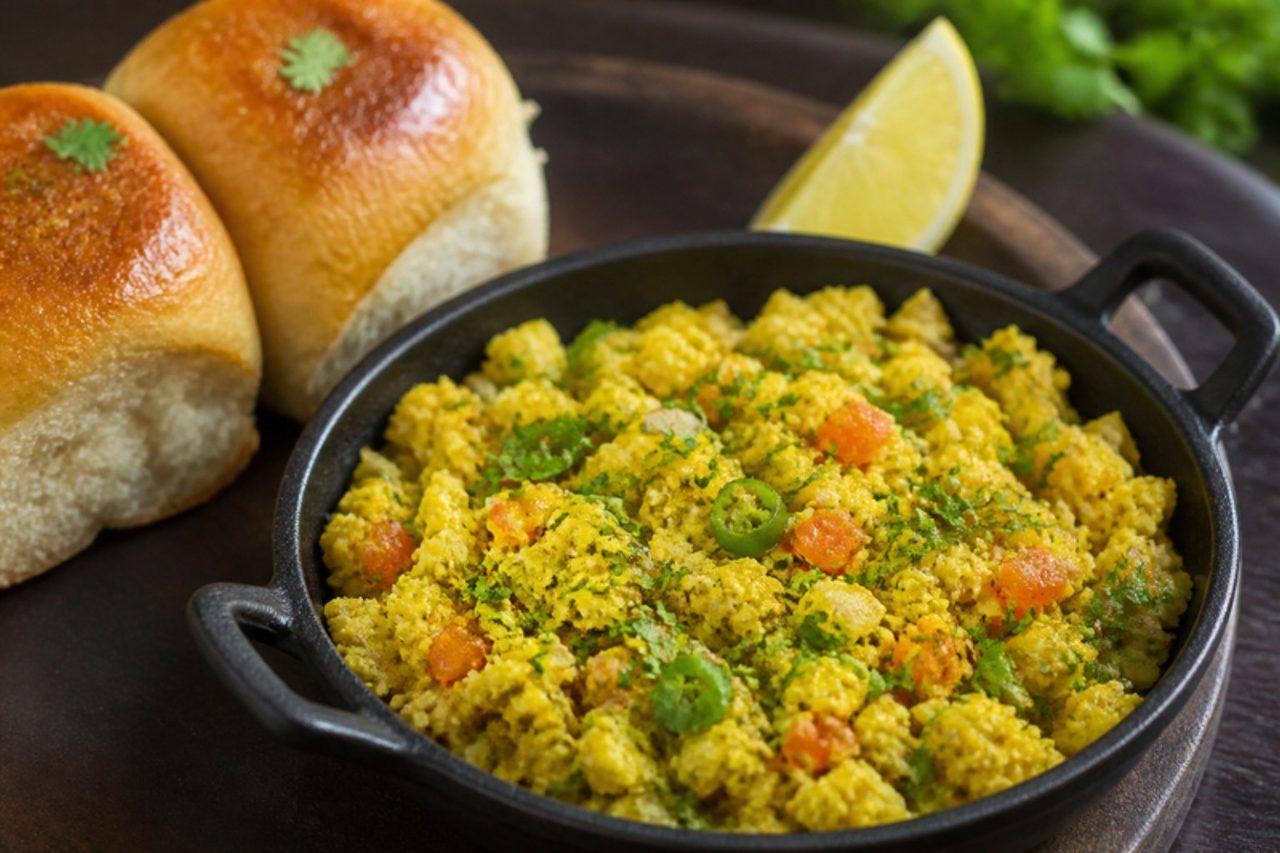
Dhabas on the Delhi-Chandigarh highway and Punjabi homes everywhere make paneer bhurji when an egg bhurji won't do: for vegetarian guests, for a fast lunchbox, or when there's a block of paneer waiting in the fridge. The paneer is crumbled and folded into an onion-tomato masala with green chilli, a little garam masala and kasuri methi, and a splash of milk keeps it soft and moist. It goes with butter roti, a buttered pav from the Mumbai stalls, or rolled into a paratha for a tiffin. The common mistake is cooking the paneer too long; it toughens and dries out in minutes. Add it last and heat it through for no more than two or three minutes. Chef's tip: homemade or very fresh paneer crumbles best; grate a firm shop block instead of crumbling it.

by KrazyBadal 0 views

Bhogichi bhajiWinter vegetable and peanut stew

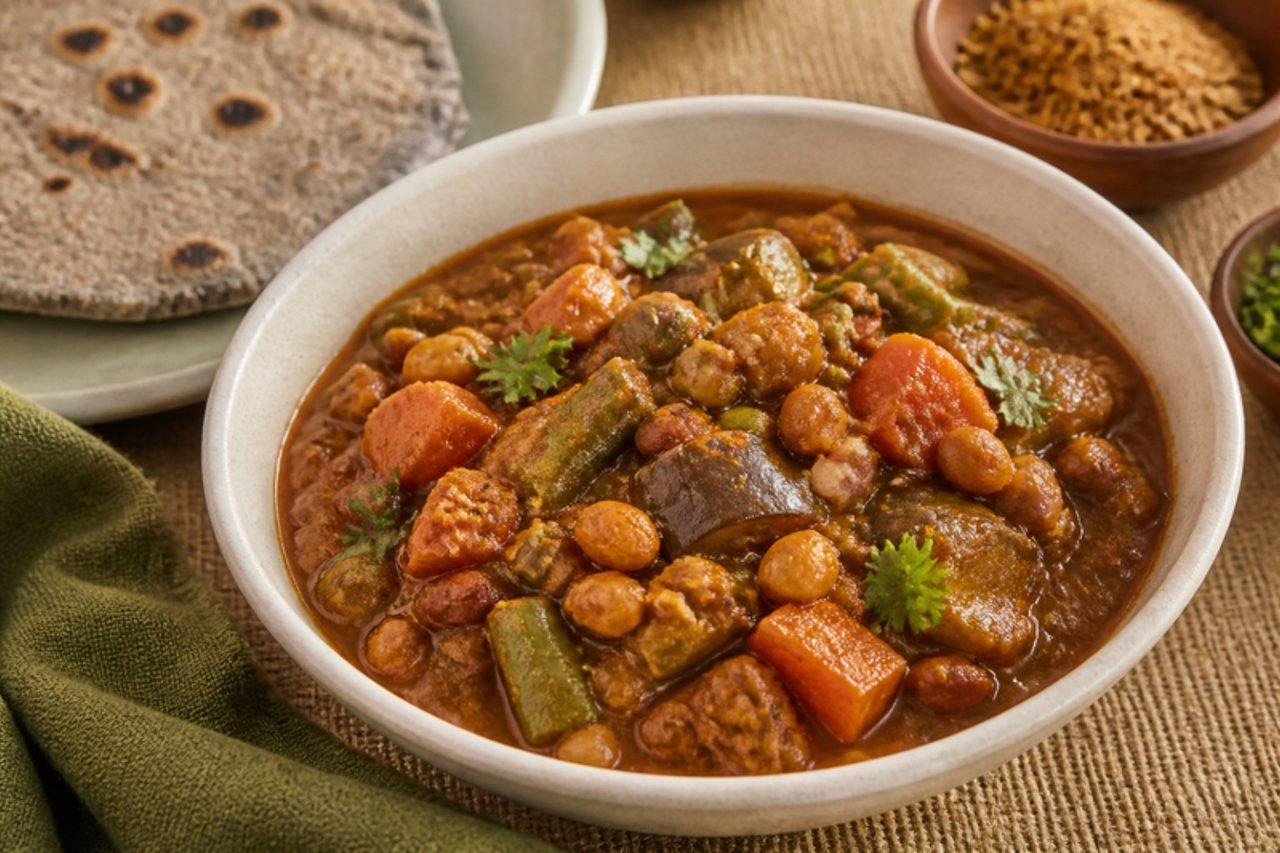
Bhogi, the day before Makar Sankranti, is a day of plenty in Maharashtra, and the lunch to match is this thick mixed bhaji made from everything the winter market offers: green chickpeas (harbhara), fresh field beans (pavta and ghevda), carrots, small brinjals, green peas, ber and sugarcane pieces in some homes. Peanuts and sesame are crushed into it for richness, and the spice is goda masala, the sweet-smoky Maharashtrian blend. It is served with bajra bhakri spread with white butter or sesame, a lump of jaggery and a piece of radish. The taste is earthy, slightly sweet and warming. The mistake is using too much water: it should be a thick, almost dry curry that coats the vegetables. Gluten-free if your goda masala has no wheat-cut asafoetida in it; check the label. Chef's tip: add a spoon of jaggery and a little tamarind at the end; that sweet-sour finish is what makes it taste like Bhogi.

by KrazyBadal 0 views

Khatta meetha kadduSweet-sour pumpkin

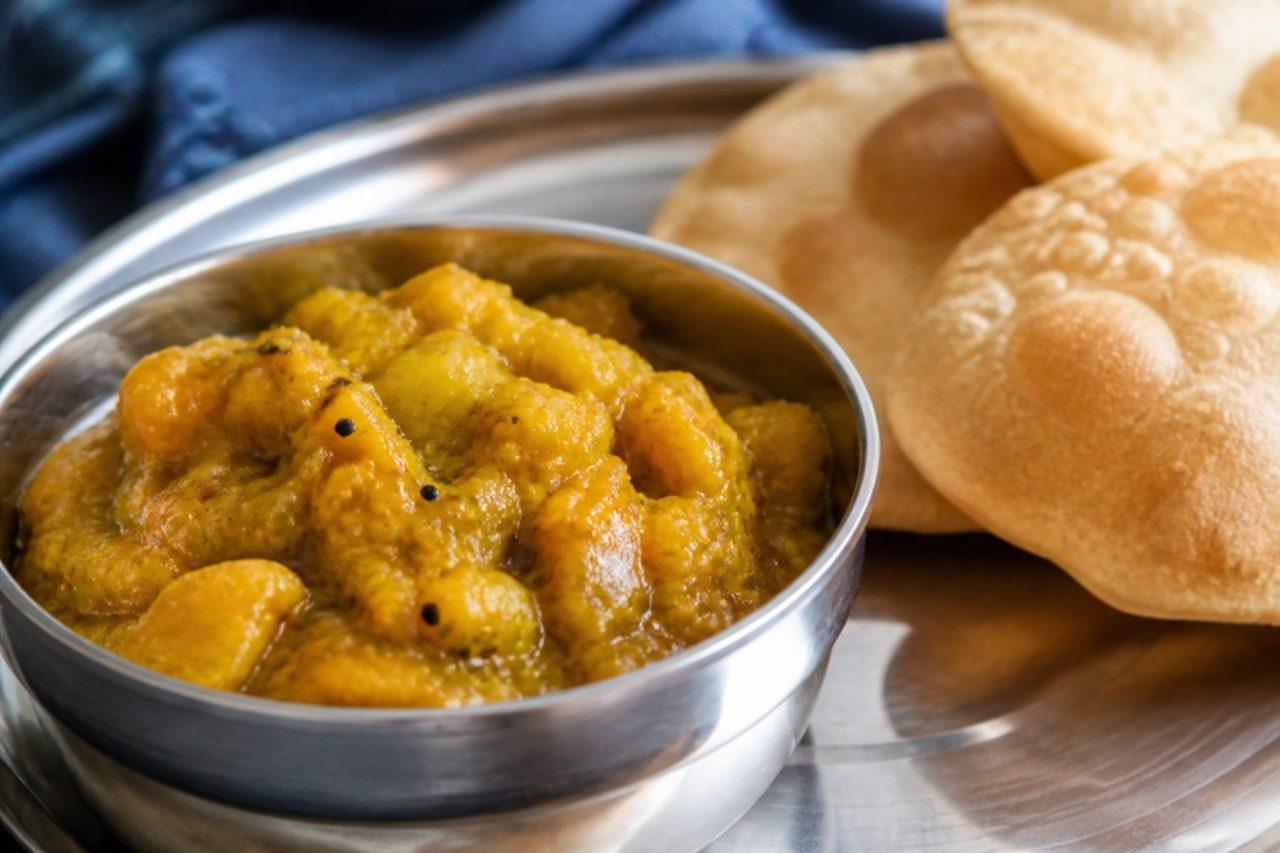
Kaddu ki sabzi with puri is the meal served at countless bhandaras, the free community feasts outside temples in Uttar Pradesh and Punjab, and at home it is a fasting favourite for Navratri. Chunks of yellow pumpkin are cooked until soft with sizzling fenugreek seeds and cumin, then half-mashed and finished with jaggery and dry mango powder, so the dish swings between sweet and sour with gentle heat from ginger and chilli. The fenugreek gives it a faintly bitter, maple-like depth. This fasting version uses rock salt and leaves out the turmeric, asafoetida and fennel that bhandara cooks add. Serve with kuttu puri or regular puri, and a bowl of raita. Chef's tip: keep the skin on part of the pumpkin; it holds the pieces together while the peeled pieces melt into the sauce, giving a better texture.

by KrazyBadal 0 views

Vrat ke alooFasting potato curry

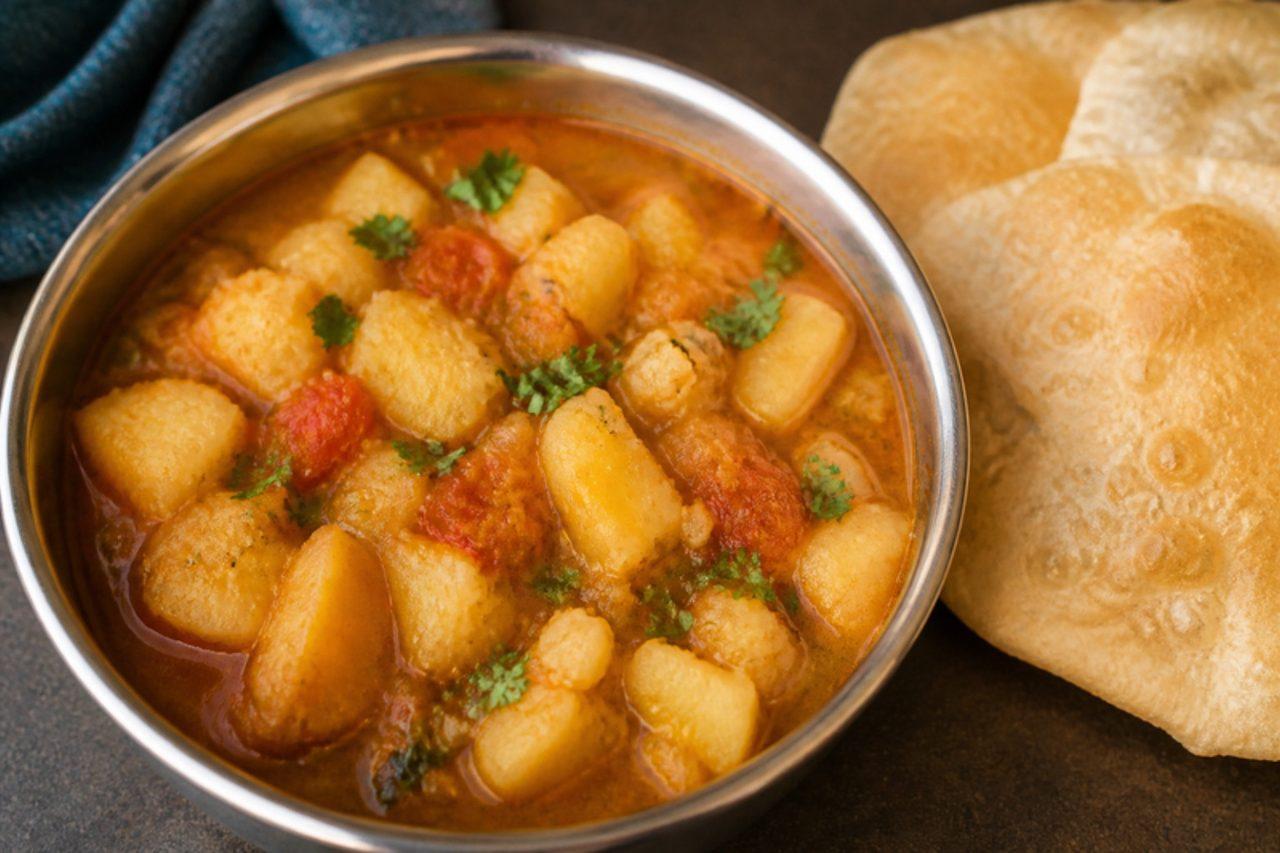
On Navratri mornings in Delhi, Lucknow and Punjabi homes everywhere, this is what fills the kadhai next to the kuttu puri. Boiled potatoes are broken by hand, not cut, so their rough edges melt into a loose, brothy gravy of tomato, cumin, fresh ginger and green chilli, seasoned only with sendha namak and a little pepper. It is soupy enough to dunk puri into, tangy from the tomato and gently hot, and comforting after a morning of fasting. Very strict homes skip red chilli powder and coriander as well as turmeric and asafoetida; this recipe uses neither turmeric nor hing. Ghee is traditional; oil keeps it vegan. Chef's tip: mash two or three pieces of potato into the gravy as it simmers; the starch thickens it naturally, since no flour or onion is allowed.

by KrazyBadal 0 views

Rishi panchami bhajiPumpkin, taro and corn stew

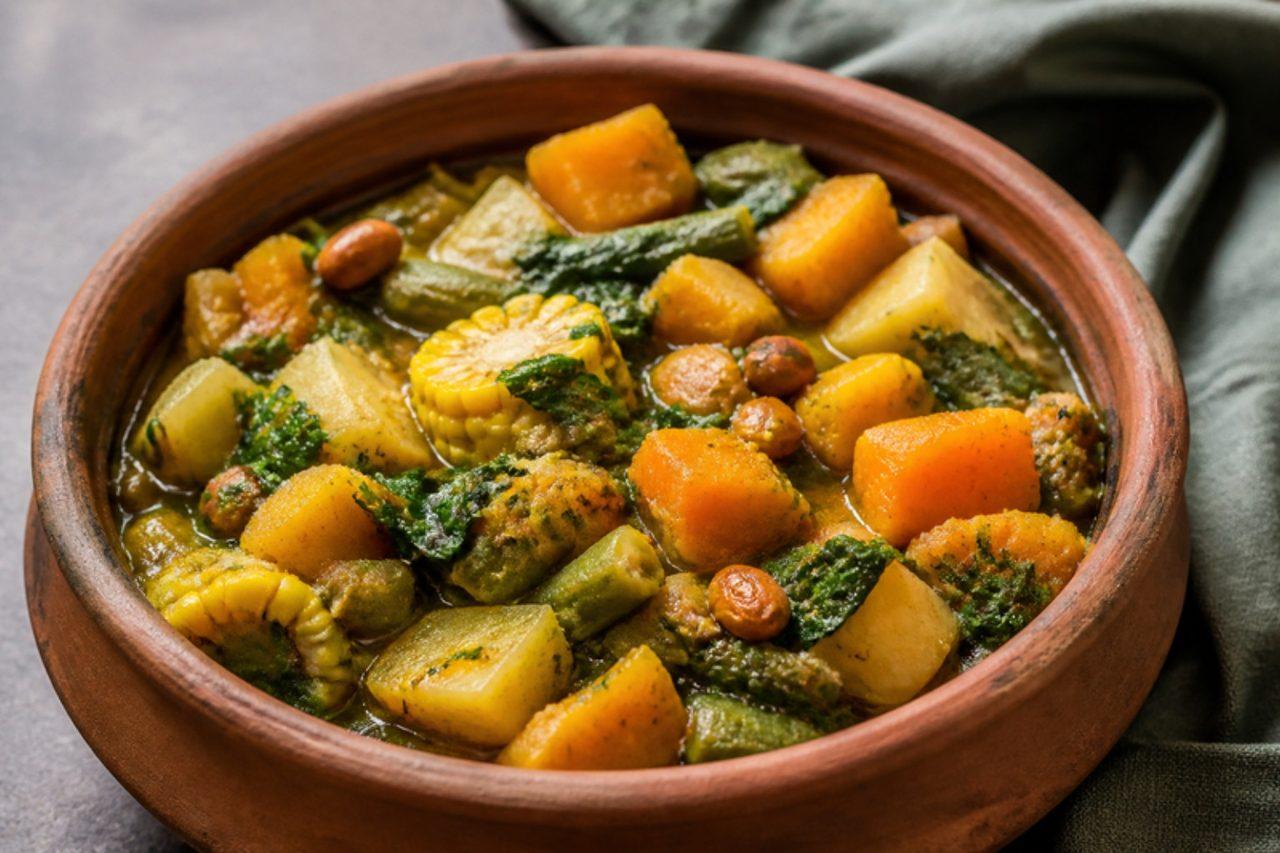
The day after Ganesh Chaturthi, many Maharashtrian women fast for Rishi Panchami and eat only what has grown without the labour of a bullock. That rule turns into one of the most unusual dishes of the year: a stew of whatever the backyard and the monsoon give, such as red pumpkin, colocasia (alu) leaves and roots, sweet corn, ridge gourd, snake gourd, lal math (red amaranth), okra and raw banana, simmered with crushed peanuts, coconut and green chilli. It is thick, mildly sweet and fresh-tasting, with no onion, garlic or tomato. Some families also skip the tadka entirely; others use a little ghee or oil with cumin. Eat it hot on its own as the main meal of the day, with nothing else alongside. A common mistake is putting colocasia in without enough sourness, which can leave the throat itchy: always add the tamarind with the colocasia. Chef's tip: add the vegetables in order of how long they need, roots first and leaves last, so nothing turns to mush.

by KrazyBadal 0 views

Showing 24 of 70 recipes

Show more recipes

Page 1 of 3