Skip to content
WhatToEat.Today

All recipes

157

Vegetarian, or something you can't eat? Set your diet once and we'll hide recipes that don't fit.

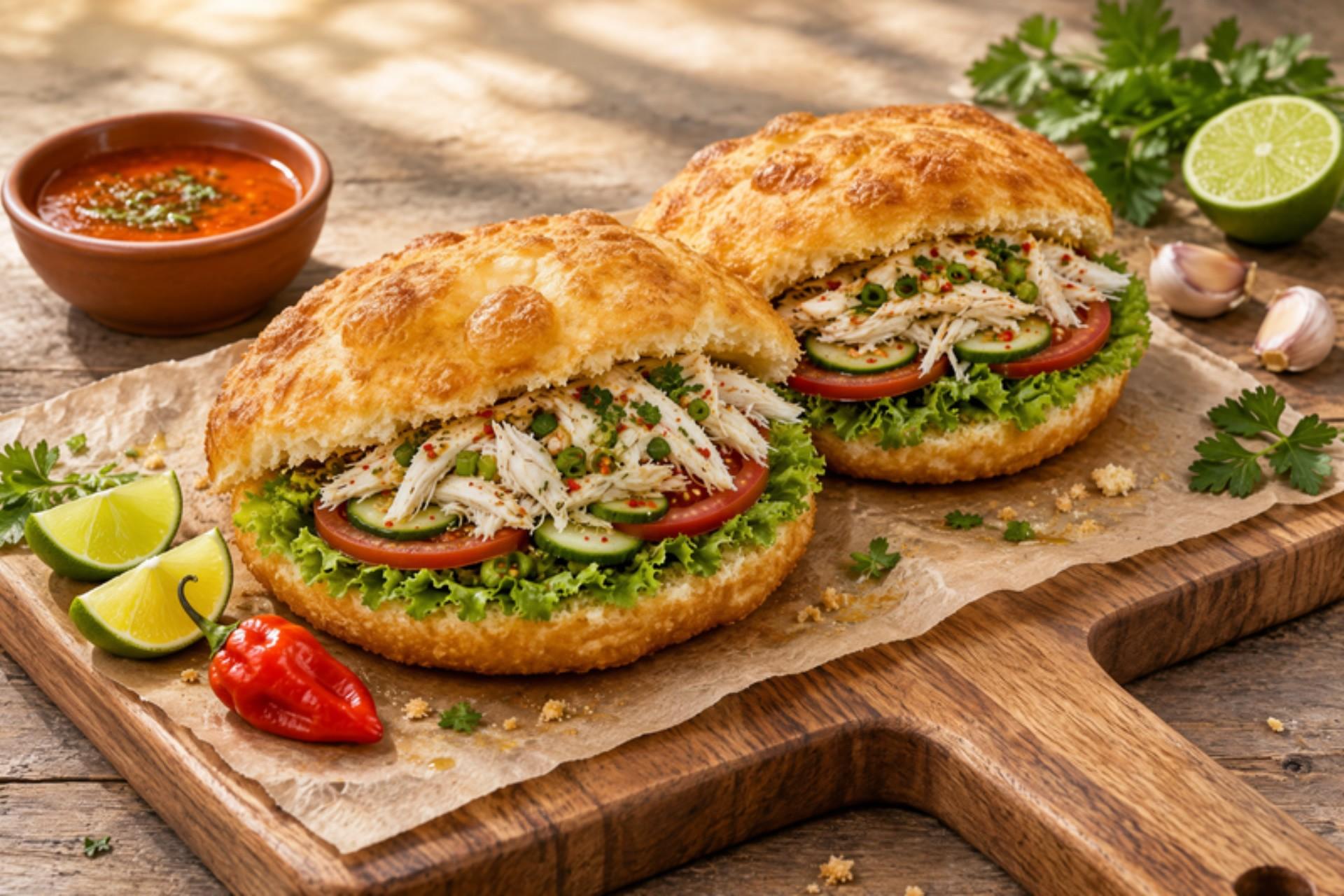
Bokit morueFried bread with salt cod

The bokit is Guadeloupe's street sandwich, fried to order at roadside vans in Pointe-à-Pitre, Le Gosier and Sainte-Rose, eaten late at night after a party or at the beach on a Sunday. A simple dough is rolled into rounds and deep-fried until it puffs like a pillow, then split and filled; the classic filling is chiquetaille de morue, shredded salt cod with lime, onion, garlic and hot pepper, with lettuce, tomato and cucumber. It contains fish and wheat. The common mistake is under-soaking the cod, which makes it harsh and salty: soak it in the fridge for 24 hours, changing the water three or four times. The bokit is done when puffed, golden on both sides and hollow-sounding, and the cod is poached until it flakes. Chef's tip: roll the dough thin and even, about 5 mm, so it balloons in the oil and opens neatly like a pitta.

by KrazyBadal 0 views

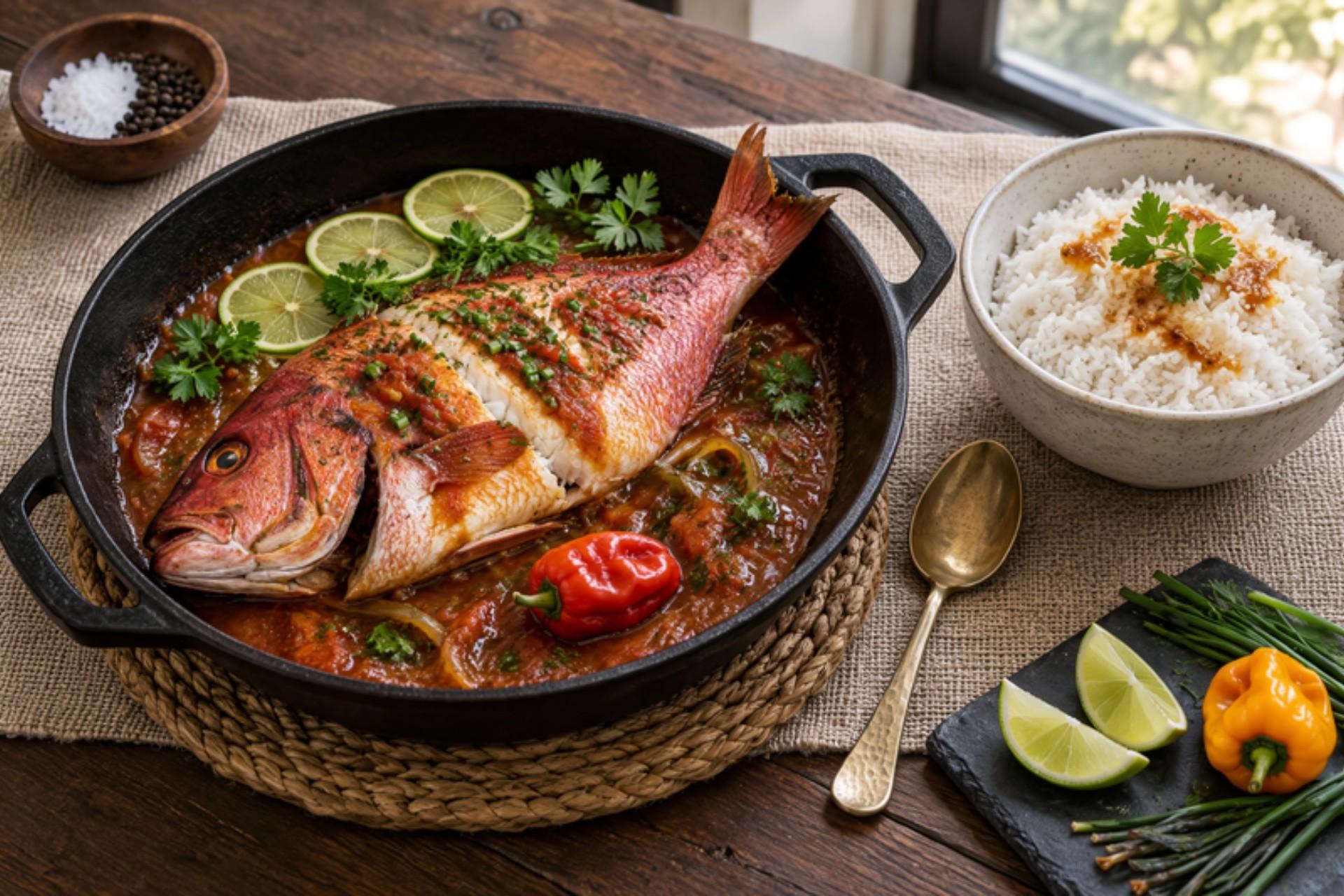
Court-bouillon de poissonSnapper in tomato sauce

In Martinique court-bouillon is not a poaching liquid but a rich red fish stew, cooked for Sunday lunch in Le Robert or Le Vauclin and served with white rice, red beans and a slice of breadfruit or yam. Red snapper is marinated with lime, garlic and hot pepper, then simmered in a sauce of tomato, onion, garlic, chive and thyme coloured with a little roucou (annatto) oil. It contains fish. The usual mistake is stirring the pot once the fish is in, which breaks the pieces; shake the pan gently instead. It is done when the fish is opaque through and flakes at the bone and the sauce is thick enough to cling. Chef's tip: finish with a spoonful of uncooked garlic, chive and lime stirred in at the end, the way Martiniquais cooks do, for a fresh, sharp lift.

by KrazyBadal 0 views

Accras de morueSalt cod fritters

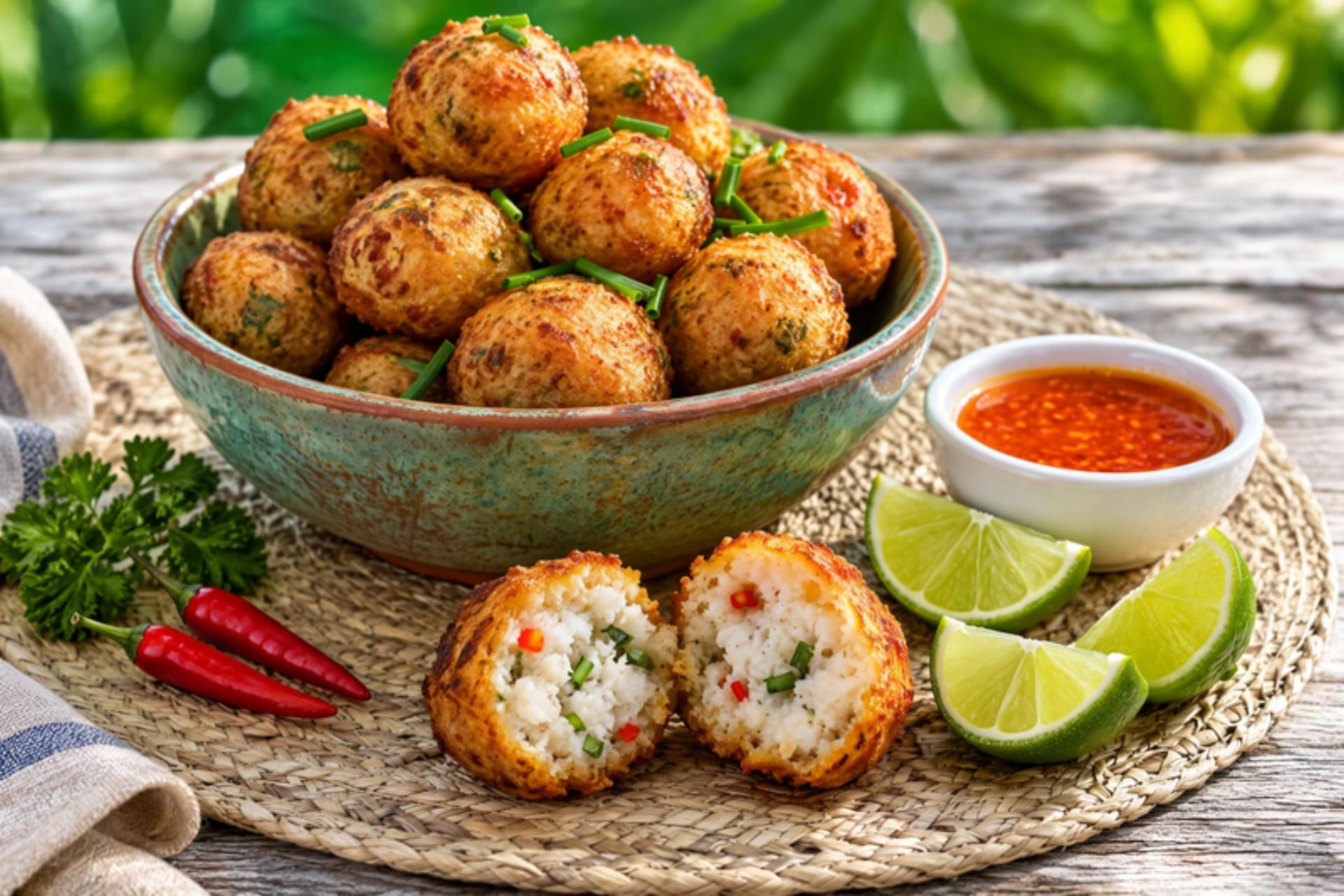
No Christmas, christening or Sunday apéritif in Martinique or Guadeloupe starts without a bowl of accras de morue, the light, puffy salt-cod fritters sold hot from paper cones at Fort-de-France's markets. Desalted cod is flaked into a batter scented with chive, parsley, thyme, garlic and a little fiery piment, then dropped by the spoonful into hot oil. A vegetable version is already on the site; this is the classic with fish. It contains fish and wheat. The usual mistake is not soaking the cod long enough, which makes the accras painfully salty: soak it in the fridge for 24 hours, changing the water three or four times. They are done when puffed, deep golden all over and cooked through, with the fish piping hot. Chef's tip: let the batter rest for an hour so it thickens and the fritters puff into airy rounds.

by KrazyBadal 0 views

Bahamian johnnycake

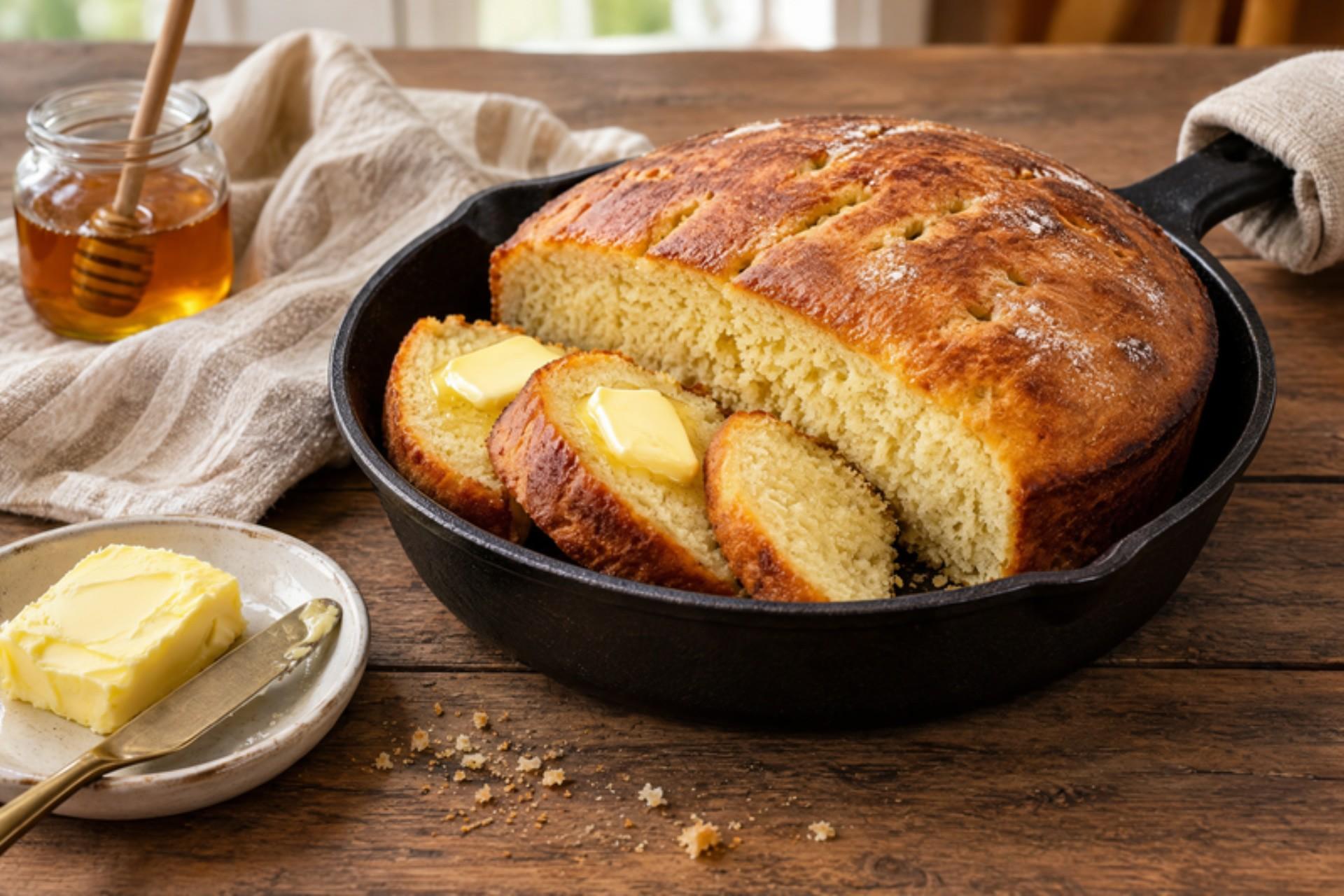
In the Bahamas johnnycake is not a pancake but a golden pan bread, baked in a skillet or tin and sliced warm in Nassau homes and Out Island kitchens, at breakfast with stew fish or alongside conch chowder and peas and rice. The dough is a rich, lightly sweet mix of flour, butter, milk and a little sugar, closer to a soft scone than a yeast bread. It contains wheat and milk. The common mistake is kneading it like bread, which makes it tough; mix just until it comes together. It is done when the top is deep golden and a skewer in the centre comes out clean, and the bottom sounds hollow when tapped. Chef's tip: brush the top with melted butter the moment it comes out of the oven for a soft, shiny crust.

by KrazyBadal 0 views

Blaff de poissonFish in lime broth

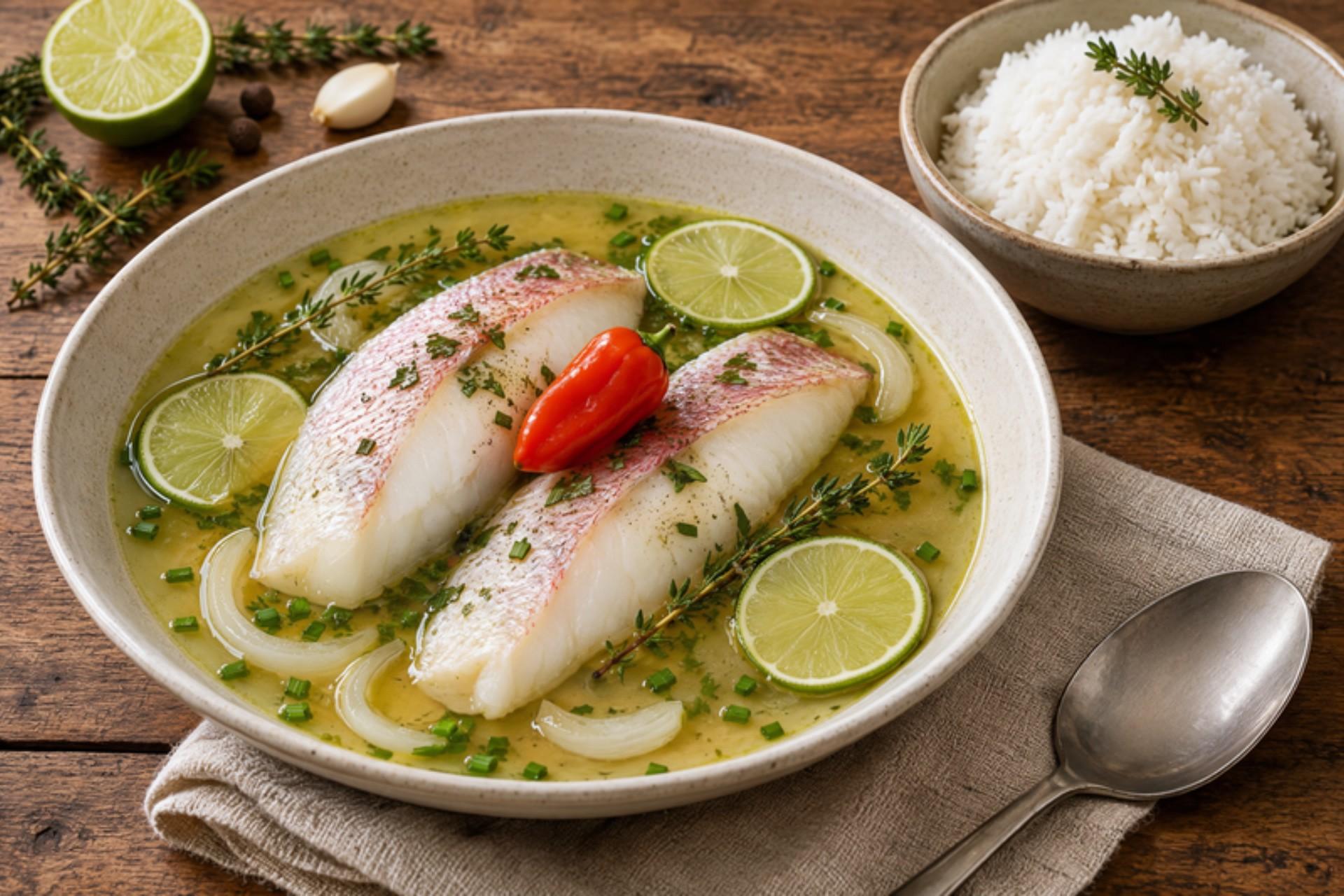
Blaff is the fisherman's breakfast and lunch of Martinique and Guadeloupe, cooked in Sainte-Anne or Deshaies with fish bought straight off the boats in the morning. The name is said to echo the splash the fish makes as it drops into the boiling broth. Red snapper steaks are marinated in lime, garlic and hot pepper, then poached briefly in a clear broth fragrant with bois d'Inde (allspice berries), thyme, chive and a whole hot pepper. It contains fish. The common mistake is boiling the fish hard or too long, so it falls apart and dries out; it needs only a gentle simmer. It is done when the flesh is opaque all the way through and flakes easily from the bone. Serve with white rice or boiled green bananas. Chef's tip: squeeze in fresh lime just before serving to wake up the broth.

by KrazyBadal 0 views

Bahamian peas and rice

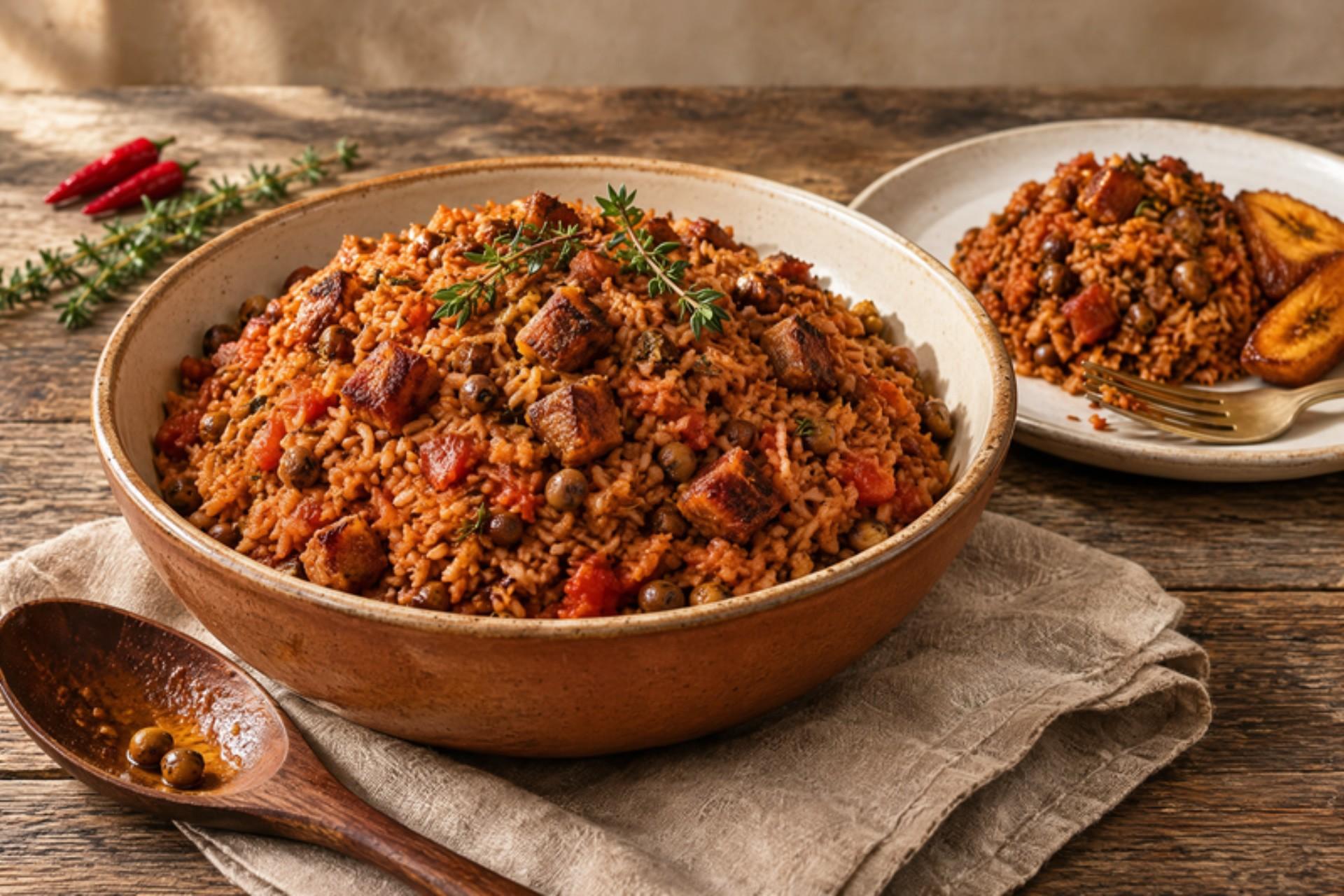
Peas 'n' rice is on almost every plate in the Bahamas, from Nassau fish fry shacks at Arawak Cay to Sunday dinner in Eleuthera, served with fried chicken, steamed fish or cracked conch. Unlike Jamaican rice and peas there is no coconut: pigeon peas and rice are cooked in a rich base of browned salt pork, onion, sweet pepper, tomato paste and thyme, which gives the rice its signature brown-red colour. This recipe contains pork (salt pork or bacon). The usual mistake is stirring once the rice is in, which breaks the grains and makes it gummy; cover tightly and leave it alone. It is done when the liquid has gone and the grains are tender and separate. Chef's tip: let the tomato paste fry in the pork fat until it darkens to brick red before adding water; that is where the colour and depth come from.

by KrazyBadal 0 views

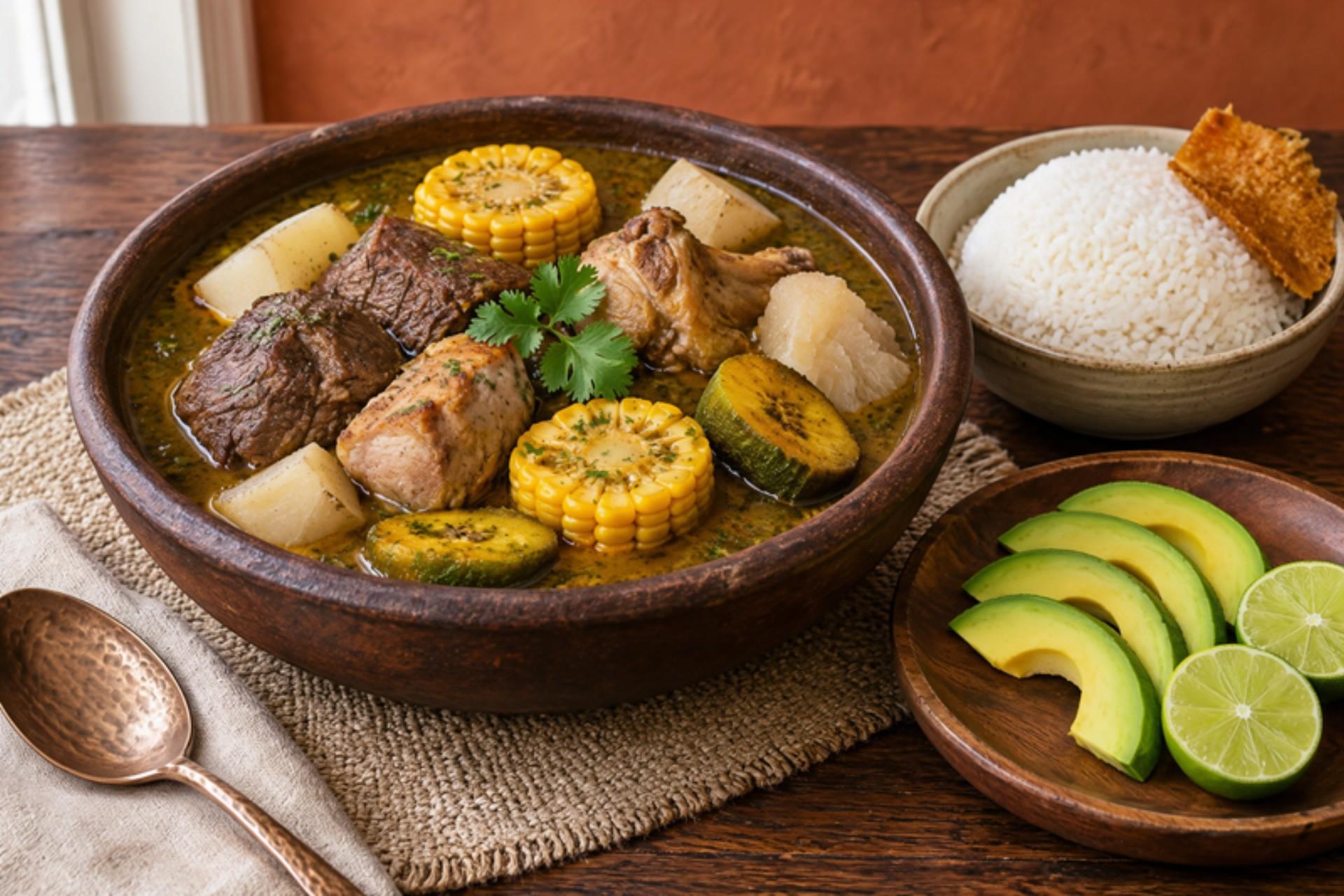
Sancocho dominicanoMeat and root vegetable stew

Sancocho is the dish Dominicans make for a crowd: birthdays, New Year's Eve, rainy Sundays and the morning after a party, from Santo Domingo to Washington Heights. Several meats (here beef, pork ribs and chicken; the festive sancocho de siete carnes uses seven) simmer with oregano, garlic and coriander, then cassava, yautía, green plantain, yam, squash and corn cook down until the broth turns thick and golden. This recipe contains pork. The common mistake is adding all the vegetables at once, so the squash melts while the plantain stays hard; add them in order of firmness. Cassava must always be peeled, cored and cooked until completely soft, never eaten raw. It is done when the meats are tender, the chicken has reached 74 °C and the pork 71 °C, and the broth coats a spoon. Serve with white rice and avocado. Chef's tip: let some of the squash dissolve completely; it is what thickens a real sancocho.

by KrazyBadal 0 views

Ma you mian xianSesame oil ginger vermicelli

Ma you mian xian is a warming Taiwanese home bowl, cooked on chilly evenings across the island and famously fed to new mothers to restore their strength. Fine wheat noodles called mian xian (misua) are tossed with plenty of ginger fried slowly in dark, nutty black sesame oil and seasoned with a little soy. Many families add a splash of rice wine; this version leaves it out. The common mistake is frying the ginger in hot sesame oil, which turns bitter fast; keep the heat low and let the ginger curl and brown gently. Chef's tip: misua is salty already, so rinse it briefly after boiling and taste before adding any extra soy.

by KrazyBadal 0 views

Dowina (Kurdish yogurt soup)

Dowina, called ash-e doogh in Persian, is warming spring food in Kurdish homes around Newroz, when yogurt is plentiful and the first herbs are cut from the garden. Rice and chickpeas simmer in a tangy, lightly thickened yogurt broth, finished with fresh dill, coriander and a sizzle of dried mint in oil. It is eaten warm, never boiling hot, with flatbread. The common mistake is to heat the yogurt too fast without stirring, which makes it split into grainy curds. Chef's tip: whisk an egg yolk and a spoonful of rice flour into the yogurt before it goes on the heat; it holds the soup smooth all the way to the simmer.

by KrazyBadal 0 views

KalanehWild leek stuffed flatbread

In Kurdistan and Kermanshah, Newroz arrives with the first spring greens on the hillsides, and families gather wild leeks to fold into kalaneh, thin griddle breads cooked over a fire or a hot pan and soaked in melted butter. The dough is plain and soft, rolled very thin around a pile of chopped leek or chives with a little salt and pepper, so the greens steam inside as the bread blisters. Eat it hot, torn into strips, with yogurt and tea at a Newroz picnic. The common mistake is wet greens, which turn the dough soggy and make it tear; dry them well after washing. Chef's tip: brush the butter on the moment the bread leaves the pan so it soaks right in.

by KrazyBadal 0 views

AllerheiligenstriezelBraided sweet loaf

In Bavaria and Austria, godparents give their godchildren an Allerheiligenstriezel on All Saints' Day, 1 November: a large braided loaf of sweet yeast dough, brushed with egg and scattered with almonds or pearl sugar. The braid is said to recall the old custom of cutting a plait of hair in mourning, and the size of the loaf once showed how generous the godparent was. It is lightly sweet, with lemon and vanilla, and is eaten sliced with butter or jam. Some recipes add rum-soaked raisins; these are soaked in warm water instead. Chef's tip: braid four strands for an impressive, high loaf.

by KrazyBadal 0 views

OsterpinzeEaster anise brioche

Osterpinze is the Easter bread of Styria, Carinthia and the area around Trieste, a soft, golden brioche dome with three deep cuts on top for the Holy Trinity, so that it opens into a crown as it bakes. The dough is rich with egg yolks and butter and flavoured with anise and lemon; old recipes add a splash of white wine, left out here. It is blessed in the Easter basket on Holy Saturday and eaten on Easter morning with ham, horseradish and eggs, or with butter and jam. Chef's tip: make the three cuts with scissors just before baking, deep enough to reach halfway down, so the crown opens wide.

by KrazyBadal 0 views

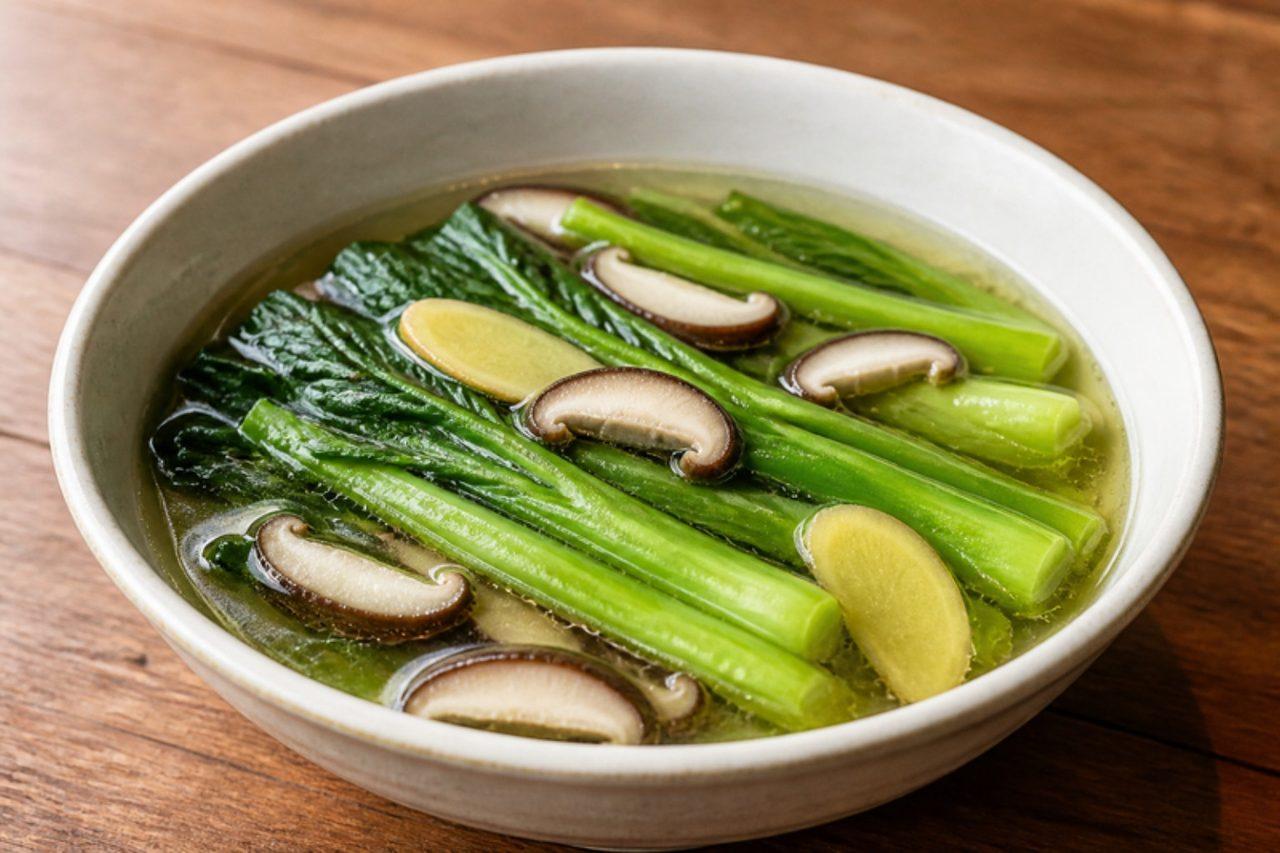
Changnian cai (long-year greens soup)

Changnian cai, 'long-year greens', is a must on the Taiwanese New Year's Eve table. Whole heads of mustard greens are cooked with their leaves uncut, and each person eats a long leaf from end to end without biting it short, a wish for a long life for the parents and the whole family. The greens turn silky and tender, with a pleasant bitterness that mellows in the savoury broth. This version uses vegetable stock with dried shiitake and ginger, so it is vegan. Serve it alongside the reunion dinner's rich braises and fish, where its clean taste is welcome. Chef's tip: blanch the greens first; it takes away the sharp bitterness and keeps them bright.

by KrazyBadal 0 views

Moro de guandules con cocoPigeon pea and coconut rice

No Dominican Christmas Eve (Nochebuena) table is without moro de guandules: rice cooked with green pigeon peas in a savoury sofrito, and in the Samaná and east-coast style with coconut milk. It arrives beside the roast pork or chicken and the Russian salad, but it is so full of flavour that it stands alone as a vegan main. The crust at the bottom of the pot, the concón, is the prize. Chef's tip: don't lift the lid while the rice steams; when the liquid drops to the level of the rice, cover tightly and leave it alone.

by KrazyBadal 0 views

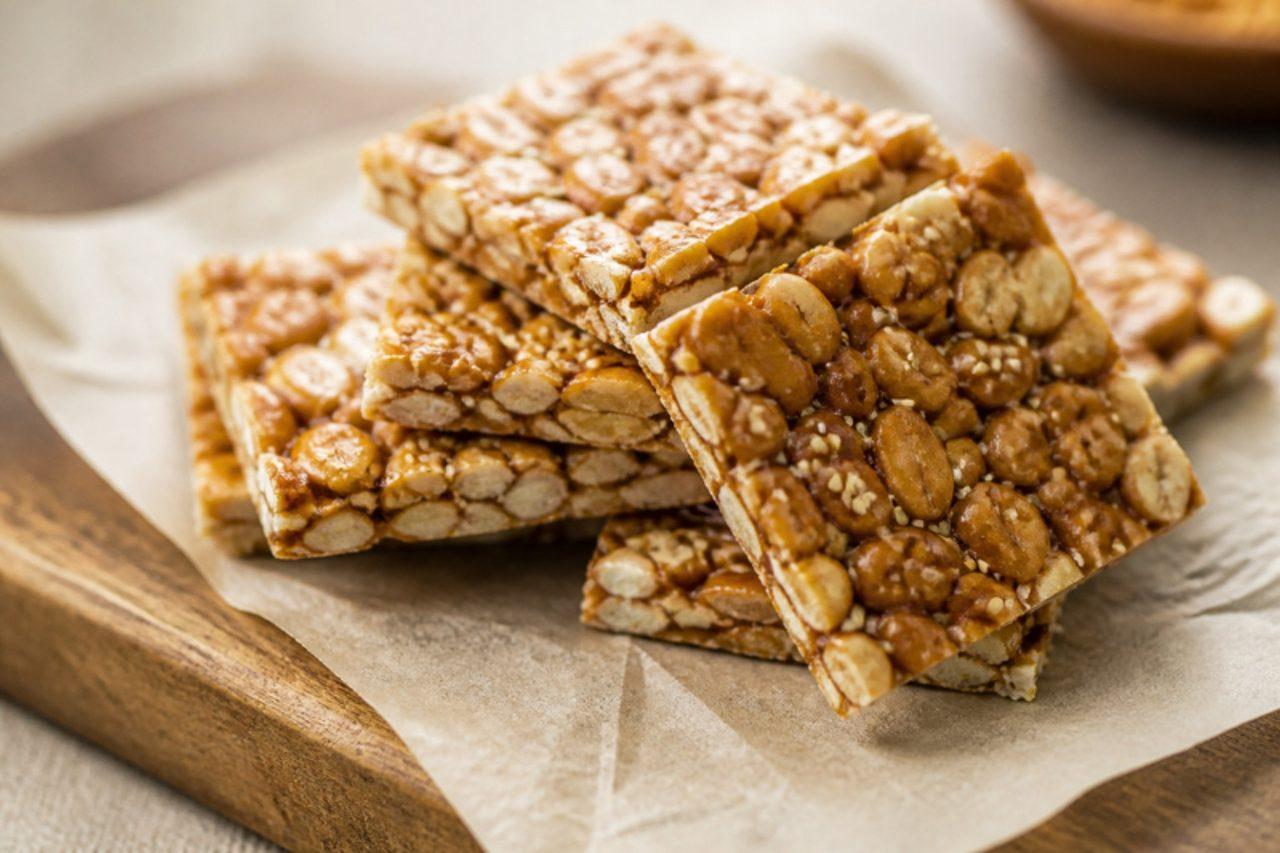
Huasheng tang (peanut brittle)

Huasheng tang is a fixture on the Taiwanese New Year candy tray, set out for every visitor who comes to wish the family a happy new year. Peanuts are called 'long-life nuts' in Chinese, so the brittle carries a wish for long life and, with so many nuts in each piece, for many children and a full house. Taiwanese brittle is thinner and less sweet than many, packed with crackly roasted peanuts held together by malt sugar. Serve with oolong tea alongside dried fruit and melon seeds. Chef's tip: cut the slab while it is still warm and pliable; once cold it shatters.

by KrazyBadal 0 views

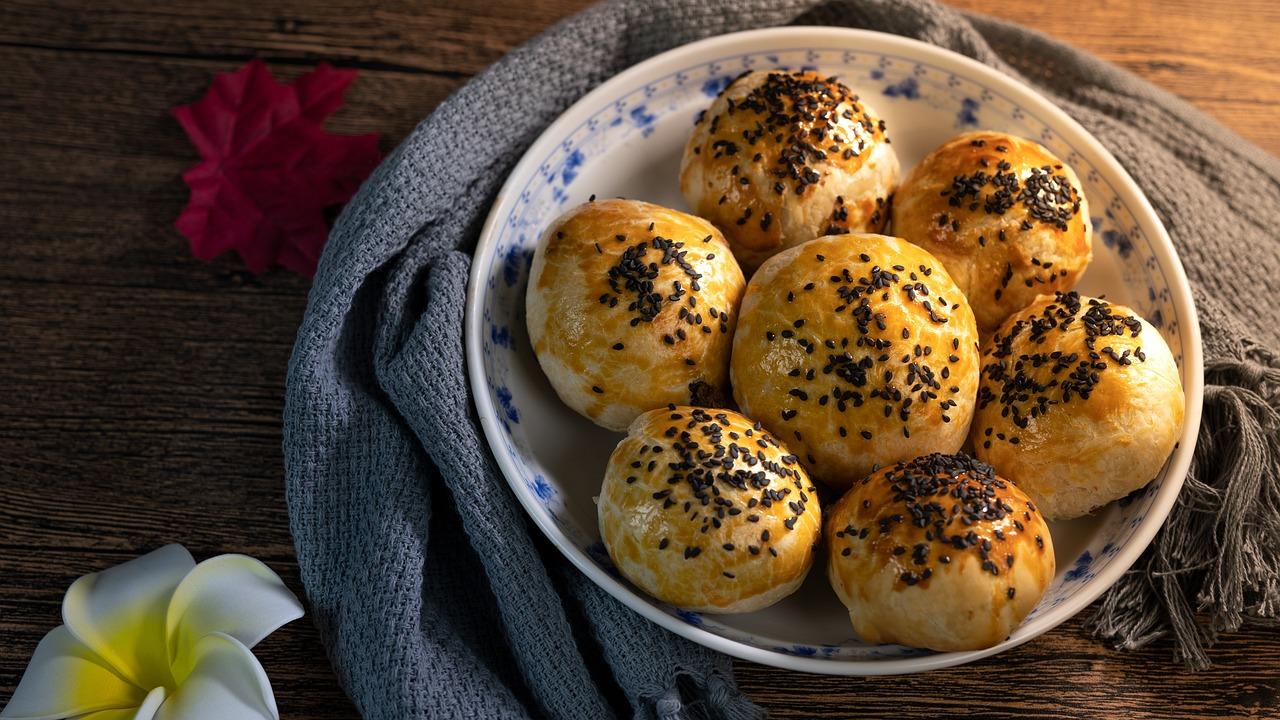
Dan huang su (egg yolk pastry)Salted egg yolk pastry

Dan huang su is Taiwan's favourite Mid-Autumn pastry, given in gift boxes across the island in the weeks before the festival. The whole golden yolk hidden in the centre stands for the full moon, and the round, glossy pastries look like little moons themselves when you share them at the family reunion. Under a shell of dozens of flaky layers sits sweet red bean paste and a salty, rich, slightly crumbly duck egg yolk. Bakeries traditionally use lard in the pastry; this version uses butter, so it is vegetarian. Serve with oolong tea under the moon, cut in half to show the yolk. Chef's tip: roast the salted yolks first until they look oily and set, which takes away any eggy smell and gives the best flavour.

by KrazyBadal 0 views

Ma lao (puffed rice sticks)

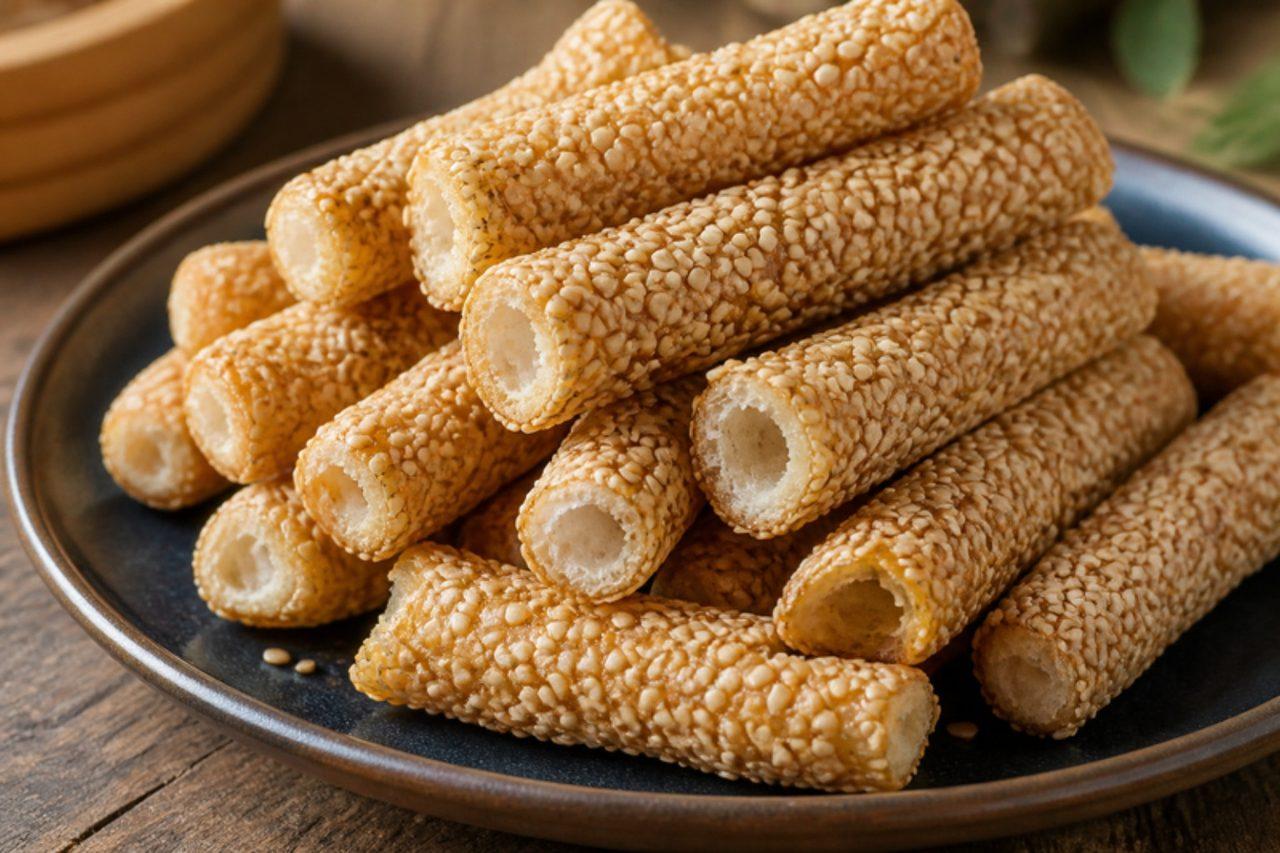
Ma lao are a Lunar New Year sweet from Yilan on Taiwan's northeast coast, stacked on family altars as offerings and handed to guests through the holiday. The sticks swell to many times their size in the oil, a picture of a family and fortune growing bigger in the new year, and their sticky coating stands for staying close together. They are light and crunchy, almost hollow, with a sweet malt glaze and a nutty crust of toasted sesame or crisp puffed rice. Serve on the New Year candy tray with tea. Chef's tip: start frying in barely warm oil and raise the heat slowly; that gentle start is what makes the sticks puff.

by KrazyBadal 0 views

Grilled mullet roe (wuyuzi)

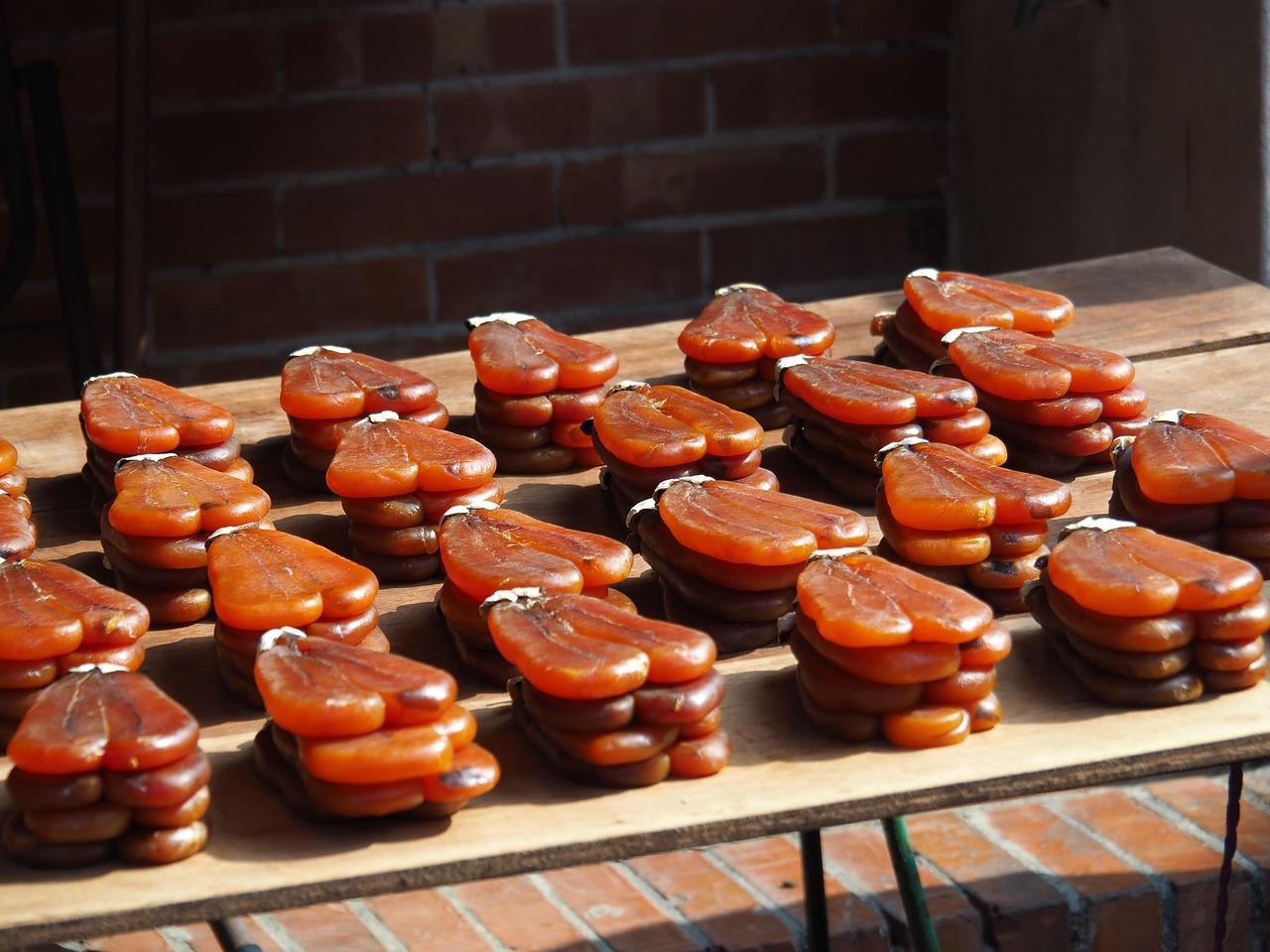
Wuyuzi, dried salted mullet roe, is one of the treasures of a Taiwanese New Year banquet, made in Kaohsiung and Tainan from grey mullet caught off the southwest coast in the winter run. The flat amber slabs are nicknamed 'black gold' and look like gold bars, so they are served and given as gifts for wealth in the coming year. Lightly seared, the roe is chewy, salty and rich, like a sea-flavoured cheese, and it is eaten in thin slices sandwiched with crisp daikon and pungent garlic leaves. Many cooks brush or flame it with Kaoliang sorghum spirit or rice spirit; that step is optional, and simply searing it in a dry pan gives an alcohol-free version that is just as good. Serve as a starter with the New Year spread. Chef's tip: keep the heat low and the searing brief; the inside should stay soft and slightly sticky.

by KrazyBadal 0 views

Di gua yeStir-fried sweet potato leaves

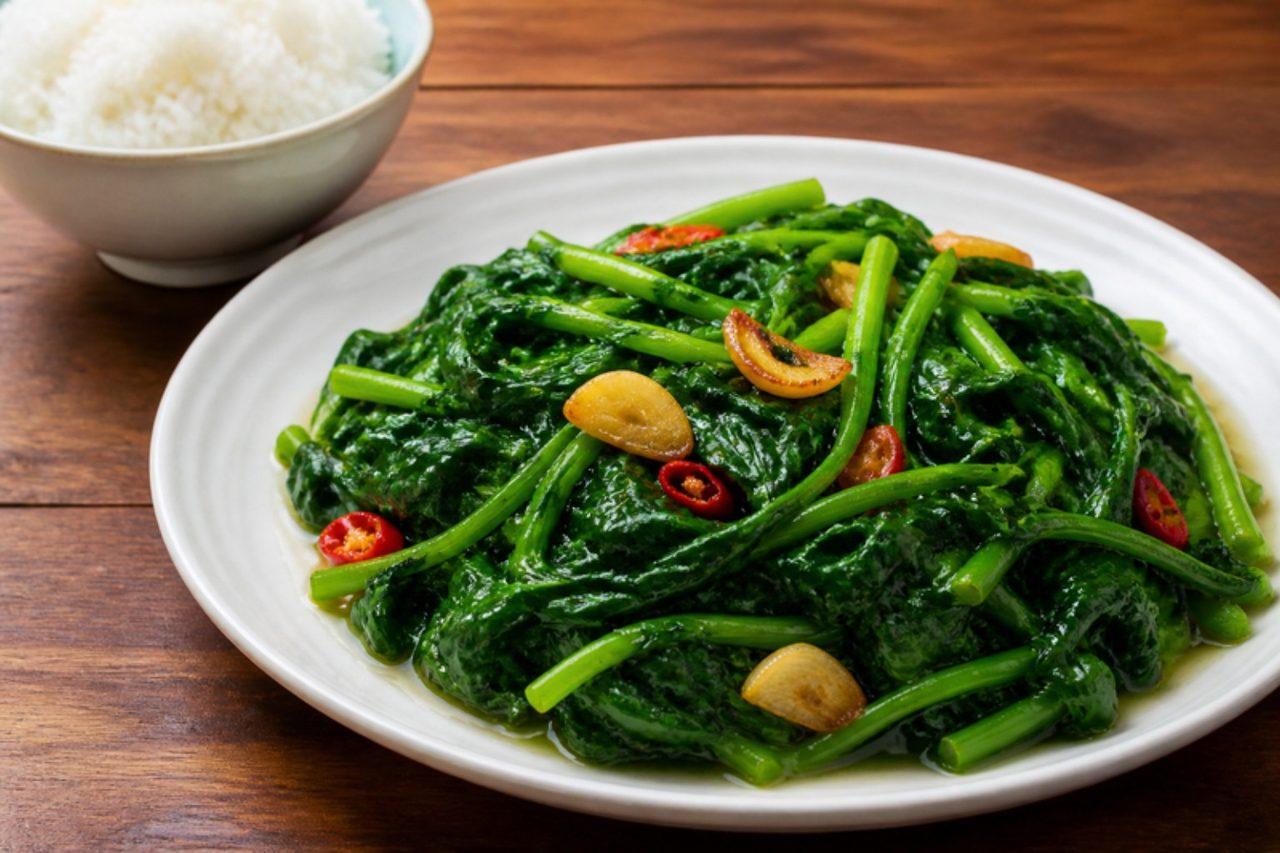
Stir-fried sweet potato leaves are on the table at almost every Taiwanese home dinner and at every rechao stir-fry stall from Taipei to Kaohsiung, a cheap, dark-green side that once fed the island in lean years and is now loved for its silky texture. The tender leaves and tips are thrown into a smoking wok with plenty of garlic and a splash of water and cooked in about two minutes. It is vegan and light, with about 3 g of protein per portion. The common mistake is overloading the wok: the leaves stew and turn black-green and slimy, so cook in two batches if your pan is small. If you can't find sweet potato leaves, use water spinach or pea shoots. Chef's tip: add a tablespoon of water with the leaves; the burst of steam wilts them evenly without extra oil.

by KrazyBadal 0 views

TopfengolatschenSweet quark puff pastry squares

A Topfengolatsche is what Viennese office workers grab from the bakery on the way in, and what grandparents order with a Melange in a coffee house on a Sunday afternoon. The corners of a puff pastry square are folded over a lemony, vanilla-scented filling of Topfen (Austrian quark) with plump raisins, and the top gets a thin white glaze. It is flaky, light and not too sweet. Raisins are sometimes soaked in rum; warm water or orange juice works just as well, and the recipe below is alcohol-free. Wet quark is the classic problem, because it turns the filling runny and it leaks out in the oven. Chef's tip: hang the quark in a sieve lined with a clean cloth for an hour, or squeeze it, until it is as thick as soft cream cheese.

by KrazyBadal 0 views

Kärntner ReindlingCinnamon raisin yeast cake

Carinthia's Easter loaf takes its name from the Reindl, the round, deep pan it is baked in, and in southern Austria no Easter basket goes to church without one. Inside the golden yeast crust is a spiral of butter, cinnamon sugar and plump raisins, so every slice shows a dark swirl. Locals eat it two ways: sweet with coffee on Easter morning, or alongside the savoury Easter platter with horseradish. Many bakers soak the raisins in rum overnight; warm water or tea works just as well and keeps it alcohol-free. A dry, crumbly Reindling usually means too much flour went in during kneading, so keep the dough soft and only lightly floured. Chef's tip: butter the pan well and dust it with sugar, which caramelises into a thin crunchy shell.

by KrazyBadal 0 views

ErdäpfelstrudelSavoury potato strudel

Austrians, especially in the Mühlviertel of Upper Austria and the Waldviertel, make savoury strudels as often as sweet ones, and Erdäpfelstrudel is a farmhouse favourite for a meatless Friday or a cold evening. Thin pastry wraps a filling of potatoes, fried onion, sour cream, marjoram and parsley, baked until crisp and golden and sliced with a green salad or a dill and sour-cream dip. Bought filo makes it easy at home. The mistake to avoid is a wet filling, which turns the pastry soggy underneath. Chef's tip: cool the filling completely before rolling; warm filling makes the layers stick and tear.

by KrazyBadal 0 views

Tian bu laFried fish cakes and daikon

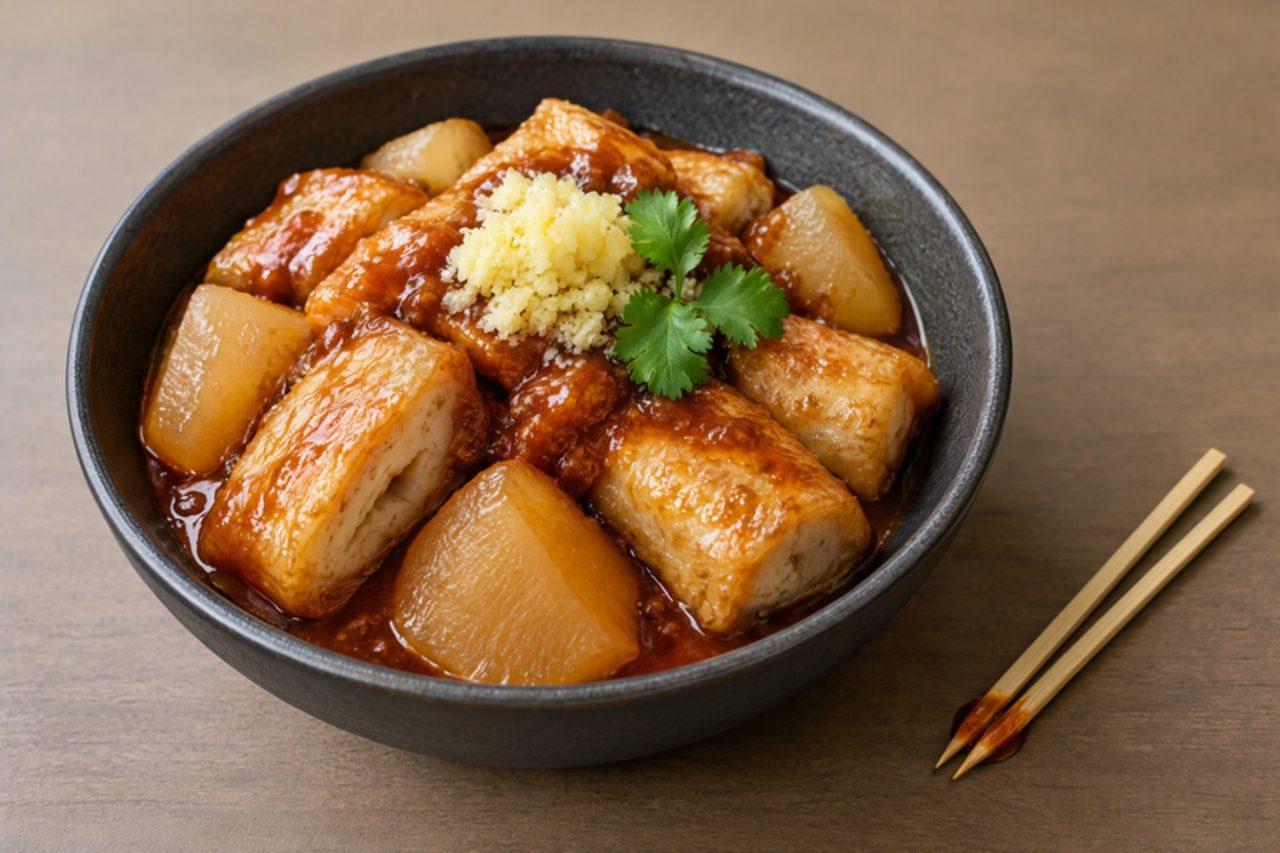
Tian bu la takes its name from the Japanese word tempura, but in Taiwan it means fried fish-paste cakes, simmered in a light broth with chunks of daikon and drenched in a thick, sweet and gently spicy red sauce. Stalls in Ximending and at Ningxia night market ladle it into paper bowls with toothpicks for spearing, and it is a cheap, warming snack on a rainy Taipei evening. This version makes the fish cakes from scratch. Contains fish, egg and soy. Chef's tip: squeeze the fish paste through your fist and scrape it off with a wet spoon; wet hands and tools stop it sticking and give smooth cakes.

by KrazyBadal 0 views

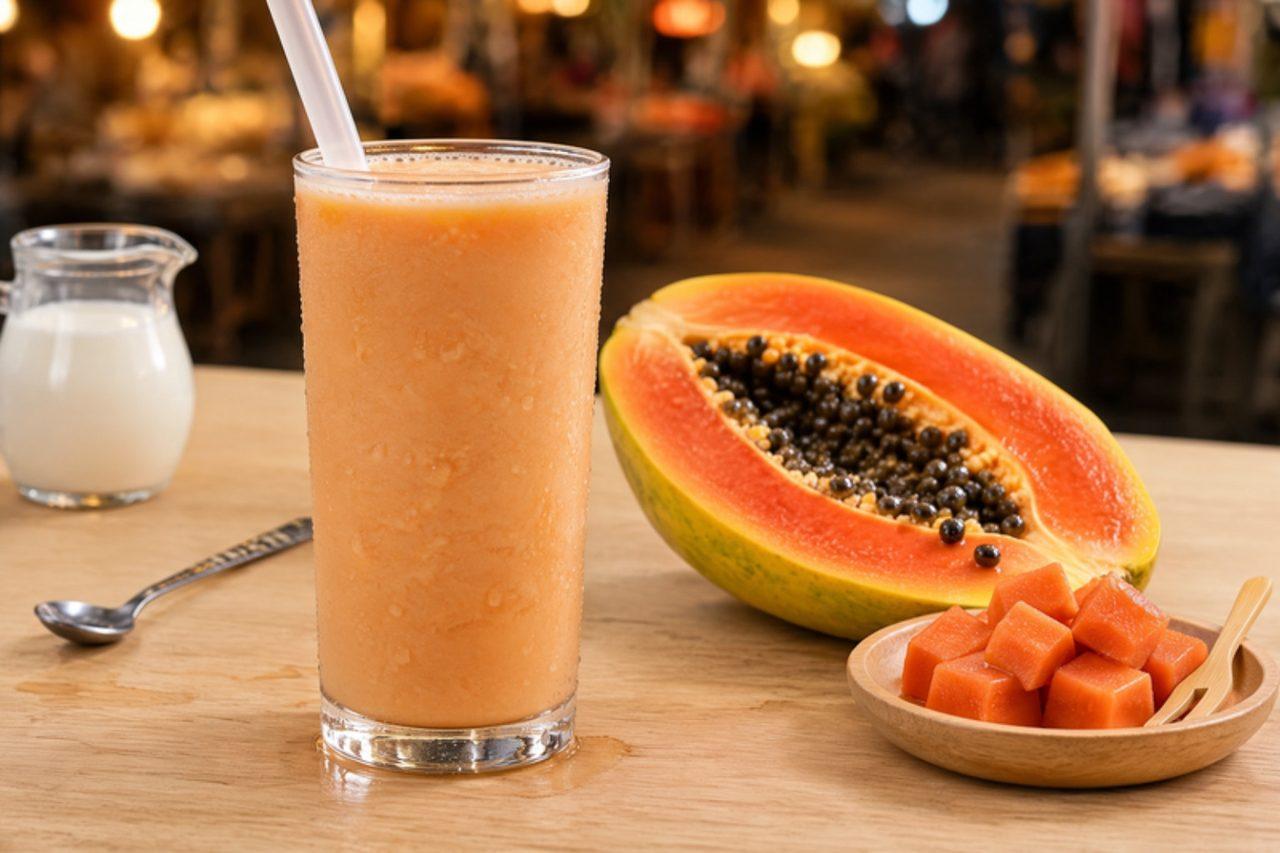
Papaya milk

Kaohsiung claims papaya milk as its own: the southern port city's fruit stalls, and the famous old shop on Liuhe night market's doorstep, have been blending it since the 1960s, when sweet red-fleshed papayas from Pingtung became cheap and plentiful. It is now sold all over Taiwan, a thick orange-pink shake in a tall cup, drunk on sticky evenings while walking between food stalls or in the morning with a scallion pancake. It tastes of ripe papaya and cold milk, sweet and mellow, with a smooth, slightly airy body. The classic mistake is making it in advance: papaya contains the enzyme papain, which starts working on milk proteins within about 20 minutes and leaves the drink bitter and curdled-looking. Blend it just before drinking. Your papaya is ripe when the skin is mostly yellow-orange and gives slightly to a thumb, and it smells sweet at the stalk end; it is ready to serve when it is fully smooth, foamy on top and evenly coloured. Children love it, and with little added sugar it is a fine after-school snack. Chef's tip: chill the papaya well beforehand so you need less ice and the shake stays thick.

by KrazyBadal 0 views

Showing 24 of 157 recipes

Show more recipes

Page 1 of 7