Skip to content
WhatToEat.Today

All recipes

193

Vegetarian, or something you can't eat? Set your diet once and we'll hide recipes that don't fit.

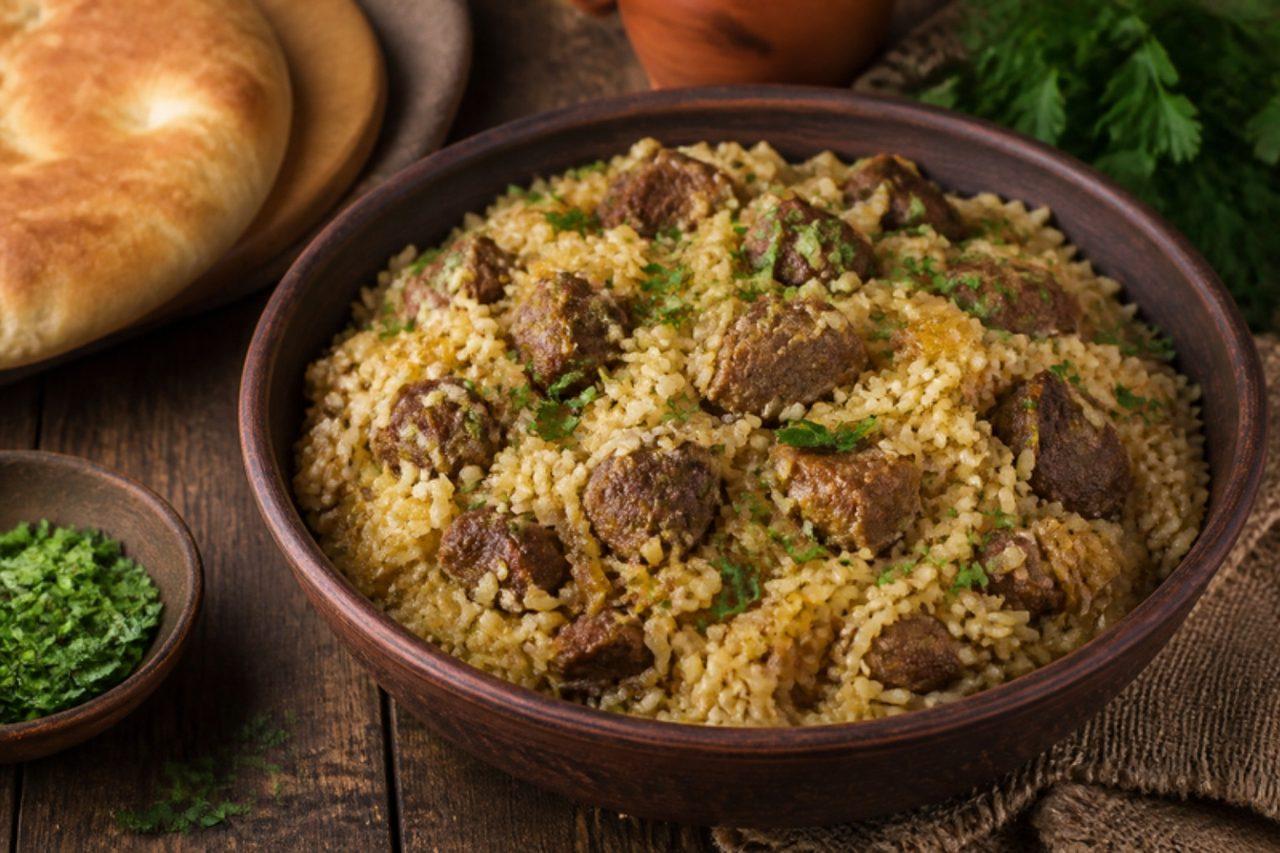
ShilaplaviRice with lamb and spices

In Racha and Imereti, in western Georgia, shilaplavi is the dish of the kelekhi, the memorial feast held after a funeral and on remembrance days, when long tables are laid for family and neighbours. Lamb is simmered until tender and its broth used to cook rice with plenty of onion, coriander seed and blue fenugreek, so the grains turn soft and a little sticky, closer to a thick pilaf than a dry one. It is eaten quietly with bread, herbs and pickles. Chef's tip: use short-grain rice and don't rinse it too much; shilaplavi should be soft and clinging, not fluffy.

by KrazyBadal 0 views

KalanehWild leek stuffed flatbread

In Kurdistan and Kermanshah, Newroz arrives with the first spring greens on the hillsides, and families gather wild leeks to fold into kalaneh, thin griddle breads cooked over a fire or a hot pan and soaked in melted butter. The dough is plain and soft, rolled very thin around a pile of chopped leek or chives with a little salt and pepper, so the greens steam inside as the bread blisters. Eat it hot, torn into strips, with yogurt and tea at a Newroz picnic. The common mistake is wet greens, which turn the dough soggy and make it tear; dry them well after washing. Chef's tip: brush the butter on the moment the bread leaves the pan so it soaks right in.

by KrazyBadal 0 views

OsterpinzeEaster anise brioche

Osterpinze is the Easter bread of Styria, Carinthia and the area around Trieste, a soft, golden brioche dome with three deep cuts on top for the Holy Trinity, so that it opens into a crown as it bakes. The dough is rich with egg yolks and butter and flavoured with anise and lemon; old recipes add a splash of white wine, left out here. It is blessed in the Easter basket on Holy Saturday and eaten on Easter morning with ham, horseradish and eggs, or with butter and jam. Chef's tip: make the three cuts with scissors just before baking, deep enough to reach halfway down, so the crown opens wide.

by KrazyBadal 0 views

AllerheiligenstriezelBraided sweet loaf

In Bavaria and Austria, godparents give their godchildren an Allerheiligenstriezel on All Saints' Day, 1 November: a large braided loaf of sweet yeast dough, brushed with egg and scattered with almonds or pearl sugar. The braid is said to recall the old custom of cutting a plait of hair in mourning, and the size of the loaf once showed how generous the godparent was. It is lightly sweet, with lemon and vanilla, and is eaten sliced with butter or jam. Some recipes add rum-soaked raisins; these are soaked in warm water instead. Chef's tip: braid four strands for an impressive, high loaf.

by KrazyBadal 0 views

Dowina (Kurdish yogurt soup)

Dowina, called ash-e doogh in Persian, is warming spring food in Kurdish homes around Newroz, when yogurt is plentiful and the first herbs are cut from the garden. Rice and chickpeas simmer in a tangy, lightly thickened yogurt broth, finished with fresh dill, coriander and a sizzle of dried mint in oil. It is eaten warm, never boiling hot, with flatbread. The common mistake is to heat the yogurt too fast without stirring, which makes it split into grainy curds. Chef's tip: whisk an egg yolk and a spoonful of rice flour into the yogurt before it goes on the heat; it holds the soup smooth all the way to the simmer.

by KrazyBadal 0 views

TopfengolatschenSweet quark puff pastry squares

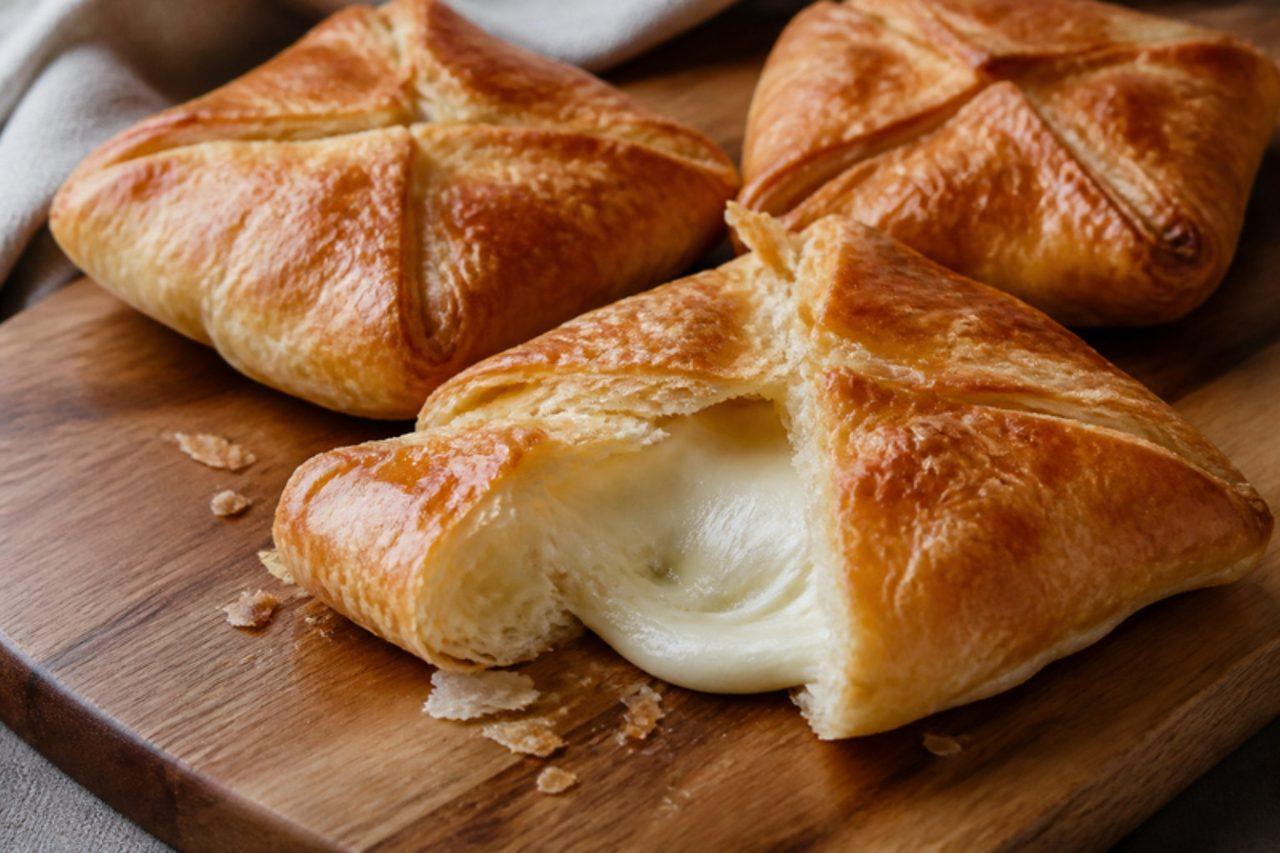
A Topfengolatsche is what Viennese office workers grab from the bakery on the way in, and what grandparents order with a Melange in a coffee house on a Sunday afternoon. The corners of a puff pastry square are folded over a lemony, vanilla-scented filling of Topfen (Austrian quark) with plump raisins, and the top gets a thin white glaze. It is flaky, light and not too sweet. Raisins are sometimes soaked in rum; warm water or orange juice works just as well, and the recipe below is alcohol-free. Wet quark is the classic problem, because it turns the filling runny and it leaks out in the oven. Chef's tip: hang the quark in a sieve lined with a clean cloth for an hour, or squeeze it, until it is as thick as soft cream cheese.

by KrazyBadal 0 views

KhabizginaPotato and cheese pie

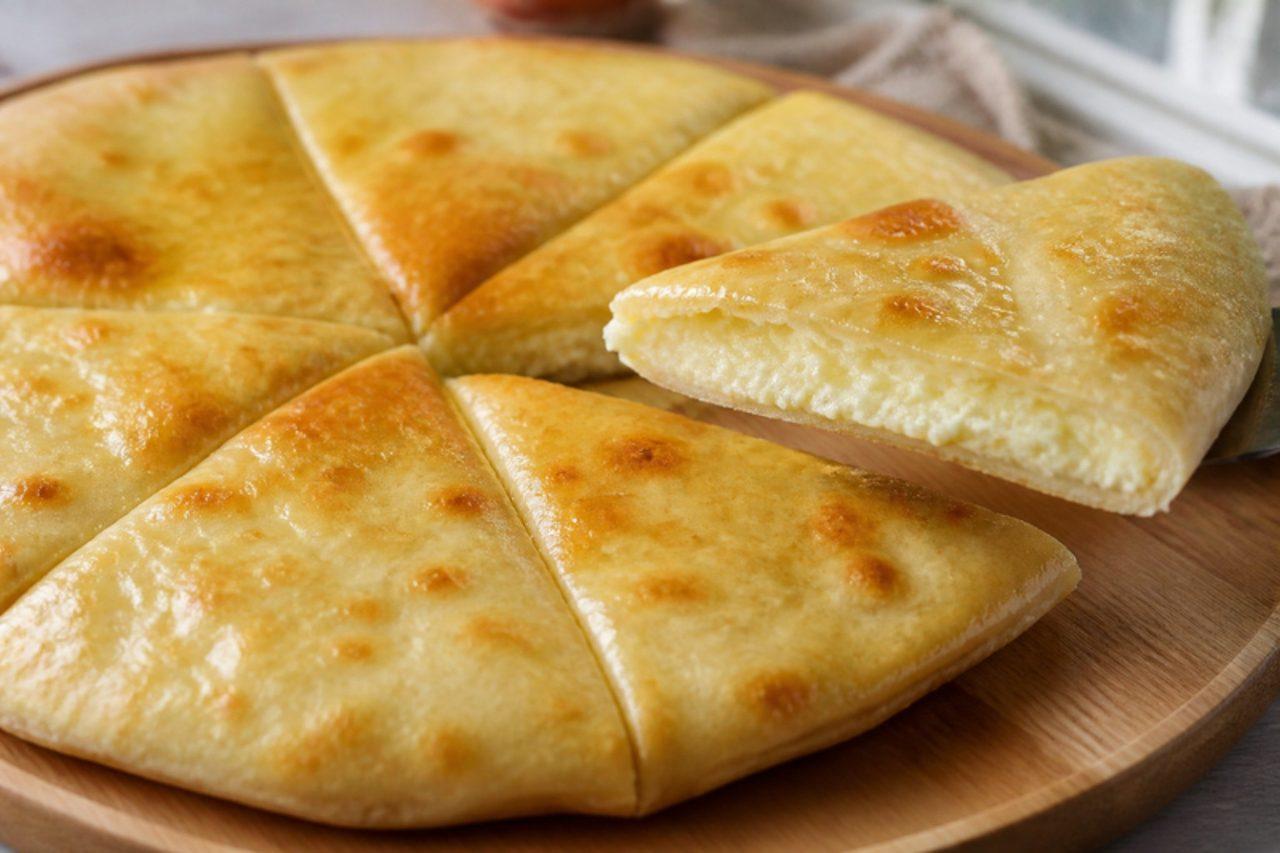
Of all the Ossetian pies, khabizgina is the homely one: a thin round of soft yeast dough wrapped around mashed potato and salty fresh cheese, baked hot and fast and drenched in melted butter. For feasts and remembrance days Ossetian cooks bake three pies and stack them, but on an ordinary evening one khabizgina cut into wedges is supper, with a pot of tea, yogurt or a crunchy salad. The crust is barely 1 cm thick and the filling creamy and peppery. Using a rolling pin tends to tear the dough over the filling, so shape it with your palms instead. If your cheese is made with animal rennet, look for a vegetarian alternative. Chef's tip: let the mash cool and mix it with the cheese until it is a stiff ball, roughly the same size and softness as the dough, and it spreads evenly to the edge.

by KrazyBadal 0 views

Penovani khachapuriPuff pastry cheese squares

Before 9 a.m. the warm trays by the till of every Tbilisi bakery are stacked with penovani: squares of crackly puff pastry folded around a salty, slightly sour cheese. Commuters eat them from a paper bag with a cup of coffee, and students live on them. Imeruli cheese is the classic filling; outside Georgia a mix of feta and low-moisture mozzarella gets very close. Some imeruli and mozzarella is made with animal rennet, so pick a vegetarian one if that matters to you. Rolling the pastry too thin is a common error, because it then can't puff around the cheese and the corners burn. Chef's tip: leave a small open window in the middle when you fold the corners in, so steam can escape and the pastry rises in layers instead of splitting at the sides.

by KrazyBadal 0 views

Megruli khachapuriCheese-filled bread with cheese topping

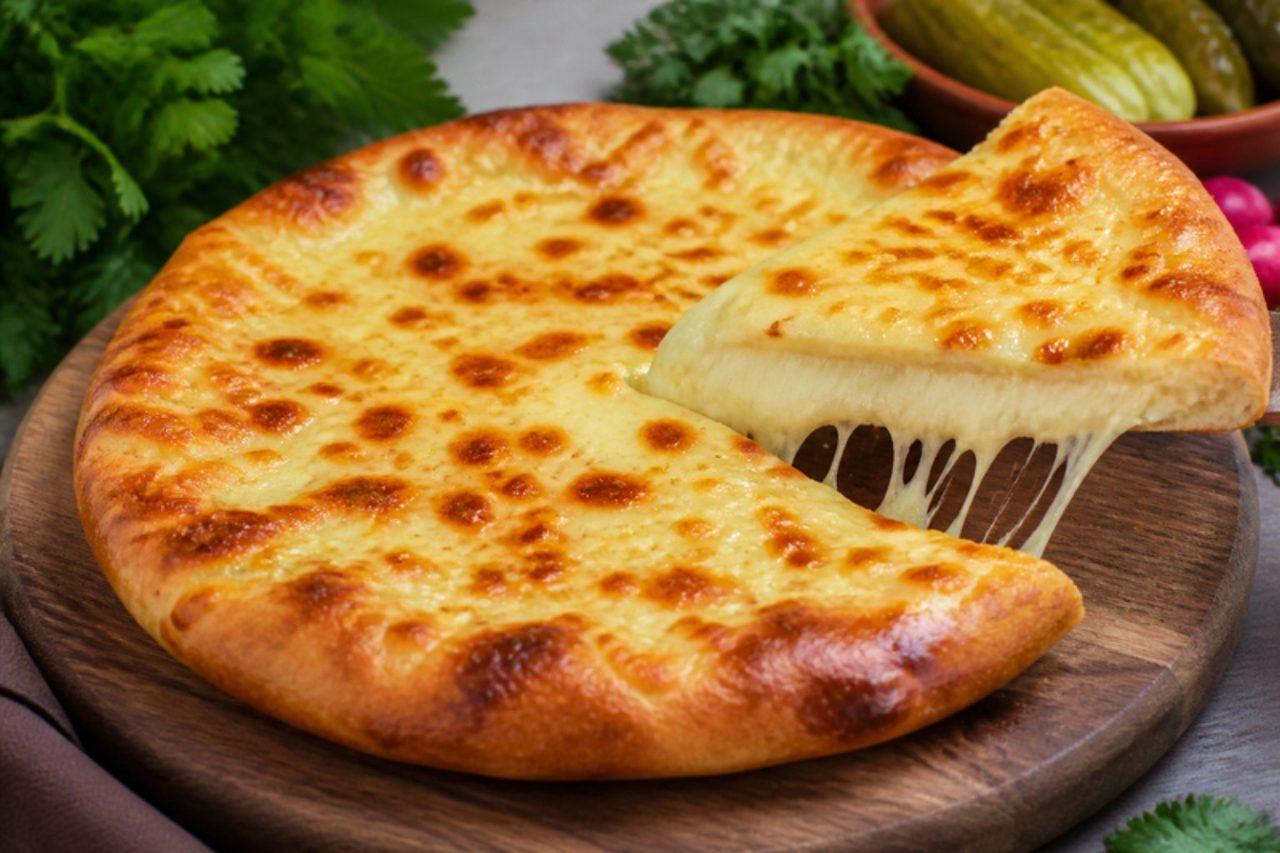
Samegrelo, in western Georgia, gives its name to the most generous of the khachapuri: a round, soft yoghurt-and-yeast bread filled with salty cheese and then topped with more cheese, so it comes out of the oven with a golden, blistered lid. It is the khachapuri of Georgian supra feasts and family Sundays, cut into wedges and passed around with herbs, pickles and a tomato and cucumber salad. Traditionally the cheese is a mix of stretchy sulguni and fresh, tangy imeruli; outside Georgia, low-moisture mozzarella and feta make a good match. Sulguni and some fetas use animal rennet, so pick ones made with vegetarian rennet. Overfilling is what makes the base tear and leak, so keep the dough at least 5 mm thick underneath. Chef's tip: bake it high in a very hot oven and rub butter over the cheese as soon as it comes out, which is how Georgian bakeries finish it.

by KrazyBadal 0 views

Kärntner ReindlingCinnamon raisin yeast cake

Carinthia's Easter loaf takes its name from the Reindl, the round, deep pan it is baked in, and in southern Austria no Easter basket goes to church without one. Inside the golden yeast crust is a spiral of butter, cinnamon sugar and plump raisins, so every slice shows a dark swirl. Locals eat it two ways: sweet with coffee on Easter morning, or alongside the savoury Easter platter with horseradish. Many bakers soak the raisins in rum overnight; warm water or tea works just as well and keeps it alcohol-free. A dry, crumbly Reindling usually means too much flour went in during kneading, so keep the dough soft and only lightly floured. Chef's tip: butter the pan well and dust it with sugar, which caramelises into a thin crunchy shell.

by KrazyBadal 0 views

ErdäpfelstrudelSavoury potato strudel

Austrians, especially in the Mühlviertel of Upper Austria and the Waldviertel, make savoury strudels as often as sweet ones, and Erdäpfelstrudel is a farmhouse favourite for a meatless Friday or a cold evening. Thin pastry wraps a filling of potatoes, fried onion, sour cream, marjoram and parsley, baked until crisp and golden and sliced with a green salad or a dill and sour-cream dip. Bought filo makes it easy at home. The mistake to avoid is a wet filling, which turns the pastry soggy underneath. Chef's tip: cool the filling completely before rolling; warm filling makes the layers stick and tear.

by KrazyBadal 0 views

Feijoa jam

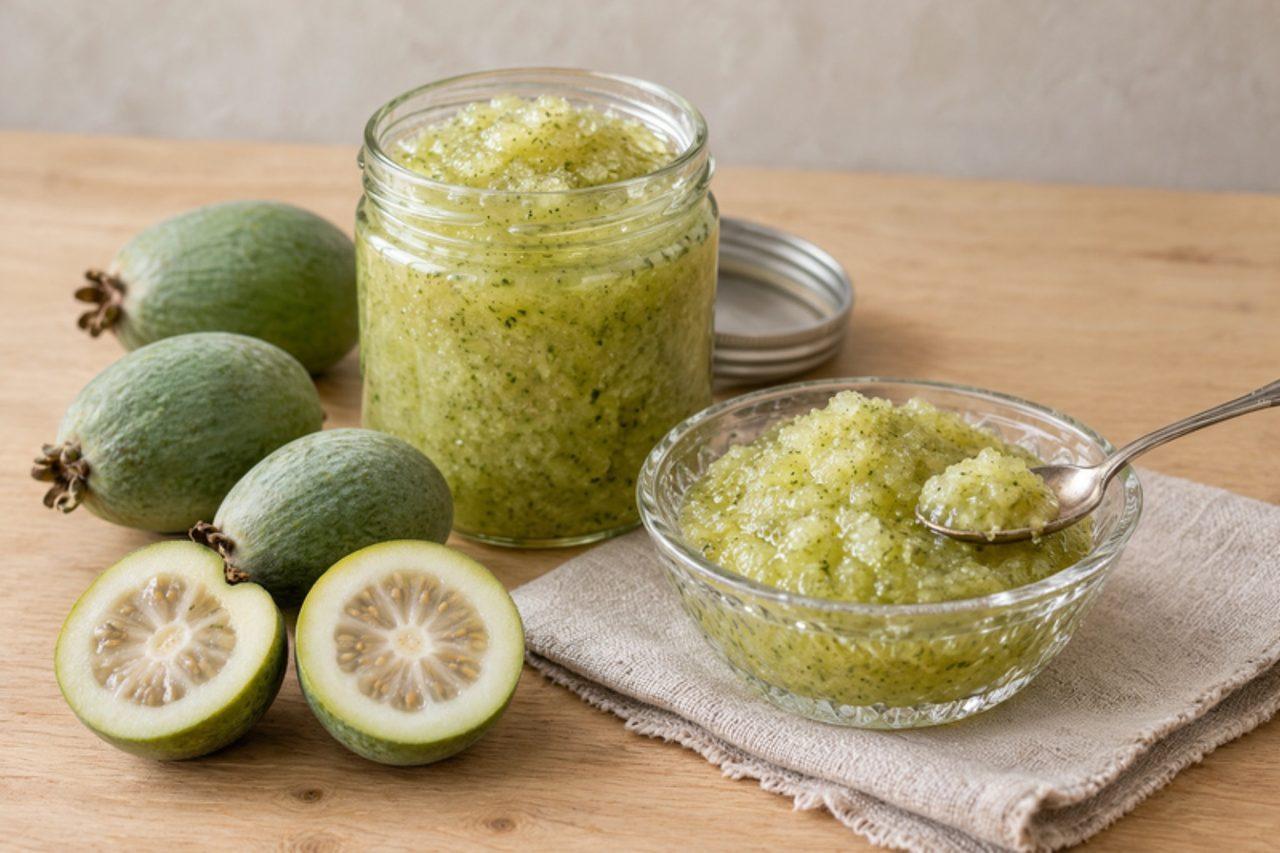
Feijoa bushes grow in almost every garden along Georgia's Black Sea coast, in Batumi, Kobuleti and the hills of Guria, and in late October and November the egg-shaped green fruit drop faster than anyone can eat them. The local answer is a raw jam: the whole fruit, skin and all, minced with sugar and kept cold, so it keeps the fresh, heady taste of pineapple, guava and mint. It is spooned into small glass dishes beside a cup of black tea, spread on bread for breakfast, stirred into yoghurt and eaten by the teaspoon through the winter cold season. The texture is a loose, pale-green pulp with a little grit from the seeds and skin; the flavour is sweet, tart and very aromatic. Common mistake: leaving the cut fruit to stand before mixing with sugar; it browns within minutes, so mince straight into the sugar and stir. The jam is ready when the sugar has fully dissolved and the colour is an even jade green. Because it is never cooked it must live in the fridge or freezer. Chef's tip: use fruit that gives slightly when pressed and smells strongly; hard feijoas taste of skin, overripe ones have brown jelly inside and turn the jam muddy.

by KrazyBadal 0 views

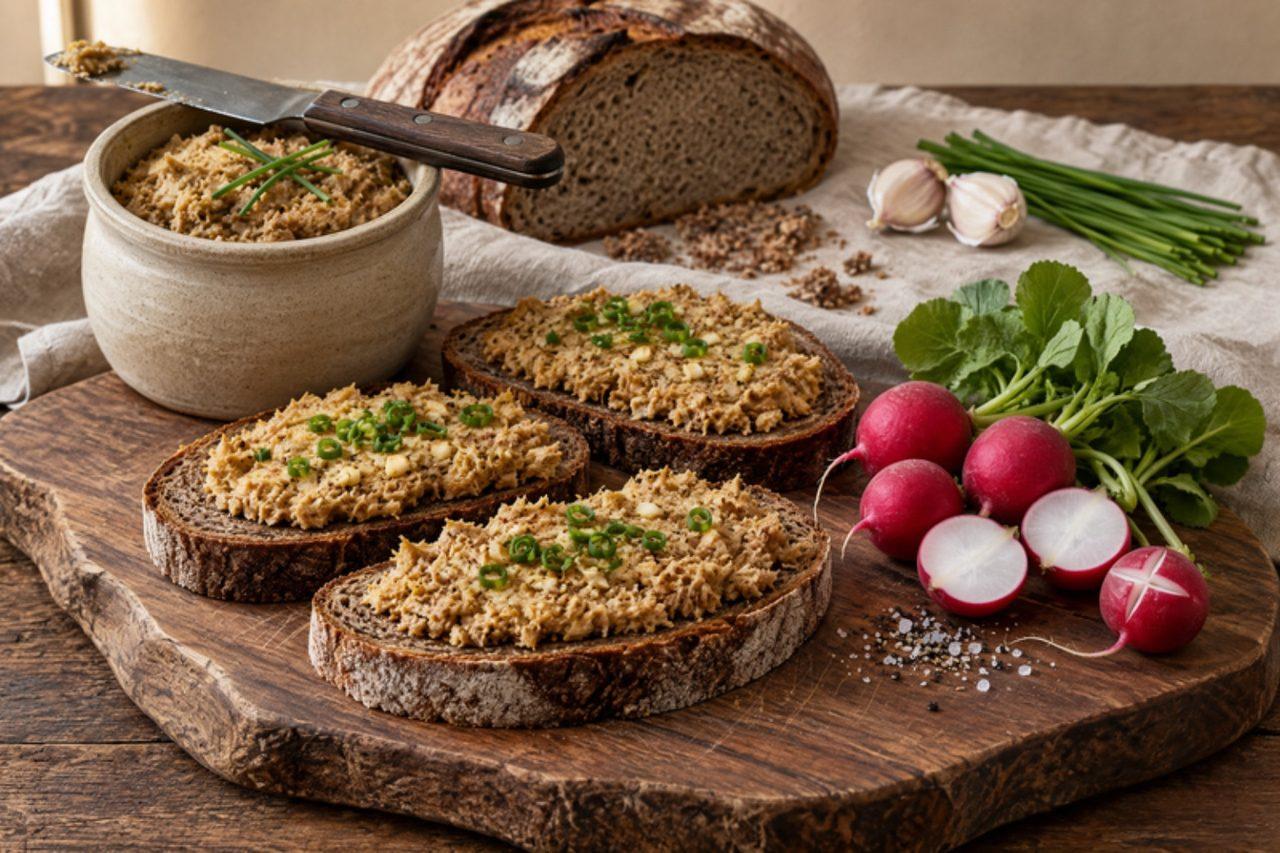
VerhackertsSmoked bacon and garlic spread

In Styria, in the wine taverns (Buschenschanken) of the south and on farmhouse breakfast tables, verhackerts is spread thickly on dark rye bread with the morning coffee or at the mid-morning Jause: smoked pork bacon and back fat chopped so finely it becomes a paste, seasoned with garlic, salt and pepper. Traditionally it is made from raw cured, cold-smoked Styrian Speck and eaten without cooking; that raw version is not for pregnant women, young children or anyone with a weakened immune system. This safer home version cooks the minced bacon gently until the meat is cooked through (71 °C) before it is chilled into a spread. Serve on rye bread, or gluten-free bread if needed. The common mistake is browning the bacon; it should only render and turn opaque, or the spread goes crumbly instead of smooth. Chef's tip: mince it while the bacon is fridge-cold, almost frozen, so the fat stays in clean little pieces rather than smearing.

by KrazyBadal 0 views

SchnitzelsemmelSchnitzel in a bread roll

Austrians setting off on a train journey, a ski day or a building-site shift pack a Schnitzelsemmel: a crisp Kaisersemmel roll holding a cold, golden pork schnitzel (veal for special days), a leaf of lettuce and a squeeze of lemon, sometimes with a smear of mustard or a gherkin. Leftover Sunday schnitzels are made for it. The common mistake is pressing the breadcrumbs on hard; they should sit loosely so they puff up and ripple away from the meat as it fries. Chef's tip: shake the pan constantly while frying so hot fat washes over the top, and the crust soufflés into those famous waves.

by KrazyBadal 0 views

Wiener MelangeCoffee with milk and foam

In Vienna you never simply order 'a coffee'; you order by name, and the Melange is the one most Viennese ask for. It arrives in a large cup on a small silver tray with a glass of water and often a tiny chocolate, and you may sit over it for an hour with the newspapers at Café Prückel or Hawelka, mid-morning or after lunch. Traditionally it is a mild, longer espresso (a Verlängerter) with roughly equal hot milk and a soft cap of milk foam; it is gentler than a cappuccino and the foam is looser and creamier. Expect a round, nutty, slightly sweet cup with little bitterness. The common mistake is overheating the milk: once it passes about 70 °C it smells cooked and loses its sweetness and the foam turns big-bubbled and dry. Stop when the jug is too hot to hold for more than a second or two. It is ready when the foam sits in a smooth, glossy dome about a finger thick and the coffee shows as a brown ring at the edge. One cup has about the caffeine of a single espresso. Chef's tip: always serve the glass of water alongside, as Vienna does; it is drunk first to clear the palate.

by KrazyBadal 0 views

Ei im GlasSoft-boiled eggs in a glass

In the old coffee houses of Vienna, the breakfast menu still lists Ei im Glas: two very soft-boiled eggs, scooped warm from their shells into a small glass, with a knob of butter, chives, salt and pepper. You stir it into a golden, custardy mess and eat it with a crisp Semmel roll (gluten-free bread if you need it) and a Melange coffee. The mistake almost everyone makes is boiling the eggs a minute too long, so the yolk sets and the dish turns into plain egg salad. Chef's tip: warm the glass with hot water while the eggs cook, so the butter melts on contact and the eggs stay hot to the last spoonful.

by KrazyBadal 0 views

EinspännerBlack coffee with whipped cream

The Einspänner is named after the one-horse carriages of old Vienna: coachmen waiting outside in winter supposedly liked their coffee under a lid of cream that kept it hot and stopped it slopping. Today it is served in a handled glass at classic coffee houses, a strong black mocha (a double espresso or Großer Brauner without milk) topped with a thick layer of cold, lightly sweetened whipped cream and a pinch of icing sugar. You do not stir it: you sip the hot, bitter coffee through the cold, sweet cream, so each mouthful is two temperatures and two textures. It is an afternoon or late-morning coffee, often with a slice of Sachertorte. The common mistake is runny cream that sinks and turns the drink into a milky latte; whip it until it just holds a peak and spoon it on gently so it floats. It is ready when the cream stands at least 2 cm above the coffee and slowly sinks at the edges. It is strong: a double shot of caffeine in one glass. Chef's tip: pour the coffee in first and wait ten seconds before adding the cream, so the crema settles and helps support the cap.

by KrazyBadal 0 views

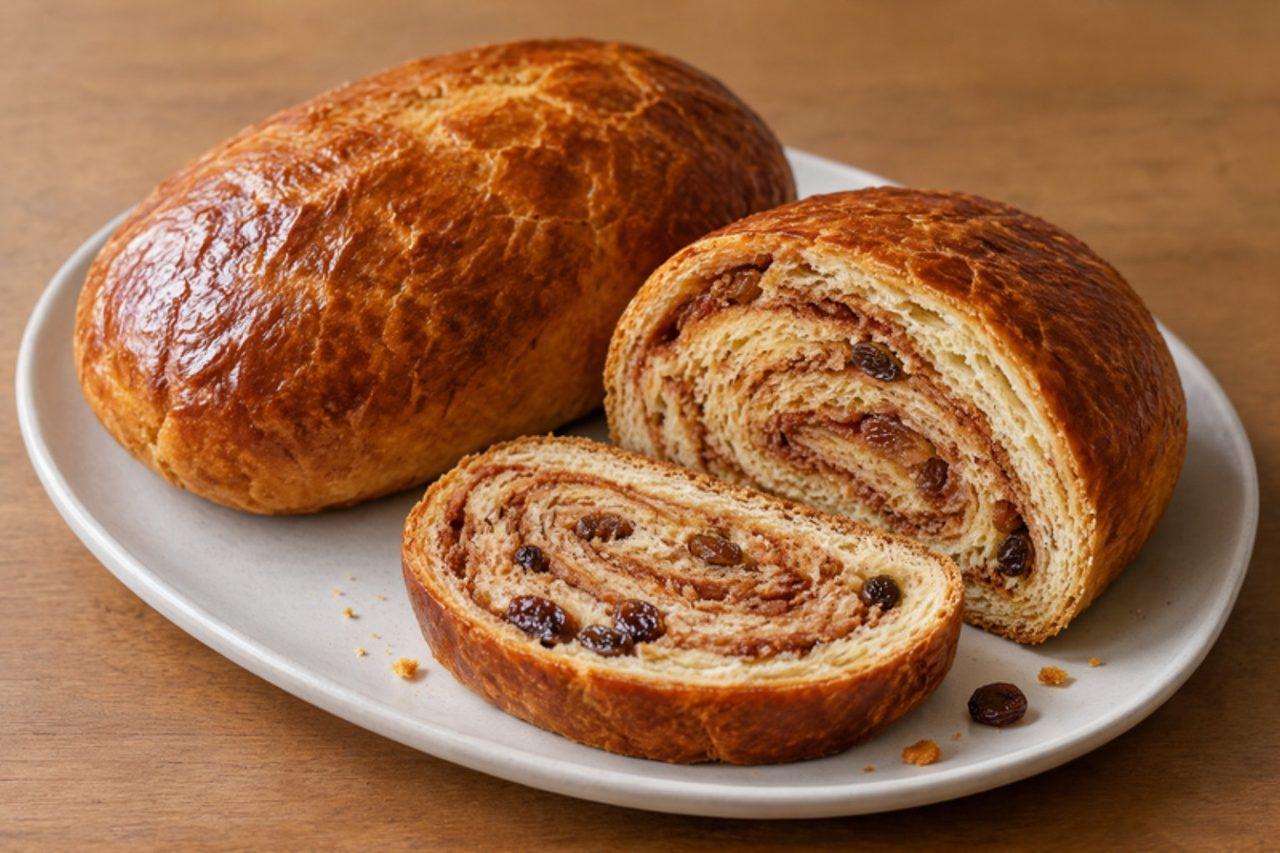
NazukiSweet cinnamon raisin bread

Nazuki comes from Surami, a town on the road west of Tbilisi, where roadside bakers slap the long, glossy loaves onto the hot walls of a tone oven and sell them still steaming to drivers. In Tbilisi you find them at the Dezerter Bazaar and from small tone bakeries in Sololaki and Vake, bought warm for breakfast or with afternoon tea. The crumb is soft and rich with milk, cinnamon, vanilla and raisins, and the crust is shiny and caramel-dark. This version bakes on a hot oven tray. It contains wheat, milk and egg. Chef's tip: preheat a heavy tray or baking stone for 20 minutes; the burst of heat from below imitates the tone wall and gives the loaves their rise.

by KrazyBadal 0 views

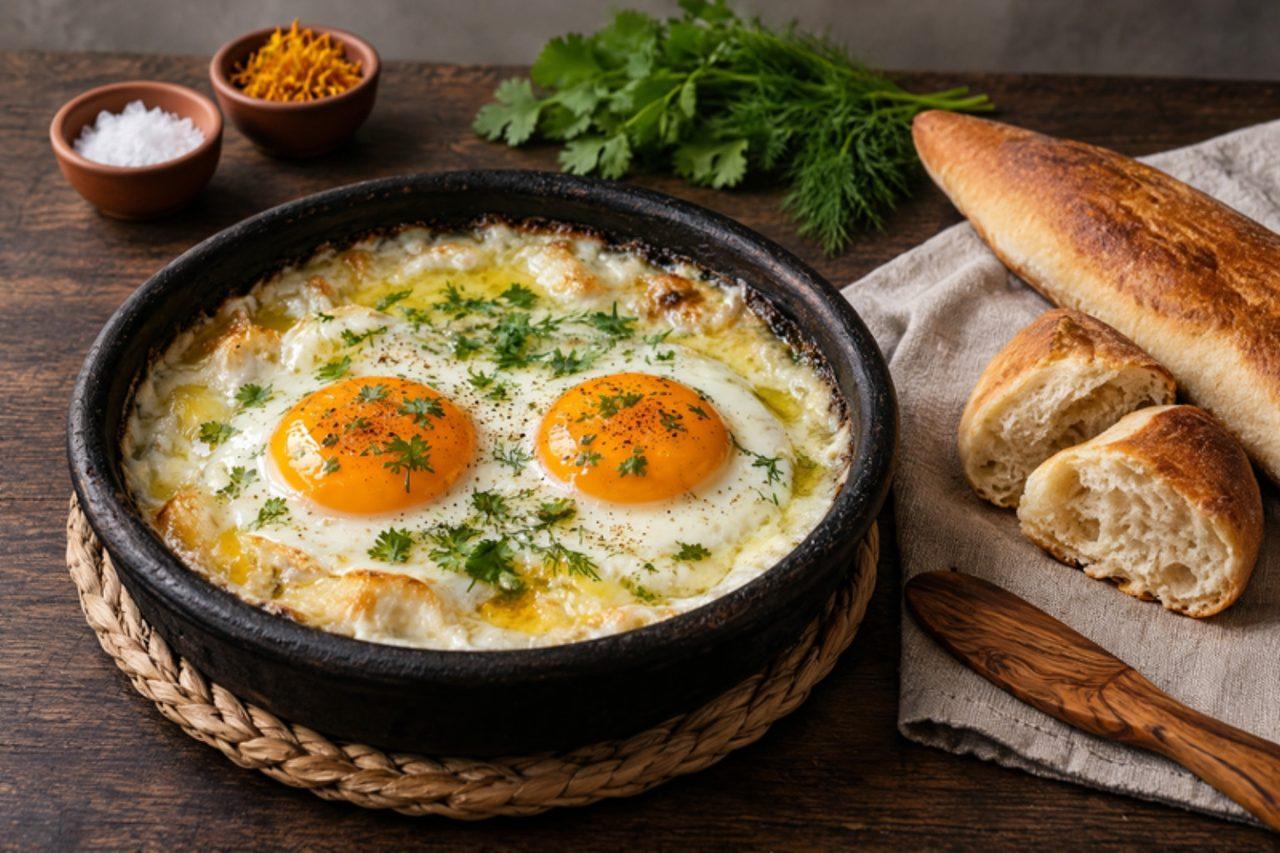
ErbokvertskhiEggs fried in butter

Erbokvertskhi means simply "butter-egg", and in Georgian homes from Tbilisi to the Imereti villages it is the breakfast cooked in a small clay ketsi or pan: eggs fried in plenty of erbo, the golden clarified butter, with slices of salty sulguni cheese melting around them. It is eaten with shoti bread and fresh herbs. Sulguni is often made with animal rennet; use a vegetarian mozzarella-style cheese if needed. The mistake is a timid amount of butter: the eggs should sizzle in it so the edges crisp. Serve the yolks fully set for anyone pregnant, young children, older people or anyone with a weakened immune system. Chef's tip: let the cheese melt and brown slightly before adding the eggs, so you get crisp cheese edges under soft whites.

by KrazyBadal 0 views

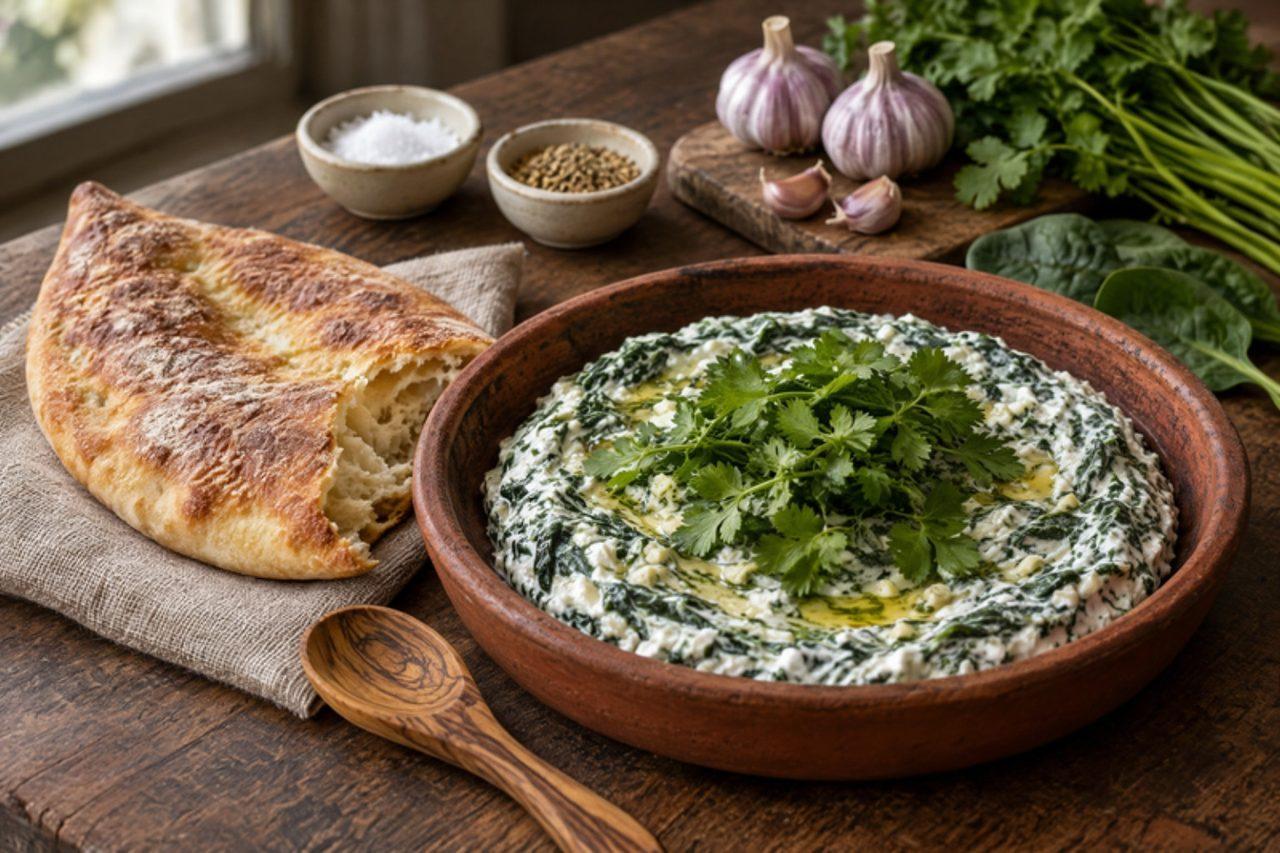
Ispanakhi matsvnitSpinach with yogurt

In Georgian homes from Tbilisi to Kakheti, ispanakhi matsvnit is one of the quick dishes on a supra table and a weekday side all spring, when spinach is young and sweet. The spinach is wilted, squeezed and chopped, then folded into thick matsoni (Georgian set yoghurt) with crushed garlic, coriander and a little blue fenugreek, and served cool with bread, beans or grilled vegetables. Suitable as part of a balanced diet. About 110 kcal and 8 g carbohydrate per portion. The usual mistake is not squeezing the spinach hard enough, so water seeps into the yoghurt and makes it thin. Chef's tip: crush the garlic with a pinch of salt to a smooth paste so it spreads evenly through the yoghurt rather than hitting you in raw lumps.

by KrazyBadal 0 views

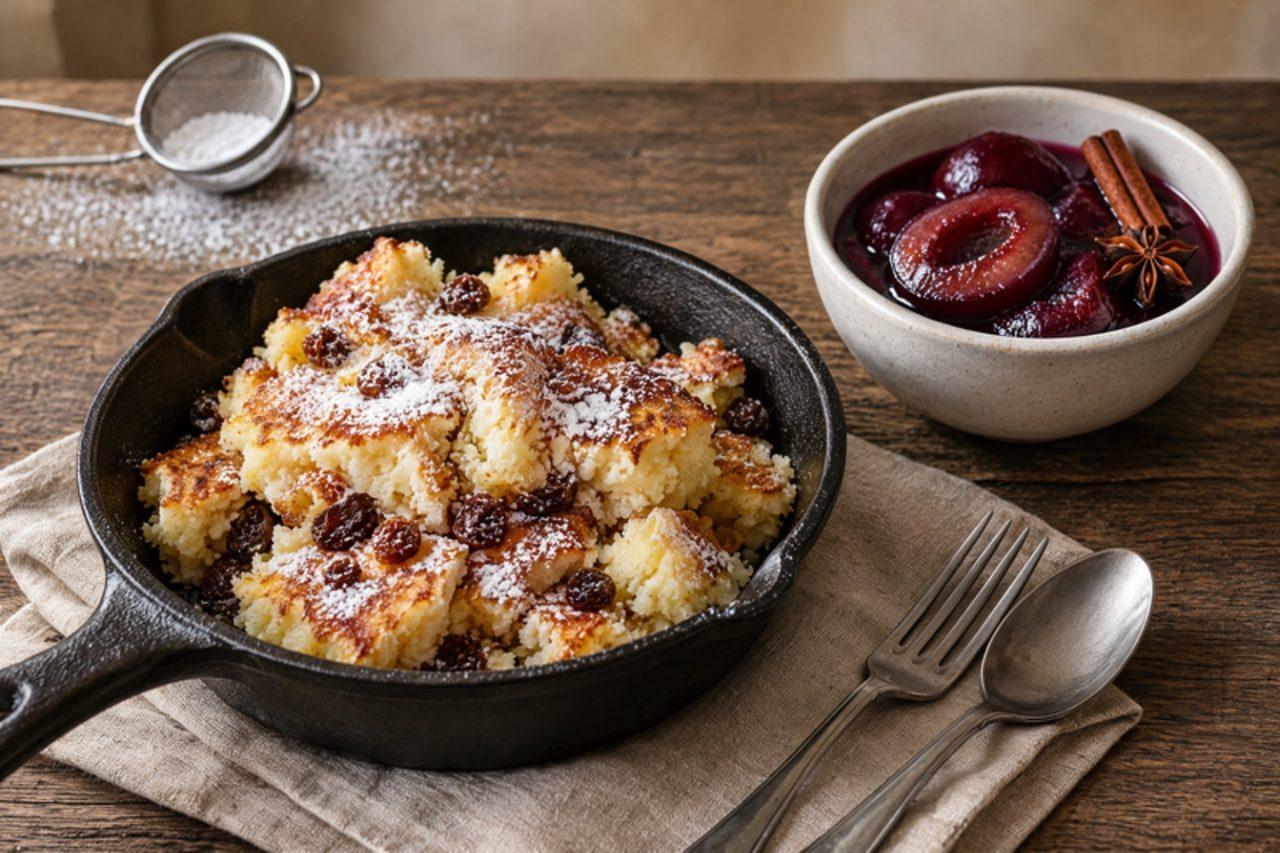
GrießschmarrnTorn fried semolina pudding

Across Austria and Bavaria, Grießschmarrn is the farmhouse breakfast or light Sunday lunch that grandmothers made from what was always in the larder: semolina, milk, eggs and butter. The semolina is soaked in hot milk until thick, then fried slowly and torn apart with two spatulas into buttery, crisp-edged crumbs, dusted with icing sugar and served with plum or apple compote. The common mistake is turning it too often over a high heat: the crumbs need time on a medium flame to form a golden crust, or they stay pale and pasty. Chef's tip: let the semolina mixture rest for 15 minutes before frying, so the grains swell fully and the Schmarrn crisps instead of sticking.

by KrazyBadal 0 views

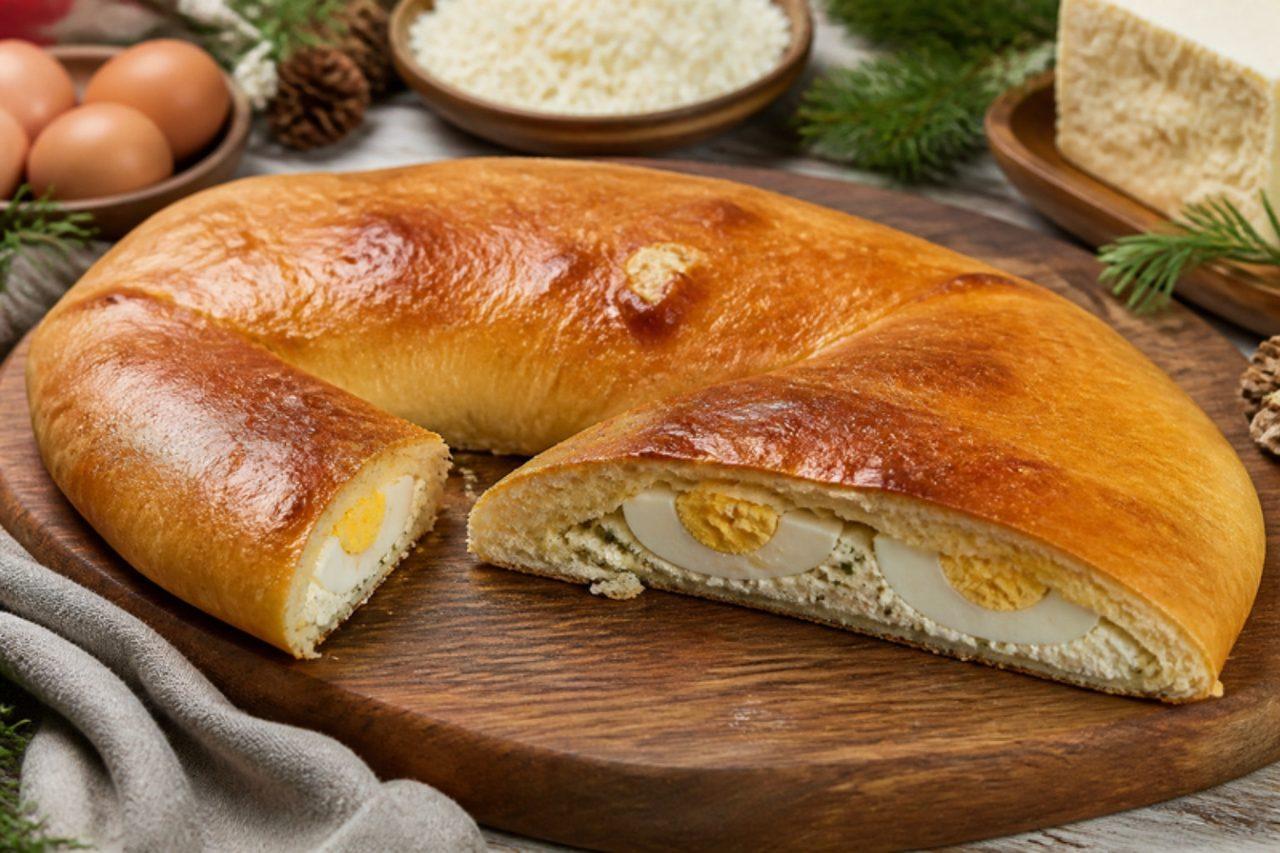
Gurian Christmas pie

On Christmas Eve, 6 January, kitchens across Guria, around Ozurgeti and Lanchkhuti, smell of baking ghvezeli: large crescent pies stuffed with fresh cheese and chunks of boiled egg, their shape said to recall the crescent moon. They are baked in batches, carried to relatives and eaten through the holidays with tea. A common mistake is overfilling, which makes the crescent split at the seam in the oven. Chef's tip: let the yeasted dough rise once, shape the pies, then give them 15 minutes more so they puff into soft, rounded crescents. Imeruli and sulguni usually use animal rennet; look for vegetarian ones.

by KrazyBadal 0 views

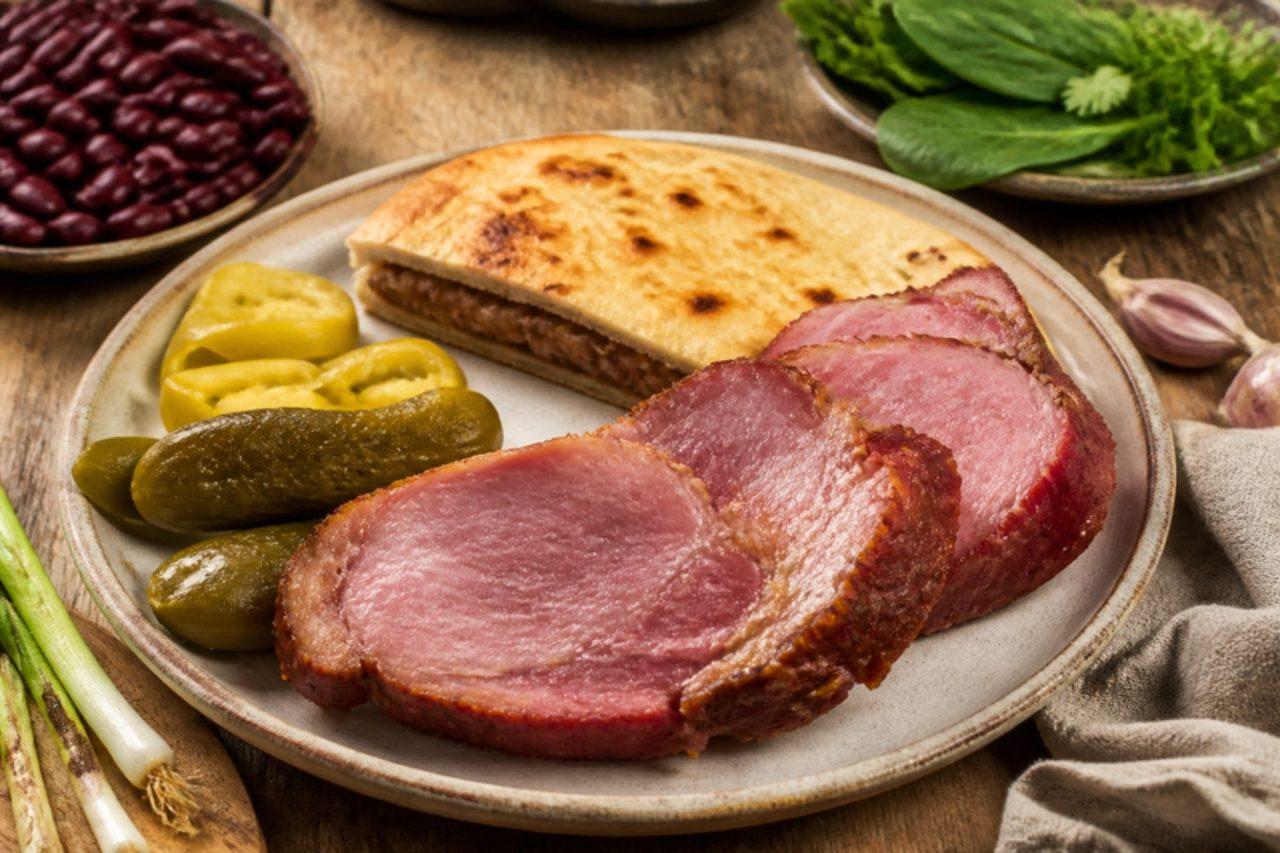
Rachan ham

Rachuli lori is the pride of Racha: pork legs salted and hung in the smoky rafters above a wood fire, then sliced and fried until crisp, and above all eaten with lobiani bean bread, which in Racha is made with fried ham inside. This is a pork dish. Home kitchens cannot copy months in a chimney, so this version brines a boneless pork leg joint for two days in the fridge and then hot-smokes and roasts it until cooked through, giving a ham you can slice cold or fry. A common mistake is skipping the rinse after brining, which makes the ham far too salty. Chef's tip: smoke over fruit wood with a few dried bay leaves for the dark, sweet smoke of a Rachan kitchen. Whole pork joints are safe at 63 °C followed by a 10-minute rest.

240 minGeorgianMeatGluten free
by KrazyBadal 0 views

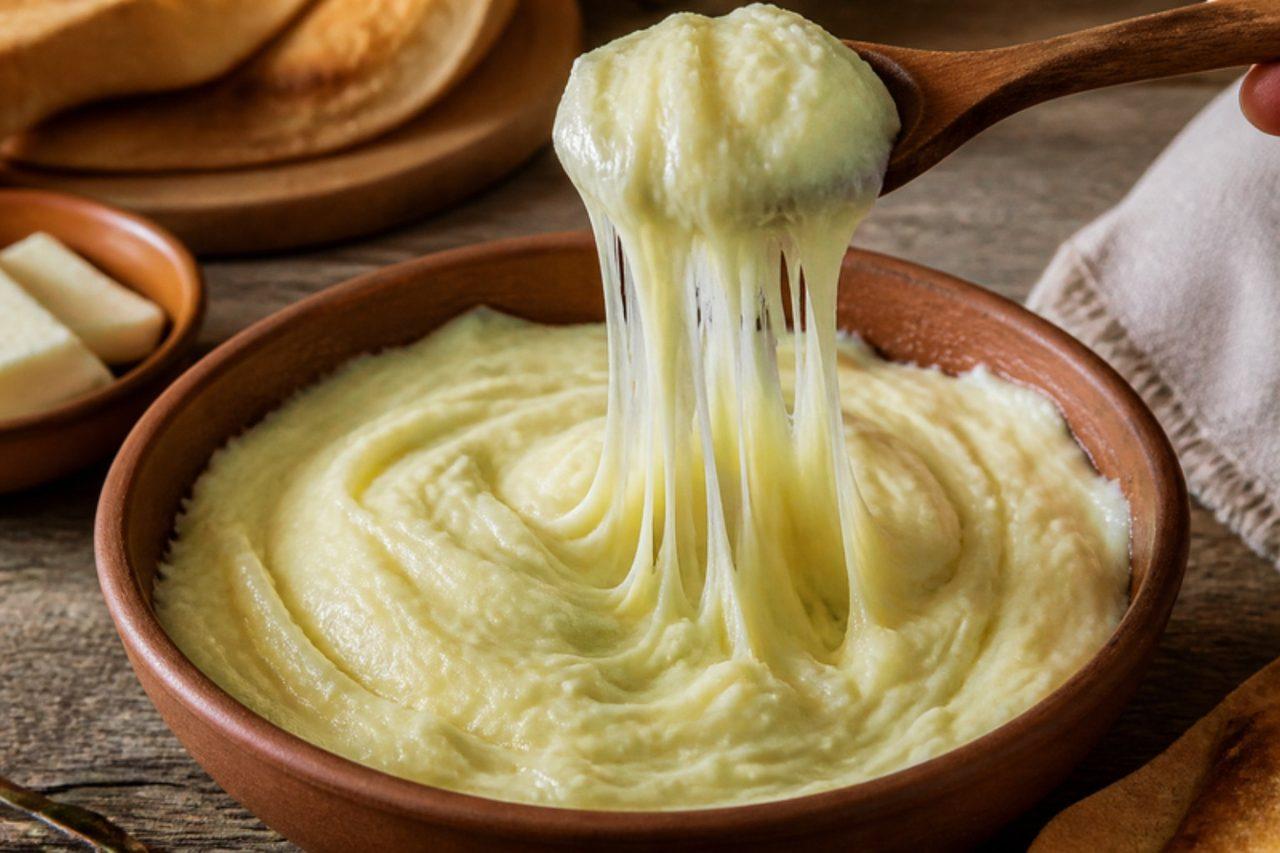
TashmijabiMashed potatoes with stretchy cheese

Potatoes grow well in the cold valleys of Svaneti, and tashmijabi is how families around Mestia turn them into a feast dish: they are mashed hot, then beaten with handfuls of young sulguni until the purée becomes glossy and stretches from the spoon in long strands. It is served with grilled meat, kubdari or simply with pickles and Svan salt. A common mistake is letting the potatoes cool before adding the cheese; they must be piping hot for the cheese to melt and stretch. Chef's tip: keep the pan on a low heat while you beat, and use a firm wooden spoon. Most sulguni uses animal rennet; choose a vegetarian one or use mozzarella.

by KrazyBadal 1 views

Showing 24 of 193 recipes

Show more recipes

Page 1 of 9