Skip to content
WhatToEat.Today

All recipes

595

Vegetarian, or something you can't eat? Set your diet once and we'll hide recipes that don't fit.

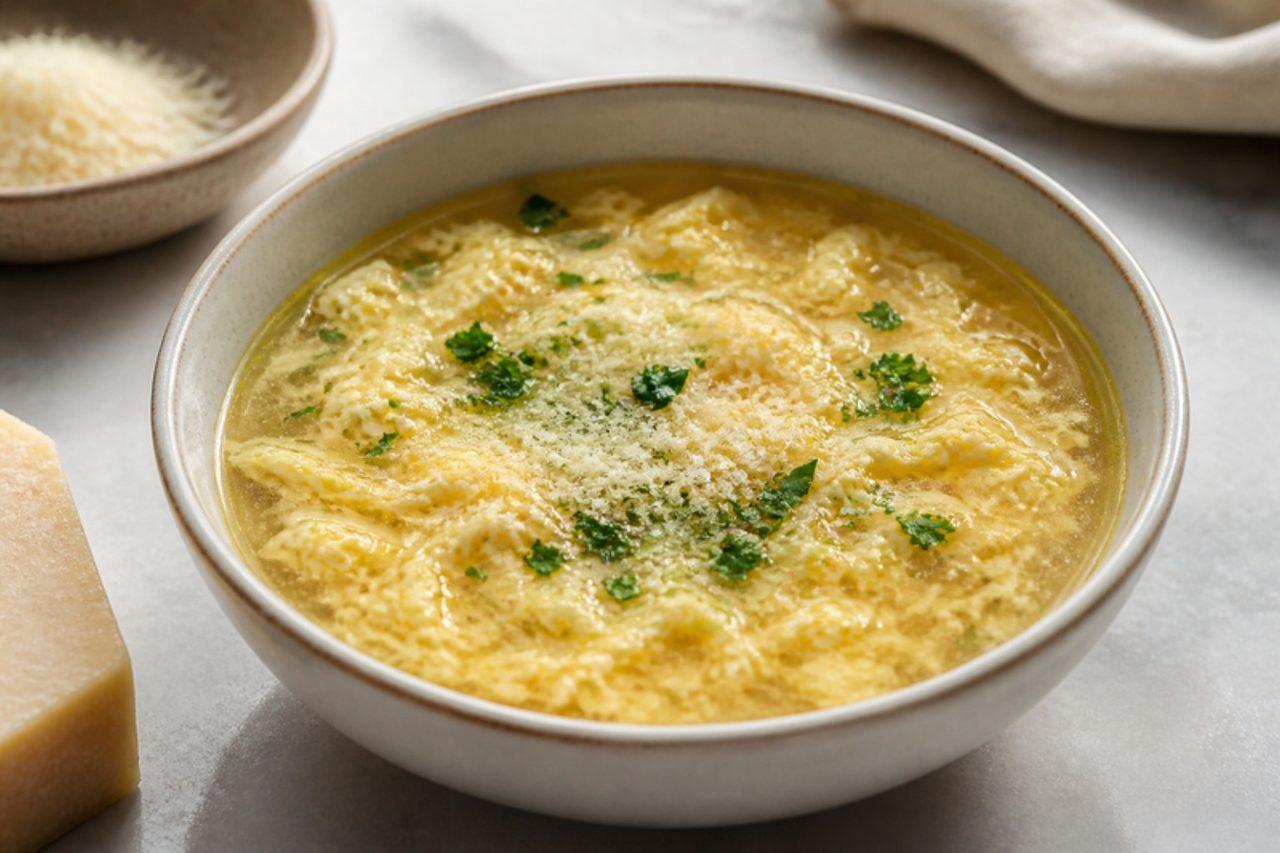
Stracciatella alla romanaEgg and Parmesan broth

In Roman homes stracciatella is the soup of Easter week and of any cold evening when someone needs looking after: a pot of good chicken broth with eggs, Parmigiano and a scrape of nutmeg beaten in so they set into soft, ragged threads. It is light but filling, and takes ten minutes if the broth is already made. The common mistake is pouring the egg into broth at a rolling boil, which turns it into rubbery lumps; a gentle simmer gives fine, silky rags. Chef's tip: beat a spoonful of semolina into the eggs, as many Roman cooks do, so the threads hold together and the soup has a little body.

by KrazyBadal 0 views
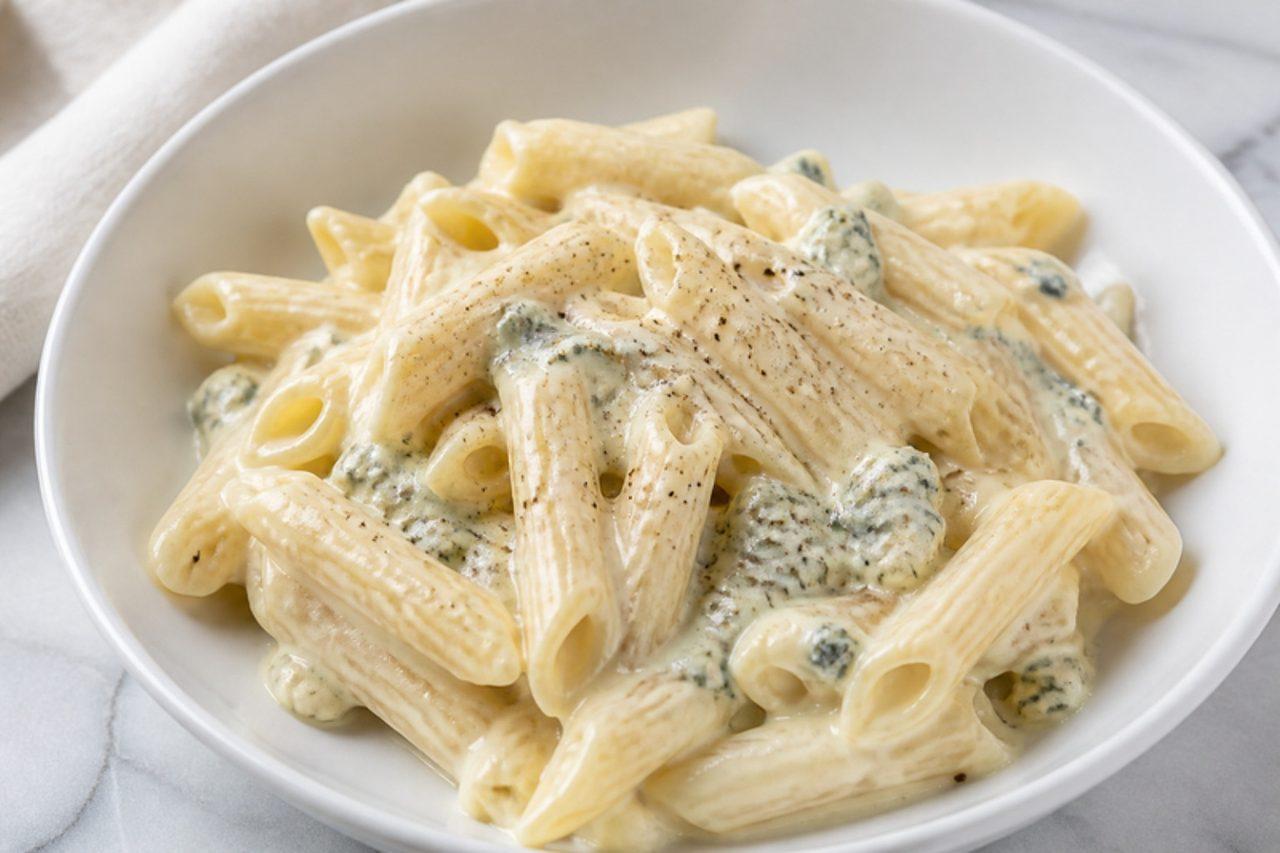
Penne al gorgonzolaPenne with blue cheese sauce

Penne al gorgonzola is the weeknight dinner of Milan and the Piedmontese towns around Novara, where gorgonzola is made: the soft, sweet dolce kind melted with a little butter and milk into a pale, tangy sauce that coats every tube of pasta. It needs only a green salad alongside. Gorgonzola is traditionally made with animal rennet; for a vegetarian dinner choose a soft blue cheese labelled vegetarian. The most common mistake is letting the sauce boil, which splits the cheese into oil and grainy curds. Chef's tip: drain the penne a minute early and let it finish cooking in the sauce, so it drinks up the flavour instead of sitting under it.

by KrazyBadal 0 views
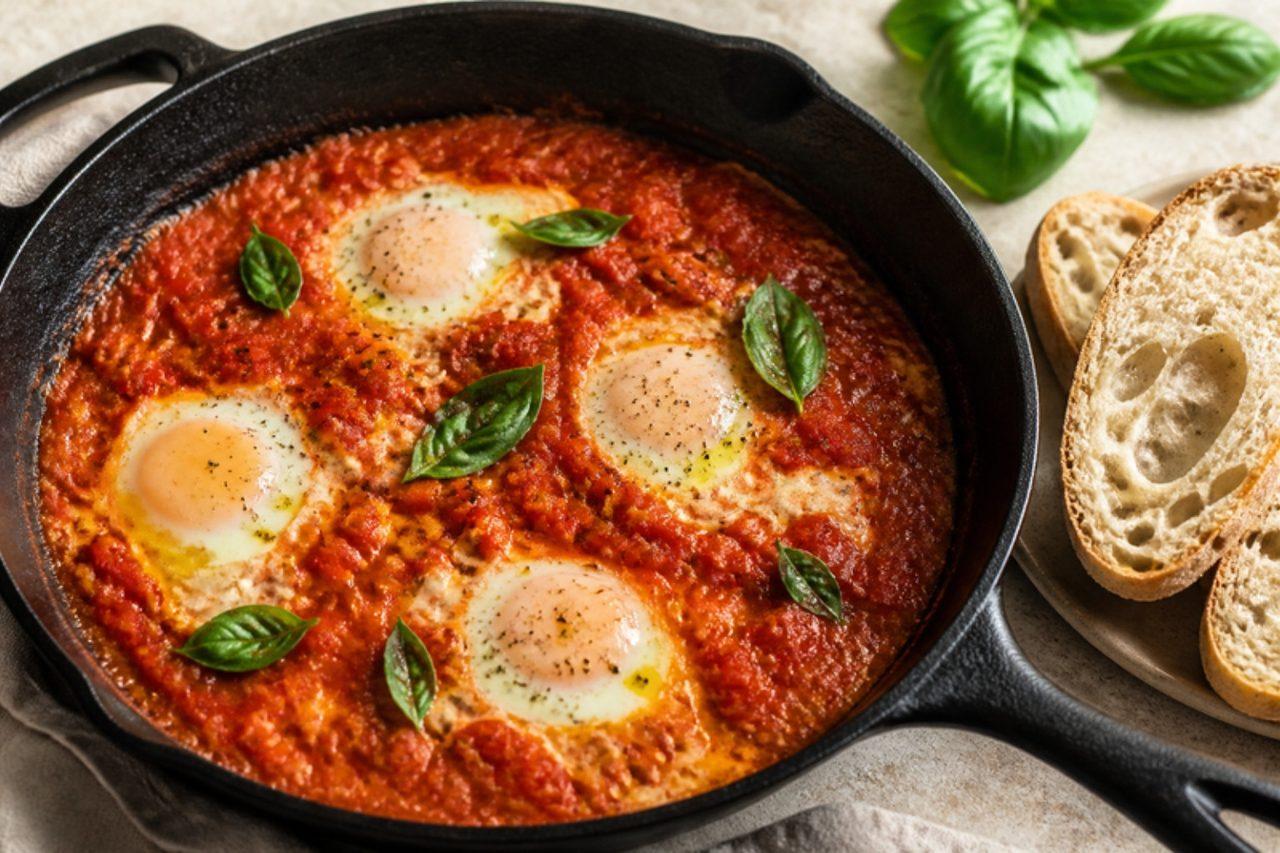
Uova al pomodoroEggs in tomato sauce

Uova al pomodoro, called uova in purgatorio around Naples, is the supper that kitchens from Rome down to Calabria fall back on at the end of the month or on a meatless Friday: a tin of tomatoes, a little garlic and basil, and eggs cooked gently in the sauce until set. The whites turn tender, the sauce goes sweet and thick, and a hunk of bread does the rest. The usual mistake is adding the eggs to a thin, watery sauce; they spread out, poach in pink liquid and the dish turns soupy. Chef's tip: crack each egg into a cup first, then slide it into a well in the sauce so the yolk stays whole and sits exactly where you want it.

by KrazyBadal 0 views
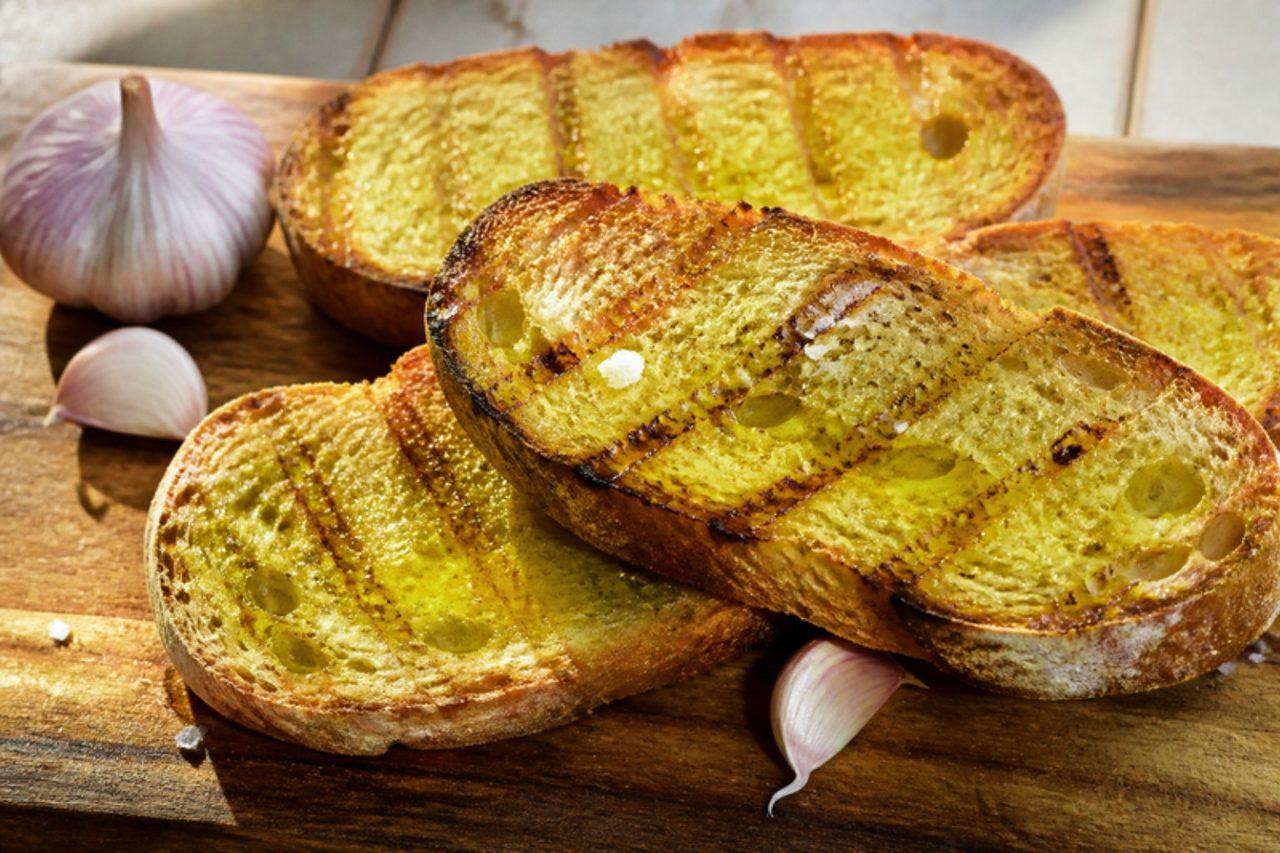
FettuntaGarlic bread with olive oil

In Tuscany fettunta (from 'fetta unta', oiled slice) is the ritual of November, when the olive mills press the new season's oil and families in Florence and the Chianti hills grill thick slices of bread, rub them with garlic and pour the green, peppery oil over. With a bowl of beans or a few leaves of cavolo nero, it is supper. The common mistake is rubbing garlic onto cold or barely toasted bread; it needs a rough, charred, hot surface or the garlic just slides around. Chef's tip: be generous with the oil, so it soaks into the crumb, and salt only at the very end so the flakes stay crunchy.

by KrazyBadal 0 views
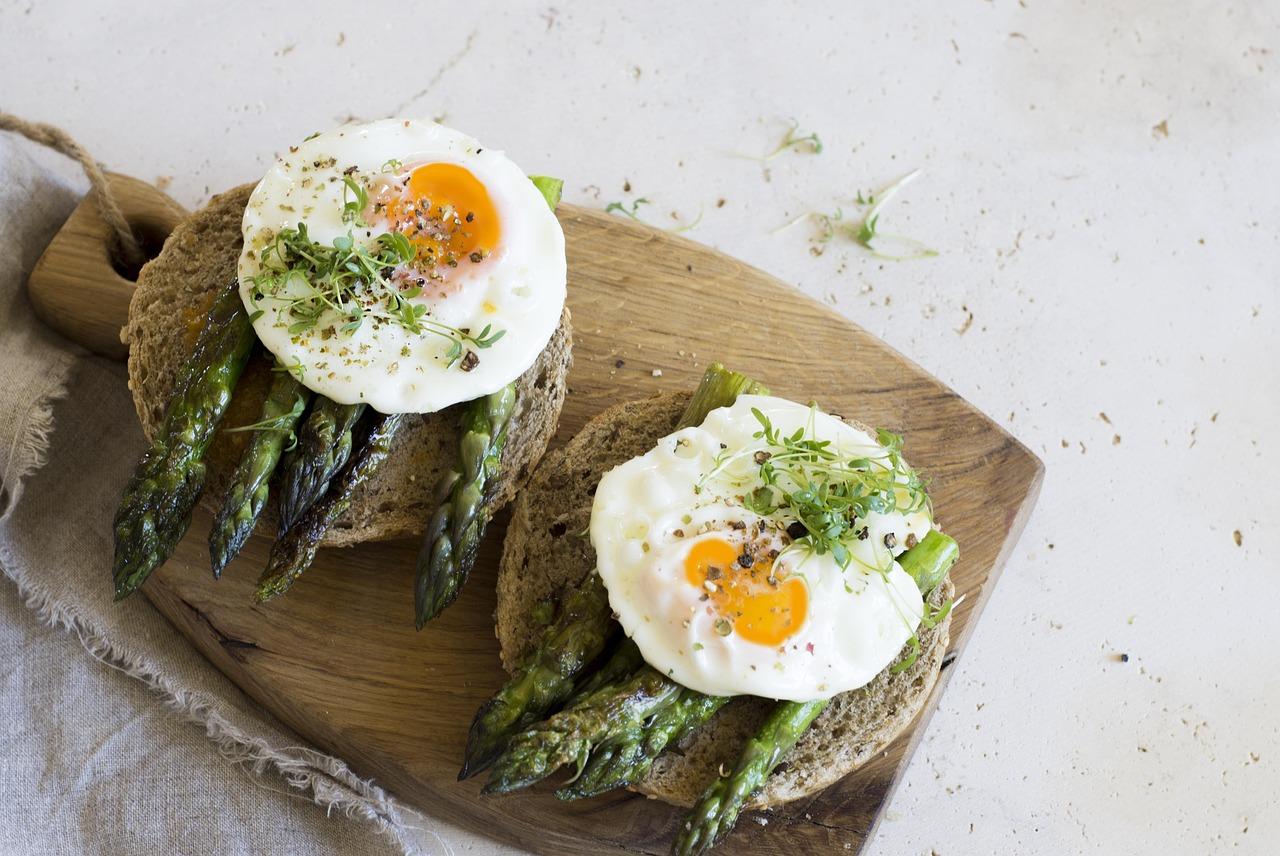
Asparagi alla BismarckAsparagus with fried egg and Parmesan

Asparagi alla Bismarck is how trattorias from the Veneto to Emilia serve the first asparagus of April and May as a light evening meal: just-tender spears laid on a plate, topped with eggs fried in butter, the butter poured over and a snowfall of Parmigiano. Dip the asparagus tips into the yolk and wipe the plate with bread. Parmigiano is always made with animal rennet, so use a vegetarian Italian-style hard cheese for a vegetarian plate. The mistake to avoid is overcooking the asparagus until it droops; it should still stand up straight when you lift a spear by its base. Chef's tip: let the butter foam until it turns hazelnut brown and smells nutty before you spoon it over, which makes the whole dish taste richer.

by KrazyBadal 0 views
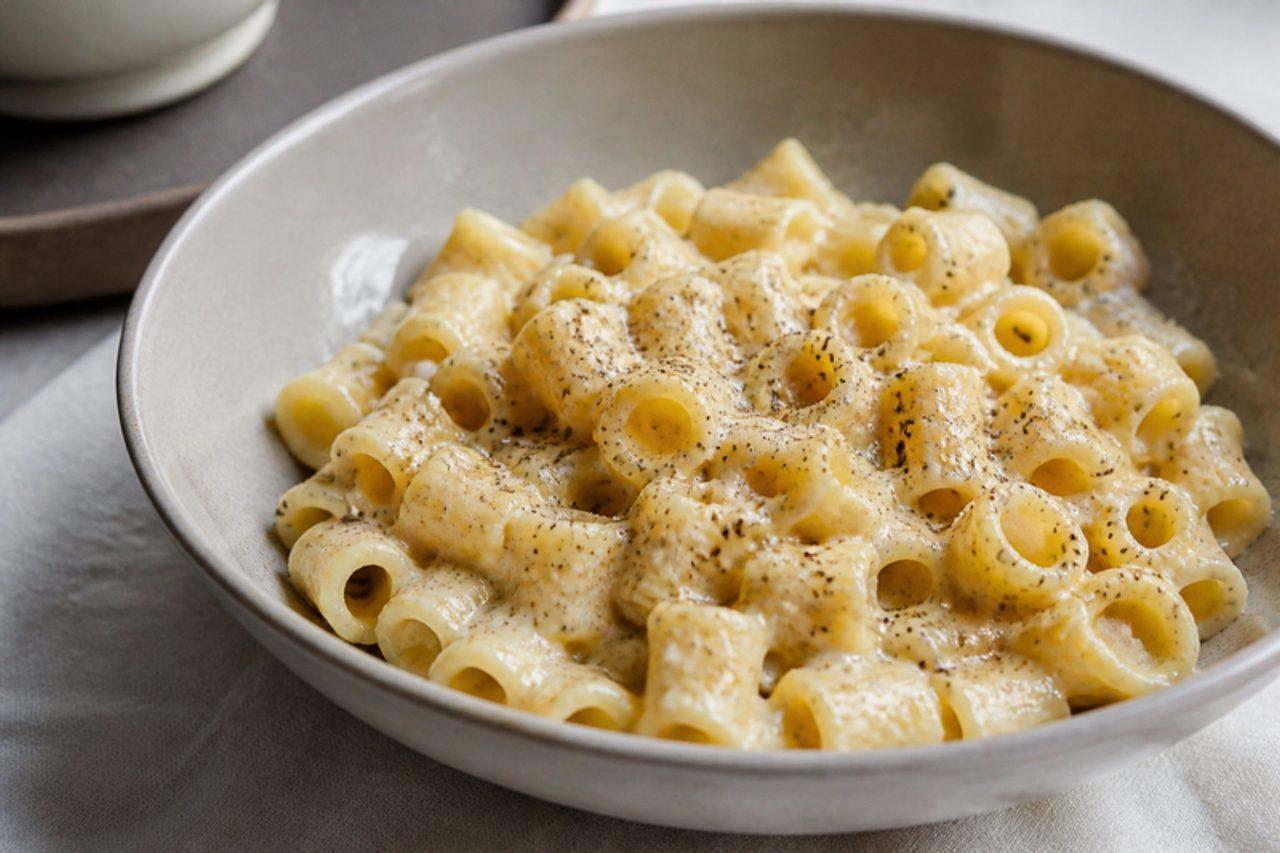
Pasta cacio e ovaPasta with cheese, egg and pepper

In the hill towns of Abruzzo and around Naples, pasta cacio e ova (cheese and egg) is the meatless cousin of carbonara and a classic late supper when the cupboard is nearly bare: short pasta tossed off the heat with eggs beaten with pecorino, Parmigiano and lots of black pepper until it turns into a glossy, golden coating. Children love it. Pecorino and Parmigiano are traditionally made with animal rennet, so choose a vegetarian Italian-style hard cheese if that matters to you. The common mistake is pouring the egg into a pan that is still on a high flame: it scrambles into rubbery bits instead of turning creamy. Chef's tip: keep a mug of the starchy cooking water by the hob; a splash loosens the sauce the moment it starts to tighten.

by KrazyBadal 0 views
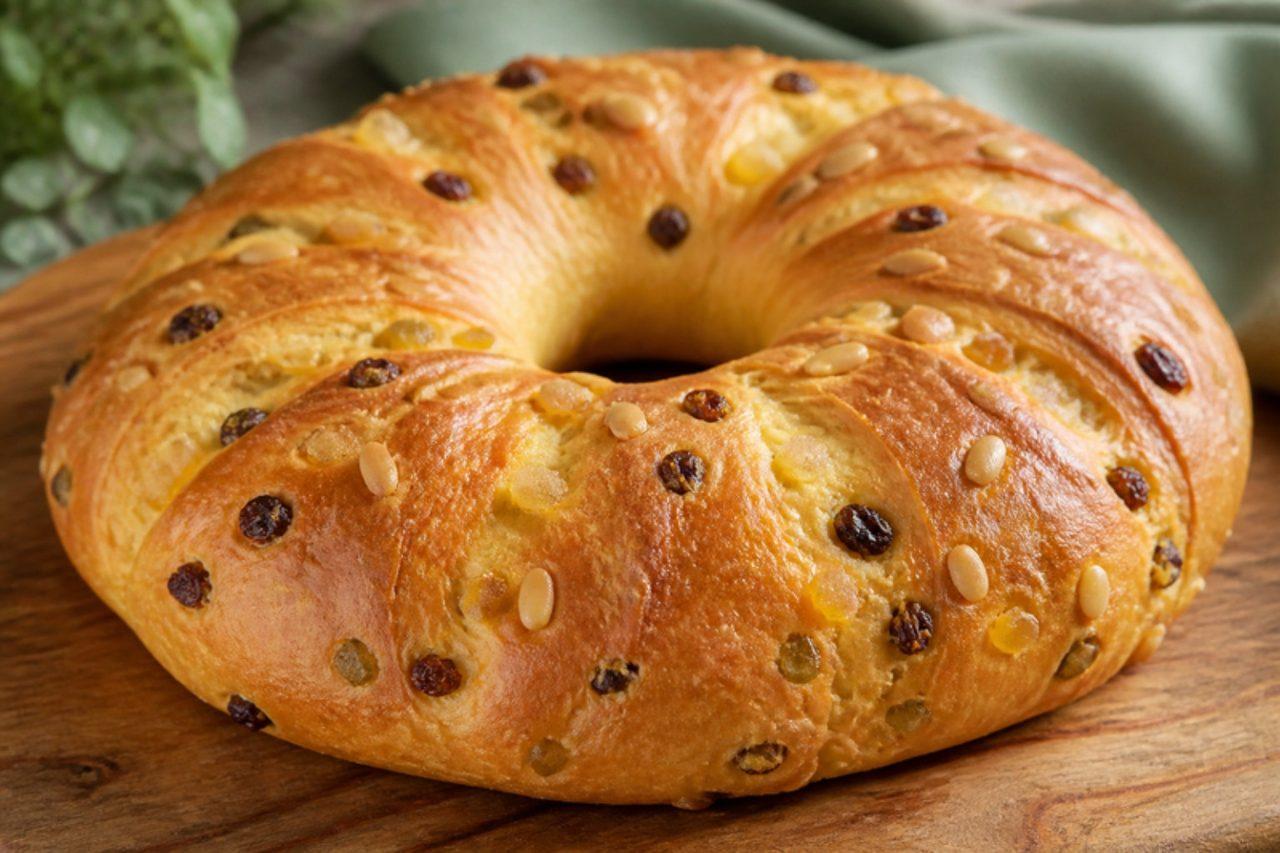
Torcolo di San CostanzoRaisin and pine nut ring bread

Perugia celebrates its patron saint, Costanzo, on 29 January with the torcolo: a big ring of soft, lightly sweet bread with candied citron, raisins, pine nuts and aniseed, its top cut five times for the gates of the old city. Young women in Perugia once used the torcolo to test their sweethearts, and it is still eaten everywhere in town that week, often dunked in vin santo by adults. This recipe has no alcohol. Chef's tip: dust the raisins and peel with a little flour before kneading them in, so they stay evenly spread.

by KrazyBadal 0 views
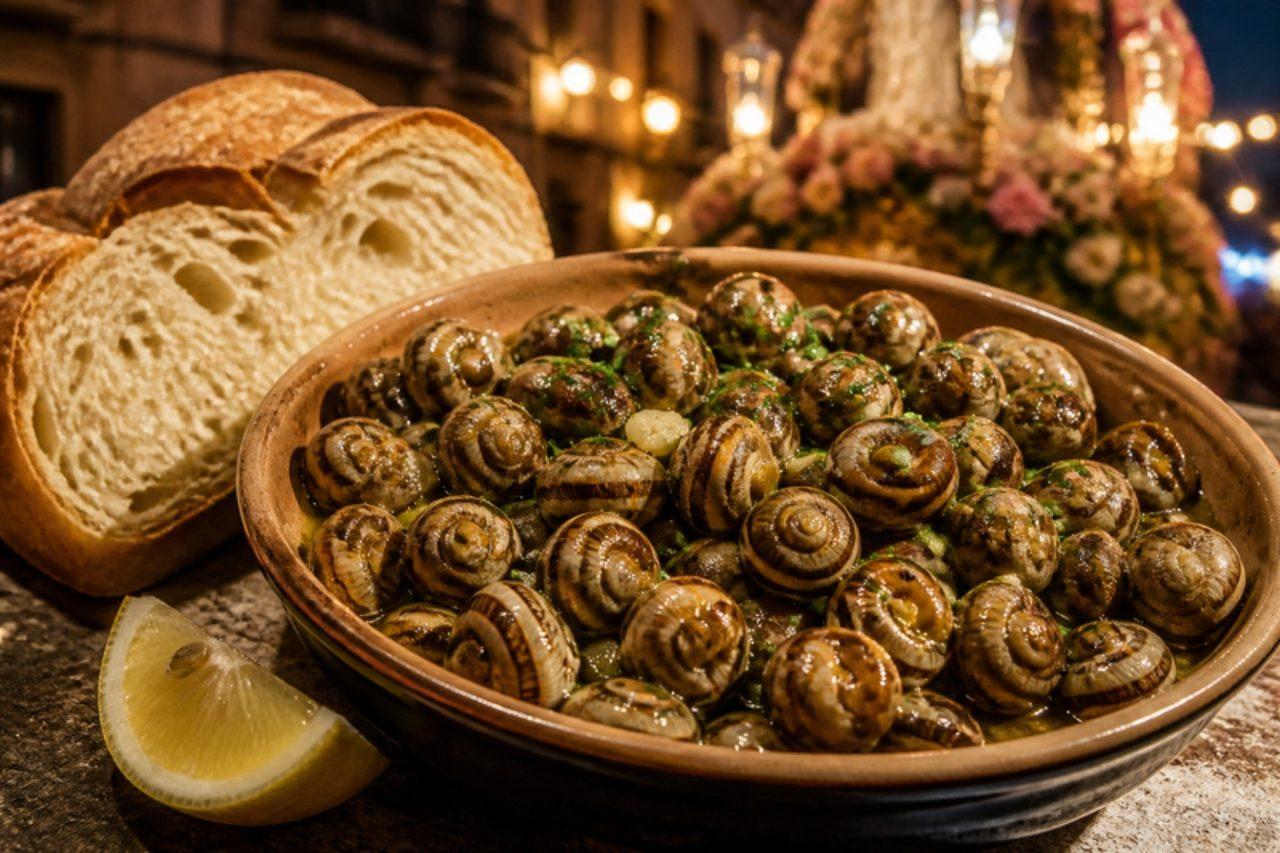
BabbaluciSnails with garlic and parsley

During the Festino di Santa Rosalia in July, Palermo's patron saint's festival, stalls along the streets sell paper cones of babbaluci: small snails in their shells, cooked with masses of garlic, parsley and olive oil and sucked straight from the shell. It is a very old street food of the city. At home, buy snails that have already been purged, cleaned and pre-cooked from a fishmonger or Italian deli, so the work is just the sauce. Chef's tip: simmer the snails gently in the oil, never boil hard, or they go rubbery and leave the shells.

by KrazyBadal 0 views
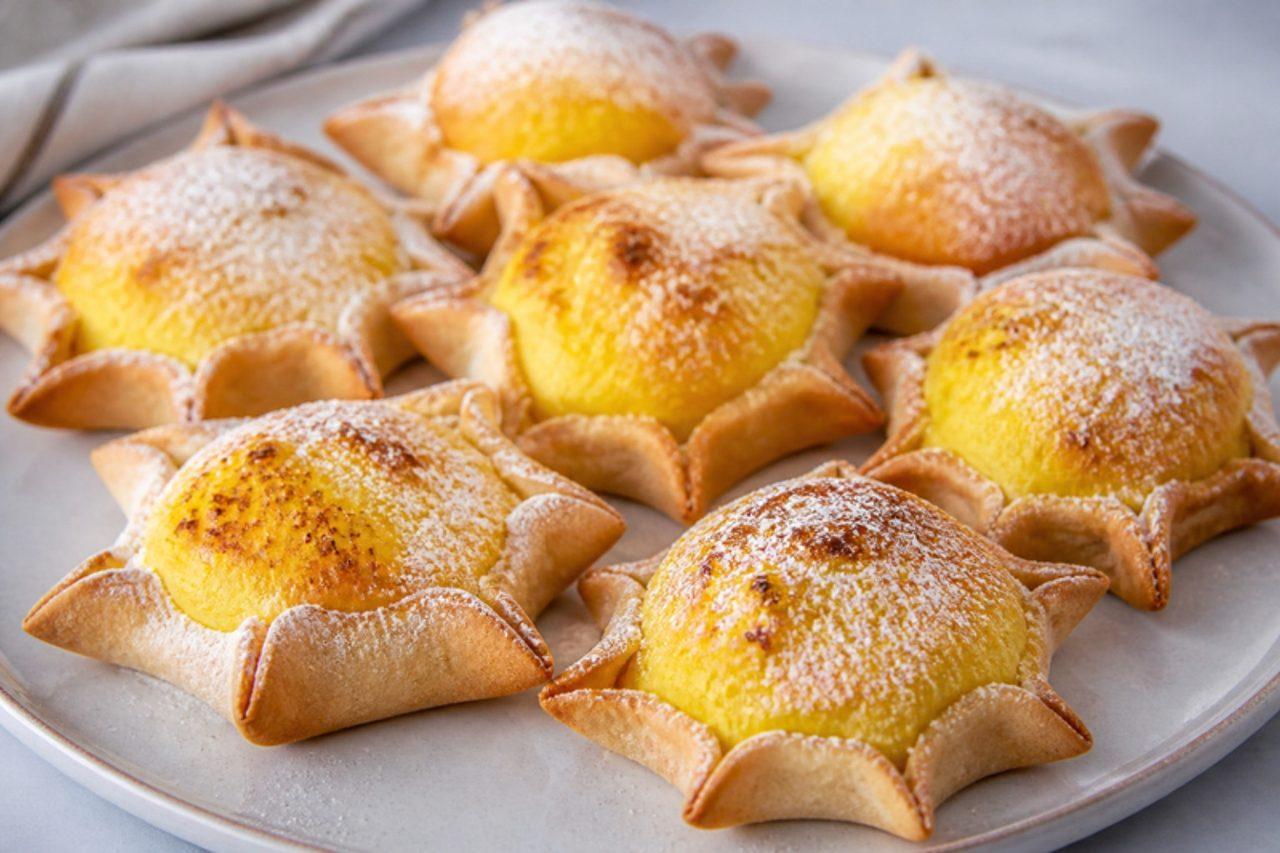
PardulasSaffron ricotta pastries

Pardulas (called casadinas in some villages) are the sweet of Easter in Sardinia, baked in quantity on Holy Saturday and offered to visitors through the week. Thin, crisp pastry is pinched into little star-shaped cups and filled with fresh ricotta or soft sheep's cheese mixed with saffron, orange and lemon zest and a little semolina, then baked until the filling puffs and turns golden. They are often finished with honey. Most ricotta is made without animal rennet, but check the label for a vegetarian table. Chef's tip: drain the ricotta overnight, as wet cheese makes the filling run and the cups collapse.

by KrazyBadal 0 views

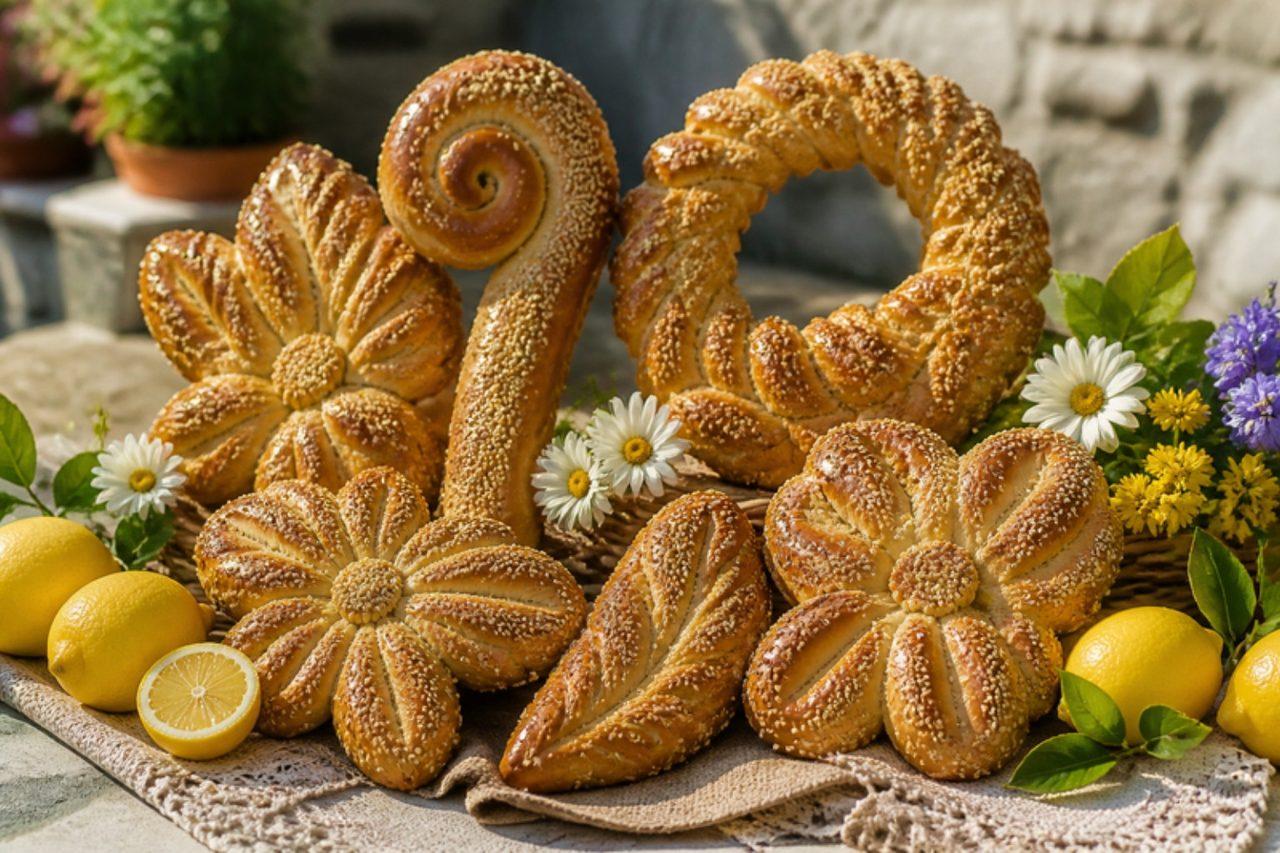
Pane di San GiuseppeSculpted festival breads

For St Joseph's Day on 19 March, families in western Sicily (Salemi, Trapani, Marsala) build 'tavolate' or altars to the saint, laden with ornate, sculpted breads: beards for Joseph, a staff, flowers, birds, fish and the hand of God. The breads are later given to the poor and to guests. The dough is a firm, plain semolina bread, so it holds fine detail, brushed with egg and scattered with sesame. Shape a few simple ones first; they are as much decoration as food. It is vegan, glazed with water rather than the egg some bakers use. Chef's tip: keep the dough firm and rest it so it doesn't spring back; soft dough loses its shapes in the oven.

by KrazyBadal 0 views

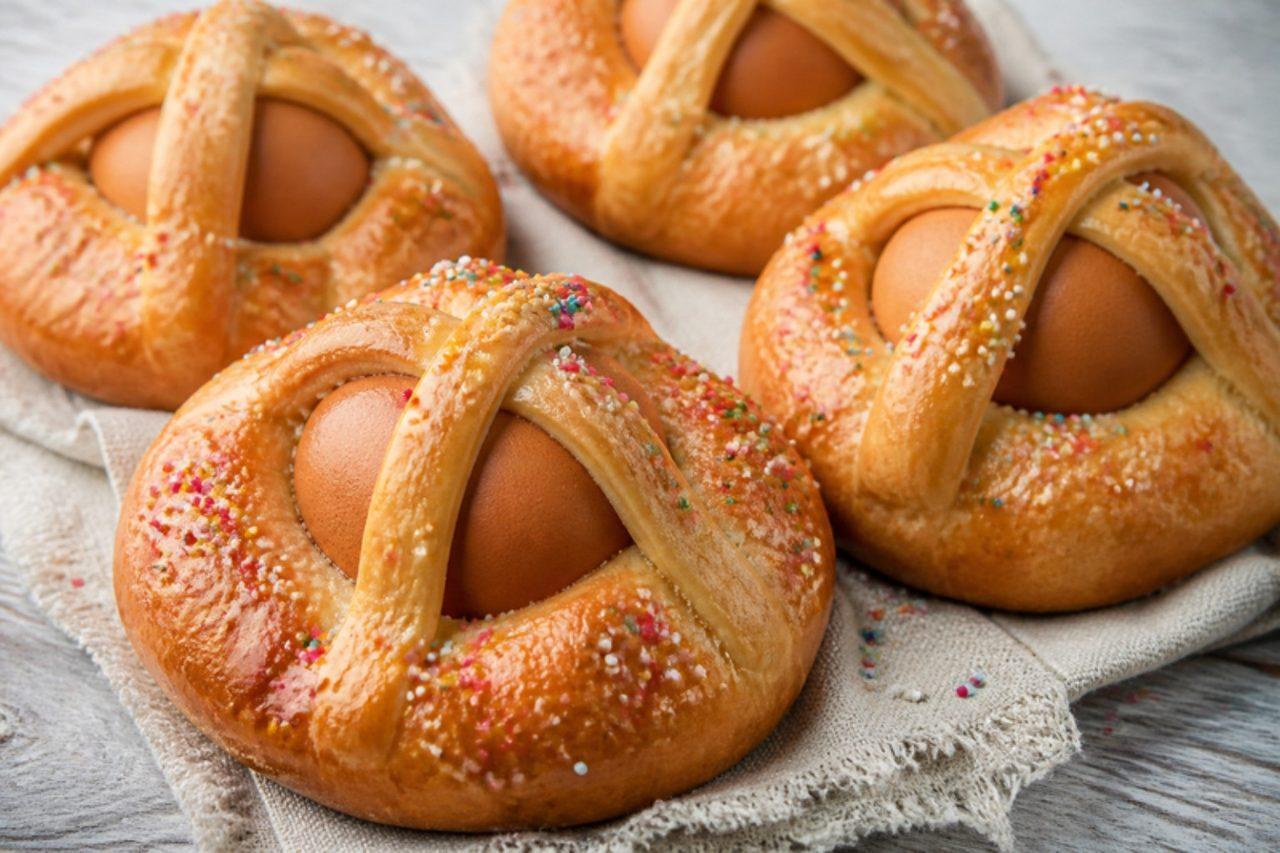
Cuddura cu l'ovaEaster bread with baked eggs

In Sicily, children are given a cuddura cu l'ova at Easter: a sweet, biscuit-like bread shaped into a ring, a basket, a dove or a heart, with one or more whole eggs in their shells held in place by crossed strips of dough. They are baked on Holy Saturday and eaten on Easter Monday, Pasquetta, at picnics in the countryside. The eggs are hard-cooked in the oven, and sprinkles make them festive. Chef's tip: use eggs at room temperature and wash them gently; cold eggs crack in the oven.

by KrazyBadal 0 views

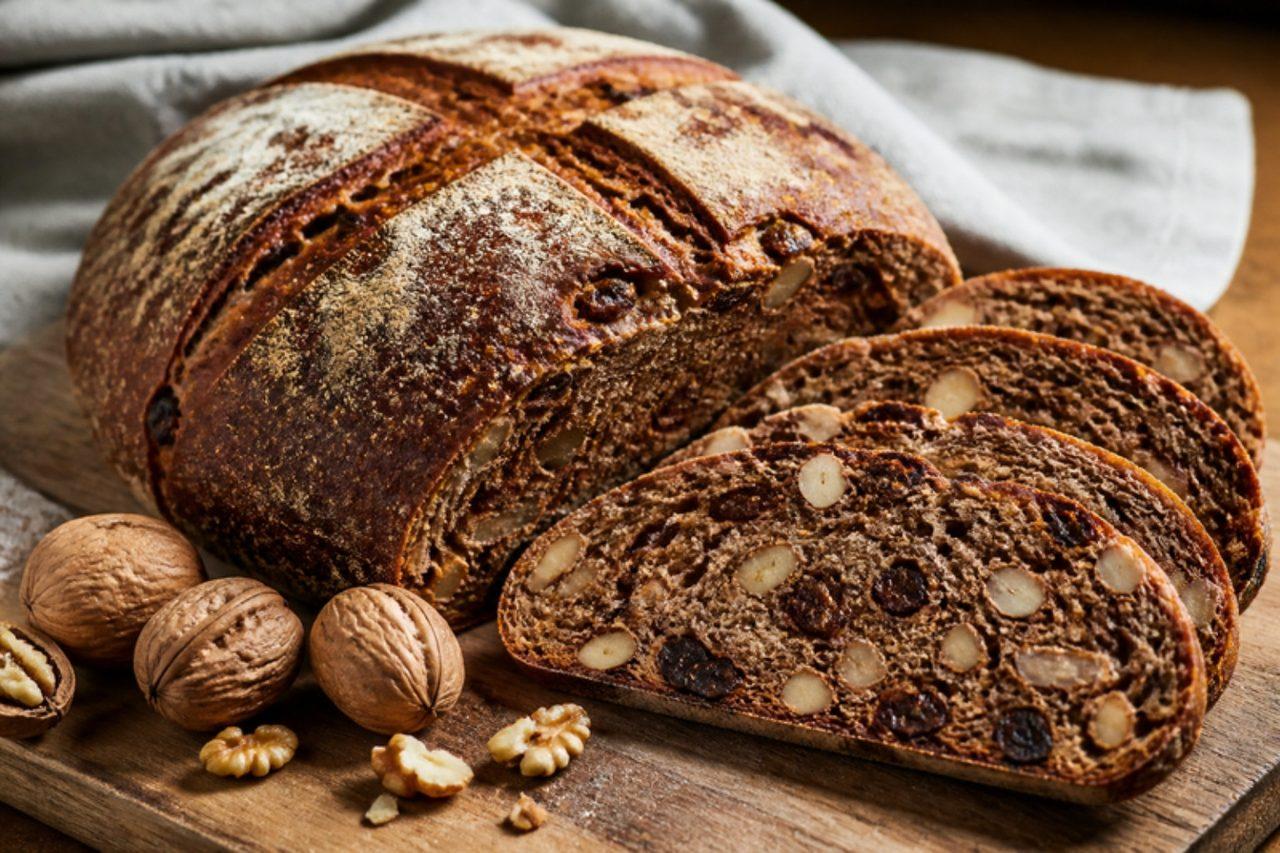
Pan co' santiWalnut and raisin loaf

In Siena and the Tuscan countryside, pan co' santi ('bread with the saints') is baked for All Saints' Day on 1 November, when the new walnuts and the late grapes come in. It is a dark, lightly sweet bread dough rich with olive oil, walnuts, raisins and a surprising amount of black pepper, which gives a warm bite. It is eaten with the new wine by adults, or with roasted chestnuts. It is vegan. Chef's tip: fry the raisins and walnuts briefly in the olive oil before adding them, as Sienese bakers do; it brings out their flavour.

by KrazyBadal 0 views

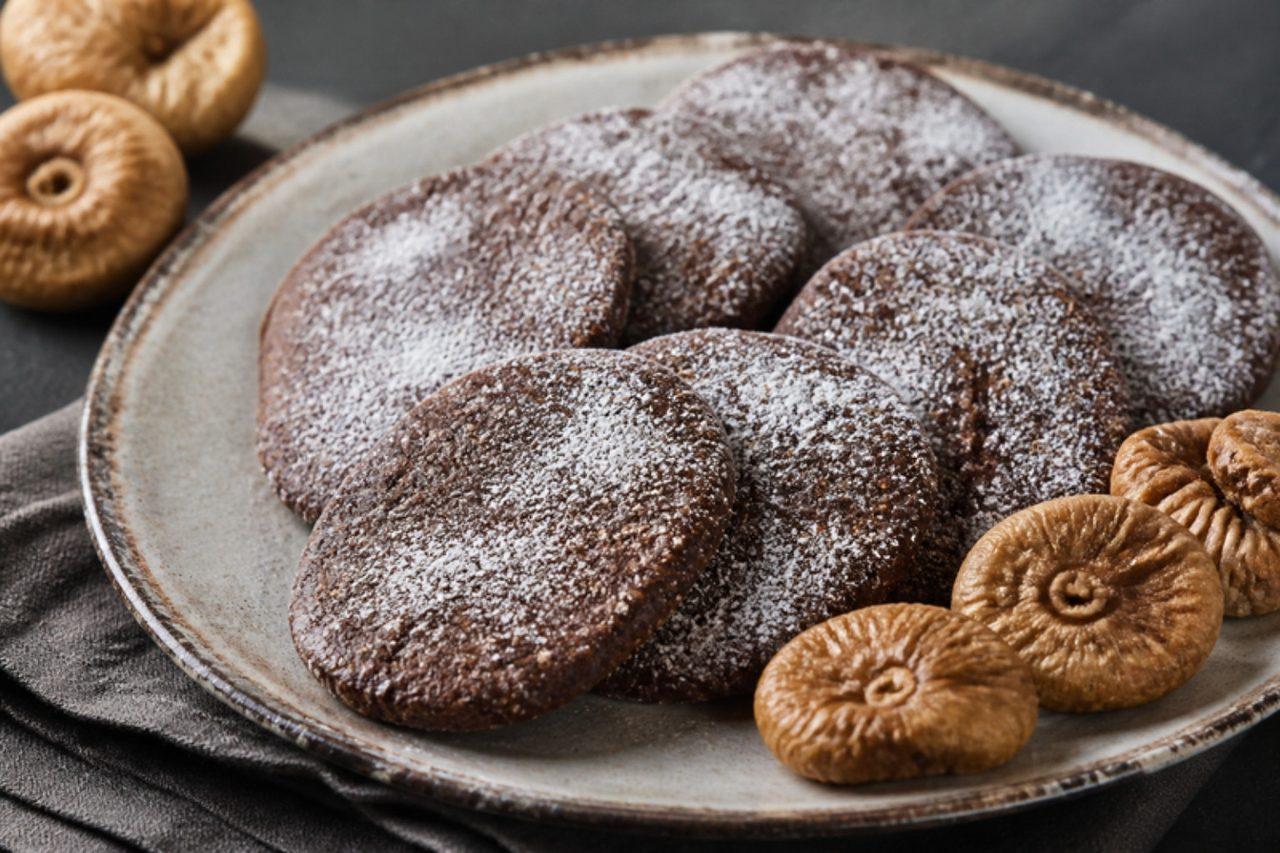
Pane dei mortiFig, cocoa and almond biscuits

Pane dei morti ('bread of the dead') is baked in Milan and across Lombardy for All Souls' Day on 2 November. Bakers once made them to use up leftover biscuits, crumbling them with dried figs, raisins, almonds, cocoa and spices into a dark, chewy dough, shaped into long ovals and dusted with icing sugar. Older recipes add a glass of vin santo or white wine; this one uses orange juice. They taste of fig and spice and keep for weeks. Chef's tip: let the mixture rest overnight, which softens the crumbs and deepens the flavour.

by KrazyBadal 0 views

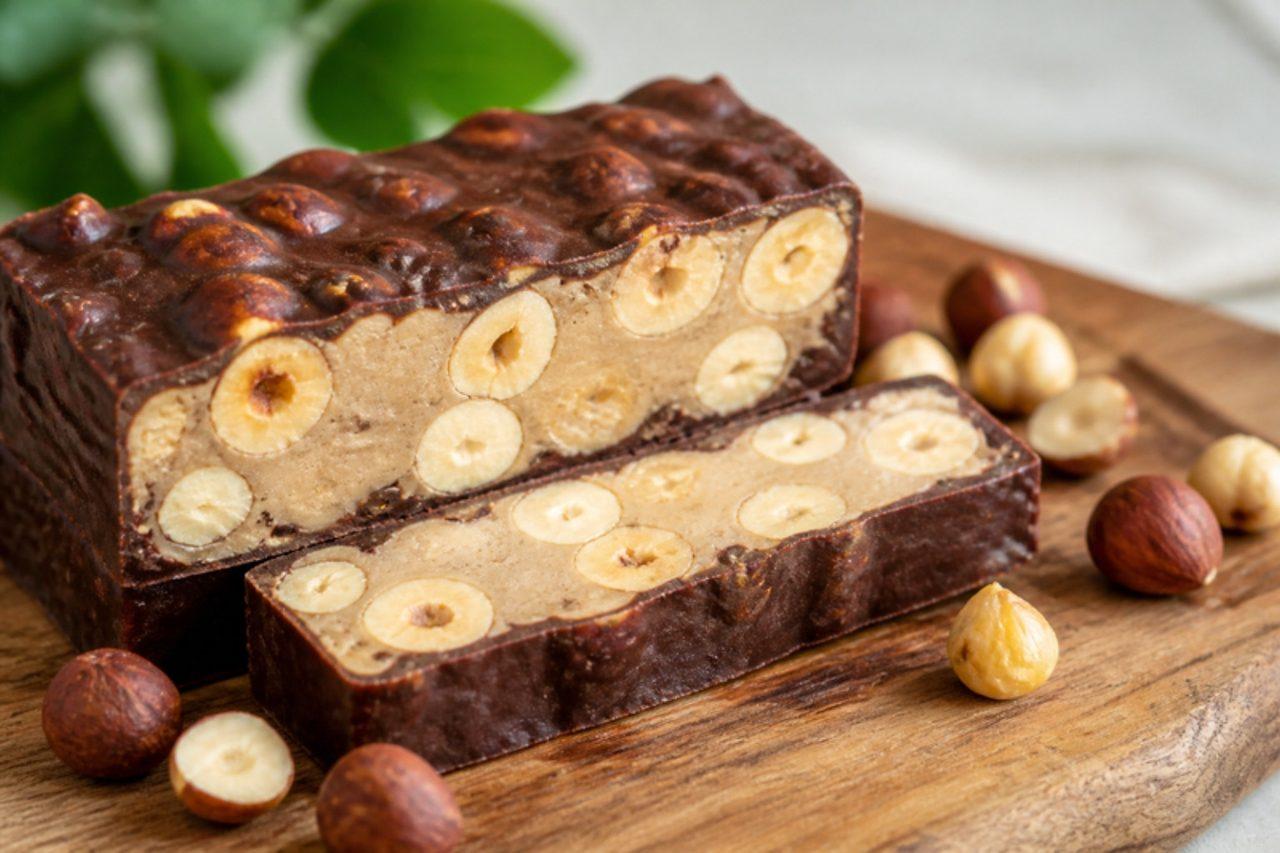
Torrone dei mortiChocolate hazelnut bar

In Naples, the weeks around All Souls' Day on 2 November are 'torrone time': pastry shops pile up the torrone dei morti, a soft bar of white or dark chocolate filled with a creamy hazelnut or chocolate centre and studded with whole toasted hazelnuts, which friends bring as a gift when visiting. Despite its name it contains no nougat. This homemade version layers dark chocolate around a white-chocolate and hazelnut-paste filling. It is gluten free; some versions add liqueur, this one doesn't. Chef's tip: let the chocolate shell set fully in the fridge before filling, so it doesn't melt through.

by KrazyBadal 0 views

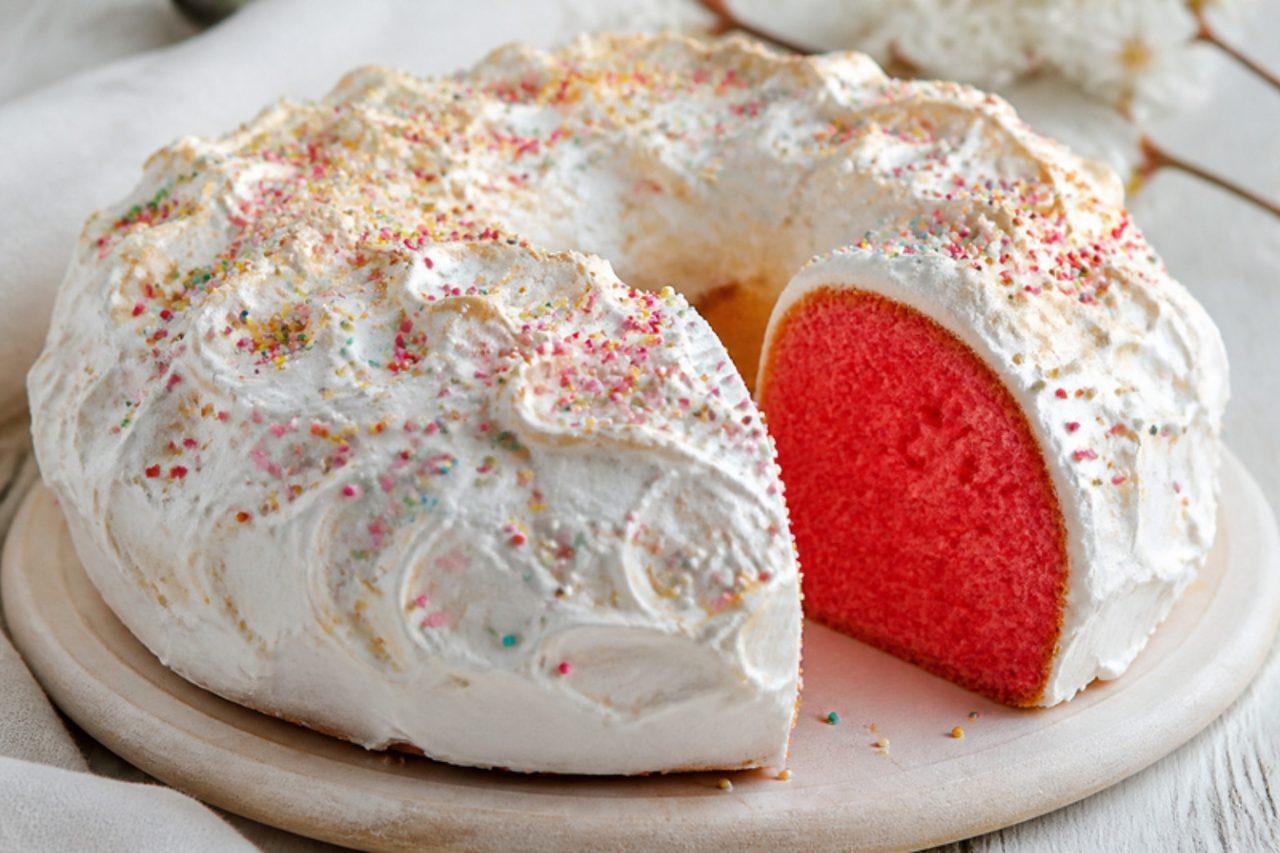
CiaramicolaRed Easter ring cake

Ciaramicola is Perugia's Easter cake, a ring tinted red under a cloud of white meringue and coloured sprinkles, the red and white of the city's flag. It was traditionally baked by girls on Holy Saturday for their sweethearts, and it is eaten at Easter breakfast. The red colour usually comes from alchermes, a spiced liqueur; this version uses beetroot juice and a pinch of cinnamon and clove, so it is alcohol-free. The meringue is baked until set. Chef's tip: spread the meringue right down to the base all round, so it seals in the cake and stays glossy.

by KrazyBadal 0 views

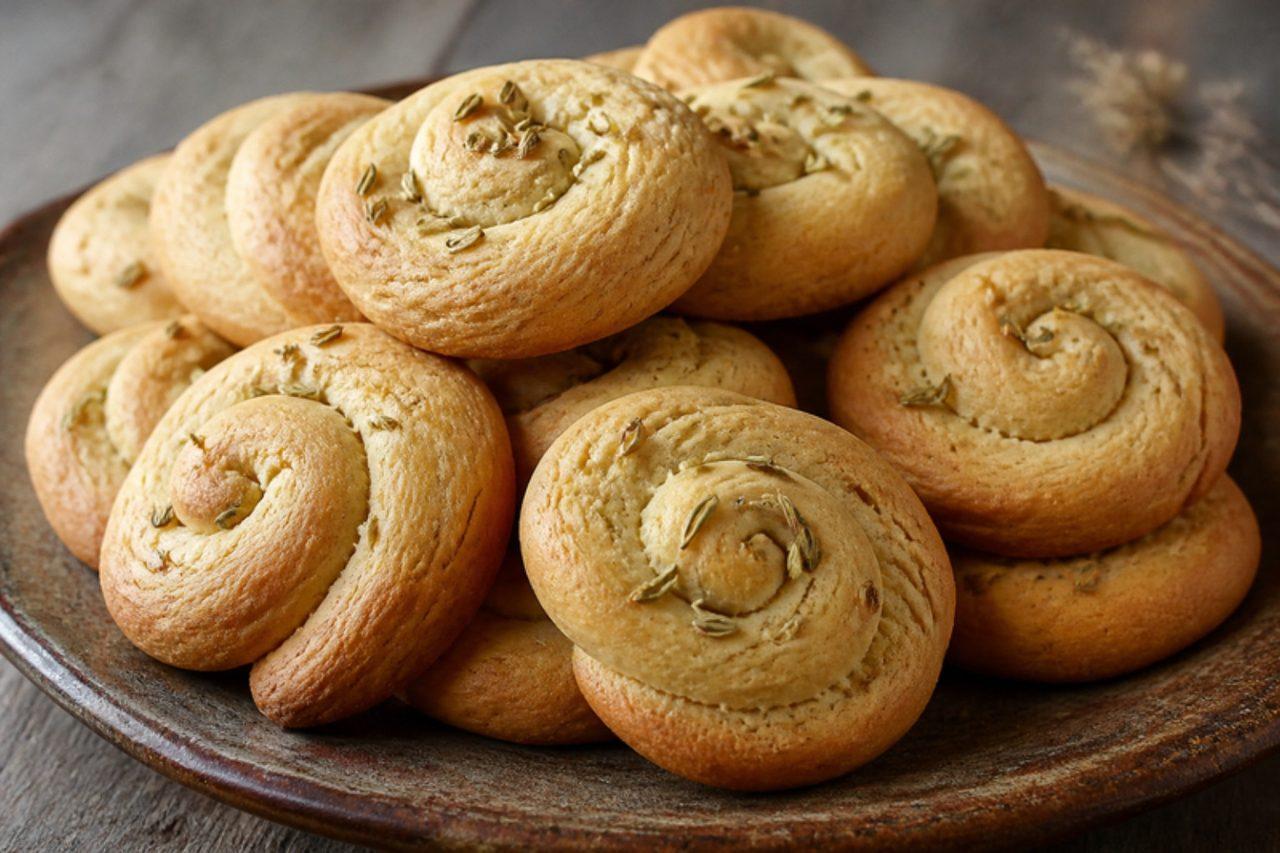
Biscotti di San MartinoRicotta-filled fennel biscuits

St Martin's Day, 11 November, is when Sicilians traditionally open the new wine, and in Palermo it is marked with biscotti di San Martino: round, hard, fennel-scented yeast biscuits shaped like little turbans. Eaten plain, they are dunked in sweet Moscato; the pastry-shop version is split, soaked in a sweet syrup and filled with ricotta cream and candied fruit. This recipe soaks them in an orange syrup, so it is alcohol-free; adults can use Moscato or Marsala. Choose a vegetarian ricotta if needed. Chef's tip: bake them twice, the second time low, so they dry right through and keep for weeks.

by KrazyBadal 0 views

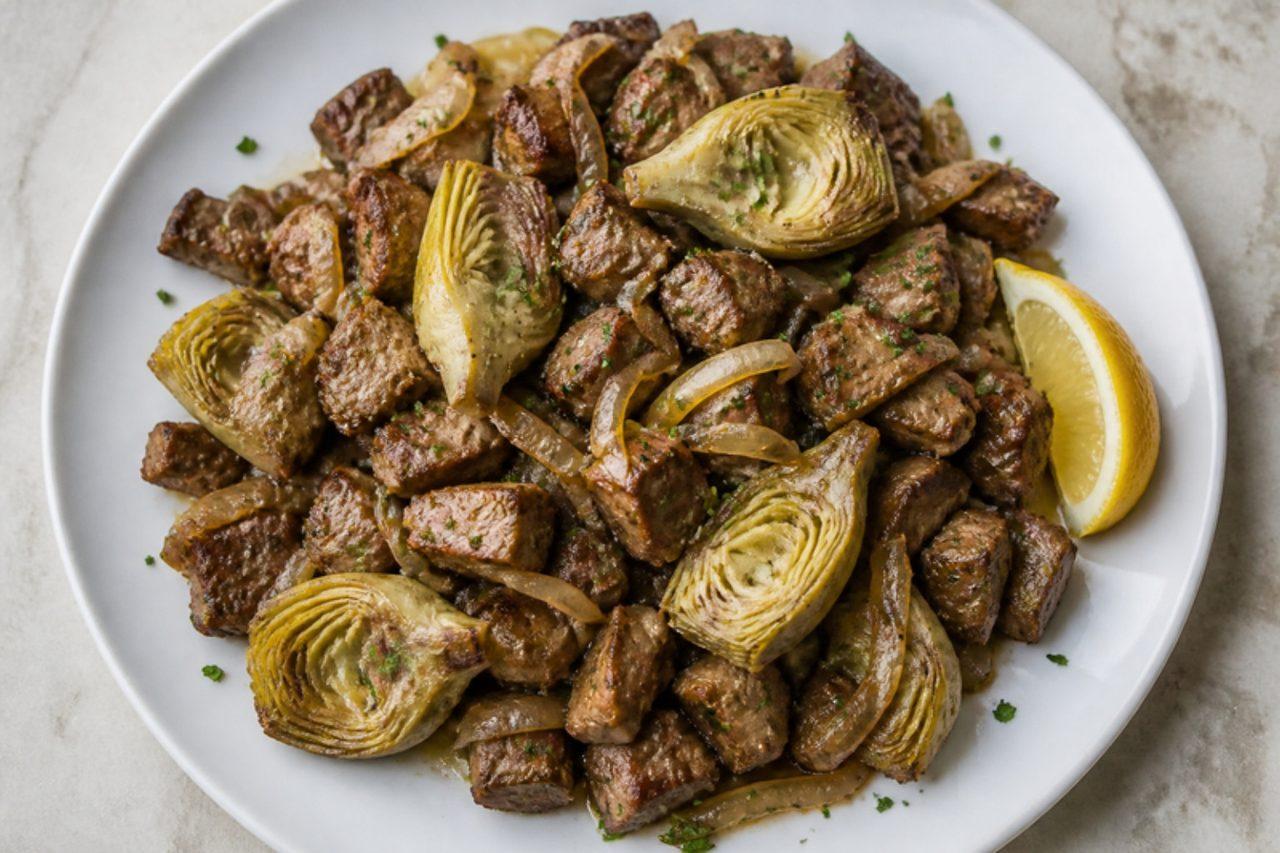
Coratella con carciofiLamb offal with artichokes

In Rome, spring lamb (abbacchio) is the Easter meat, and nothing is wasted: the coratella, the lamb's heart, lungs and liver, is sautéed with onion, white wine and the first spring artichokes for Easter Sunday lunch or the day after. It is a classic of the Testaccio trattorie, earthy and rich, the artichokes bringing a gentle bitterness. Ask a butcher for 'lamb pluck', or use lamb's liver and heart only. White wine is traditional; use stock with a squeeze of lemon for an alcohol-free version. Chef's tip: cook the meats in the order of how long they take, lungs first, then heart, and liver last, so the liver stays tender.

by KrazyBadal 0 views

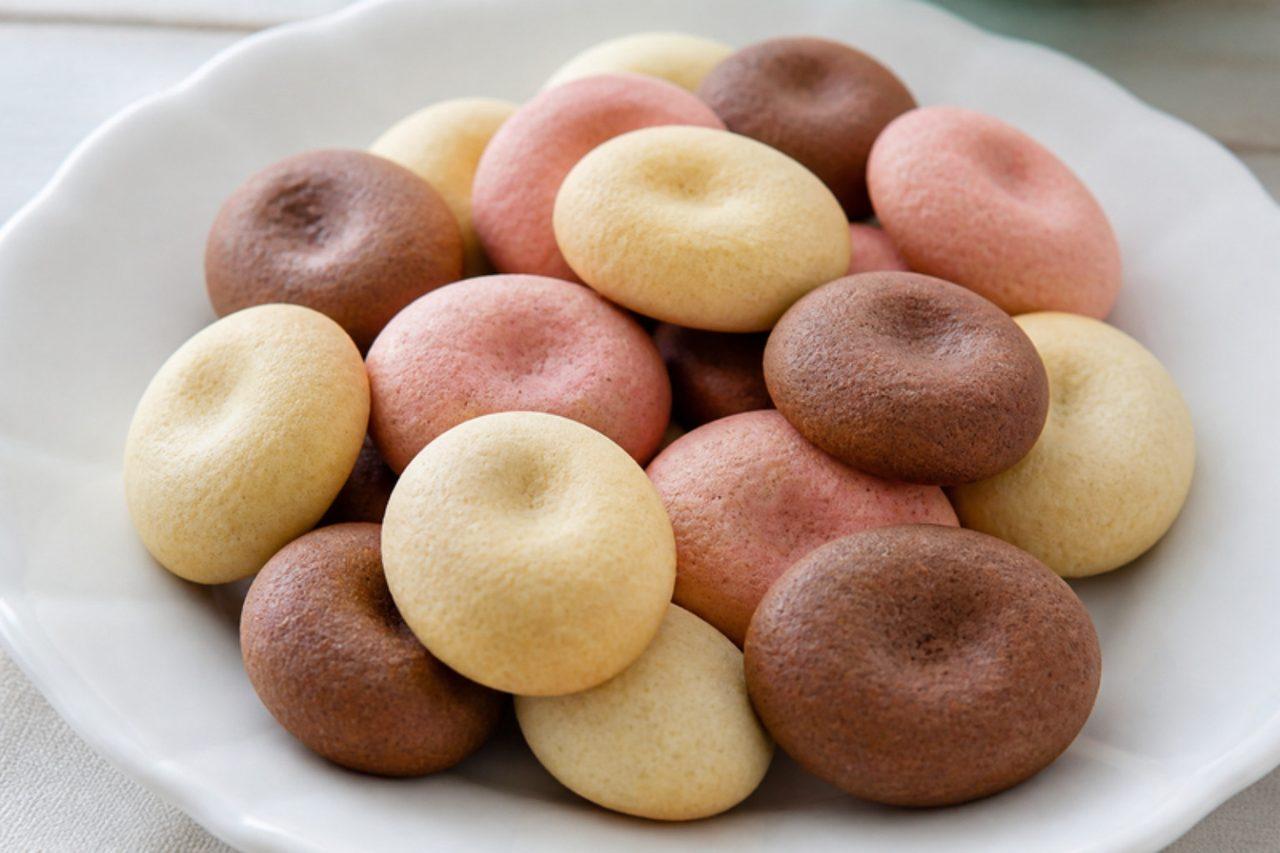
Fave dei mortiBean-shaped almond biscuits

On 2 November, All Souls' Day (il Giorno dei Morti), many Italian regions, especially Lombardy, Veneto and Rome, make fave dei morti: small, pale almond biscuits shaped like broad beans. Beans were once linked with the dead and given as alms at funerals, and these sweet 'beans' replaced them; in Venice they come in pink, white and brown. They are crisp outside and chewy within. Chef's tip: press a thumb lightly into each one to make the bean's dimple; it also helps them bake evenly.

by KrazyBadal 0 views

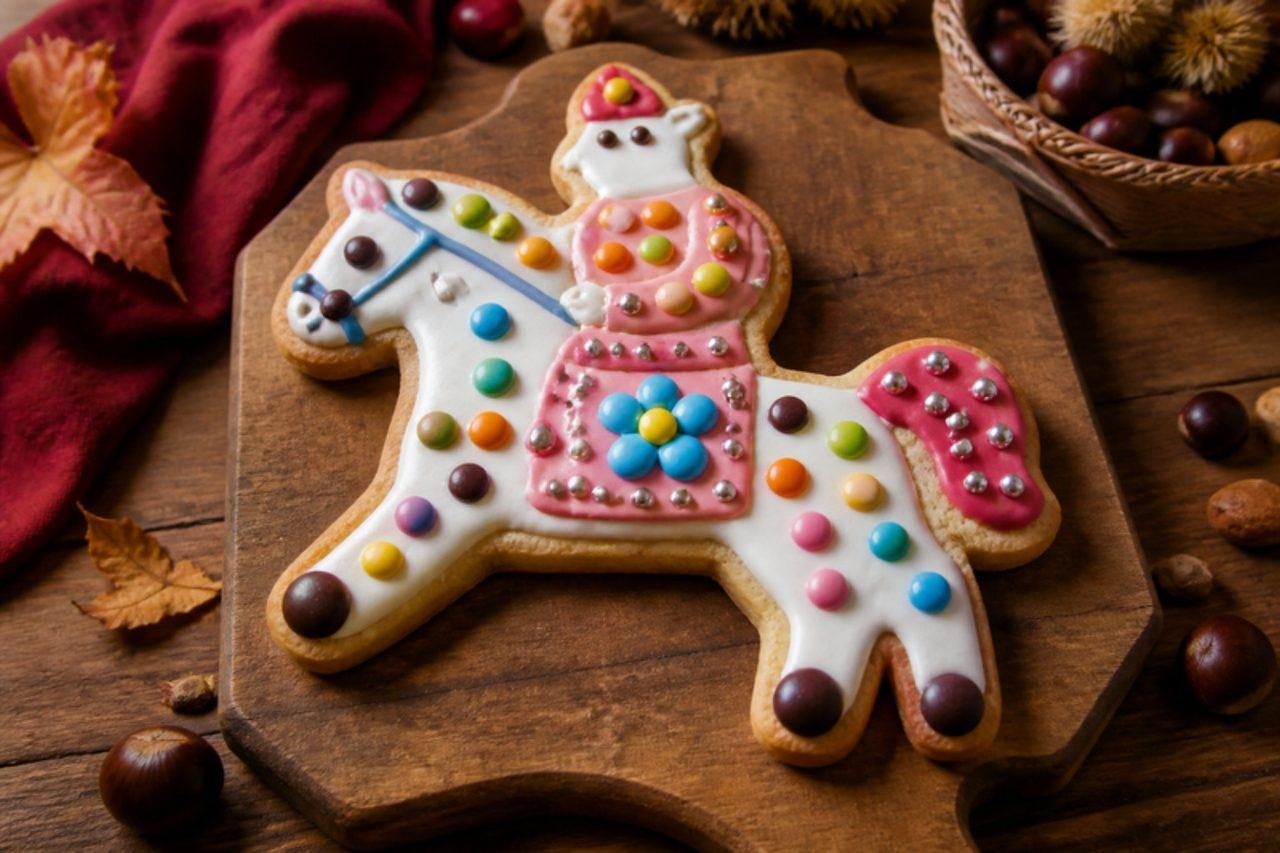
Cavallo di San MartinoShortbread horse and rider

On 11 November in Venice, children go from shop to shop banging pots and singing for San Martino, and every pastry window fills with big shortbread horses carrying the saint on horseback, cut out, iced and studded with sweets and chocolates. The biscuit is a plain, buttery pasta frolla that holds its shape well, and the fun is all in the decoration, so it's a perfect baking afternoon with children. Chef's tip: chill the cut shapes for 15 minutes before baking so the horse's legs and sword keep sharp edges.

by KrazyBadal 0 views

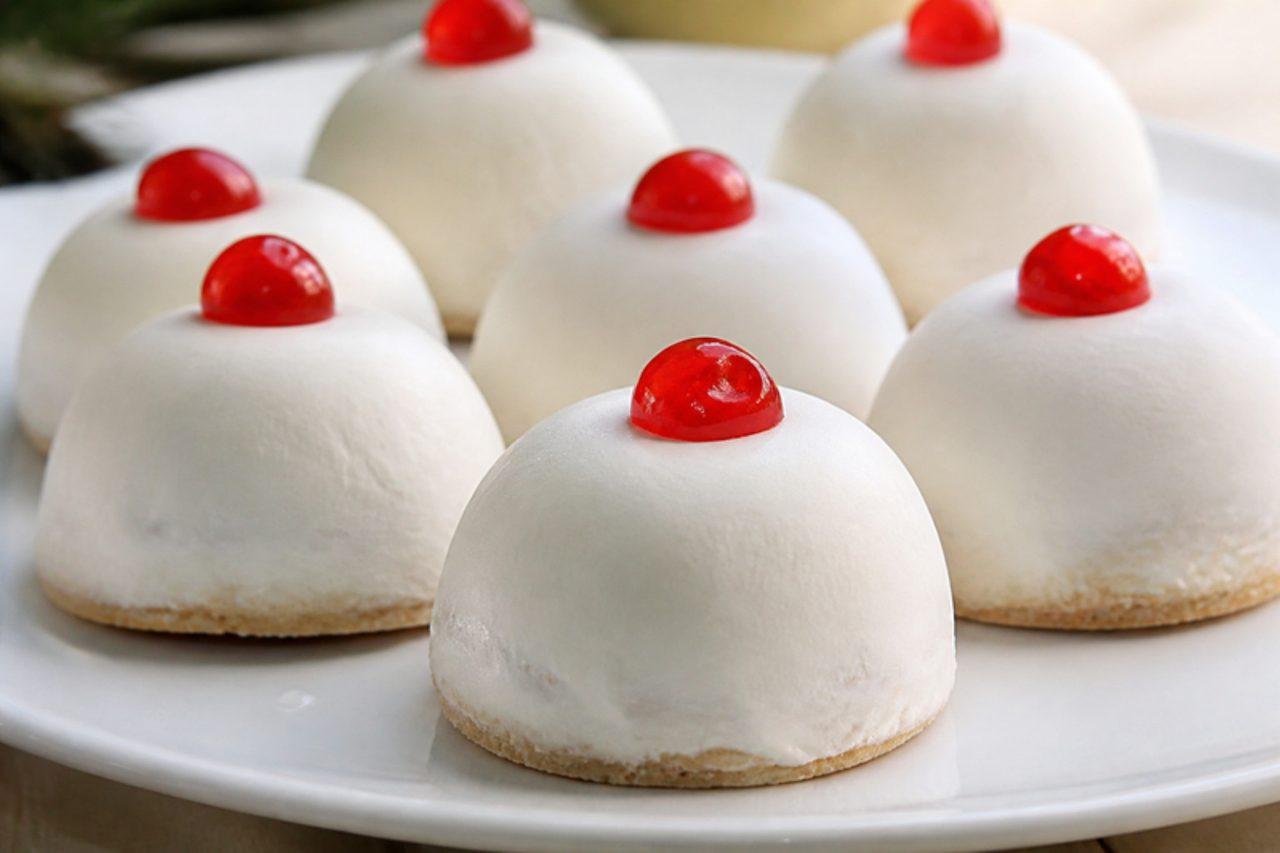
Minne di Sant'AgataDomed ricotta cakes

Catania's patron saint, Agatha, was martyred by having her breasts cut off, and for her feast on 5 February the city's pastry shops make minne (also minnuzzi): small domed cakes of sponge filled with sweet ricotta, chocolate chips and candied fruit, covered in white icing and topped with a candied cherry. They are eaten during the three days of processions. Many bakers brush the sponge with a liqueur syrup; this one uses an orange syrup and is alcohol-free. Choose a vegetarian ricotta if needed. Chef's tip: drain the ricotta overnight and sieve it with the sugar for a silky filling.

by KrazyBadal 0 views

Olivette di Sant'AgataAlmond paste olives

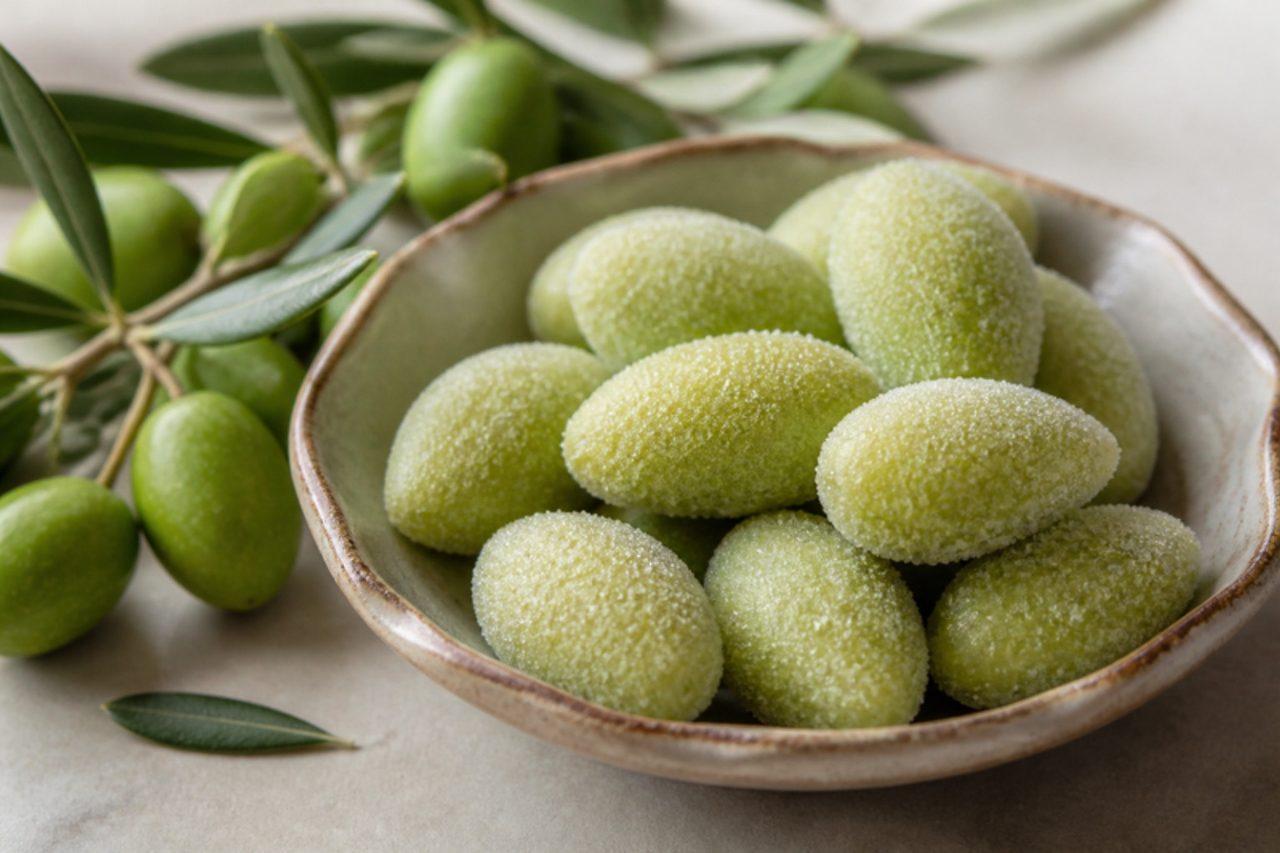
Olivette are tiny green 'olives' of almond paste rolled in sugar, sold in Catania for the feast of St Agatha in early February. A legend tells that as the young saint was led to her trial she stopped to tie her shoe, and a wild olive tree sprang up on the spot and fed her. The sweets are made from ground almonds, sugar and a little water, coloured green and shaped in the palm. They are gluten free and dairy free, and children love to help shape them. Use a natural green such as matcha or spinach powder if you prefer. Chef's tip: knead the paste only until smooth, as overworking draws out the almond oil and it turns greasy.

by KrazyBadal 0 views

QuaresimaliLenten almond biscuits

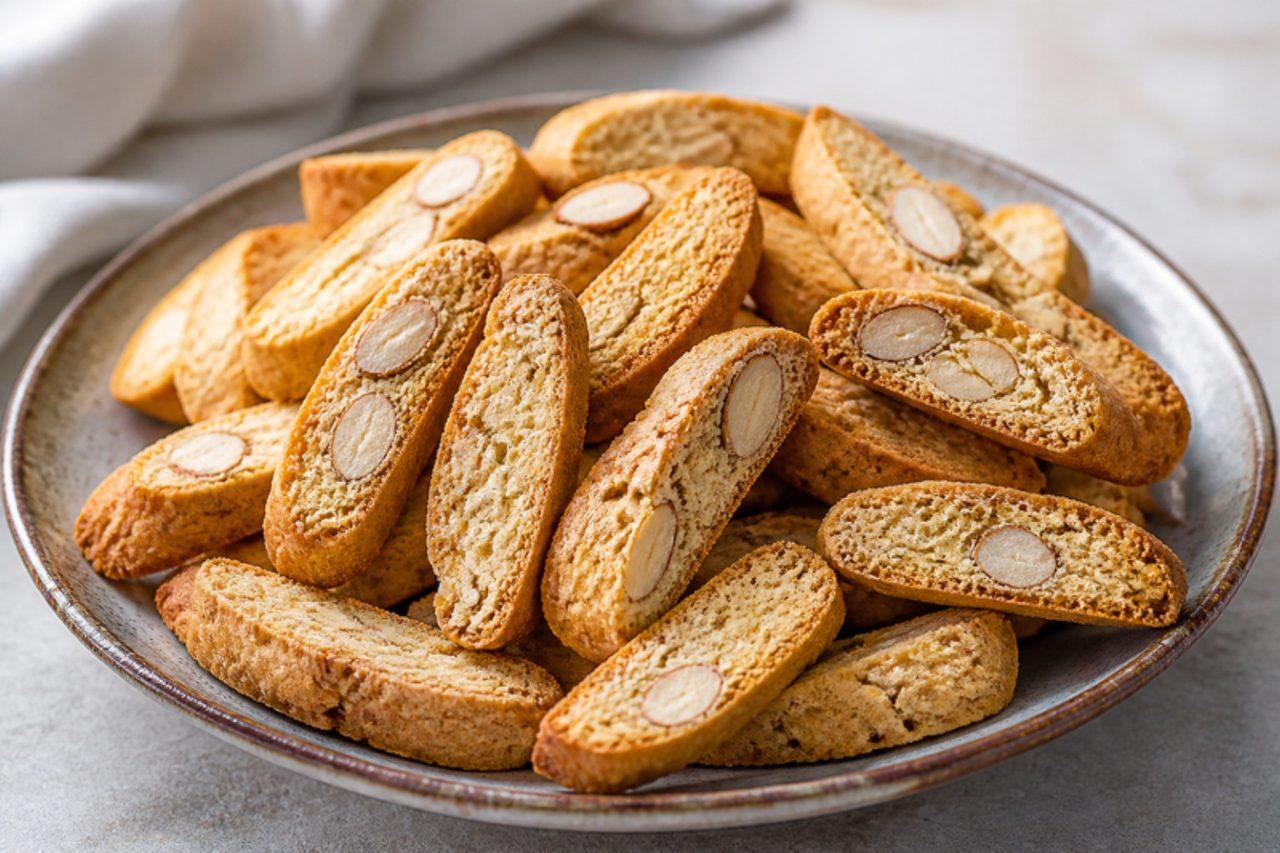
Quaresimali are biscuits for Quaresima, the forty days of Lent, when Catholic Italy once gave up butter, egg yolks and rich foods. In Florence they are crisp cocoa biscuits shaped like letters of the alphabet; in Palermo they are long, crunchy almond and honey biscotti, sliced like cantucci. This is the Palermo-style version: whole almonds in a light dough of egg white, sugar and flour, scented with orange and cinnamon, baked twice. They are dairy free and keep for weeks. Chef's tip: slice the logs while still warm with a serrated knife; once cold they shatter.

by KrazyBadal 0 views

Pizza chienaEgg, ricotta and cured pork pie

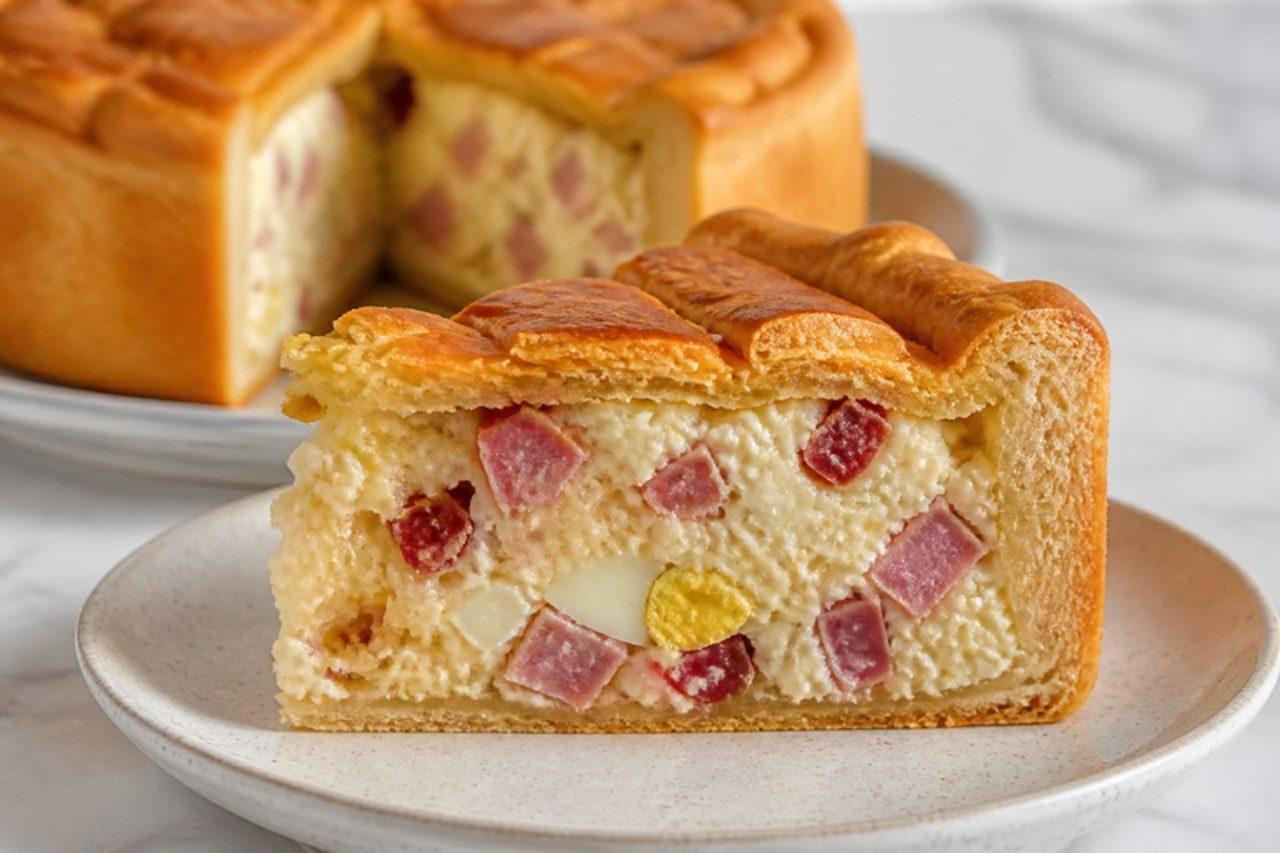
Pizza chiena ('full pie', also pizza rustica or pizza piena) is baked across Campania on Good Friday and eaten after the Lenten fast ends on Easter Sunday or at the Pasquetta picnic. It is a tall pie of short pastry packed with a filling of eggs, ricotta and grated cheeses, layered with cubes of cured pork: salami, prosciutto, soppressata and sometimes fresh sausage. It is rich, so slices are thin. Chef's tip: bake it the day before and chill it overnight, as it cuts cleanly only once fully set.

120 minItalianMeat
by KrazyBadal 0 views

MuffolettaFennel seed rolls with cheese

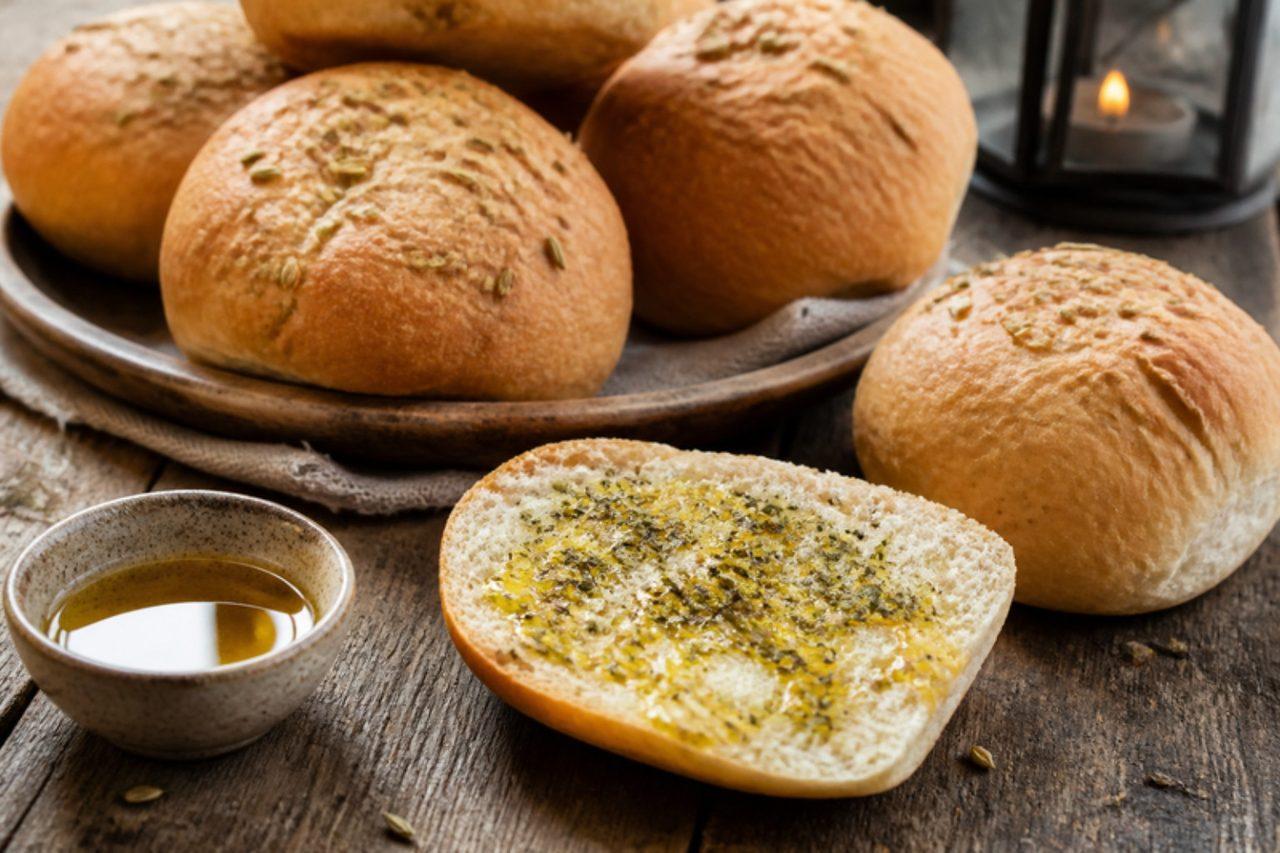
On 2 November, the Day of the Dead in Sicily, Palermo families eat muffoletta: soft, round rolls scented with fennel seed, split warm and dressed 'cunzata' with olive oil, oregano, salt, pepper, anchovy or caciocavallo cheese. The custom recalls when the dead were said to bring gifts to children, and bakers make them only around this time. The bread itself is egg-free and dairy-free; dress it with just oil and oregano for a vegan version. Sicilian caciocavallo and pecorino are usually made with animal rennet, so choose a vegetarian hard cheese if that matters to you. Chef's tip: dress the rolls while still warm so they drink in the oil.

by KrazyBadal 0 views

Showing 24 of 595 recipes

Show more recipes

Page 1 of 25