Skip to content
Recipes

All recipes

Vegetarian, or something you can't eat? Set your diet once and we'll hide recipes that don't fit.

Tamagoyaki

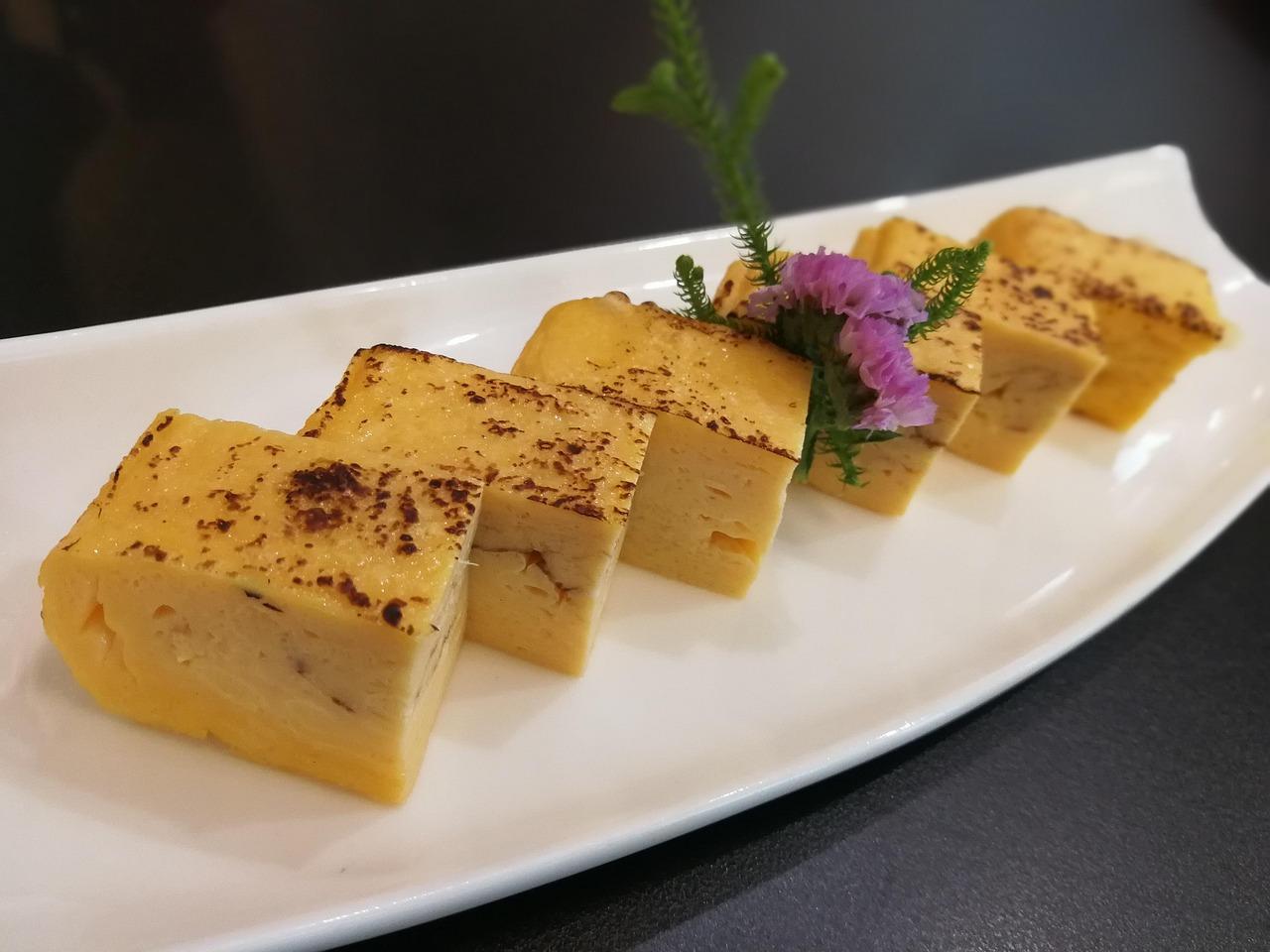
Tamagoyaki (卵焼き) is a rolled omelette made in layers, found in breakfast trays and bento boxes all over Japan. Thin sheets of seasoned egg are cooked one at a time and rolled up around each other, giving soft, springy slices with pretty spiral lines. This is the gently sweet home style; a little soy keeps it savoury. A square tamagoyaki pan helps, but a small round frying pan works too. Chef's tip: keep the heat moderate and the pan well oiled between layers. If the egg browns, the heat is too high; a good tamagoyaki is evenly yellow with just a few golden patches.

by KrazyBadal 0 views

Miso soup

Miso soup (味噌汁) is drunk every day in homes all over Japan, at breakfast as well as dinner, beside a bowl of rice. The base is dashi; this vegan version uses kombu and dried shiitake instead of bonito, which gives it a deep, rounded flavour. Silken tofu and wakame seaweed are the classic fillings. It takes ten minutes; just remember not to boil the miso. Chef's tip: add the miso at the very end and never let it boil. Boiling kills the miso's fresh, fermented aroma; Japanese cooks say the soup should only 'smile', with the surface barely trembling.

10 minSoupsVegan
by KrazyBadal 0 views

Sunomono

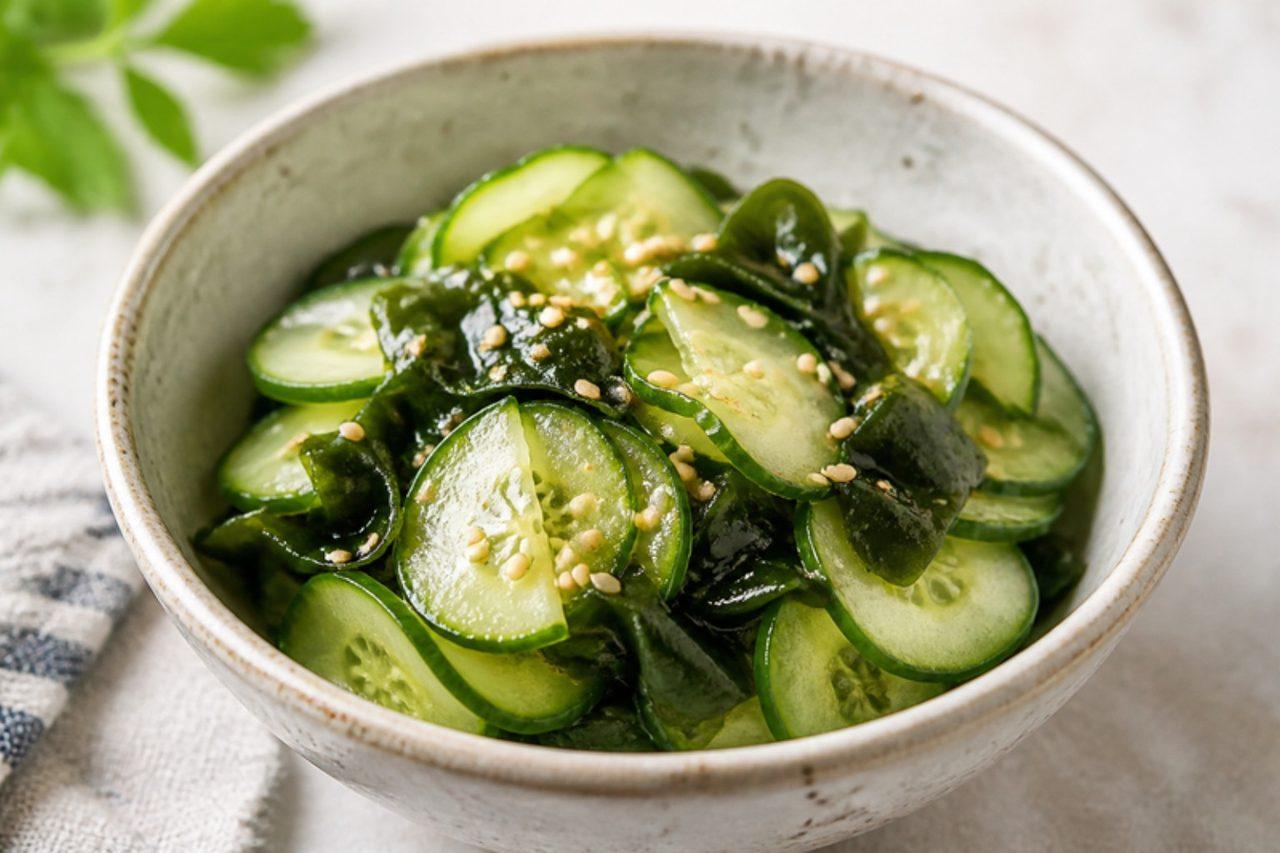
Sunomono (酢の物, 'vinegared things') are small, refreshing dishes served alongside rice and richer food in homes all over Japan. This one, kyūri to wakame no sunomono, is the most common: paper-thin salted cucumber and wakame seaweed in a sweet, gentle rice-vinegar dressing. It cuts through fried food like tempura or gyoza. Ready in ten minutes, and best eaten chilled. Chef's tip: salt the cucumber and squeeze it hard. It draws out the water so the slices turn pleasantly crunchy and drink up the dressing instead of diluting it.

10 minSaladsVegan
by KrazyBadal 0 views

Horenso goma-ae

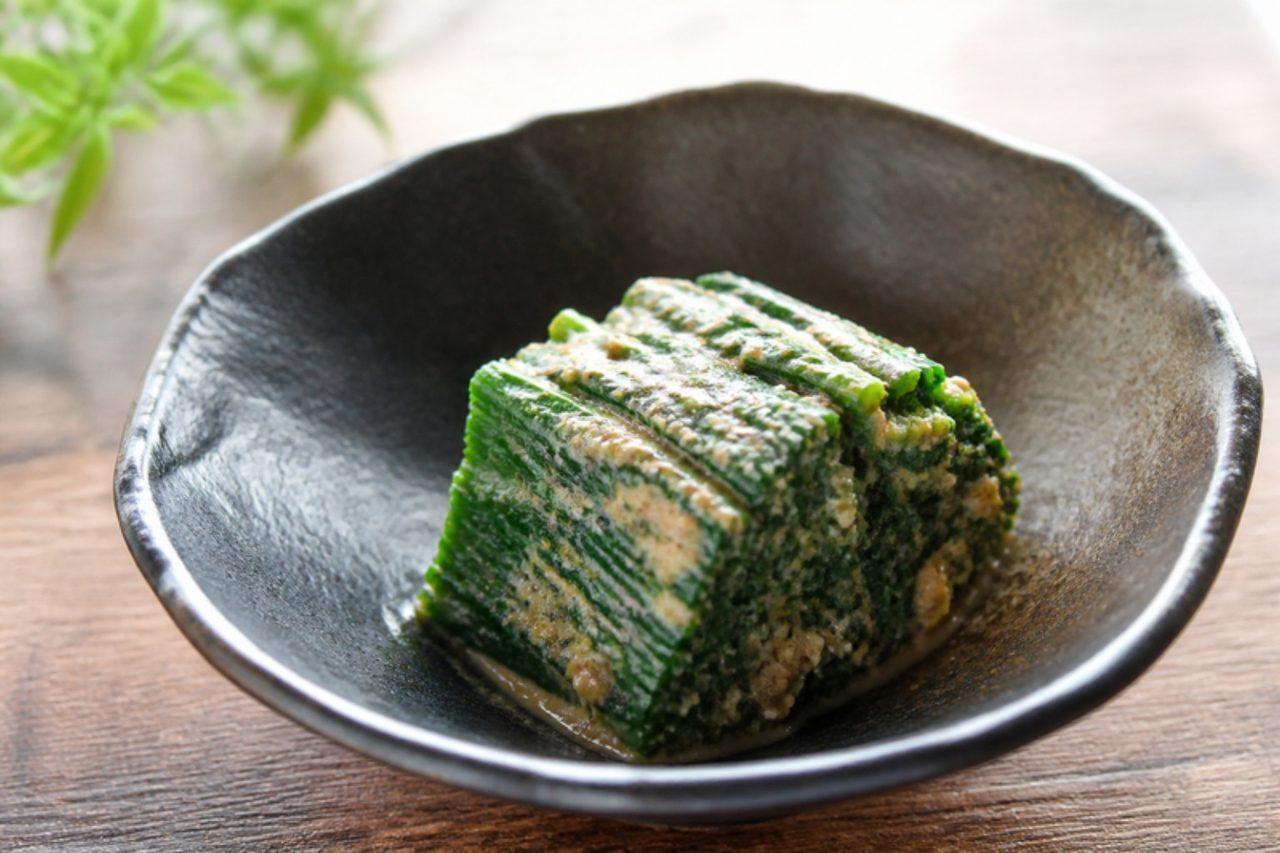
Horenso no goma-ae (ほうれん草の胡麻和え) is one of the most common side dishes in Japanese home cooking and bento boxes. Spinach is blanched for a few seconds, squeezed dry and tossed in a nutty dressing of freshly toasted, crushed sesame seeds with soy and a little sugar. Toasting and grinding the seeds yourself makes all the difference. Serve as one of several small dishes with rice and miso soup. Chef's tip: toast and grind the sesame yourself just before mixing. Ready-ground sesame tastes flat; freshly ground seeds smell like roasted nuts and give the dish its rich flavour.

10 minSidesVegan
by KrazyBadal 0 views

Edamame with sea salt

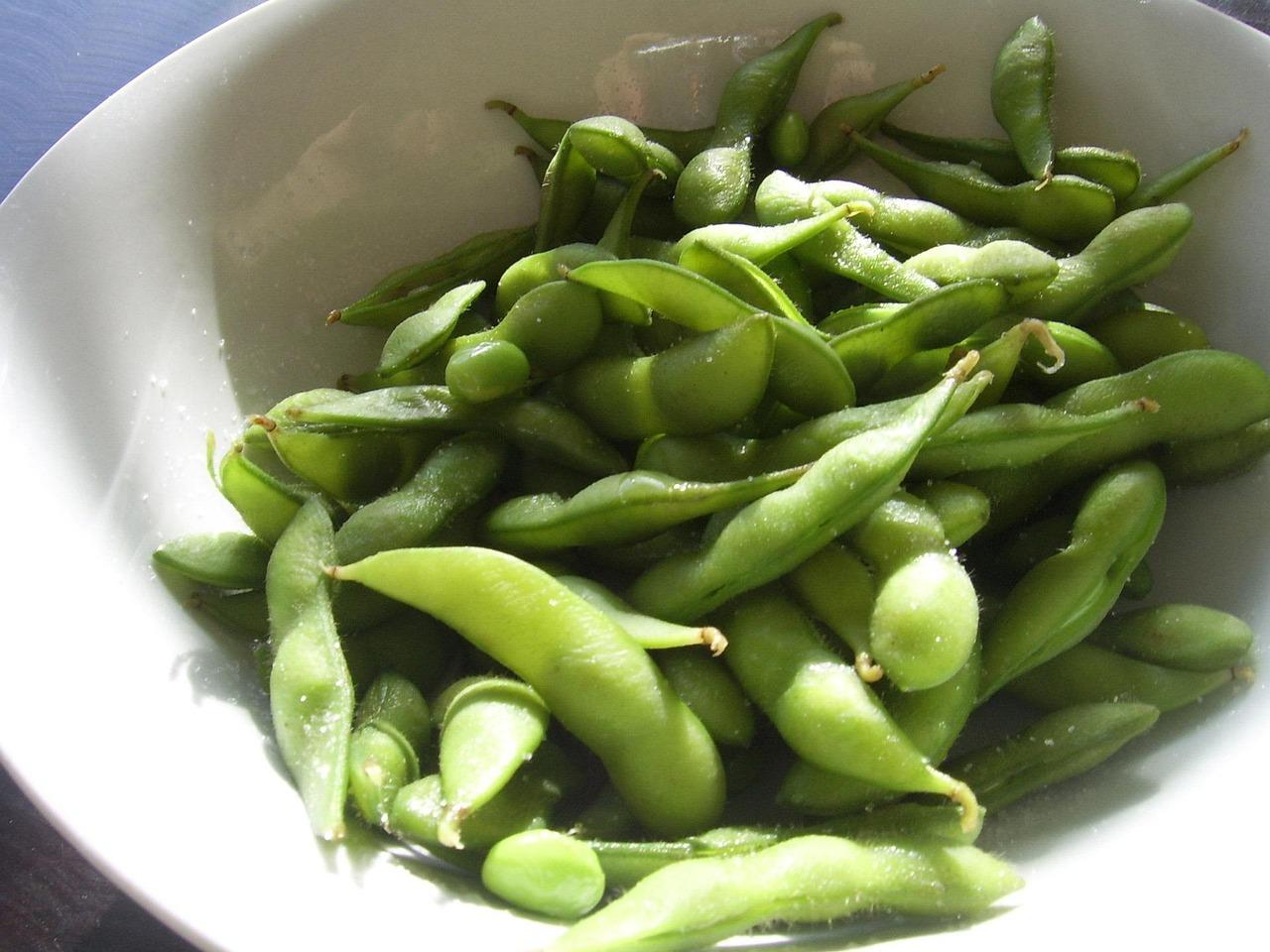
Edamame (枝豆) are young green soybeans cooked in their pods, the classic snack with a cold drink in izakaya and beer gardens all over Japan, especially in summer. You squeeze the beans straight from the salty pod into your mouth. Rubbing the pods with salt before boiling seasons them through and keeps them bright green. They're a good source of plant protein too. Chef's tip: rub the pods with salt before boiling, as izakaya cooks do. It scrubs off the fuzz, keeps the pods bright green and seasons the beans inside.

by KrazyBadal 0 views

Matcha latte

Matcha (抹茶) is finely ground green tea from Uji, near Kyoto, the heart of Japanese tea-growing for centuries. A matcha latte (抹茶ラテ) is the café version: the powder is whisked to a smooth, frothy shot, then topped up with steamed milk and lightly sweetened. It tastes grassy, creamy and gently bitter. Use any milk you like; oat milk froths especially well. Chef's tip: keep the water at about 80°C. Boiling water scorches matcha and makes it bitter; let the kettle stand for 2–3 minutes after boiling before you pour.

7 minDrinks
by KrazyBadal 0 views