Skip to content
Recipes

All recipes

Vegetarian, or something you can't eat? Set your diet once and we'll hide recipes that don't fit.

Hiroshima okonomiyaki

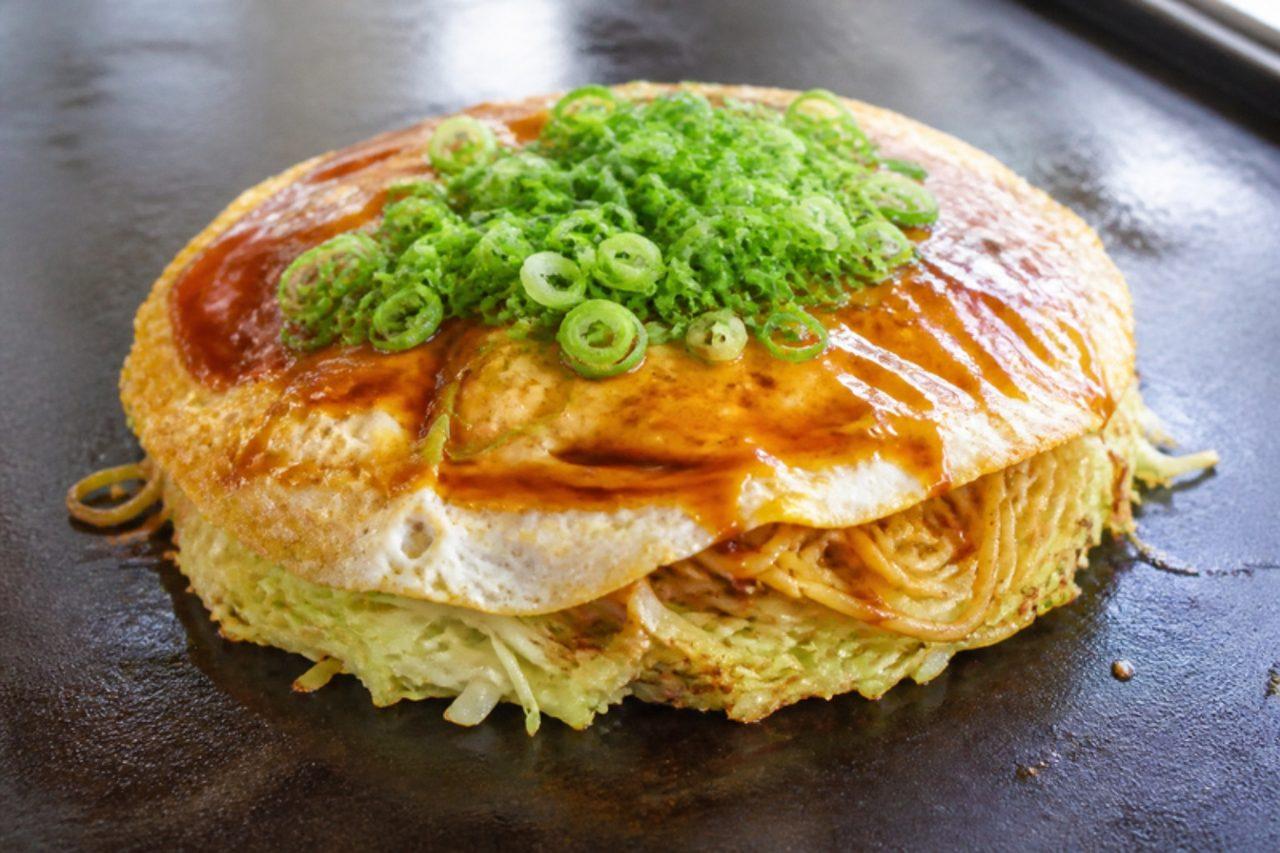
Hiroshima okonomiyaki (広島風お好み焼き) is built in layers rather than mixed: a thin crêpe, a tall heap of cabbage and bean sprouts, a layer of fried noodles and a fried egg, all pressed together on the griddle. It's the city's signature dish, and Hiroshima has hundreds of small okonomiyaki counters. Pork belly is the usual layer; this vegetarian version leaves it out and adds mushrooms. Take your time with the layering; it's worth it. Chef's tip: shred the cabbage as finely as you can and pile it high; it looks far too much, but it steams down by half under the crêpe, and that sweet, soft cabbage is the heart of the Hiroshima style.

by KrazyBadal 0 views
Vegetable gyoza

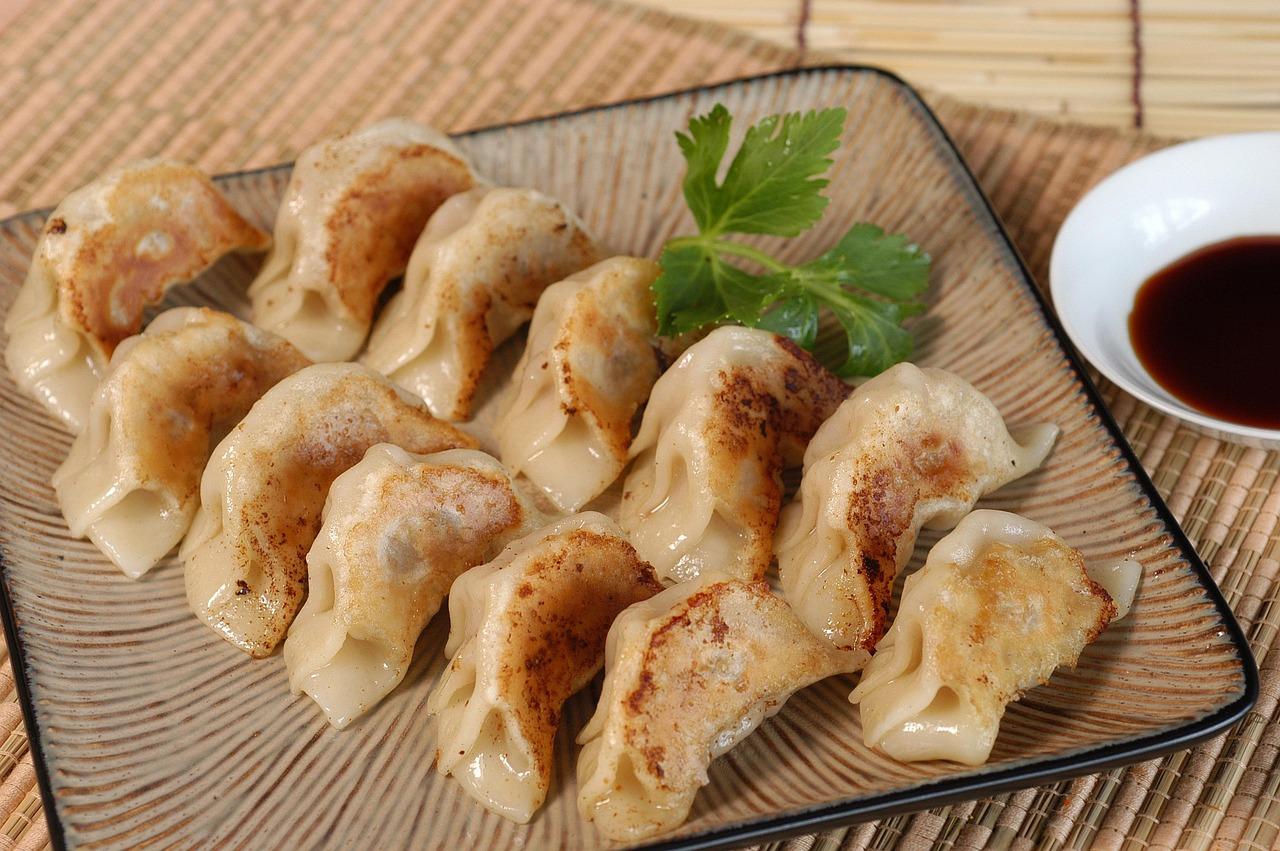
Gyoza (餃子) came to Japan from China and became a passion in Utsunomiya, a city north of Tokyo that calls itself the gyoza capital, with a gyoza statue outside the station. These vegetarian dumplings are filled with salted cabbage, shiitake, tofu and garlic chives. They're pan-fried and then steamed, so the bottoms turn crisp and golden while the tops stay soft. Shape a big batch and freeze some for later. Chef's tip: squeeze the salted cabbage really hard. Watery filling makes soggy, torn gyoza; a dry filling keeps the wrappers sealed and the bottoms crisp.

by KrazyBadal 0 views

Vegetable tempura

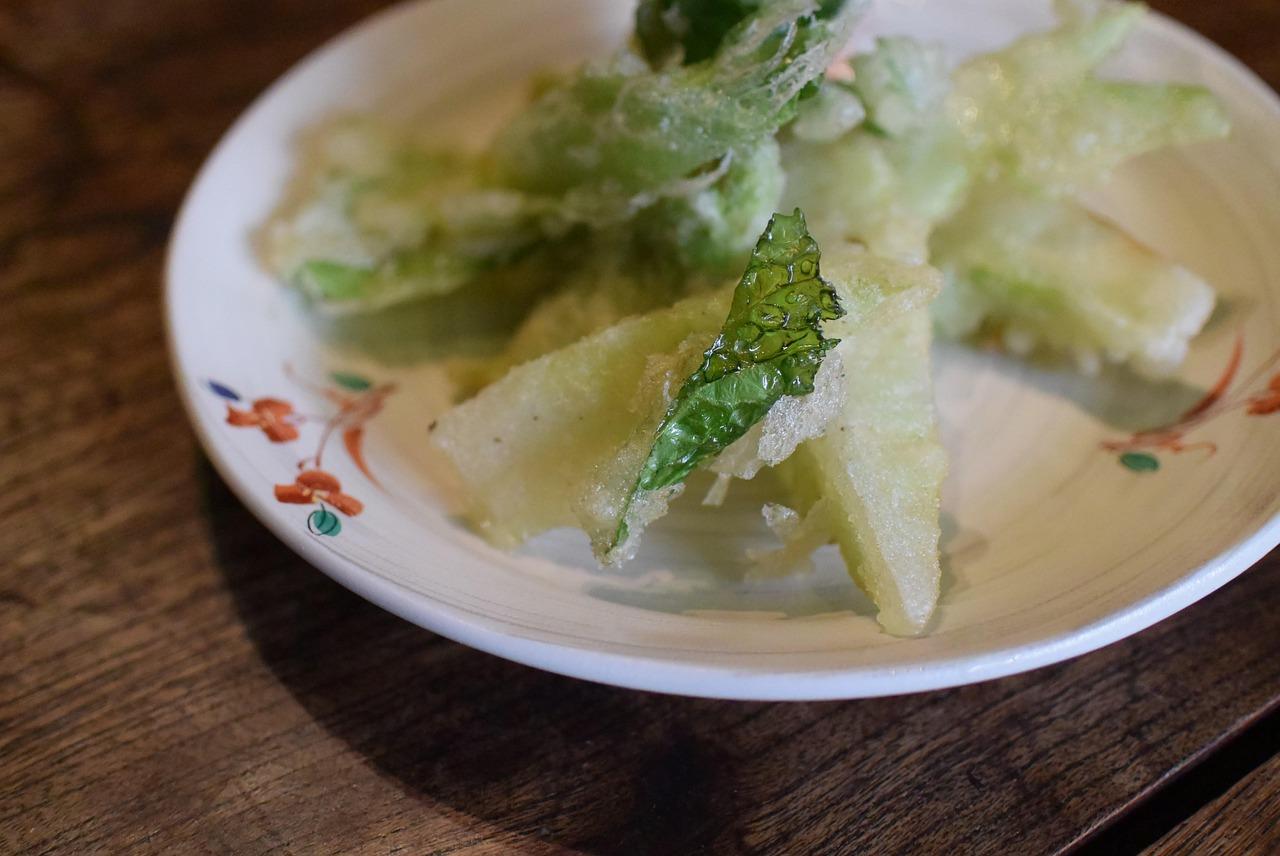
Tempura (天ぷら) became a Tokyo street food in the Edo period, when stalls fried it to order by the city's riverbanks. The secret to the thin, lacy coating is an ice-cold, lumpy batter mixed at the last second and vegetables fried in small batches. Sweet potato, aubergine, pepper, shiitake and green beans all work well. Serve straight from the pan with a light dipping sauce and grated daikon. Chef's tip: keep everything cold. Use ice-cold water, mix the batter only seconds before frying, leave it lumpy, and stand the bowl in a larger bowl of ice. Cold batter hitting hot oil is what makes the lacy, crackly shell that Tokyo tempura masters prize.

by KrazyBadal 0 views

Agedashi tofu

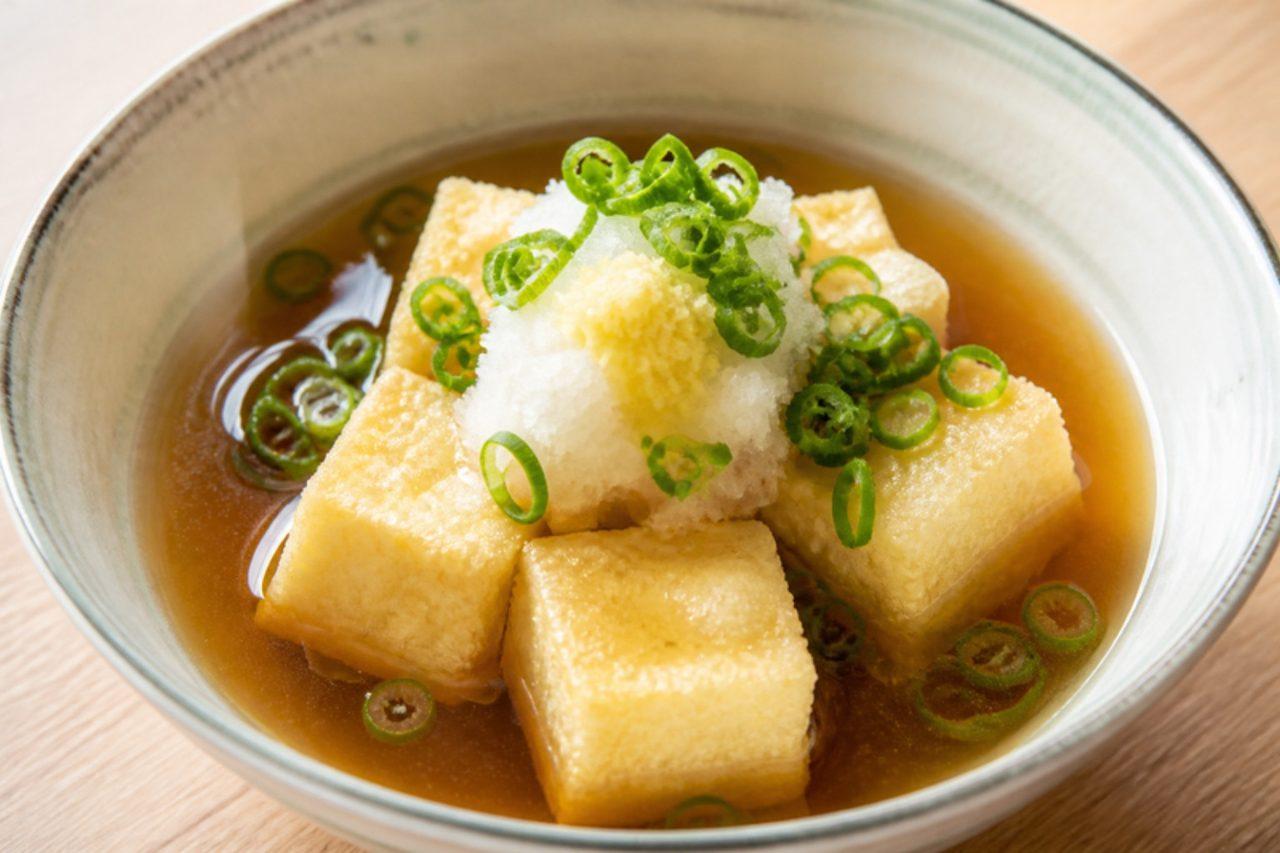
Agedashi tofu (揚げ出し豆腐) is a classic izakaya dish eaten all over Japan: cubes of soft tofu dusted in potato starch, fried until they form a thin, crisp shell, then bathed in a hot, savoury broth. The coating turns silky as it soaks up the sauce while the tofu inside stays creamy. Usually topped with bonito flakes; here it's grated daikon, ginger and spring onion with a kombu-shiitake broth instead. Chef's tip: coat the tofu in starch right before it goes into the oil, not ahead of time; if it sits, the starch turns damp and the coating fries up gummy instead of crisp.

by KrazyBadal 0 views

Tamagoyaki

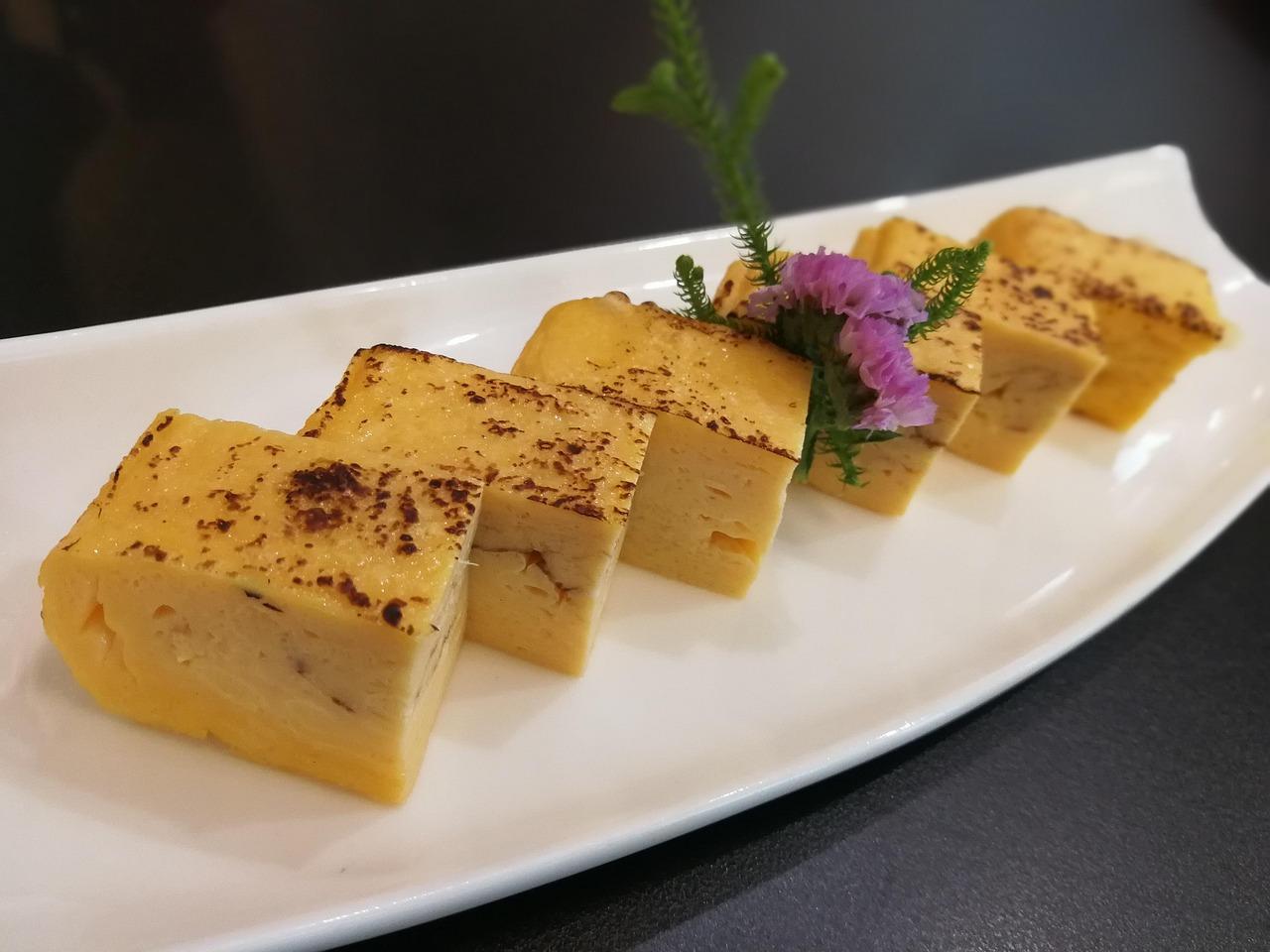
Tamagoyaki (卵焼き) is a rolled omelette made in layers, found in breakfast trays and bento boxes all over Japan. Thin sheets of seasoned egg are cooked one at a time and rolled up around each other, giving soft, springy slices with pretty spiral lines. This is the gently sweet home style; a little soy keeps it savoury. A square tamagoyaki pan helps, but a small round frying pan works too. Chef's tip: keep the heat moderate and the pan well oiled between layers. If the egg browns, the heat is too high; a good tamagoyaki is evenly yellow with just a few golden patches.

by KrazyBadal 0 views

Miso soup

Miso soup (味噌汁) is drunk every day in homes all over Japan, at breakfast as well as dinner, beside a bowl of rice. The base is dashi; this vegan version uses kombu and dried shiitake instead of bonito, which gives it a deep, rounded flavour. Silken tofu and wakame seaweed are the classic fillings. It takes ten minutes; just remember not to boil the miso. Chef's tip: add the miso at the very end and never let it boil. Boiling kills the miso's fresh, fermented aroma; Japanese cooks say the soup should only 'smile', with the surface barely trembling.

10 minSoupsVegan
by KrazyBadal 0 views

Goya champuru

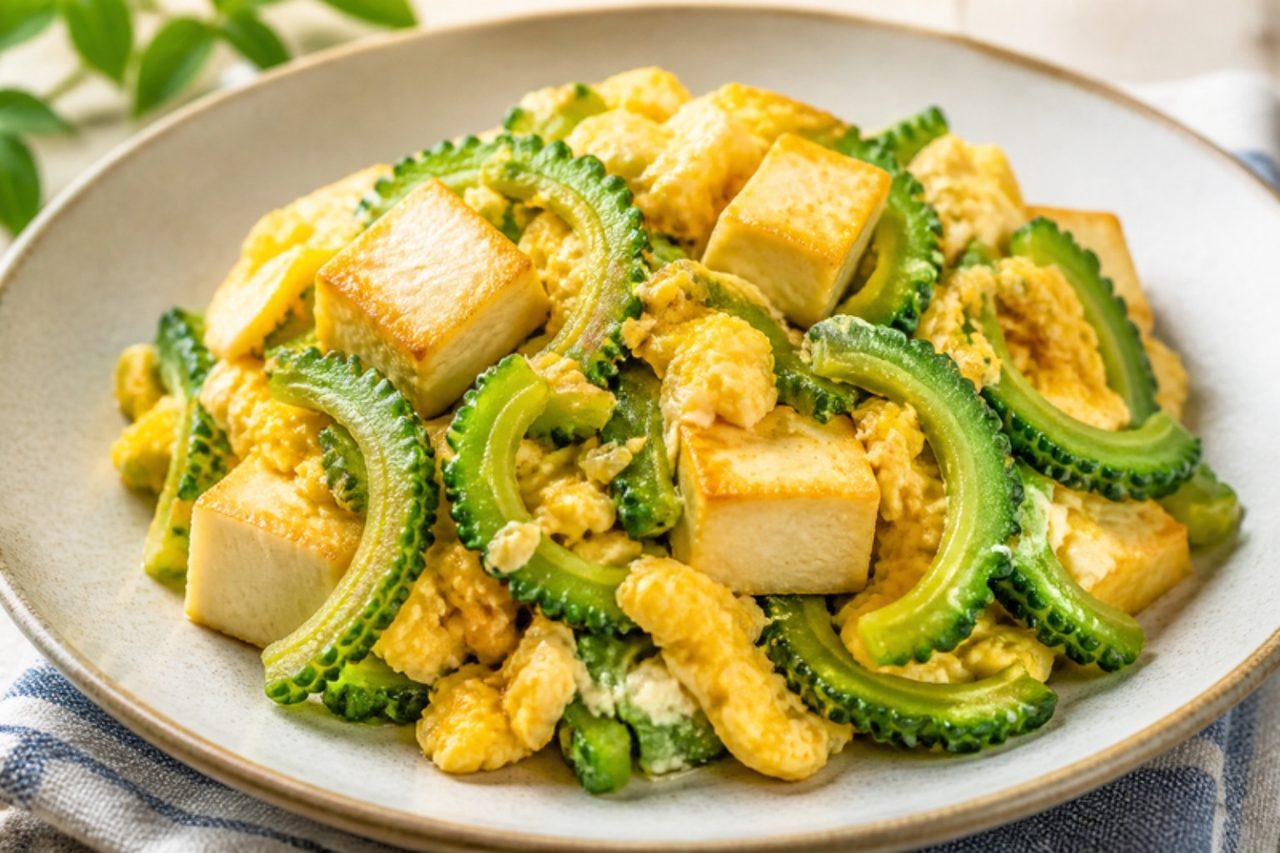
Goya champuru (ゴーヤーチャンプルー) is the best-known dish of Okinawa, Japan's southern islands, where bitter melon (goya) grows on vines in summer. Champuru means 'mixed up' in the Okinawan language: slices of goya are stir-fried with firm tofu and egg, and the bitterness is balanced by soy and the richness of the egg. Pork or Spam is usual; this vegetarian version relies on well-browned tofu. Serve with rice. Chef's tip: scrape out every bit of the white pith from inside the goya. That's where most of the harsh bitterness lives, so a clean scrape gives you the pleasant, refreshing bitterness Okinawans love.

20 minVegetarian
by KrazyBadal 0 views

Sunomono

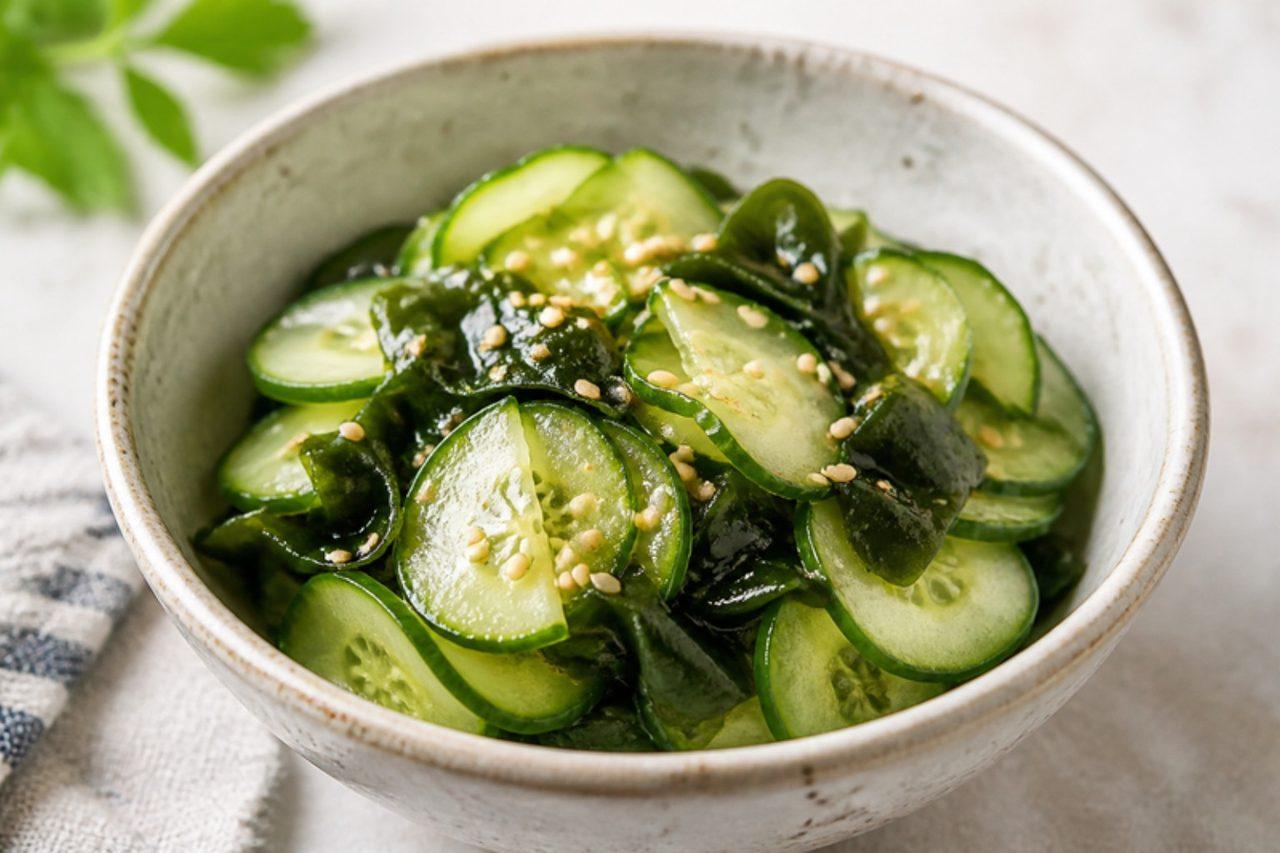
Sunomono (酢の物, 'vinegared things') are small, refreshing dishes served alongside rice and richer food in homes all over Japan. This one, kyūri to wakame no sunomono, is the most common: paper-thin salted cucumber and wakame seaweed in a sweet, gentle rice-vinegar dressing. It cuts through fried food like tempura or gyoza. Ready in ten minutes, and best eaten chilled. Chef's tip: salt the cucumber and squeeze it hard. It draws out the water so the slices turn pleasantly crunchy and drink up the dressing instead of diluting it.

10 minSaladsVegan
by KrazyBadal 0 views

Horenso goma-ae

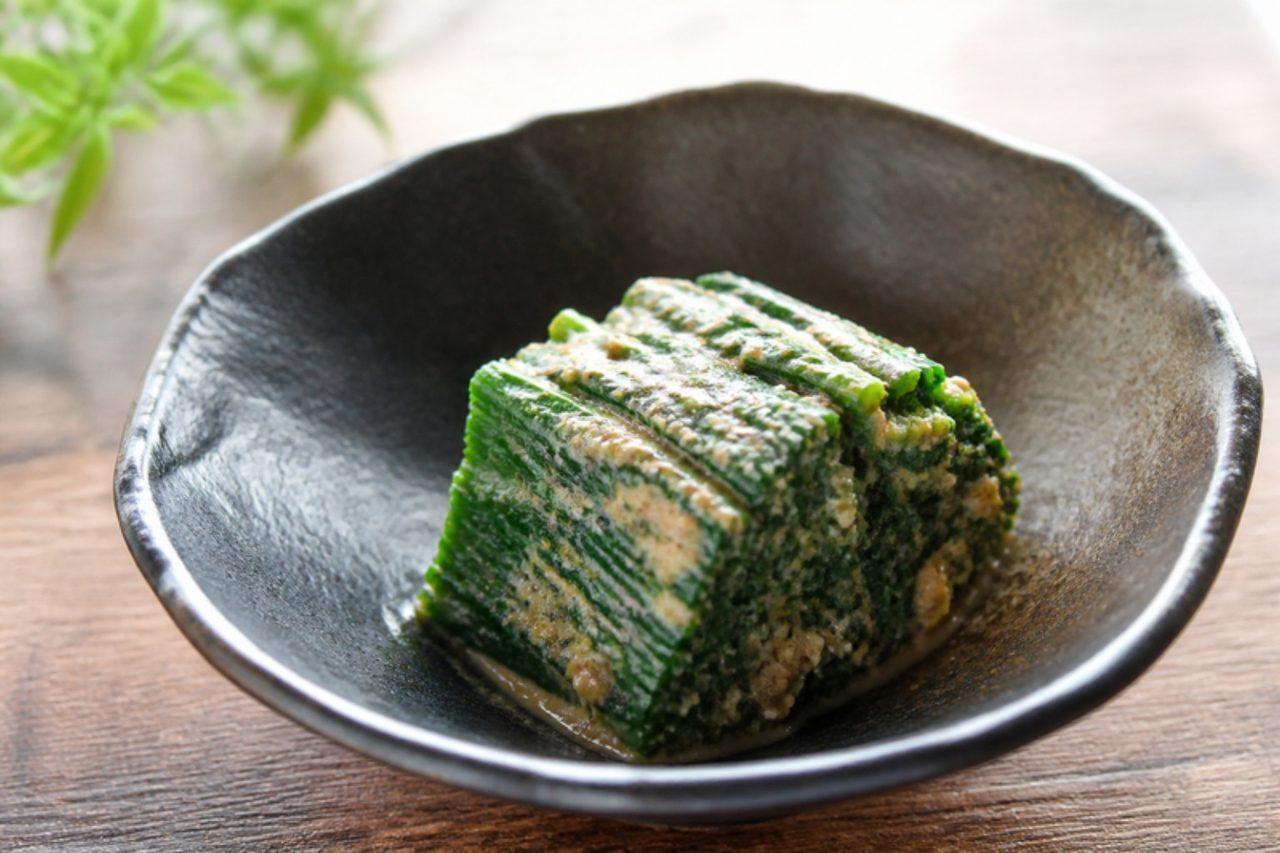
Horenso no goma-ae (ほうれん草の胡麻和え) is one of the most common side dishes in Japanese home cooking and bento boxes. Spinach is blanched for a few seconds, squeezed dry and tossed in a nutty dressing of freshly toasted, crushed sesame seeds with soy and a little sugar. Toasting and grinding the seeds yourself makes all the difference. Serve as one of several small dishes with rice and miso soup. Chef's tip: toast and grind the sesame yourself just before mixing. Ready-ground sesame tastes flat; freshly ground seeds smell like roasted nuts and give the dish its rich flavour.

10 minSidesVegan
by KrazyBadal 0 views

Edamame with sea salt

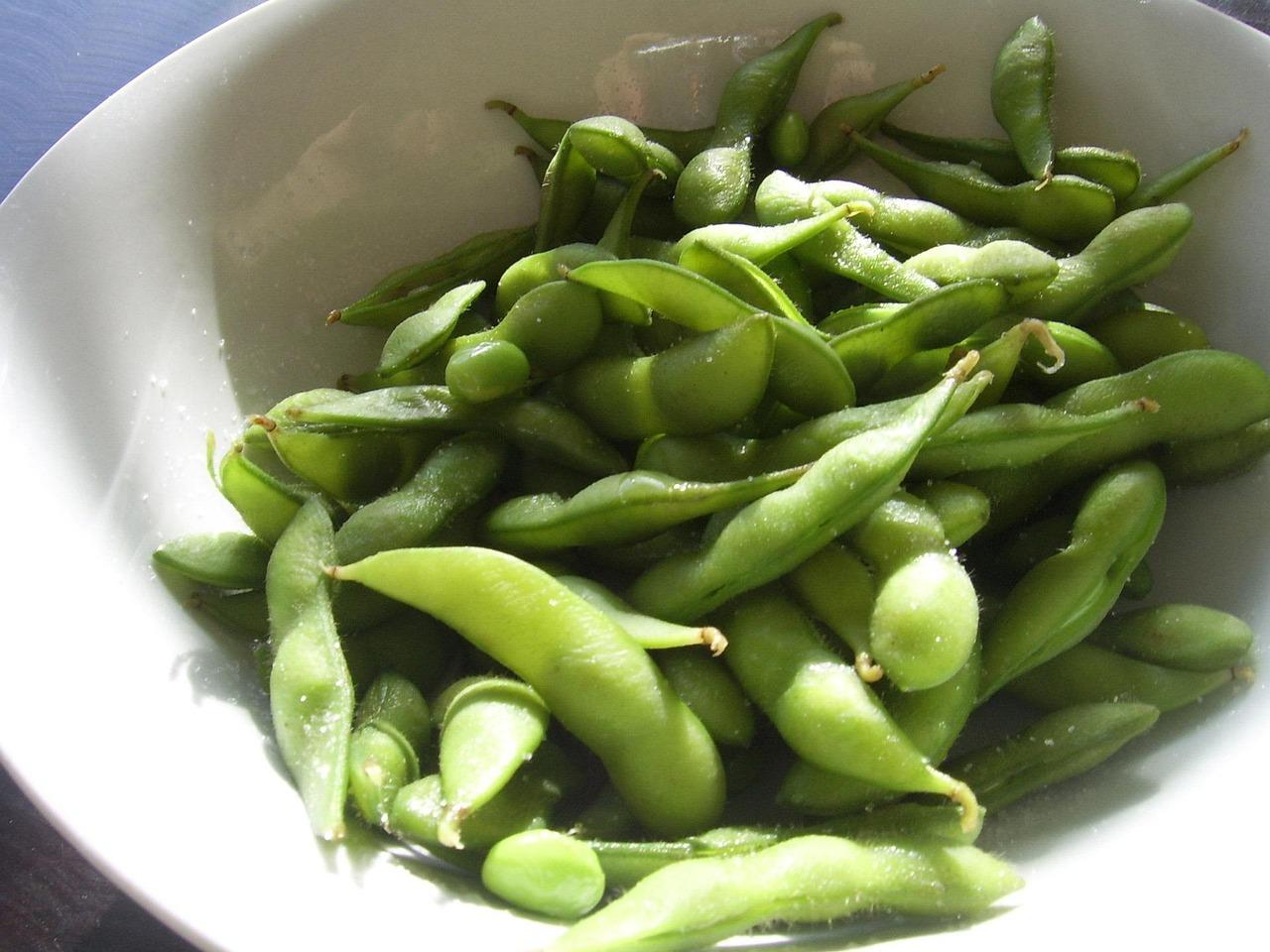
Edamame (枝豆) are young green soybeans cooked in their pods, the classic snack with a cold drink in izakaya and beer gardens all over Japan, especially in summer. You squeeze the beans straight from the salty pod into your mouth. Rubbing the pods with salt before boiling seasons them through and keeps them bright green. They're a good source of plant protein too. Chef's tip: rub the pods with salt before boiling, as izakaya cooks do. It scrubs off the fuzz, keeps the pods bright green and seasons the beans inside.

by KrazyBadal 0 views

Vegetable miso ramen

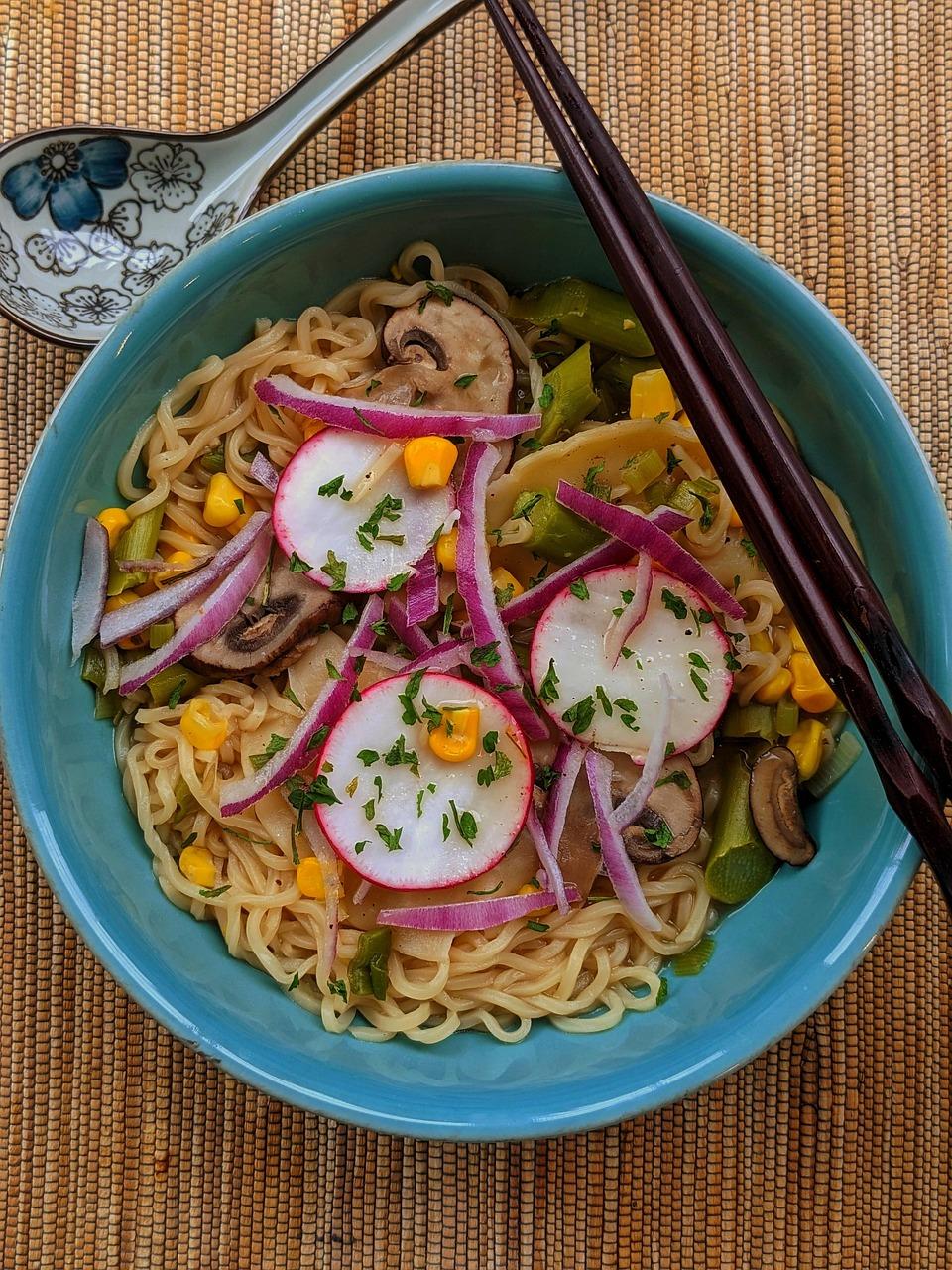
Miso ramen was born in Sapporo, Hokkaido, and is now eaten all over Japan. This vegetarian version builds a deep broth from kombu and dried shiitake instead of pork bones, then thickens it with miso and toasted sesame paste. A pile of quickly stir-fried cabbage, bean sprouts, carrot and sweetcorn goes on top with a soft-boiled egg. Slurp it while it's piping hot on a cold day. Chef's tip: fry the miso paste for a minute in the hot wok with the garlic and ginger before it meets the broth, as Sapporo shops do; the toasted miso gives the soup its deep, roasted flavour.

by KrazyBadal 0 views

Okonomiyaki

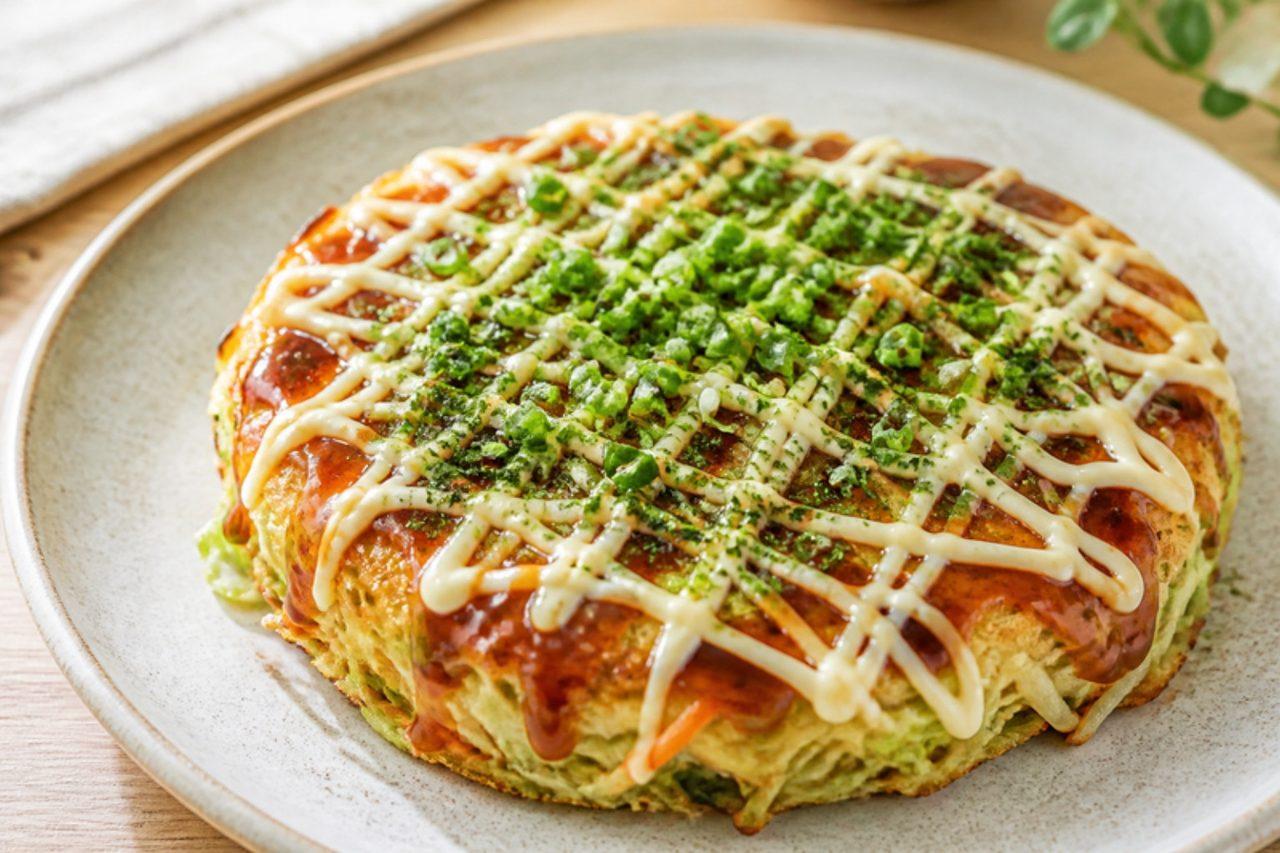
Okonomiyaki (お好み焼き, 'grilled as you like it') is the pride of Osaka, where it's cooked on hot iron griddles in lively restaurants. Finely shredded cabbage is folded into a light batter with egg and spring onion, then fried into a thick, soft pancake with a crisp outside. It's painted with a fruity brown sauce and zigzagged with mayonnaise. Bonito flakes are usual on top; this vegetarian version uses seaweed flakes and pickled ginger instead. Chef's tip: don't press the pancake down with your spatula while it cooks. Osaka cooks leave it alone so the cabbage steams inside and stays light and fluffy; pressing squeezes out the air.

by KrazyBadal 0 views