Skip to content
Recipes

All recipes

Vegetarian, or something you can't eat? Set your diet once and we'll hide recipes that don't fit.

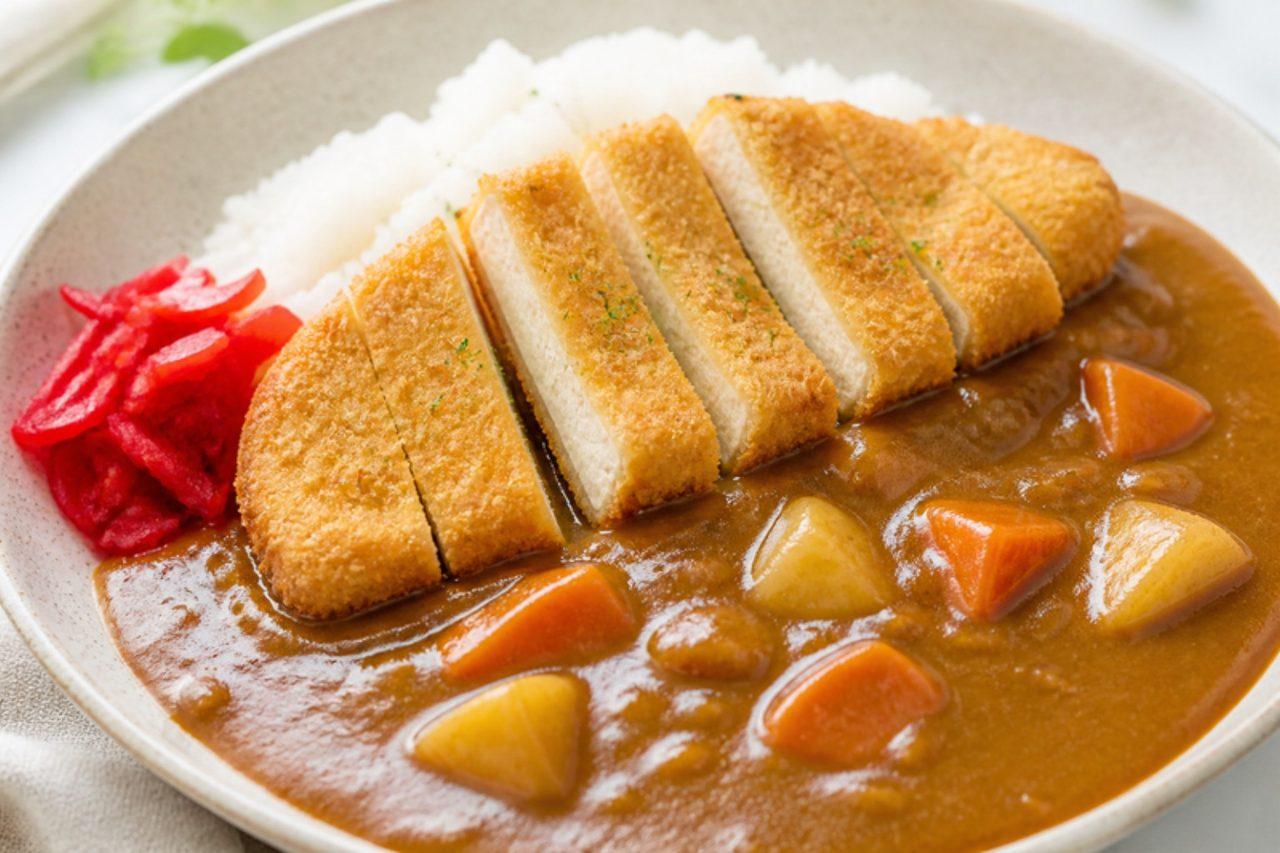
Tofu katsu curry

Katsu curry (カツカレー) is a favourite in canteens and curry houses across Japan, first served in Tokyo's Ginza in the 1940s. A crunchy breaded cutlet is sliced and laid over rice, then half of it is smothered in thick, mild curry sauce, so you get crisp and saucy bites. Here firm tofu replaces the pork. It is a little more work than plain curry rice, but children love it. Chef's tip: fry the katsu at the last minute and pour the curry over only half of it, so you always keep some crunch; Japanese curry houses serve it exactly this way.

45 minCurries
by KrazyBadal 0 views

Omurice

Omurice (オムライス) is a yōshoku dish, Western-style Japanese food, said to have been invented at a Tokyo restaurant around 1900. Tangy ketchup fried rice is wrapped in a thin, soft omelette and topped with more ketchup. Chicken is usual inside; this vegetarian version uses mushrooms, sweetcorn, peas and onion. A favourite with children, and on the table in half an hour. Chef's tip: pull the pan off the heat while the top of the omelette is still a little runny; it finishes cooking from the heat of the rice, and stays soft and silky as in a Tokyo yōshoku diner.

by KrazyBadal 0 views

Tamagoyaki

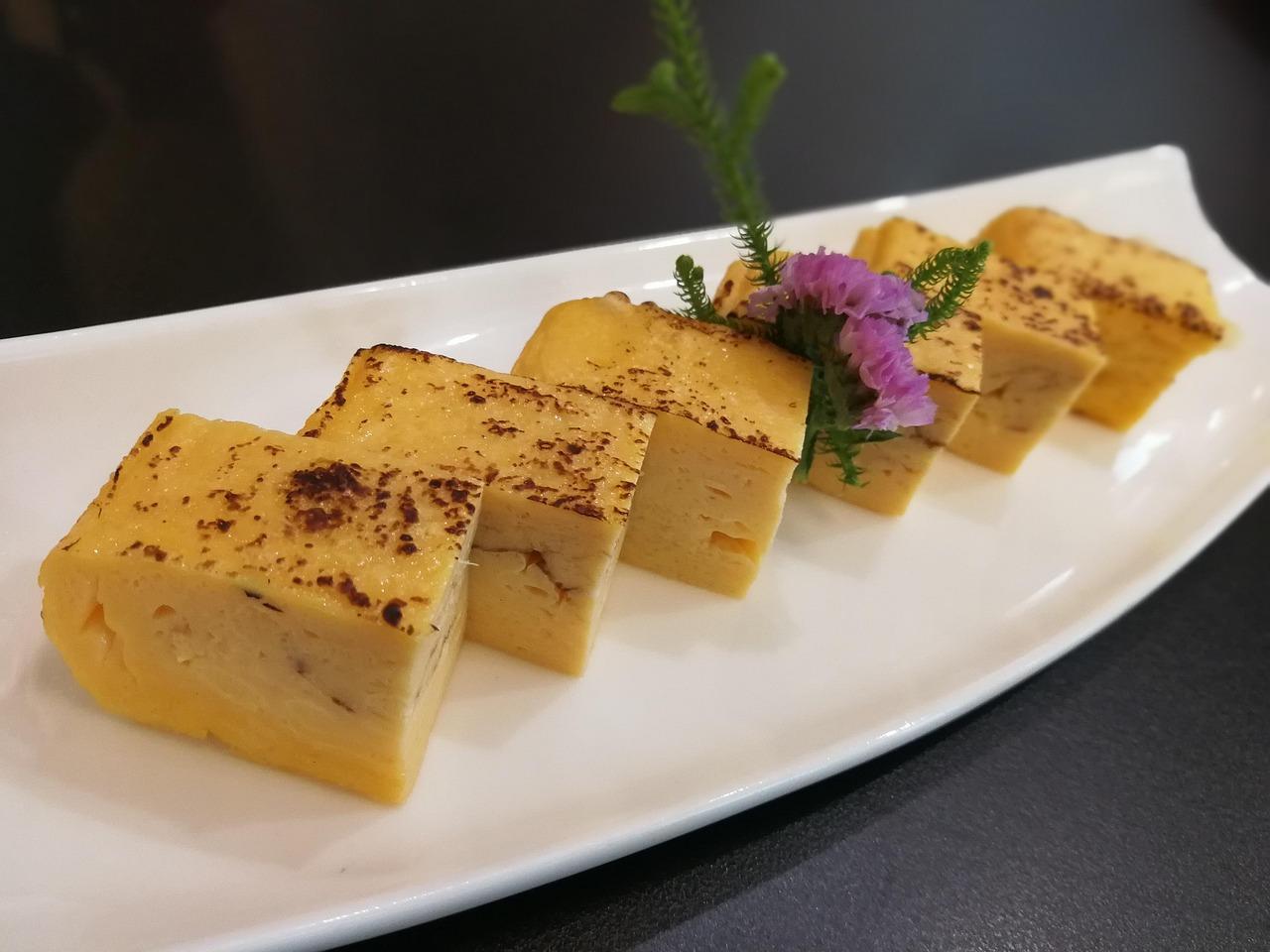
Tamagoyaki (卵焼き) is a rolled omelette made in layers, found in breakfast trays and bento boxes all over Japan. Thin sheets of seasoned egg are cooked one at a time and rolled up around each other, giving soft, springy slices with pretty spiral lines. This is the gently sweet home style; a little soy keeps it savoury. A square tamagoyaki pan helps, but a small round frying pan works too. Chef's tip: keep the heat moderate and the pan well oiled between layers. If the egg browns, the heat is too high; a good tamagoyaki is evenly yellow with just a few golden patches.

by KrazyBadal 0 views

Japanese curry rice

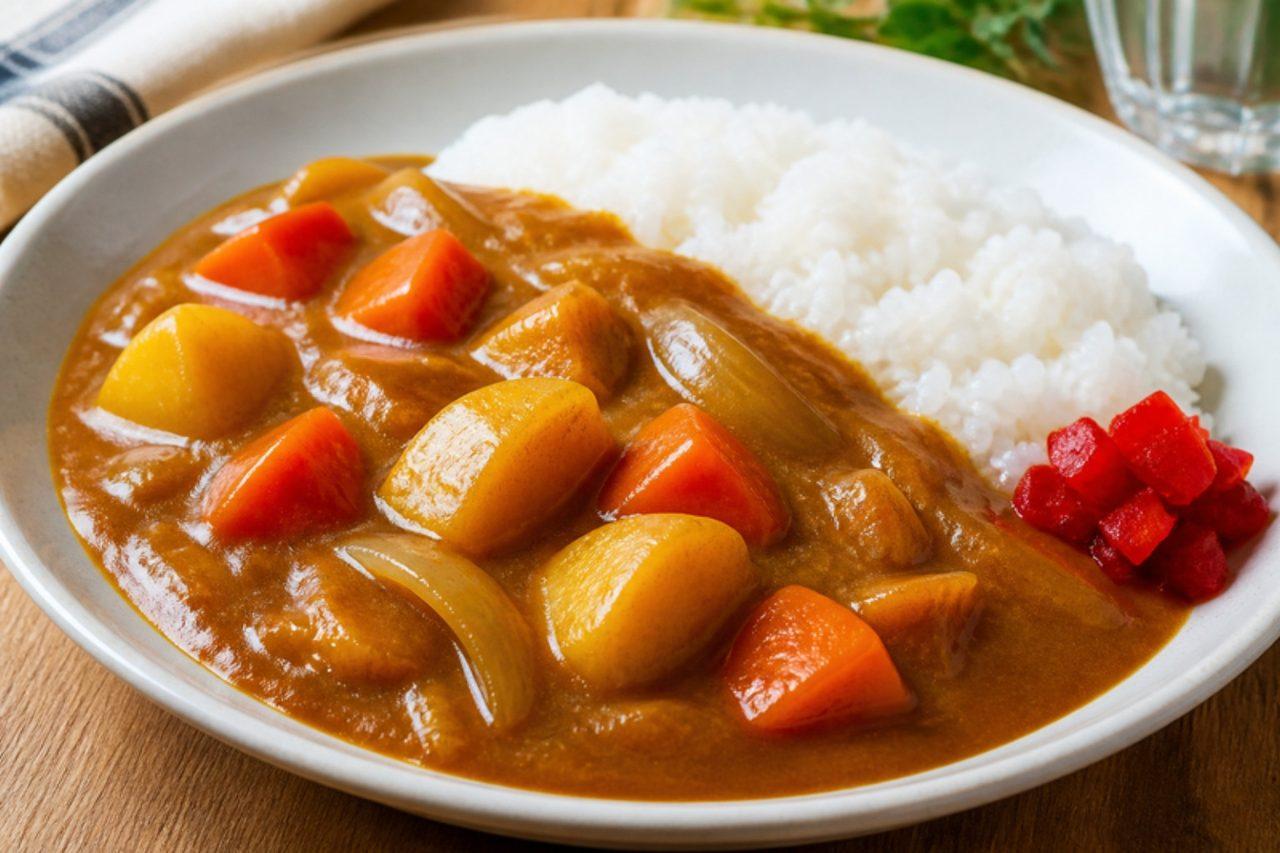
Japanese curry rice (カレーライス) arrived in Japan from Britain via the navy in the late 1800s and is now a national comfort food, cooked in homes from Hokkaido to Okinawa. It is nothing like an Indian curry: the sauce is thick, glossy and mild, made with a roux of butter, flour and curry powder, and sweetened with grated apple. This vegetarian version is packed with potato, carrot, onion and mushrooms. It tastes even better the next day, and children love it. Chef's tip: take the onions all the way to a deep golden brown before anything else goes in. Japanese home cooks swear by this step, as the caramelised onion gives the curry its rounded sweetness.

50 minCurries
by KrazyBadal 0 views

Vegetable onigiri

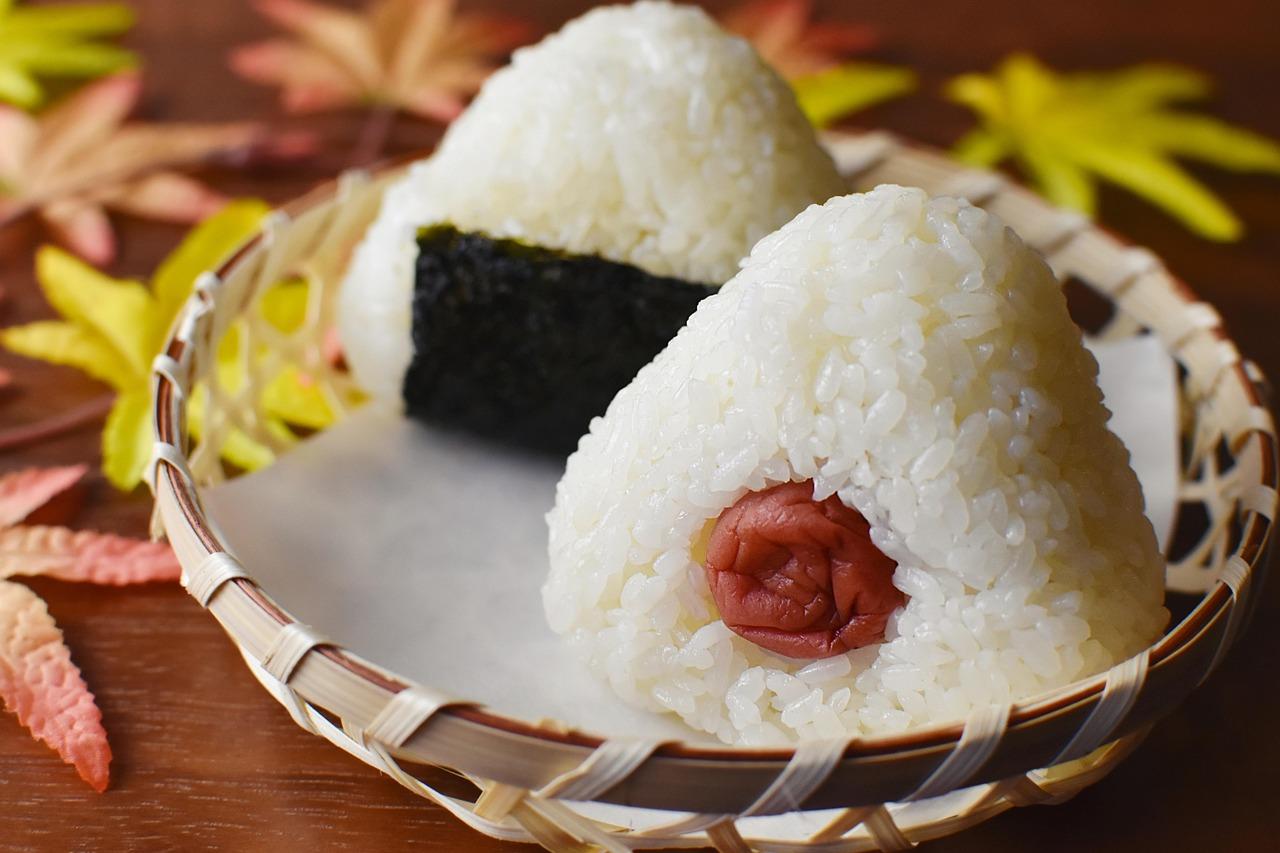
Onigiri (おにぎり) are Japan's everyday lunchbox and picnic food, sold in every convenience store from Tokyo to Kyushu. Warm rice is pressed around a salty or savoury filling and wrapped in a strip of crisp nori. This recipe gives three vegetarian fillings: sour umeboshi (pickled plum), sweet-salty simmered kombu, and a soy-glazed mushroom and carrot mix. Children love helping to shape them, and they keep well for a packed lunch. Chef's tip: use freshly cooked, still-warm rice and salt your hands, not the rice. The grains stick together only while warm, and the salt on the outside seasons every bite the way a Japanese mother would.

by KrazyBadal 0 views

Dorayaki

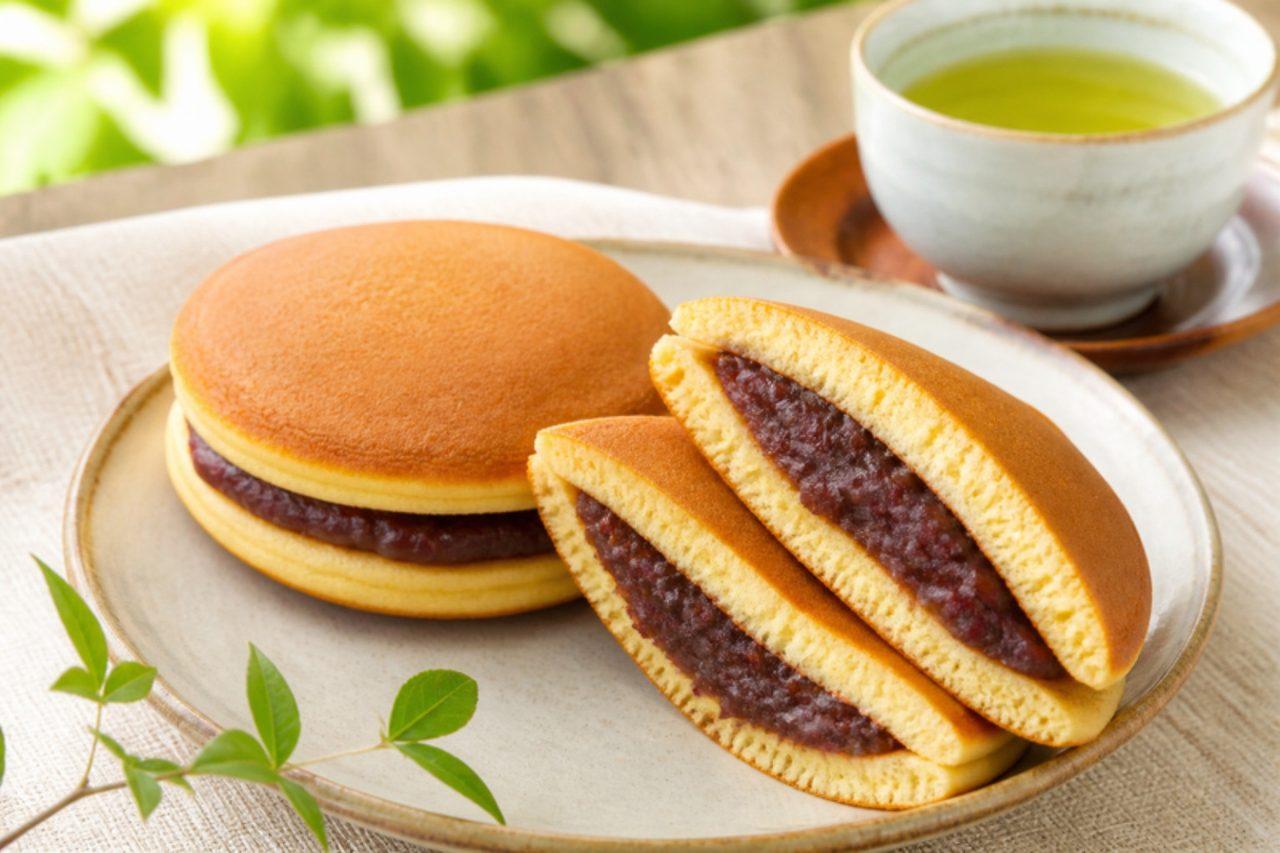
Dorayaki (どら焼き) are two small, golden honey pancakes pressed around a thick layer of sweet red bean paste (anko). They were first sold in their modern form by a Tokyo sweet shop in the early 1900s, and are now in every Japanese bakery and convenience store. The pancakes are soft, moist and slightly springy, with a deep brown, even surface. A good afternoon treat with green tea, and children love them. Chef's tip: wipe the pan almost dry of oil and keep the heat low. That's how Japanese sweet shops get the smooth, evenly brown 'gong' surface (dora means gong); too much oil gives a blotchy, spotted pancake.

40 minDesserts
by KrazyBadal 0 views