Skip to content
Recipes

All recipes

Vegetarian, or something you can't eat? Set your diet once and we'll hide recipes that don't fit.

Japanese cheesecake

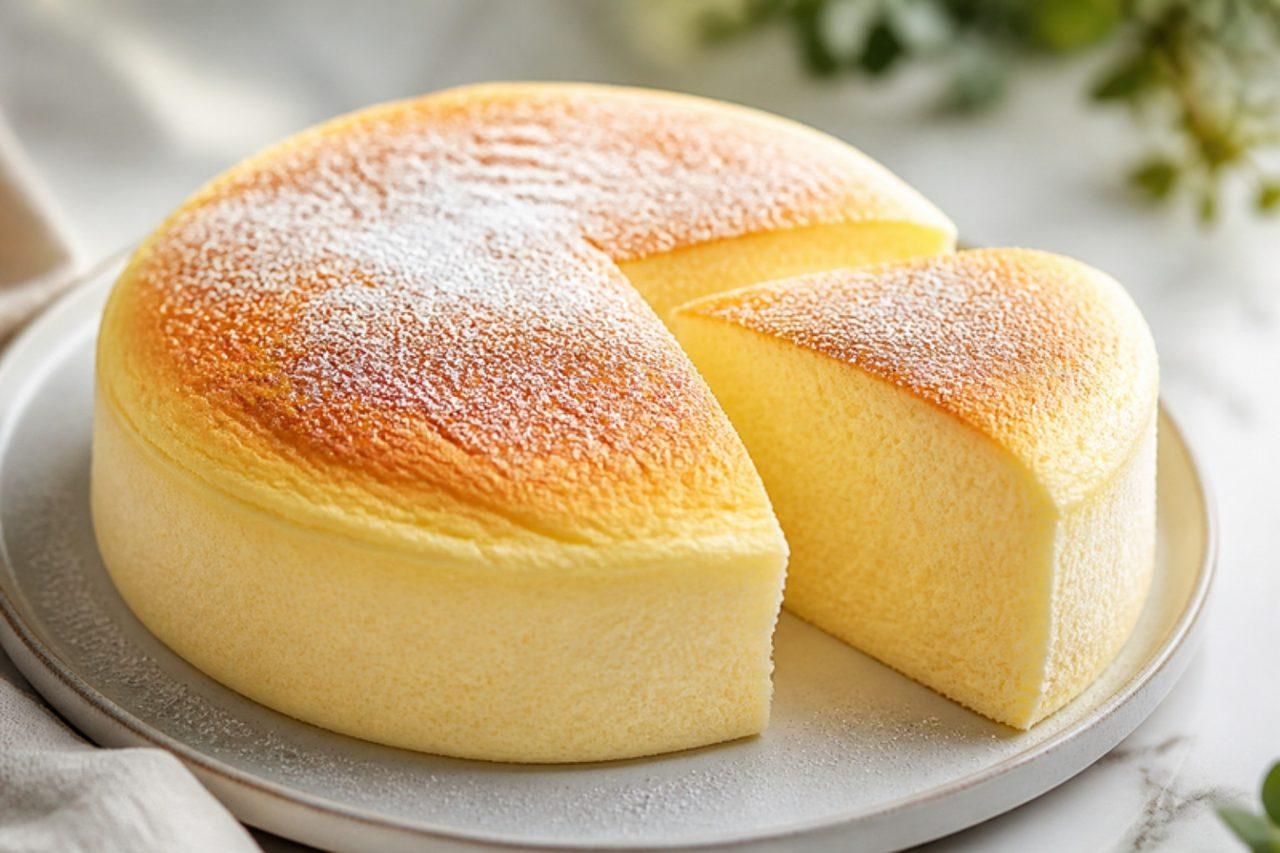
Japanese soufflé cheesecake (スフレチーズケーキ) is soft, airy and barely sweet, somewhere between a cheesecake and a chiffon sponge, and it wobbles when it comes out of the oven. It became popular in Japanese bakeries in the 1960s and later spread from Osaka and Fukuoka shops around the world. Cream cheese is folded with stiffly whipped meringue and baked slowly in a water bath so it rises without cracking. It takes patience, but the result melts in the mouth. Chef's tip: whip the meringue only to soft-to-medium peaks and bake low and slow in the water bath. Over-whipped egg whites and a hot oven are the two reasons this cake cracks and then collapses.

100 minBaking
by KrazyBadal 0 views

Takikomi gohan

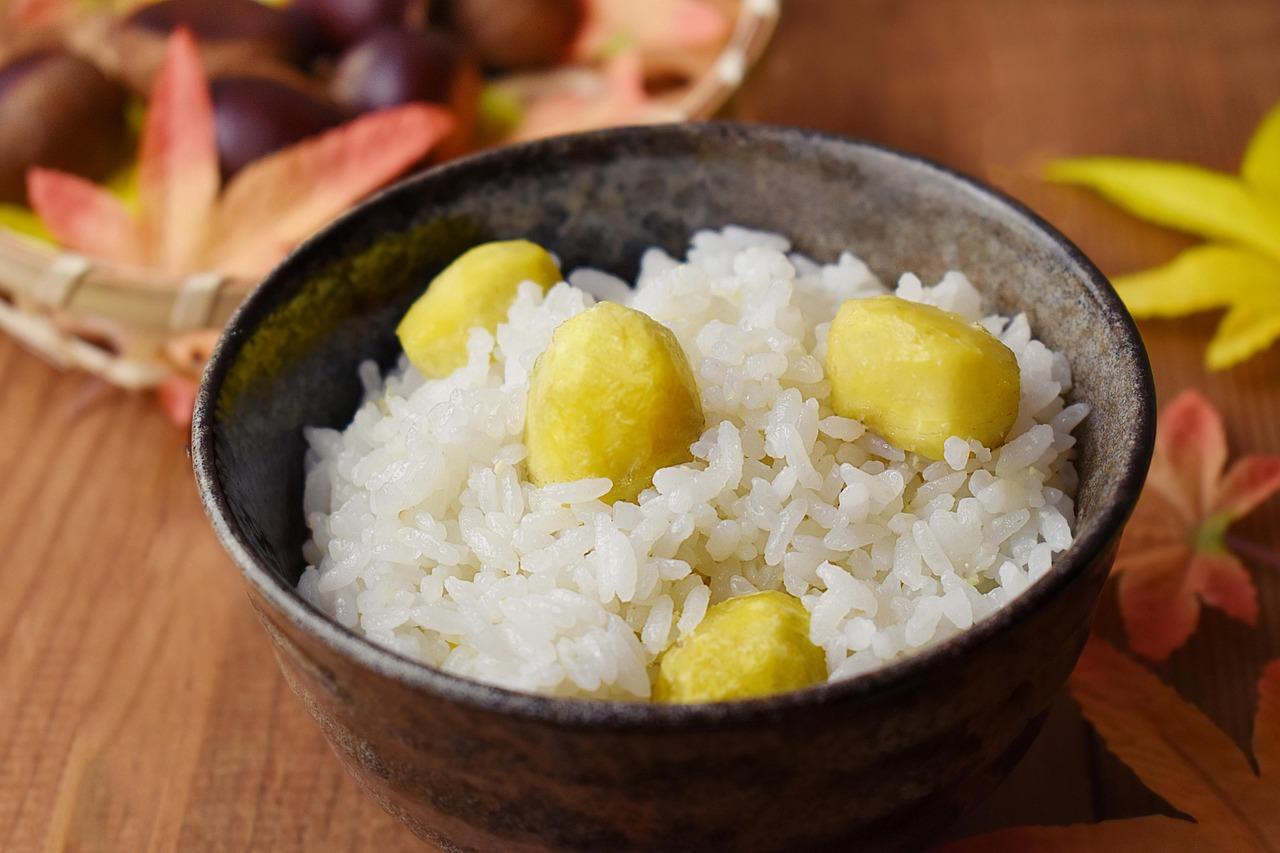
Takikomi gohan (炊き込みご飯) is mixed rice cooked in one pot with seasonal vegetables and a savoury broth, made in homes across Japan, especially in autumn when mushrooms and chestnuts are in season. Every grain soaks up the soy, mirin and mushroom flavour, and the bottom forms a prized toasty crust (okoge). This vegetarian version uses a kombu and shiitake dashi. Serve it with miso soup and pickles, or pack it into onigiri the next day. Chef's tip: never stir once the vegetables are on top, and don't lift the lid while it cooks. The heavy vegetables would sink and the rice cook unevenly; leaving it alone also gives you the toasty okoge crust at the bottom.

by KrazyBadal 0 views

Matcha mochi

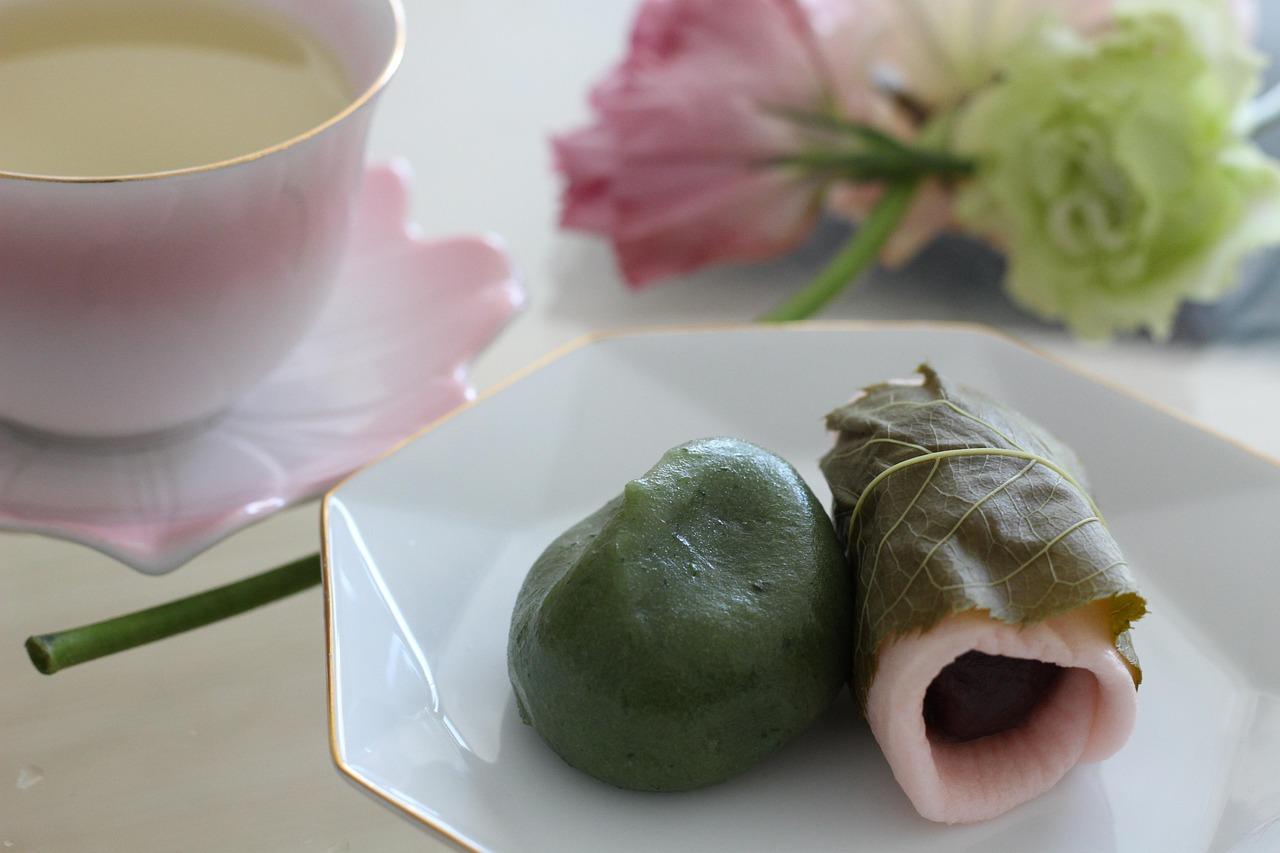
Mochi (もち) are soft, chewy rice cakes made from glutinous rice flour, and Kyoto's confectioners have long flavoured them with matcha from nearby Uji. This quick home version cooks the dough in the microwave rather than pounding steamed rice. Each little green ball is wrapped around a centre of sweet red bean paste and dusted with cornflour. They are best eaten the day they are made, while still soft. Chef's tip: work while the dough is still warm, and keep your hands and the tray well dusted with starch. Warm mochi stretches easily around the filling; once it cools it tears and won't seal.

26 minDessertsVeganGluten free
by KrazyBadal 0 views

Edamame with sea salt

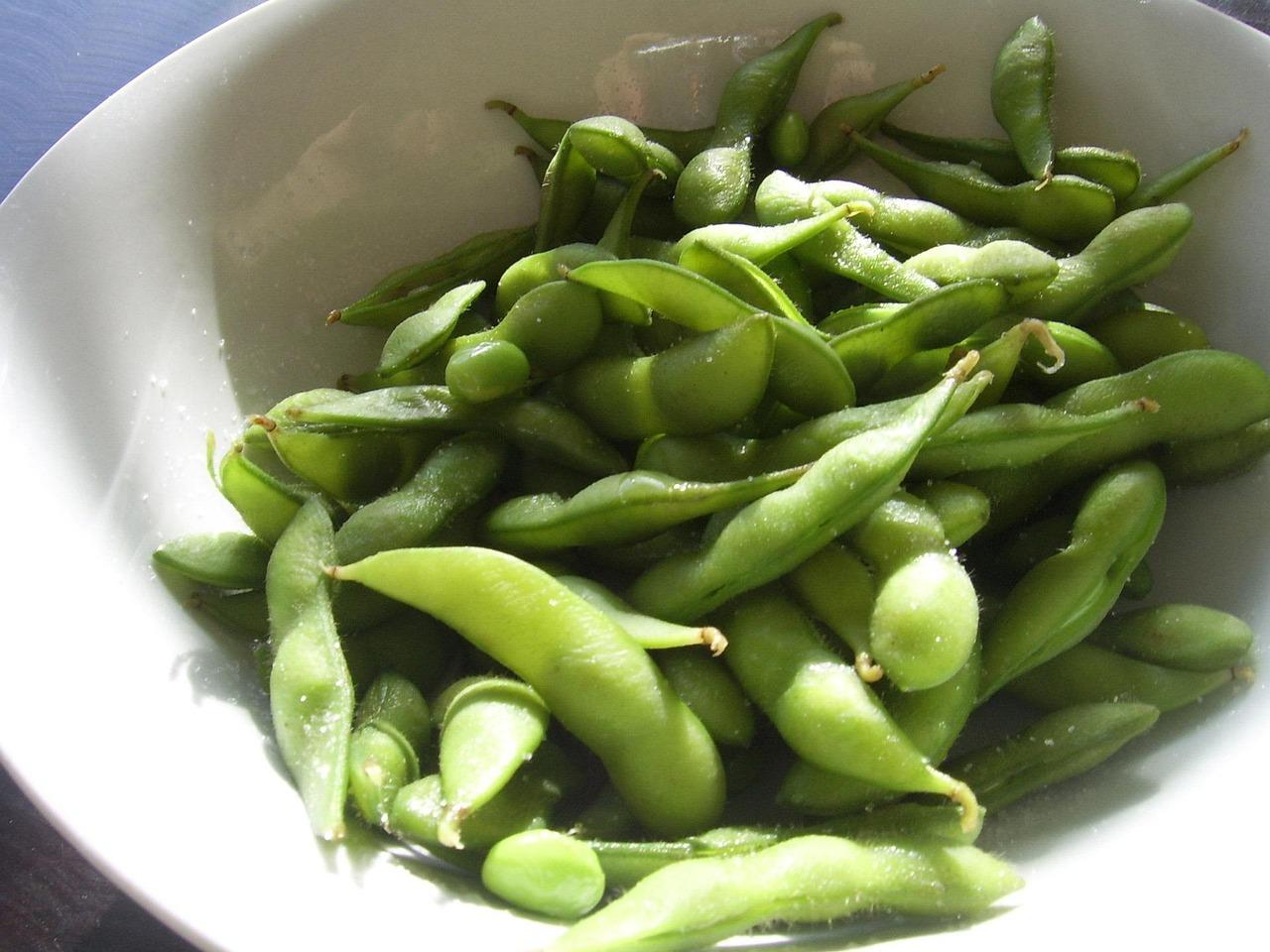
Edamame (枝豆) are young green soybeans cooked in their pods, the classic snack with a cold drink in izakaya and beer gardens all over Japan, especially in summer. You squeeze the beans straight from the salty pod into your mouth. Rubbing the pods with salt before boiling seasons them through and keeps them bright green. They're a good source of plant protein too. Chef's tip: rub the pods with salt before boiling, as izakaya cooks do. It scrubs off the fuzz, keeps the pods bright green and seasons the beans inside.

by KrazyBadal 0 views

Vegetable miso ramen

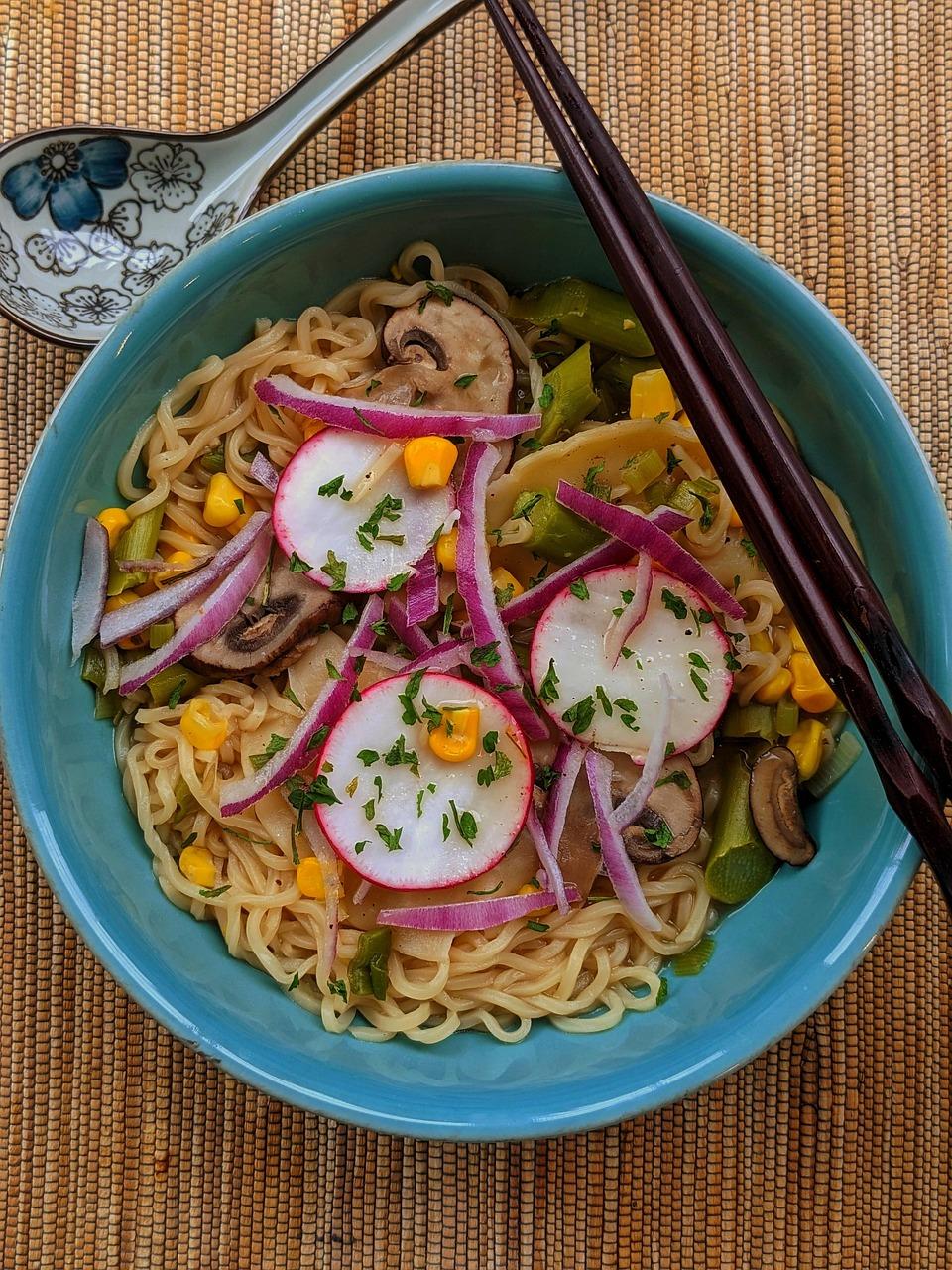
Miso ramen was born in Sapporo, Hokkaido, and is now eaten all over Japan. This vegetarian version builds a deep broth from kombu and dried shiitake instead of pork bones, then thickens it with miso and toasted sesame paste. A pile of quickly stir-fried cabbage, bean sprouts, carrot and sweetcorn goes on top with a soft-boiled egg. Slurp it while it's piping hot on a cold day. Chef's tip: fry the miso paste for a minute in the hot wok with the garlic and ginger before it meets the broth, as Sapporo shops do; the toasted miso gives the soup its deep, roasted flavour.

by KrazyBadal 0 views

Omurice

Omurice (オムライス) is a yōshoku dish, Western-style Japanese food, said to have been invented at a Tokyo restaurant around 1900. Tangy ketchup fried rice is wrapped in a thin, soft omelette and topped with more ketchup. Chicken is usual inside; this vegetarian version uses mushrooms, sweetcorn, peas and onion. A favourite with children, and on the table in half an hour. Chef's tip: pull the pan off the heat while the top of the omelette is still a little runny; it finishes cooking from the heat of the rice, and stays soft and silky as in a Tokyo yōshoku diner.

by KrazyBadal 0 views

Vegetable gyoza

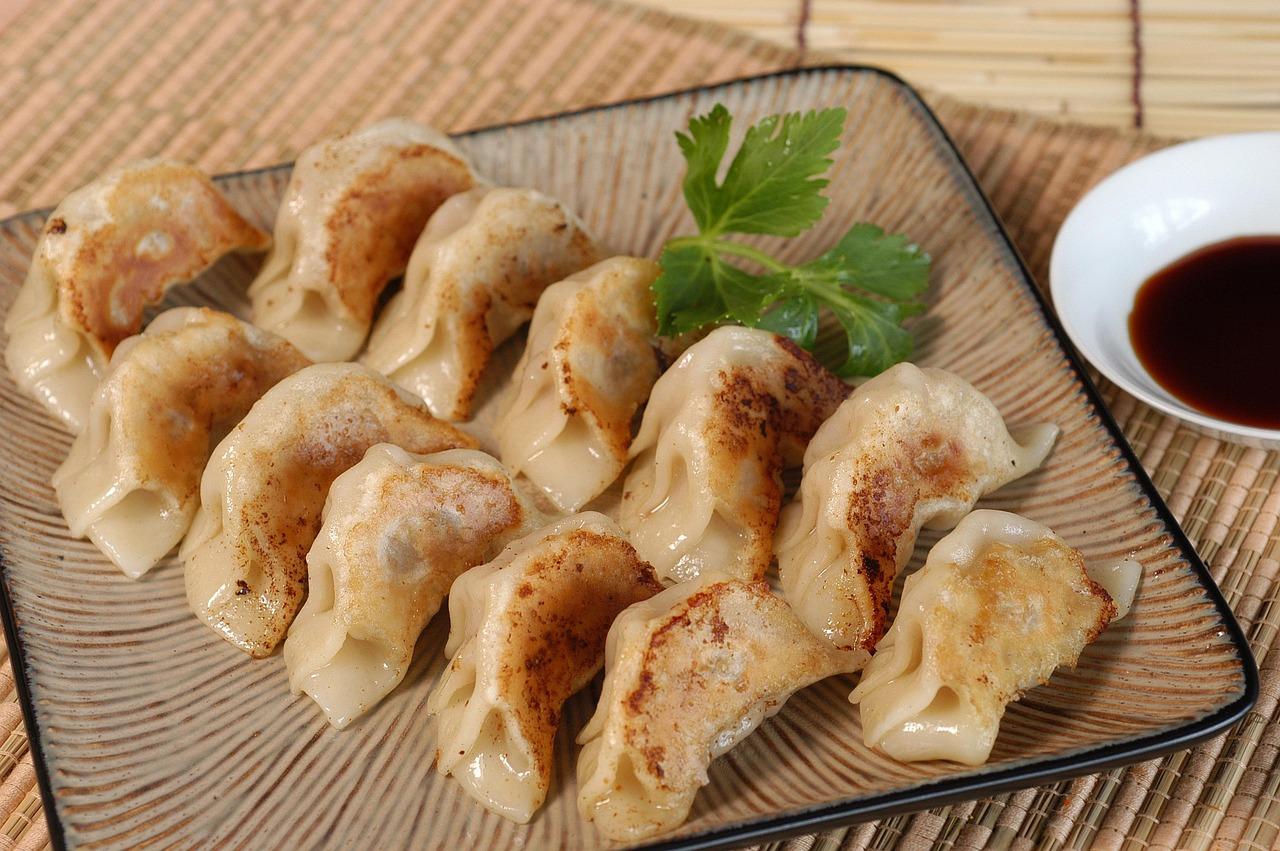
Gyoza (餃子) came to Japan from China and became a passion in Utsunomiya, a city north of Tokyo that calls itself the gyoza capital, with a gyoza statue outside the station. These vegetarian dumplings are filled with salted cabbage, shiitake, tofu and garlic chives. They're pan-fried and then steamed, so the bottoms turn crisp and golden while the tops stay soft. Shape a big batch and freeze some for later. Chef's tip: squeeze the salted cabbage really hard. Watery filling makes soggy, torn gyoza; a dry filling keeps the wrappers sealed and the bottoms crisp.

by KrazyBadal 0 views

Goya champuru

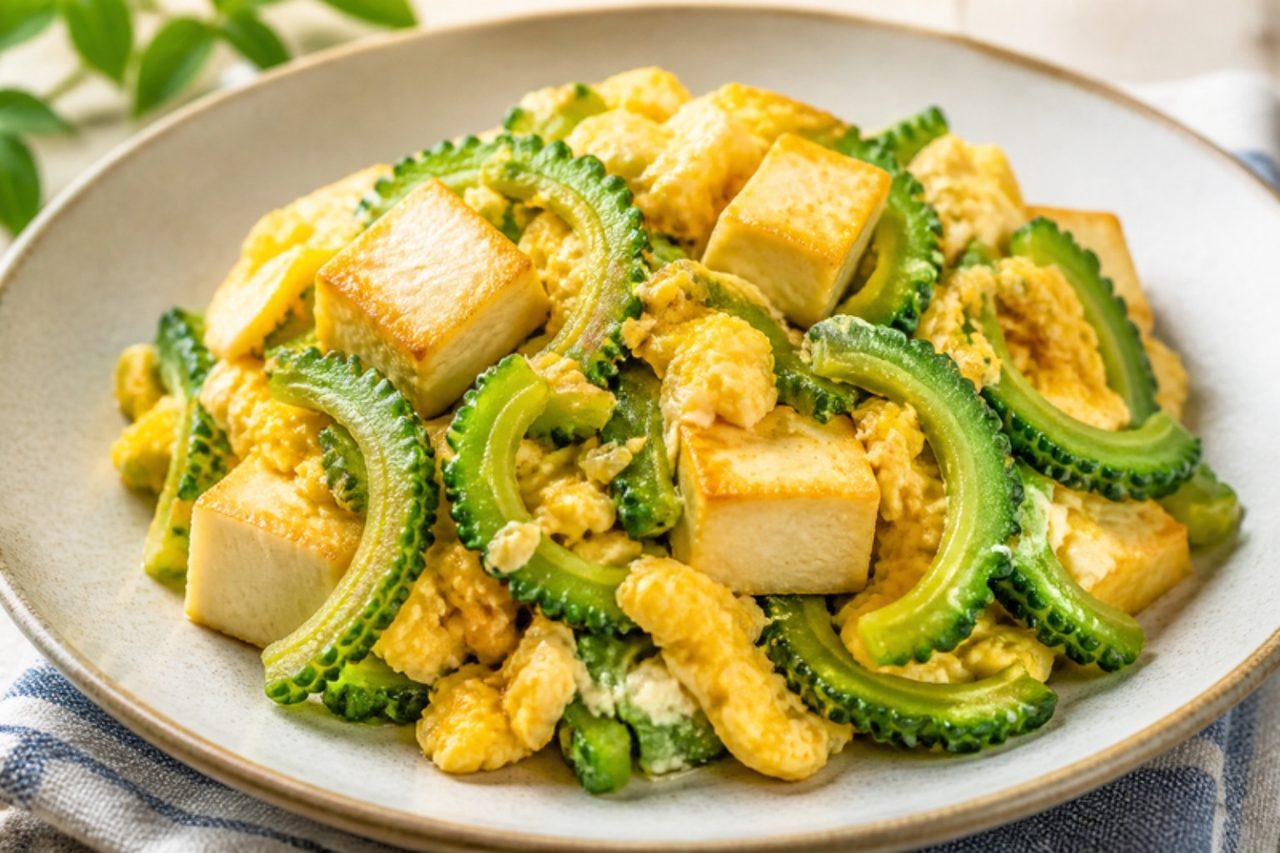
Goya champuru (ゴーヤーチャンプルー) is the best-known dish of Okinawa, Japan's southern islands, where bitter melon (goya) grows on vines in summer. Champuru means 'mixed up' in the Okinawan language: slices of goya are stir-fried with firm tofu and egg, and the bitterness is balanced by soy and the richness of the egg. Pork or Spam is usual; this vegetarian version relies on well-browned tofu. Serve with rice. Chef's tip: scrape out every bit of the white pith from inside the goya. That's where most of the harsh bitterness lives, so a clean scrape gives you the pleasant, refreshing bitterness Okinawans love.

20 minVegetarian
by KrazyBadal 0 views

Yaki onigiri

Yaki onigiri (焼きおにぎり) are rice balls grilled until they form a crisp, toasty crust, then brushed with soy sauce glaze. They are eaten all over Japan, at izakaya, at barbecues and from the freezer section, as a snack or with miso soup. The inside stays soft and steamy while the outside crackles. Best eaten hot, straight from the pan. Chef's tip: let the shaped rice balls dry for 10 minutes before they go in the pan. A drier surface forms a better crust and won't stick, and the glaze goes on only at the end so it doesn't burn.

by KrazyBadal 0 views

Yaki udon

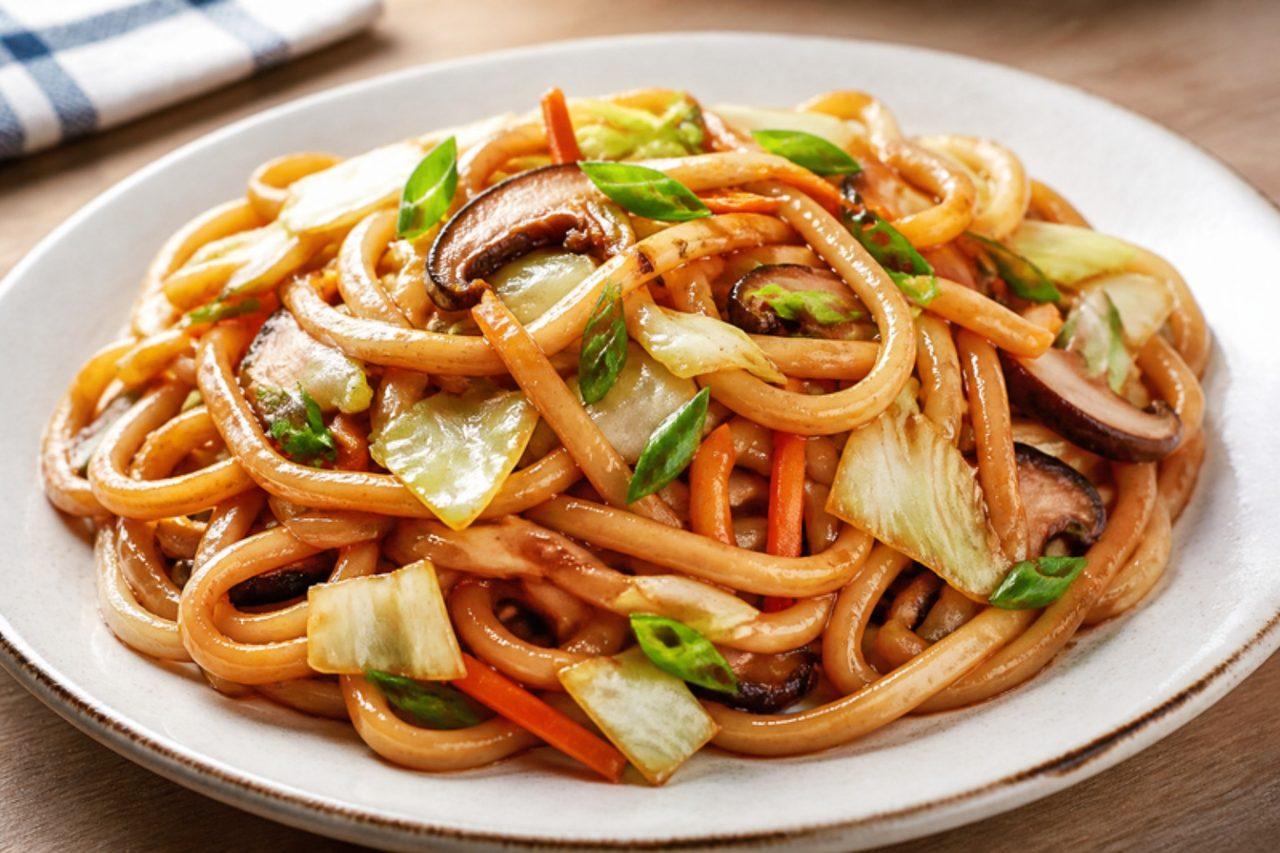
Yaki udon (焼うどん) was first made in Kitakyushu, in northern Kyushu, just after the war, when a café owner ran out of soba for yakisoba and fried udon instead. The thick, chewy noodles are tossed in a hot pan with cabbage, onion, mushrooms and carrot, then glazed with soy, mirin and a little vegetarian Worcestershire-style sauce. Meat is usual in Japan; this vegetarian version gets its richness from shiitake and a fried egg on top. A fast, filling weeknight supper. Chef's tip: get the pan really hot and leave the noodles alone for 30 seconds at a time, so they pick up slightly charred edges; that smoky 'koge' is what makes yaki udon taste like the street-stall version.

by KrazyBadal 0 views

Tofu katsu curry

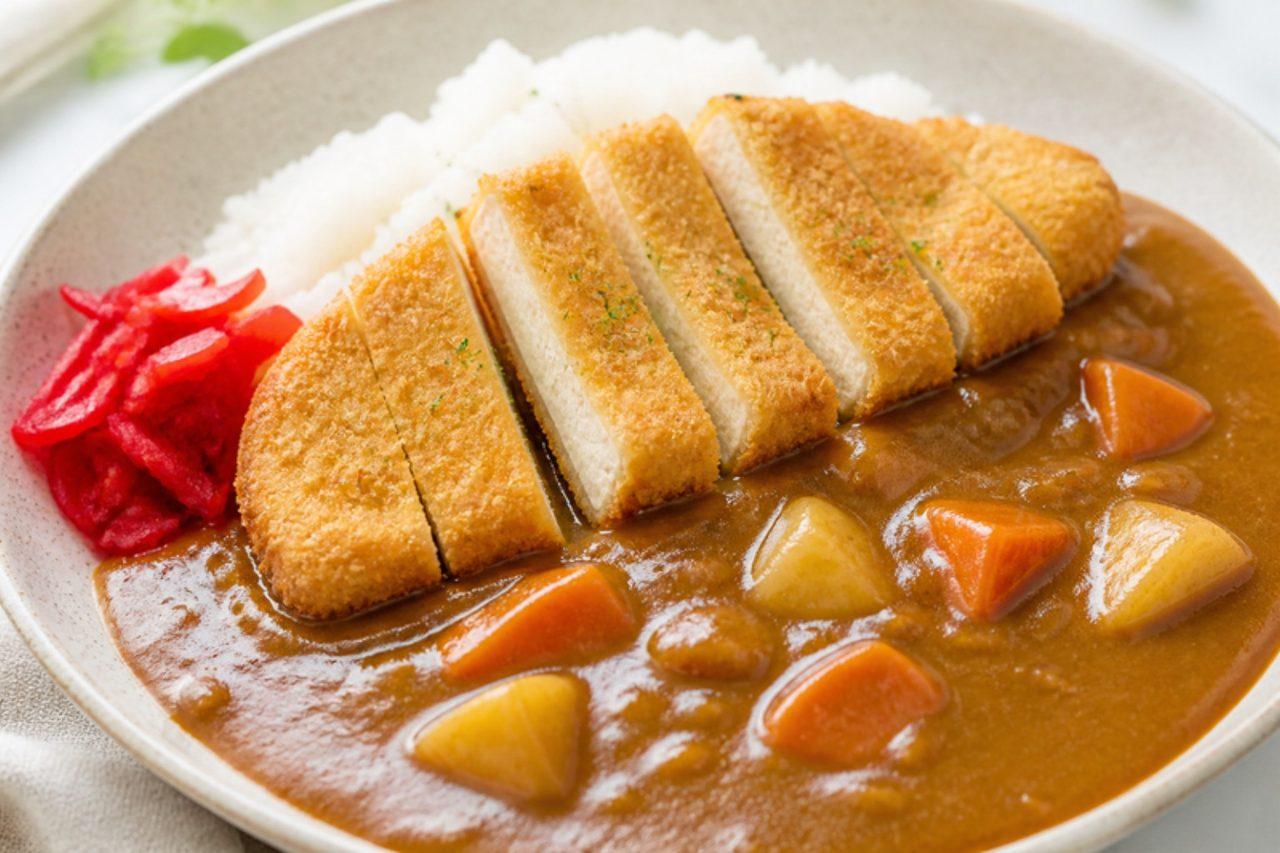
Katsu curry (カツカレー) is a favourite in canteens and curry houses across Japan, first served in Tokyo's Ginza in the 1940s. A crunchy breaded cutlet is sliced and laid over rice, then half of it is smothered in thick, mild curry sauce, so you get crisp and saucy bites. Here firm tofu replaces the pork. It is a little more work than plain curry rice, but children love it. Chef's tip: fry the katsu at the last minute and pour the curry over only half of it, so you always keep some crunch; Japanese curry houses serve it exactly this way.

45 minCurries
by KrazyBadal 0 views

Hiyashi chuka

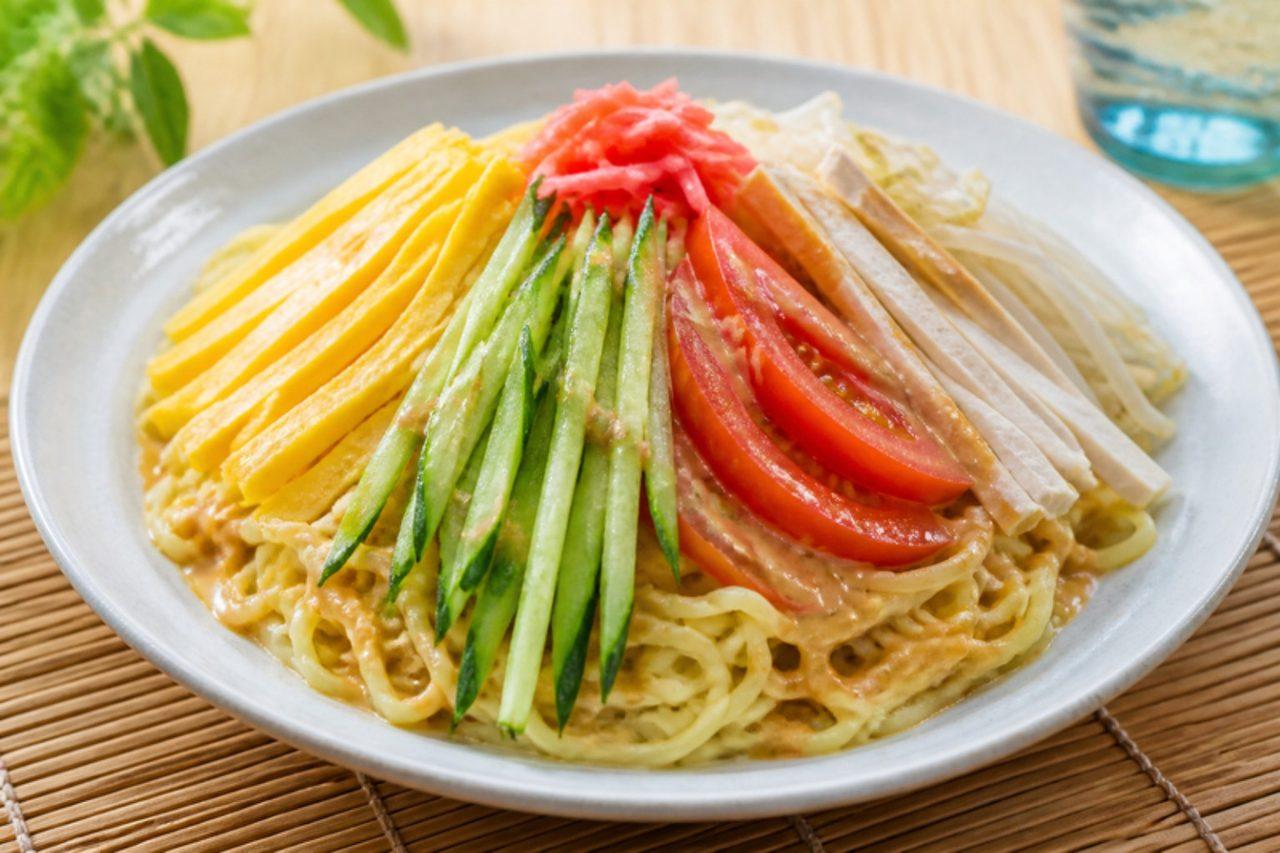
Hiyashi chuka (冷やし中華) is Japan's summer noodle dish: shops all over the country hang up a 'hiyashi chuka hajimemashita' (we've started serving it) sign when the hot weather arrives. Cold, springy ramen noodles are topped with neat strips of thin omelette, cucumber, tomato and other vegetables, then dressed with a tangy soy, vinegar and sesame sauce. This vegetarian version uses sweetcorn and seasoned tofu in place of the usual ham. Fresh, light and ready in under half an hour. Chef's tip: rinse the noodles until they squeak and are truly cold, then shake them dry; any warmth or water left on them makes the dressing taste flat.

by KrazyBadal 0 views