Skip to content
WhatToEat.Today

All recipes

274

Vegetarian, or something you can't eat? Set your diet once and we'll hide recipes that don't fit.

GrießbreiSemolina porridge

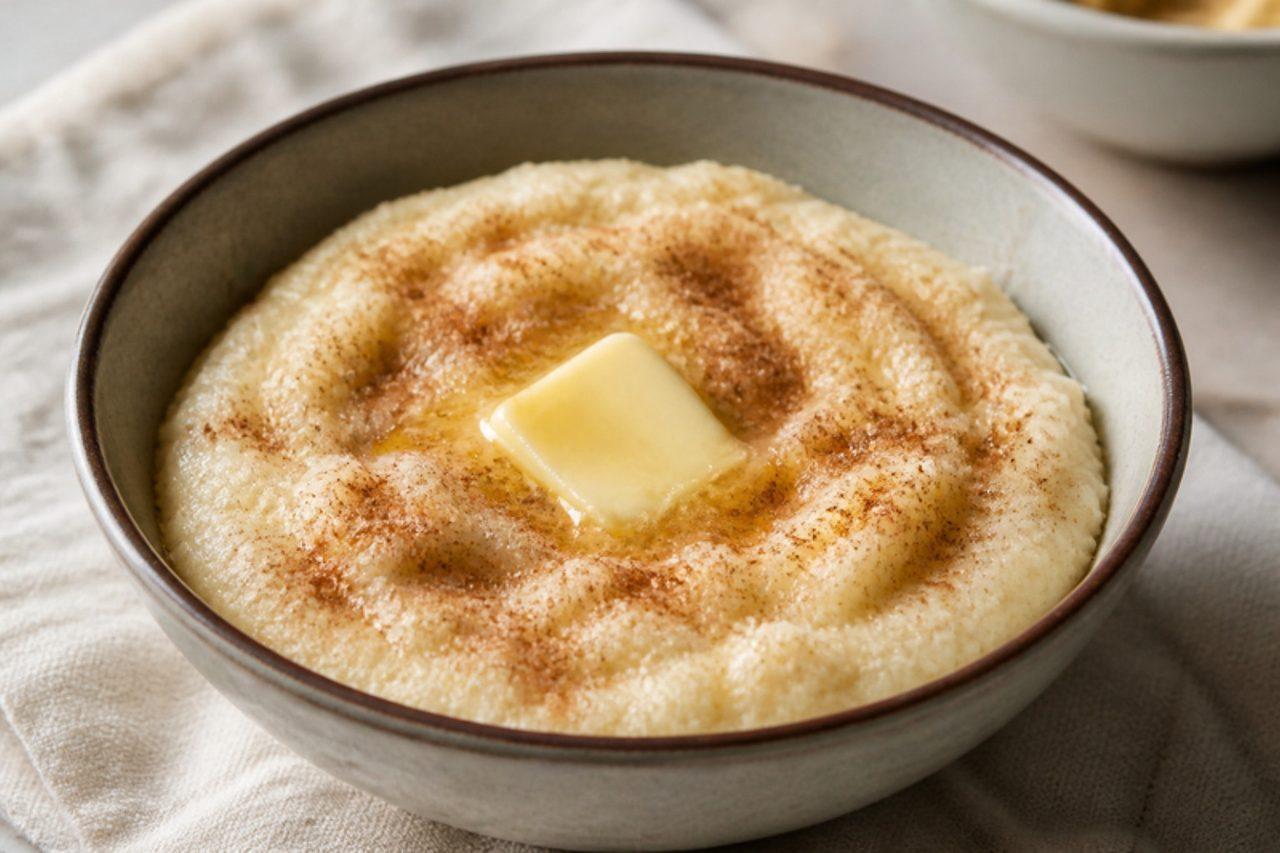
Grießbrei is the soft, sweet semolina pudding that German and Austrian families from Bavaria to Vienna eat warm as a light supper on cold evenings, especially when children are tired or someone is under the weather. Semolina is rained into hot milk and stirred until thick and velvety, then topped with cinnamon sugar, a knob of butter or stewed fruit. The classic mistake is tipping the semolina in all at once, which makes lumps that never smooth out. Chef's tip: take it off the heat while it still looks a little runny, because it keeps thickening on the plate.

by KrazyBadal 0 views

Ginger and scallion lo mein

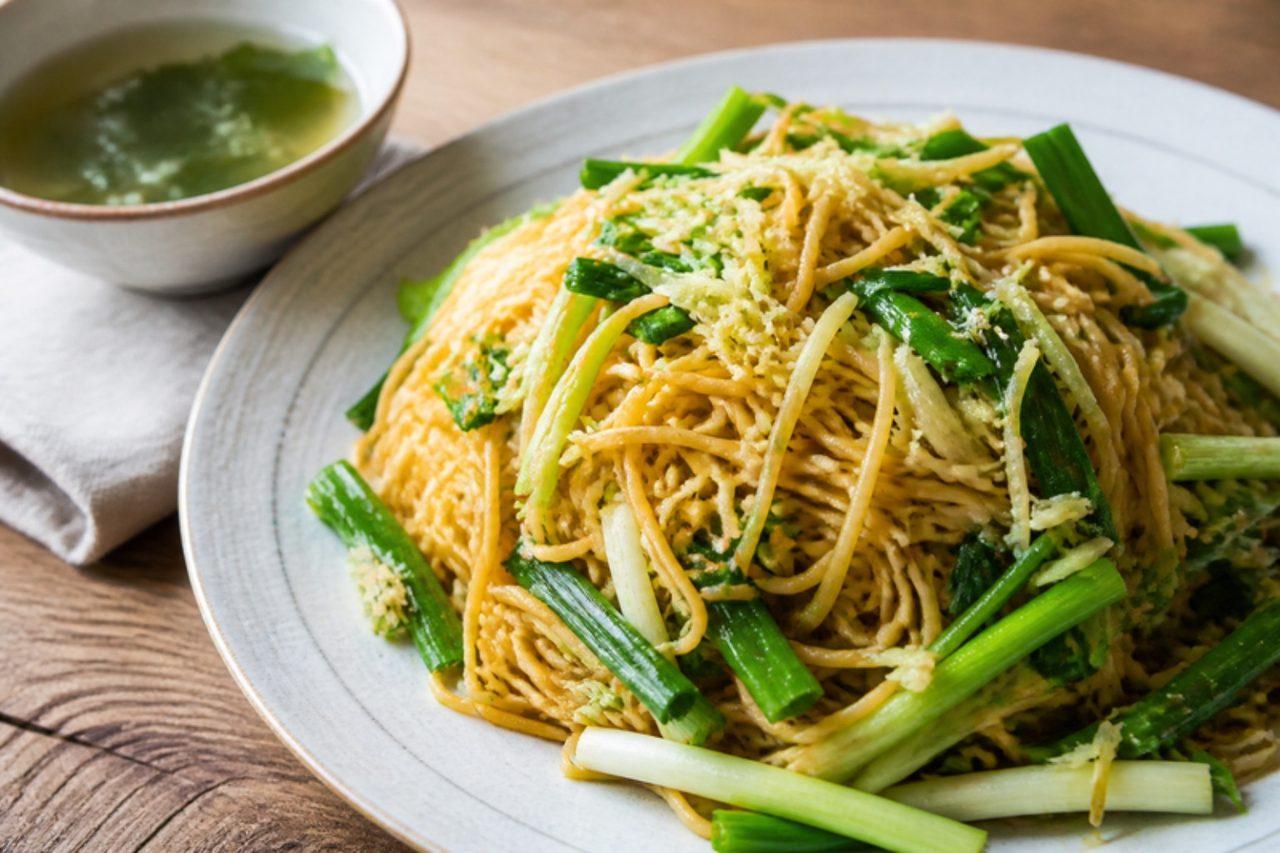
Geung chung lo mein is a Hong Kong noodle-shop classic, ordered at lunch or as a cheap late supper: springy thin egg noodles tossed dry in ginger and spring onion oil and soy, with a bowl of hot broth on the side to sip between mouthfuls. Shops season it with oyster sauce and serve a prawn or pork broth; here vegan oyster-style sauce (or extra soy) and a simple vegetable broth keep it vegetarian. The common mistake is cooking the ginger and spring onion to brown; they should only be scalded by the hot oil so they stay bright and sharp. Chef's tip: rinse the cooked noodles under cold water, then dip them back into the boiling water for ten seconds, so they are springy, not soft.

by KrazyBadal 0 views

KirmeskuchenPlum streusel yeast cake

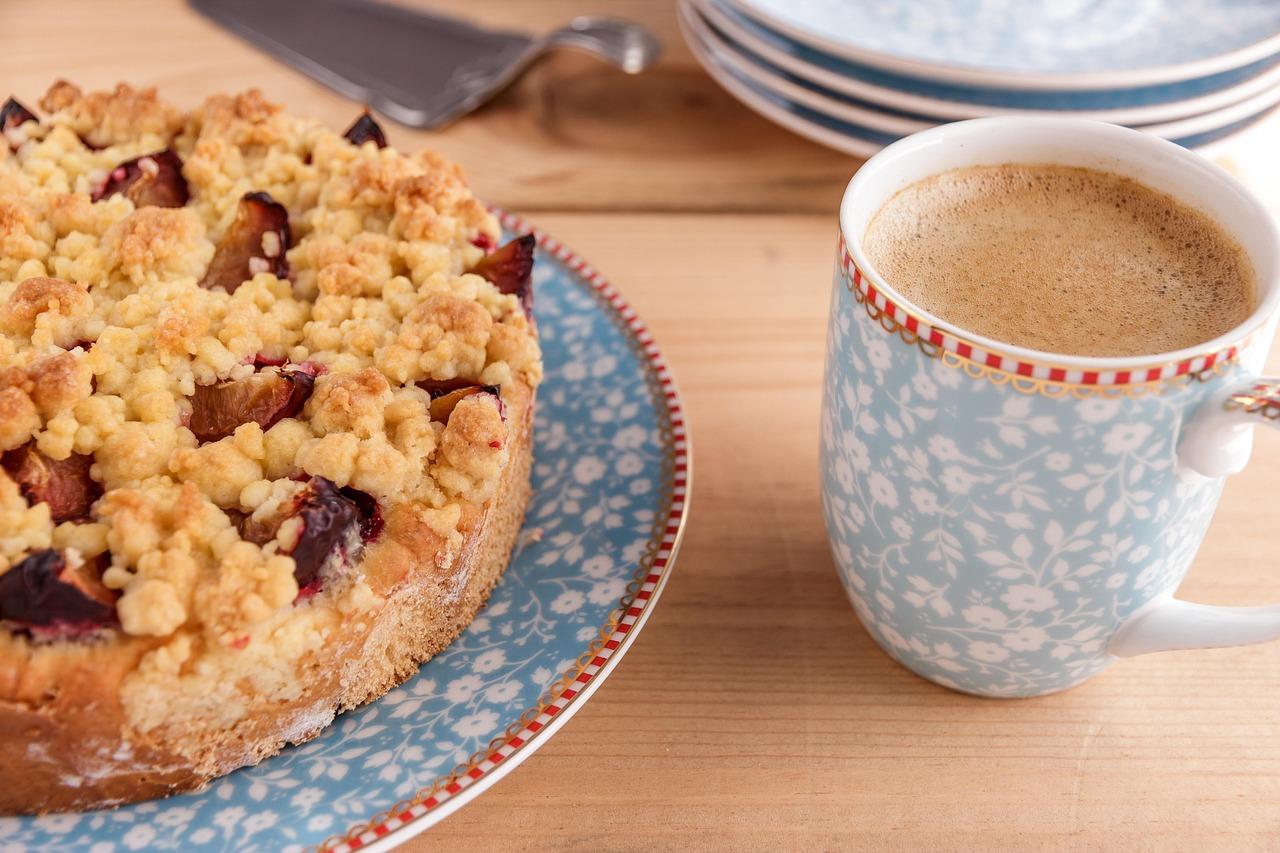
When the Kirmes, the yearly fair for a village church's patron saint, comes to the Rhineland and Hesse, families bake enormous trays of Kirmeskuchen to share with the relatives who come home for the fun-fair, the dancing and the procession. This version is the most loved: a soft, buttery yeast dough covered edge to edge with tightly packed plum halves and a thick, crumbly streusel. Cut it into squares and serve it with whipped cream and coffee in the afternoon. Chef's tip: stand the plum halves upright, cut side up and overlapping like roof tiles, so the juice stays in the fruit instead of soaking the dough.

by KrazyBadal 0 views

FliederbeersuppeElderberry soup with dumplings

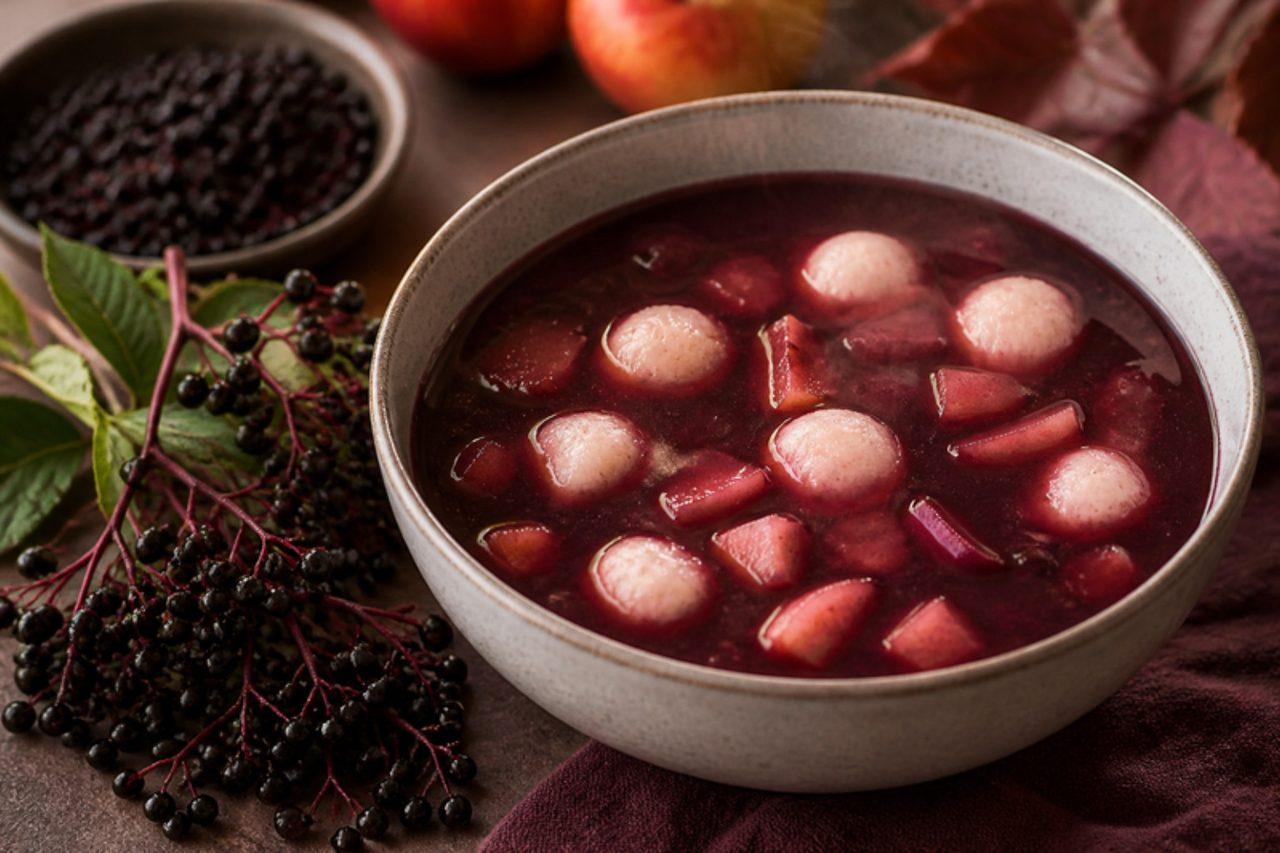
In northern Germany, from Hamburg to Schleswig-Holstein, the elder bushes hang heavy with black berries in late summer, and a bowl of hot Fliederbeersuppe is a harvest-time comfort around Erntedank, said to keep colds away for the winter. The dark purple soup is sweet and tart, with pieces of apple and little fluffy semolina dumplings (Grießklößchen) floating on top. It is eaten as a first course or a light supper, hot in autumn and sometimes cold in summer. Important: elderberries must be fully ripe, stripped from every stem and always cooked, as raw berries, stems and leaves can make you sick. Chef's tip: strip the berries with a fork straight into a bowl; it is quick and leaves the green stems behind.

by KrazyBadal 0 views

OsterlammEaster lamb sponge cake

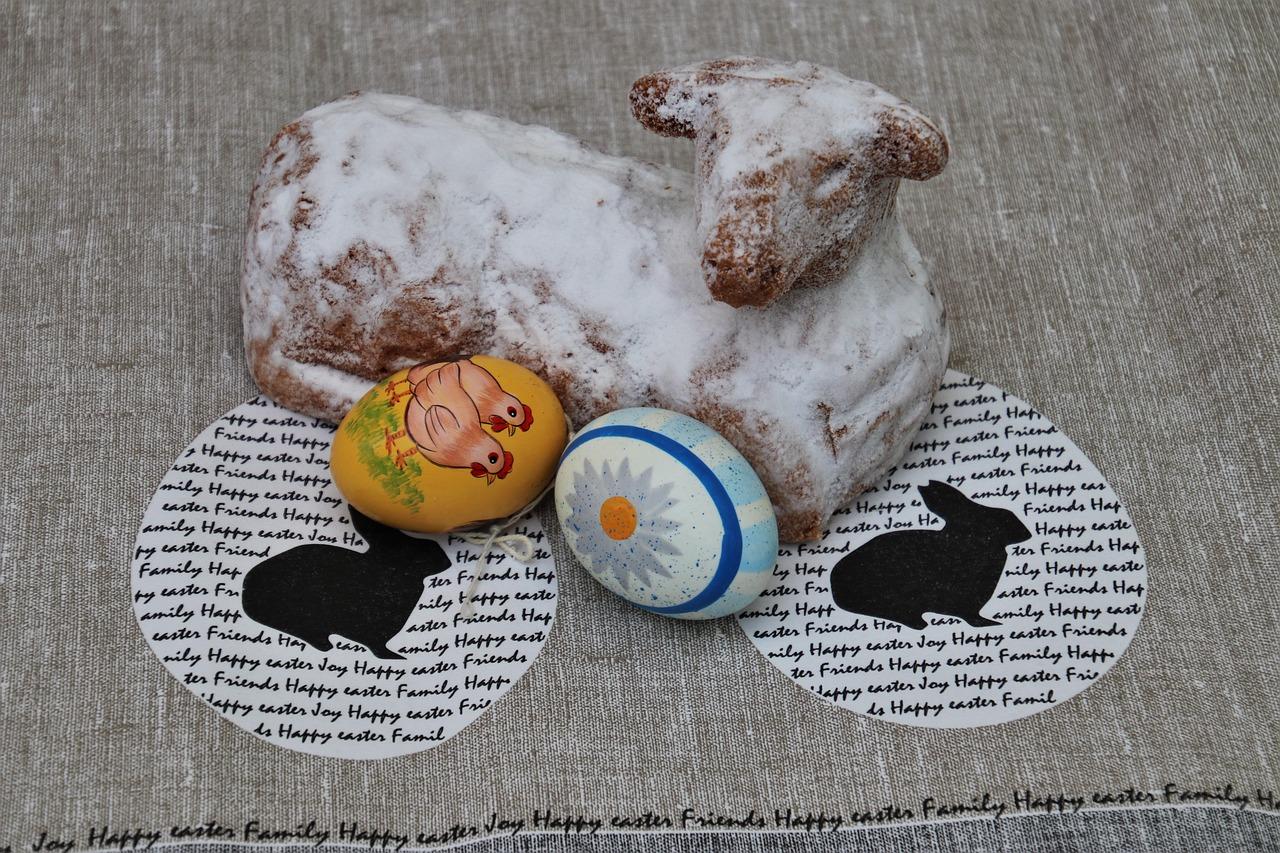
In Germany and Austria an Osterlamm, a light sponge baked in a two-piece lamb-shaped mould, stands on the Easter breakfast table, dusted with icing sugar with a ribbon and bell around its neck and sometimes a little flag. In Catholic regions it is taken to church on Holy Saturday to be blessed with the Easter basket. The cake is a buttery, lemony sponge, firm enough to keep its shape. You need a lamb cake mould, sold in kitchen shops before Easter. Chef's tip: grease the mould with soft butter and dust it with breadcrumbs or flour into every crevice, or the lamb's head stays in the tin.

by KrazyBadal 0 views

MutzenmandelnQuark fritters in sugar

In Cologne and the rest of the Rhineland, bakeries pile their counters with Mutzenmandeln from Weiberfastnacht to Shrove Tuesday, and families fry them at home for carnival parties. A quick, soft dough of quark, egg, sugar and flour is rolled out, cut with a small almond-shaped cutter and fried until puffed and golden, then tossed in sugar while still warm. The common mistake is oil that is too hot, which leaves them raw and doughy in the middle. Chef's tip: a few drops of bitter almond extract or a little lemon zest gives them the classic bakery flavour.

by KrazyBadal 0 views

ApfelkrautApple syrup

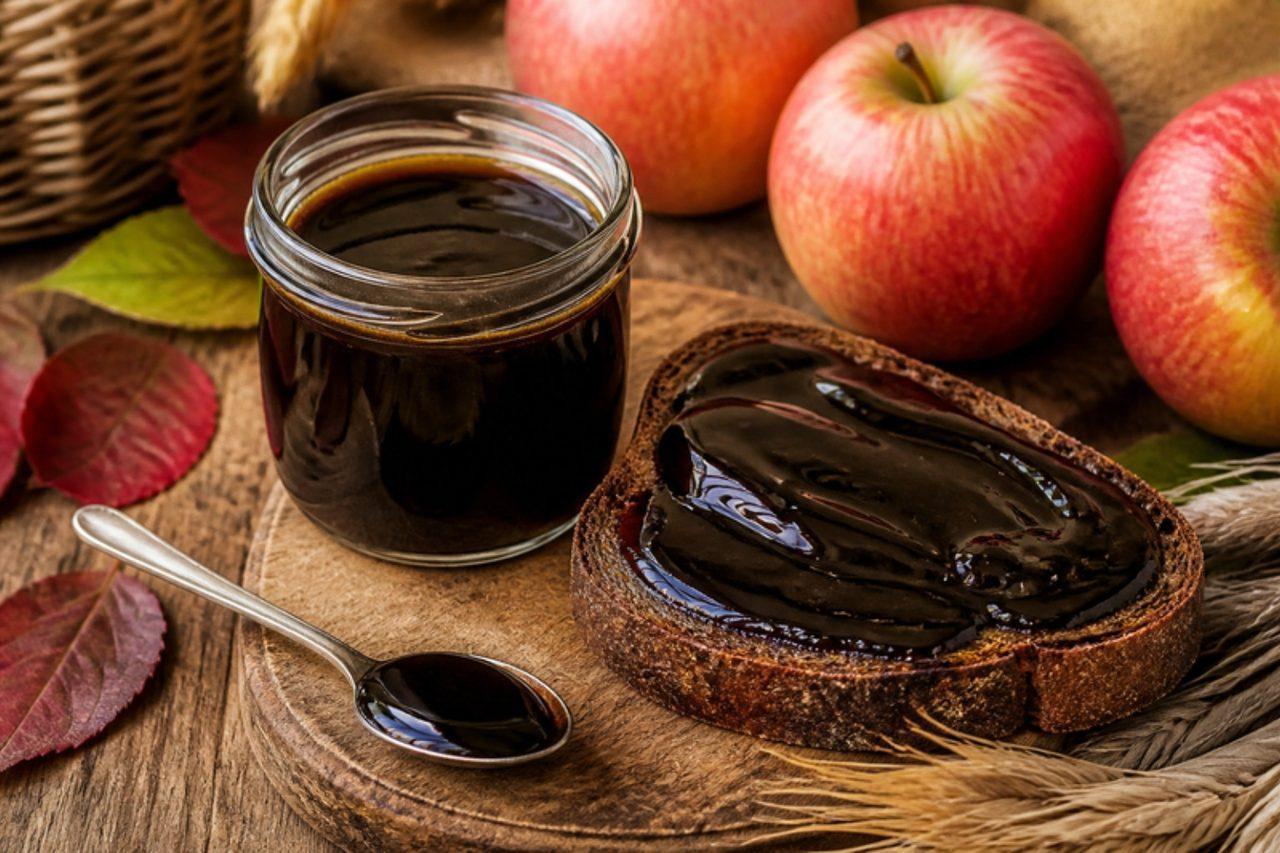
In the Rhineland, apples from the autumn harvest are pressed and boiled for hours in copper cauldrons into Apfelkraut, a dark, glossy, sweet-sour syrup that is spread on Schwarzbrot with butter and quark, and that families bring to the Erntedank harvest thanksgiving in October. It needs no added sugar at all: the apples' own sugar and pectin concentrate until the juice is as thick as treacle and tastes like baked apple and caramel. Eat it on rye bread, with potato pancakes (Reibekuchen) or in a sauce for Sauerbraten. Chef's tip: use a mix of sweet and tart apples; the tart ones give the tang and the pectin that makes it set.

by KrazyBadal 0 views

MartinsgansRoast goose with red cabbage

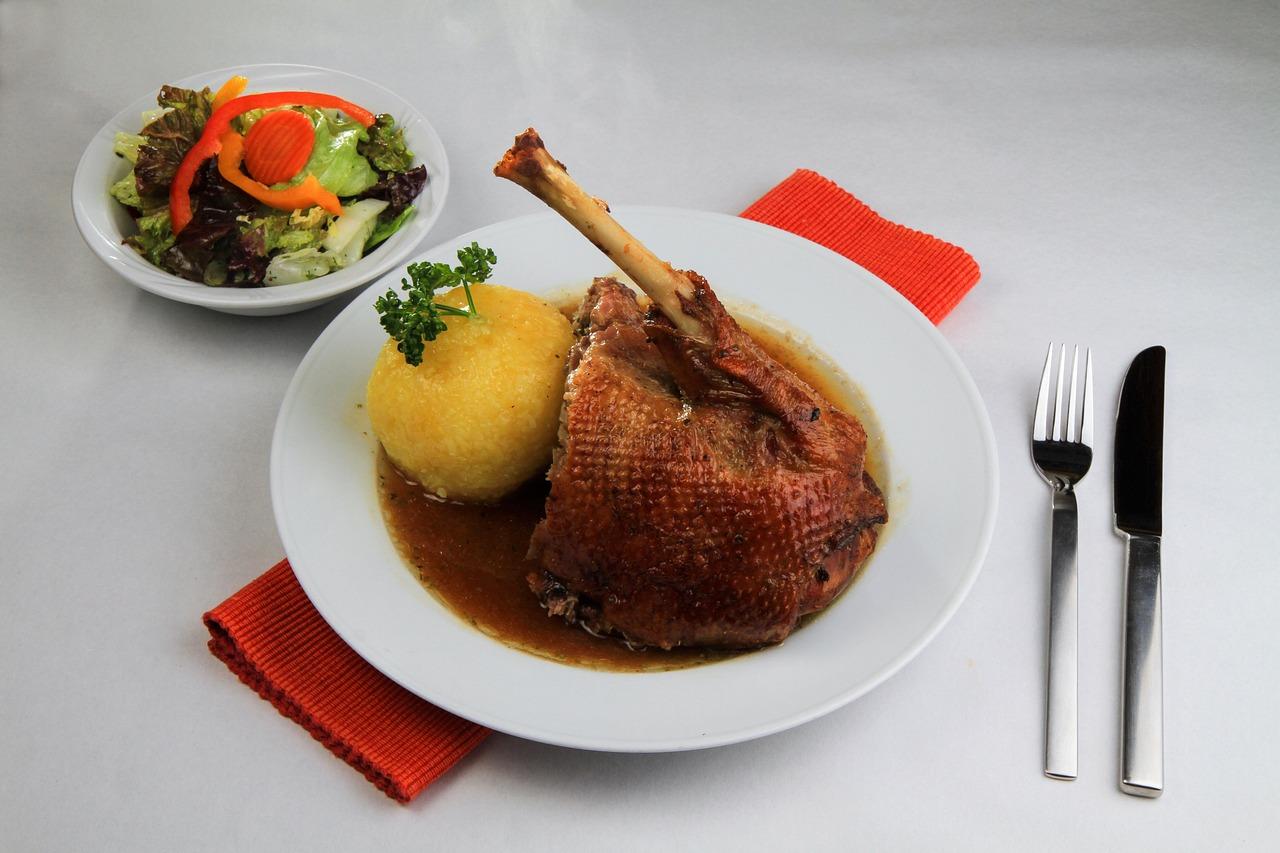
On 11 November, St Martin's Day, children in Germany and Austria walk in lantern processions, and families and restaurants serve the Martinsgans: a goose roasted slowly with apples, onion and mugwort or marjoram until the skin is crisp and the meat tender, with red cabbage, potato dumplings and a rich gravy. Legend says the geese's cackling gave away St Martin when he hid to avoid being made bishop. Goose gives off a lot of fat; save it for roast potatoes. Chef's tip: prick the skin all over (not the meat) and roast on a rack so the fat drains and the skin crisps.

270 minGermanMeat
by KrazyBadal 0 views

PflaumenmusOven-baked plum butter

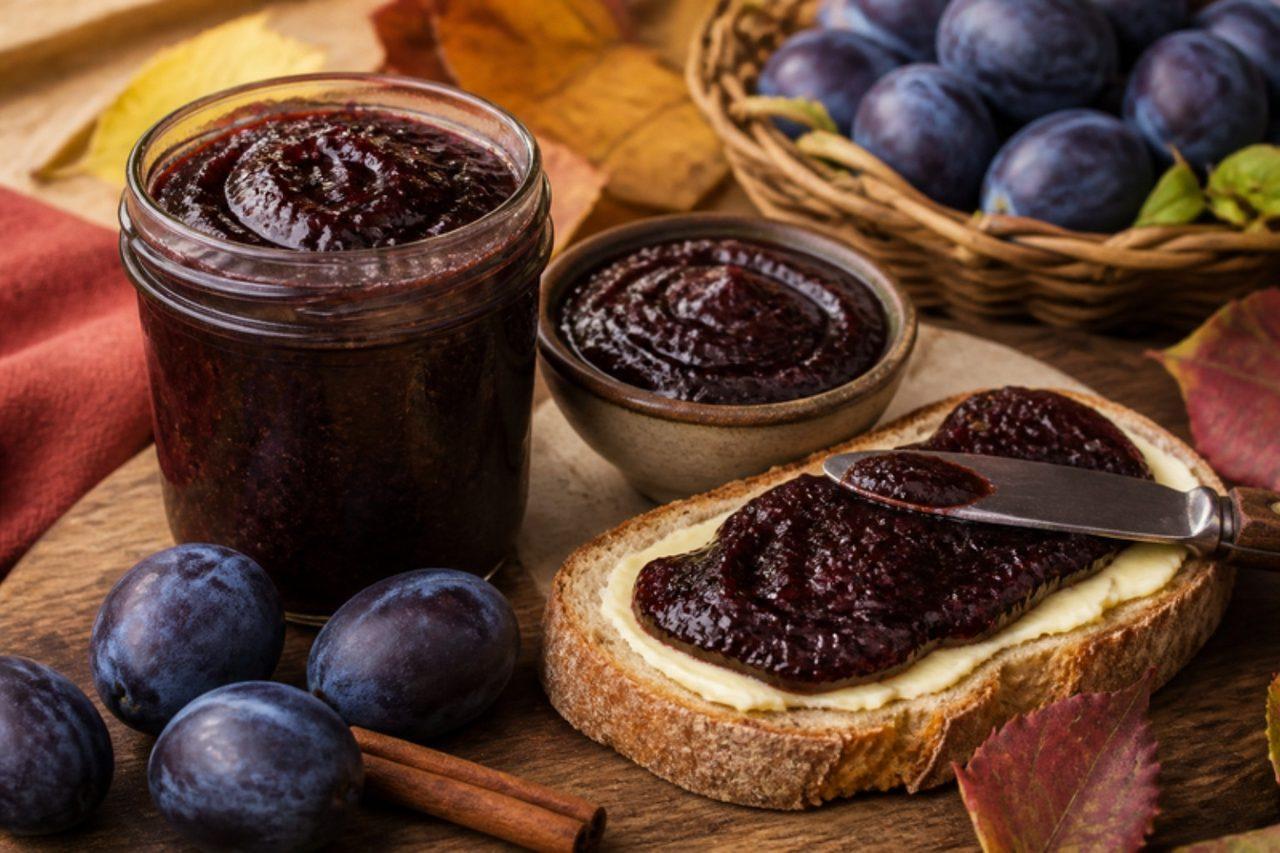
When the late damson plums (Zwetschgen) ripen in September, German kitchens fill trays with them for Pflaumenmus, and jars of it stand on the decorated altar at Erntedank, the harvest thanksgiving in early October. Unlike jam, it uses little sugar and no pectin: the halved plums are baked slowly, uncovered, until they collapse and darken into a thick, almost black spread that tastes of plums and spice rather than sugar. Spread it on rye bread with butter, fill Dampfnudeln with it or stir a spoonful into quark. Chef's tip: bake it in the widest roasting tin you have, because the more surface, the faster the water steams off.

by KrazyBadal 0 views

KerbelsuppeChervil soup

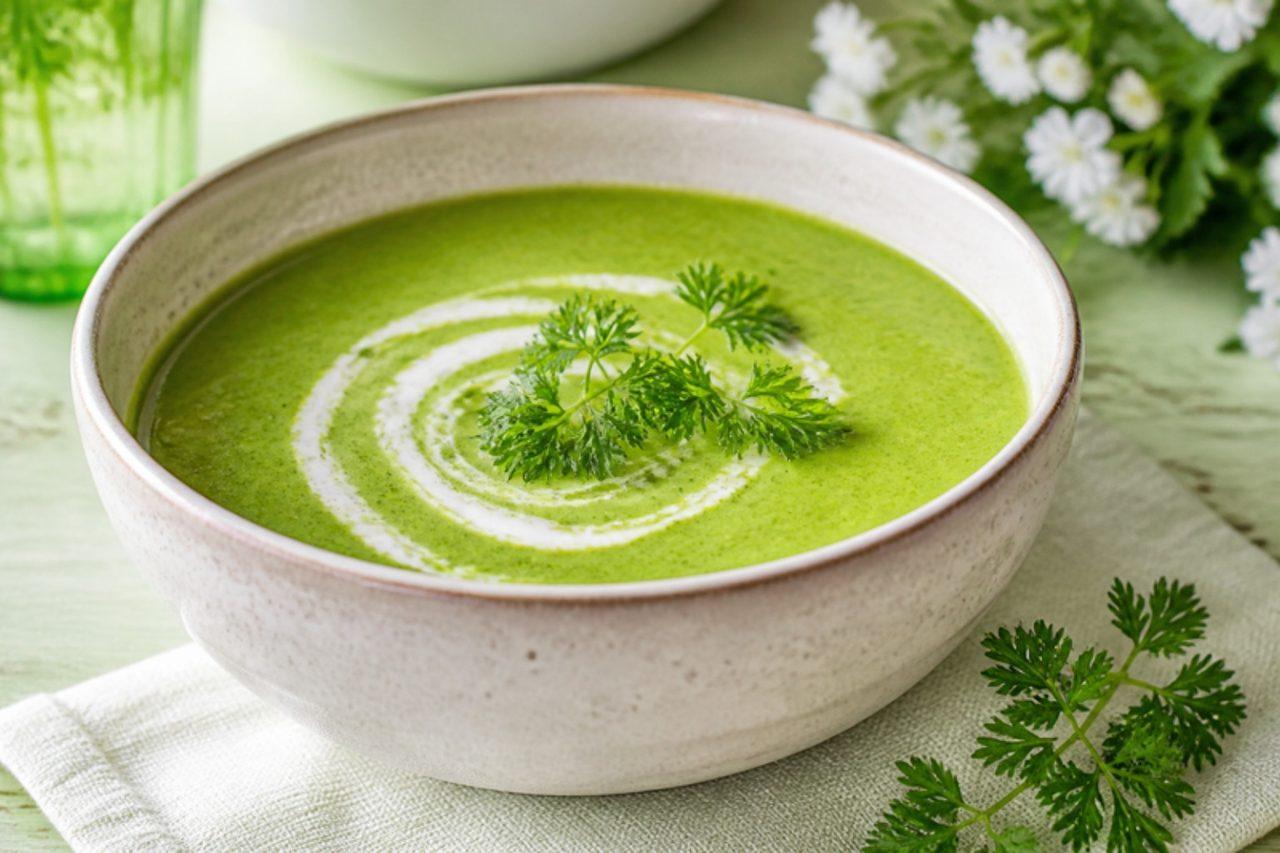
In Germany, Maundy Thursday is called Gründonnerstag, 'green Thursday', and many families eat something green that day for health in the coming year: spinach with eggs, herb soup or this creamy chervil soup. Chervil is one of the first herbs of spring, with a delicate taste of aniseed and parsley, and the soup is simply potato, shallot and vegetable stock blended with a big bunch of fresh chervil and finished with cream. It is ready in half an hour and gluten free. Chef's tip: add the chervil only at the very end and blend straight away, because heat quickly dulls its colour and flavour.

by KrazyBadal 0 views

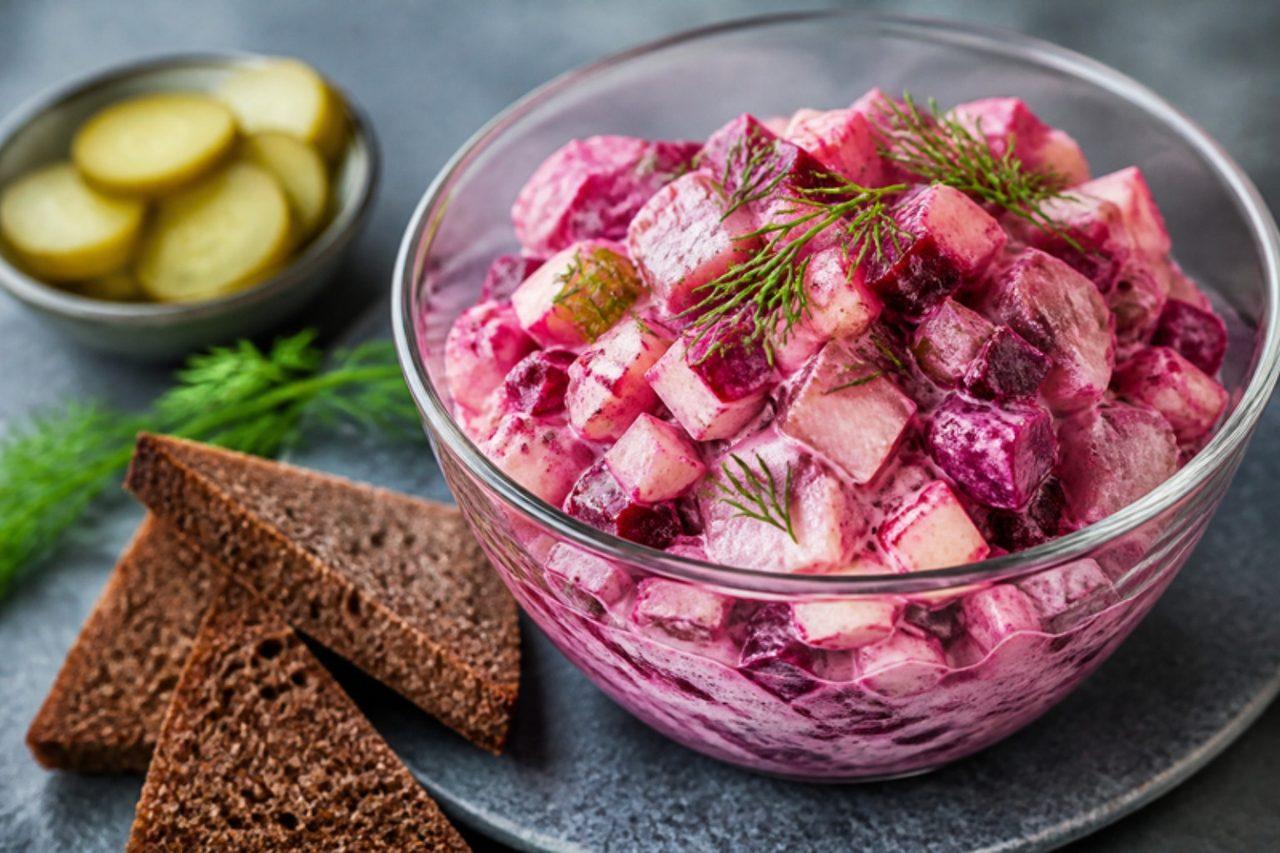
HeringssalatPickled herring and beetroot salad

When the carnival ends in the Rhineland and northern Germany, Ash Wednesday brings the Heringsessen, a herring meal shared in pubs and homes to mark the start of the Lenten fast. This rosy salad mixes diced pickled herring with beetroot, apple, gherkin and boiled potato in a creamy yogurt-mayonnaise dressing, and is served with rye bread. Use pickled herring bought ready-made in jars from the chiller, which has been commercially cured, and keep the salad in the fridge. Pickled and cured fish is not cooked, so it is not for pregnant women, young children or anyone with a weakened immune system; for a safer version use hot-smoked mackerel or cooked fish. The common mistake is dressing the salad while the potatoes are hot, which turns it mushy. Chef's tip: make it the day before; the flavours deepen overnight.

by KrazyBadal 0 views

NonnenfürzleSugared choux puffs

Nonnenfürzle, the cheeky 'nuns' puffs', are a Swabian Fasnet treat, fried in kitchens from Rottweil to Stuttgart in the days before Lent when butter, eggs and fat had to be used up. A choux-style dough is cooked in the pan, beaten with eggs and dropped by the spoonful into hot fat, where the little balls puff up and turn themselves over. Dusted with cinnamon sugar, they are crisp outside and hollow and custardy inside. The common mistake is adding the eggs while the dough is still hot, which scrambles them and stops the puffs rising. Chef's tip: dip the spoon in the hot oil before each scoop so the dough slides off cleanly.

by KrazyBadal 0 views

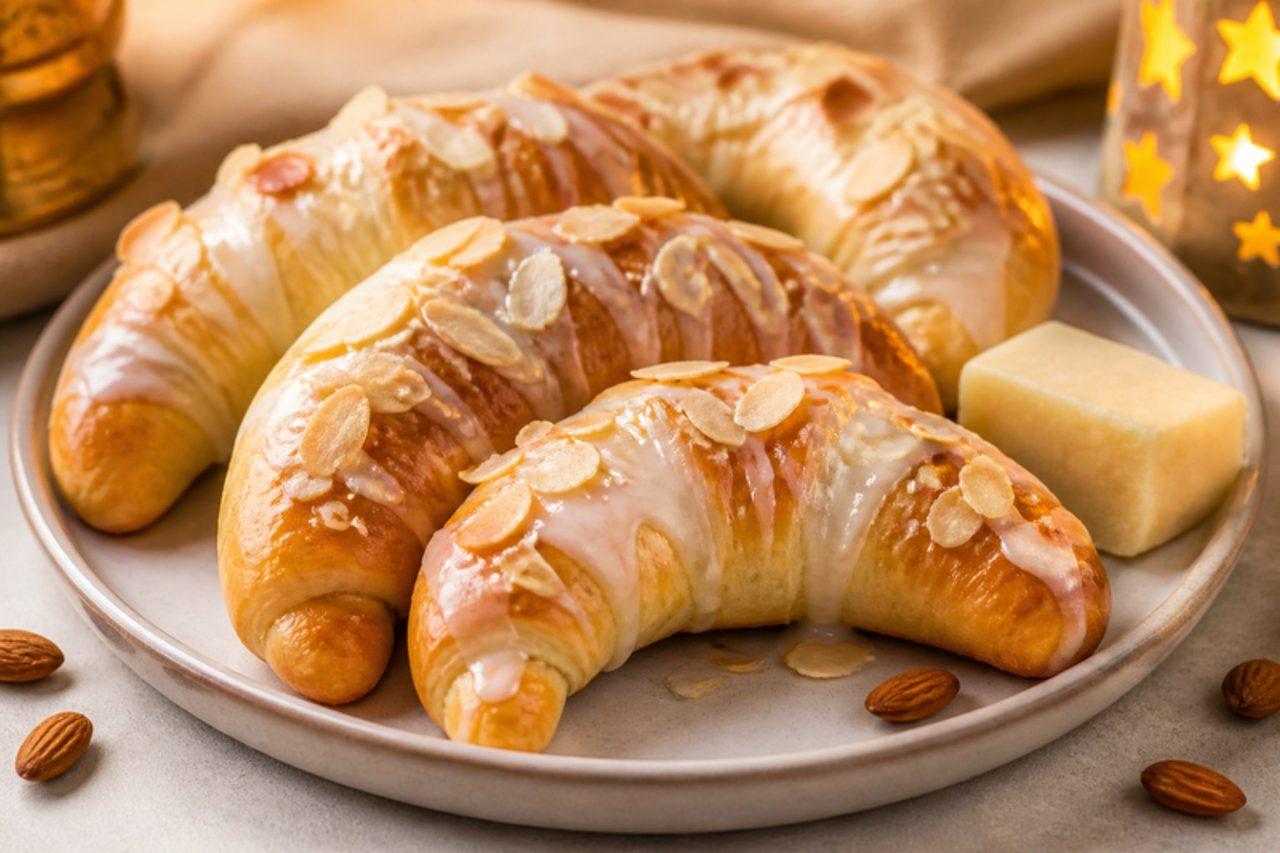
MartinshörnchenMarzipan crescent pastries

On 11 November children in Lower Saxony, Saxony and much of Germany walk through the dark streets with paper lanterns, singing songs for St Martin, the soldier who cut his cloak in half to share it with a beggar. Bakeries sell Martinshörnchen, sweet crescent-shaped yeast pastries, and many families break them in half to share, as St Martin did. This version is filled with soft marzipan and ground almonds and finished with a thin lemon glaze. Chef's tip: roll each wedge from the wide end with a gentle tug so you get at least three turns of dough, which gives the crescents their shape.

by KrazyBadal 0 views

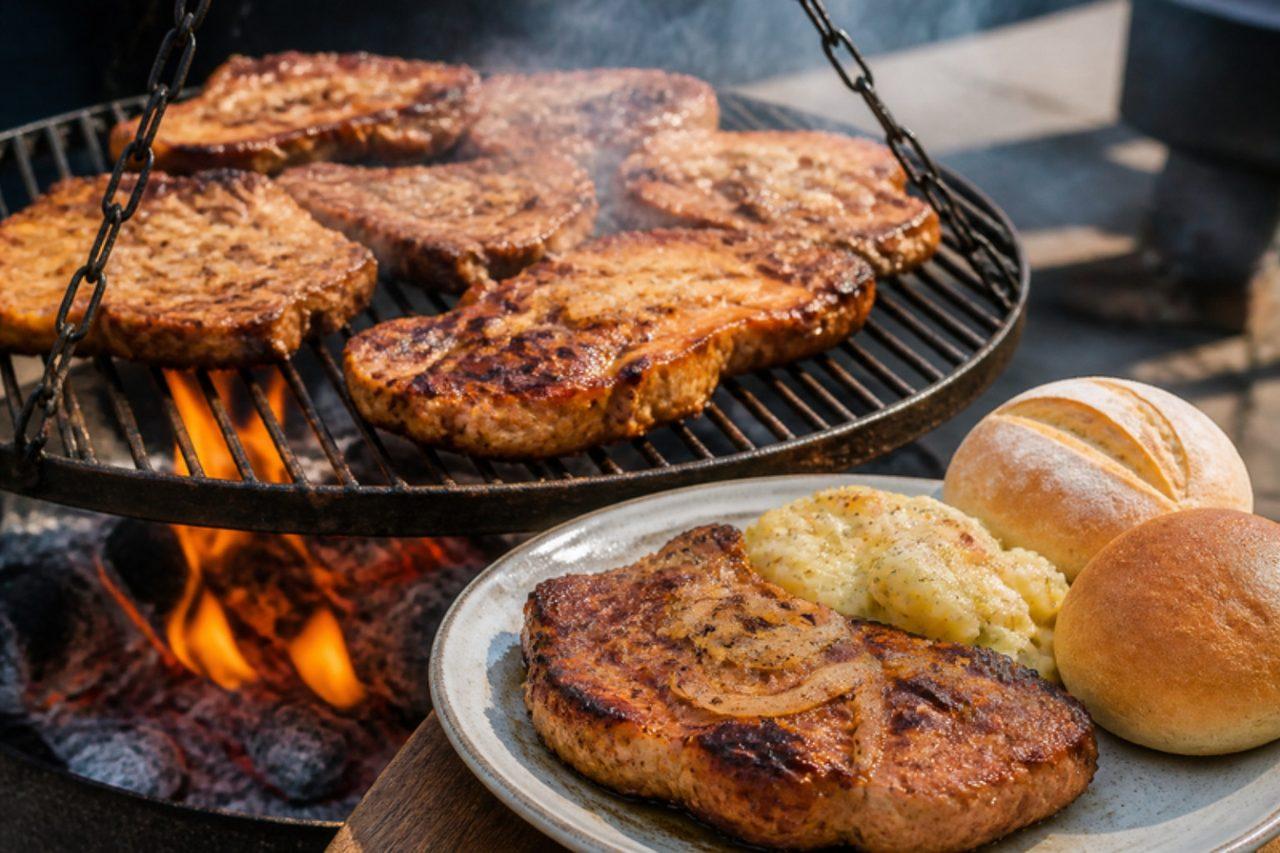
SchwenkbratenMarinated grilled pork neck steaks

Schwenkbraten is the pride of the Saarland, where every village fair, football club party and summer Kirmes has a Schwenker: a round grill hung from a tripod and swung gently over a beech-wood fire. The meat is pork neck steaks marinated overnight with heaps of onion, garlic, marjoram and paprika, and they come off juicy, smoky and slightly charred. Locals often add beer to the marinade, but this recipe leaves it out, so no alcohol is involved. Serve with bread rolls, potato salad and mustard. Chef's tip: pork neck has fine marbling, so it stays moist; do not swap it for lean pork loin, which dries out on the grill.

35 minGermanMeatGluten free
by KrazyBadal 0 views

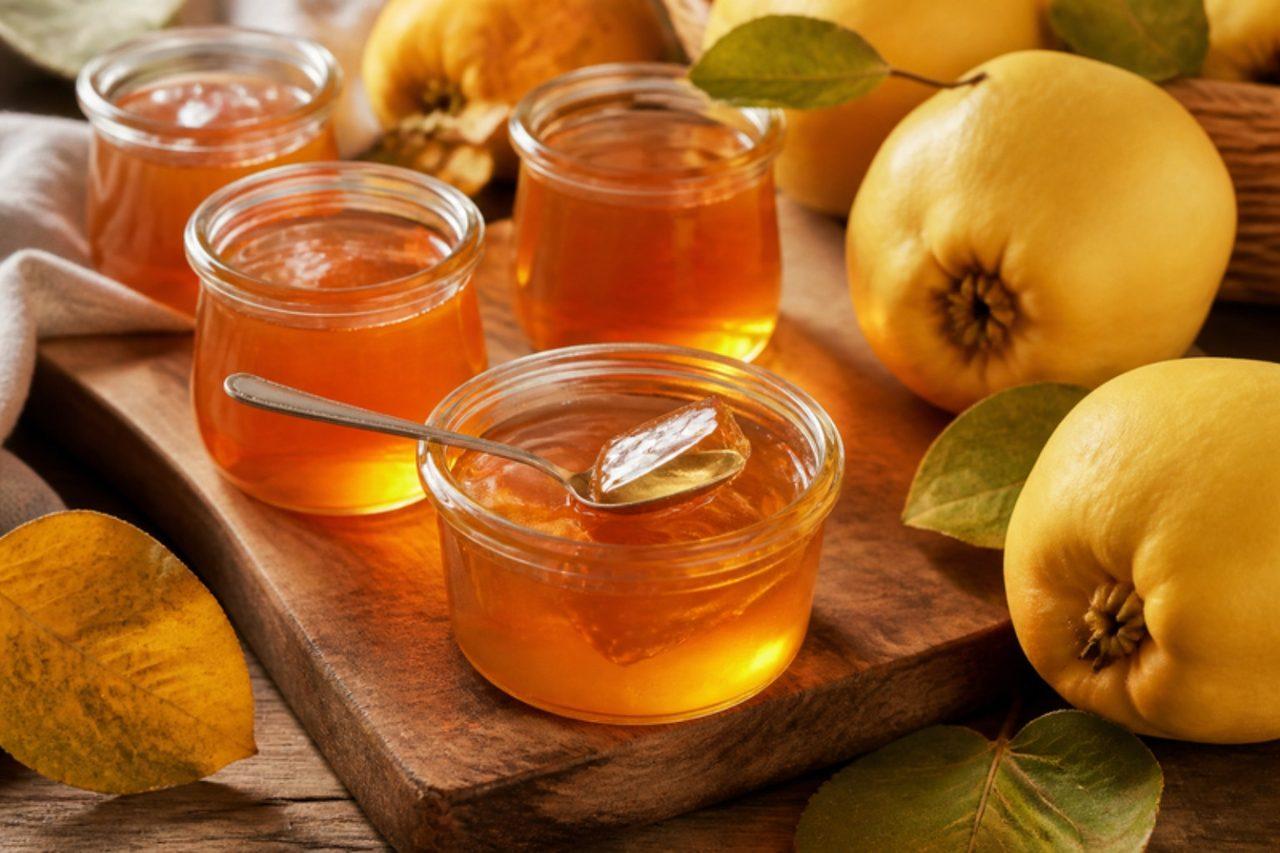
QuittengeleeQuince jelly

Quinces are too hard and sour to eat raw, so in Germany they are turned into Quittengelee, one of the jewel-coloured jars set out with the pumpkins and sheaves of wheat for Erntedank, the October harvest thanksgiving. The fruit is simmered whole in pieces, the juice drips through a cloth overnight, and then it is boiled with sugar until it sets into a clear jelly the colour of rosé, with a perfume like pear, honey and roses. Eat it on bread rolls, with cheese, or melted as a glaze for apple tart. Chef's tip: quince skin and cores are full of natural pectin, so cook them in with the flesh rather than peeling.

by KrazyBadal 0 views

Marzipankartoffeln (German marzipan potatoes)

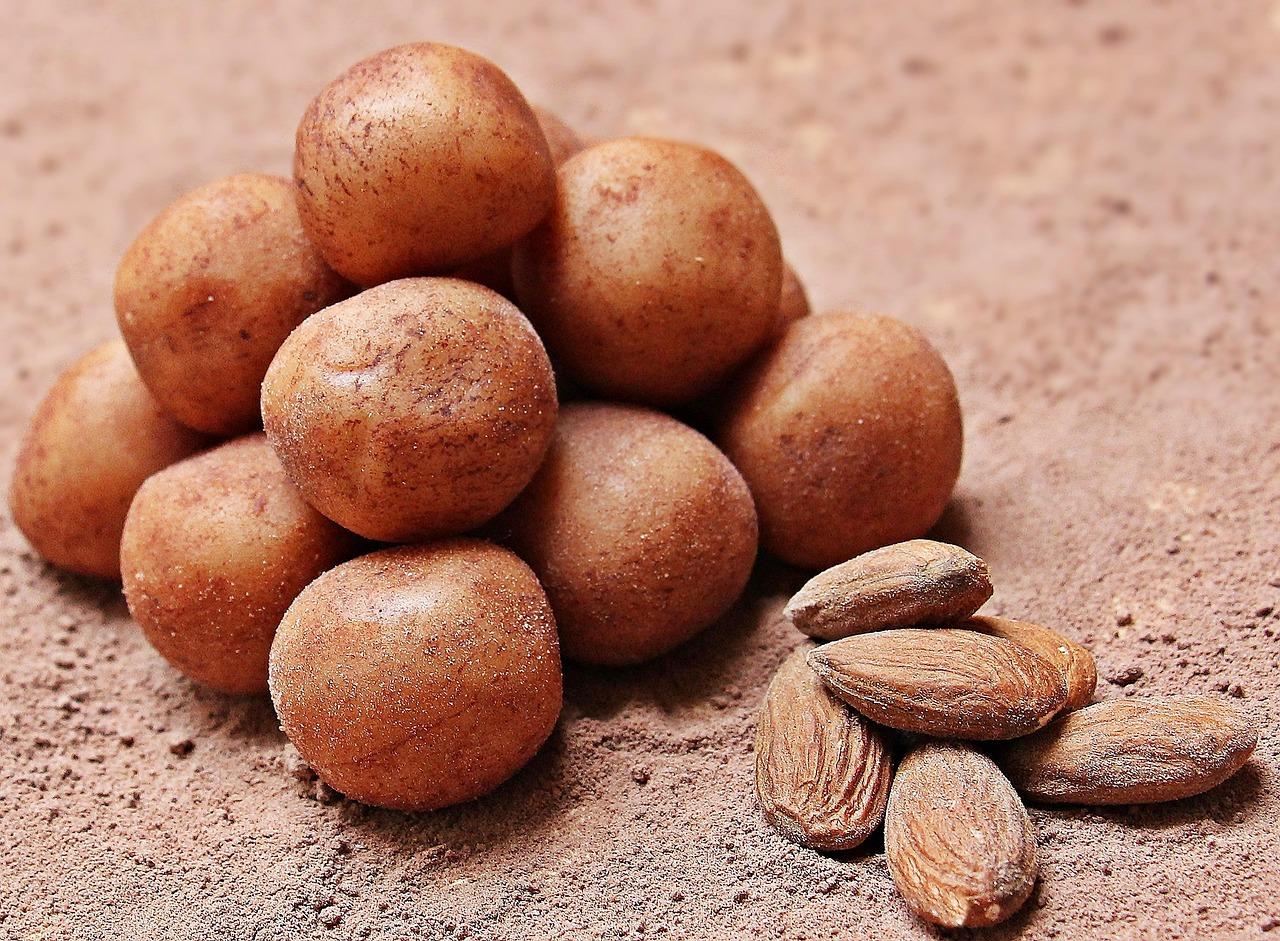
In Germany the run-up to Christmas is when these appear, piled in paper bags at the markets and in bowls on the Advent table; Lübeck, the city most famous for marzipan, makes them by the tonne. They are simply small balls of marzipan dusted in cocoa until they look like freshly dug new potatoes, sometimes with a few pricked 'eyes'. The inside is soft, sweet and fragrant with almond and a hint of rosewater; the cocoa coat is bitter and dry, which keeps the sweetness in check. Serve them with coffee, tuck them into a cookie tin or wrap them as small gifts. Shop marzipan sometimes contains egg white, so this one is made from scratch: a sugar syrup cooked to the soft-ball stage binds the ground almonds into a smooth, pliable paste, doing the job egg white does in some commercial pastes, and the result is naturally egg-free. Chef's tip: the common mistake is kneading the warm paste too long, which squeezes oil out of the almonds and makes it greasy; knead only until it comes together, then let it cool.

by KrazyBadal 0 views

Candied lotus root (tong lin ngau)

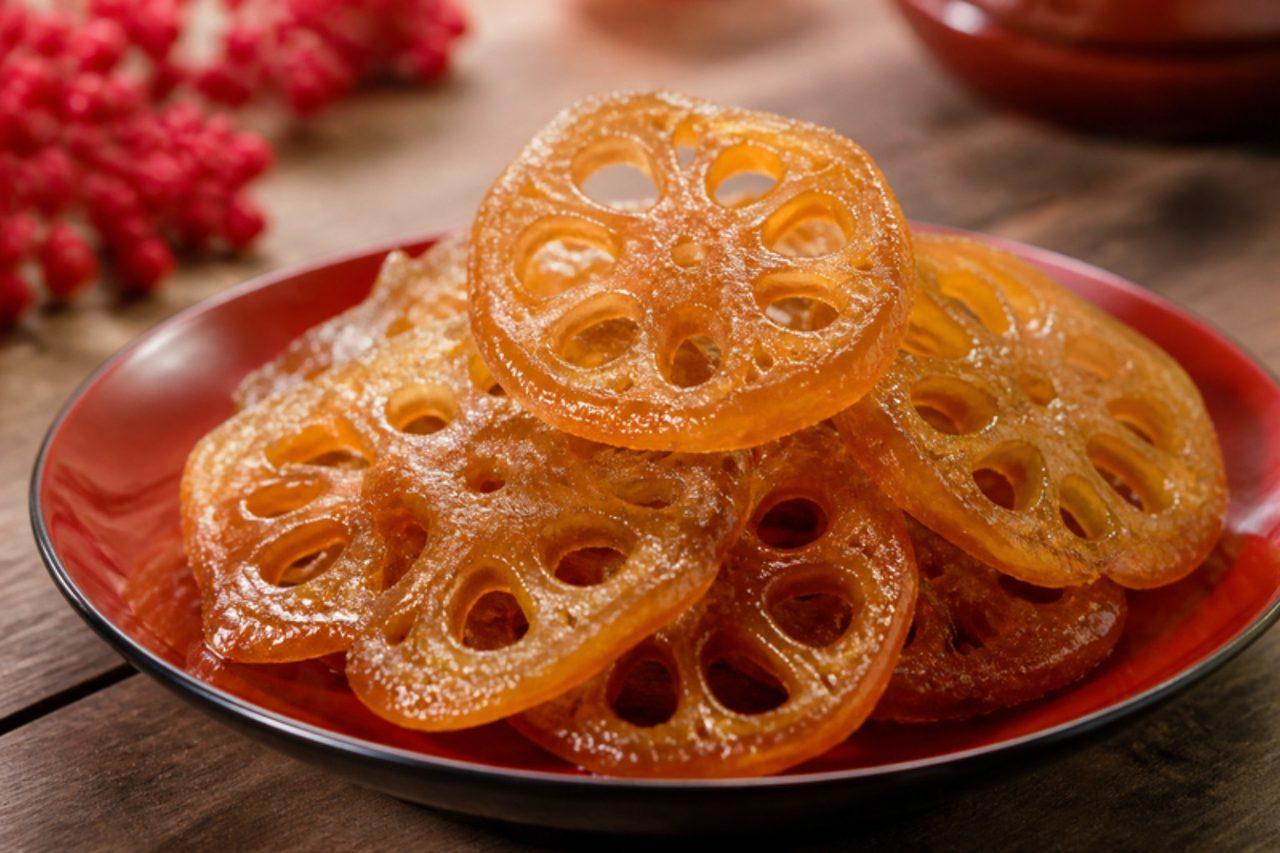
Open the octagonal tray of togetherness in a Hong Kong or Guangdong home at Lunar New Year and you will usually find pale, sugar-frosted rounds of candied lotus root. The lotus is prized because its root grows in linked sections and its name, lin, sounds like the word for 'continuous', so the slices carry a wish for abundance that keeps coming back year after year. Simmered slowly in syrup and then dried, they turn translucent and chewy at the centre with a fine crust of sugar and a faint, earthy sweetness, and the lacy pattern of holes stays on show. Set them out with candied lotus seeds, melon seeds and a pot of jasmine or pu-erh tea for visitors. Chef's tip: blanch the slices with a pinch of salt and a splash of vinegar first; it stops them going grey and keeps them crisp-edged instead of mushy.

by KrazyBadal 0 views

Poon choi (basin feast)Layered braised meat and seafood basin

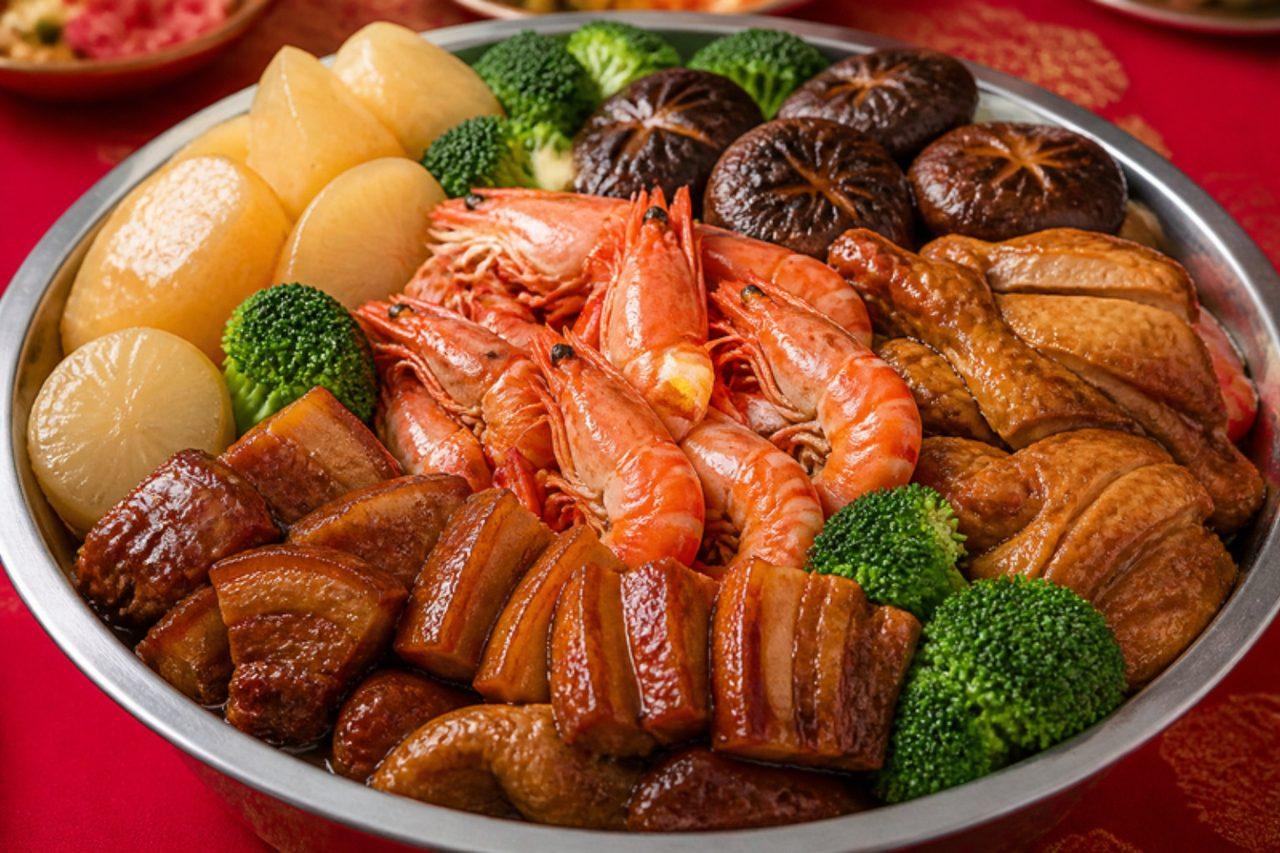
Poon choi comes from the walled villages of Hong Kong's New Territories, where the whole clan eats from one great basin at Lunar New Year and other village celebrations; sharing a single pot stands for unity, and the layers piled to the brim for plenty. Each layer is cooked on its own and stacked so the sauces trickle downwards: soft braised pork belly and soy chicken near the top, prawns and mushrooms in the middle, and radish, tofu skin and cabbage at the bottom soaking up everything. The home version here leaves out shark fin, uses canned abalone only if you want it, and is made for 8 in a large flameproof casserole. Bring the whole basin to the table bubbling and serve with steamed rice. Chef's tip: pack the absorbent vegetables at the bottom and the showy pieces at the top; the radish should finish as the tastiest thing in the pot.

by KrazyBadal 0 views

Sang choi bao (minced pork lettuce cups)

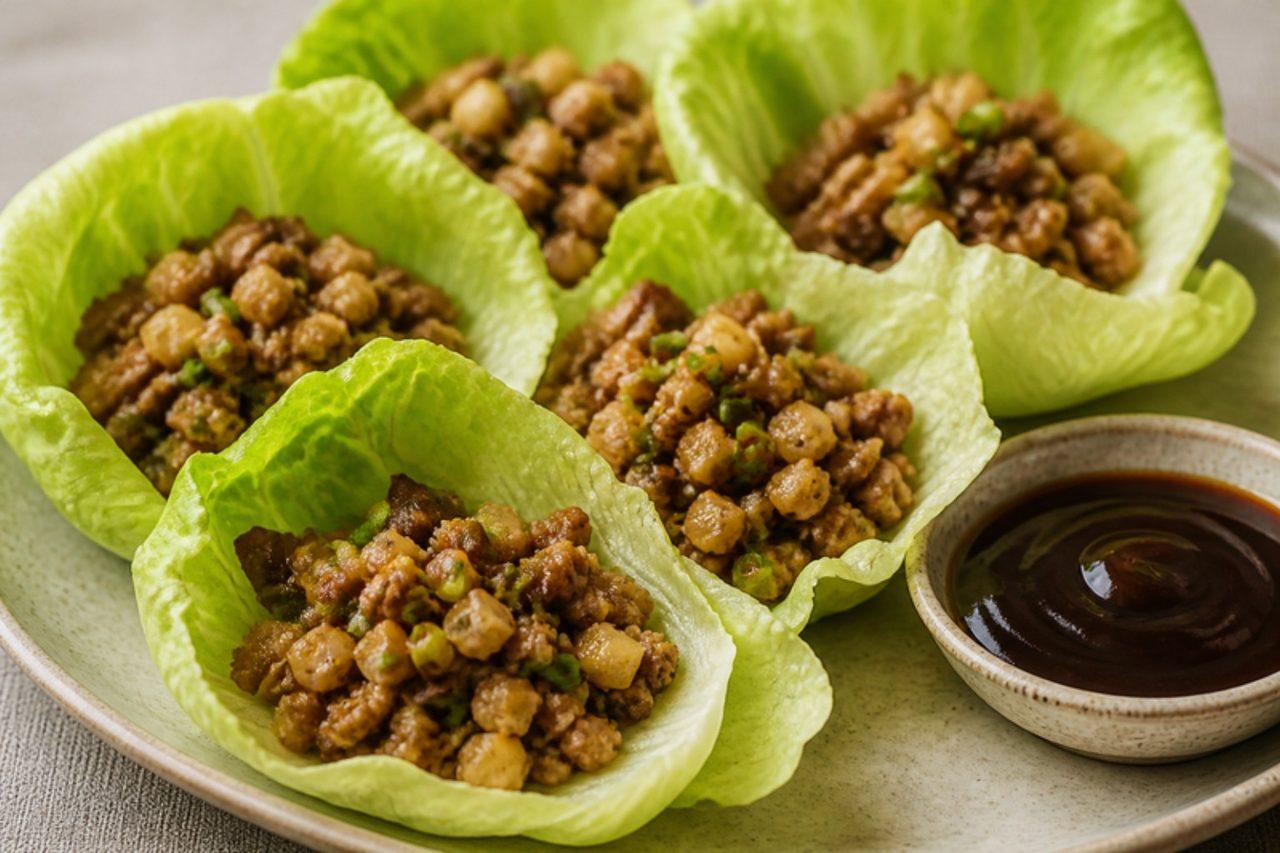
At Lunar New Year in Hong Kong, lettuce (saang choi) is on the table because its name sounds like 'growing wealth', and sang choi bao wraps that wish around a hot, savoury filling. Minced pork is stir-fried quickly with water chestnut, shiitake and a little oyster sauce, then spooned into cold, crisp iceberg cups so every bite is juicy, crunchy and fresh at once. It is fast enough to make while the bigger dishes braise, and it works as a starter or alongside rice and poon choi. Chef's tip: get the wok really hot and spread the mince out flat; crowded, cool mince stews in its juices instead of browning.

by KrazyBadal 0 views

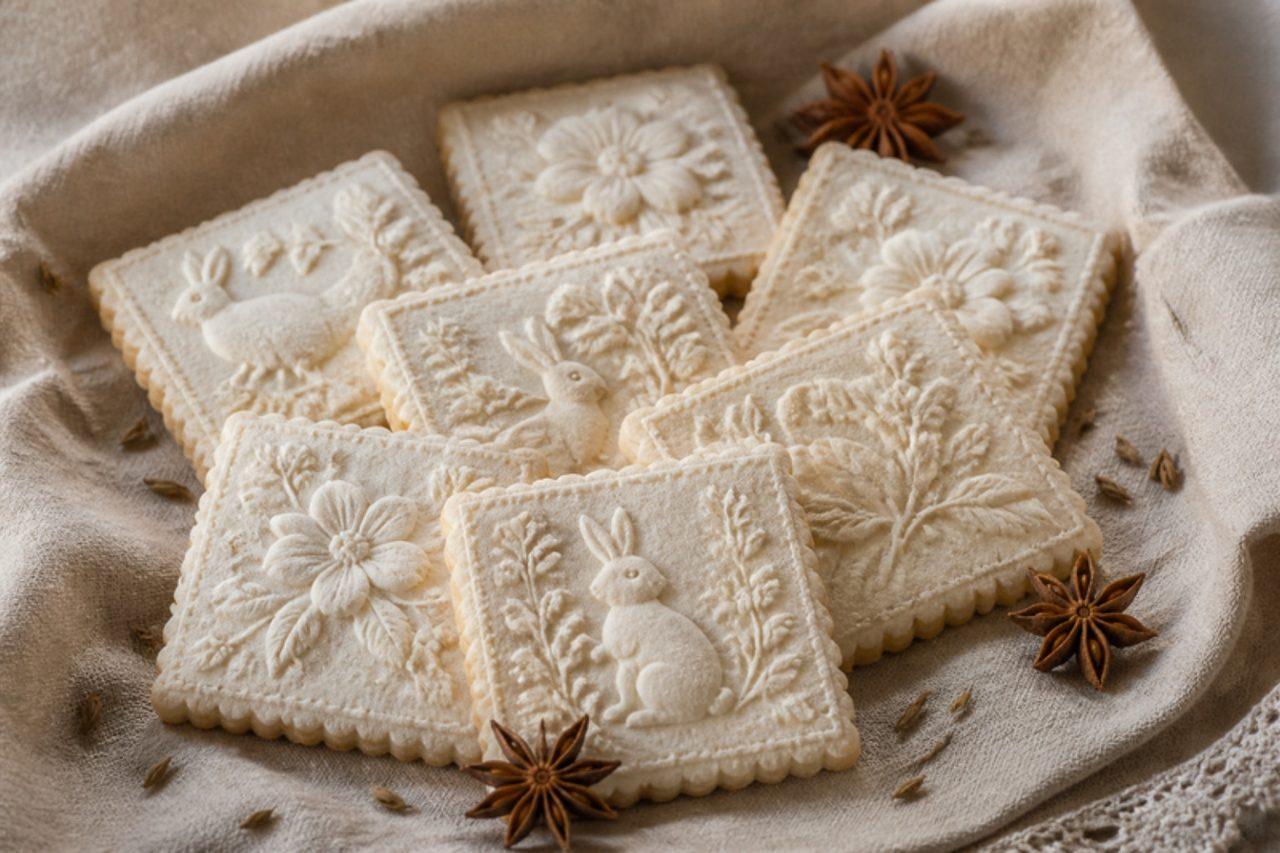
SpringerleAnise biscuits

Springerle are among the oldest Christmas biscuits of Swabia and Baden in south-west Germany, made in Advent with carved wooden moulds and boards handed down in families, which print scenes of angels, animals and flowers onto the dough. The dough is only eggs, sugar and flour with aniseed underneath. The pressed biscuits are left to dry overnight, so that in the oven the picture stays sharp on top while a little 'foot' rises underneath. They are hard when fresh and soften in a tin after a week. Chef's tip: dust the mould with flour and tap out the excess every time, or the dough sticks and the picture blurs.

by KrazyBadal 0 views

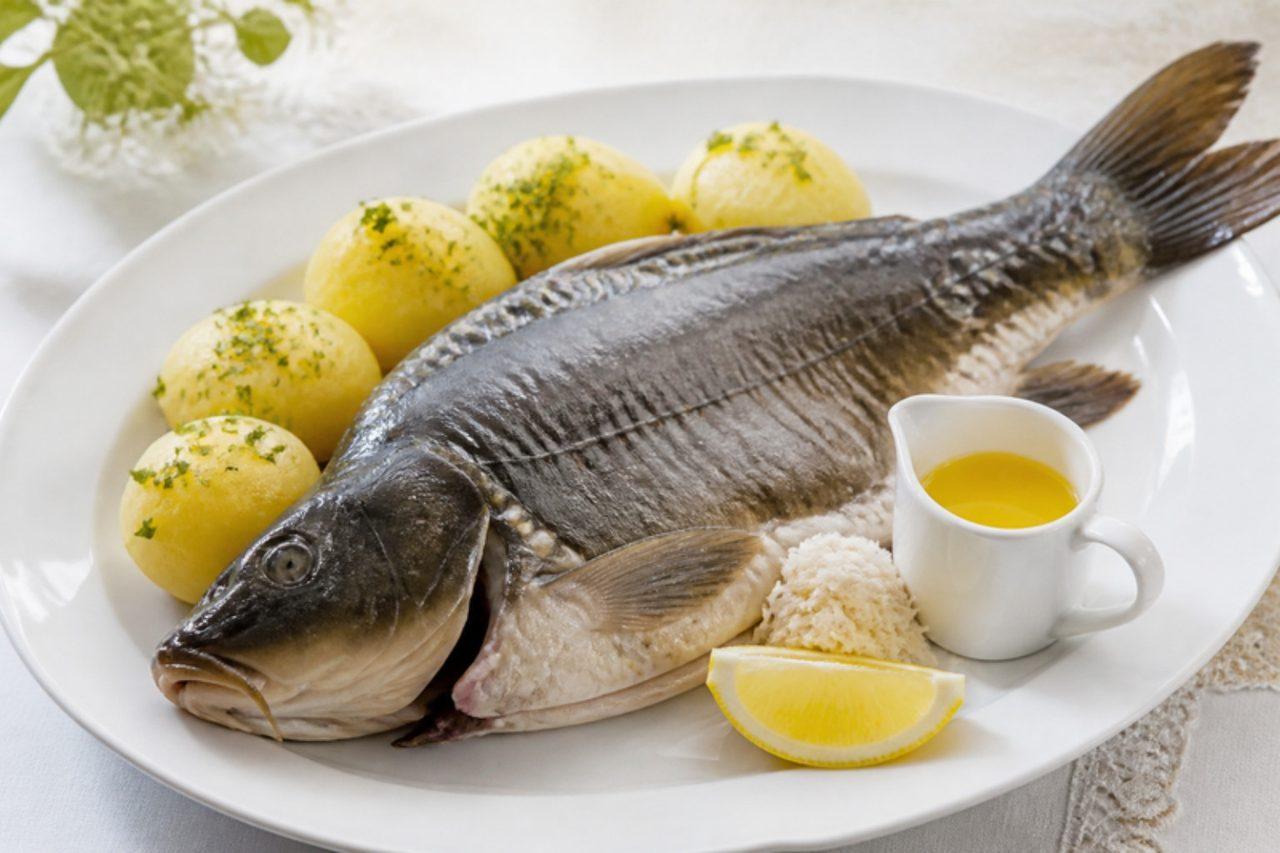
Karpfen blauCarp poached in vinegar stock

In Franconia and Bavaria, Christmas Eve supper is often carp, and the old way is 'blau': the fish is poached in a sharp vinegar stock that turns its natural skin slime a striking slate blue. It is served with melted butter, freshly grated horseradish and boiled potatoes, and many families keep a carp scale in their wallet for good luck in the year ahead. Buy carp already killed and gutted by the fishmonger, and ask for it unscaled and handled as little as possible, or the blue colour won't appear. Chef's tip: never rinse or wipe the carp skin, because the slime is what turns blue.

60 minGermanFishGluten free
by KrazyBadal 0 views

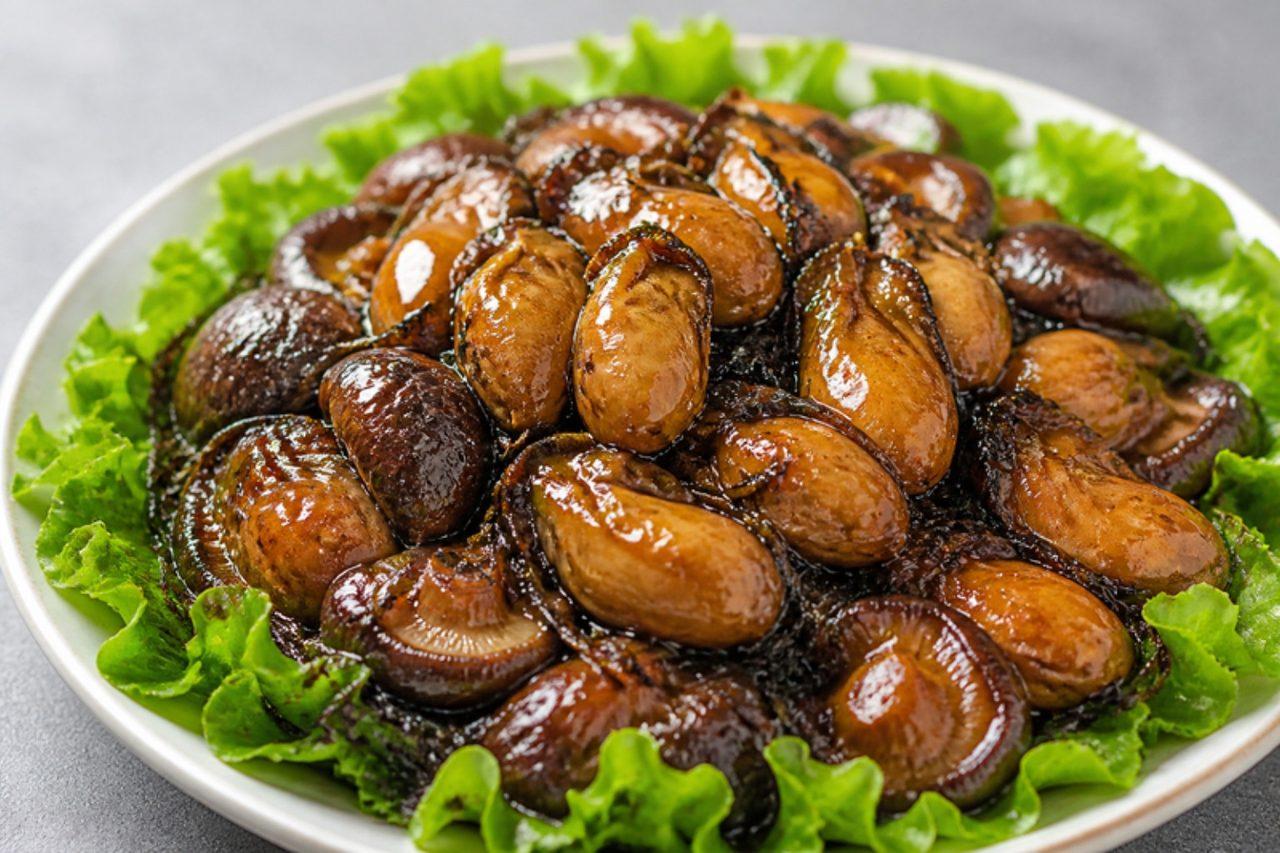
Ho si fat choy (dried oysters with black moss)

Ho si fat choy is the Cantonese Lunar New Year dish that every shopkeeper in Hong Kong wants on the table: ho si (dried oysters) sounds like 'good business' and fat choy (black moss) sounds like 'get rich'. Wild fa cai is now banned from harvest in China because gathering it damaged the grasslands, so this recipe uses the widely sold 'vegetarian black moss' substitute, which looks the same; you can also leave it out and the dish is still delicious. The dried oysters are soaked and slowly braised with shiitake until plump, chewy and deeply savoury, in a glossy oyster-sauce gravy. Serve it piled on blanched lettuce with steamed rice. Chef's tip: rinse the soaked oysters under running water, rubbing each one, to wash out any grit hiding in the folds.

by KrazyBadal 0 views

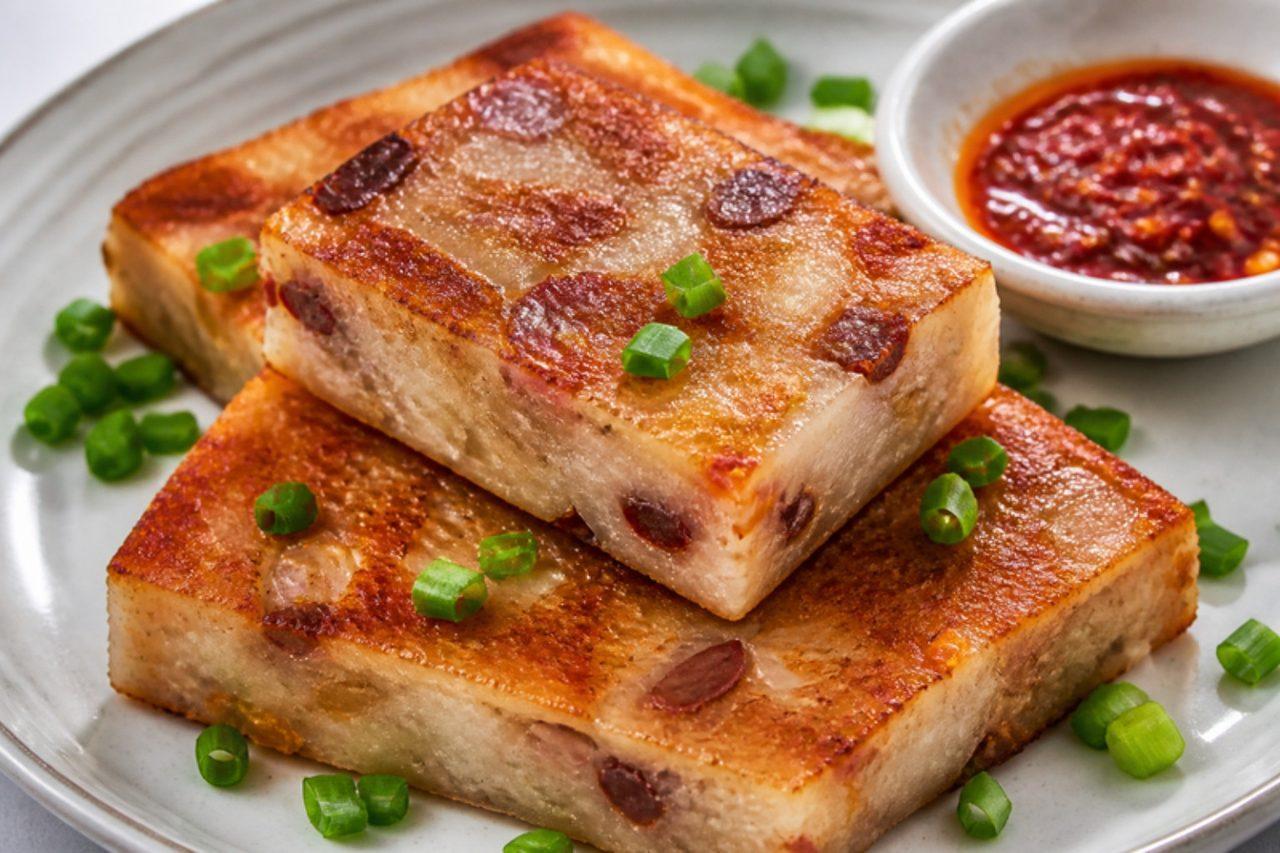
Wu tau go (taro cake)

Wu tau go is one of the 'gou' cakes that Hong Kong and Guangdong families steam before Lunar New Year, because gou sounds like 'tall' and promises a year that rises higher. This one is studded with chunks of taro, diced Chinese sausage (lap cheong, a sweet cured pork sausage usually made with rose wine or Shaoxing wine) and dried shrimp, set with rice flour and fragrant with five-spice. For an alcohol-free cake, choose a lap cheong labelled alcohol-free, or use the smoked tofu from the vegetarian variation. Cold, it slices cleanly; pan-fried, it gets a crisp golden crust over a soft, starchy, savoury middle with nubbly bits of taro. Serve slices hot with chilli sauce or oyster sauce, alongside turnip cake at New Year dim sum. Chef's tip: cook the batter on the hob until it is as thick as mashed potato before steaming; a runny batter lets the taro sink and leaves a pasty layer at the bottom.

by KrazyBadal 0 views

Grüner BohnensalatGreen bean salad

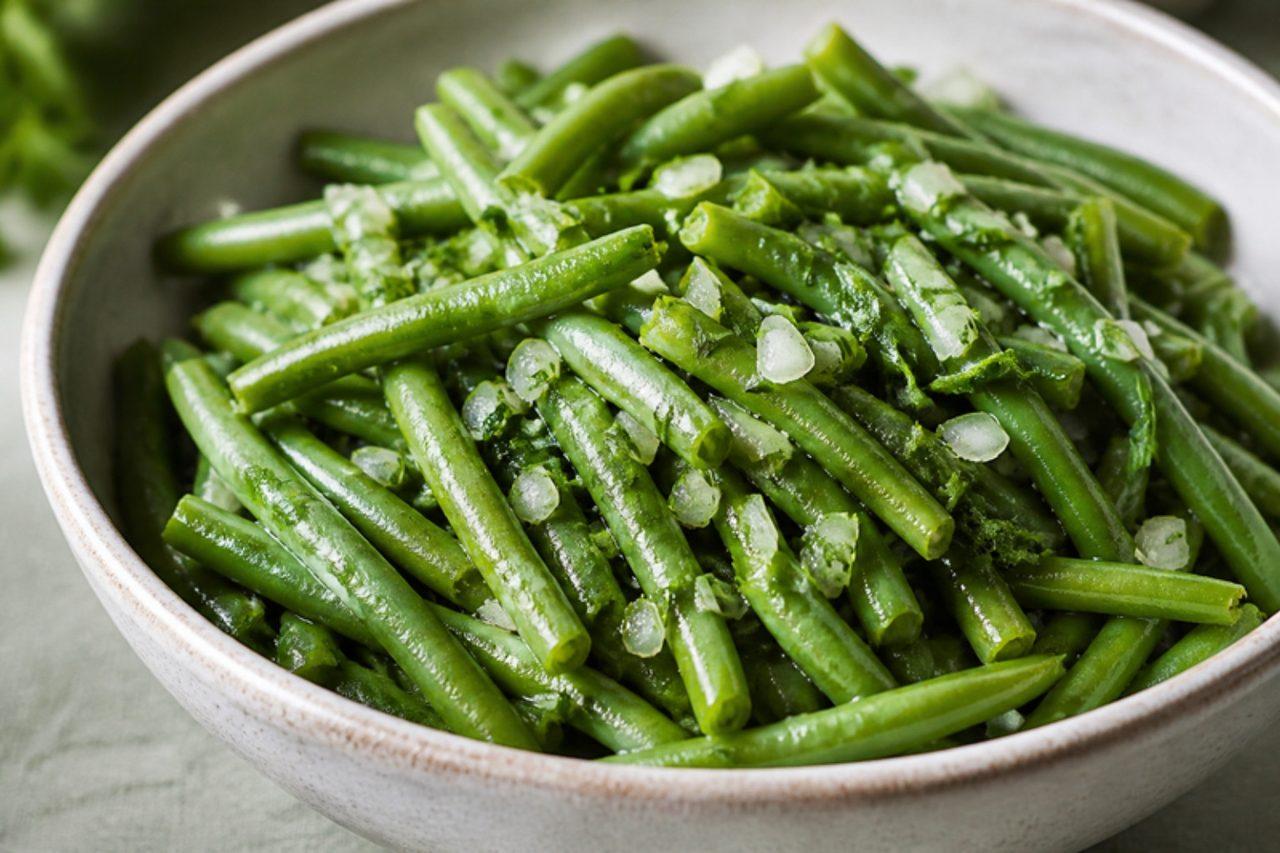
In German kitchens from Swabia to Westphalia, green bean salad comes out in high summer when beans are cheap and plentiful, as a side to fried eggs, potato salad or grilled food, and it travels well to picnics. The beans are cooked until just tender, then dressed warm with vinegar, oil, onion and Bohnenkraut (summer savory), the peppery herb Germans always pair with beans. Many cooks add bacon; this version is vegan. A portion gives about 3 g of protein, so it is a side; add a handful of white beans to make it more filling. The most common mistake is undercooking the beans so they squeak: German bean salad is meant to be tender, not crisp, so cook until a bean bends without snapping. Chef's tip: dress the beans while they are still warm and let them sit for 30 minutes; they absorb the vinegar and taste far better than freshly dressed.

by KrazyBadal 0 views

Showing 24 of 274 recipes

Show more recipes

Page 1 of 12