Skip to content
Recipes

Korean recipes

Vegetarian, or something you can't eat? Set your diet once and we'll hide recipes that don't fit.

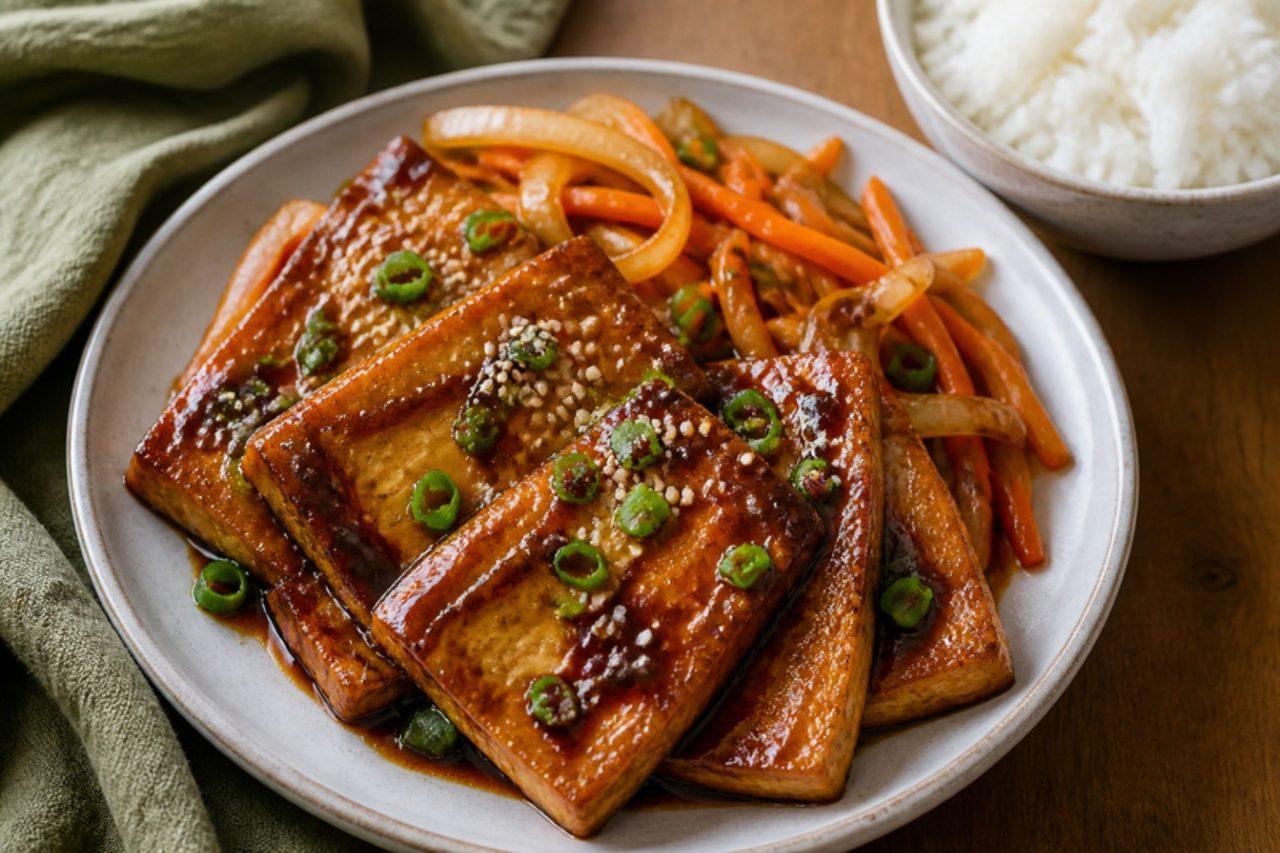
Tofu bulgogi

Tofu bulgogi (두부불고기) takes the famous sweet and savoury bulgogi marinade, usually made for thin slices of beef, and uses it on golden pan-fried tofu instead. It is a popular meat-free dish in homes and temple-style restaurants across Korea. Grated pear sweetens the soy and garlic sauce and makes it glossy, and the tofu is fried first so it holds its shape and soaks up the glaze. Serve with rice, lettuce leaves for wrapping and kimchi. Chef's tip: dry the tofu well and leave it alone in the pan until it releases by itself. A good golden crust is what lets it soak up the glaze without falling apart.

30 minVegetarianVegan
by KrazyBadal 0 views

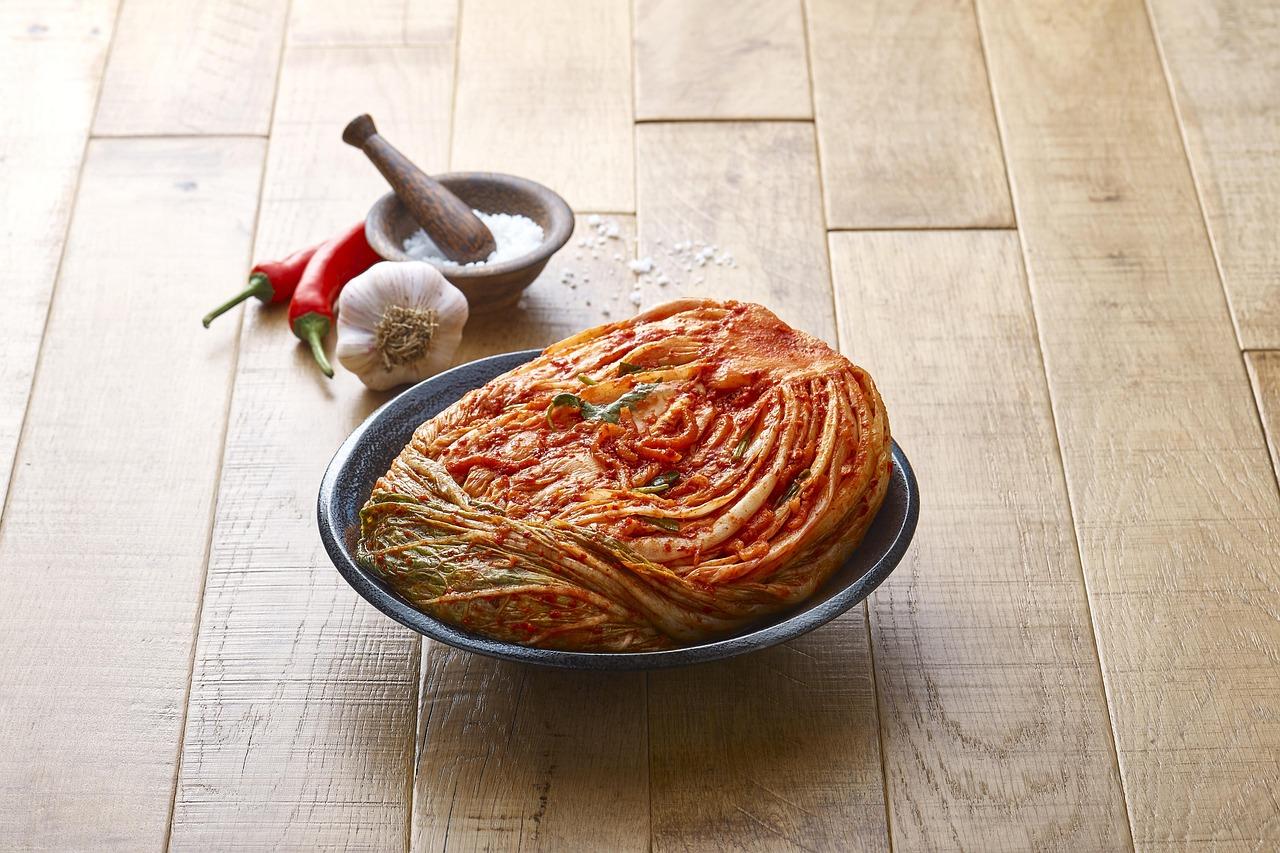
Baechu kimchi

Baechu kimchi (배추김치) is the napa cabbage kimchi served at almost every Korean meal, from Seoul to Jeju. Salted cabbage quarters are rubbed leaf by leaf with a red paste of chilli flakes, garlic, ginger, radish and spring onion, then left to ferment until sour, fizzy and deeply savoury. Most recipes use fish sauce and salted shrimp; this one gets its depth from kelp stock and tamari, so it is vegetarian and gluten free. Eat it fresh after a day or two, or let it sour for a few weeks for kimchi fried rice, stews and pancakes. Salting takes about 2 hours, then allow 1–2 days for fermenting. Chef's tip: the salting is everything. Under-salted cabbage goes mushy and spoils; over-salted kimchi is harsh. Test a thick white stem: when it bends without snapping, rinse.

150 minBasicsVeganGluten freeSpicy
by KrazyBadal 0 views

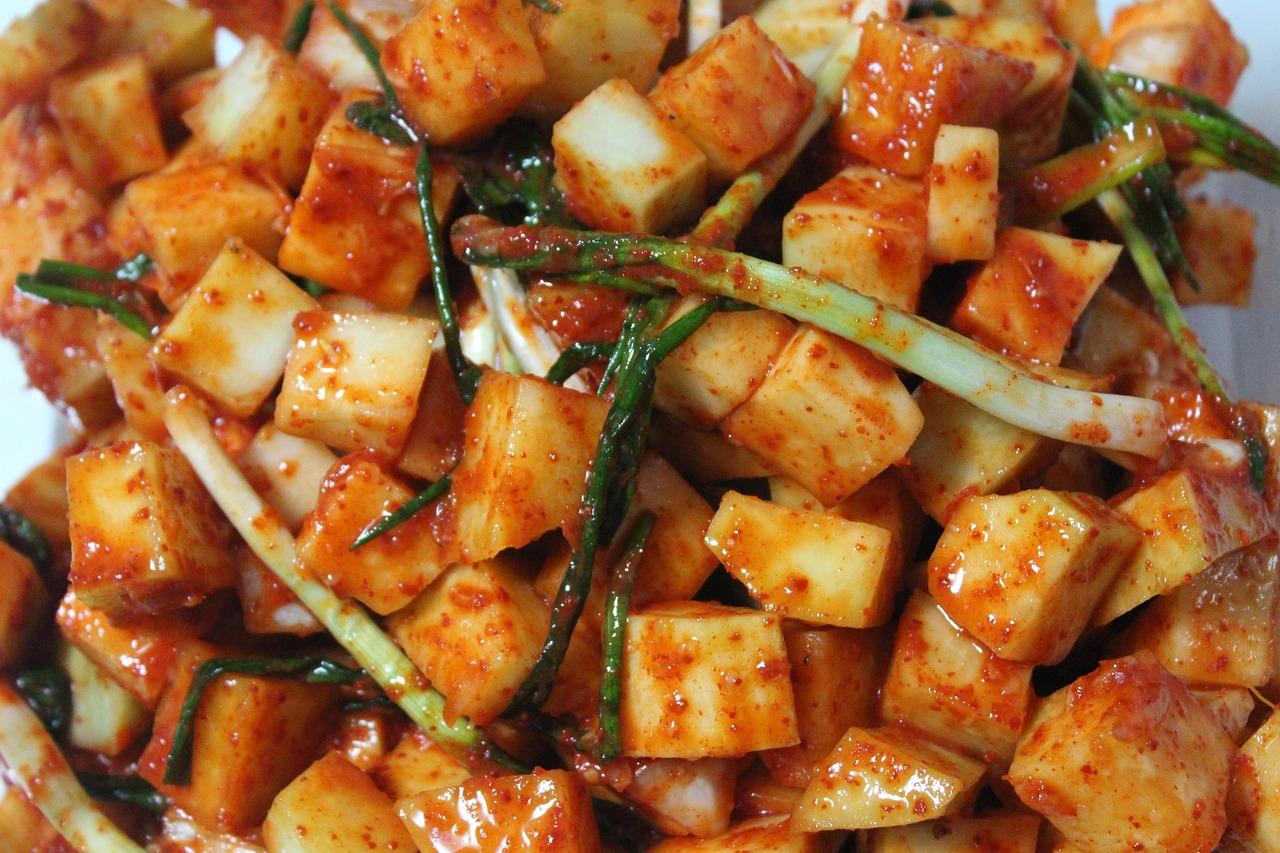
Kkakdugi

Kkakdugi (깍두기) is kimchi made from chunky cubes of Korean radish instead of cabbage. It is quicker to make than cabbage kimchi and stays crunchy and juicy, with a sweet, peppery bite. Made all over Korea, it is the classic partner to rich soups and noodles. Traditional versions are seasoned with fish sauce and salted shrimp; here soy sauce and a little grated pear give the same savoury-sweet depth, keeping it vegan. Ready to eat after a day or two of fermenting. Chef's tip: rub in the chilli flakes on their own first, before the wet seasonings. The red then clings to every cube, and the radish keeps its crunch.

40 minBasicsVeganSpicy
by KrazyBadal 0 views

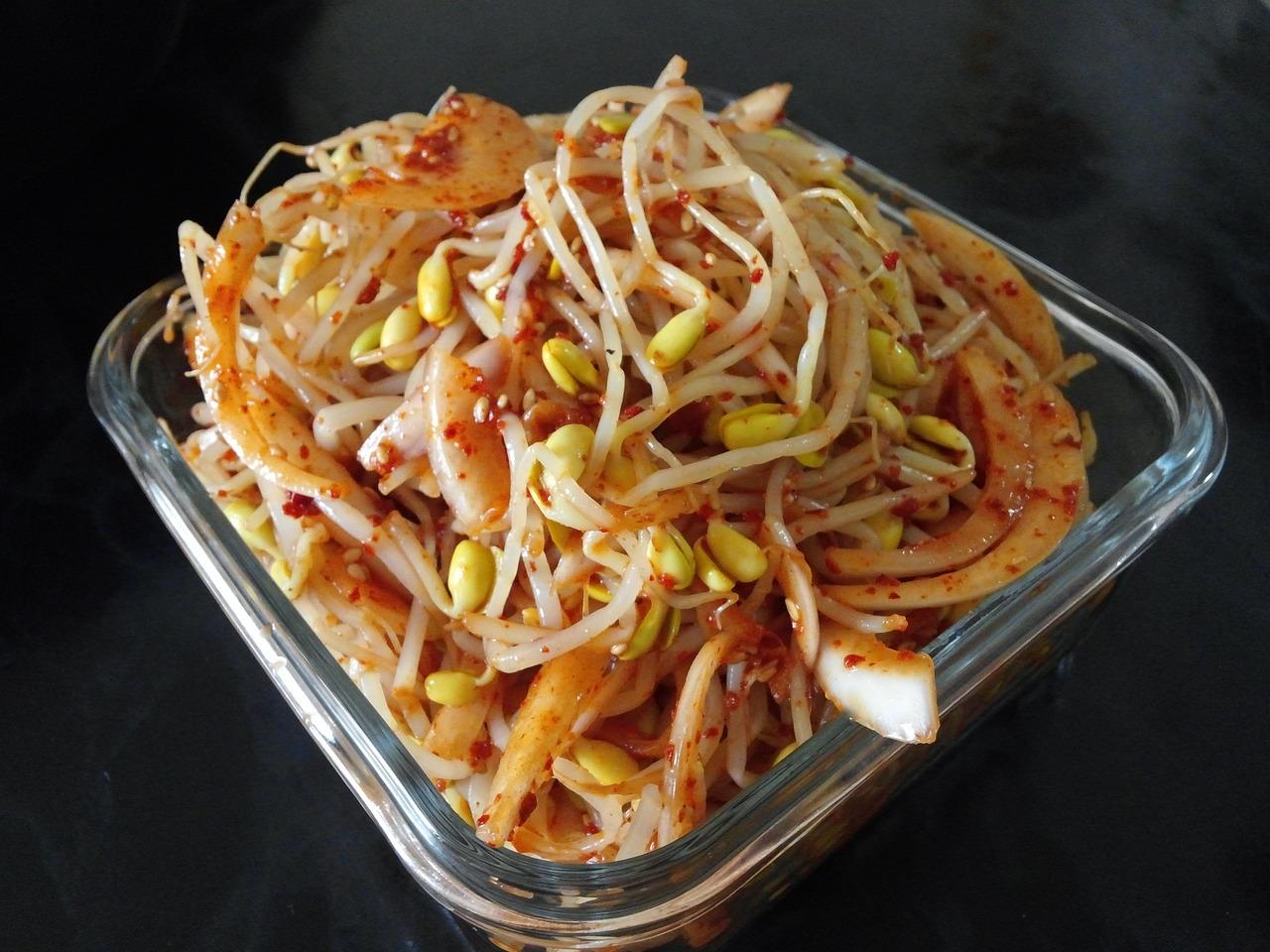
Kongnamul muchim

Kongnamul muchim (콩나물무침) is one of the simplest and most common banchan, the small side dishes served with every Korean meal across the country. Soybean sprouts are steamed in a little salted water until tender but still crunchy, then tossed with garlic, sesame oil and spring onion. The nutty, clean flavour goes with almost anything. For a spicy version, add a teaspoon of chilli flakes when you season it. Chef's tip: decide at the start whether the lid is on or off, and don't change your mind while they cook. Lifting it halfway is what gives sprouts a raw, beany smell.

15 minSidesVeganGluten free
by KrazyBadal 0 views

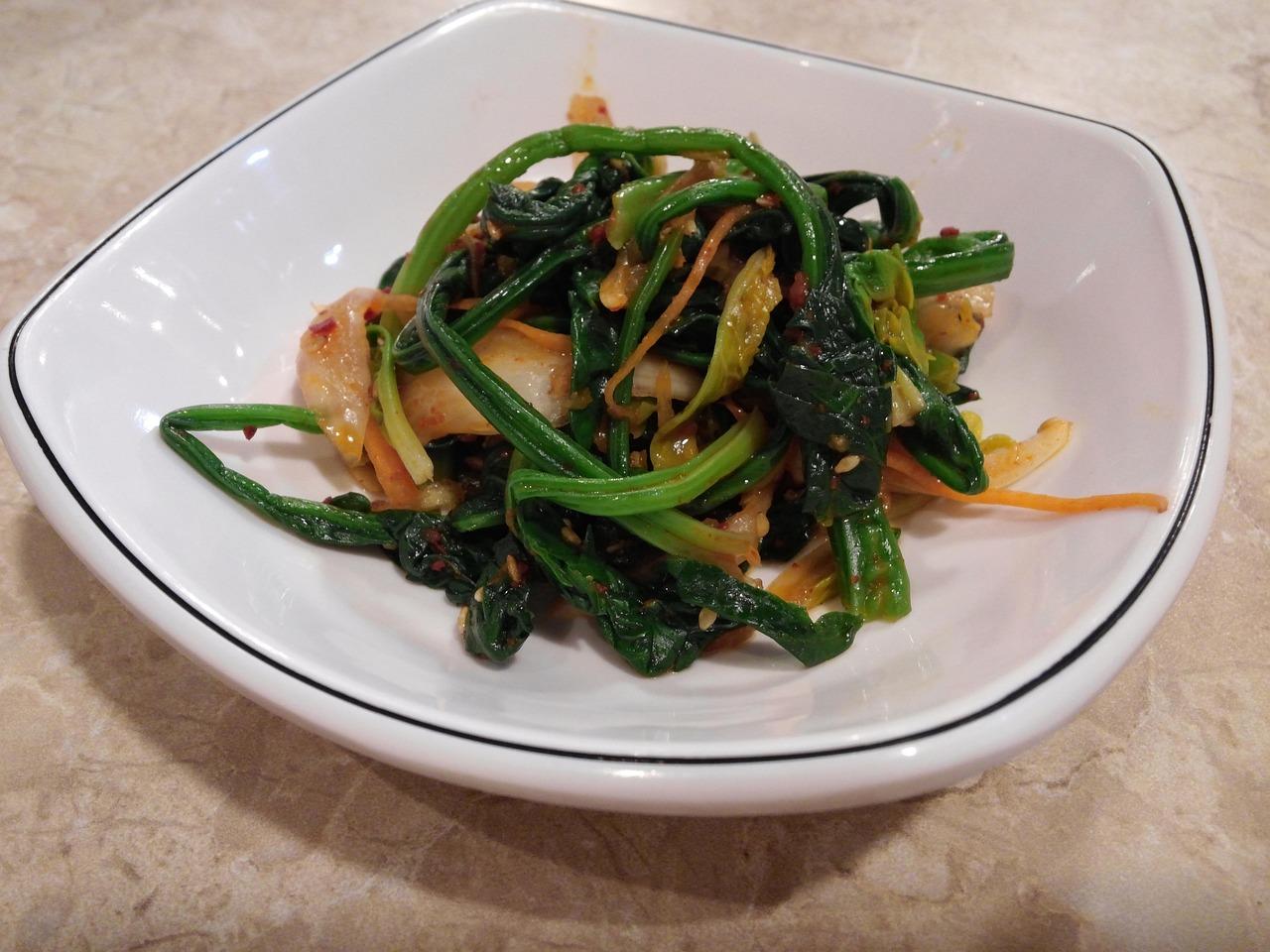
Sigeumchi namul

Sigeumchi namul (시금치나물) is a quick side dish of blanched spinach dressed with garlic, a little soy sauce and plenty of toasted sesame. It is one of the banchan found on tables all over Korea, and it is also one of the toppings in bibimbap. The spinach is blanched for just a few seconds so it stays bright green, then squeezed dry so it takes on the dressing. Serve at room temperature with rice and other banchan. Chef's tip: squeeze the spinach really hard before seasoning. Any water left in it dilutes the sesame dressing and makes the namul taste watery.

10 minSidesVegan
by KrazyBadal 0 views

Gamja jorim

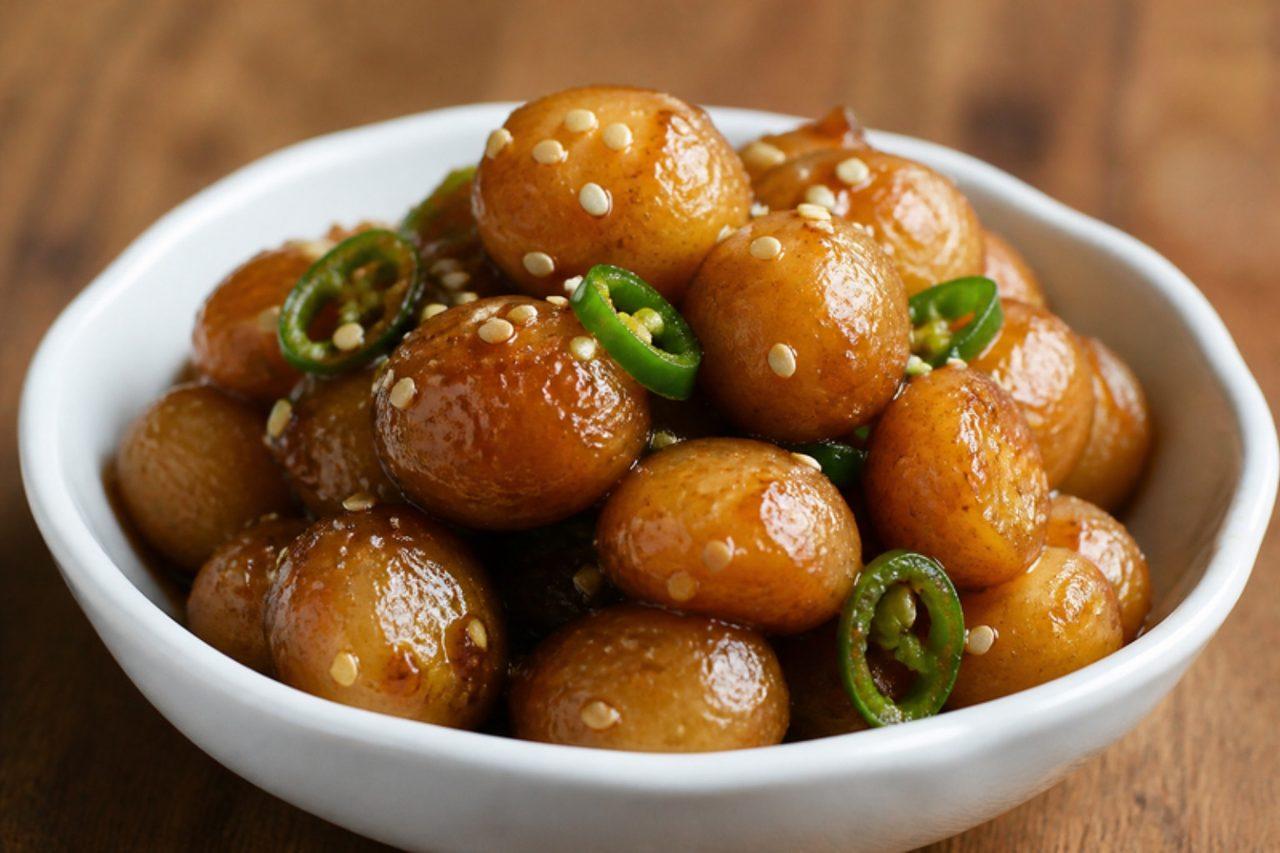
Gamja jorim (감자조림) are cubes or small potatoes simmered in soy sauce and sugar until the liquid reduces to a sticky, shiny glaze. They are a lunchbox and home-cooking favourite across Korea, loved by children for their sweet-salty taste. The potatoes turn soft inside but keep their shape, and they taste just as good cold the next day, so they are ideal to make ahead. Rice syrup gives the traditional shine; sugar alone works too. Chef's tip: add the syrup only at the end, when the potatoes are already tender. Added early it scorches and makes the potatoes tough on the outside.

30 minSidesVegan
by KrazyBadal 0 views

Gyeran mari

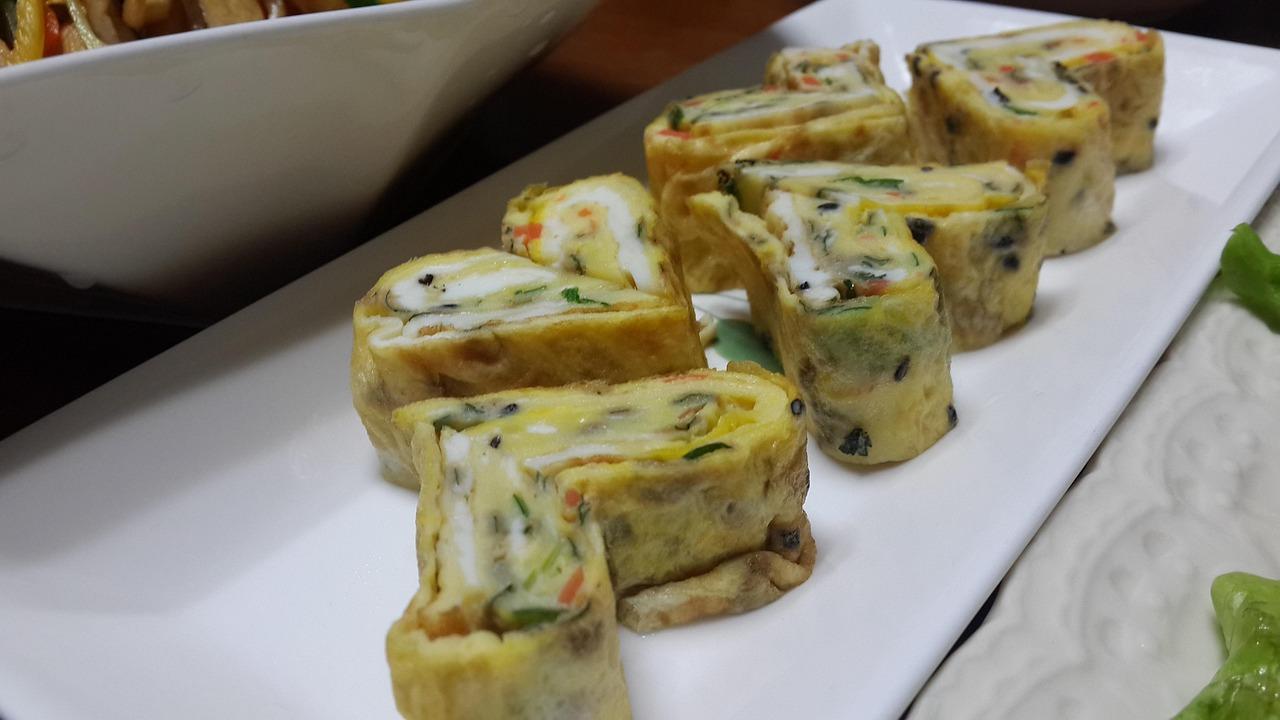
Gyeran mari (계란말이) is a Korean rolled omelette: beaten egg with finely chopped vegetables, cooked in thin layers and rolled up in the pan, then cut into thick slices that show a neat spiral. It is a much-loved side dish and lunchbox favourite nationwide, and children enjoy it with a little ketchup. The trick is a low heat, so the egg stays soft and yellow rather than brown. Serve warm or at room temperature with rice. Chef's tip: roll while the top of each layer is still slightly wet. The runny egg is the glue, and it keeps the roll soft and in one piece.

15 minSidesGluten free
by KrazyBadal 0 views

Hotteok

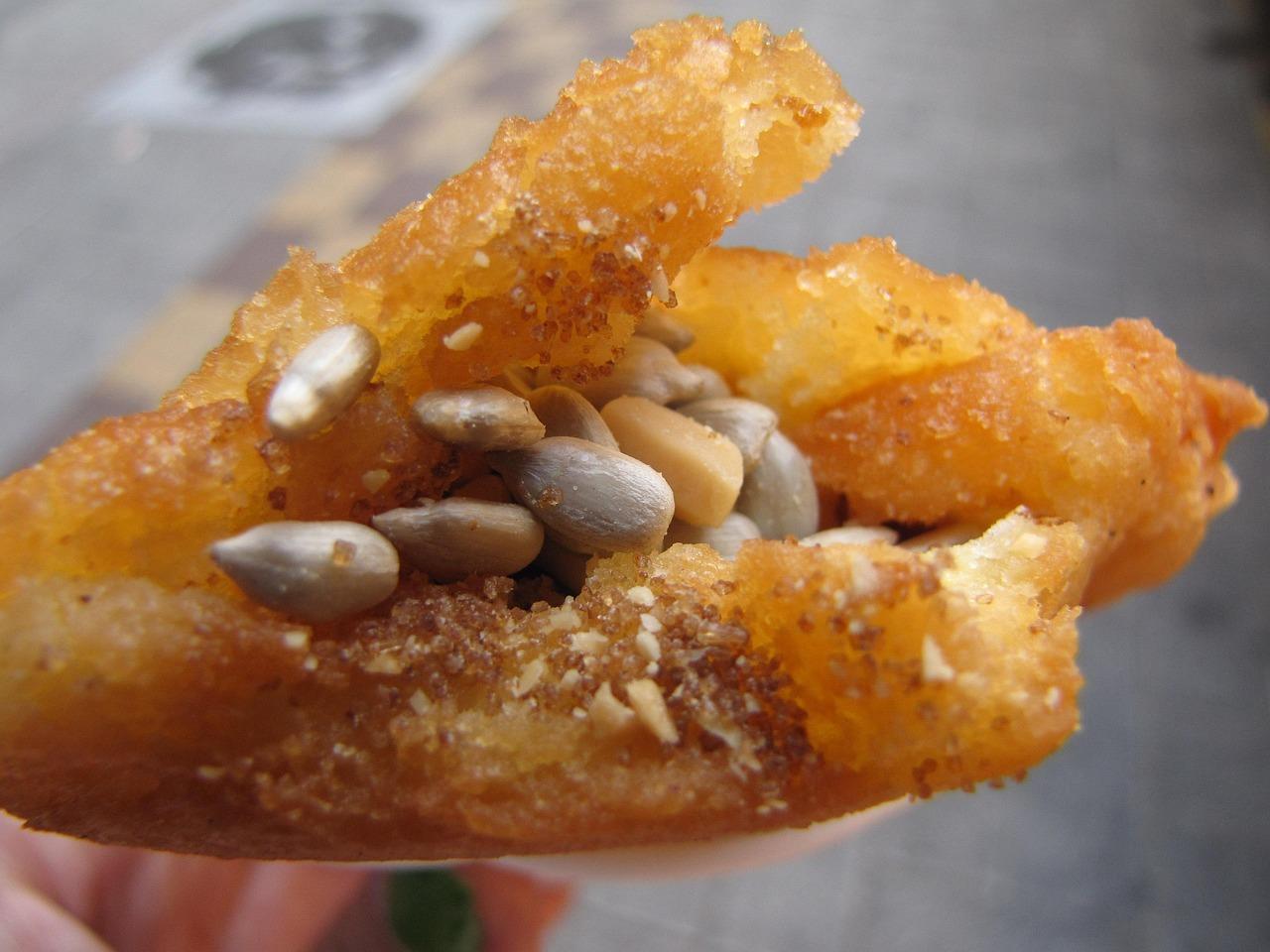
Hotteok (호떡) are chewy, yeasted pancakes filled with brown sugar and cinnamon that melt into a hot syrup as they fry. They are a winter street snack all over Korea, but Busan is known for ssiat hotteok (씨앗호떡), where the fried pancake is slit open and stuffed with a handful of toasted sunflower and pumpkin seeds. Glutinous rice flour in the dough makes it soft and stretchy. Be careful with the first bite, as the filling is very hot. This dough uses milk, so it is vegetarian; use water instead for a dairy-free version. Chef's tip: rest the dough until it has properly doubled and is full of bubbles, and keep your hands oiled. A sticky, well-risen dough gives the chewy, stretchy texture.

60 minDesserts
by KrazyBadal 0 views

Gyeranppang

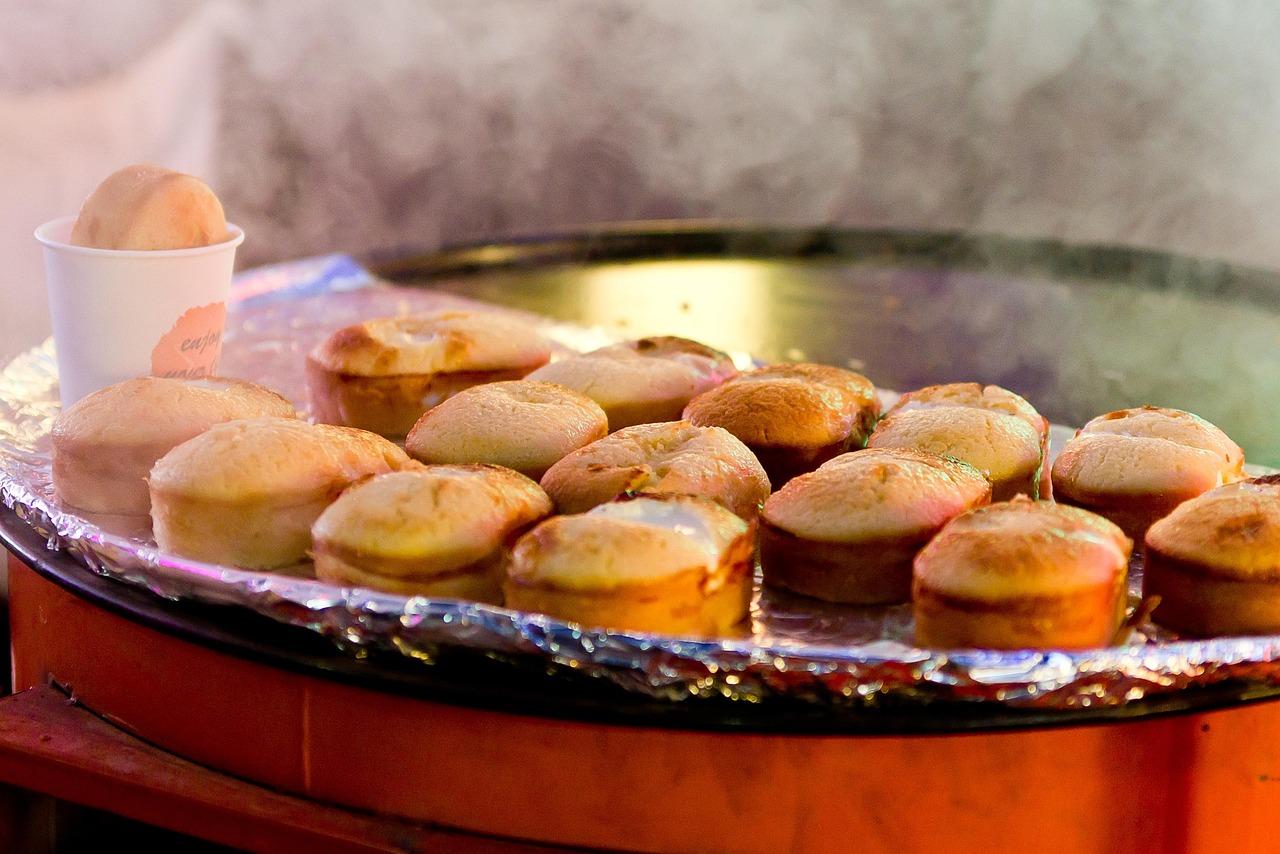
Gyeranppang (계란빵), or egg bread, is a winter street snack from Seoul: a small, sweet and fluffy bun with a whole egg baked right on top. Vendors bake them in special oval moulds, but a muffin tin works well at home. The soft, slightly sweet batter and the savoury egg are a lovely mix, making it a popular breakfast on the go. Bake until the white is just set if you like the yolk soft, or a few minutes longer for a firm yolk. Chef's tip: fill the moulds only a third full, so the egg sits in the batter as it rises rather than sliding off the side.

by KrazyBadal 0 views