Skip to content
Recipes

All recipes

Vegetarian, or something you can't eat? Set your diet once and we'll hide recipes that don't fit.

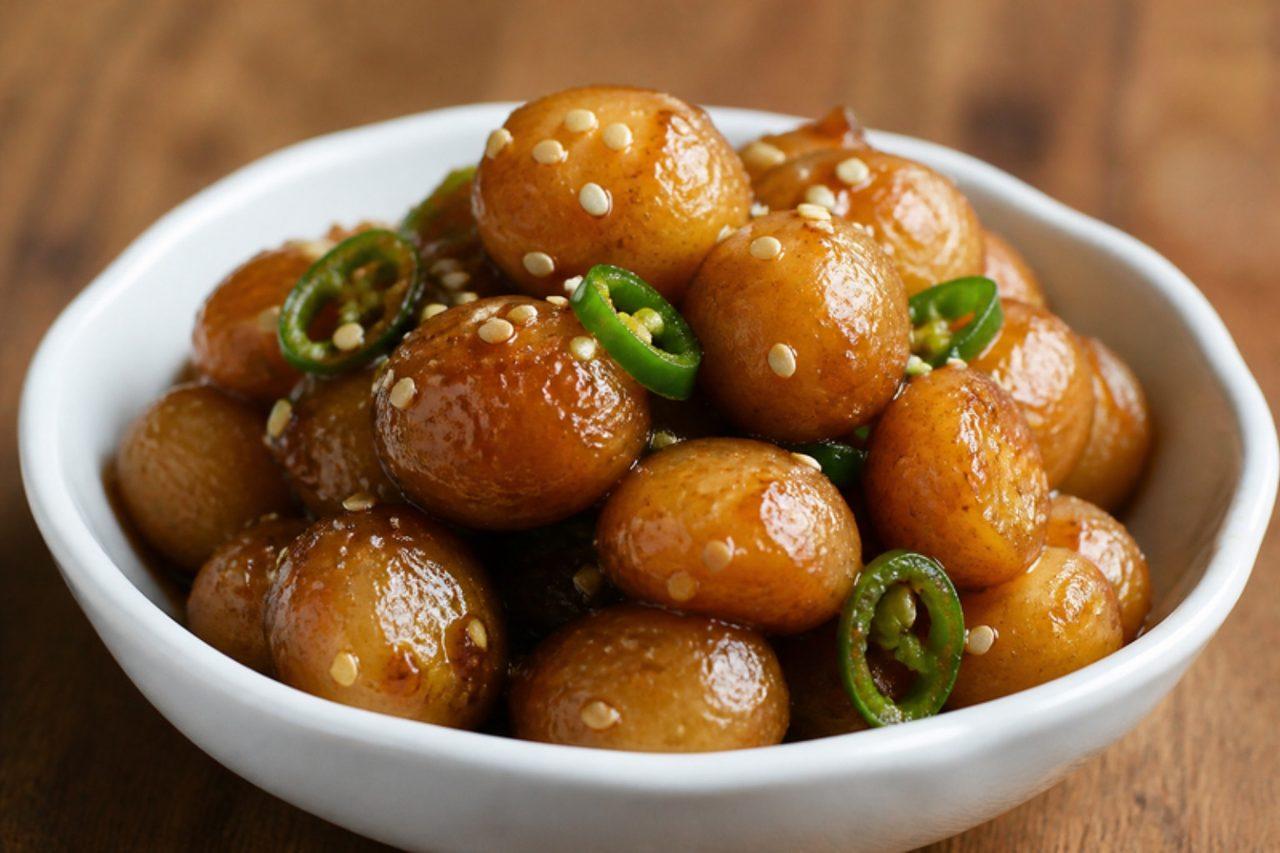
Gamja jorim

Gamja jorim (감자조림) are cubes or small potatoes simmered in soy sauce and sugar until the liquid reduces to a sticky, shiny glaze. They are a lunchbox and home-cooking favourite across Korea, loved by children for their sweet-salty taste. The potatoes turn soft inside but keep their shape, and they taste just as good cold the next day, so they are ideal to make ahead. Rice syrup gives the traditional shine; sugar alone works too. Chef's tip: add the syrup only at the end, when the potatoes are already tender. Added early it scorches and makes the potatoes tough on the outside.

30 minSidesVegan
by KrazyBadal 0 views

Kkakdugi

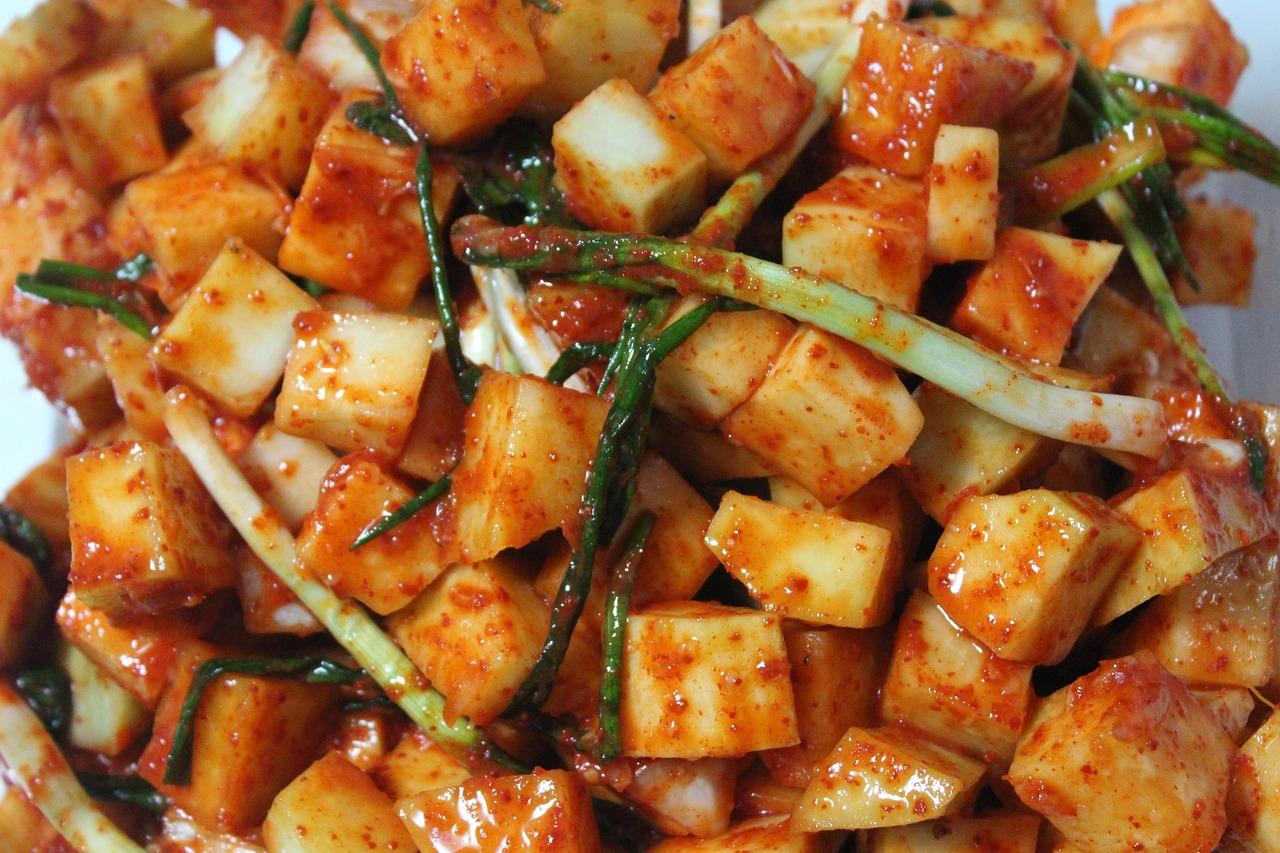
Kkakdugi (깍두기) is kimchi made from chunky cubes of Korean radish instead of cabbage. It is quicker to make than cabbage kimchi and stays crunchy and juicy, with a sweet, peppery bite. Made all over Korea, it is the classic partner to rich soups and noodles. Traditional versions are seasoned with fish sauce and salted shrimp; here soy sauce and a little grated pear give the same savoury-sweet depth, keeping it vegan. Ready to eat after a day or two of fermenting. Chef's tip: rub in the chilli flakes on their own first, before the wet seasonings. The red then clings to every cube, and the radish keeps its crunch.

40 minBasicsVeganSpicy
by KrazyBadal 0 views

Gimbap

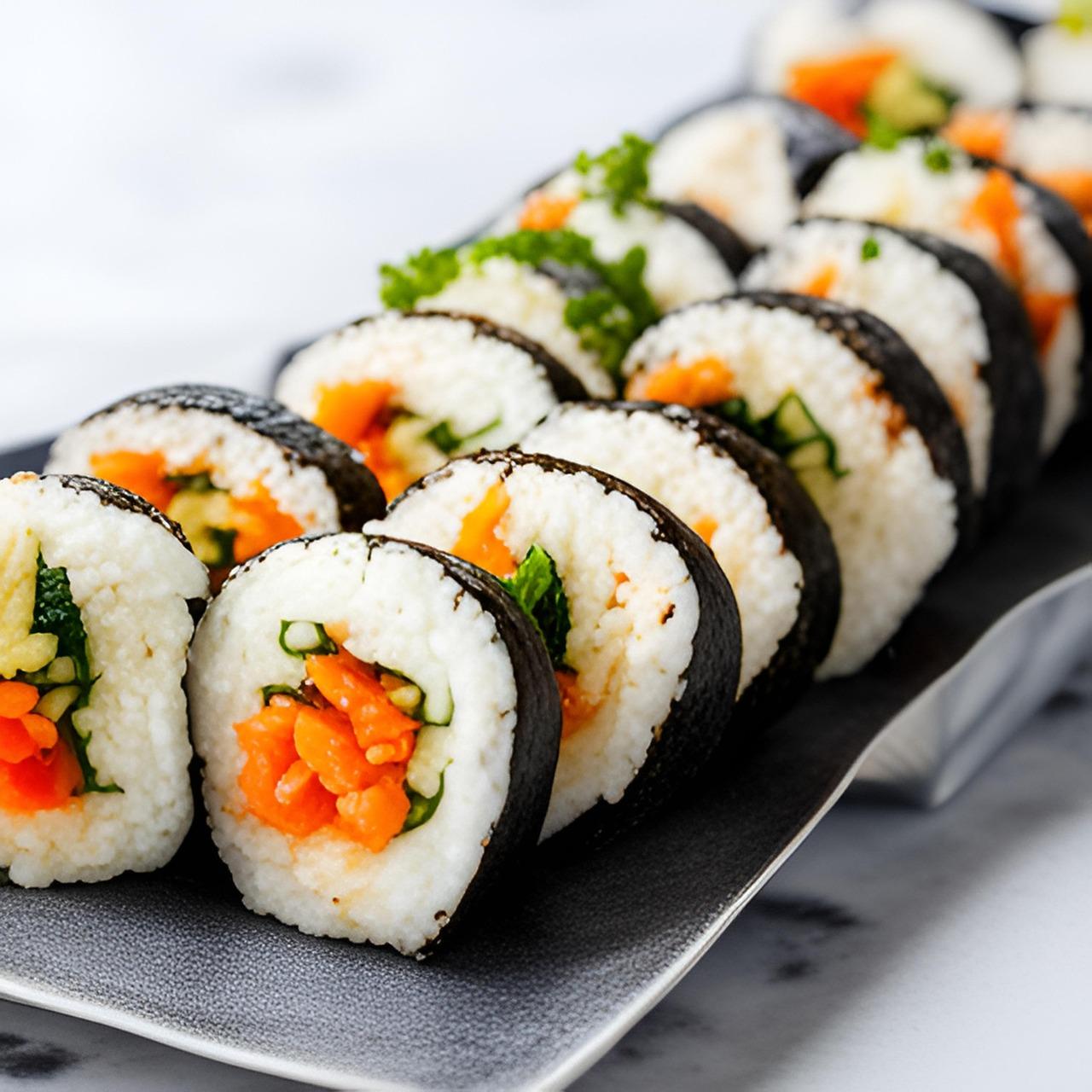
Gimbap (김밥) are rolls of sesame-seasoned rice and colourful fillings wrapped in roasted seaweed, then sliced into rounds. They are the classic Korean picnic and lunchbox food, sold on almost every street corner nationwide. Unlike sushi rice, gimbap rice is seasoned with salt and sesame oil rather than vinegar, so it tastes nutty and savoury. This vegetarian version is filled with omelette strips, garlicky spinach, carrot, soy-glazed tofu, cucumber and the bright yellow pickled radish called danmuji. They keep well for a few hours, so they are good to make ahead for a trip. Chef's tip: season the rice while it is warm and spread it thin, no more than a few grains deep. Thick rice and wet fillings are the two reasons rolls burst or go soggy.

by KrazyBadal 0 views

Baechu kimchi

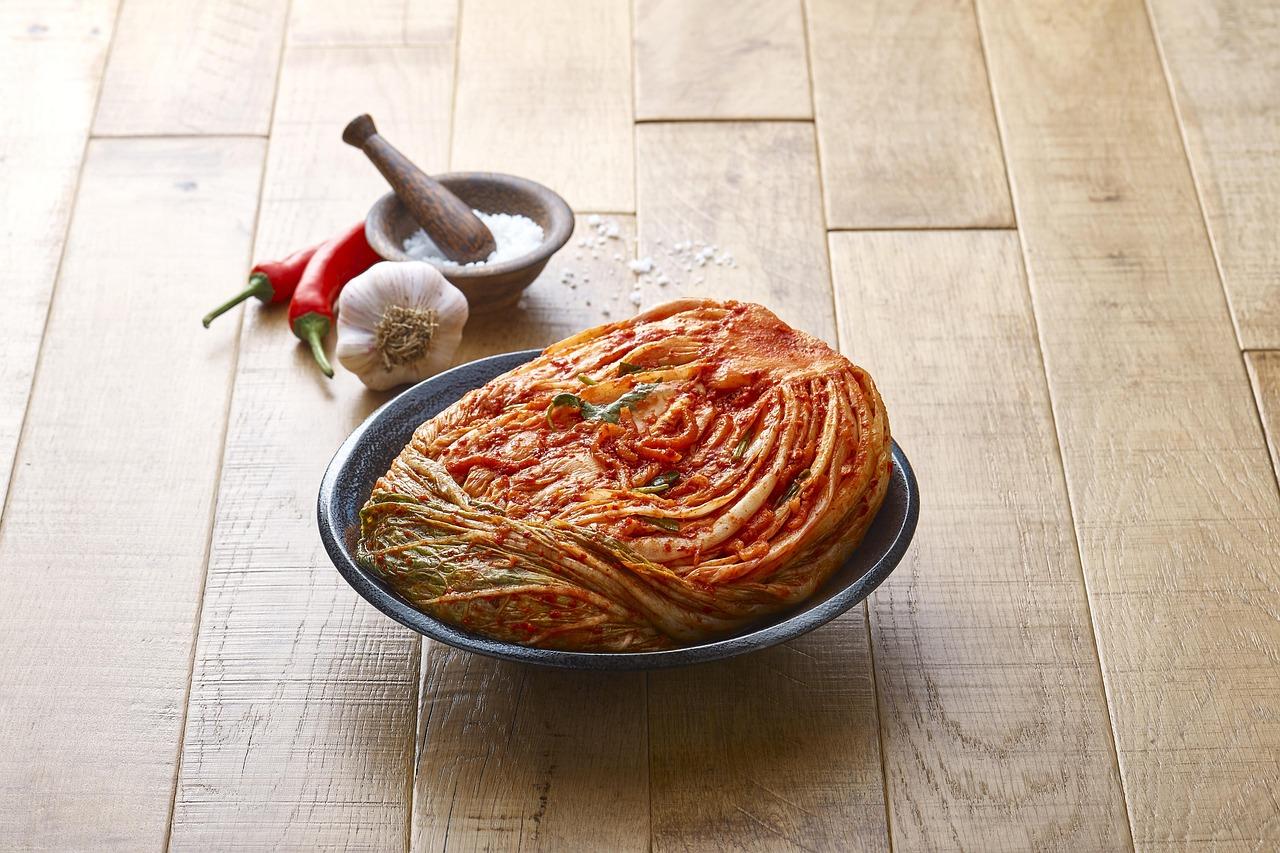
Baechu kimchi (배추김치) is the napa cabbage kimchi served at almost every Korean meal, from Seoul to Jeju. Salted cabbage quarters are rubbed leaf by leaf with a red paste of chilli flakes, garlic, ginger, radish and spring onion, then left to ferment until sour, fizzy and deeply savoury. Most recipes use fish sauce and salted shrimp; this one gets its depth from kelp stock and tamari, so it is vegetarian and gluten free. Eat it fresh after a day or two, or let it sour for a few weeks for kimchi fried rice, stews and pancakes. Salting takes about 2 hours, then allow 1–2 days for fermenting. Chef's tip: the salting is everything. Under-salted cabbage goes mushy and spoils; over-salted kimchi is harsh. Test a thick white stem: when it bends without snapping, rinse.

150 minBasicsVeganGluten freeSpicy
by KrazyBadal 0 views

Japchae

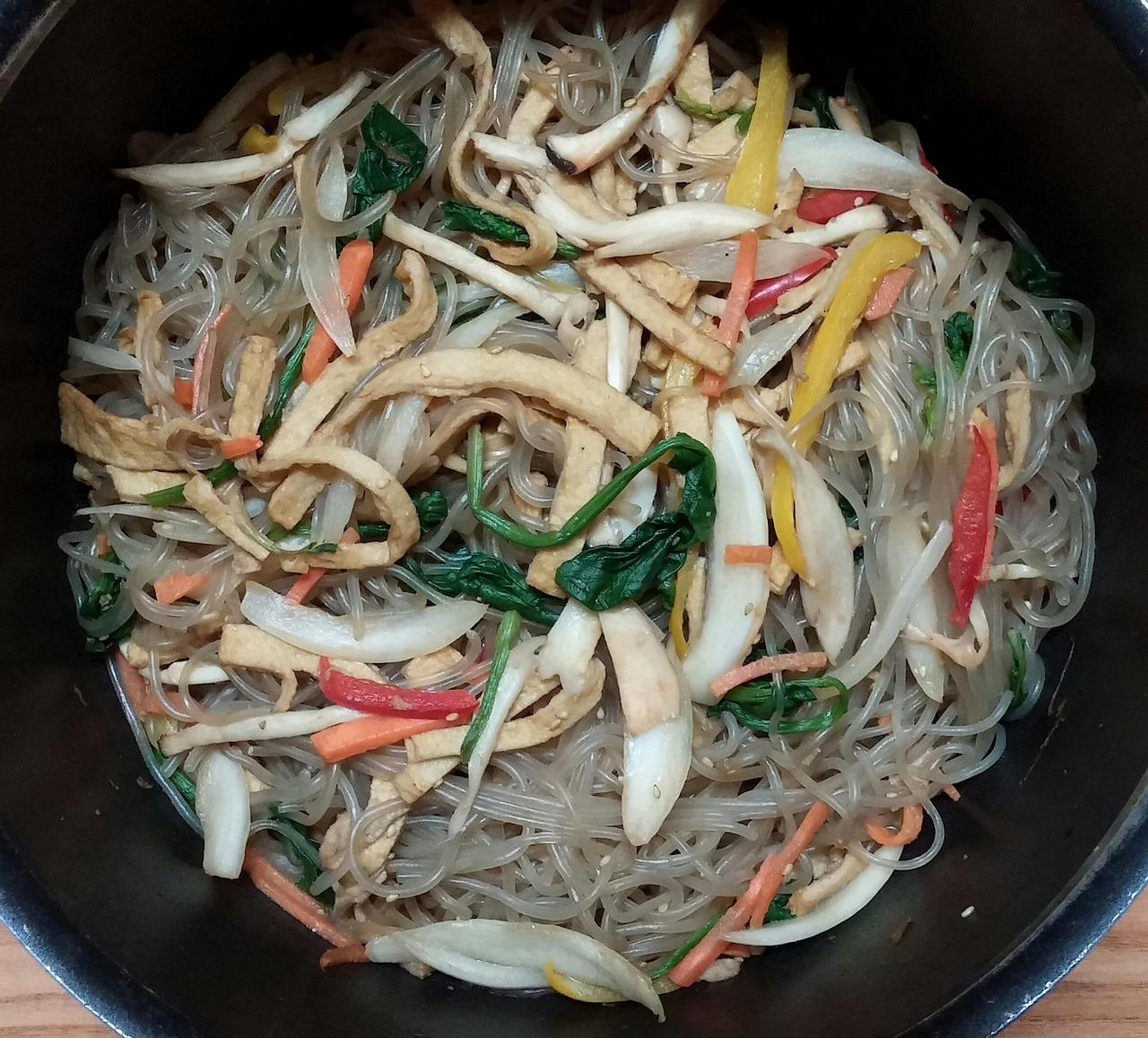
Japchae (잡채) is a dish of chewy, translucent sweet potato starch noodles tossed with spinach, mushrooms and brightly coloured vegetables in a sweet soy and sesame dressing. It is made all over Korea for birthdays, holidays and big family meals, because it can be prepared ahead and is eaten warm or at room temperature. Each vegetable is cooked quickly on its own, then everything is mixed by hand so the noodles soak up the seasoning. Older recipes include beef; this one uses shiitake for the savoury depth. Chef's tip: dress the noodles while they are still hot and keep each vegetable crisp. Overcooked noodles clump and turn gluey, so pull them as soon as they are clear and chewy.

by KrazyBadal 0 views