Skip to content
Recipes

All recipes

Vegetarian, or something you can't eat? Set your diet once and we'll hide recipes that don't fit.

Bindaetteok

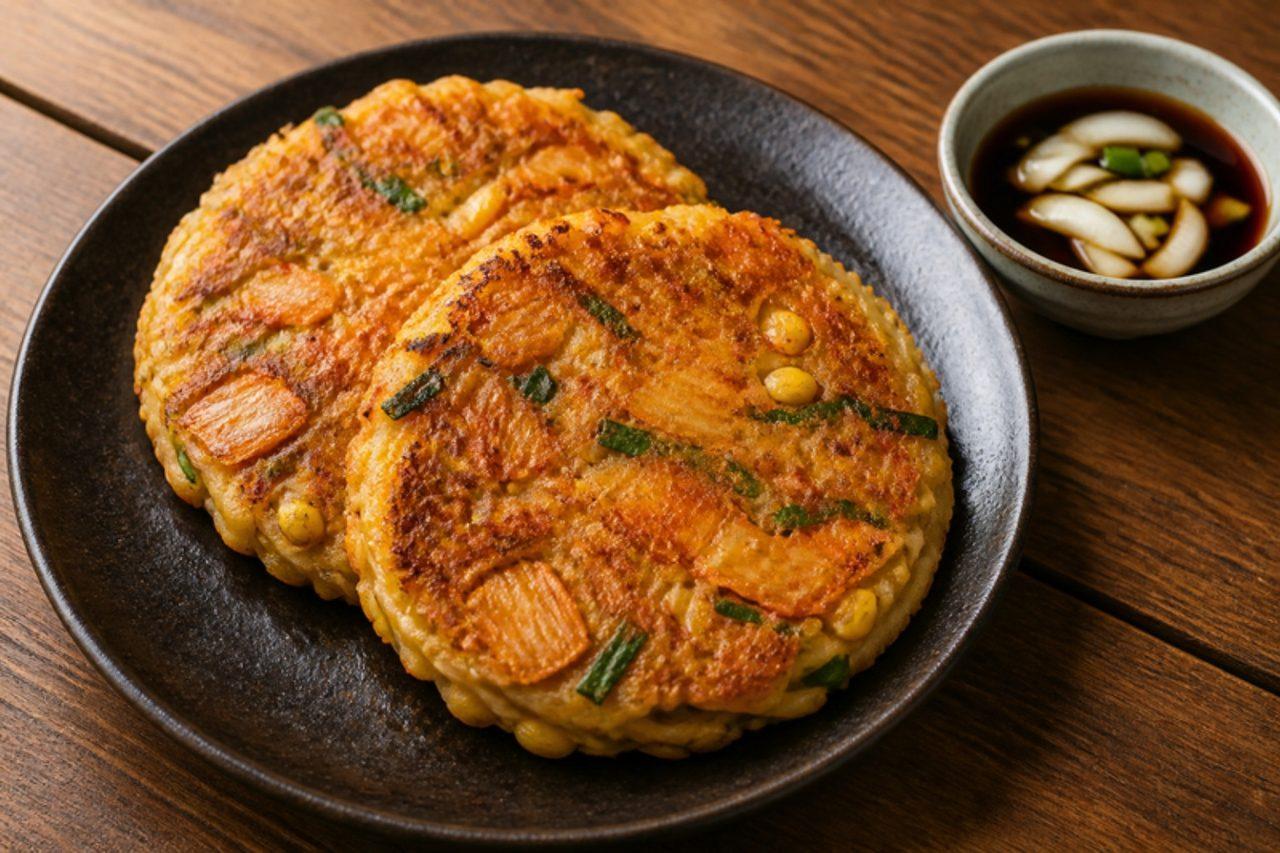
Bindaetteok (빈대떡) are thick, crunchy pancakes made from soaked and ground mung beans mixed with kimchi, bean sprouts and spring onions, then fried in plenty of oil. They are the signature dish of Gwangjang market in Seoul, where stalls grind the beans in stone mills and fry the pancakes in front of you. Market versions often include pork; this one keeps the classic vegetables and is naturally gluten free and rich in protein. The outside turns deep golden and crisp while the inside stays soft. Serve hot with a soy and onion dip. Chef's tip: grind the beans coarse, not silky, and fry in more oil than feels right. The slight grit is what makes Gwangjang-style bindaetteok so crunchy outside and fluffy inside.

by KrazyBadal 0 views
Gamja jorim

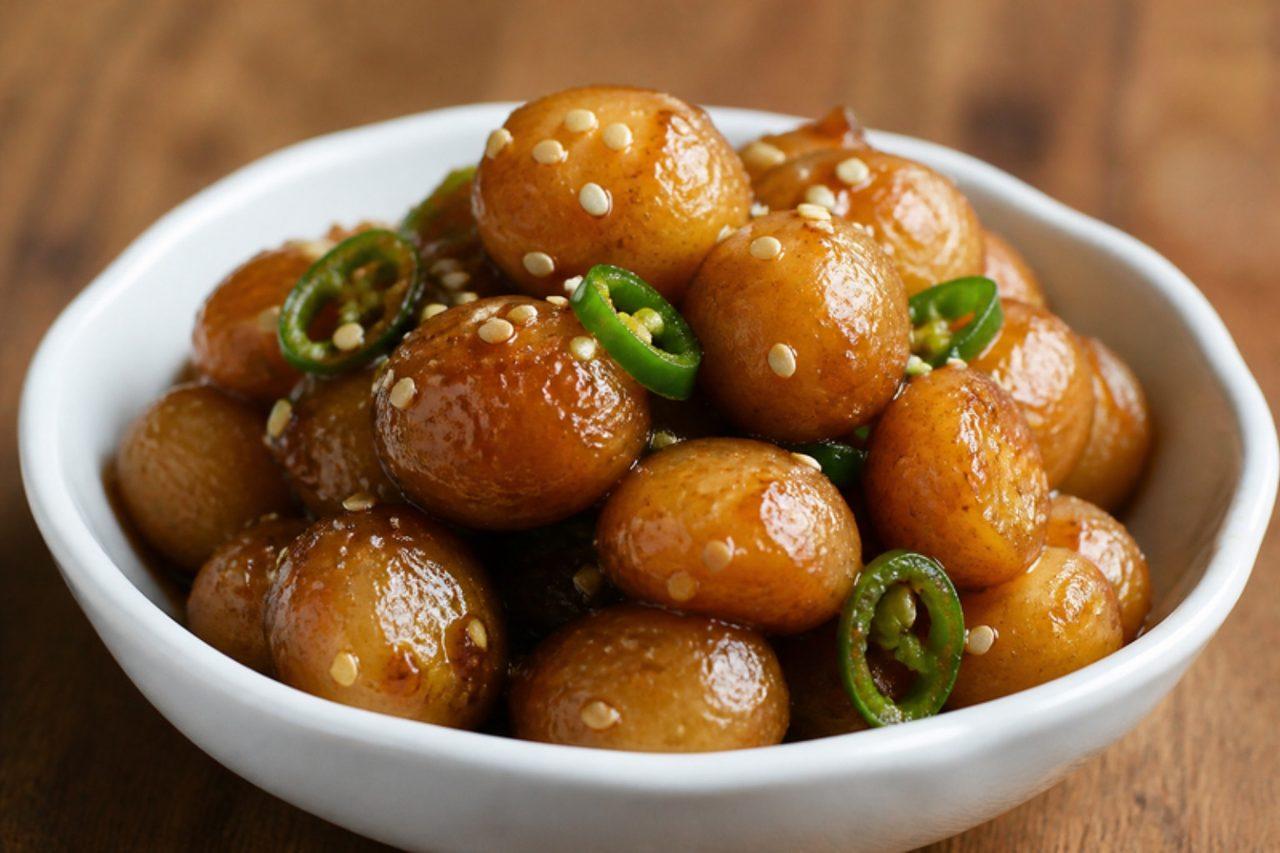
Gamja jorim (감자조림) are cubes or small potatoes simmered in soy sauce and sugar until the liquid reduces to a sticky, shiny glaze. They are a lunchbox and home-cooking favourite across Korea, loved by children for their sweet-salty taste. The potatoes turn soft inside but keep their shape, and they taste just as good cold the next day, so they are ideal to make ahead. Rice syrup gives the traditional shine; sugar alone works too. Chef's tip: add the syrup only at the end, when the potatoes are already tender. Added early it scorches and makes the potatoes tough on the outside.

30 minSidesVegan
by KrazyBadal 0 views

Kkakdugi

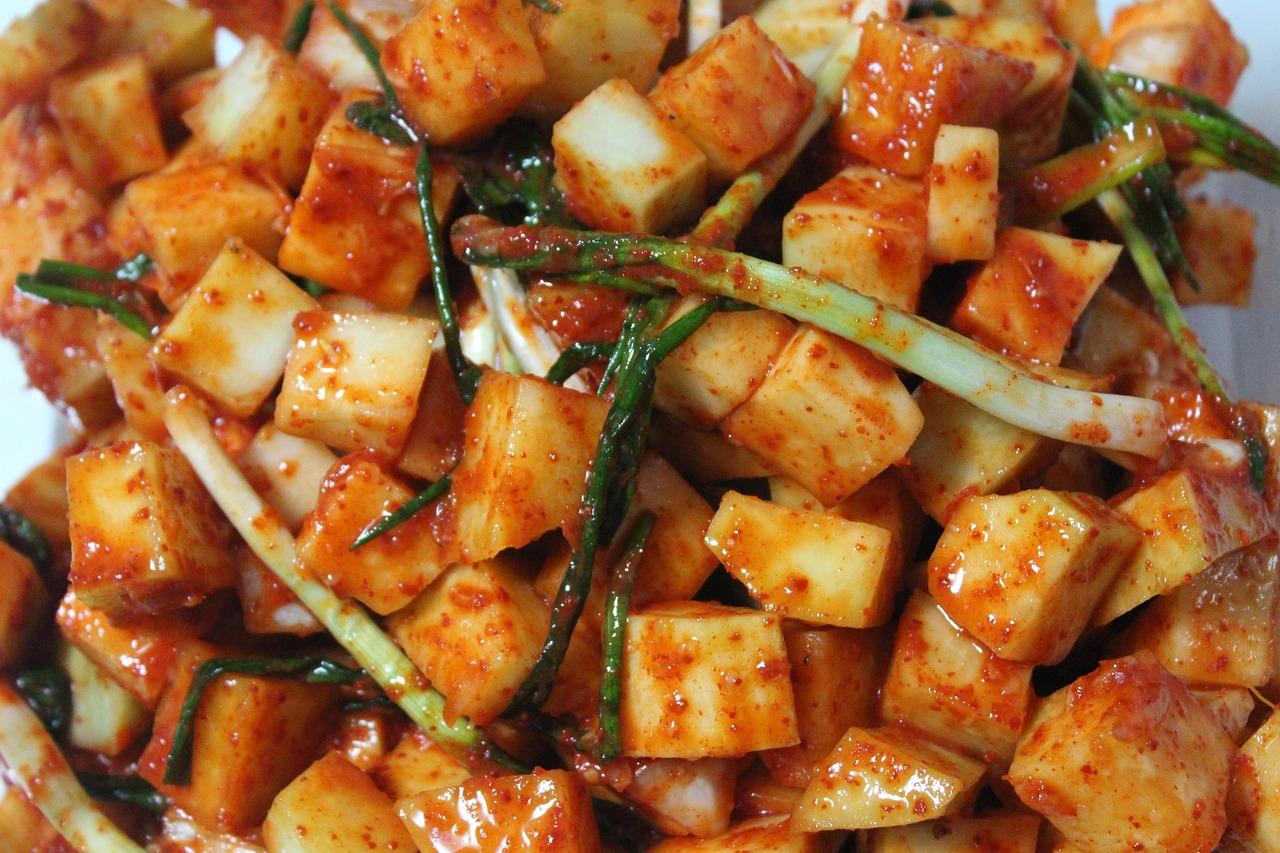
Kkakdugi (깍두기) is kimchi made from chunky cubes of Korean radish instead of cabbage. It is quicker to make than cabbage kimchi and stays crunchy and juicy, with a sweet, peppery bite. Made all over Korea, it is the classic partner to rich soups and noodles. Traditional versions are seasoned with fish sauce and salted shrimp; here soy sauce and a little grated pear give the same savoury-sweet depth, keeping it vegan. Ready to eat after a day or two of fermenting. Chef's tip: rub in the chilli flakes on their own first, before the wet seasonings. The red then clings to every cube, and the radish keeps its crunch.

40 minBasicsVeganSpicy
by KrazyBadal 0 views

Tteokbokki

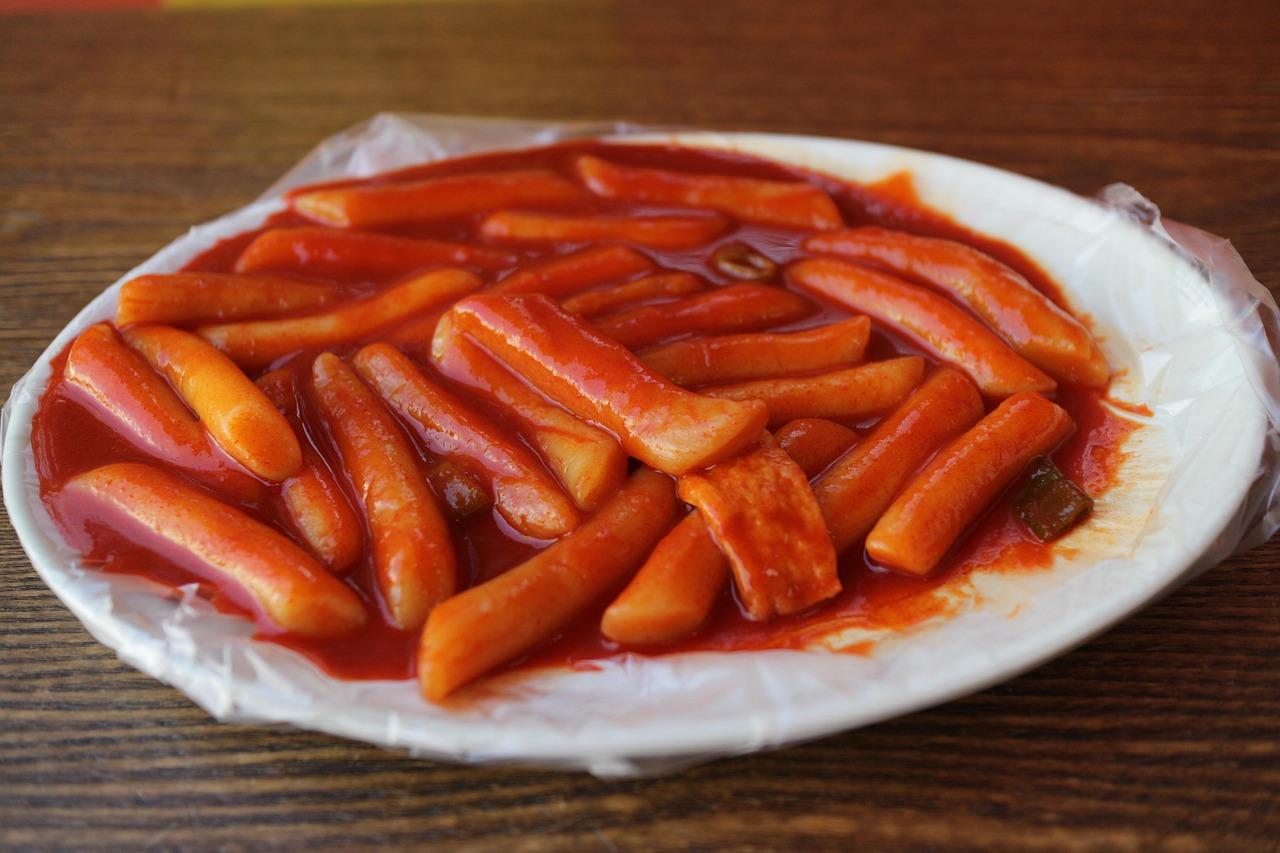
Tteokbokki (떡볶이) is Korea's best-loved street snack: chewy cylinders of rice cake simmered in a thick, glossy, sweet and spicy red sauce. It became a classic in Seoul, where it is sold from street stalls and snack bars in every neighbourhood. Street versions use anchovy stock and fish cakes; this vegan version uses a quick kelp and shiitake stock with cabbage and spring onions, and has all the same punch. Eat it hot, while the rice cakes are soft and stretchy. Chef's tip: keep stirring and scrape the bottom; the rice cakes release starch that thickens the sauce but also catches. The sauce is right when it clings to the spoon in a glossy coat.

by KrazyBadal 1 views

Doenjang jjigae

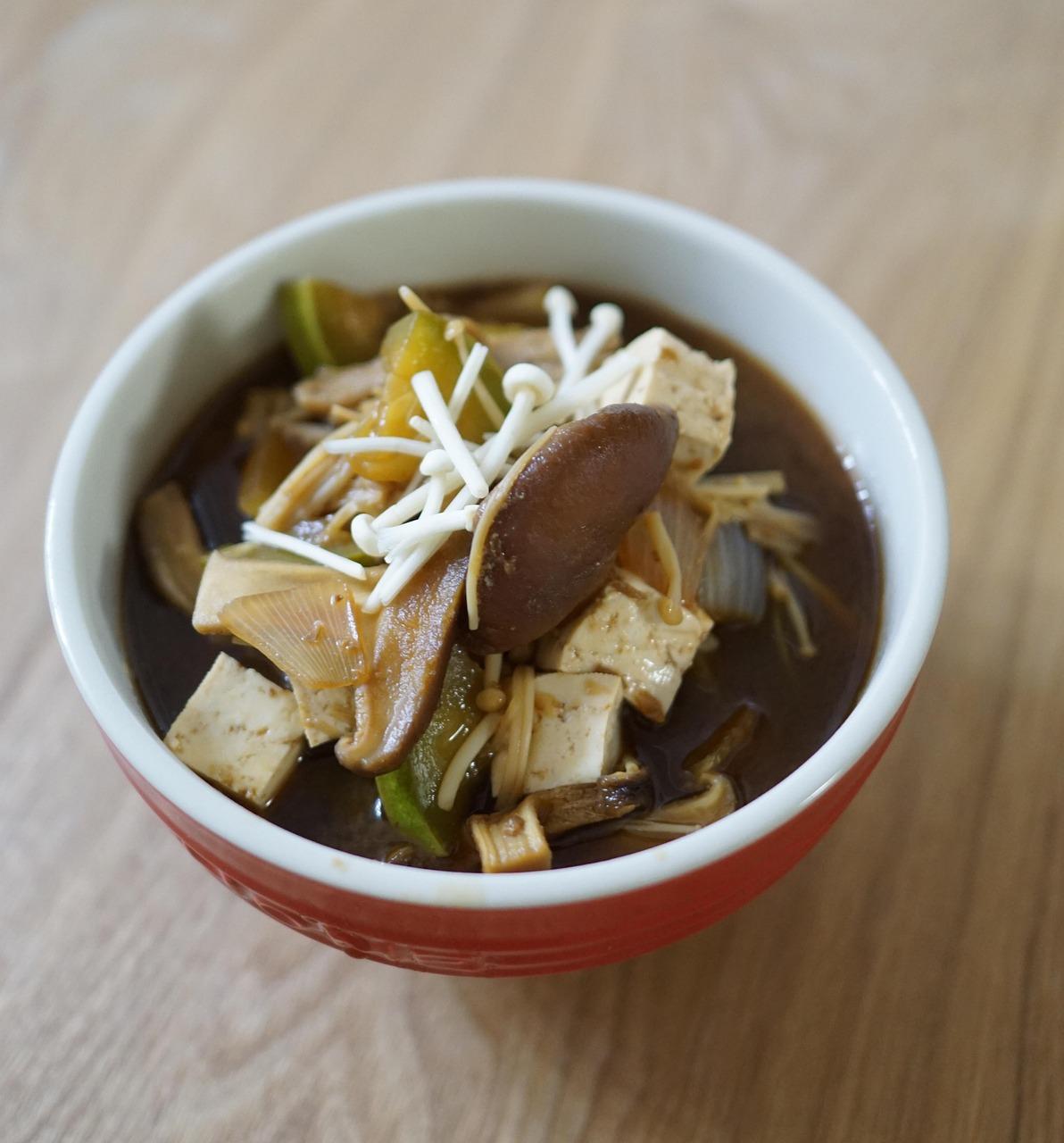
Doenjang jjigae (된장찌개) is the stew Korean families all over the country eat most often: a bubbling pot of fermented soybean paste broth with tofu, potato, courgette, mushrooms and chilli, served with rice and banchan. Doenjang is deeper and funkier than Japanese miso, and it gives the broth a rich, earthy savouriness. It is usually made with anchovy stock; here a quick kelp and shiitake stock does the same job, so the stew is vegan. Serve it in the pot it was cooked in, still bubbling. Chef's tip: add the doenjang early and let it simmer. Its earthy depth comes out with a few minutes of bubbling, and it is better a little thick and salty than thin, as it is eaten with plenty of rice.

25 minSoupsVegan
by KrazyBadal 0 views

Kongnamul muchim

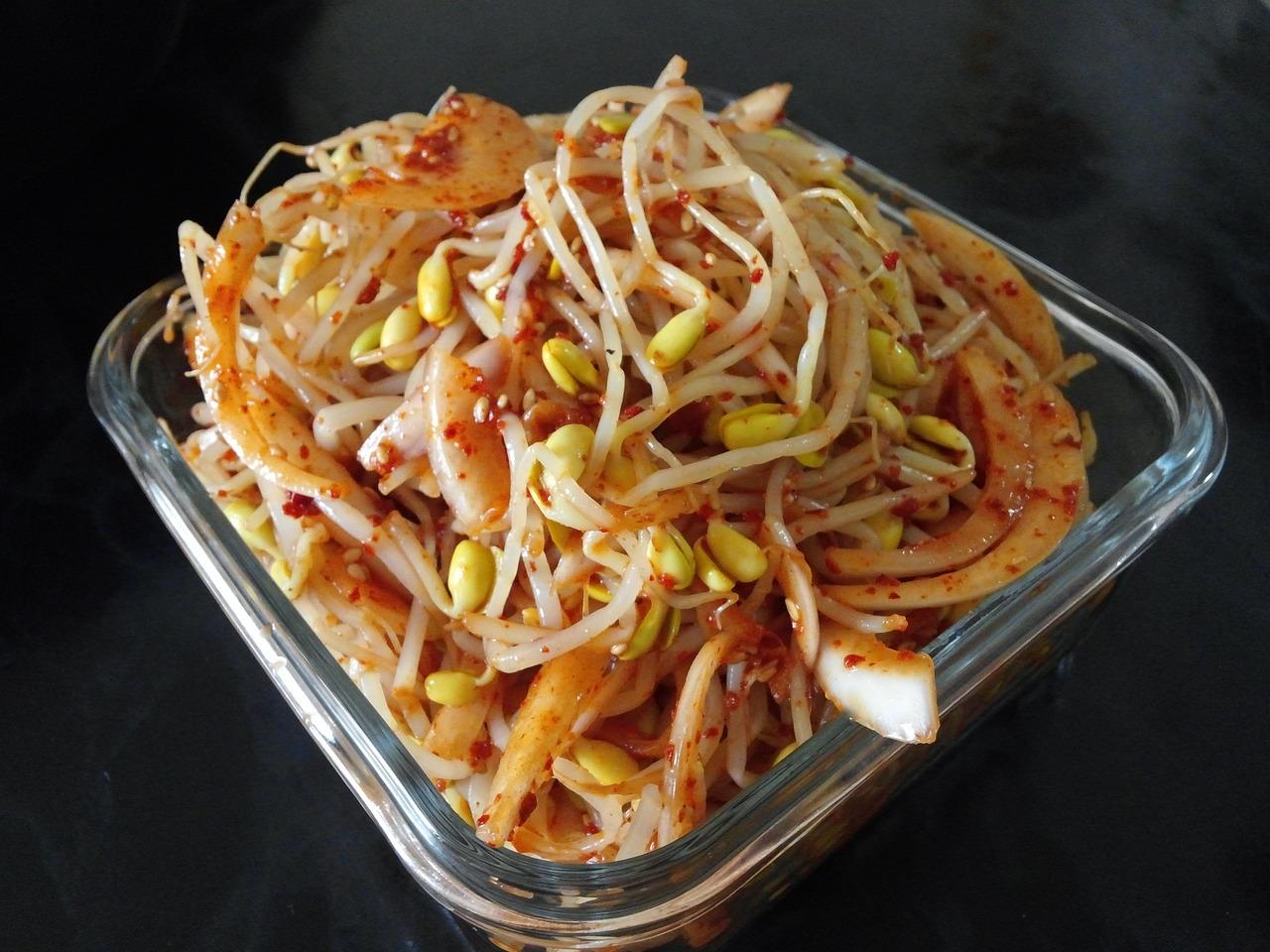
Kongnamul muchim (콩나물무침) is one of the simplest and most common banchan, the small side dishes served with every Korean meal across the country. Soybean sprouts are steamed in a little salted water until tender but still crunchy, then tossed with garlic, sesame oil and spring onion. The nutty, clean flavour goes with almost anything. For a spicy version, add a teaspoon of chilli flakes when you season it. Chef's tip: decide at the start whether the lid is on or off, and don't change your mind while they cook. Lifting it halfway is what gives sprouts a raw, beany smell.

15 minSidesVeganGluten free
by KrazyBadal 0 views

Tofu bulgogi

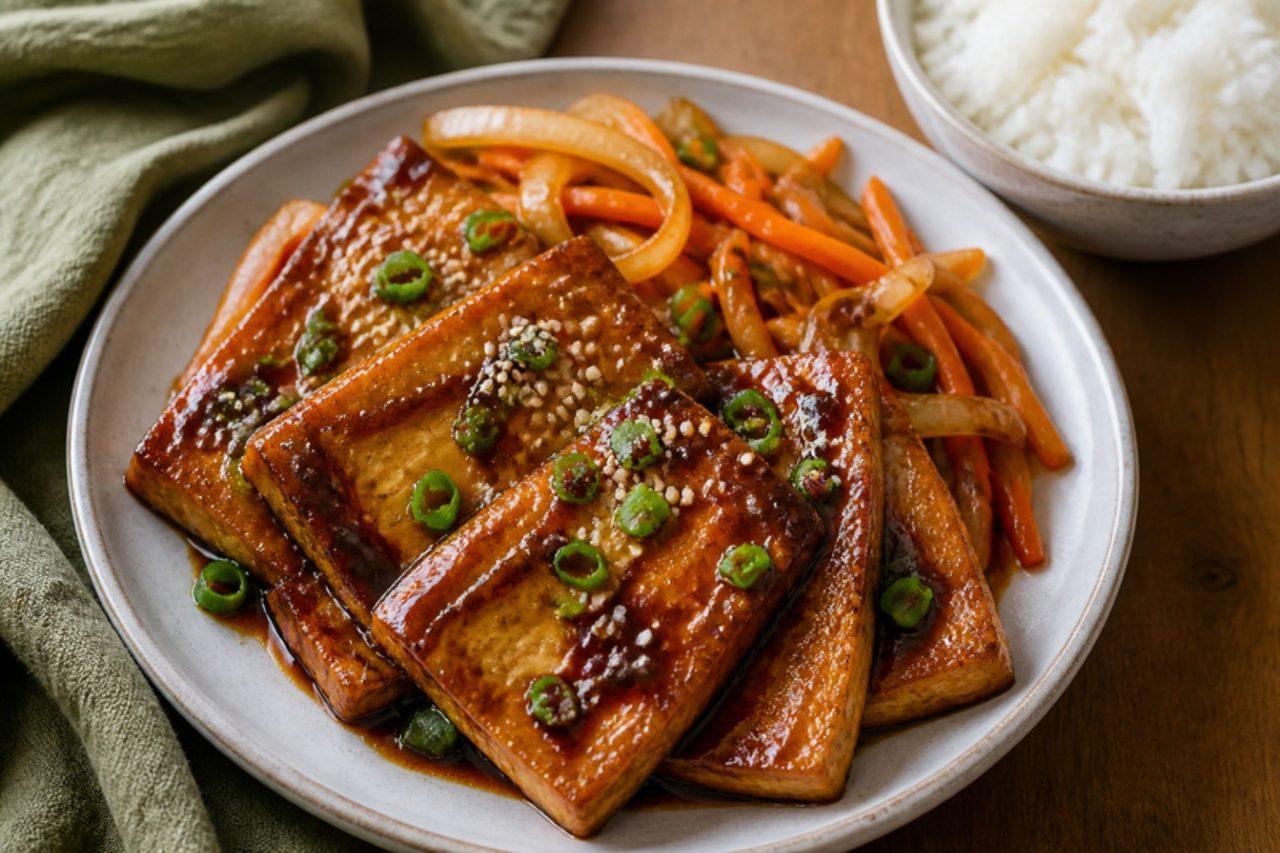
Tofu bulgogi (두부불고기) takes the famous sweet and savoury bulgogi marinade, usually made for thin slices of beef, and uses it on golden pan-fried tofu instead. It is a popular meat-free dish in homes and temple-style restaurants across Korea. Grated pear sweetens the soy and garlic sauce and makes it glossy, and the tofu is fried first so it holds its shape and soaks up the glaze. Serve with rice, lettuce leaves for wrapping and kimchi. Chef's tip: dry the tofu well and leave it alone in the pan until it releases by itself. A good golden crust is what lets it soak up the glaze without falling apart.

30 minVegetarianVegan
by KrazyBadal 0 views

Kimchijeon

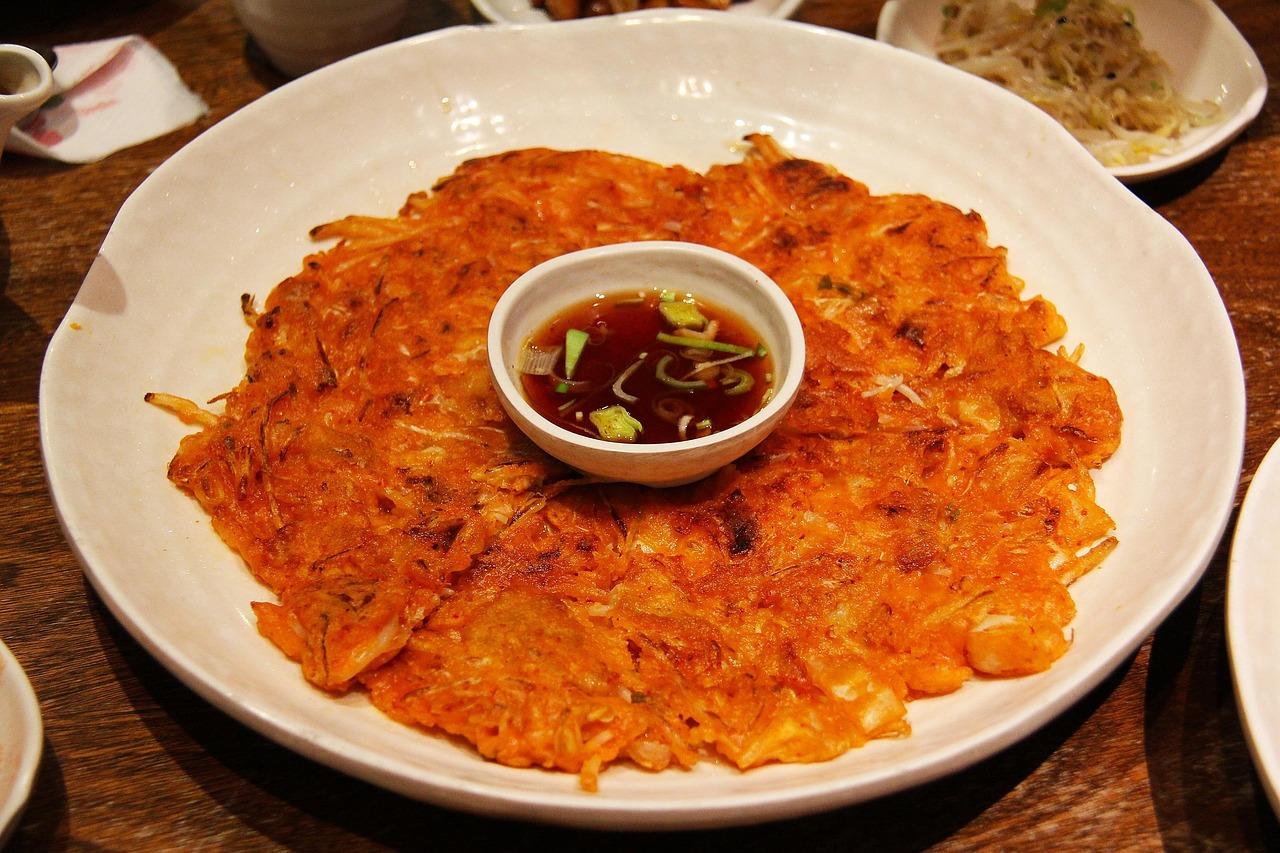
Kimchijeon (김치전) is a thin, crisp pancake made by stirring chopped sour kimchi and its juice into a simple flour batter. Cooks all over Korea make it to use up kimchi that has fermented a little too far, and it is a favourite rainy-day snack with a glass of makgeolli. The kimchi juice colours the batter red and seasons it, so you need little else. This version is egg-free; a spoonful of starch in the batter makes the edges extra crunchy. Use vegetarian kimchi made without fish sauce or shrimp. Chef's tip: be generous with oil and keep the pancake thin. The crisp, almost lacy edge is the best part, and a thick pancake steams instead of frying.

by KrazyBadal 0 views

Sigeumchi namul

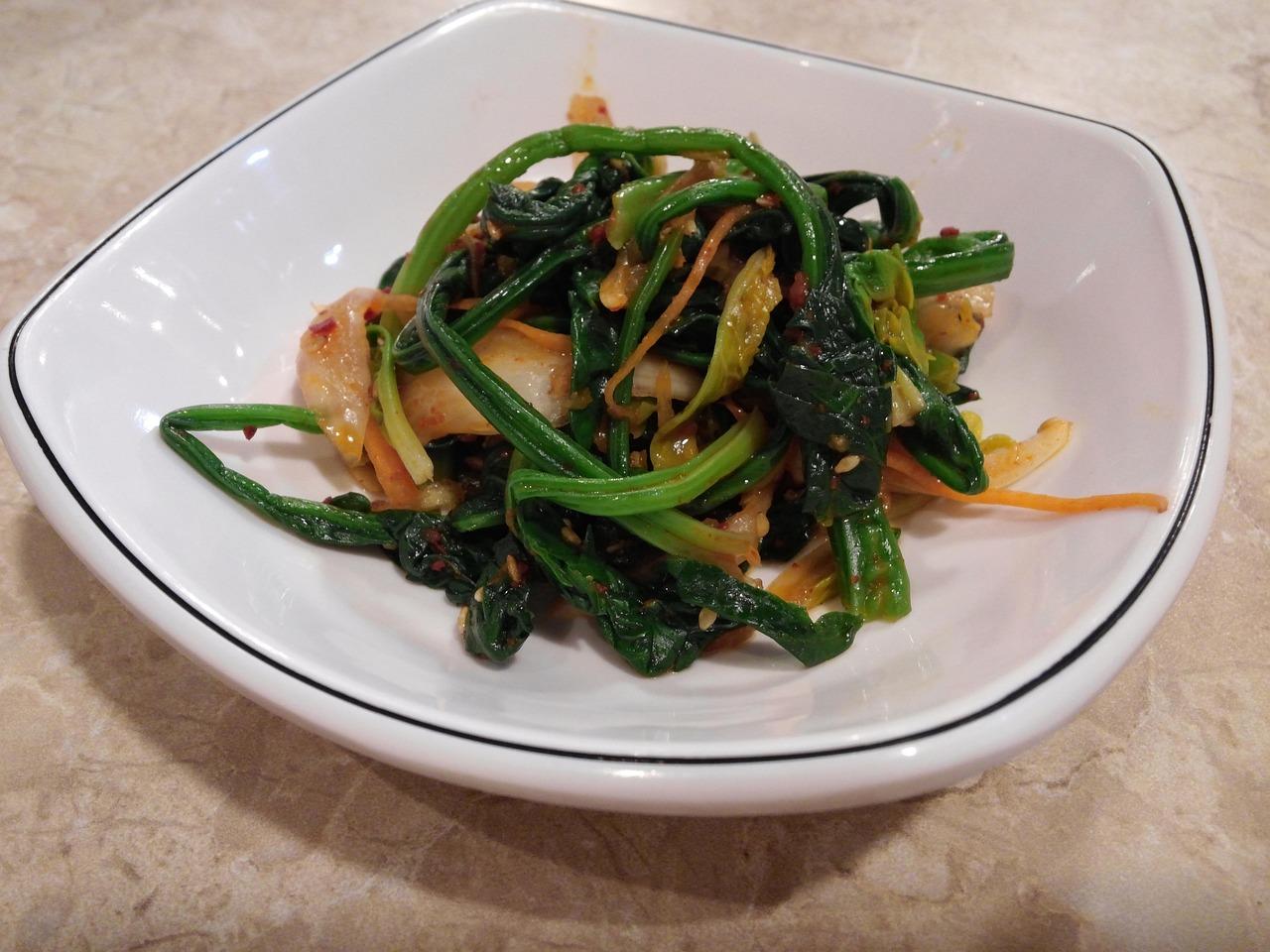
Sigeumchi namul (시금치나물) is a quick side dish of blanched spinach dressed with garlic, a little soy sauce and plenty of toasted sesame. It is one of the banchan found on tables all over Korea, and it is also one of the toppings in bibimbap. The spinach is blanched for just a few seconds so it stays bright green, then squeezed dry so it takes on the dressing. Serve at room temperature with rice and other banchan. Chef's tip: squeeze the spinach really hard before seasoning. Any water left in it dilutes the sesame dressing and makes the namul taste watery.

10 minSidesVegan
by KrazyBadal 0 views

Bibim guksu

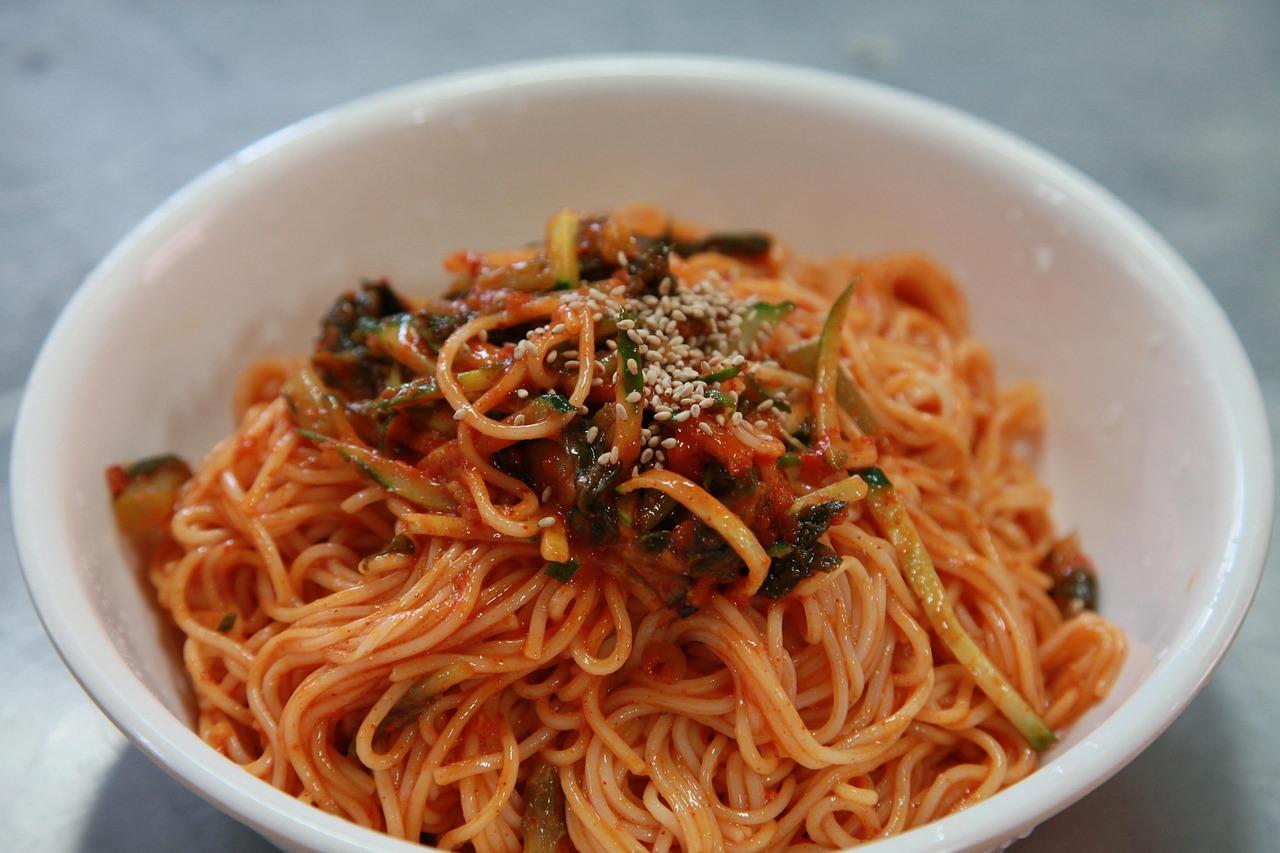
Bibim guksu (비빔국수) is a bowl of chilled thin wheat noodles mixed with a sweet, tangy and fiery gochujang dressing and topped with crunchy cucumber, lettuce and kimchi. It is a summer favourite all over Korea, quick enough for lunch and refreshing on a hot day. The noodles are rinsed in cold water until springy, then tossed with the sauce just before eating. Many versions add half a boiled egg; this one is fully vegan. Chef's tip: rinse the noodles hard in cold water, rubbing them like laundry, then drain them really well. Leftover starch or water dulls the dressing and makes the noodles sticky.

by KrazyBadal 0 views

Baechu kimchi

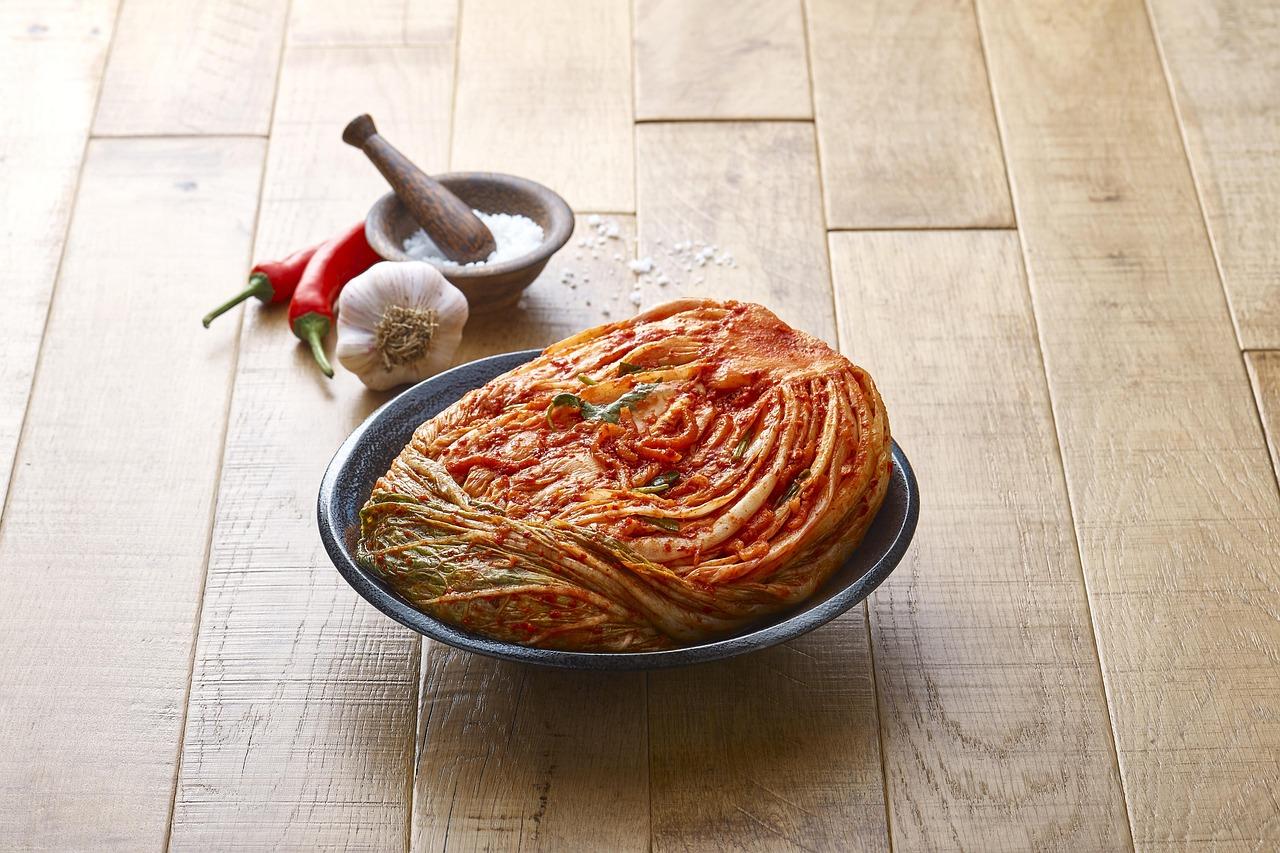
Baechu kimchi (배추김치) is the napa cabbage kimchi served at almost every Korean meal, from Seoul to Jeju. Salted cabbage quarters are rubbed leaf by leaf with a red paste of chilli flakes, garlic, ginger, radish and spring onion, then left to ferment until sour, fizzy and deeply savoury. Most recipes use fish sauce and salted shrimp; this one gets its depth from kelp stock and tamari, so it is vegetarian and gluten free. Eat it fresh after a day or two, or let it sour for a few weeks for kimchi fried rice, stews and pancakes. Salting takes about 2 hours, then allow 1–2 days for fermenting. Chef's tip: the salting is everything. Under-salted cabbage goes mushy and spoils; over-salted kimchi is harsh. Test a thick white stem: when it bends without snapping, rinse.

150 minBasicsVeganGluten freeSpicy
by KrazyBadal 0 views

Japchae

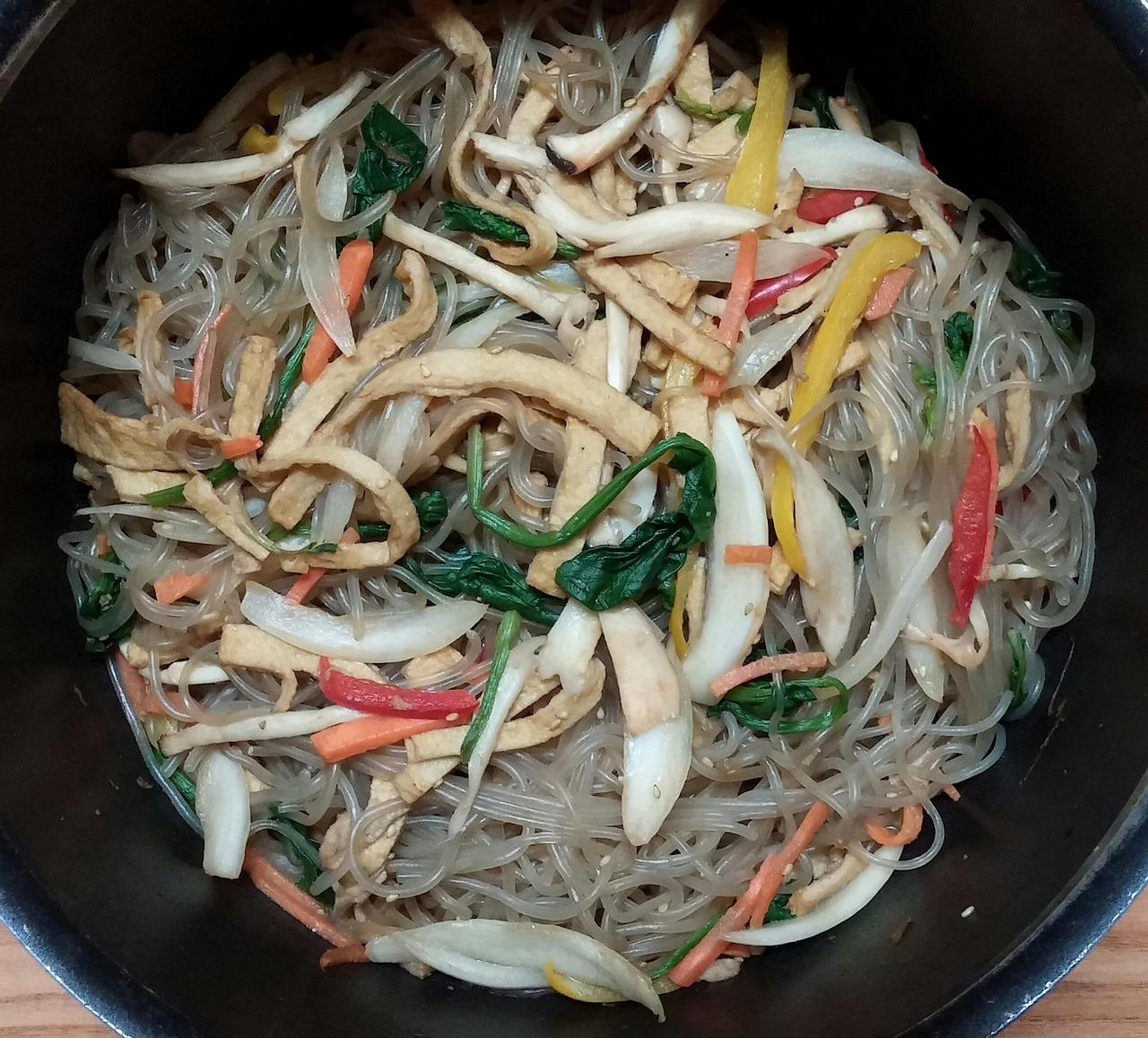
Japchae (잡채) is a dish of chewy, translucent sweet potato starch noodles tossed with spinach, mushrooms and brightly coloured vegetables in a sweet soy and sesame dressing. It is made all over Korea for birthdays, holidays and big family meals, because it can be prepared ahead and is eaten warm or at room temperature. Each vegetable is cooked quickly on its own, then everything is mixed by hand so the noodles soak up the seasoning. Older recipes include beef; this one uses shiitake for the savoury depth. Chef's tip: dress the noodles while they are still hot and keep each vegetable crisp. Overcooked noodles clump and turn gluey, so pull them as soon as they are clear and chewy.

by KrazyBadal 0 views