Skip to content
WhatToEat.Today

All recipes

136

Vegetarian, or something you can't eat? Set your diet once and we'll hide recipes that don't fit.

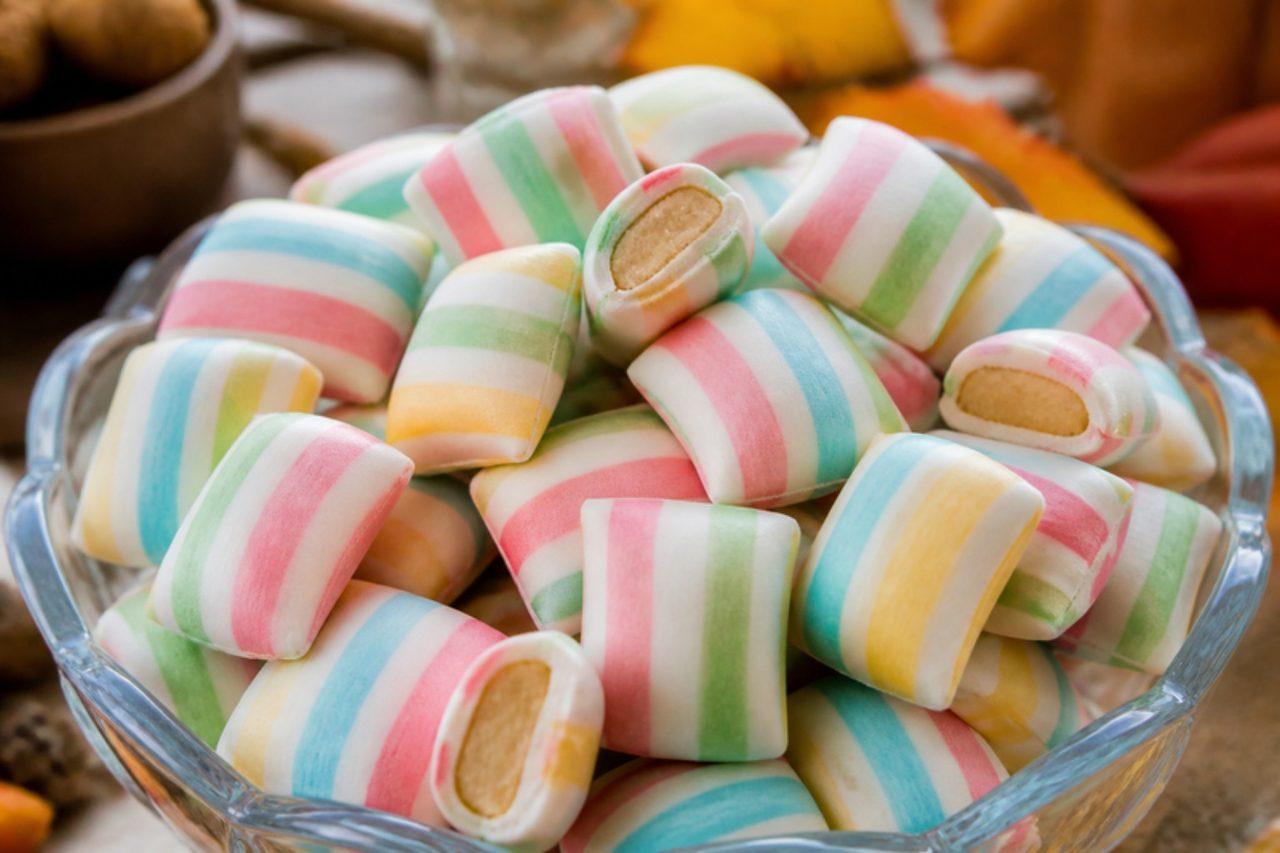
MässmoggeHazelnut-filled striped sweets

Every autumn the Basler Herbstmesse, Switzerland's oldest fair, fills the old town with rides and stalls, and the smell of boiling sugar from the stands selling Mässmogge, glossy striped sweets in bright colours with a soft chocolate-hazelnut centre. They are made by pulling hot sugar until it turns satiny, wrapping it round a rope of filling and snipping it into little pillows. It takes practice and a sugar thermometer, and adults should do all the hot work; children can help once the sweets are cool. Chef's tip: work on an oiled silicone mat near a low oven, so the sugar stays pliable for longer.

by KrazyBadal 0 views

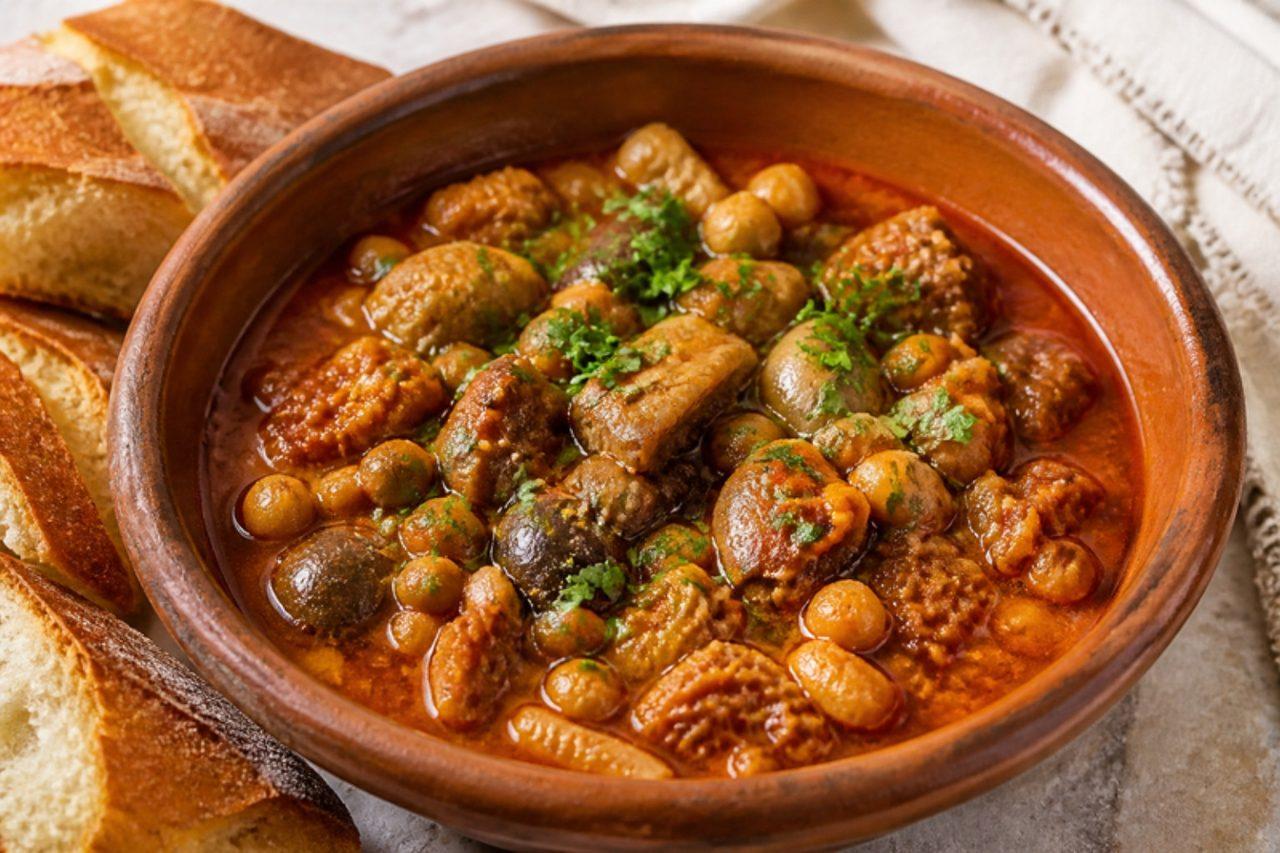
DouaraLamb tripe and chickpea stew

Douara is the dish that fills Algerian kitchens on the second day of Eid al-Adha, when the tripe, intestines and lung from the family's sacrifice are cleaned, cut small and stewed slowly with chickpeas, plenty of garlic, cumin and paprika. The sauce is deep red and peppery and the offal turns tender and rich. At home, cleaned lamb or beef tripe and lamb heart from a halal butcher make an easy start; lung can be added if your butcher sells it. Chef's tip: blanch the tripe first in water with a squeeze of lemon to freshen the flavour before it goes into the stew.

180 minAlgerianMeatGluten freeSpicy
by KrazyBadal 0 views

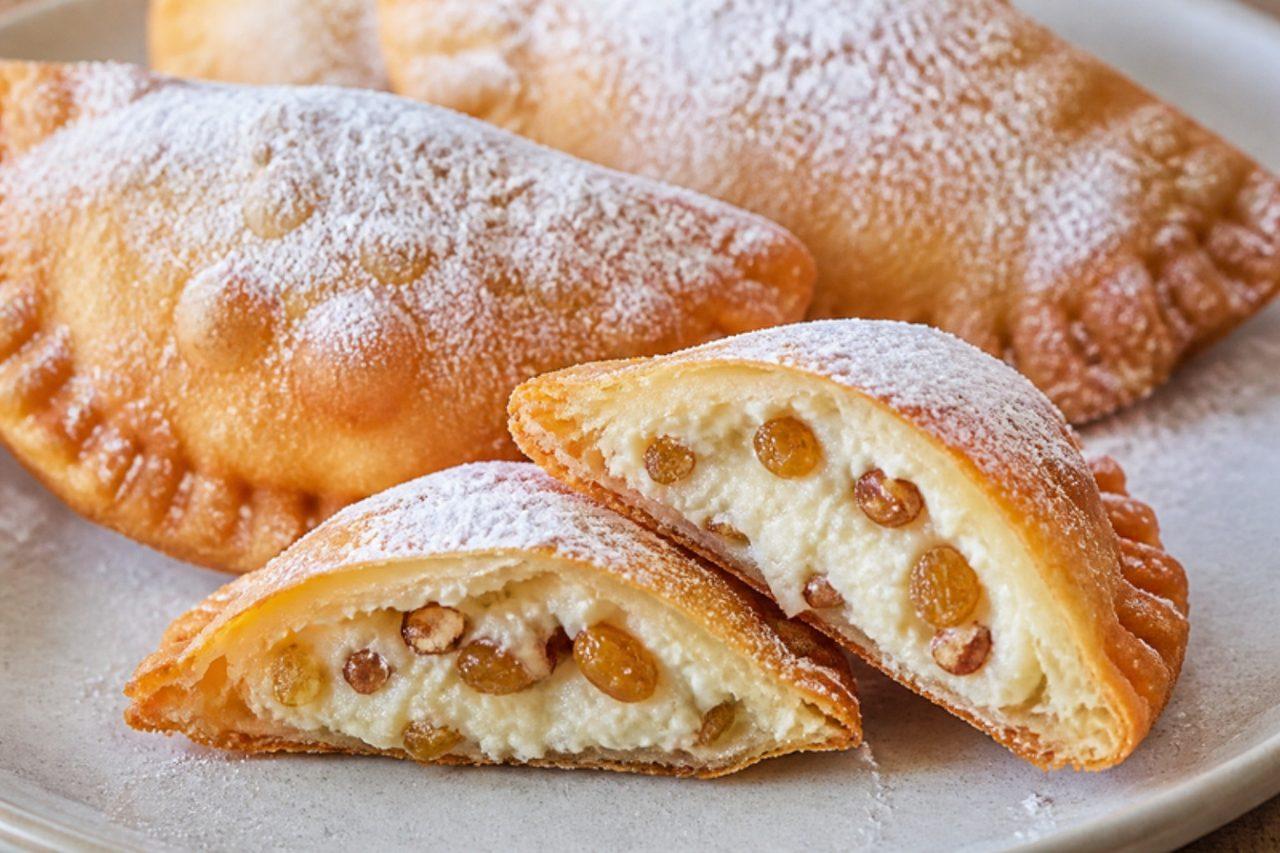
ZigerkrapfenSweet cheese and nut pastries

In the Glarus valleys, Fasnacht means Zigerkrapfen: half-moon pastry pockets filled with sweetened Ziger, a soft fresh whey cheese, mixed with ground hazelnuts, raisins, cinnamon and pear, then fried or baked. Ziger itself is set with acid rather than rennet, but if you use ricotta check the label, and choose one marked vegetarian if needed. The common mistake is a wet filling, which bursts the seams; drain the cheese well. Chef's tip: brush the edges with egg white before folding and press with a fork, so they stay sealed in the hot oil.

by KrazyBadal 0 views

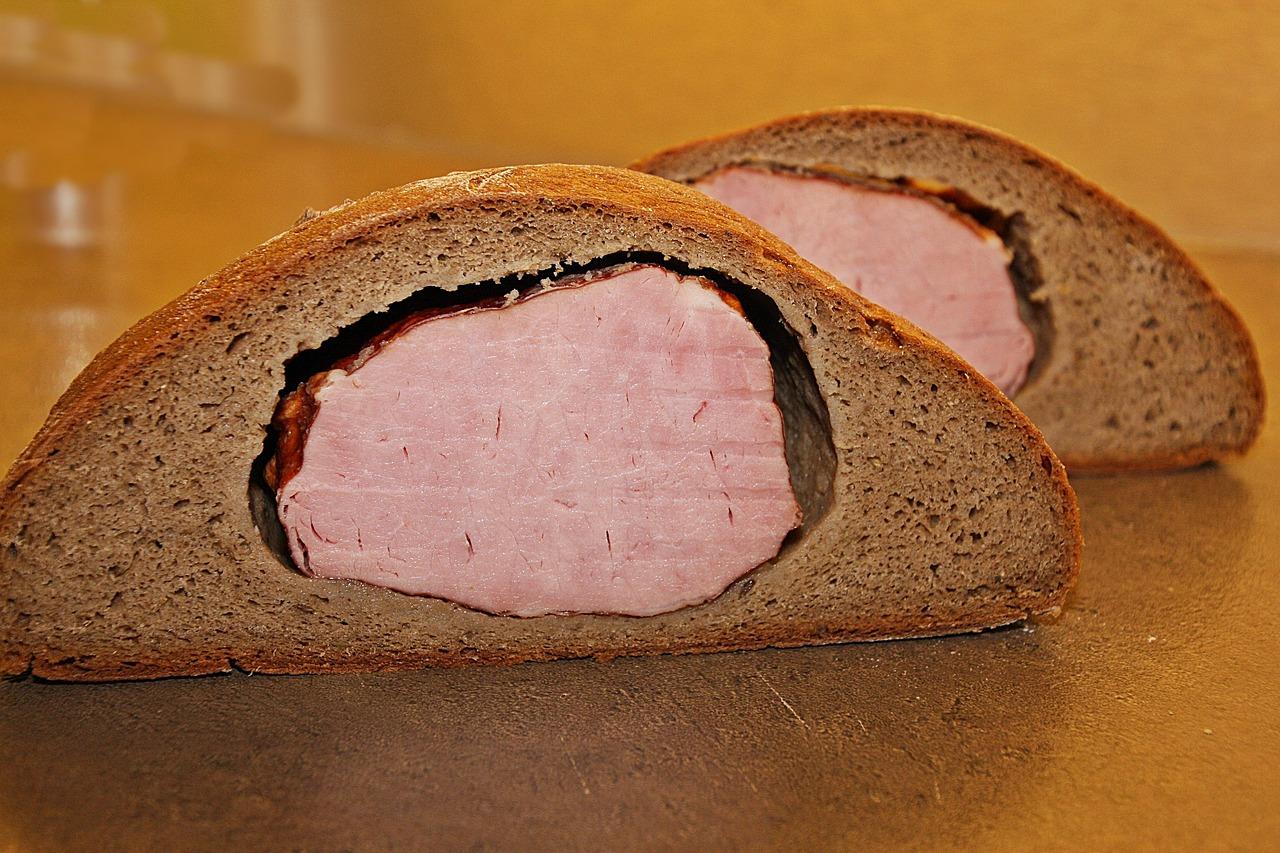
Schinkli im BrotteigHam baked in bread crust

Schinkli im Brotteig, a small smoked pork ham baked inside a bread crust, is a much-loved Christmas Eve dish in German-speaking Switzerland because it can be prepared ahead and goes into the oven while the family opens presents. The dough seals in the ham's juices and soaks them up as it bakes, and the ham is sliced with the crust and served with potato salad, mustard and pickles. Buy a ready-cooked smoked ham (Schüfeli or Schinkli) of about 1 kg. Chef's tip: dry the ham well before wrapping it, or the dough turns soggy inside.

120 minSwissMeat
by KrazyBadal 0 views

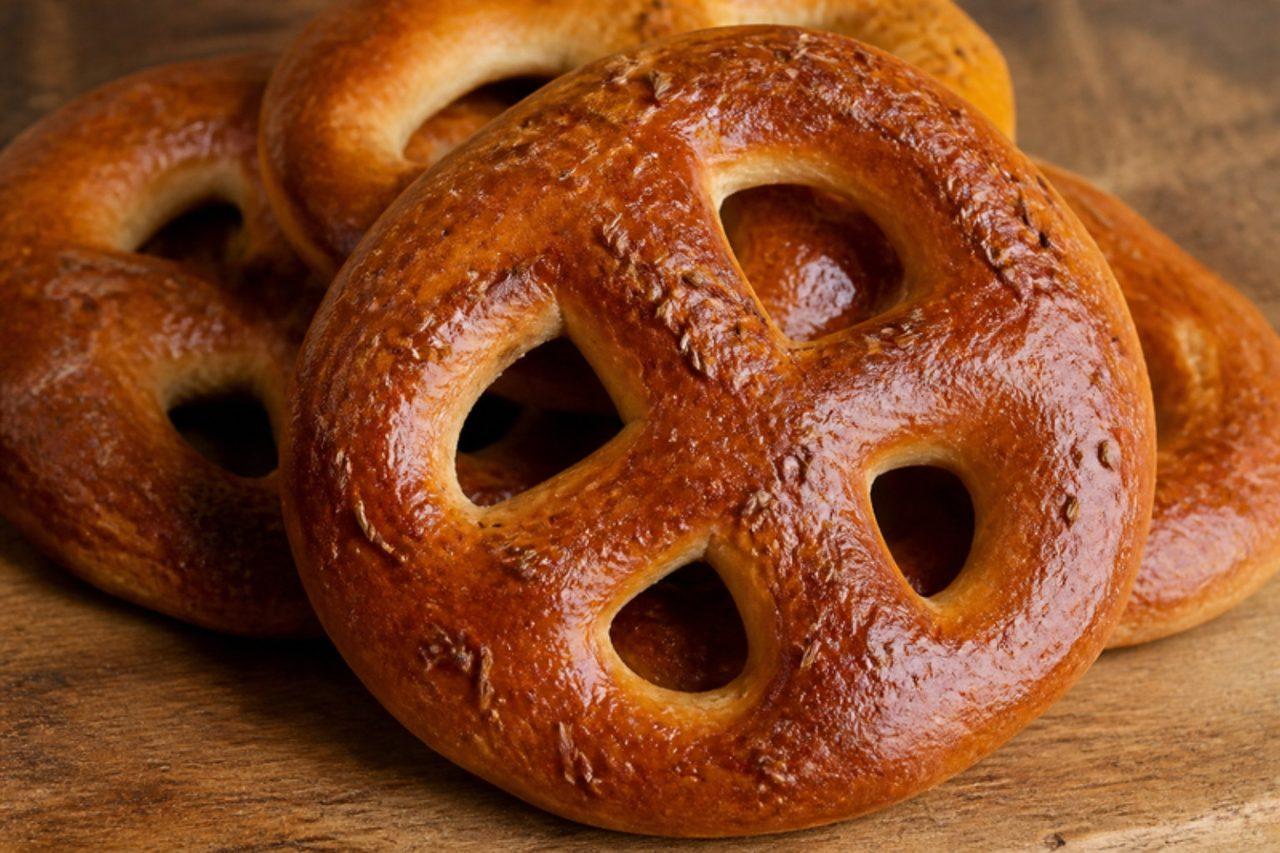
FastenwäheCaraway pretzel bread

Basel bakeries sell Fastenwähe only from the start of the new year until Easter, and through Fasnacht people buy them warm by the bagful. The flat, chewy yeast bread is shaped like a squashed pretzel with four slits, glazed with egg and scattered with caraway seeds, and is eaten plain or with cheese and Mehlsuppe. The common mistake is cutting the slits too short, so they close up as the dough rises. Chef's tip: a little lard or butter in the dough gives the soft bite of the bakery ones.

by KrazyBadal 0 views

Fasnachts-SchenkeliFried lemon dough fingers

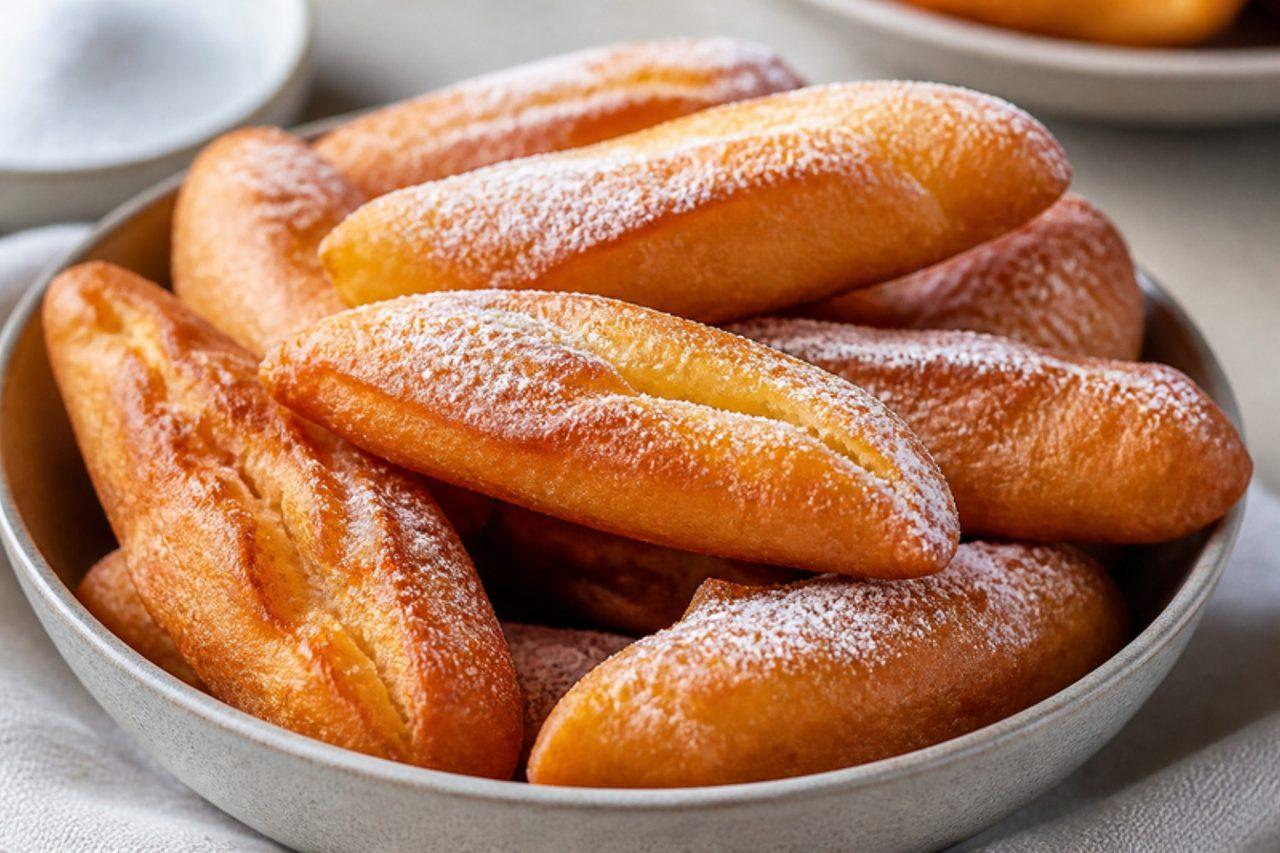
Schenkeli ('little thighs') are fried for Fasnacht, the Carnival weeks that lead up to Lent in Switzerland, when bakeries in Basel, Lucerne and Zurich sell them by the bagful beside Fasnachtschüechli. The dough is rich with butter, eggs and lemon zest, rolled into finger-length logs and fried until they have a crisp, cracked golden shell and a soft, cakey middle. Some recipes add a splash of kirsch to the dough; this one doesn't. Chef's tip: fry them at a moderate temperature, as they need time to cook through and the signature cracks form only if they aren't browned too fast.

by KrazyBadal 0 views

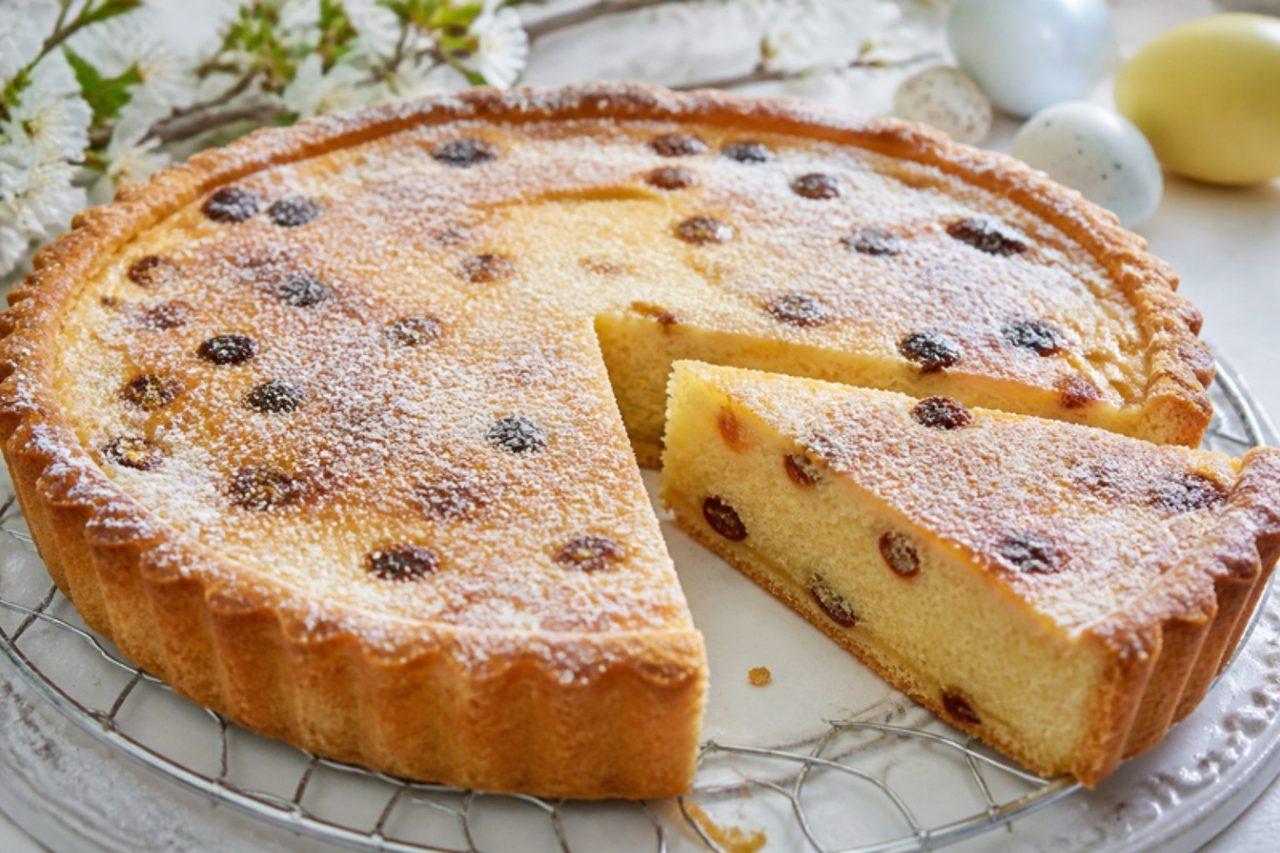
OsterfladenSemolina and almond Easter tart

Osterfladen is the Easter tart of Basel and northern Switzerland, baked on Holy Saturday and eaten on Easter Sunday. A shortcrust case holds a creamy filling of semolina (or rice) cooked in milk, folded with ground almonds, raisins, lemon zest and whipped egg white, which bakes into a light, sliceable custard under a dusting of icing sugar. Some bakers soak the raisins in kirsch; here they are soaked in warm water, so it is alcohol-free. Chef's tip: fold the egg whites in gently and last, as they are what makes the filling light.

by KrazyBadal 0 views

KesraSemolina pan bread

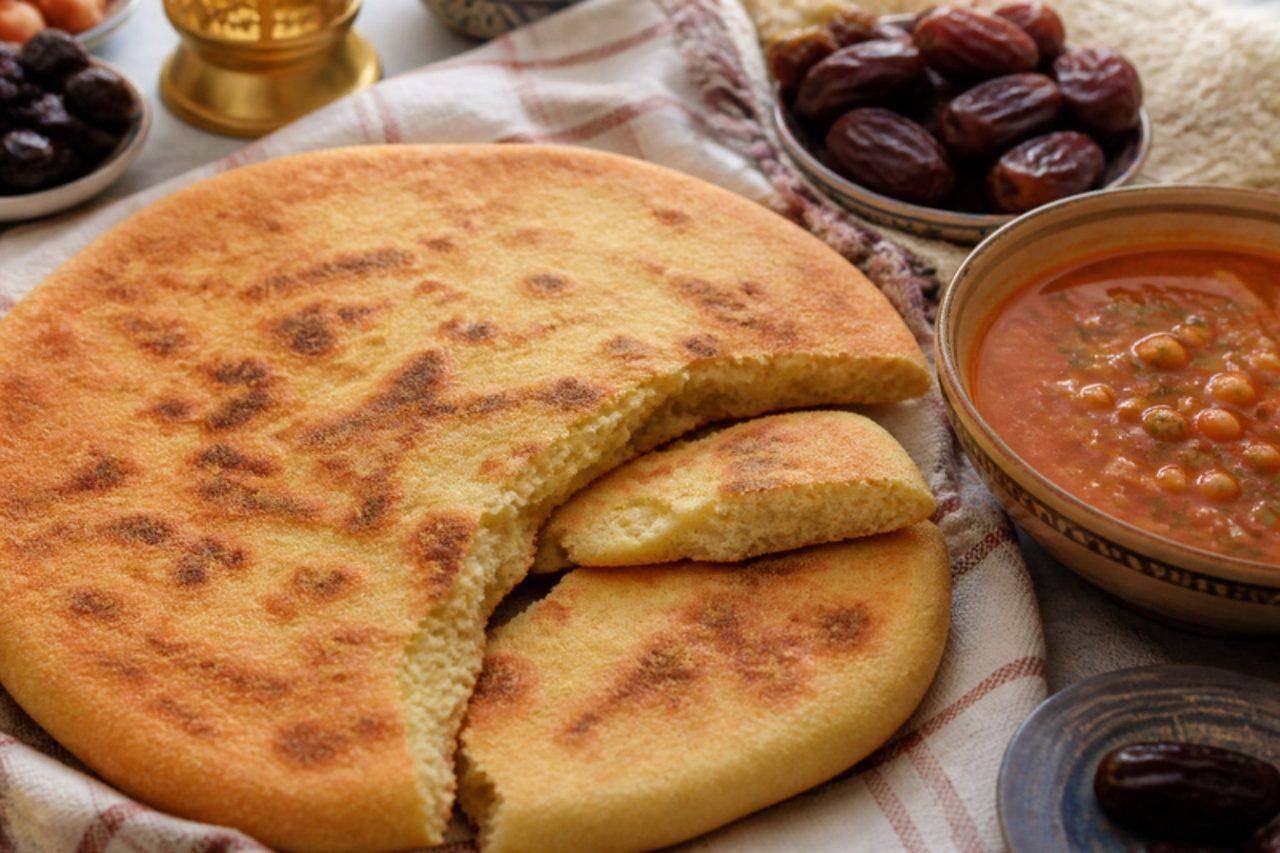
Kesra is the flat semolina bread of Algerian homes, and in Ramadan a fresh round sits on almost every iftar table, cooked on a clay tajine and torn into pieces to dip into hot chorba frik. This unleavened version is a thin, crumbly-edged galette, golden in patches and slightly chewy in the middle, with a nutty taste from the olive oil. It is made in minutes before sunset so it reaches the table still warm. Chef's tip: work the dough only until it holds together; kneading it like a yeast bread makes kesra tough instead of tender.

by KrazyBadal 0 views

KäsewäheCheese tart

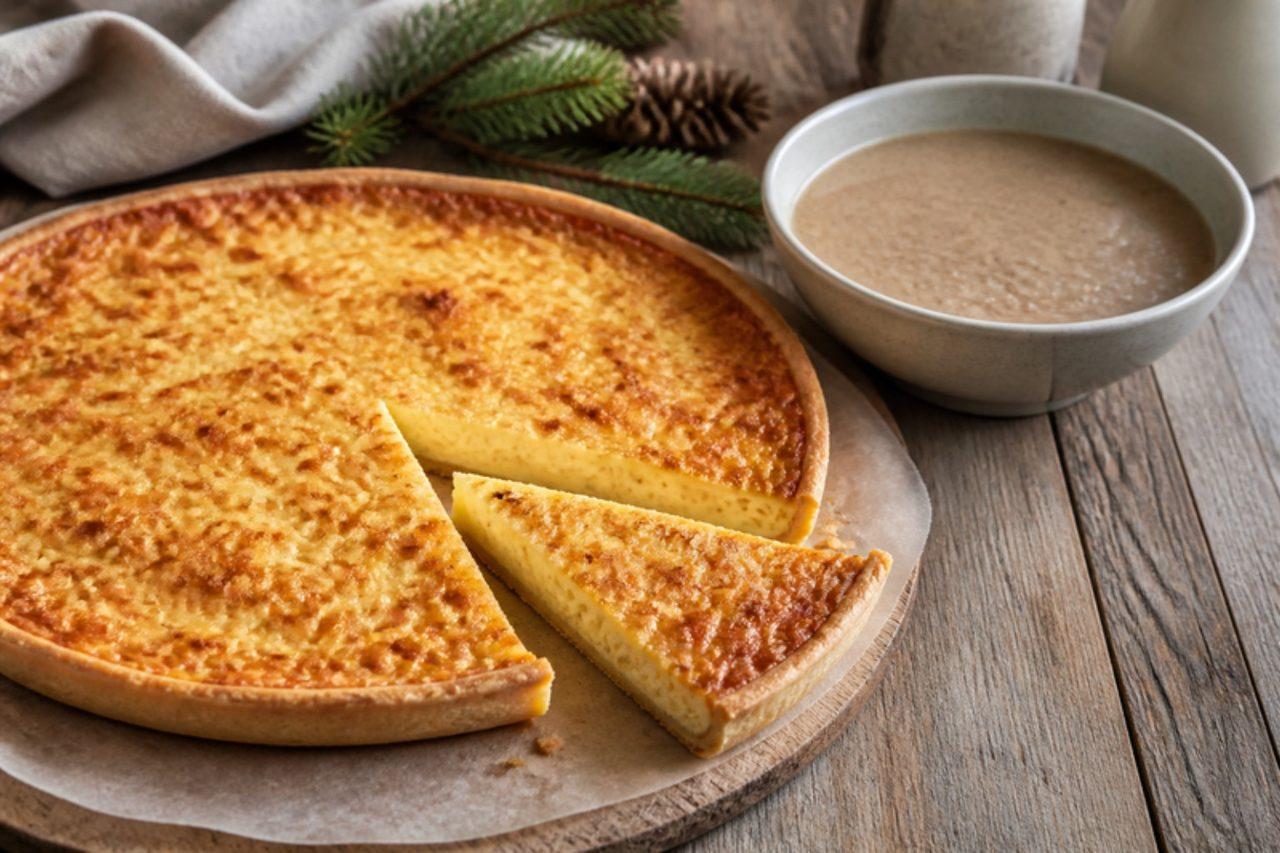
At four in the morning on Basel's Morgestraich, when the lanterns go out and Fasnacht begins, the restaurants fill with drummers and pipers eating Mehlsuppe and slices of hot Käsewähe. The tart is a thin buttery pastry base filled with grated Gruyère or Emmentaler set in a nutmeg-scented custard of egg and milk, baked until puffed and golden. Traditional Swiss hard cheeses are made with animal rennet; use a vegetarian Alpine-style hard cheese if you need to. The common mistake is a soggy base, so bake the pastry blind first. Chef's tip: toss the grated cheese with a spoon of flour, which stops it sinking into a rubbery layer.

by KrazyBadal 0 views

SchlorzifladenDried pear tart

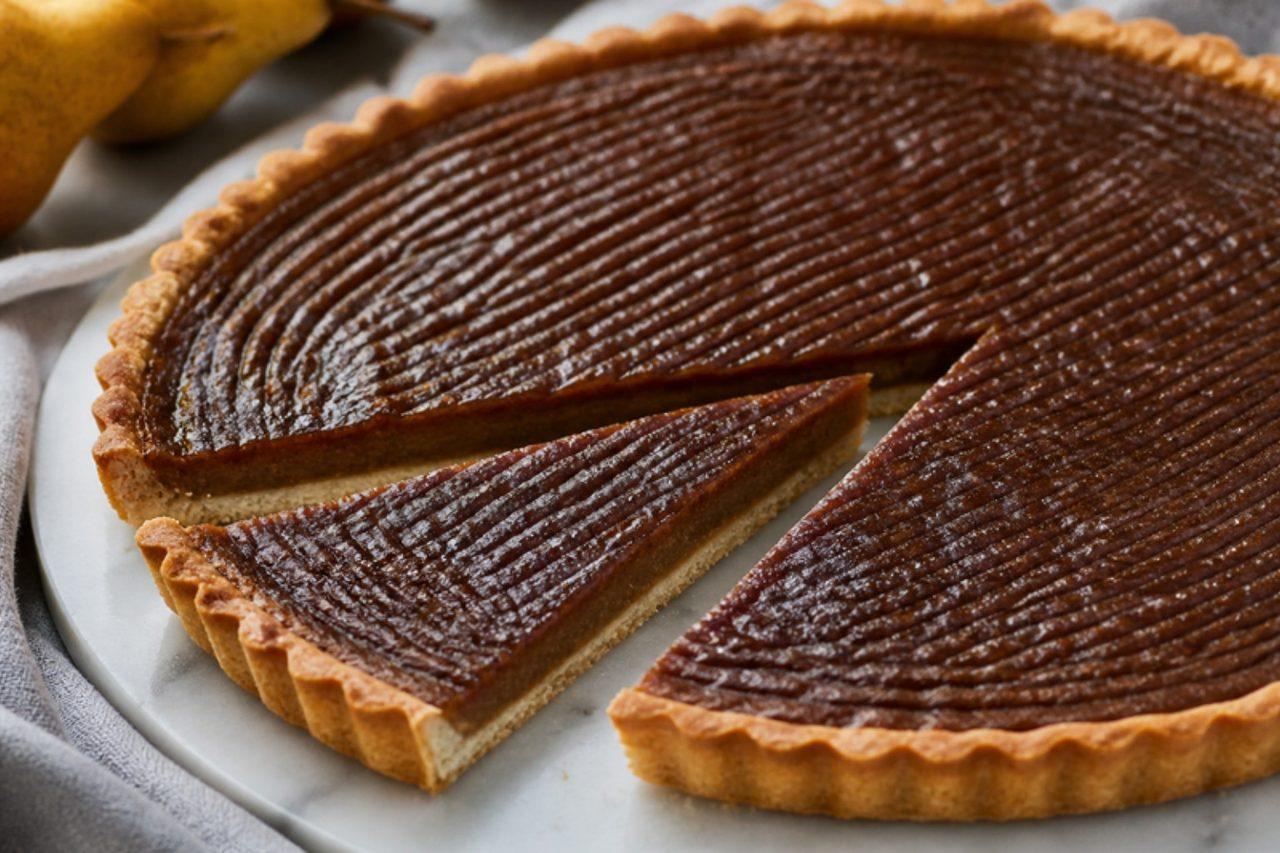
Schlorzifladen comes from the Toggenburg valley in the canton of St Gallen in eastern Switzerland, where dried pears (schlorzi) were a winter staple. The thin, crisp tart is filled with a thick, dark purée of cooked dried pears spiced with cinnamon, and baked for Christmas and village feast days. Some versions have a rice or cream layer on top; this is the simple pear one. Pear brandy is sometimes added, but this version uses lemon juice instead and is alcohol-free. Chef's tip: cook the pear purée until it is stiff enough to hold a spoon upright, or it soaks the pastry.

120 minSwissBaking
by KrazyBadal 0 views

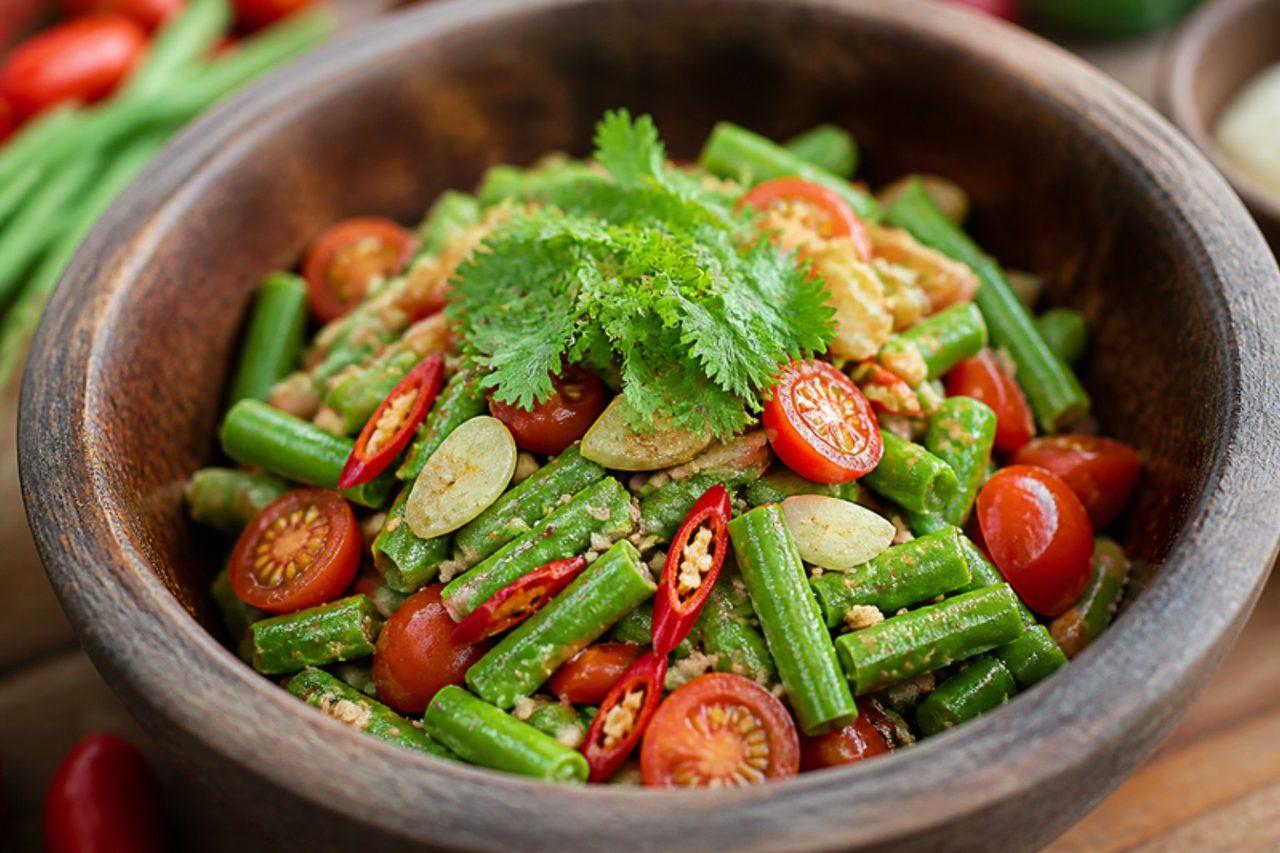
Tam mak thuaPounded long bean salad

In Vientiane and Luang Prabang, tam mak thua is the everyday alternative to green papaya salad, pounded to order at market stalls and at home for lunch with sticky rice and grilled food. Raw long beans are bruised in a clay mortar with garlic, chilli, tomato and lime until they soak up the juices, giving a crunchy, sour-hot salad with a grassy sweetness. Lao cooks season it with fish sauce and padaek (fermented fish); this vegetarian version uses tamari (gluten-free soy sauce) and a few crushed peanuts for savouriness. It gives about 5 g of protein a portion, so serve it as a side to tofu or eggs and sticky rice. The most common mistake is cutting the beans too long or pounding too hard: bruise short pieces until they split, but don't mash them to pulp. Chef's tip: pound the garlic and chilli first, then the beans, and only add the tomato and lime at the end so the salad stays crisp.

15 minLaoSaladsVeganGluten freeSpicy
by KrazyBadal 0 views

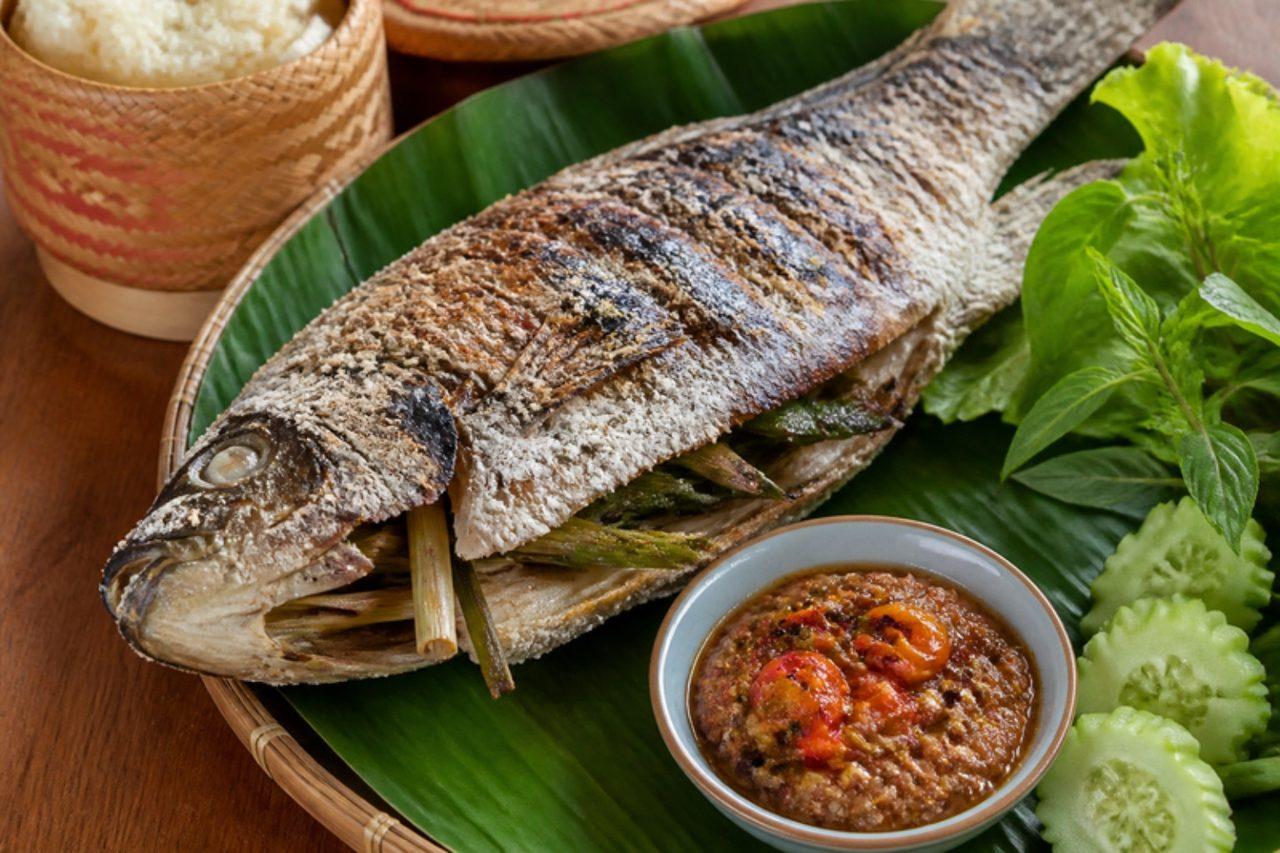
Ping paGrilled lemongrass-stuffed fish

Ping pa is grilled fish the Lao way, cooked along the Mekong from Vientiane to Luang Prabang at riverside stalls, picnics and family weekends. A whole fish is crusted in salt, stuffed with lemongrass and grilled slowly over charcoal until the skin chars and the inside steams in its own juice, then picked apart at the table and eaten with sticky rice, herbs and a smoky tomato jeow (dip). A portion has about 30 g of protein from the fish. The common mistake is grilling over fierce flames: the skin burns long before the middle is cooked, so use glowing coals. Chef's tip: the thick salt crust isn't eaten; it protects the skin and keeps the flesh juicy, so peel it back as you eat.

50 minLaoFishGluten free
by KrazyBadal 0 views

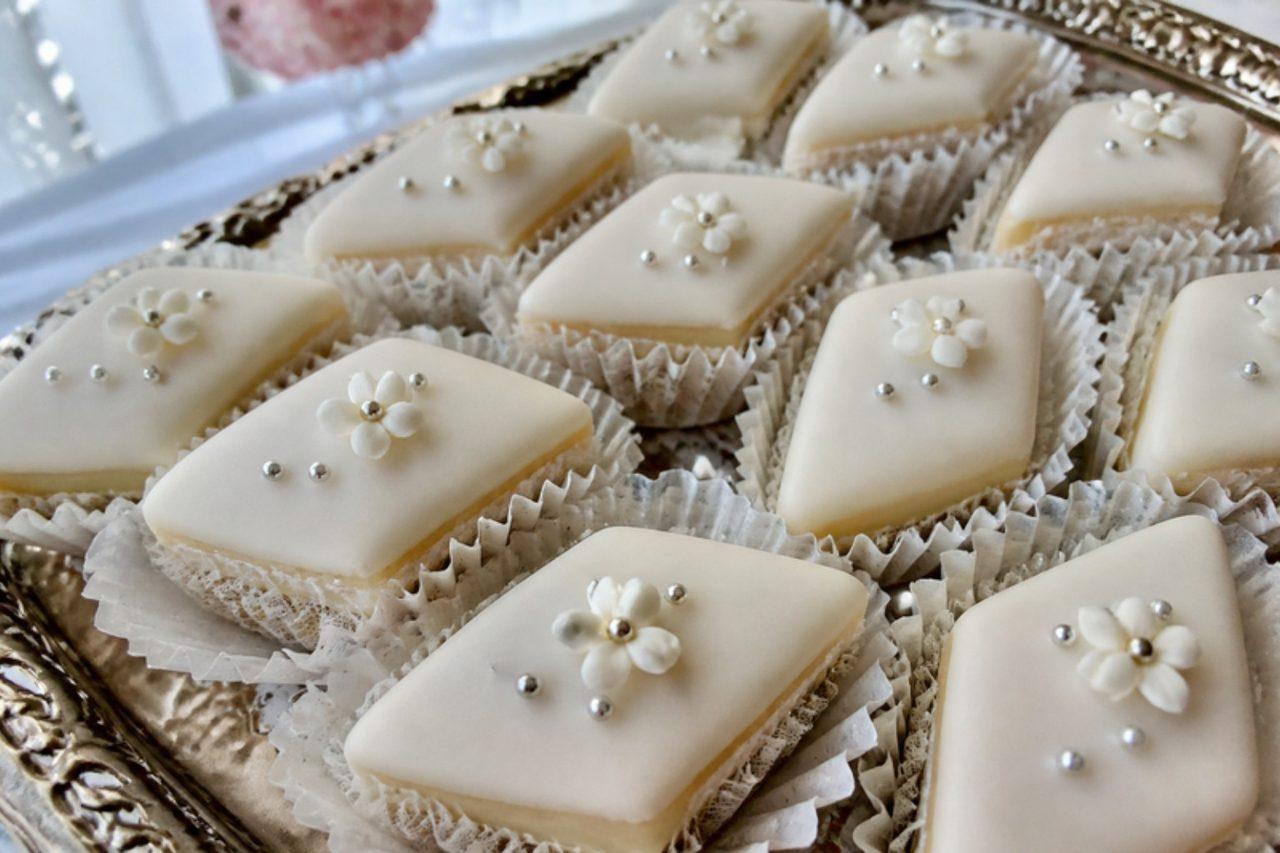
Algerian mkhabezIced almond and lemon diamonds
No Algerian wedding tray, and few Eid tables in Algiers or Constantine, is complete without mkhabez: soft, chewy diamonds of ground almond and lemon zest under a smooth white icing, each topped with a sugar flower or a silver ball and set in its own paper case. Making them is a social affair, with sisters and aunts icing and decorating hundreds the week before a celebration. The almond base is flourless and dairy free, sweet and lemony, and the icing sets to a thin shell; serve them with mint tea or strong coffee. Overbaking is the mistake to avoid: the diamonds should come out pale and soft, or they go dry and crumbly under the icing. Chef's tip: ice them when completely cold, and get the icing so thick it only just flows; runny icing slides off the sides and never sets glossy.

by KrazyBadal 0 views

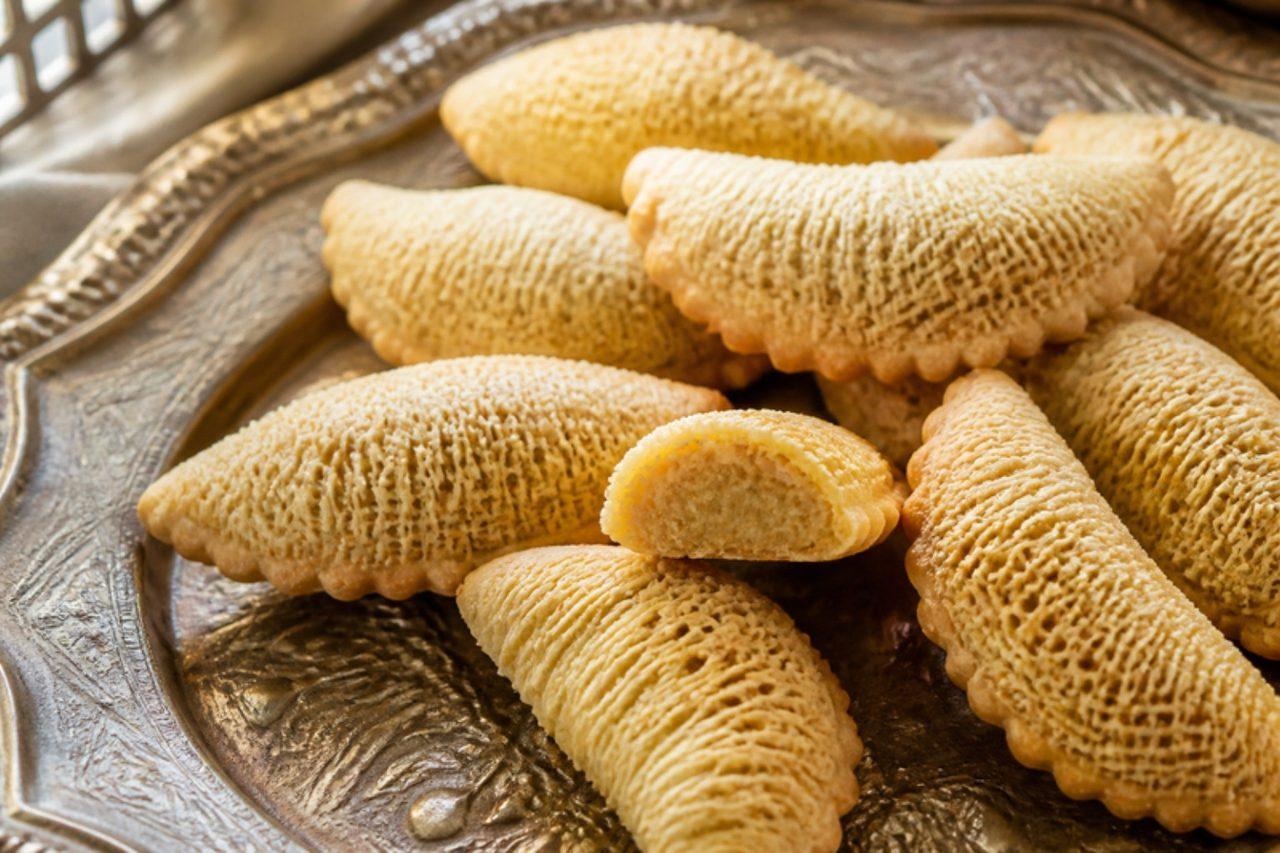
Tcharek el arianeAlmond crescents with orange blossom

On the last nights of Ramadan, kitchens across Algiers and Constantine fill up with trays of tcharek el ariane, the 'naked' tcharek: crescents of thin, buttery dough wrapped around almond paste with cinnamon and orange-blossom water. Unlike their sugar-coated cousins they are left bare, so the fine dough with its pinched, lace-like pattern shows. Families give them to neighbours on Eid morning and set them out at weddings with mint tea and coffee. The dough is traditionally made with smen (aged butter); plain melted butter works well. Overbaking is the common slip, because they turn hard and dry; they should stay pale with only golden tips. Chef's tip: keep the dough under a damp cloth while you shape, as it dries in minutes and then cracks along the curve.

by KrazyBadal 0 views

MailänderliLemon butter cookies

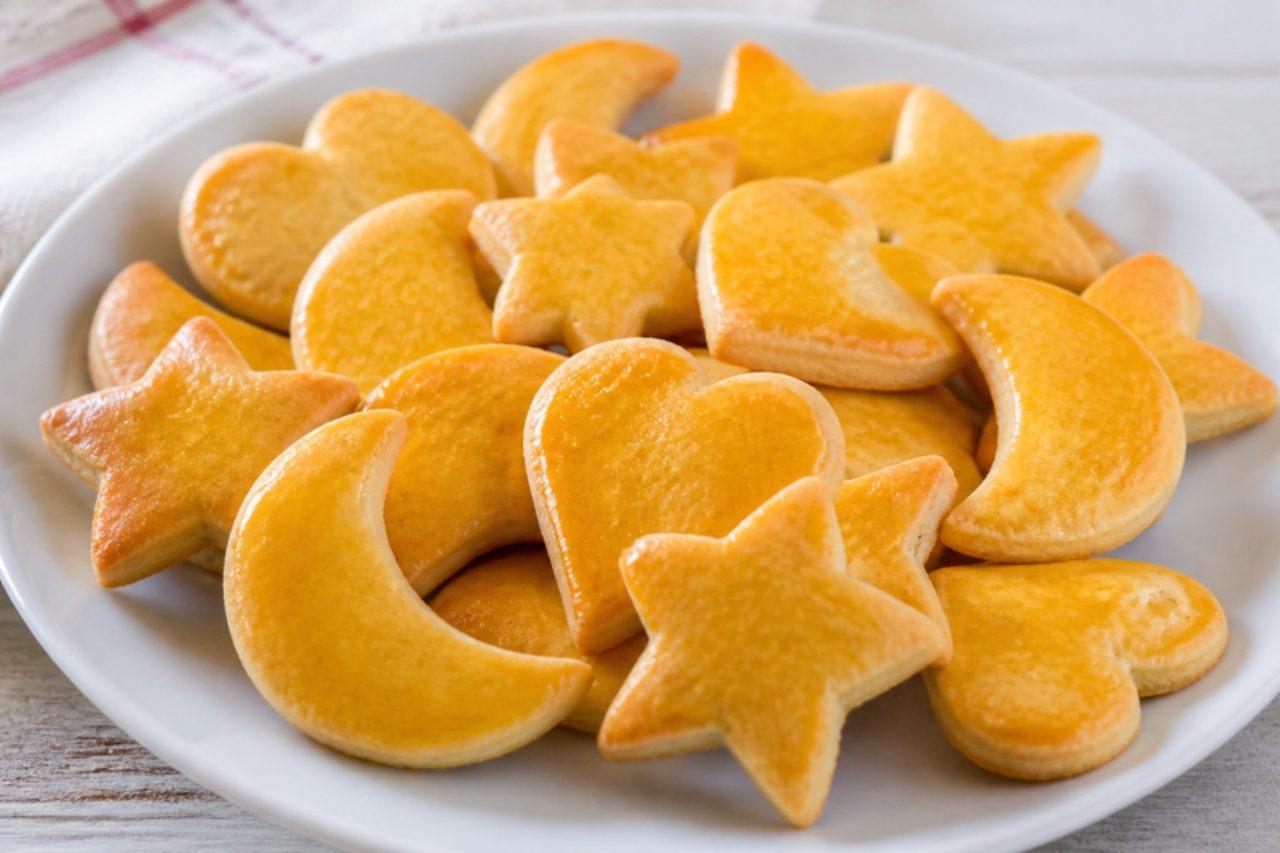
Come December, almost every Swiss household bakes Mailänderli, the simplest and best-loved of the Weihnachtsguetzli: buttery, lemon-scented biscuits cut into stars, hearts and moons and painted with egg yolk so they bake to a deep shine. Children across German-speaking Switzerland help cut them out, and tins of them are swapped with neighbours and eaten all through Advent. Chef's tip: rest the dough in the fridge overnight, or for at least 2 hours; warm dough spreads and the shapes lose their sharp edges.

by KrazyBadal 0 views

WeggliSoft milk rolls

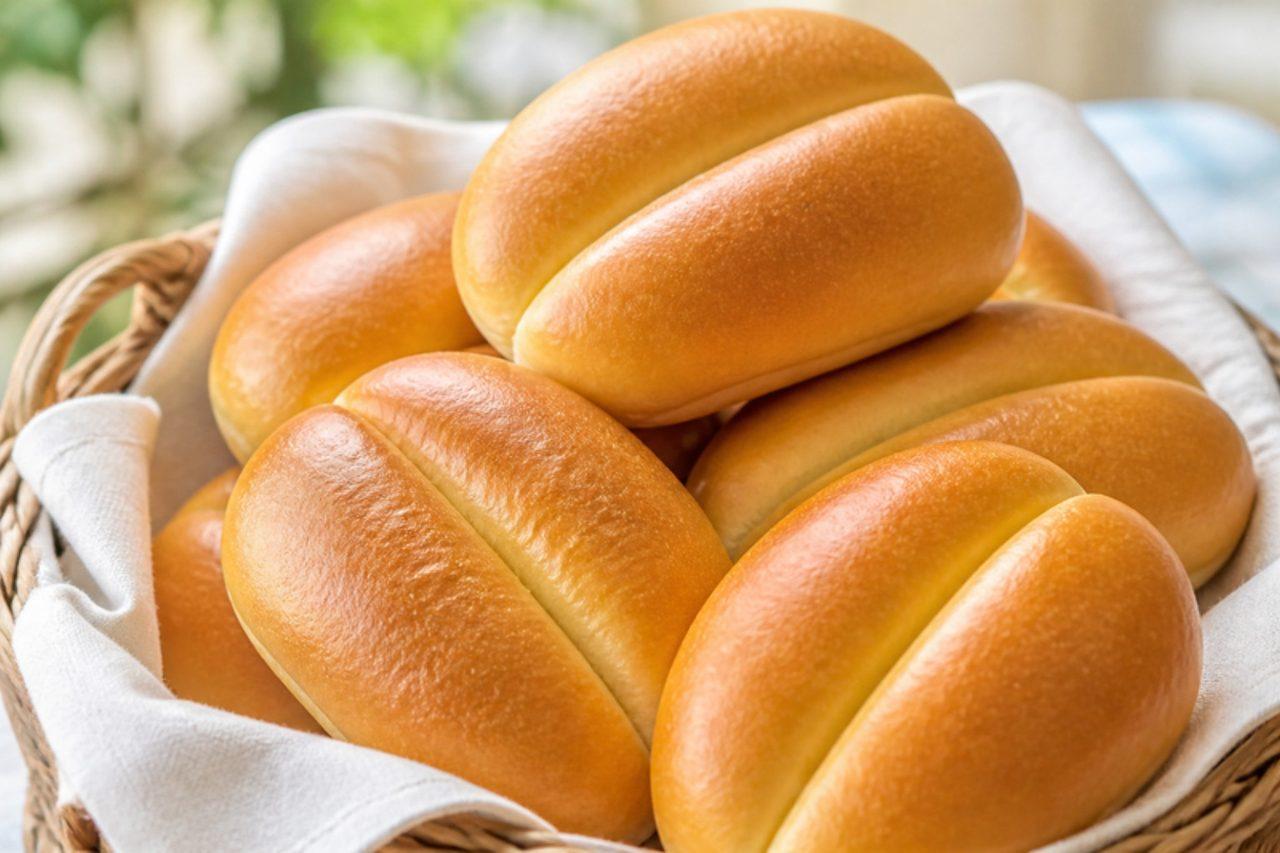
Weggli are the soft white rolls Swiss-German children grow up on: in Zurich, Bern and Basel they are bought warm on Saturday mornings, pulled apart along their deep central crease and eaten with butter and jam, or with a bar of chocolate pressed inside for the school break. The dough is enriched with milk and butter, so the crumb is fine and fluffy and the crust thin and golden. Chef's tip: press the crease firmly with the handle of a wooden spoon almost to the tray; if it's too shallow the rolls rise back into plain buns.

by KrazyBadal 0 views

TirggelHoney biscuits

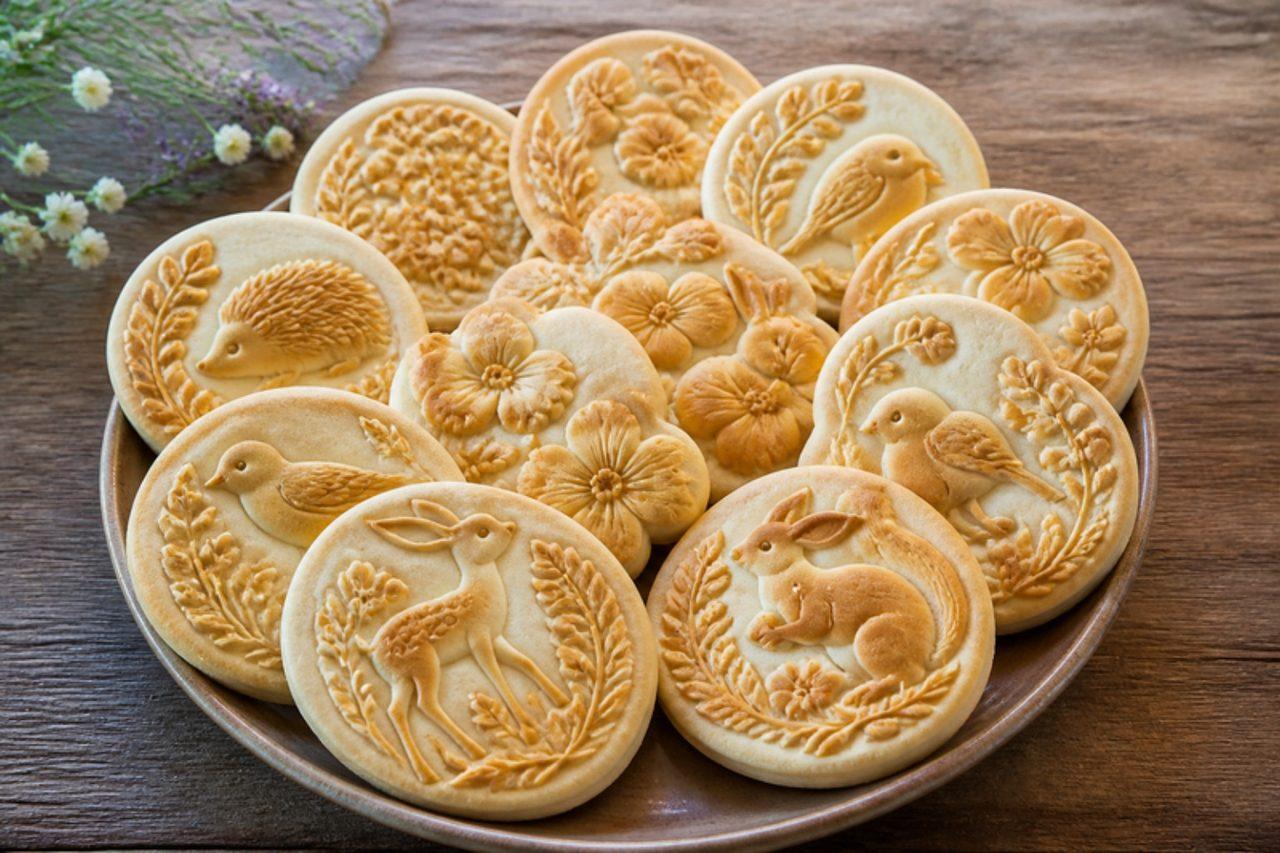
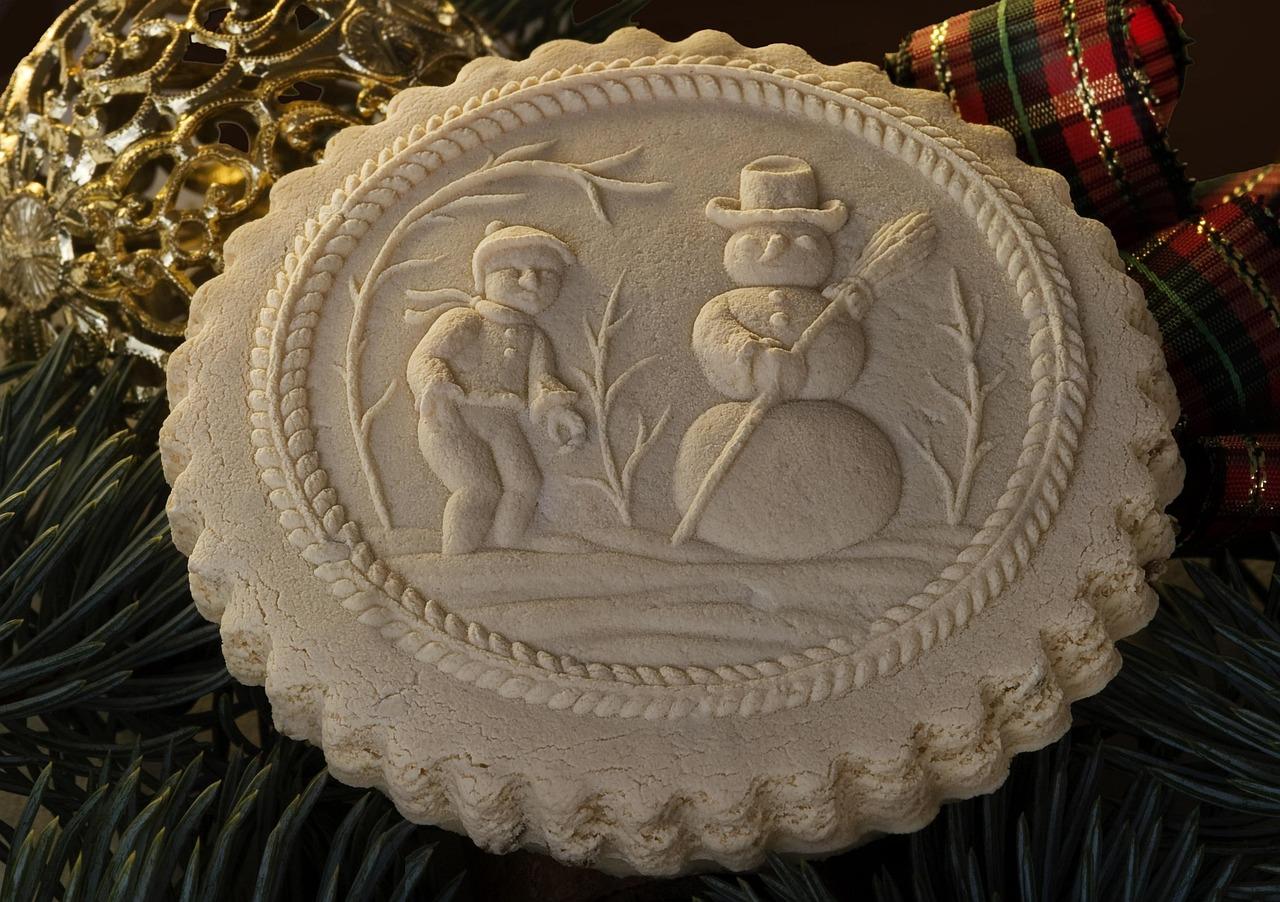
Tirggel have been baked in Zurich since the Middle Ages and are still sold at the Christmas markets on the Bahnhofstrasse and the old-town bakeries: wafer-thin honey biscuits pressed into carved moulds of guild scenes, animals and town views, then baked with heat from the top only so the raised picture turns golden while the back stays pale. They are hard and meant to be broken into pieces and let melt on the tongue. Wooden or silicone springerle moulds work at home. Chef's tip: bake them under the top heat only, or on the highest shelf with a tray below; full heat browns the whole biscuit and the picture disappears.

by KrazyBadal 0 views

Gâteau du VullySweet cream yeast cake

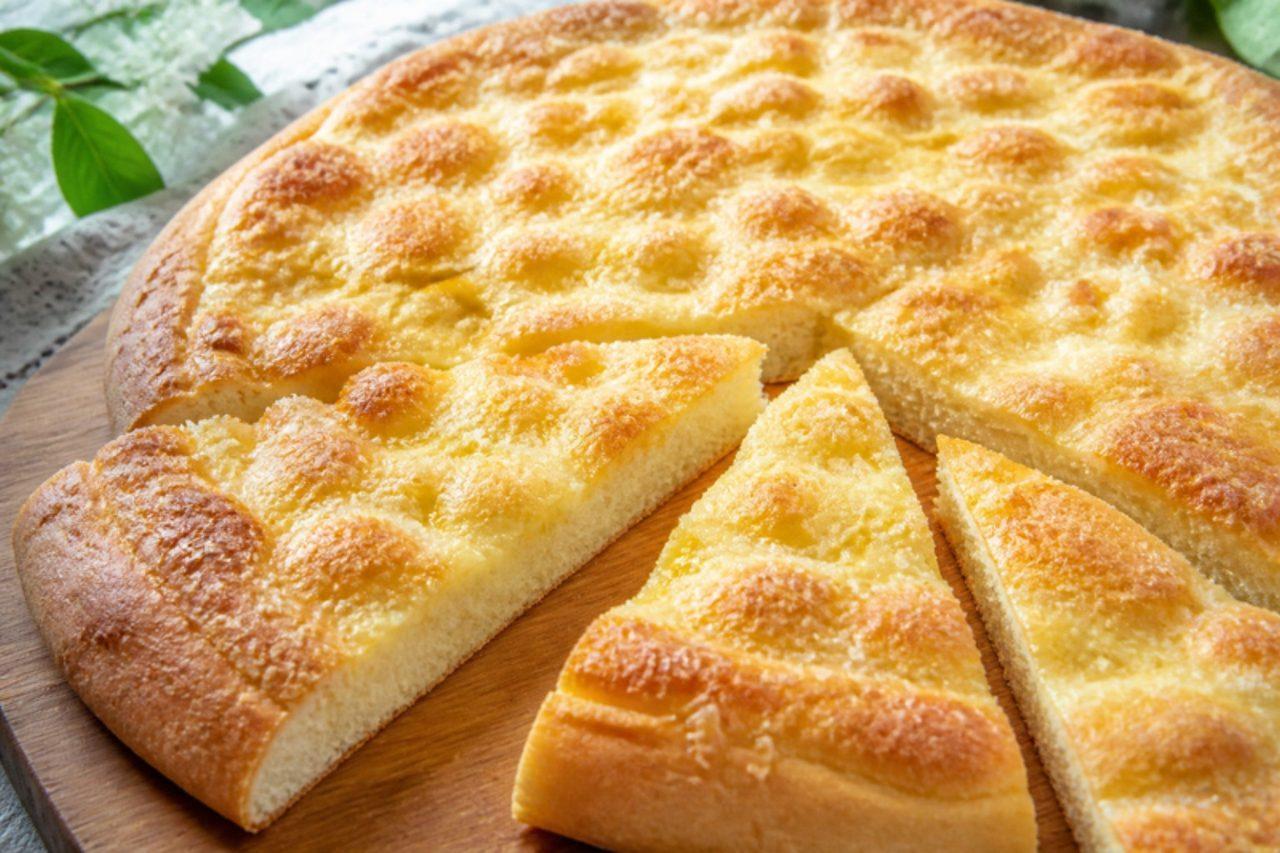
On the slopes of Mont Vully between Lake Murten and Lake Neuchâtel, bakers fill their windows with this flat yeast cake on Sundays and at the autumn harvest festival in Môtier and Praz. A soft, buttery dough is dimpled all over, sprinkled thickly with sugar and doused with cream, which bakes into a caramel-like crust that dips into the hollows. A savoury cousin is topped with bacon and caraway; this is the sweet one. Chef's tip: press really deep dimples with your fingertips right before baking, so pools of cream and sugar stay in place instead of sliding off.

125 minSwissBaking
by KrazyBadal 0 views

AnisbrötliAnise cookies

Anisbrötli and their claw-shaped cousins Chräbeli are among the oldest Swiss Christmas biscuits, baked in Basel, Aargau and Zurich from Advent onwards and packed into tins beside Mailänderli and Brunsli. The egg and sugar dough is pressed into springerle moulds or cut into shapes, then left to dry overnight, so in the oven the bottom puffs up into a little 'foot' while the top stays white and smooth. Inside they are chewy and fragrant with anise. Chef's tip: beat the eggs and sugar for the full 10 minutes; under-whipped batter gives flat cookies with no foot.

by KrazyBadal 0 views

BürliCrusty bread rolls

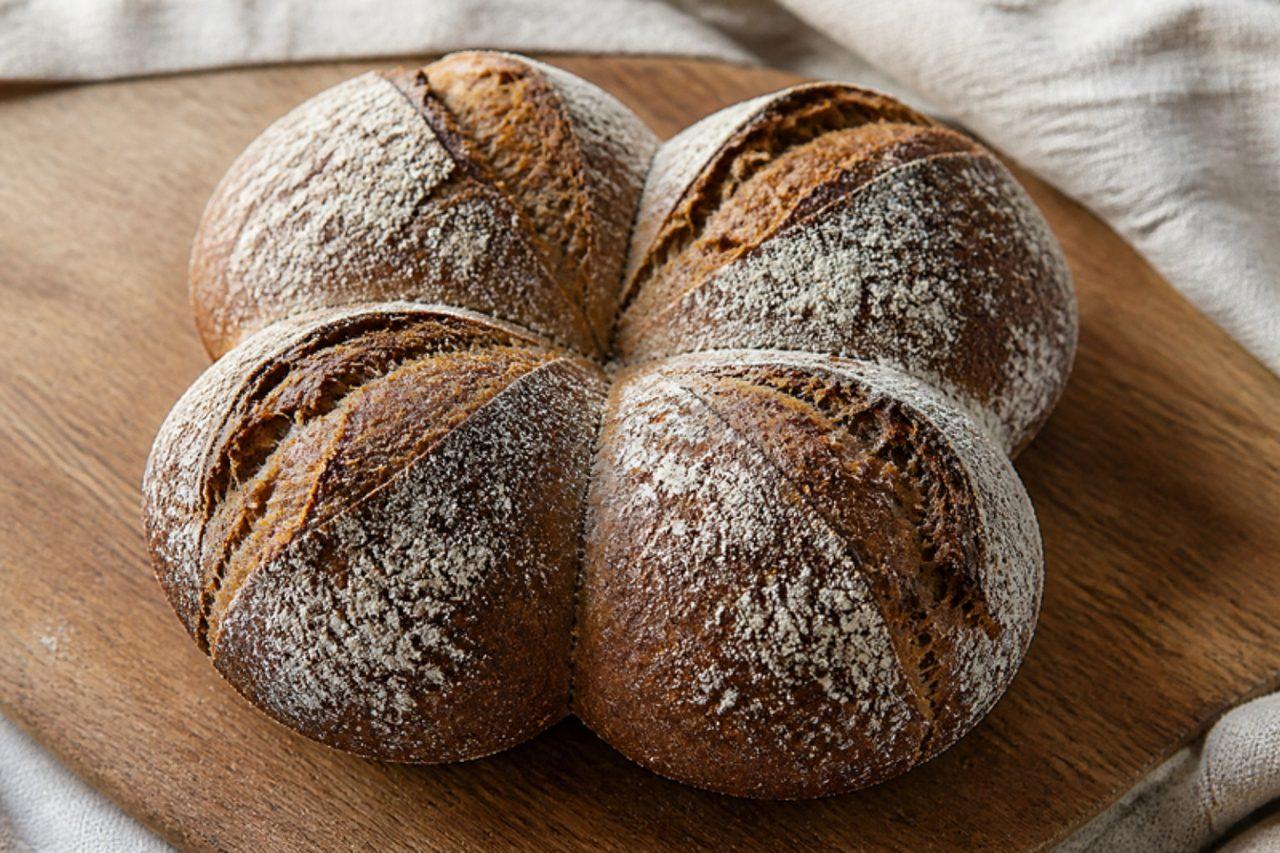
Walk into a bakery in St. Gallen, Appenzell or Thurgau in the morning and you will find trays of Bürli, rough, flour-dusted rolls baked in clusters of two or four that you tear apart at the table. Their dough is wet and lightly handled, so the crust bakes up thin and crackling while the inside stays open and chewy. In eastern Switzerland they are the classic partner for a grilled St. Galler Bratwurst at football matches and markets, and they're just as good with butter and cheese. Chef's tip: don't add extra flour to the sticky dough; the high water content is what gives Bürli their big holes, so use wet hands and a scraper instead.

by KrazyBadal 0 views

TotenbeinliAlmond biscuits

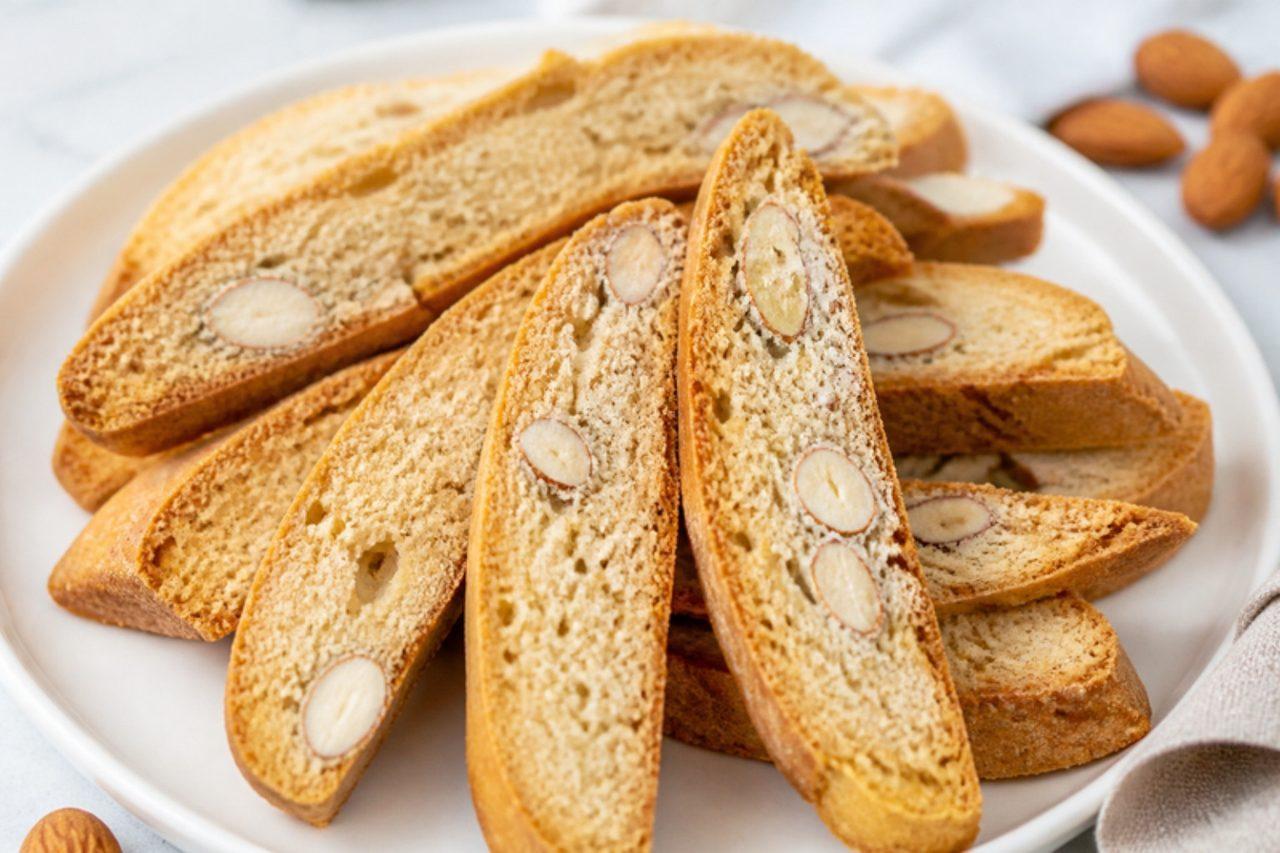
The name means 'little dead men's bones', but there is nothing gloomy about these crunchy almond biscuits from Graubünden, sold in the bakeries of Chur and the Engadin and dunked in coffee or a glass of milk on winter afternoons. Whole almonds are folded into a buttery, cinnamon-scented dough, baked in logs, then sliced and baked again, a little like biscotti but richer. Chef's tip: slice the logs while still warm with a serrated knife and a gentle sawing motion; cold logs crumble and the almonds tear out.

by KrazyBadal 0 views

CaracChocolate tartlets

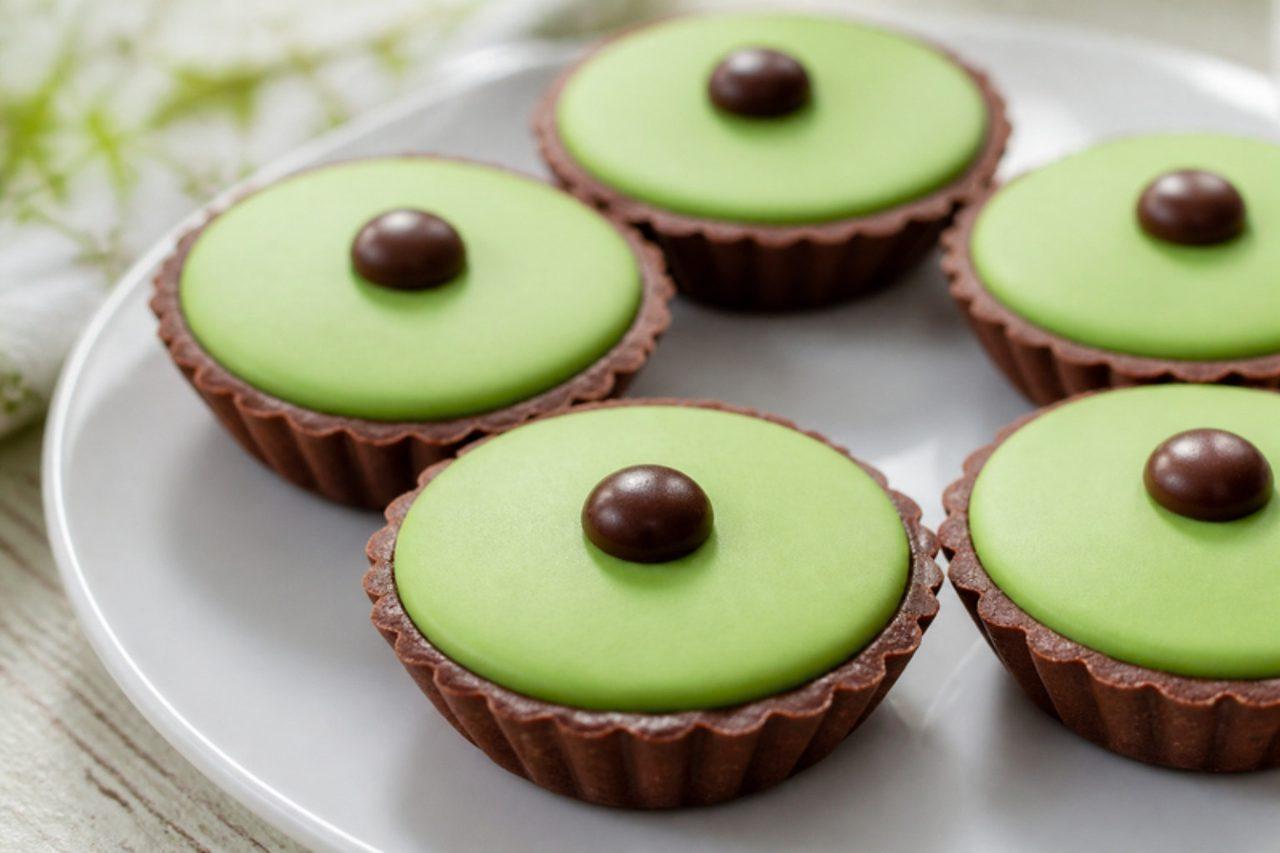
Bright green with a single chocolate dot, the carac is the cheerful little tart in the windows of every pastry shop from Geneva to Lausanne and Neuchâtel, and the one children in Romandie point at first. A crisp sweet shortcrust shell holds a rich dark chocolate ganache, sealed under a smooth layer of green icing. Pastry chefs use fondant; at home a thick icing-sugar glaze works well. Chef's tip: let the ganache set completely in the fridge before icing, or the green runs into the chocolate and the top looks muddy.

by KrazyBadal 0 views

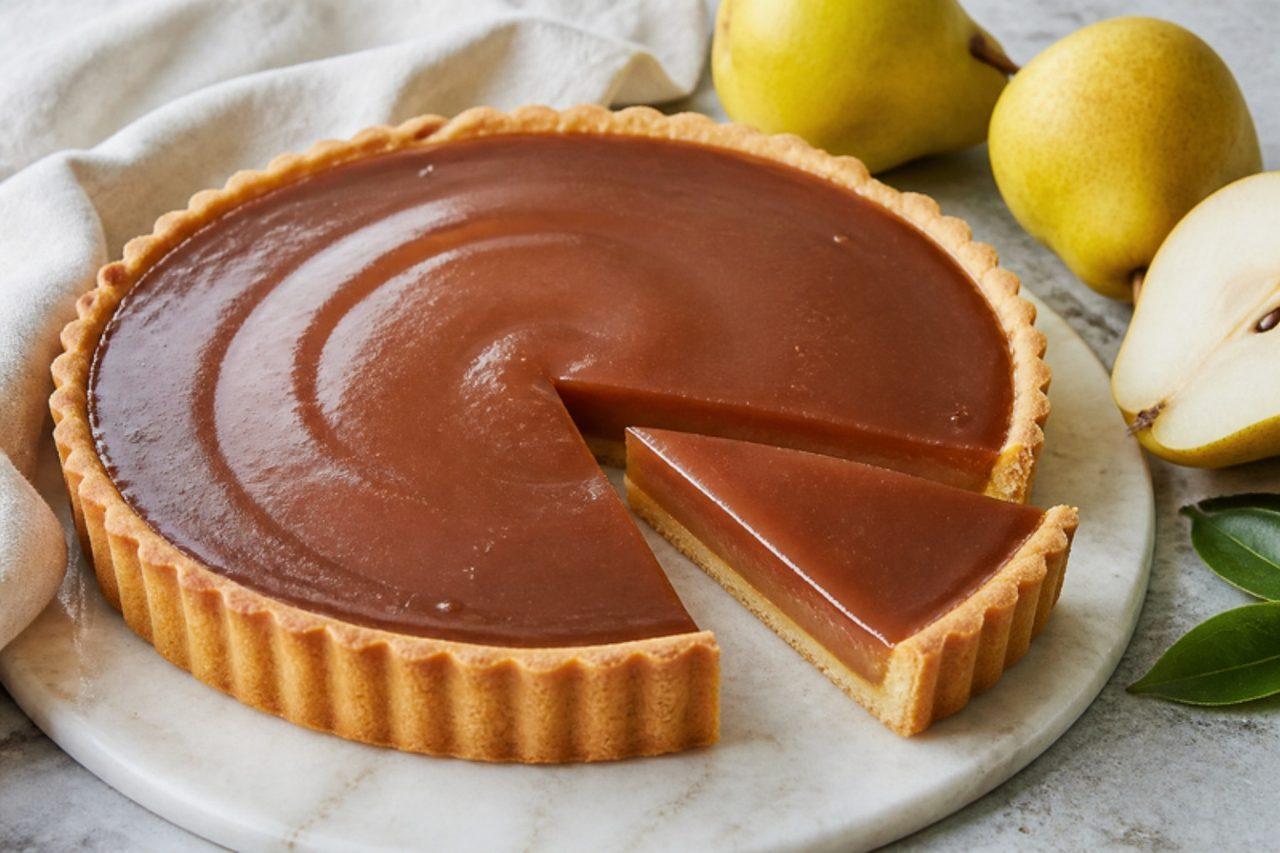
Tarte au vin cuitPear syrup cream tart

Despite its name, vin cuit contains no wine. Farmers in Vaud and Fribourg boil down fresh pear and apple juice for hours in copper cauldrons each autumn until it becomes a dark, tangy syrup called vin cuit or raisinée, and bakeries turn it into this glossy brown cream tart for the Bénichon harvest feast in September and Sunday tables all year. The filling tastes of caramel, dried pear and a pleasant sourness. Outside Switzerland, look for pear syrup or pear concentrate. Chef's tip: take the tart out while the centre still wobbles a little; it sets as it cools and overbaking makes it cracked and grainy.

by KrazyBadal 0 views

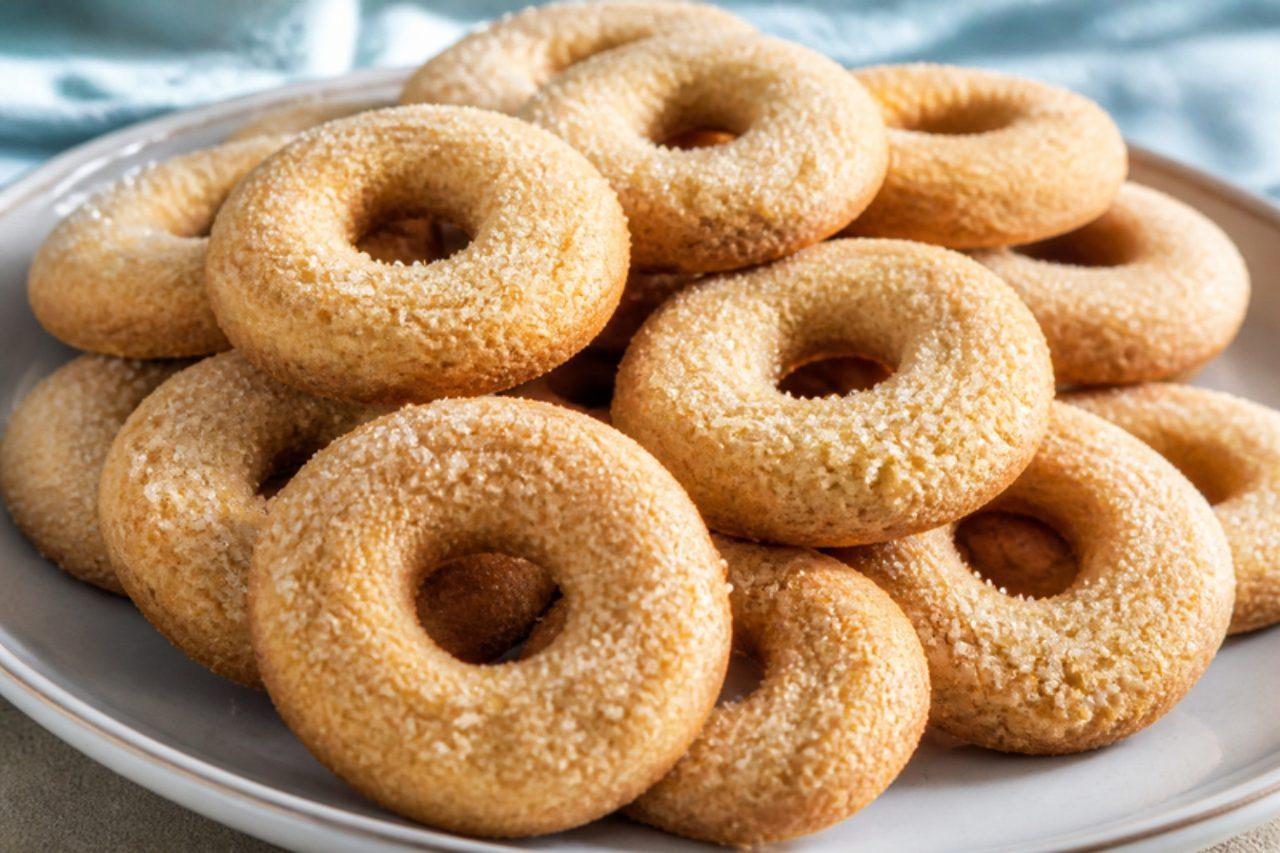
Willisauer RingliSugar ring biscuits

The little town of Willisau in the canton of Lucerne has been making these rock-hard sugar rings since the 1800s, and Swiss children have been nibbling them on hikes and car journeys ever since, sucking them slowly like sweets. They are made from little more than sugar, flour, egg and lemon, and dried before baking so they set with a smooth, pale, glassy crust. The bakery recipe is a well-kept secret; this home version gets the same snap. Chef's tip: don't skip the overnight drying, which forms the crust that gives Ringli their famous crunch.

by KrazyBadal 0 views

Showing 24 of 136 recipes

Show more recipes

Page 1 of 6