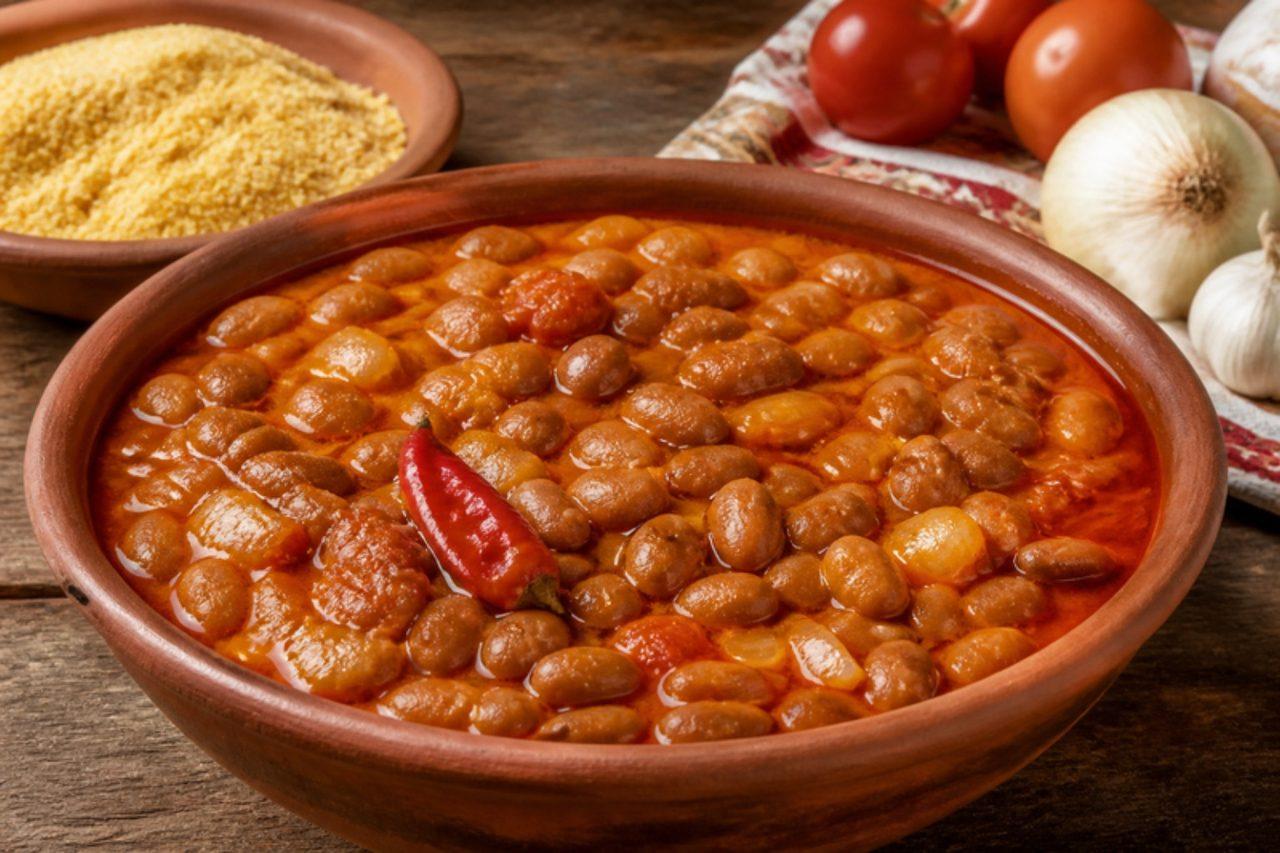
Skip to content
WhatToEat.Today

All recipes

103

Vegetarian, or something you can't eat? Set your diet once and we'll hide recipes that don't fit.

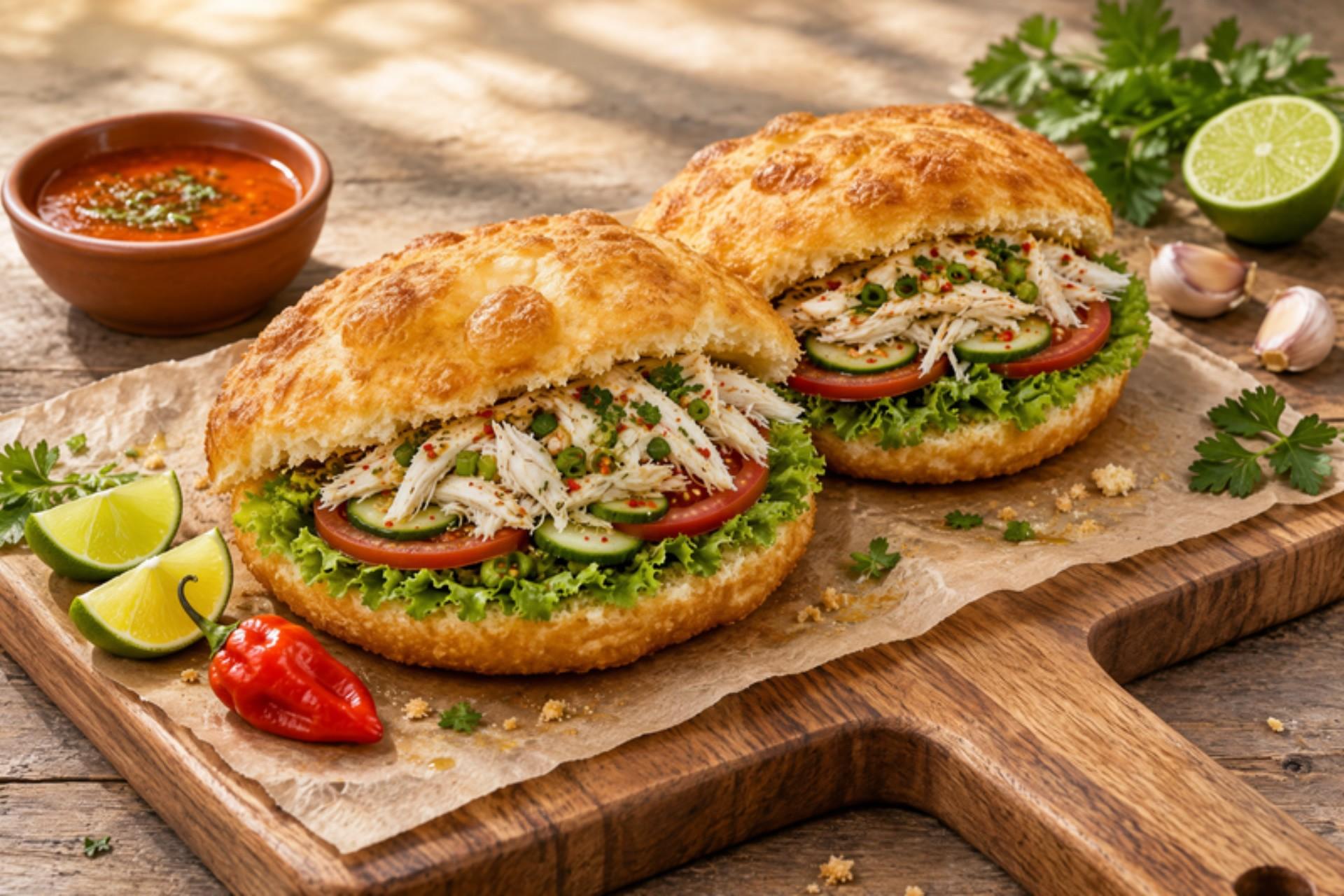
Bokit morueFried bread with salt cod

The bokit is Guadeloupe's street sandwich, fried to order at roadside vans in Pointe-à-Pitre, Le Gosier and Sainte-Rose, eaten late at night after a party or at the beach on a Sunday. A simple dough is rolled into rounds and deep-fried until it puffs like a pillow, then split and filled; the classic filling is chiquetaille de morue, shredded salt cod with lime, onion, garlic and hot pepper, with lettuce, tomato and cucumber. It contains fish and wheat. The common mistake is under-soaking the cod, which makes it harsh and salty: soak it in the fridge for 24 hours, changing the water three or four times. The bokit is done when puffed, golden on both sides and hollow-sounding, and the cod is poached until it flakes. Chef's tip: roll the dough thin and even, about 5 mm, so it balloons in the oil and opens neatly like a pitta.

by KrazyBadal 0 views

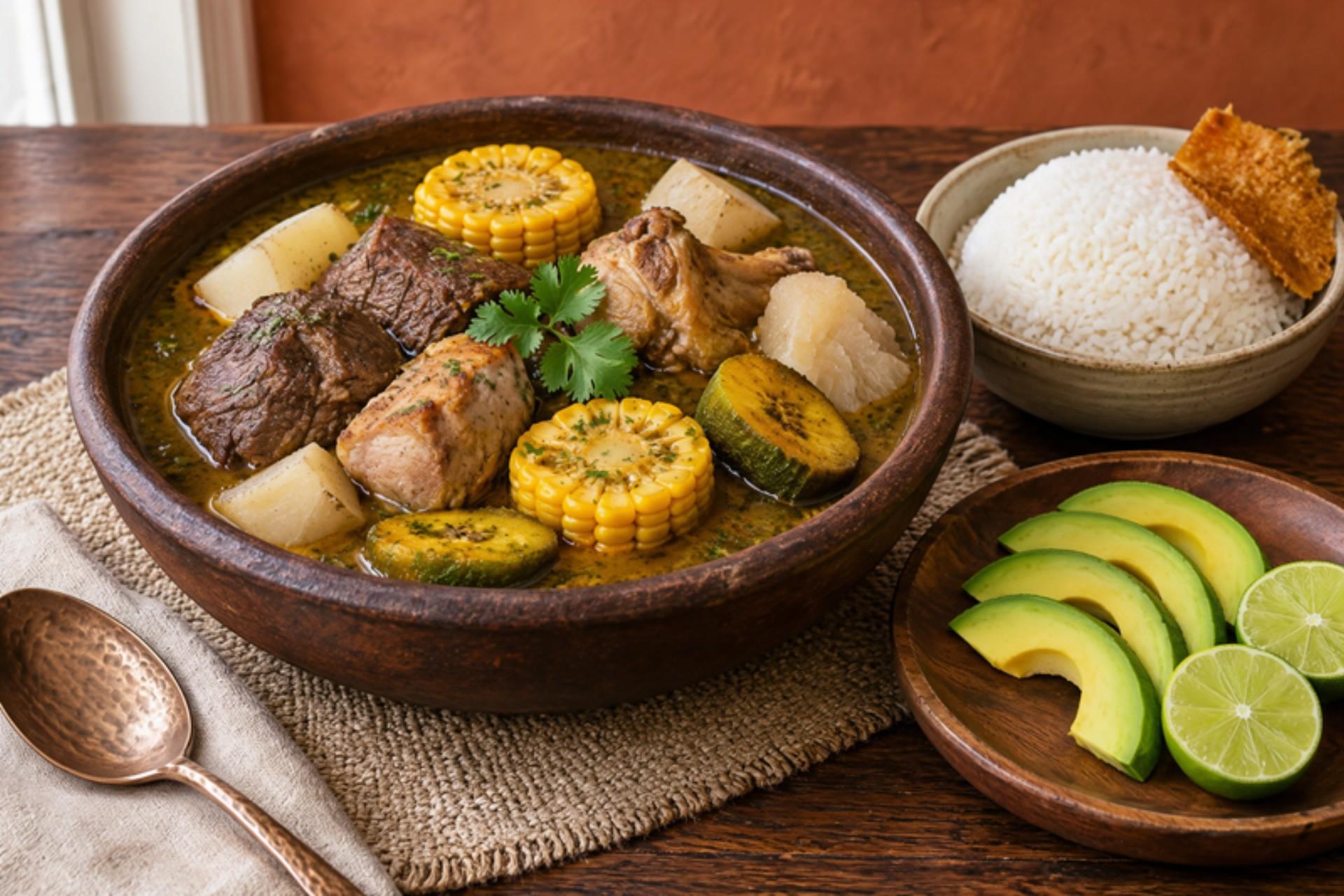
Sancocho dominicanoMeat and root vegetable stew

Sancocho is the dish Dominicans make for a crowd: birthdays, New Year's Eve, rainy Sundays and the morning after a party, from Santo Domingo to Washington Heights. Several meats (here beef, pork ribs and chicken; the festive sancocho de siete carnes uses seven) simmer with oregano, garlic and coriander, then cassava, yautía, green plantain, yam, squash and corn cook down until the broth turns thick and golden. This recipe contains pork. The common mistake is adding all the vegetables at once, so the squash melts while the plantain stays hard; add them in order of firmness. Cassava must always be peeled, cored and cooked until completely soft, never eaten raw. It is done when the meats are tender, the chicken has reached 74 °C and the pork 71 °C, and the broth coats a spoon. Serve with white rice and avocado. Chef's tip: let some of the squash dissolve completely; it is what thickens a real sancocho.

by KrazyBadal 0 views

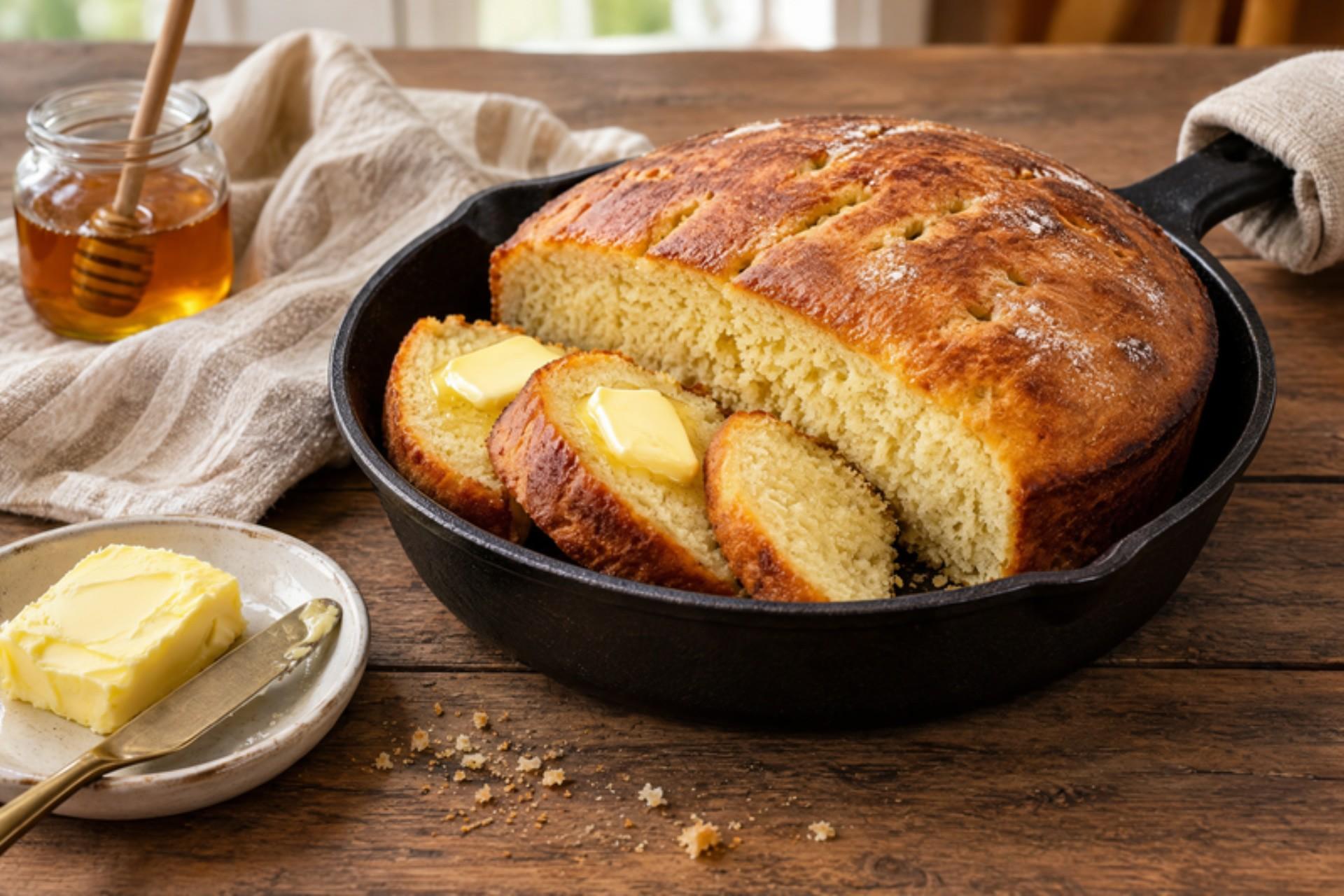
Bahamian johnnycake

In the Bahamas johnnycake is not a pancake but a golden pan bread, baked in a skillet or tin and sliced warm in Nassau homes and Out Island kitchens, at breakfast with stew fish or alongside conch chowder and peas and rice. The dough is a rich, lightly sweet mix of flour, butter, milk and a little sugar, closer to a soft scone than a yeast bread. It contains wheat and milk. The common mistake is kneading it like bread, which makes it tough; mix just until it comes together. It is done when the top is deep golden and a skewer in the centre comes out clean, and the bottom sounds hollow when tapped. Chef's tip: brush the top with melted butter the moment it comes out of the oven for a soft, shiny crust.

by KrazyBadal 0 views

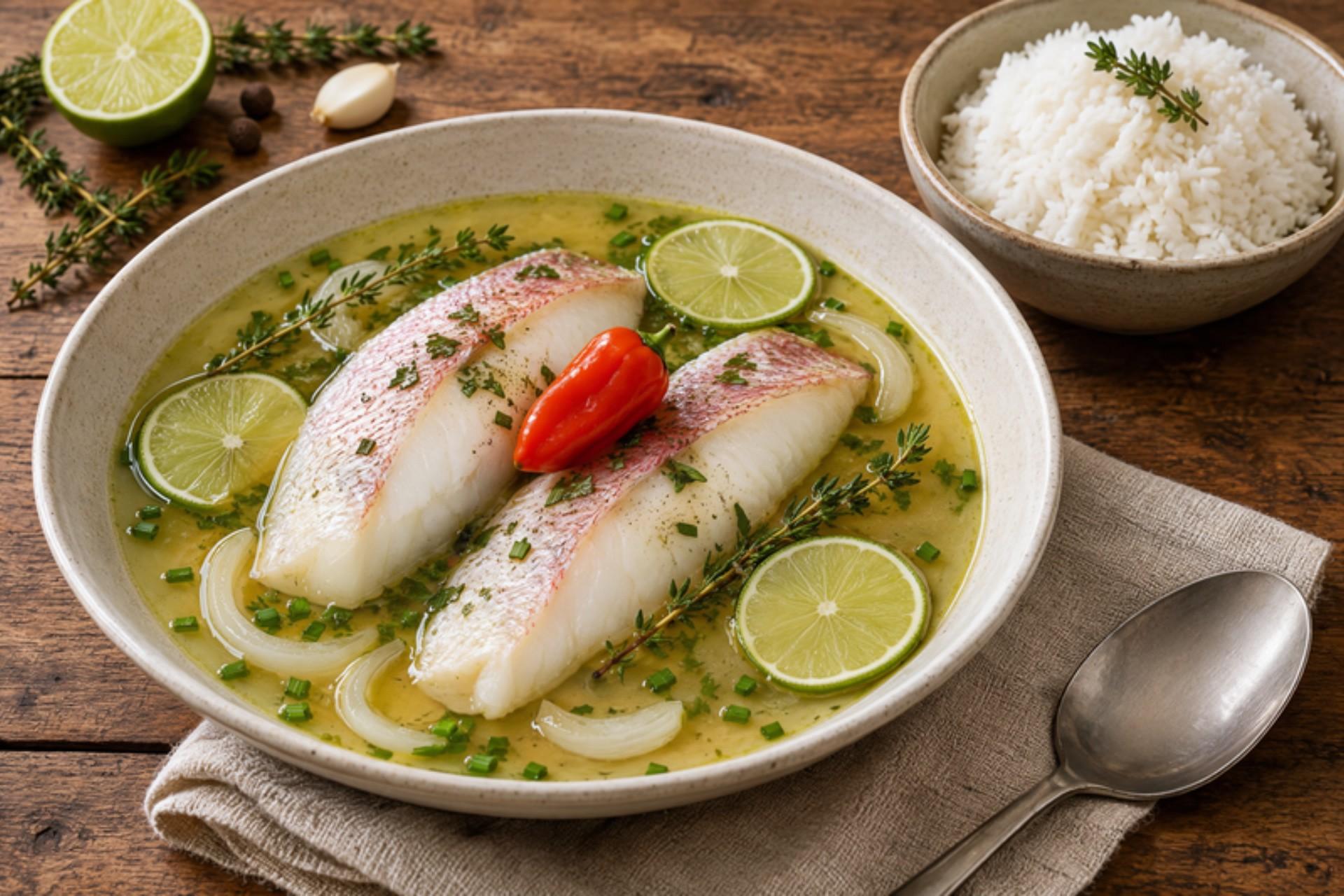
Blaff de poissonFish in lime broth

Blaff is the fisherman's breakfast and lunch of Martinique and Guadeloupe, cooked in Sainte-Anne or Deshaies with fish bought straight off the boats in the morning. The name is said to echo the splash the fish makes as it drops into the boiling broth. Red snapper steaks are marinated in lime, garlic and hot pepper, then poached briefly in a clear broth fragrant with bois d'Inde (allspice berries), thyme, chive and a whole hot pepper. It contains fish. The common mistake is boiling the fish hard or too long, so it falls apart and dries out; it needs only a gentle simmer. It is done when the flesh is opaque all the way through and flakes easily from the bone. Serve with white rice or boiled green bananas. Chef's tip: squeeze in fresh lime just before serving to wake up the broth.

by KrazyBadal 0 views

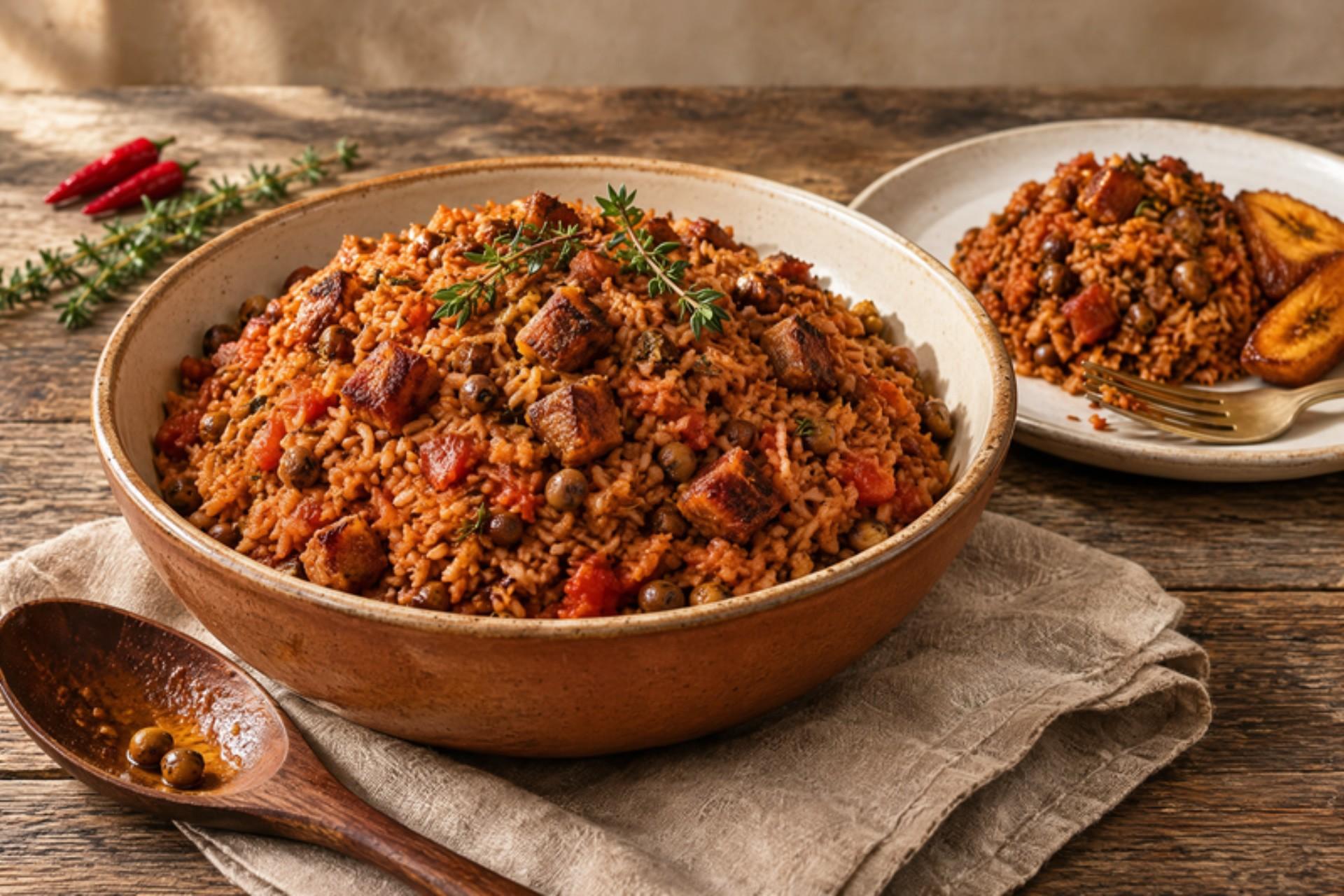
Bahamian peas and rice

Peas 'n' rice is on almost every plate in the Bahamas, from Nassau fish fry shacks at Arawak Cay to Sunday dinner in Eleuthera, served with fried chicken, steamed fish or cracked conch. Unlike Jamaican rice and peas there is no coconut: pigeon peas and rice are cooked in a rich base of browned salt pork, onion, sweet pepper, tomato paste and thyme, which gives the rice its signature brown-red colour. This recipe contains pork (salt pork or bacon). The usual mistake is stirring once the rice is in, which breaks the grains and makes it gummy; cover tightly and leave it alone. It is done when the liquid has gone and the grains are tender and separate. Chef's tip: let the tomato paste fry in the pork fat until it darkens to brick red before adding water; that is where the colour and depth come from.

by KrazyBadal 0 views

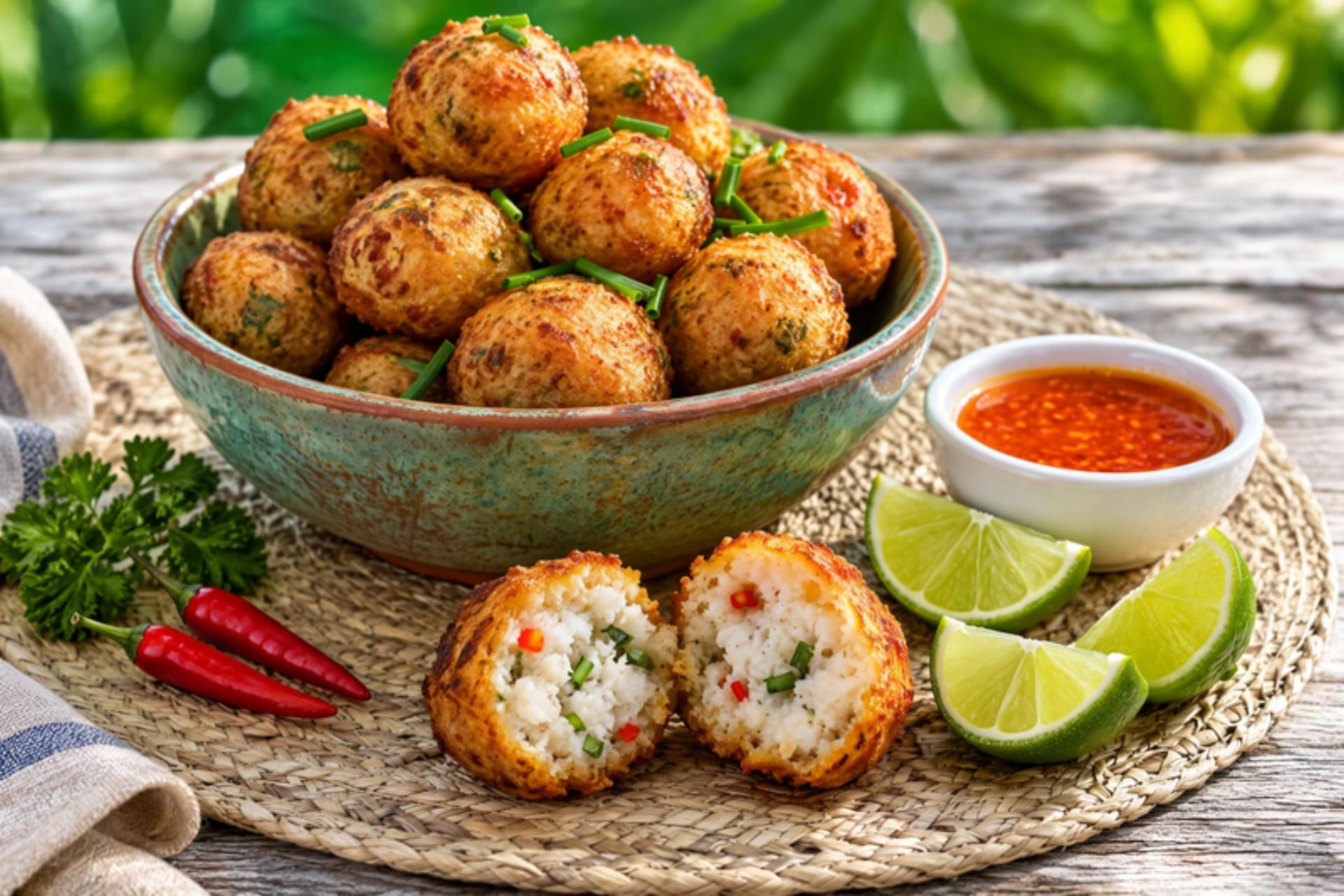
Accras de morueSalt cod fritters

No Christmas, christening or Sunday apéritif in Martinique or Guadeloupe starts without a bowl of accras de morue, the light, puffy salt-cod fritters sold hot from paper cones at Fort-de-France's markets. Desalted cod is flaked into a batter scented with chive, parsley, thyme, garlic and a little fiery piment, then dropped by the spoonful into hot oil. A vegetable version is already on the site; this is the classic with fish. It contains fish and wheat. The usual mistake is not soaking the cod long enough, which makes the accras painfully salty: soak it in the fridge for 24 hours, changing the water three or four times. They are done when puffed, deep golden all over and cooked through, with the fish piping hot. Chef's tip: let the batter rest for an hour so it thickens and the fritters puff into airy rounds.

by KrazyBadal 0 views

Court-bouillon de poissonSnapper in tomato sauce

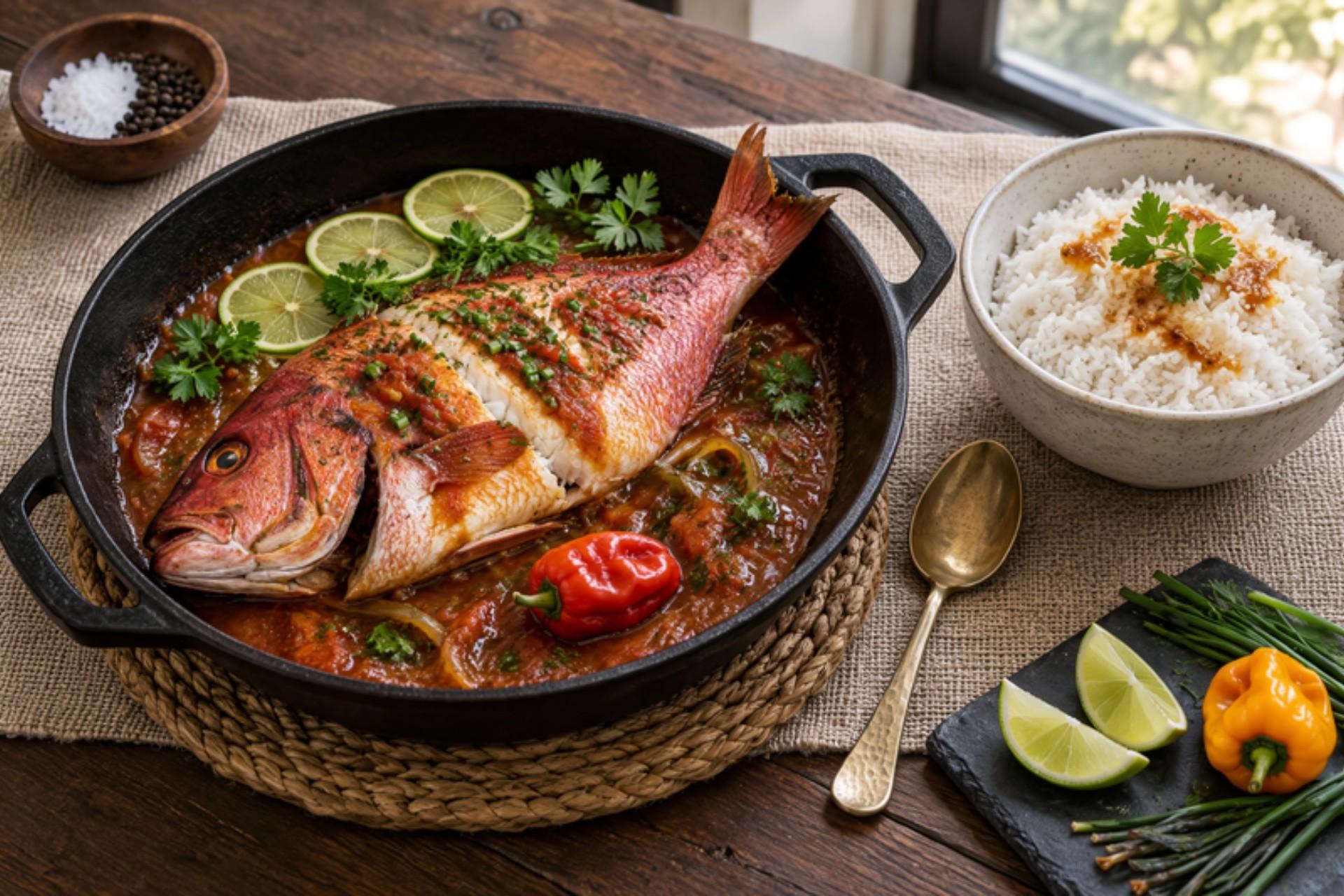
In Martinique court-bouillon is not a poaching liquid but a rich red fish stew, cooked for Sunday lunch in Le Robert or Le Vauclin and served with white rice, red beans and a slice of breadfruit or yam. Red snapper is marinated with lime, garlic and hot pepper, then simmered in a sauce of tomato, onion, garlic, chive and thyme coloured with a little roucou (annatto) oil. It contains fish. The usual mistake is stirring the pot once the fish is in, which breaks the pieces; shake the pan gently instead. It is done when the fish is opaque through and flakes at the bone and the sauce is thick enough to cling. Chef's tip: finish with a spoonful of uncooked garlic, chive and lime stirred in at the end, the way Martiniquais cooks do, for a fresh, sharp lift.

by KrazyBadal 0 views

KalanehWild leek stuffed flatbread

In Kurdistan and Kermanshah, Newroz arrives with the first spring greens on the hillsides, and families gather wild leeks to fold into kalaneh, thin griddle breads cooked over a fire or a hot pan and soaked in melted butter. The dough is plain and soft, rolled very thin around a pile of chopped leek or chives with a little salt and pepper, so the greens steam inside as the bread blisters. Eat it hot, torn into strips, with yogurt and tea at a Newroz picnic. The common mistake is wet greens, which turn the dough soggy and make it tear; dry them well after washing. Chef's tip: brush the butter on the moment the bread leaves the pan so it soaks right in.

by KrazyBadal 0 views

Dowina (Kurdish yogurt soup)

Dowina, called ash-e doogh in Persian, is warming spring food in Kurdish homes around Newroz, when yogurt is plentiful and the first herbs are cut from the garden. Rice and chickpeas simmer in a tangy, lightly thickened yogurt broth, finished with fresh dill, coriander and a sizzle of dried mint in oil. It is eaten warm, never boiling hot, with flatbread. The common mistake is to heat the yogurt too fast without stirring, which makes it split into grainy curds. Chef's tip: whisk an egg yolk and a spoonful of rice flour into the yogurt before it goes on the heat; it holds the soup smooth all the way to the simmer.

by KrazyBadal 0 views

Moro de guandules con cocoPigeon pea and coconut rice

No Dominican Christmas Eve (Nochebuena) table is without moro de guandules: rice cooked with green pigeon peas in a savoury sofrito, and in the Samaná and east-coast style with coconut milk. It arrives beside the roast pork or chicken and the Russian salad, but it is so full of flavour that it stands alone as a vegan main. The crust at the bottom of the pot, the concón, is the prize. Chef's tip: don't lift the lid while the rice steams; when the liquid drops to the level of the rice, cover tightly and leave it alone.

by KrazyBadal 0 views

DerereOkra relish

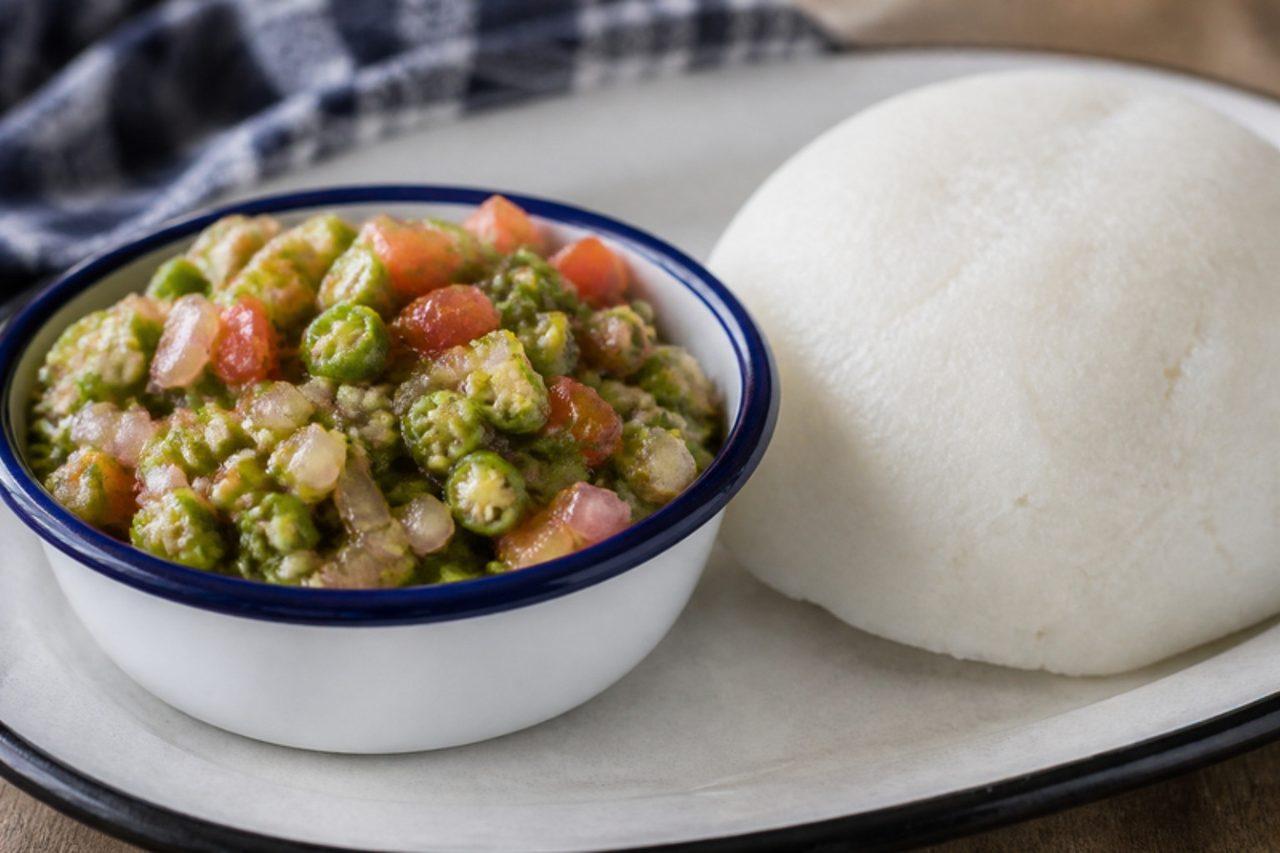
Derere is the slippery okra relish that Zimbabwean families, especially in Mashonaland, eat with sadza (maize porridge) at weekday dinners; the stretchy texture is the point, because it helps each pinch of sadza slide up a little relish. Grated or finely sliced okra is boiled briefly with a pinch of bicarbonate of soda, which makes it extra smooth and keeps it bright green, then finished with tomato and onion. It is vegan and very light, with about 3 g of protein per portion; serve it with beans or peanut-butter greens for a full meal. The common mistake is too much bicarbonate: more than a pinch gives a soapy taste. Chef's tip: stir with a whisk or a fork for the last minute; it builds the classic stretchy, glossy texture.

by KrazyBadal 0 views

CaluluDried and fresh fish stew

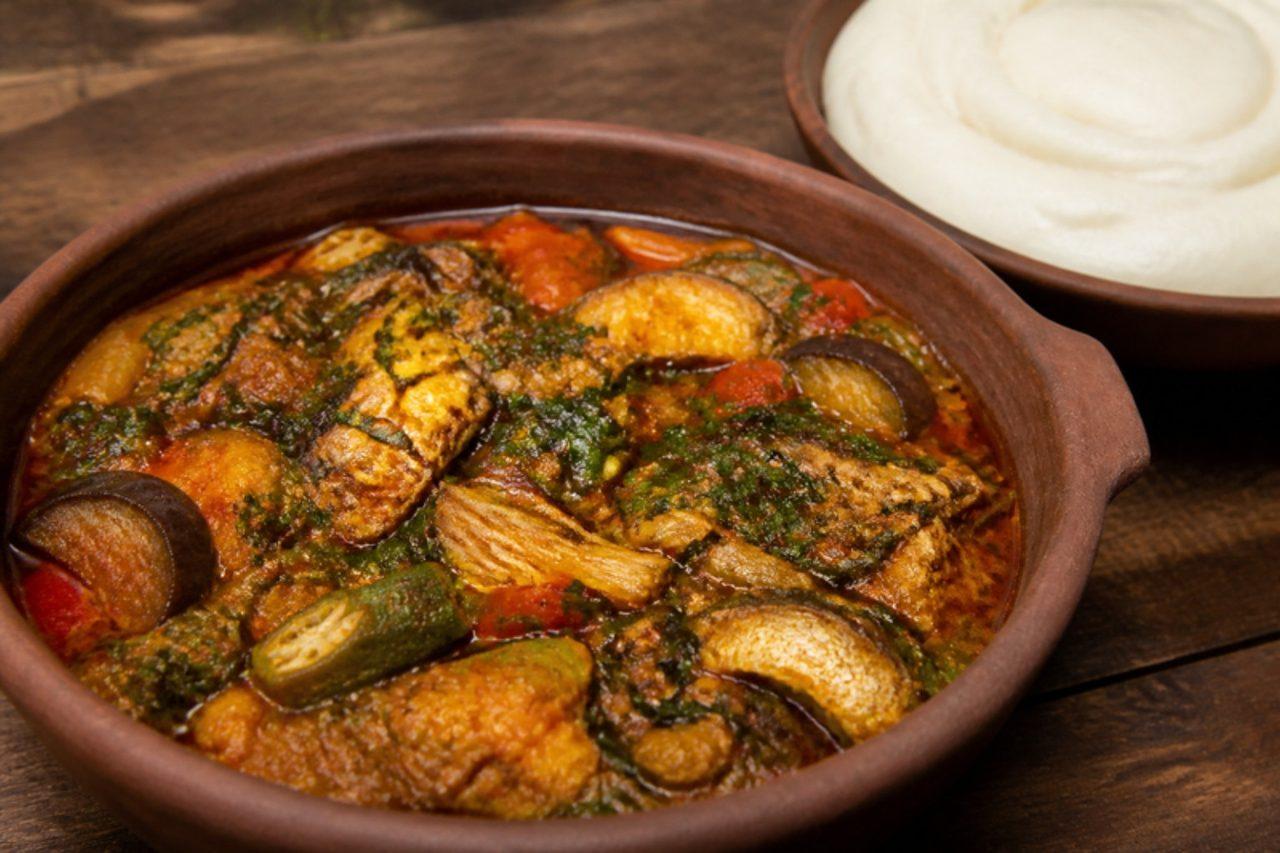
Calulu is what Luanda families cook when the whole family comes for Sunday lunch, and the Ilha's fish sellers know the order by heart: a piece of dried fish for depth, a firm fresh fish for sweetness. The two are layered in a pot with onion, tomato, okra, aubergine and sweet potato leaves, then simmered in red palm oil until the sauce turns silky from the okra and tastes of the sea, smoke and greens all at once. It is served with funge, feijão de óleo de palma and a little hot sauce. Salted dried fish needs a long soak to draw out the salt, so start it the day before; skipping that step is the classic way to ruin the pot. Chef's tip: lay the fresh fish on top and leave it alone, shaking the pot rather than stirring, so the pieces stay whole.

by KrazyBadal 0 views

DiphaphataGriddle muffins

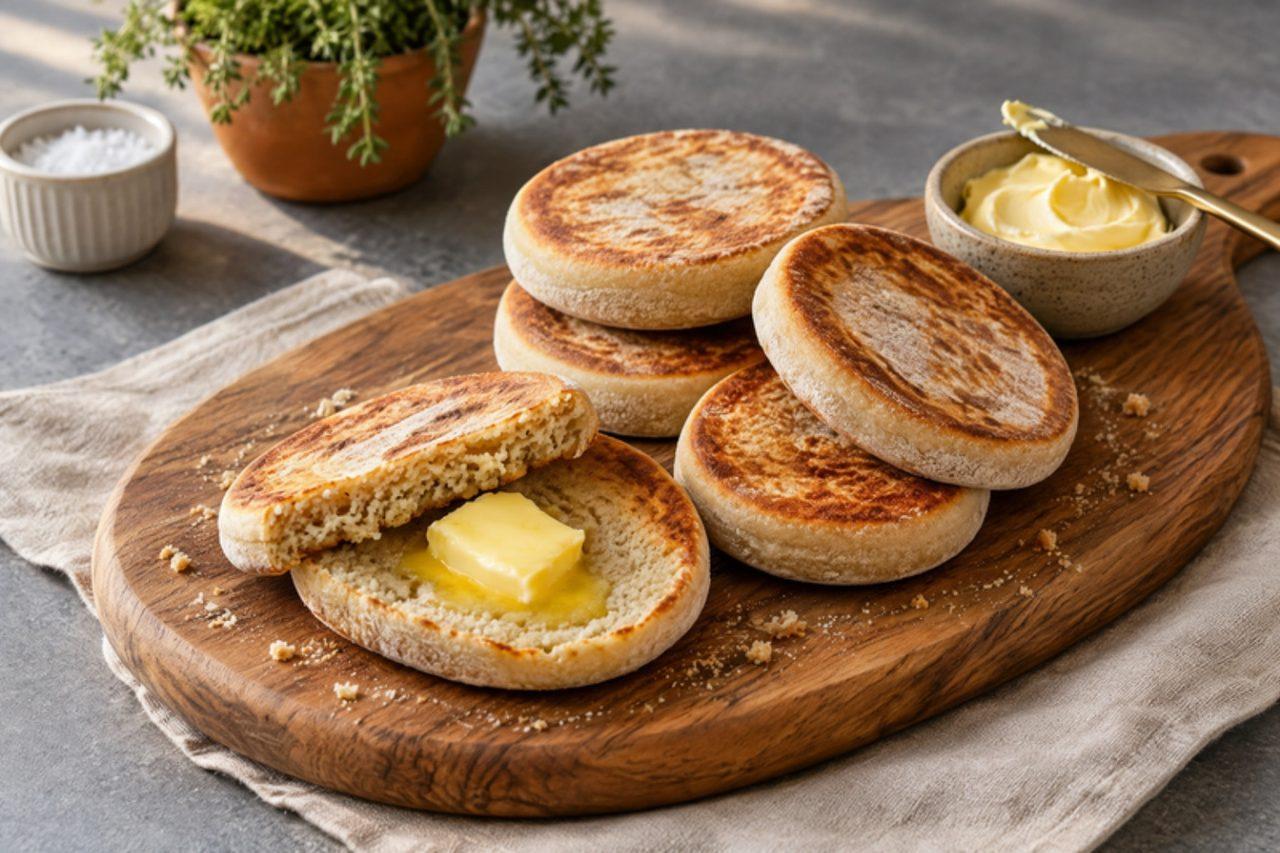
In Gaborone and villages across Botswana, diphaphata (sometimes called flat cakes or Botswana muffins) are a weekend breakfast: little rounds of soft yeast dough cooked on a dry, heavy pan until they puff and brown on both sides, then split while hot and spread with butter, jam or syrup. They look like English muffins but are softer and slightly sweet. The common mistake is a pan that is too hot: the outsides scorch while the centres stay doughy, so cook them slowly over a medium-low heat. Chef's tip: dust them with flour rather than oiling the pan; a dry pan gives the matt, freckled crust they are known for.

by KrazyBadal 0 views

MutakuraBeans, cowpeas and maize

Mutakura is old Zimbabwean country food, cooked in rural Mashonaland after harvest from the store of dried beans, cowpeas, groundnuts and maize kernels, and eaten as a filling lunch or snack, often at gatherings and ceremonies. Everything is soaked, boiled for hours until tender, then simply seasoned with salt, so the beans are creamy, the maize chewy and the groundnuts soft and rich. Suitable as part of a balanced diet. About 340 kcal and 45 g carbohydrate per portion. The usual mistake is cooking everything together from the start: the maize needs a long head start, and the dried red beans must be boiled hard for 10 minutes to be safe. A pressure cooker cuts the maize time to about 40 minutes. Chef's tip: soak everything overnight in separate bowls; the maize and groundnuts need it most.

by KrazyBadal 0 views

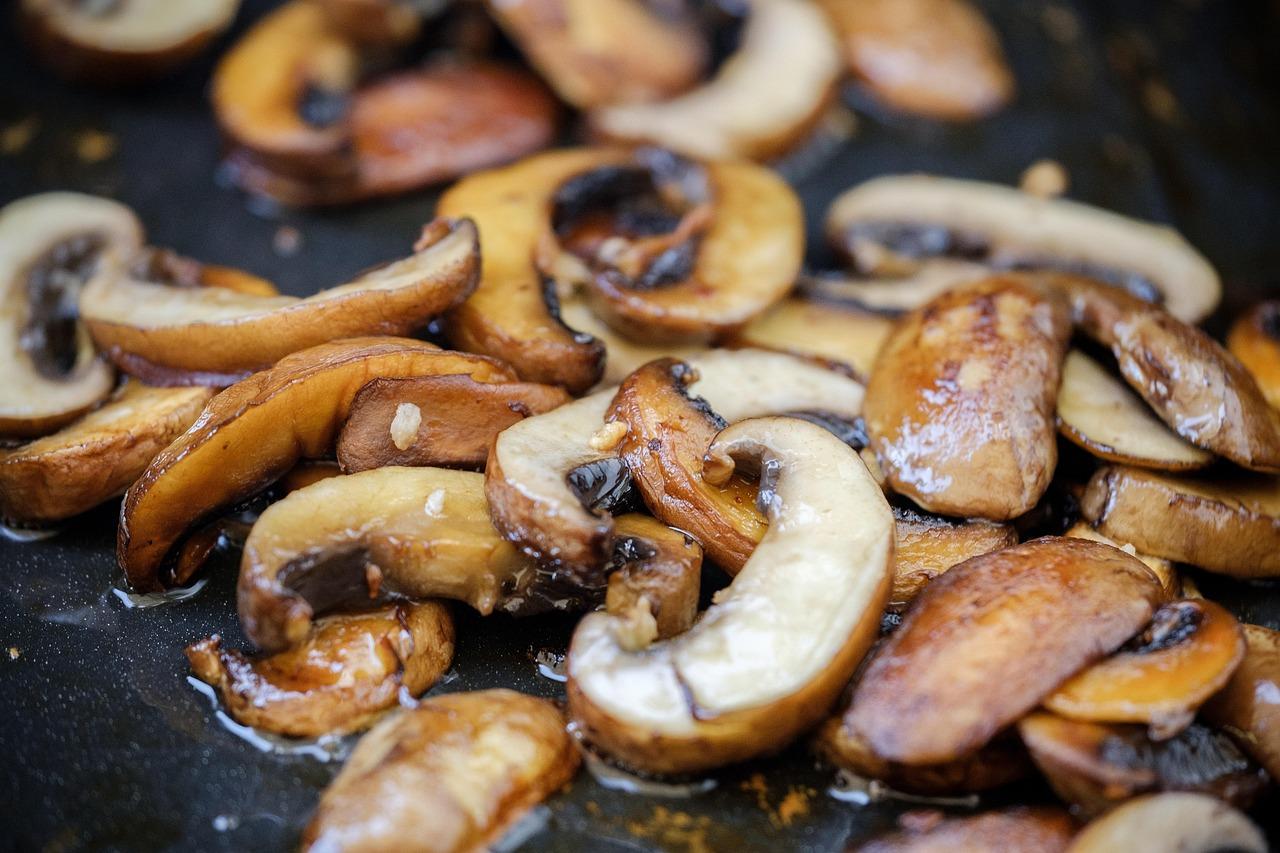
OmajowaButter-fried mushrooms

For a few weeks after good summer rains, people sell enormous omajowa caps by the roadside between Okahandja and Otjiwarongo, each one pushed up through the side of a termite mound, and families fry them that evening in butter with nothing more than salt and pepper. They are meaty and firm with a nutty, almost chicken-like richness. Never forage for them or any wild mushroom: here we use shop-bought king oyster and portobello mushrooms, which take the same treatment very well. Pile them onto toast, serve beside pap or eat them straight from the pan. The classic error is crowding the pan, which stews the mushrooms in their own water instead of browning them. Butter is used here, so it is vegetarian but not vegan. Chef's tip: press the slices down with a spatula for the first minute so they sear golden before you season them.

by KrazyBadal 0 views

NyembaCowpeas with peanut butter

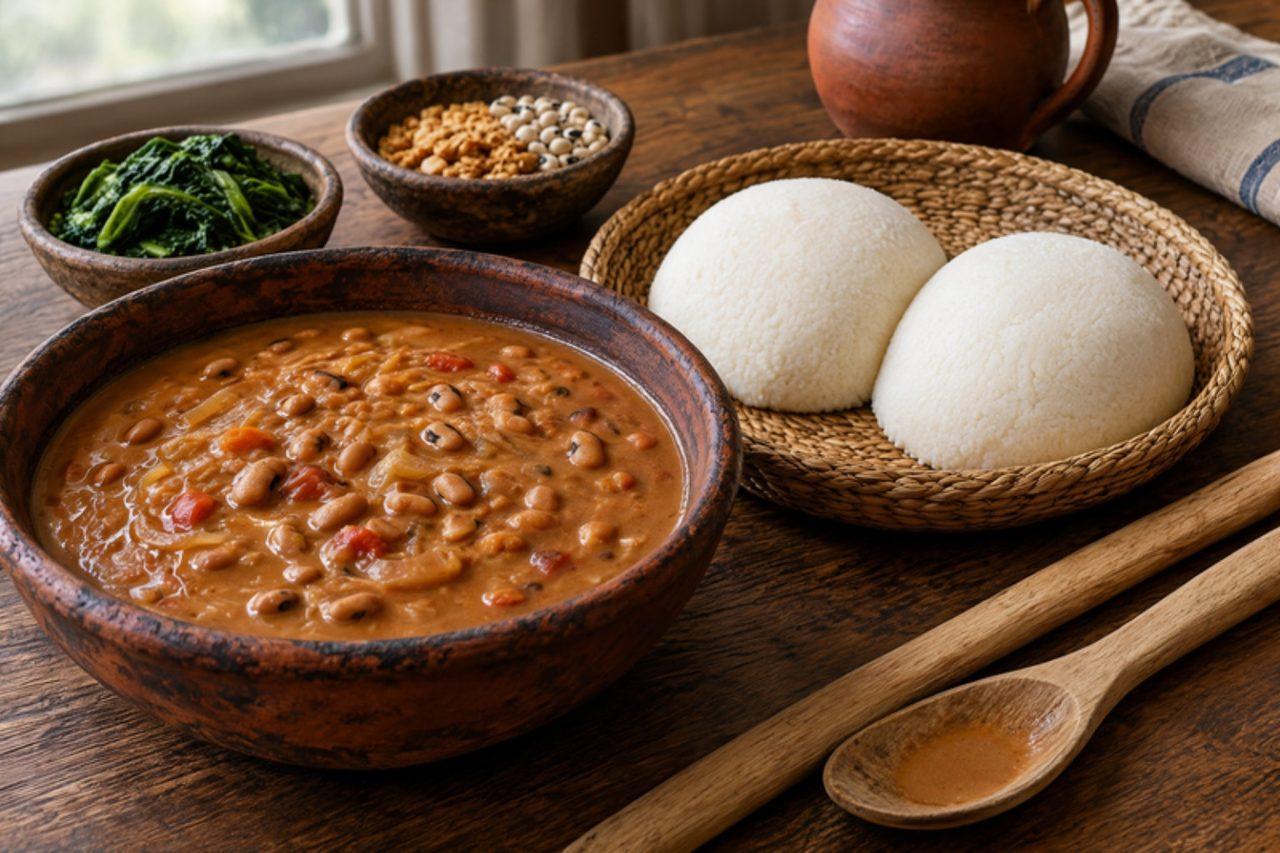
Nyemba are cowpeas, grown on almost every rural plot in Zimbabwe, and the stewed beans are an everyday relish eaten at lunch or supper with a mound of sadza (white maize meal). Dried cowpeas are boiled until soft, then cooked down with onion, tomato and a generous spoon of peanut butter (dovi), which makes the sauce thick, nutty and rich. The usual mistake is adding salt and tomato too soon, which can keep the beans from softening; season once they are tender. Pressure cooker option: cook the soaked cowpeas for 12 minutes at pressure. Chef's tip: stir the peanut butter in off the boil and let it melt slowly; boiling it hard can make it gritty.

by KrazyBadal 1 views

Rissóis de camarãoCreamy prawn turnovers

Pastelarias along Avenida Julius Nyerere in Maputo stack trays of these golden half-moons by mid-morning, and they disappear at birthday parties, christenings and office leaving dos by the dozen. The dough is a cooked, soft milk-and-butter pastry rather than a raw one, rolled thin, filled with prawns in a thick, nutmeg-scented white sauce with a little lemon and chilli, then dipped in egg and crumbs and fried. Bite through and you get a crisp shell, a tender pastry layer and a molten, sweet-savoury filling. Serve them warm with a squeeze of lemon and a little piri-piri sauce for the grown-ups. Chef's tip: chill the filling until it is completely cold and firm before you fill; warm filling is the usual reason rissóis burst in the oil.

by KrazyBadal 0 views

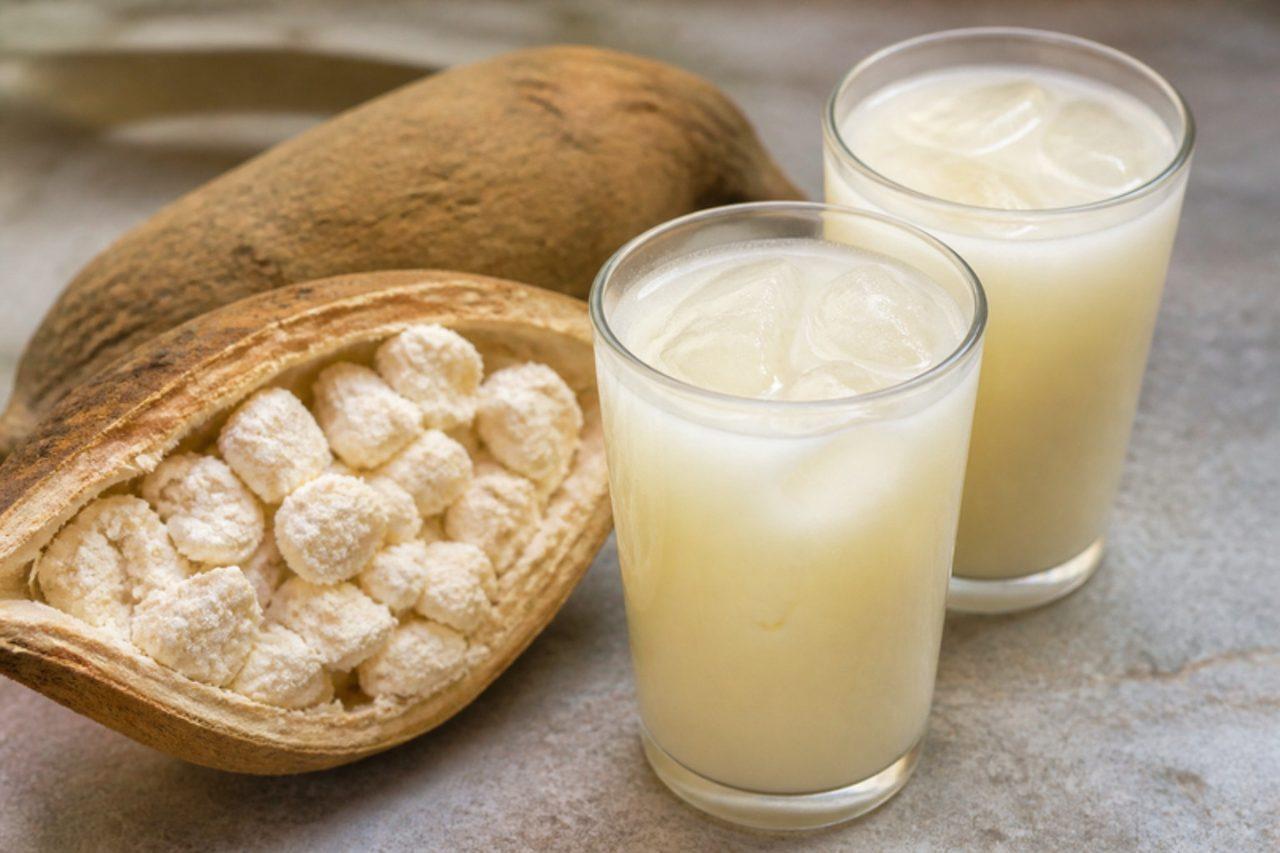
MalambeBaobab fruit drink

On the hot Lower Shire valley floor around Nsanje and Chikwawa, the hard, velvety baobab pods are cracked open in the dry season and their chalky white pulp is soaked to make malambe, a cooling drink sold by the cup at markets. It is pale and creamy-looking, tart like lemon sherbet with a hint of pear, and thicker than juice. Baobab pulp is sold abroad as dried chunks or fine powder; either works here, and the powder makes it a 15-minute drink. Not soaking the chunks long enough is the usual mistake, leaving the drink thin and gritty. Chef's tip: whisk the drink just before serving, because the pulp settles quickly to the bottom.

by KrazyBadal 0 views

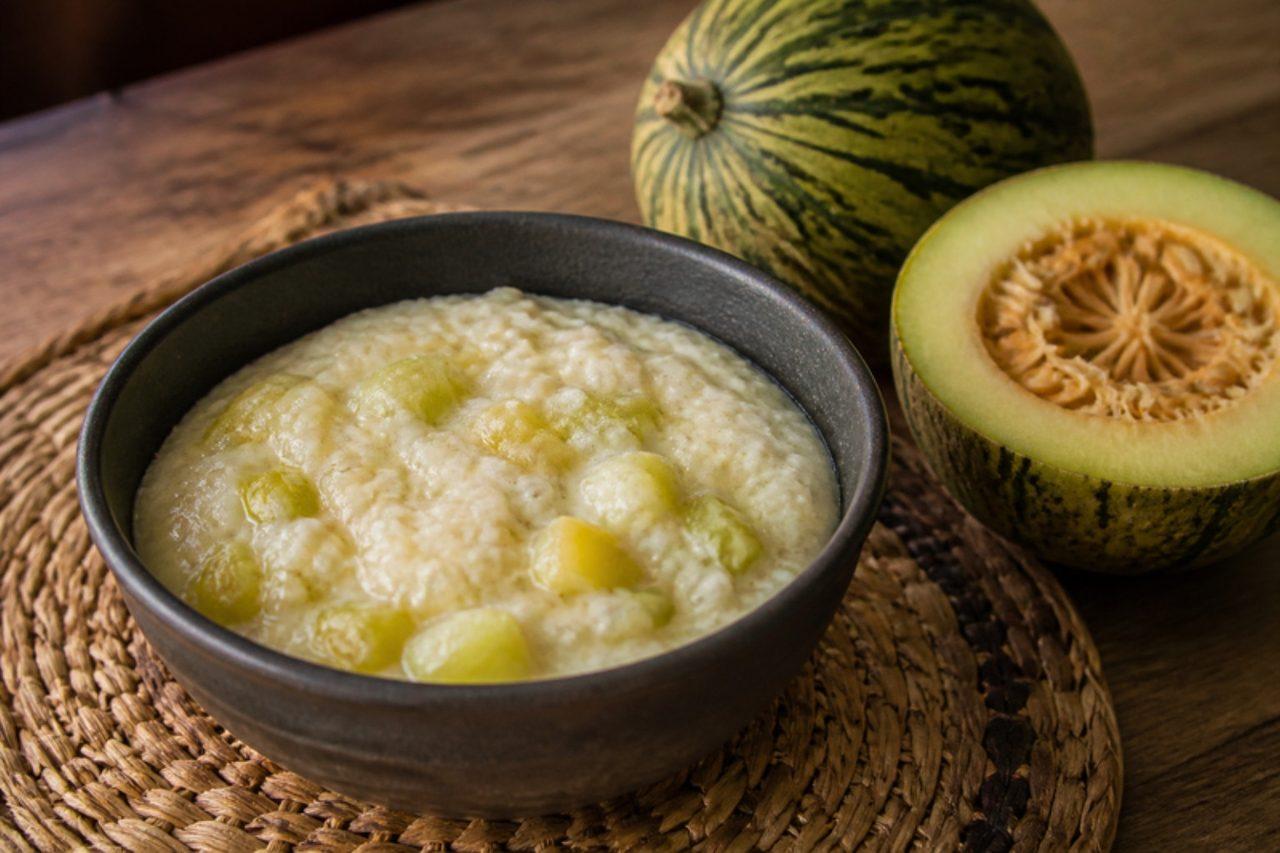
Bogobe jwa lerotseSorghum and melon porridge

When the lerotse melons ripen on the lands around Serowe and Mahalapye after the summer rains, households stir their pale flesh into the evening pot of sorghum, and the porridge turns soft, smooth and quietly sweet. Lerotse is a hard-skinned field melon, closer to a mild marrow than a dessert melon, so it melts into the bogobe and gives it a light, fresh taste against the sour, nutty grain. It is eaten as a side with seswaa, beans or morogo, or on its own for supper with a sprinkle of sugar. Outside Botswana, look for lerotse at African grocers; otherwise a firm cooking melon or a winter melon gives a very close result. Chef's tip: the mistake people make is dumping the sorghum in at once, which gives lumps; rain it in slowly while you whisk.

by KrazyBadal 0 views

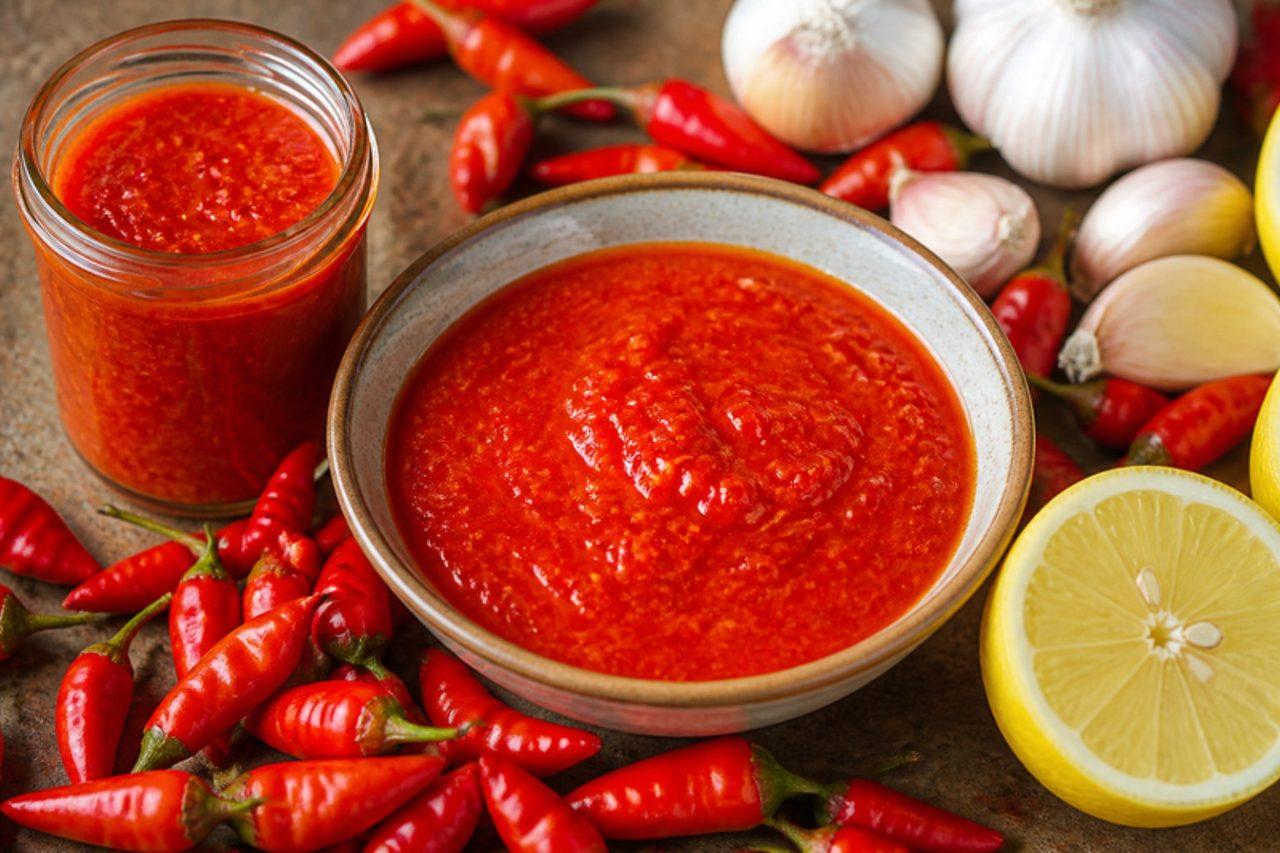
Piri-piri saucePiri-piri chilli sauce

Every barraca on the Costa do Sol in Maputo keeps a bottle of this on the table, and nobody eats grilled prawns, chicken or a bread roll stuffed with chips without a shake of it. Fresh red bird's-eye chillies are blended with raw garlic, lemon juice and oil into a loose, orange-red sauce that is sharp, bright and very hot, with a slow burn that builds after the first bite. A short simmer softens the raw garlic edge and helps it keep in the fridge for two weeks. Spoon it onto grills, seafood, beans, eggs or rice, or loosen it with more oil and use it as a baste. Wear gloves when you trim the chillies and keep your face away from the blender when you open it, because the fumes sting. Chef's tip: leave the seeds in for true Mozambican heat, but pull the green stalks off, as they turn the sauce bitter.

by KrazyBadal 0 views

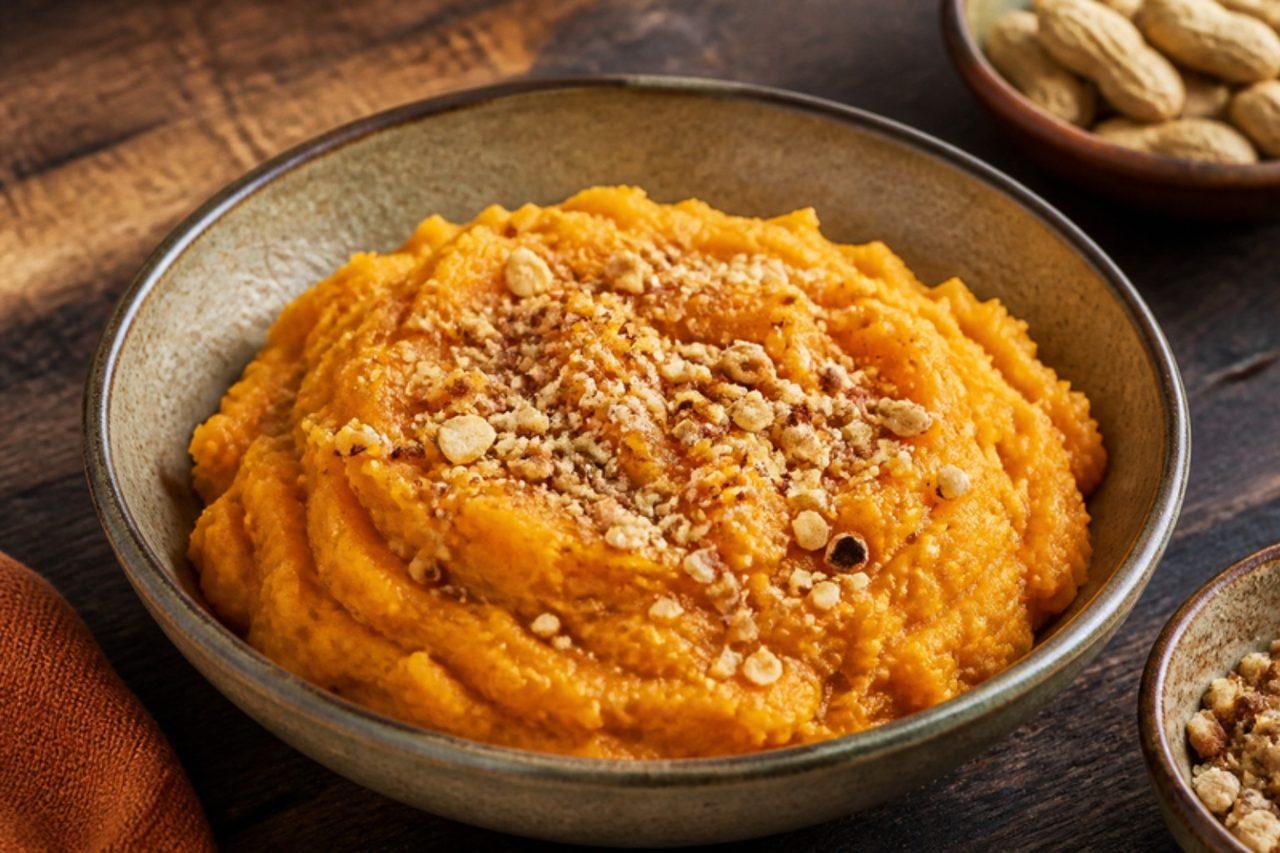
FutaliSweet potato groundnut mash

Futali is the rainy-season comfort dish of rural central Malawi, around Dedza and Kasungu, made when the sweet potatoes and pumpkins are in and the groundnut harvest is in the store. The vegetables are simmered in just enough salted water to cook them, then groundnut flour is beaten in, so the starchy liquid and peanut thicken into a soft, orange, savoury-sweet mash. It is eaten as a light lunch or breakfast on its own, or with a spoonful of tomato relish or greens on the side. Too much water is the mistake to watch for, making a soupy mash that never firms. Chef's tip: toast the groundnut flour in a dry pan for a couple of minutes first, for a deeper, roasted flavour.

by KrazyBadal 0 views

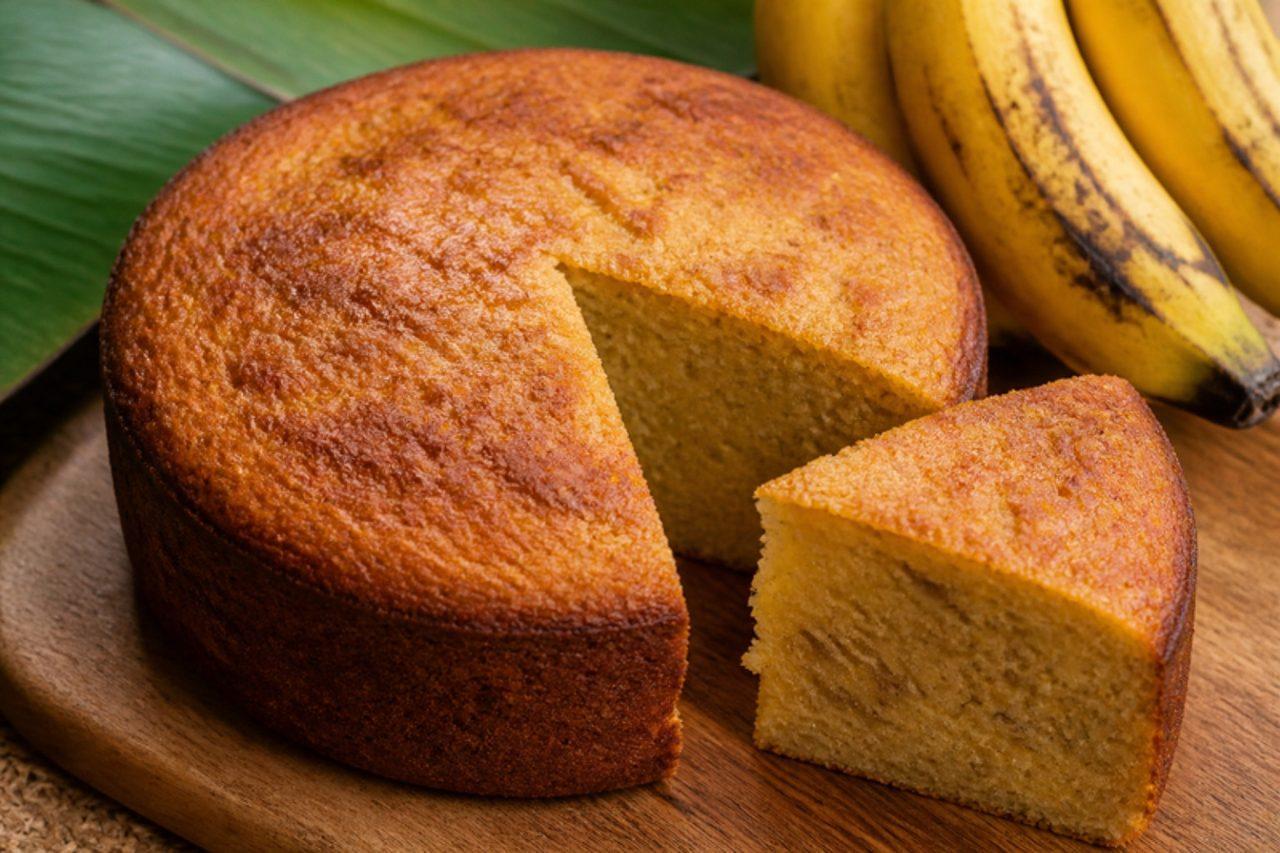
ChigumuBanana maize cake

Chigumu is village baking from the Shire Highlands and the lakeshore near Mangochi: a thick batter of maize flour, overripe bananas and sugar poured into a greased pot, set on embers with more coals heaped on the lid, and left to bake slowly. The result is a dense, moist, golden loaf with a slightly gritty, cornbread-like crumb and a deep banana sweetness, cut into wedges for children after school or carried on journeys. An oven and a loaf tin give the same result at home. The usual mistake is using under-ripe bananas, which leave the cake dry and bland. Chef's tip: pick bananas with skins more black than yellow, and mash them to a liquid before adding the maize flour.

by KrazyBadal 0 views

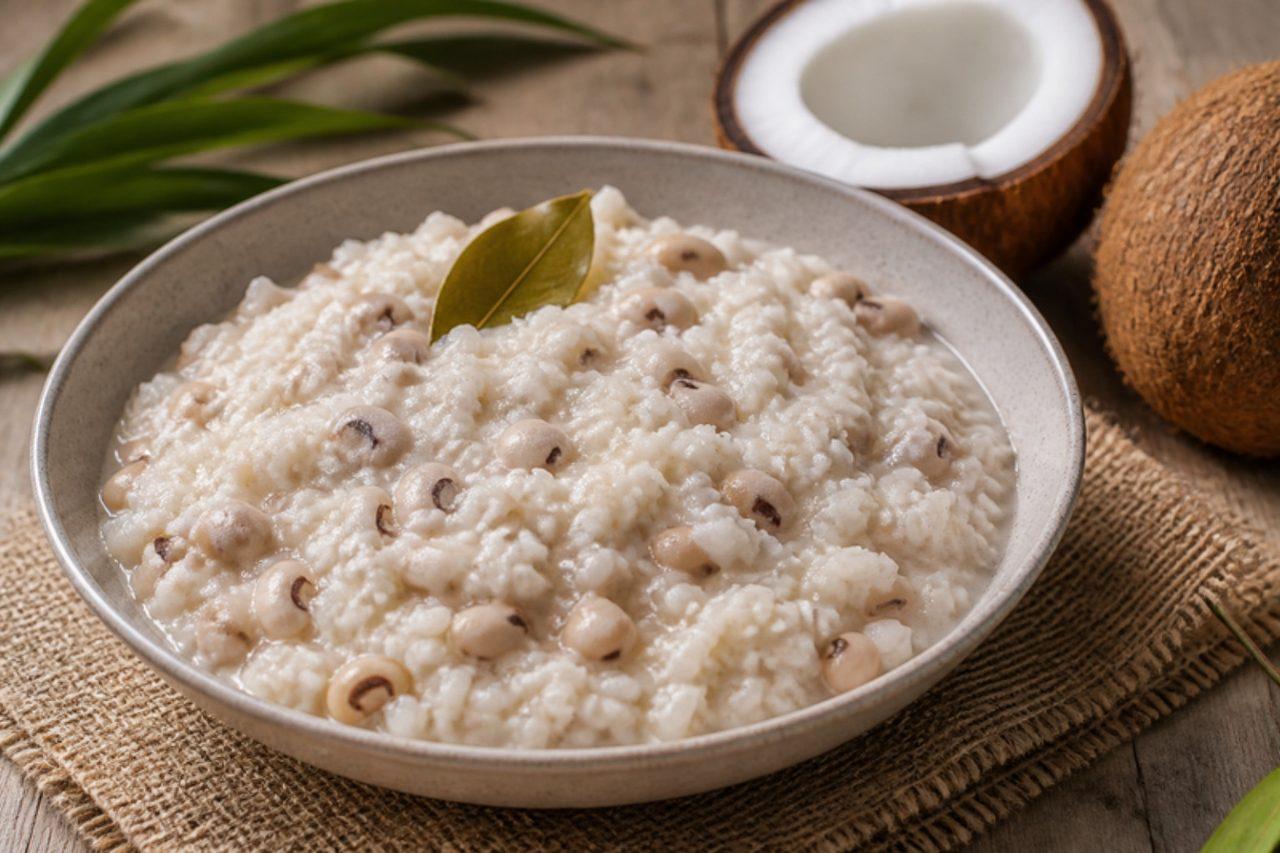
MucapataCoconut rice and cowpeas

Quelimane cooks have a gift for making rice taste rich without a scrap of meat, and mucapata proves it: rice and boiled cowpeas are cooked down in coconut milk until the grains swell, burst at the edges and bind into a soft, spoonable mass. It sits somewhere between a pilaf and a porridge, mild and faintly sweet from the coconut, with the beans giving it body and an earthy note. Families along the Zambezi delta serve it at lunch beside a tomato and onion sauce, greens cooked with peanuts, or a fiery dab of piri-piri. The usual mistake is adding the rice before the beans are properly soft; they never catch up once the coconut milk goes in. Chef's tip: stir it only now and then once the rice is in and keep the heat very low, so the bottom turns lightly golden rather than scorched.

by KrazyBadal 0 views

Feijão de óleo de palmaPalm oil beans

No Saturday table in Luanda feels complete without a pot of these beans next to the funge, and the deep orange colour of the dende oil tells you they are ready. Soft, creamy beans are simmered with onion, garlic, tomato and a generous pour of red palm oil until the broth thickens and every bean is coated, earthy, faintly smoky and rich. Serve them with funge de bombó (cassava) or funge de milho, with fried plantain, or with rice and greens. Buy unrefined red palm oil from an African grocer, ideally certified sustainable; it is not the same as the pale refined kind. Chef's tip: hold back the salt and tomato until the beans are truly soft, because both firm up the skins and are the usual reason a bean pot never gets creamy.

by KrazyBadal 0 views

Showing 24 of 103 recipes

Show more recipes

Page 1 of 5