Skip to content
Recipes

All recipes

Vegetarian, or something you can't eat? Set your diet once and we'll hide recipes that don't fit.

Khubz taboon

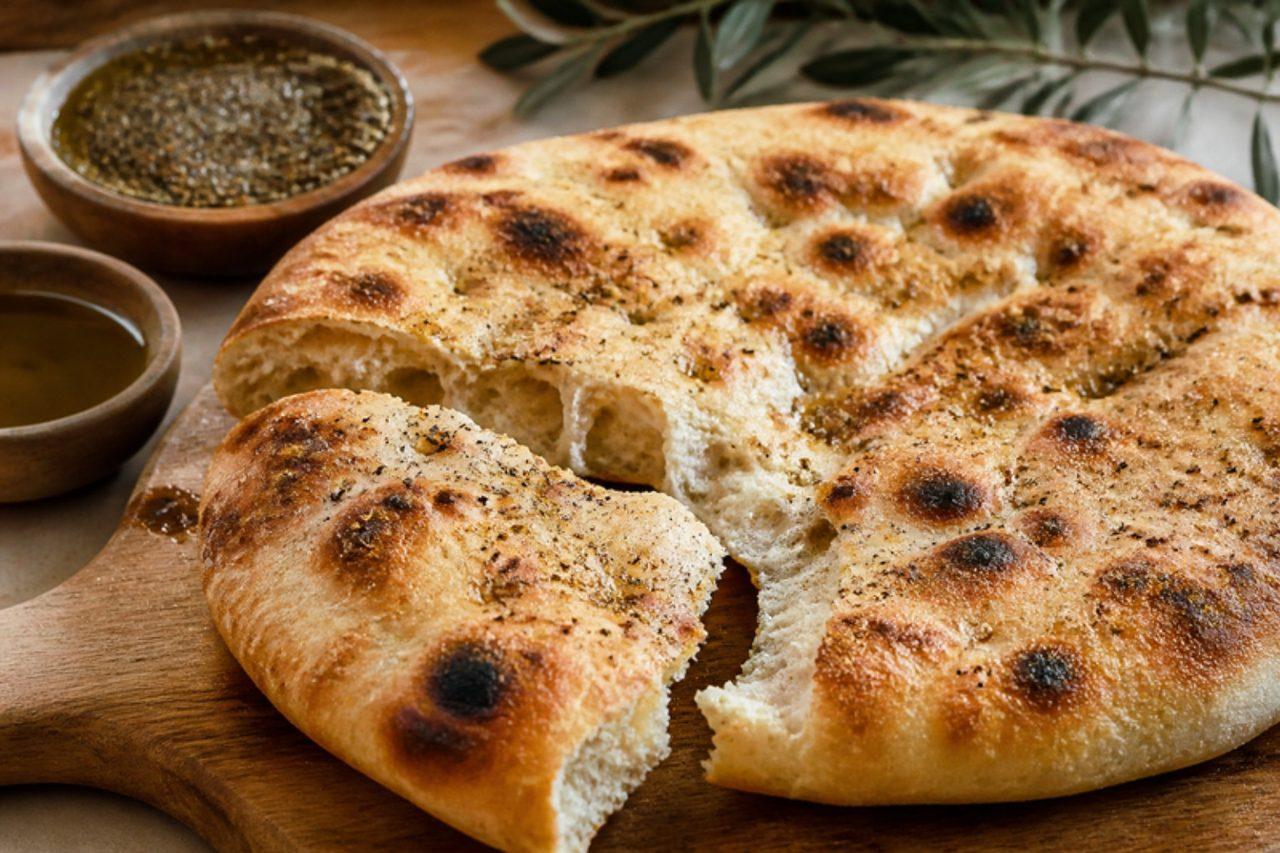
In Palestinian villages the taboon is a small clay oven lined with hot pebbles, and the bread baked on them comes out round, chewy and pocked with dimples where the stones pressed in. Women still bake it at dawn in the Galilee and around Nablus, and it is the bread that wraps musakhan, gets dipped in olive oil and za'atar, and is torn for breakfast with labneh. At home, a tray of clean pebbles or a very hot baking steel gets you close. Common mistake: rolling it too thin, which makes a cracker; it should be about 1 cm thick. Chef's tip: a little wholemeal flour and an overnight rest in the fridge give the nutty, slightly sour taste of village bread.

by KrazyBadal 0 views

Rummaniyeh

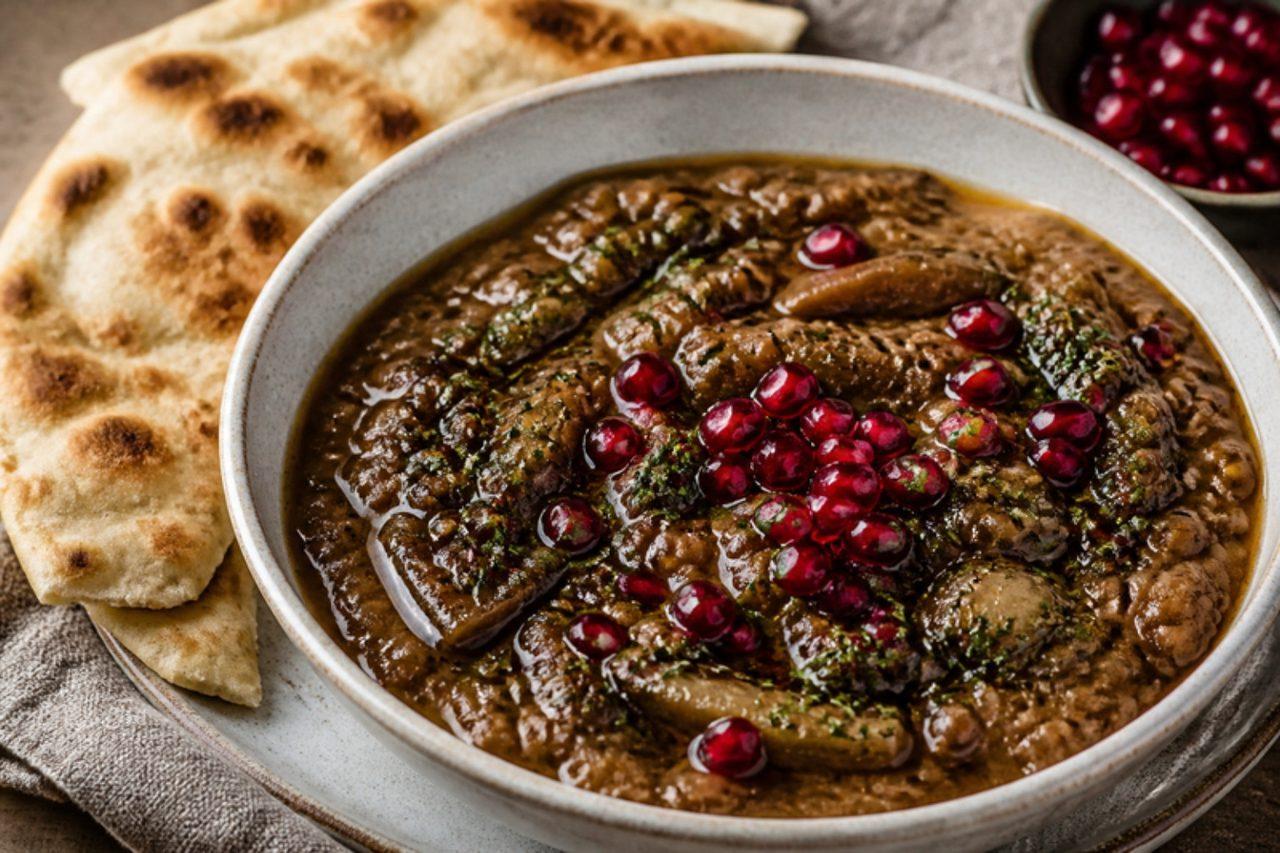
Rummaniyeh, from rumman (pomegranate), is a Gazan autumn dish made when the pomegranates ripen: brown lentils and cubes of aubergine cooked to a thick, earthy stew, soured with pomegranate juice and molasses, enriched with tahini and finished with a sizzling oil of garlic, dill and chilli. It is eaten warm or at room temperature, scooped up with bread, and keeps well for days. Common mistake: adding the tahini over a high heat, where it seizes and turns grainy; stir it in off the boil. Chef's tip: fry the garlic and dill only until the garlic is pale gold; brown garlic tastes bitter against the sour fruit.

by KrazyBadal 0 views

Qizha

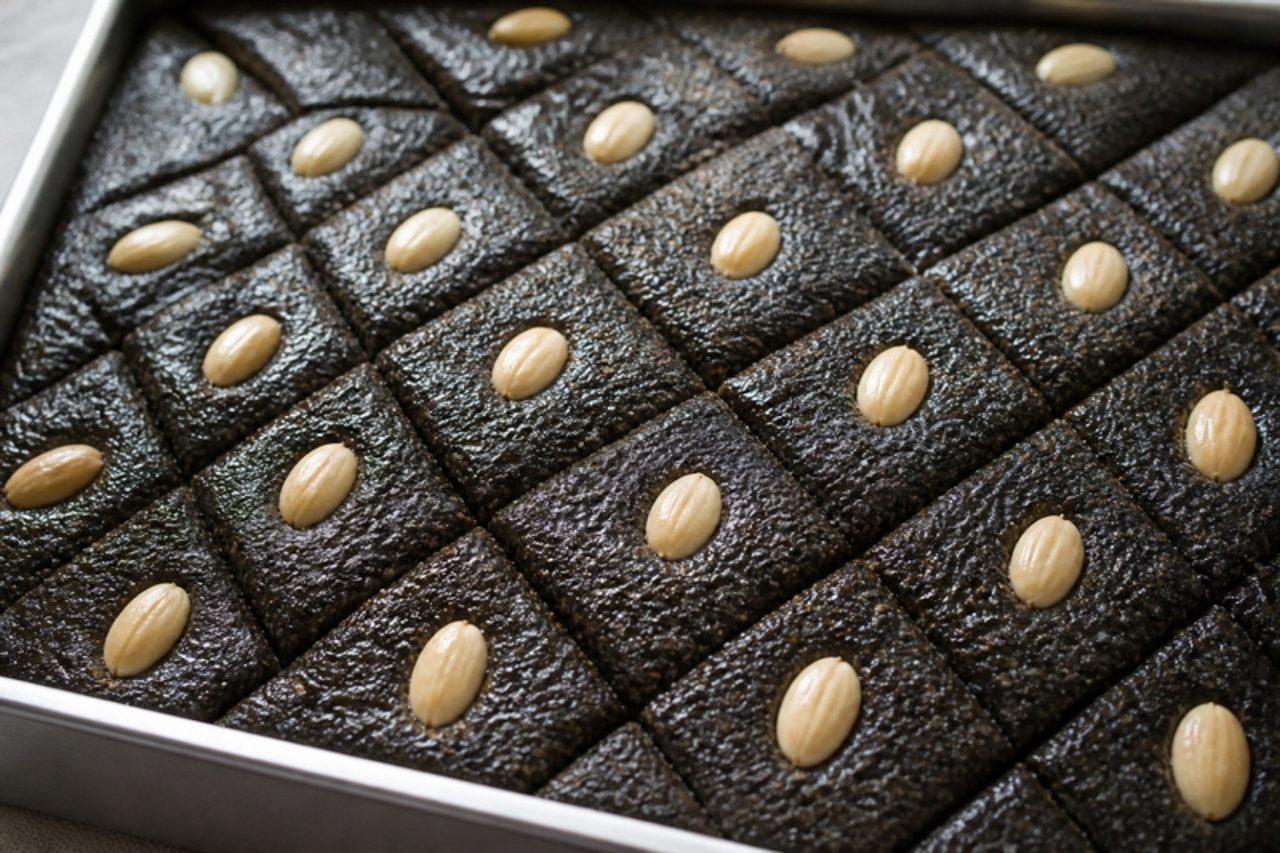
Qizha is Gaza's own sweet: a dense, near-black semolina cake made with a paste of roasted nigella seeds, eaten especially in winter and during Ramadan, when bakeries in Gaza City stack trays of it. It tastes nutty and slightly bitter, a little like dark sesame, softened by syrup and topped with almonds or pistachios. Nigella paste is sold in some Middle Eastern shops; if you can't find it, grind toasted nigella with tahini as below. Common mistake: over-toasting the nigella, which turns it acrid; stop as soon as it smells fragrant. Chef's tip: rest the mixed batter for 30 minutes before baking so the semolina swells and the cake slices cleanly.

by KrazyBadal 0 views

Za'atar spice blend

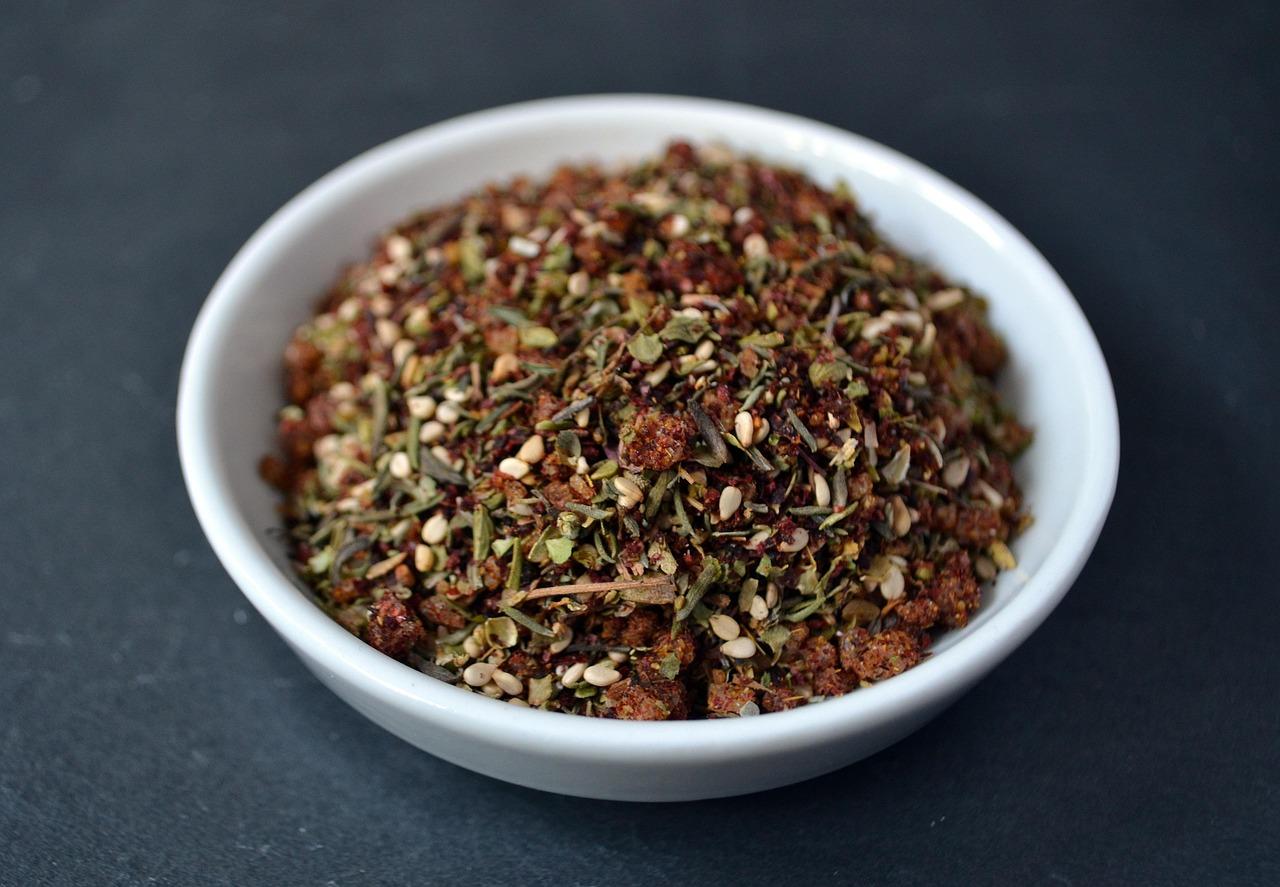
In Palestinian homes za'atar is both a herb and the blend made from it, kept in a jar beside a bowl of olive oil so torn bread can be dipped in one and then the other at breakfast; children grow up on it, and it goes to school in sandwiches. The blend is mostly dried wild za'atar (or thyme and oregano), tangy with sumac, nutty with toasted sesame and seasoned with salt. Common mistake: grinding it to dust; it should be coarse and slightly flaky. Chef's tip: rub the dried leaves with a few drops of olive oil before mixing; it wakes their aroma and helps the sumac cling.

by KrazyBadal 0 views

Kharroub

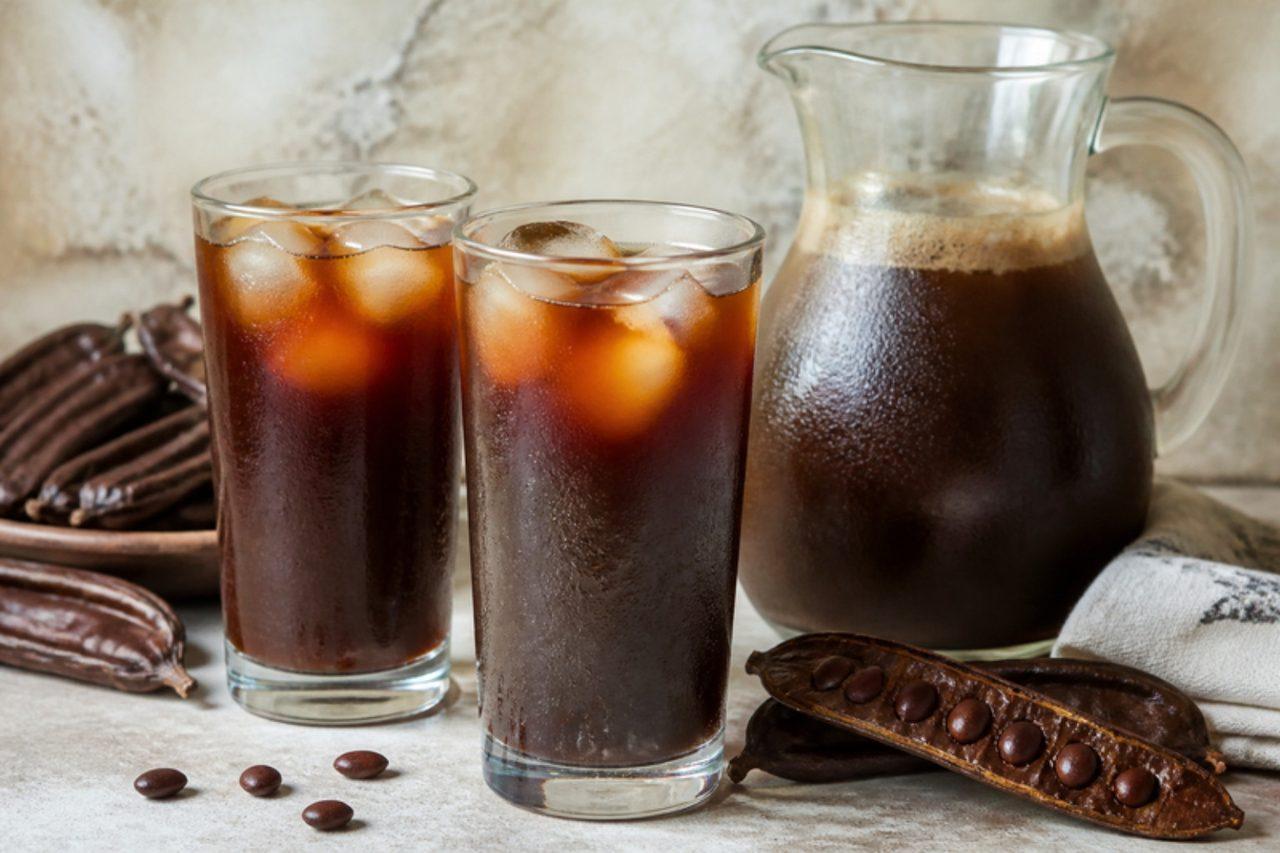
Through Ramadan, street vendors in Jerusalem's Old City and in Nablus walk the alleys with brass urns of kharroub on their backs, clacking cups to announce the cold carob drink that breaks the fast. Made by soaking crushed carob pods (or more easily from carob molasses), it is dark, chocolatey-caramel in taste, lightly sweet and very refreshing over ice. Common mistake: boiling the pods hard, which makes the drink bitter and cloudy; soak and simmer gently. Chef's tip: a few drops of orange-blossom water just before serving lifts the earthy carob flavour.

by KrazyBadal 0 views

Sumaghiyyeh

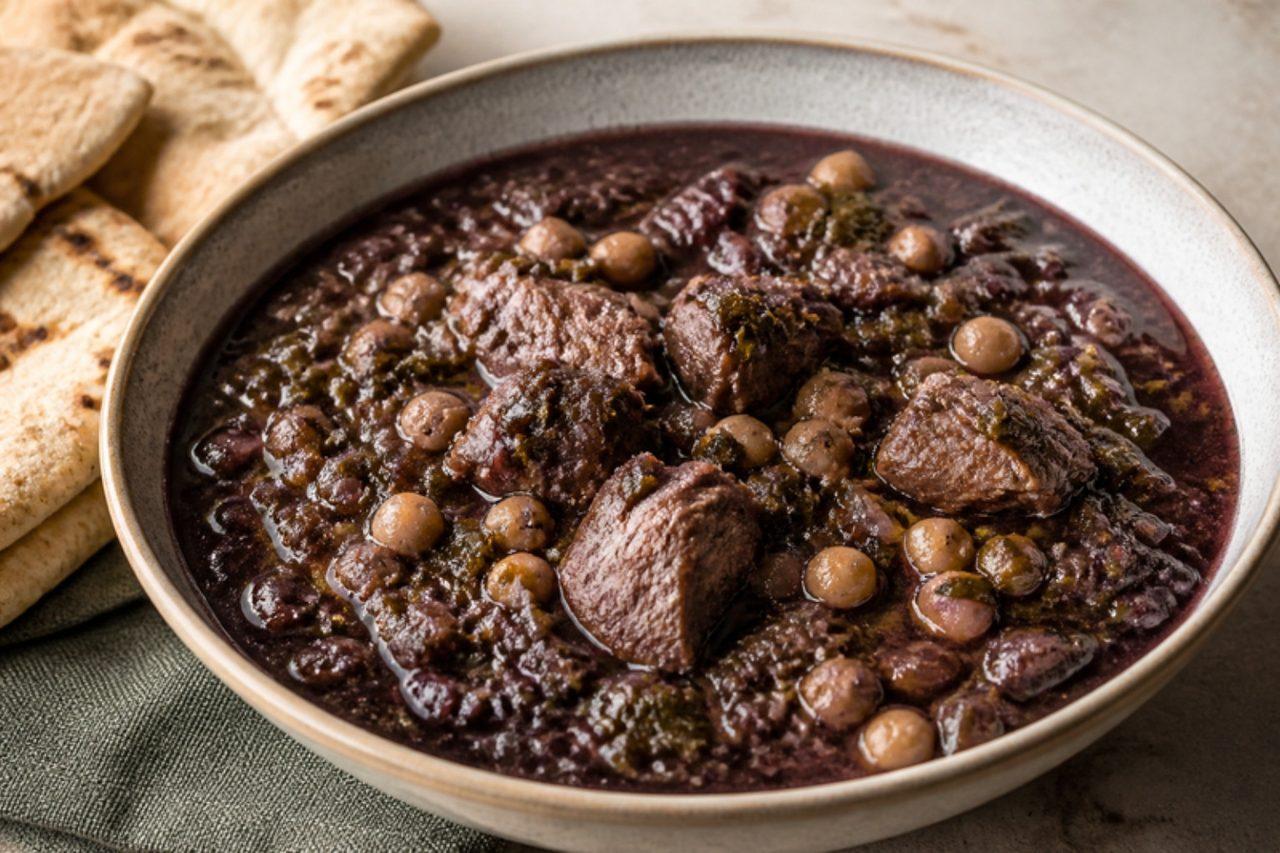
Sumaghiyyeh is Gaza's festive dish, cooked in big pots for Eid al-Fitr and eaten cold the next days with bread: chunks of lamb and chickpeas in a thick, purple-brown sauce of sumac, chard, tahini, garlic, dill and chilli. It tastes sour, nutty and herby all at once and is served at room temperature, sealed under a film of olive oil. Common mistake: using ground sumac straight into the pot, which leaves it gritty; soak the sumac and use the strained liquid. Chef's tip: make it a day ahead; the sauce sets and the flavours deepen, just as Gazan families serve it.

by KrazyBadal 0 views