Skip to content
Recipes

All recipes

Vegetarian, or something you can't eat? Set your diet once and we'll hide recipes that don't fit.

Masala pastaSpiced macaroni

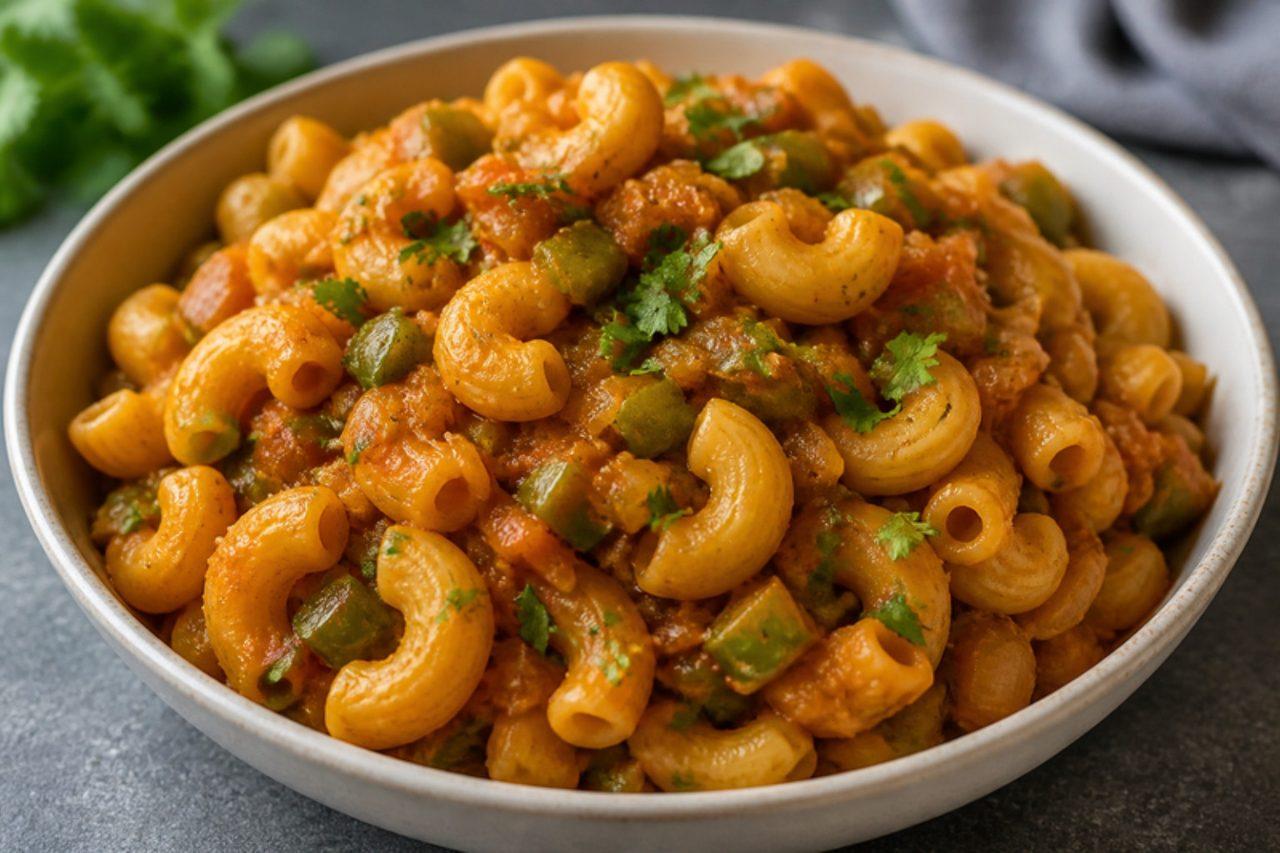
Masala pasta is how countless homes in Delhi, Mumbai and Ahmedabad cook pasta on a school night: macaroni tossed in a quick onion, tomato and capsicum masala with cumin, chilli and garam masala, often with a little ketchup for the children. It is tangy, mildly spiced and comforting, with the sauce clinging to every piece. The usual mistake is draining away all the pasta water, so the masala turns dry and sticky. Chef's tip: save a mug of the starchy cooking water and add a splash while tossing; it makes the masala silky and helps it coat the pasta. If you add cheese, many cheeses are made with animal rennet, so choose one labelled vegetarian.

by KrazyBadal 1 views

Godhuma dosaInstant wheat dosa

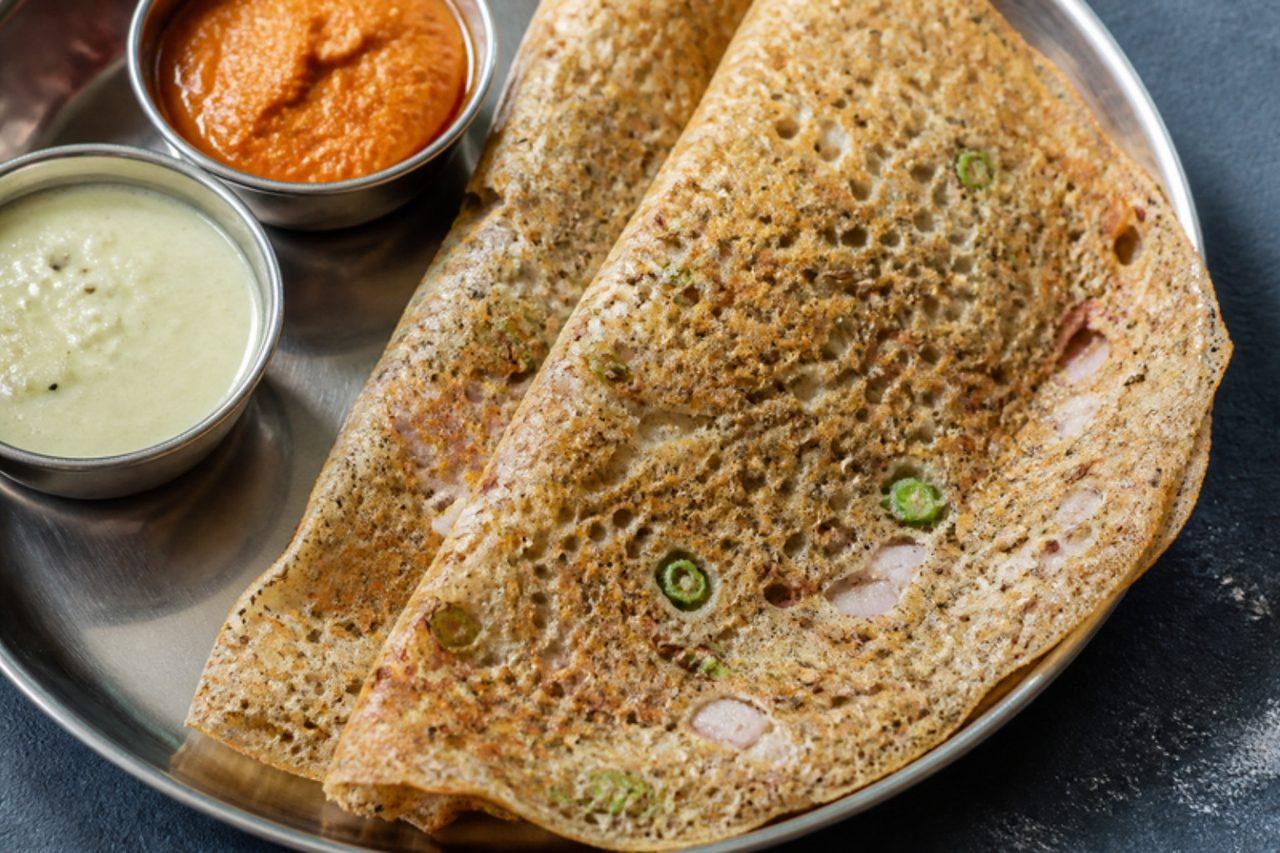
Godhuma dosa is the Tamil answer to an empty batter tub: in homes across Tamil Nadu and Andhra it is whisked together from wheat flour and water at dinner time and cooked straight away, no soaking or fermenting. The thin batter is poured onto the hot tawa so it sets into a crisp, lacy net flecked with cumin, onion and green chilli. Eat it hot with coconut or tomato chutney, or with podi and oil. The usual mistake is making the batter too thick and spreading it with a ladle like a rice dosa, which gives a gummy pancake. Chef's tip: pour the watery batter from a little height in a spiral from the edge inwards, then fill the big gaps; the small holes are what make it crisp.

by KrazyBadal 0 views

Chilli idliStir-fried idli cubes

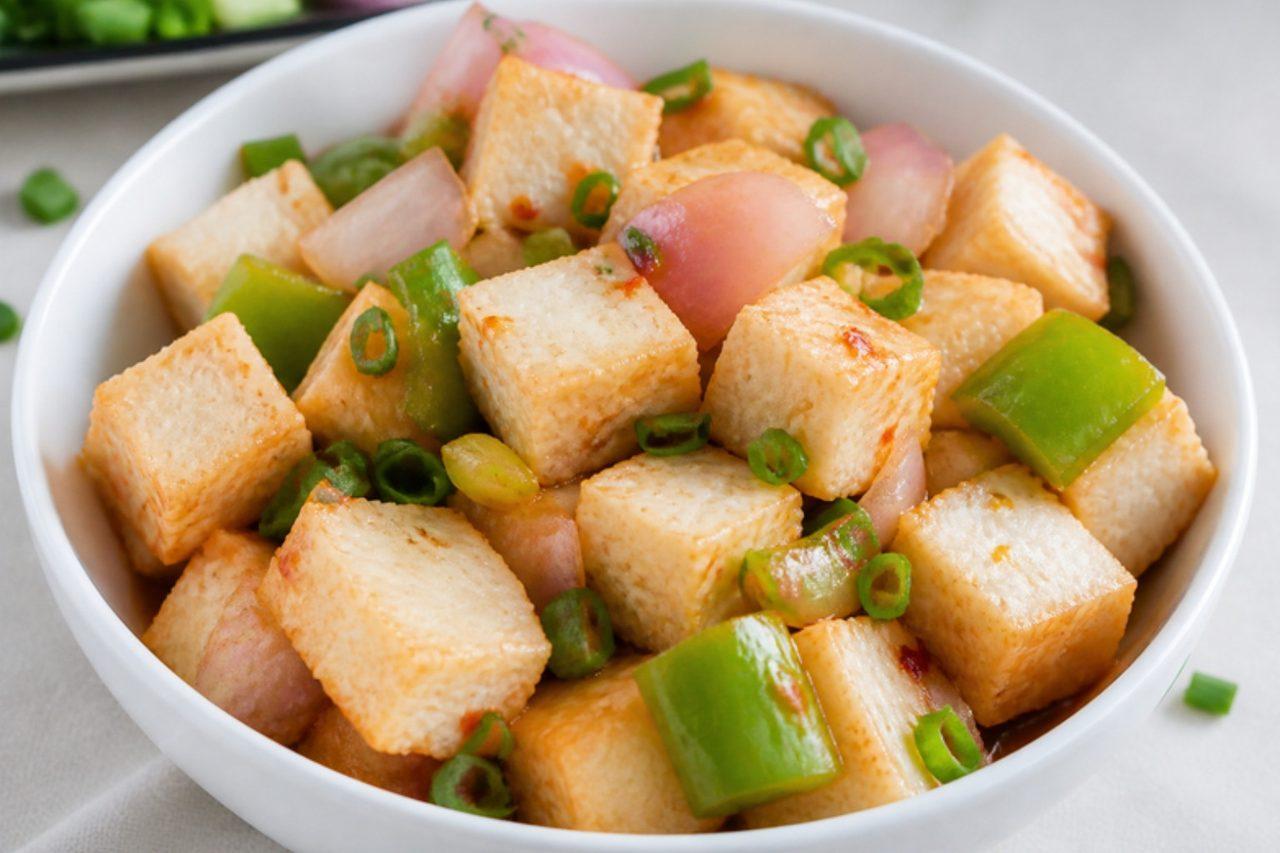
Chilli idli was born in the Indo-Chinese restaurants of Chennai and is now how many South Indian homes use up yesterday's idlis for a fast dinner. The cold idlis are cut into cubes, fried until golden, then tossed with onion, green pepper, garlic and a glossy soy and chilli sauce. Crisp at the edges, soft inside, sweet, sour and hot, it is eaten on its own or as a side with fried rice. The common mistake is using fresh, warm idlis, which crumble in the wok. Chef's tip: use idlis straight from the fridge and fry them in a single layer without stirring for the first minute so a crust forms. Idlis kept for this should have gone into the fridge within two hours of steaming and be used within a day or two.

by KrazyBadal 0 views

Pan con butifarraHam roll with onion salsa

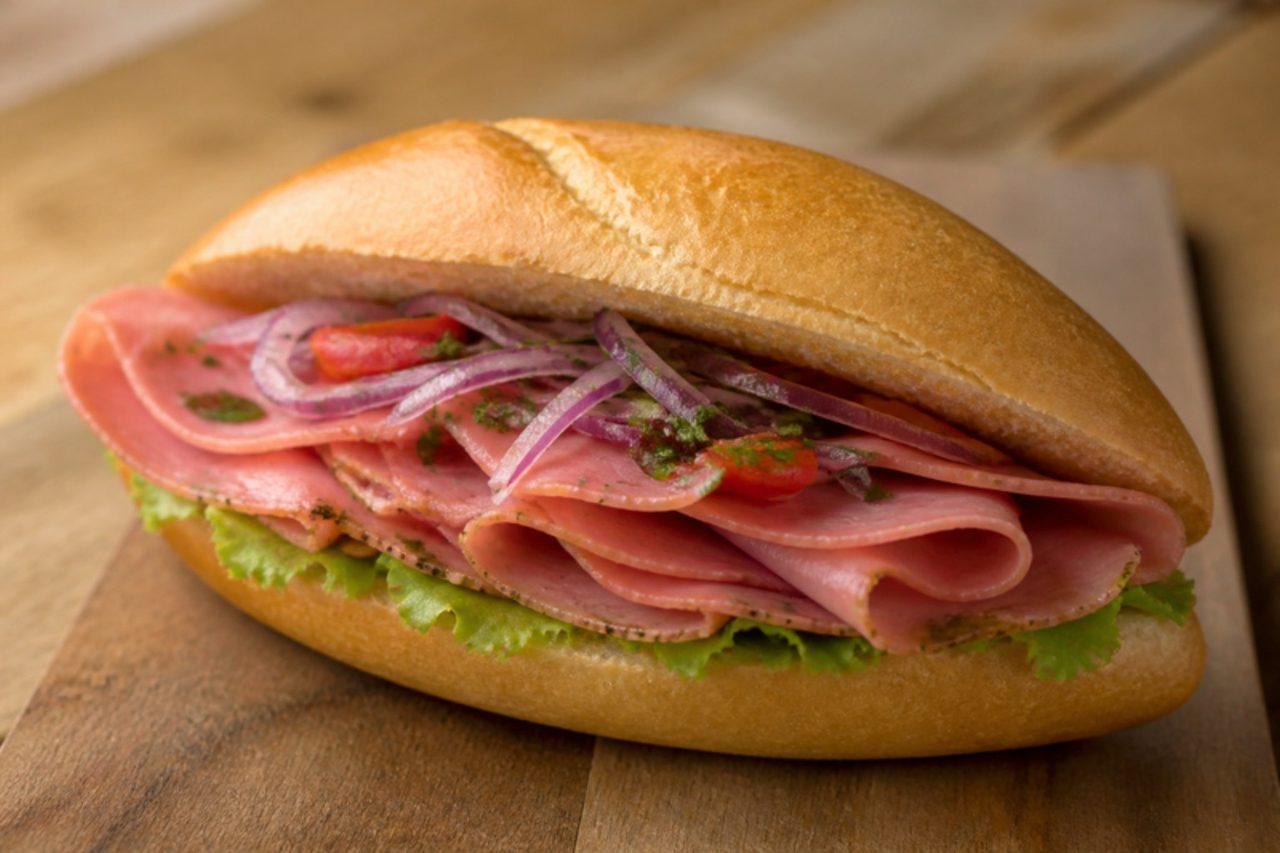
Pan con butifarra is Lima's evening sandwich, sold in old-school sangucherías and made at home for a light dinner with coffee: a crusty roll filled with jamón del país, a spiced Peruvian pork ham, under a heap of salsa criolla, red onion sliced thin and soaked in lime with chilli. Outside Peru, use a good cooked pork ham. The common mistake is leaving the onion harsh; give it a quick rinse in salted water before dressing it. Chef's tip: a leaf of lettuce under the ham stops the lime juice soaking straight into the bread.

by KrazyBadal 0 views

Curd sandwich

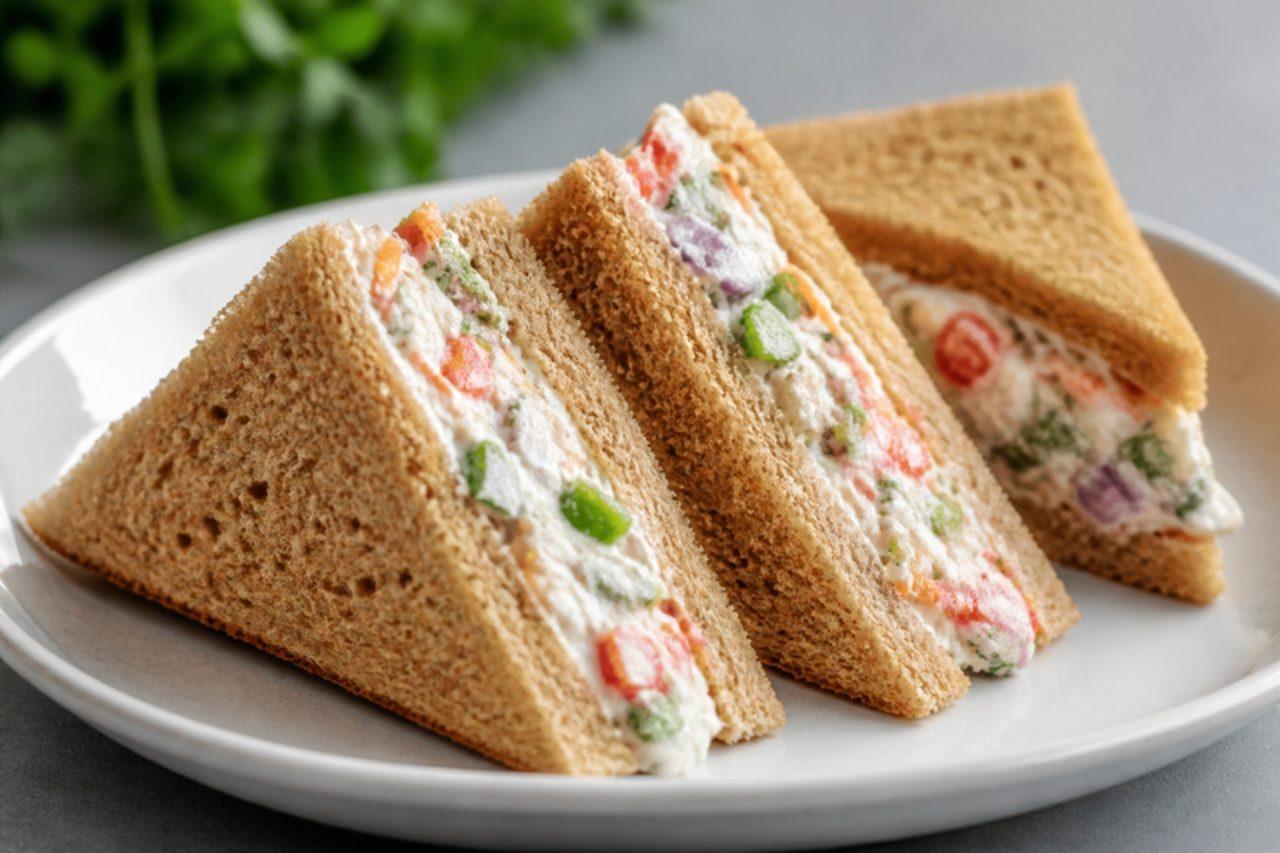
The curd sandwich is a staple of home kitchens all over India, from Bengaluru tiffin boxes to Delhi picnic baskets, and an easy summer dinner when it is too hot to cook. Thick hung curd is mixed with grated carrot, capsicum, onion, coriander and black pepper and spread between slices of bread, eaten cold and creamy or toasted until crisp. It is cool, tangy and crunchy. The usual mistake is using runny curd or wet vegetables, which make the bread soggy within minutes. Chef's tip: squeeze the grated carrot in your fist before adding it, and make the sandwiches just before eating.

by KrazyBadal 0 views

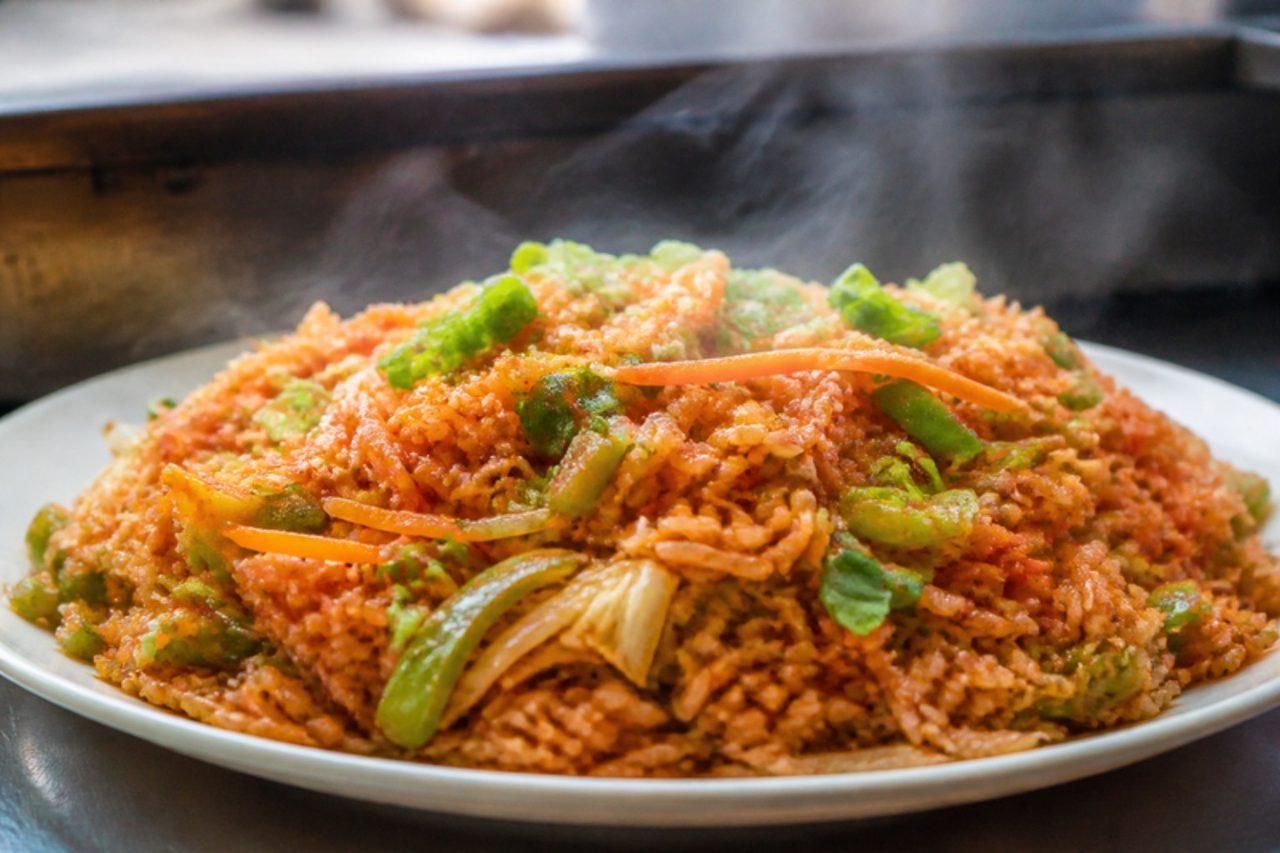
Schezwan fried rice

Schezwan fried rice is a star of Mumbai's Indo-Chinese carts, where it is tossed in huge woks late into the evening for office workers heading home; at home it is the best thing to do with last night's rice. Cold rice is fried hard with garlic, carrot, cabbage, pepper and spring onion, then coated in red Schezwan sauce until every grain is orange and hot. It is spicy, garlicky and slightly smoky. The common mistake is using freshly cooked warm rice, which clumps and turns mushy. Chef's tip: break up the cold rice with your fingers before it goes in, so it hits the wok as separate grains. Leftover rice must have been cooled quickly (spread out, into the fridge within an hour) and used within a day; fry it until it is piping hot all the way through and steaming, and never reheat it a second time.

by KrazyBadal 0 views

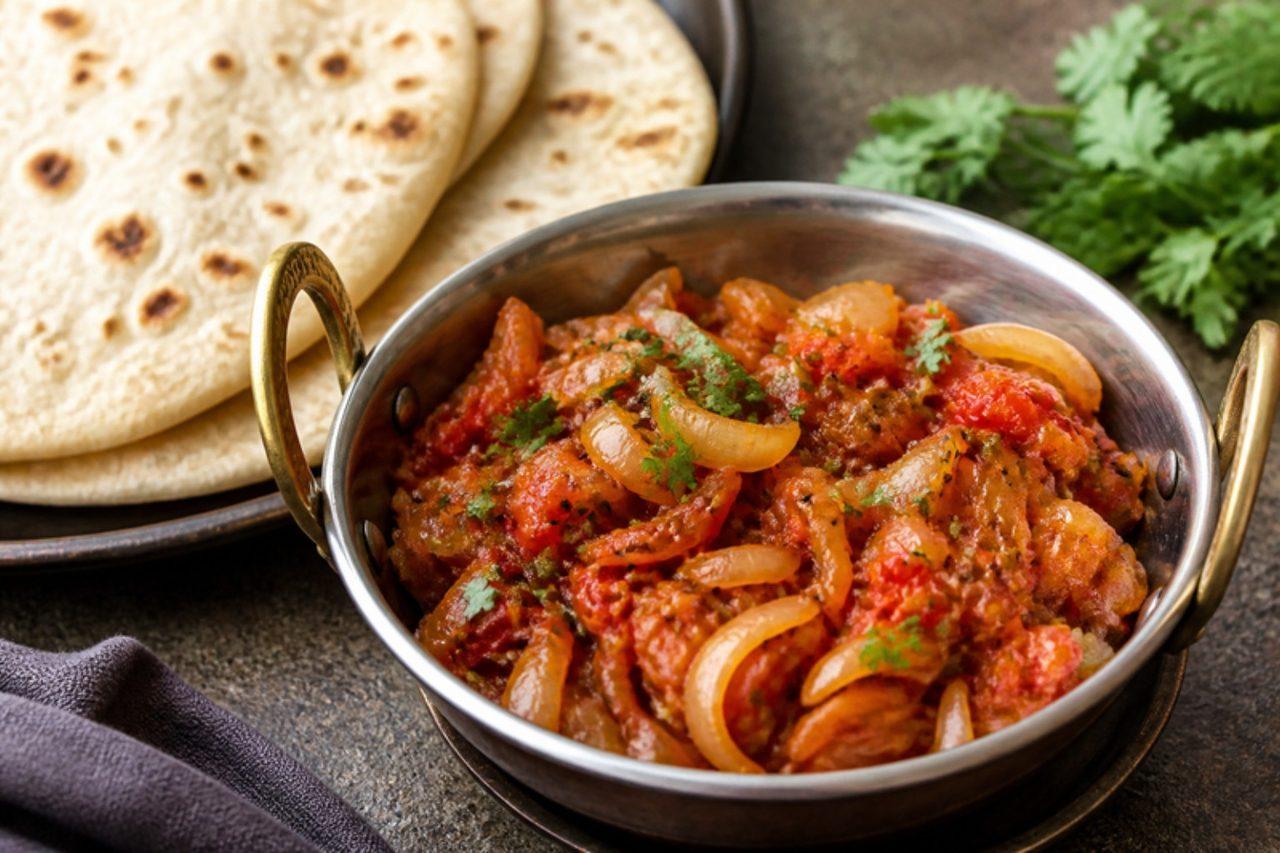
Pyaz tamatar ki sabziOnion and tomato dry curry

In Punjabi and Uttar Pradesh homes, pyaz tamatar ki sabzi is the dinner that rescues an empty vegetable basket: just onions and tomatoes, cooked with cumin and red chilli until they collapse into a jammy, spicy-sweet side for hot rotis or parathas. It is humble but rich-tasting, and it keeps well for the next day's lunch box. The common mistake is adding the tomatoes before the onions have softened, which leaves the onion raw and the sabzi watery. Chef's tip: cut the onions into thick petals rather than fine slices so some keep a little bite in the finished sabzi.

by KrazyBadal 0 views

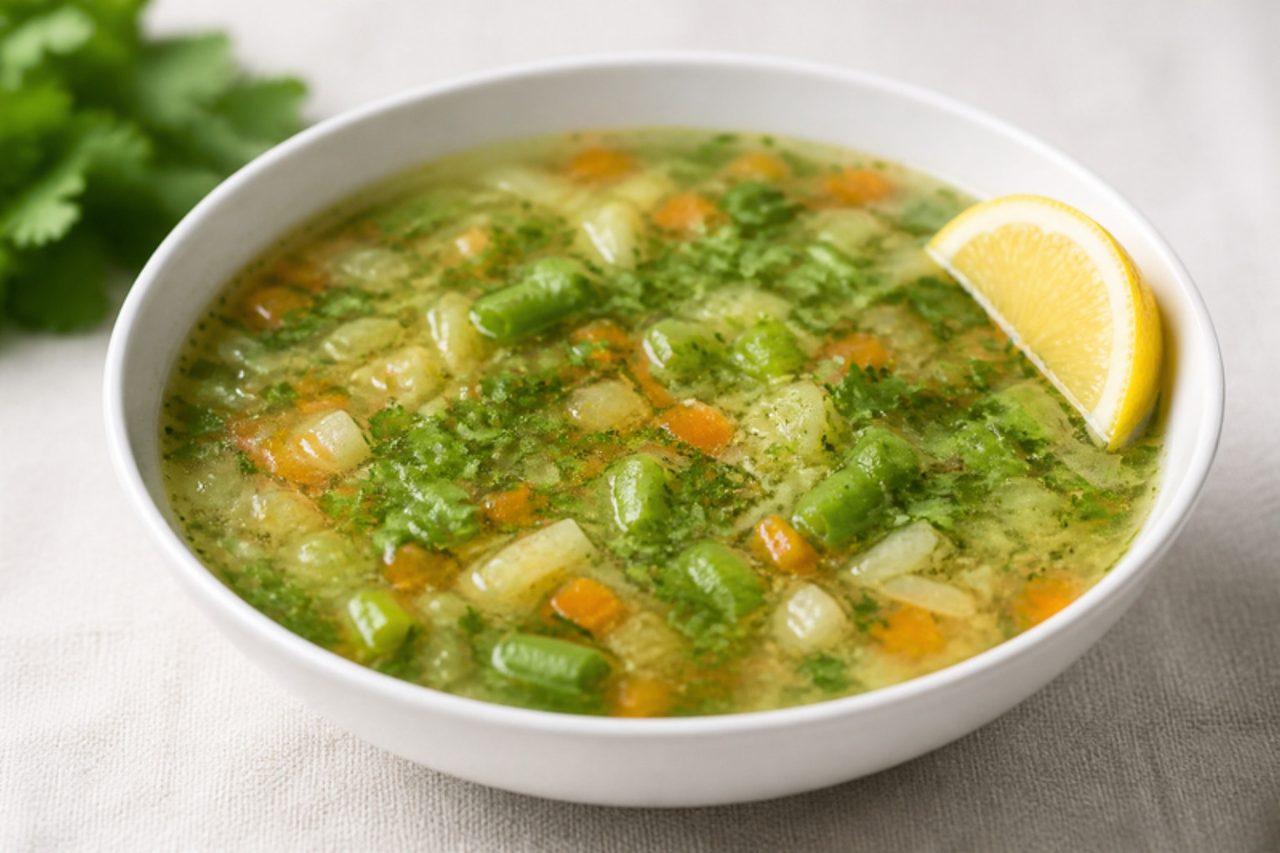
Lemon coriander soup

Lemon coriander soup is a fixture on Indo-Chinese restaurant menus from Delhi to Hyderabad and a favourite light dinner at home on cold or under-the-weather evenings. Finely chopped vegetables simmer briefly in hot stock with ginger, garlic and coriander stems, the broth is lightly thickened, and it is finished with fresh coriander and plenty of lemon. It is clear, tangy and warming. The usual mistake is boiling the soup after the lemon goes in, which makes it bitter and dulls the colour. Chef's tip: chop the coriander stems and cook them with the vegetables; they carry far more flavour than the leaves, which go in only at the end.

by KrazyBadal 0 views

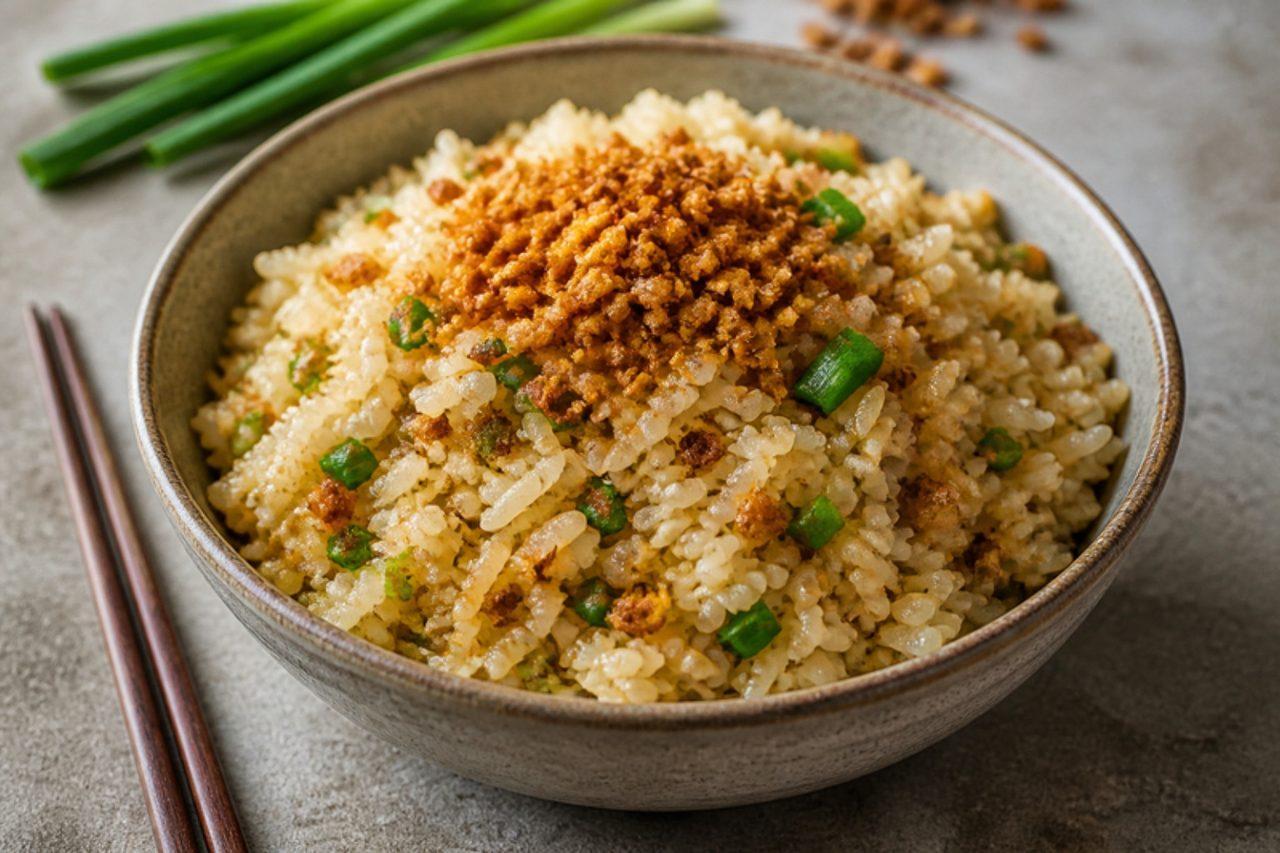
Burnt garlic fried rice

Burnt garlic fried rice is one of the most-ordered dishes in Indo-Chinese restaurants from Mumbai to Bengaluru, and it is a ten-minute dinner at home with a tub of leftover rice. The name is a bit of a fib: the garlic is fried to a deep golden brown, never black, so it turns nutty and sweet, then tossed through the rice with spring onion, soy and white pepper. It is simple, savoury and fragrant, good alone or with chilli paneer or a vegetable manchurian. The usual mistake is letting the garlic go dark brown in the pan, because it keeps cooking in the hot oil and ends up bitter. Chef's tip: lift out a spoonful of the golden garlic to scatter on top at the end, so you get crunch as well as flavour. Leftover rice must have been cooled quickly (spread out, into the fridge within an hour) and used within a day; fry it until it is piping hot all the way through and steaming, and never reheat it a second time.

by KrazyBadal 0 views

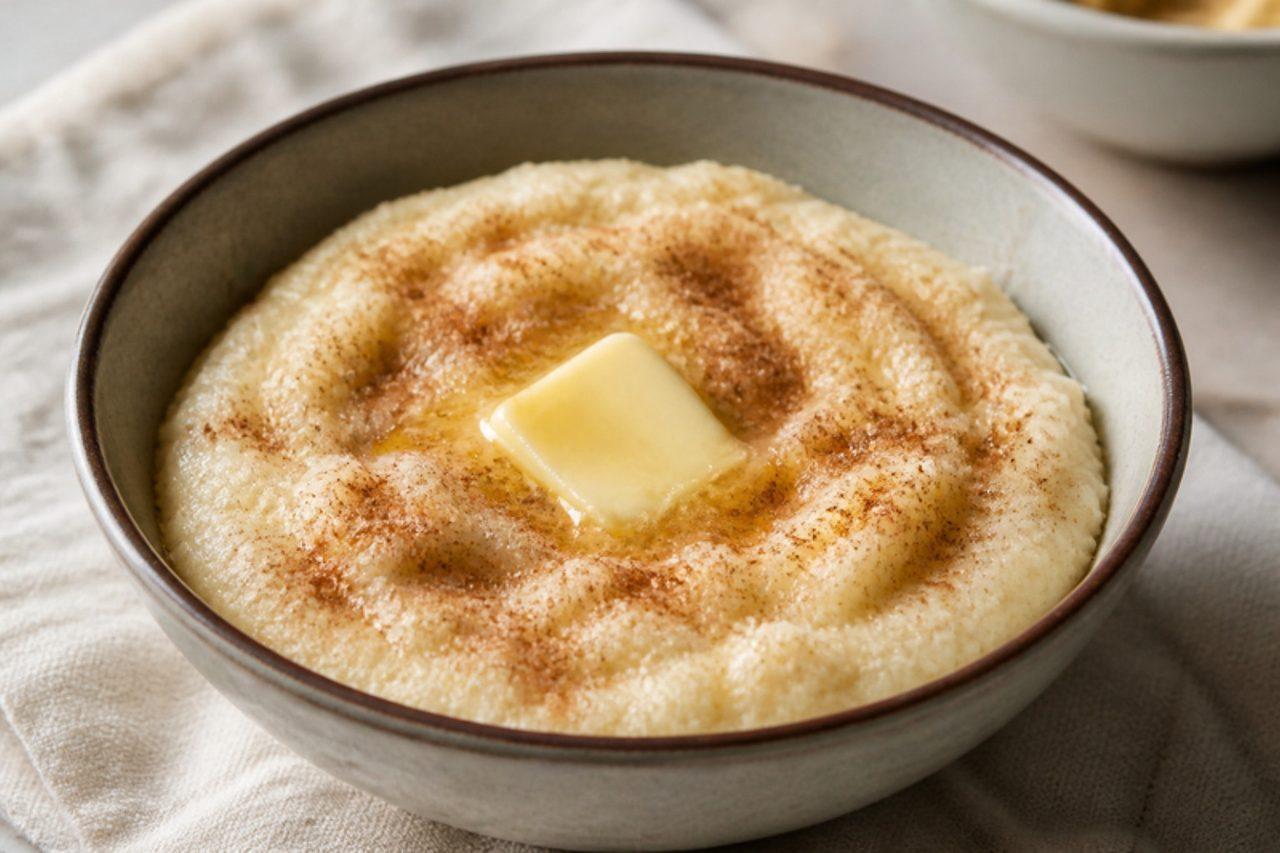
GrießbreiSemolina porridge

Grießbrei is the soft, sweet semolina pudding that German and Austrian families from Bavaria to Vienna eat warm as a light supper on cold evenings, especially when children are tired or someone is under the weather. Semolina is rained into hot milk and stirred until thick and velvety, then topped with cinnamon sugar, a knob of butter or stewed fruit. The classic mistake is tipping the semolina in all at once, which makes lumps that never smooth out. Chef's tip: take it off the heat while it still looks a little runny, because it keeps thickening on the plate.

by KrazyBadal 0 views

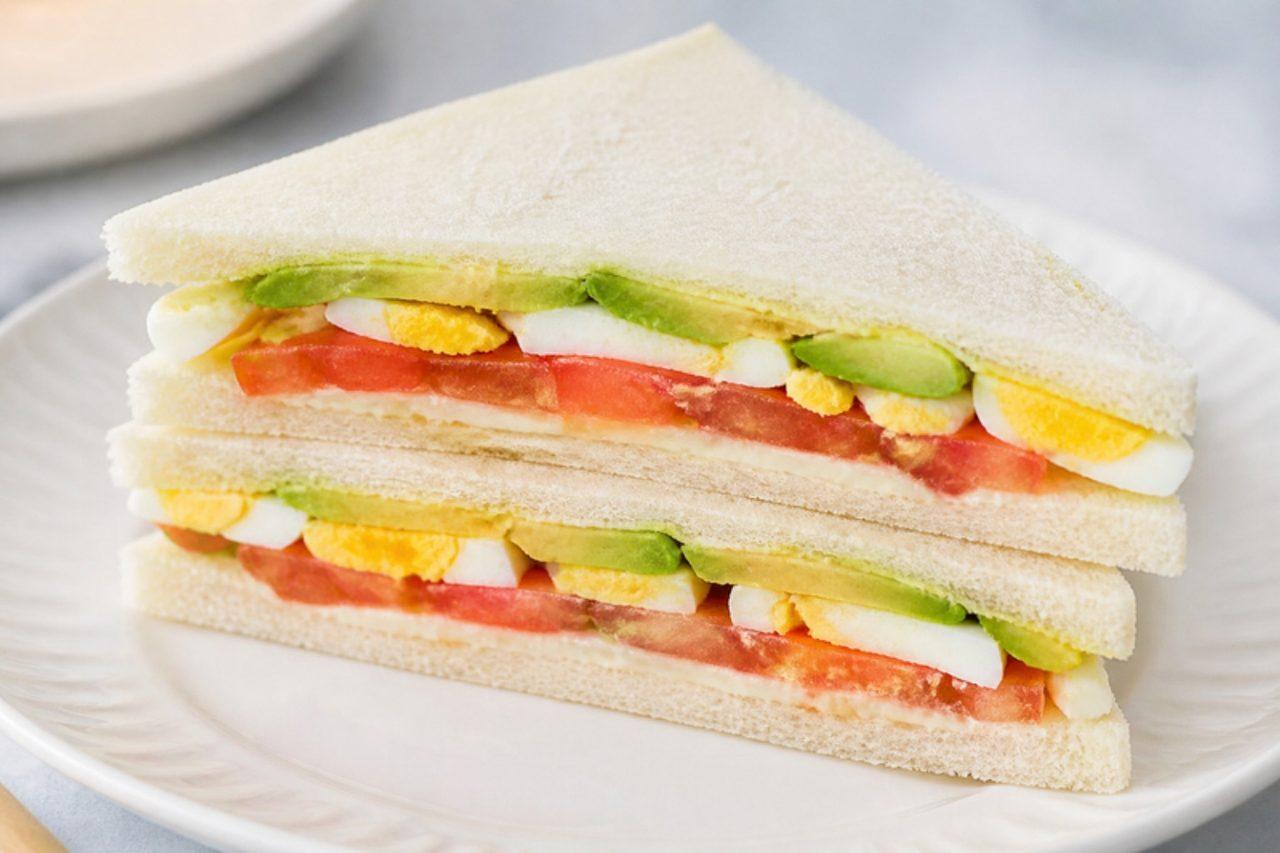
TripleAvocado, tomato and egg sandwich

The triple is the soft, layered sandwich of Lima's cafés and bakeries, eaten at lonche, the Peruvian late-afternoon meal, or as a light supper: three slices of crustless white bread layered with avocado, tomato and sliced hard-boiled egg, all held together with mayonnaise. It looks neat, tastes fresh and is loved by children. Shop-bought mayonnaise is made with pasteurised egg, so it is safe for everyone. The common mistake is letting wet tomato touch the bread, which turns it soggy within minutes. Chef's tip: pat the tomato dry and sit it between the avocado and egg, then press the sandwich under a board for a minute before cutting.

by KrazyBadal 0 views

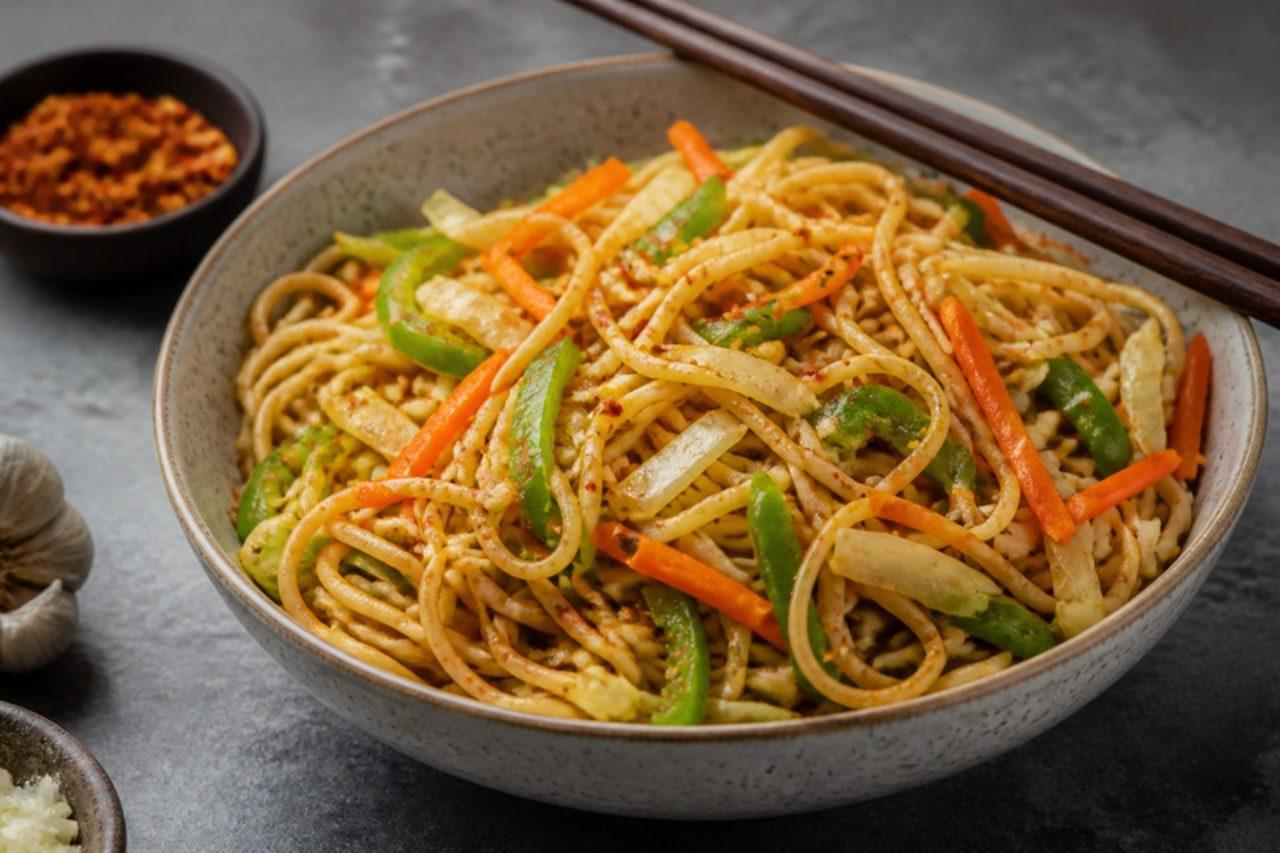
Chilli garlic noodles

Chilli garlic noodles are the punchier sibling of hakka noodles on every Indo-Chinese menu, from Kolkata's Tangra to college canteens in Pune, and they make a quick dinner at home. Boiled noodles are tossed over a fierce heat with plenty of garlic, crushed red chilli, soy and vinegar and a handful of crunchy vegetables. They are hot, tangy and garlicky, good alone or with a bowl of manchow-style soup. The common mistake is overcooking the noodles, which then break and clump in the wok. Chef's tip: cook them a minute short of the packet time, rinse under cold water and toss with a teaspoon of oil so they stay springy and separate. Check the noodle packet if you need them egg-free; many hakka noodles are, some are not.

by KrazyBadal 0 views

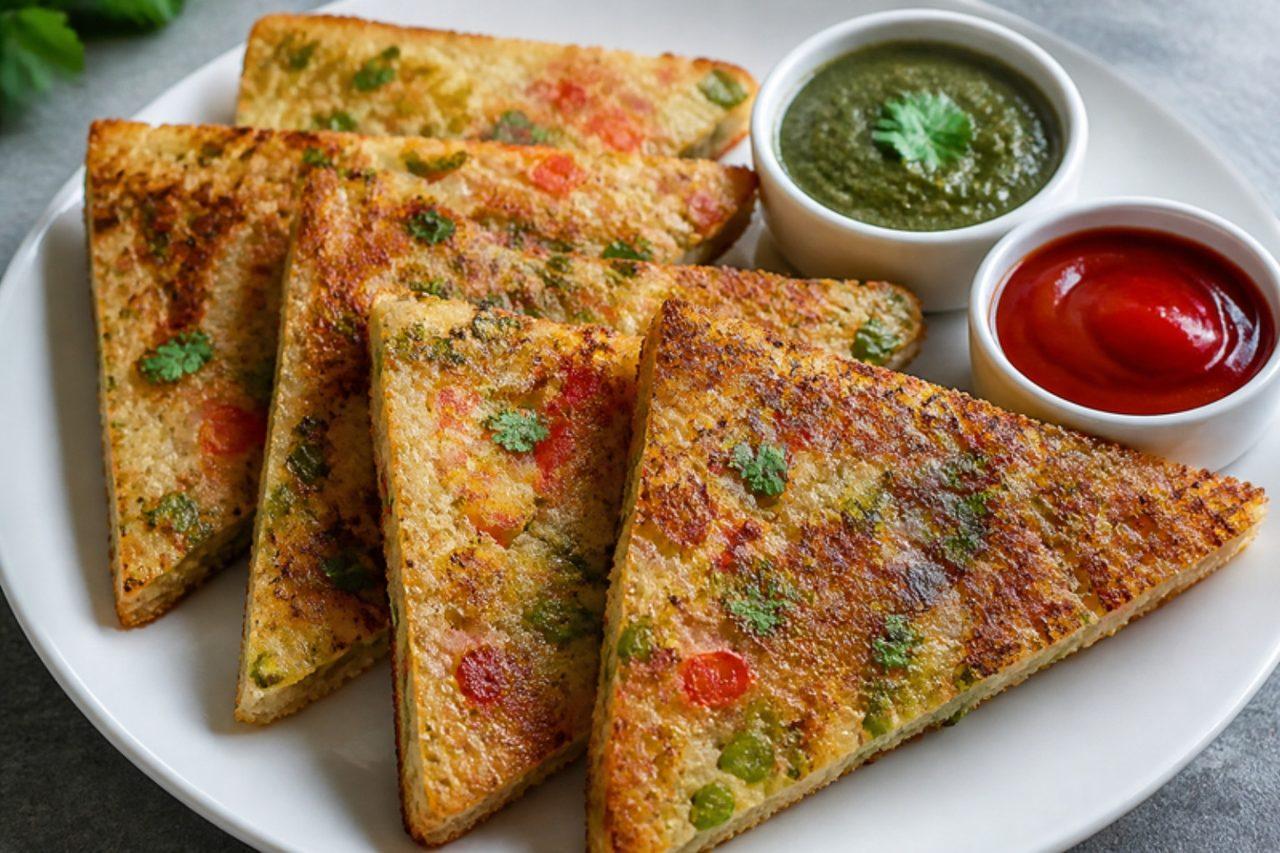
Suji toastSemolina vegetable toast

Suji toast, sometimes called rava toast, is a Mumbai and North Indian home favourite for breakfast, tiffin or a quick dinner with soup. A paste of fine semolina, curd and finely chopped onion, tomato and capsicum is spread on bread and pan-toasted, paste side down, until it forms a golden, crunchy crust. It tastes like a cross between a vegetable uttapam and cheese-free toast, and children love it with ketchup. The common mistake is making the paste too runny, so it slides off and stays raw in the middle. Chef's tip: let the semolina and curd sit for 5 minutes while you chop; it thickens into a paste that spreads like soft butter.

by KrazyBadal 0 views

Dadpe poheRaw flattened rice with coconut

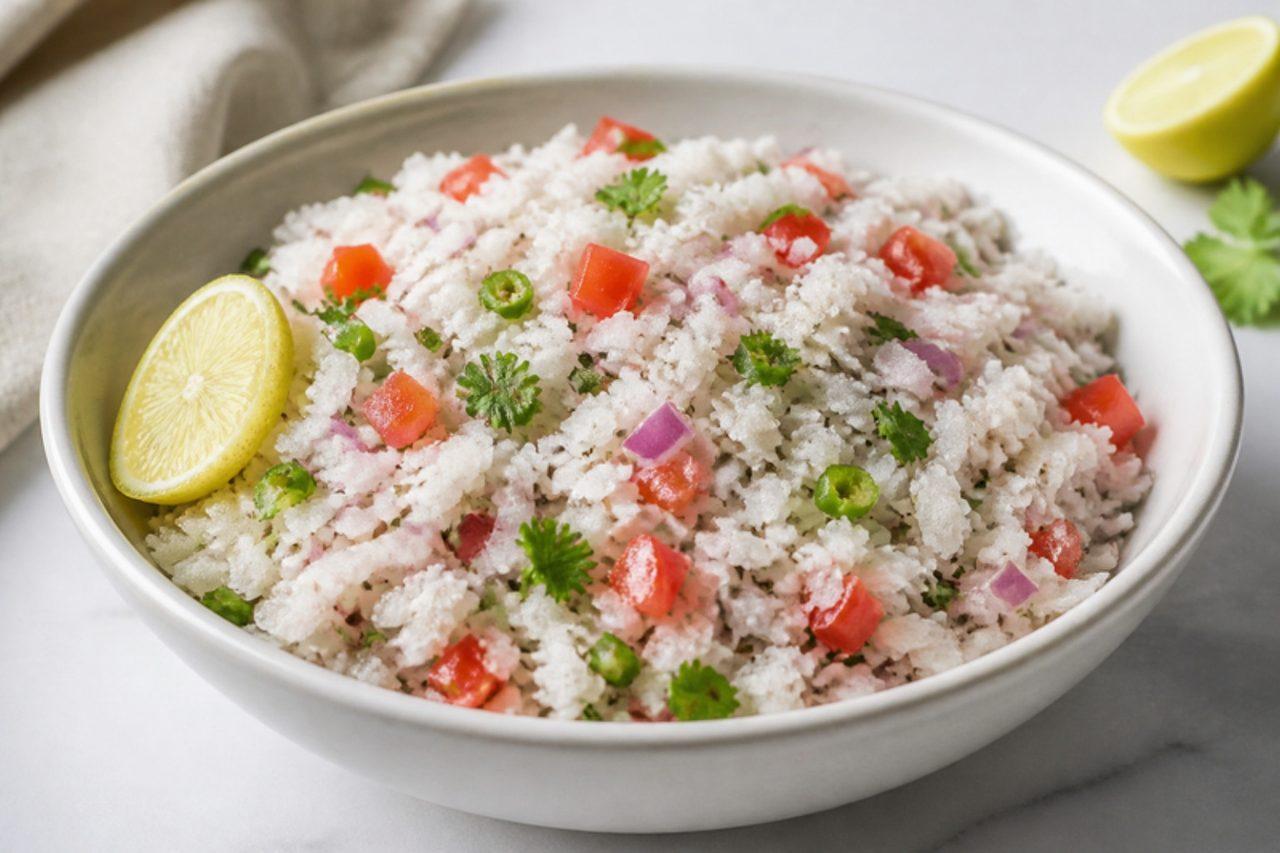
Dadpe pohe comes from the Konkan and Pune side of Maharashtra and is eaten as an evening snack or a light supper, especially in the rainy season when fresh coconut is plentiful. Thin poha is never cooked: it is mixed with fresh coconut, onion, tomato, lemon and green chilli, pressed under a lid for a few minutes so it softens in their juices, then finished with a quick tempering. It is fresh, sweet-sour and crunchy. The common mistake is rinsing thin poha, which turns it straight to mush. Chef's tip: rub the coconut, onion and tomato together with your fingers first so they give up their juice; that is what softens the poha.

by KrazyBadal 0 views

Kandyachya patichi bhajiSpring onion greens stir-fry

Kandyachya patichi bhaji is winter cooking from village kitchens in Satara, Kolhapur and Marathwada, when bunches of spring onions are cheap at every market. The chopped greens and bulbs are stir-fried with garlic and green chilli, then dusted with gram flour, which toasts and clings to the greens and makes the bhaji dry and savoury. It is eaten with jowar or bajra bhakri and a spoon of thecha or curd. The usual mistake is tipping the besan in one spot, where it forms raw lumps. Chef's tip: sprinkle the besan evenly over the whole pan like flour on a board, then keep stirring on a low heat until it smells nutty.

by KrazyBadal 0 views

HolanRoasted green chickpeas

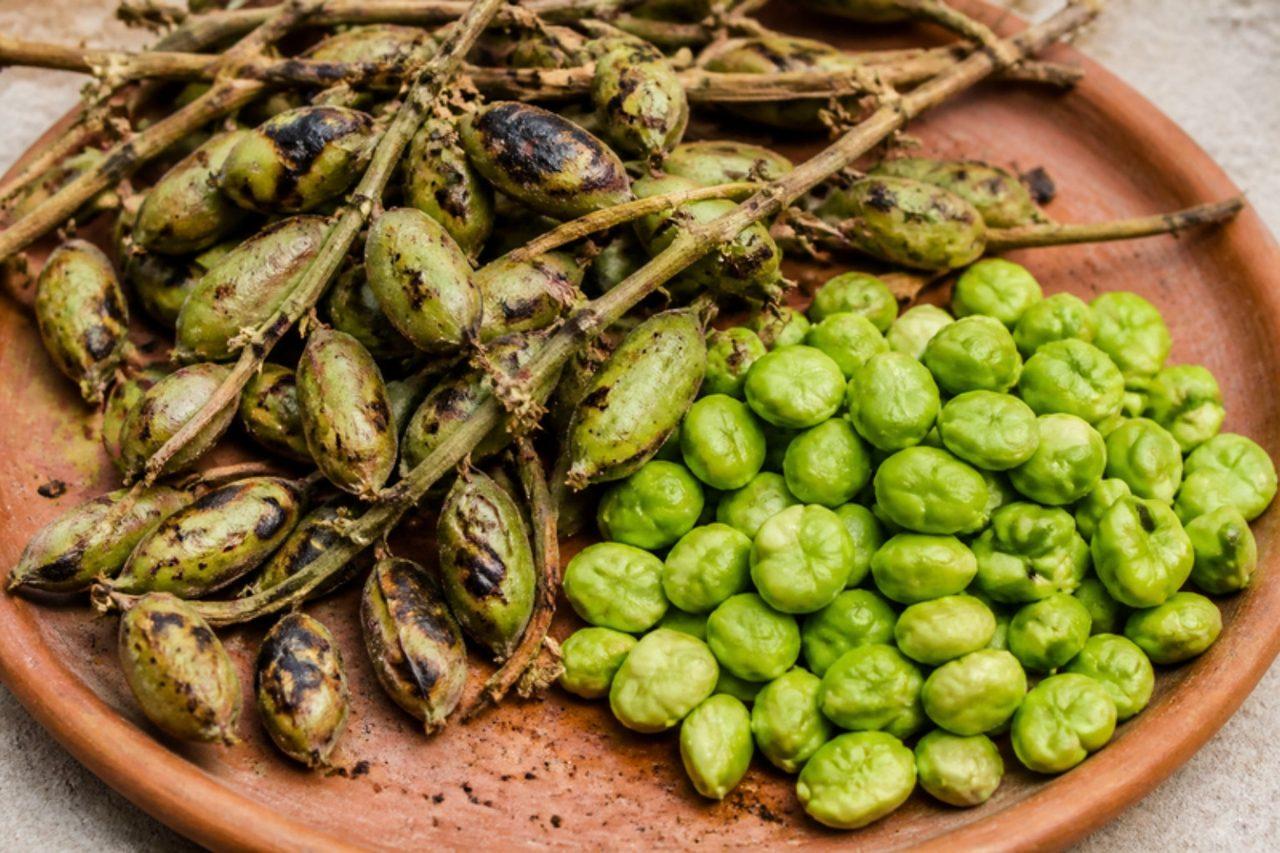
In late winter, around the time of Holi, village children in rural Punjab pull up bunches of green chickpea plants from the edge of the field and throw them onto a small fire of dry stalks. Once the pods blacken they rake them out and shell them hot, blowing on their fingers, and the bright green peas inside taste smoky, sweet and nutty. At home you can do the same in a heavy iron kadai. The mistake is leaving them on until the pods are fully burnt; by then the peas inside are dry and hard. Stop when the pods are blistered black in patches and the peas are just tender. Chef's tip: a pinch of salt and chilli with a squeeze of lemon on the shelled peas turns them into a quick chaat.

by KrazyBadal 0 views

Tekeli pithaSteamed coconut jaggery rice cake

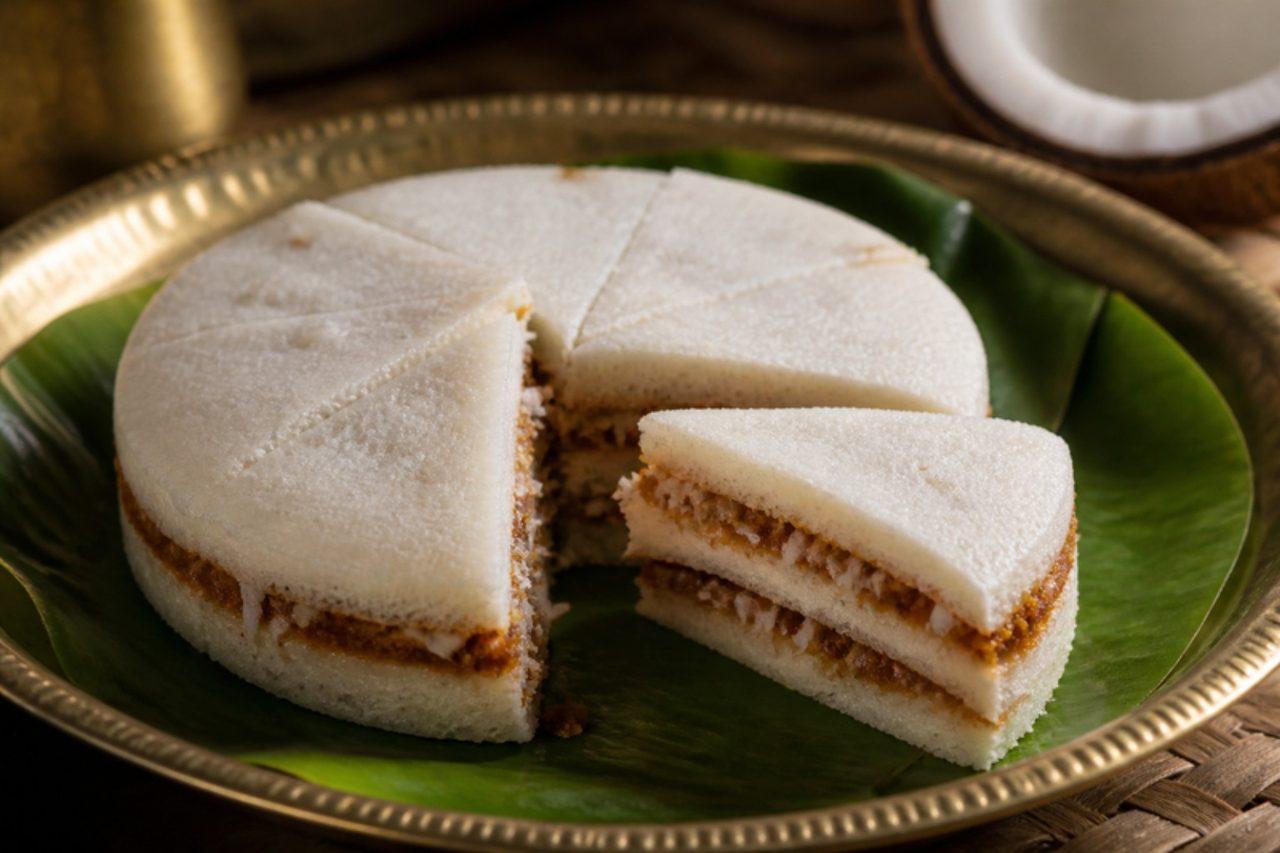
In Assamese homes the nights before Magh Bihu are spent making pitha, and tekeli pitha is the one named after the pot it is cooked on: a cloth is tied over the mouth of a tekeli (a small clay water pot), and damp rice flour, coconut and jaggery are piled on top and steamed by the water boiling underneath. It comes off as a soft, crumbly cake, sweet in the middle and plain at the edges, eaten warm with tea on Bihu morning or packed into the bhogali spread. Any narrow-necked pot or saucepan works at home. Common mistake: using dry shop rice flour straight from the packet; it needs to be just damp enough to clump when pressed, or the cake falls apart, and it is done when the top looks matt and a skewer comes out clean, about 10–12 minutes. Chef's tip: soak and grind your own rice flour if you can; flour from soaked rice, dried for an hour, gives the softest pitha.

by KrazyBadal 0 views

Mushroom tikka

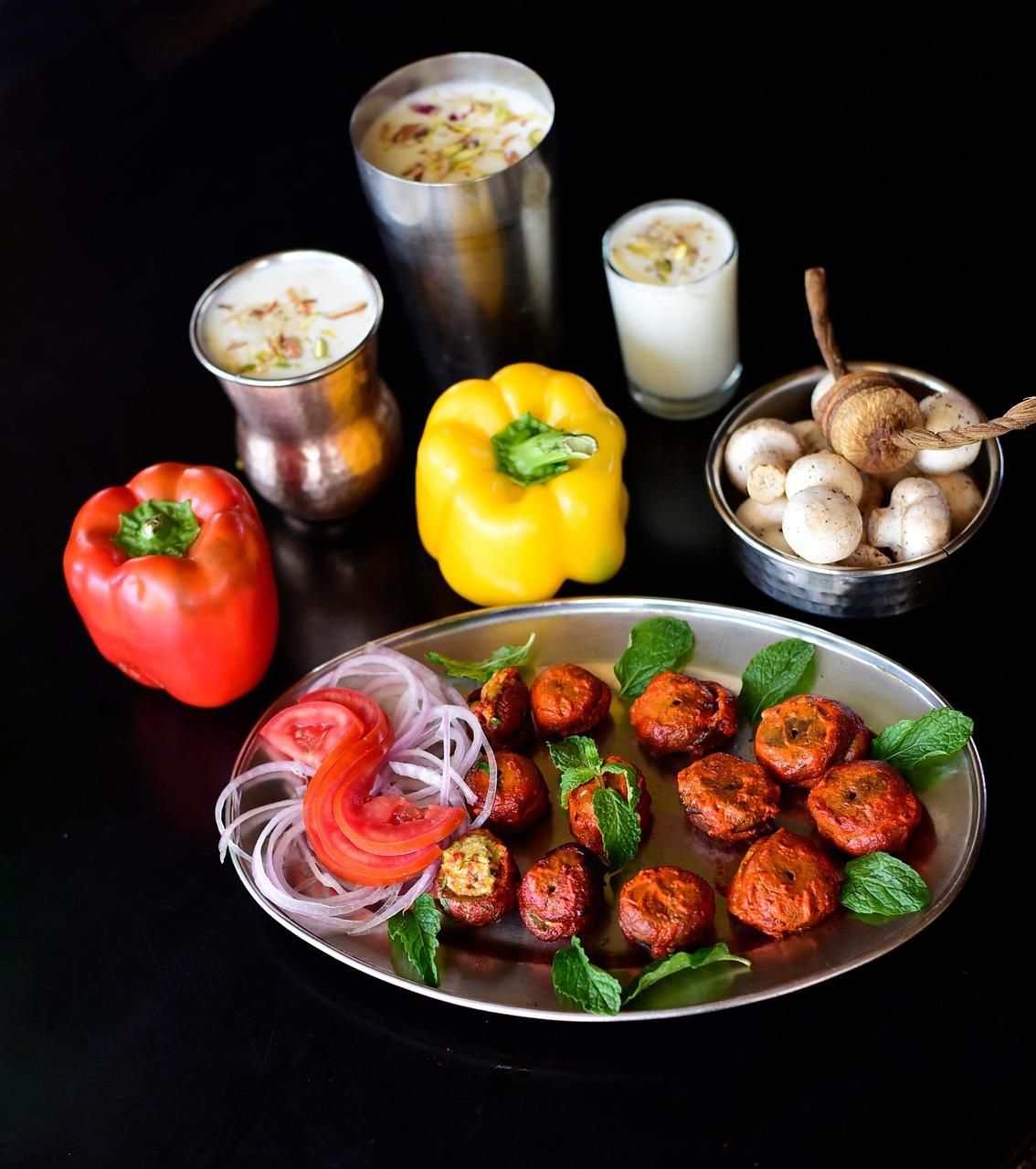
Mushroom tikka is a newer member of the Punjabi tikka family, popular in Delhi restaurants and at North Indian weddings, where it sits next to the paneer tikka on the starter counter. Whole button mushrooms soak up a smoky, tangy yogurt marinade and turn juicy and meaty in a hot oven, with charred onion and pepper on the same skewer. The mistake is rinsing the mushrooms under the tap: they absorb water, the marinade slides off and they stew rather than char. Wipe them clean with a damp cloth instead. Chef's tip: roast them hot and fast; too long in the oven and they shrink and leak all their juice.

by KrazyBadal 0 views

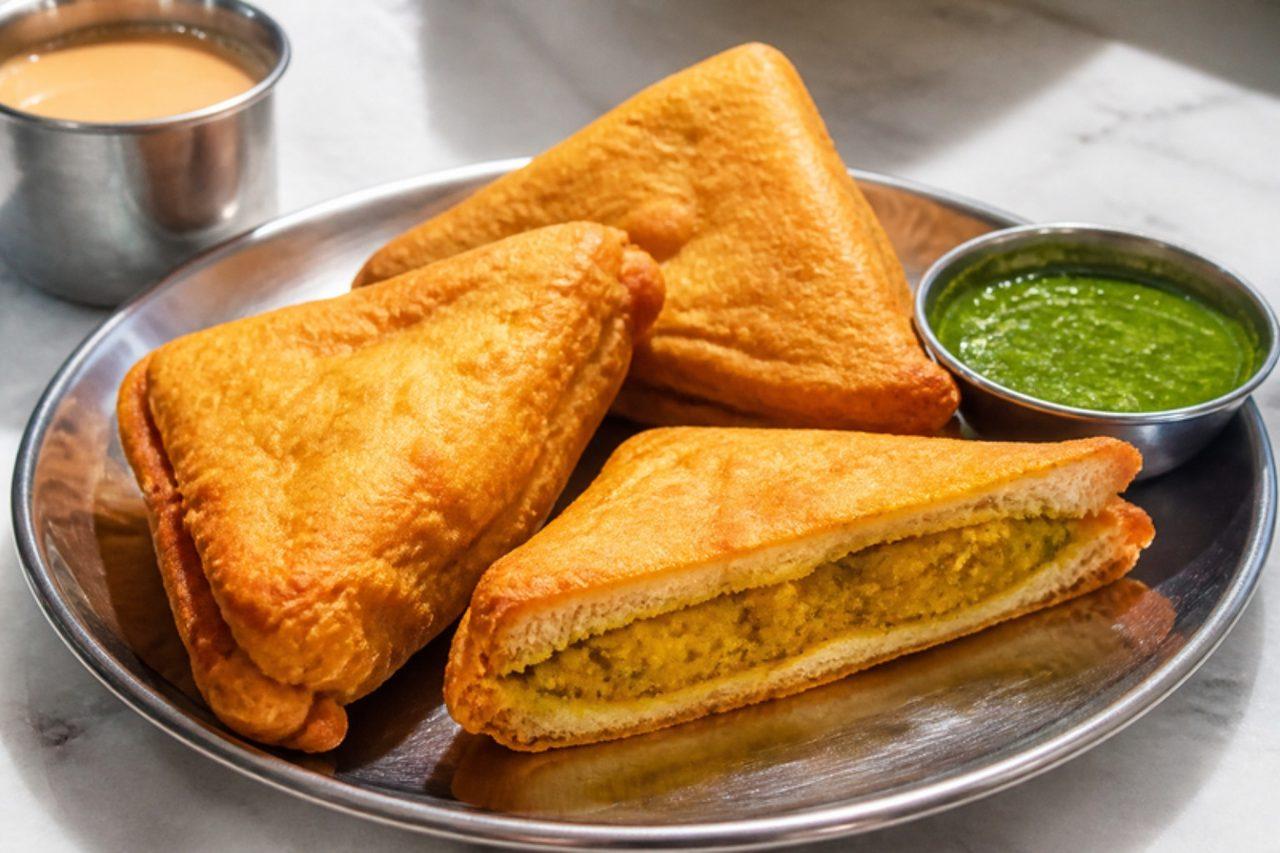
Bread pakoraStuffed bread fritters

Every tea stall from Ludhiana to Delhi's Kamla Nagar has a tray of bread pakoras by ten in the morning, and school children and office clerks eat them standing up, squashed into a paper plate with ketchup and fried green chillies. Two slices of soft white bread hold a layer of green chutney and spicy aloo, and the whole sandwich is cut into triangles, dunked in a thick besan batter and fried until it puffs and crisps. The common mistake is a thin, watery batter: it soaks straight into the bread and the pakora comes out heavy and oily. Keep the batter as thick as idli batter and dip quickly. Chef's tip: use bread that is a day old, which holds its shape in the batter far better than fresh.

by KrazyBadal 0 views

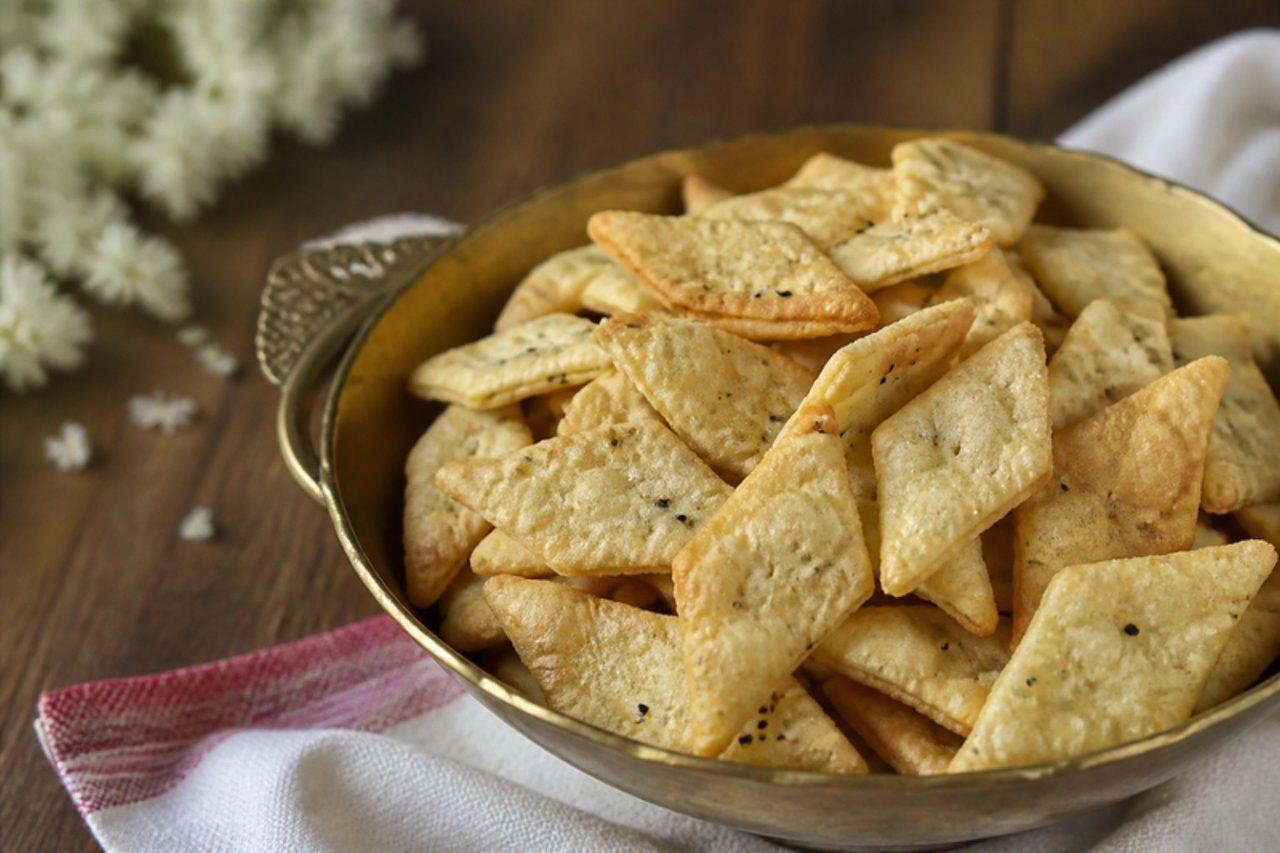
NimkiFlaky fried nigella pastry

On Bijoya Dashami, the last day of Durga Puja, Bengali families visit elders, touch their feet and are fed sweets, and the tin of nimki is always opened alongside the narkel naru and mishti. Nimki are small diamonds of short pastry flavoured with kalonji (nigella seeds), fried slowly until they blister into flaky layers. They are salty, crunchy and very moreish with a cup of tea. Common mistake: frying in oil that is too hot; the outside browns while the inside stays raw and hard. Fry on a low-medium flame until the pieces float, sound hollow and are a pale golden colour. Chef's tip: the dough is ready when a handful pressed in your fist holds its shape (the 'moyan' test); too little ghee gives hard nimki, too much makes them crumble in the oil.

by KrazyBadal 0 views

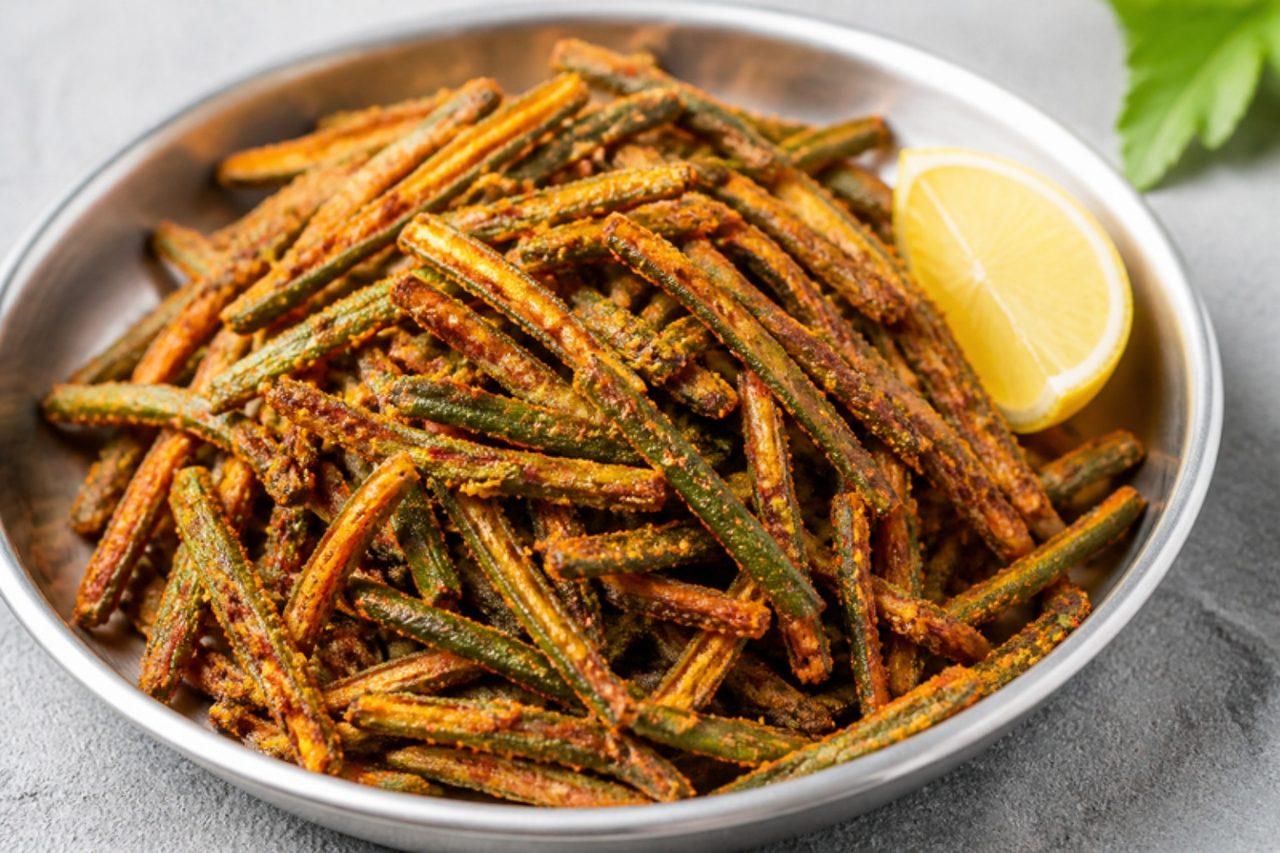
Kurkuri bhindiCrispy fried okra strips

Kurkuri bhindi is the dhaba and wedding-buffet side that disappears first: thin, slivered okra tossed in a dry coat of besan, chilli and amchur and fried until it shatters. In Punjabi and Delhi homes it is served as a tea-time snack, scattered over dal-chawal or eaten by the handful while the rest of dinner cooks. The mistake almost everyone makes once is washing the okra and slicing it while still damp: the coating turns into gluey lumps and the strips go limp. Wash it an hour ahead and dry it completely. Chef's tip: toss the slivers with the spices first and add the flours only just before frying, so the okra cannot release liquid into the coating.

by KrazyBadal 0 views

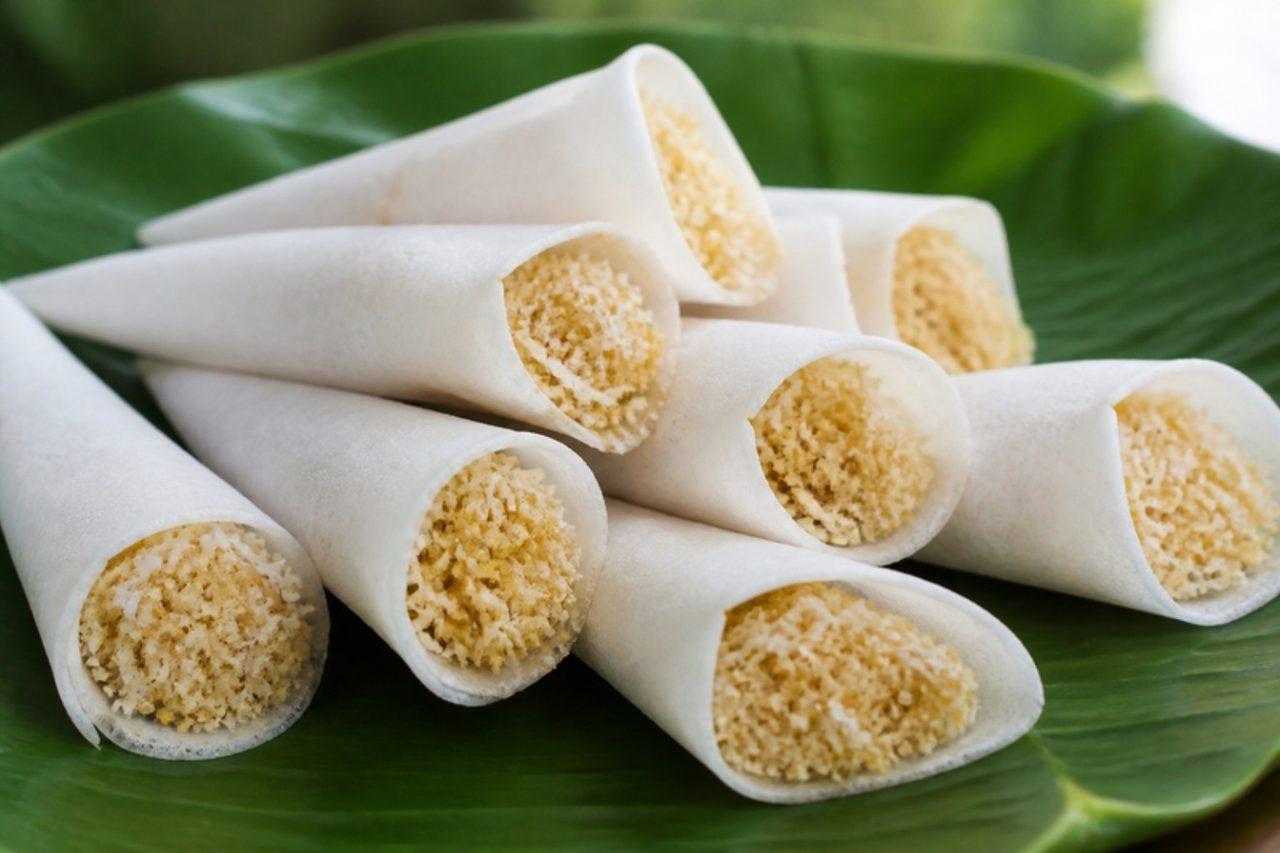
ChuruttuRice wafer cones with coconut filling

Churuttu, 'the roll', is a wedding sweet of the Syrian Christian families of central Kerala, around Kottayam, Pala and Changanassery, where aunts sit together for a day before the wedding shaping hundreds of these cones for the guests to take home. Paper-thin rice wafers are rolled into cones, filled with a sweet crumble of roasted rice flour, coconut and cardamom, sealed and dried until crisp. They shatter at the first bite and melt to a sweet, toasty dust. The mistake is a wet filling; damp coconut softens the cones within a day, so the filling must be roasted dry. Chef's tip: work with one wafer at a time and keep the rest under a damp cloth; they crack if they dry before rolling.

by KrazyBadal 0 views

GhughuteFried jaggery dough shapes

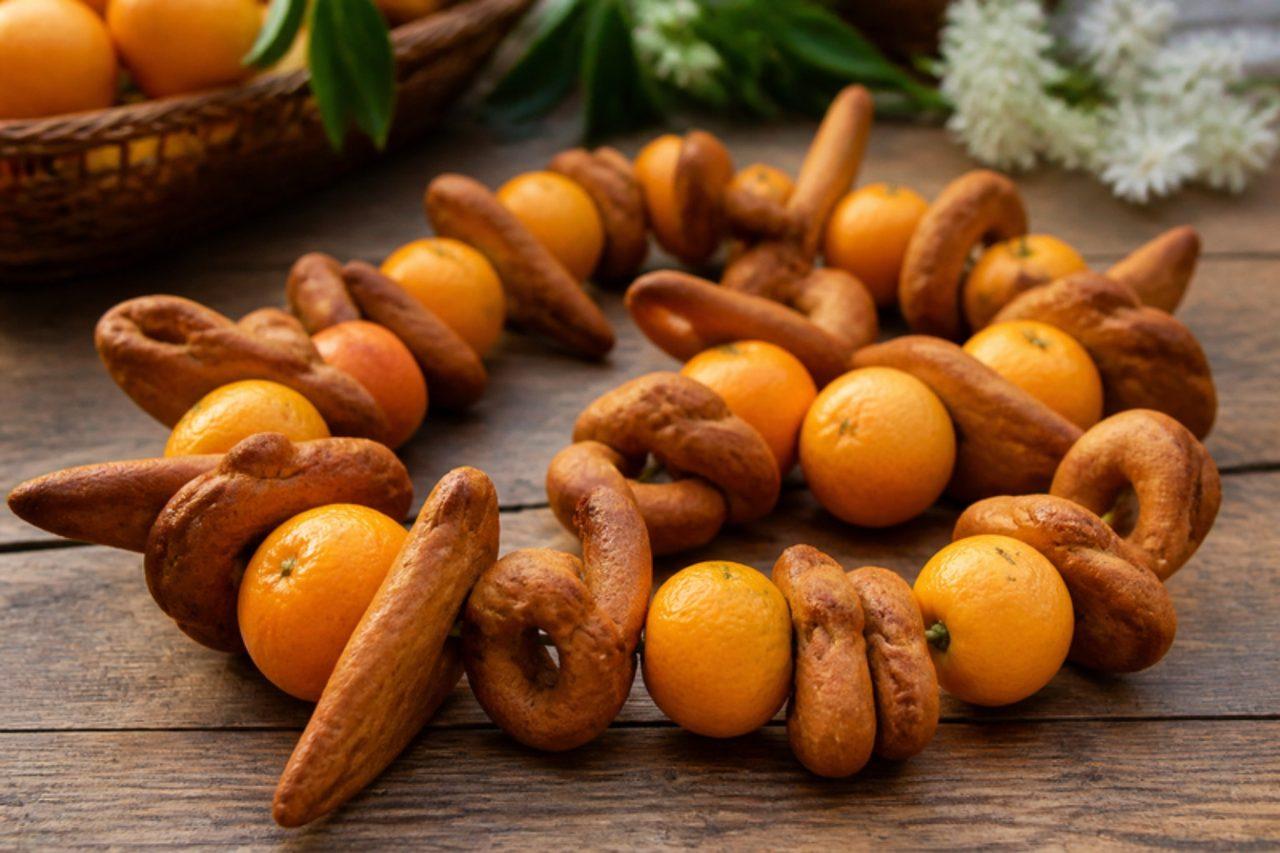
In Kumaon, Makar Sankranti is Ghughutiya, and the evening before, families knead wheat flour with jaggery and shape it into little drums (damru), swords, knots and flowers, fry them and thread them into necklaces with an orange in the middle. The next morning children wear the garlands and call the crows: 'kale kale, ghughuti mala khale', offering them the first bites before eating the rest themselves. The ghughute are crisp outside and slightly chewy within, gently sweet with fennel. Common mistake: oil that is too hot; they darken in seconds but stay doughy inside, so fry on a medium heat until they are an even deep gold and sound hollow when tapped. Chef's tip: keep the dough quite stiff, like for mathri; soft dough loses its shapes in the oil.

by KrazyBadal 0 views

Ratalu puriFried purple yam slices

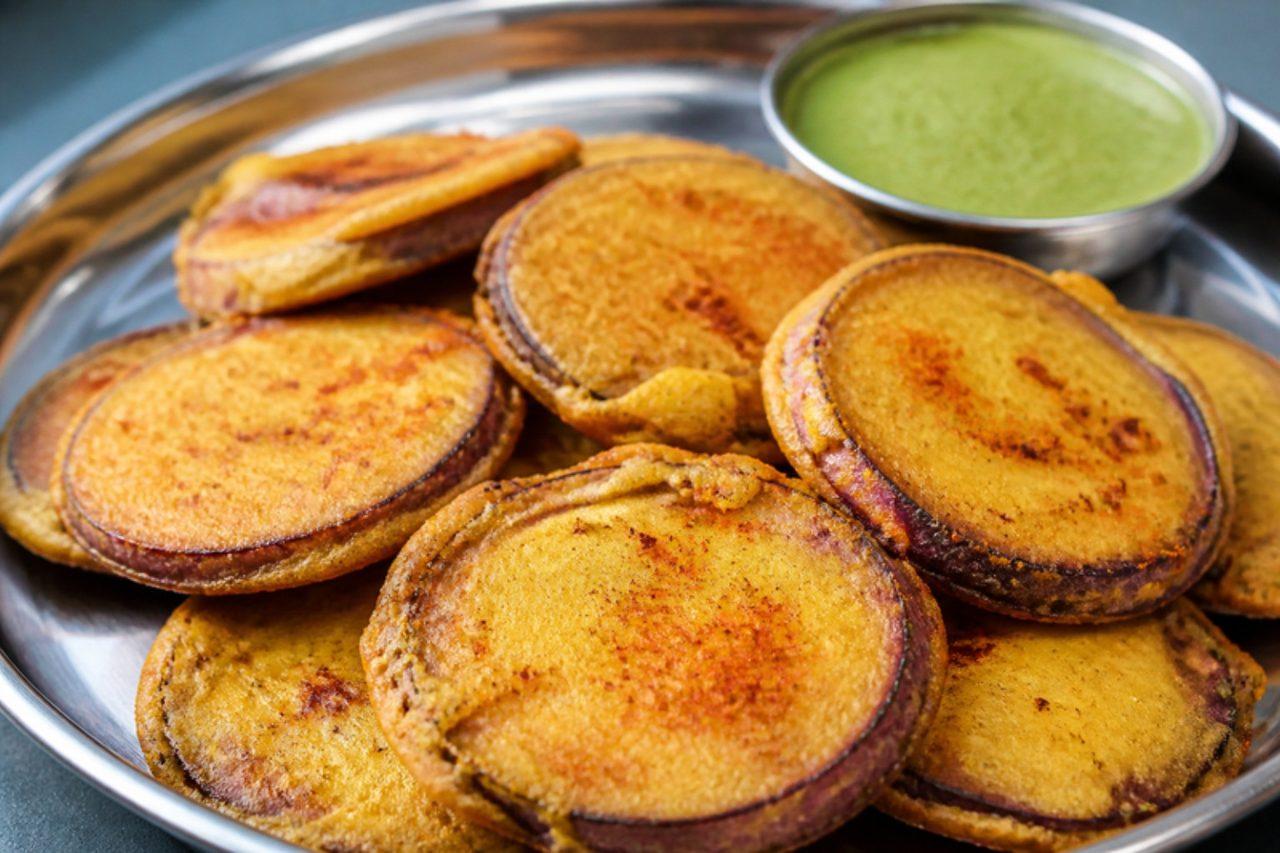
Ratalu puri belongs to Surat's evening snack trail, where farsan sellers on Chowk Bazaar fry purple yam slices to order and shake a tangy masala over them while they are still sizzling. Inside the crisp, golden coat the yam turns creamy and faintly sweet, and the masala of dry mango, black salt and chilli wakes everything up. They are eaten hot with green chutney, usually on cool winter evenings when ratalu is in season. A common mistake is cutting the yam too thick: slices thicker than 3 mm stay raw in the middle by the time the batter browns. Chef's tip: oil your hands before peeling ratalu, as the raw sap can make skin itch.

by KrazyBadal 0 views

Showing 24 of 2,067 recipes

Show more recipes

Page 1 of 87