Skip to content
Recipes

All recipes

Vegetarian, or something you can't eat? Set your diet once and we'll hide recipes that don't fit.

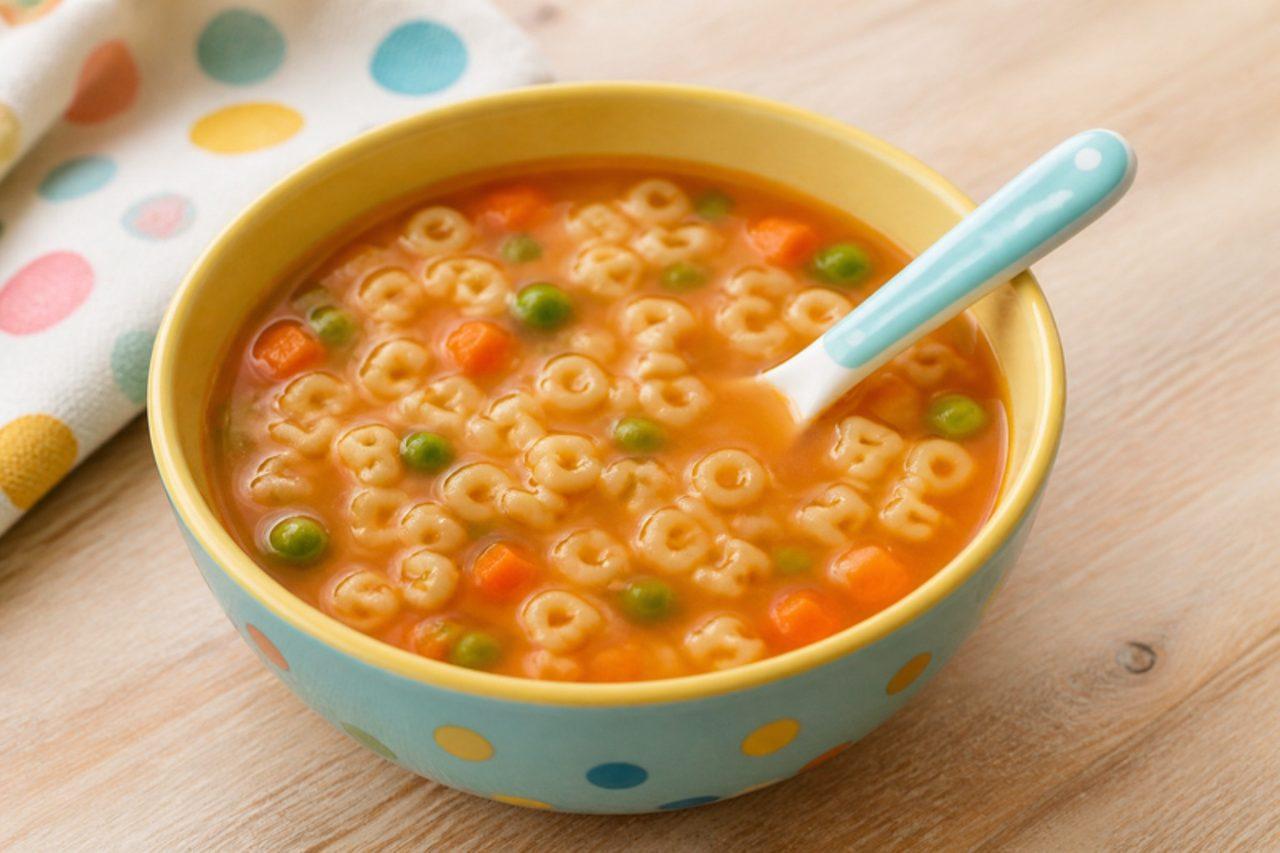
Sopa de letras (Mexican alphabet soup)

Sopa de letras is the soup almost every Mexican child grows up on, served as the 'sopa aguada' course at the midday meal: tiny letter-shaped pasta, toasted golden in oil, then simmered in a broth of blended tomato, onion and garlic with soft diced carrot. For toddlers it is made with a no-salt vegetable stock, so the sweetness of the tomato comes through. It contains gluten (wheat); it has no milk, egg, nuts, soya, sesame or fish. Chef's tip: toast the pasta until it smells nutty and turns light gold; that is where the flavour comes from.

by KrazyBadal 0 views

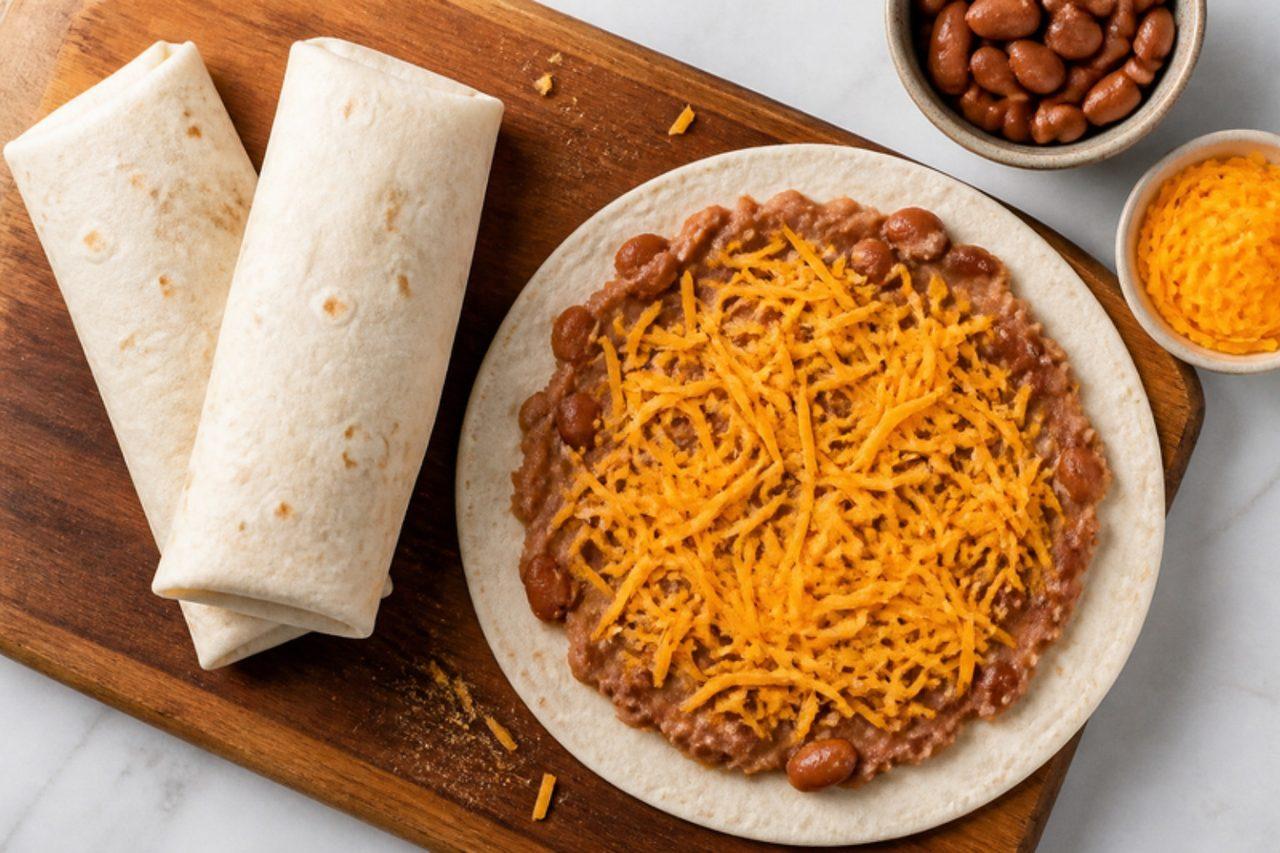
Bean and cheese burrito

In Sonora and the rest of northern Mexico, where wheat tortillas are an everyday bread, a burrito of refried beans and cheese is one of the simplest things to wrap in foil for a child's school lunch or an after-school snack. The beans are fried with a little onion and cumin until thick and creamy, then rolled up with cheese and toasted so it melts. It contains milk and gluten (wheat tortillas). Chef's tip: warm the tortillas before filling them; cold ones crack when you roll them.

by KrazyBadal 0 views

ChaplasHollow puffed Andean bread

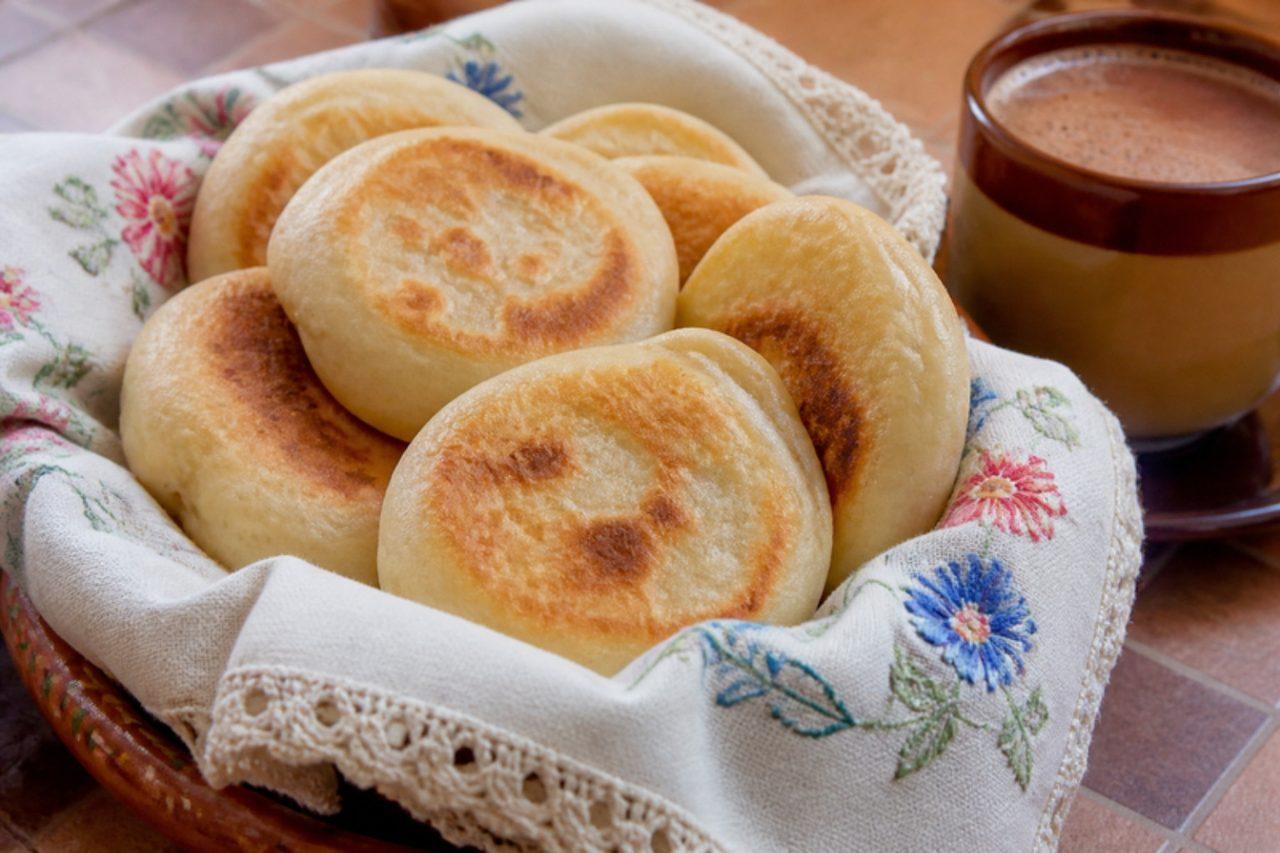
Walk through Ayacucho's central market at seven in the morning and you will see women selling stacks of chaplas from cloth-lined baskets, still warm from the wood-fired ovens of the Andes. These round wheat breads puff up like pita in the fierce heat, leaving a hollow pocket inside a thin, soft, lightly floury crust. In Ayacucho and Huancavelica they are eaten with sweet coffee or hot emoliente for breakfast, or split and filled with queso fresco, avocado or a spoonful of rocoto sauce. Highland bakers traditionally work in a little lard; vegetable shortening gives the same tenderness and keeps the bread vegan. A cool baking tray is the reason chaplas stay flat, so preheat it thoroughly. Chef's tip: let the rolled rounds rest before baking and flip them upside down onto the tray, so the smooth, dry side meets the heat first and the pocket opens evenly.

by KrazyBadal 0 views

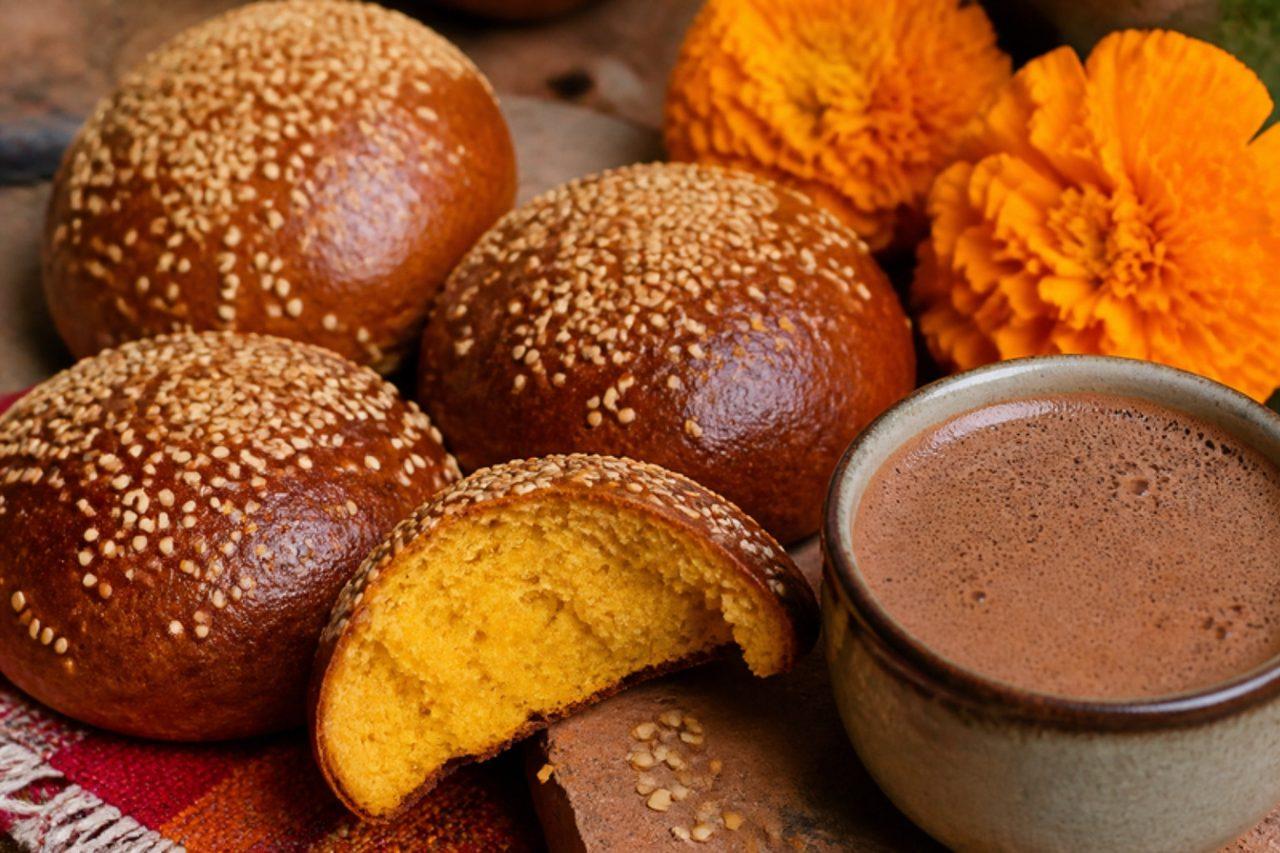
Pan de yemaEgg yolk bread with sesame

Sesame-flecked and burnished almost to mahogany, Oaxaca's pan de yema is made for dunking. Bakeries in the city and in the bread town of San Antonio de la Cal turn it out daily, but it is most loved around Día de Muertos, when it sits on the family altar with marigolds and a painted dough face, and is broken into bowls of frothy Oaxacan hot chocolate made with water or milk. The crumb is dense, yellow and close, with a gentle orange note. Some bakers use lard; butter and vegetable shortening are used here so it stays vegetarian. A pale loaf is the giveaway of skipping the second yolk wash: brush twice for that deep, shiny crust. Chef's tip: the dough is heavy and sticky with yolks, so knead it by machine and resist adding flour; it firms up as it develops.

by KrazyBadal 0 views

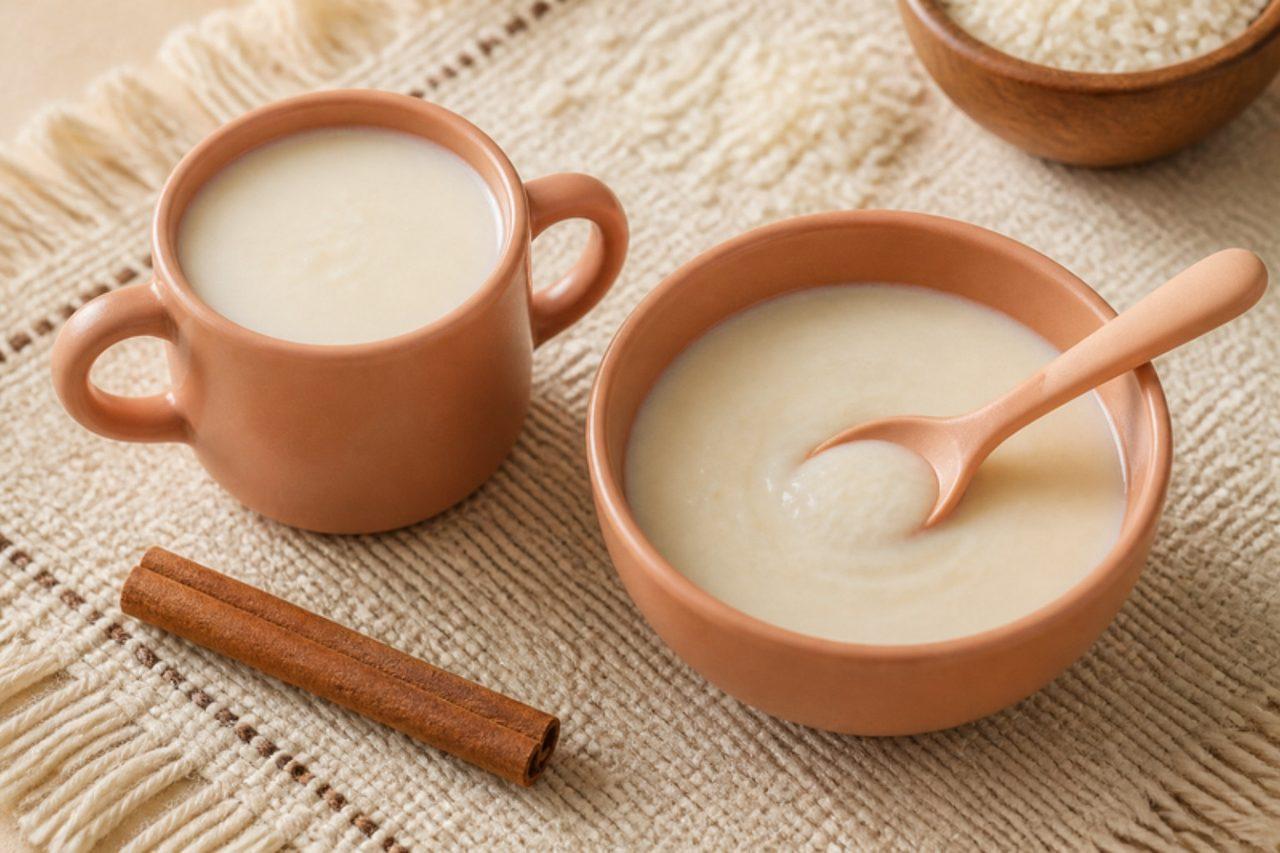
Rice atole for babies (atole de arroz)

Atole is the warm, thick drink Mexicans have sipped since before the conquest, and in many homes the first version a baby tastes is atole de arroz, ground rice cooked with a stick of true cinnamon. For grown-ups it is sweetened with piloncillo and drunk at breakfast or on cold evenings around Día de Muertos; for babies the sugar stays out and it is thickened enough to eat from a spoon. It contains milk; there is no egg, gluten, nuts, soya, sesame or fish. Chef's tip: grind the rice yourself in a spice grinder; shop-bought rice flour works, but freshly ground rice tastes sweeter.

by KrazyBadal 0 views

Pan chutaAniseed round bread

The small town of Oropesa, half an hour from Cusco, calls itself Peru's bread capital, and its wood-fired bakeries are famous for chuta: big, flat, round loaves as wide as a dinner plate, glossy on top, with a faint sweetness and the warmth of aniseed. Travellers on the road to Puno and Bolivia stop to buy them by the bagful, and families bring them home for All Saints' Day and for sharing with hot coca tea or coffee, fresh cheese and butter. The bakeries traditionally use lard; this version uses vegetable shortening and butter, so it is vegetarian. The make-or-break moment is the proof: chuta is large and flat, and if it goes in under-risen it bakes dense and splits at the rim. Chef's tip: toast the aniseed for a minute in a dry pan and crush it lightly before adding, for a rounder, sweeter perfume.

by KrazyBadal 0 views

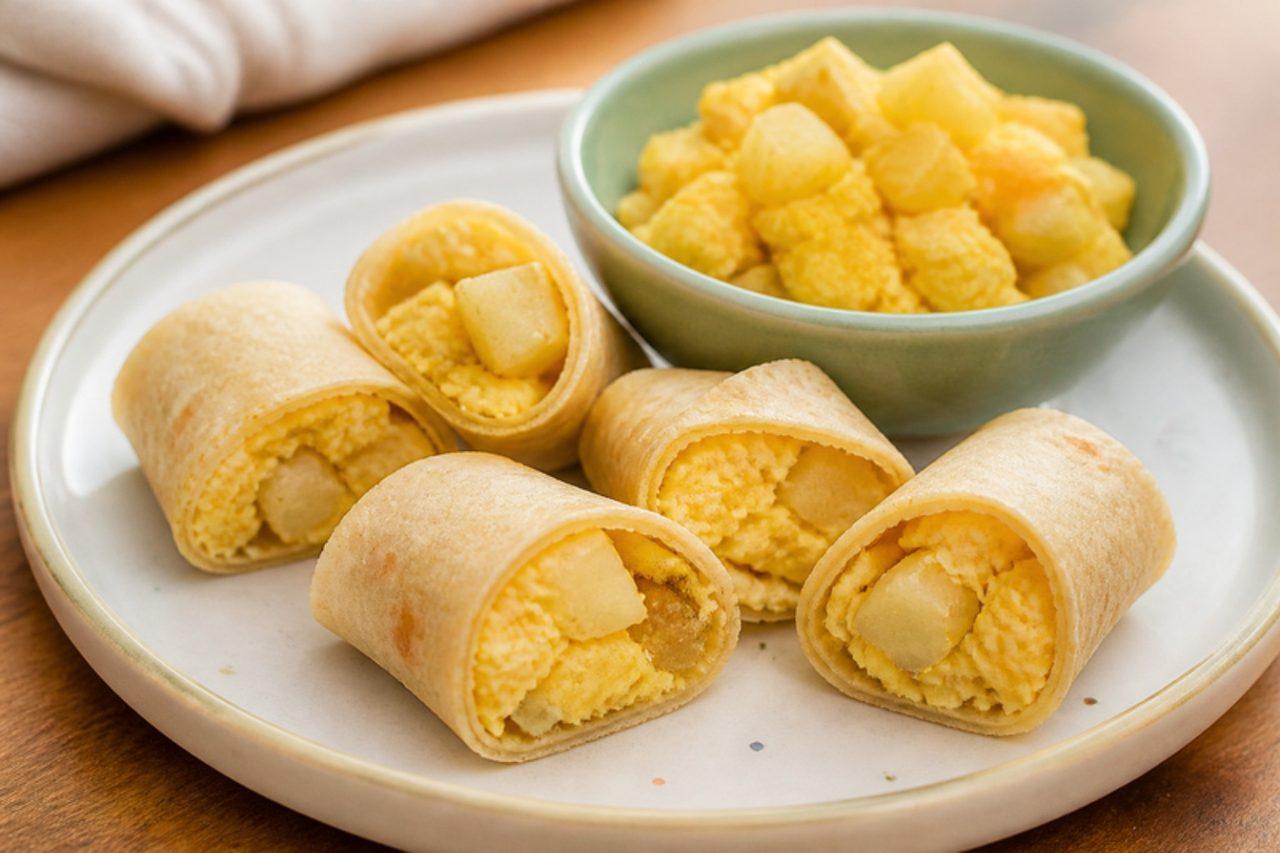
Huevo con papa toddler tacos

Huevo con papa is a breakfast and supper standby in kitchens all over Mexico: small cubes of potato fried until tender, then scrambled with egg and rolled into warm tortillas. Mild, soft and easy to hold, it is a favourite for toddlers from a year old, and the grown-ups add salsa to their own. It contains egg; made with 100% corn tortillas it has no gluten, and it has no milk, nuts, soya, sesame or fish. Chef's tip: cut the potato into small 1 cm cubes and cover the pan for the first few minutes, so it steams tender before it browns.

by KrazyBadal 0 views

BizcochueloPlain whisked sponge cake

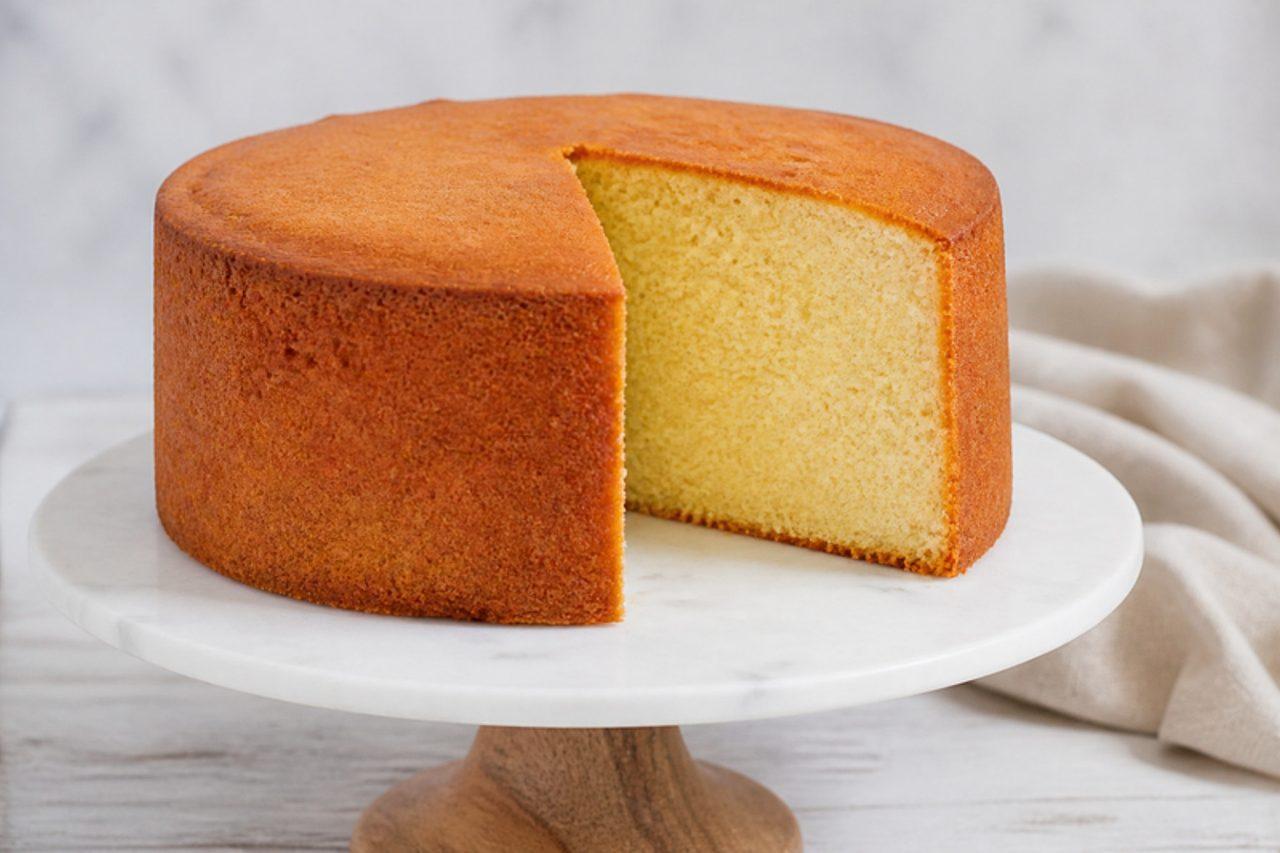
Nearly every Argentine birthday torta starts life as a bizcochuelo: a tall, plain sponge of eggs, sugar, flour and cornflour, with no butter and no baking powder, lifted only by long whisking. Grandmothers bake it on Sunday to split into three and fill with dulce de leche and whipped cream, or eat it plain in the afternoon with mate. The crumb is fine, dry-ish and airy, made to soak up syrup. Opening the oven in the first 20 minutes is the classic way to flatten it, so leave the door shut. Chef's tip: whisk until the mixture reaches 'punto letra', thick enough that a ribbon drawn on the surface holds its shape for a few seconds; that takes a good 8–10 minutes with an electric mixer, and warm eggs get there faster.

by KrazyBadal 0 views

Gorditas de nataSweet cream griddle cakes

In central Mexico, from Mexico City markets to kitchens in Hidalgo and Puebla, gorditas de nata were traditionally made with the thick skin of cream (nata) skimmed from boiled milk, and grandmothers still cook them on the comal for an afternoon merienda with hot chocolate or milky coffee. They are soft and cakey inside with a lightly crisp, golden face, somewhere between a scone and a pancake. Double cream stands in for nata here. They contain gluten, milk and egg. Chef's tip: keep the comal on a low-medium heat; these brown quickly because of the cream and sugar.

by KrazyBadal 0 views

Kärntner ReindlingCinnamon raisin yeast cake

Carinthia's Easter loaf takes its name from the Reindl, the round, deep pan it is baked in, and in southern Austria no Easter basket goes to church without one. Inside the golden yeast crust is a spiral of butter, cinnamon sugar and plump raisins, so every slice shows a dark swirl. Locals eat it two ways: sweet with coffee on Easter morning, or alongside the savoury Easter platter with horseradish. Many bakers soak the raisins in rum overnight; warm water or tea works just as well and keeps it alcohol-free. A dry, crumbly Reindling usually means too much flour went in during kneading, so keep the dough soft and only lightly floured. Chef's tip: butter the pan well and dust it with sugar, which caramelises into a thin crunchy shell.

by KrazyBadal 0 views

Espagueti blanco (creamy white spaghetti)

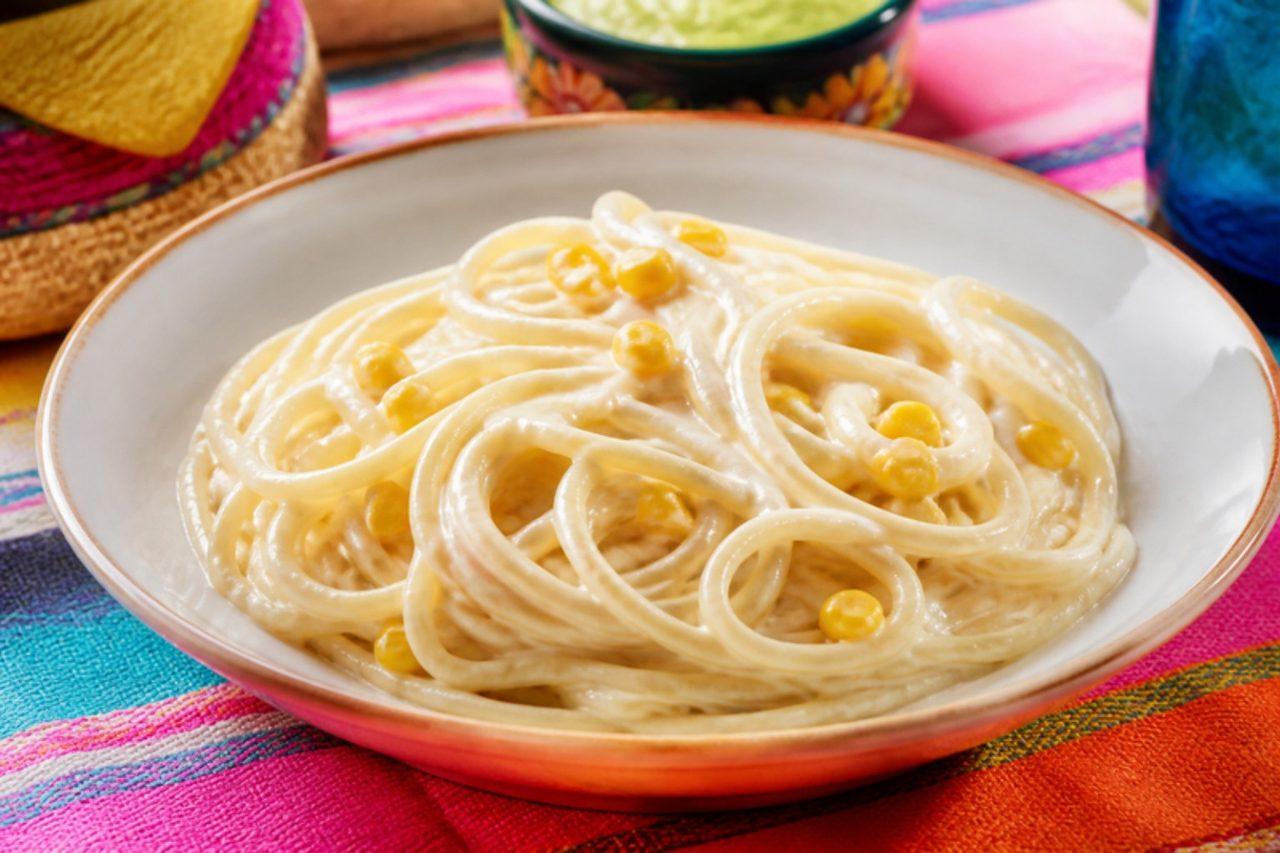
At Mexican children's birthday parties and family gatherings, a big tray of espagueti blanco usually sits next to the chicken and the salads: soft spaghetti in a mild, silky sauce of cream, cream cheese and butter, sometimes with a little onion and garlic blended in. Some families add diced ham; this version keeps it vegetarian with sweetcorn. It contains milk and gluten. Chef's tip: blend the sauce while it is warm so it is perfectly smooth, then toss it with the pasta off the heat so it stays creamy.

by KrazyBadal 0 views

Torta de jamón (Mexican ham sandwich)

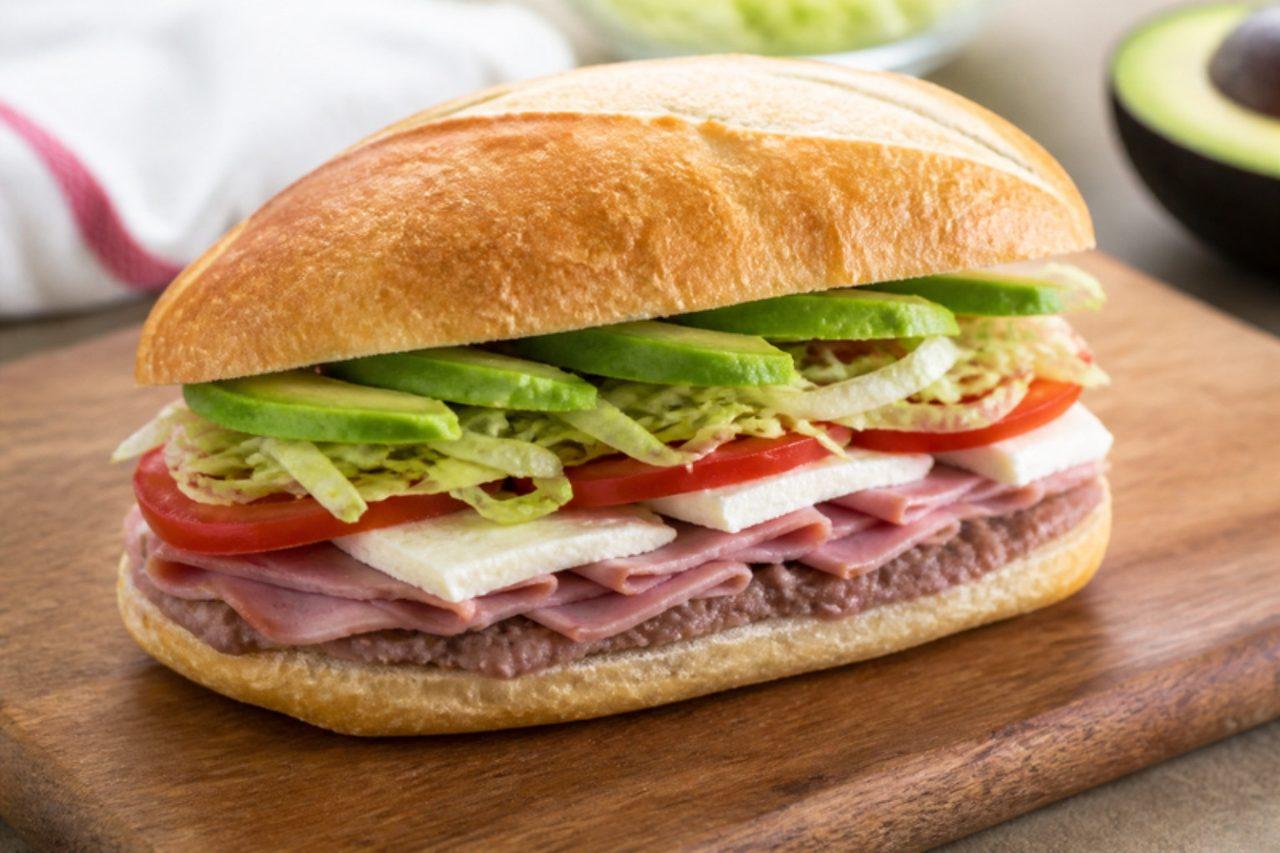
The torta de jamón is the classic recreo (school break) sandwich across Mexico, sold at school gates and made at home before the morning rush: a crusty bolillo roll, toasted on the griddle, spread with refried beans, then layered with ham, fresh cheese, avocado and tomato. Grown-ups add pickled jalapeños. It contains gluten (wheat), milk and egg (mayonnaise). Chef's tip: spread the beans right to the edges of the bottom half; they act as a barrier so tomato juice doesn't soak the bread.

by KrazyBadal 0 views

Bean broth for babies (caldito de frijol)

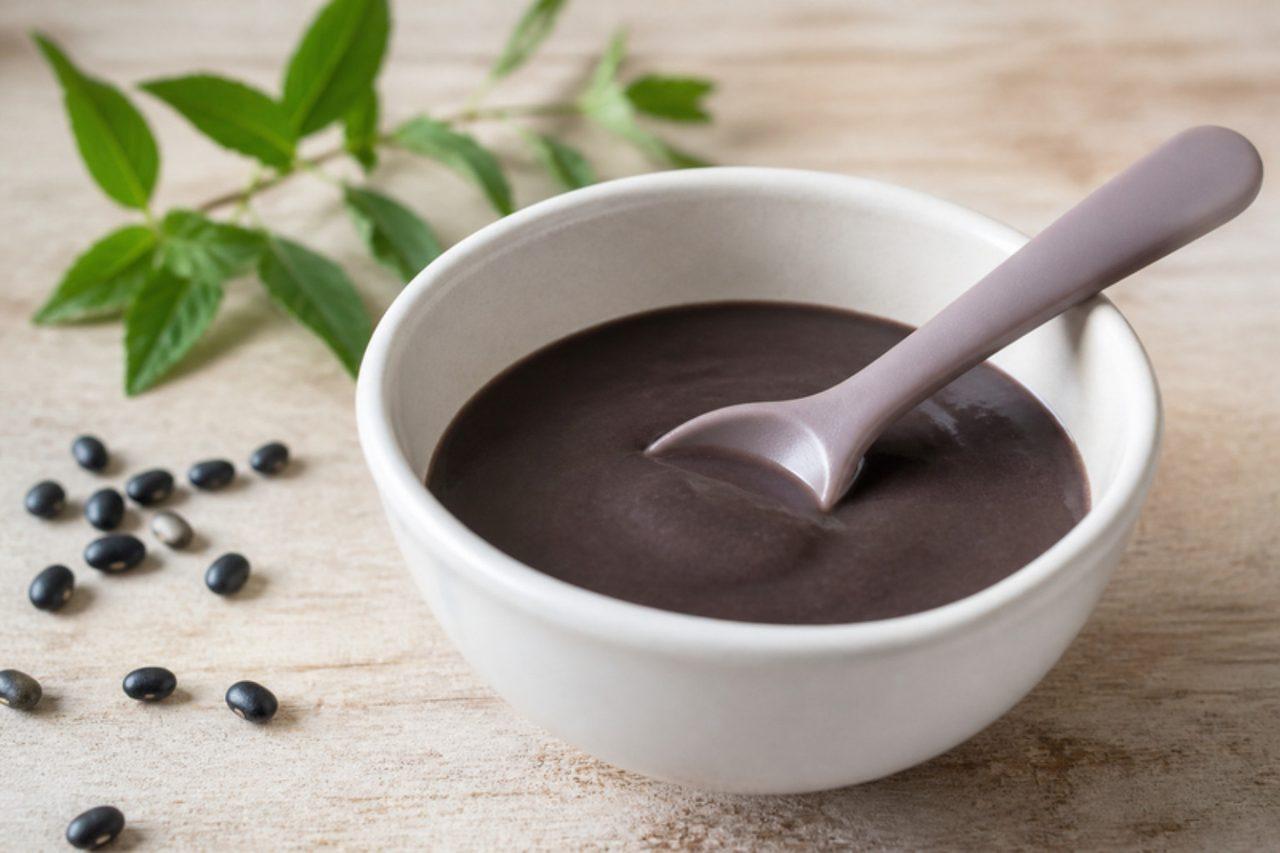
Mexican families nearly always have a pot of frijoles de la olla on the stove, and before the salt goes in a cup of caldito is set aside for the baby. Black or pinto beans are cooked slowly with a piece of onion until they collapse; the broth is offered first on its own and, a week or two later, thickened with the sieved bean flesh into a smooth, earthy purée. Families from Oaxaca to Monterrey give it at midday, the time of the main meal. It has none of the common allergens (milk, egg, gluten, peanut, tree nuts, soya, sesame, fish). Chef's tip: soak the beans overnight and change the water; they cook more evenly and are easier on small tummies.

130 minMexicanSoupsVeganGluten free
by KrazyBadal 0 views

TelerasSoft two-groove sandwich rolls

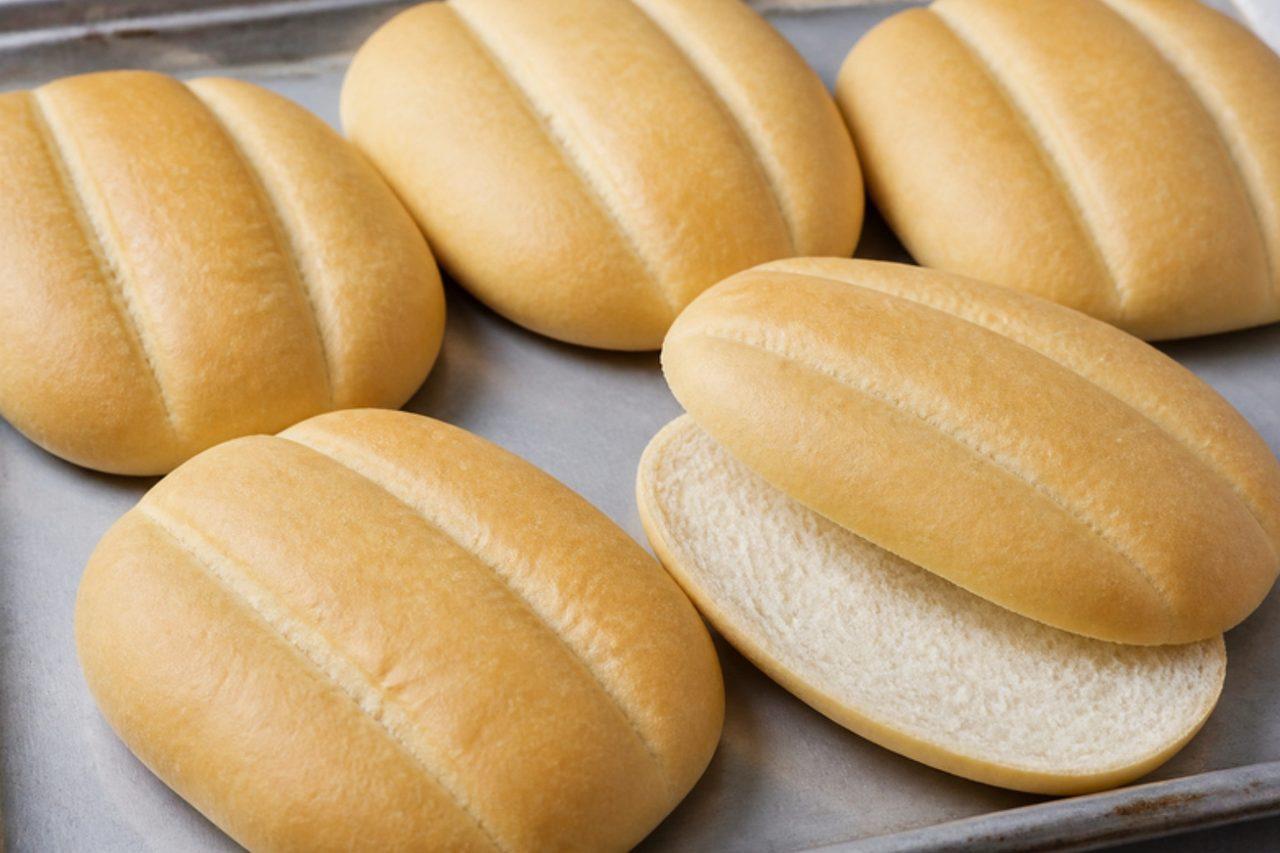
Without teleras there would be no torta, Mexico City's great lunchtime sandwich. These wide, flattish oval rolls, marked with two long grooves, have a thin, tender crust and a soft, close crumb that holds refried beans, avocado, queso and pickled jalapeños without falling apart. Every neighbourhood panadería piles them on metal trays next to the crustier bolillos, and street stalls toast them on a griddle before filling. Some bakers add a spoonful of lard to the dough; vegetable shortening gives the same softness and keeps these vegan. Pressing the grooves too gently is the usual mistake, because they puff closed in the oven and you lose the three-part shape. Chef's tip: for a proper torta, split the roll, pull out a little of the crumb and toast the cut sides on a hot comal with a smear of oil or butter.

by KrazyBadal 0 views

ErdäpfelstrudelSavoury potato strudel

Austrians, especially in the Mühlviertel of Upper Austria and the Waldviertel, make savoury strudels as often as sweet ones, and Erdäpfelstrudel is a farmhouse favourite for a meatless Friday or a cold evening. Thin pastry wraps a filling of potatoes, fried onion, sour cream, marjoram and parsley, baked until crisp and golden and sliced with a green salad or a dill and sour-cream dip. Bought filo makes it easy at home. The mistake to avoid is a wet filling, which turns the pastry soggy underneath. Chef's tip: cool the filling completely before rolling; warm filling makes the layers stick and tear.

by KrazyBadal 0 views

Huevos con chorizoEggs with chorizo

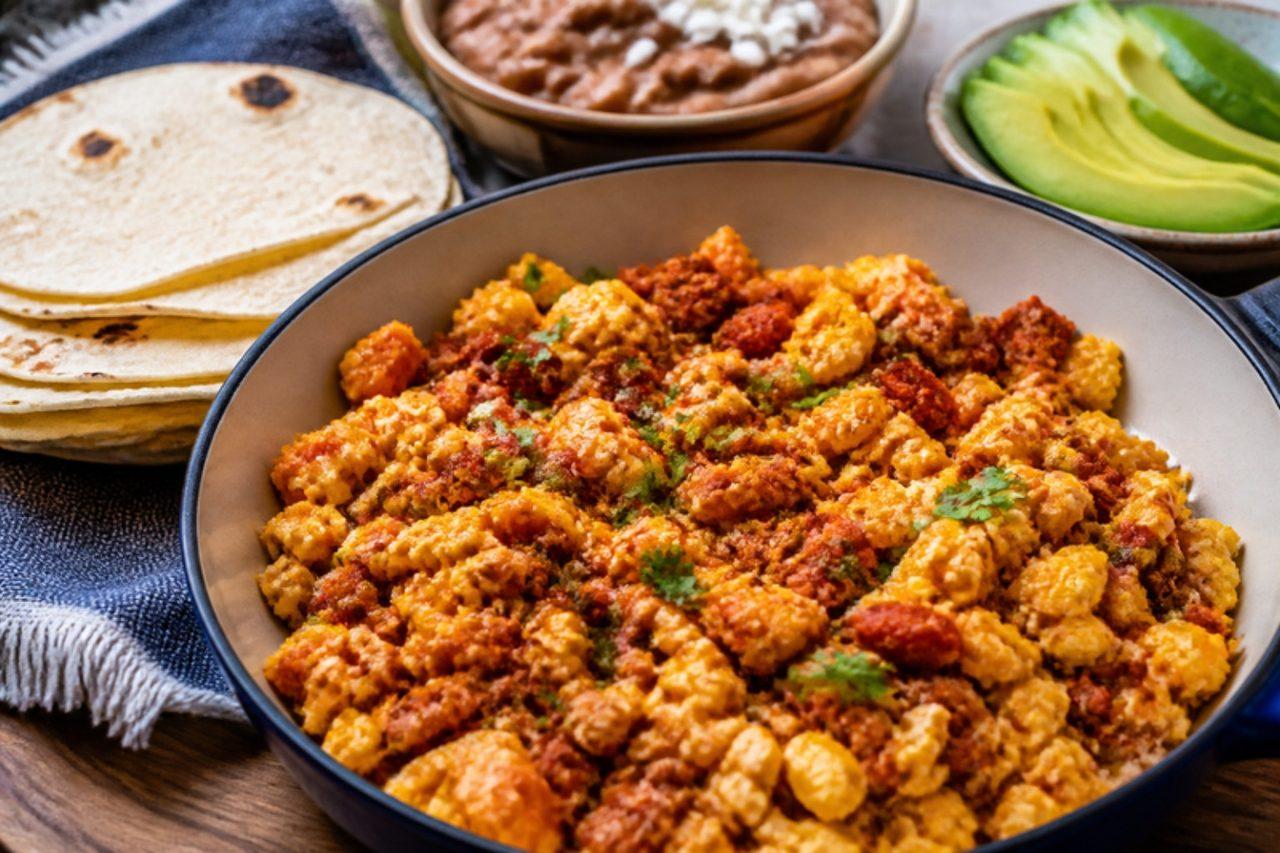
Across northern and central Mexico, from Toluca, famous for its green and red chorizos, to the ranches of Chihuahua, a skillet of brick-red chorizo scrambled with eggs is the classic weekend breakfast, scooped into warm tortillas with refried beans. Mexican chorizo is fresh, raw pork sausage seasoned with chillies and vinegar, unlike the cured Spanish kind, so it must be cooked through. Chef's tip: pour off most of the rendered fat before adding the eggs, or the scramble turns greasy.

by KrazyBadal 0 views

CapirotadaMexican bread pudding

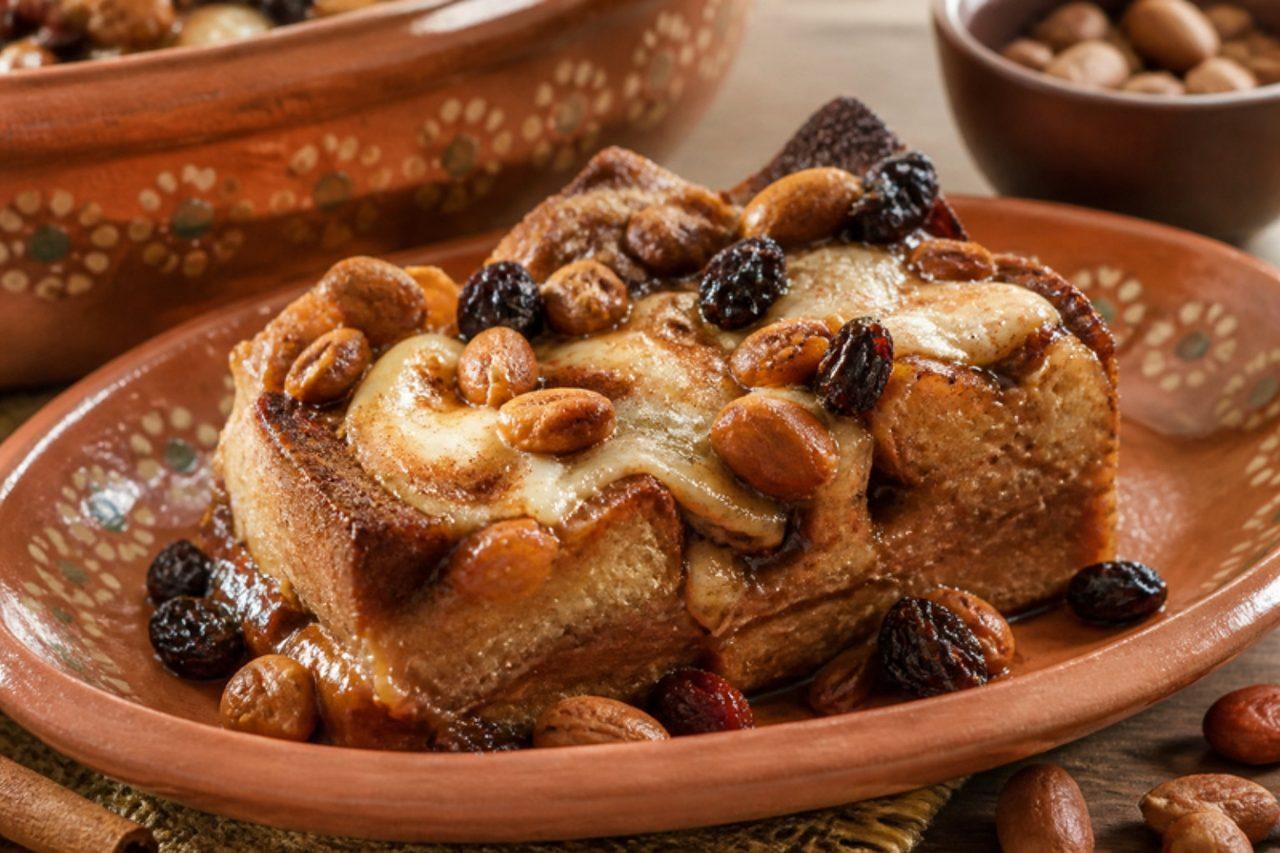
On the Fridays of Lent and above all on Good Friday, grandmothers from Jalisco to Sonora layer stale bolillo with a dark syrup of piloncillo, cinnamon and cloves, then tuck in raisins, peanuts and crumbled cheese, a sweet-salty pudding that uses up bread when meat is off the menu. It comes out of the oven sticky at the edges and soft in the middle, and is eaten warm or at room temperature. The traditional cheese, queso añejo or cotija, is usually made with animal rennet, so use a vegetarian hard cheese or mild feta if you prefer. Chef's tip: fry or toast the bread until really dry and golden first; soft bread turns to porridge in the syrup.

by KrazyBadal 0 views

Tacos dorados de papaFried potato tacos

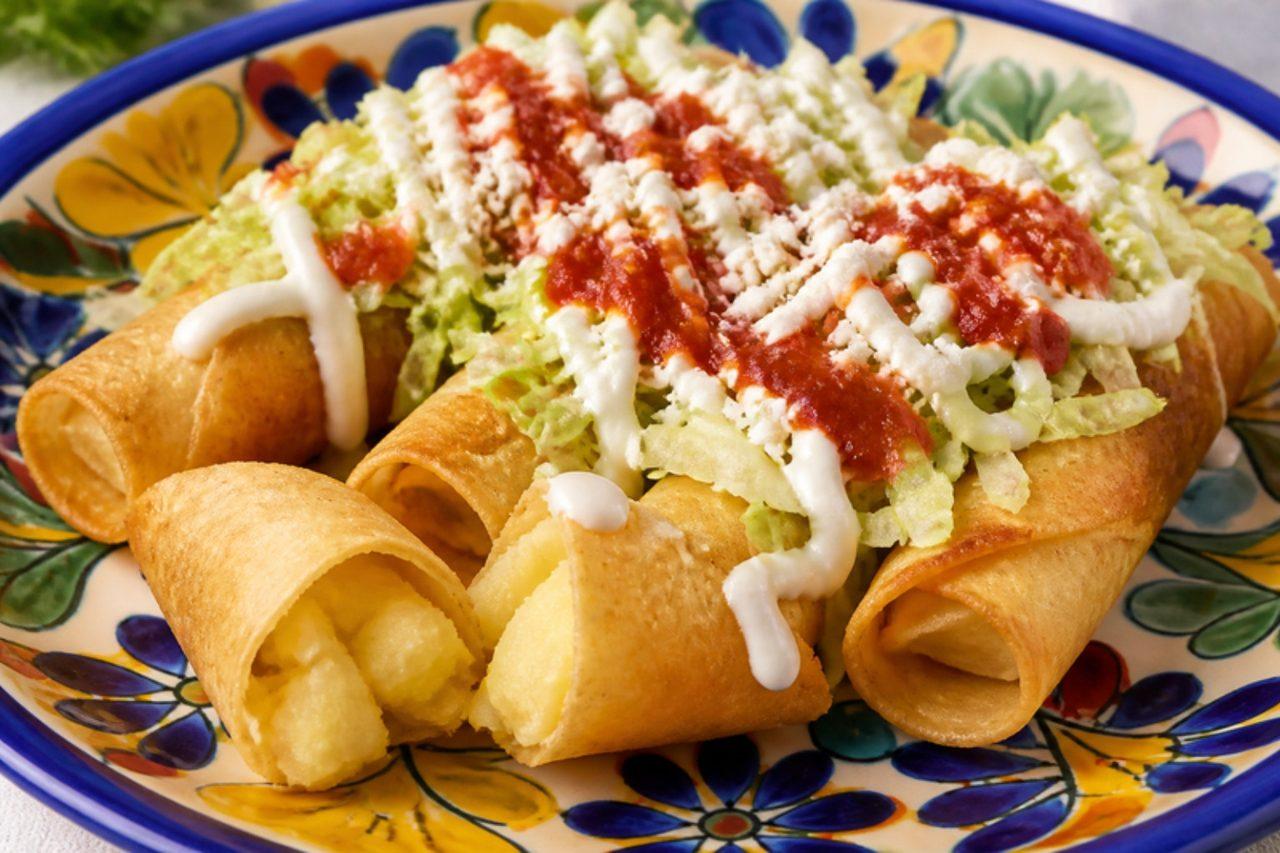
Crisp potato tacos are a Friday and Lent staple in homes across central Mexico, and a cheap favourite at fondas near schools in Mexico City. Tortillas are rolled around buttery-soft mashed potato, fried until shattering, then buried under cool lettuce, crema, salsa and crumbled cheese. Children love them, and the potato filling is easy to make ahead. Fresh crumbly cheeses here are often set with animal rennet; a vegetarian queso fresco or a microbial-rennet feta keeps the dish meat-free. Chef's tip: mash the potatoes while hot and let them cool before rolling, so the filling is firm and doesn't ooze into the oil.

by KrazyBadal 0 views

Ponche navideñoHot Christmas fruit punch

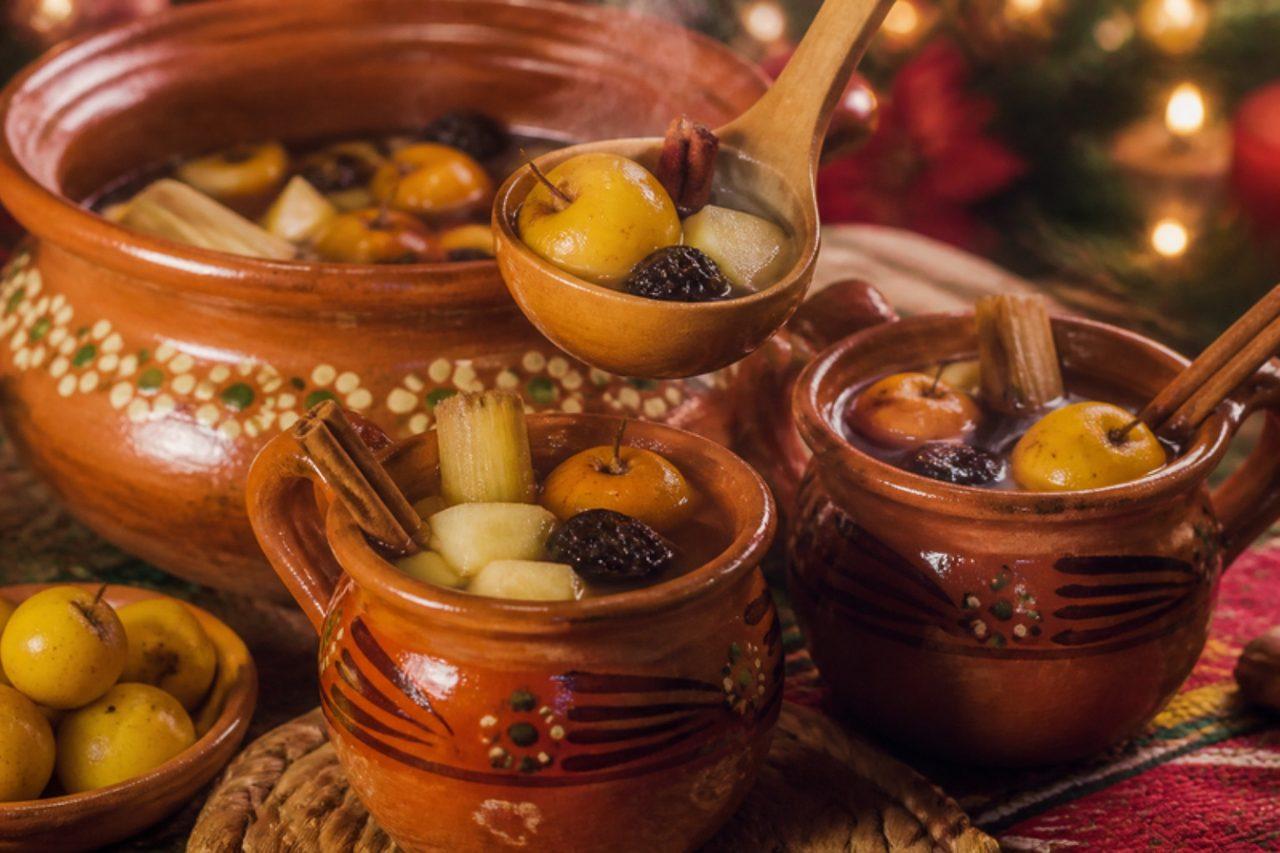
During the nine nights of posadas from 16 to 24 December, neighbours in central Mexico walk the streets singing for shelter, and the reward at the last door is a cup of steaming ponche ladled from a clay pot. Whole fruits, tejocotes, guavas, apple, prunes, sticks of sugarcane, simmer with hibiscus, cinnamon and piloncillo until the punch is fragrant and amber, and everyone fishes the soft fruit out with a spoon. This recipe is alcohol-free and good for all ages; some adults add a splash of rum to their own cup, but none is used here. Chef's tip: add the guavas late, as they collapse if cooked too long.

by KrazyBadal 0 views

Paletas de fresa con cremaStrawberry cream ice pops

Pink, creamy and dotted with red fruit, fresa con crema pops are the milky paletas children pick first at any paletería michoacana, and they echo the strawberries and cream sold in cups in Irapuato. Fresh strawberries are folded into a sweet milk-and-cream base that freezes smooth. It contains dairy. Chef's tip: macerate the strawberries in sugar first, as the syrup keeps the fruit soft rather than icy.

by KrazyBadal 0 views

Huevos motuleñosYucatán eggs on tostadas

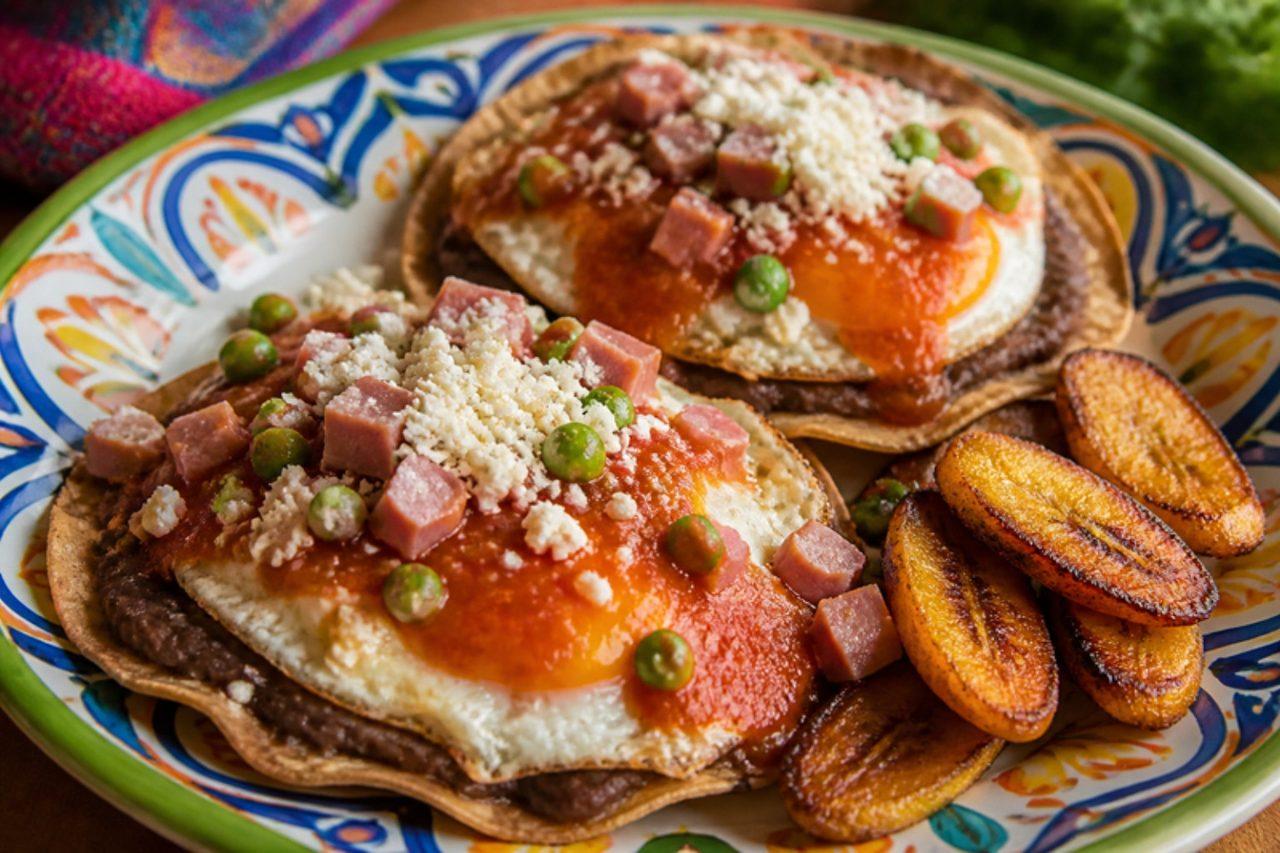
The town of Motul, an hour east of Mérida, gave the Yucatán its grandest breakfast, now served in every market loncheria on the peninsula: a crisp tortilla spread with black beans, a fried egg, a blanket of mild tomato sauce, then diced ham, peas, crumbled cheese and slices of sweet fried plantain, with fiery habanero salsa on the side. It contains pork in the form of cooked ham; for a vegetarian plate, just leave the ham out. Chef's tip: fry the tortillas until fully crisp so they stay crunchy under the sauce.

by KrazyBadal 0 views

Tamales de rajas con quesoPoblano and cheese tamales

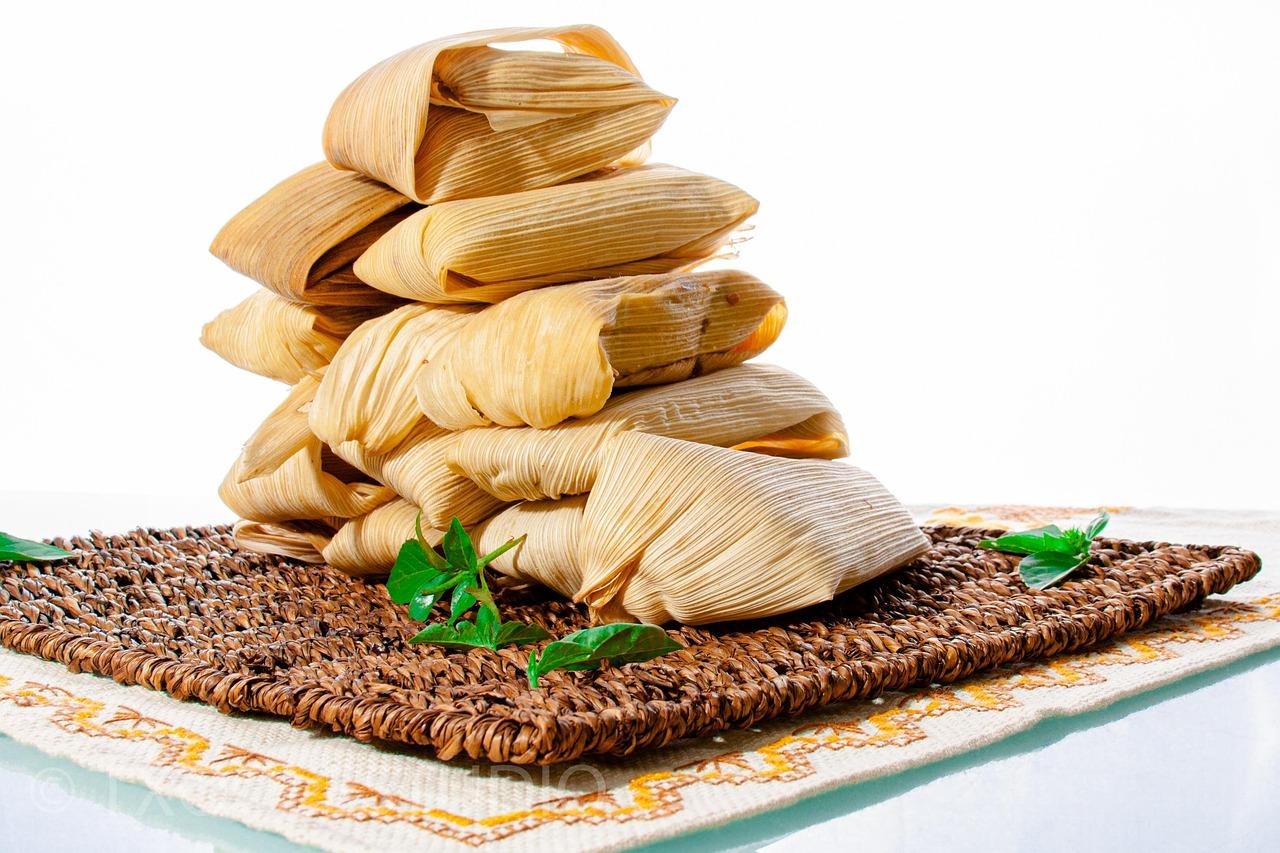
On the evening of 2 November, after the graveyard visit, many families in central Mexico sit down to a pot of steaming tamales, and rajas con queso is the meat-free favourite at every tamalera's stall. Soft, fluffy masa beaten with fat until it floats wraps a filling of charred poblano strips, a spoon of tomato salsa and a finger of melting cheese. Fresh Mexican cheeses such as queso Oaxaca or panela are often made with animal rennet; choose a vegetarian mozzarella-style cheese if that matters to you. The masa here uses vegetable shortening rather than lard. Chef's tip: test the beaten masa by dropping a pinch into cold water; when it floats, it is light enough.

by KrazyBadal 0 views

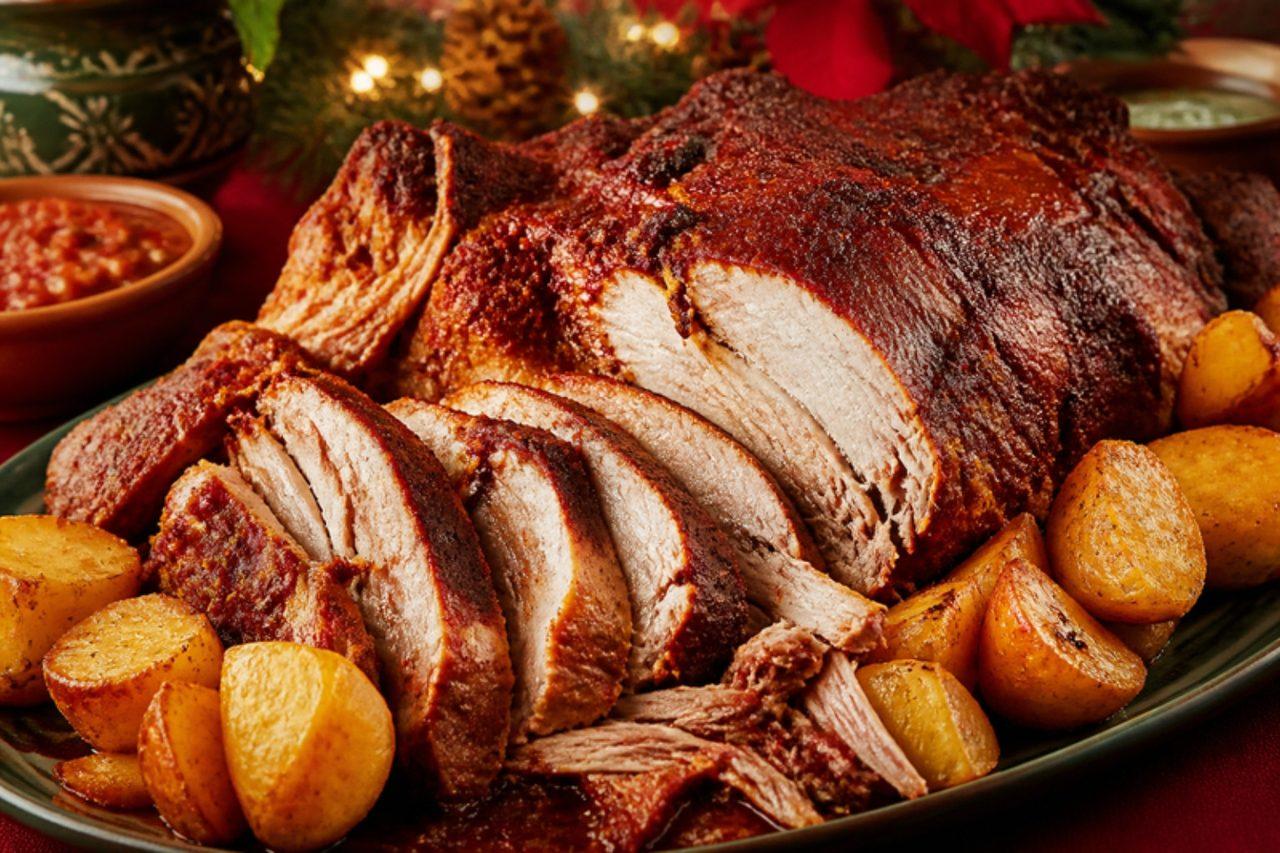
Pierna adobadaAdobo roast pork leg

From Puebla to Monterrey, a dark red leg of pork comes out of the oven on 24 or 31 December, its adobo of ancho and guajillo chiles, garlic, vinegar and orange caramelised into a sticky crust. It is sliced at the table with apple salad and Christmas rice, and the leftovers fill tortas for days. This recipe uses a smaller boneless leg or shoulder joint of pork that fits a home oven; it marinates overnight in the fridge and roasts low and slow. Chef's tip: baste with the pan juices every half hour once the foil comes off, so the adobo glazes rather than burns.

300 minMexicanMeatGluten free
by KrazyBadal 0 views

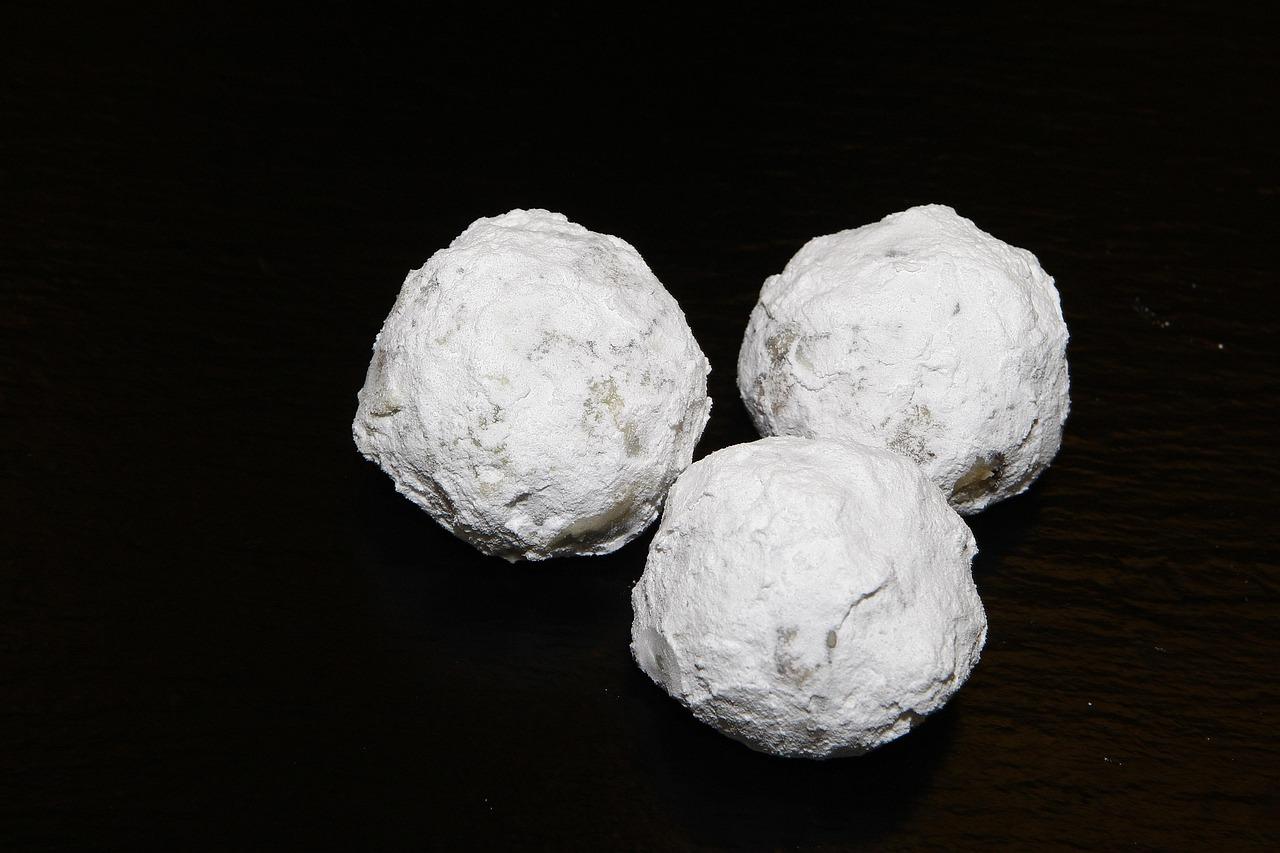
Polvorones de nuezPecan butter cookies

Christmas cookie tins, wedding tables and bakery counters all over northern and central Mexico hold polvorones, small domes of toasted pecan shortbread that crumble to dust in the mouth, which is how they got their name. They are rolled twice in icing sugar, once warm and once cold, so they look snowy. Old recipes used lard; this one uses butter, so it is vegetarian, and it contains wheat and tree nuts. Chef's tip: toast the pecans first, which turns a plain cookie into a deeply nutty one.

by KrazyBadal 0 views

Showing 24 of 652 recipes

Show more recipes

Page 1 of 28