Skip to content
Recipes

All recipes

Vegetarian, or something you can't eat? Set your diet once and we'll hide recipes that don't fit.

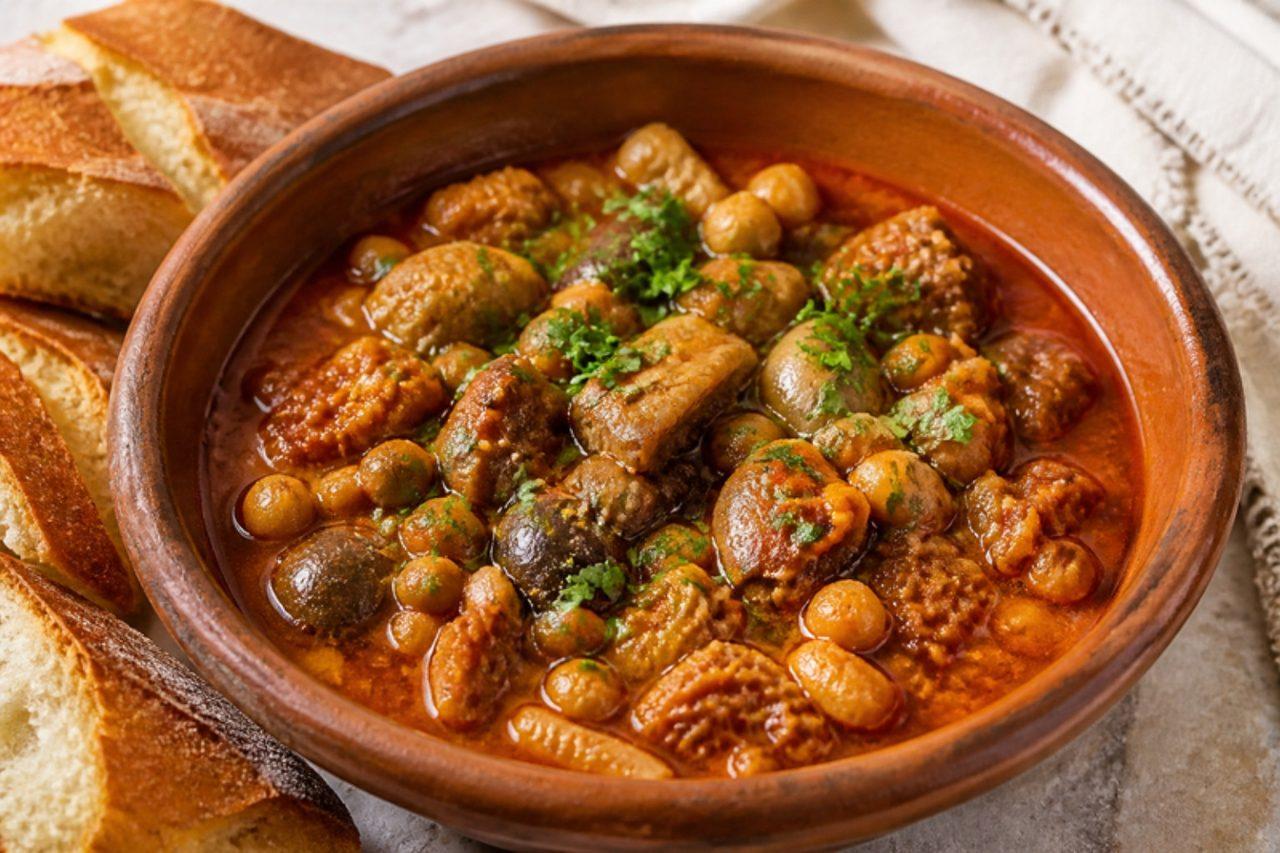
DouaraLamb tripe and chickpea stew

Douara is the dish that fills Algerian kitchens on the second day of Eid al-Adha, when the tripe, intestines and lung from the family's sacrifice are cleaned, cut small and stewed slowly with chickpeas, plenty of garlic, cumin and paprika. The sauce is deep red and peppery and the offal turns tender and rich. At home, cleaned lamb or beef tripe and lamb heart from a halal butcher make an easy start; lung can be added if your butcher sells it. Chef's tip: blanch the tripe first in water with a squeeze of lemon to freshen the flavour before it goes into the stew.

180 minAlgerianMeatGluten freeSpicy
by KrazyBadal 0 views

KaguyjyWhite corn pudding

On the night of 23–24 June, Paraguayans celebrate San Juan with bonfires, games like walking over hot coals and the 'paso de fuego', and a table of traditional foods, and kaguyjy (also mazamorra) is one of them. It is a soft, creamy pudding of cracked white corn (locro) simmered slowly in water and then milk with sugar or honey, sometimes with orange peel. It is eaten warm or cold. It is gluten free. Chef's tip: soak the corn overnight and cook it until each kernel is tender before adding the milk, or it never turns creamy.

by KrazyBadal 0 views

KalanehWild leek stuffed flatbread

In Kurdistan and Kermanshah, Newroz arrives with the first spring greens on the hillsides, and families gather wild leeks to fold into kalaneh, thin griddle breads cooked over a fire or a hot pan and soaked in melted butter. The dough is plain and soft, rolled very thin around a pile of chopped leek or chives with a little salt and pepper, so the greens steam inside as the bread blisters. Eat it hot, torn into strips, with yogurt and tea at a Newroz picnic. The common mistake is wet greens, which turn the dough soggy and make it tear; dry them well after washing. Chef's tip: brush the butter on the moment the bread leaves the pan so it soaks right in.

by KrazyBadal 0 views

Chipa so'oCheese bread with spiced beef

In Paraguay, families bake chipa in the clay tatakua ovens on Holy Wednesday so there is food for Thursday and Good Friday, when cooking stops. Chipa so'o ('chipa with meat') is a cassava-starch and cheese bread wrapped around a little filling of minced beef cooked with onion and egg, then baked until crisp outside and chewy within. It is naturally gluten free. Chef's tip: knead the dough until it no longer cracks at the edges when pressed; dry dough splits around the filling.

by KrazyBadal 0 views

Dowina (Kurdish yogurt soup)

Dowina, called ash-e doogh in Persian, is warming spring food in Kurdish homes around Newroz, when yogurt is plentiful and the first herbs are cut from the garden. Rice and chickpeas simmer in a tangy, lightly thickened yogurt broth, finished with fresh dill, coriander and a sizzle of dried mint in oil. It is eaten warm, never boiling hot, with flatbread. The common mistake is to heat the yogurt too fast without stirring, which makes it split into grainy curds. Chef's tip: whisk an egg yolk and a spoonful of rice flour into the yogurt before it goes on the heat; it holds the soup smooth all the way to the simmer.

by KrazyBadal 0 views

Pajagua mascadaBeef and cassava patties

Pajagua mascada is a Paraguayan street-food classic that appears on every table for the San Juan festival on 24 June, when bonfires burn and the night is full of games and traditional food. Minced beef is mixed with mashed cassava, onion, garlic and a little egg and flour, shaped into flat patties and fried until crisp. The name comes from Guaraní and refers to the 'chewing' of old Paraguayan cooks, who made it from leftover meat. Chef's tip: dry the boiled cassava well and remove its woody core, which keeps the patties light and crunchy.

by KrazyBadal 0 views

KesraSemolina pan bread

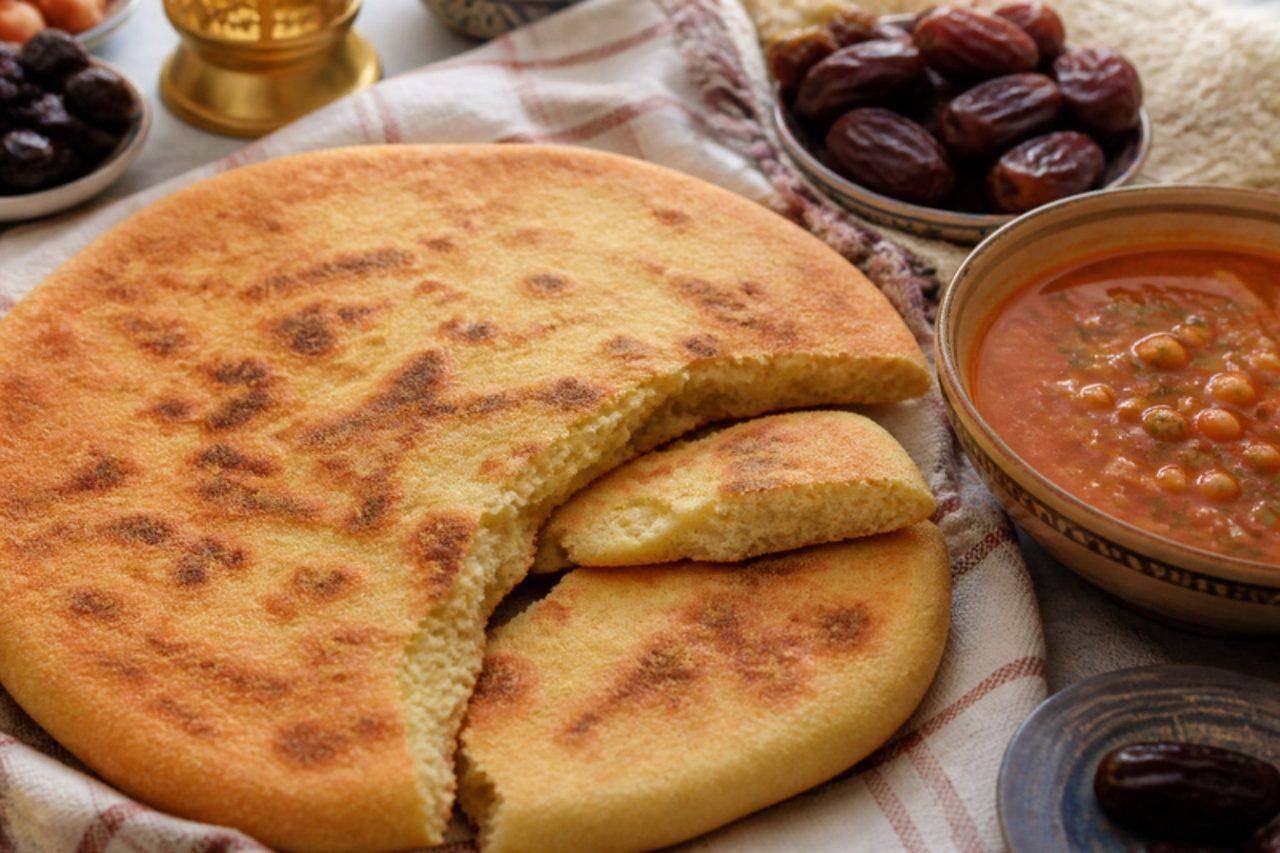
Kesra is the flat semolina bread of Algerian homes, and in Ramadan a fresh round sits on almost every iftar table, cooked on a clay tajine and torn into pieces to dip into hot chorba frik. This unleavened version is a thin, crumbly-edged galette, golden in patches and slightly chewy in the middle, with a nutty taste from the olive oil. It is made in minutes before sunset so it reaches the table still warm. Chef's tip: work the dough only until it holds together; kneading it like a yeast bread makes kesra tough instead of tender.

by KrazyBadal 0 views

Lengua a la vinagretaBeef tongue with vinaigrette

Argentina's Nochebuena is a hot summer night, so the table is full of cold dishes, and lengua a la vinagreta is one of the classics: beef tongue simmered until tender, peeled, sliced and covered with a sharp vinaigrette of parsley, garlic, red pepper, onion and chopped hard-boiled egg. It is made a day ahead and served chilled with vitel toné and Russian salad. Chef's tip: peel the tongue while it is still hot, as the skin comes away easily then and clings once it cools.

by KrazyBadal 0 views

Trinidad ginger beer

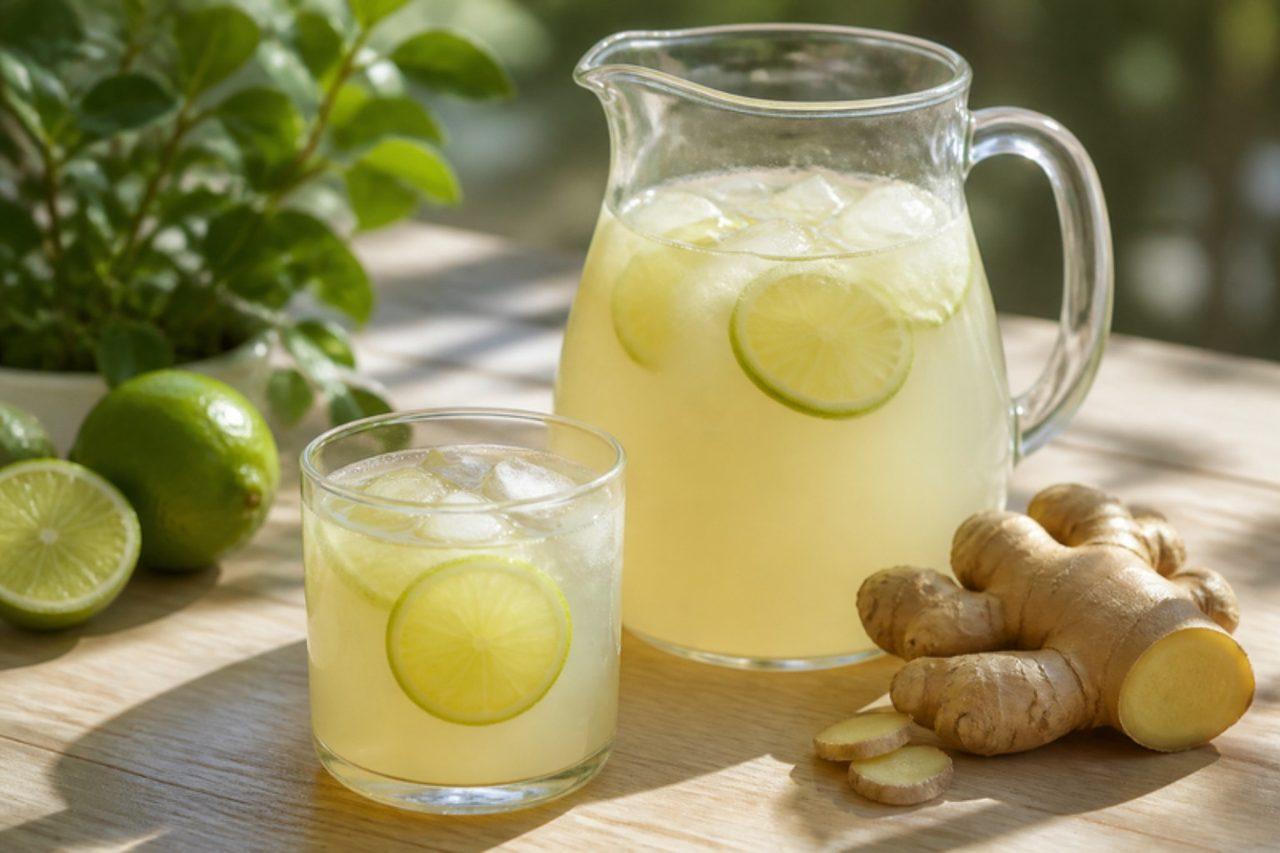
In Trinidad and Tobago, Christmas would not be complete without jugs of homemade ginger beer and sorrel in the fridge, ready for every visitor who drops by between Christmas Eve and Old Year's Night. Fresh ginger is grated, steeped with lime, cloves and sugar for about a day, then strained and served over ice. Made this way it is not fermented, so it has no alcohol and children can drink it. It is spicy and refreshing. Chef's tip: grate the ginger with its skin on (just scrub it), as much of the heat is just under the skin.

by KrazyBadal 0 views

Quinotos en almíbar (Argentine kumquats in syrup)

In Buenos Aires and the river provinces of the Litoral, kumquat trees ripen in the middle of winter, between June and August, and the fruit goes straight into jars of syrup. Grandmothers' pantries held quinotos for the whole year, brought out for birthdays and long Sunday lunches. Each little fruit turns glossy orange and translucent, with a soft, bittersweet skin and a sharp, juicy centre. Spoon them over vanilla ice cream, serve them with a slice of fresh cheese in the style of postre vigilante, or eat them straight from the jar. Many bar menus offer them steeped in spirits; this version keeps only the syrup. Naturally egg-free, the quinotos rely on sugar syrup to preserve them, while pectin from the peel gives the syrup a light, jammy body. Chef's tip: blanch the fruit three times from cold water; the common mistake is skipping this, which leaves the skins tough and bitter.

by KrazyBadal 0 views

PaimeSteamed cornmeal and pumpkin parcels

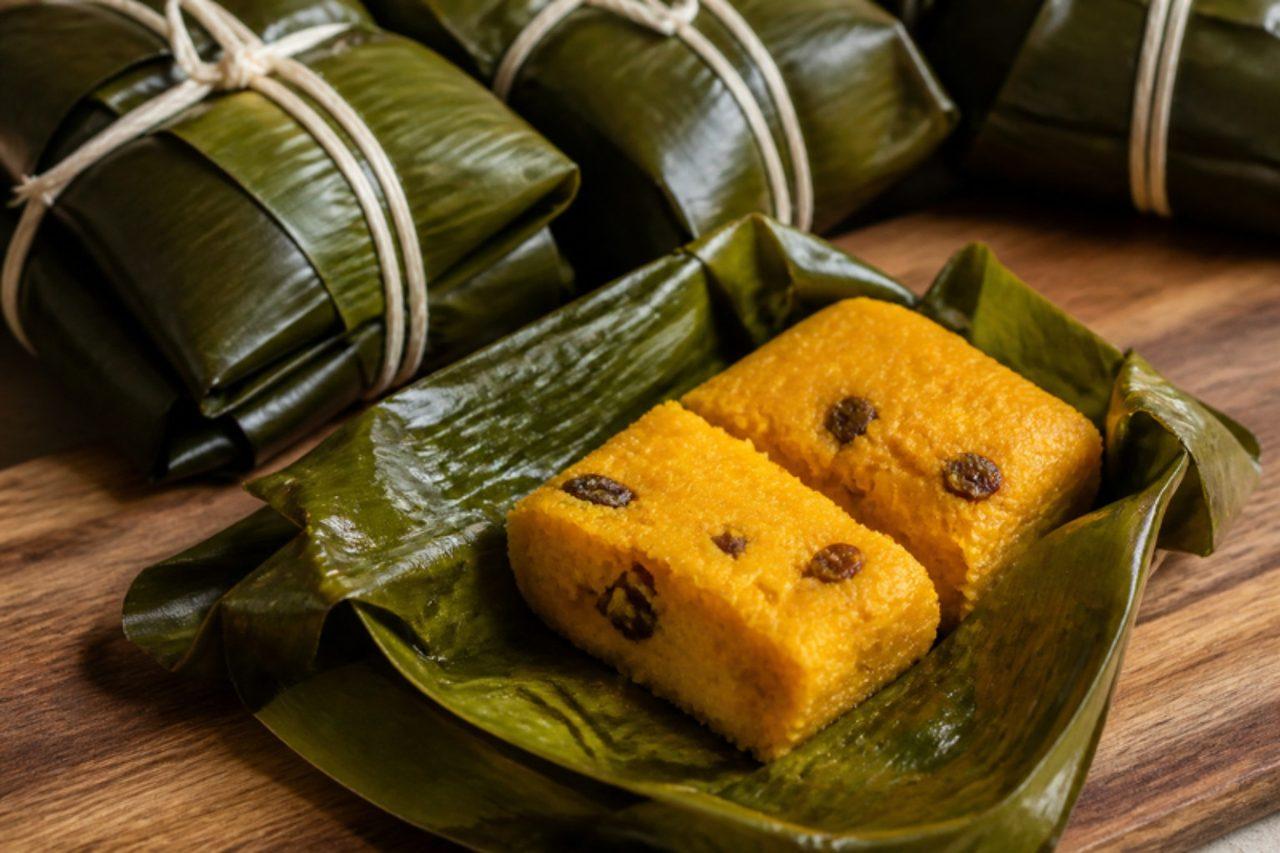
Paime (or pime) is a Trinidad and Tobago Christmas sweet, a cousin of the Venezuelan hallaca brought by the parang tradition, when singers go from house to house at Christmas and are fed at every stop. Cornmeal, grated pumpkin and fresh coconut are mixed with sugar, butter, raisins and warm spices, wrapped in banana leaves and steamed until firm. Paime are eaten warm or cold, and keep for days in the fridge. Chef's tip: soften the banana leaves over a flame or in hot water first, so they fold without splitting.

by KrazyBadal 0 views

Turrón de maníPeanut nougat

On an Argentine Christmas Eve, after midnight toasts, the 'mesa dulce' appears with pan dulce, garrapiñadas and turrón de maní: a chewy white nougat of honey, sugar, whipped egg white and roasted peanuts, often set between two sheets of rice paper. Families make it in the days before Nochebuena. The egg white is cooked by the hot syrup. It is gluten free if you use gluten-free wafer paper or none. Chef's tip: work fast once the syrup is in, as the nougat stiffens as it cools and gets hard to spread.

by KrazyBadal 0 views

Helado de dulce de leche (Buenos Aires dulce de leche ice cream)

Dulce de leche is the flavour Buenos Aires heladerías are judged by, and on a summer night the queues at neighbourhood ice-cream shops stretch out onto the pavement well after dinner. Locals order it plain, with a ripple of extra dulce de leche (dulce de leche granizado adds chocolate flakes), often by the kilo to take home. It is dense, chewy and deeply caramel. This home version is egg-free with no custard: a little cornflour cooked into the milk thickens it the way yolks would, and the dulce de leche itself is milk and sugar cooked down, its sugar and milk solids keeping crystals tiny so it stays smooth and scoopable. Churn it, or still-freeze and stir it every 45 minutes. Chef's tip: chill the extra dulce de leche before rippling it in; the common mistake is folding in a warm one, which melts into the ice cream instead of leaving ribbons.

by KrazyBadal 0 views

Algerian mkhabezIced almond and lemon diamonds

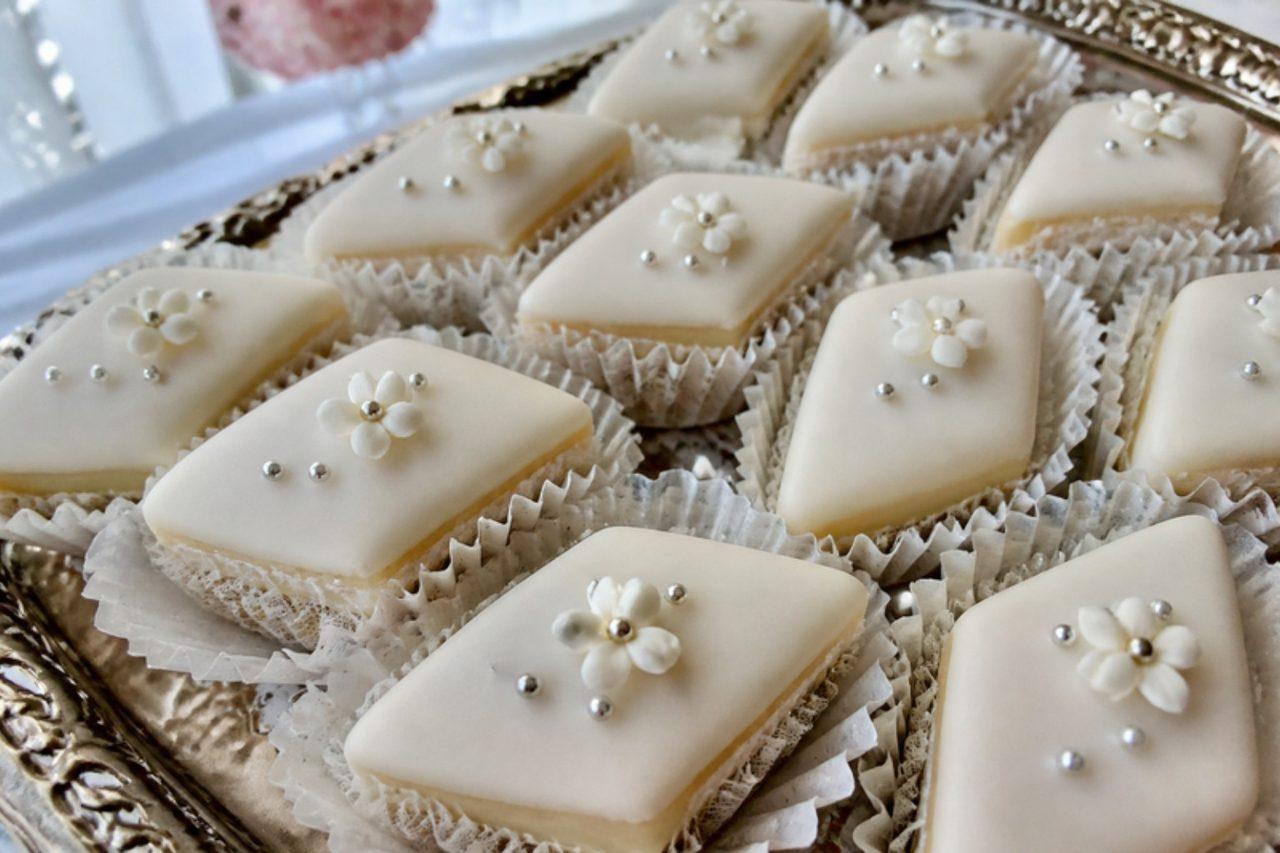
No Algerian wedding tray, and few Eid tables in Algiers or Constantine, is complete without mkhabez: soft, chewy diamonds of ground almond and lemon zest under a smooth white icing, each topped with a sugar flower or a silver ball and set in its own paper case. Making them is a social affair, with sisters and aunts icing and decorating hundreds the week before a celebration. The almond base is flourless and dairy free, sweet and lemony, and the icing sets to a thin shell; serve them with mint tea or strong coffee. Overbaking is the mistake to avoid: the diamonds should come out pale and soft, or they go dry and crumbly under the icing. Chef's tip: ice them when completely cold, and get the icing so thick it only just flows; runny icing slides off the sides and never sets glossy.

by KrazyBadal 0 views

Fideos con mantecaButtered noodles with cheese

Ask anyone from Buenos Aires to Córdoba what they ate when they came home late or felt poorly as a child, and the answer is often fideos con manteca: short pasta tossed with butter and a snowfall of grated queso rallado. It is the plainest dish in the Argentine home kitchen and the one people cook for themselves on a tired weeknight. The mistake that ruins it is draining the pasta bone-dry and adding cold cheese to a hot empty pan, which leaves greasy strands and clumps; a splash of cooking water makes a light, creamy coating instead. Argentine reggianito and Parmesan are made with animal rennet, so use a vegetarian hard cheese if needed. Chef's tip: grate the cheese very finely, like dust, so it melts on contact.

by KrazyBadal 0 views

Salpicón de aveCold chicken salad

Salpicón de ave is the cold supper of Argentine summers, made in Buenos Aires flats and on estancias alike when it is too hot to cook much, and a favourite way to use the chicken from a puchero or Sunday roast. Shredded chicken is mixed with diced pepper, tomato, spring onion, sweetcorn and boiled egg, bound with mayonnaise sharpened with lemon and mustard, and served chilled with crusty bread or on lettuce. The common mistake is dressing it while the chicken is still hot, which melts the mayonnaise into an oily puddle; let everything cool first. Chef's tip: dress the chicken with the lemon juice and a pinch of salt before the mayonnaise goes in, so the meat itself is seasoned, not just its coating.

by KrazyBadal 0 views

Tarta de coco y dulce de lecheCoconut and dulce de leche tart

Ask Argentinians for their favourite tart at a family birthday and this one often wins: a crisp shortcrust spread thickly with dulce de leche, then covered with a coconut, sugar and egg topping that bakes into a golden, chewy crust. Bakeries from Córdoba to Mar del Plata sell it by the slice for the merienda with mate or a café con leche. It is very sweet, so the slices are thin, and it is a good keeper for a few days. Ordinary spreading dulce de leche is the mistake: it runs and bubbles out at the edges. Use the thicker pastry-style kind, sold in Argentina as 'repostero'. Chef's tip: chill the case with the dulce de leche spread on it for 15 minutes before adding the coconut, so the two layers stay distinct.

by KrazyBadal 0 views

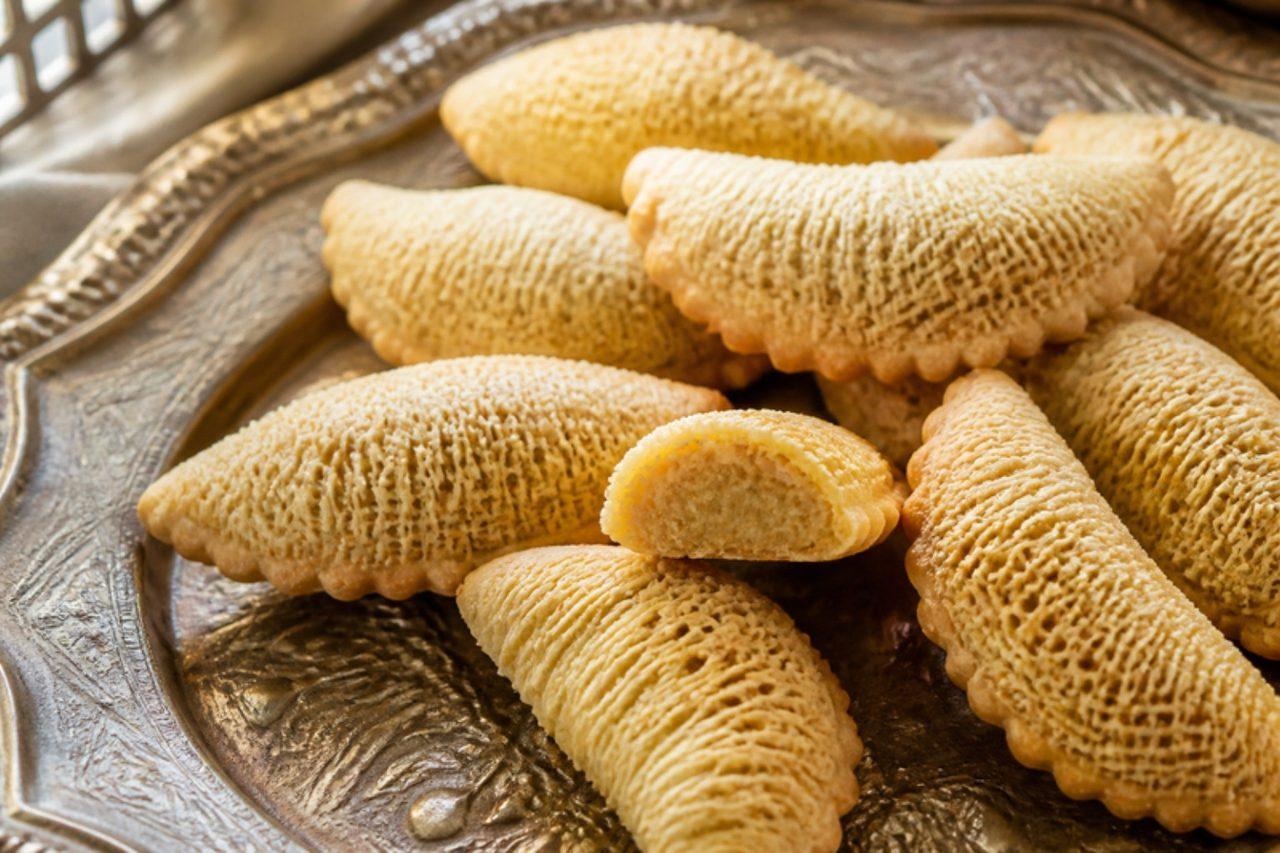
Tcharek el arianeAlmond crescents with orange blossom

On the last nights of Ramadan, kitchens across Algiers and Constantine fill up with trays of tcharek el ariane, the 'naked' tcharek: crescents of thin, buttery dough wrapped around almond paste with cinnamon and orange-blossom water. Unlike their sugar-coated cousins they are left bare, so the fine dough with its pinched, lace-like pattern shows. Families give them to neighbours on Eid morning and set them out at weddings with mint tea and coffee. The dough is traditionally made with smen (aged butter); plain melted butter works well. Overbaking is the common slip, because they turn hard and dry; they should stay pale with only golden tips. Chef's tip: keep the dough under a damp cloth while you shape, as it dries in minutes and then cracks along the curve.

by KrazyBadal 0 views

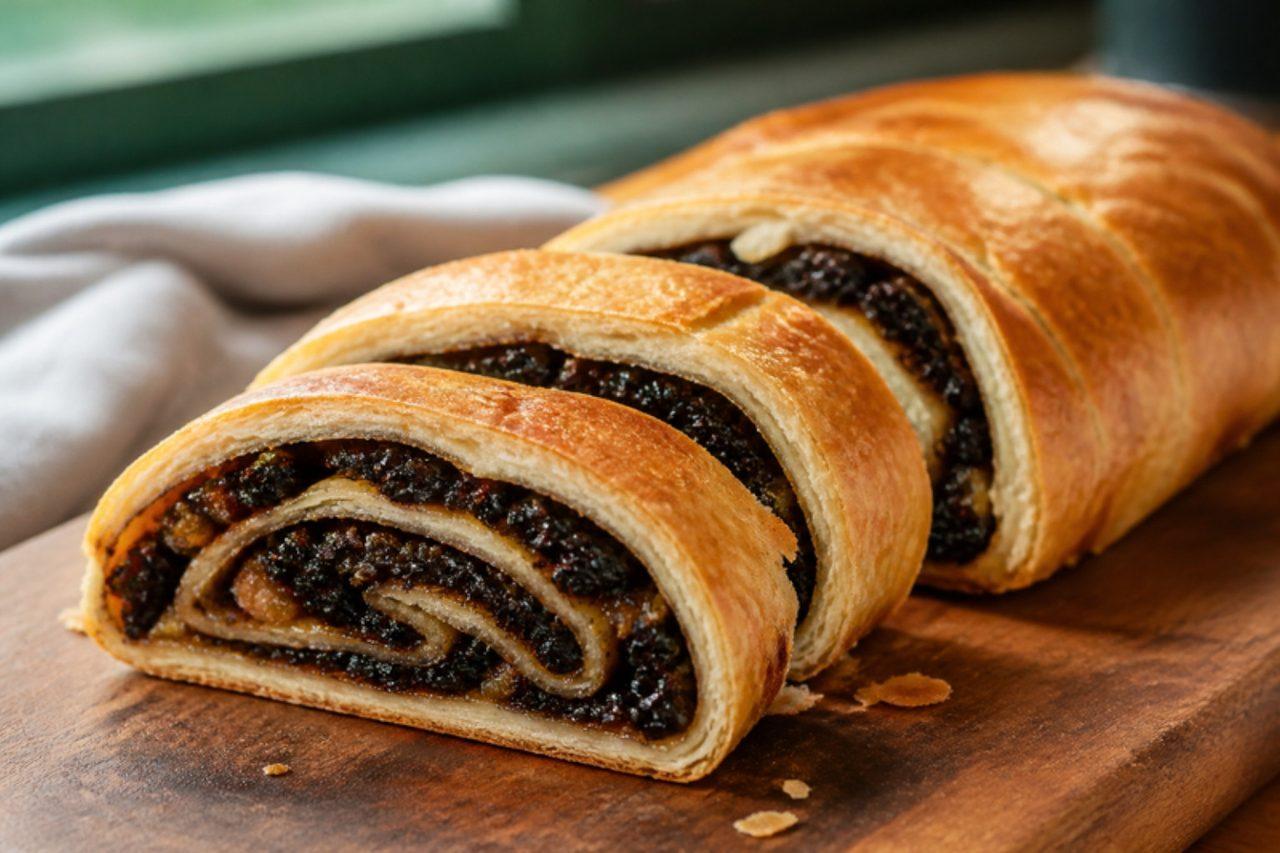
Currants rollSpiced currant pastry roll

In Trinidad and Tobago, currants roll is the thing in the bakery case next to the coconut drops and salara: flaky shortcrust rolled tightly around a dark, sticky mixture of currants, brown sugar, cinnamon and nutmeg, baked whole and cut into thick spiral slices. Schoolchildren buy a piece on the way home and it is a favourite at Christmas when the house is full of visitors. The pastry is crisp and short, the filling jammy and warmly spiced. Spooning the filling on hot and syrupy makes the roll leak and go soggy, so cool it until thick. Chef's tip: roll the pastry on baking paper and use the paper to lift and roll the log, keeping it tight and even.

by KrazyBadal 0 views

Torta de ricotaLemon ricotta tart

Italian families brought ricotta tarts to Buenos Aires and Rosario, and torta de ricota is now as Argentinian as mate: every panadería has one in the window, with a lattice of sweet, crumbly masa frola over a pale, lemon-scented ricotta filling. It is cut into wedges for the merienda, the late-afternoon snack, or for a birthday where nobody wants a heavy cake. The texture is light and slightly grainy rather than silky, and the pastry tastes of butter and vanilla. Wet ricotta is the biggest risk, giving a weeping, soggy tart. Chef's tip: drain the ricotta overnight in the fridge in a sieve lined with a cloth, and add a few raisins only if they have been soaked, or they draw moisture from the filling.

by KrazyBadal 0 views

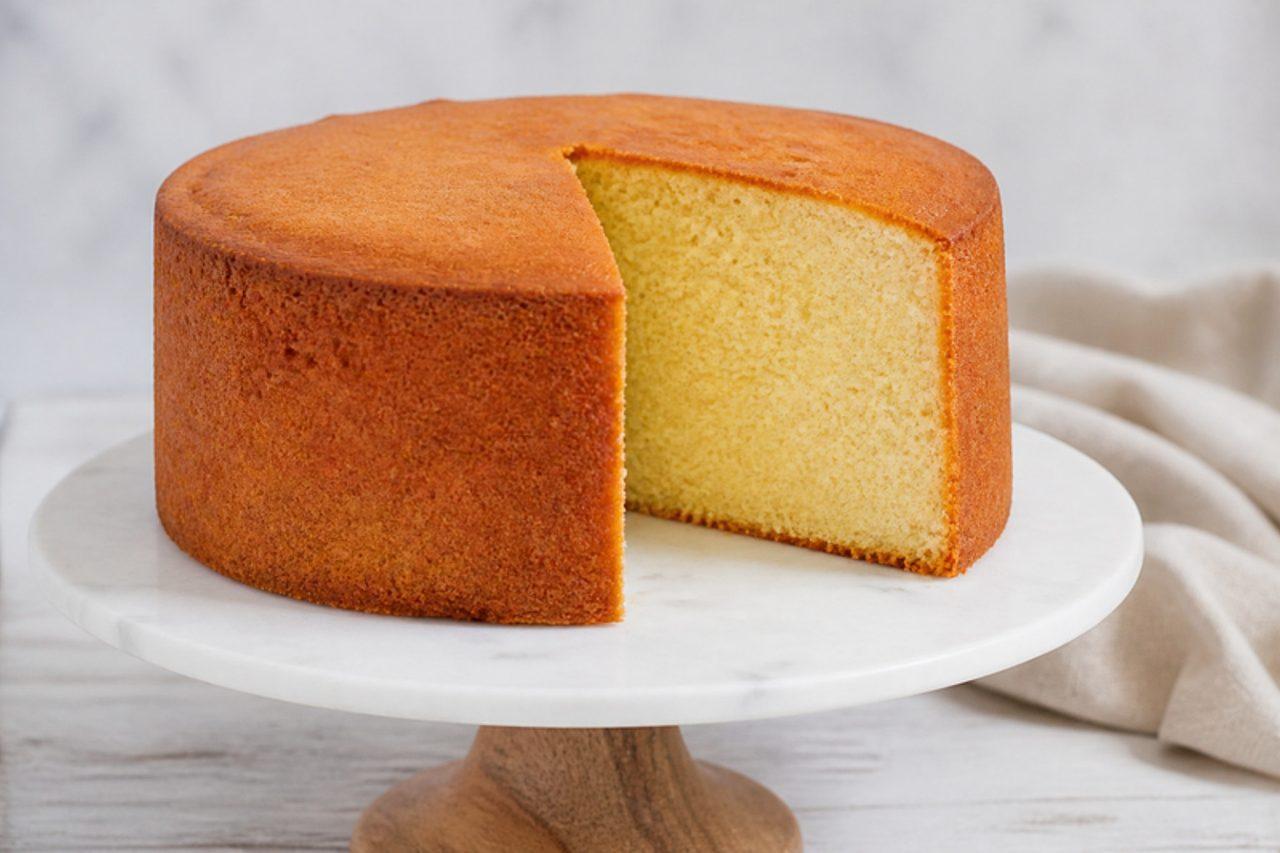
BizcochueloPlain whisked sponge cake

Nearly every Argentine birthday torta starts life as a bizcochuelo: a tall, plain sponge of eggs, sugar, flour and cornflour, with no butter and no baking powder, lifted only by long whisking. Grandmothers bake it on Sunday to split into three and fill with dulce de leche and whipped cream, or eat it plain in the afternoon with mate. The crumb is fine, dry-ish and airy, made to soak up syrup. Opening the oven in the first 20 minutes is the classic way to flatten it, so leave the door shut. Chef's tip: whisk until the mixture reaches 'punto letra', thick enough that a ribbon drawn on the surface holds its shape for a few seconds; that takes a good 8–10 minutes with an electric mixer, and warm eggs get there faster.

by KrazyBadal 0 views

Butterflap breadFolded buttered rolls

Soft, squishy and folded like a little book, butterflap is a Trinidad and Tobago bakery classic, sold by the bag from Port of Spain to San Fernando. Each roll is an oval of milky dough spread with butter and folded over, so it bakes into a tender roll that peels open along a buttery seam. People eat them warm for breakfast with cheese or a hot cup of cocoa tea, split them for a sandwich at lunch, or tear them up beside a pot of stew. Many bakeries use margarine; butter tastes better. Spreading the butter too thick, right to the edges, is where it goes wrong: it leaks out and fries the base, so keep a clean border. Chef's tip: pack the folded rolls snugly in the tin so they rise up rather than out and stay soft at the sides.

by KrazyBadal 0 views

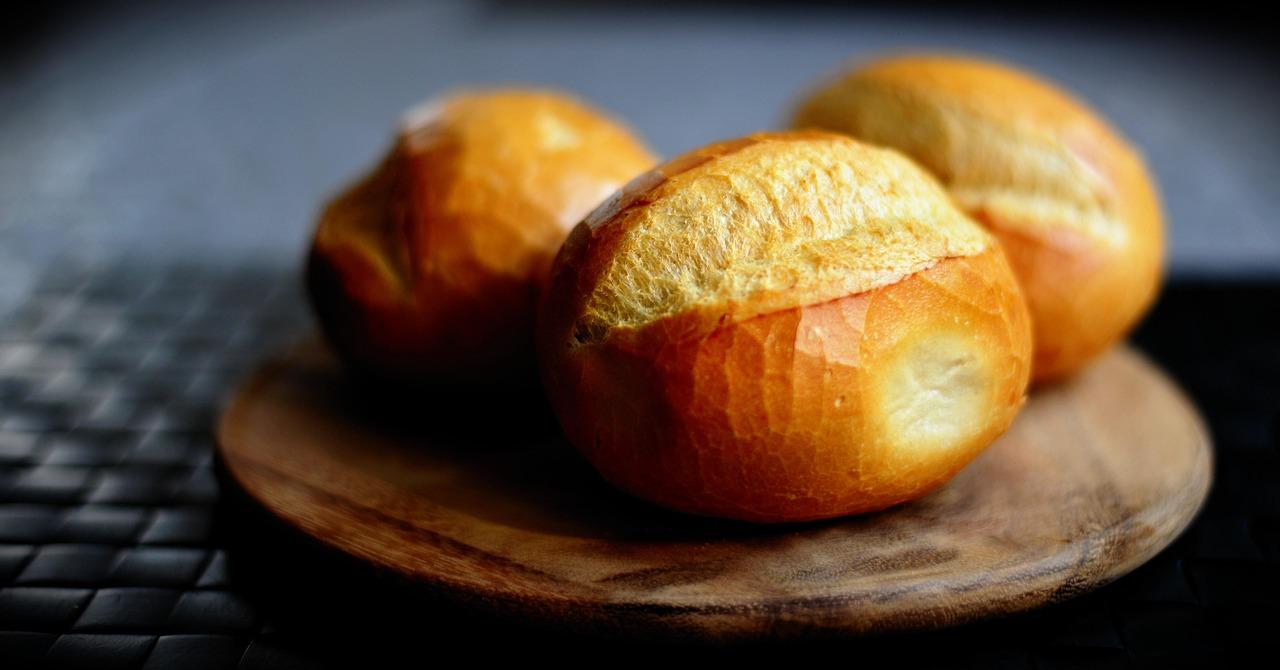
Hops breadCrusty breakfast rolls

Saturday breakfast in Trinidad and Tobago often means a paper bag of hops bread from the corner bakery, bought hot and split right away. The rolls are small and round with a crisp, crackly shell that gives way to a soft, airy, almost cotton-like inside. Trinis fill them with cheese and pepper sauce, buljol of saltfish, fried aloo or a smear of butter and guava jelly, and they turn up at lunch with stewed chickpeas too. A little vegetable shortening keeps the crumb tender; there is no milk or butter in the dough, so they are vegan. Underproving is the common mistake: tight, heavy rolls that split along the side. Wait until a fingertip dent fills back slowly. Chef's tip: brush the rolls with water just before and halfway through baking; the moisture is what gives hops their thin, shattering crust.

by KrazyBadal 0 views

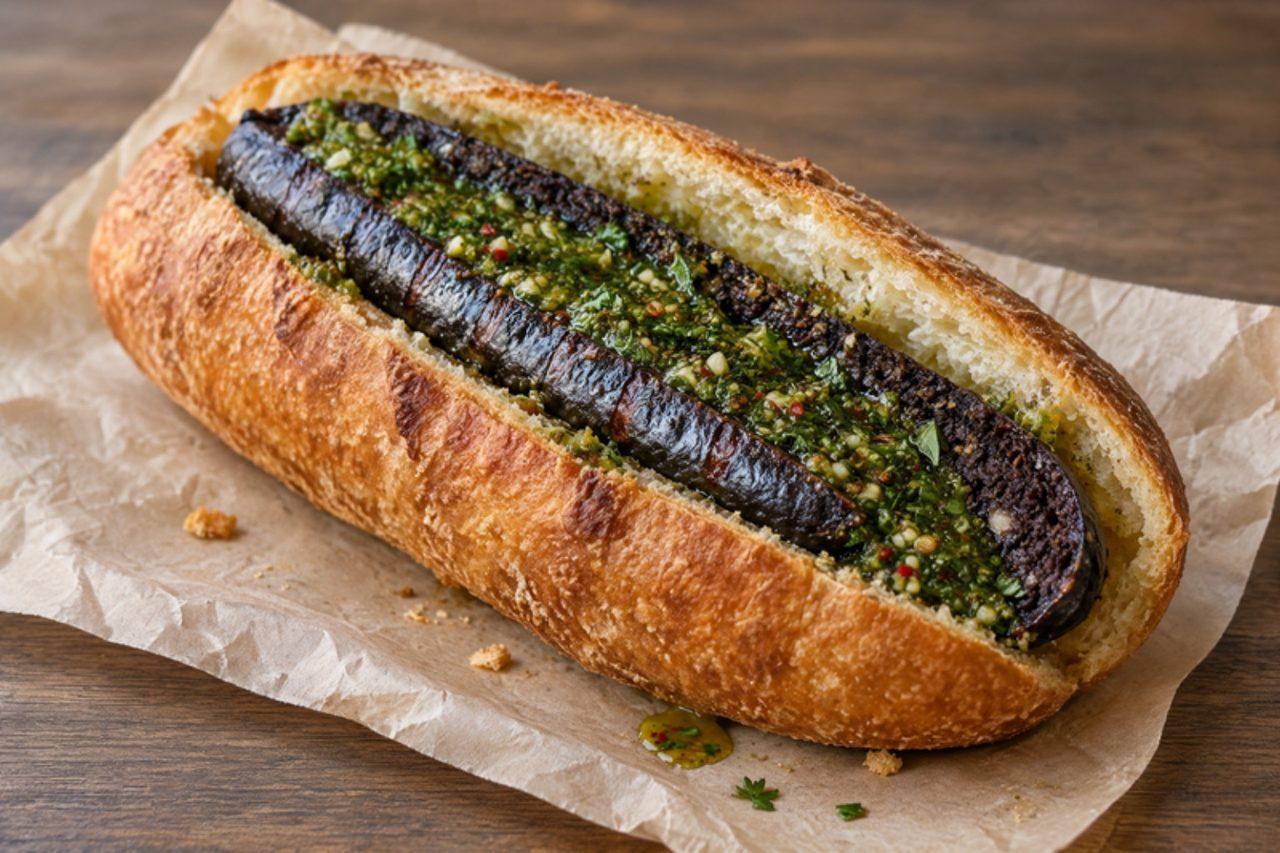
Morcipán (blood sausage roll)

At any Buenos Aires asado, and at the street grills outside football grounds like La Bombonera in La Boca, the choripán has a twin: the morcipán, a soft, rich morcilla split and laid in crusty bread. Argentine morcilla is a pork blood sausage with pork fat, onion and spices, sometimes with nuts or raisins, and it grills to a crisp skin around a soft, spoonable centre that tastes deep and slightly sweet. A sharp chimichurri cuts through it. Chef's tip: grill it over a gentle heat and turn it carefully with tongs; on a fierce grill the casing splits and the filling runs out.

by KrazyBadal 0 views

Showing 24 of 270 recipes

Show more recipes

Page 1 of 12