Skip to content
Recipes

All recipes

Vegetarian, or something you can't eat? Set your diet once and we'll hide recipes that don't fit.

Wu tau go (taro cake)

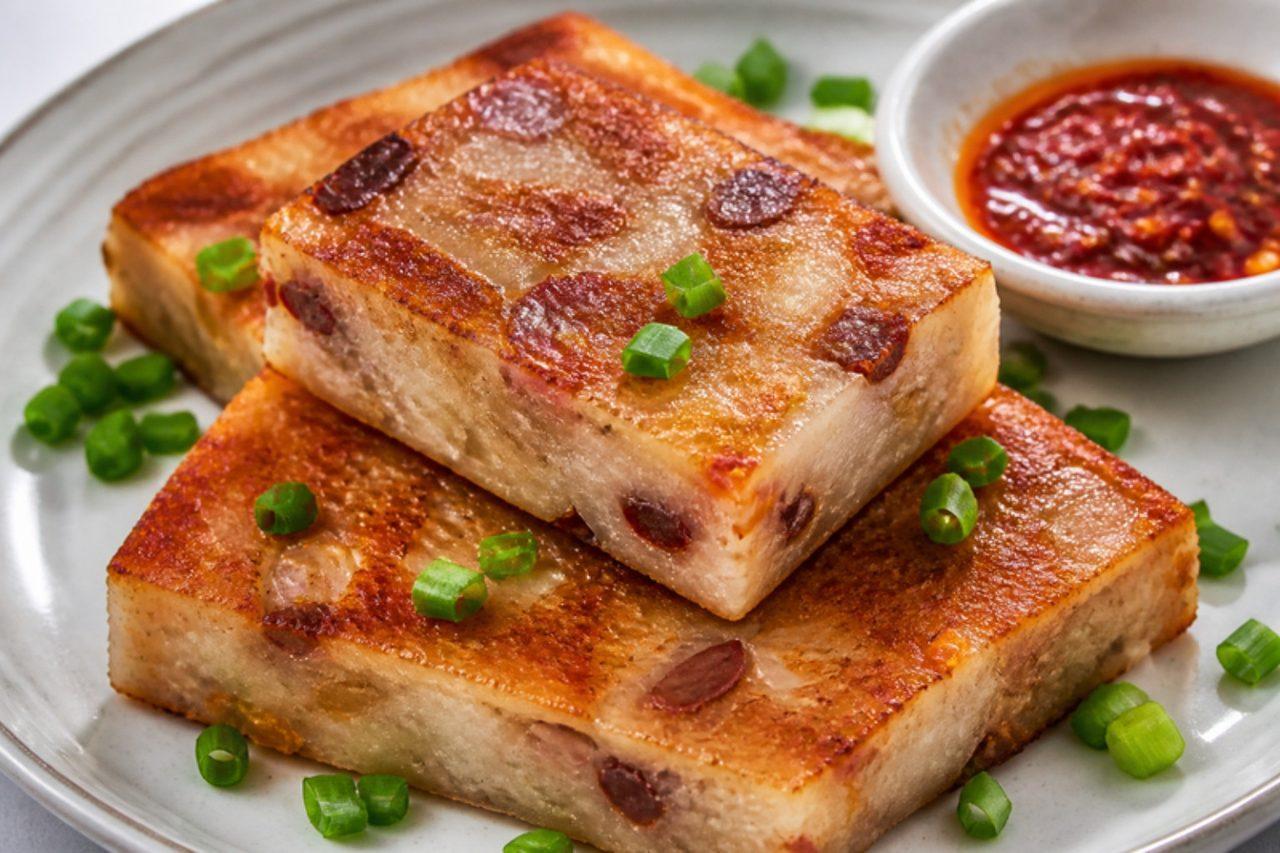
Wu tau go is one of the 'gou' cakes that Hong Kong and Guangdong families steam before Lunar New Year, because gou sounds like 'tall' and promises a year that rises higher. This one is studded with chunks of taro, diced Chinese sausage (lap cheong, a sweet cured pork sausage usually made with rose wine or Shaoxing wine) and dried shrimp, set with rice flour and fragrant with five-spice. For an alcohol-free cake, choose a lap cheong labelled alcohol-free, or use the smoked tofu from the vegetarian variation. Cold, it slices cleanly; pan-fried, it gets a crisp golden crust over a soft, starchy, savoury middle with nubbly bits of taro. Serve slices hot with chilli sauce or oyster sauce, alongside turnip cake at New Year dim sum. Chef's tip: cook the batter on the hob until it is as thick as mashed potato before steaming; a runny batter lets the taro sink and leaves a pasty layer at the bottom.

by KrazyBadal 0 views

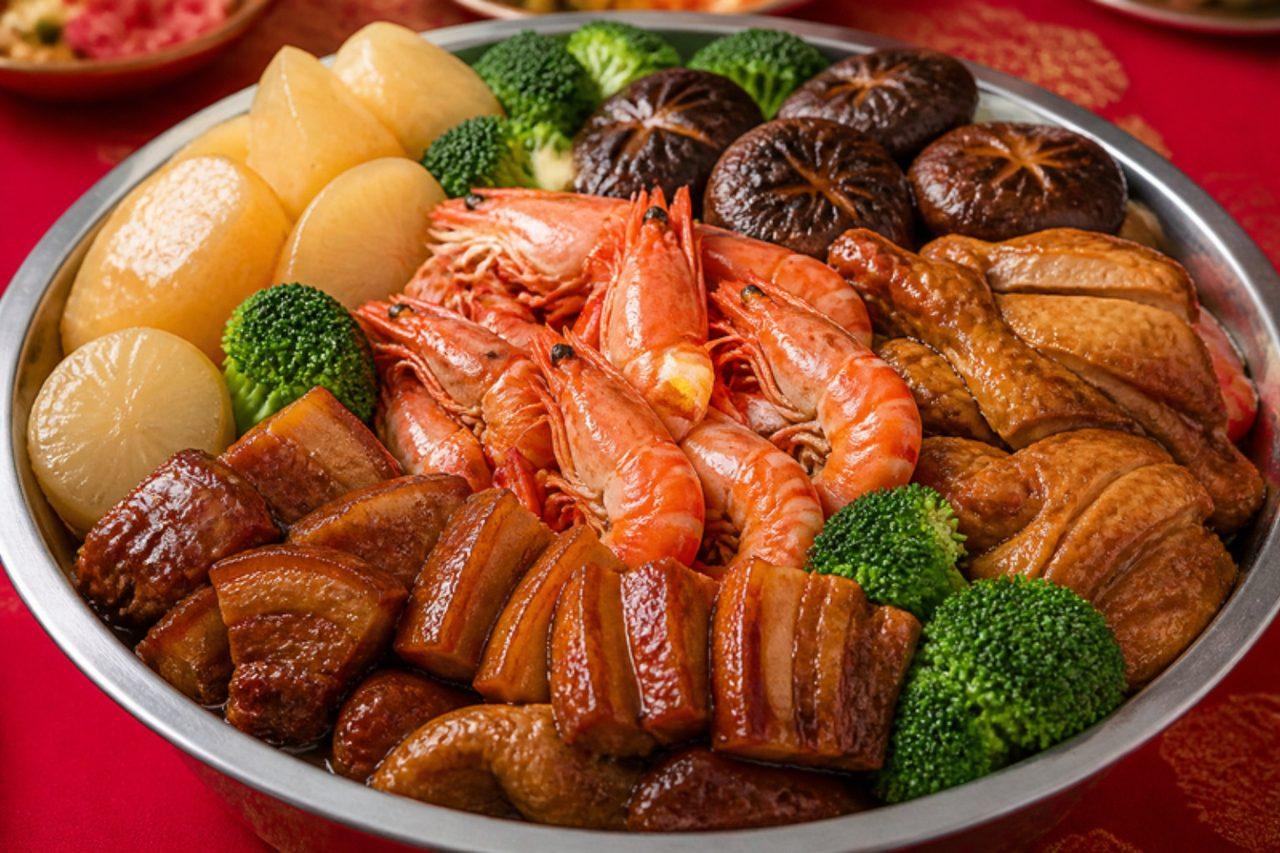
Poon choi (basin feast)Layered braised meat and seafood basin

Poon choi comes from the walled villages of Hong Kong's New Territories, where the whole clan eats from one great basin at Lunar New Year and other village celebrations; sharing a single pot stands for unity, and the layers piled to the brim for plenty. Each layer is cooked on its own and stacked so the sauces trickle downwards: soft braised pork belly and soy chicken near the top, prawns and mushrooms in the middle, and radish, tofu skin and cabbage at the bottom soaking up everything. The home version here leaves out shark fin, uses canned abalone only if you want it, and is made for 8 in a large flameproof casserole. Bring the whole basin to the table bubbling and serve with steamed rice. Chef's tip: pack the absorbent vegetables at the bottom and the showy pieces at the top; the radish should finish as the tastiest thing in the pot.

by KrazyBadal 0 views

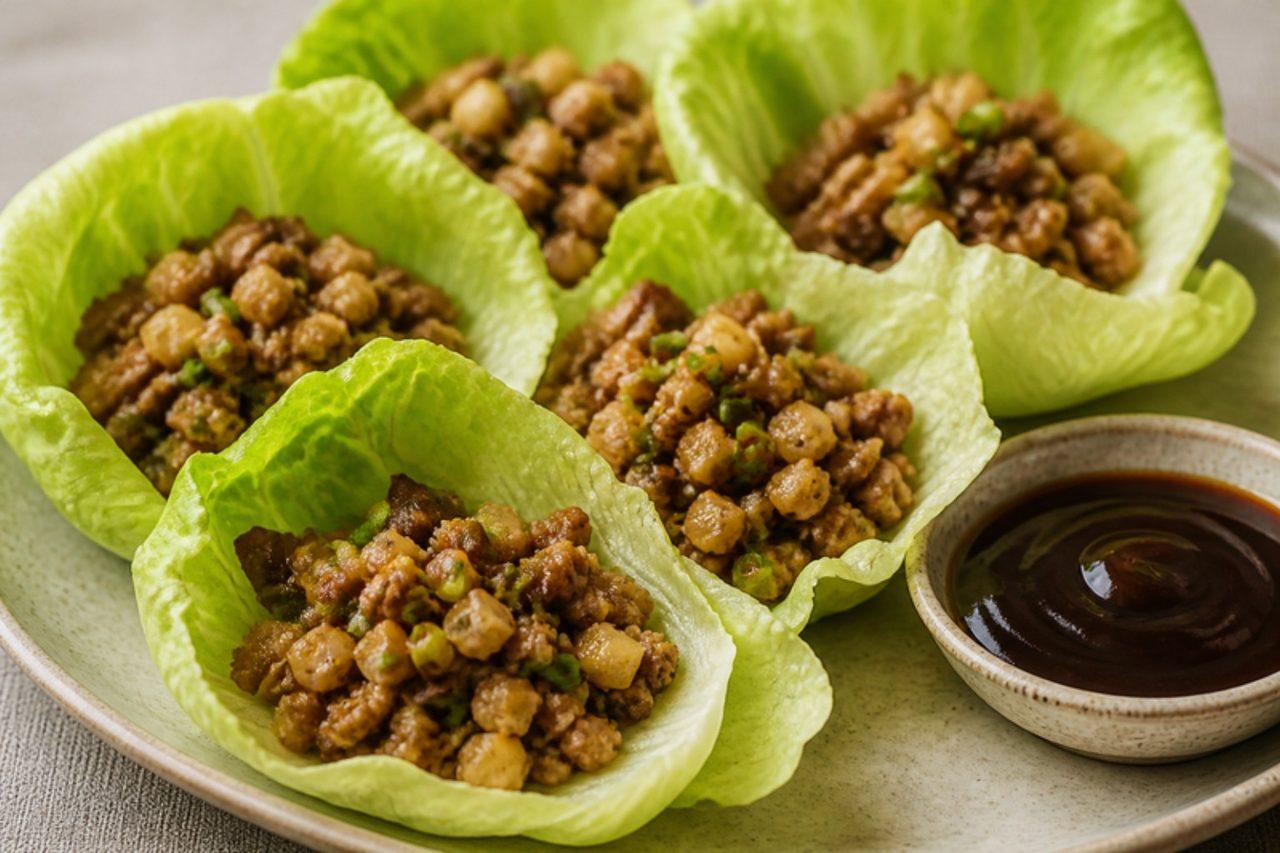
Sang choi bao (minced pork lettuce cups)

At Lunar New Year in Hong Kong, lettuce (saang choi) is on the table because its name sounds like 'growing wealth', and sang choi bao wraps that wish around a hot, savoury filling. Minced pork is stir-fried quickly with water chestnut, shiitake and a little oyster sauce, then spooned into cold, crisp iceberg cups so every bite is juicy, crunchy and fresh at once. It is fast enough to make while the bigger dishes braise, and it works as a starter or alongside rice and poon choi. Chef's tip: get the wok really hot and spread the mince out flat; crowded, cool mince stews in its juices instead of browning.

by KrazyBadal 0 views

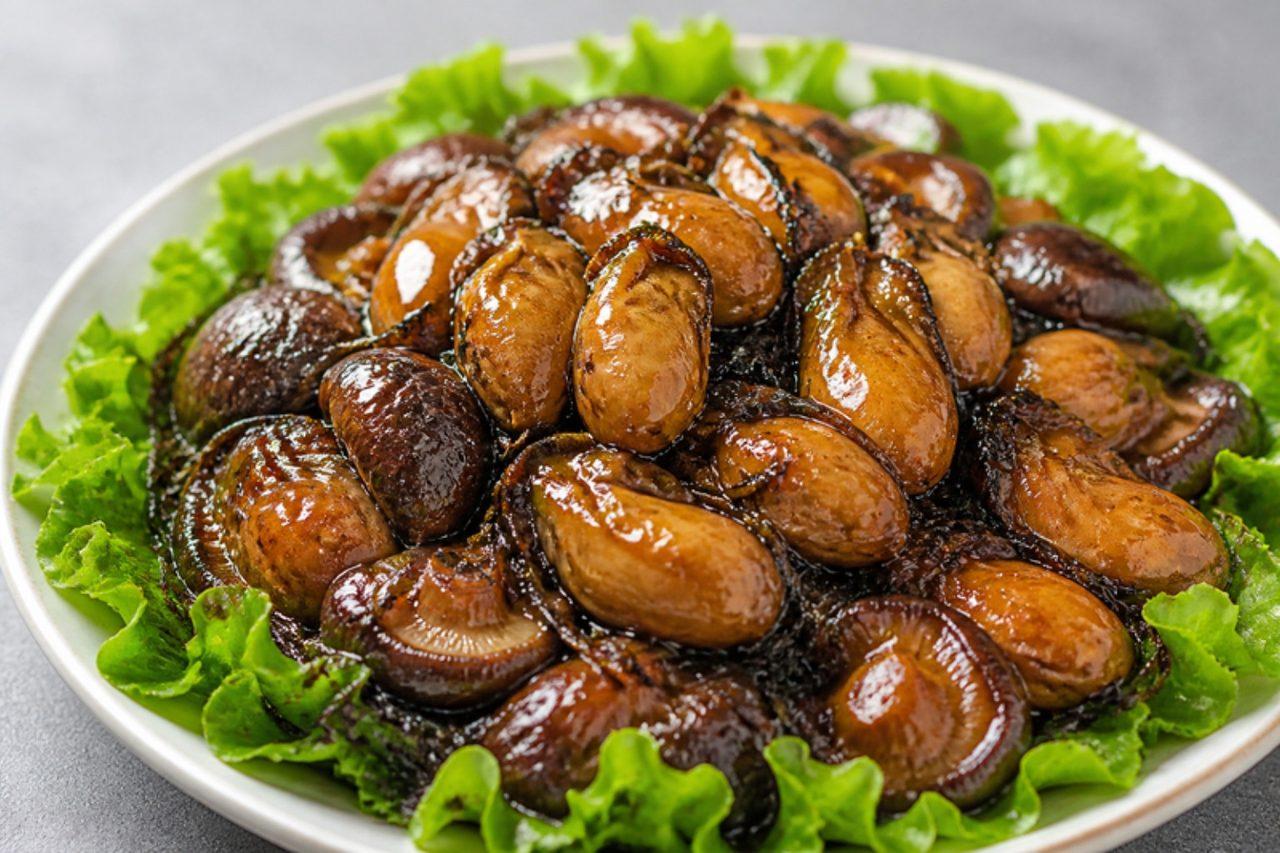
Ho si fat choy (dried oysters with black moss)

Ho si fat choy is the Cantonese Lunar New Year dish that every shopkeeper in Hong Kong wants on the table: ho si (dried oysters) sounds like 'good business' and fat choy (black moss) sounds like 'get rich'. Wild fa cai is now banned from harvest in China because gathering it damaged the grasslands, so this recipe uses the widely sold 'vegetarian black moss' substitute, which looks the same; you can also leave it out and the dish is still delicious. The dried oysters are soaked and slowly braised with shiitake until plump, chewy and deeply savoury, in a glossy oyster-sauce gravy. Serve it piled on blanched lettuce with steamed rice. Chef's tip: rinse the soaked oysters under running water, rubbing each one, to wash out any grit hiding in the folds.

by KrazyBadal 0 views

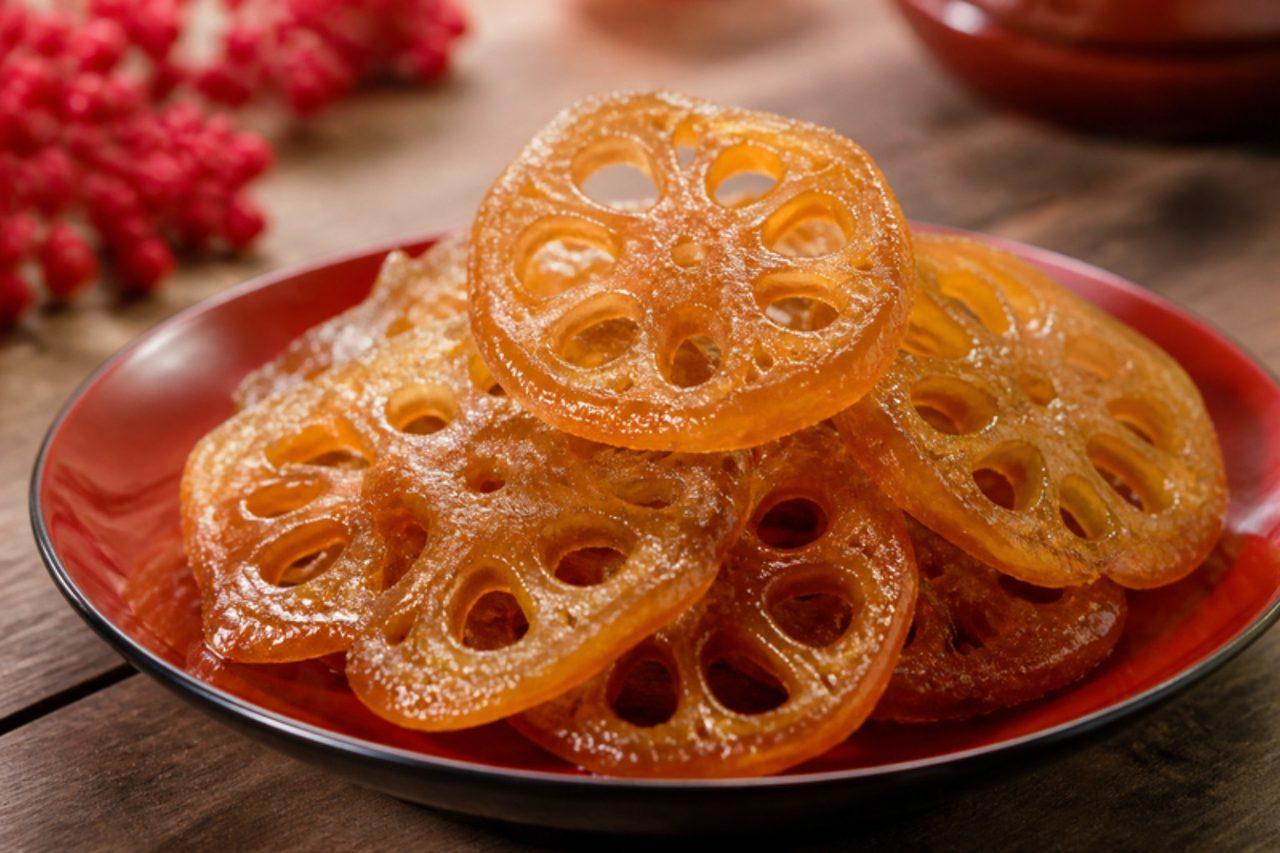
Candied lotus root (tong lin ngau)

Open the octagonal tray of togetherness in a Hong Kong or Guangdong home at Lunar New Year and you will usually find pale, sugar-frosted rounds of candied lotus root. The lotus is prized because its root grows in linked sections and its name, lin, sounds like the word for 'continuous', so the slices carry a wish for abundance that keeps coming back year after year. Simmered slowly in syrup and then dried, they turn translucent and chewy at the centre with a fine crust of sugar and a faint, earthy sweetness, and the lacy pattern of holes stays on show. Set them out with candied lotus seeds, melon seeds and a pot of jasmine or pu-erh tea for visitors. Chef's tip: blanch the slices with a pinch of salt and a splash of vinegar first; it stops them going grey and keeps them crisp-edged instead of mushy.

by KrazyBadal 0 views

ParihuelaSpicy seafood soup

Parihuela is the big weekend seafood soup of Callao and the Peruvian coast, eaten at long Sunday lunches in cevicherías and praised as a cure for tiredness and late nights. A deep red broth of ají panca, ají amarillo, tomato and fish stock is loaded with chunks of fish, prawns, squid and mussels. A portion gives about 30 g of protein, from the fish and shellfish, for roughly 300 kcal. Some cooks add chicha de jora or beer; this version has none. The common mistake is adding all the seafood at once: squid and prawns turn rubbery while the fish cooks, so they go in last. Before cooking, discard any mussels that stay open when tapped, and after cooking discard any that stay shut. Chef's tip: fry the chilli pastes in the oil until they darken and smell sweet; that toasted ají is what gives parihuela its depth.

by KrazyBadal 0 views

Chilcano de pescadoClear fish broth

In the fishermen's terminals of Chorrillos and Callao, chilcano is what you drink on a Sunday morning after a long night: a clear, gingery broth made from the heads and bones left over from cleaning fish for ceviche, with chunks of fish, red onion, chilli and a squeeze of lime in the bowl. It is light and warming, around 160 kcal a bowl, and still gives about 24 g of protein from the fish fillet and the broth. The common mistake is squeezing the lime into the pot while it boils, which turns it bitter; add it to each bowl at the table. Don't boil the bones for more than 30 minutes either, or the broth turns cloudy and harsh. Chef's tip: ask the fishmonger for heads and frames from mild white fish like sea bass or cod, and leave out oily fish such as mackerel, which makes the broth strong and fishy.

by KrazyBadal 0 views

Aguadito de polloCoriander chicken rice soup

Aguadito is the soup Lima serves in the small hours: at the end of a wedding, after New Year's Eve and at weekend family lunches, it is ladled out thick and steaming to revive everyone. Rice simmers in chicken broth coloured deep green with blended coriander and warmed with yellow ají amarillo, along with peas, carrot, pepper, sweetcorn and potato. A portion gives about 24 g of protein, from the chicken with a little from the rice and peas, for around 480 kcal. The common mistake is adding the coriander purée too early: cooked for long it turns khaki and loses its fresh taste, so stir it in for the last 10 minutes. The chicken must reach 74 °C at the bone. Chef's tip: blend a handful of spinach with the coriander; it keeps the colour vivid green without changing the flavour.

by KrazyBadal 0 views

Wife cakeWinter melon flaky pastry

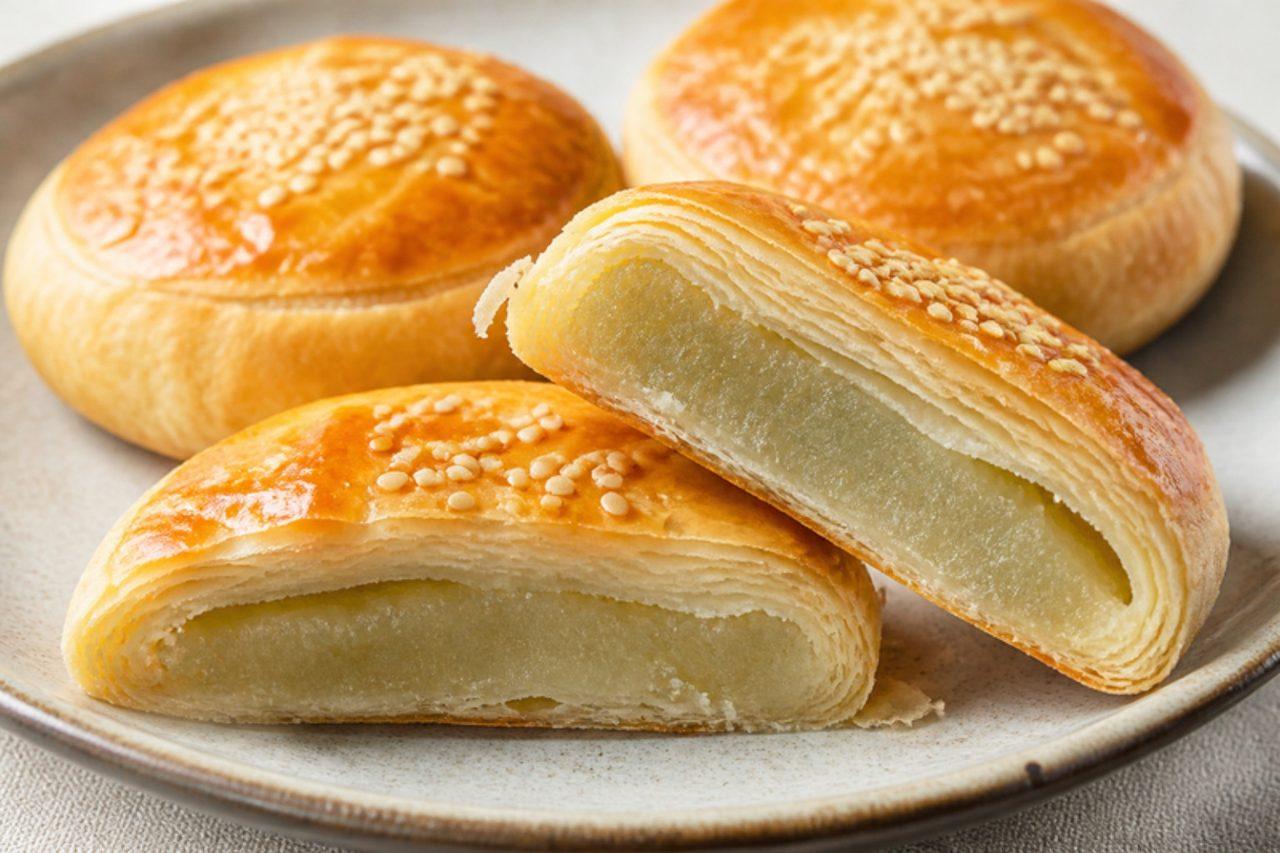
Wife cakes (lou po beng) are one of the gifts people carry home from Yuen Long in Hong Kong's New Territories, and every Cantonese bakery from Guangzhou to London's Chinatown sells them by the box. The thin, shattering pastry hides a soft, chewy filling of candied winter melon set with glutinous rice flour, with toasted sesame and ground almonds for a nutty sweetness. Serve them with a pot of oolong or pu'er. Traditionally the pastry is made with lard; this version uses vegetable shortening, which flakes just as well, so the cakes are vegetarian and dairy free. Rolling too hard is the mistake that ruins them: the layers tear and the pastry bakes up dense. Chef's tip: cook the filling until it pulls away from the pan in a single mass and chill it, because a soft, wet filling bursts through the thin pastry in the oven.

by KrazyBadal 0 views

Hong Kong coconut tarts

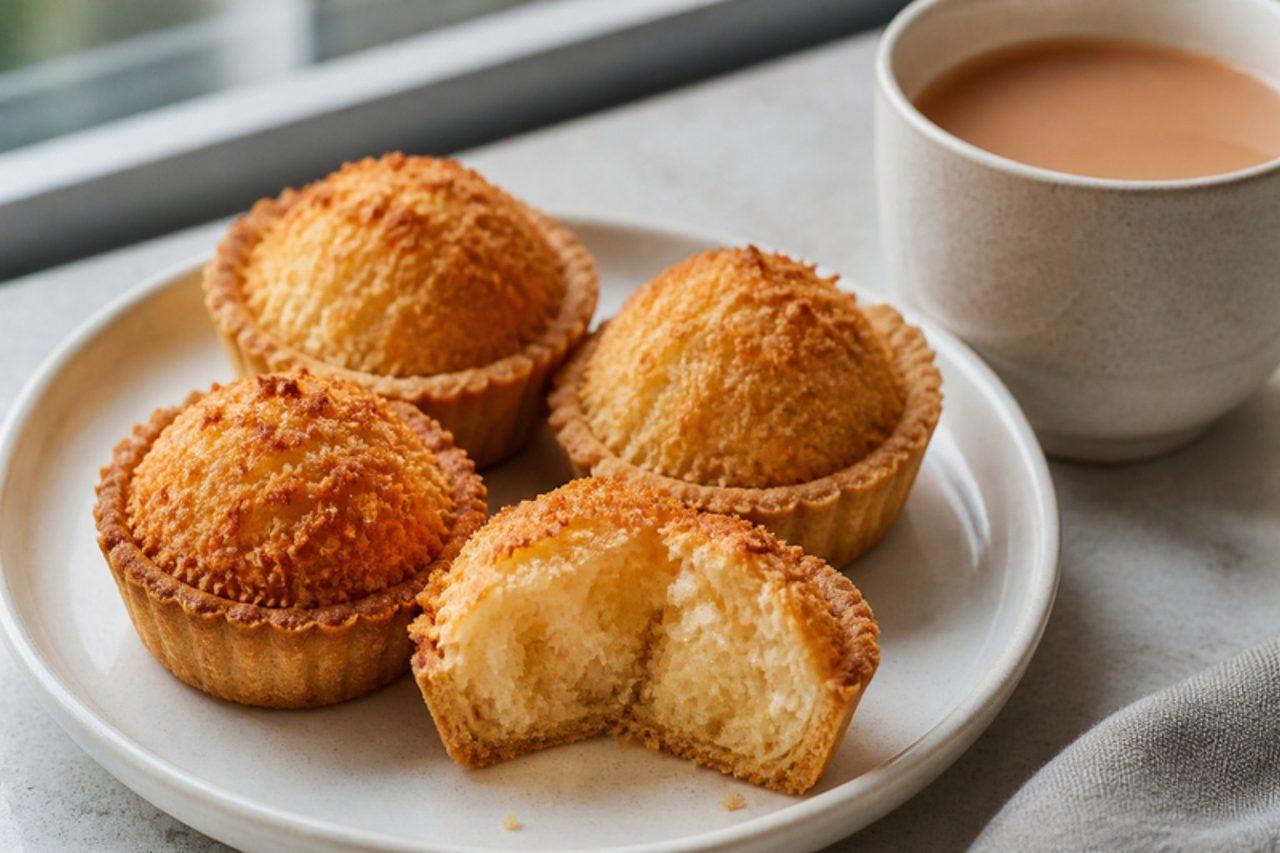
Next to the wobbling egg tarts in any Hong Kong bakery window sit their sturdier siblings, coconut tarts (yē tāt), with a domed, golden-brown filling of sweetened shredded coconut. Office workers grab one with a milk tea at cha chaan teng tea time around three o'clock, and children love the chewy, macaroon-like centre inside a crumbly, cookie-like butter crust. The filling is just coconut, sugar, egg, butter and a little evaporated milk, with a pinch of baking powder that lifts it into a dome. Overfilling the cases is the usual slip: the coconut rises and spills down the sides, so stop at the rim. Chef's tip: let the filling stand for 15 minutes while you line the tins; the coconut softens and soaks up the liquid, so the tops bake moist instead of scorching.

by KrazyBadal 0 views

Chicharrón de pescadoCrisp fried fish chunks

Up and down the Peruvian coast, from Chorrillos in Lima to the beaches of Piura, chicharrón de pescado is the crunchy plate ordered alongside ceviche at a long seafood lunch: bite-size chunks of firm white fish marinated briefly in garlic and lime, dusted in flour and fried, then served with fried cassava, salsa criolla and tartar or rocoto sauce. Using frozen peeled cassava keeps it to half an hour. The common mistake is leaving the fish in the lime too long: after about ten minutes the acid starts to 'cook' the outside and the coating slips off. Chef's tip: toss the floured pieces in a sieve to shake off every bit of loose flour; a thin coat fries crisp, a thick one turns pasty.

by KrazyBadal 0 views

Algerian mkhabezIced almond and lemon diamonds

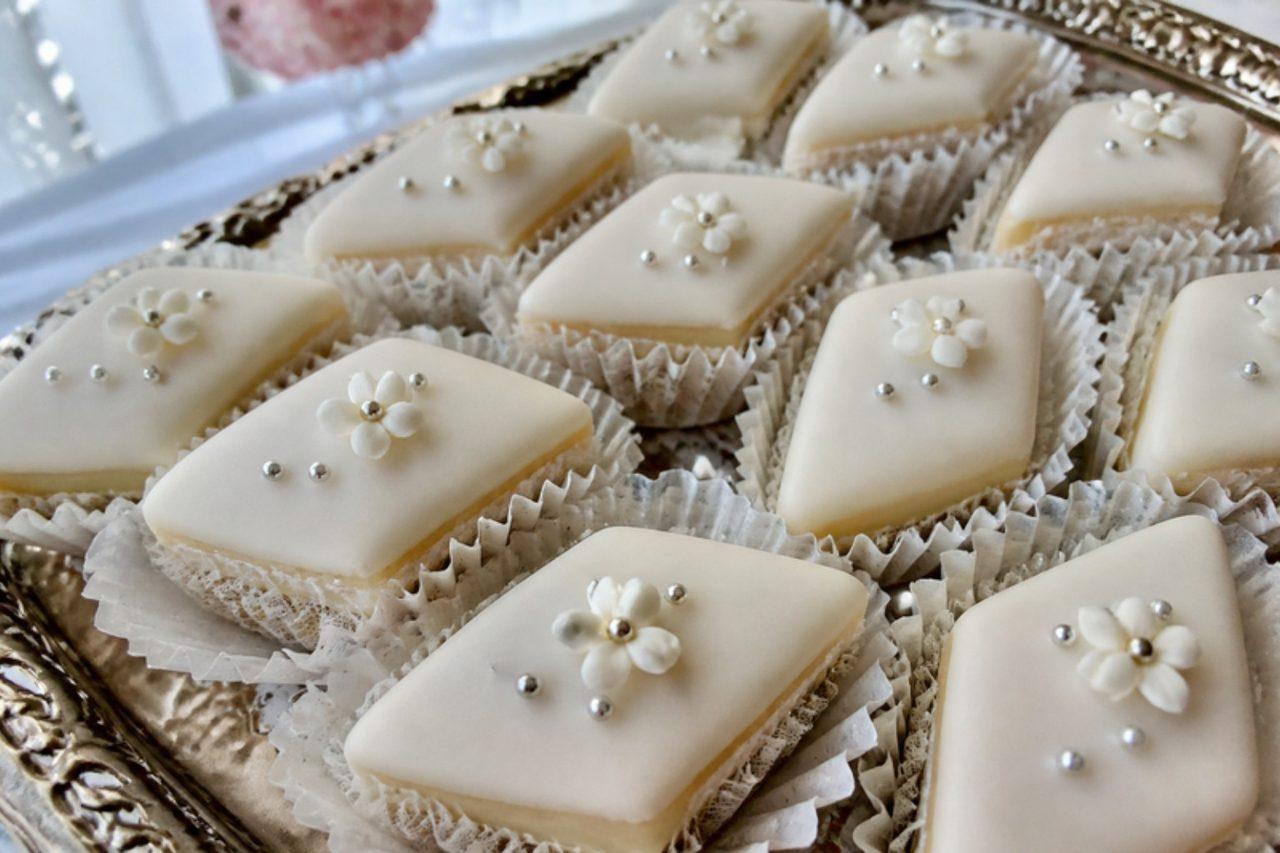
No Algerian wedding tray, and few Eid tables in Algiers or Constantine, is complete without mkhabez: soft, chewy diamonds of ground almond and lemon zest under a smooth white icing, each topped with a sugar flower or a silver ball and set in its own paper case. Making them is a social affair, with sisters and aunts icing and decorating hundreds the week before a celebration. The almond base is flourless and dairy free, sweet and lemony, and the icing sets to a thin shell; serve them with mint tea or strong coffee. Overbaking is the mistake to avoid: the diamonds should come out pale and soft, or they go dry and crumbly under the icing. Chef's tip: ice them when completely cold, and get the icing so thick it only just flows; runny icing slides off the sides and never sets glossy.

by KrazyBadal 0 views

Tallarines rojosSpaghetti in red sauce with chicken

Tallarines rojos is the Sunday-lunch and weeknight pasta of homes all over Peru, from Lima to Arequipa: spaghetti in a sweet, deep-red sauce of blended tomato, onion and garlic with a little ají panca and oregano, often with pieces of chicken cooked right in it. Children love it, and it is served with a sprinkle of grated cheese and sometimes a spoon of huancaína on the side. The usual mistake is cooking the sauce too briefly, so it tastes of raw onion; let the blended tomato fry until it darkens and the oil shows at the edges. Chef's tip: a bay leaf and a spoon of ají panca paste give the sauce its Peruvian character; paprika will do if you can't find the paste.

by KrazyBadal 0 views

TopfengolatschenSweet quark puff pastry squares

A Topfengolatsche is what Viennese office workers grab from the bakery on the way in, and what grandparents order with a Melange in a coffee house on a Sunday afternoon. The corners of a puff pastry square are folded over a lemony, vanilla-scented filling of Topfen (Austrian quark) with plump raisins, and the top gets a thin white glaze. It is flaky, light and not too sweet. Raisins are sometimes soaked in rum; warm water or orange juice works just as well, and the recipe below is alcohol-free. Wet quark is the classic problem, because it turns the filling runny and it leaks out in the oven. Chef's tip: hang the quark in a sieve lined with a clean cloth for an hour, or squeeze it, until it is as thick as soft cream cheese.

by KrazyBadal 0 views

Hong Kong paper-wrapped sponge cake

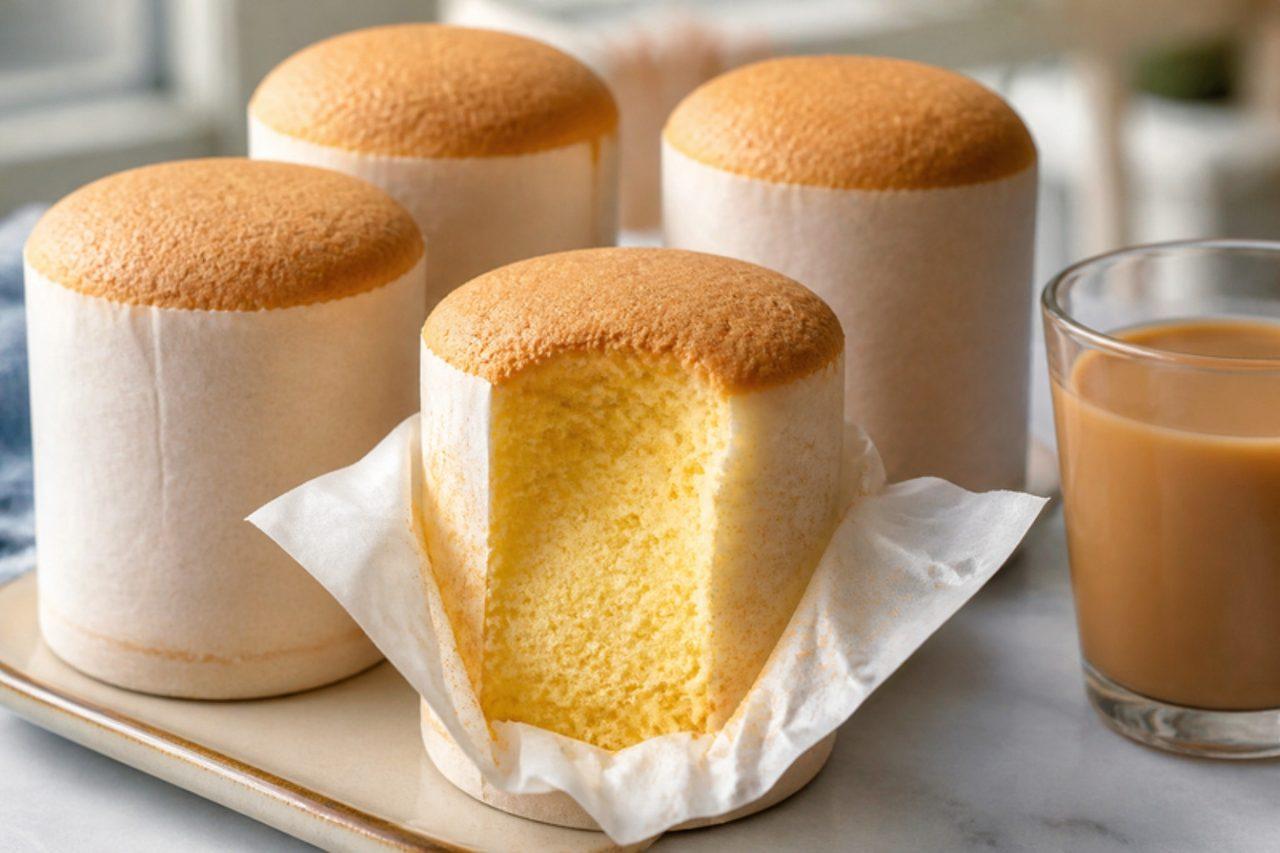
Hong Kong bakery windows line up these tall, golden cylinders, each in its own band of greaseproof paper, and they sell out early as a breakfast with a glass of milk tea or an after-school snack. Known in Cantonese as zhi bao dan gao, they are close to a chiffon cake: oil and milk keep the crumb soft and moist, and whisked egg whites make it light and bouncy. You peel the paper off as you eat, and the thin outer crust is the best bit. Greasing the paper is a frequent mistake; the batter needs a dry surface to grip and climb, otherwise the sponges slump. Chef's tip: stand the paper cups in a deep muffin tin or ramekins so they keep their shape, and fill them only three-quarters full.

by KrazyBadal 0 views

Tcharek el arianeAlmond crescents with orange blossom

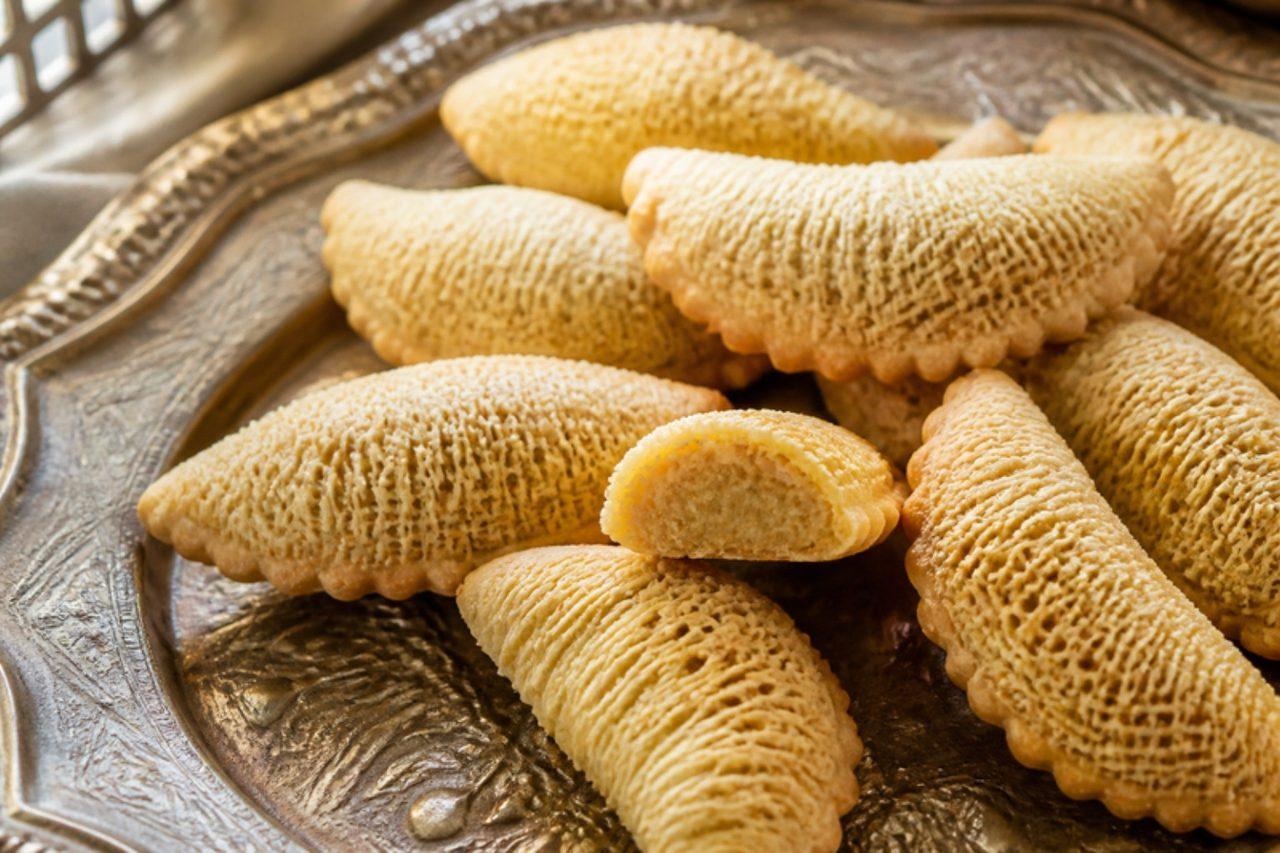
On the last nights of Ramadan, kitchens across Algiers and Constantine fill up with trays of tcharek el ariane, the 'naked' tcharek: crescents of thin, buttery dough wrapped around almond paste with cinnamon and orange-blossom water. Unlike their sugar-coated cousins they are left bare, so the fine dough with its pinched, lace-like pattern shows. Families give them to neighbours on Eid morning and set them out at weddings with mint tea and coffee. The dough is traditionally made with smen (aged butter); plain melted butter works well. Overbaking is the common slip, because they turn hard and dry; they should stay pale with only golden tips. Chef's tip: keep the dough under a damp cloth while you shape, as it dries in minutes and then cracks along the curve.

by KrazyBadal 0 views

Pejerrey arrebozadoBattered fish fillets with onion salsa

Pejerrey arrebozado is a Lima classic from the cevicherías and home kitchens of the coast, eaten at lunch on a plate with white rice, a heap of sharp salsa criolla and sometimes boiled potato. The pejerrey, a small silverside, is opened into butterflied fillets, dipped in a light egg-and-flour batter and fried golden. Outside Peru, use small fillets of whiting, sole, haddock or tilapia. The batter here uses sparkling water, not beer, so it is alcohol free. The common mistake is frying in oil that isn't hot enough: the batter drinks the oil and turns greasy, so test with a drop of batter first. Chef's tip: make the salsa criolla first and let the onion sit in lime for ten minutes; it softens its bite and turns a pretty pink.

by KrazyBadal 0 views

ChaplasHollow puffed Andean bread

Walk through Ayacucho's central market at seven in the morning and you will see women selling stacks of chaplas from cloth-lined baskets, still warm from the wood-fired ovens of the Andes. These round wheat breads puff up like pita in the fierce heat, leaving a hollow pocket inside a thin, soft, lightly floury crust. In Ayacucho and Huancavelica they are eaten with sweet coffee or hot emoliente for breakfast, or split and filled with queso fresco, avocado or a spoonful of rocoto sauce. Highland bakers traditionally work in a little lard; vegetable shortening gives the same tenderness and keeps the bread vegan. A cool baking tray is the reason chaplas stay flat, so preheat it thoroughly. Chef's tip: let the rolled rounds rest before baking and flip them upside down onto the tray, so the smooth, dry side meets the heat first and the pocket opens evenly.

by KrazyBadal 0 views

Pan chutaAniseed round bread

The small town of Oropesa, half an hour from Cusco, calls itself Peru's bread capital, and its wood-fired bakeries are famous for chuta: big, flat, round loaves as wide as a dinner plate, glossy on top, with a faint sweetness and the warmth of aniseed. Travellers on the road to Puno and Bolivia stop to buy them by the bagful, and families bring them home for All Saints' Day and for sharing with hot coca tea or coffee, fresh cheese and butter. The bakeries traditionally use lard; this version uses vegetable shortening and butter, so it is vegetarian. The make-or-break moment is the proof: chuta is large and flat, and if it goes in under-risen it bakes dense and splits at the rim. Chef's tip: toast the aniseed for a minute in a dry pan and crush it lightly before adding, for a rounder, sweeter perfume.

by KrazyBadal 0 views

Kärntner ReindlingCinnamon raisin yeast cake

Carinthia's Easter loaf takes its name from the Reindl, the round, deep pan it is baked in, and in southern Austria no Easter basket goes to church without one. Inside the golden yeast crust is a spiral of butter, cinnamon sugar and plump raisins, so every slice shows a dark swirl. Locals eat it two ways: sweet with coffee on Easter morning, or alongside the savoury Easter platter with horseradish. Many bakers soak the raisins in rum overnight; warm water or tea works just as well and keeps it alcohol-free. A dry, crumbly Reindling usually means too much flour went in during kneading, so keep the dough soft and only lightly floured. Chef's tip: butter the pan well and dust it with sugar, which caramelises into a thin crunchy shell.

by KrazyBadal 0 views

ErdäpfelstrudelSavoury potato strudel

Austrians, especially in the Mühlviertel of Upper Austria and the Waldviertel, make savoury strudels as often as sweet ones, and Erdäpfelstrudel is a farmhouse favourite for a meatless Friday or a cold evening. Thin pastry wraps a filling of potatoes, fried onion, sour cream, marjoram and parsley, baked until crisp and golden and sliced with a green salad or a dill and sour-cream dip. Bought filo makes it easy at home. The mistake to avoid is a wet filling, which turns the pastry soggy underneath. Chef's tip: cool the filling completely before rolling; warm filling makes the layers stick and tear.

by KrazyBadal 0 views

Capeletis a la CarusoStuffed pasta in cream sauce

Capeletis a la Caruso were created in a Montevideo restaurant in the 1950s and named after the great tenor, and they are still a Sunday lunch favourite in Uruguayan homes: little stuffed pasta hats in a rich sauce of cream, cooked ham (pork), mushrooms and onion, finished with grated cheese. Buy good fresh capeletis or tortellini; the sauce is what you make. The usual mistake is boiling the cream sauce hard, which makes it oily and grainy. Chef's tip: cook the mushrooms in a dry hot pan first until they squeak and brown, before any butter goes in, for a deeper taste.

by KrazyBadal 0 views

Ka'i ladrilloPeanut molasses bricks

Ka'i ladrillo — 'monkey brick' in Guaraní — is the sweet sold by vendors on Asunción buses and at country fiestas: roasted peanuts bound in boiled cane molasses and set in brick-shaped blocks, crunchy and dark with a slightly smoky toffee taste. It contains peanuts, so keep it away from anyone with a peanut allergy. The common mistake is taking the syrup off too soon, so the bricks stay sticky and never set. Chef's tip: test the syrup by dropping a little into cold water; it is ready when it sets into a brittle thread that snaps.

by KrazyBadal 0 views

Satay beef instant noodles

In Hong Kong's cha chaan teng diners, the morning set often means a bowl of instant noodles in clear broth topped with tender beef in a sweet, peanutty satay sauce, eaten with a buttered bun and a cup of milk tea. Restaurants use a jarred Chinese satay paste; this quick home sauce gets close with peanut butter and curry powder. The usual mistake is putting cold beef in a crowded pan, which makes it stew grey; fry it hot and fast in one layer. Chef's tip: a pinch of bicarbonate of soda in the marinade makes the beef silky and tender, the cha chaan teng way.

by KrazyBadal 0 views

Showing 24 of 327 recipes

Show more recipes

Page 1 of 14