Skip to content
Recipes

All recipes

Vegetarian, or something you can't eat? Set your diet once and we'll hide recipes that don't fit.

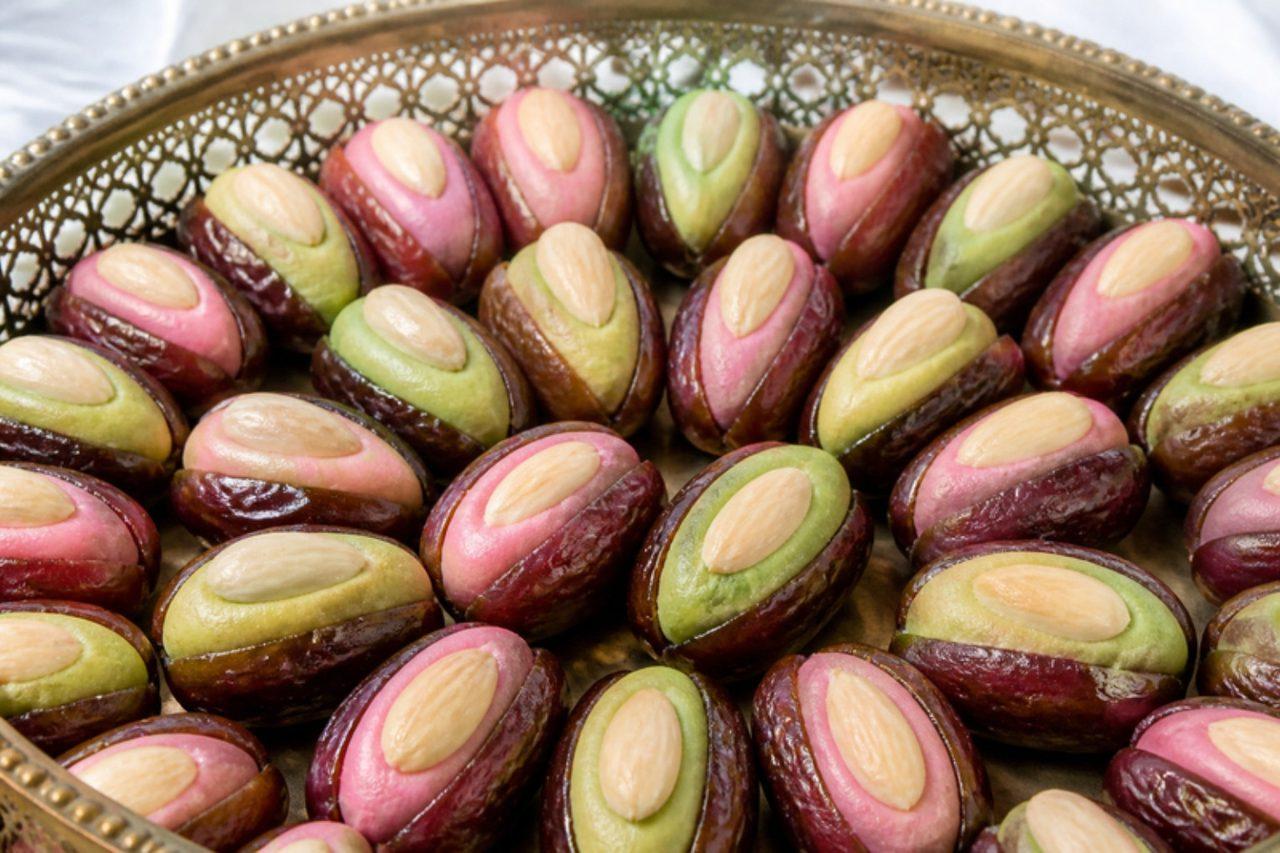
Tmar mehchi (Moroccan almond-stuffed dates)

Tmar mehchi is the stuffed date of Fez and Marrakech, piled high on silver trays at weddings, engagements and Eid, and offered to guests with mint tea. Soft dates are filled with a homemade almond paste perfumed with orange-blossom water, often tinted pale green or pink to match the celebration, then scored with a knife so the filling shows. They are soft, rich and caramel-sweet, with a floral, nutty middle. The paste here is mixed from ground almonds and icing sugar, so there is no shop marzipan, which can contain egg white. It is naturally egg-free: the dates' sticky flesh and a few spoonfuls of orange-blossom water bind the almond filling. Chef's tip: add the orange-blossom water a little at a time and stop when the paste is firm like play dough. The common mistake is a wet paste, which oozes out and makes the dates slippery.

by KrazyBadal 0 views

ParihuelaSpicy seafood soup

Parihuela is the big weekend seafood soup of Callao and the Peruvian coast, eaten at long Sunday lunches in cevicherías and praised as a cure for tiredness and late nights. A deep red broth of ají panca, ají amarillo, tomato and fish stock is loaded with chunks of fish, prawns, squid and mussels. A portion gives about 30 g of protein, from the fish and shellfish, for roughly 300 kcal. Some cooks add chicha de jora or beer; this version has none. The common mistake is adding all the seafood at once: squid and prawns turn rubbery while the fish cooks, so they go in last. Before cooking, discard any mussels that stay open when tapped, and after cooking discard any that stay shut. Chef's tip: fry the chilli pastes in the oil until they darken and smell sweet; that toasted ají is what gives parihuela its depth.

by KrazyBadal 0 views

Aguadito de polloCoriander chicken rice soup

Aguadito is the soup Lima serves in the small hours: at the end of a wedding, after New Year's Eve and at weekend family lunches, it is ladled out thick and steaming to revive everyone. Rice simmers in chicken broth coloured deep green with blended coriander and warmed with yellow ají amarillo, along with peas, carrot, pepper, sweetcorn and potato. A portion gives about 24 g of protein, from the chicken with a little from the rice and peas, for around 480 kcal. The common mistake is adding the coriander purée too early: cooked for long it turns khaki and loses its fresh taste, so stir it in for the last 10 minutes. The chicken must reach 74 °C at the bone. Chef's tip: blend a handful of spinach with the coriander; it keeps the colour vivid green without changing the flavour.

by KrazyBadal 0 views

Chilcano de pescadoClear fish broth

In the fishermen's terminals of Chorrillos and Callao, chilcano is what you drink on a Sunday morning after a long night: a clear, gingery broth made from the heads and bones left over from cleaning fish for ceviche, with chunks of fish, red onion, chilli and a squeeze of lime in the bowl. It is light and warming, around 160 kcal a bowl, and still gives about 24 g of protein from the fish fillet and the broth. The common mistake is squeezing the lime into the pot while it boils, which turns it bitter; add it to each bowl at the table. Don't boil the bones for more than 30 minutes either, or the broth turns cloudy and harsh. Chef's tip: ask the fishmonger for heads and frames from mild white fish like sea bass or cod, and leave out oily fish such as mackerel, which makes the broth strong and fishy.

by KrazyBadal 0 views

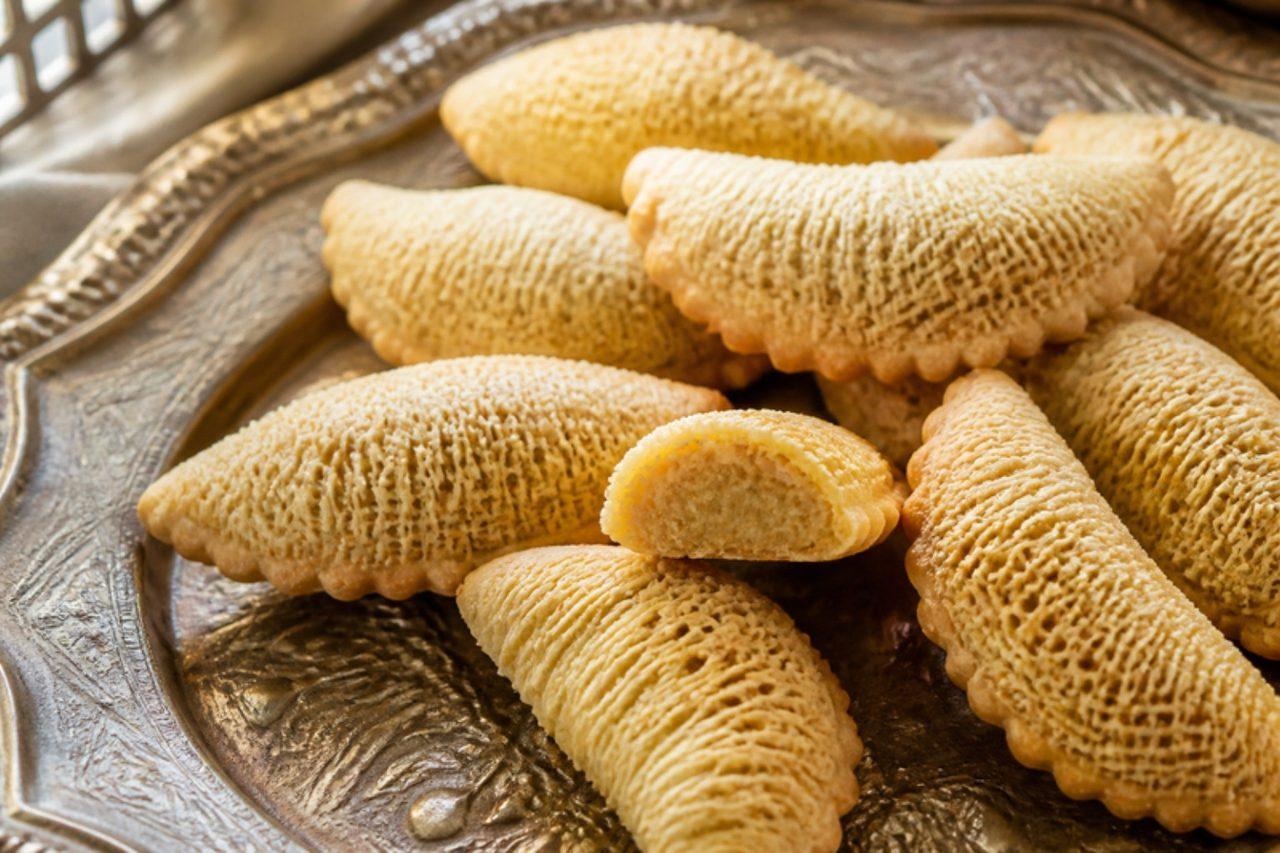
Tcharek el arianeAlmond crescents with orange blossom

On the last nights of Ramadan, kitchens across Algiers and Constantine fill up with trays of tcharek el ariane, the 'naked' tcharek: crescents of thin, buttery dough wrapped around almond paste with cinnamon and orange-blossom water. Unlike their sugar-coated cousins they are left bare, so the fine dough with its pinched, lace-like pattern shows. Families give them to neighbours on Eid morning and set them out at weddings with mint tea and coffee. The dough is traditionally made with smen (aged butter); plain melted butter works well. Overbaking is the common slip, because they turn hard and dry; they should stay pale with only golden tips. Chef's tip: keep the dough under a damp cloth while you shape, as it dries in minutes and then cracks along the curve.

by KrazyBadal 0 views

Pejerrey arrebozadoBattered fish fillets with onion salsa

Pejerrey arrebozado is a Lima classic from the cevicherías and home kitchens of the coast, eaten at lunch on a plate with white rice, a heap of sharp salsa criolla and sometimes boiled potato. The pejerrey, a small silverside, is opened into butterflied fillets, dipped in a light egg-and-flour batter and fried golden. Outside Peru, use small fillets of whiting, sole, haddock or tilapia. The batter here uses sparkling water, not beer, so it is alcohol free. The common mistake is frying in oil that isn't hot enough: the batter drinks the oil and turns greasy, so test with a drop of batter first. Chef's tip: make the salsa criolla first and let the onion sit in lime for ten minutes; it softens its bite and turns a pretty pink.

by KrazyBadal 0 views

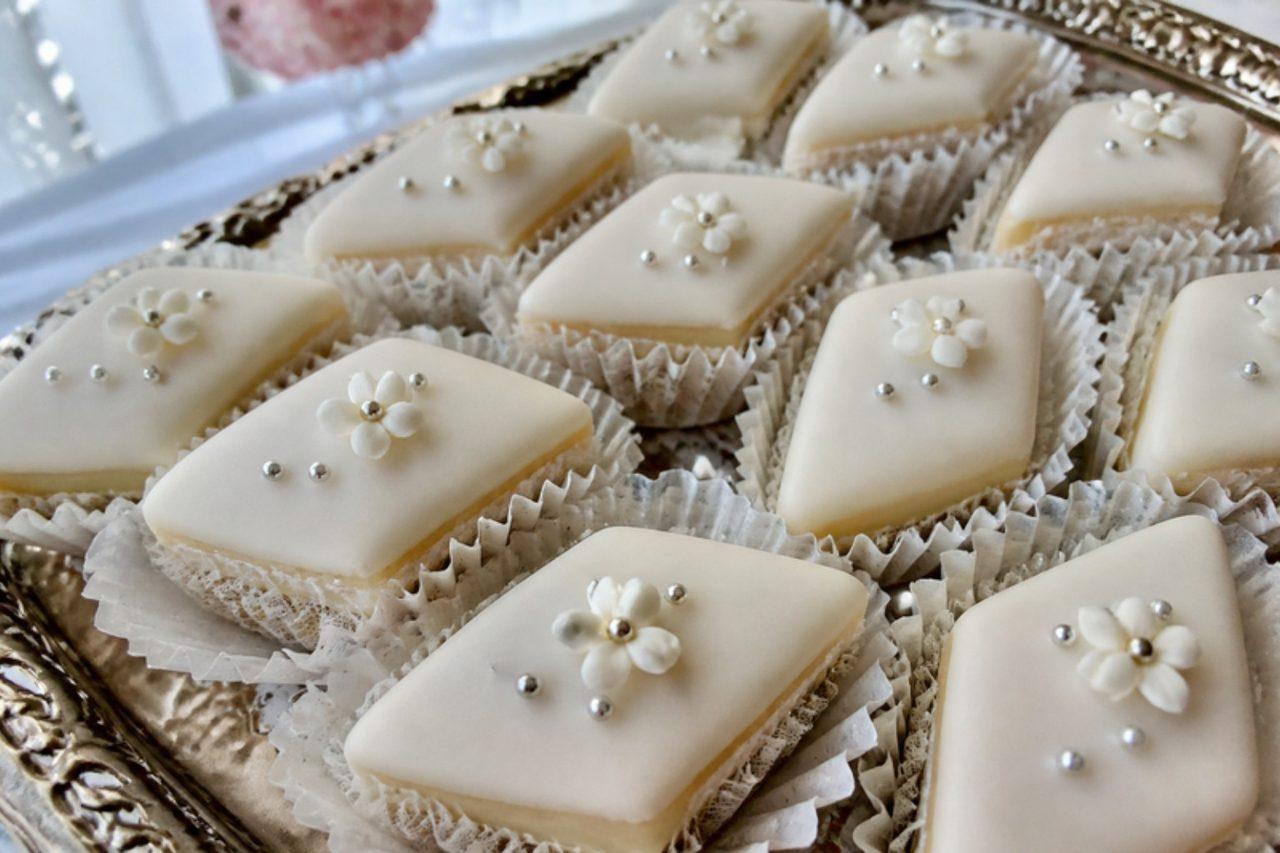
Algerian mkhabezIced almond and lemon diamonds

No Algerian wedding tray, and few Eid tables in Algiers or Constantine, is complete without mkhabez: soft, chewy diamonds of ground almond and lemon zest under a smooth white icing, each topped with a sugar flower or a silver ball and set in its own paper case. Making them is a social affair, with sisters and aunts icing and decorating hundreds the week before a celebration. The almond base is flourless and dairy free, sweet and lemony, and the icing sets to a thin shell; serve them with mint tea or strong coffee. Overbaking is the mistake to avoid: the diamonds should come out pale and soft, or they go dry and crumbly under the icing. Chef's tip: ice them when completely cold, and get the icing so thick it only just flows; runny icing slides off the sides and never sets glossy.

by KrazyBadal 0 views

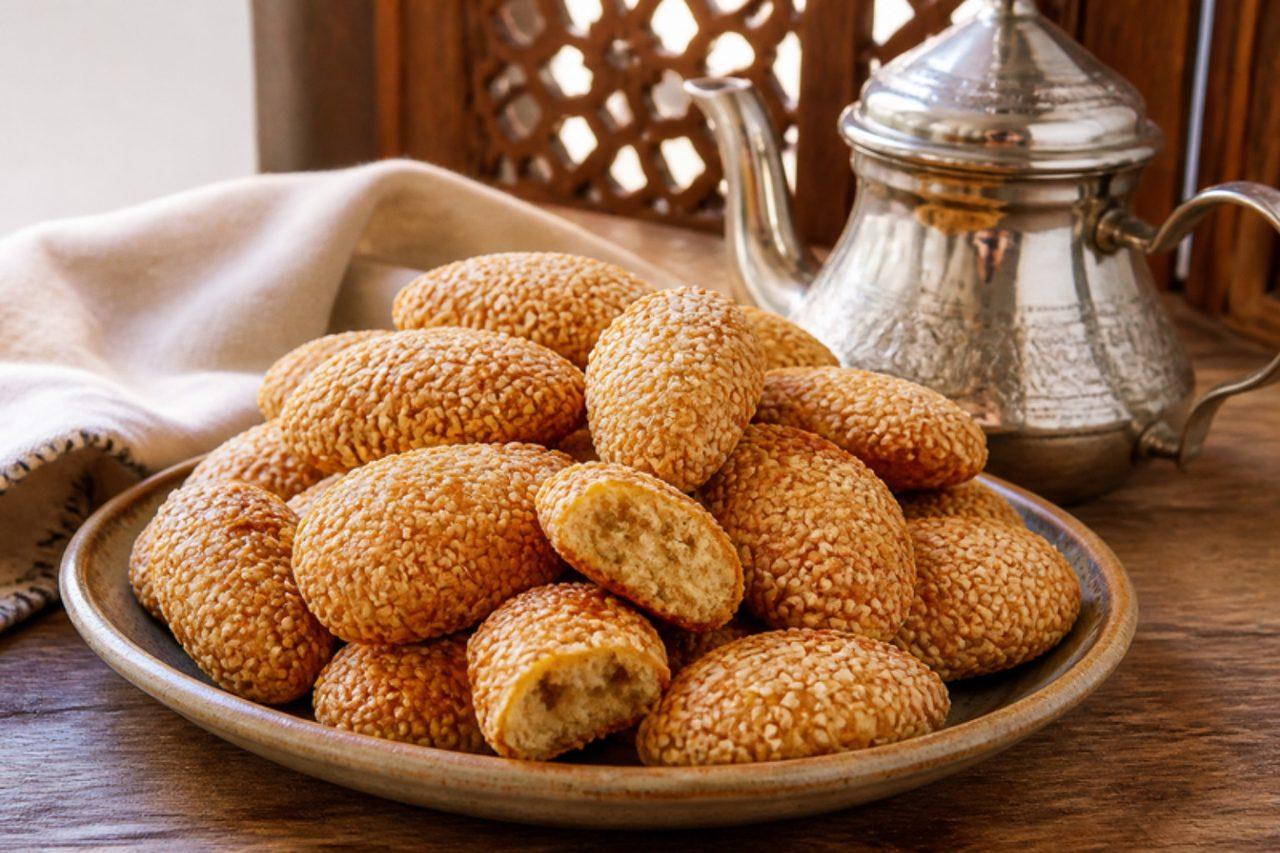
Moroccan bachkoutouOrange and sesame dunking biscuits

Moroccan grandmothers bake bachkoutou by the trayful and keep them in big tins for the afternoon glass of sweet mint tea, and neighbourhood ovens in Fes and Casablanca bake them for families who bring their dough. These are dry, crunchy little biscuits, not rich at all, made with eggs, sugar and oil rather than butter, with orange zest and a coating of toasted sesame; they are meant to be dunked until they soften slightly. Shapes vary from town to town: fingers, rings and rope twists are all common, and some cooks add aniseed. Too much flour is the easy mistake: the dough should stay soft and slightly sticky, or the biscuits bake heavy and hard rather than crisp and light. Chef's tip: once they are cold, put them back in a warm, switched-off oven for 20 minutes; that extra drying is what makes them keep their snap for weeks.

by KrazyBadal 0 views

Tallarines rojosSpaghetti in red sauce with chicken

Tallarines rojos is the Sunday-lunch and weeknight pasta of homes all over Peru, from Lima to Arequipa: spaghetti in a sweet, deep-red sauce of blended tomato, onion and garlic with a little ají panca and oregano, often with pieces of chicken cooked right in it. Children love it, and it is served with a sprinkle of grated cheese and sometimes a spoon of huancaína on the side. The usual mistake is cooking the sauce too briefly, so it tastes of raw onion; let the blended tomato fry until it darkens and the oil shows at the edges. Chef's tip: a bay leaf and a spoon of ají panca paste give the sauce its Peruvian character; paprika will do if you can't find the paste.

by KrazyBadal 0 views

Chicharrón de pescadoCrisp fried fish chunks

Up and down the Peruvian coast, from Chorrillos in Lima to the beaches of Piura, chicharrón de pescado is the crunchy plate ordered alongside ceviche at a long seafood lunch: bite-size chunks of firm white fish marinated briefly in garlic and lime, dusted in flour and fried, then served with fried cassava, salsa criolla and tartar or rocoto sauce. Using frozen peeled cassava keeps it to half an hour. The common mistake is leaving the fish in the lime too long: after about ten minutes the acid starts to 'cook' the outside and the coating slips off. Chef's tip: toss the floured pieces in a sieve to shake off every bit of loose flour; a thin coat fries crisp, a thick one turns pasty.

by KrazyBadal 0 views

Pan chutaAniseed round bread

The small town of Oropesa, half an hour from Cusco, calls itself Peru's bread capital, and its wood-fired bakeries are famous for chuta: big, flat, round loaves as wide as a dinner plate, glossy on top, with a faint sweetness and the warmth of aniseed. Travellers on the road to Puno and Bolivia stop to buy them by the bagful, and families bring them home for All Saints' Day and for sharing with hot coca tea or coffee, fresh cheese and butter. The bakeries traditionally use lard; this version uses vegetable shortening and butter, so it is vegetarian. The make-or-break moment is the proof: chuta is large and flat, and if it goes in under-risen it bakes dense and splits at the rim. Chef's tip: toast the aniseed for a minute in a dry pan and crush it lightly before adding, for a rounder, sweeter perfume.

by KrazyBadal 0 views

ChaplasHollow puffed Andean bread

Walk through Ayacucho's central market at seven in the morning and you will see women selling stacks of chaplas from cloth-lined baskets, still warm from the wood-fired ovens of the Andes. These round wheat breads puff up like pita in the fierce heat, leaving a hollow pocket inside a thin, soft, lightly floury crust. In Ayacucho and Huancavelica they are eaten with sweet coffee or hot emoliente for breakfast, or split and filled with queso fresco, avocado or a spoonful of rocoto sauce. Highland bakers traditionally work in a little lard; vegetable shortening gives the same tenderness and keeps the bread vegan. A cool baking tray is the reason chaplas stay flat, so preheat it thoroughly. Chef's tip: let the rolled rounds rest before baking and flip them upside down onto the tray, so the smooth, dry side meets the heat first and the pocket opens evenly.

by KrazyBadal 0 views

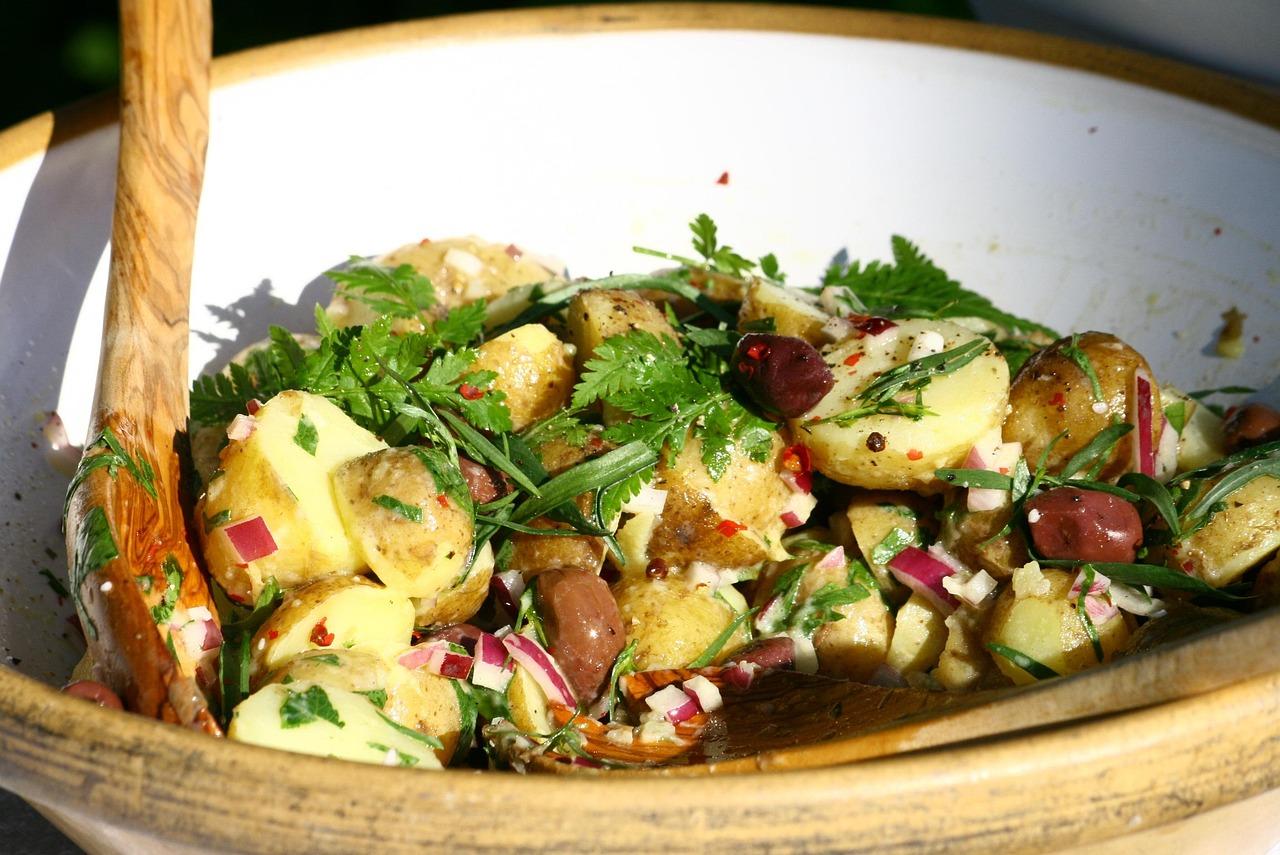
Shlada batata (Moroccan cumin potato salad)

Shlada batata is one of the cooked salads that line up on a Moroccan table before Friday couscous, in Rabat as much as in the Rif: boiled potato chunks dressed while warm with olive oil, lemon, cumin, paprika, garlic and plenty of parsley, with no mayonnaise at all. It's eaten at room temperature with bread, or with grilled sardines. Dressing cold potatoes is the common mistake; they don't absorb the flavours, so toss them while they're still steaming. Chef's tip: a few slivers of preserved lemon peel make it unmistakably Moroccan.

by KrazyBadal 0 views

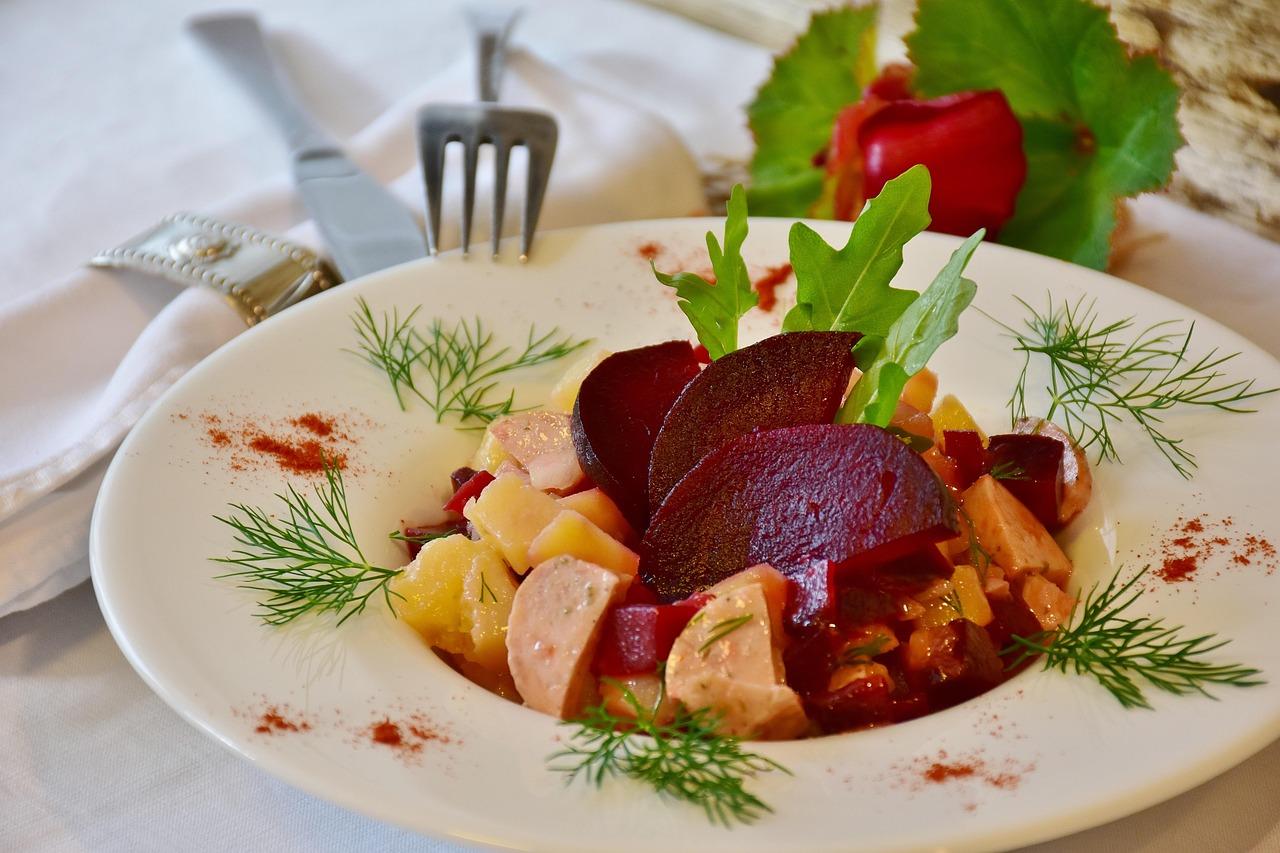
Ye-qey sir selataBeetroot and potato salad

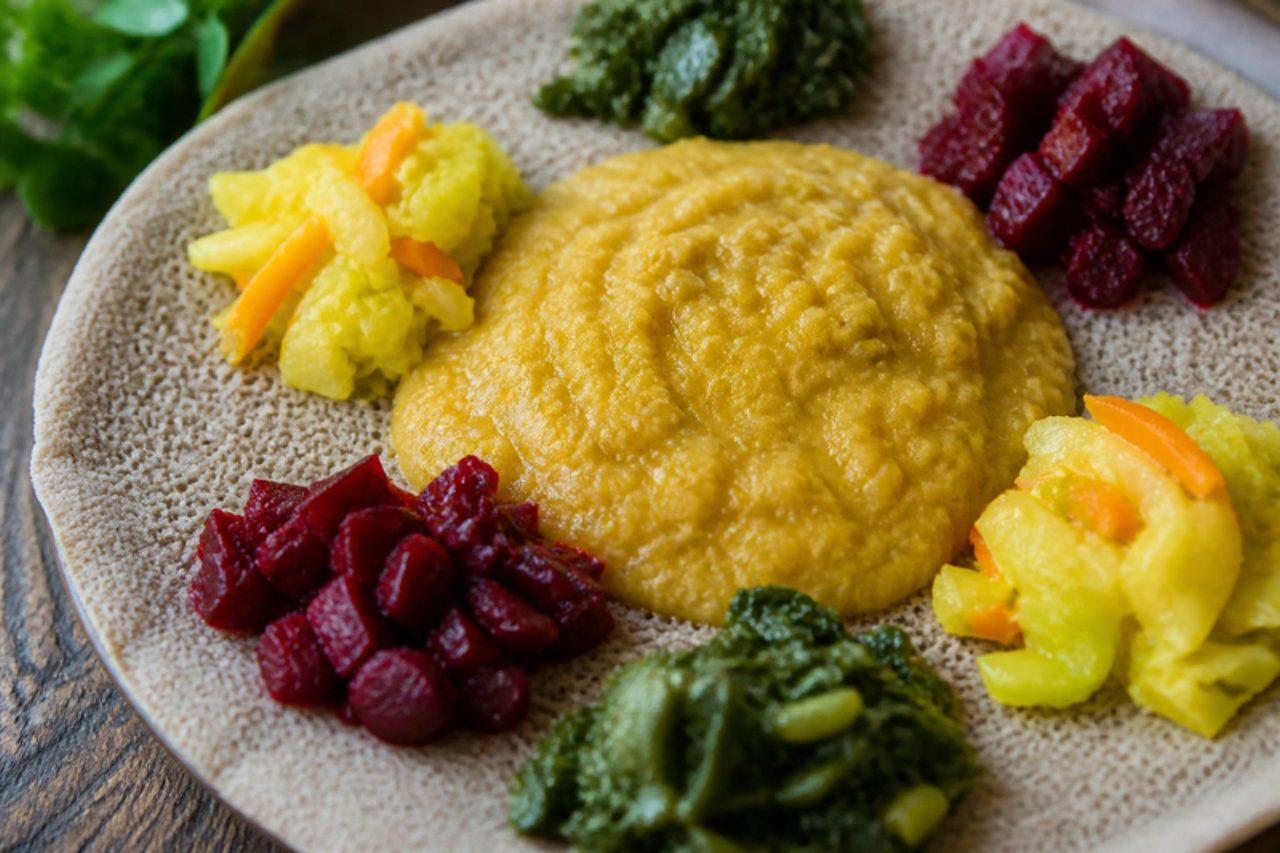
Fasting-day platters at Addis Ababa restaurants and church feasts often carry a bright magenta heap of this cold salad beside the hot wats: boiled beetroot, potato and carrot tossed with lemon juice, thin red onion, green chilli and a little oil. It is sharp, sweet and cooling, a palate-cleanser between spoonfuls of berbere-red lentils. It differs from key sir alicha, the warm beetroot stew, in that everything is boiled whole, cooled and dressed raw. The usual slip is dressing the vegetables while hot, which turns the potatoes pink and mushy; let them cool first. Chef's tip: dress the onion and chilli in the lemon juice and salt ten minutes ahead so they soften and lose their sharp bite.

by KrazyBadal 0 views

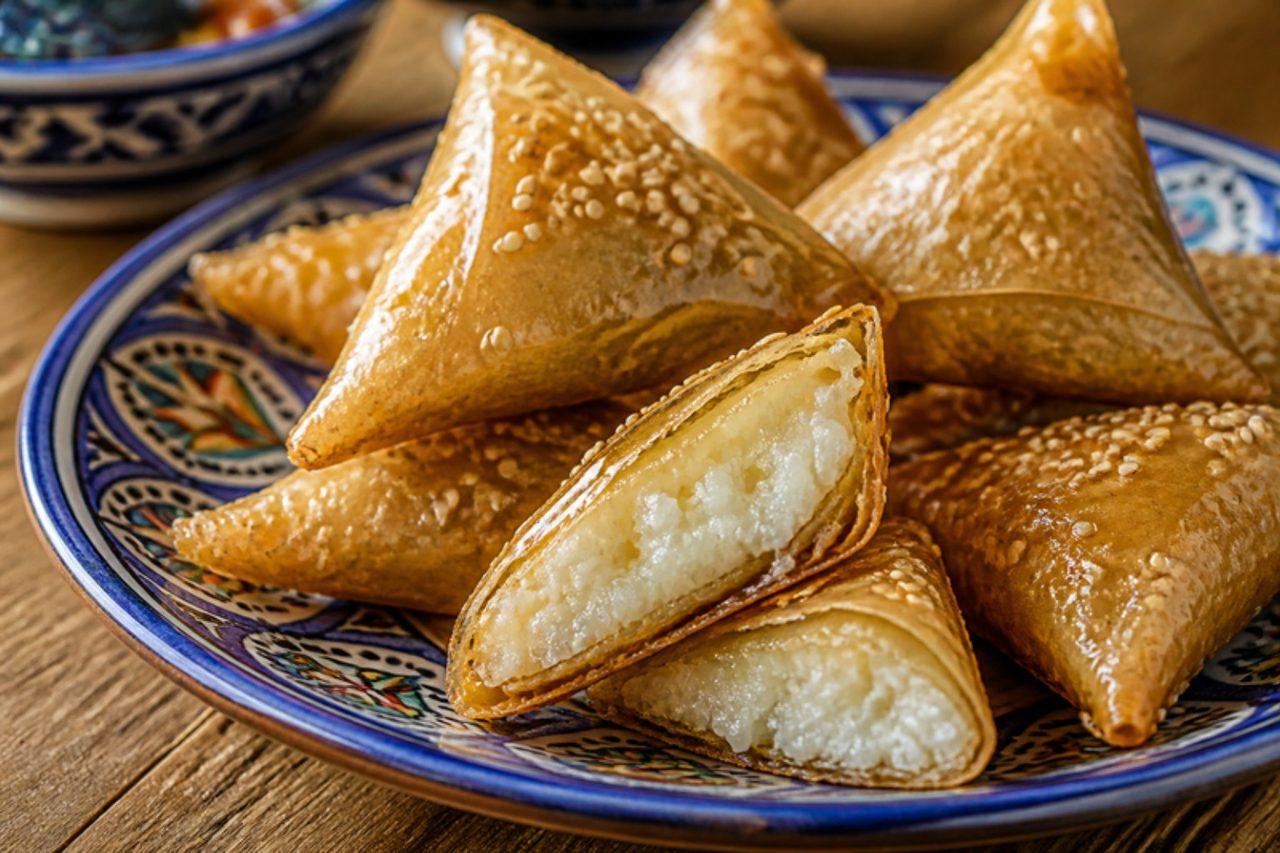
Sweet rice briouats with honey

The old Fassi households and pastry shops of Fes and Rabat make rice briouats for Ramadan and weddings: short-grain rice cooked thick in milk with orange-blossom water, wrapped in warqa, fried and plunged into warm honey. They're crisp outside, creamy within, and served with mint tea. Runny rice pudding makes the pastry burst in the oil, so cook it until a spoon can stand in it, then chill it firm. Chef's tip: warm the honey with a splash of orange-blossom water, and dip the briouats while both are hot so the honey soaks in rather than sitting on top. Contains milk, wheat and almonds.

by KrazyBadal 0 views

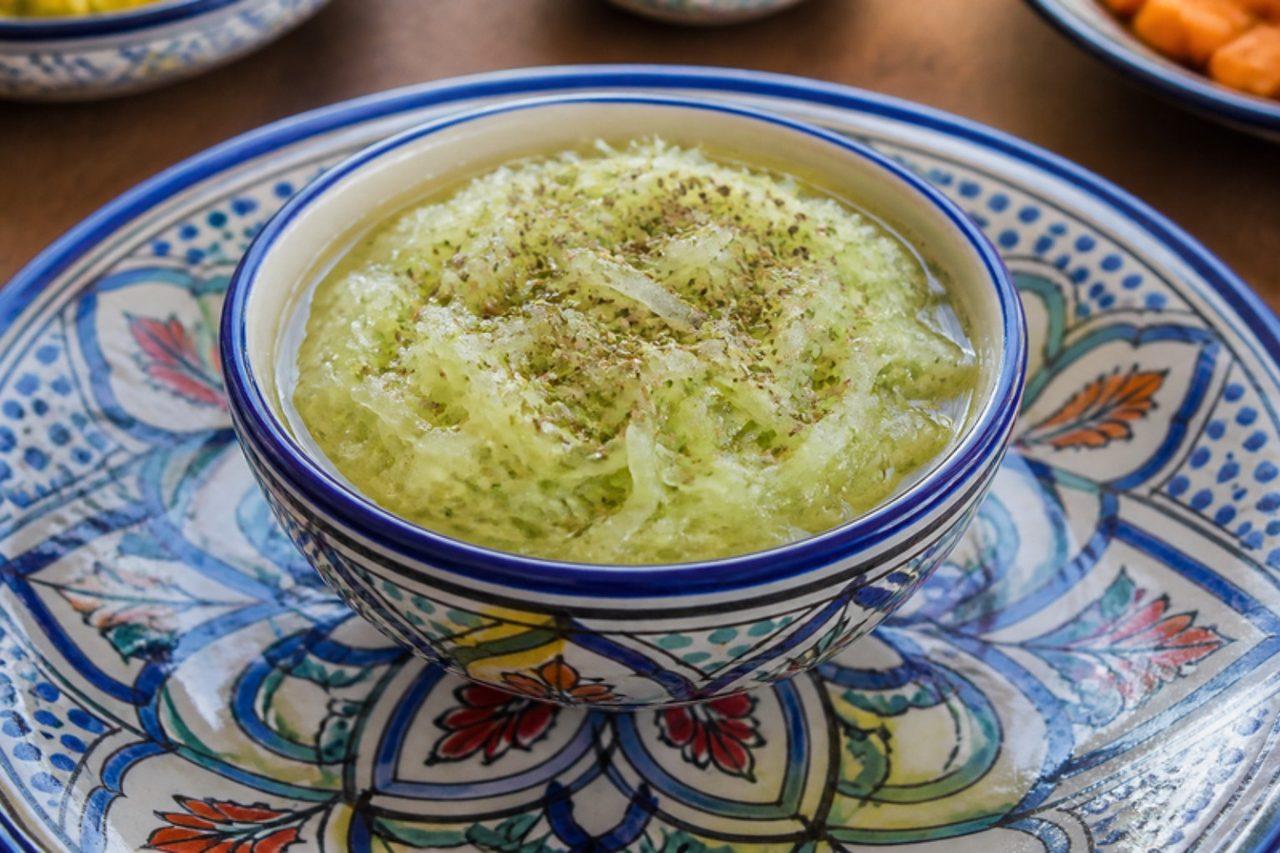
Shlada khiar (grated cucumber salad with oregano)

In the heat of a Fes or Marrakech summer, this ice-cold grated cucumber salad is served in bowls with spoons, half salad, half drink, alongside rich tagines or a plate of fried fish. Cucumber is grated and loosened with water, vinegar and a little sugar, then perfumed with crushed dried oregano or zaatar. Grating ahead and leaving it to sit in salt is the usual slip; the cucumber goes limp and bitter. Chef's tip: rub the oregano between your palms over the bowl to wake its oils.

by KrazyBadal 0 views

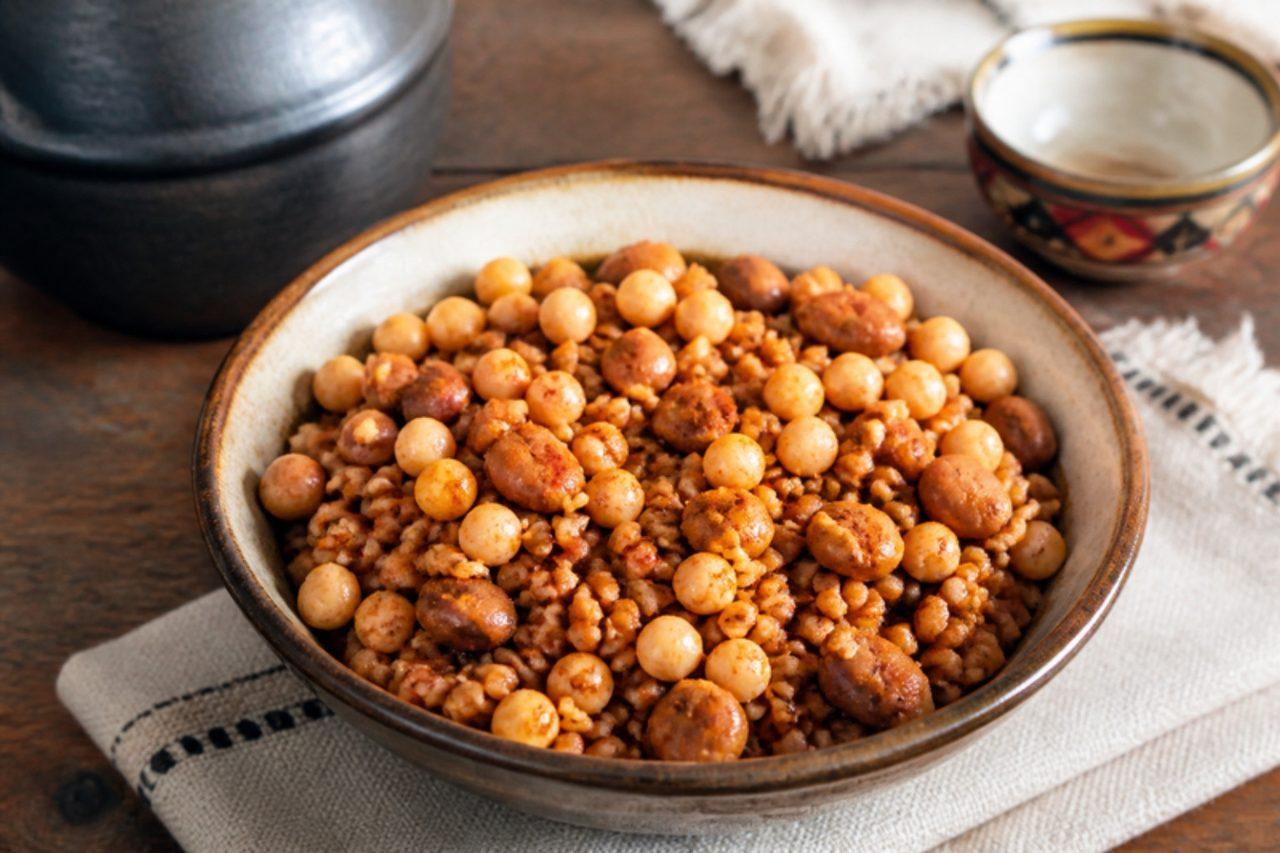
NifroBoiled wheat and chickpeas

When a baby cuts a first tooth, Ethiopian families celebrate with tirs mastecha, and the dish at the centre is nifro: a big pot of whole wheat berries, chickpeas and fava beans boiled with salt and handed round warm in cupped hands or small bowls. It also turns up at funerals, saints' day gatherings and long coffee ceremonies in Gondar and Addis, chewy, nutty and plain in the best way. The common mistake is boiling everything together from dry, so the wheat bursts while the fava stay hard; soak them all overnight and add the wheat later. Fava beans are unsafe for anyone with G6PD deficiency (favism), so leave them out if in doubt. Not gluten free. Chef's tip: once drained, toss the warm nifro in a dry pan for two minutes; it dries the surface and makes the salt and a pinch of berbere cling.

by KrazyBadal 0 views

Shrimp and vermicelli briouats

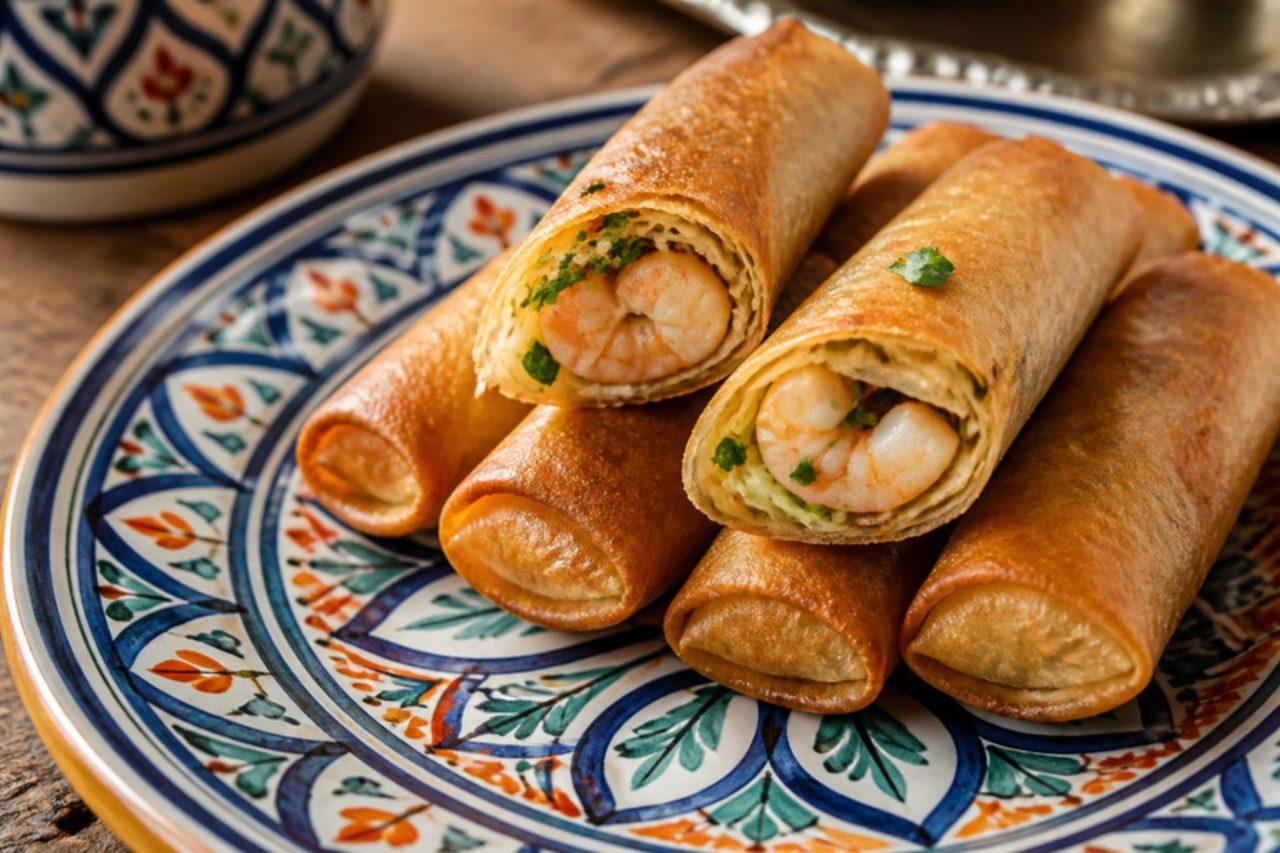
In coastal cities like Agadir and El Jadida, the festive version of briouats is filled with prawns and rice vermicelli tossed in chermoula — a filling borrowed from seafood pastilla, but in a size you can eat in two bites. They come out at weddings, Eid lunches and Ramadan iftars, hot and crackling, with lemon. The usual mistake is a wet filling: cooked prawns and soaked noodles release water, so drain everything well and dry-fry the mix for a minute. Chef's tip: snip the soaked vermicelli into short lengths with scissors so the rolls fill evenly. Contains shellfish, wheat and egg.

by KrazyBadal 0 views

Misir alichaMild red lentil stew

Not everyone at the table in Gondar or Addis wants berbere, so the fasting platter almost always has a gentle yellow wat beside the red one: misir alicha, split red lentils cooked down with dry-sweated onion, garlic, ginger and turmeric until creamy. It is soft, warming and easy on children and anyone who finds misir wat too hot. The common mistake is letting the lentils cook to a thin soup; simmer uncovered at the end until it mounds on a spoon and sits on injera without running. Chef's tip: a sliced green chilli and a pinch of ground ajwain (netch azmud) stirred in at the end lift it without adding much heat.

by KrazyBadal 0 views

Gueddid (spiced dried lamb, safe oven method)

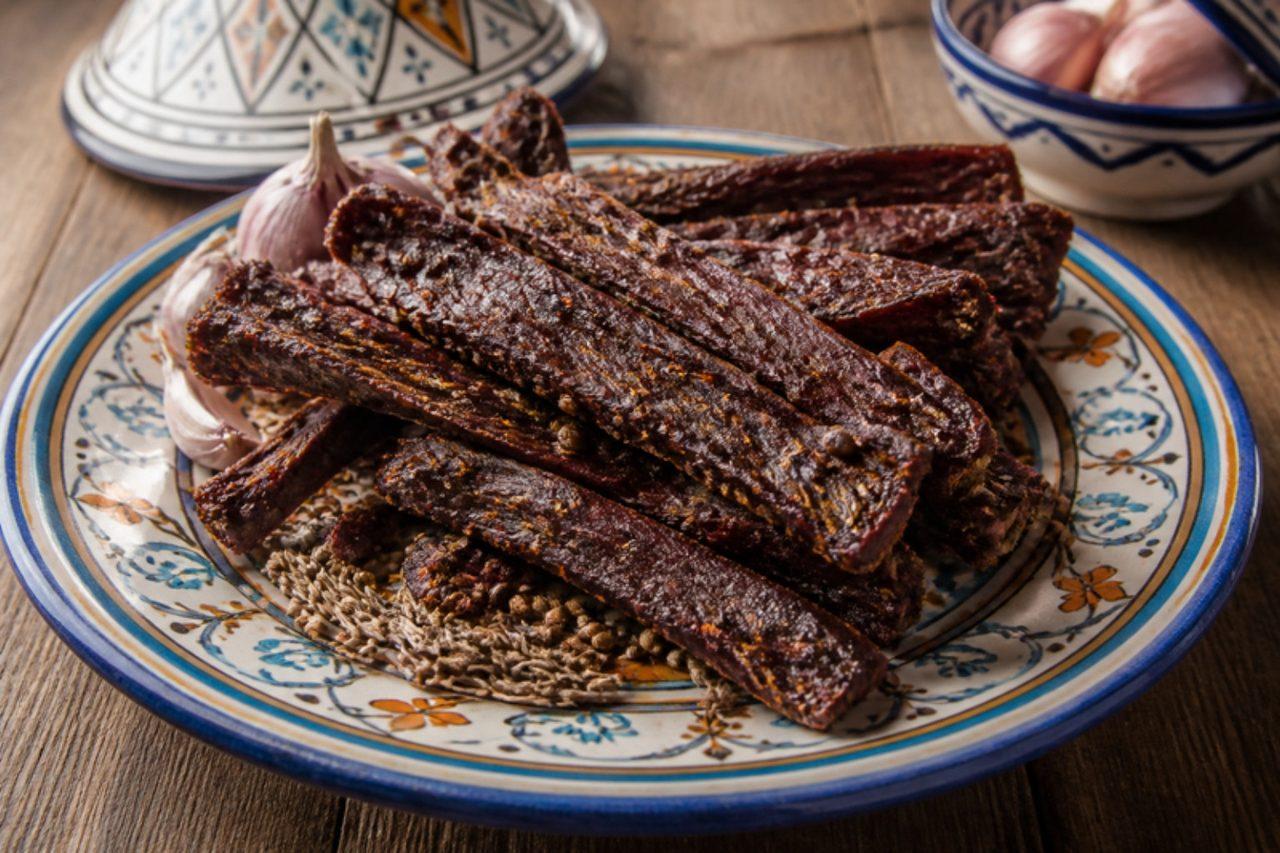
After Eid al-Adha, families across Morocco traditionally cut part of the sacrificed lamb into strips, rub it with salt, garlic, cumin and coriander and hang it on rooftop lines in the sun for days; the gueddid is then kept for Ashura couscous, lentil stews and eggs. Sun-drying meat at home is not safe without strict control, so this version cures the strips in the fridge, then dries them in a low oven until the meat is cooked through to at least 71 °C and leathery-dry, with the same deep, salty, cumin flavour. The common mistake is cutting thick strips: anything over 1 cm stays moist in the centre. Chef's tip: semi-freeze the meat for an hour first so you can slice it thinly and evenly. Not for anyone on a low-salt diet.

by KrazyBadal 0 views

SiljoFermented broad bean paste

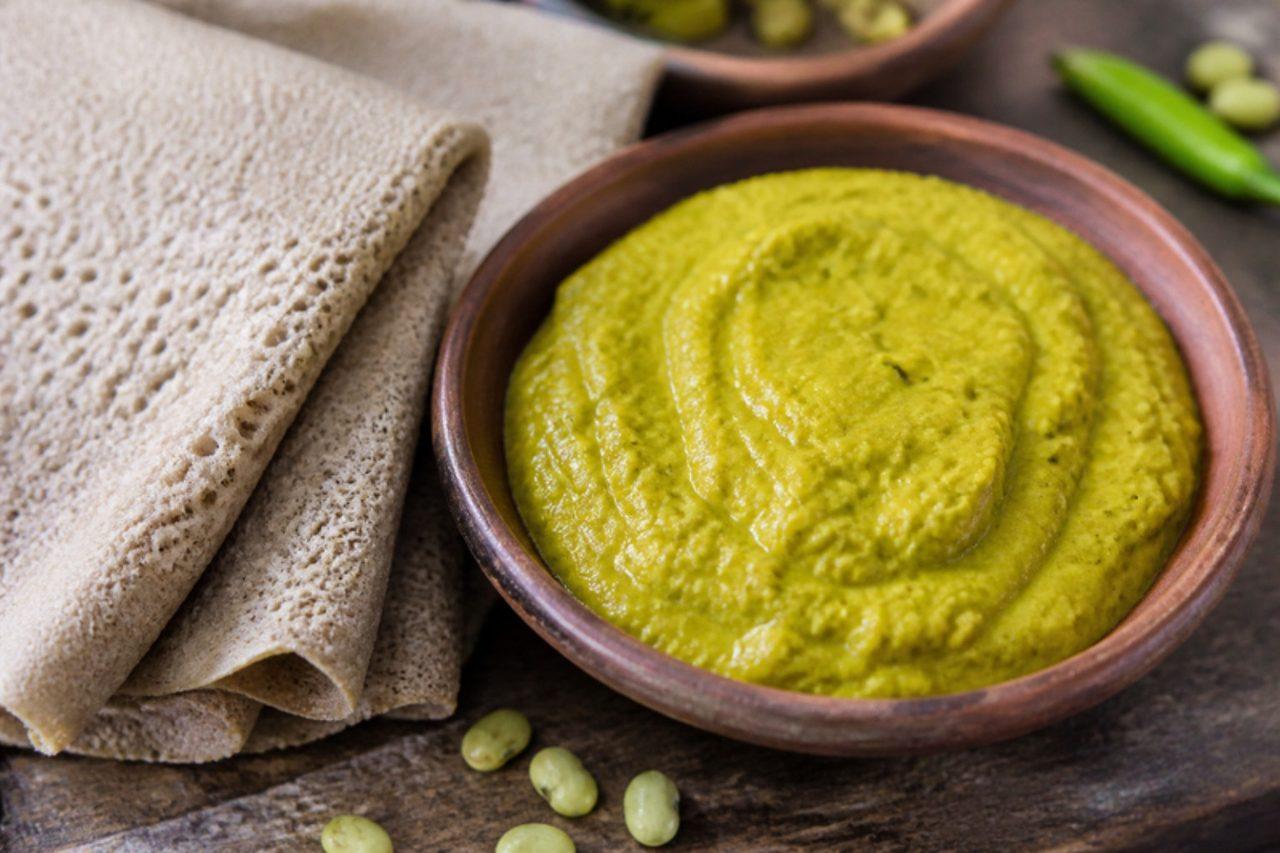
Siljo is a condiment of the Orthodox fasts, made in Gondar and Gojjam and across Amhara especially for Lent and the Hudade season: a thin paste of broad-bean flour cooked with water, mixed with mustard, garlic and ginger and left to ferment until sharp and pungent, then eaten in small amounts with injera and fasting stews to wake them up. It tastes like a cross between hot mustard and sour yogurt. The usual mistake is adding the mustard while the paste is hot, which kills its heat; cool the paste completely first. Ferment in a very clean, covered jar, then keep it in the fridge, and throw it away if you see any mould or it smells rotten rather than pleasantly sour. Not gluten free if your bean flour is milled with wheat. Chef's tip: grind the mustard seeds yourself and soak them in a little cold water for ten minutes; freshly wetted mustard gives siljo its nose-tingling kick.

by KrazyBadal 0 views

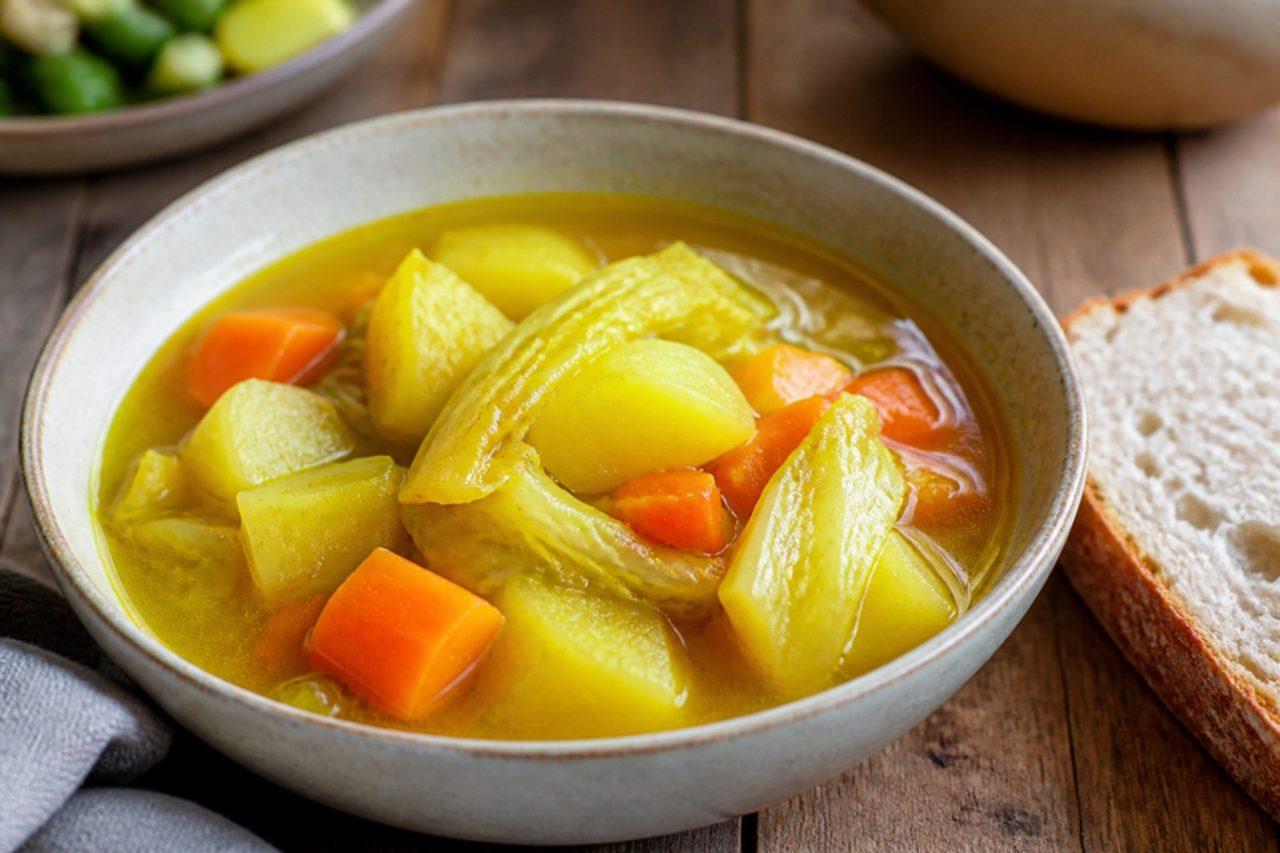
Ethiopian vegetable soup

Every café and school canteen in Addis Ababa has a pot of ye-atakilt shorba on the go: a light, golden soup of potato, carrot and cabbage cooked with onion, garlic, a little ginger and turmeric, eaten with a bread roll for lunch or given to children who don't want berbere. Families make it on fasting days and when someone is feeling poorly. It is mild, soothing and slightly sweet. The mistake is adding the cabbage with the potatoes, which makes it sulphurous and grey; it needs only the last ten minutes. Chef's tip: blend one ladle of the cooked potato and carrot and stir it back in; the soup thickens to café-style body without any flour.

by KrazyBadal 0 views

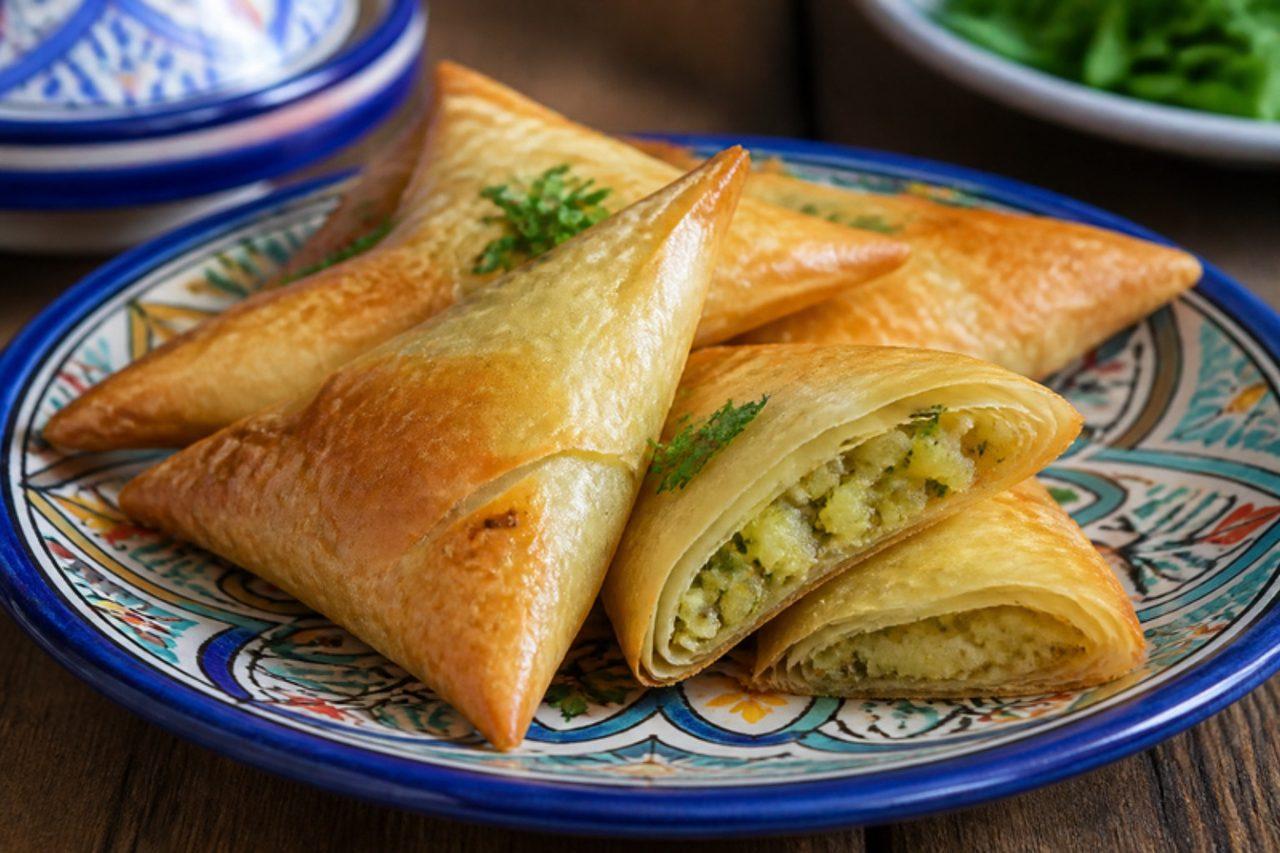
Potato briouats (briwat batata)

During Ramadan, the iftar tables of Casablanca and Marrakech are crowded with little fried pastries, and potato briouats are the budget-friendly favourite. A mash of potato, parsley, coriander, cumin and a little grated cheese is folded into warqa or filo triangles and fried until crackling. Serve them hot with harira or mint tea. The common mistake is a wet, warm filling, which makes the pastry soggy and tear; let the mash cool completely. Chef's tip: seal each triangle with a dab of egg yolk or flour paste; they won't open in the oil. Check cheese labels: some is made with animal rennet. Contains wheat, egg and milk.

by KrazyBadal 0 views

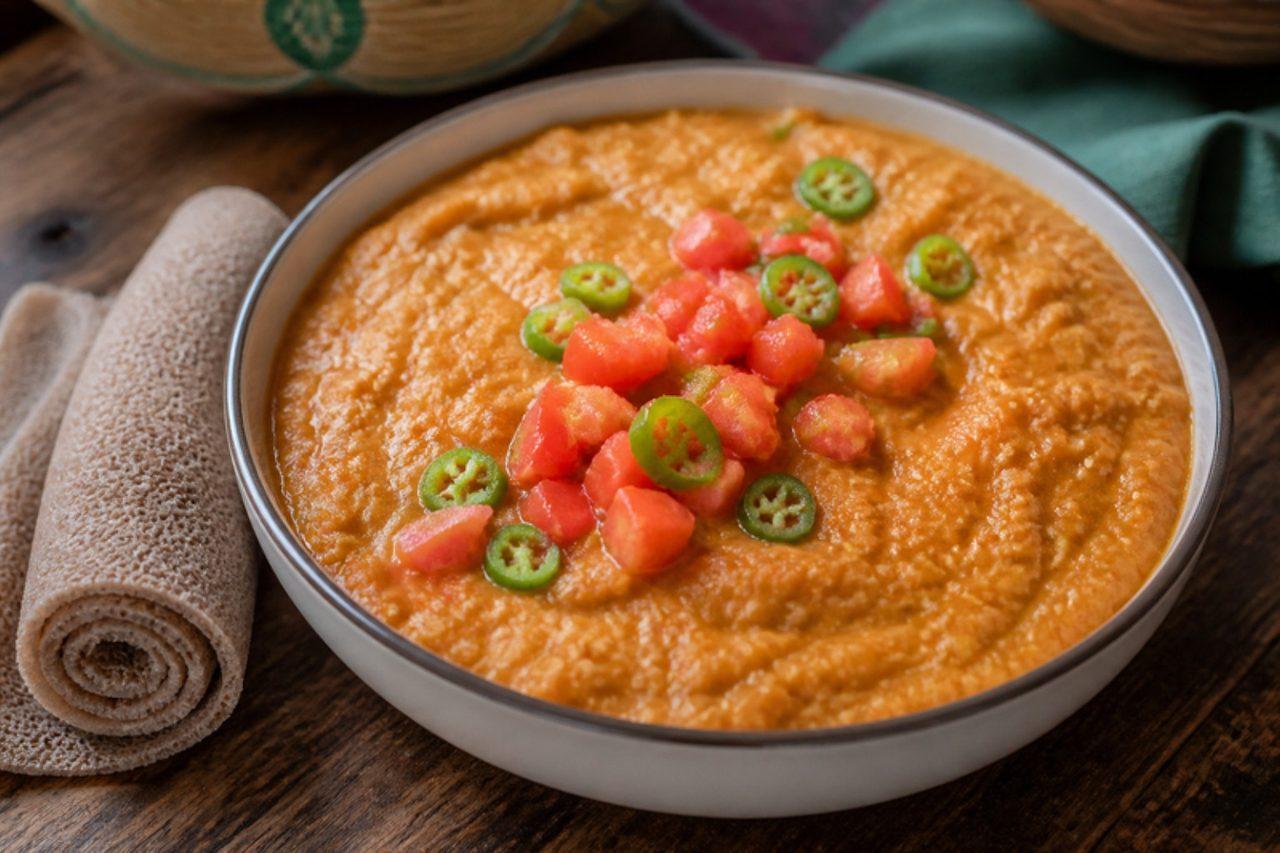
Shiro fitfitInjera in chickpea stew

When last night's shiro and injera are both in the kitchen, Addis Ababa families turn them into shiro fitfit for breakfast: a quick, garlicky shiro sauce is made thin and loose, then torn injera is folded in to soak it up, and the bowl is topped with chopped tomato and green chilli. It is soft, savoury and spicy, eaten with a spoon or a fresh piece of injera on fasting mornings. Many injera contain some wheat, so it isn't gluten free unless the injera is pure teff. The mistake is making the shiro too thick, which coats the injera rather than soaking in; keep it like single cream. Chef's tip: use day-old injera; fresh injera turns to mush, while slightly dry pieces soak up the sauce and keep a bit of chew.

by KrazyBadal 0 views

Showing 24 of 416 recipes

Show more recipes

Page 1 of 18