Skip to content
Recipes

All recipes

Vegetarian, or something you can't eat? Set your diet once and we'll hide recipes that don't fit.

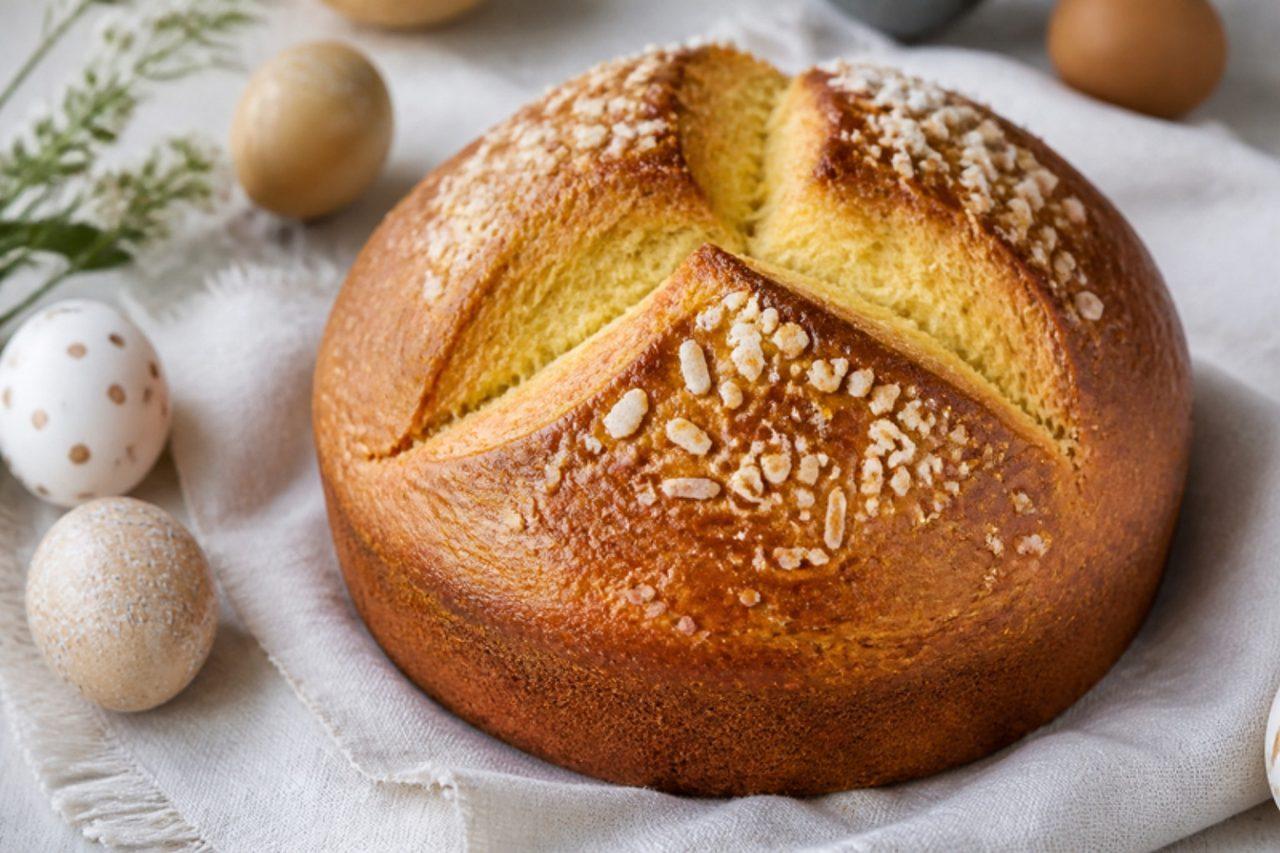
OsterpinzeEaster anise brioche

Osterpinze is the Easter bread of Styria, Carinthia and the area around Trieste, a soft, golden brioche dome with three deep cuts on top for the Holy Trinity, so that it opens into a crown as it bakes. The dough is rich with egg yolks and butter and flavoured with anise and lemon; old recipes add a splash of white wine, left out here. It is blessed in the Easter basket on Holy Saturday and eaten on Easter morning with ham, horseradish and eggs, or with butter and jam. Chef's tip: make the three cuts with scissors just before baking, deep enough to reach halfway down, so the crown opens wide.

by KrazyBadal 0 views

Sopa teólogaTurkey broth with bread and cheese

Sopa teóloga ('the theologian's soup') goes back to colonial convents in Lima and Arequipa, where it was cooked for feast days, and it is still served at Holy Week and family celebrations. A rich turkey (or chicken) broth is thickened with soaked bread, milk and fresh cheese, with yellow potatoes and shreds of turkey, and finished with a little ají amarillo and chopped huacatay or parsley. It is thick, comforting and filling. Chef's tip: blend part of the soaked bread with broth before adding it, which gives the soup its creamy body without lumps.

by KrazyBadal 0 views

Dowina (Kurdish yogurt soup)

Dowina, called ash-e doogh in Persian, is warming spring food in Kurdish homes around Newroz, when yogurt is plentiful and the first herbs are cut from the garden. Rice and chickpeas simmer in a tangy, lightly thickened yogurt broth, finished with fresh dill, coriander and a sizzle of dried mint in oil. It is eaten warm, never boiling hot, with flatbread. The common mistake is to heat the yogurt too fast without stirring, which makes it split into grainy curds. Chef's tip: whisk an egg yolk and a spoonful of rice flour into the yogurt before it goes on the heat; it holds the soup smooth all the way to the simmer.

by KrazyBadal 0 views

Lengua a la vinagretaBeef tongue with vinaigrette

Argentina's Nochebuena is a hot summer night, so the table is full of cold dishes, and lengua a la vinagreta is one of the classics: beef tongue simmered until tender, peeled, sliced and covered with a sharp vinaigrette of parsley, garlic, red pepper, onion and chopped hard-boiled egg. It is made a day ahead and served chilled with vitel toné and Russian salad. Chef's tip: peel the tongue while it is still hot, as the skin comes away easily then and clings once it cools.

by KrazyBadal 0 views

PincaEaster sweet bread

Pinca (or sirnica in Dubrovnik) is the Easter bread of Dalmatia and Istria in Croatia. It is a tall, golden round of rich yeast dough with egg yolks, butter, lemon and orange zest and vanilla, cut with three slashes on top before baking so it opens into a three-pointed cross. It is blessed at church on Holy Saturday with the Easter eggs and ham, and eaten at Easter breakfast. Old recipes add a spoon of rum or prošek wine; this one doesn't. Chef's tip: let the dough rise slowly, even overnight in the fridge, as pinca gets its tender, fragrant crumb from a long rise.

by KrazyBadal 0 views

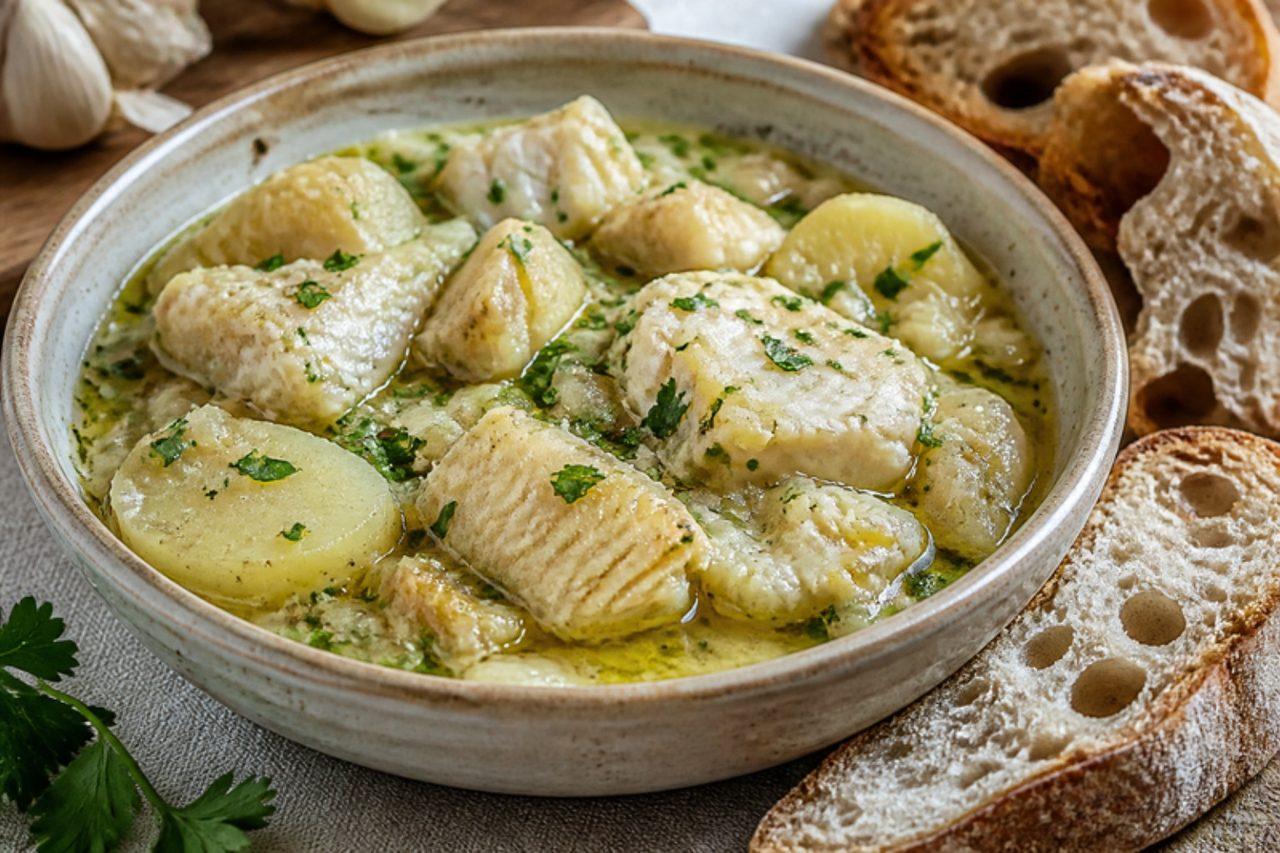
Bakalar na bijeloSalt cod with potatoes and garlic

On Badnjak, Christmas Eve, Croatian families in Dalmatia keep the meal meatless, and bakalar na bijelo ('white salt cod') is the dish that says Christmas. Salt cod is soaked for days, then cooked with potatoes, a lot of garlic, parsley and good olive oil and shaken in the pot until it turns into a creamy, almost spreadable mix. It is served warm with bread and a glass of wine for the adults. Chef's tip: shake the pot rather than stirring it, so the fish breaks into flakes and emulsifies with the oil and potato.

90 minBalkanFishGluten free
by KrazyBadal 0 views

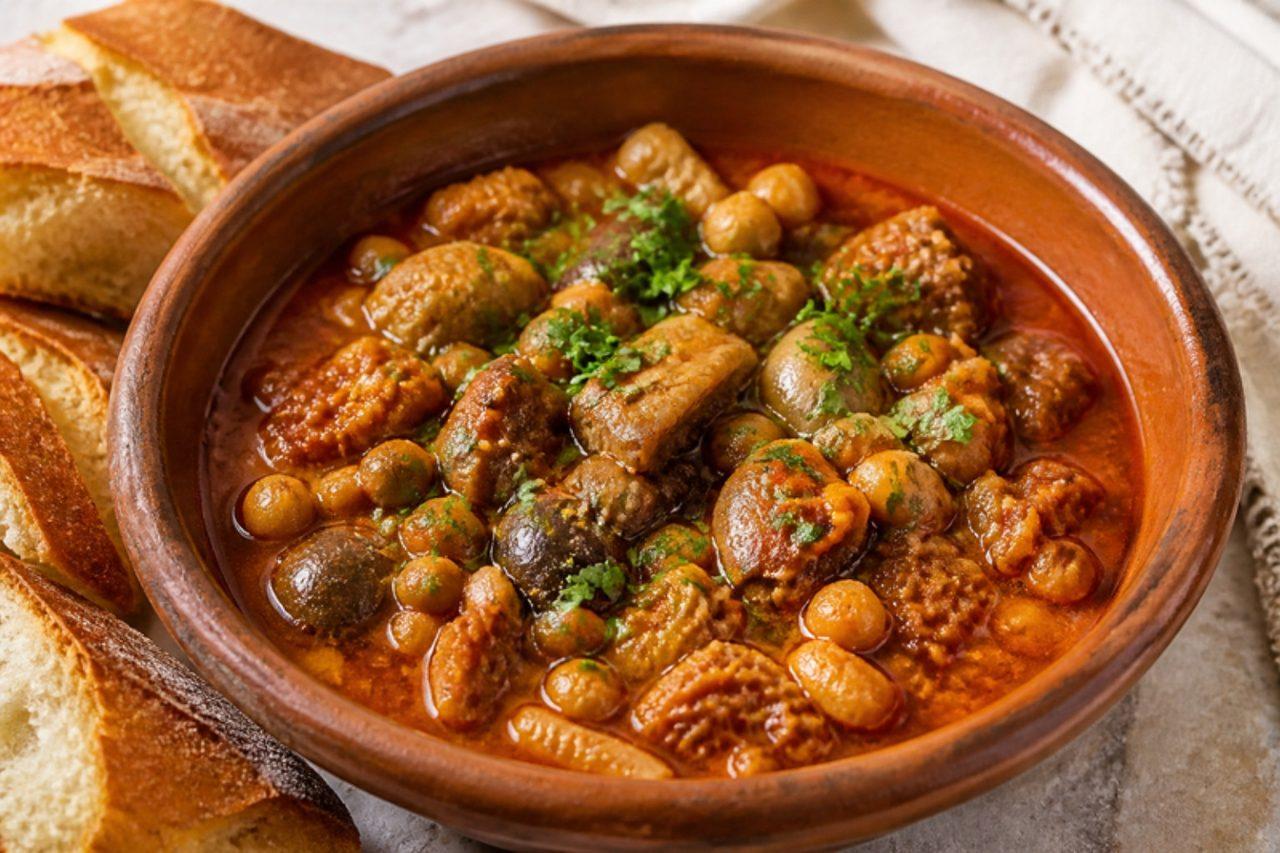
DouaraLamb tripe and chickpea stew

Douara is the dish that fills Algerian kitchens on the second day of Eid al-Adha, when the tripe, intestines and lung from the family's sacrifice are cleaned, cut small and stewed slowly with chickpeas, plenty of garlic, cumin and paprika. The sauce is deep red and peppery and the offal turns tender and rich. At home, cleaned lamb or beef tripe and lamb heart from a halal butcher make an easy start; lung can be added if your butcher sells it. Chef's tip: blanch the tripe first in water with a squeeze of lemon to freshen the flavour before it goes into the stew.

180 minAlgerianMeatGluten freeSpicy
by KrazyBadal 0 views

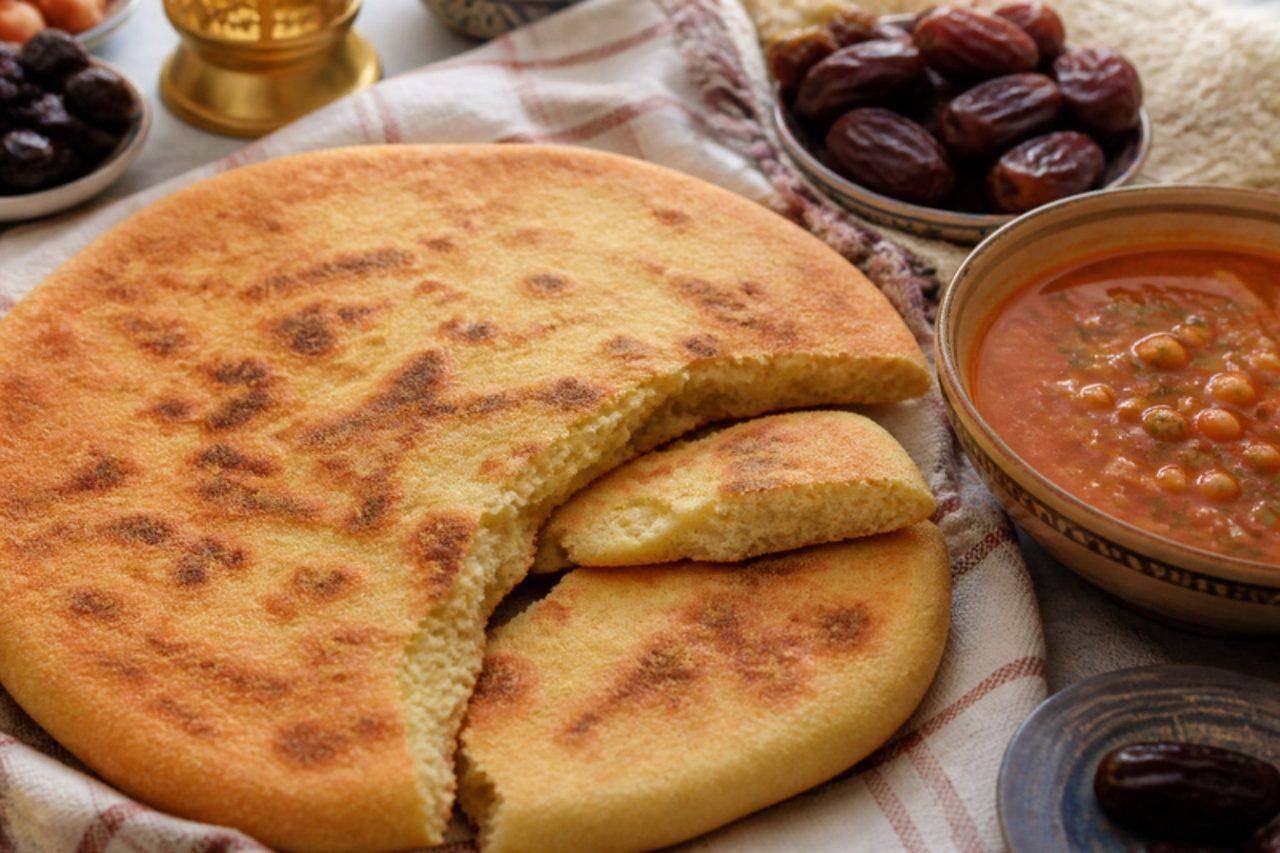
KesraSemolina pan bread

Kesra is the flat semolina bread of Algerian homes, and in Ramadan a fresh round sits on almost every iftar table, cooked on a clay tajine and torn into pieces to dip into hot chorba frik. This unleavened version is a thin, crumbly-edged galette, golden in patches and slightly chewy in the middle, with a nutty taste from the olive oil. It is made in minutes before sunset so it reaches the table still warm. Chef's tip: work the dough only until it holds together; kneading it like a yeast bread makes kesra tough instead of tender.

by KrazyBadal 0 views

RužiceWalnut pastry roses in syrup

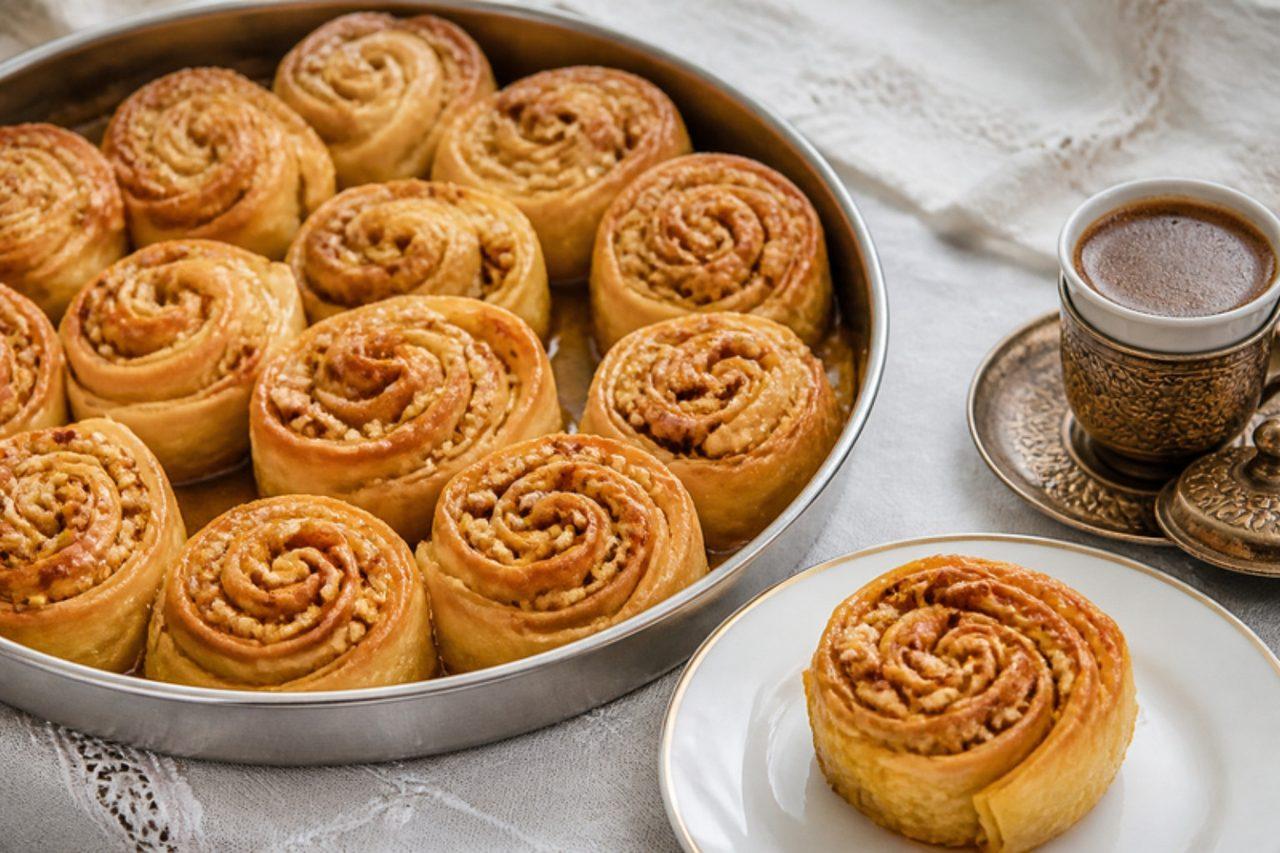
Ružice, meaning 'little roses', are baked for Bajram in Bosnia and Herzegovina, the Eid holidays when trays of syrup-soaked sweets are set out for every guest. Thin sheets of pastry are brushed with butter, scattered with walnuts and rolled up, then sliced so each piece opens like a rose in the oven. The baked roses drink up a cold lemon syrup and turn sticky, crisp on top and soft underneath. Chef's tip: pour cold syrup over hot pastry (or hot over cold), never both the same temperature, or the roses go soggy.

by KrazyBadal 0 views

Chipa so'oCheese bread with spiced beef

In Paraguay, families bake chipa in the clay tatakua ovens on Holy Wednesday so there is food for Thursday and Good Friday, when cooking stops. Chipa so'o ('chipa with meat') is a cassava-starch and cheese bread wrapped around a little filling of minced beef cooked with onion and egg, then baked until crisp outside and chewy within. It is naturally gluten free. Chef's tip: knead the dough until it no longer cracks at the edges when pressed; dry dough splits around the filling.

by KrazyBadal 0 views

AllerheiligenstriezelBraided sweet loaf

In Bavaria and Austria, godparents give their godchildren an Allerheiligenstriezel on All Saints' Day, 1 November: a large braided loaf of sweet yeast dough, brushed with egg and scattered with almonds or pearl sugar. The braid is said to recall the old custom of cutting a plait of hair in mourning, and the size of the loaf once showed how generous the godparent was. It is lightly sweet, with lemon and vanilla, and is eaten sliced with butter or jam. Some recipes add rum-soaked raisins; these are soaked in warm water instead. Chef's tip: braid four strands for an impressive, high loaf.

by KrazyBadal 0 views

PečenicaRoast pork

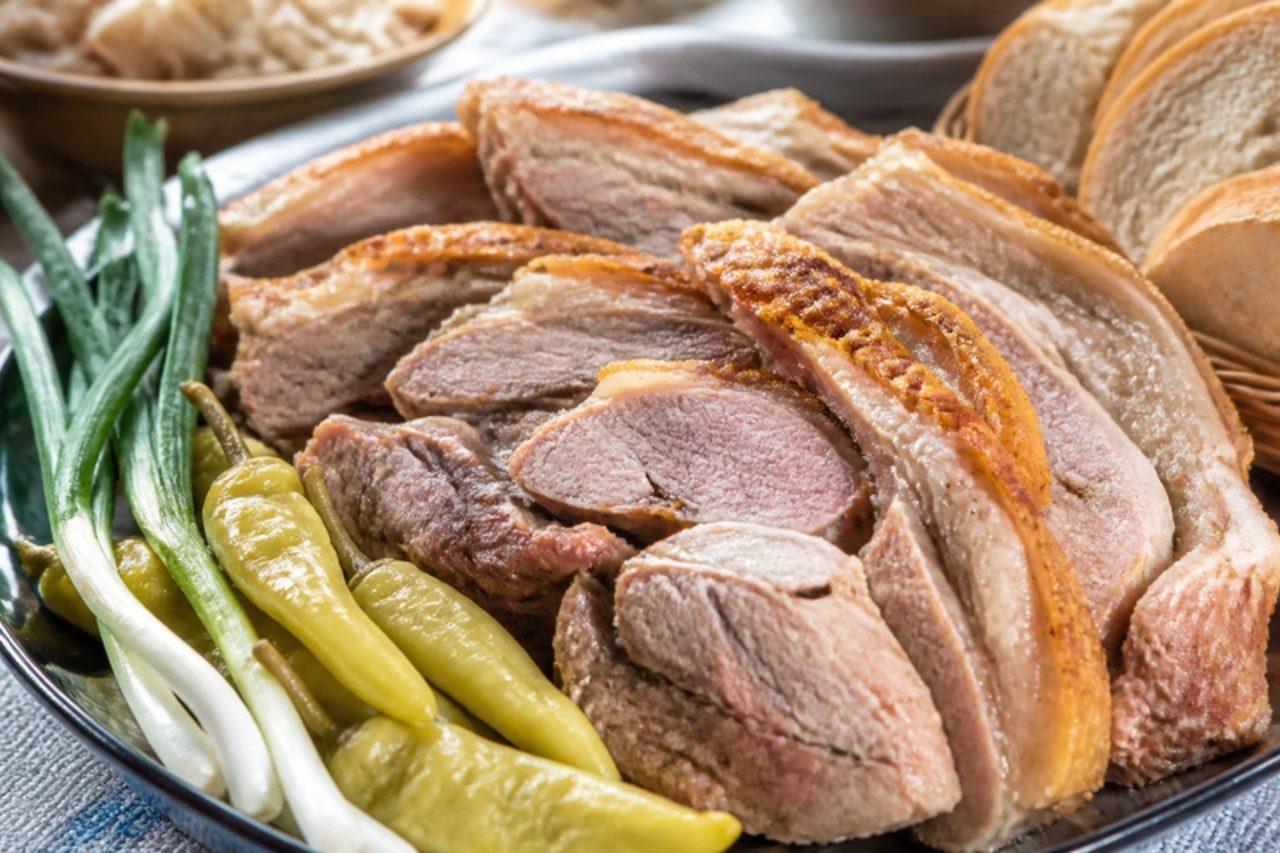
Pečenica is the Christmas Day roast of Serbia and Montenegro: traditionally a whole young pig turned on a spit in the yard from early morning, so that it is ready when the family returns from church and greets each other with 'Hristos se rodi'. This home recipe follows our site's approach of using carved portions rather than a whole animal: bone-in pork shoulder pieces with the skin on are rubbed with salt and slow-roasted until the meat is tender and the skin crackles like the spit-roast. Serve with česnica bread, pickled vegetables and roasted potatoes. Chef's tip: baste the skin with beer, or with cold water for an alcohol-free version, near the end; it helps the crackling blister.

290 minBalkanMeatGluten free
by KrazyBadal 0 views

Almond LondonChocolate-dipped almond cookies

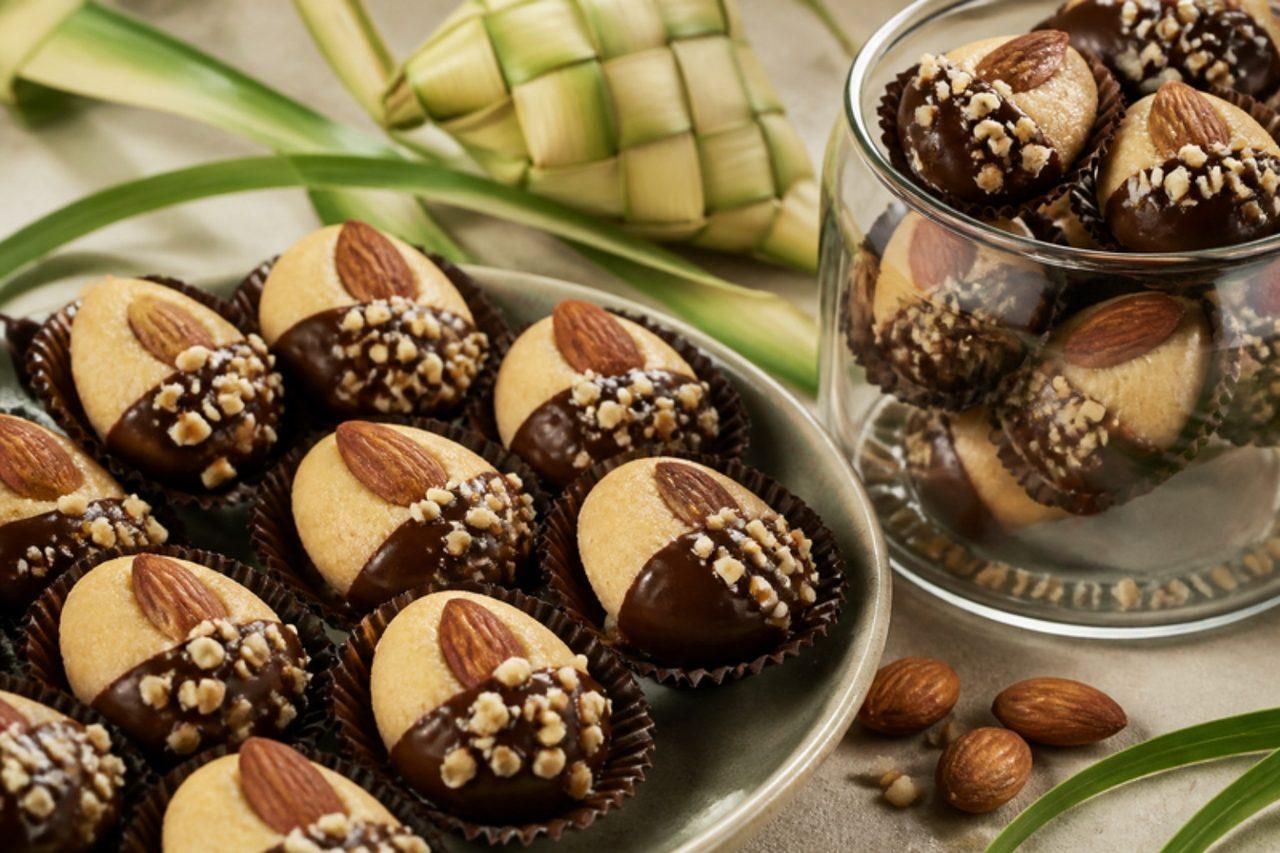
Almond London is a Hari Raya favourite in Singapore and Malaysia, a whole roasted almond hidden in buttery cookie dough, baked, dipped in chocolate and rolled in chopped nuts. Nobody is sure where the name came from, but every Malay household fills a jar of them for Raya visits, and children hunt for the almond inside. They are crunchy, rich and not too sweet. Chef's tip: let the cookies cool completely before dipping, or the chocolate slides off and turns streaky.

by KrazyBadal 0 views

KaguyjyWhite corn pudding

On the night of 23–24 June, Paraguayans celebrate San Juan with bonfires, games like walking over hot coals and the 'paso de fuego', and a table of traditional foods, and kaguyjy (also mazamorra) is one of them. It is a soft, creamy pudding of cracked white corn (locro) simmered slowly in water and then milk with sugar or honey, sometimes with orange peel. It is eaten warm or cold. It is gluten free. Chef's tip: soak the corn overnight and cook it until each kernel is tender before adding the milk, or it never turns creamy.

by KrazyBadal 0 views

Pajagua mascadaBeef and cassava patties

Pajagua mascada is a Paraguayan street-food classic that appears on every table for the San Juan festival on 24 June, when bonfires burn and the night is full of games and traditional food. Minced beef is mixed with mashed cassava, onion, garlic and a little egg and flour, shaped into flat patties and fried until crisp. The name comes from Guaraní and refers to the 'chewing' of old Paraguayan cooks, who made it from leftover meat. Chef's tip: dry the boiled cassava well and remove its woody core, which keeps the patties light and crunchy.

by KrazyBadal 0 views

Slavski kolačDecorated ceremonial bread

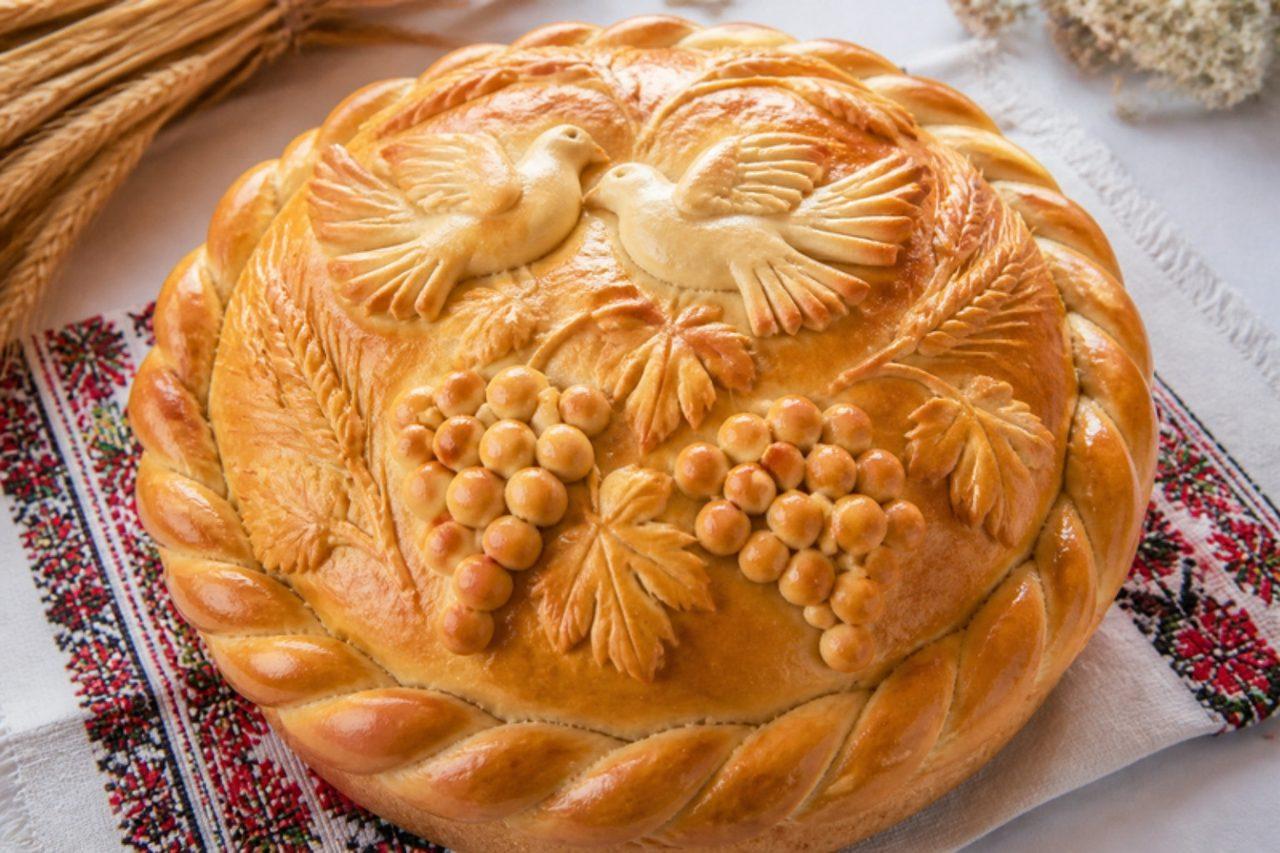
The slava is a uniquely Serbian Orthodox custom: each family honours its own patron saint on that saint's feast day, passed from father to son, with a lit candle, boiled wheat (žito) and the slavski kolač, a round, decorated bread. The priest blesses it; the family turns it, cuts a cross into its base, pours a little wine into the cuts, and breaks it together. It is decorated with dough crosses, the seal 'IC XC NI KA', doves, wheat ears and grapes. It is a plain, vegan bread. Chef's tip: keep the decorations' dough a little stiffer than the loaf, so they hold their shape.

110 minBalkanBakingVegan
by KrazyBadal 0 views

KalanehWild leek stuffed flatbread

In Kurdistan and Kermanshah, Newroz arrives with the first spring greens on the hillsides, and families gather wild leeks to fold into kalaneh, thin griddle breads cooked over a fire or a hot pan and soaked in melted butter. The dough is plain and soft, rolled very thin around a pile of chopped leek or chives with a little salt and pepper, so the greens steam inside as the bread blisters. Eat it hot, torn into strips, with yogurt and tea at a Newroz picnic. The common mistake is wet greens, which turn the dough soggy and make it tear; dry them well after washing. Chef's tip: brush the butter on the moment the bread leaves the pan so it soaks right in.

by KrazyBadal 0 views

Quinotos en almíbar (Argentine kumquats in syrup)

In Buenos Aires and the river provinces of the Litoral, kumquat trees ripen in the middle of winter, between June and August, and the fruit goes straight into jars of syrup. Grandmothers' pantries held quinotos for the whole year, brought out for birthdays and long Sunday lunches. Each little fruit turns glossy orange and translucent, with a soft, bittersweet skin and a sharp, juicy centre. Spoon them over vanilla ice cream, serve them with a slice of fresh cheese in the style of postre vigilante, or eat them straight from the jar. Many bar menus offer them steeped in spirits; this version keeps only the syrup. Naturally egg-free, the quinotos rely on sugar syrup to preserve them, while pectin from the peel gives the syrup a light, jammy body. Chef's tip: blanch the fruit three times from cold water; the common mistake is skipping this, which leaves the skins tough and bitter.

by KrazyBadal 0 views

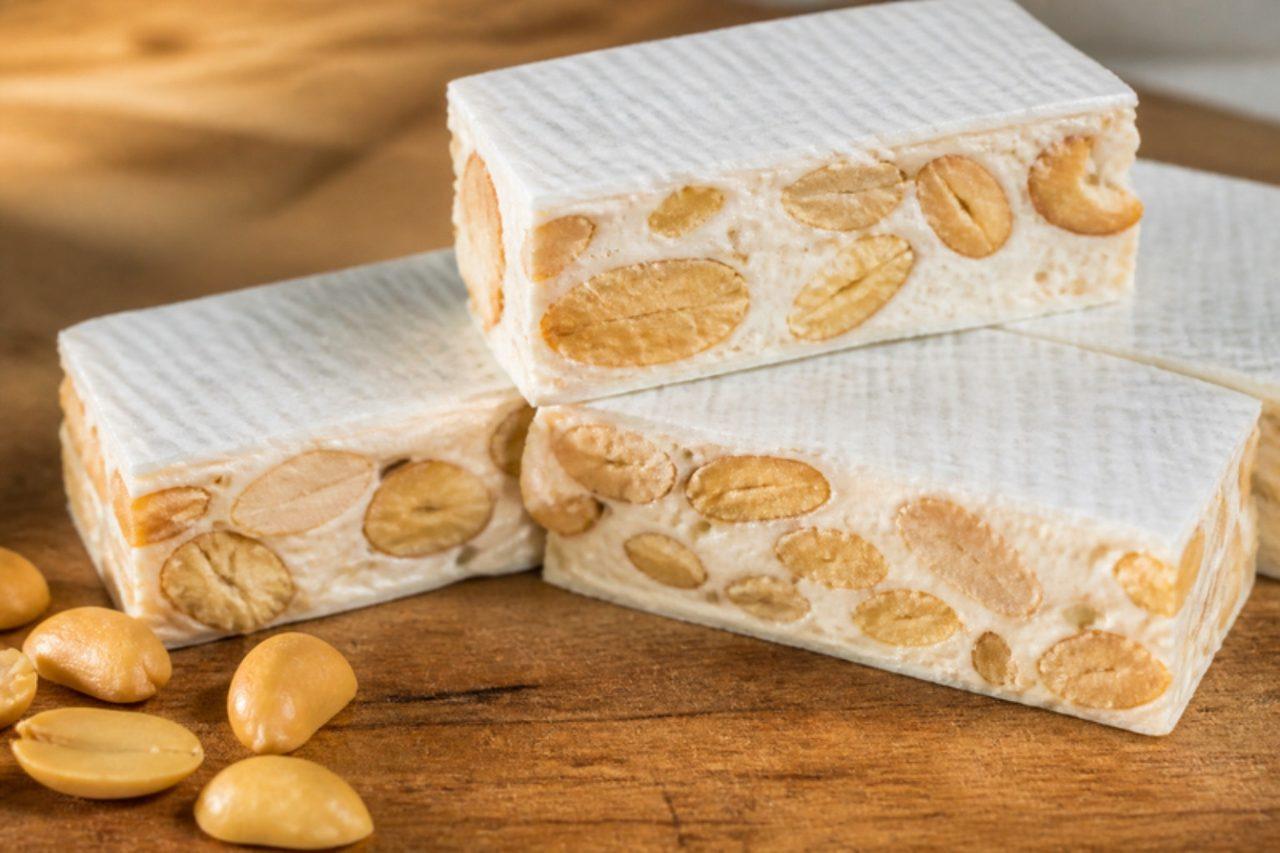
Turrón de maníPeanut nougat

On an Argentine Christmas Eve, after midnight toasts, the 'mesa dulce' appears with pan dulce, garrapiñadas and turrón de maní: a chewy white nougat of honey, sugar, whipped egg white and roasted peanuts, often set between two sheets of rice paper. Families make it in the days before Nochebuena. The egg white is cooked by the hot syrup. It is gluten free if you use gluten-free wafer paper or none. Chef's tip: work fast once the syrup is in, as the nougat stiffens as it cools and gets hard to spread.

by KrazyBadal 0 views

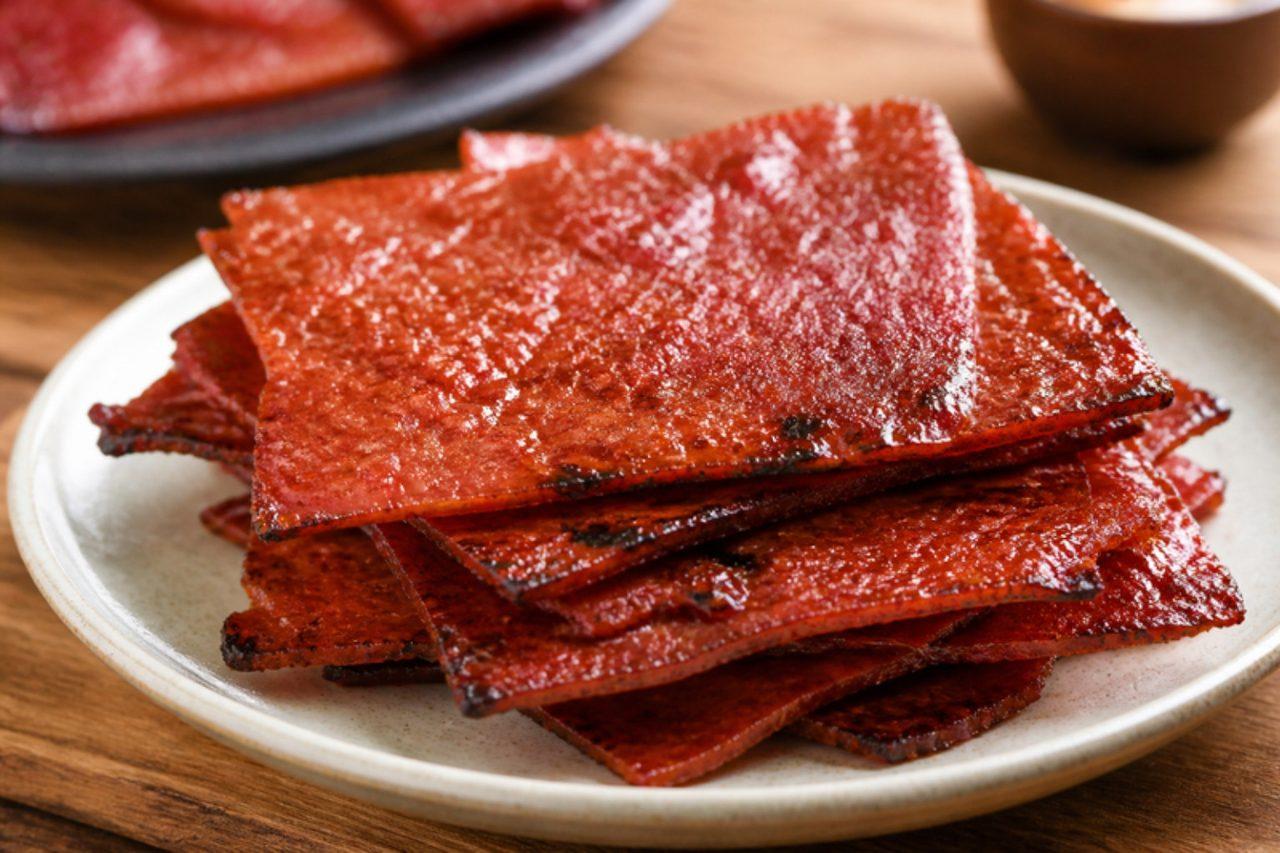
Bak kwa (barbecued dried pork)

Before Chinese New Year, queues snake round the bak kwa shops of Singapore and Malaysia, because these sweet, smoky sheets of pork are the gift everyone brings when visiting family; their deep red colour stands for luck. At home you can make them from minced pork mixed with sugar, soy, fish sauce and a splash of Shaoxing rice wine, spread thin, dried in a low oven and then grilled until caramelised and blistered at the edges, chewy and sticky-sweet. For an alcohol-free version, swap the Shaoxing wine for the same amount of unsalted stock with a few drops of rice vinegar. Eat it warm on its own, or tucked into a soft white bun. Chef's tip: roll the mince between two sheets of baking paper to 2–3 mm; any thicker and it stays soft in the middle instead of turning into proper jerky.

by KrazyBadal 0 views

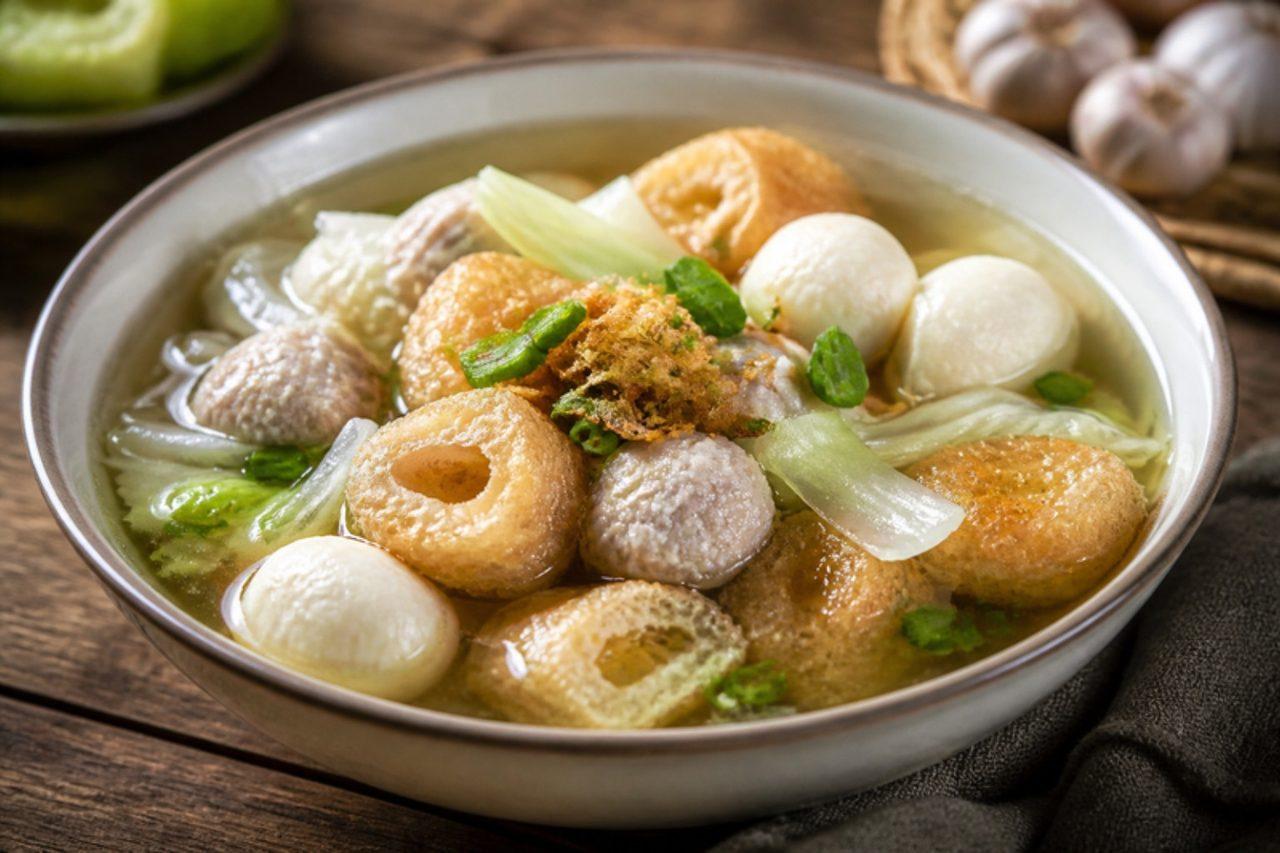
Hee peow soup (Nyonya fish maw soup)

Hee peow th'ng is a Peranakan soup that turns up at the Chinese New Year reunion dinner in Singapore, a clear, gentle bowl that sits beside the spicy dishes; fish maw is a luxury food and stands for plenty, and the round balls for a family that is whole. The fish maw is bought ready dried and fried in packets from Chinese grocers, then soaked until it is spongy and soaks up the savoury broth. With it go homemade pork meatballs, bought fish balls, napa cabbage and carrot, all in a broth made from pork bones and chicken. Serve it with rice and a little sambal on the side. Chef's tip: squeeze the soaked maw hard in several changes of water; it rinses out the old frying oil so the soup stays clean.

by KrazyBadal 0 views

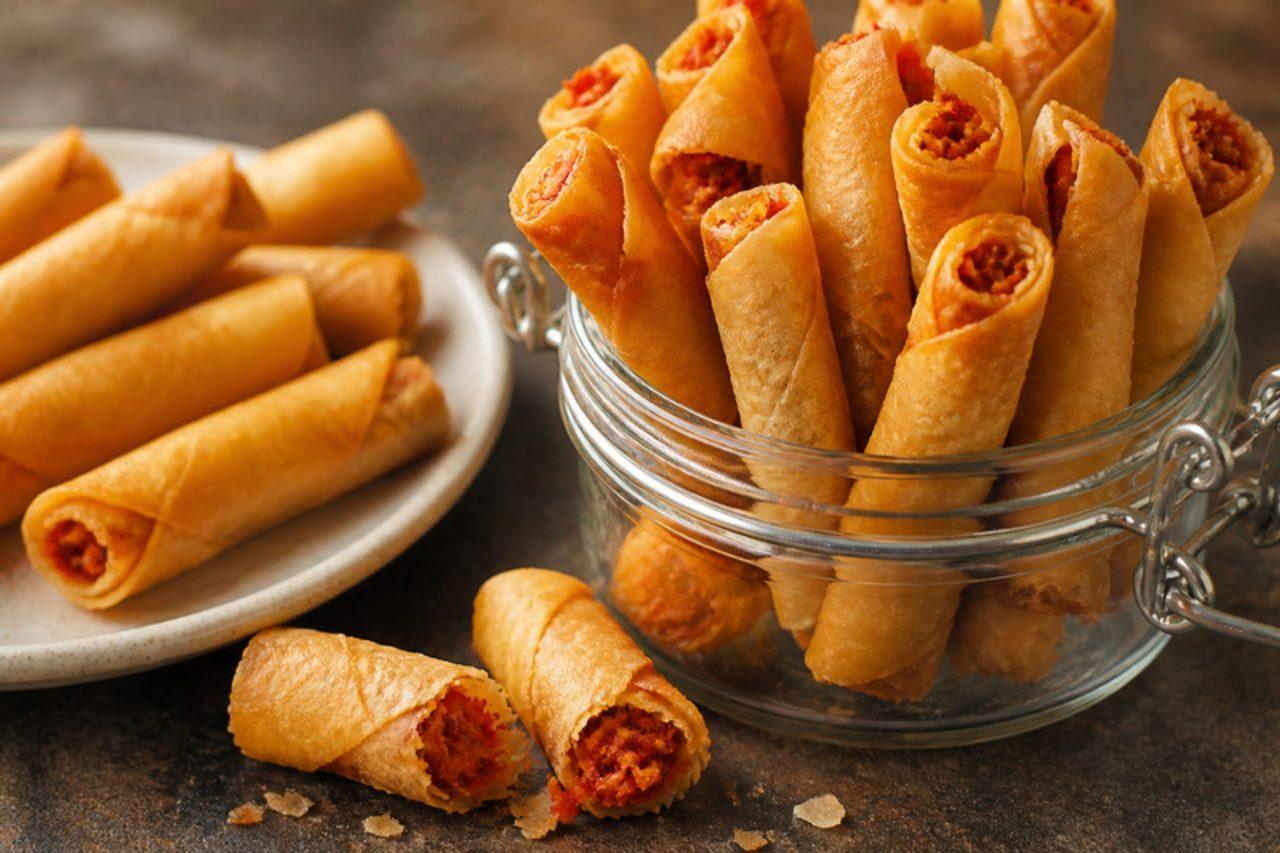
Hae bee hiam rolls (spicy prawn rolls)

Lift the lid of the cookie jars in a Singapore or Malaysian home at Chinese New Year and among the pineapple tarts you will find these tiny, fiery hae bee hiam rolls. Hae bee hiam is a sambal of dried shrimp fried slowly with chilli, shallots and lemongrass until it is dry, crumbly and fragrant, and rolled into thin spring-roll pastry it makes a crunchy, salty-sweet, spicy snack that disappears by the handful; the golden rolls look like gold bars for a prosperous year. Serve them with tea or a cold drink. Chef's tip: cook the sambal until it is completely dry and floss-like; any moisture left will make the rolls soft within a day.

by KrazyBadal 0 views

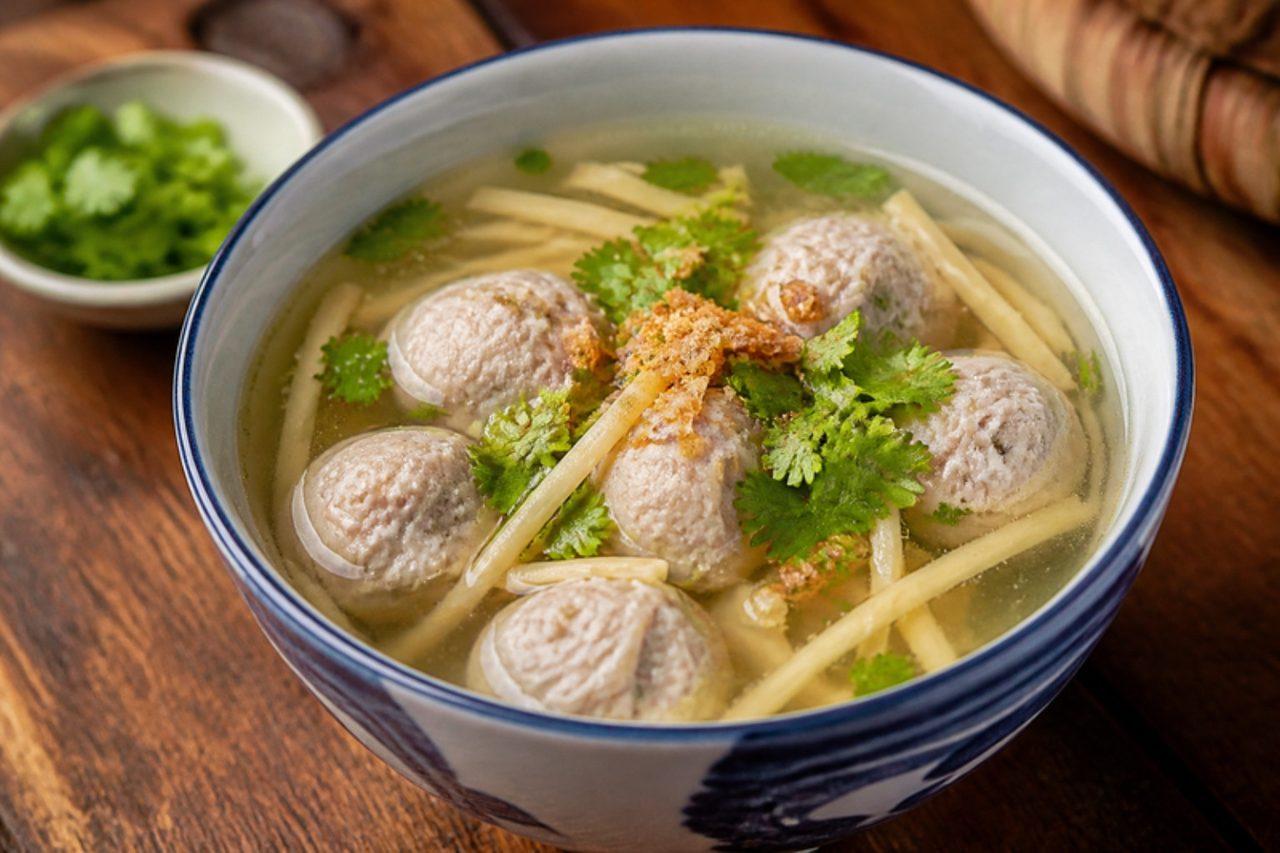
Bakwan kepiting (crab and pork meatball soup)

Bakwan kepiting is the Peranakan soup that Nyonya families in Singapore serve at the Chinese New Year reunion dinner; the round meatballs stand for a family gathered whole and complete. The balls are minced pork and sweet crab meat, bound with egg and bulked with shredded bamboo shoot, and they simmer in a clear, gently garlicky pork broth until tender and springy. This home version uses pasteurised cooked crab meat instead of live crabs, so it is easier and kinder. Serve it in small bowls with fried garlic and rice, before the richer curries. Chef's tip: keep the broth at a lazy simmer once the balls go in; a rolling boil clouds the soup and breaks them apart.

by KrazyBadal 0 views

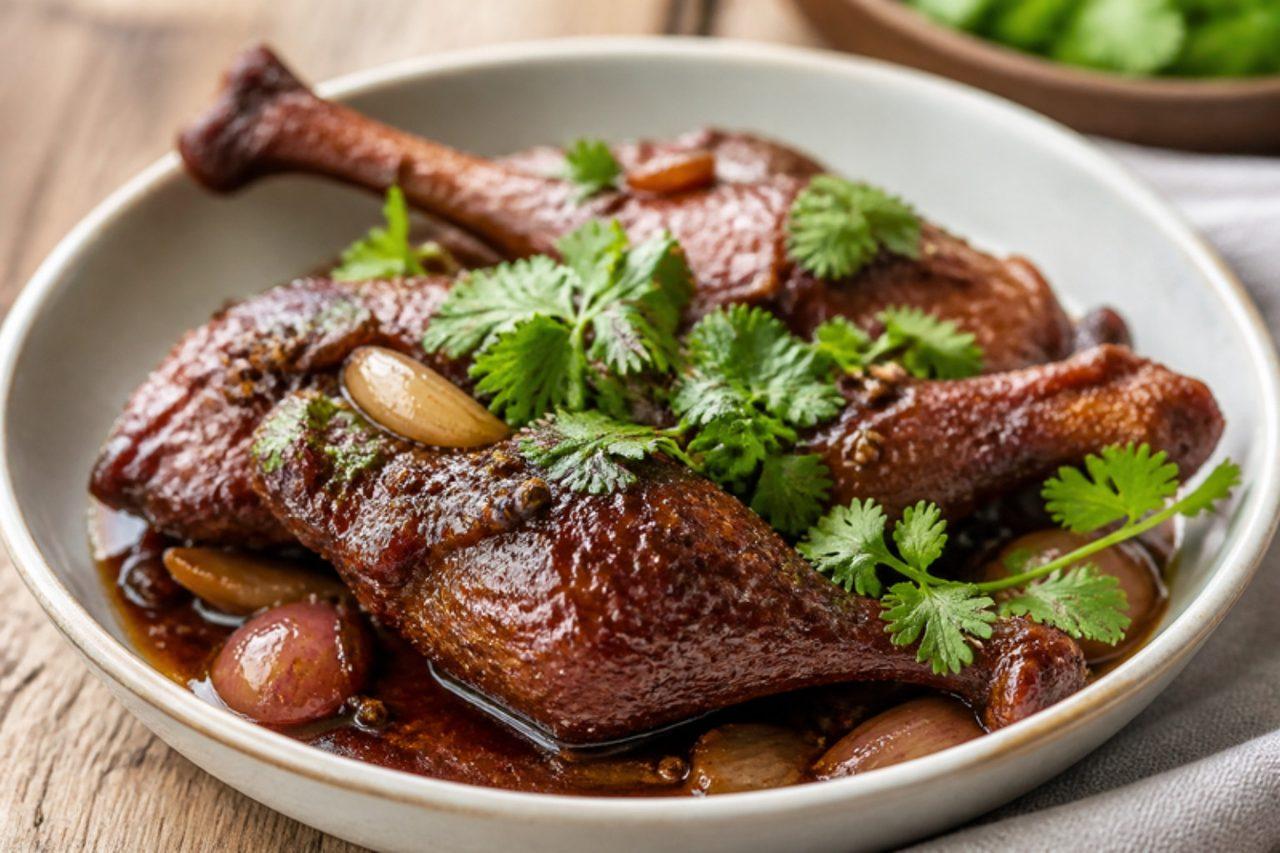
Itek sio (Nyonya coriander duck)

Itek sio is a Peranakan braise that Nyonya cooks in Singapore make for Chinese New Year and other family feasts; duck is a celebration meat, and a rich, glossy pot of it says the household is doing well. Duck legs are rubbed with tamarind and soy, then simmered slowly with a heap of shallots and a generous amount of freshly ground coriander seed until the meat almost falls from the bone and the sauce turns thick, dark, sweet-sour and fragrant. Serve it with plain rice and a sharp sambal or pickles to cut the richness. Chef's tip: toast the coriander seeds before grinding; the warm, citrusy smell is the whole point of the dish.

by KrazyBadal 0 views

Showing 24 of 493 recipes

Show more recipes

Page 1 of 21