Skip to content
Recipes

All recipes

Vegetarian, or something you can't eat? Set your diet once and we'll hide recipes that don't fit.

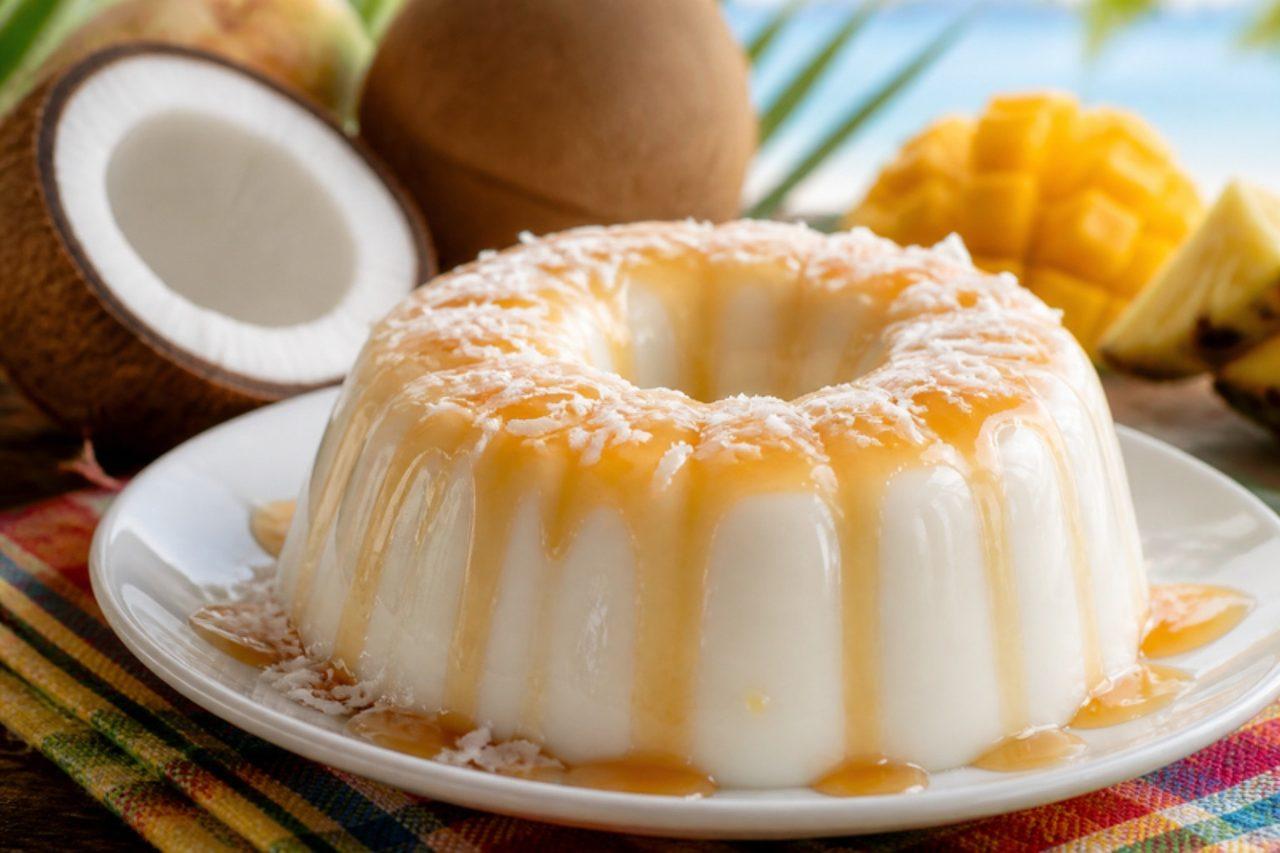
Blanc-manger cocoCoconut dessert

In Martinique, blanc-manger coco is the cool, wobbly dessert that closes a Christmas or Sunday family lunch: coconut milk and sweetened condensed milk scented with lime zest, cinnamon, vanilla and nutmeg, set and turned out of a mould. Many island cooks set it with gelatine, which is not vegetarian; this recipe uses agar-agar, a seaweed setting agent, so it is meat-free and holds well even in the heat. Serve it chilled with passion fruit or a guava coulis. Chef's tip: once the agar is in, keep the mixture boiling for 2 full minutes; agar only sets after it has been properly boiled.

by KrazyBadal 0 views

Brandade de morueWhipped salt cod with garlic

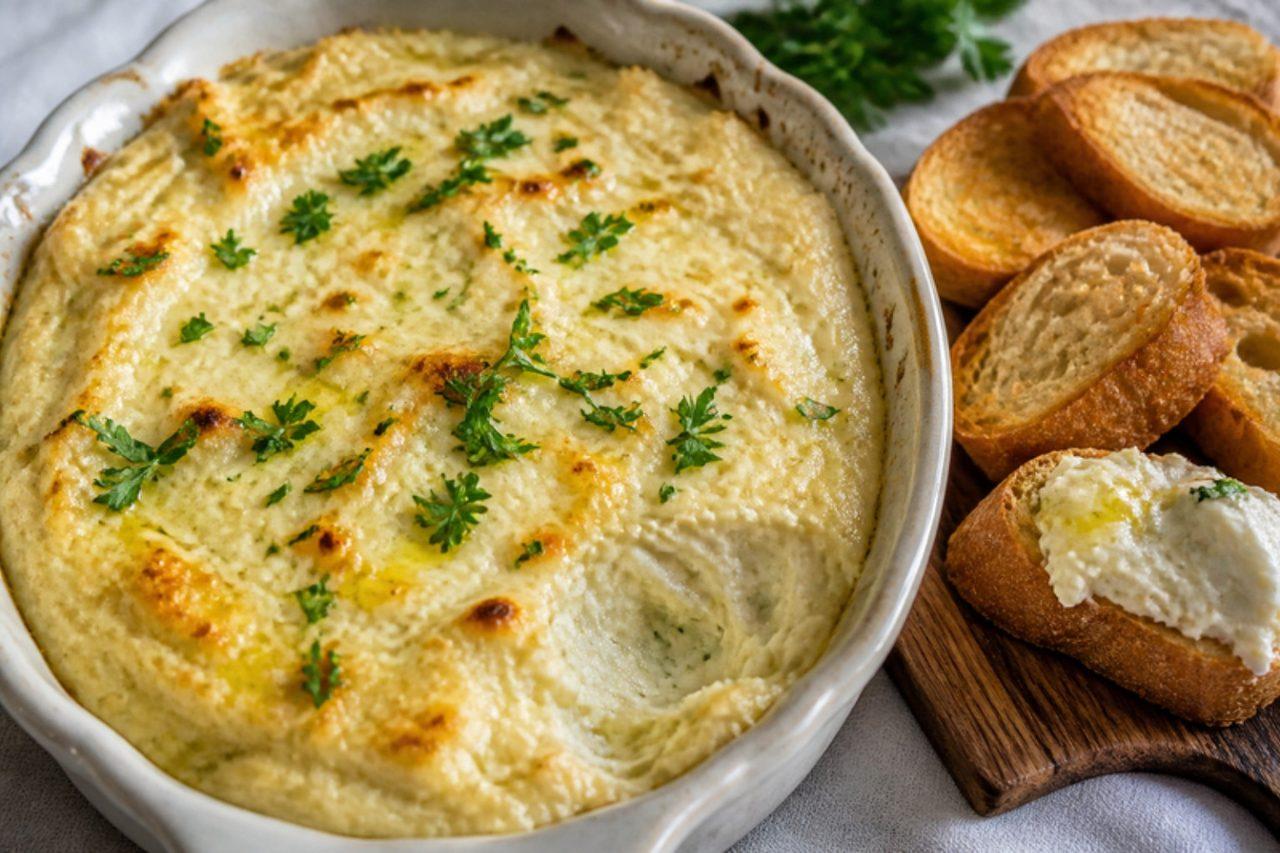
Brandade is Nîmes' great Lenten dish, served on Fridays, on Christmas Eve and as a spread on toast in the bars around the Roman arena during the ferias. Salt cod is poached, then beaten with warm olive oil and milk until it turns into a pale, fluffy, garlicky cream with a gentle salty depth. Nîmes purists make it with fish, oil and milk only; many cooks elsewhere fold in a little mashed potato for a softer texture, which is optional here. The cod needs 24–36 hours of soaking in the fridge first, so plan ahead. Spread it on toasted bread, or bake it in a dish until golden and serve with a green salad. Chef's tip: keep both the oil and the milk warm as you beat them in, so the brandade stays smooth and never splits.

65 minFrenchFish
by KrazyBadal 0 views
Bugnes lyonnaisesFried carnival pastries

When Carnival comes round in February, bakeries across Lyon pile their windows with bugnes, thin twisted ribbons of dough fried until they blister and then buried in icing sugar. Lyon's are the crisp, shattering kind (in Saint-Étienne they are puffier), and children eat them by the paper bagful through Mardi Gras. Some families add a spoonful of rum to the dough; this version uses orange flower water and lemon, so it is alcohol-free. Chef's tip: roll the dough so thin you can almost see the worktop through it; thick bugnes turn bready instead of crackly.

by KrazyBadal 0 views
Calissons d'AixAlmond and melon sweets

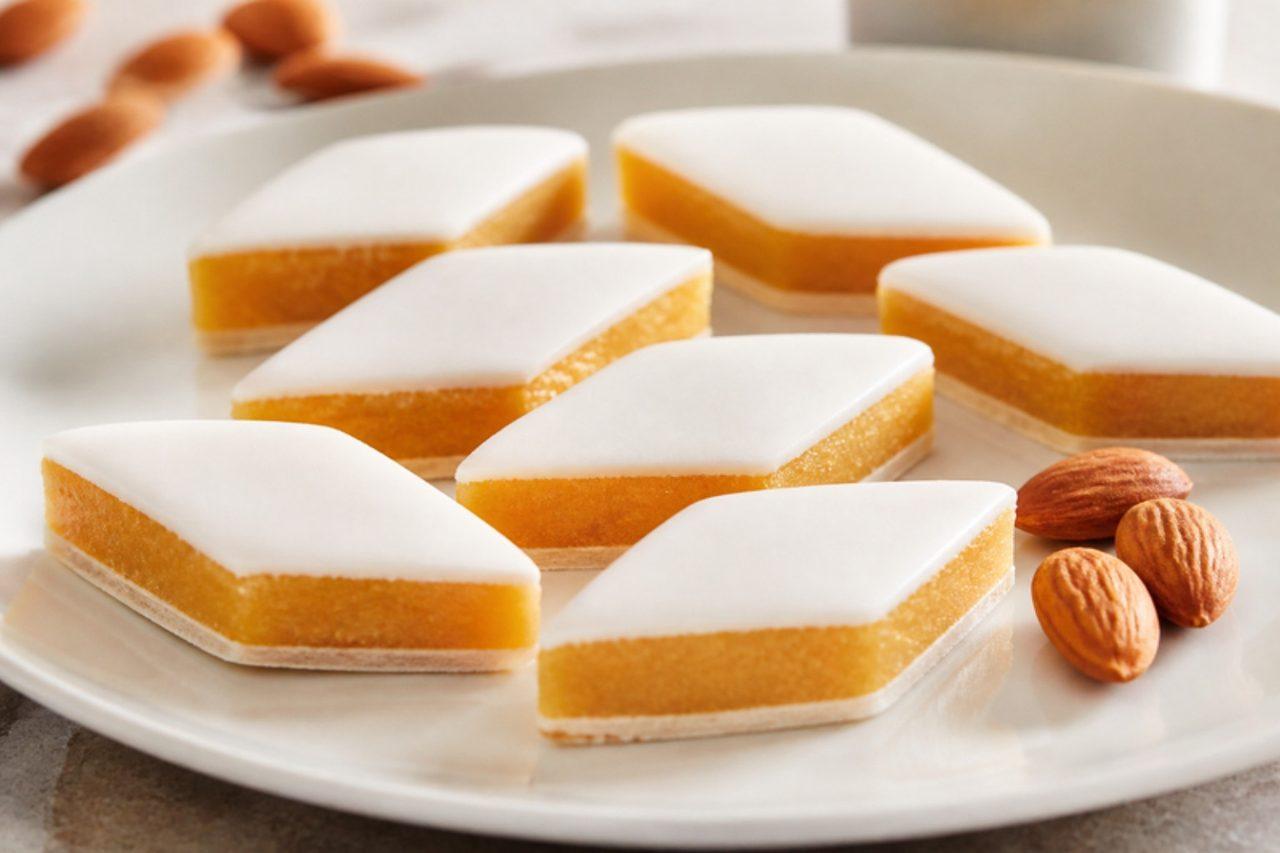
Calissons are the sweet of Aix-en-Provence: a soft paste of ground almonds and candied melon pressed onto wafer paper, glazed with a thin white icing and cut into a pointed oval. Confectioners in the old town sell them in diamond-shaped boxes, they are handed out at weddings and christenings, and each September they are blessed in a church service in Aix. They also belong among the thirteen desserts of Christmas. Candied melon can be hard to find outside Provence; candied orange peel and dried apricot give a close result. The icing uses raw egg white, dried in a low oven, so use pasteurised egg white if you are serving anyone pregnant or vulnerable. Chef's tip: dip the knife in hot water and wipe it between every cut, so the icing stays sharp-edged.

by KrazyBadal 0 views
Canelés de BordeauxVanilla custard cakes

Small, fluted and almost black on the outside, canelés are the signature cake of Bordeaux, sold in pâtisseries all over the city and eaten with morning coffee or at teatime. The thick, caramelised crust cracks to reveal a soft, custardy centre scented with vanilla. The batter traditionally includes dark rum; this version gives it as an option and uses extra vanilla and a little orange zest instead, so it can be made alcohol-free. Copper moulds are traditional, but silicone canelé moulds work well at home. Chef's tip: rest the batter for at least 24 hours in the fridge; fresh batter puffs up like a soufflé and the cakes lose their shape.

1500 minFrenchBaking
by KrazyBadal 0 views
CanistrelliAnise biscuits

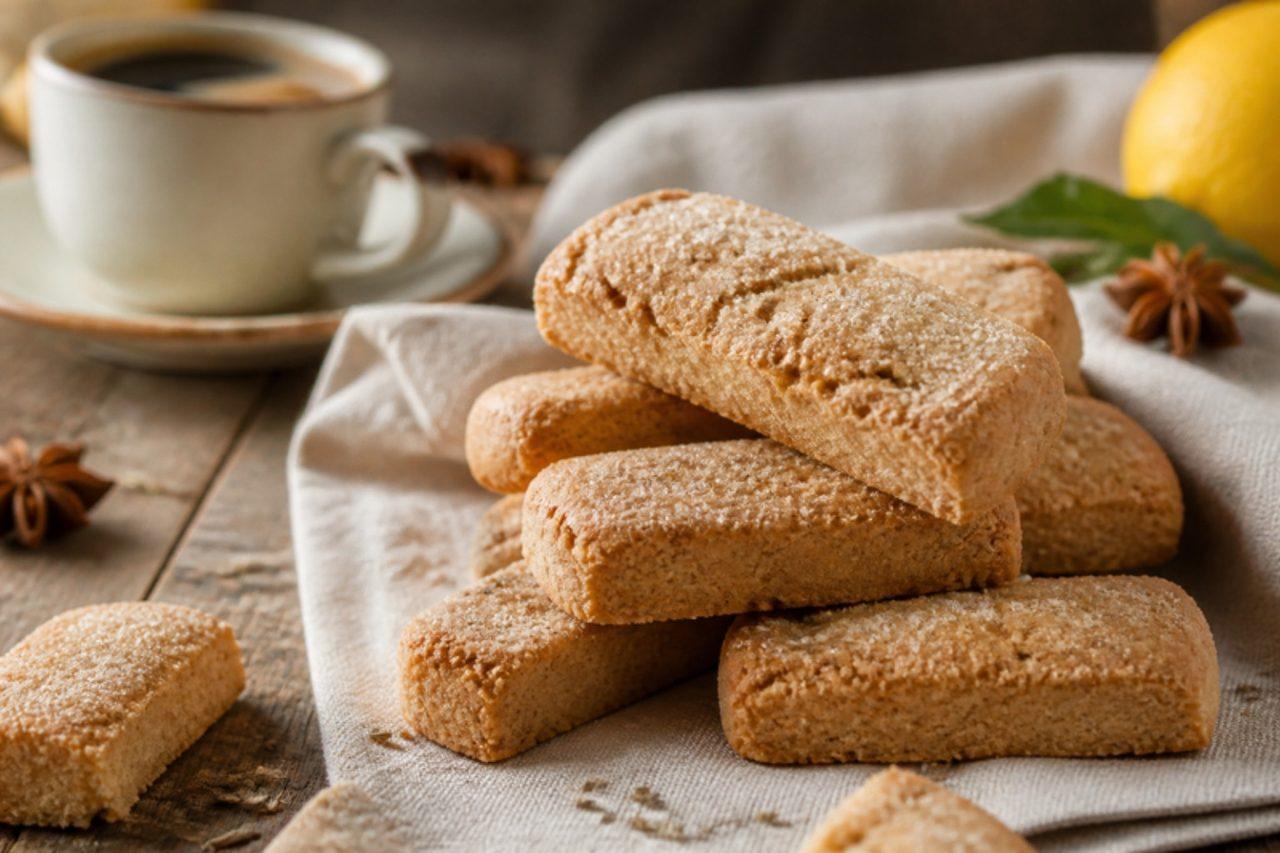
Every Corsican bakery, from Bastia to Bonifacio, stacks bags of canistrelli: thick, square-cut biscuits that are dry and crunchy outside and crumbly inside, made to be dipped in morning coffee. They come in many flavours, such as lemon, chestnut and almond, but anise seed is the classic. Traditionally the dough is mixed with dry white wine; most of the alcohol bakes off, but if you prefer none at all use apple juice with a squeeze of lemon, as the ingredient list says. With olive or sunflower oil instead of butter, they are vegan. Chef's tip: stop mixing as soon as the dough comes together; kneading makes them hard rather than crumbly.

by KrazyBadal 0 views
Cari de légumesVegetable curry

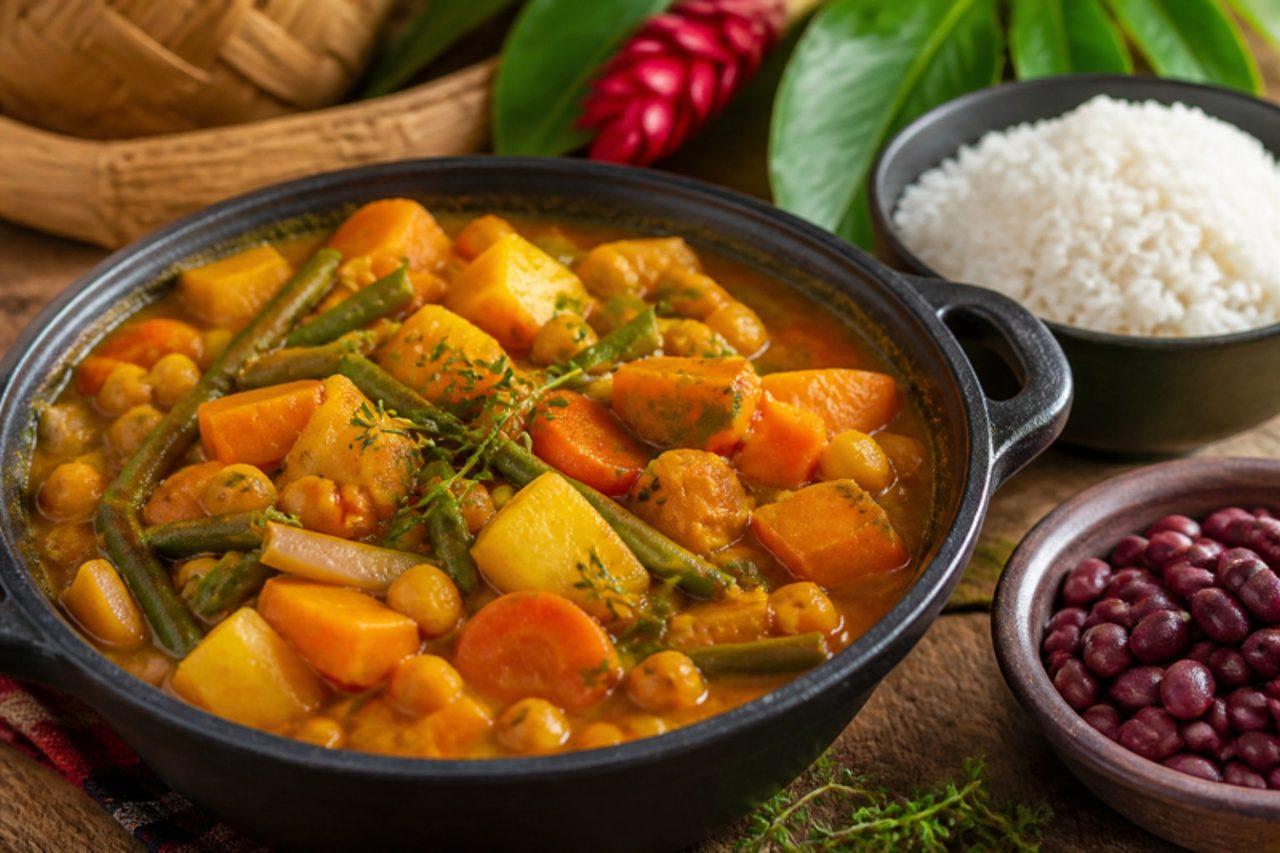
On Réunion, the French island in the Indian Ocean, cari is simply lunch: a pot of something gently spiced with onion, garlic, ginger, thyme and the island's turmeric, which locals call safran péi. It arrives at the table with white rice, a bowl of lentils from Cilaos or red beans, and a sharp tomato rougail, and this vegetable version uses chayote (chouchou) from the green Salazie valley, potatoes, carrots and green beans. The heat comes from the chilli in the rougail, not the cari itself, so it suits children too. Chef's tip: let the onions take real colour before the spices go in; that golden base gives a cari its depth.

by KrazyBadal 0 views
Cèpes à la bordelaisePorcini with garlic and parsley

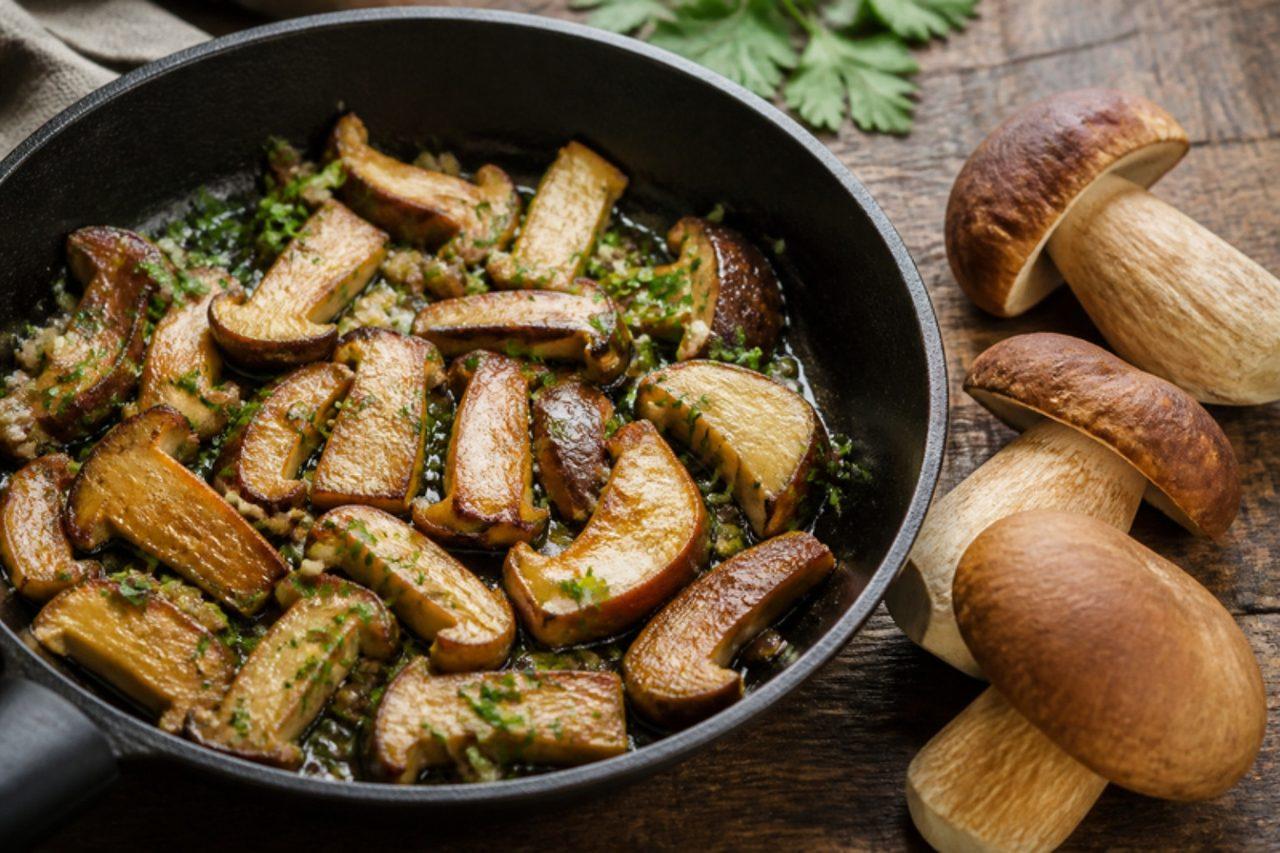
In autumn, when cèpes push up through the pine forests of the Landes and the oak woods of the Gironde, Bordeaux families fry them the local way: thick slices browned hard in a hot pan, then tossed with shallot, garlic and plenty of parsley. They come to the table as a side for Sunday lunch, piled on toast for a starter, or beside an omelette for supper. Many cooks use duck fat; this version uses olive oil, so it is vegan. Out of season, use chestnut mushrooms with a few soaked dried porcini for flavour. Chef's tip: wipe the cèpes with a damp cloth instead of washing them; wet mushrooms steam instead of browning.

by KrazyBadal 0 views
Choucroute garnieSauerkraut with smoked pork and sausages

From the winstubs of Strasbourg to the brasseries near Paris's Gare de l'Est, choucroute garnie is the dish that announces autumn, when the new season's sauerkraut arrives. It is a pork feast: smoked pork belly and smoked pork loin braised on a bed of sauerkraut softened with white wine, juniper and onion, then crowned with Strasbourg and smoked sausages and boiled potatoes. The cabbage turns mellow and silky rather than sharp, and soaks up the smoky fat. The braise uses dry white wine; the ingredient notes give an alcohol-free swap. Serve it with strong Dijon mustard and a little horseradish on the side. Chef's tip: rinse the sauerkraut only once and squeeze it well, so it keeps a little tang but doesn't make the whole dish sour.

130 minFrenchMeat
by KrazyBadal 0 views
Colombo de pouletChicken curry with aubergine and chayote

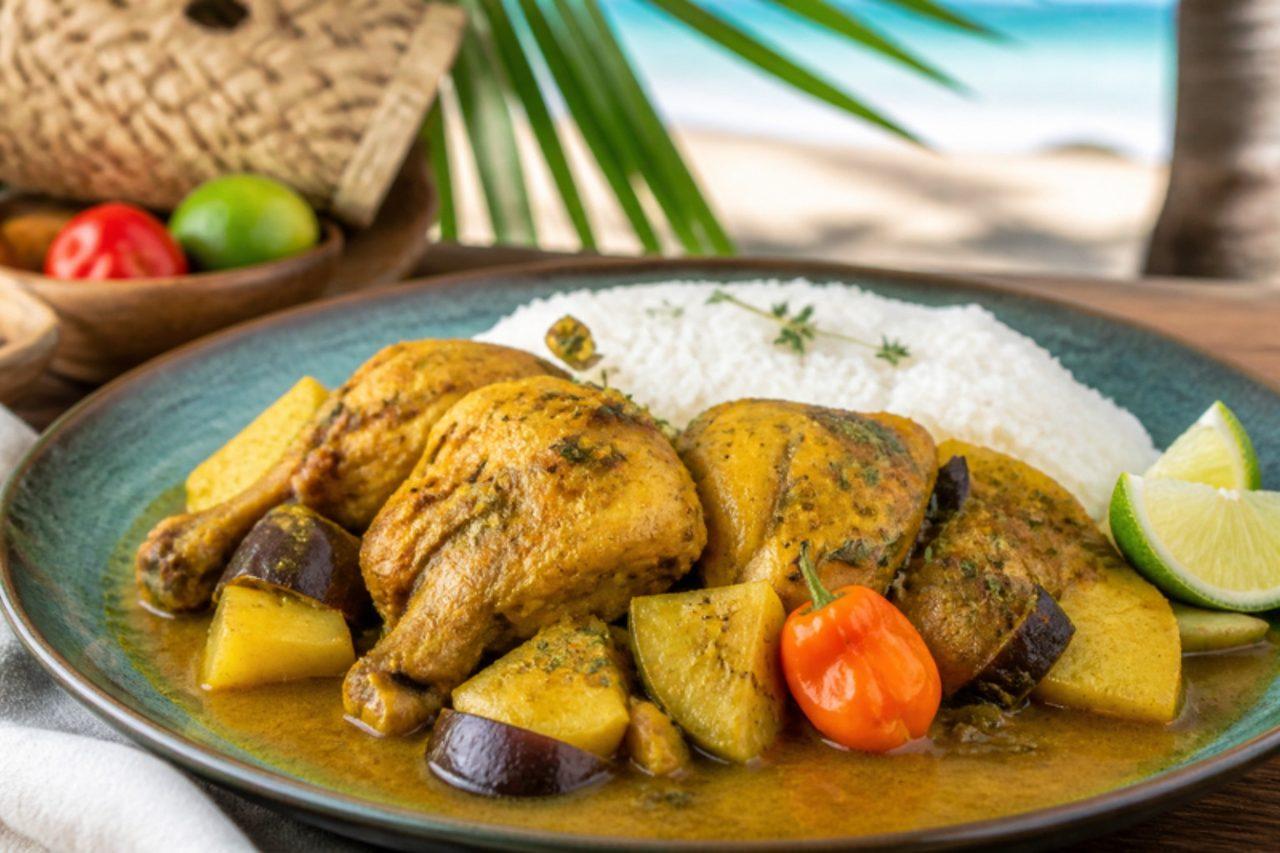
In Guadeloupe and Martinique, colombo is the curry brought by Tamil workers in the nineteenth century and now a fixture of Sunday lunches, christenings and Carnival feasts. Its spice blend, also called colombo, mixes toasted coriander, cumin, fenugreek, mustard seed and turmeric with a little toasted rice that thickens the sauce. Chicken is marinated in lime and garlic in the fridge, then simmered with aubergine, chayote (christophine) or courgette and potato into a golden, earthy, gently tangy stew, with a whole Scotch bonnet for perfume. Serve with white rice and a wedge of lime. Chef's tip: leave the Scotch bonnet whole and lift it out at the end for flavour without fierce heat; prick it only if you want it hot.

by KrazyBadal 0 views
Confit de canard, pommes sarladaisesDuck confit with garlic potatoes

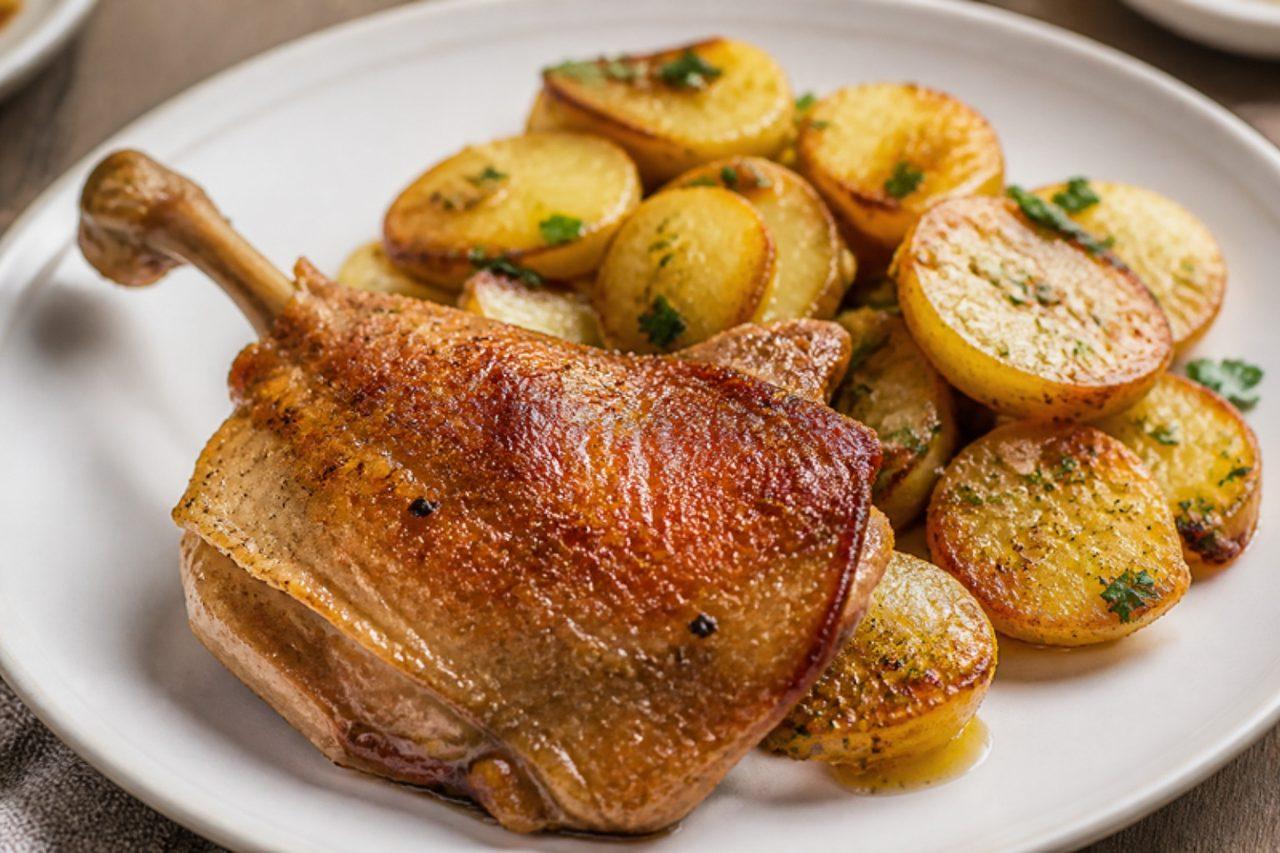
Every farmhouse in the Périgord and Gascony once lined its larder with stoneware jars of confit, duck legs salted, cooked slowly in their own fat and sealed under it to last the winter. Today it is the order of the day at Sarlat's Saturday market restaurants, served with pommes sarladaises: potato slices fried in that same duck fat until golden, then tossed with garlic and parsley. The skin should crackle and the meat should fall from the bone in soft, savoury shreds. The legs are cured for 12–24 hours in the fridge before cooking, so start the day before; a sharp green salad with walnut oil is all it needs alongside. Chef's tip: add the garlic and parsley to the potatoes only in the last two minutes, so the garlic stays sweet instead of turning bitter.

240 minFrenchMeatGluten free
by KrazyBadal 0 views
CotriadeFish and potato soup

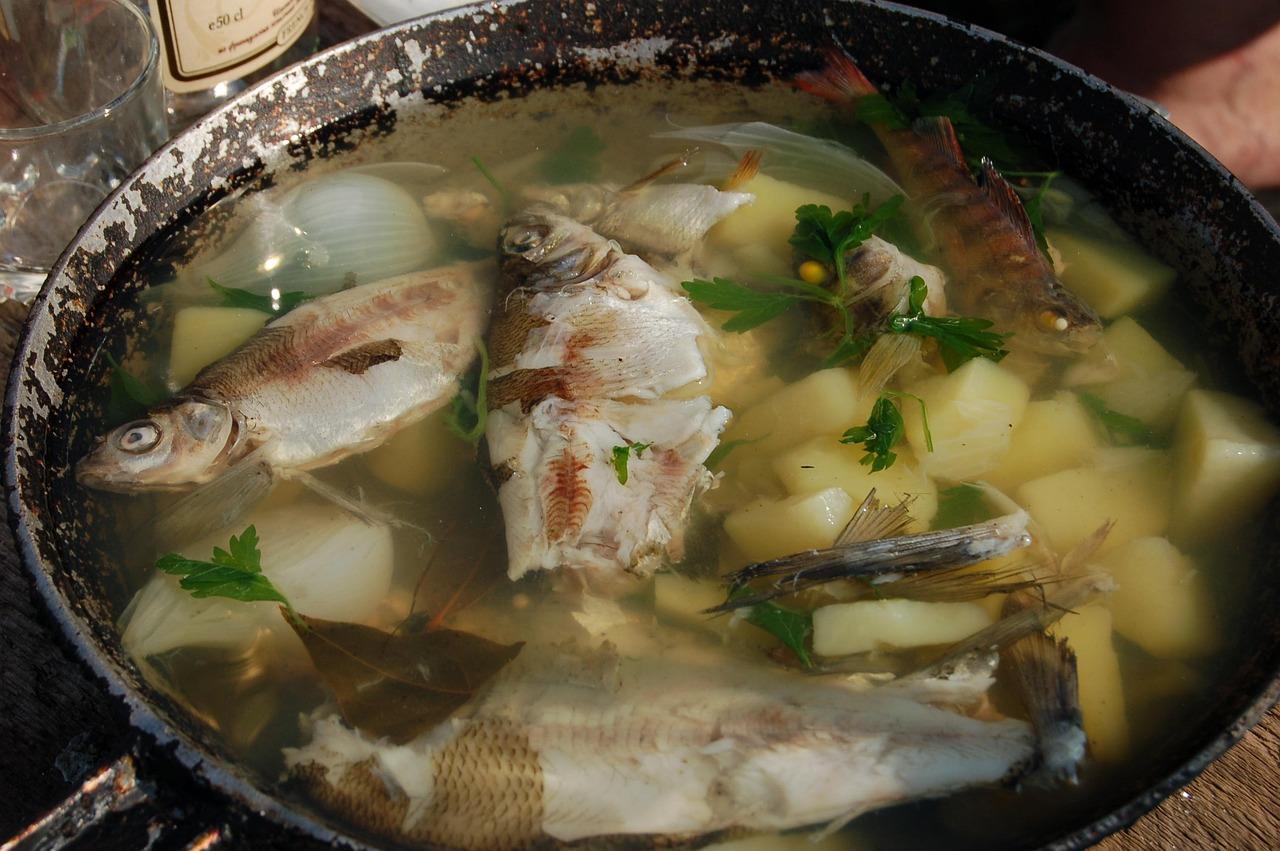
Cotriade is the Breton answer to bouillabaisse, plainer and kinder on the purse, made in the ports of the south coast from Concarneau to Quiberon with whatever the boats could not sell. Chunks of several fish, both firm and oily, are poached with potatoes and onions in a thyme-scented broth, then served in two parts: the broth poured over toasted bread, and the fish and potatoes moistened with a sharp mustardy vinaigrette. The contrast of the soft, buttery broth and the bright dressing is the whole point. Serve it with good bread and salted butter. Chef's tip: add the firm fish first and the delicate ones last, so nothing falls to pieces in the pot.

by KrazyBadal 0 views

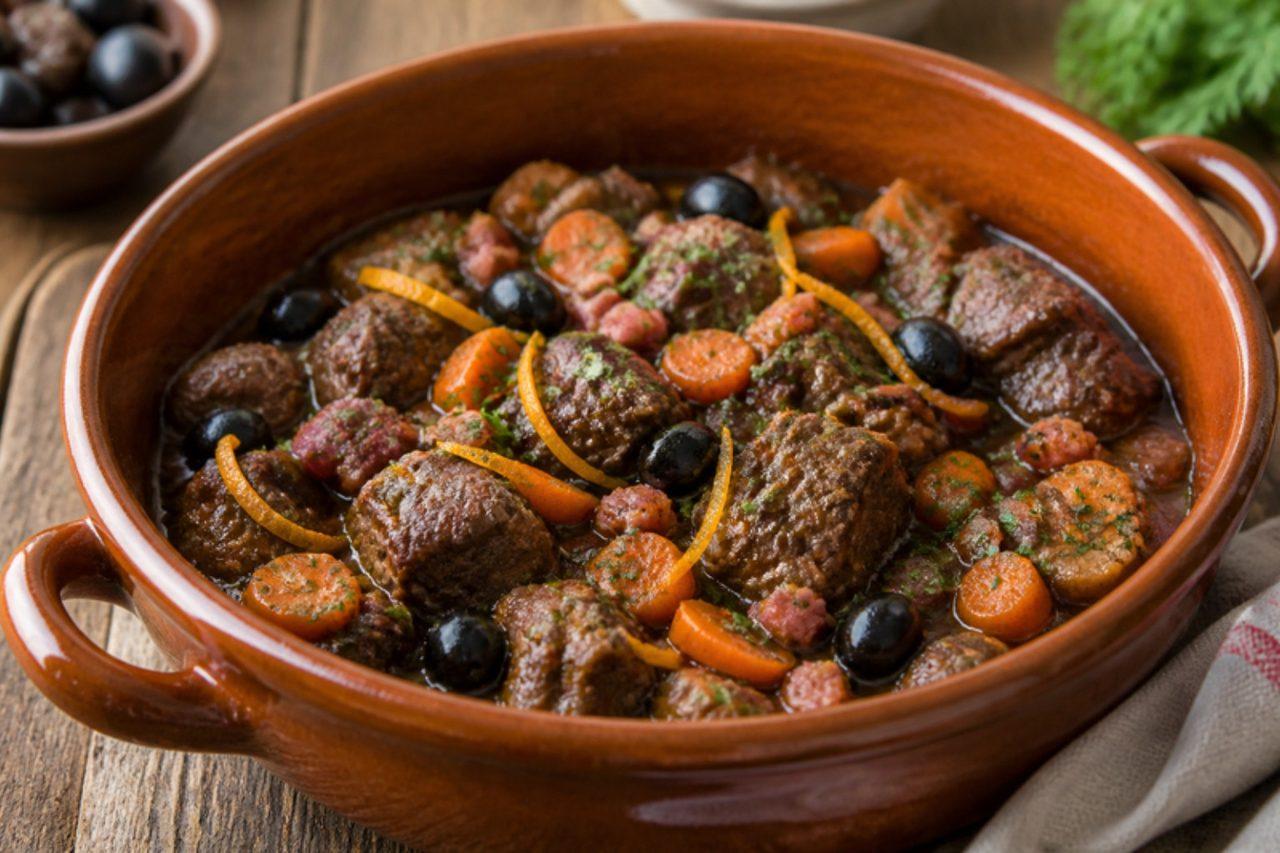
Daube provençaleRed wine beef stew with olives

In Provence the daube is the Sunday and winter-feast dish, traditionally simmered all morning in a pot-bellied clay daubière at the edge of the fire. Chunks of beef are marinated overnight in the fridge with red wine, garlic, herbs and a strip of orange peel, then braised slowly with black olives until the sauce turns dark, glossy and fragrant with citrus. It uses red wine, and the ingredient note gives an alcohol-free version; the optional smoked lardons make it a pork dish too. In Avignon and Nice the leftover sauce dresses macaroni (the macaronade), but polenta or plain boiled potatoes are just as good. Chef's tip: make it a day ahead; it tastes even better reheated, and the fat is easy to lift off once cold.

250 minFrenchMeatGluten free
by KrazyBadal 0 views

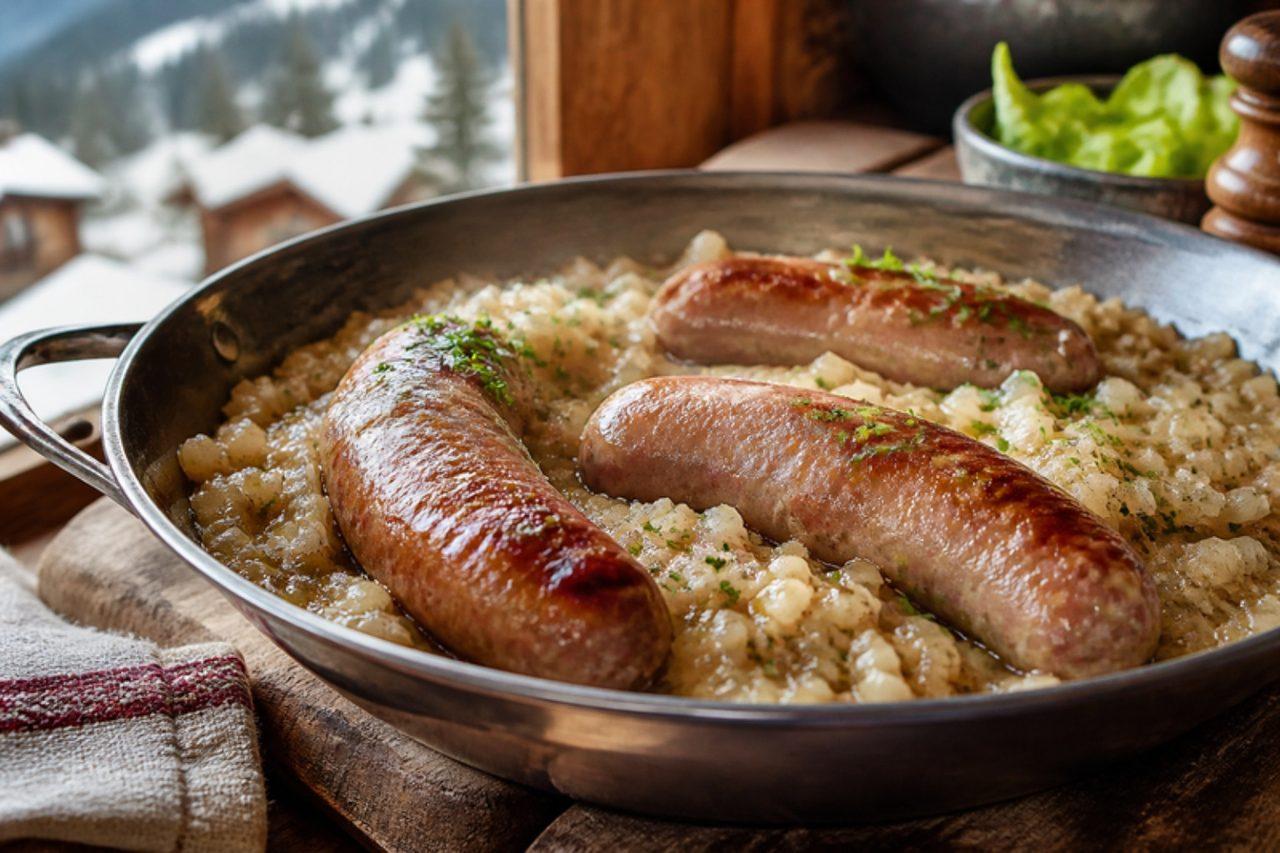
Diots au vin blancSausages braised in white wine

Diots are the small pork sausages of Savoie, sold in every butcher's from Chambéry to Annecy and eaten at ski-resort tables and village fêtes all winter. They are browned, then braised slowly with plenty of onions in dry Savoie white wine with a bay leaf, until the onions melt into a sweet, winey sauce around the plump sausages. The traditional partner is crozets, tiny square buckwheat or wheat pasta, or a soft polenta. The braise uses white wine; an alcohol-free version is in the notes. If you can't find diots, use any coarse, garlicky pork sausage. Chef's tip: brown the sausages slowly over a medium heat rather than fiercely, so the skins colour without bursting.

70 minFrenchMeat
by KrazyBadal 0 views

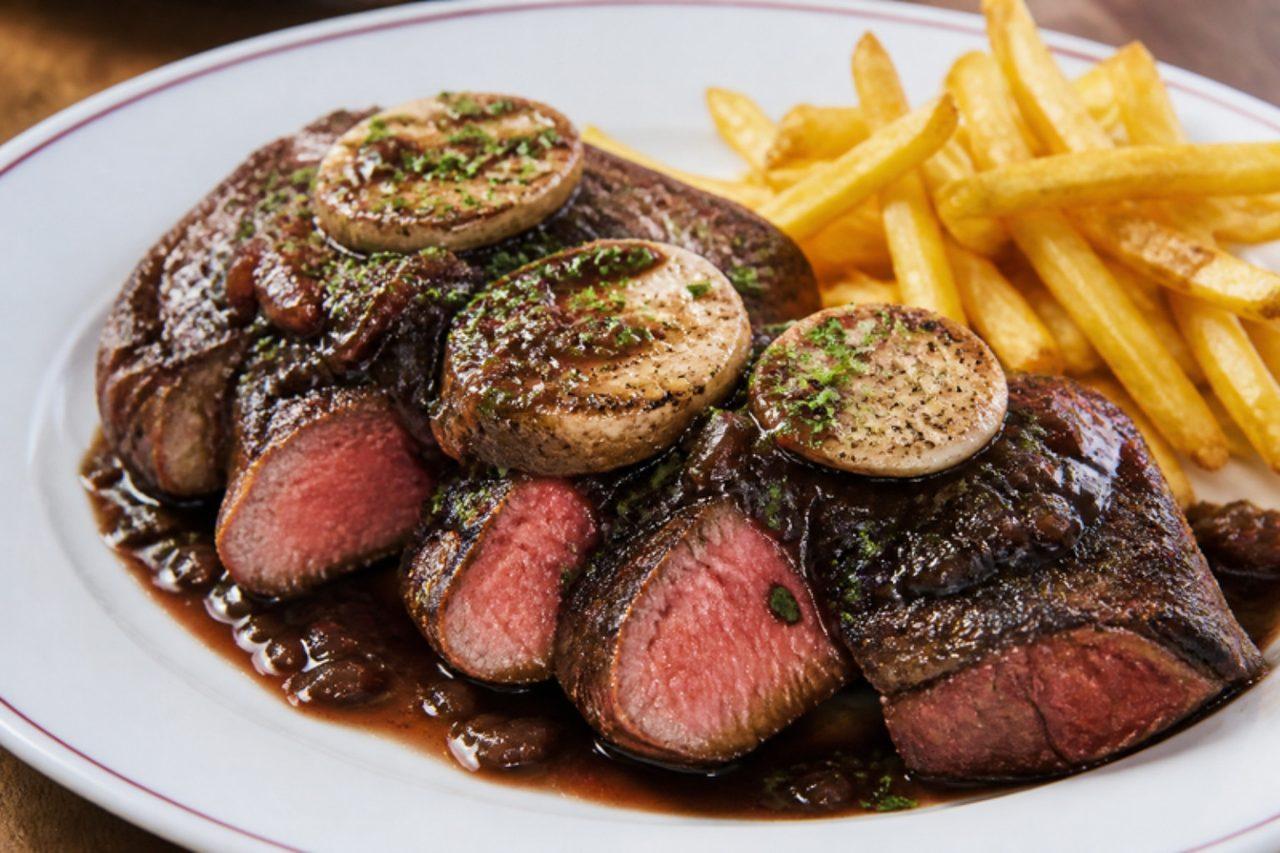
Entrecôte bordelaiseRib steak in red wine sauce

Bordeaux's brasseries, from the quays of the Garonne to the old Chartrons wine-merchant quarter, still grill entrecôte over vine cuttings and serve it with sauce bordelaise: shallots, thyme and red wine reduced to a syrup, then enriched with stock and cold butter. Poached bone marrow, folded in at the end, is the old-school touch and well worth trying. The sauce is glossy, deep and a little sweet against the well-browned, juicy steak. The sauce uses red wine; the ingredient note gives an alcohol-free version. Serve with frites or sautéed potatoes and a crisp green salad. Chef's tip: let the steaks sit out of the fridge for 30 minutes before cooking so the centre cooks evenly.

50 minFrenchMeat
by KrazyBadal 0 views

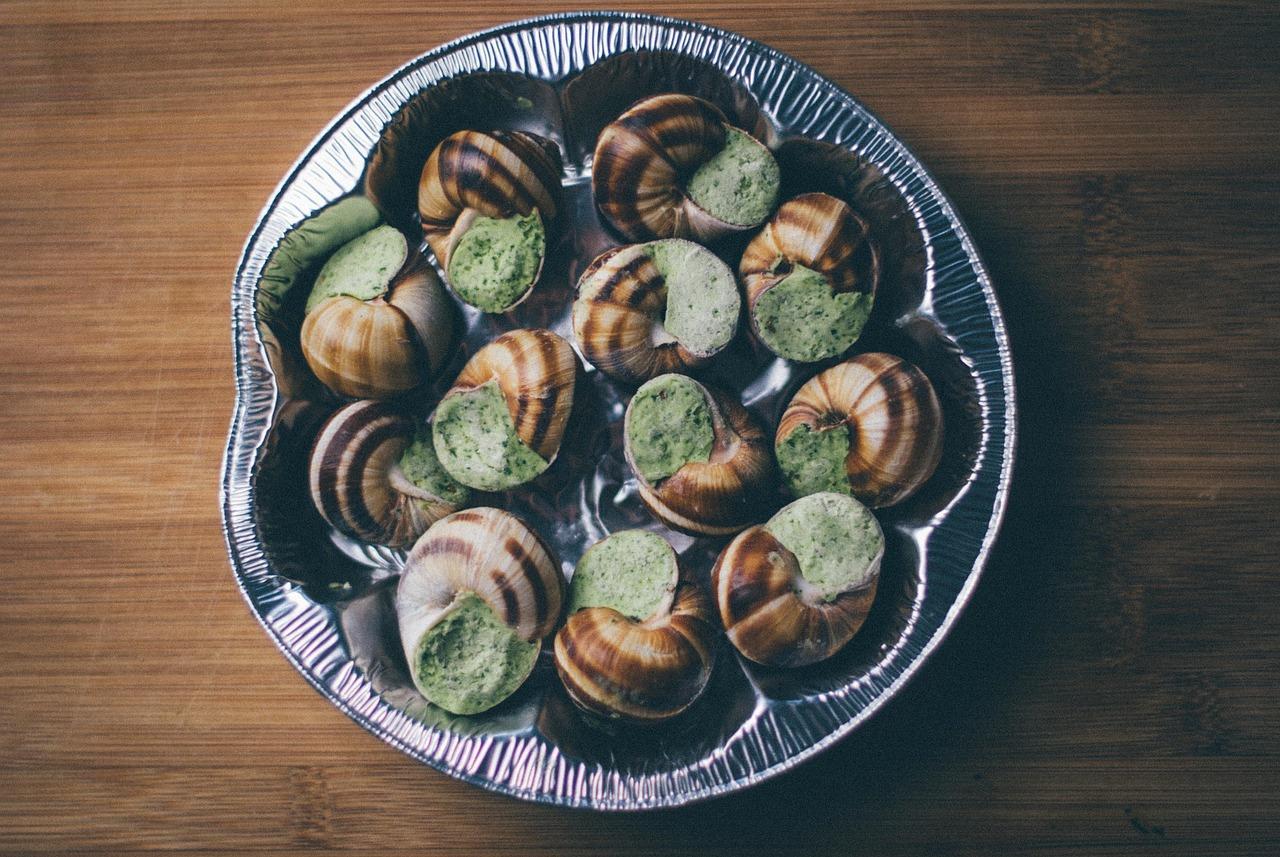
Escargots de BourgogneSnails in garlic parsley butter

Burgundy snails in green garlic butter are the festive starter of the Côte-d'Or, eaten at Christmas and New Year all over France and in Paris brasseries year round, served by the dozen in dimpled dishes. The snails themselves taste mild and earthy and have a pleasantly firm bite; the real attraction is the sizzling butter packed with garlic, shallot and parsley, mopped up with bread. Live snails need days of preparation, so this recipe uses ready-prepared tinned or jarred snails, with clean shells or snail dishes bought separately. Chef's tip: make the butter a day ahead so the garlic flavour deepens, and pack the shells well so the butter seals the snail in.

by KrazyBadal 0 views

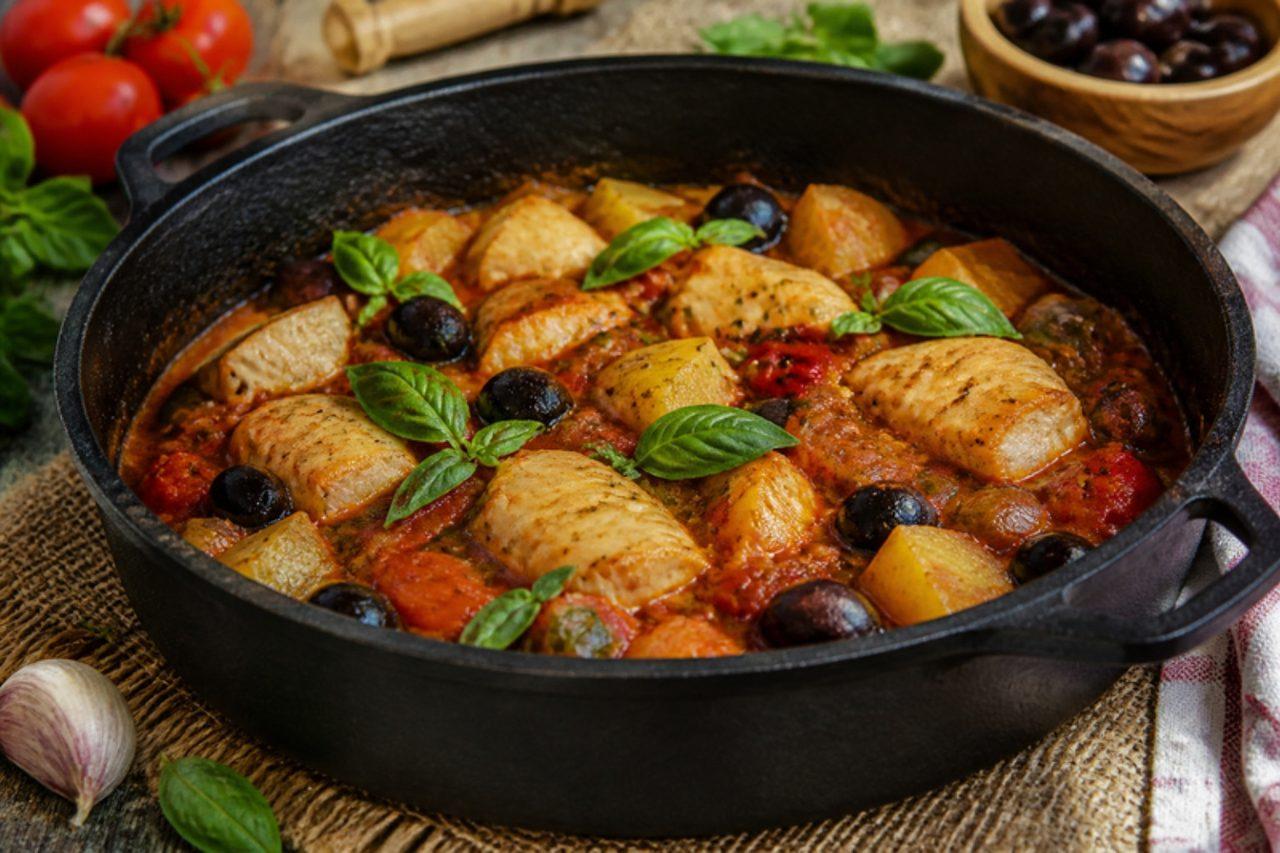
Estocaficada (stockfish niçois)Dried cod stew with tomato

Estocaficada is the old winter dish of Nice's port and old town, where Norwegian stockfish arrived in exchange for olive oil and wine centuries ago; it is still cooked for family Friday lunches and at the city's food festivals. Air-dried cod is rehydrated and stewed slowly with tomatoes, onions, peppers, black olives and potatoes, giving a rich, rust-red stew with a deep, almost meaty flavour. True stockfish is hard to find outside specialist shops and needs 4–5 days of soaking, so this recipe uses salt cod, which is easier and gives a gentler result; the note explains both. Serve in deep plates with crusty bread for the sauce. Chef's tip: add the cod at the end and keep it at a gentle simmer so it stays in juicy flakes rather than turning rubbery.

105 minFrenchFishGluten free
by KrazyBadal 0 views

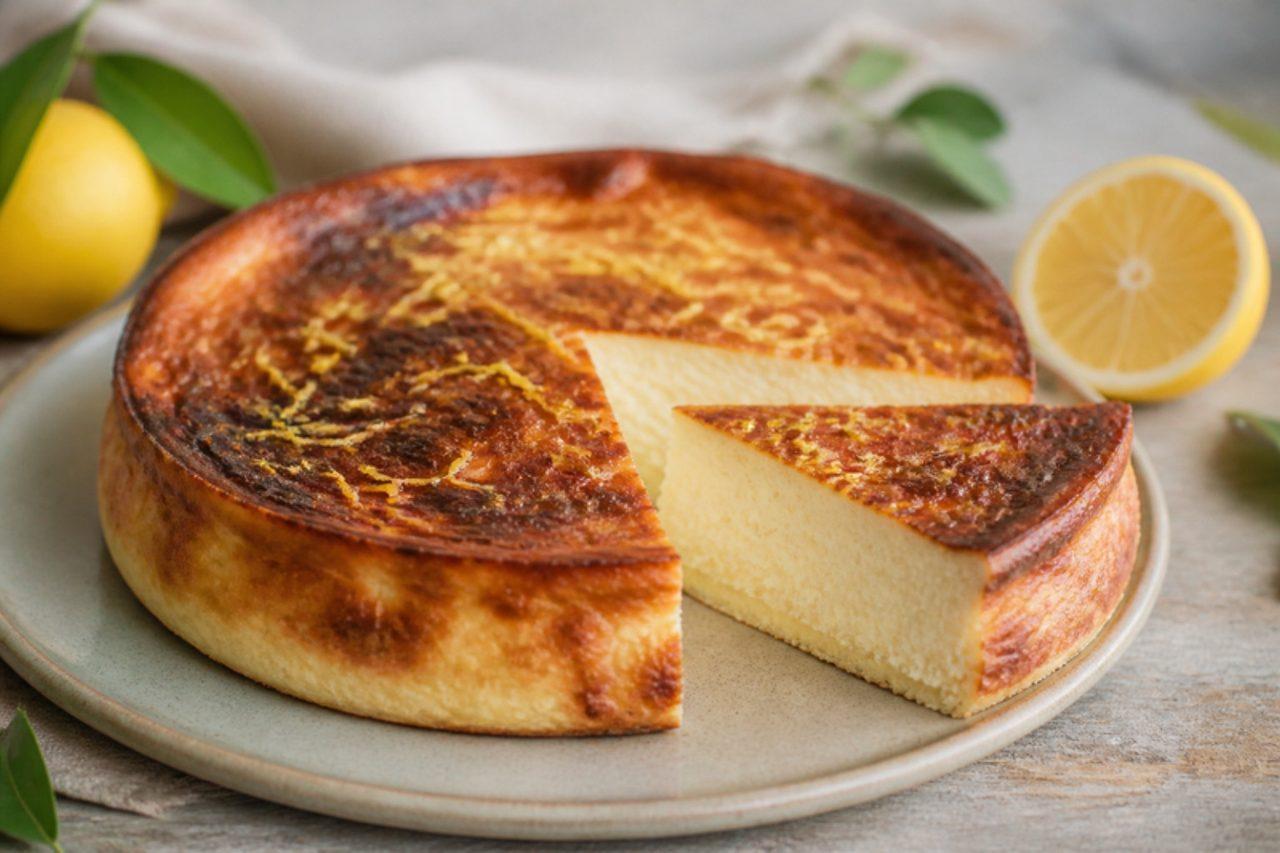
FiadoneLemon cheesecake

Fiadone is the cake of Corsican Easter and village feast days: fresh brocciu, the island's soft ewe's- or goat's-milk whey cheese, beaten with eggs, sugar and lemon zest and baked until the top is freckled brown. There is no base, so it is naturally gluten free, and it tastes lighter and less sweet than most cheesecakes. Brocciu is made from whey left after rennet cheesemaking, so it is not strictly vegetarian; well-drained ricotta labelled vegetarian is the usual stand-in outside Corsica. Some families add a spoon of local eau-de-vie; it is left out here. Chef's tip: drain the cheese well; a dry cheese gives the light, almost soufflé-like texture.

by KrazyBadal 0 views

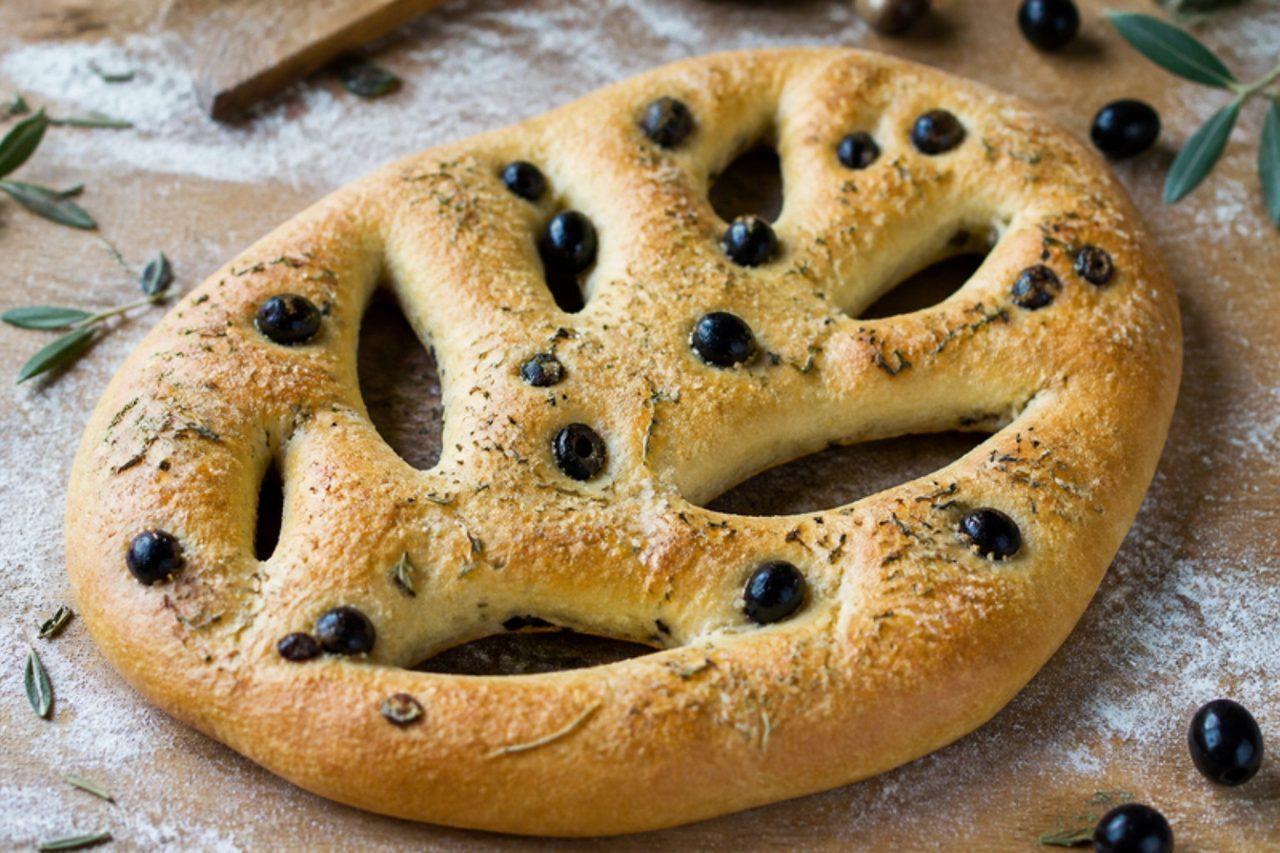
Fougasse aux olivesOlive and herb bread

Bakers in Provence once slid a fougasse into the wood oven first, to test the heat before the big loaves went in; the open, leaf-like shape bakes in minutes and is mostly crust. Today every boulangerie from Avignon to Apt sells it, plain or studded with olives, and families tear it apart on picnics and at market lunches. A sweet cousin flavoured with orange blossom is one of the thirteen desserts of a Provençal Christmas. This is the savoury everyday one, with black olives and herbes de Provence. Chef's tip: bake it on the hottest tray you can, near the top of the oven, so the thin bridges of dough blister and crisp before the thick edges dry out.

148 minFrenchBakingVegan
by KrazyBadal 0 views

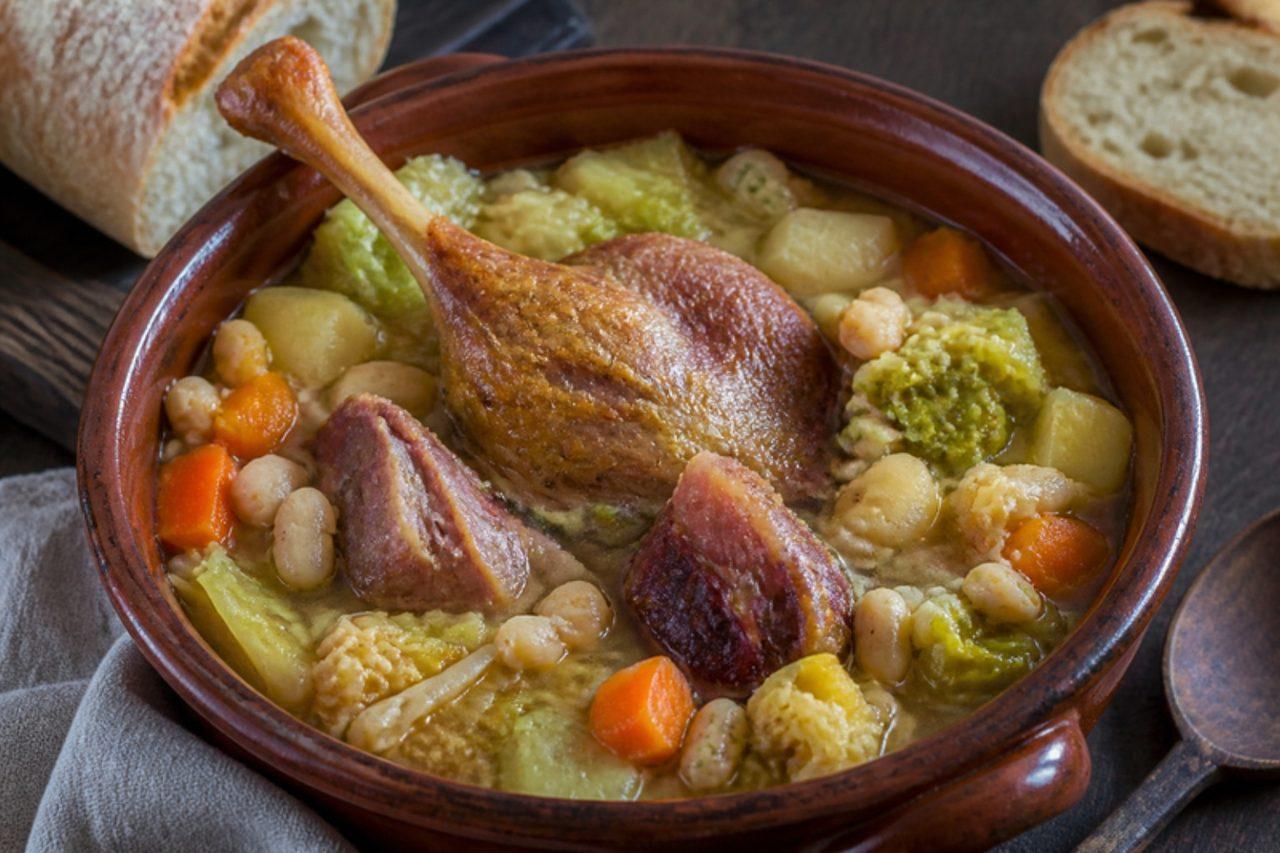
GarbureCabbage and bean duck soup

Shepherds in the Béarn valleys and farmers across Gascony have eaten garbure through the cold months for centuries, and it is still the centrepiece of village rugby-club suppers and winter fêtes. It is a soup so thick that, as people in Pau like to say, the ladle should almost stand up in it: white beans, cabbage, potatoes, leeks and turnips cooked down slowly, finished with pieces of duck confit warmed through in the pot. A ham hock is often added too; that version is a pork dish as well as a duck one, so leave it out if you need to. Serve it in deep bowls with thick slices of country bread. Chef's tip: hold back the salt until the very end, because confit duck and ham hock both season the soup as they warm.

180 minFrenchSoupsGluten free
by KrazyBadal 0 views

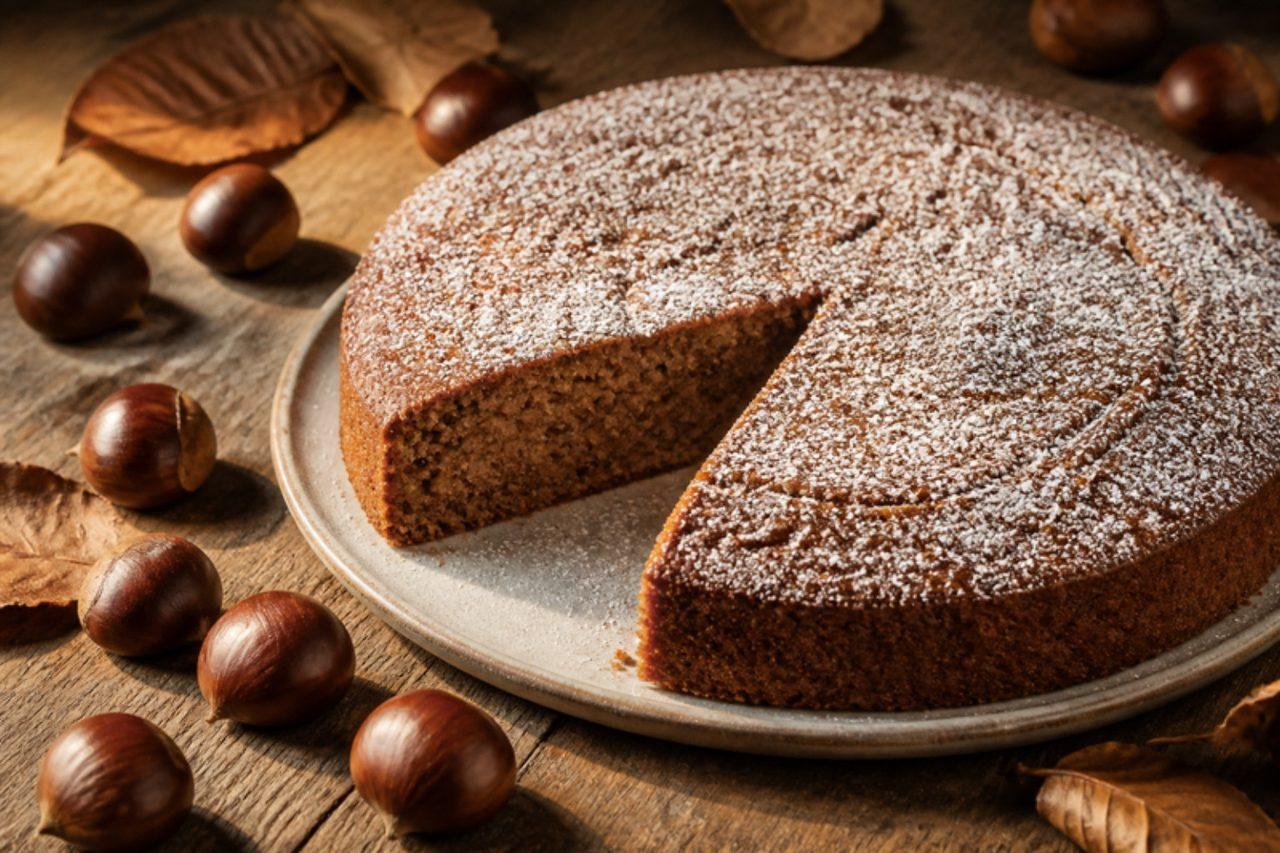
Gâteau à la farine de châtaigneChestnut flour cake

In the Castagniccia, the chestnut forests of north-east Corsica, the chestnut was called the bread tree, and its sweet, smoky flour went into polenta, fritters and cakes. Every December the village of Bocognano holds a chestnut fair where this simple cake is sold by the slice. Made only with chestnut flour, it is dense and moist, with no wheat at all (check the flour packet if you avoid gluten), and has a flavour somewhere between cocoa and toasted nuts. Serve it with fresh cheese, a spoon of jam or a cup of coffee. Chef's tip: sift chestnut flour twice; it clumps in the bag, and lumps stay as dry pockets in the cake.

by KrazyBadal 0 views

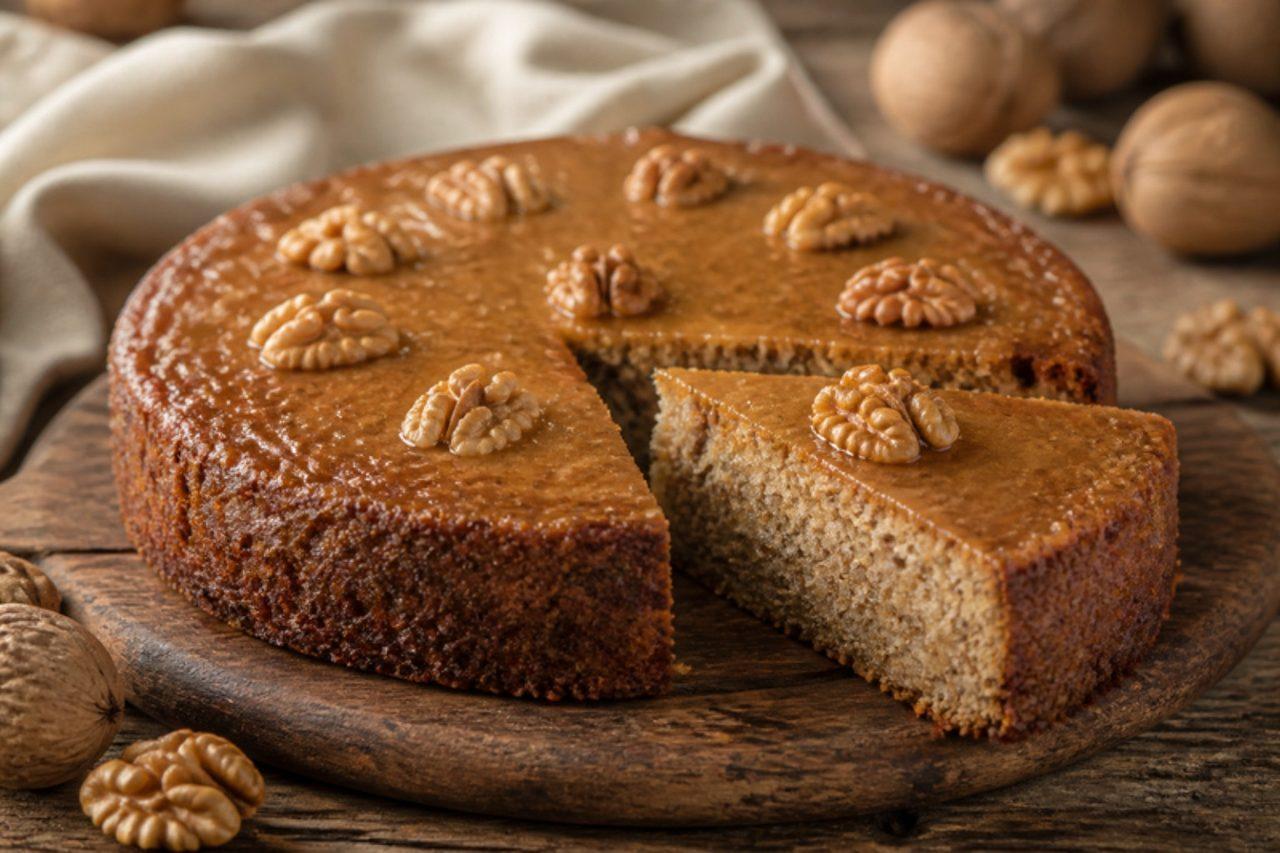
Gâteau aux noix du PérigordWalnut cake

Walnut orchards line the Dordogne valley around Sarlat and Périgueux, and after the autumn harvest every farmhouse and market bakery turns the new nuts into this dense, moist cake. It is sold by the slice at Sarlat's Saturday market and eaten in the afternoon with coffee or a glass of walnut-leaf syrup and water, or after Sunday lunch with a spoon of crème fraîche. Ground walnuts replace most of the flour, so it is nutty, slightly bitter and very tender. Chef's tip: toast the walnuts first for 6 minutes; it softens the bitterness of the skins and deepens the flavour.

by KrazyBadal 0 views

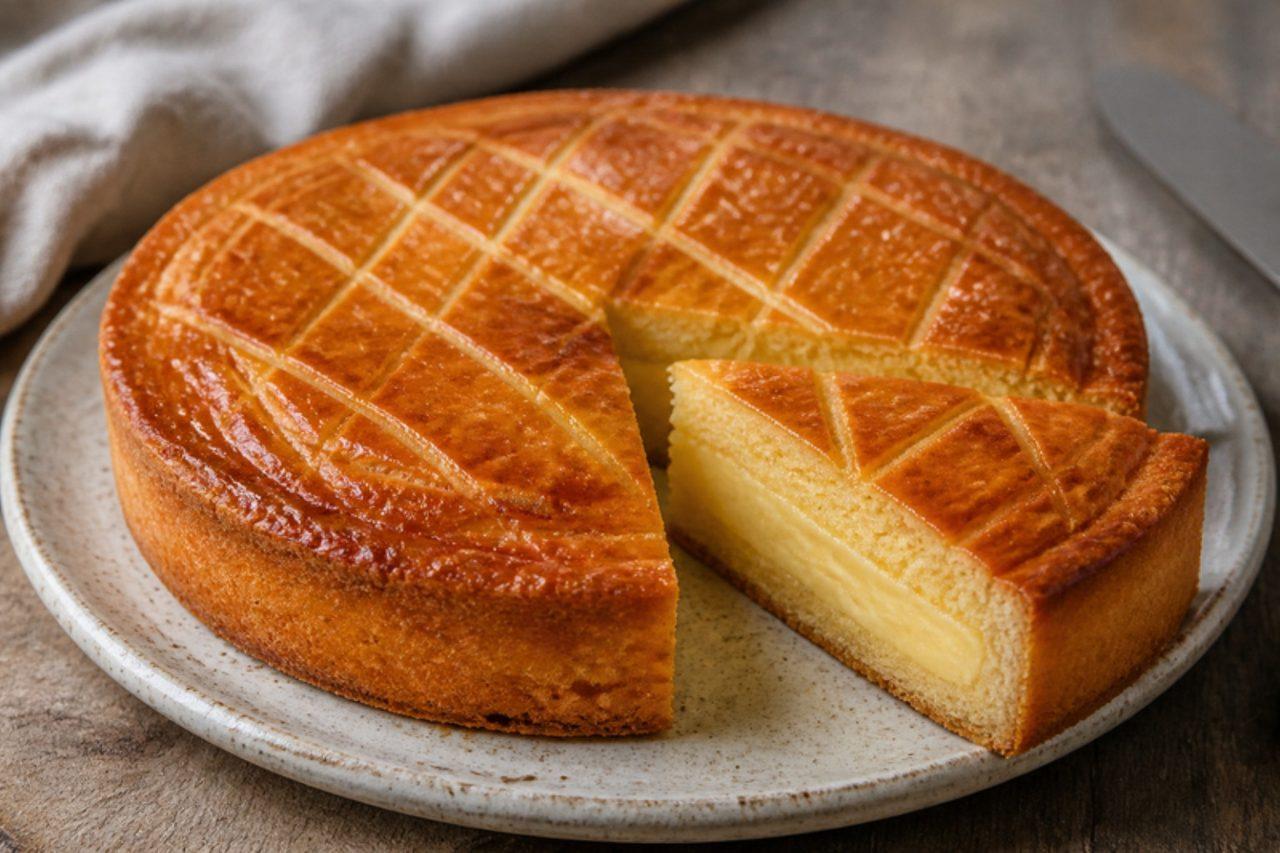
Gâteau basqueCream-filled butter cake

Cambo-les-Bains and the inland villages of the Labourd claim the gâteau basque, and bakeries across the Basque Country sell it in two versions, filled with black cherry jam from Itxassou or with thick pastry cream, marked with a criss-cross or a Basque cross on top. Families buy one for Sunday lunch and cut it at room temperature with coffee. Its crust is halfway between shortbread and cake, golden and crumbly, wrapped round a soft vanilla centre. Some bakers flavour the cream with rum; this one uses vanilla and almond extract and is alcohol-free. For the cherry version, swap the cream for 300 g thick black cherry jam. Chef's tip: chill the dough well before rolling; it is soft and buttery and tears when warm.

105 minFrenchBaking
by KrazyBadal 0 views

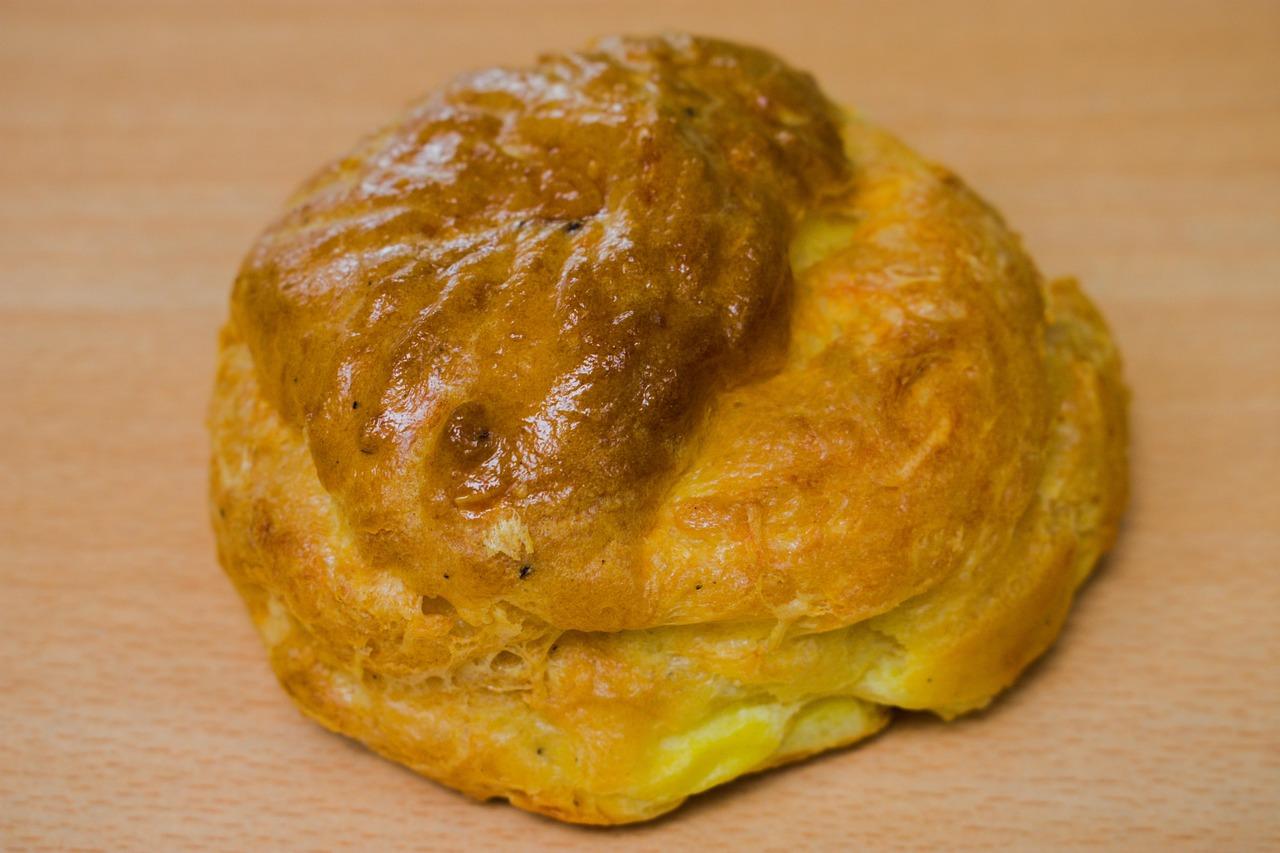
GougèresCheese choux puffs

In the wine villages of Burgundy, around Beaune and Chablis, a basket of gougères lands on the table the moment guests sit down: small golden choux puffs, crisp outside and hollow and cheesy within. They are handed round at cellar tastings, christenings and Sunday aperitifs, and they are best eaten warm, within ten minutes of leaving the oven. The dough is the same as for profiteroles, but salted, peppered and beaten with grated Comté or Gruyère. Both cheeses are traditionally made with animal rennet, so use a vegetarian hard mountain-style cheese if you need to. Chef's tip: dry the dough on the heat until it leaves a thin film on the bottom of the pan; drier dough takes more egg and puffs higher.

by KrazyBadal 0 views

Showing 24 of 591 recipes

Show more recipes

Page 16 of 25