Skip to content
Recipes

All recipes

Vegetarian, or something you can't eat? Set your diet once and we'll hide recipes that don't fit.

Tcharek el arianeAlmond crescents with orange blossom

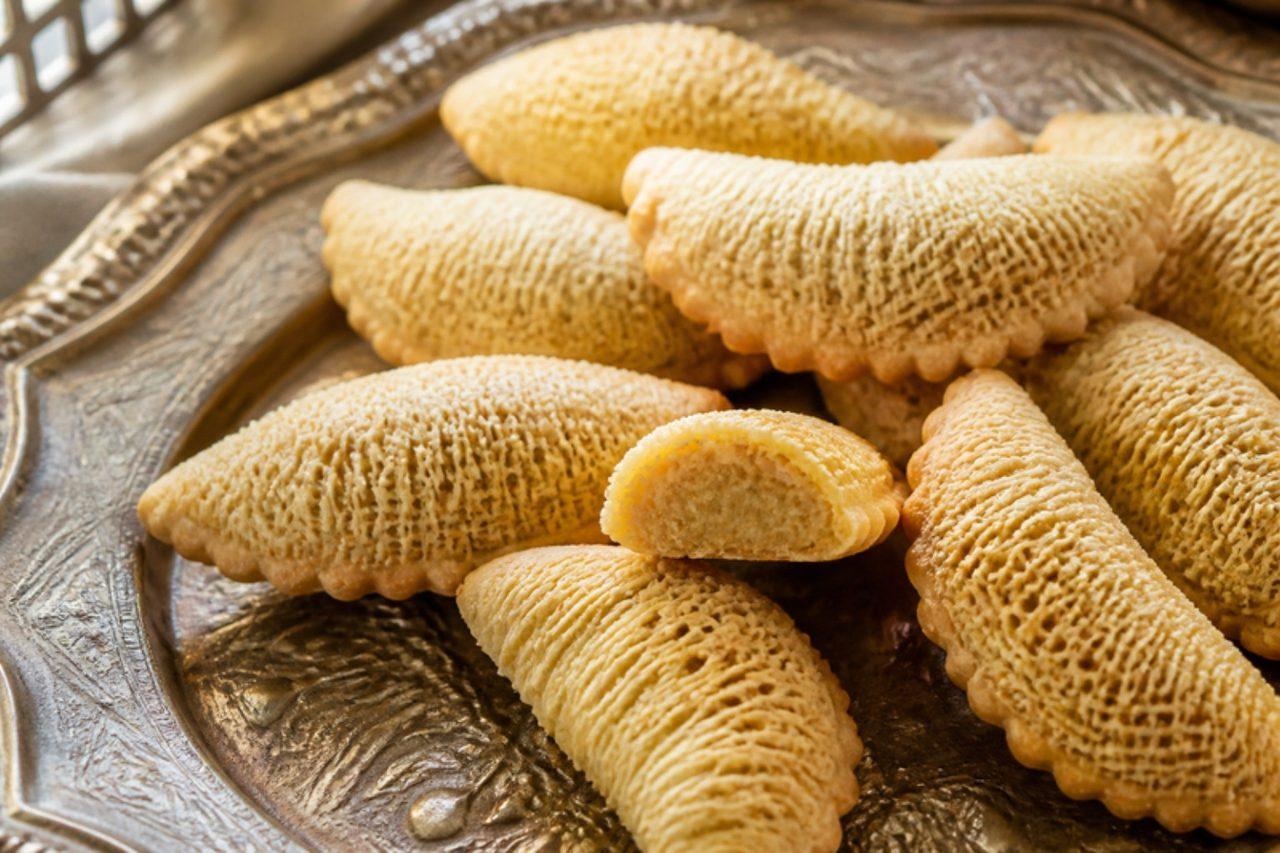
On the last nights of Ramadan, kitchens across Algiers and Constantine fill up with trays of tcharek el ariane, the 'naked' tcharek: crescents of thin, buttery dough wrapped around almond paste with cinnamon and orange-blossom water. Unlike their sugar-coated cousins they are left bare, so the fine dough with its pinched, lace-like pattern shows. Families give them to neighbours on Eid morning and set them out at weddings with mint tea and coffee. The dough is traditionally made with smen (aged butter); plain melted butter works well. Overbaking is the common slip, because they turn hard and dry; they should stay pale with only golden tips. Chef's tip: keep the dough under a damp cloth while you shape, as it dries in minutes and then cracks along the curve.

by KrazyBadal 0 views

Pejerrey arrebozadoBattered fish fillets with onion salsa

Pejerrey arrebozado is a Lima classic from the cevicherías and home kitchens of the coast, eaten at lunch on a plate with white rice, a heap of sharp salsa criolla and sometimes boiled potato. The pejerrey, a small silverside, is opened into butterflied fillets, dipped in a light egg-and-flour batter and fried golden. Outside Peru, use small fillets of whiting, sole, haddock or tilapia. The batter here uses sparkling water, not beer, so it is alcohol free. The common mistake is frying in oil that isn't hot enough: the batter drinks the oil and turns greasy, so test with a drop of batter first. Chef's tip: make the salsa criolla first and let the onion sit in lime for ten minutes; it softens its bite and turns a pretty pink.

by KrazyBadal 0 views

Chicharrón de pescadoCrisp fried fish chunks

Up and down the Peruvian coast, from Chorrillos in Lima to the beaches of Piura, chicharrón de pescado is the crunchy plate ordered alongside ceviche at a long seafood lunch: bite-size chunks of firm white fish marinated briefly in garlic and lime, dusted in flour and fried, then served with fried cassava, salsa criolla and tartar or rocoto sauce. Using frozen peeled cassava keeps it to half an hour. The common mistake is leaving the fish in the lime too long: after about ten minutes the acid starts to 'cook' the outside and the coating slips off. Chef's tip: toss the floured pieces in a sieve to shake off every bit of loose flour; a thin coat fries crisp, a thick one turns pasty.

by KrazyBadal 0 views

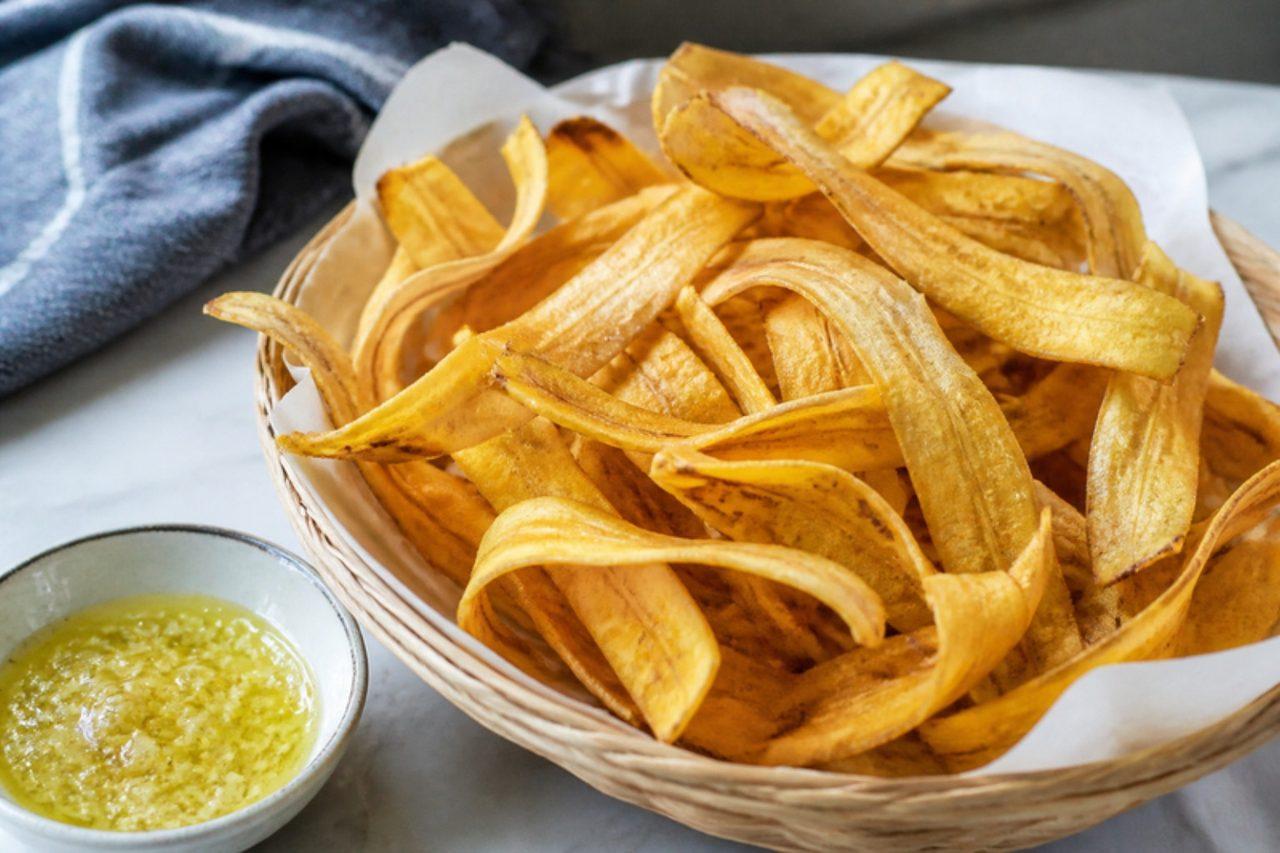
MariquitasGreen plantain chips

Mariquitas are the thin, glassy green-plantain chips that come in paper cones at Cuban cafeterías in Havana and Miami, always with a little bowl of garlicky mojo for dunking. They are a party and weekend snack, but with a mandoline they are ready in twenty minutes on any evening. The most common mistake is using plantains that have started to ripen: yellow ones are sweet and soft and burn before they crisp, so buy them hard and fully green. Take care with the mandoline and use its guard, and never leave hot oil unattended. Chef's tip: cut long, paper-thin slices lengthwise and drop them into the oil one at a time so they don't stick together.

by KrazyBadal 0 views

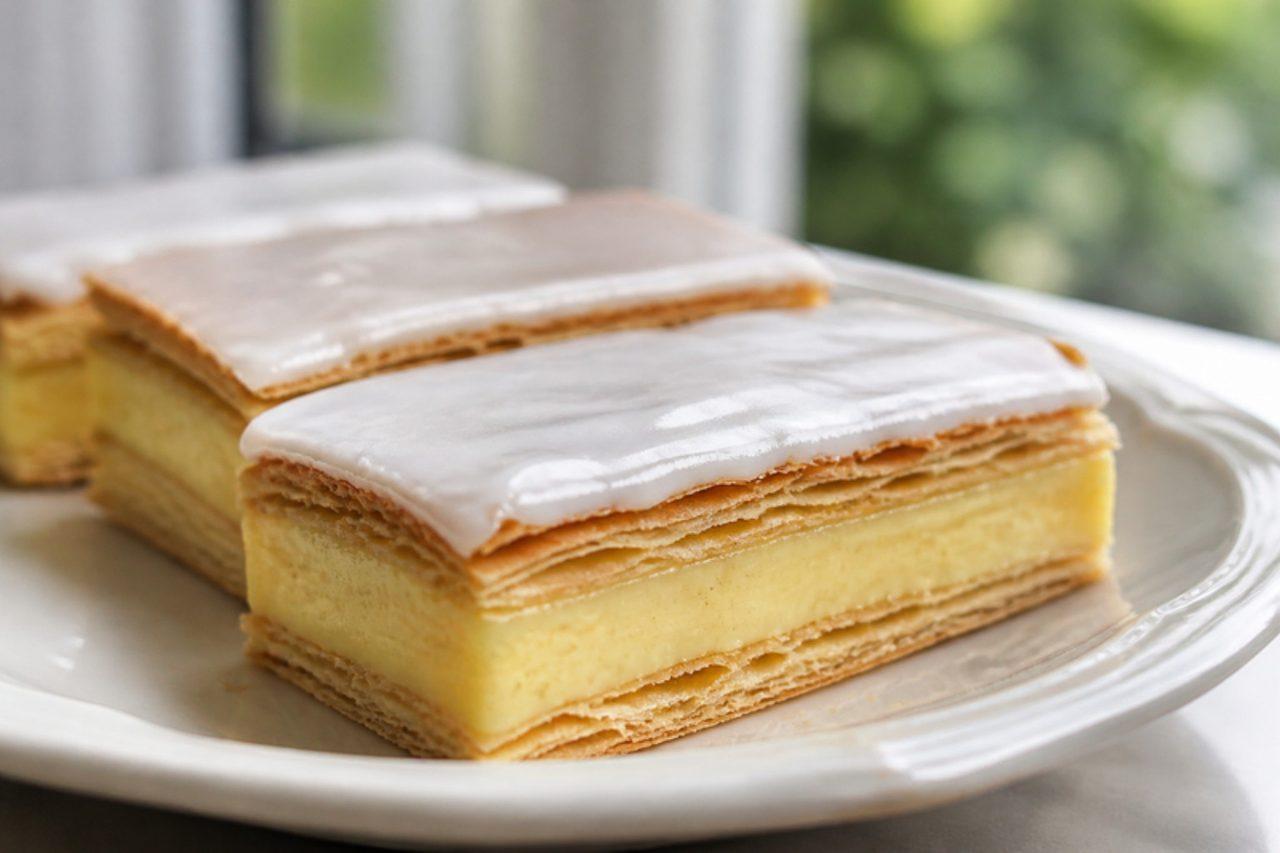
SeñoritasCustard slices in puff pastry

Señoritas are a fixture of Cuban bakeries in Havana and Santiago, and of the Cuban-run ventanitas in Miami: two sheets of crisp, flattened puff pastry sandwiching a thick vanilla-and-lemon custard, with a shiny white sugar glaze on top. They are Cuba's cousin of the mille-feuille, eaten mid-morning or after lunch with a tiny cup of sweet café cubano, and they are always in the box for a birthday or a baptism. Adding the custard while it is still warm is where it goes wrong: the pastry goes limp within an hour. Chef's tip: bake the pastry under a second baking tray so it stays flat, thin and evenly crisp, which makes clean cutting far easier.

by KrazyBadal 0 views

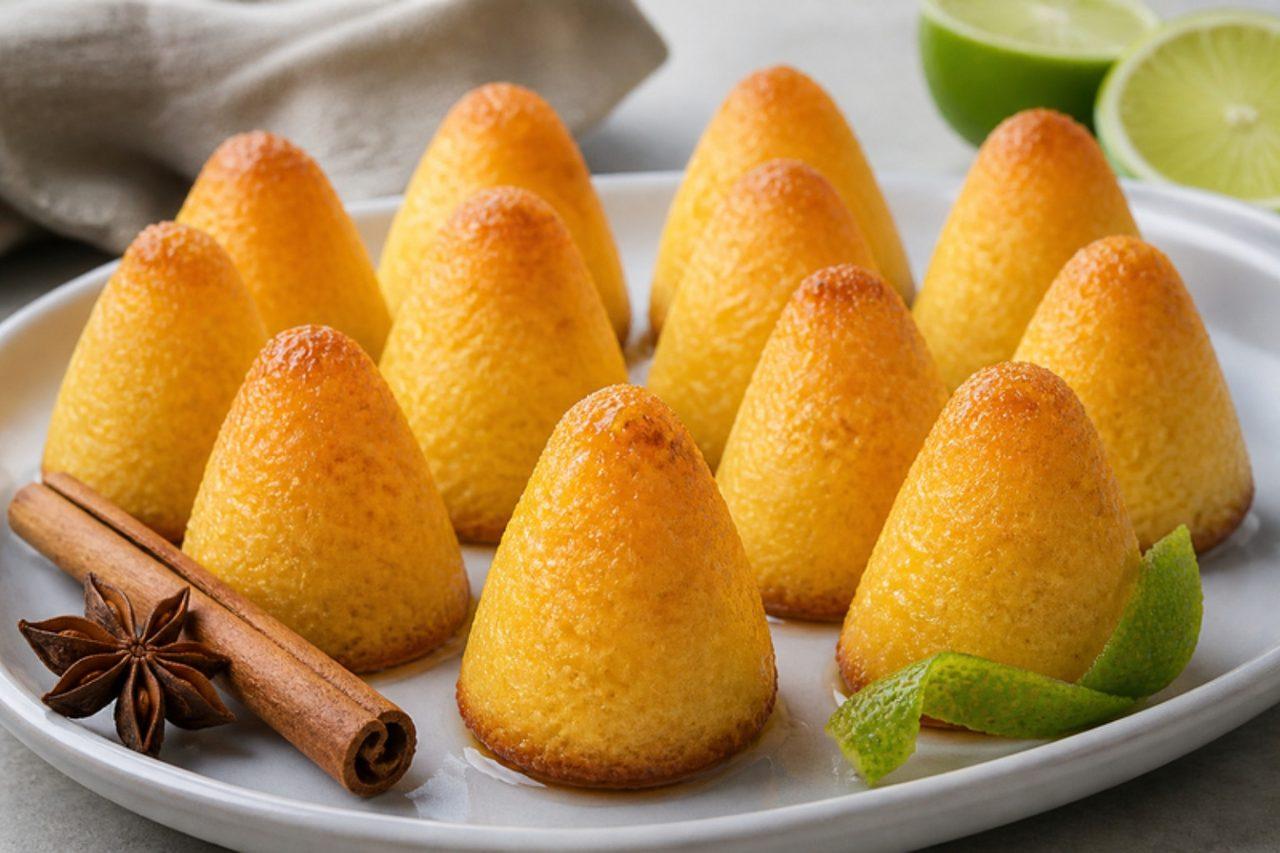
CapuchinosYolk sponge cones in spiced syrup

Named for the pointed hoods of Capuchin friars, these little cones of yolk sponge sit in neat rows in Havana dulcerías, glistening with syrup and sold by the half dozen for birthdays and Sunday visits. They're baked in small cone moulds, then dropped into warm syrup scented with lime peel, cinnamon and star anise until heavy and soaked through, so they are moist, eggy and very sweet. The syrup is often spiked with rum or anise liqueur; this one stays alcohol-free. A syrup boiled too thick won't soak in and leaves a sticky crust, so keep it at a light, pourable stage. No cone moulds? Bake them in a mini muffin tin; they just won't have the hood shape. Chef's tip: soak the sponges while they're still warm and the syrup is warm too; both at the same temperature, the syrup goes right to the centre.

by KrazyBadal 0 views

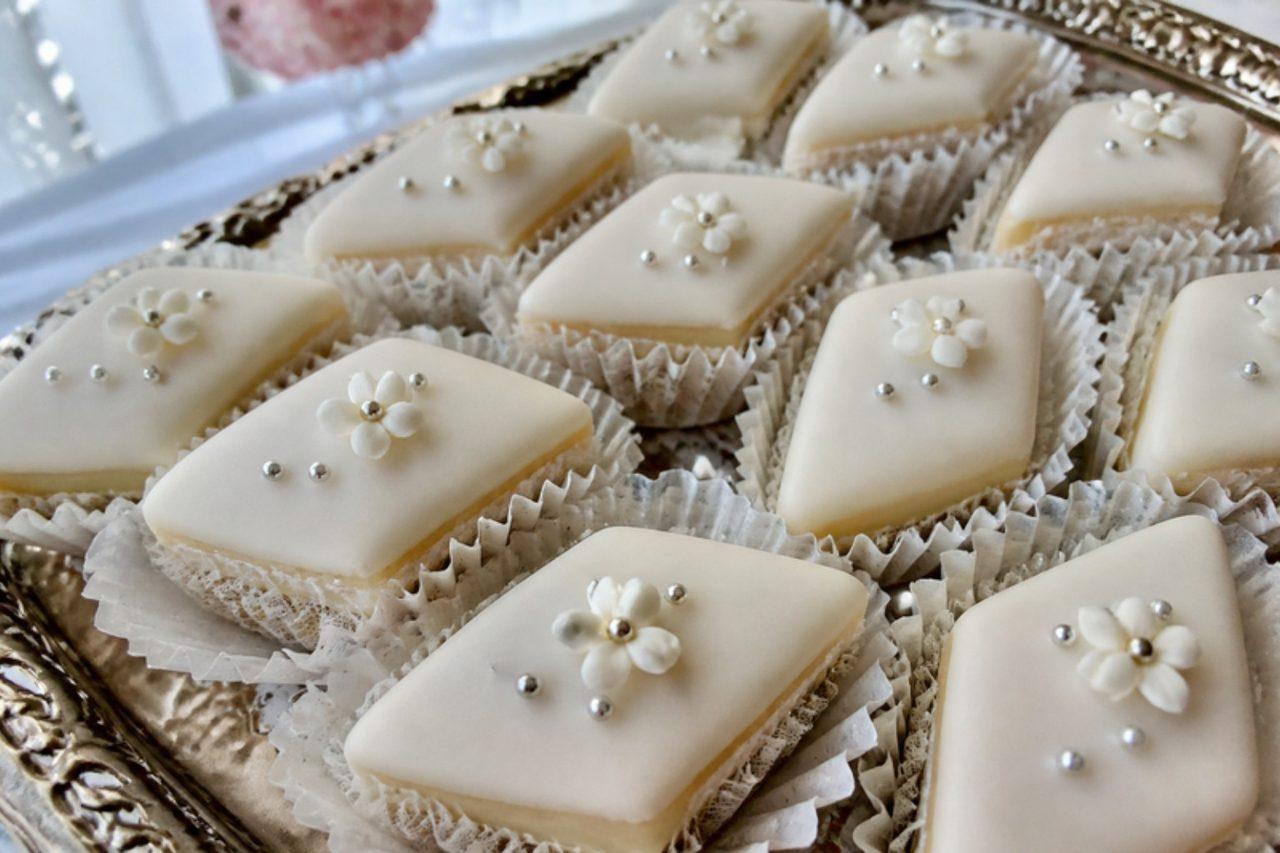
Algerian mkhabezIced almond and lemon diamonds

No Algerian wedding tray, and few Eid tables in Algiers or Constantine, is complete without mkhabez: soft, chewy diamonds of ground almond and lemon zest under a smooth white icing, each topped with a sugar flower or a silver ball and set in its own paper case. Making them is a social affair, with sisters and aunts icing and decorating hundreds the week before a celebration. The almond base is flourless and dairy free, sweet and lemony, and the icing sets to a thin shell; serve them with mint tea or strong coffee. Overbaking is the mistake to avoid: the diamonds should come out pale and soft, or they go dry and crumbly under the icing. Chef's tip: ice them when completely cold, and get the icing so thick it only just flows; runny icing slides off the sides and never sets glossy.

by KrazyBadal 0 views

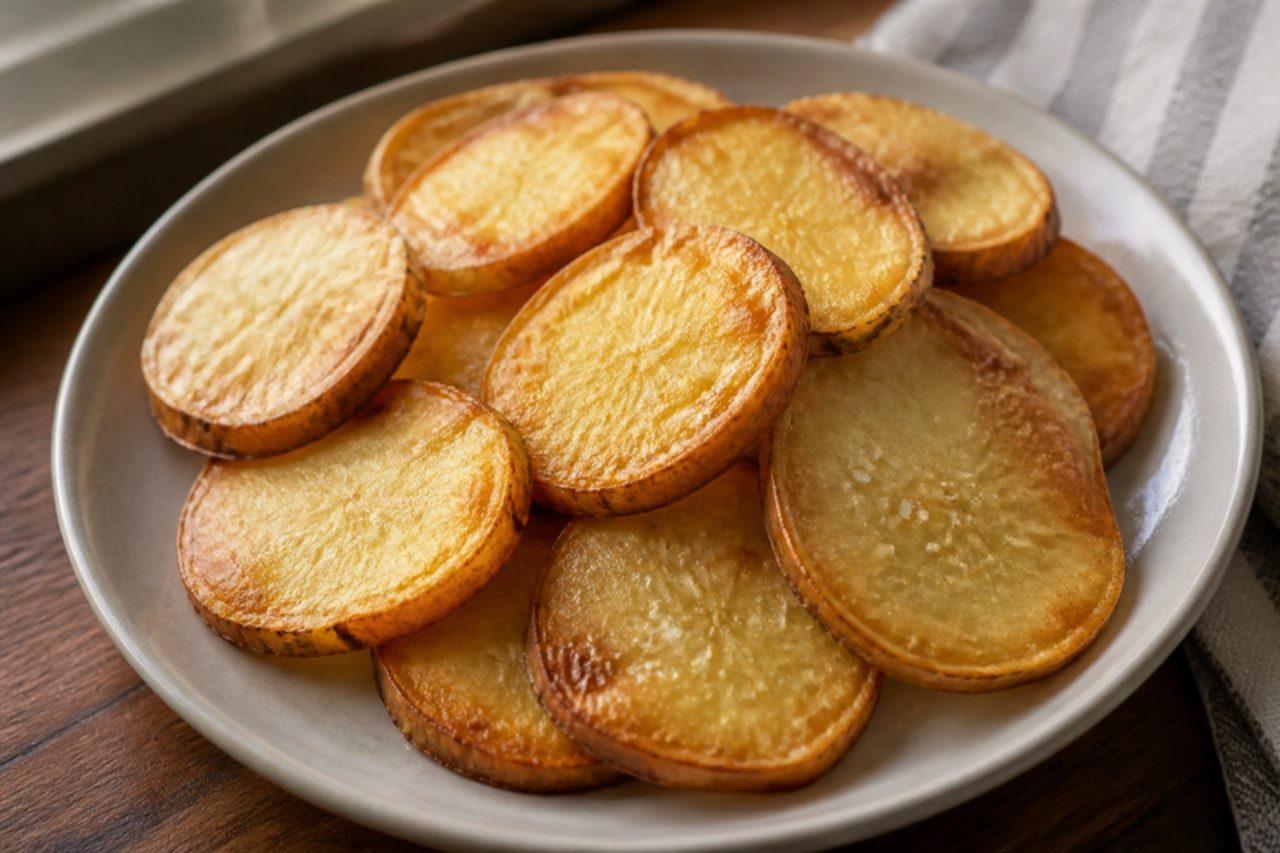
Boniato fritoFried white sweet potato

Boniato, the pale, chestnut-sweet sweet potato of the Caribbean, is fried in rounds all over Cuba as an everyday side for picadillo, eggs or rice and black beans, and in Miami's Little Havana it turns up next to most lunch plates. The slices come out golden and lightly crisp outside, fluffy and floury inside. The common mistake is oil that is too hot with slices that are too thick: the outside burns while the middle stays hard, so keep the slices 5 mm and the heat steady. Ordinary orange sweet potato works too, though it is sweeter and browns faster. Chef's tip: drop the cut slices into cold water as you go, as boniato darkens quickly, then dry them very well before frying.

20 minCubanSidesVeganGluten free
by KrazyBadal 0 views

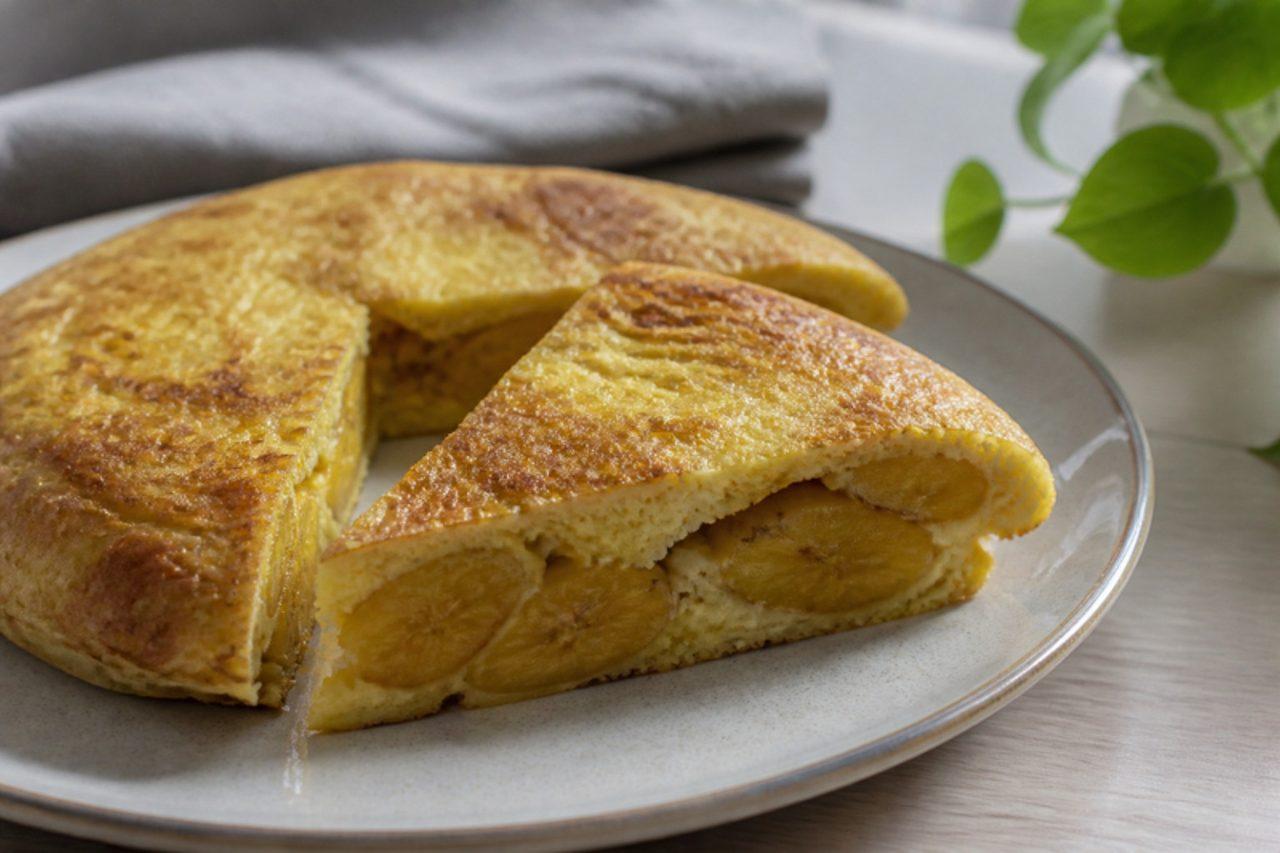
Tortilla de plátanoRipe plantain omelette

In Havana and across the Cuban countryside, tortilla de plátano is a home supper made from what is in the kitchen: slices of very ripe plantain fried until caramelised, then set in a thick, golden omelette. The sweet fruit against salty egg is the whole point, and it is served with white rice and black beans or a simple tomato salad. The mistake people make is using a plantain that is still yellow and firm; it stays starchy and dry, so wait until the skin is mostly black and the fruit gives when pressed. Chef's tip: flip the tortilla by sliding it onto a plate, covering with the pan and turning both over together, which keeps it whole.

by KrazyBadal 0 views

Tallarines rojosSpaghetti in red sauce with chicken

Tallarines rojos is the Sunday-lunch and weeknight pasta of homes all over Peru, from Lima to Arequipa: spaghetti in a sweet, deep-red sauce of blended tomato, onion and garlic with a little ají panca and oregano, often with pieces of chicken cooked right in it. Children love it, and it is served with a sprinkle of grated cheese and sometimes a spoon of huancaína on the side. The usual mistake is cooking the sauce too briefly, so it tastes of raw onion; let the blended tomato fry until it darkens and the oil shows at the edges. Chef's tip: a bay leaf and a spoon of ají panca paste give the sauce its Peruvian character; paprika will do if you can't find the paste.

by KrazyBadal 0 views

ChaplasHollow puffed Andean bread

Walk through Ayacucho's central market at seven in the morning and you will see women selling stacks of chaplas from cloth-lined baskets, still warm from the wood-fired ovens of the Andes. These round wheat breads puff up like pita in the fierce heat, leaving a hollow pocket inside a thin, soft, lightly floury crust. In Ayacucho and Huancavelica they are eaten with sweet coffee or hot emoliente for breakfast, or split and filled with queso fresco, avocado or a spoonful of rocoto sauce. Highland bakers traditionally work in a little lard; vegetable shortening gives the same tenderness and keeps the bread vegan. A cool baking tray is the reason chaplas stay flat, so preheat it thoroughly. Chef's tip: let the rolled rounds rest before baking and flip them upside down onto the tray, so the smooth, dry side meets the heat first and the pocket opens evenly.

by KrazyBadal 0 views

Pan chutaAniseed round bread

The small town of Oropesa, half an hour from Cusco, calls itself Peru's bread capital, and its wood-fired bakeries are famous for chuta: big, flat, round loaves as wide as a dinner plate, glossy on top, with a faint sweetness and the warmth of aniseed. Travellers on the road to Puno and Bolivia stop to buy them by the bagful, and families bring them home for All Saints' Day and for sharing with hot coca tea or coffee, fresh cheese and butter. The bakeries traditionally use lard; this version uses vegetable shortening and butter, so it is vegetarian. The make-or-break moment is the proof: chuta is large and flat, and if it goes in under-risen it bakes dense and splits at the rim. Chef's tip: toast the aniseed for a minute in a dry pan and crush it lightly before adding, for a rounder, sweeter perfume.

by KrazyBadal 0 views

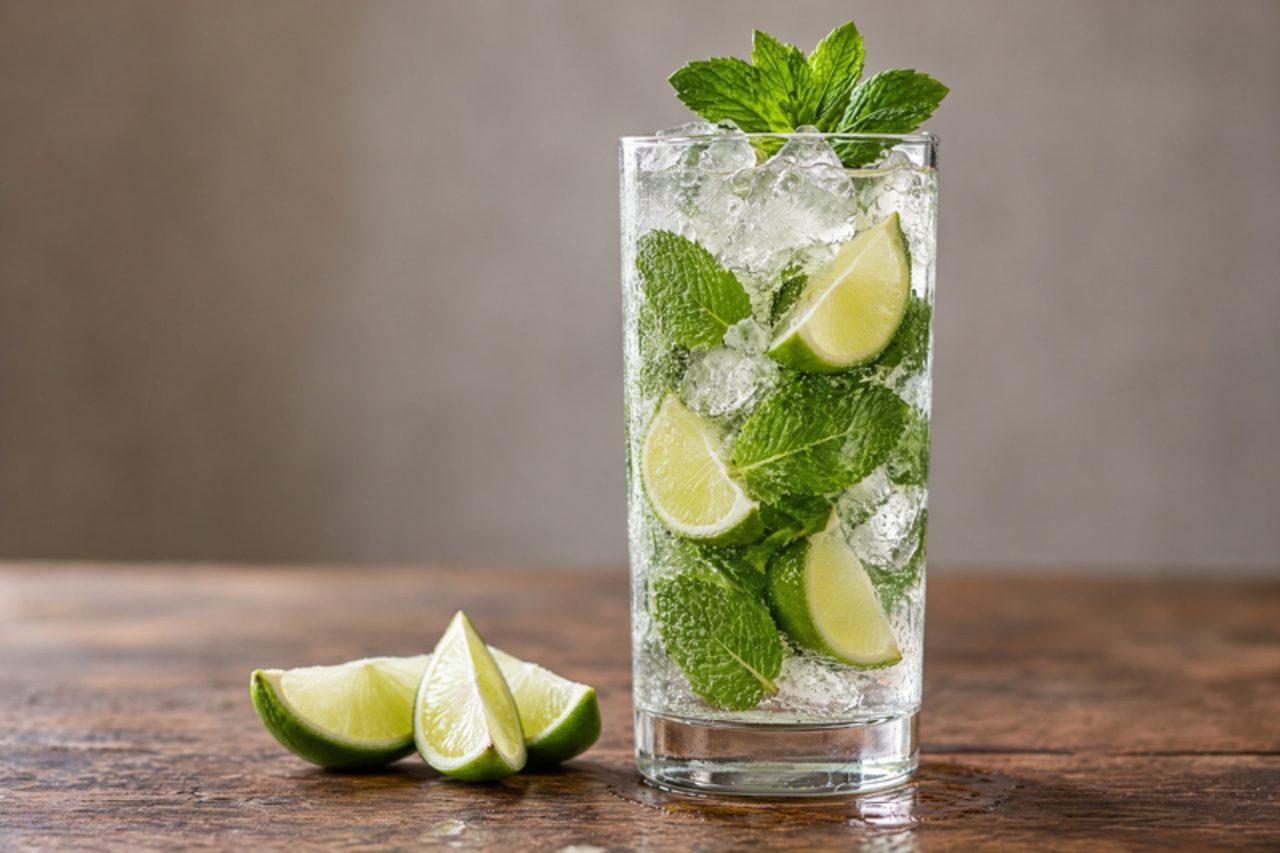
Mojito

In Old Havana the mojito is the answer to three o'clock heat: made at bar counters along Obispo Street, on the Malecón and at home on the patio, often with a plate of tostones or chicharritas on the side. It is a drink for adults only, though its cool, fresh taste can fool you; sip it slowly and drink responsibly. A real Cuban mojito is fragrant and grassy from hierbabuena, the mild local mint, sharp with lime, gently sweet and lightly sparkling, with the rum giving it backbone rather than burn. The common mistake is shredding the mint with heavy muddling: the leaves turn black, bitter and stick in your teeth. Press the leaves softly against the sugar and lime just until you can smell them strongly, then stop. It is ready when the sugar has dissolved, the glass is fully frosted and the mint leaves are scattered bright green through the ice. Outside Cuba, use spearmint; peppermint tastes like toothpaste here. Chef's tip: slap the garnish sprig between your palms before tucking it in beside the straw; every sip then comes with the smell of fresh mint.

by KrazyBadal 0 views

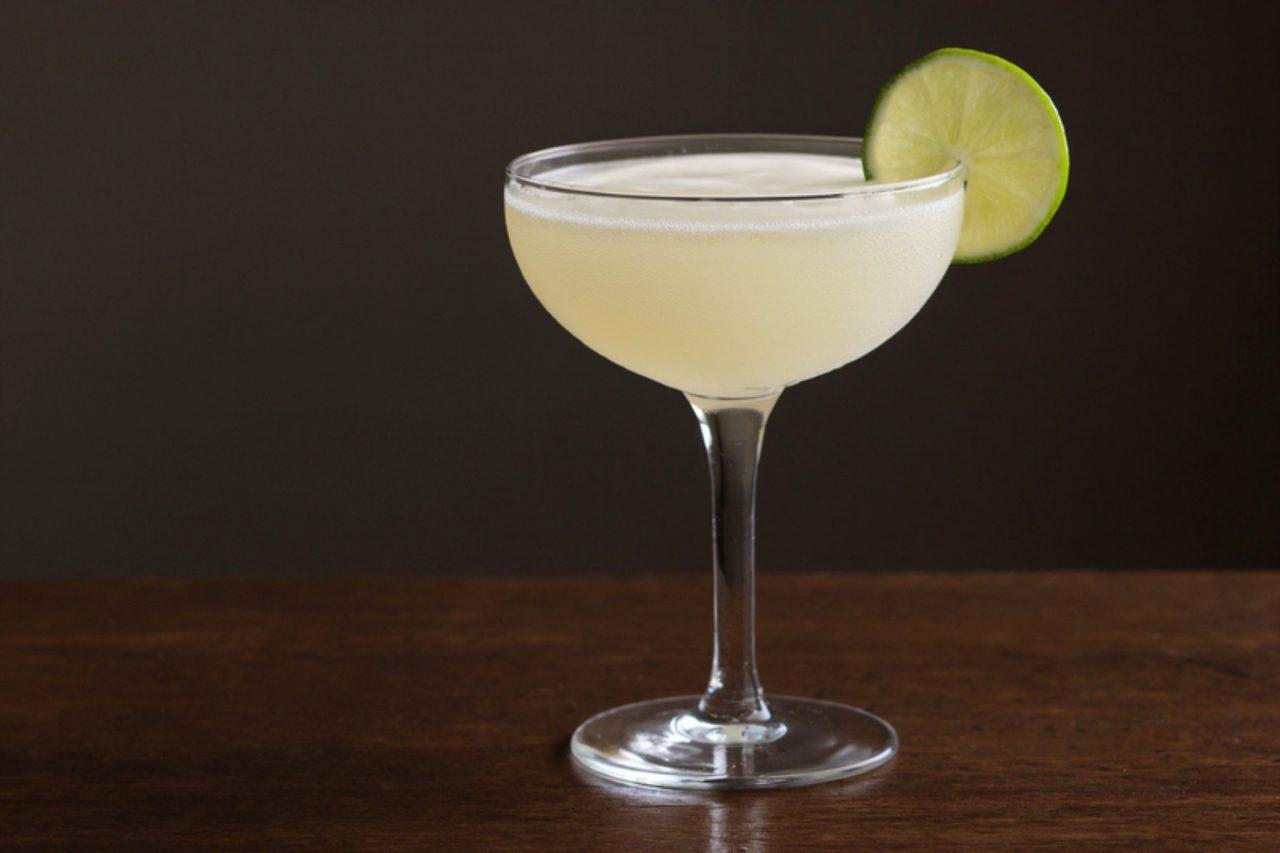
Daiquiri

The daiquirí is named after a beach and the old iron mines east of Santiago de Cuba, where engineers and miners at the turn of the twentieth century mixed the local white rum with lime and sugar to cut the heat. Later Havana's bars turned it into a frozen blended drink, but in eastern Cuba it is still drunk the plain way, shaken, in the late afternoon or before a dinner of congrí and roast pork. It is a cocktail for adults only, short and clean: tart lime, a light touch of sugar and the soft, dry vanilla notes of light rum, served so cold it almost stings. The common mistake is a lazy shake, which leaves the drink warm, harsh and too strong. Fill the shaker with ice and shake hard for a full 12–15 seconds. It is ready when the tin is too cold to hold, there are tiny shards of ice on the surface and the drink has a fine foam at the rim. Have one and drink responsibly. Balance matters more than amounts: taste your limes, and add a little more syrup if they are very sour. Chef's tip: chill the coupe in the freezer first; a daiquirí loses its magic within minutes in a warm glass.

by KrazyBadal 0 views

Cremolada (Lima passion fruit slush)

From January to March, when Lima's coast swelters, queues form at the cremolada counters of Barranco and along the Jirón de la Unión downtown for cups of this thick fruit ice. It sits between a granita and a sorbet: frozen fruit pulp scraped again and again until it is slushy and spoonable, with real bits of fruit through it. Passion fruit (maracuyá) gives a sharp, bright flavour; creamy lúcuma, with its maple and sweet potato taste, is the other favourite. Chef's tip: use a shallow metal tray; it freezes faster and evenly, so you get fine crystals rather than chunks.

by KrazyBadal 0 views

Capeletis a la CarusoStuffed pasta in cream sauce

Capeletis a la Caruso were created in a Montevideo restaurant in the 1950s and named after the great tenor, and they are still a Sunday lunch favourite in Uruguayan homes: little stuffed pasta hats in a rich sauce of cream, cooked ham (pork), mushrooms and onion, finished with grated cheese. Buy good fresh capeletis or tortellini; the sauce is what you make. The usual mistake is boiling the cream sauce hard, which makes it oily and grainy. Chef's tip: cook the mushrooms in a dry hot pan first until they squeak and brown, before any butter goes in, for a deeper taste.

by KrazyBadal 0 views

Ka'i ladrilloPeanut molasses bricks

Ka'i ladrillo — 'monkey brick' in Guaraní — is the sweet sold by vendors on Asunción buses and at country fiestas: roasted peanuts bound in boiled cane molasses and set in brick-shaped blocks, crunchy and dark with a slightly smoky toffee taste. It contains peanuts, so keep it away from anyone with a peanut allergy. The common mistake is taking the syrup off too soon, so the bricks stay sticky and never set. Chef's tip: test the syrup by dropping a little into cold water; it is ready when it sets into a brittle thread that snaps.

by KrazyBadal 0 views

Pisco sour

Lima drinks its pisco sour as the aperitif before a long ceviche lunch, and celebrates it every year on the first Saturday of February; the recipe took shape in the city's bars in the 1920s. It is for adults only and stronger than its pillowy look suggests. Underneath a thick white foam you get sharp Peruvian lime, a clean sweetness and the floral, grapey warmth of quebranta pisco, with the bitters adding a spicy smell to every sip. The texture should be silky, almost creamy, never thin. The classic mistake is squeezing the limes too hard or too early: the oil from the pith turns the drink bitter within half an hour. Halve the limes, press each half gently by hand just before mixing and stop when the juice slows. The egg white is raw, so use pasteurised egg white for anyone pregnant, for babies, older people or anyone unwell, or swap in 30 ml aquafaba. It is ready when the foam stands about 1 cm high and is firm enough to hold the drops of bitters on its surface. Sip one slowly and drink responsibly. Chef's tip: shake once without ice first to whip the egg white, then again with ice; the foam will be twice as thick.

by KrazyBadal 0 views

Mandi'o chyryryFried cassava with onion and egg

Mandi'o chyryry means 'fried cassava' in Guaraní, and it is what rural Paraguayan families make from yesterday's boiled mandi'o: chunks crushed and fried in a big pan with onion until crisp in places, then scrambled with eggs. It comes out for breakfast with cocido or for a quick supper, and costs next to nothing. Use sweet cassava, the kind sold in supermarkets. The mistake is stirring constantly, which turns it to mush; let the cassava sit and brown. Chef's tip: the best chyryry starts with cold, day-old boiled cassava, which fries crisper than freshly boiled.

by KrazyBadal 0 views

BusecaTripe and white bean stew

Buseca arrived in Montevideo with Italian immigrants from Lombardy and became a classic winter dish of Uruguayan bodegones and family kitchens, eaten on cold June and July days. Honeycomb tripe is simmered until tender, then stewed with white beans, pork chorizo, bacon, peppers, tomato and paprika into a thick, warming stew served with crusty bread. Buy tripe that is already cleaned and blanched (dressed). The usual mistake is undercooking the tripe: it needs a full 2 hours, until it's soft enough to cut with a spoon. Slow-cooker option: after step 4, cook on low for 8 hours. Chef's tip: a little grated lemon zest and parsley stirred in at the end lifts the rich, gelatinous sauce.

by KrazyBadal 0 views

LampreadoCassava starch cheese fritters

Paraguayan grandmothers fry lampreado on Sunday evenings to eat with a mug of cocido, the toasted yerba mate drink: small pan-fried cakes of cassava starch, egg, milk and grated cheese with a little onion, crisp at the edges and stretchy inside. Some families also make it with leftover meat, but this version is all cheese. Queso Paraguay is set with animal rennet; a vegetarian Parmesan-style cheese plus mozzarella works well. The trap is a batter that is too thick, which gives heavy, gluey cakes. Chef's tip: the batter should drop slowly off a spoon like thick pancake batter; add milk a spoonful at a time until it does.

by KrazyBadal 0 views

HmissGrilled pepper and tomato salad

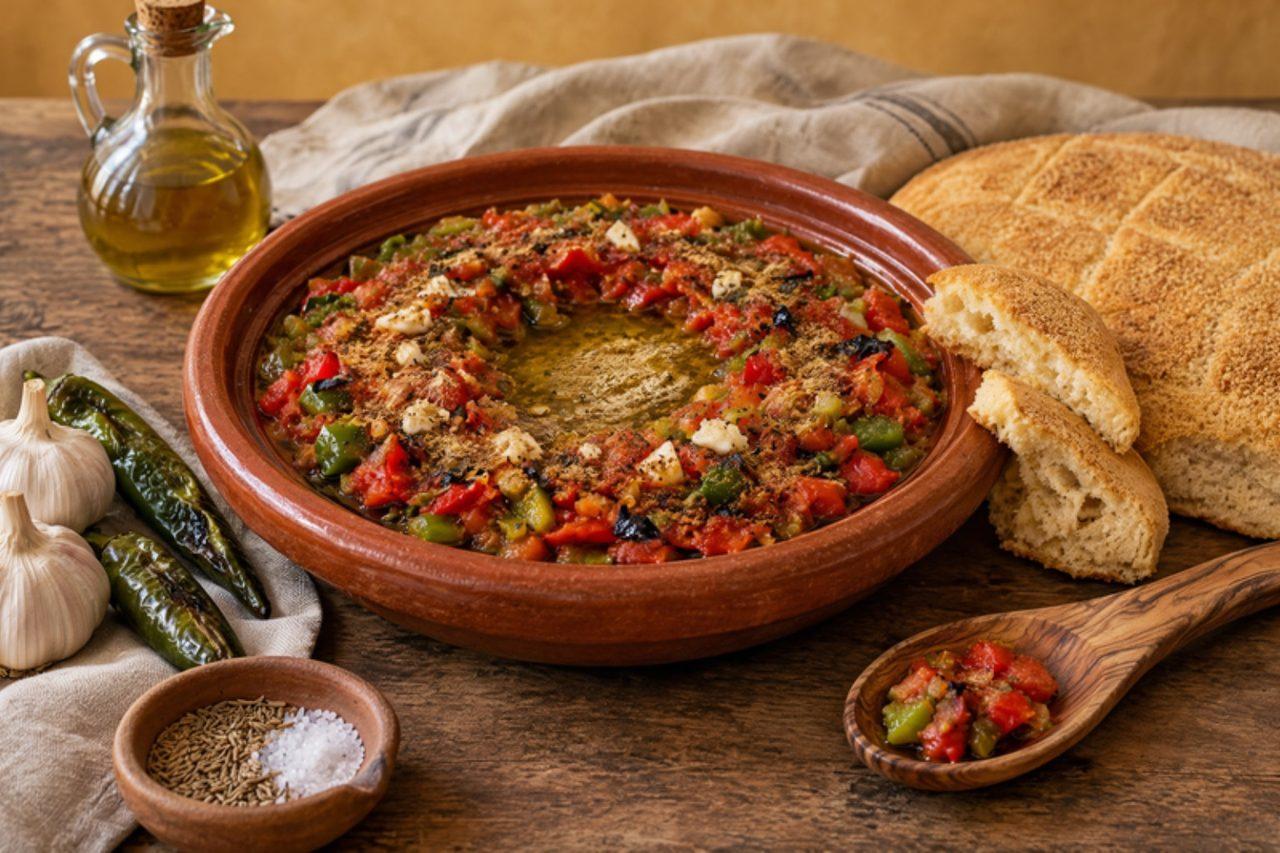
Hmiss is an everyday cooked salad from Algiers, Oran and Constantine, made in summer when peppers are cheap, and it is set out with bread at the start of Ramadan iftars and family lunches. Green and red peppers and tomatoes are grilled until charred, peeled, chopped and then cooked briefly with garlic, cumin and plenty of olive oil, so it is smoky, soft and gently spicy. Serve it with bread, beside eggs, or with grilled fish. Suitable as part of a balanced diet. About 120 kcal and 10 g carbohydrate per portion. The usual mistake is chopping it to a purée in a blender: hmiss should keep some texture, so chop by hand. Chef's tip: grill a mild green chilli alongside the peppers for gentle heat without overpowering the sweetness.

by KrazyBadal 0 views

Charbat (Algerian lemon drink)

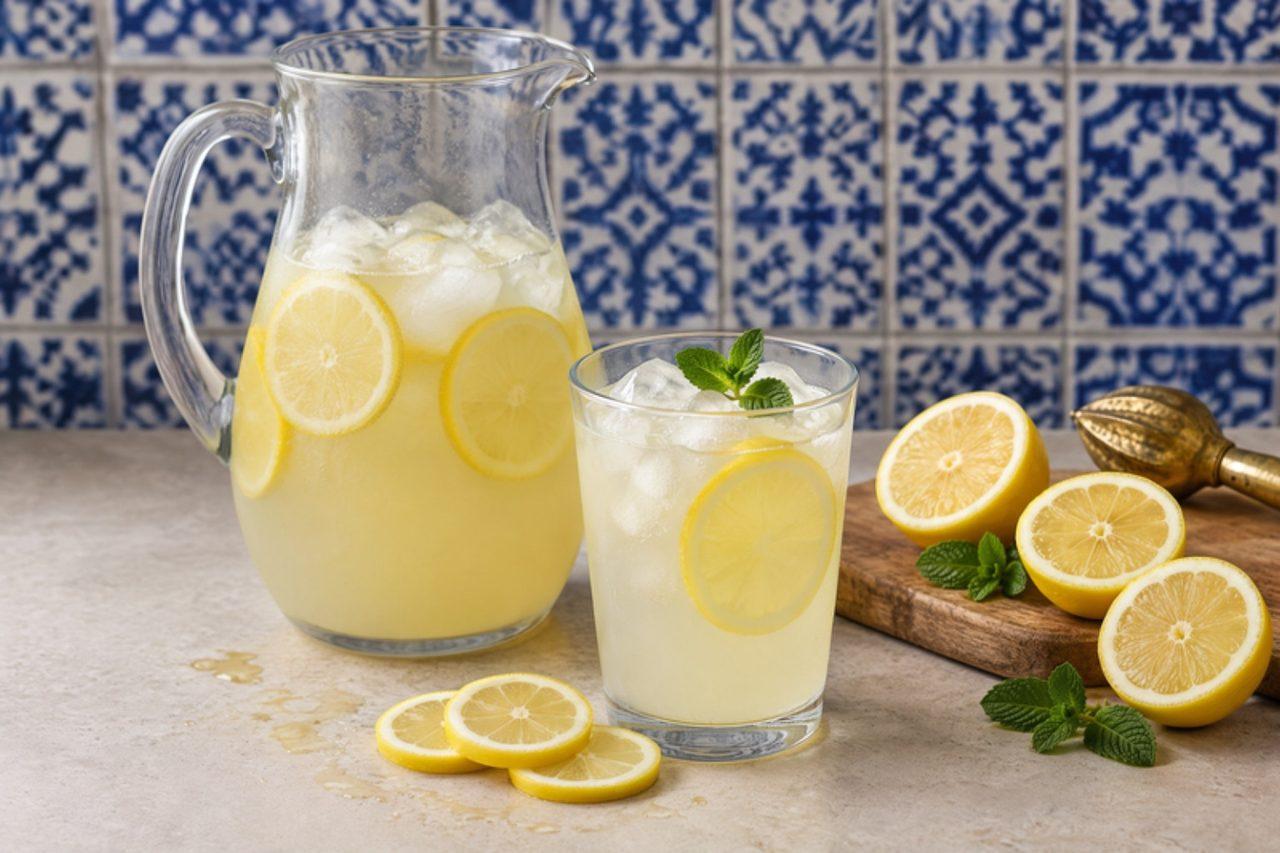
During Ramadan, as the afternoon wears on, vendors in Algiers' Bab El Oued, in Blida and Boufarik and in the old streets of Constantine fill plastic bags and jugs with ice-cold charbat for families to carry home before the call to iftar. It is lemonade made with lemon zest rubbed into sugar, a good splash of orange blossom water and a little milk, which turns it pale, opaque and silky and takes the sharp edge off the lemon. Served with zlabia, qalb el louz or straight after the dates and chorba, it tastes like lemon sherbet with a floral finish. The common mistake is adding the milk to strong, undiluted lemon juice, which curdles it into flecks; dilute the lemon fully, chill it, and only then pour in cold milk slowly while stirring. It is ready when it looks like pale lemon cream, smells of orange blossom and tastes sweet first, then tart. Lemon-and-milk drinks do not keep well, so make it the afternoon you serve it. Chef's tip: let the zest sit in the sugar for a good 10 minutes before adding water; the oils give charbat its perfume, far more than the juice alone.

by KrazyBadal 0 views

Ají amarillo pasteYellow chilli paste

In Lima's markets ají amarillo is sold fresh all year, and most Peruvian cooks keep a tub of this paste in the fridge the way others keep tomato purée: it is the golden base of causa limeña, ají de gallina, papa a la huancaína, chupe and the sauce for tiraditos. The chillies are seeded, de-veined and blanched in three changes of water, which tames the heat and the raw grassiness, then peeled and blended with oil into a thick, silky, saffron-orange paste. It tastes fruity and sunny, almost like apricot and passion fruit, with a rounded, medium heat. Abroad, buy whole frozen ají amarillo from Latin grocers; dried ají mirasol, soaked, gives a darker, earthier paste. Common mistake: skipping the peeling; the thin skins leave papery flecks and a bitter edge. It is ready when it is completely smooth and holds a soft peak like thick hummus. This is a low-acid paste: keep it in the fridge for a week or freeze it, never on the shelf. Chef's tip: freeze it in an ice-cube tray; one cube is about a tablespoon, just right for a pot of ají de gallina.

by KrazyBadal 0 views

Showing 24 of 294 recipes

Show more recipes

Page 1 of 13