Skip to content
WhatToEat.Today

All recipes

387

Vegetarian, or something you can't eat? Set your diet once and we'll hide recipes that don't fit.

Dim bhortaMashed eggs with mustard oil

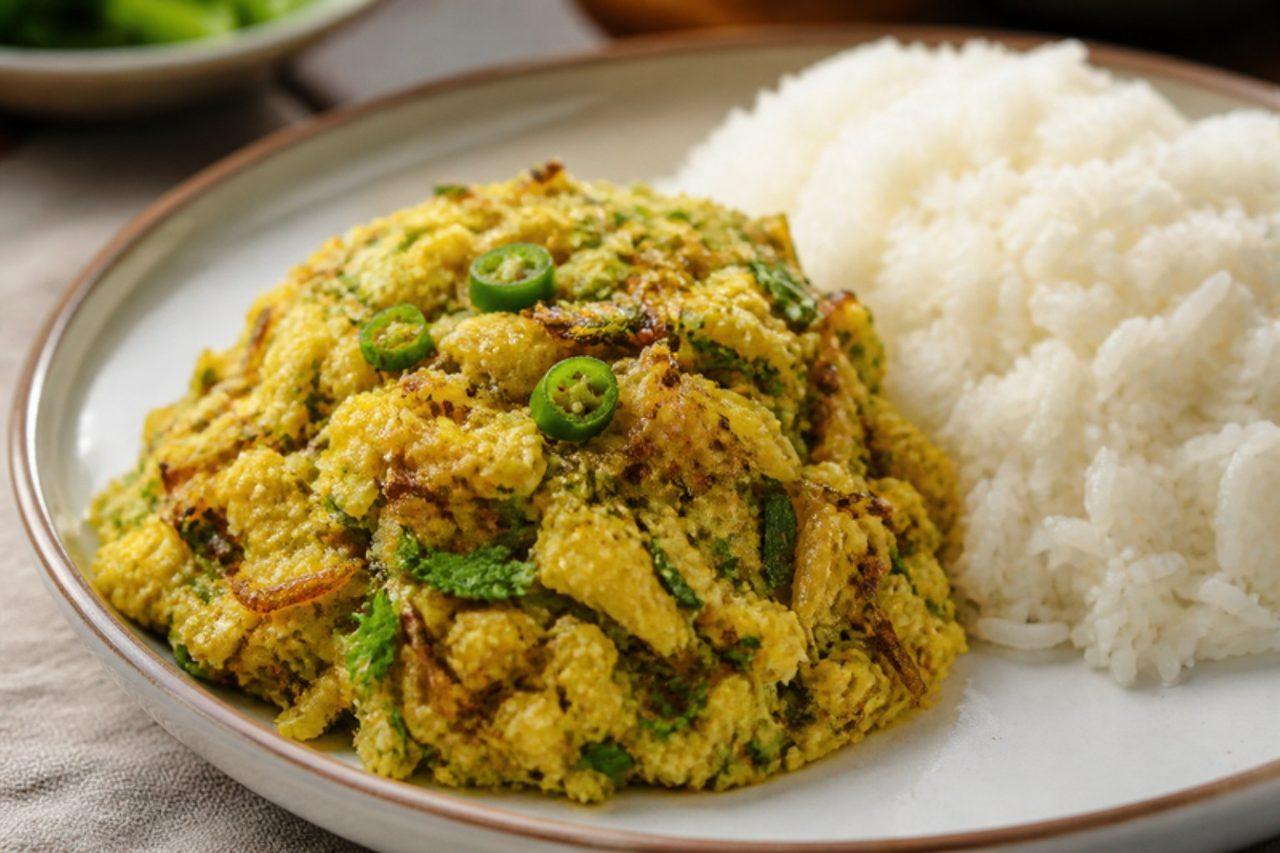
Dim bhorta is one of the many bhortas (mashes) on the everyday Bangladeshi table, made in Dhaka and Sylhet homes on busy evenings or when the fridge holds little more than eggs. Hard-boiled eggs are mashed by hand with crisp fried onion, green chilli, coriander and a generous splash of pungent raw mustard oil, then eaten with steaming rice and dal. It is rich, sharp and spicy. The common mistake is soft-boiling the eggs; the yolks must be fully firm to mash properly, and fully set eggs are safest for everyone. Chef's tip: crush the green chilli and salt together with your fingertips before adding the eggs, so the heat spreads evenly through the mash. Use mustard oil sold for cooking; where bottles are labelled for external use only, buy a cold-pressed edible one.

by KrazyBadal 0 views

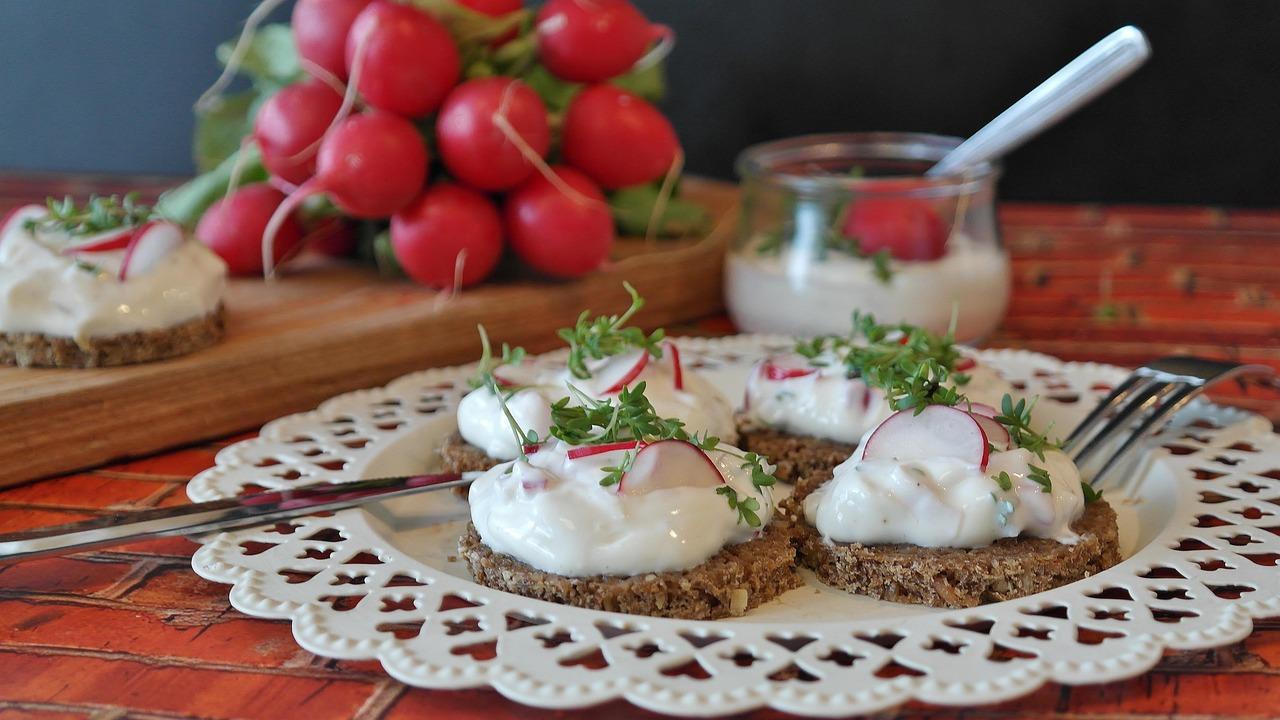
Platte kaas met radijsjesQuark and radish on brown bread

In Flanders the evening meal is often a boterham, a plate of open bread slices, and one of the most loved toppings in Ghent and Antwerp is platte kaas: fresh, soft quark seasoned with chives, salt and pepper, spread thickly on brown bread and covered with crunchy radish slices. It is cool, light and ready in five minutes, a good supper after a big lunch. Some quark and fresh cheeses are set with a little animal rennet, so check the label for a vegetarian one. The common mistake is using thin, low-fat quark straight from the tub, which is watery and slides off the bread; stir it well and drain off any liquid first. Chef's tip: slice the radishes paper-thin and salt them only at the moment you serve, so they stay crisp.

by KrazyBadal 0 views

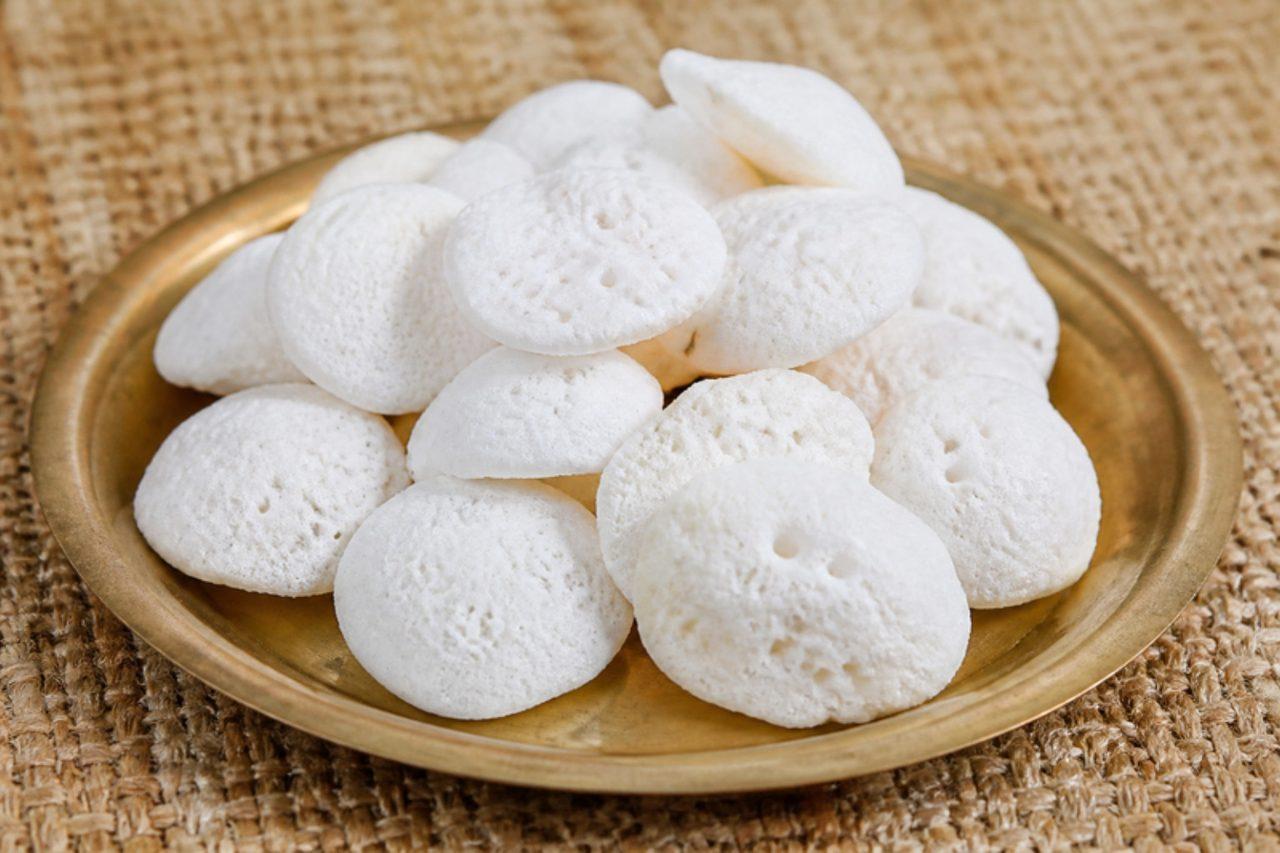
BatashaPuffy sugar drops

On Pohela Boishakh, the Bengali New Year in mid-April, the fairs that spring up in Dhaka, across Bangladesh and in West Bengal sell batasha by the basket, and shopkeepers hand them out with sweets as they open their new account books for halkhata. Temples receive them as offerings, and children crunch them on the way home. They are simply sugar boiled hot, then foamed with a pinch of soda and dropped in coins that set airy, crisp and melt-in-the-mouth. The common mistake is pulling the syrup off too early: below the hard-ball stage the drops spread flat and stay sticky. The syrup is ready at about 125 °C, when a drop in cold water forms a firm ball that keeps its shape. Chef's tip: work fast once the soda goes in, because the syrup sets within a minute; ask someone to help you drop them.

by KrazyBadal 0 views

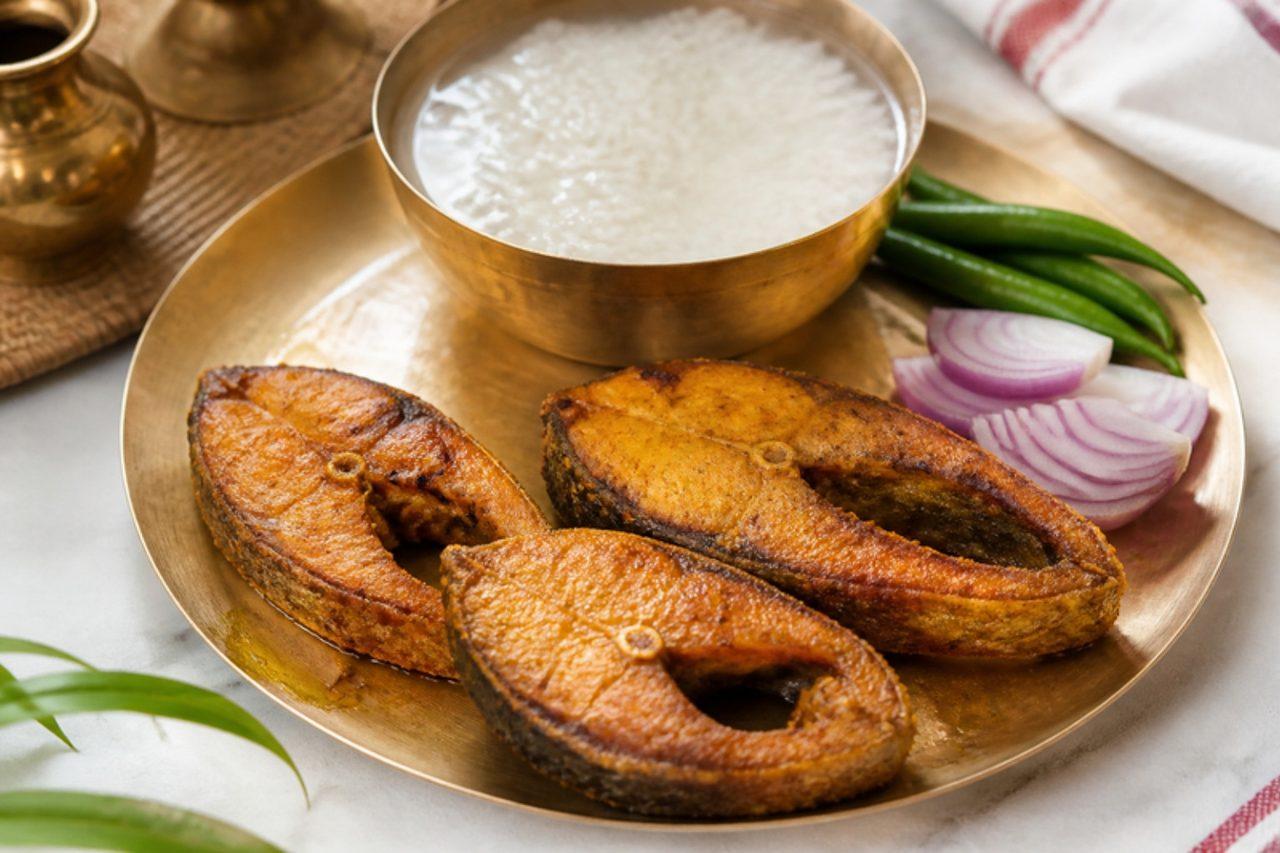
Ilish bhajaFried hilsa fish

Breakfast on Pohela Boishakh in Dhaka means panta bhat, rice soaked overnight in water, eaten under the trees at Ramna with crisp fried hilsa, raw onion and green chilli. Ilish bhaja is the simplest way to cook Bangladesh's national fish: steaks rubbed only with turmeric and salt and fried in mustard oil until the edges crisp and the rich, oily flesh turns soft and sweet. The oil left in the pan, perfumed with the fish, is poured over rice and is half the pleasure. The common mistake is turning the steaks too soon, which tears the delicate skin; leave them until they release from the pan by themselves. The fish is done when the flesh is opaque right through and flakes away from the central bone. Chef's tip: hilsa is full of fine bones, so eat it slowly with your fingers and warn guests who have not tried it before.

by KrazyBadal 0 views

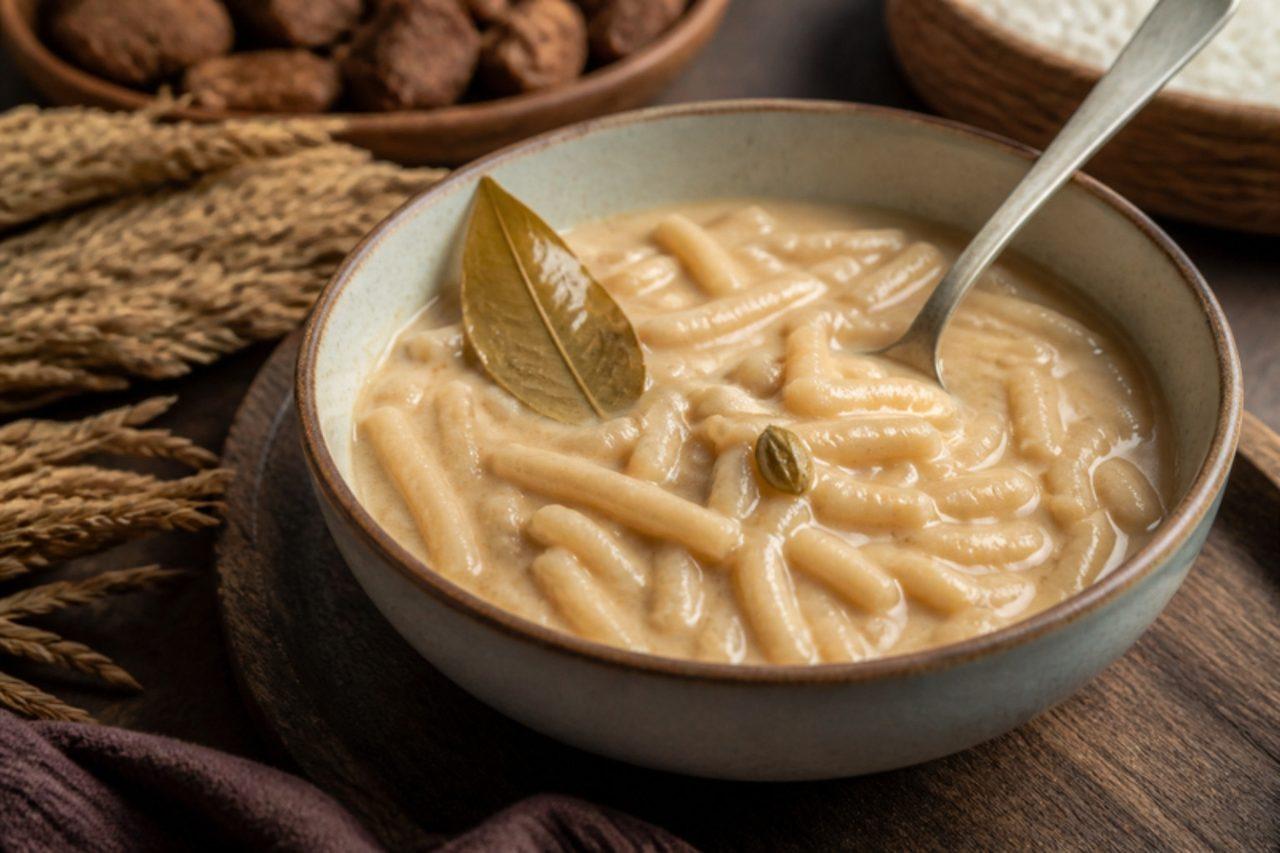
Chushi pithaRice flour strands in milk

When the new rice is in and the date palms start giving their winter sap, Bangladeshi families make pitha for Nabanna and through the cold months, and chushi pitha is the one grandmothers roll by hand, an evening of small grain-shaped strands rubbed out between the palms. The strands are cooked in reduced milk with bay leaf and cardamom, then sweetened with fresh khejur gur, giving a pale caramel pudding with soft, slightly chewy pieces. The common mistake is adding the jaggery while the milk is still boiling: it can curdle it, so take the pan off the heat and let it cool for a few minutes first. The strands are done when they float, turn translucent at the edges and are soft right through. Chef's tip: let the rolled strands dry on a tray for 15 minutes before cooking; they hold their shape instead of dissolving into the milk.

by KrazyBadal 0 views

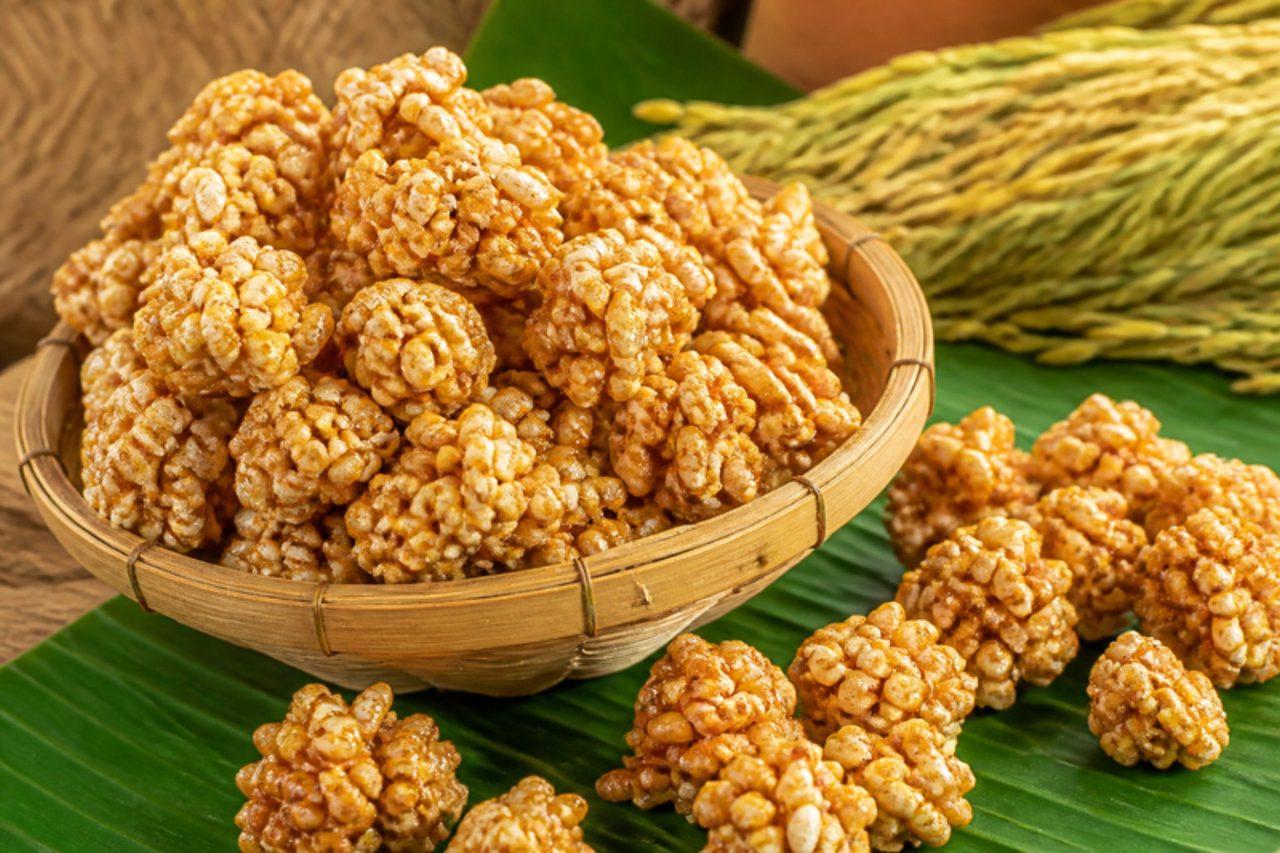
MurkiPuffed rice in jaggery

Nabanna, the 'new rice' festival of late autumn in Bangladesh and West Bengal, celebrates the first harvest of aman paddy, and the season's first date-palm jaggery arrives just in time. Murki is the treat every village makes for it: crisp puffed rice tossed in a pan of thick, boiling khejur gur until each grain is coated in a thin, crackly glaze, with a hint of dry ginger. It is offered to guests on Nabanna and on Bijoya and Lakshmi Puja, and children eat it by the handful. The common mistake is undercooking the syrup, which leaves the murki chewy and clumped; overcook it and it tastes burnt. The syrup is ready when large, slow bubbles cover the surface and a drop in cold water sets into a ball you can roll. Chef's tip: toss with two spatulas, lifting from the bottom, and keep going until the grains separate and stop sticking.

by KrazyBadal 0 views

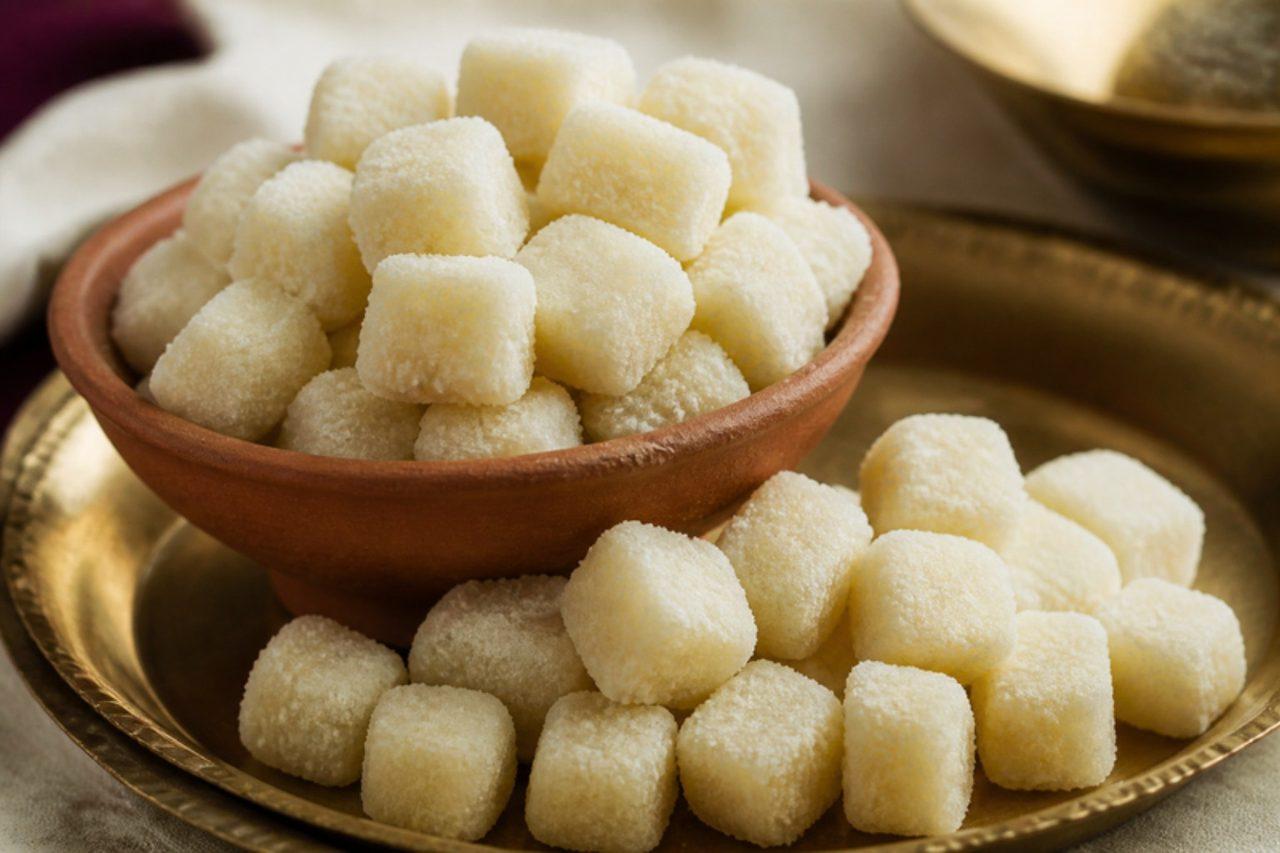
Chhanar murkiSugar-coated chhena cubes

In Bangladesh and West Bengal, Hindu families mark Bijoya Dashami at the end of Durga Puja by visiting neighbours with plates of sweets, and chhanar murki is one of the simplest to make at home. Fresh chhena is pressed firm, cut into tiny cubes and cooked in sugar syrup, which is then boiled down until it crystallises and clings to each cube as a white, crunchy coat; inside they stay soft and milky. Common mistake: using soft, wet chhena, which dissolves in the syrup. Press it under a weight until it is firm enough to slice cleanly. When the syrup turns cloudy and grainy, it is about to crystallise onto the cubes, so lower the heat and keep tossing. Chef's tip: toss the cubes off the heat for a full minute as the syrup dries; constant gentle movement gives an even, snowy coating instead of clumps.

by KrazyBadal 0 views

KalanehWild leek stuffed flatbread

In Kurdistan and Kermanshah, Newroz arrives with the first spring greens on the hillsides, and families gather wild leeks to fold into kalaneh, thin griddle breads cooked over a fire or a hot pan and soaked in melted butter. The dough is plain and soft, rolled very thin around a pile of chopped leek or chives with a little salt and pepper, so the greens steam inside as the bread blisters. Eat it hot, torn into strips, with yogurt and tea at a Newroz picnic. The common mistake is wet greens, which turn the dough soggy and make it tear; dry them well after washing. Chef's tip: brush the butter on the moment the bread leaves the pan so it soaks right in.

by KrazyBadal 0 views

KaguyjyWhite corn pudding

On the night of 23–24 June, Paraguayans celebrate San Juan with bonfires, games like walking over hot coals and the 'paso de fuego', and a table of traditional foods, and kaguyjy (also mazamorra) is one of them. It is a soft, creamy pudding of cracked white corn (locro) simmered slowly in water and then milk with sugar or honey, sometimes with orange peel. It is eaten warm or cold. It is gluten free. Chef's tip: soak the corn overnight and cook it until each kernel is tender before adding the milk, or it never turns creamy.

by KrazyBadal 0 views

Boudin blanc aux pommesWhite sausage with apple compote

In Liège and across Wallonia, Christmas Eve supper often begins with boudin blanc: pale, delicate sausages of finely minced pork and milk, sometimes with a little chicken, gently fried in butter until golden and served with warm, chunky apple compote and bread. Butchers make piles of them in December. Buy them fresh from a good butcher, or poached and ready to fry. Chef's tip: prick nothing and cook gently; boudin blanc is fragile, and a hot pan splits the skins.

by KrazyBadal 0 views

Pajagua mascadaBeef and cassava patties

Pajagua mascada is a Paraguayan street-food classic that appears on every table for the San Juan festival on 24 June, when bonfires burn and the night is full of games and traditional food. Minced beef is mixed with mashed cassava, onion, garlic and a little egg and flour, shaped into flat patties and fried until crisp. The name comes from Guaraní and refers to the 'chewing' of old Paraguayan cooks, who made it from leftover meat. Chef's tip: dry the boiled cassava well and remove its woody core, which keeps the patties light and crunchy.

by KrazyBadal 0 views

Chipa so'oCheese bread with spiced beef

In Paraguay, families bake chipa in the clay tatakua ovens on Holy Wednesday so there is food for Thursday and Good Friday, when cooking stops. Chipa so'o ('chipa with meat') is a cassava-starch and cheese bread wrapped around a little filling of minced beef cooked with onion and egg, then baked until crisp outside and chewy within. It is naturally gluten free. Chef's tip: knead the dough until it no longer cracks at the edges when pressed; dry dough splits around the filling.

by KrazyBadal 0 views

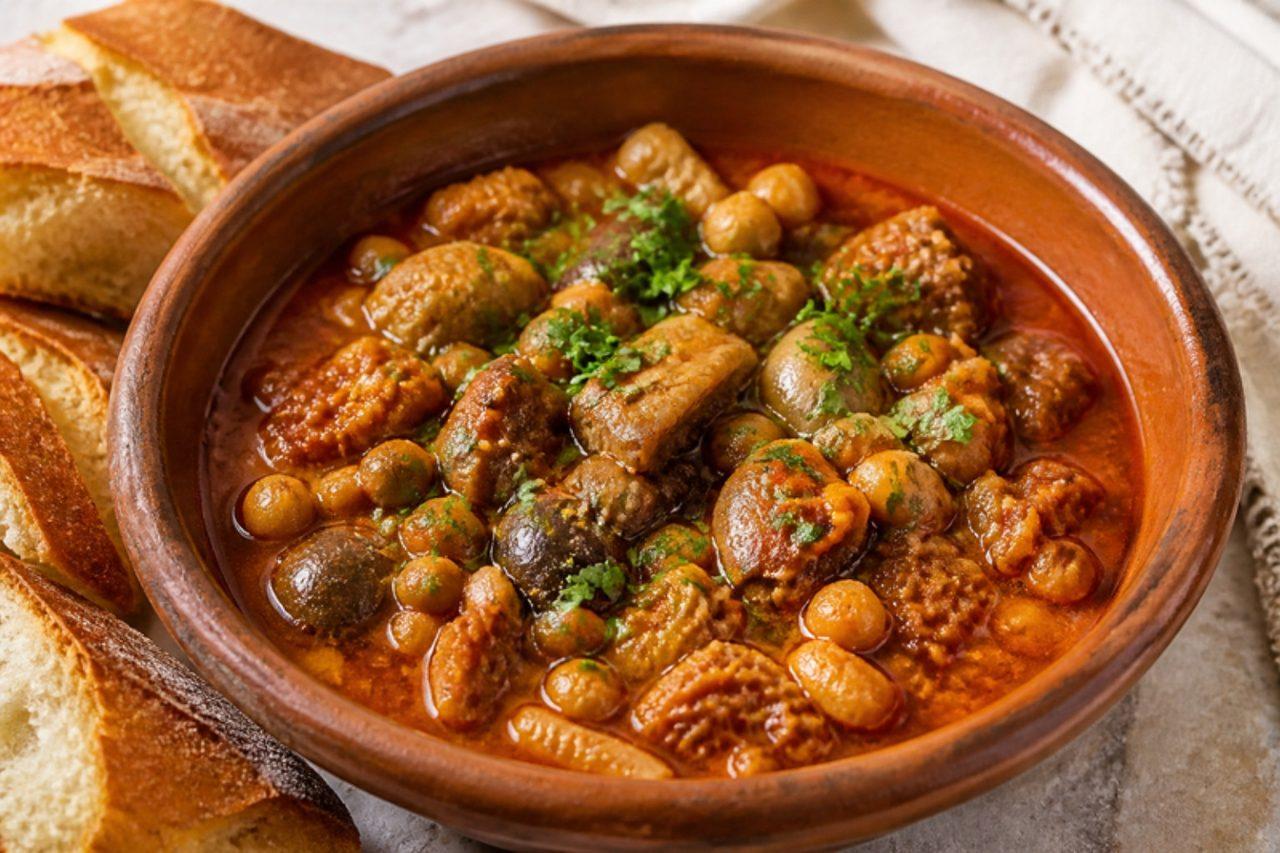
DouaraLamb tripe and chickpea stew

Douara is the dish that fills Algerian kitchens on the second day of Eid al-Adha, when the tripe, intestines and lung from the family's sacrifice are cleaned, cut small and stewed slowly with chickpeas, plenty of garlic, cumin and paprika. The sauce is deep red and peppery and the offal turns tender and rich. At home, cleaned lamb or beef tripe and lamb heart from a halal butcher make an easy start; lung can be added if your butcher sells it. Chef's tip: blanch the tripe first in water with a squeeze of lemon to freshen the flavour before it goes into the stew.

180 minAlgerianMeatGluten freeSpicy
by KrazyBadal 0 views

Dowina (Kurdish yogurt soup)

Dowina, called ash-e doogh in Persian, is warming spring food in Kurdish homes around Newroz, when yogurt is plentiful and the first herbs are cut from the garden. Rice and chickpeas simmer in a tangy, lightly thickened yogurt broth, finished with fresh dill, coriander and a sizzle of dried mint in oil. It is eaten warm, never boiling hot, with flatbread. The common mistake is to heat the yogurt too fast without stirring, which makes it split into grainy curds. Chef's tip: whisk an egg yolk and a spoonful of rice flour into the yogurt before it goes on the heat; it holds the soup smooth all the way to the simmer.

by KrazyBadal 0 views

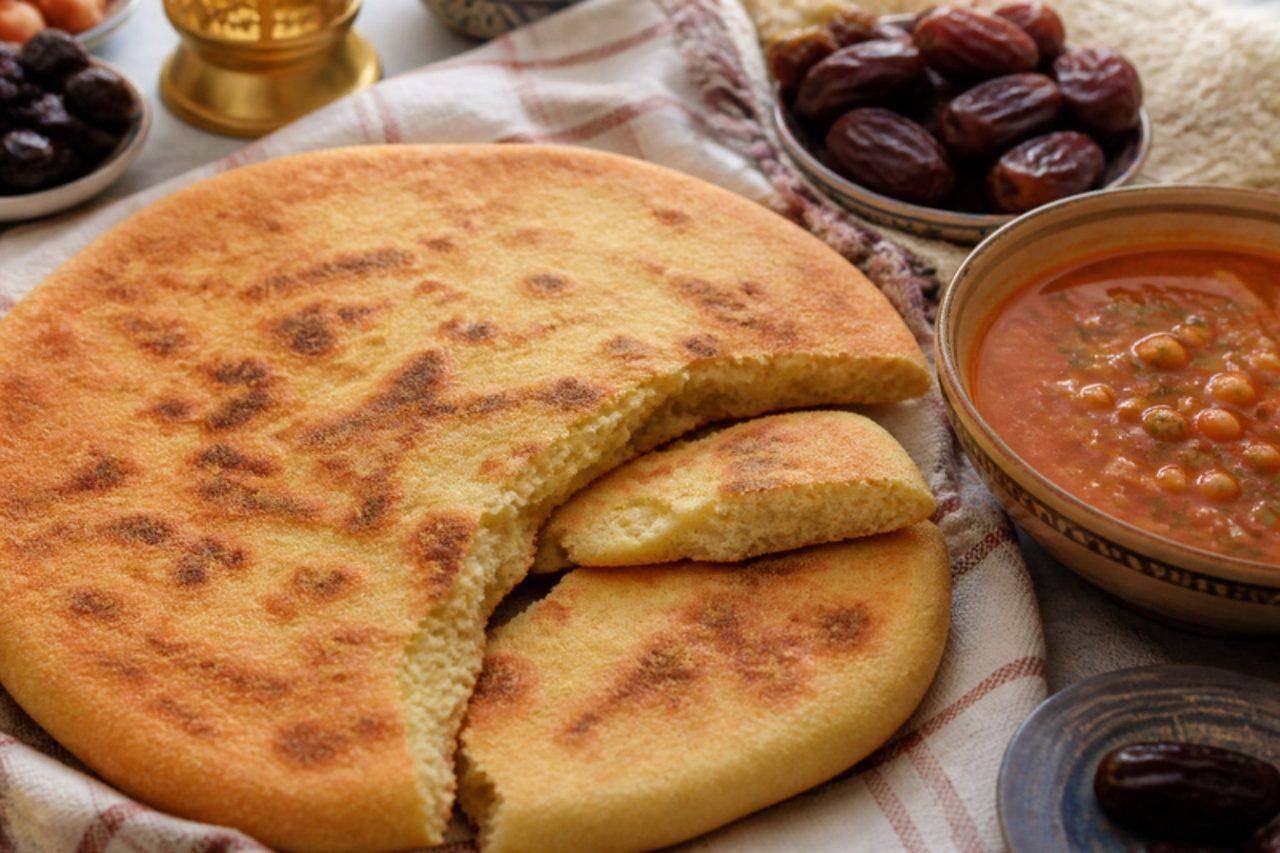
KesraSemolina pan bread

Kesra is the flat semolina bread of Algerian homes, and in Ramadan a fresh round sits on almost every iftar table, cooked on a clay tajine and torn into pieces to dip into hot chorba frik. This unleavened version is a thin, crumbly-edged galette, golden in patches and slightly chewy in the middle, with a nutty taste from the olive oil. It is made in minutes before sunset so it reaches the table still warm. Chef's tip: work the dough only until it holds together; kneading it like a yeast bread makes kesra tough instead of tender.

by KrazyBadal 0 views

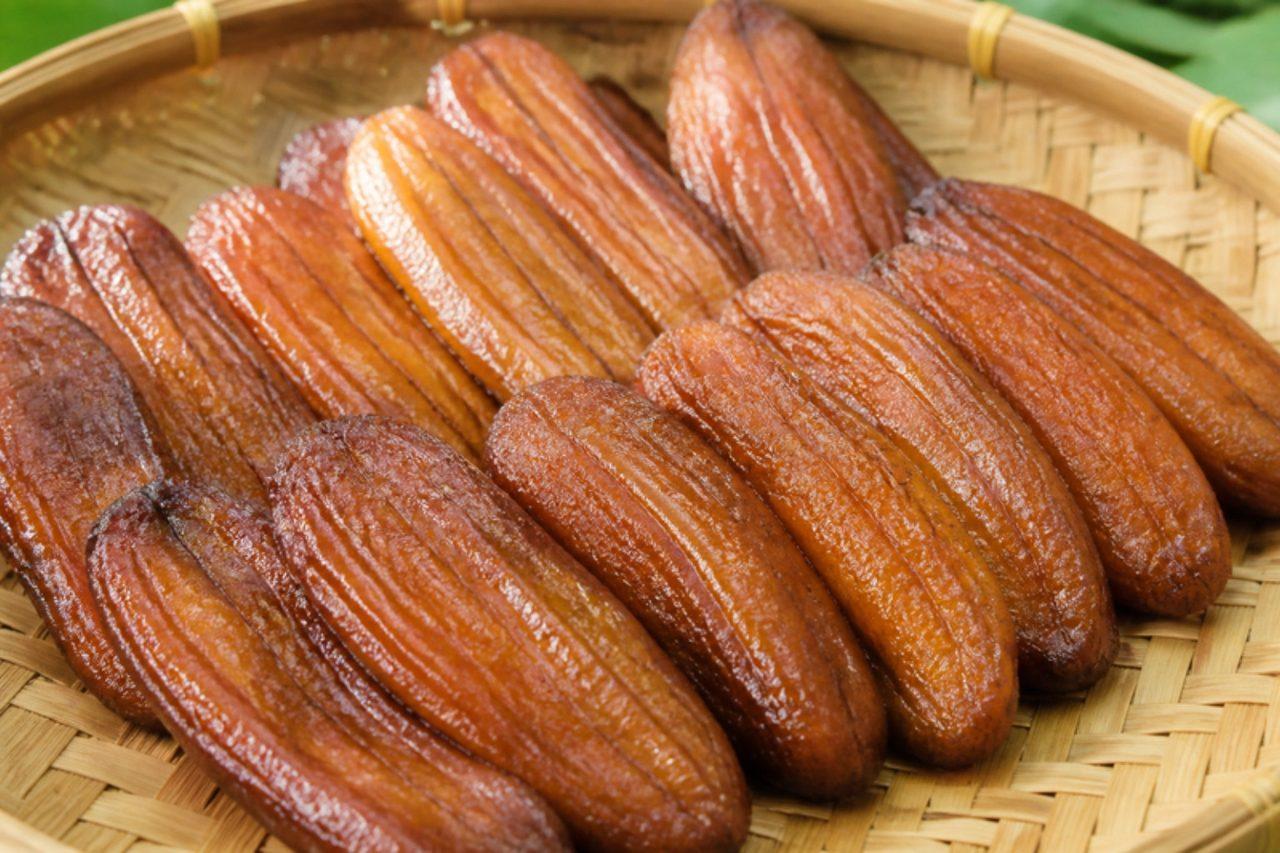
Kluay tak (Thai dried bananas, oven method)

In Bang Krathum, a district of Phitsanulok in lower northern Thailand, small nam wa bananas are peeled and laid out under the sun in glass-roofed drying boxes for several days, then pressed flat to make kluay tak. The district is famous for them, and bags are bought as a gift on the road home and nibbled with tea or coffee in the afternoon. They are dense and chewy like a soft toffee, dark amber, with a deep caramel and honey flavour that comes only from the fruit. As sun-drying takes days and needs steady heat, this version uses a very low oven overnight, then a rest in a jar so the moisture evens out. They are naturally egg-free and need nothing to bind them: the banana's own sugars concentrate and hold it together. Chef's tip: keep the oven low and prop the door open with a wooden spoon; the common mistake is a hot oven, which cooks and blackens the outside while the centre stays wet.

1340 minThaiDessertsVeganGluten free
by KrazyBadal 0 views

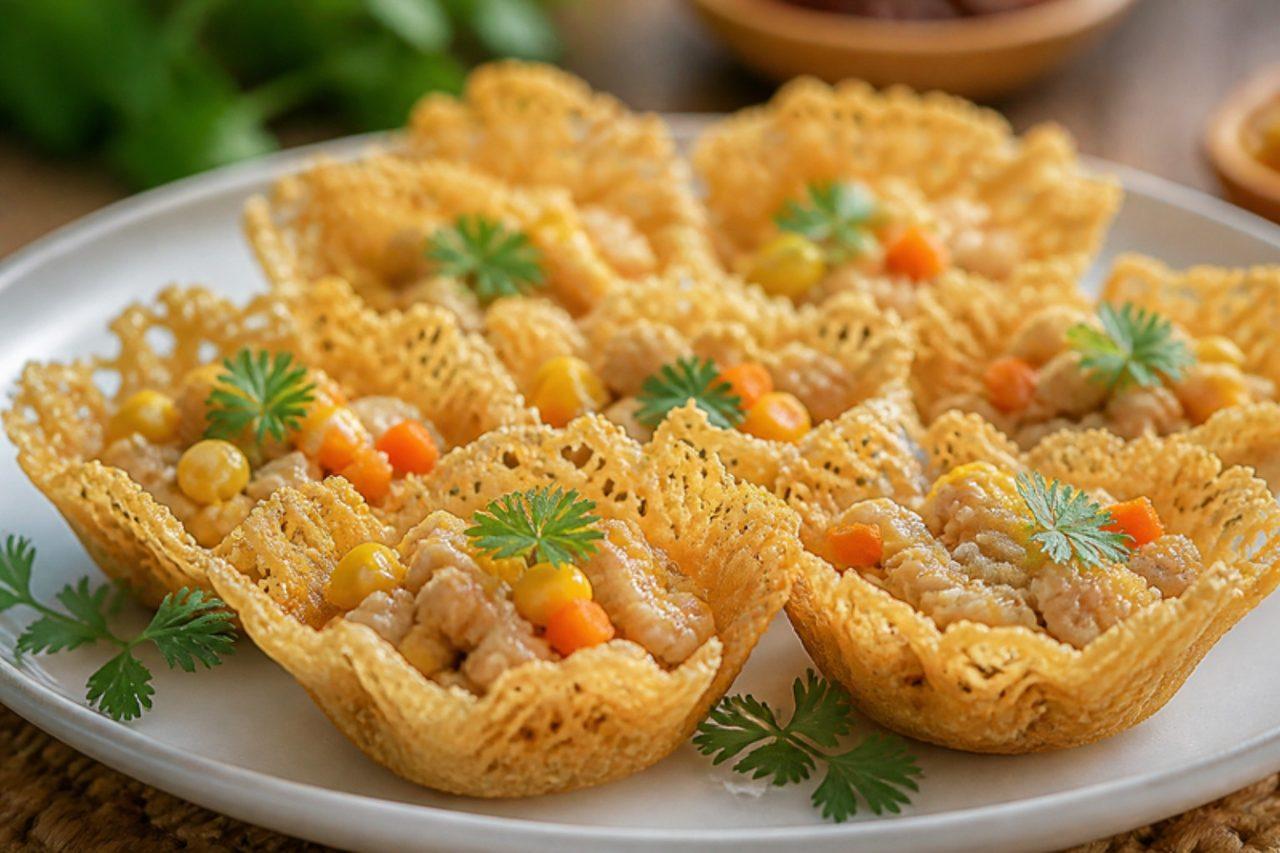
Krathong thong (crispy golden cups with chicken)

Krathong thong, "golden baskets", are named after the little floating krathong set on the rivers at Loy Krathong in Central Thailand, and their golden colour makes them a party bite for wishing wealth at festivals and New Year gatherings. A thin rice-flour batter is fried on a hot flower-shaped mould into crisp, delicate cups that shatter at the first bite. The filling is minced chicken cooked with sweetcorn, carrot, garlic and a little sugar, so it is gently sweet and savoury, which children love. Serve them as a starter with a sweet chilli dip, filling the cups just before serving so they stay crisp. Chef's tip: the cups keep for a week in an airtight tin, so fry them a day ahead and only cook the filling on the day.

by KrazyBadal 0 views

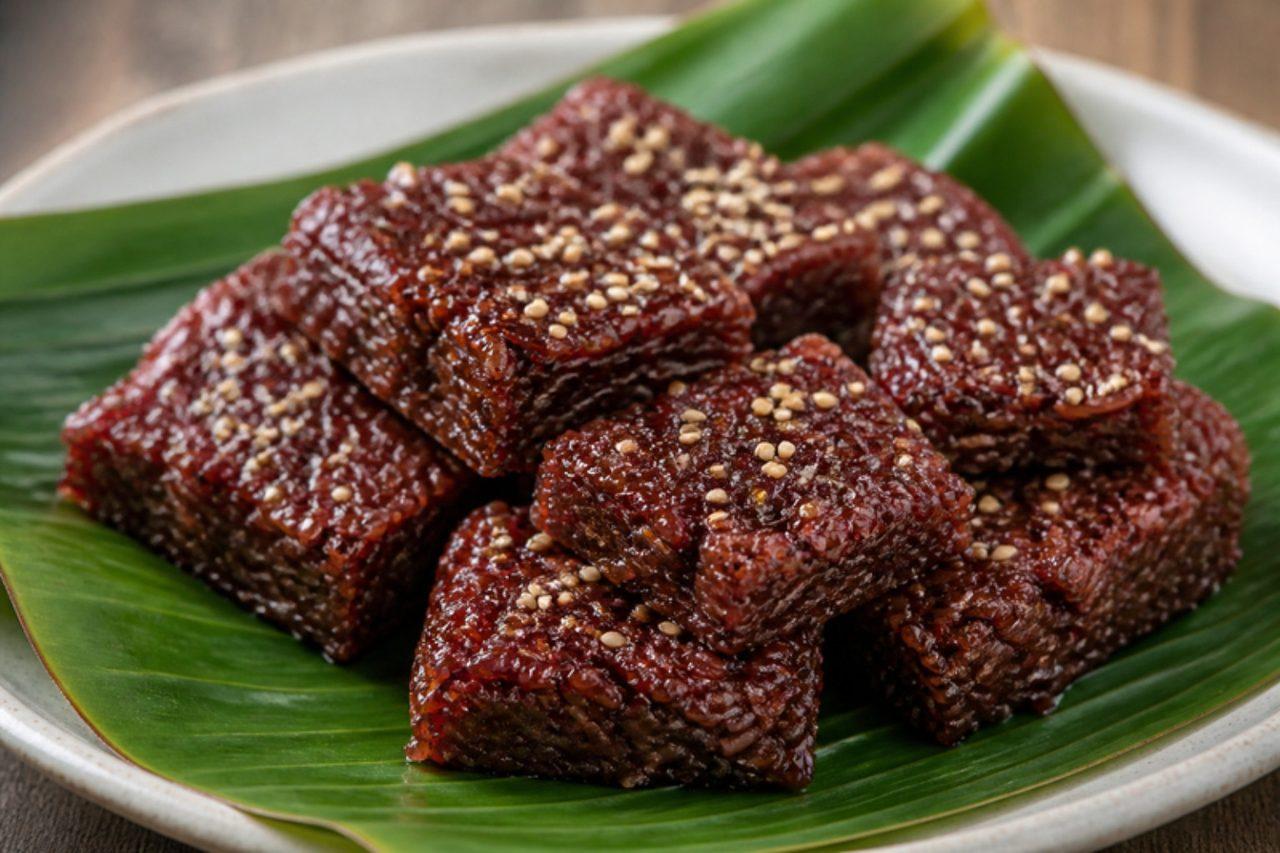
Khao niao daeng (Thai red sticky rice)

Khao niao daeng, "red sticky rice", is made in Central Thailand in the days before Songkran and carried to the temple as an offering, its sticky grains a wish that family ties hold fast through the year. The rice is steamed first, then folded into a long-reduced coconut and palm sugar caramel until it turns a glossy red-brown and every grain is sweet, chewy and fragrant. Pressed into a tray, it slices neatly and keeps for a few days, so it is a good make-ahead sweet for a crowd. Serve squares with a sprinkle of toasted sesame and a cup of tea. Chef's tip: reduce the caramel until it is thick and bubbling slowly before the rice goes in, or the rice turns mushy instead of chewy.

by KrazyBadal 0 views

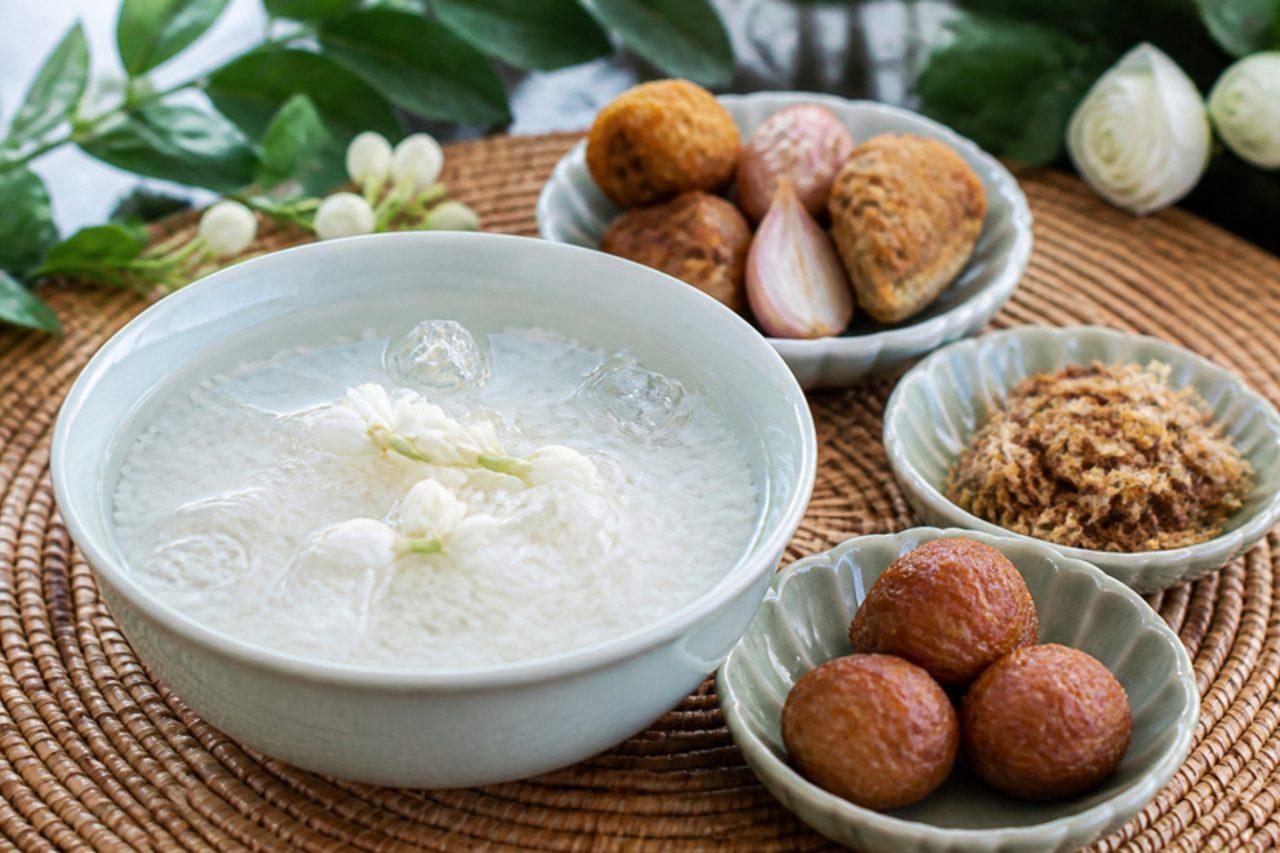
Khao chae (jasmine-scented chilled rice)

Khao chae came to Central Thailand with the Mon people and became the classic Songkran lunch for the hottest days of April: rice served in iced, flower-scented water to cool the body and honour the New Year with something cool and fresh. The rice sits in its fragrant water, surrounded by little savoury bites eaten in turn: fried shrimp-paste balls (luk kapi), battered stuffed shallots and moo foi, sweet shredded pork fried until it is dry and caramelised. Each mouthful is a bite of salty-sweet side followed by a spoon of cold, clean rice. Scent the water with food-safe, unsprayed jasmine flowers or a few drops of food-grade jasmine extract, never florist's flowers. Chef's tip: rinse the cooked rice to wash off its starch so the water stays clear and the grains stay firm.

by KrazyBadal 0 views

Kalamae (Thai coconut caramel sticky rice sweet)

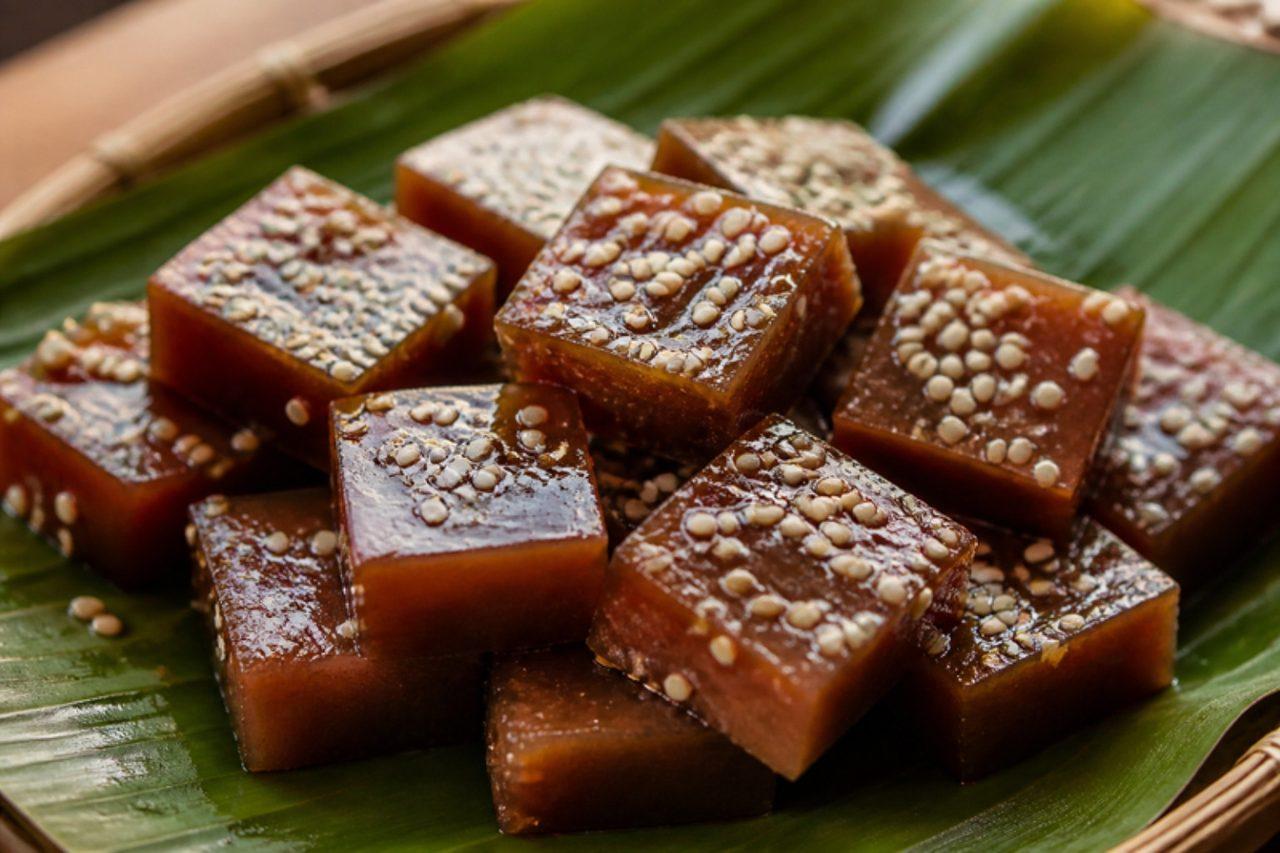
Kalamae is the Songkran sweet of Central Thailand: in villages, neighbours take turns at a huge wok for hours, and the finished trays go to monks and elders at the New Year, the long shared stirring standing for a community pulling together and the sweetness for a sweet year ahead. Glutinous rice flour, coconut milk and palm sugar slowly turn from milky beige to a deep mahogany paste that is chewy, a little smoky and rich with coconut. Cut it into small squares and serve with jasmine tea, or wrap the pieces in banana leaf to give away. A home batch takes about two and a half hours at the stove, so put on some music and keep a wooden spoon moving. Chef's tip: use the widest heavy pan you own; more surface means faster thickening and less risk of scorching.

180 minThaiDessertsVeganGluten free
by KrazyBadal 0 views

Taler bora (Bengali palm-fruit fritters)

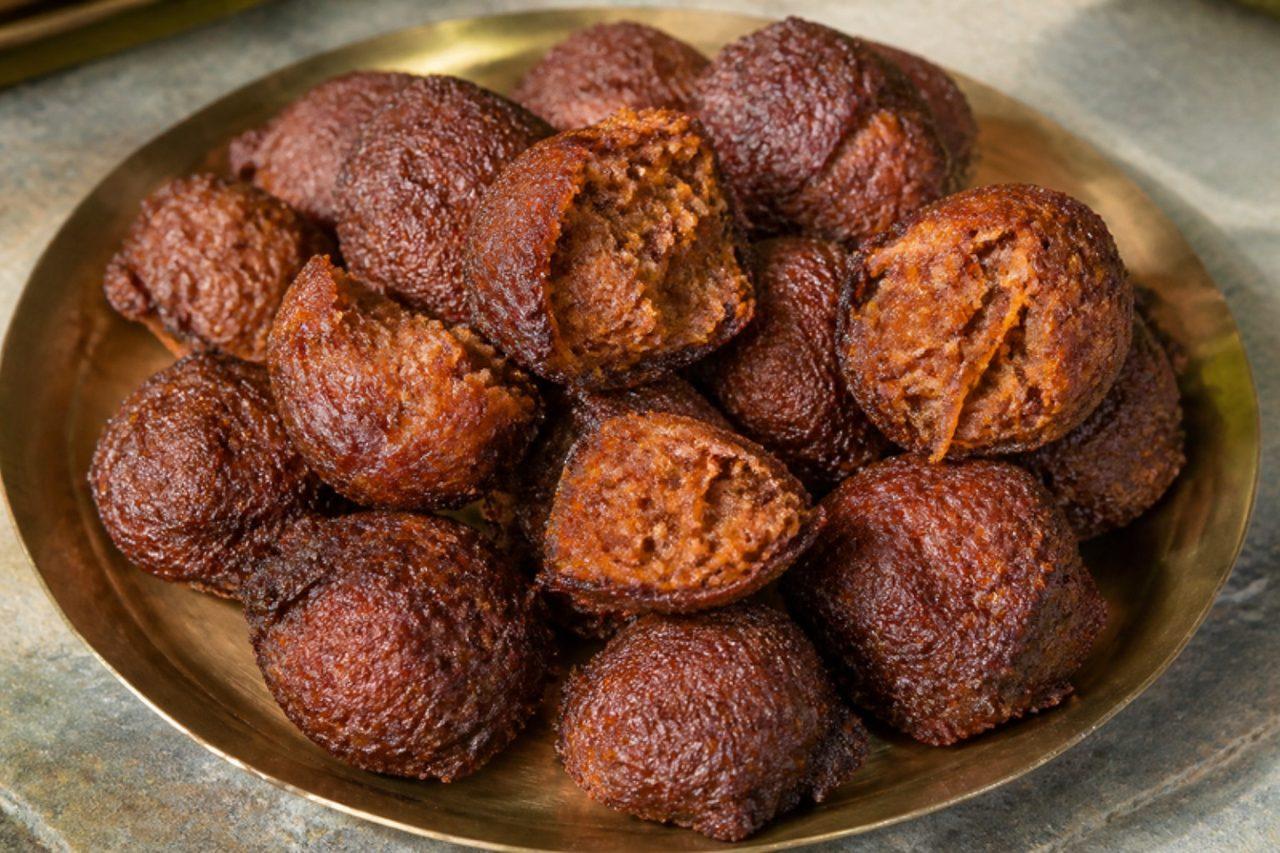
When the ripe palmyra palm fruits (tal) fall in the late monsoon, Bengal's kitchens fill with their heavy, almost fermented-fruit scent, and taler bora are made, above all for Janmashtami in August and September. The dark orange pulp is scraped from the fibrous seeds, mixed with rice flour, a little wheat flour, grated coconut and sugar, and dropped by the spoonful into hot oil. They puff into soft, spongy balls with a dark brown crust and a sweet, fruity, slightly smoky taste. Eat them warm or at room temperature with tea, or as part of a Janmashtami offering. They are naturally egg-free and vegan: the thick, fibrous palm pulp and the rice flour bind the batter, and a pinch of bicarbonate lightens it. Use fresh pulp when you find the fruit, or frozen palmyra pulp from a South Asian grocer. Chef's tip: fry at about 165°C; the sugar in the palm pulp burns easily, so oil that's too hot is the common mistake that blackens the outside while the centre stays raw.

by KrazyBadal 0 views

Lau ghontoBottle gourd with moong dal

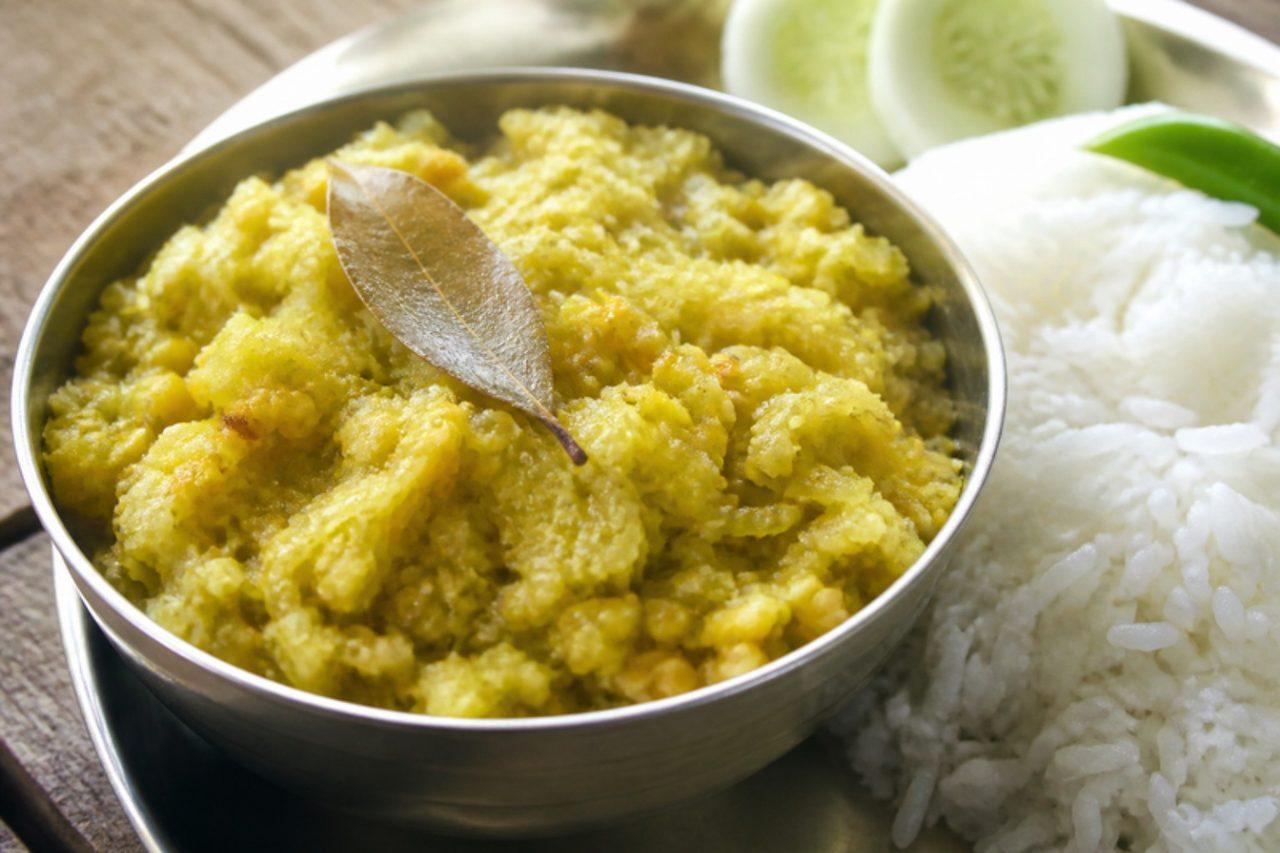
Lau ghonto is a gentle summer dish from Dhaka and Kolkata kitchens, served in the first courses of a Bengali lunch with plain rice, when the bottle gourds are young and sweet. The gourd is grated, cooked down in its own juice with a handful of roasted moong dal, ginger and a little cumin until soft and almost creamy, and seasoned with a pinch of sugar. It is light, about 190 kcal a portion, and gives about 8 g of protein from the moong dal, so it is a vegetable side rather than a protein dish and is not tagged High protein. The most common mistake is adding water: bottle gourd releases plenty of its own, and extra water turns the ghonto into a soup. Chef's tip: choose a gourd that feels heavy, with pale, fuzzy skin you can dent with a fingernail; older gourds have hard seeds and turn bitter.

by KrazyBadal 0 views

ซาหริ่ม (Sarim, mung bean noodles in coconut syrup)

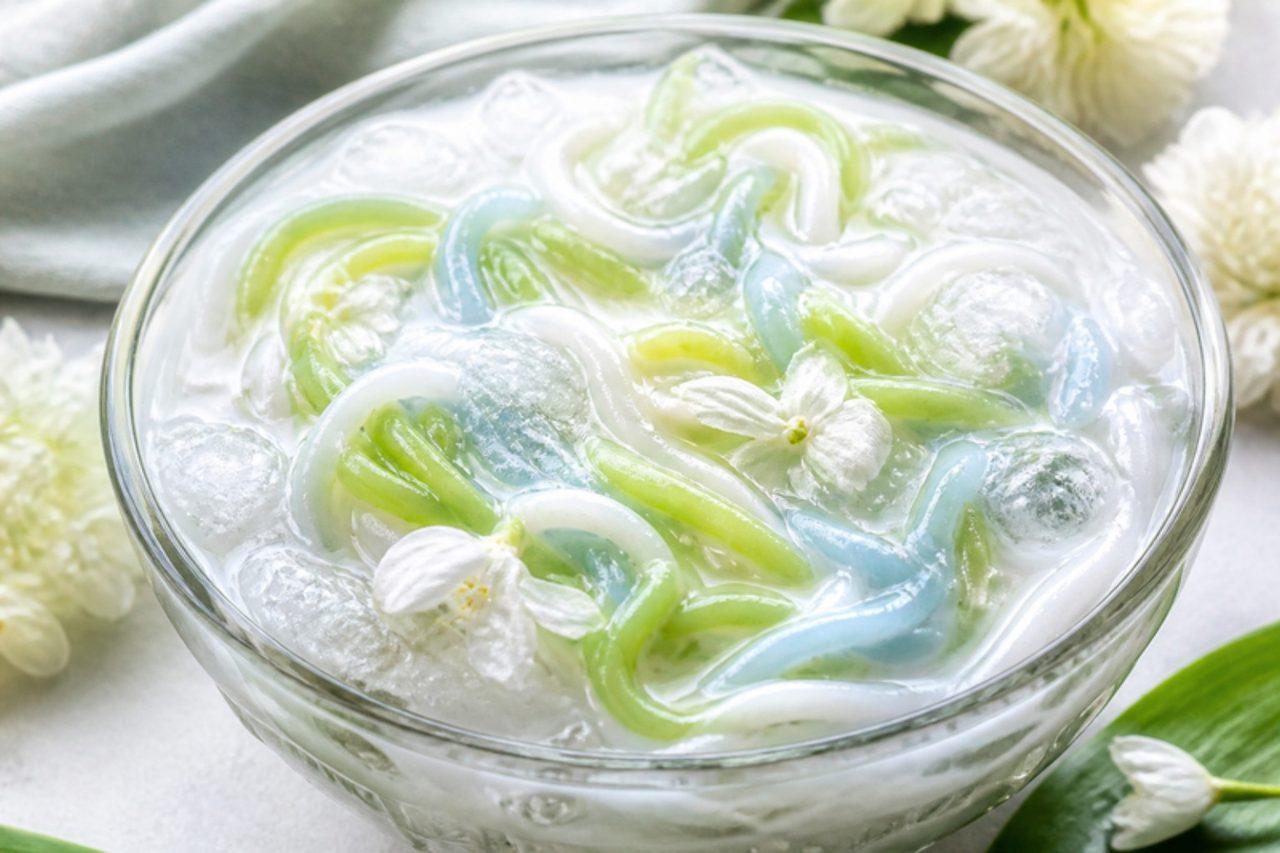
Sarim is an old dessert of central Thailand, served at temple fairs and in market dessert shops on sweltering afternoons: thin, slippery strands in pastel green, blue and white, floating in a pale coconut syrup over a mound of crushed ice. The strands are almost flavourless and very soft, so the syrup does the work; in Thailand it is scented with jasmine flowers or the smoke of a scented candle, and here with pandan and optional fresh jasmine. It is naturally egg-free: the strands are pure mung bean starch cooked with water into a clear, thick paste, which sets into a soft gel the moment it hits ice water. Pandan juice and butterfly pea flowers give the colours, so there is no need for dyes. Serve it straight away, as a light end to a spicy meal. Chef's tip: cook the paste until it turns fully glossy and see-through; the common mistake is stopping while it is still milky, which gives strands that break and taste floury.

by KrazyBadal 0 views

Kluay chuam (Thai bananas in palm-sugar syrup)

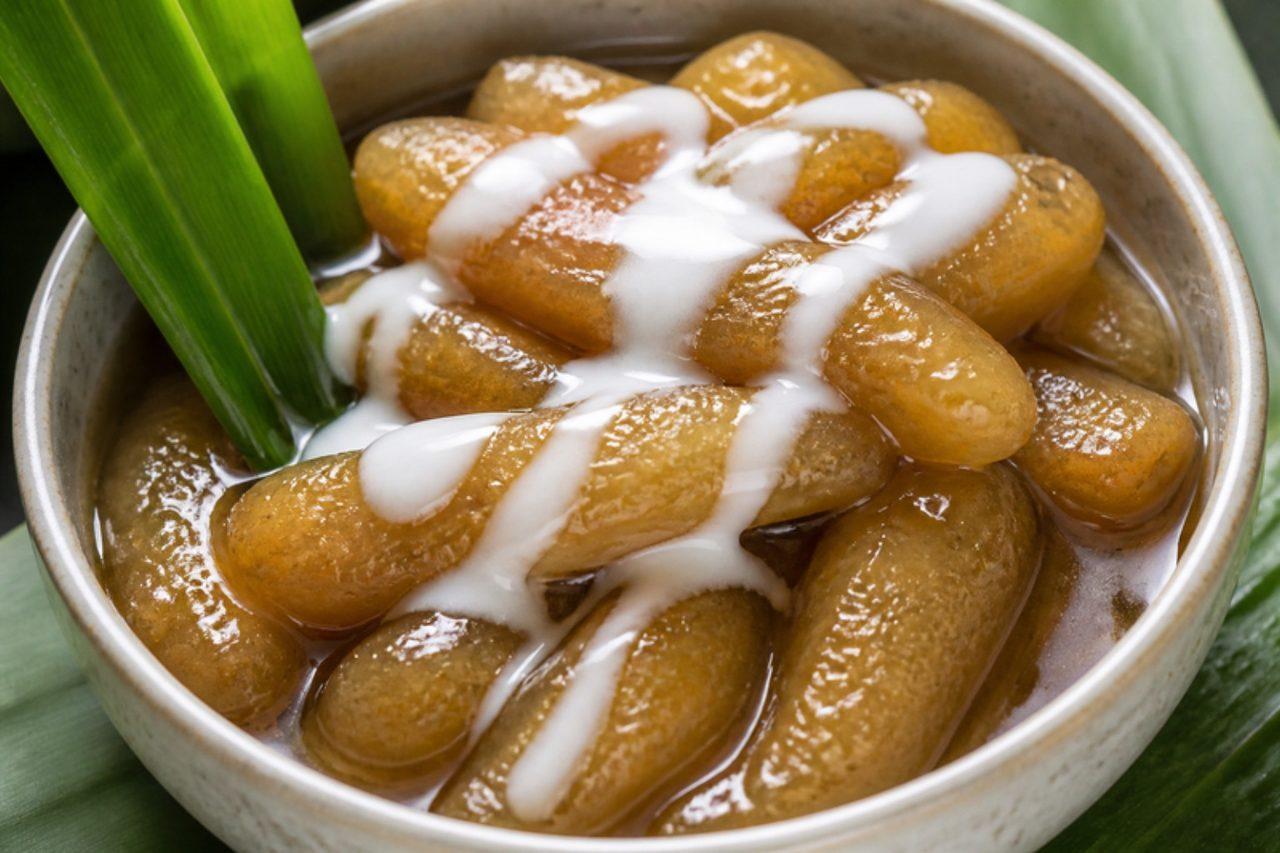
Kluay chuam is a market dessert of central Thailand, cooked in big brass pans and sold by the bag year round, and it is a common sweet to offer monks at merit-making. Small, starchy nam wa bananas are simmered slowly in palm-sugar syrup until they turn translucent and amber, soft and chewy rather than mushy, then served with thick, salty coconut cream poured over. The flavour is deep caramel and banana, cut by the salt. Serve at room temperature in small bowls. Being egg-free by nature, it relies on the long simmer in syrup firms the bananas and a little rice flour thickens the coconut topping. Chef's tip: keep the syrup at the gentlest simmer and don't stir; the common mistake is a fast boil and a spoon, which break the bananas before they have time to turn glassy.

by KrazyBadal 0 views

Showing 24 of 387 recipes

Show more recipes

Page 1 of 17