Skip to content
Recipes

All recipes

Vegetarian, or something you can't eat? Set your diet once and we'll hide recipes that don't fit.

Tostado de jamón y quesoPressed ham and cheese sandwich

The tostado is what Buenos Aires orders in a café at merienda or as a light late dinner, and what Uruguayan kids get made at home: thin crustless pan de miga layered with cooked pork ham and mild cheese, buttered outside and pressed until crisp and oozing. The common mistake is too much filling; this sandwich is meant to be thin, so the cheese melts before the bread burns. Chef's tip: if you have no sandwich press, weigh it down in the pan with a second heavy pan so it toasts flat and even.

by KrazyBadal 0 views

Revuelto de zapallitosCourgettes scrambled with egg and cheese

Revuelto de zapallitos is a weeknight dinner in Buenos Aires homes and all over Argentina in summer, when the little round courgettes called zapallitos are cheap: diced courgette and onion cooked down in oil, scrambled with eggs and finished with grated cheese. It is eaten with bread or as a side to a salad. Grated hard cheese like reggianito or Parmesan is usually made with animal rennet, so use a vegetarian hard cheese for a vegetarian dinner. The common mistake is adding the eggs before the courgettes have given up their water, which turns the scramble wet and grey. Chef's tip: salt the courgettes as they go in, so they release their juice early and it cooks away.

by KrazyBadal 0 views

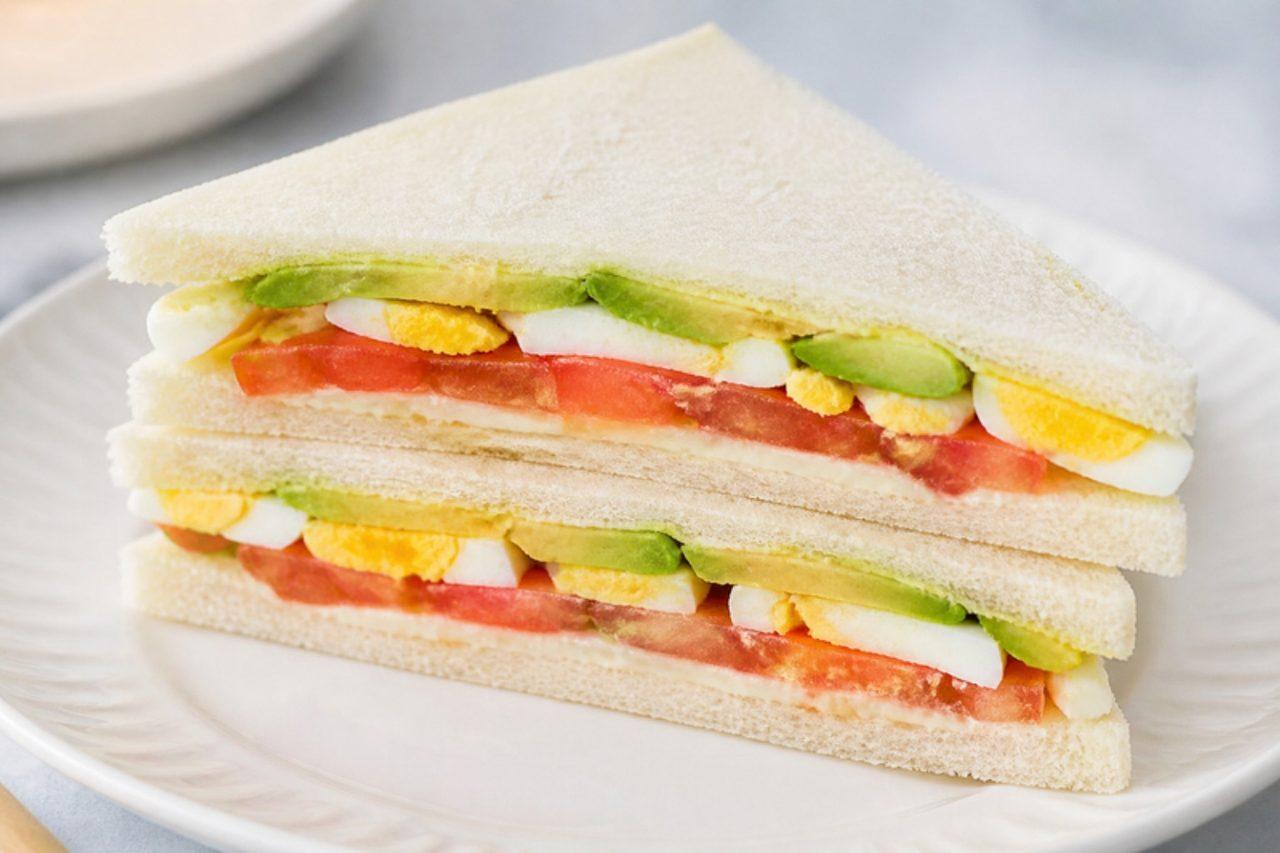
TripleAvocado, tomato and egg sandwich

The triple is the soft, layered sandwich of Lima's cafés and bakeries, eaten at lonche, the Peruvian late-afternoon meal, or as a light supper: three slices of crustless white bread layered with avocado, tomato and sliced hard-boiled egg, all held together with mayonnaise. It looks neat, tastes fresh and is loved by children. Shop-bought mayonnaise is made with pasteurised egg, so it is safe for everyone. The common mistake is letting wet tomato touch the bread, which turns it soggy within minutes. Chef's tip: pat the tomato dry and sit it between the avocado and egg, then press the sandwich under a board for a minute before cutting.

by KrazyBadal 0 views

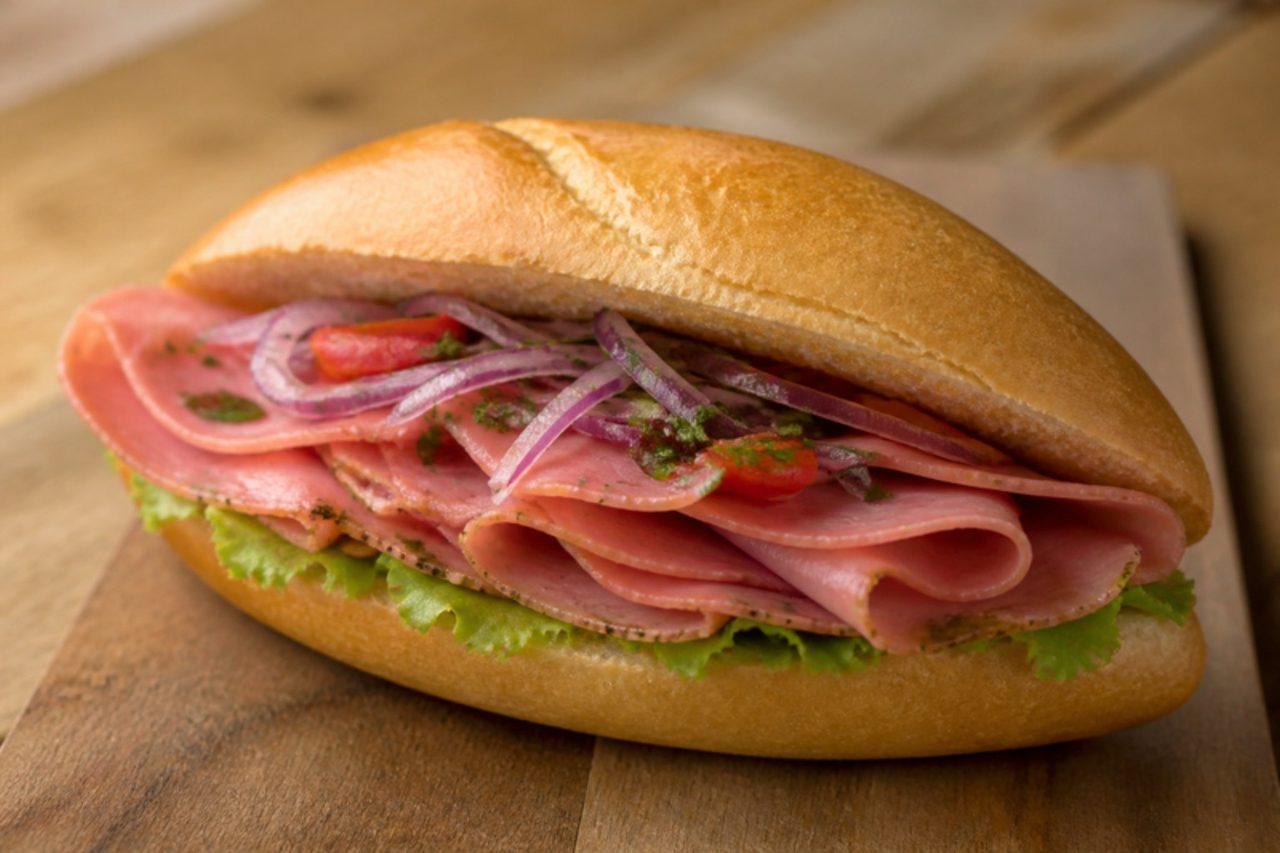
Pan con butifarraHam roll with onion salsa

Pan con butifarra is Lima's evening sandwich, sold in old-school sangucherías and made at home for a light dinner with coffee: a crusty roll filled with jamón del país, a spiced Peruvian pork ham, under a heap of salsa criolla, red onion sliced thin and soaked in lime with chilli. Outside Peru, use a good cooked pork ham. The common mistake is leaving the onion harsh; give it a quick rinse in salted water before dressing it. Chef's tip: a leaf of lettuce under the ham stops the lime juice soaking straight into the bread.

by KrazyBadal 0 views

Sopa teólogaTurkey broth with bread and cheese

Sopa teóloga ('the theologian's soup') goes back to colonial convents in Lima and Arequipa, where it was cooked for feast days, and it is still served at Holy Week and family celebrations. A rich turkey (or chicken) broth is thickened with soaked bread, milk and fresh cheese, with yellow potatoes and shreds of turkey, and finished with a little ají amarillo and chopped huacatay or parsley. It is thick, comforting and filling. Chef's tip: blend part of the soaked bread with broth before adding it, which gives the soup its creamy body without lumps.

by KrazyBadal 0 views

KaguyjyWhite corn pudding

On the night of 23–24 June, Paraguayans celebrate San Juan with bonfires, games like walking over hot coals and the 'paso de fuego', and a table of traditional foods, and kaguyjy (also mazamorra) is one of them. It is a soft, creamy pudding of cracked white corn (locro) simmered slowly in water and then milk with sugar or honey, sometimes with orange peel. It is eaten warm or cold. It is gluten free. Chef's tip: soak the corn overnight and cook it until each kernel is tender before adding the milk, or it never turns creamy.

by KrazyBadal 0 views

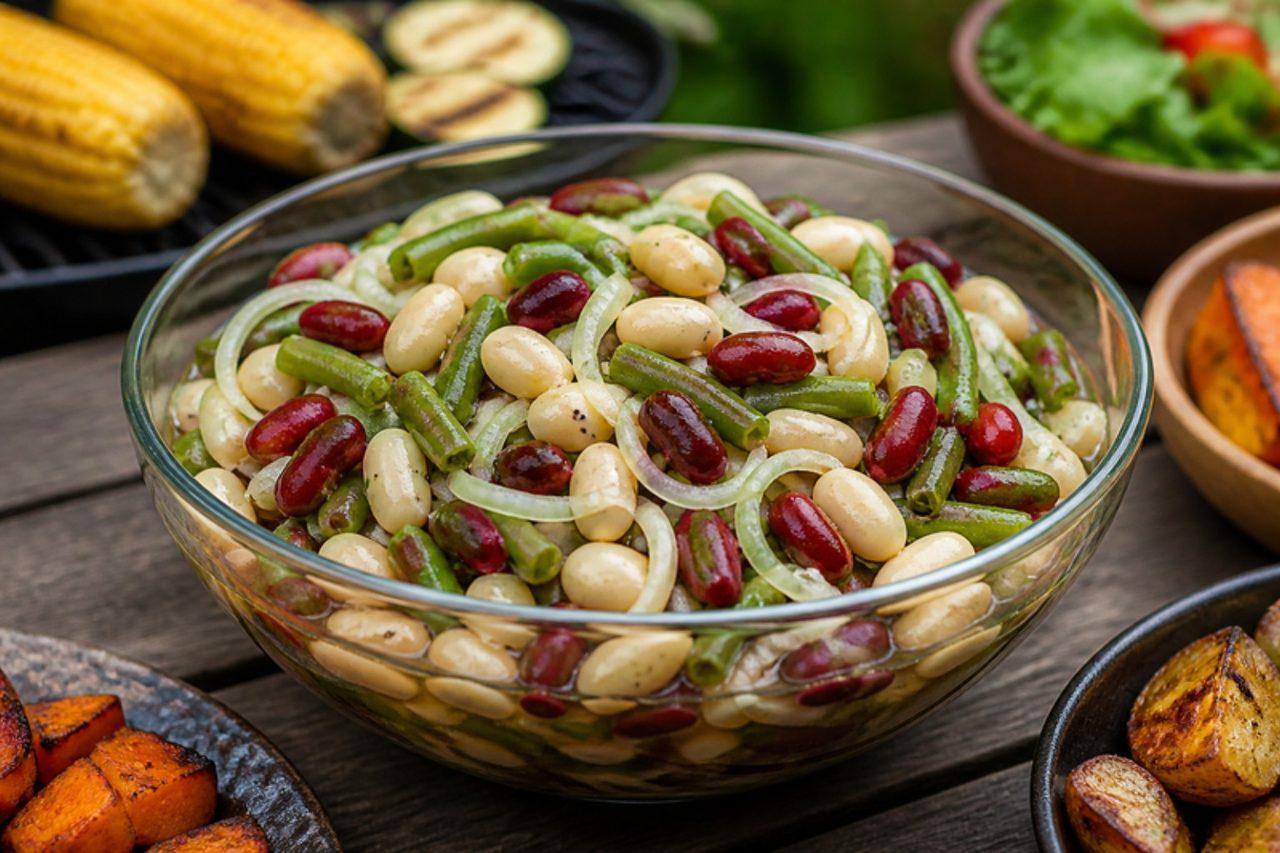
Three-bean salad

No Heritage Day braai is complete without a row of salads on the table, and the sweet-sour three-bean salad is one of the oldest, handed down in Afrikaner and Cape kitchens and usually made the night before. Crisp green beans, creamy butter beans and red kidney beans soak in a sharp vinegar and sugar dressing with thin onion rings until they pickle lightly. It cuts through rich grilled meat or a vegetarian braai of mielies and halloumi. Chef's tip: dress the beans while the green beans are still warm so they drink up the dressing.

by KrazyBadal 0 views

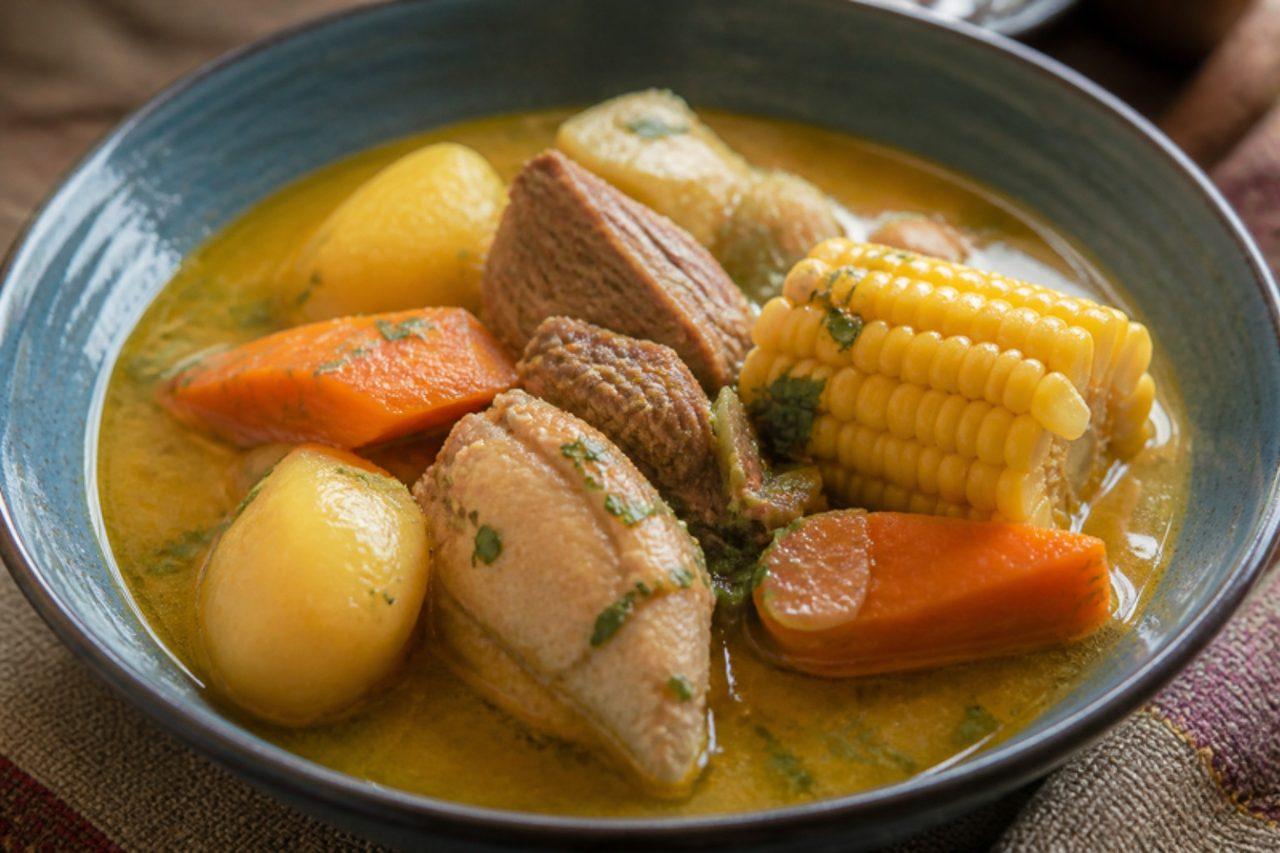
Picana bolivianaBeef, chicken and corn stew

In Bolivia, picana is what families eat after the midnight Misa de Gallo on Christmas Eve: a big pot of beef, chicken and sometimes lamb or pork simmered with corn on the cob, potatoes, carrots, raisins and spices, traditionally finished with a little wine and sugar for a sweetish broth. Each bowl holds a piece of every meat and a chunk of corn. Here the wine is optional; use extra stock and a spoon of grape juice for an alcohol-free pot. Chef's tip: add the chicken after the beef has had its head start, so both are tender at the same moment.

180 minAndeanSoupsGluten free
by KrazyBadal 0 views

Rosero quiteñoChilled spiced fruit and corn drink

Rosero is a festive drink of Quito in Ecuador, made for Corpus Christi in June, when the city once filled with processions and dancers. It is thick and refreshing: whole hominy (mote) and a thin purée of naranjilla (lulo) and pineapple, sweetened with sugar, spiced with cinnamon, cloves and allspice, and perfumed with orange-blossom water and rose petals, then served chilled in tall glasses with diced fruit. Frozen naranjilla pulp is sold in Latin shops. It is vegan. Chef's tip: simmer the pineapple peel with the spices for the syrup, as Quiteño cooks do; it adds a lot of flavour.

by KrazyBadal 0 views

Lengua a la vinagretaBeef tongue with vinaigrette

Argentina's Nochebuena is a hot summer night, so the table is full of cold dishes, and lengua a la vinagreta is one of the classics: beef tongue simmered until tender, peeled, sliced and covered with a sharp vinaigrette of parsley, garlic, red pepper, onion and chopped hard-boiled egg. It is made a day ahead and served chilled with vitel toné and Russian salad. Chef's tip: peel the tongue while it is still hot, as the skin comes away easily then and clings once it cools.

by KrazyBadal 0 views

Pajagua mascadaBeef and cassava patties

Pajagua mascada is a Paraguayan street-food classic that appears on every table for the San Juan festival on 24 June, when bonfires burn and the night is full of games and traditional food. Minced beef is mixed with mashed cassava, onion, garlic and a little egg and flour, shaped into flat patties and fried until crisp. The name comes from Guaraní and refers to the 'chewing' of old Paraguayan cooks, who made it from leftover meat. Chef's tip: dry the boiled cassava well and remove its woody core, which keeps the patties light and crunchy.

by KrazyBadal 0 views

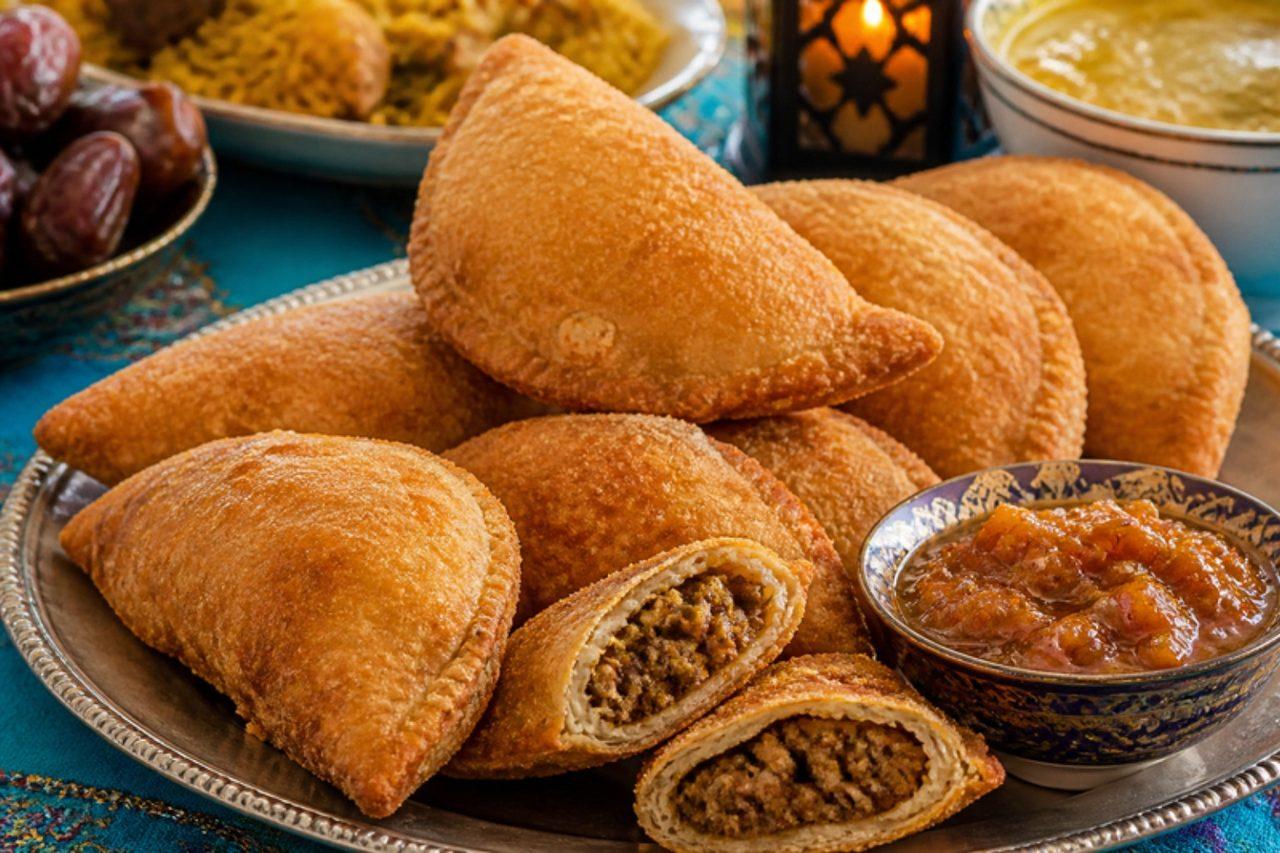
Cape Malay half-moonsCurried beef mince pastries

In Cape Town's Bo-Kaap and across the Cape Malay community, the weeks of Ramadan mean freezer boxes of half-moons, samoosas and pies, fried just before sunset and sent to neighbours as part of the custom of sharing boeka treats. Half-moons are soft pastry rounds folded over curried beef mince, dipped in egg and breadcrumbs and fried until crunchy, and they are eaten with a cup of tea when the fast is broken. A potato-and-pea version is a variation to add later. Chef's tip: cool the filling completely before you fill the pastry, as warm mince makes the dough tear and leak.

by KrazyBadal 0 views

OsterpinzeEaster anise brioche

Osterpinze is the Easter bread of Styria, Carinthia and the area around Trieste, a soft, golden brioche dome with three deep cuts on top for the Holy Trinity, so that it opens into a crown as it bakes. The dough is rich with egg yolks and butter and flavoured with anise and lemon; old recipes add a splash of white wine, left out here. It is blessed in the Easter basket on Holy Saturday and eaten on Easter morning with ham, horseradish and eggs, or with butter and jam. Chef's tip: make the three cuts with scissors just before baking, deep enough to reach halfway down, so the crown opens wide.

by KrazyBadal 0 views

Chipa so'oCheese bread with spiced beef

In Paraguay, families bake chipa in the clay tatakua ovens on Holy Wednesday so there is food for Thursday and Good Friday, when cooking stops. Chipa so'o ('chipa with meat') is a cassava-starch and cheese bread wrapped around a little filling of minced beef cooked with onion and egg, then baked until crisp outside and chewy within. It is naturally gluten free. Chef's tip: knead the dough until it no longer cracks at the edges when pressed; dry dough splits around the filling.

by KrazyBadal 0 views

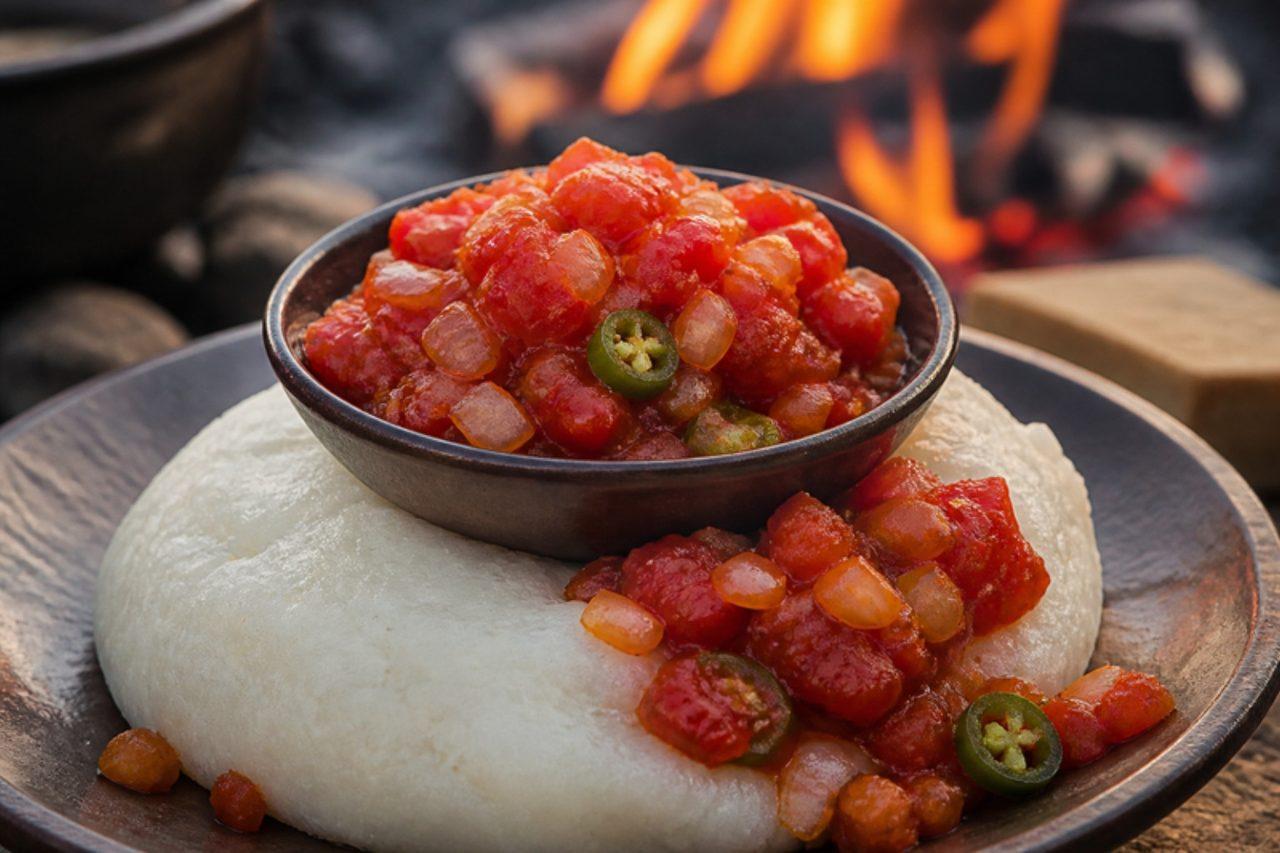
ShebaTomato and onion relish

On 24 September, Heritage Day, South Africans light the braai, and next to the boerewors and chops there is always a pot of stiff pap with sheba spooned over it. Sheba is the everyday township relish of onions and tomatoes cooked down with chilli and curry powder until thick and jammy, sweet, sour and gently hot. It keeps well, so many families make a big pot the day before. Chef's tip: cook the onions slowly first; their sweetness is what balances the sharp tomatoes.

by KrazyBadal 0 views

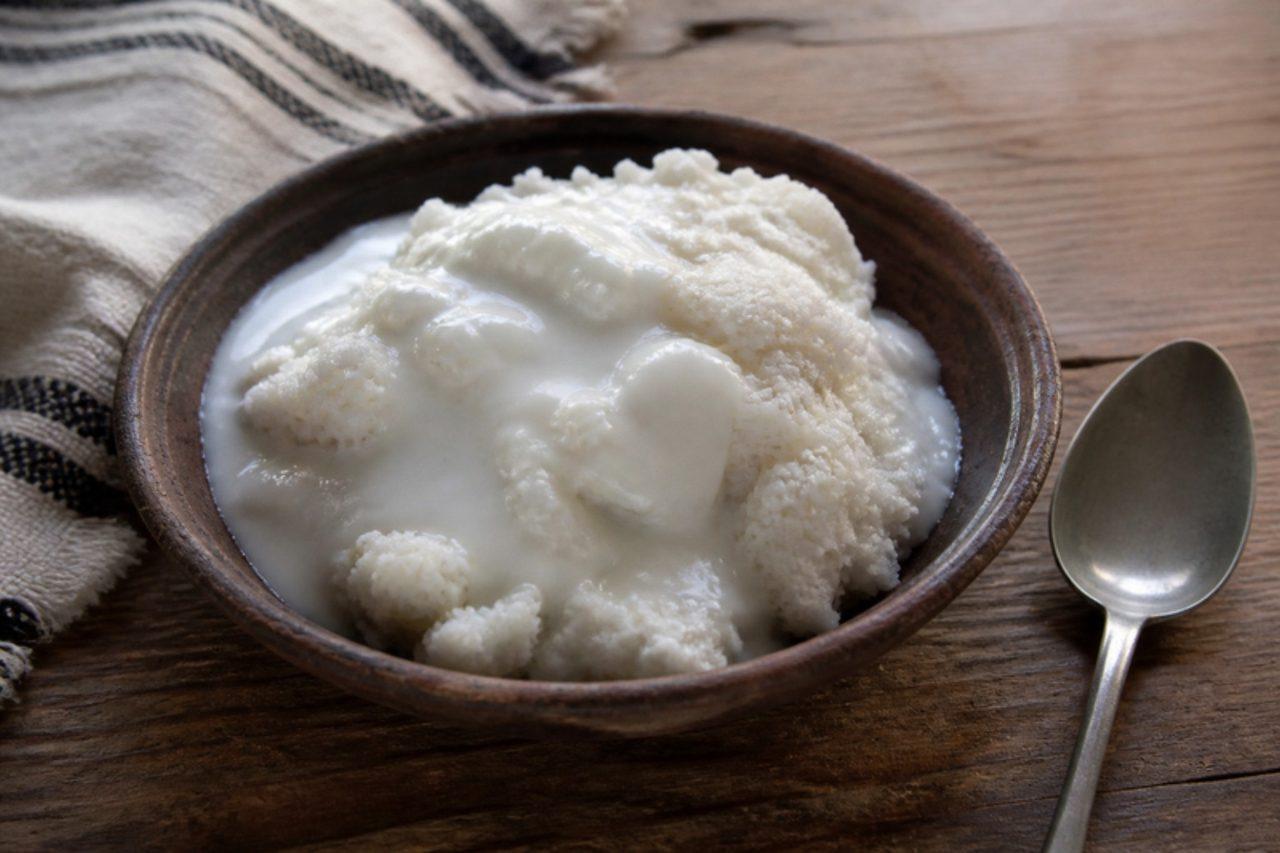
Umphokoqo with amasiCrumbly maize pap with soured milk

Umphokoqo is the dry, crumbly pap of the Eastern Cape, beloved at Xhosa family gatherings and often brought out on Heritage Day as a taste of home. Instead of the stiff pap stirred into a smooth mound, the maize meal is steamed in a little water and broken up with a fork until it falls into fine, fluffy crumbs. It is served cold or at room temperature, with chilled amasi (thick soured milk) poured over, sour, cool and filling, or warm beside braai meat and chakalaka. Chef's tip: don't stir in circles like ordinary pap; cut and fluff with a fork so it stays crumbly.

by KrazyBadal 0 views

AllerheiligenstriezelBraided sweet loaf

In Bavaria and Austria, godparents give their godchildren an Allerheiligenstriezel on All Saints' Day, 1 November: a large braided loaf of sweet yeast dough, brushed with egg and scattered with almonds or pearl sugar. The braid is said to recall the old custom of cutting a plait of hair in mourning, and the size of the loaf once showed how generous the godparent was. It is lightly sweet, with lemon and vanilla, and is eaten sliced with butter or jam. Some recipes add rum-soaked raisins; these are soaked in warm water instead. Chef's tip: braid four strands for an impressive, high loaf.

by KrazyBadal 0 views

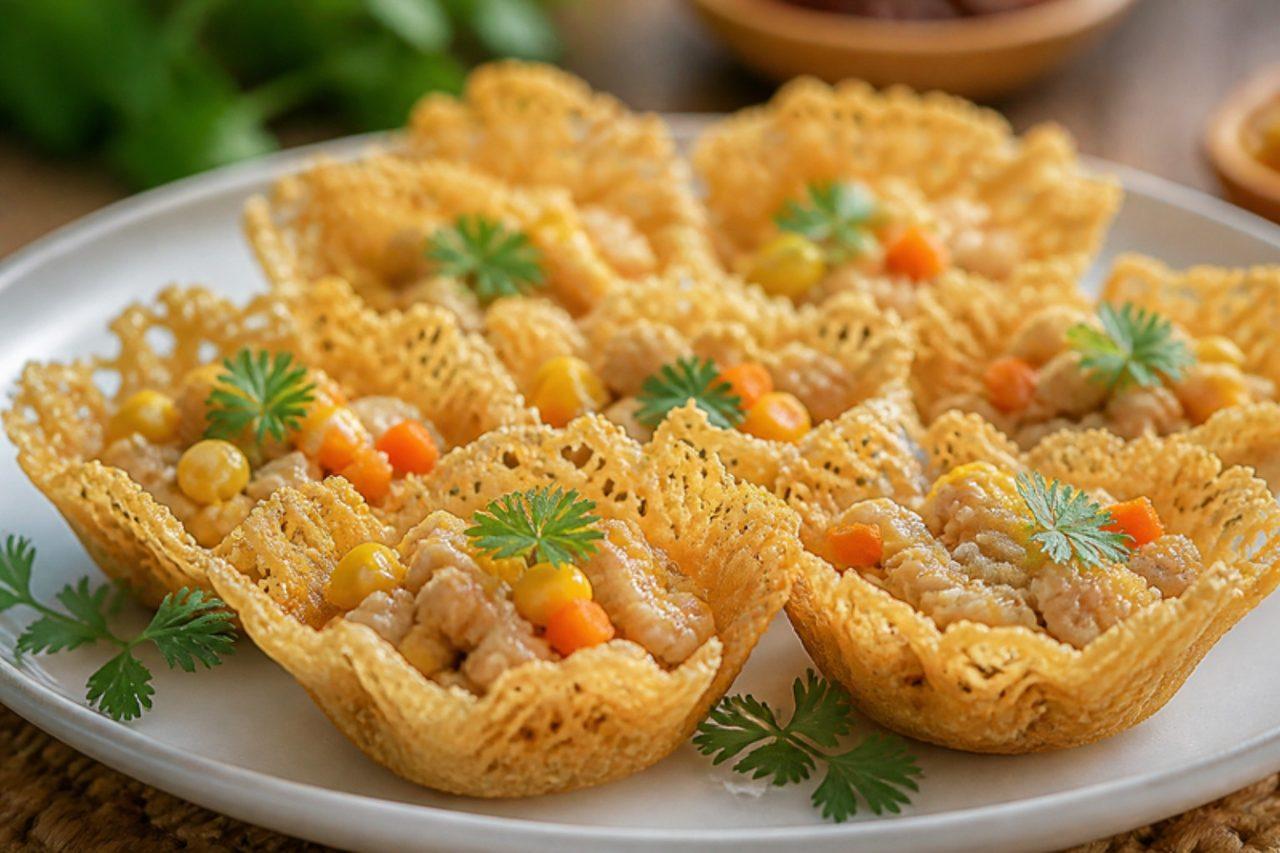
Krathong thong (crispy golden cups with chicken)

Krathong thong, "golden baskets", are named after the little floating krathong set on the rivers at Loy Krathong in Central Thailand, and their golden colour makes them a party bite for wishing wealth at festivals and New Year gatherings. A thin rice-flour batter is fried on a hot flower-shaped mould into crisp, delicate cups that shatter at the first bite. The filling is minced chicken cooked with sweetcorn, carrot, garlic and a little sugar, so it is gently sweet and savoury, which children love. Serve them as a starter with a sweet chilli dip, filling the cups just before serving so they stay crisp. Chef's tip: the cups keep for a week in an airtight tin, so fry them a day ahead and only cook the filling on the day.

by KrazyBadal 0 views

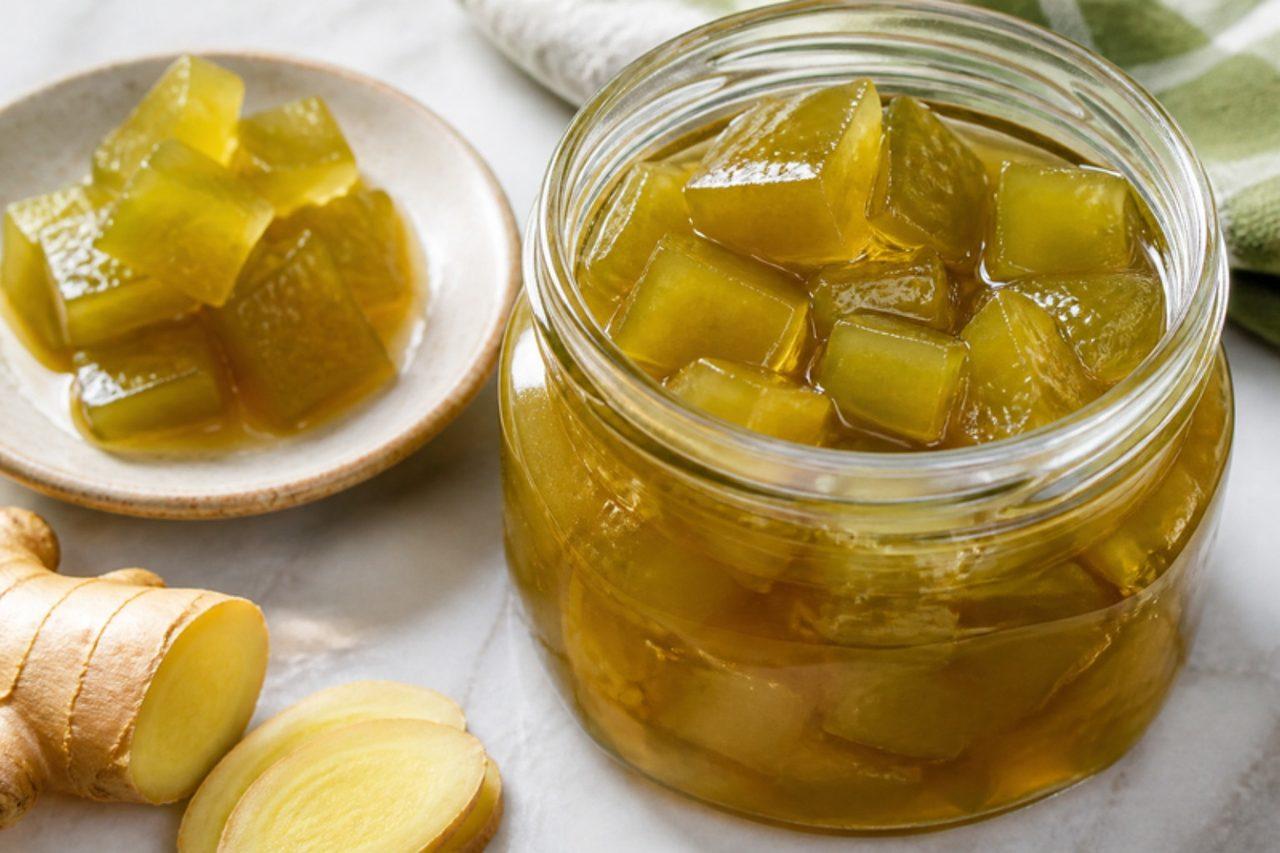
Waatlemoenkonfyt (Cape watermelon-rind preserve)

In the farm kitchens of the Western Cape, late summer meant turning the pale rind of big watermelons into jars of konfyt, a preserve that then came out all winter. The pieces are translucent green, firm and almost crunchy at the edge, soaked through with a ginger-spiked syrup. It is served with a wedge of mature cheese, on buttered bread or toast, beside coffee when visitors arrive, and in little dishes on the table at Christmas. Like all Cape konfyt it is naturally egg-free: a soak in food-grade pickling lime lets calcium firm the rind's own pectin so the pieces keep their shape, and the long simmer in sugar syrup preserves and sets them. Start two days ahead; the rind needs an overnight soak and a night resting in the syrup. Chef's tip: rinse the rind in several changes of water after the lime soak; the common mistake is rushing this, which leaves the konfyt tasting chalky.

by KrazyBadal 0 views

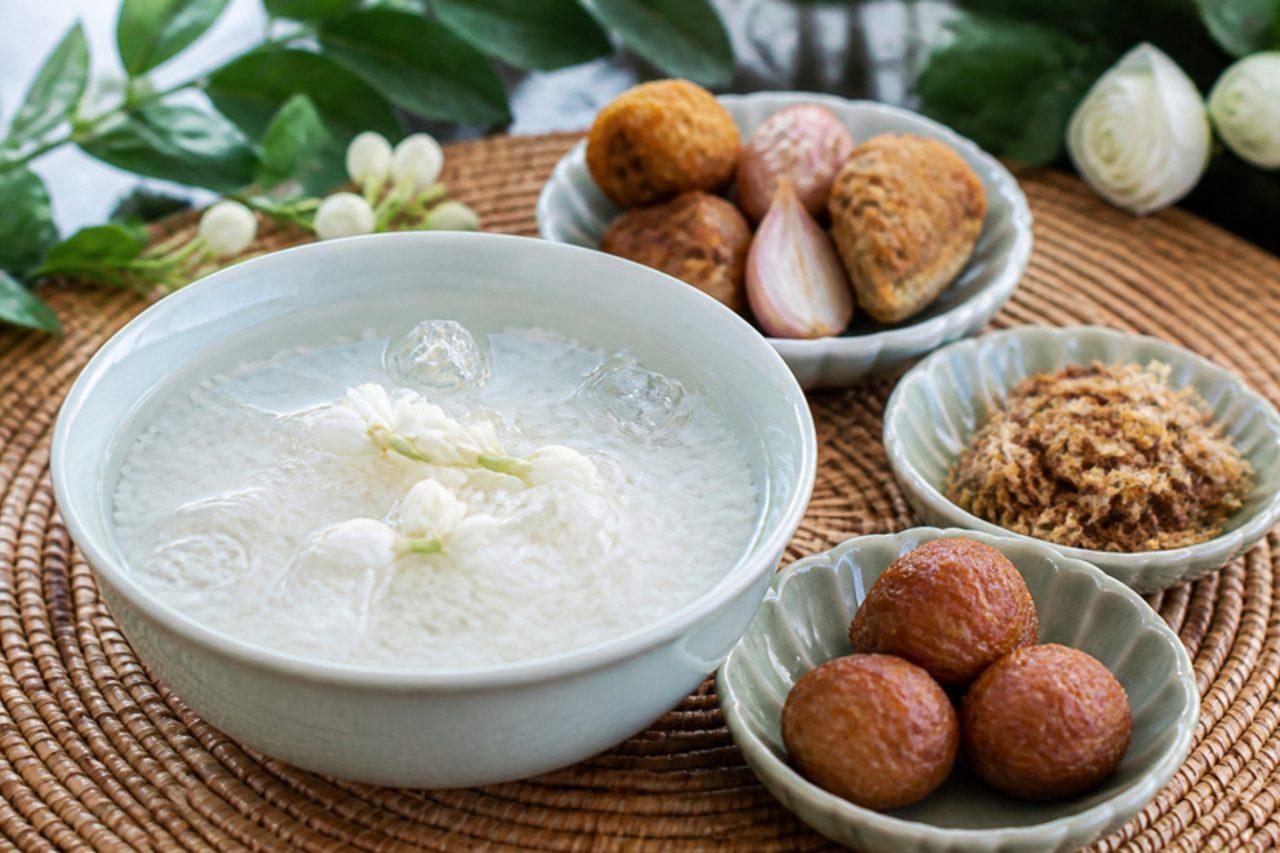
Khao chae (jasmine-scented chilled rice)

Khao chae came to Central Thailand with the Mon people and became the classic Songkran lunch for the hottest days of April: rice served in iced, flower-scented water to cool the body and honour the New Year with something cool and fresh. The rice sits in its fragrant water, surrounded by little savoury bites eaten in turn: fried shrimp-paste balls (luk kapi), battered stuffed shallots and moo foi, sweet shredded pork fried until it is dry and caramelised. Each mouthful is a bite of salty-sweet side followed by a spoon of cold, clean rice. Scent the water with food-safe, unsprayed jasmine flowers or a few drops of food-grade jasmine extract, never florist's flowers. Chef's tip: rinse the cooked rice to wash off its starch so the water stays clear and the grains stay firm.

by KrazyBadal 0 views

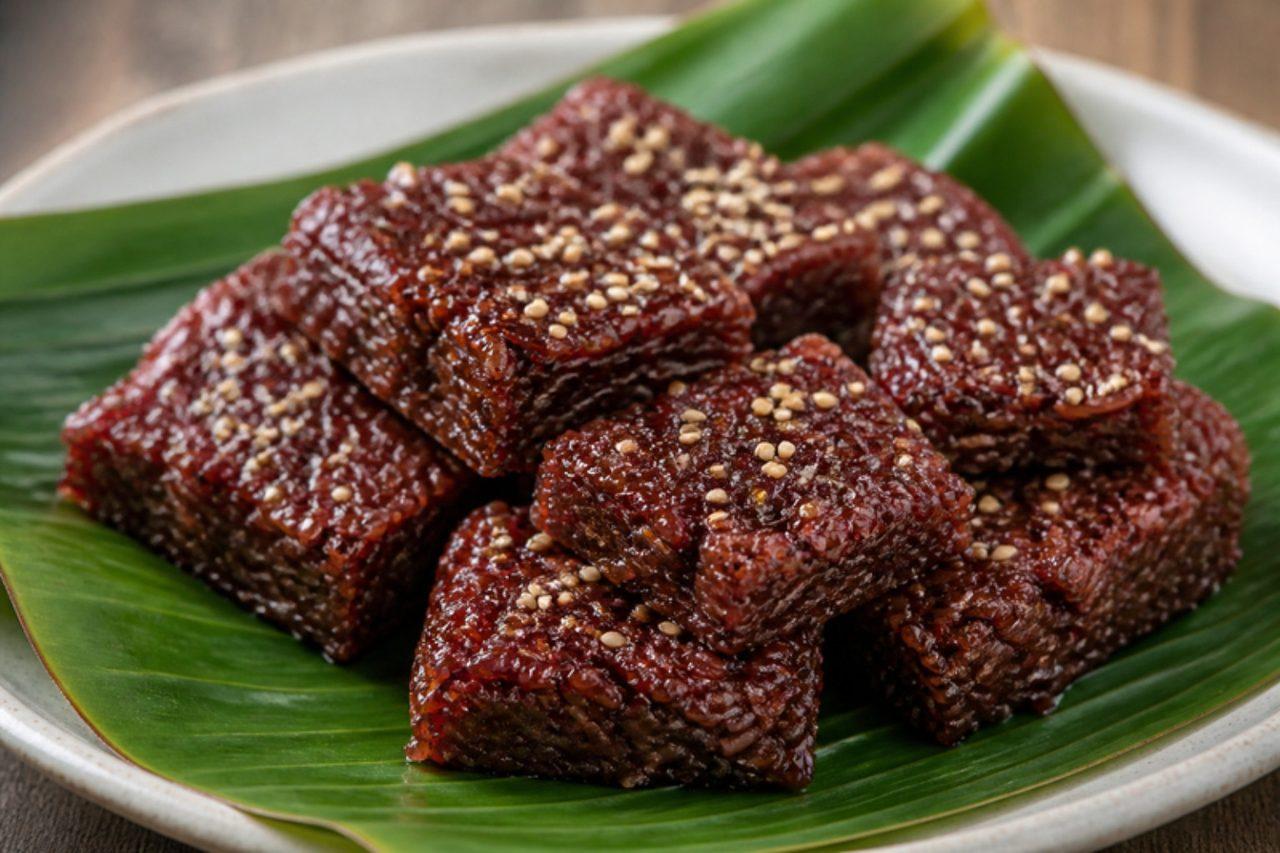
Khao niao daeng (Thai red sticky rice)

Khao niao daeng, "red sticky rice", is made in Central Thailand in the days before Songkran and carried to the temple as an offering, its sticky grains a wish that family ties hold fast through the year. The rice is steamed first, then folded into a long-reduced coconut and palm sugar caramel until it turns a glossy red-brown and every grain is sweet, chewy and fragrant. Pressed into a tray, it slices neatly and keeps for a few days, so it is a good make-ahead sweet for a crowd. Serve squares with a sprinkle of toasted sesame and a cup of tea. Chef's tip: reduce the caramel until it is thick and bubbling slowly before the rice goes in, or the rice turns mushy instead of chewy.

by KrazyBadal 0 views

Mebos (Karoo salted apricot sweets)

Mebos belongs to the dry Karoo and the orchards of the Western Cape, where summer apricots were salted, sun-dried and pounded into a paste that lasted the year. Today it is a car-trip and school-holiday treat, bought from farm stalls and passed around with afternoon tea. The flavour is bright and tart, then sweet, with a little salt that makes the apricot taste even stronger; the texture is dense and chewy, like a soft fruit leather. Eat it on its own, with a cup of rooibos, or chopped over plain yoghurt. This version starts from dried apricots, so it can be made at any time of year. It is naturally egg-free: the apricots' own pectin and fibre, thickened with sugar in the pan, hold the paste together with no other binder. Chef's tip: measure the salt; the common mistake is adding it by feel, which turns a sweet-sour sweet into a salty one.

by KrazyBadal 0 views

Quinotos en almíbar (Argentine kumquats in syrup)

In Buenos Aires and the river provinces of the Litoral, kumquat trees ripen in the middle of winter, between June and August, and the fruit goes straight into jars of syrup. Grandmothers' pantries held quinotos for the whole year, brought out for birthdays and long Sunday lunches. Each little fruit turns glossy orange and translucent, with a soft, bittersweet skin and a sharp, juicy centre. Spoon them over vanilla ice cream, serve them with a slice of fresh cheese in the style of postre vigilante, or eat them straight from the jar. Many bar menus offer them steeped in spirits; this version keeps only the syrup. Naturally egg-free, the quinotos rely on sugar syrup to preserve them, while pectin from the peel gives the syrup a light, jammy body. Chef's tip: blanch the fruit three times from cold water; the common mistake is skipping this, which leaves the skins tough and bitter.

by KrazyBadal 0 views

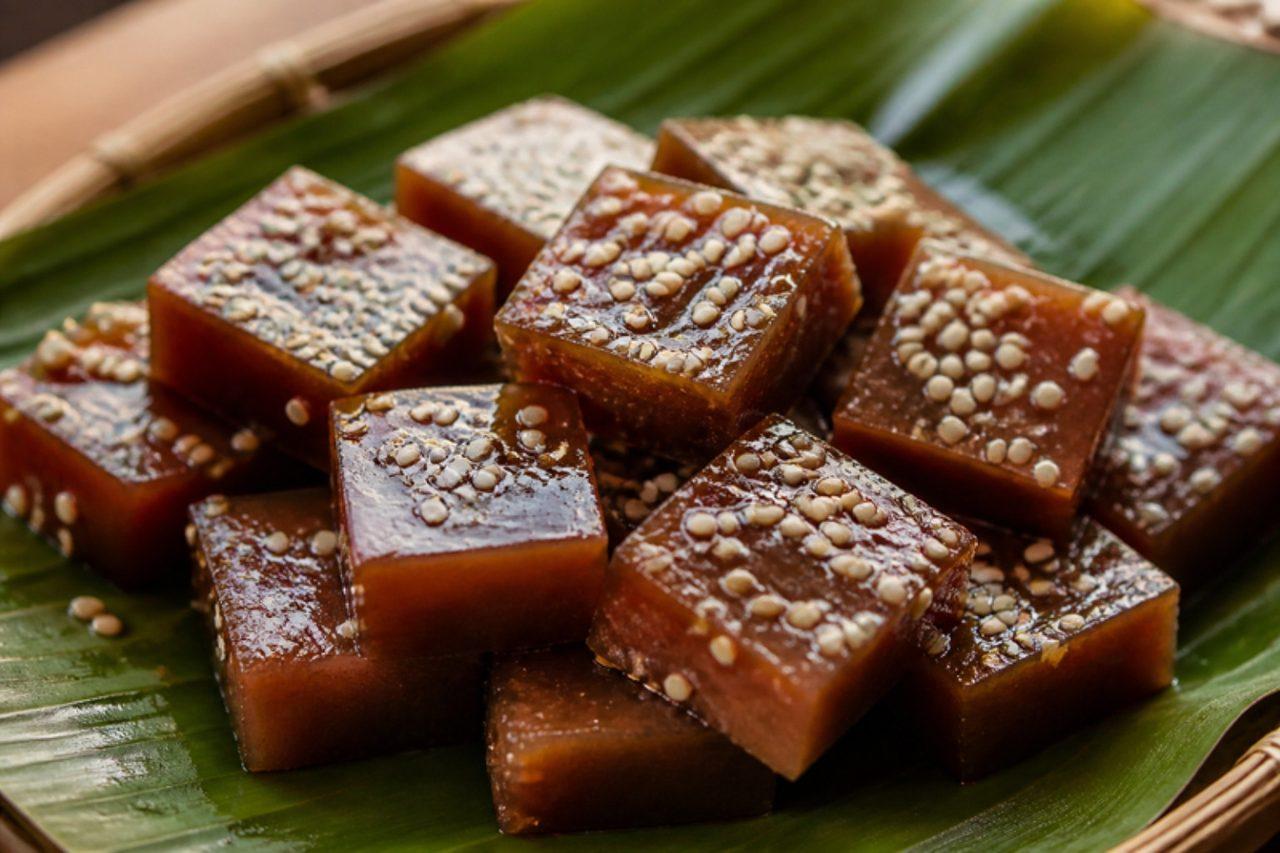
Kalamae (Thai coconut caramel sticky rice sweet)

Kalamae is the Songkran sweet of Central Thailand: in villages, neighbours take turns at a huge wok for hours, and the finished trays go to monks and elders at the New Year, the long shared stirring standing for a community pulling together and the sweetness for a sweet year ahead. Glutinous rice flour, coconut milk and palm sugar slowly turn from milky beige to a deep mahogany paste that is chewy, a little smoky and rich with coconut. Cut it into small squares and serve with jasmine tea, or wrap the pieces in banana leaf to give away. A home batch takes about two and a half hours at the stove, so put on some music and keep a wooden spoon moving. Chef's tip: use the widest heavy pan you own; more surface means faster thickening and less risk of scorching.

180 minThaiDessertsVeganGluten free
by KrazyBadal 0 views

Showing 24 of 572 recipes

Show more recipes

Page 1 of 24