Skip to content
Recipes

All recipes

Vegetarian, or something you can't eat? Set your diet once and we'll hide recipes that don't fit.

Dowina (Kurdish yogurt soup)

Dowina, called ash-e doogh in Persian, is warming spring food in Kurdish homes around Newroz, when yogurt is plentiful and the first herbs are cut from the garden. Rice and chickpeas simmer in a tangy, lightly thickened yogurt broth, finished with fresh dill, coriander and a sizzle of dried mint in oil. It is eaten warm, never boiling hot, with flatbread. The common mistake is to heat the yogurt too fast without stirring, which makes it split into grainy curds. Chef's tip: whisk an egg yolk and a spoonful of rice flour into the yogurt before it goes on the heat; it holds the soup smooth all the way to the simmer.

by KrazyBadal 0 views

KalanehWild leek stuffed flatbread

In Kurdistan and Kermanshah, Newroz arrives with the first spring greens on the hillsides, and families gather wild leeks to fold into kalaneh, thin griddle breads cooked over a fire or a hot pan and soaked in melted butter. The dough is plain and soft, rolled very thin around a pile of chopped leek or chives with a little salt and pepper, so the greens steam inside as the bread blisters. Eat it hot, torn into strips, with yogurt and tea at a Newroz picnic. The common mistake is wet greens, which turn the dough soggy and make it tear; dry them well after washing. Chef's tip: brush the butter on the moment the bread leaves the pan so it soaks right in.

by KrazyBadal 0 views

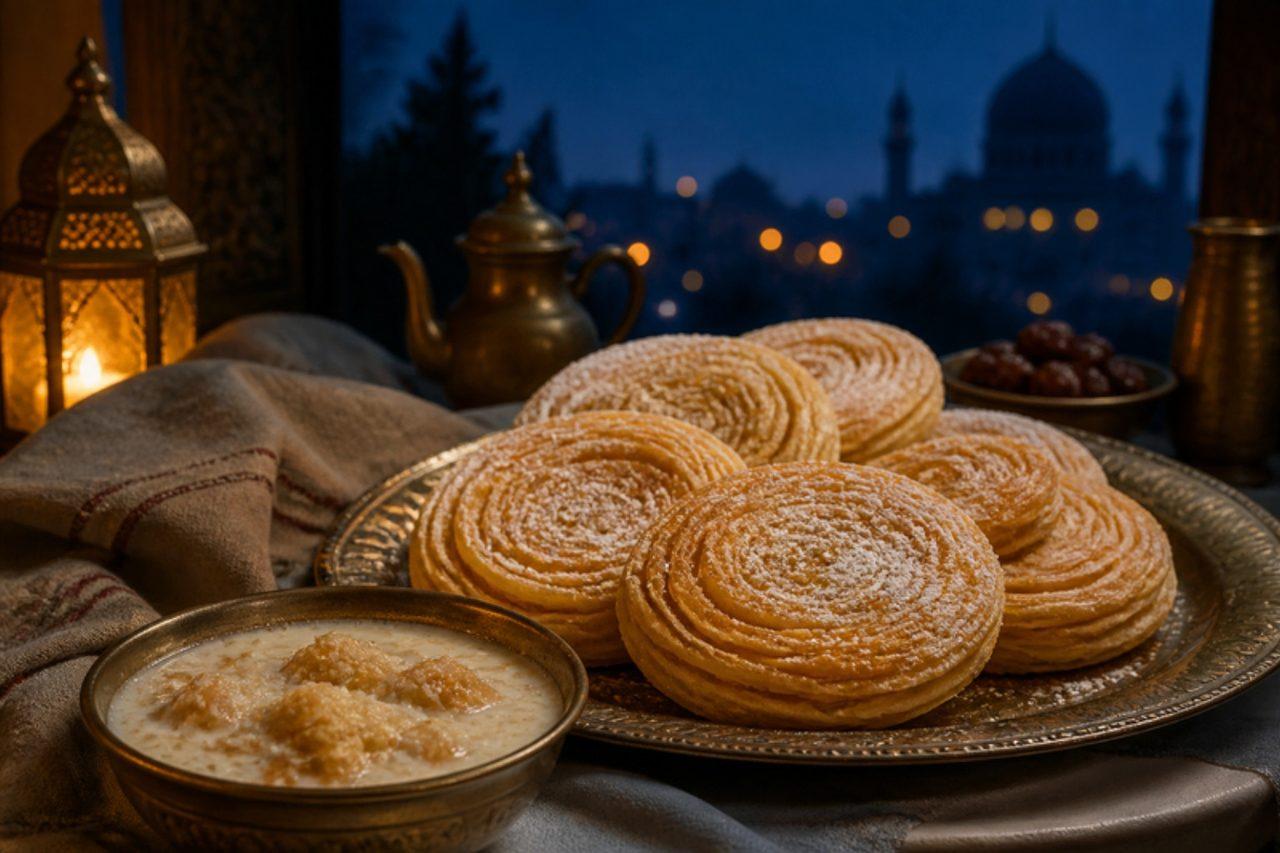
KhajlaFried pastry rounds in sweet milk

In the old lanes of Lahore and Karachi's Burns Road, sweet shops fry khajla through the night in Ramadan so families can buy it fresh for sehri, the meal eaten before dawn. Each round is a stack of paper-thin layers of ghee-rubbed dough that shatter when you press them, and it is crumbled into a bowl of hot sweetened milk, often with fine pheni, to give slow energy for the fasting day. Chef's tip: keep the oil only medium-hot; khajla must fry slowly so every inner layer turns crisp before the outside browns.

by KrazyBadal 0 views

Rosero quiteñoChilled spiced fruit and corn drink

Rosero is a festive drink of Quito in Ecuador, made for Corpus Christi in June, when the city once filled with processions and dancers. It is thick and refreshing: whole hominy (mote) and a thin purée of naranjilla (lulo) and pineapple, sweetened with sugar, spiced with cinnamon, cloves and allspice, and perfumed with orange-blossom water and rose petals, then served chilled in tall glasses with diced fruit. Frozen naranjilla pulp is sold in Latin shops. It is vegan. Chef's tip: simmer the pineapple peel with the spices for the syrup, as Quiteño cooks do; it adds a lot of flavour.

by KrazyBadal 0 views

Chipa so'oCheese bread with spiced beef

In Paraguay, families bake chipa in the clay tatakua ovens on Holy Wednesday so there is food for Thursday and Good Friday, when cooking stops. Chipa so'o ('chipa with meat') is a cassava-starch and cheese bread wrapped around a little filling of minced beef cooked with onion and egg, then baked until crisp outside and chewy within. It is naturally gluten free. Chef's tip: knead the dough until it no longer cracks at the edges when pressed; dry dough splits around the filling.

by KrazyBadal 0 views

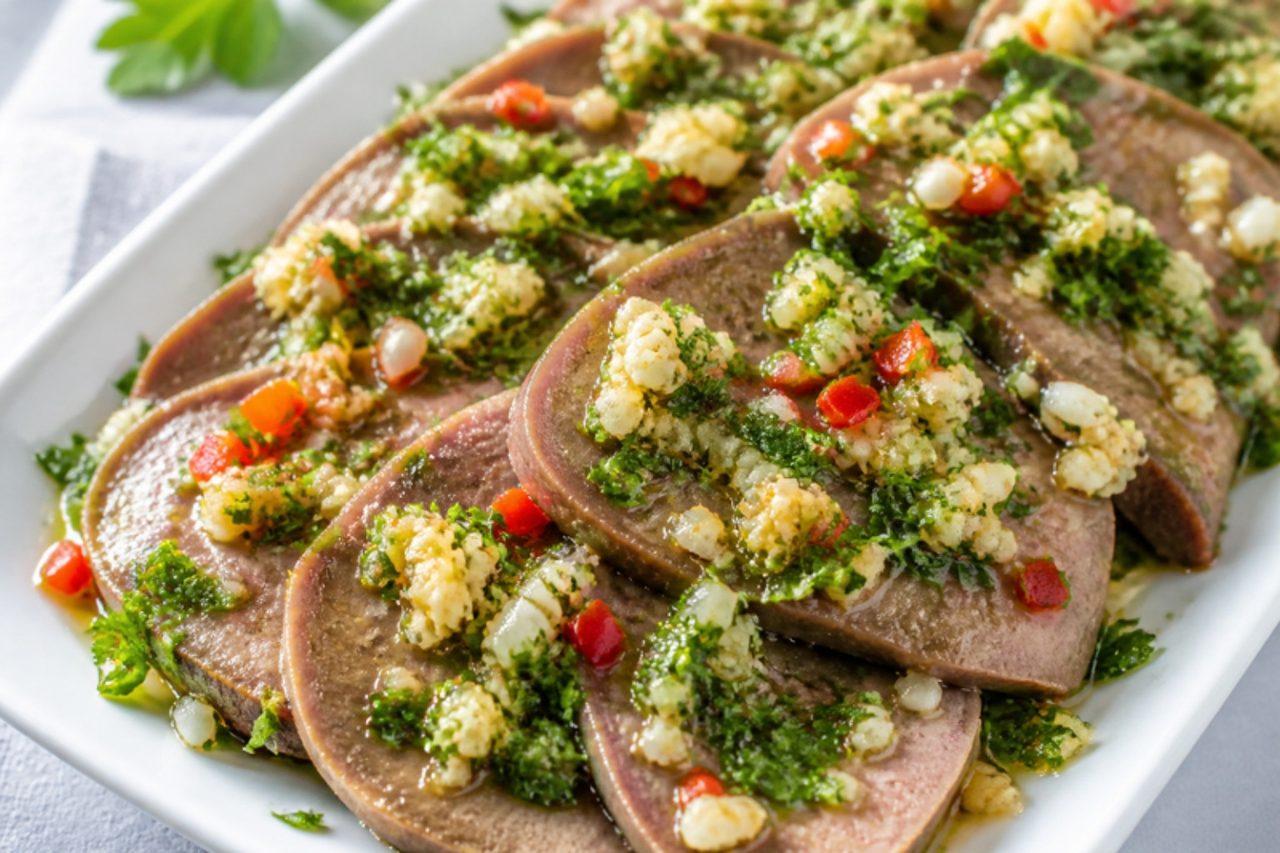
Lengua a la vinagretaBeef tongue with vinaigrette

Argentina's Nochebuena is a hot summer night, so the table is full of cold dishes, and lengua a la vinagreta is one of the classics: beef tongue simmered until tender, peeled, sliced and covered with a sharp vinaigrette of parsley, garlic, red pepper, onion and chopped hard-boiled egg. It is made a day ahead and served chilled with vitel toné and Russian salad. Chef's tip: peel the tongue while it is still hot, as the skin comes away easily then and clings once it cools.

by KrazyBadal 0 views

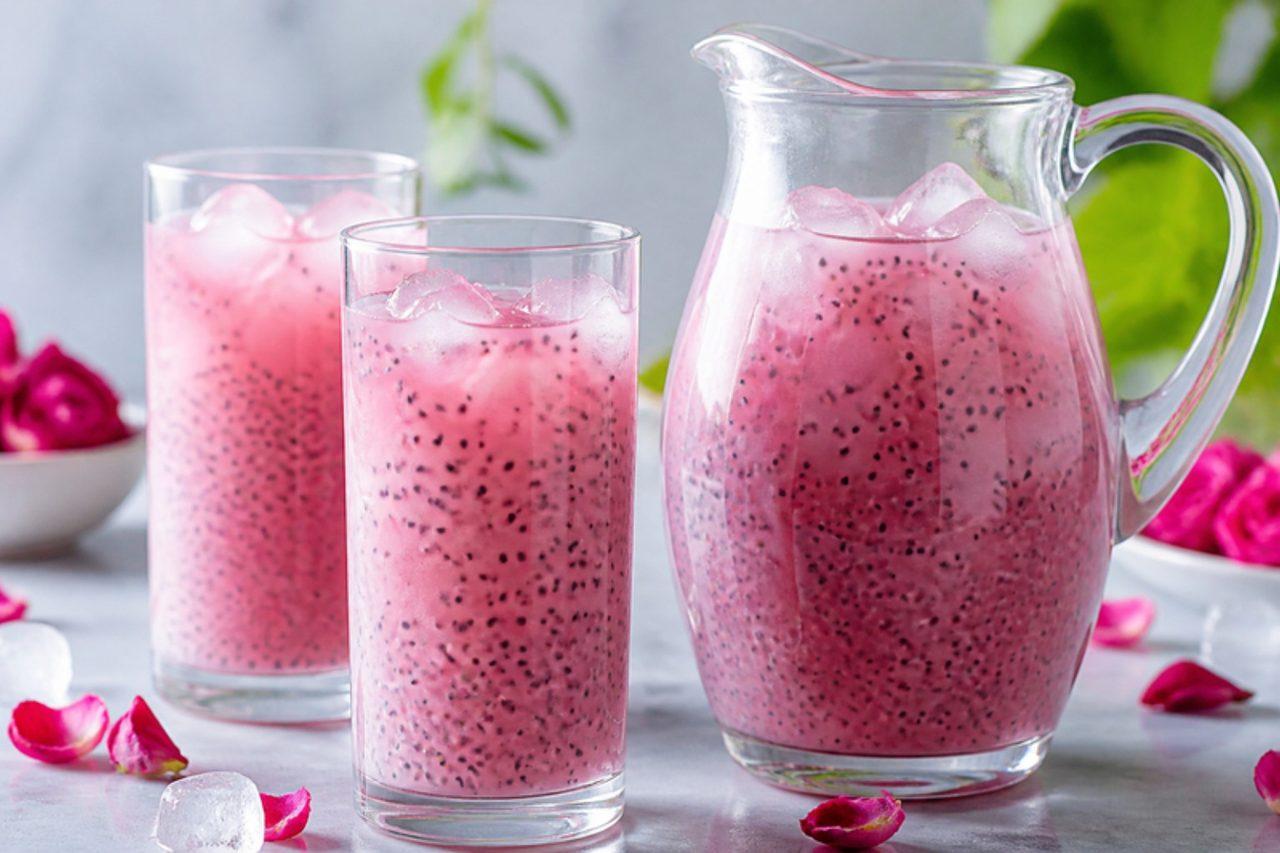
Sabeel sharbatRose milk with basil seeds

In the first ten days of Muharram, and above all on Ashura, volunteers in Pakistani towns set up sabeel stalls at the roadside and pour free cups of cold sweet milk for anyone passing, in memory of the thirst of Imam Husain's family at Karbala. The drink is pale pink, lightly rose-scented and dotted with swollen basil seeds, and it is made in huge steel pots at the stalls; this is the home-sized jug. Chef's tip: soak the basil seeds in water first, never straight in the milk, or they stay hard and clump.

by KrazyBadal 0 views

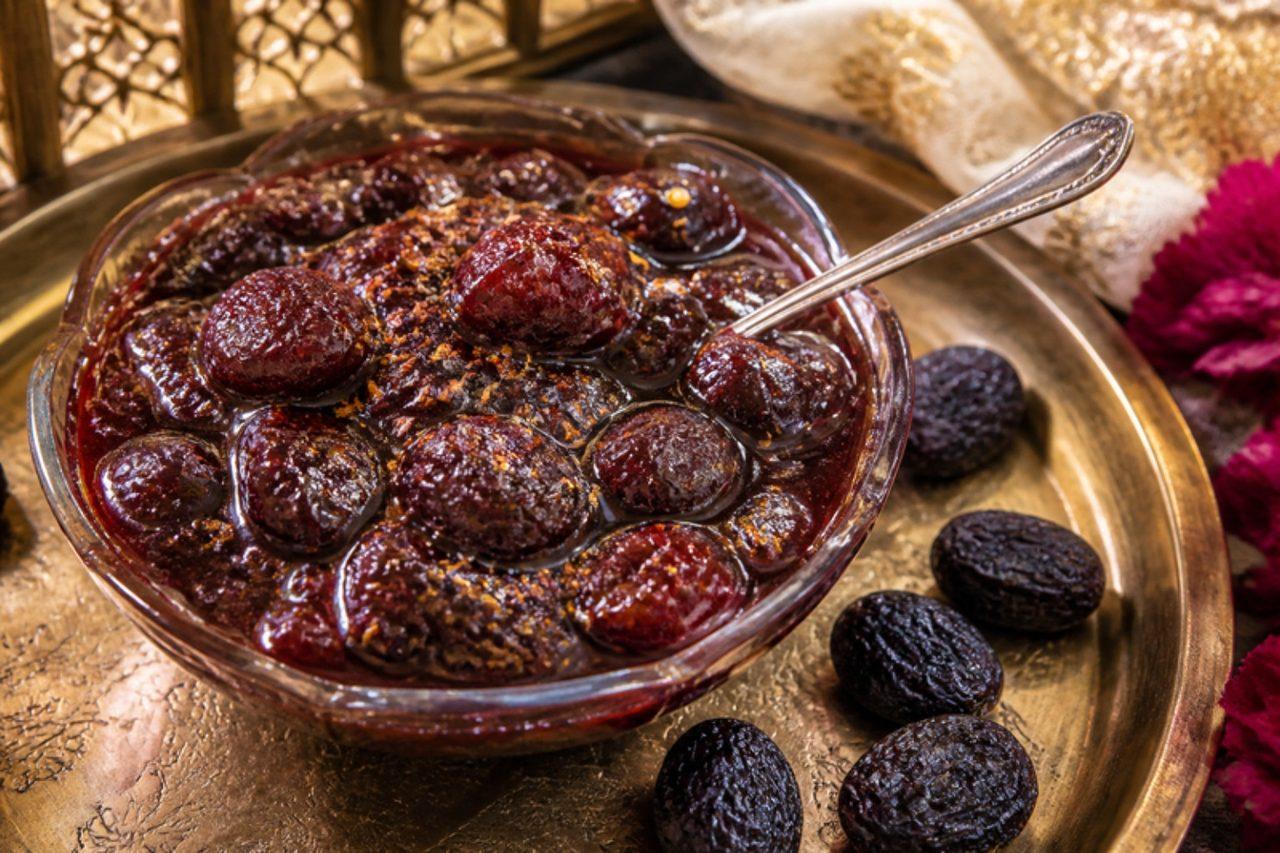
Aloo bukhara chutneyDried plum chutney

Wherever a Pakistani wedding serves biryani and qorma, a little bowl of glossy aloo bukhara chutney sits alongside to cut the richness. Dried sour plums are softened, then cooked with sugar, a touch of vinegar, ginger, chilli and warm spices into a jammy, sweet-sour relish, dark and shining. It keeps for weeks and is made in big jars before the shaadi. Chef's tip: stop cooking while it still looks a little loose; it thickens a lot as it cools.

by KrazyBadal 0 views

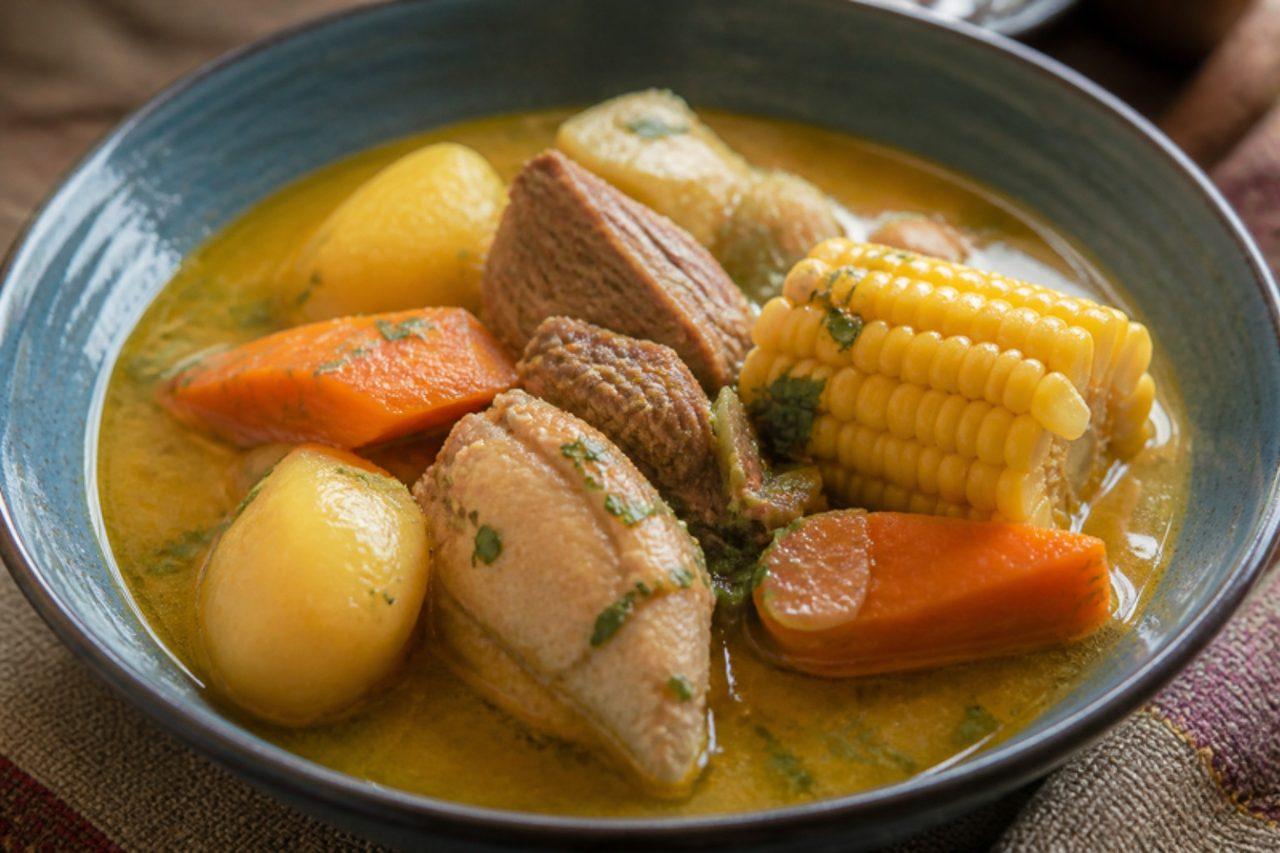
Picana bolivianaBeef, chicken and corn stew

In Bolivia, picana is what families eat after the midnight Misa de Gallo on Christmas Eve: a big pot of beef, chicken and sometimes lamb or pork simmered with corn on the cob, potatoes, carrots, raisins and spices, traditionally finished with a little wine and sugar for a sweetish broth. Each bowl holds a piece of every meat and a chunk of corn. Here the wine is optional; use extra stock and a spoon of grape juice for an alcohol-free pot. Chef's tip: add the chicken after the beef has had its head start, so both are tender at the same moment.

180 minAndeanSoupsGluten free
by KrazyBadal 0 views

Chana dal halwa

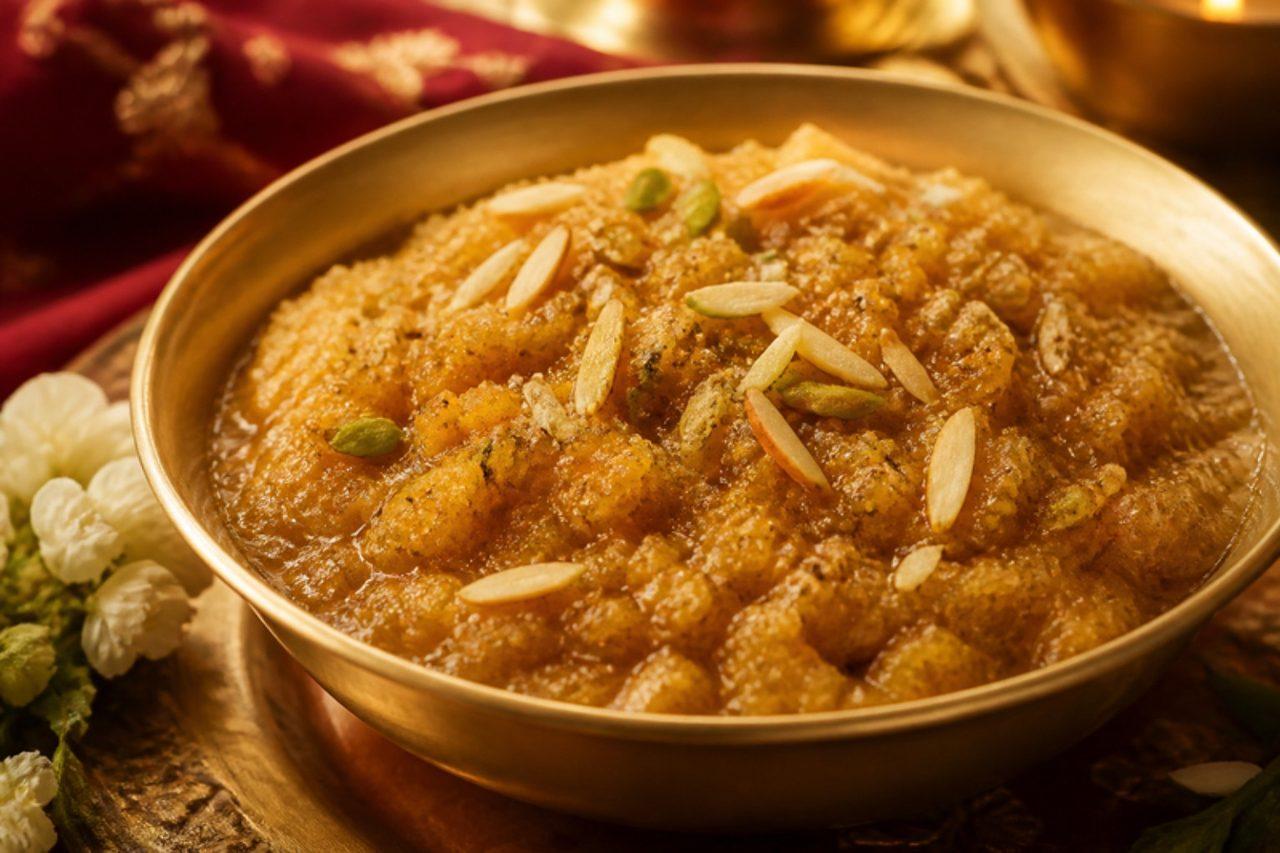
At Punjabi weddings in Lahore and Faisalabad in the cold months, the dessert table often carries a big tray of chana dal halwa beside the gajar halwa. Soaked split chickpeas are ground and fried slowly in ghee until they smell of roasted nuts and turn deep golden, then cooked with milk, sugar and cardamom into a rich, grainy halwa that keeps for days. It takes patience and a strong arm. Chef's tip: keep the heat low and scrape the bottom constantly; the dal catches fast once it starts to brown.

by KrazyBadal 0 views

Pajagua mascadaBeef and cassava patties

Pajagua mascada is a Paraguayan street-food classic that appears on every table for the San Juan festival on 24 June, when bonfires burn and the night is full of games and traditional food. Minced beef is mixed with mashed cassava, onion, garlic and a little egg and flour, shaped into flat patties and fried until crisp. The name comes from Guaraní and refers to the 'chewing' of old Paraguayan cooks, who made it from leftover meat. Chef's tip: dry the boiled cassava well and remove its woody core, which keeps the patties light and crunchy.

by KrazyBadal 0 views

KaguyjyWhite corn pudding

On the night of 23–24 June, Paraguayans celebrate San Juan with bonfires, games like walking over hot coals and the 'paso de fuego', and a table of traditional foods, and kaguyjy (also mazamorra) is one of them. It is a soft, creamy pudding of cracked white corn (locro) simmered slowly in water and then milk with sugar or honey, sometimes with orange peel. It is eaten warm or cold. It is gluten free. Chef's tip: soak the corn overnight and cook it until each kernel is tender before adding the milk, or it never turns creamy.

by KrazyBadal 0 views

Quinotos en almíbar (Argentine kumquats in syrup)

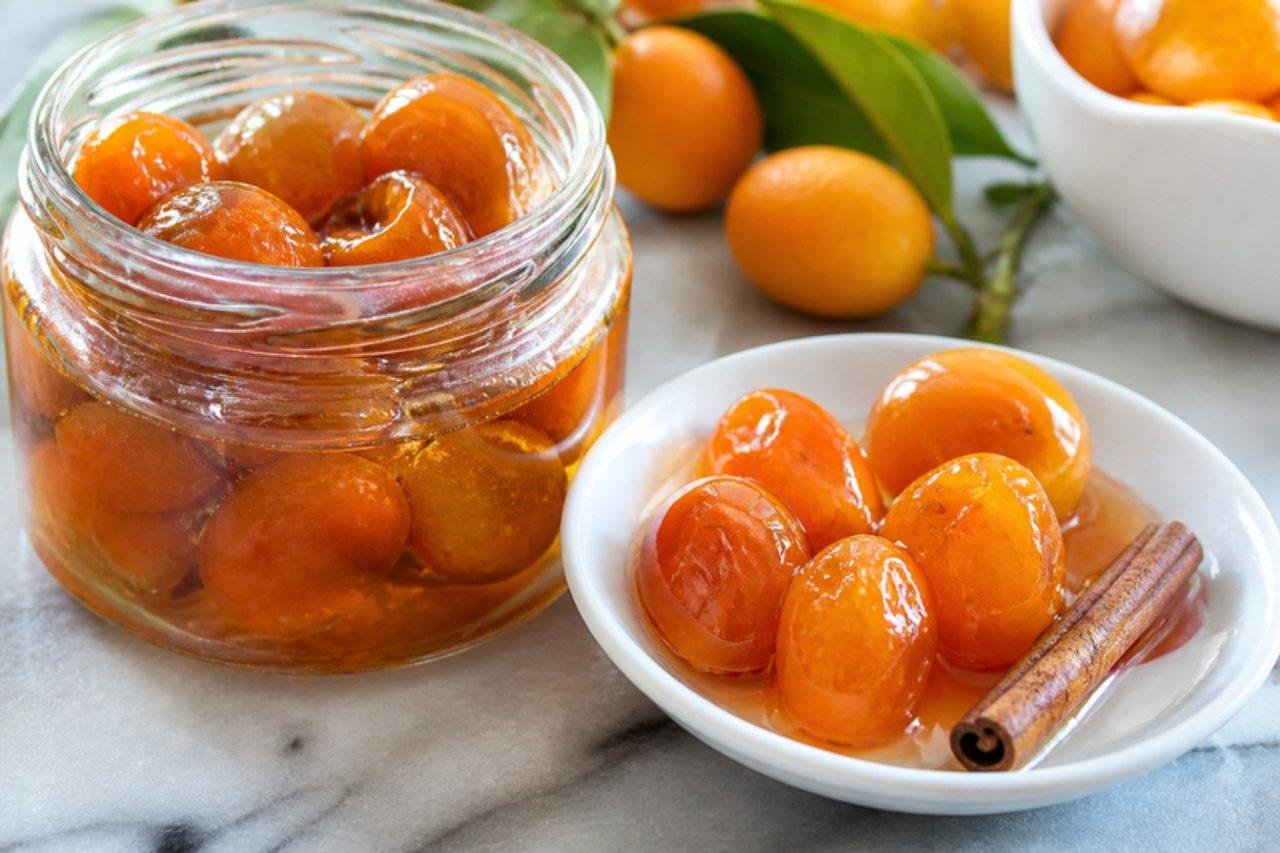
In Buenos Aires and the river provinces of the Litoral, kumquat trees ripen in the middle of winter, between June and August, and the fruit goes straight into jars of syrup. Grandmothers' pantries held quinotos for the whole year, brought out for birthdays and long Sunday lunches. Each little fruit turns glossy orange and translucent, with a soft, bittersweet skin and a sharp, juicy centre. Spoon them over vanilla ice cream, serve them with a slice of fresh cheese in the style of postre vigilante, or eat them straight from the jar. Many bar menus offer them steeped in spirits; this version keeps only the syrup. Naturally egg-free, the quinotos rely on sugar syrup to preserve them, while pectin from the peel gives the syrup a light, jammy body. Chef's tip: blanch the fruit three times from cold water; the common mistake is skipping this, which leaves the skins tough and bitter.

by KrazyBadal 0 views

Turrón de maníPeanut nougat

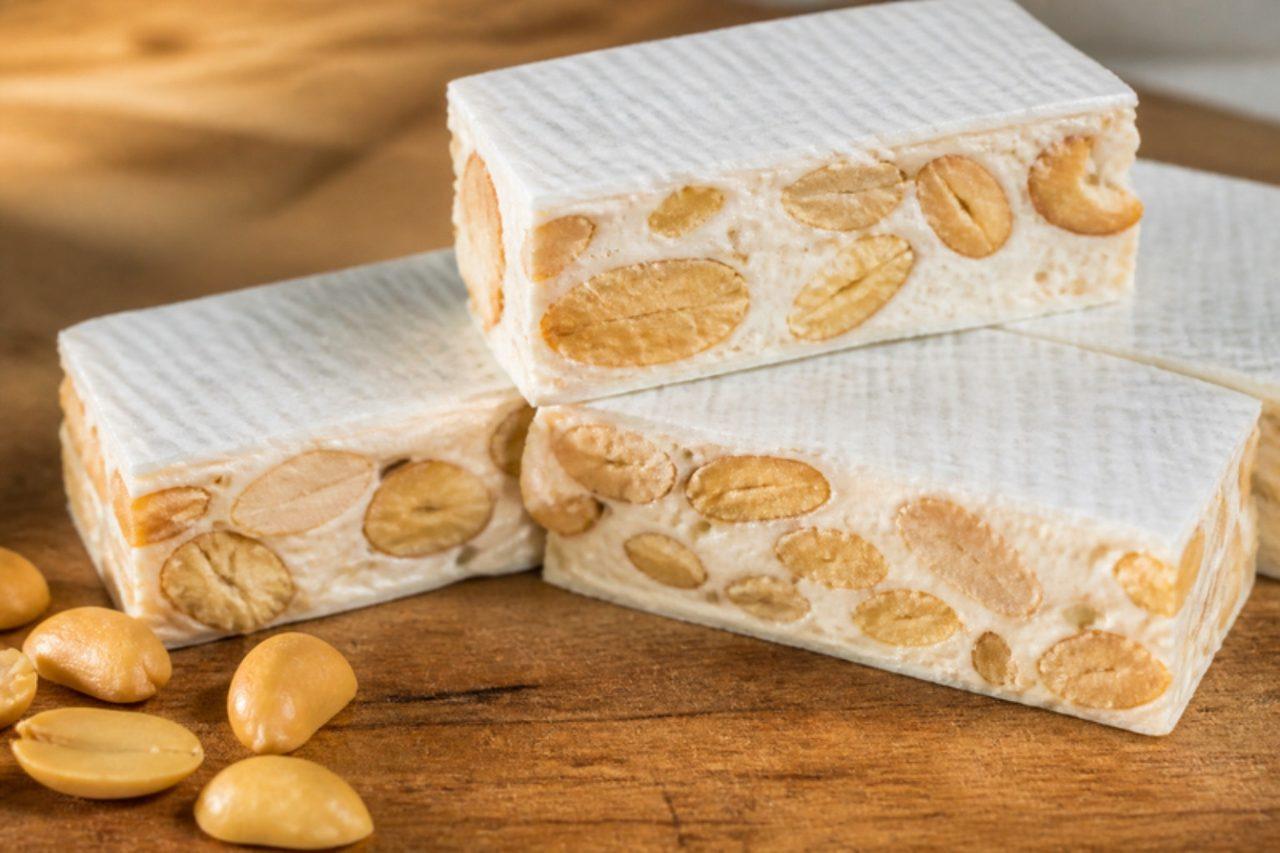
On an Argentine Christmas Eve, after midnight toasts, the 'mesa dulce' appears with pan dulce, garrapiñadas and turrón de maní: a chewy white nougat of honey, sugar, whipped egg white and roasted peanuts, often set between two sheets of rice paper. Families make it in the days before Nochebuena. The egg white is cooked by the hot syrup. It is gluten free if you use gluten-free wafer paper or none. Chef's tip: work fast once the syrup is in, as the nougat stiffens as it cools and gets hard to spread.

by KrazyBadal 0 views

Puhul dosi (Sri Lankan candied ash pumpkin)

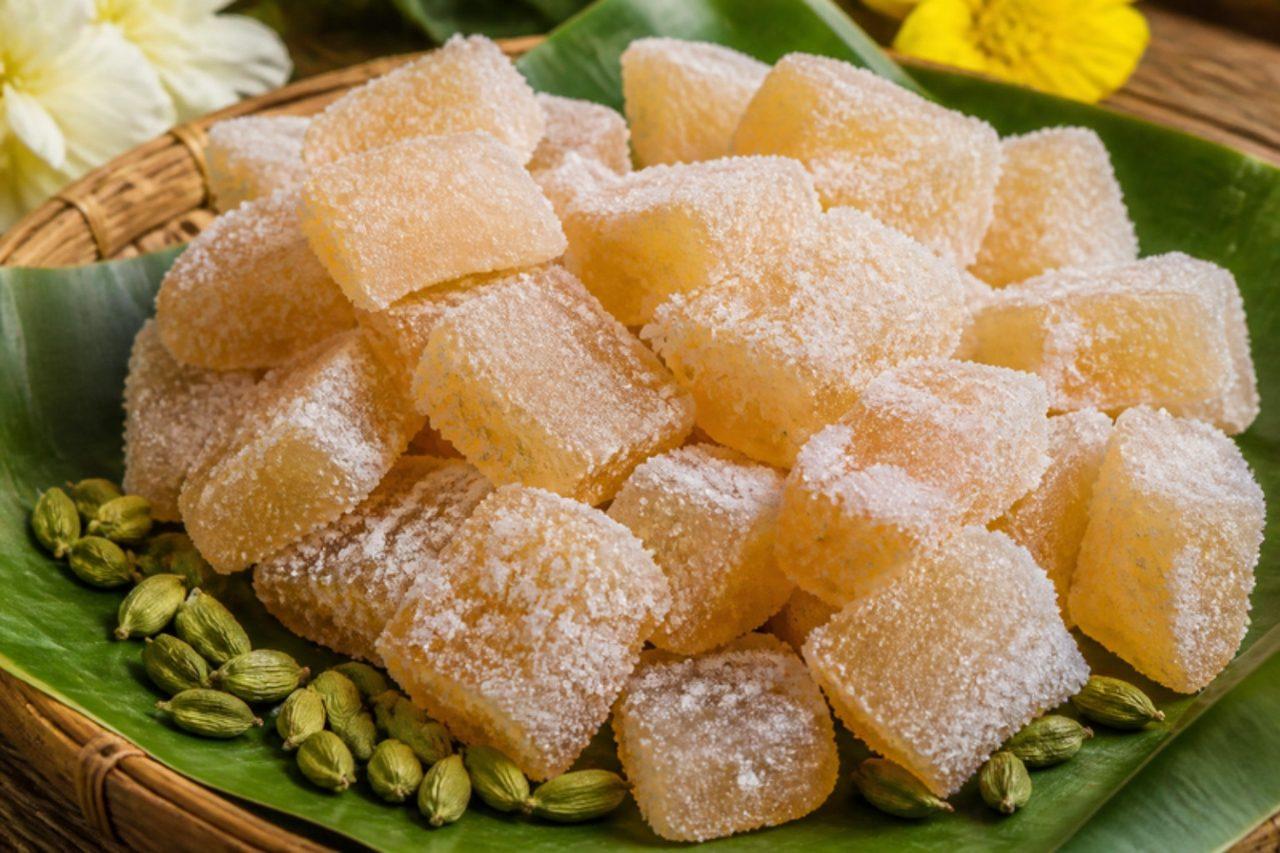
Puhul dosi is one of the sweets that crowd the Sri Lankan Avurudu table in April, when Sinhala and Tamil households mark the New Year with kokis, kavum and trays of homemade confectionery for visiting neighbours. Cubes of ash pumpkin, the pale winter melon with a waxy skin, are soaked overnight in lime water, then simmered in a cardamom and clove syrup until the syrup turns back to sugar and frosts each piece. The result is a thin, crunchy shell around a translucent, juicy middle that tastes faintly of spice. Serve a few pieces with plain tea or as part of a sweet platter. It is naturally egg-free: the calcium in the lime water firms the outer layer of the pumpkin so it keeps its shape, and crystallised sugar does the rest of the setting. Chef's tip: rinse the cubes in at least four changes of water after the soak; the common mistake is rushing this, which leaves a chalky, bitter aftertaste.

by KrazyBadal 0 views

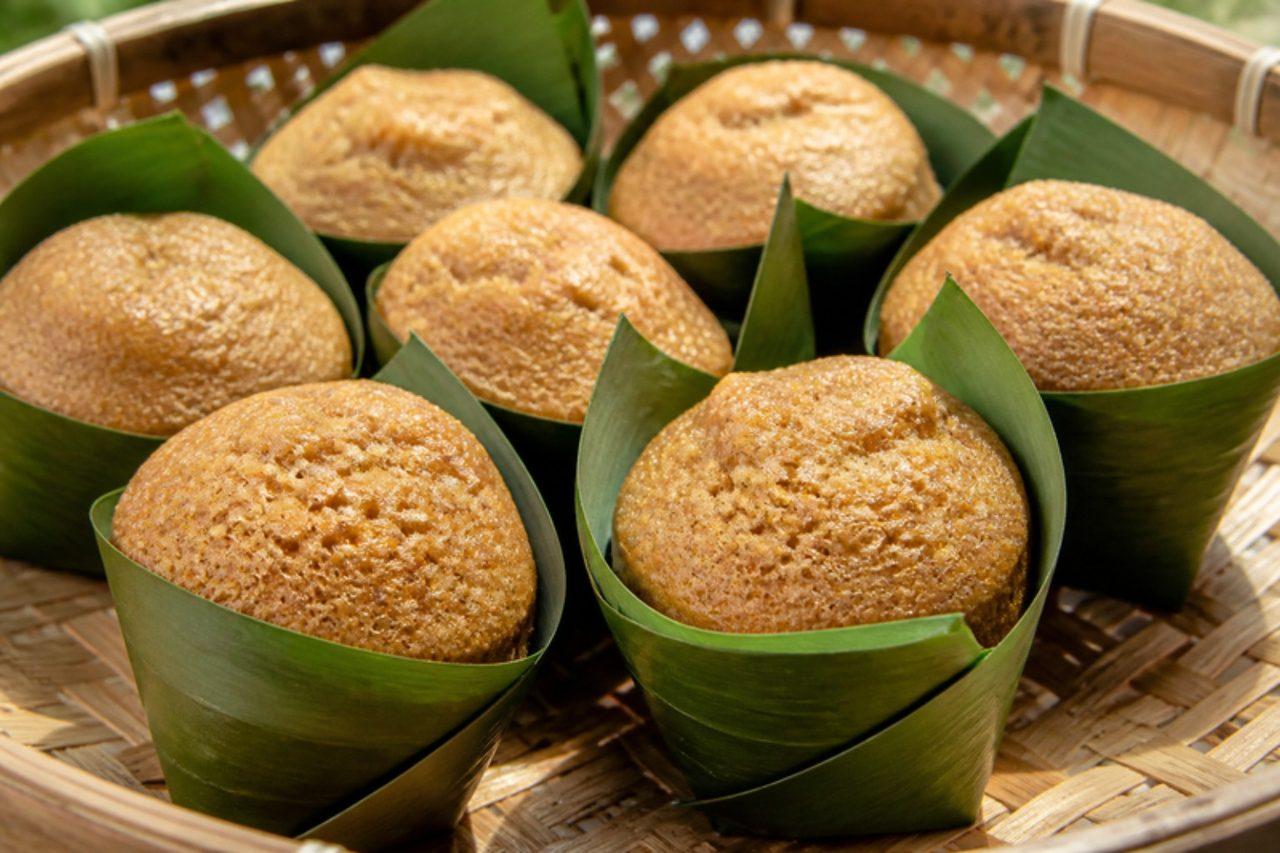
Wandu appa (වංඩු ආප්ප, fermented rice cakes steamed in leaf cones)Steamed rice treacle cakes

Wandu appa are sold in morning markets and at roadside kades all over the island, and they are one of the sweets that appear on the table for Avurudu. A batter of rice flour, coconut milk and kithul treacle is left to ferment for a few hours, then poured into small cones of kenda or jak leaf and steamed. They puff into tender, spongy domes with a gentle sourness, a caramel note from the treacle and the leafy aroma of their wrappers. Eat them warm for breakfast or with afternoon tea. They are naturally egg-free: yeast does the lifting that whisked eggs would do in a sponge, and the rice starch sets the bubbles in place as it steams. Banana-leaf cones or small paper-lined cups work too. Chef's tip: the common mistake is filling the cones to the brim; fill them two-thirds full so they rise into a dome instead of spilling over.

by KrazyBadal 0 views

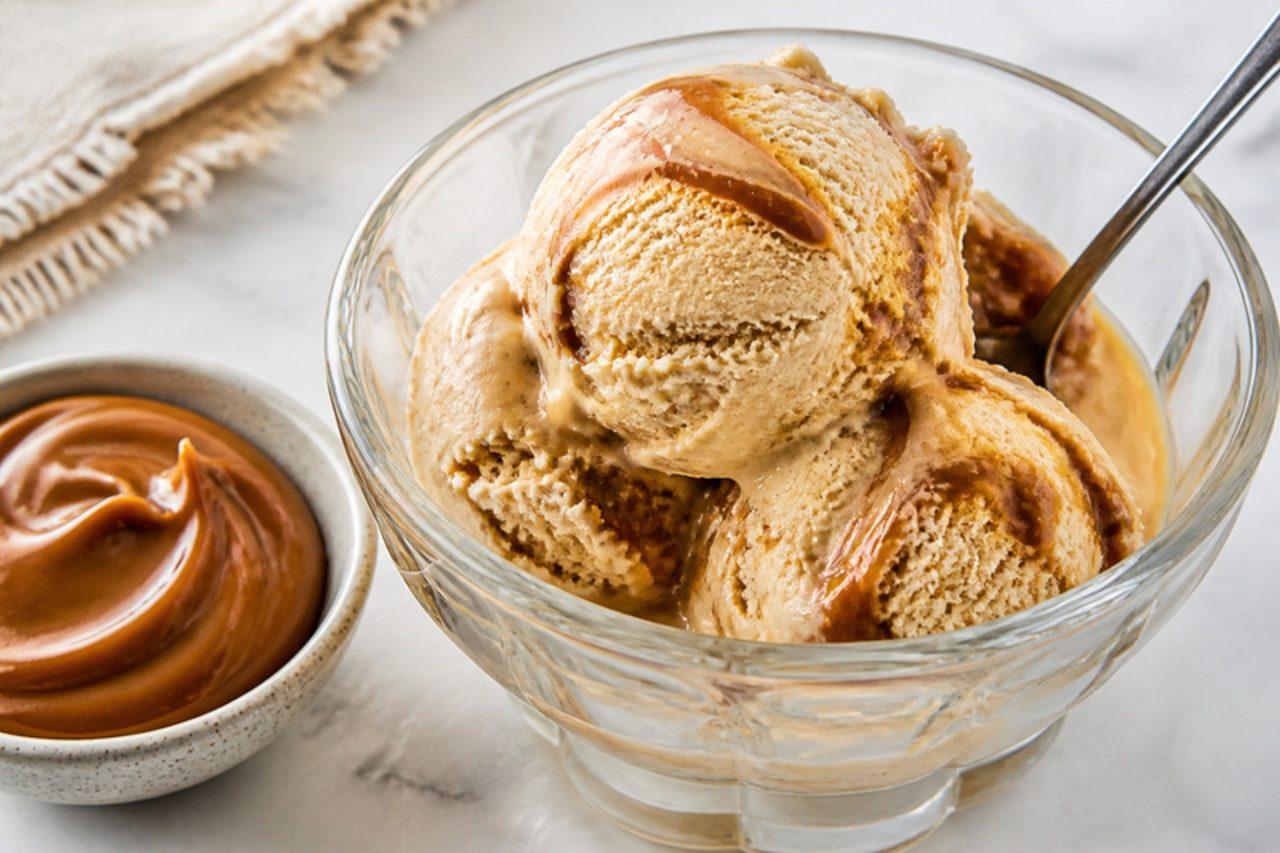
Helado de dulce de leche (Buenos Aires dulce de leche ice cream)

Dulce de leche is the flavour Buenos Aires heladerías are judged by, and on a summer night the queues at neighbourhood ice-cream shops stretch out onto the pavement well after dinner. Locals order it plain, with a ripple of extra dulce de leche (dulce de leche granizado adds chocolate flakes), often by the kilo to take home. It is dense, chewy and deeply caramel. This home version is egg-free with no custard: a little cornflour cooked into the milk thickens it the way yolks would, and the dulce de leche itself is milk and sugar cooked down, its sugar and milk solids keeping crystals tiny so it stays smooth and scoopable. Churn it, or still-freeze and stir it every 45 minutes. Chef's tip: chill the extra dulce de leche before rippling it in; the common mistake is folding in a warm one, which melts into the ice cream instead of leaving ribbons.

by KrazyBadal 0 views

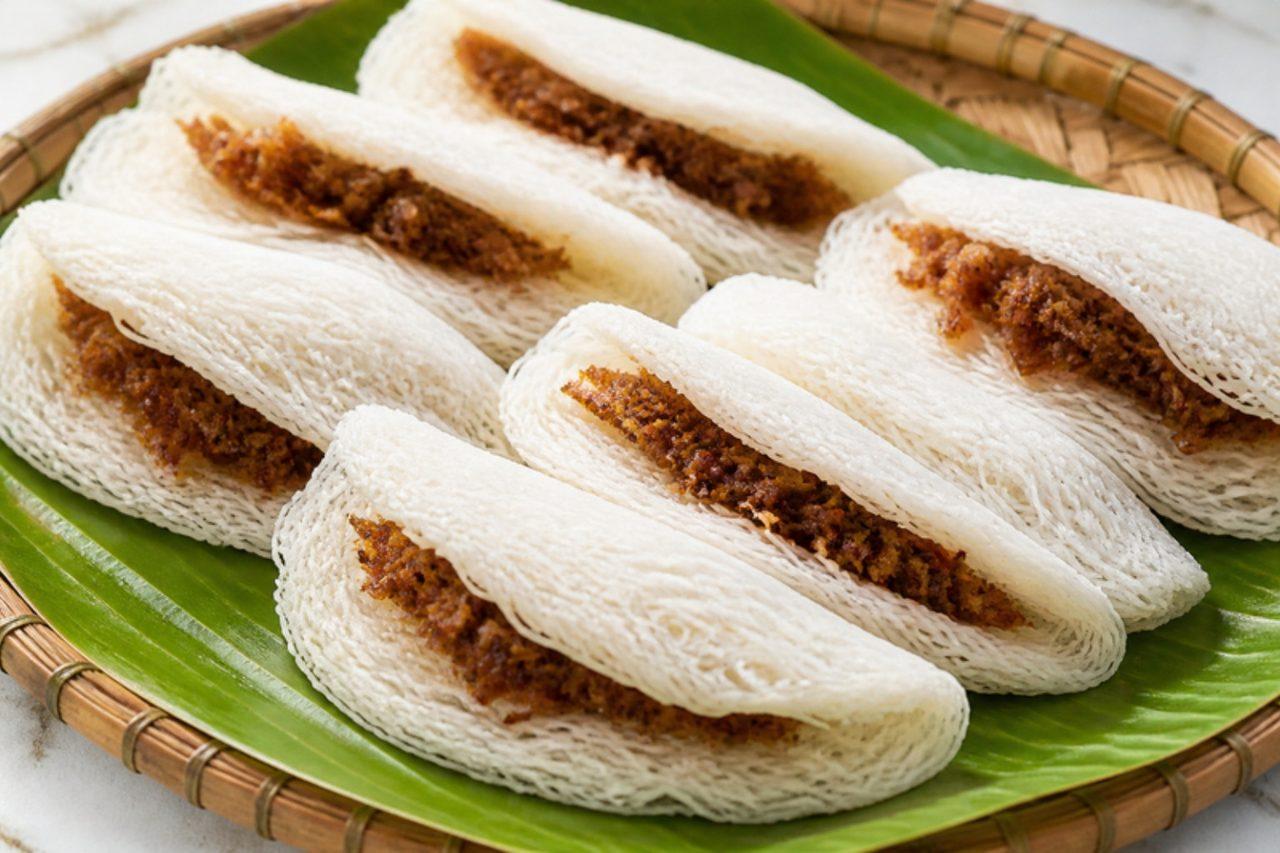
Lavariya (ලැවරියා, string-hopper parcels with coconut treacle filling)

Lavariya turns up on the Sinhala and Tamil New Year table in mid-April, when households across Sri Lanka lay out a spread of sweets after the auspicious hour. It starts as string-hopper dough: roasted rice flour scalded with boiling water and pressed through a mould into fine noodles. Here the noodles are piped in a coil, filled with pani pol, grated coconut cooked down in kithul treacle with cardamom, then folded into a half-moon and steamed. The result is soft, lacy and springy outside, with a sticky, smoky-sweet centre. Serve warm with plain tea or as part of an Avurudu platter with kokis and kavum. It is naturally egg-free: the boiling water cooks and swells the rice starch so the dough holds its shape, and the thick treacle binds the coconut. Chef's tip: the common mistake is using warm rather than boiling water; the dough then crumbles in the press, so pour it straight off the boil and mix with a spoon until cool enough to knead.

by KrazyBadal 0 views

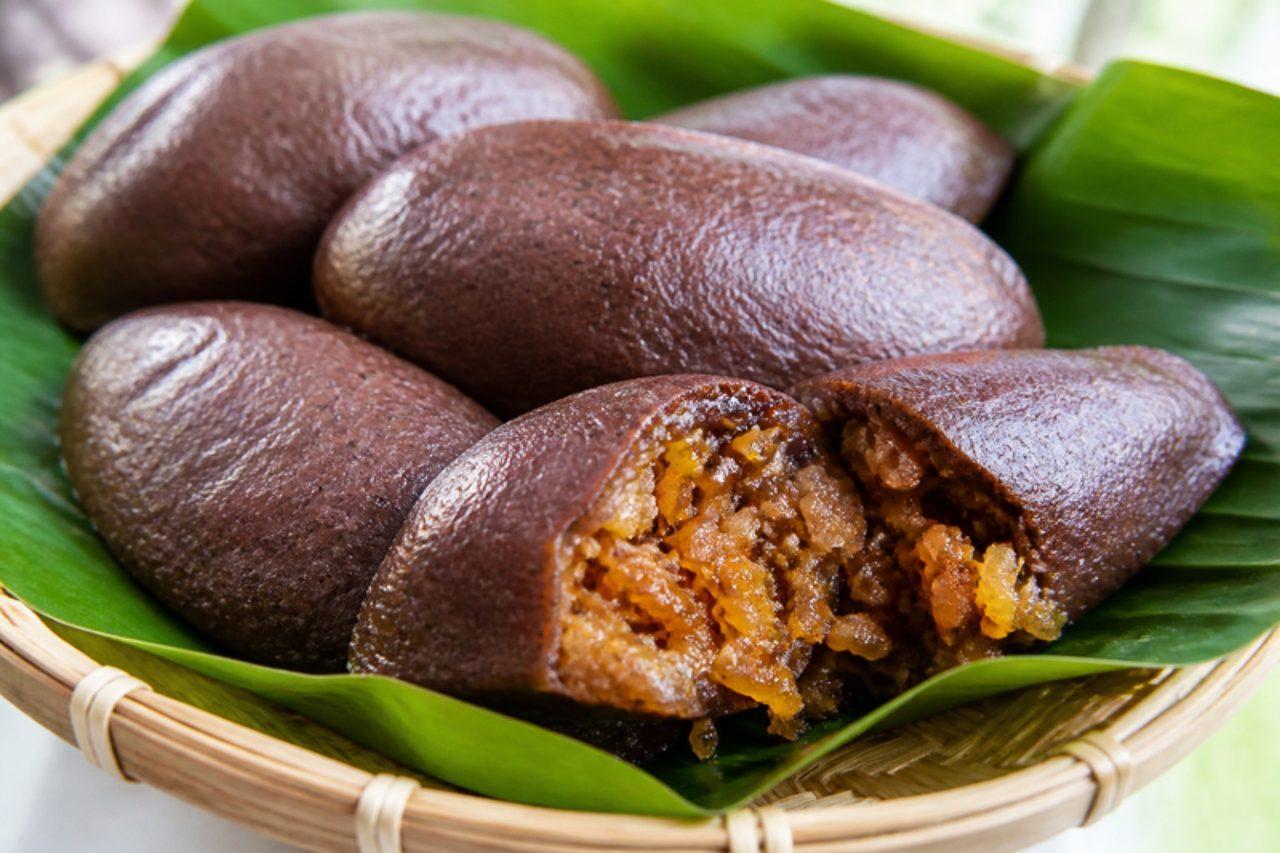
Halape (හලපේ, finger-millet and jaggery parcels steamed in leaves)Finger millet and jaggery leaf parcels

In village homes in the south and the hill country, halape is an afternoon snack and a temple-day treat, steamed in the large, heart-shaped leaves of the kenda tree, which leave a faint grassy perfume. The dough is kurakkan, finger-millet flour, which is brick-brown, slightly bitter and very filling; it wraps a sweet layer of grated coconut and dark kithul jaggery. Once steamed, the parcels are dense, moist and fudgy, a little like a rustic steamed pudding, and they are best warm with a cup of plain tea. Nothing here was ever made with egg: steaming sets the millet starch and the jaggery melts into the coconut and holds it together. Banana leaves work well if you cannot find kenda. Chef's tip: the common mistake is spreading the dough too thick; keep it about 5 mm so the middle steams through before the outside turns hard.

by KrazyBadal 0 views

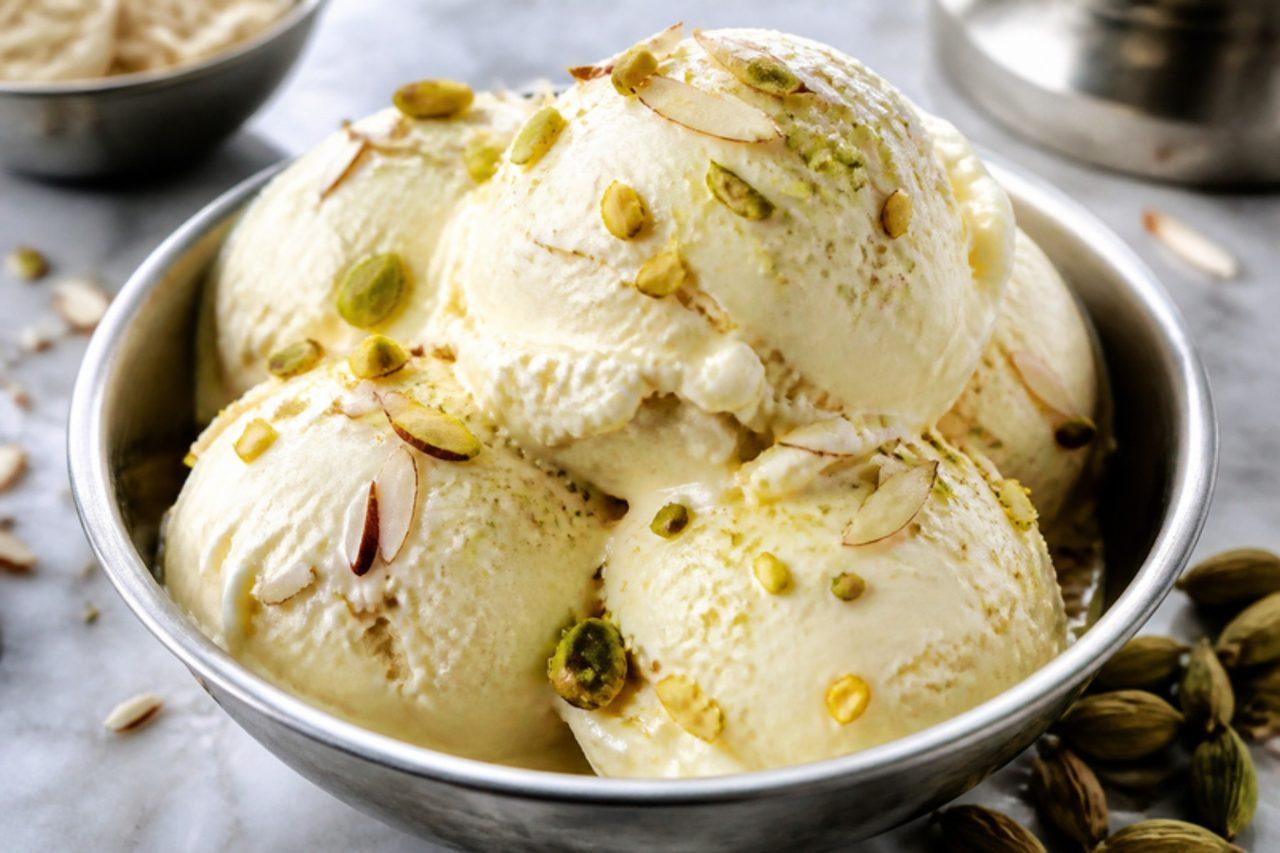
پشاوری آئس کریم (Peshawari ice cream)Cardamom pistachio ice cream

In the Qissa Khwani bazaar of Peshawar, ice-cream sellers spin a tall metal drum inside a tub of crushed ice and salt, scraping the freezing milk off the walls with a long paddle until it turns thick, stretchy and pale. It is a summer evening treat, eaten from small bowls after dinner or late at night when the streets cool down, and often topped with a spoonful of falooda vermicelli or more chopped pistachio. The flavour is simple: slowly reduced milk, green cardamom and a little rose. This version has no eggs and no custard: a cornflour slurry cooked into the milk thickens it the way yolks would, and the starch holds on to water so ice crystals stay small and the texture stays smooth, while milk powder adds body without extra fat. You can churn it in a machine or still-freeze it in a tray and stir it every 45 minutes. Chef's tip: the common mistake is churning a warm base; chill it until it is fridge-cold right through, or it will turn icy instead of silky.

by KrazyBadal 0 views

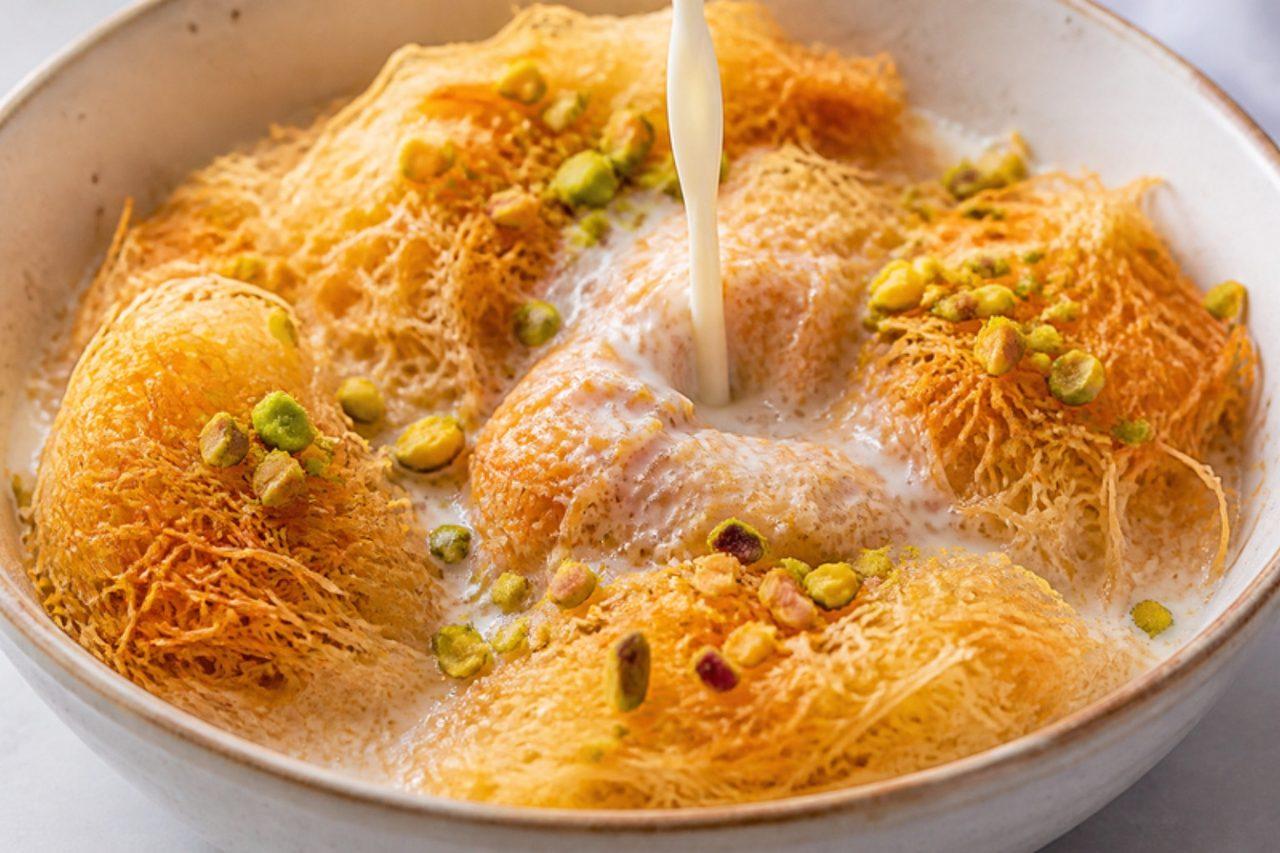
Pheni (layered fried vermicelli nests in sweet milk)

In Lahore and Karachi during Ramadan, sweet shops stack golden nests of pheni in towers, and families buy them to eat at sehri, the meal before dawn. The fine, brittle strands are crumbled into a bowl and drenched with hot sweetened milk, which softens them in a minute into something like a silky vermicelli pudding; it keeps you full through the fasting day. Shop pheni is pulled into hair-thin threads by skilled hands, so at home this recipe uses the layered method: thin sheets of dough are brushed with a ghee and rice-flour paste, rolled and sliced, and the paste makes the layers fan out into fine flaky rings when fried. They are crisp, buttery and delicate. It is naturally egg-free: the dough is just flour, ghee and water, and the rice-flour paste keeps the layers separate. Chef's tip: fry the nests in oil that is only moderately hot, about 160°C; oil that is too hot is the common mistake that browns the outside while the inner layers stay soft and doughy.

by KrazyBadal 0 views

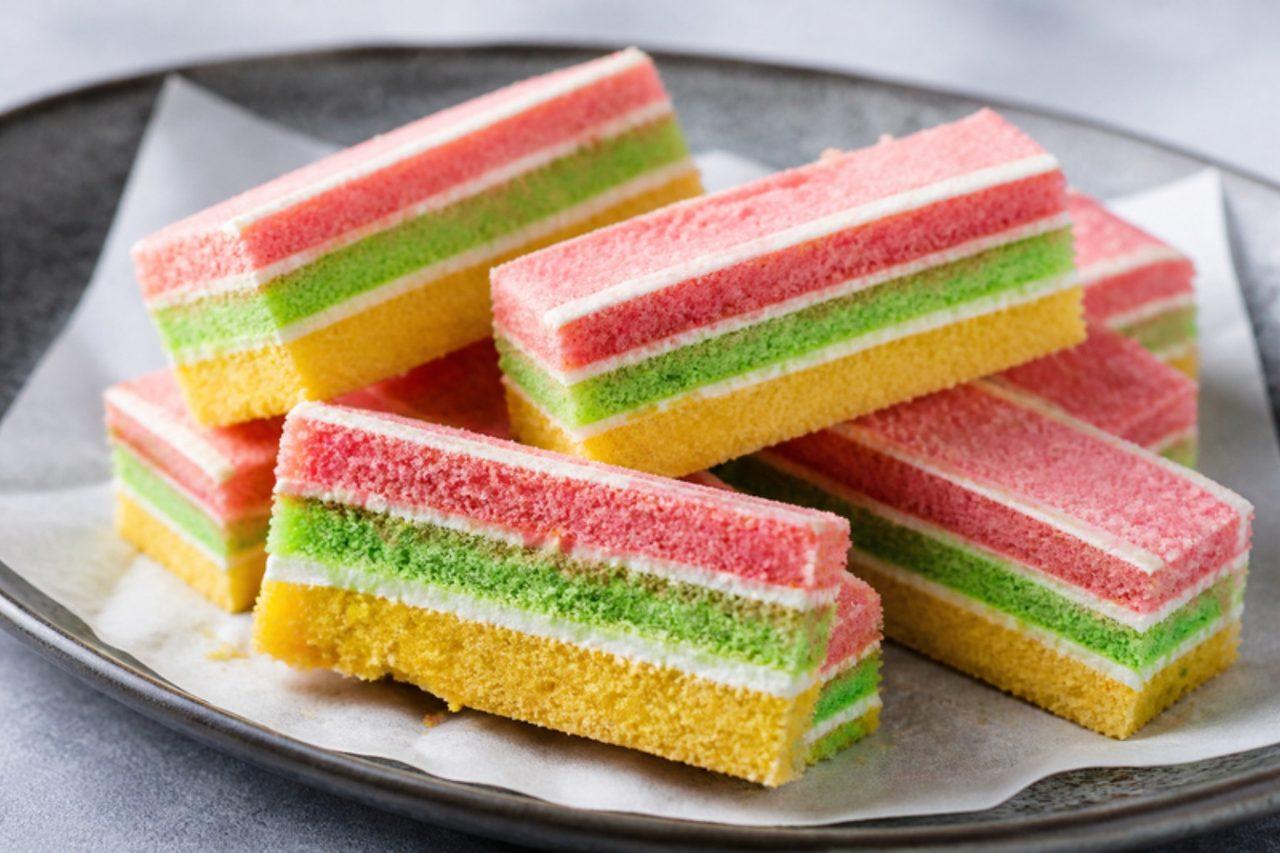
Sri Lankan ribbon cake

Pink, green and yellow stripes of butter cake, held together with thin lines of vanilla buttercream: a slice of ribbon cake is the picture of a Colombo bakery counter and of Sri Lankan birthday parties, where it is cut into fingers and wrapped in greaseproof paper for guests. It's also in Christmas cake boxes and on wedding tea tables. The cake itself is a classic butter cake, soft and sweet, with a little vanilla; the colours are what make it. Overbaking the thin layers is the common slip; the edges brown and the colours turn dull, so check them early. Chef's tip: trim a thin slice off every edge after layering; the bright, clean stripes only show once the browned crust is gone.

by KrazyBadal 0 views

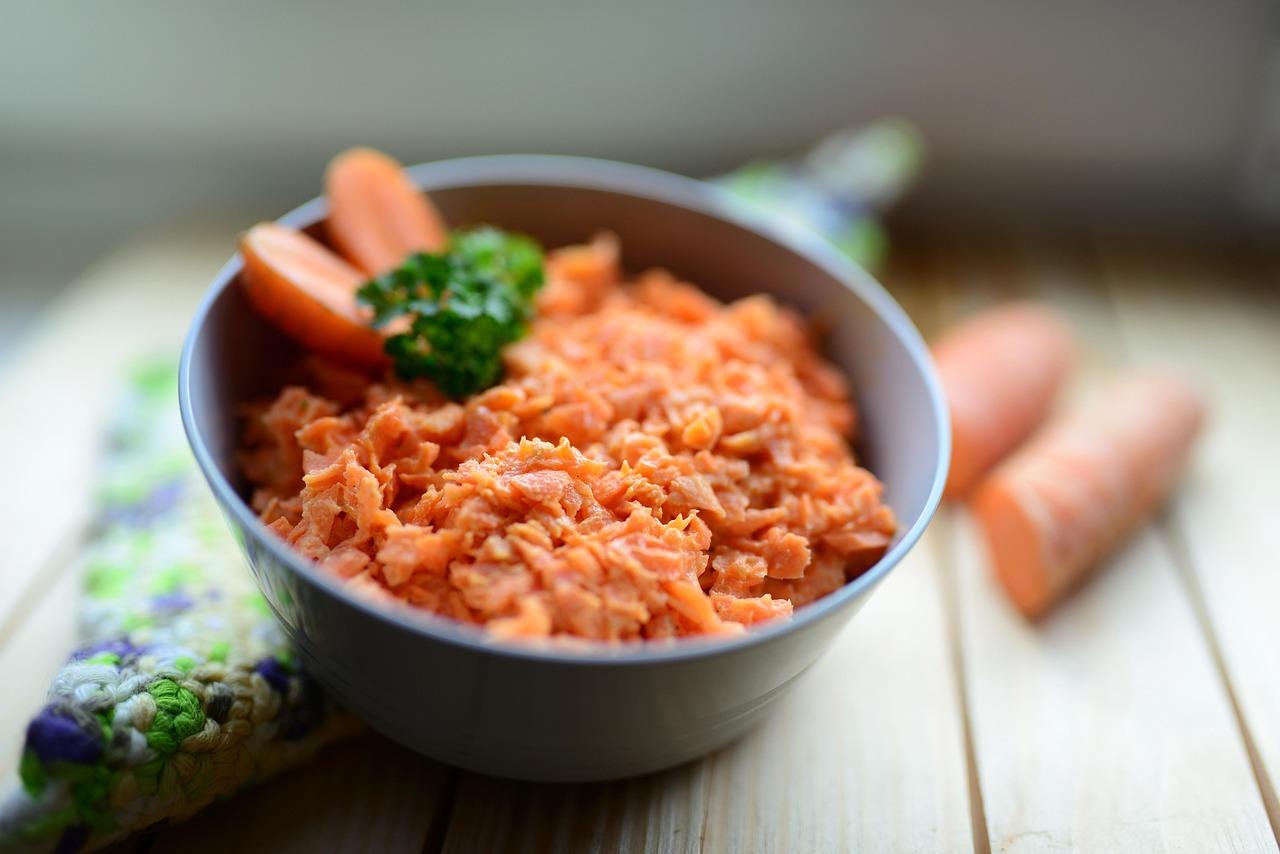
Carrot sambolRaw carrot and coconut salad

Carrot sambol is a fresh, crunchy side found on rice-and-curry plates all over Sri Lanka, from Colombo lunch packets to home tables in Kandy. Grated carrot is tossed with red onion, green chilli, lime juice and a little coconut, so it cuts through rich curries and dhal. Some cooks add Maldive fish; this version leaves it out so it stays vegan. The common mistake is dressing it too early: the salt and lime draw water out of the carrot and you end up with a soggy puddle. Chef's tip: mix everything except the salt and lime ahead, then season just before serving.

by KrazyBadal 0 views

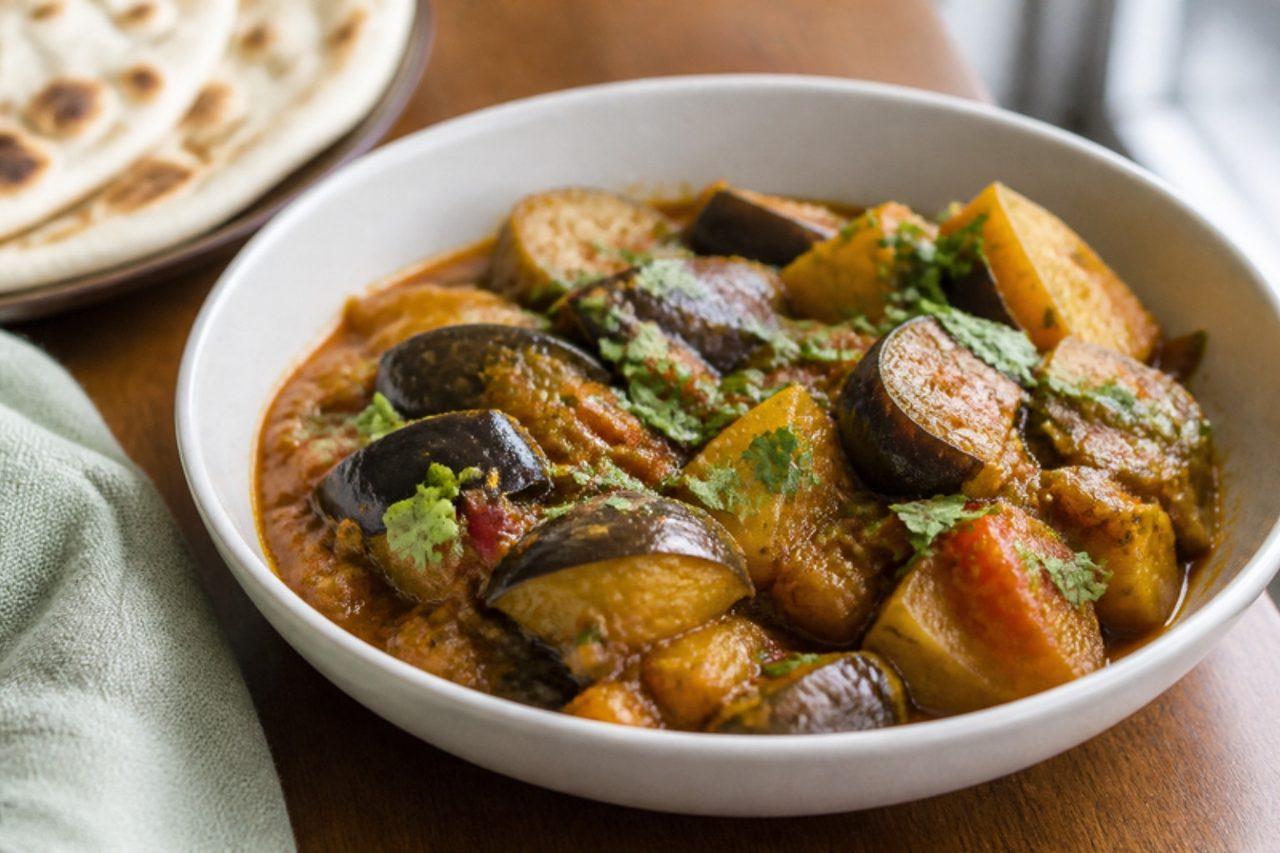
Aloo bainganPotato and aubergine

From Multan to Hyderabad in Sindh, aloo baingan is the humble pairing that makes a summer glut of aubergines go a long way: potatoes give body, aubergine melts into a jammy, smoky-sweet tomato masala. It is eaten with chapati at dinner, often next to a bowl of daal and some sliced onion. The most common mistake is stirring hard once the aubergine softens, which mashes everything into a grey purée; fold it gently and let the pan do the work. Chef's tip: give the aubergine a few minutes on its own in the hot oil before the masala goes in, so its edges catch and brown.

by KrazyBadal 0 views

Showing 24 of 498 recipes

Show more recipes

Page 1 of 21