Skip to content
WhatToEat.Today

All recipes

437

Vegetarian, or something you can't eat? Set your diet once and we'll hide recipes that don't fit.

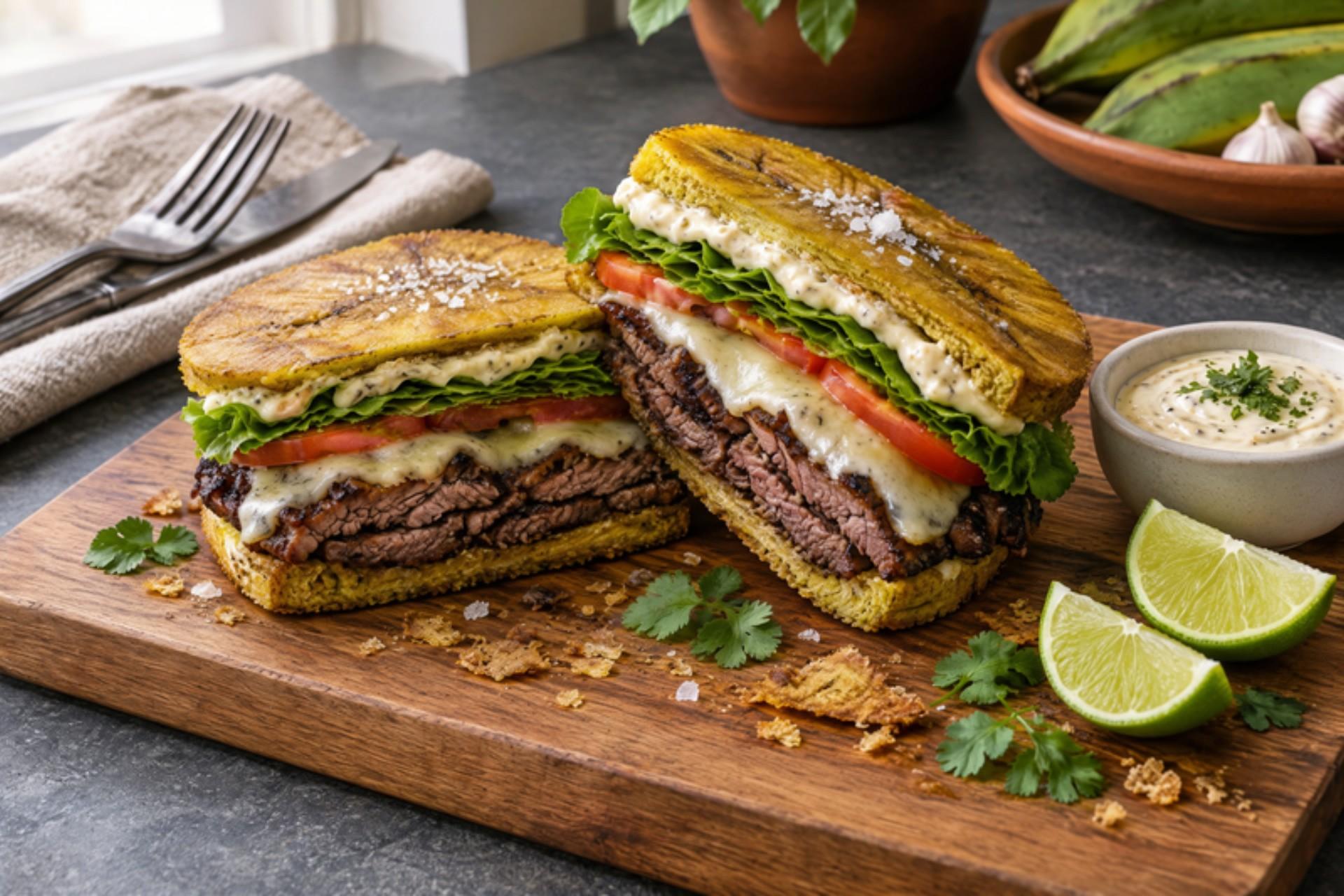
JibaritoPlantain steak sandwich

The jibarito was created in the 1990s at a Puerto Rican restaurant in Chicago's Humboldt Park and is now on menus across the city and back on the island. Instead of bread, two flattened, twice-fried green plantains hold thin garlicky steak, melted cheese, lettuce, tomato and garlic mayonnaise. It contains egg (mayonnaise) and milk. The mistake is using ripe yellow plantains, which are sweet and too soft to hold the filling; you need hard green ones. The plantain is ready when golden and crisp on the outside but still pliable, and the steak needs only a minute a side. Choose a cheese made without animal rennet if you avoid it. Chef's tip: flatten the plantain halves between a folded freezer bag with a heavy pan, so they spread wide and don't stick.

by KrazyBadal 0 views

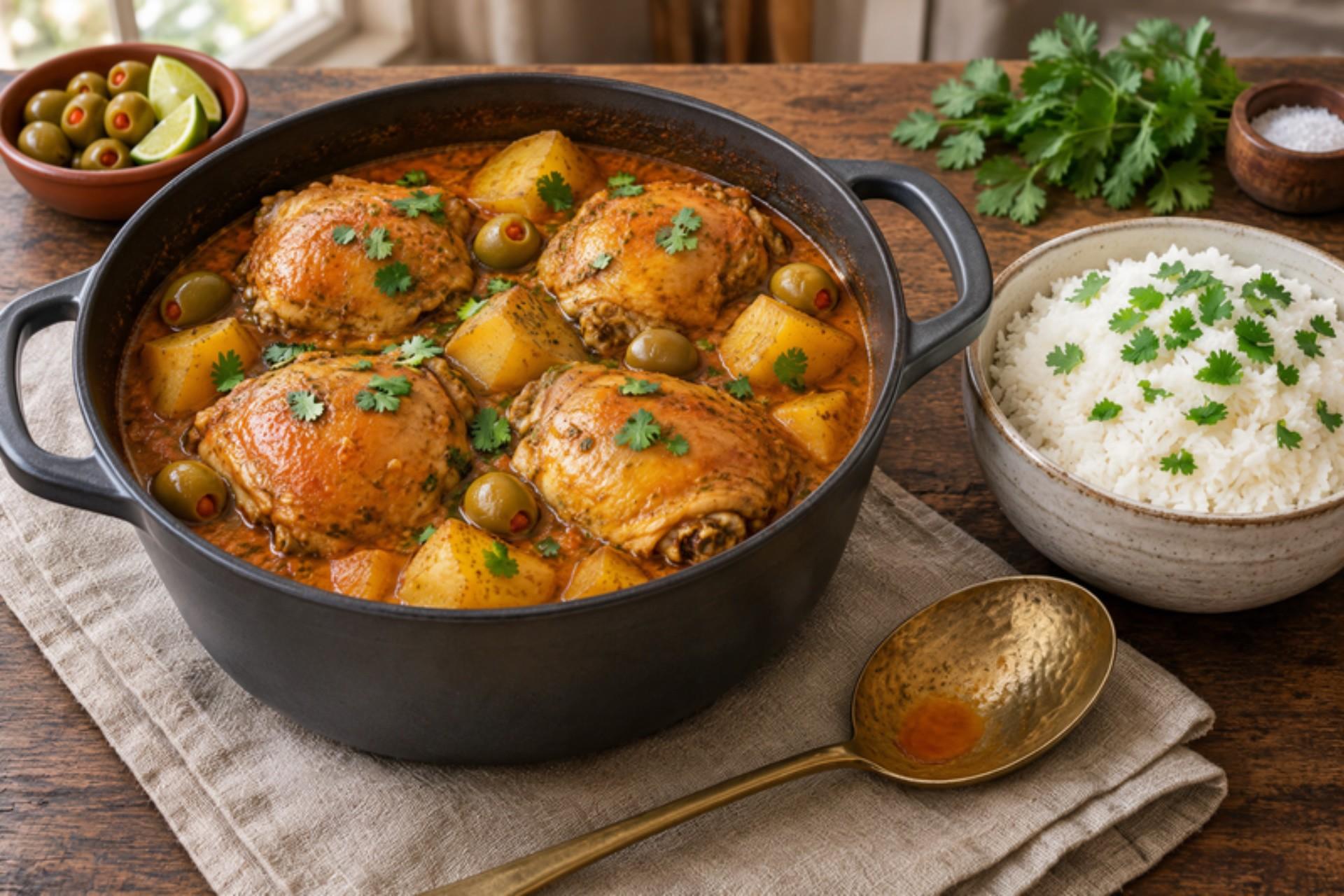
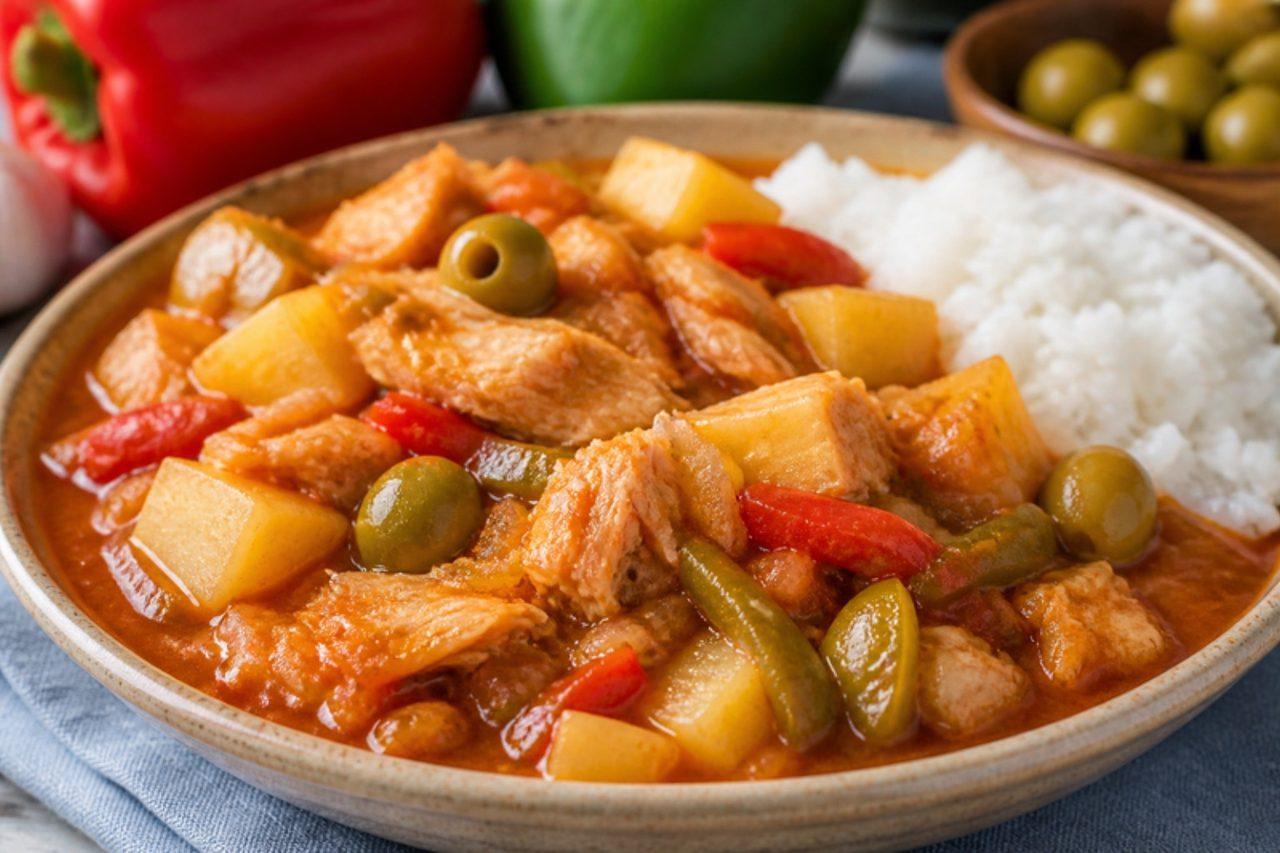
Pollo guisado puertorriqueñoBraised chicken with sofrito

Pollo guisado is everyday comfort in Puerto Rican homes, the weeknight pot from Mayagüez to Orlando that turns a few chicken thighs into a rich, saucy stew for rice and beans. The chicken is seasoned with adobo-style garlic and oregano, browned, then braised in sofrito and tomato with potatoes, peppers and olives until the sauce is thick and orange from achiote. The common mistake is using skinless breast, which dries out and turns stringy in a long braise; bone-in thighs and drumsticks stay juicy. It is done when the thickest piece reaches 74 °C and the meat starts to pull away from the bone. Chef's tip: leave the browned skin on for flavour and spoon off the extra fat before serving.

by KrazyBadal 0 views

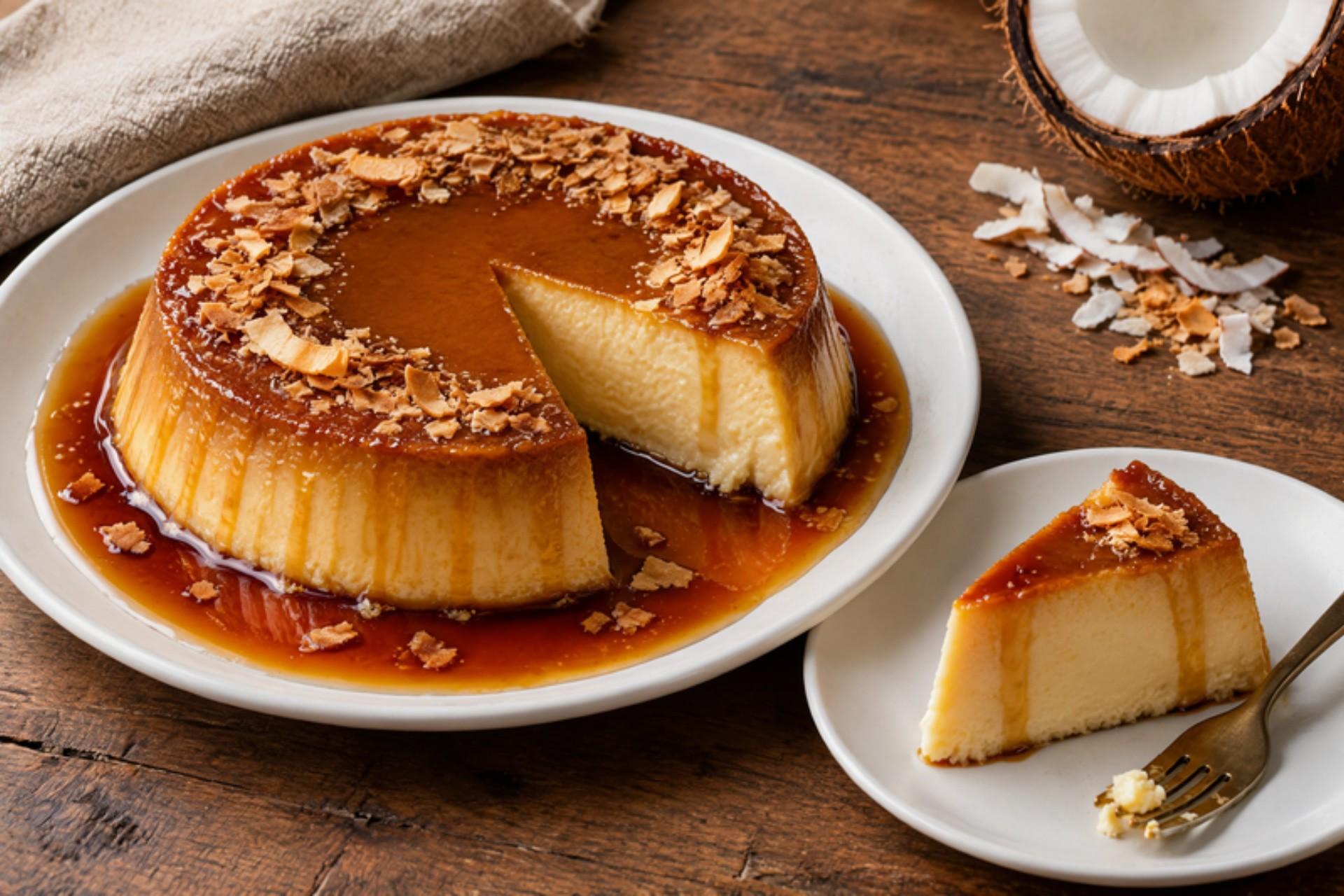
Flan de cocoCoconut caramel custard

In Puerto Rico flan de coco is the dessert of Nochebuena, Three Kings' Day and every family birthday from San Juan to Ponce, usually sharing the table with tembleque and arroz con dulce. Eggs, coconut milk, condensed and evaporated milk and grated coconut are baked over a dark caramel in a water bath, then turned out so the caramel runs down the sides and the coconut settles into a chewy top layer. It contains milk and egg. The usual mistake is a hot oven without a water bath, which leaves the flan full of holes and weeping; bake it low and slow in hot water. It is done when the edges are set and the centre wobbles like jelly when nudged. Chef's tip: chill it overnight before turning it out; a warm flan cracks and sticks.

by KrazyBadal 0 views

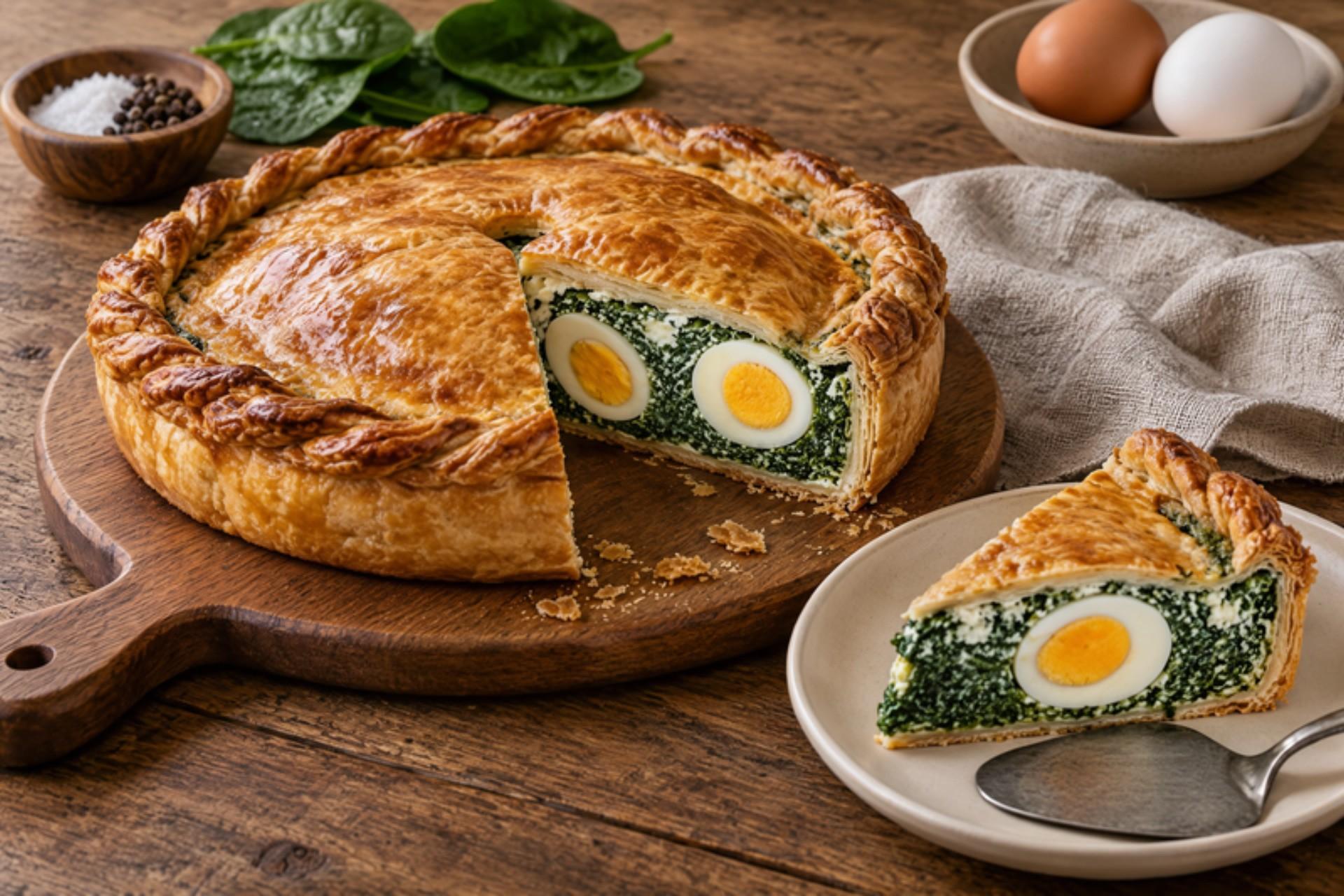
Tarta pascualinaSpinach and egg pie

Tarta pascualina came to Buenos Aires and Montevideo with Ligurian immigrants, and it is still baked for Easter (Pascua, hence the name), though most porteños now buy or make it any weekday for a light supper with a tomato salad. A crisp, olive-oil crust holds chard or spinach bound with ricotta and cheese, with whole eggs baked into hollows so every slice shows a ring of yolk. The usual mistake is not squeezing the greens: the filling floods and the base goes soggy. Wring them in a clean tea towel until no more water drips. Hard cheeses such as Parmesan are usually made with animal rennet; use a vegetarian hard cheese if you prefer. Chef's tip: bake the tart on the lowest shelf on a hot baking sheet so the bottom crust browns as well as the top.

by KrazyBadal 0 views

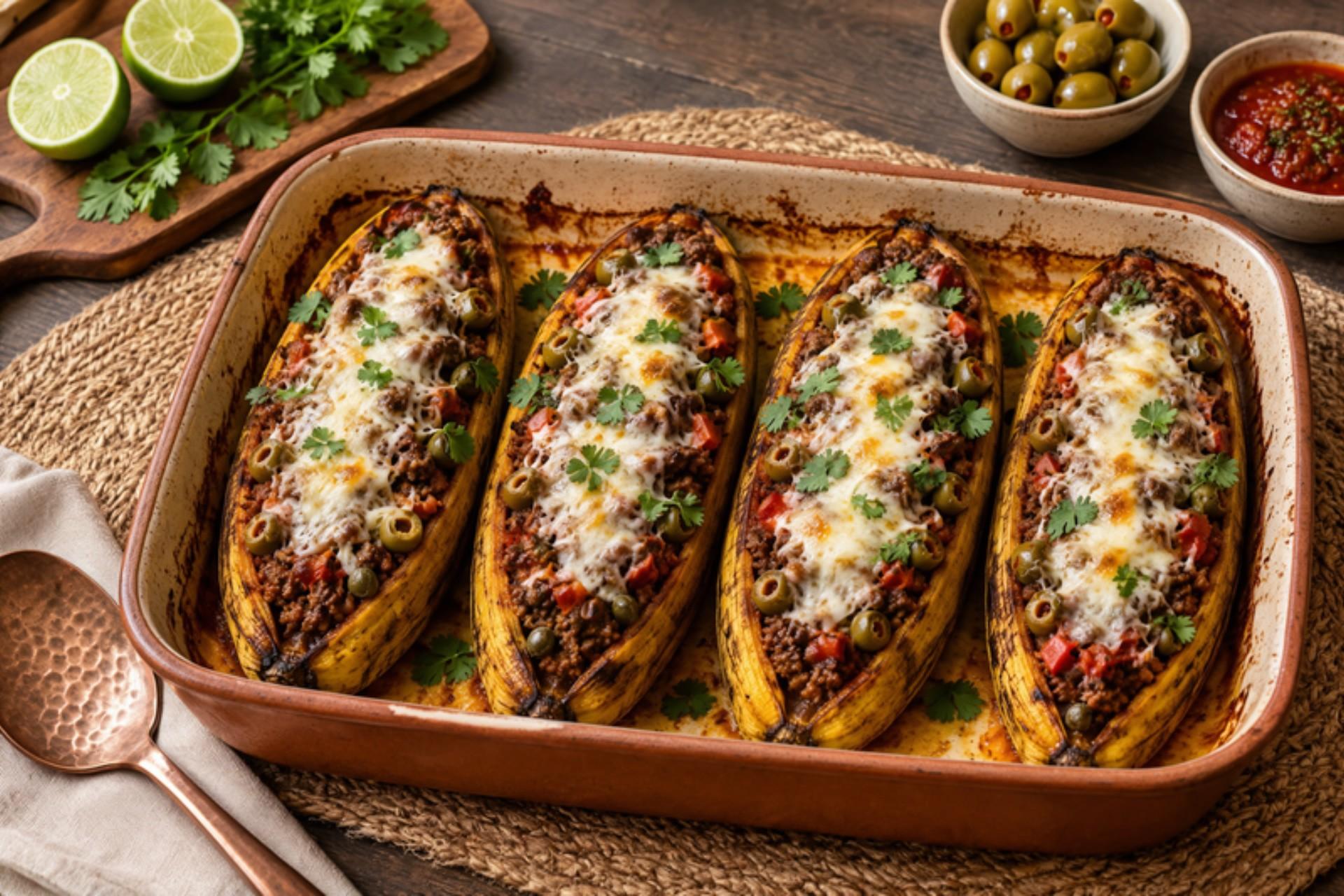
CanoasPlantain boats with beef

Canoas, or canoas de plátano maduro, are a Puerto Rican family dinner and party dish from Arecibo to Caguas: whole ripe plantains are baked until soft, slit along the top like a canoe and stuffed with savoury picadillo, then topped with cheese and baked again. Sweet plantain and salty, olive-studded beef is the whole point. The common mistake is using plantains that are too green, which never turn sweet or soft; choose them yellow with plenty of black. The beef must reach 71 °C, and the canoas are ready when the cheese bubbles. Use a cheese made without animal rennet if you avoid it. Chef's tip: brush the plantain skins with oil before the first bake, so they stay supple and don't split.

by KrazyBadal 0 views

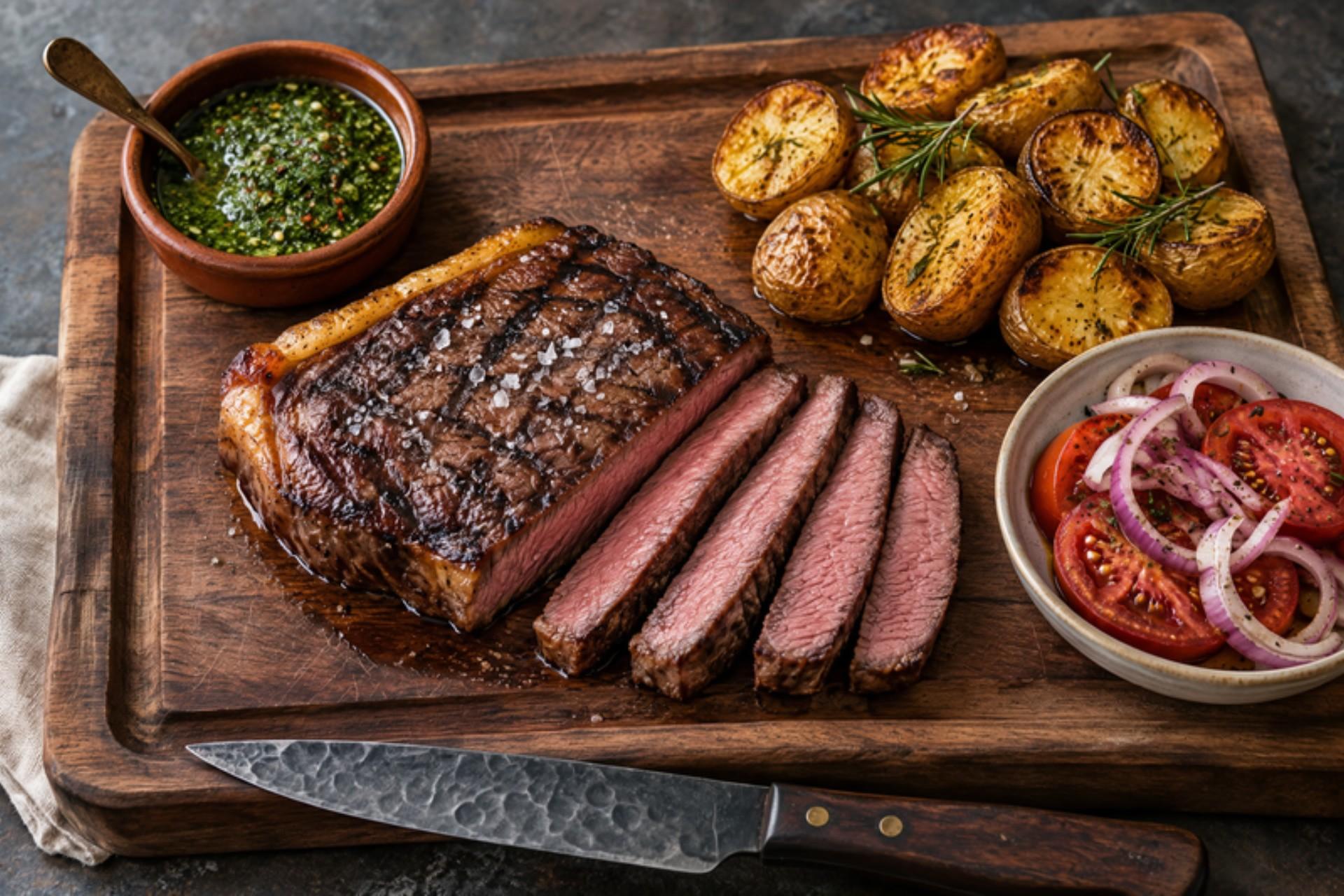
Bife de chorizoGrilled sirloin steak with chimichurri

Bife de chorizo, despite the name, has nothing to do with sausage: it is the thick sirloin (strip loin) steak that every parrilla in Buenos Aires grills, from the steakhouses of Palermo to the roadside grills of the pampas, and it is the Saturday-night order for anyone who wants beef and nothing else. It is cut at least 3 cm thick, seasoned only with coarse salt and grilled over hot embers, then served with chimichurri and a simple tomato and onion salad. The common mistake is cooking it straight from the fridge and turning it constantly; it greys outside and stays raw in the middle. Bring it to room temperature for 30 minutes and turn it only once. Chef's tip: salt the steak with coarse salt only just before it goes on the grill, and cut into it only after a 5-minute rest.

by KrazyBadal 0 views

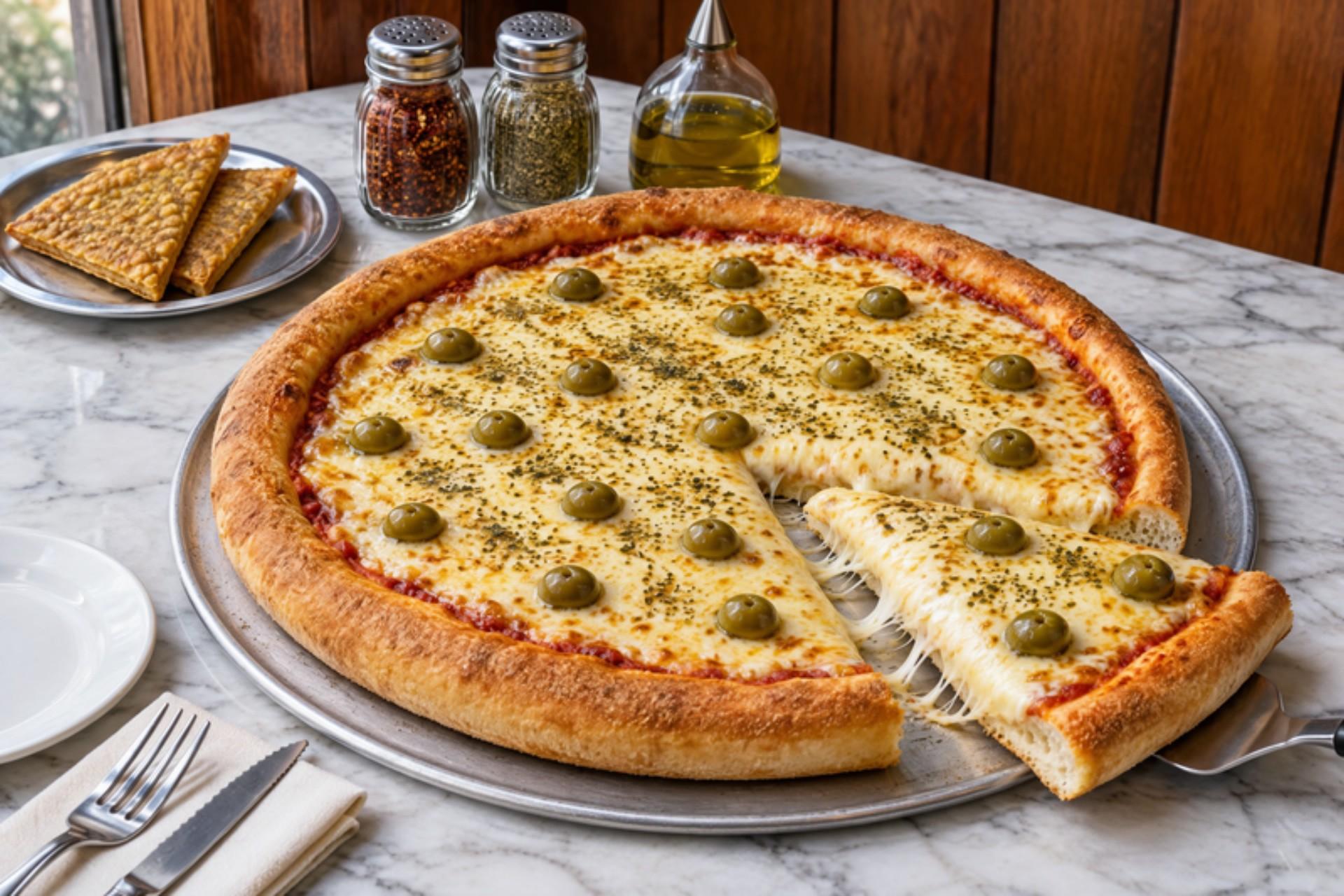
Pizza de muzzarellaThick-crust mozzarella pizza

The pizza de muzzarella, or simply muzza, is the pride of Buenos Aires' old pizzerías along Avenida Corrientes, eaten standing at the counter after the theatre, often with a slice of fainá on top. Unlike a Neapolitan pizza it has a thick, soft, bready base baked in a round metal pan, a thin smear of oregano tomato sauce and a deep layer of mozzarella that bubbles and browns, finished with green olives. The common mistake is using fresh mozzarella balls: they release water and the pizza swims. Use firm, low-moisture mozzarella grated or sliced thick. Many mozzarellas use animal rennet; choose a vegetarian one if you prefer. Chef's tip: give the dough a second rise in the oiled pan, so the base bakes airy inside and fried-crisp underneath.

by KrazyBadal 0 views

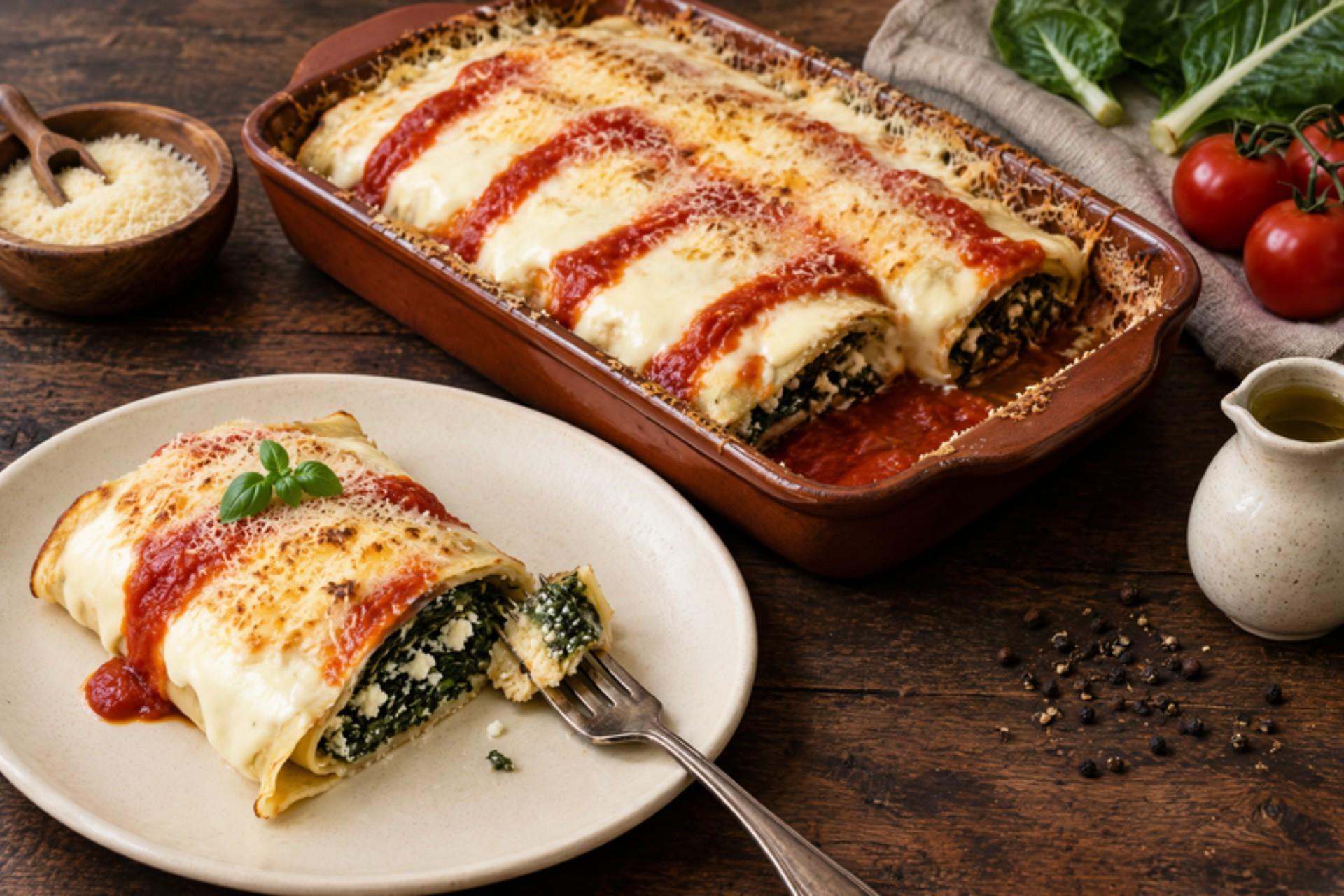
Canelones de verduraSpinach and ricotta crêpe cannelloni

In Argentina, Sunday lunch at the nonna's house in Rosario or Buenos Aires often means canelones, a legacy of Italian immigrants made the Río de la Plata way: thin crêpes instead of pasta tubes, rolled around chard and ricotta, then baked under tomato sauce and béchamel. They are often served on the 29th of the month or for Christmas too. The common mistake is thick crêpes: they turn stodgy. The batter should be as thin as single cream and the pancakes almost see-through. Hard cheeses are usually made with animal rennet; use a vegetarian hard cheese if you prefer. Chef's tip: roll the canelones and chill them for an hour before saucing; they hold their shape better in the oven.

by KrazyBadal 0 views

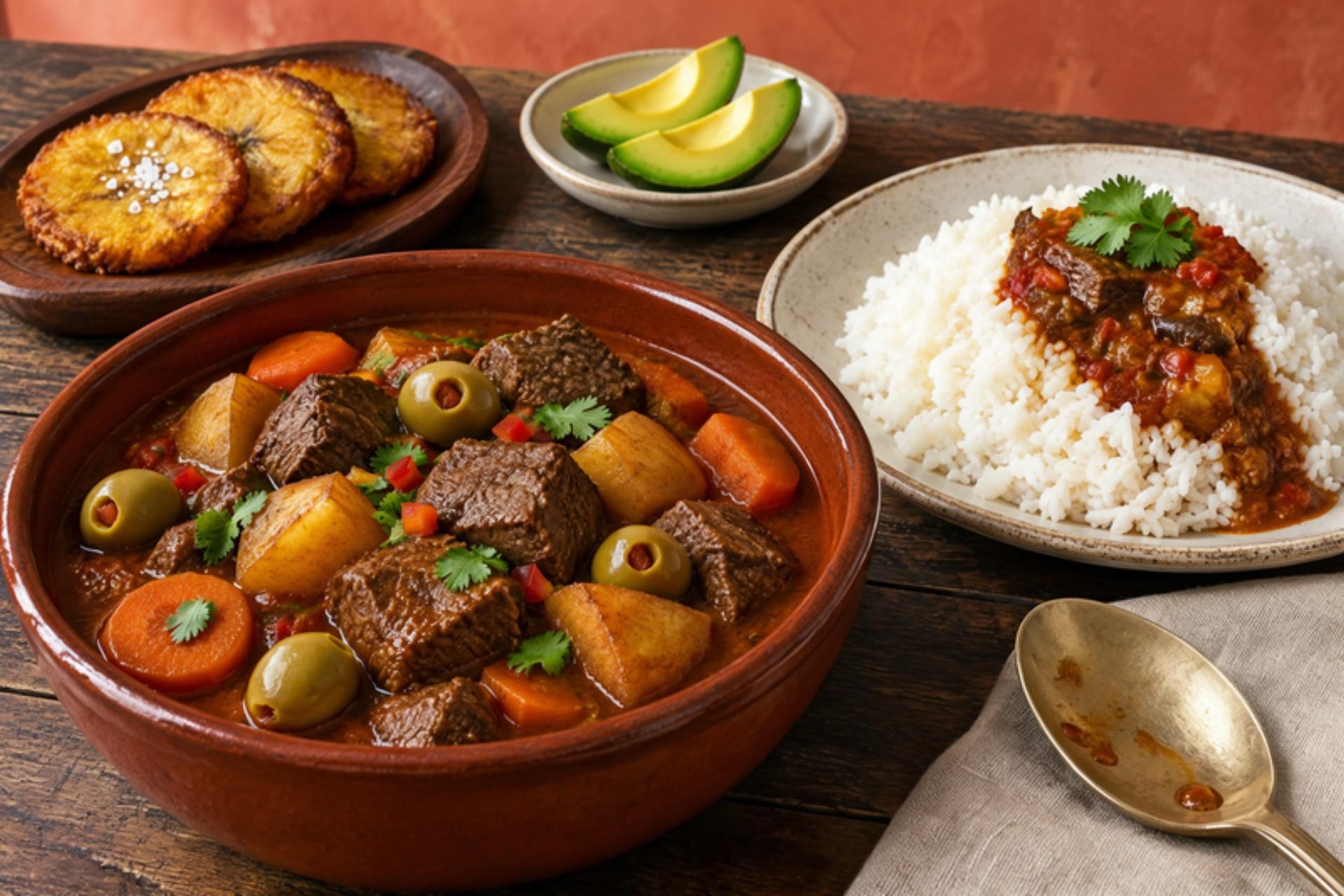
Carne guisada puertorriqueñaBeef stew with sofrito

Carne guisada is the Puerto Rican stew that simmers on Sunday stoves from Bayamón to the Bronx, served over white rice with habichuelas and a few tostones. Chunks of beef are browned, then braised in sofrito, tomato sauce and a little achiote with potatoes, carrots and briny alcaparrado until the meat falls apart and the sauce turns thick and glossy. The usual mistake is crowding the pan when browning, which steams the beef grey and loses the deep flavour; brown it in batches. It is done when a piece of beef breaks apart easily with a spoon. Chef's tip: make your own sofrito by blending onion, green pepper, garlic, culantro and coriander; a big batch freezes in ice-cube trays for months.

by KrazyBadal 0 views

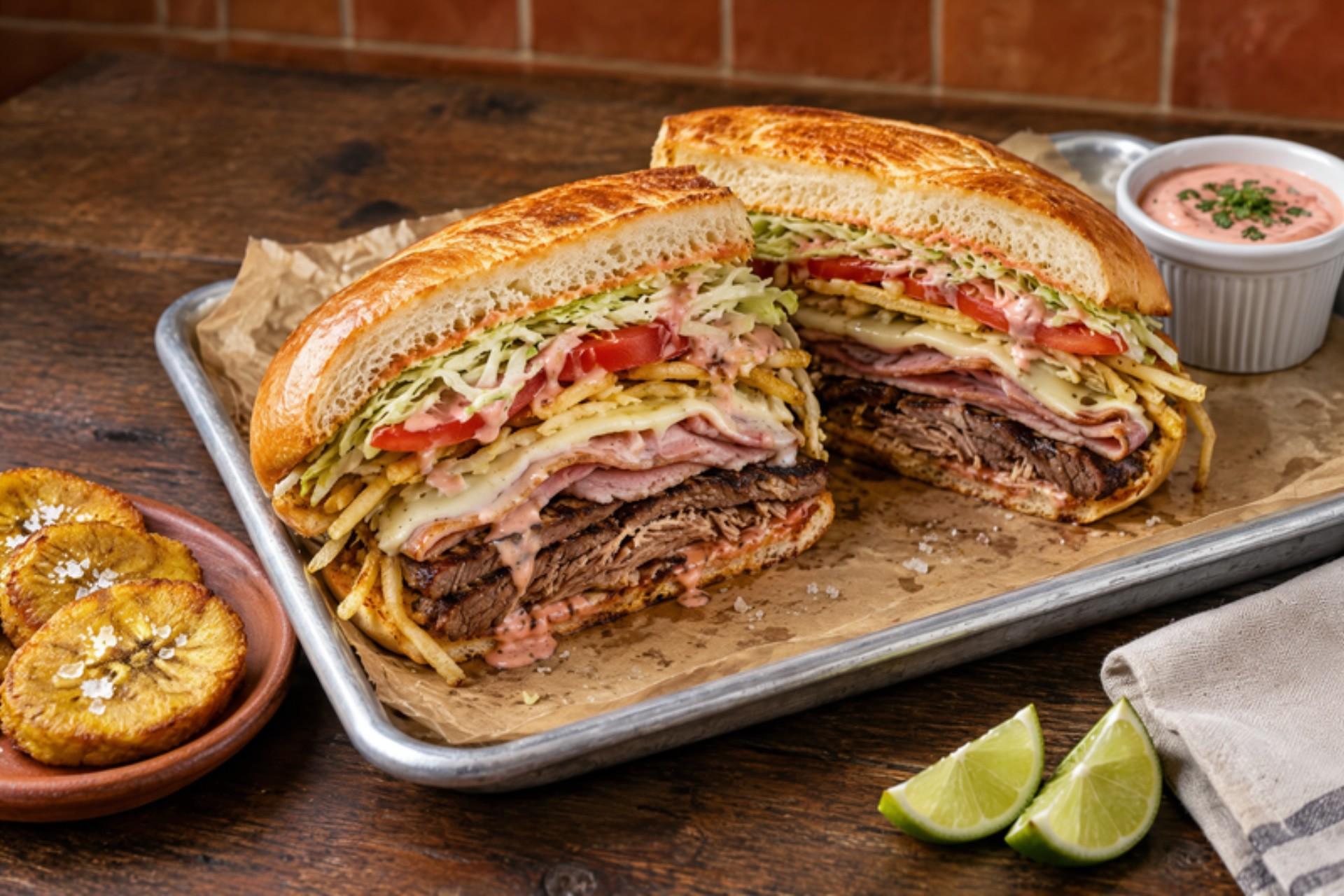
TripletaThree-meat sandwich

The tripleta is the late-night star of Puerto Rico's food trucks and roadside chinchorros, especially around Piñones and the San Juan nightlife. A soft, long pan sobao roll is stuffed with three meats: thin marinated beef steak, chicken and ham, with melted cheese, shredded cabbage, tomato, crunchy potato sticks and a ketchup-mayo pink sauce. This version contains pork (ham). It contains wheat, milk and egg. The usual mistake is piling cold meats in, which leaves the sandwich lukewarm and the cheese unmelted; griddle the meats and ham hot and close the roll on the griddle. The chicken is done at 74 °C. Chef's tip: press the closed sandwich on the griddle under a heavy pan for a minute, so the outside crisps and everything melds.

by KrazyBadal 0 views

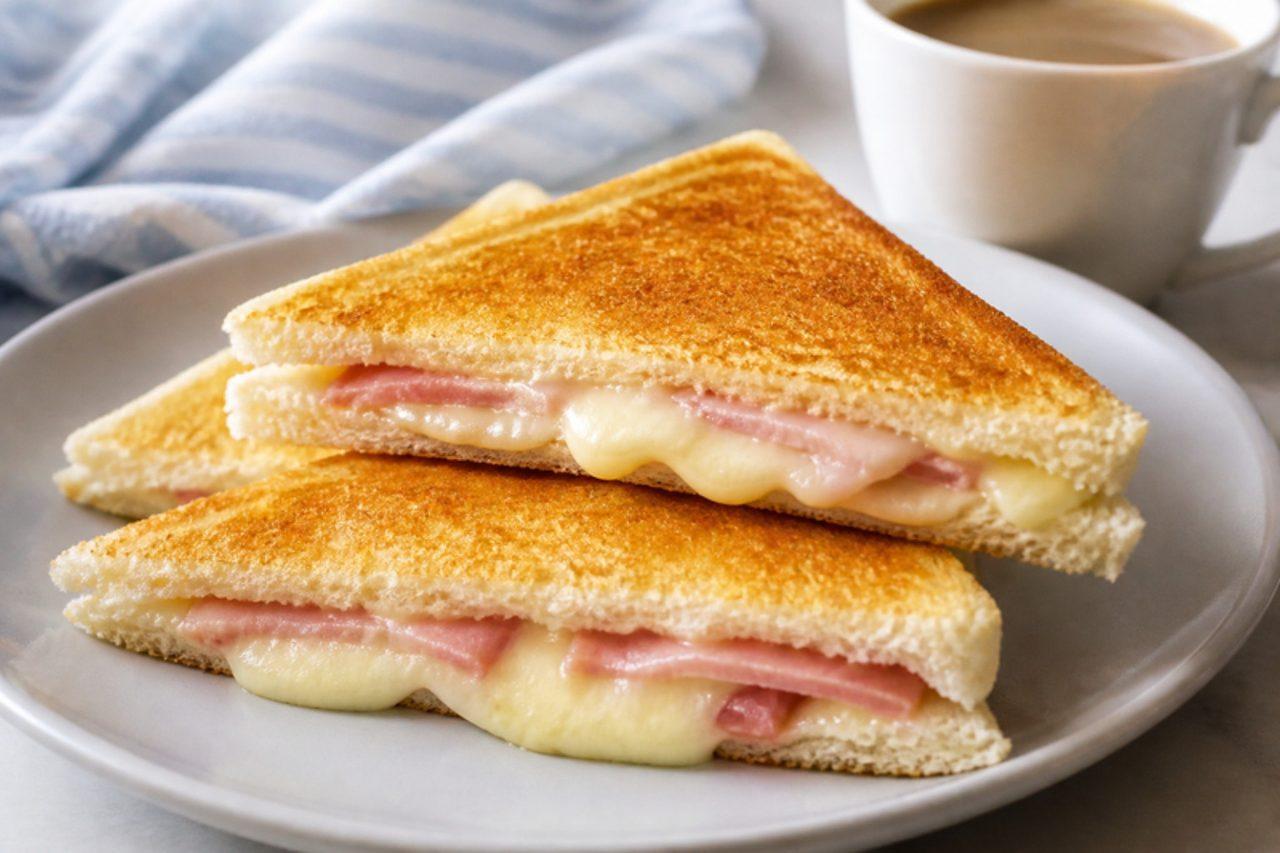
Tostado de jamón y quesoPressed ham and cheese sandwich

The tostado is what Buenos Aires orders in a café at merienda or as a light late dinner, and what Uruguayan kids get made at home: thin crustless pan de miga layered with cooked pork ham and mild cheese, buttered outside and pressed until crisp and oozing. The common mistake is too much filling; this sandwich is meant to be thin, so the cheese melts before the bread burns. Chef's tip: if you have no sandwich press, weigh it down in the pan with a second heavy pan so it toasts flat and even.

by KrazyBadal 0 views

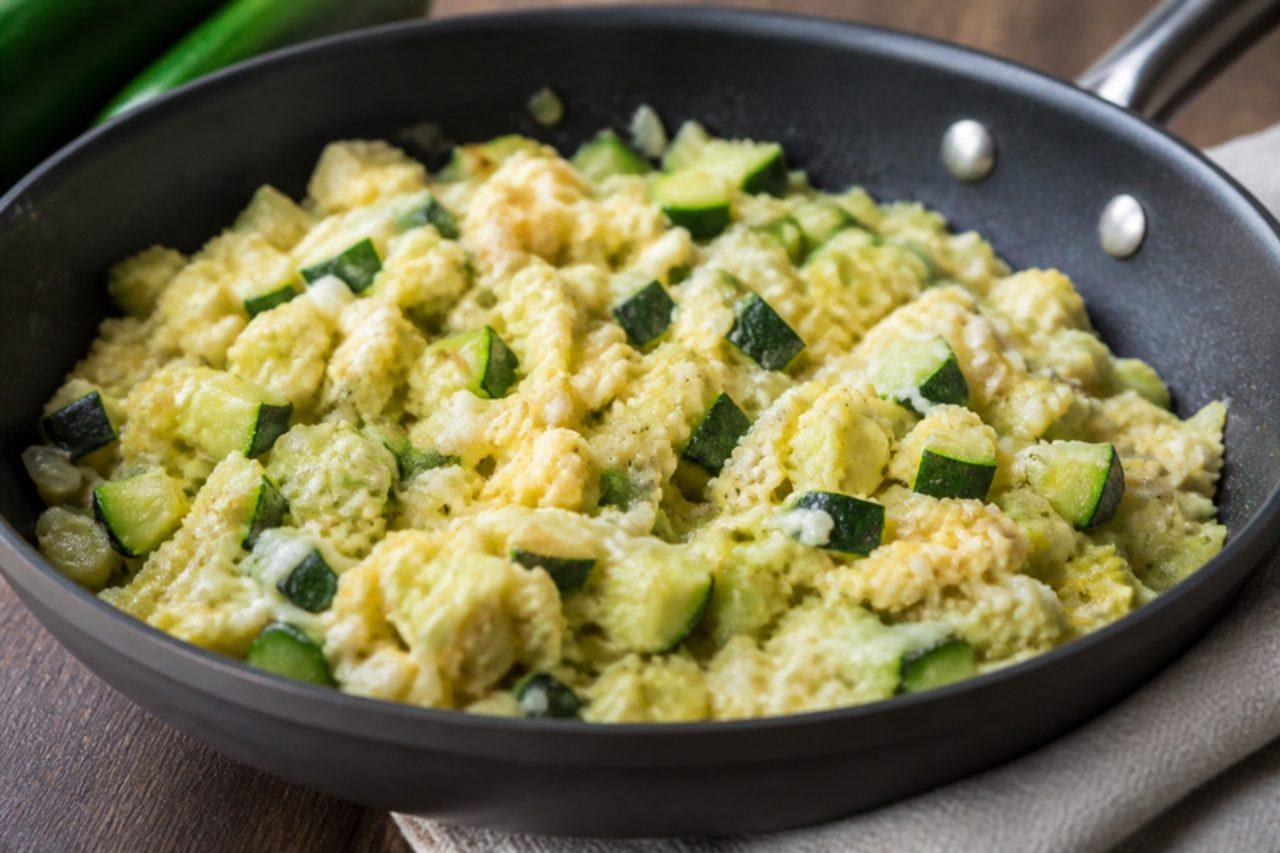
Revuelto de zapallitosCourgettes scrambled with egg and cheese

Revuelto de zapallitos is a weeknight dinner in Buenos Aires homes and all over Argentina in summer, when the little round courgettes called zapallitos are cheap: diced courgette and onion cooked down in oil, scrambled with eggs and finished with grated cheese. It is eaten with bread or as a side to a salad. Grated hard cheese like reggianito or Parmesan is usually made with animal rennet, so use a vegetarian hard cheese for a vegetarian dinner. The common mistake is adding the eggs before the courgettes have given up their water, which turns the scramble wet and grey. Chef's tip: salt the courgettes as they go in, so they release their juice early and it cooks away.

by KrazyBadal 0 views

KaguyjyWhite corn pudding

On the night of 23–24 June, Paraguayans celebrate San Juan with bonfires, games like walking over hot coals and the 'paso de fuego', and a table of traditional foods, and kaguyjy (also mazamorra) is one of them. It is a soft, creamy pudding of cracked white corn (locro) simmered slowly in water and then milk with sugar or honey, sometimes with orange peel. It is eaten warm or cold. It is gluten free. Chef's tip: soak the corn overnight and cook it until each kernel is tender before adding the milk, or it never turns creamy.

by KrazyBadal 0 views

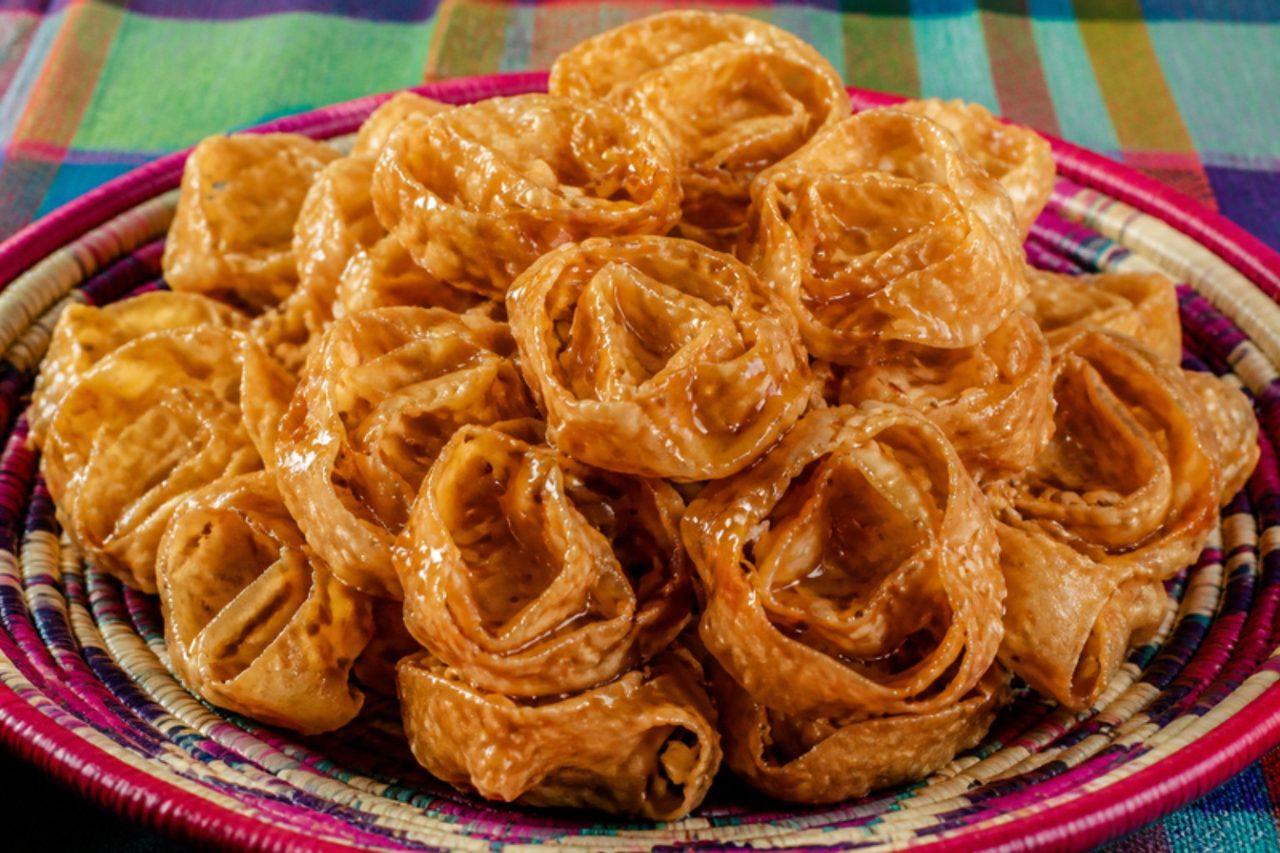
DubulanHoney-drizzled dough spirals

Dubulan are crisp spirals of thin fried dough from northern Nigeria, piled onto trays for Eid al-Fitr, known locally as Sallah, and for weddings among Hausa and Kanuri families. Each ribbon of rolled-out egg dough is wound loosely around a fork as it fries, so it sets into a light, crackly rosette, then honey or syrup is trickled over the top. They keep well in a tin for visitors through the festival days. Chef's tip: roll the dough so thin you can almost see through it; thick ribbons stay hard instead of shattering.

by KrazyBadal 0 views

Chipa so'oCheese bread with spiced beef

In Paraguay, families bake chipa in the clay tatakua ovens on Holy Wednesday so there is food for Thursday and Good Friday, when cooking stops. Chipa so'o ('chipa with meat') is a cassava-starch and cheese bread wrapped around a little filling of minced beef cooked with onion and egg, then baked until crisp outside and chewy within. It is naturally gluten free. Chef's tip: knead the dough until it no longer cracks at the edges when pressed; dry dough splits around the filling.

by KrazyBadal 0 views

KalanehWild leek stuffed flatbread

In Kurdistan and Kermanshah, Newroz arrives with the first spring greens on the hillsides, and families gather wild leeks to fold into kalaneh, thin griddle breads cooked over a fire or a hot pan and soaked in melted butter. The dough is plain and soft, rolled very thin around a pile of chopped leek or chives with a little salt and pepper, so the greens steam inside as the bread blisters. Eat it hot, torn into strips, with yogurt and tea at a Newroz picnic. The common mistake is wet greens, which turn the dough soggy and make it tear; dry them well after washing. Chef's tip: brush the butter on the moment the bread leaves the pan so it soaks right in.

by KrazyBadal 0 views

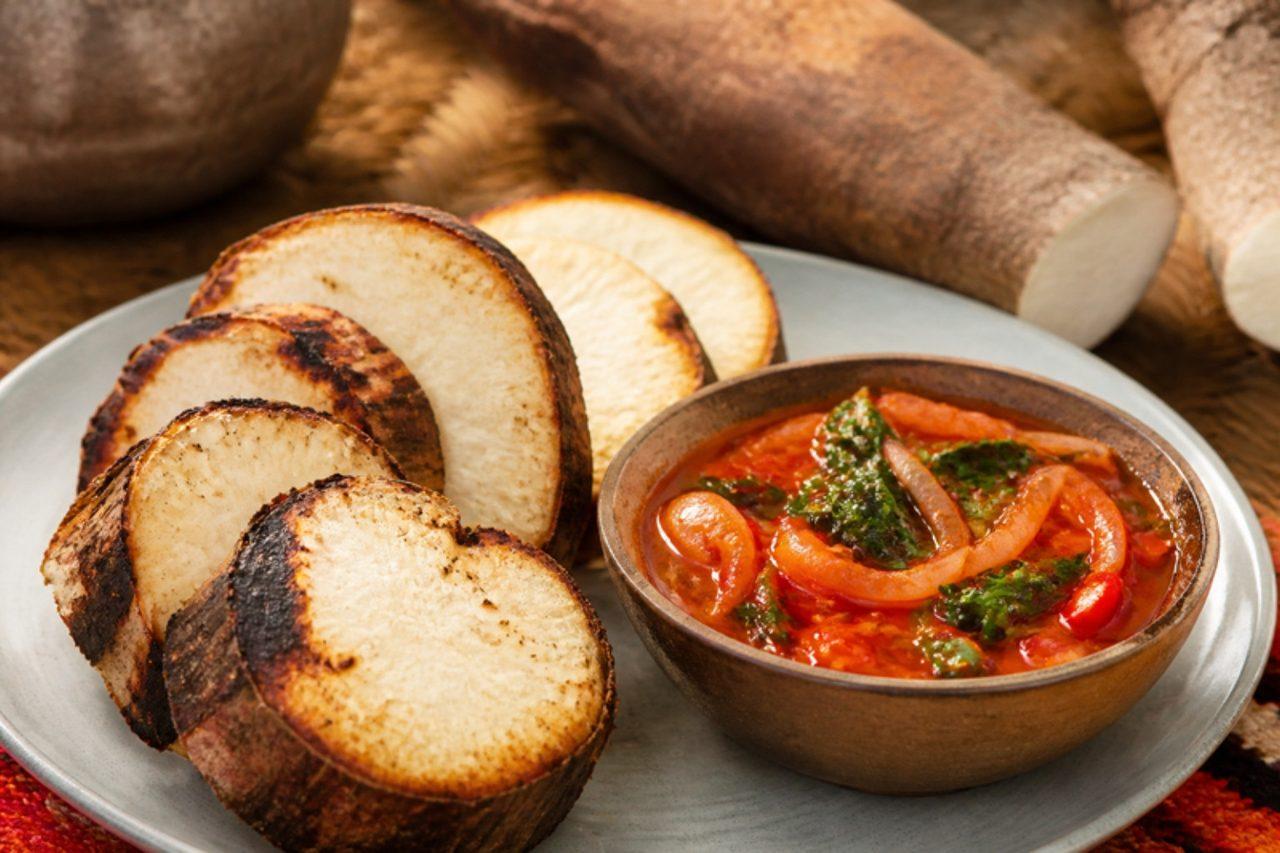
Roasted new yam with palm-oil sauce

At Iri Ji, the New Yam festival held across Igboland in August, the first yams of the harvest are offered with thanks, and the chief or eldest man eats the first piece before anyone else may taste the new crop. Often that first yam is simply roasted in the embers until the skin is charred, then dipped into a sauce of red palm oil, raw onion, ground pepper and bitter utazi leaf. The inside is fluffy and sweet, the sauce rich and fiery. Chef's tip: use real West African yam, not sweet potato; it roasts dry and floury and soaks up the oil.

by KrazyBadal 0 views

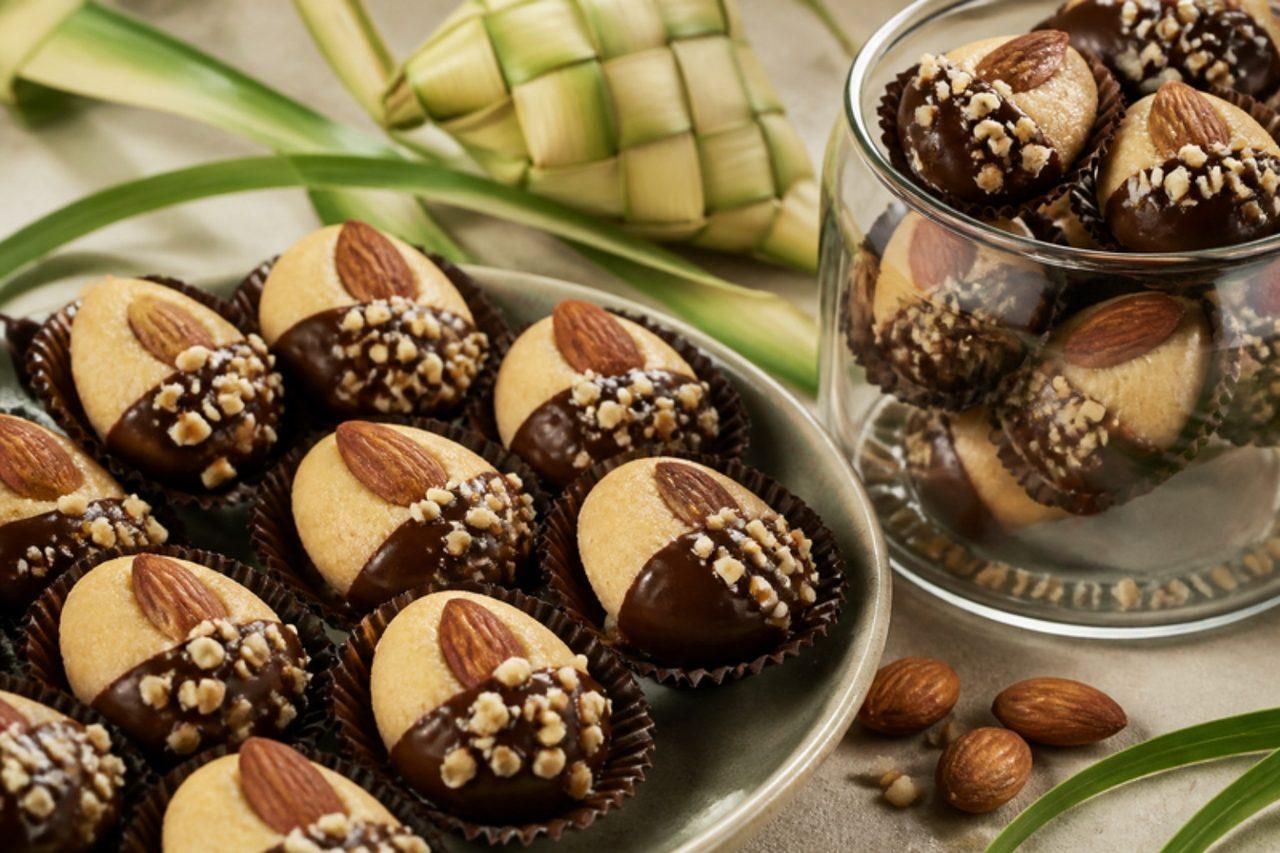
Almond LondonChocolate-dipped almond cookies

Almond London is a Hari Raya favourite in Singapore and Malaysia, a whole roasted almond hidden in buttery cookie dough, baked, dipped in chocolate and rolled in chopped nuts. Nobody is sure where the name came from, but every Malay household fills a jar of them for Raya visits, and children hunt for the almond inside. They are crunchy, rich and not too sweet. Chef's tip: let the cookies cool completely before dipping, or the chocolate slides off and turns streaky.

by KrazyBadal 0 views

OsterpinzeEaster anise brioche

Osterpinze is the Easter bread of Styria, Carinthia and the area around Trieste, a soft, golden brioche dome with three deep cuts on top for the Holy Trinity, so that it opens into a crown as it bakes. The dough is rich with egg yolks and butter and flavoured with anise and lemon; old recipes add a splash of white wine, left out here. It is blessed in the Easter basket on Holy Saturday and eaten on Easter morning with ham, horseradish and eggs, or with butter and jam. Chef's tip: make the three cuts with scissors just before baking, deep enough to reach halfway down, so the crown opens wide.

by KrazyBadal 0 views

Bacalao guisadoStewed salt cod

In Puerto Rico, bacalao guisado is the dish of Lent and above all Good Friday, when meat is not eaten. Soaked salt cod is stewed with sofrito, tomato sauce, potatoes, olives, capers and peppers until thick and fragrant, and served with white rice, boiled root vegetables (viandas) or avocado. It is homely, salty-sweet and very comforting. Chef's tip: soak the cod in the fridge for a day and a half and taste it before seasoning; most of the salt in the stew comes from the fish.

by KrazyBadal 0 views

AlewaPulled sugar sweets

Alewa is the chewy pulled sugar sweet of Hausa northern Nigeria, cooked from just sugar, water and a squeeze of lime, then stretched by hand until it turns pale and satiny. Pocketfuls are given to children on Sallah, the Eid al-Fitr holiday, as they go from house to house in new clothes. The taste is clean caramel with a little sharpness from the lime. An adult should do the hot pulling. Chef's tip: oil your hands and the worktop well and pull while the sugar is still hot enough to bend; once it cools it sets hard and won't stretch.

by KrazyBadal 0 views

FunkasoFermented wheat pancakes

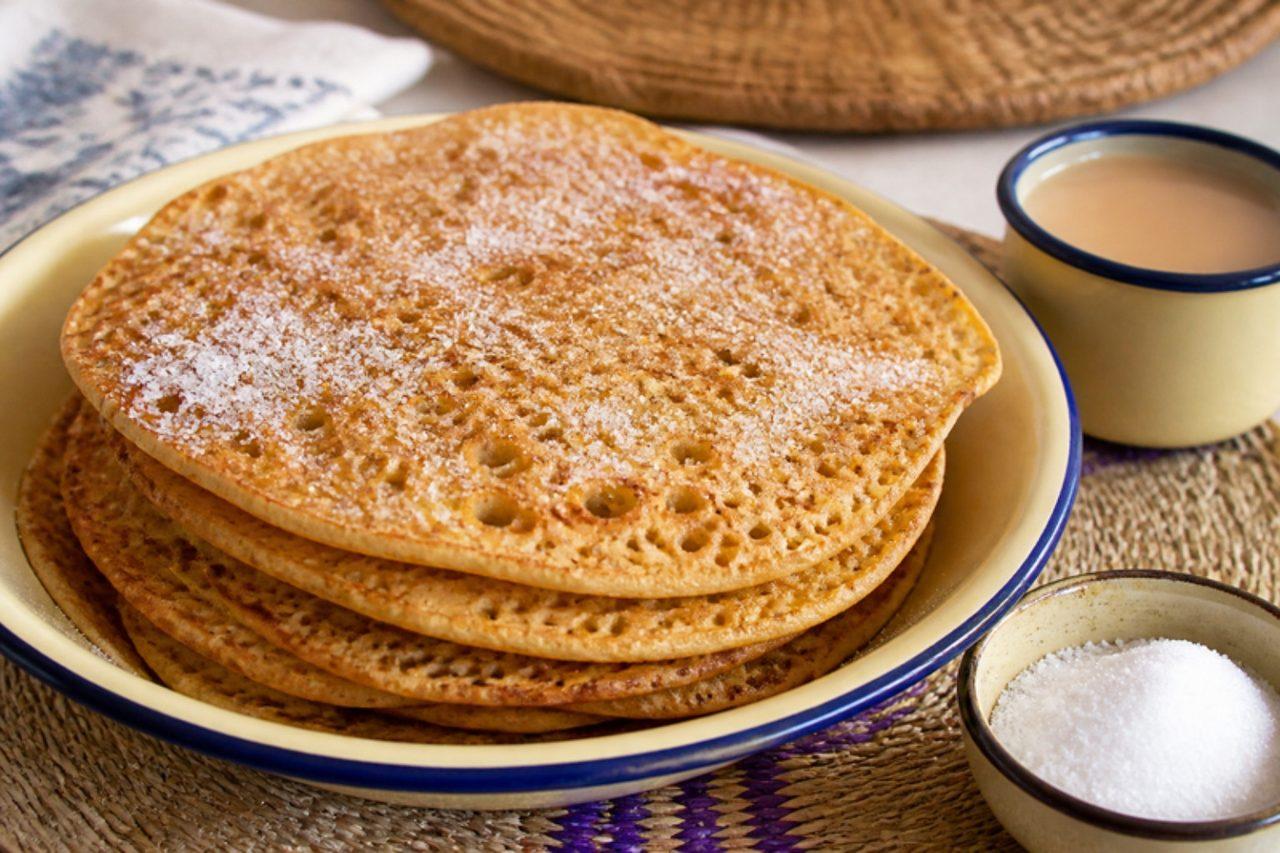
Funkaso is a Hausa pancake from northern Nigeria, made from a wheat batter left to ferment until bubbly and fried into soft, spongy rounds with crisp edges. Families cook stacks of it for the pre-dawn sahur and the evening meal during Ramadan, and again on Sallah morning for visitors. It is eaten simply, sprinkled with sugar, or dipped in a hot pepper sauce, with hot kunun or tea. Chef's tip: the batter should be as thick as double cream; too runny and the pancakes spread thin and lose their spongy middle.

by KrazyBadal 0 views

Lengua a la vinagretaBeef tongue with vinaigrette

Argentina's Nochebuena is a hot summer night, so the table is full of cold dishes, and lengua a la vinagreta is one of the classics: beef tongue simmered until tender, peeled, sliced and covered with a sharp vinaigrette of parsley, garlic, red pepper, onion and chopped hard-boiled egg. It is made a day ahead and served chilled with vitel toné and Russian salad. Chef's tip: peel the tongue while it is still hot, as the skin comes away easily then and clings once it cools.

by KrazyBadal 0 views

UkodoYam pepper soup with goat

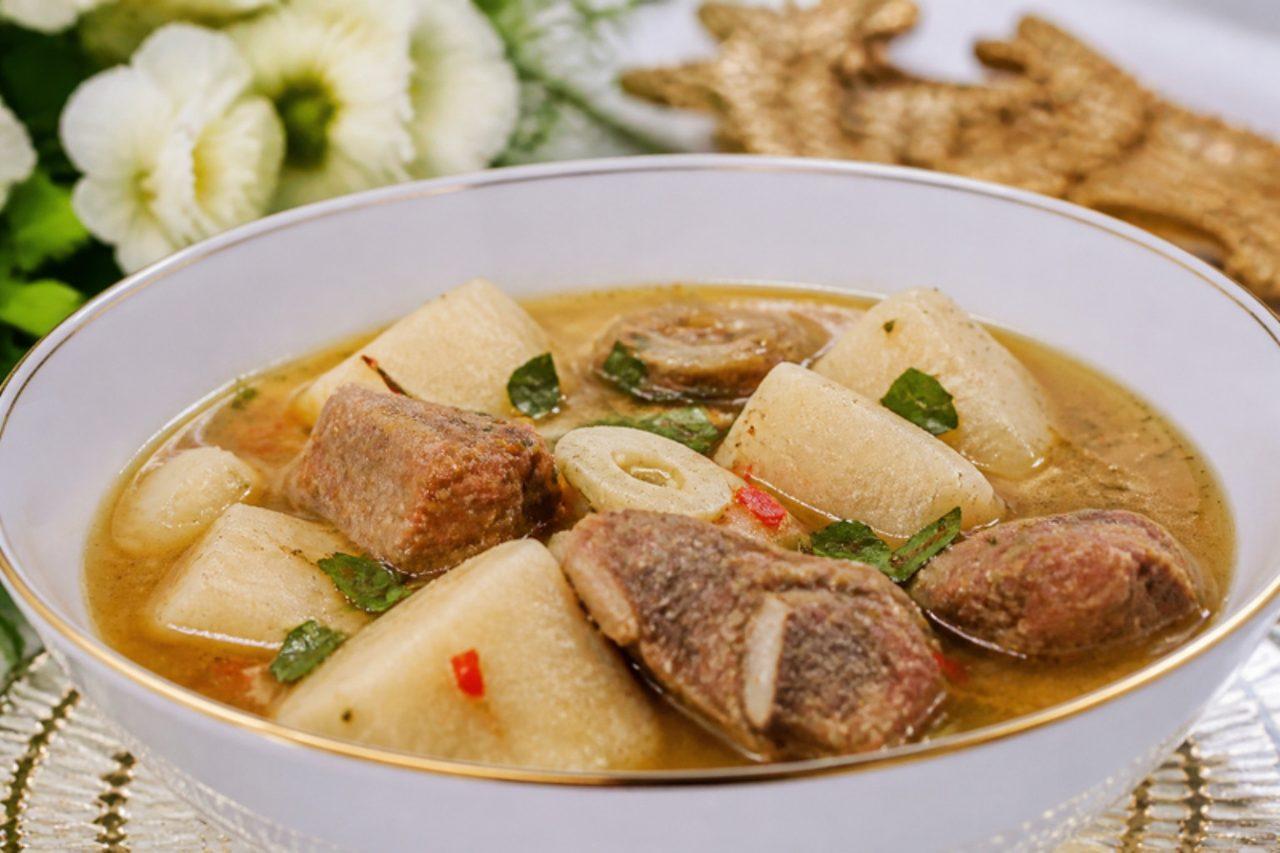
Ukodo is the Urhobo celebration soup of Delta State, served at weddings, at Christmas and on the morning after a big party, when guests are fed bowls of yam swimming in a fiery, fragrant broth. Goat is simmered with lemongrass, scent leaves and pepper soup spice, then chunks of yam cook in the broth and thicken it slightly, with dried fish for depth. It is light, hot and comforting. Chef's tip: add the yam only when the goat is nearly tender, or it collapses into mush before the meat is done.

by KrazyBadal 0 views

Showing 24 of 437 recipes

Show more recipes

Page 1 of 19